Probiotics & Gut Support
Discover the benefits of probiotics and gut support in natural medicine, including featured remedies, safety tips, and FAQs.
Explore the natural remedy category of Probiotics & Gut Support, delving into their importance in promoting digestive health and overall wellness.
Intro Summary
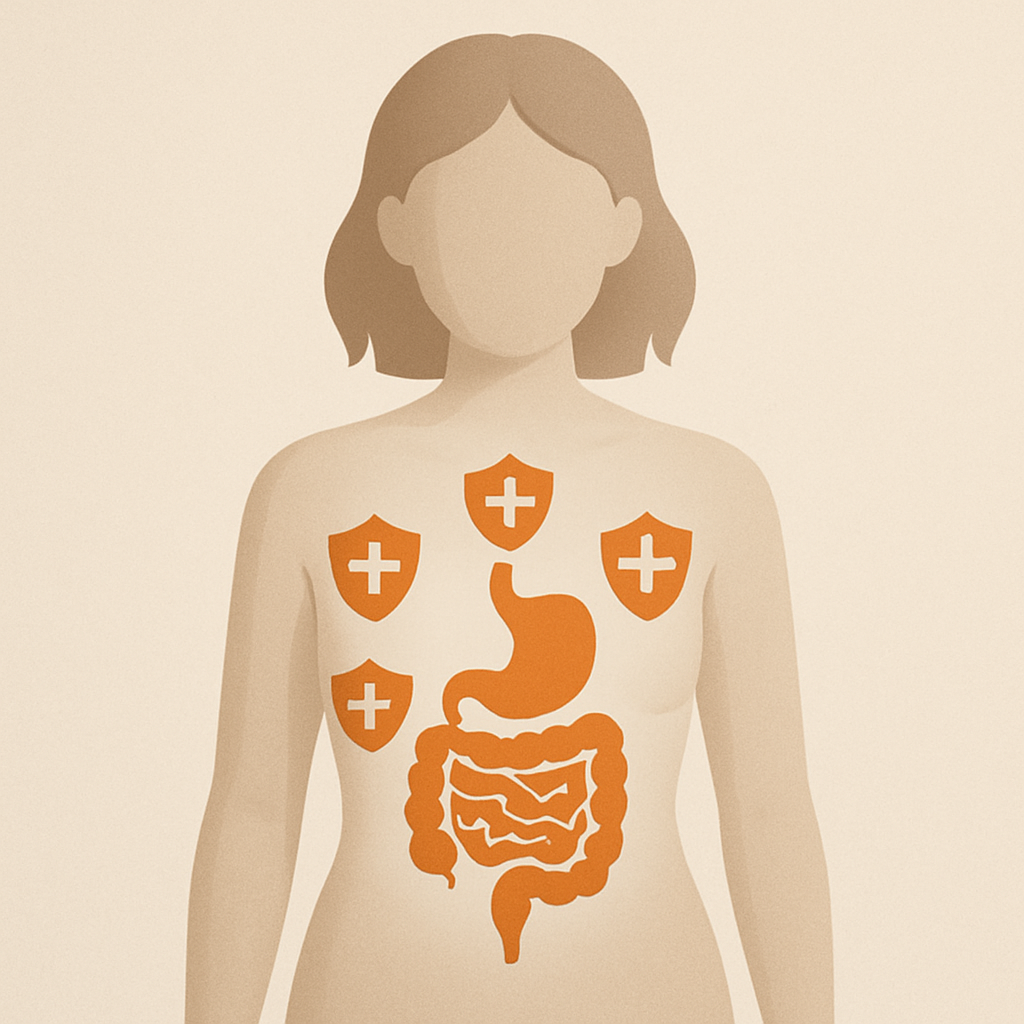
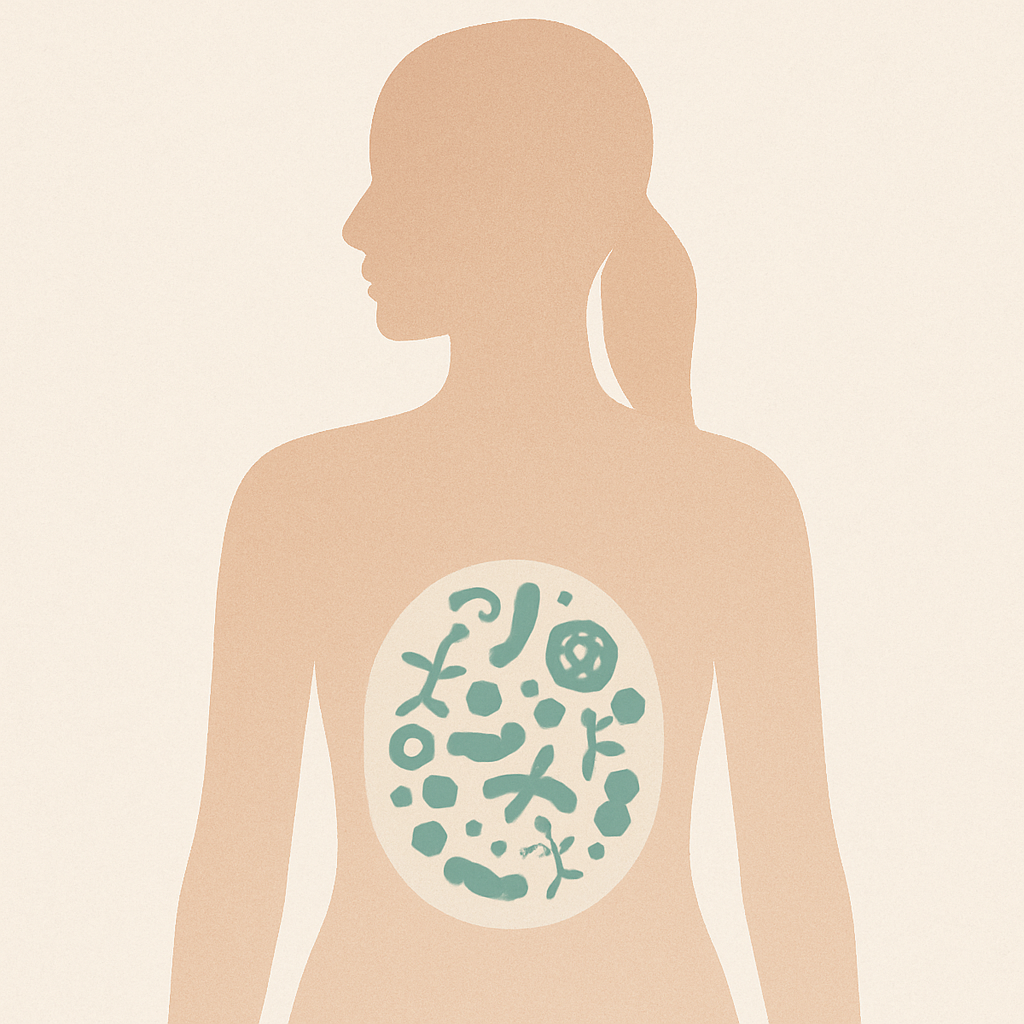
Probiotics and gut support are essential components of natural medicine that focus on enhancing digestive health and overall well-being. They encompass a variety of beneficial microorganisms that contribute to a balanced gut microbiome, which plays a crucial role in digestion, nutrient absorption, and immune function. The significance of gut health has gained recognition in recent years, as research continues to uncover the profound impact of gut flora on physical and mental health.
Natural remedies within this category aim to restore and maintain a healthy gut environment, offering support for various digestive disorders and promoting optimal wellness. This category not only highlights the importance of probiotics but also emphasizes the interconnectedness of gut health with other bodily systems.
The Active Compounds at Play
The efficacy of probiotics and gut support relies on several active compounds that contribute to their health-promoting properties. The main biochemical groups include:
- Bacteria: Probiotics consist of live microorganisms, primarily beneficial bacteria like Lactobacillus and Bifidobacterium, that support gut health.
- Prebiotics: Non-digestible fibers that serve as food for probiotics, helping to stimulate their growth and activity.
- Short-chain fatty acids (SCFAs): Produced during the fermentation of dietary fibers, SCFAs like butyrate provide energy to gut cells and have anti-inflammatory effects.
- Polyphenols: Plant compounds that may enhance the growth of beneficial gut bacteria while inhibiting harmful ones.
Featured Members of This Category
Lactobacillus
Lactobacillus is a genus of bacteria commonly found in yogurt and fermented foods. Known for its ability to convert lactose into lactic acid, it plays a vital role in maintaining a healthy gut microbiome and improving digestion.
Bifidobacterium
Bifidobacterium is another important group of beneficial bacteria, often present in the intestines. It aids in breaking down dietary fiber and supports immune function, making it essential for gut health.
Prebiotic Fiber
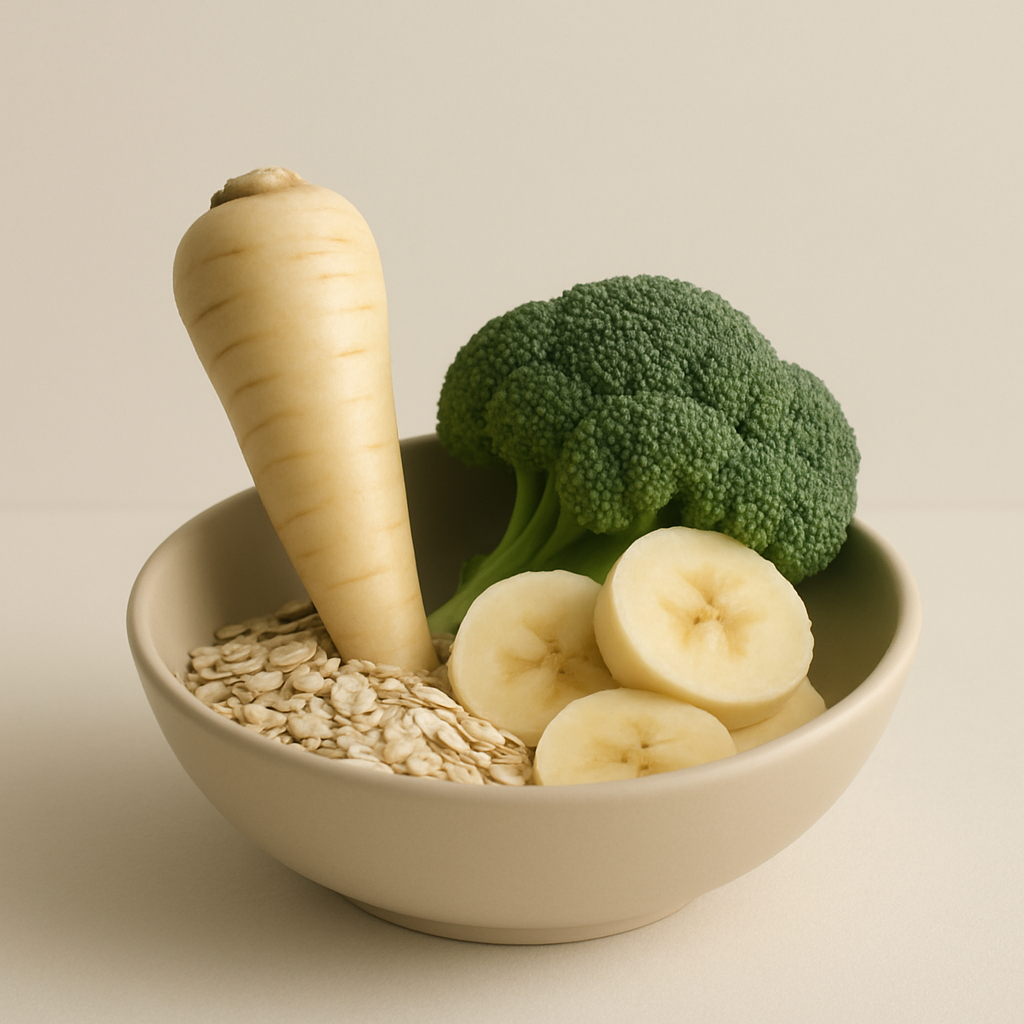
Prebiotic fibers, such as inulin and fructooligosaccharides, nourish beneficial gut bacteria. They are found in foods like garlic, onions, and bananas, and help promote a balanced gut environment.
Fermented Foods
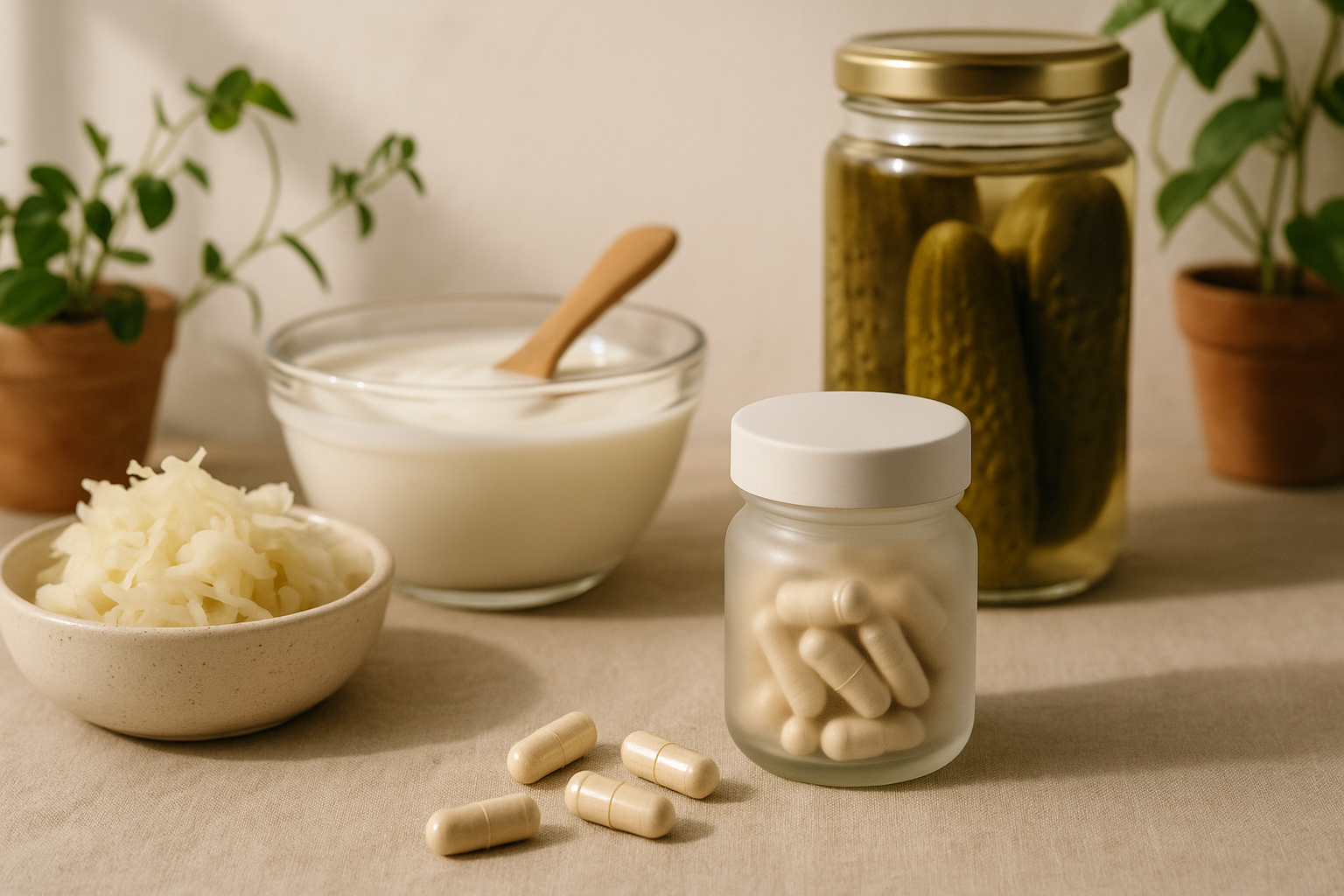
Fermented foods like sauerkraut, kimchi, and kefir are rich in probiotics and can enhance gut health. These foods not only introduce beneficial bacteria but also improve the bioavailability of nutrients.
Probiotic Supplements
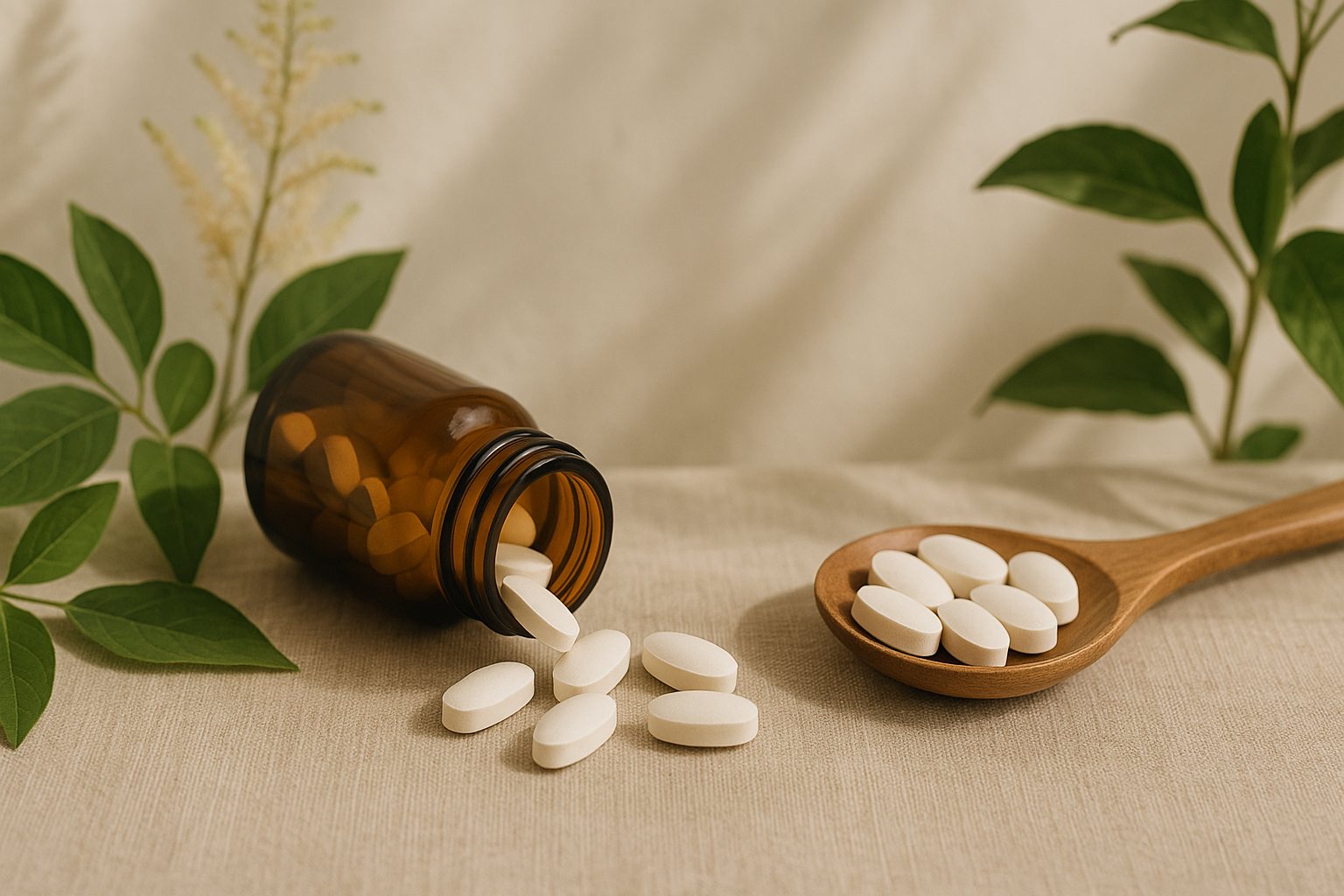
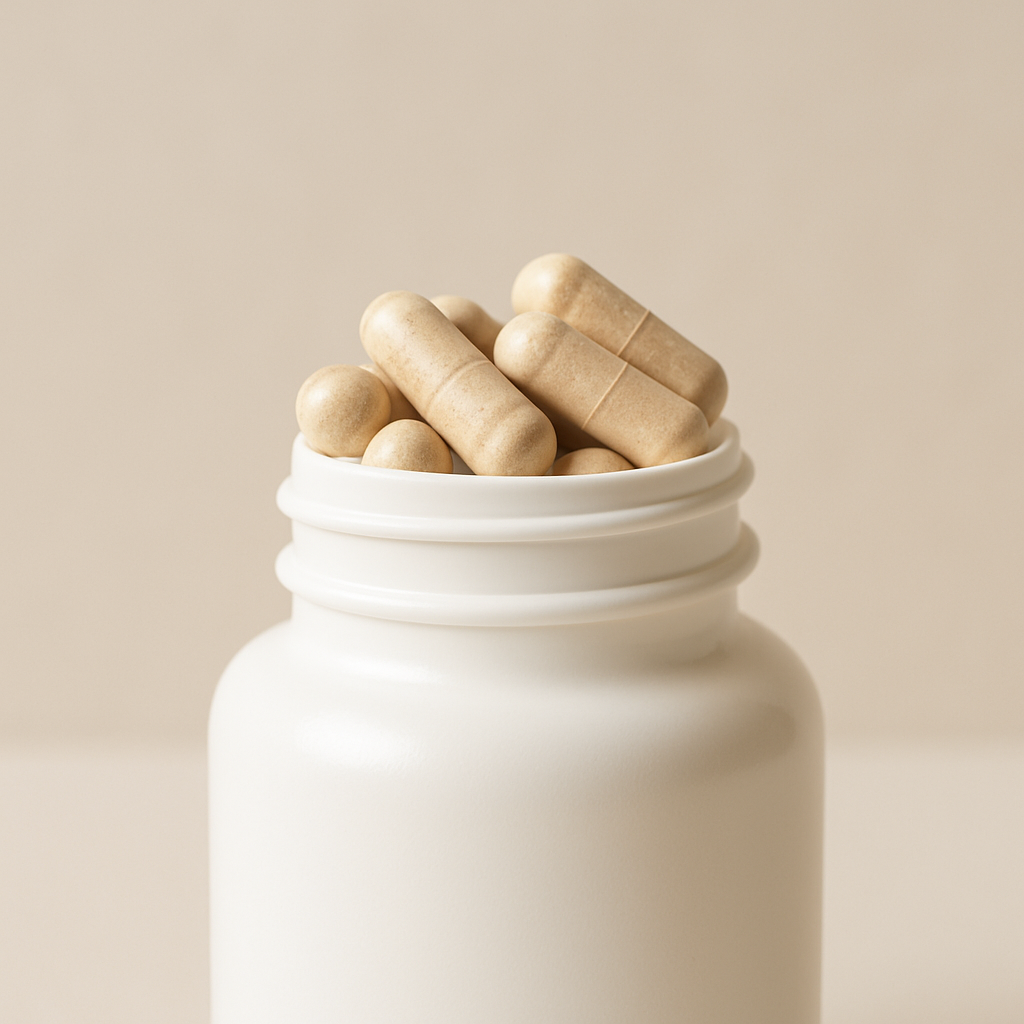
Probiotic supplements are concentrated sources of beneficial bacteria and are available in various forms, including capsules, powders, and drinks. They can help restore gut flora balance, especially after antibiotic use or during digestive disturbances.
Common Functional Actions
Probiotics and gut support offer several functional actions that contribute to digestive health:
- Digestive Support: Probiotics help break down food and enhance nutrient absorption, alleviating symptoms of bloating and gas.
- Anti-inflammatory: Certain probiotics can reduce intestinal inflammation, supporting conditions like irritable bowel syndrome (IBS).
- Immune System Support: A balanced gut microbiome is crucial for a robust immune response, with probiotics helping to modulate immune function.
- Gut Barrier Function: Probiotics may enhance the integrity of the gut barrier, preventing harmful substances from entering the bloodstream.
Body Systems This Category Most Supports
Probiotics and gut support primarily benefit the following body systems:
- Digestive System: Directly influences digestion and absorption of nutrients.
- Immune System: Supports immune health through gut flora balance.
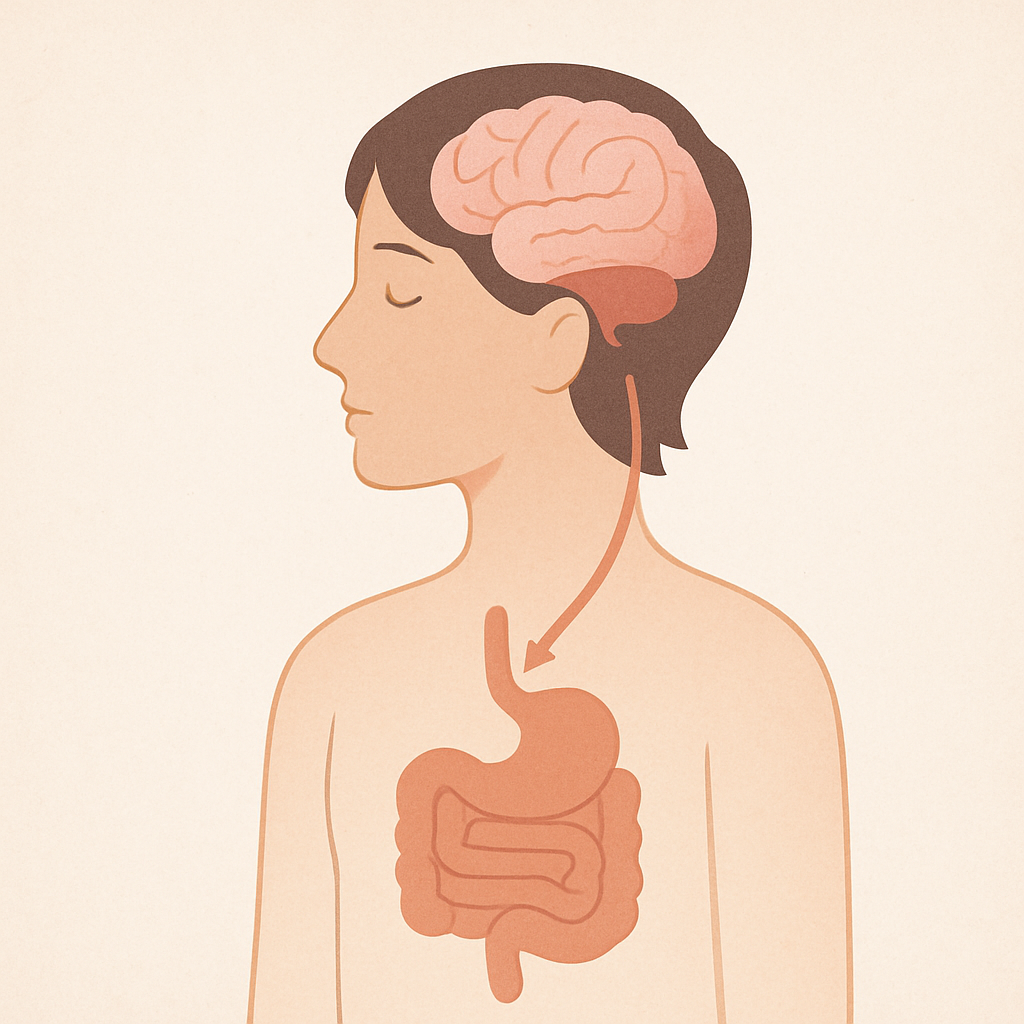
- Nervous System: Emerging research suggests a link between gut health and mental well-being, often referred to as the gut-brain axis.
Wellness Goals People Pursue With It
Individuals often seek probiotics and gut support for various wellness goals, including:
- Improving digestive health and reducing bloating.
- Enhancing immune function.
- Supporting mental clarity and mood stability.
- Restoring gut flora after antibiotic therapy.
- Managing symptoms of gastrointestinal disorders.
How to Choose & Use (responsibly)
When selecting probiotics and gut support, consider the following:
- Forms: Probiotics come in various forms, including capsules, powders, and fermented foods. Choose based on personal preference and lifestyle.
- Educational Dose Ranges: Typical dosages range from 1 to 10 billion CFUs (colony-forming units) per day, depending on the specific strain and intended use.
- Timing: Taking probiotics on an empty stomach may enhance absorption, but follow specific product instructions for optimal results.
- Who Shouldn't Use: Individuals with compromised immune systems or severe health conditions should consult a healthcare professional before starting any probiotic regimen.
Safety, Contraindications & Medication Interactions
While probiotics are generally considered safe for most individuals, there are some precautions to keep in mind:
- Those with weakened immune systems or underlying health conditions should seek medical advice before using probiotics.
- Probiotics may interact with certain medications, especially immunosuppressants, so it is crucial to consult a healthcare provider.
- Some individuals might experience mild gastrointestinal discomfort when first starting probiotics, which usually subsides with continued use.
Pairs Well With (cross-pillar suggestions)
Probiotics and gut support can be effectively paired with other natural remedies for enhanced benefits:
- Digestive Enzymes: Help improve overall digestive function.
- Herbal Remedies: Such as peppermint or ginger for additional digestive support.
- Omega-3 Fatty Acids: Help reduce inflammation in the gut.
FAQs
- What are probiotics? Probiotics are live microorganisms that provide health benefits when consumed in adequate amounts.
- How do I know which probiotic to choose? Look for specific strains that target your health concerns, and consider the CFU count.
- Can I get probiotics from food? Yes, fermented foods like yogurt, sauerkraut, and kefir are excellent sources of probiotics.
- Are there any side effects of taking probiotics? Some individuals may experience mild bloating or gas initially, but these symptoms usually resolve with continued use.
- How long does it take for probiotics to work? It varies by individual and health condition, but some may notice benefits within a few days to weeks.
- Can children take probiotics? Yes, many probiotics are safe for children, but it is best to consult with a pediatrician before starting them.
Explore Probiotics & Gut Support
15 subcategories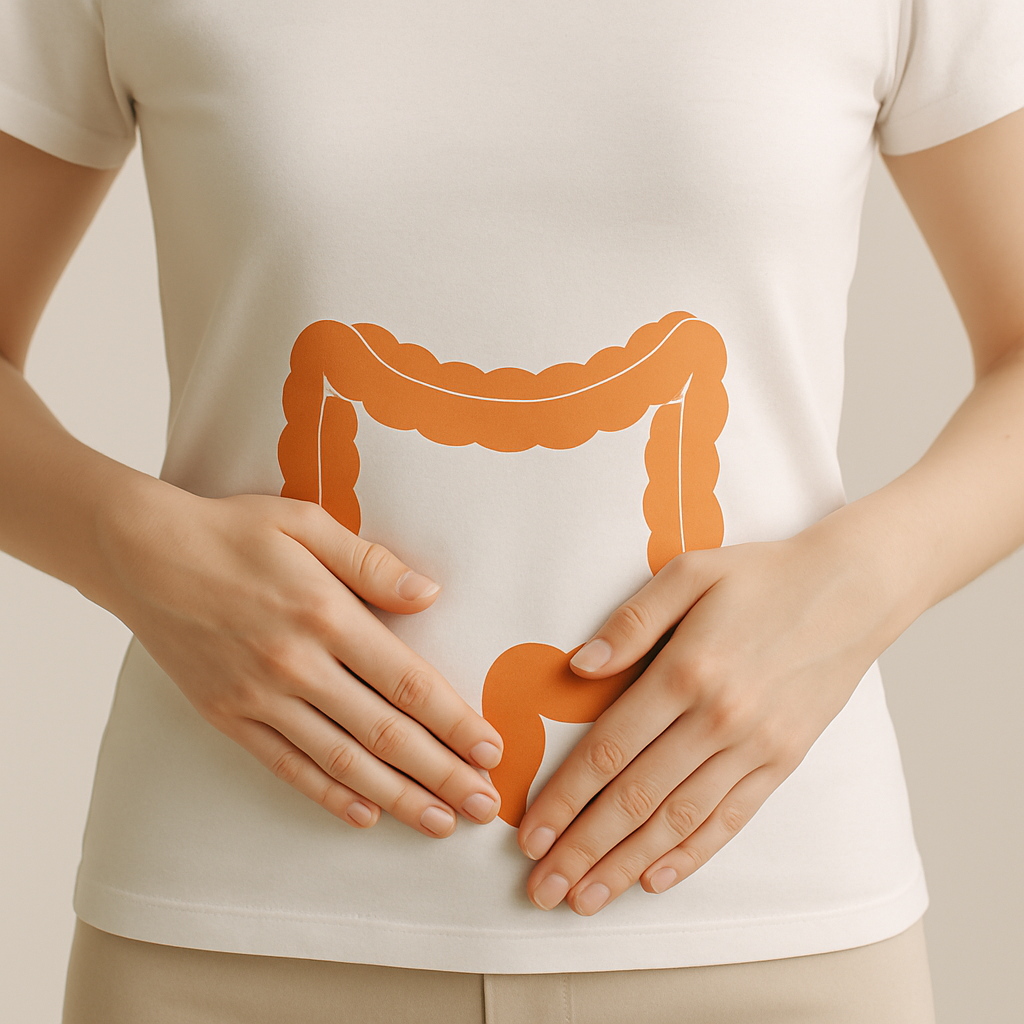





Frequently asked
What are probiotics?
Probiotics are live microorganisms that provide health benefits when consumed in adequate amounts.
How do I know which probiotic to choose?
Look for specific strains that target your health concerns, and consider the CFU count.
Can I get probiotics from food?
Yes, fermented foods like yogurt, sauerkraut, and kefir are excellent sources of probiotics.
Are there any side effects of taking probiotics?
Some individuals may experience mild bloating or gas initially, but these symptoms usually resolve with continued use.
How long does it take for probiotics to work?
It varies by individual and health condition, but some may notice benefits within a few days to weeks.
Can children take probiotics?
Yes, many probiotics are safe for children, but it is best to consult with a pediatrician before starting them.