Gut Repair
Discover the essentials of gut repair, including its definition, key compounds, traditional uses, modern research insights, and practical tips for supporting gut health.
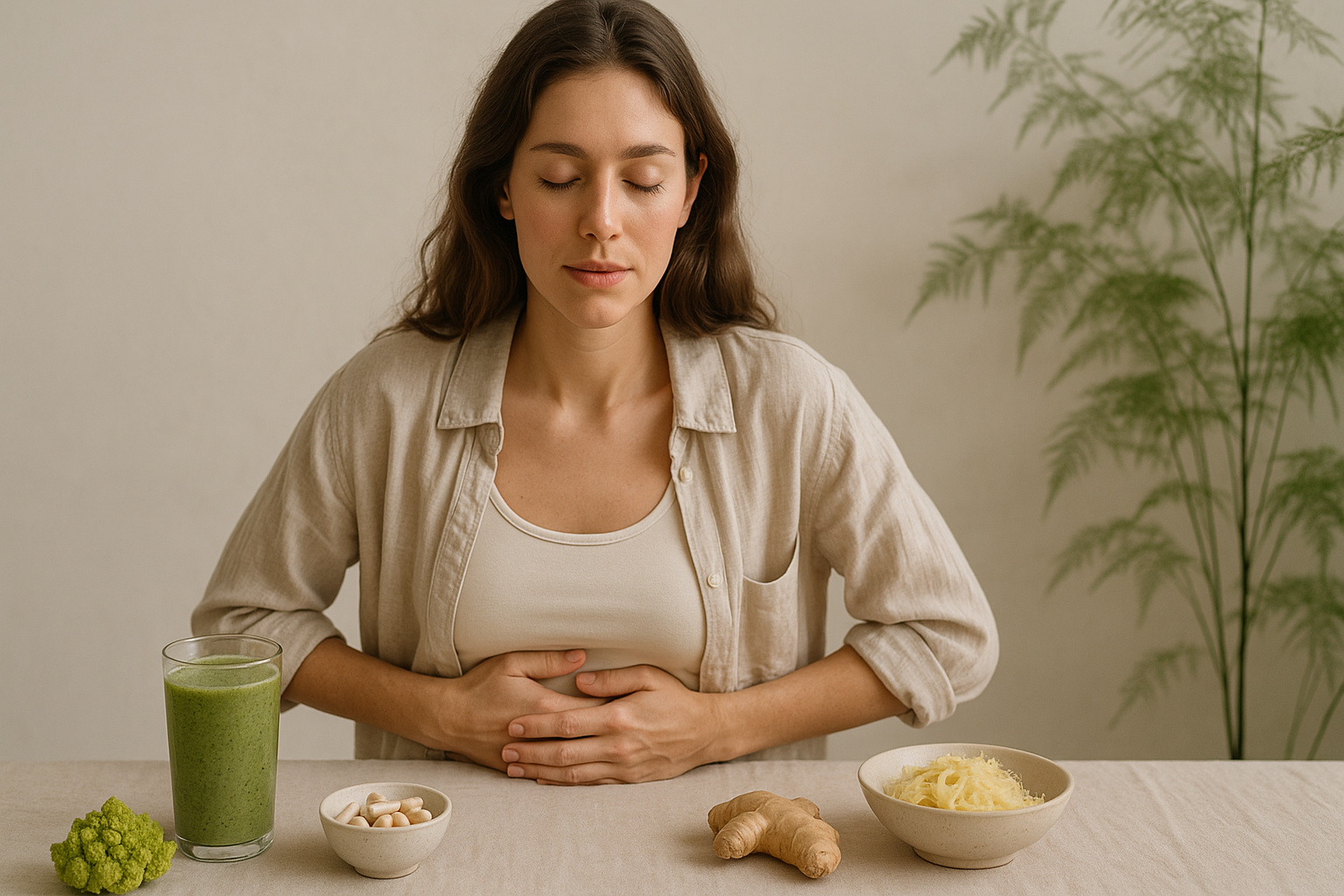
This subcategory page explores the concept of gut repair within the broader category of probiotics and gut support. It delves into the definitions, active compounds, traditional uses, modern research, functional actions, supported body systems, common forms, safety considerations, and complementary remedies related to gut health.
What It Is
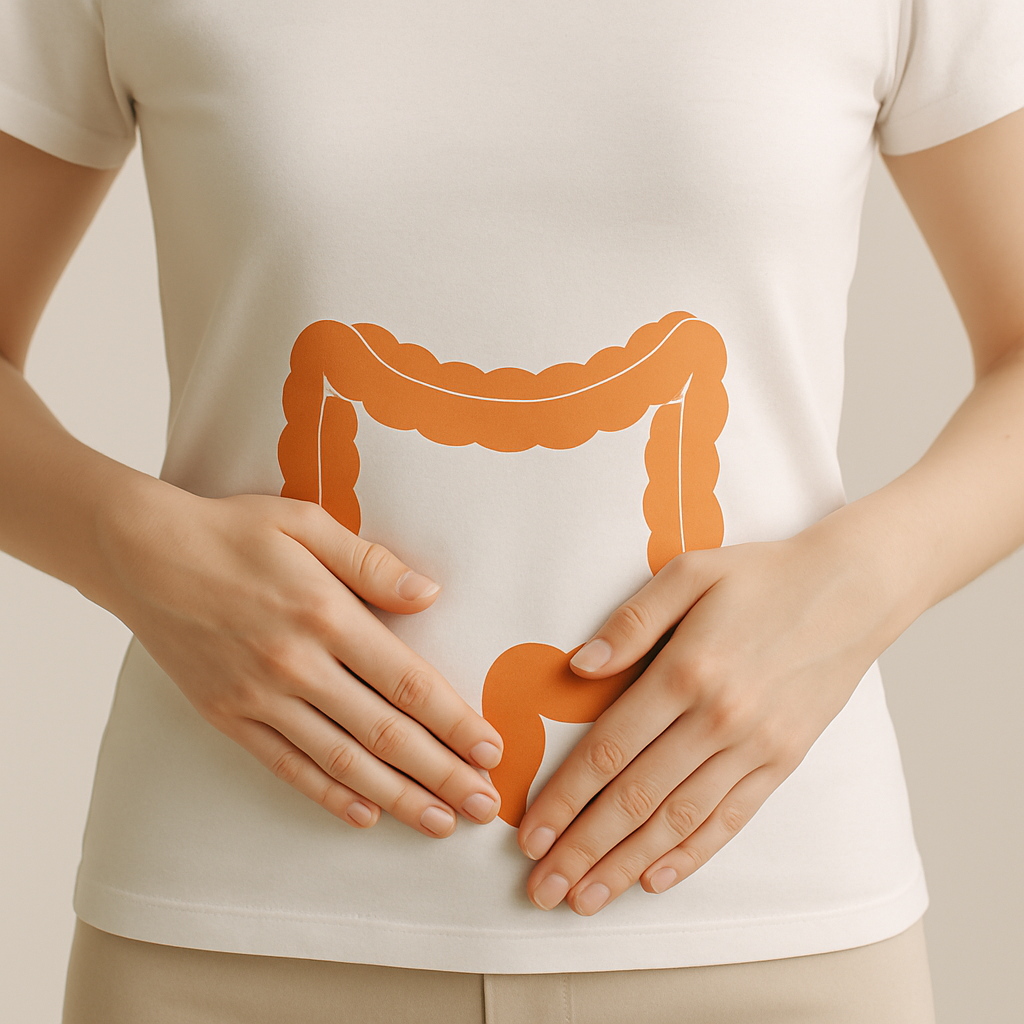
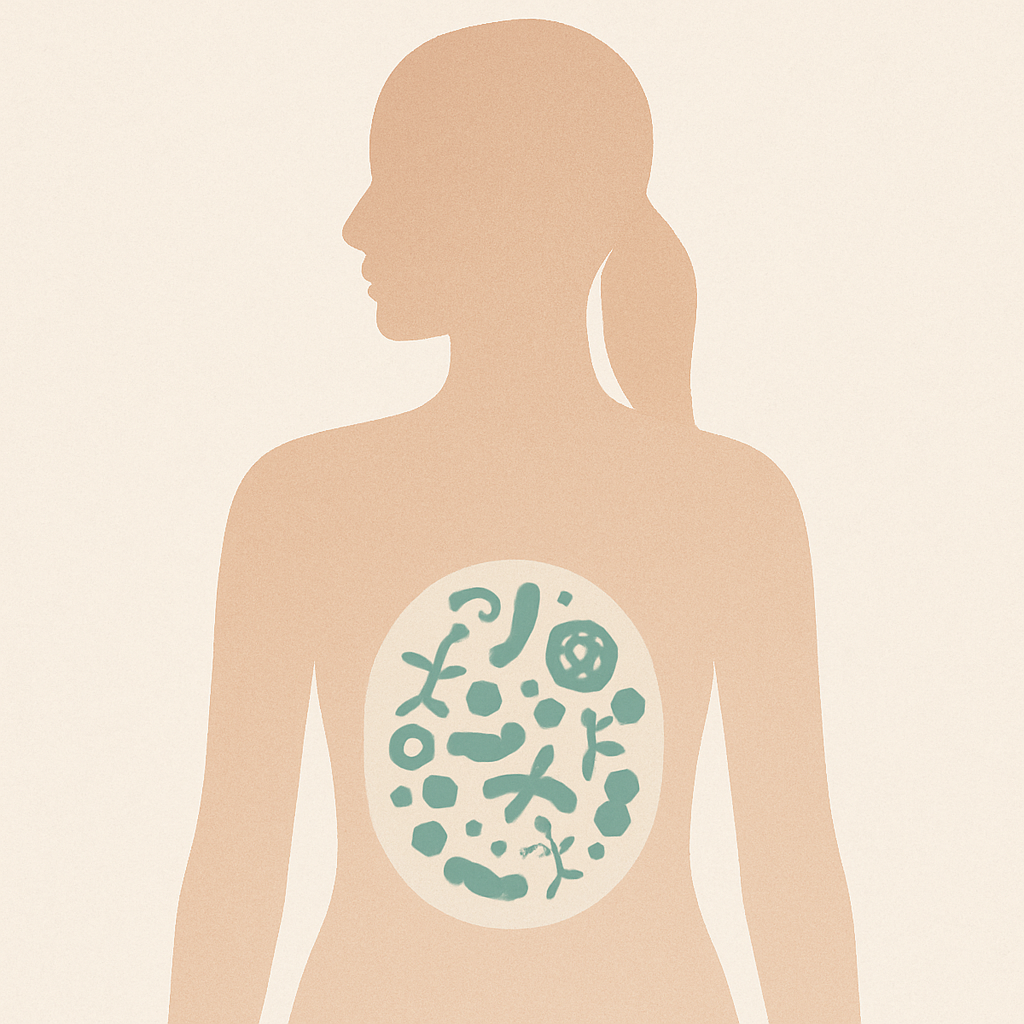
Gut repair refers to the process of healing and restoring the integrity of the gastrointestinal tract, which can be compromised due to various factors such as diet, stress, infections, and medication use. A healthy gut lining is crucial for proper digestion, nutrient absorption, and immune function. Key to this process are probiotics, prebiotics, and other natural remedies that support gut health.
Key Active Compounds & Mechanisms
Several active compounds play a significant role in gut repair:
- Probiotics: Live beneficial bacteria that help restore the natural balance of gut flora.
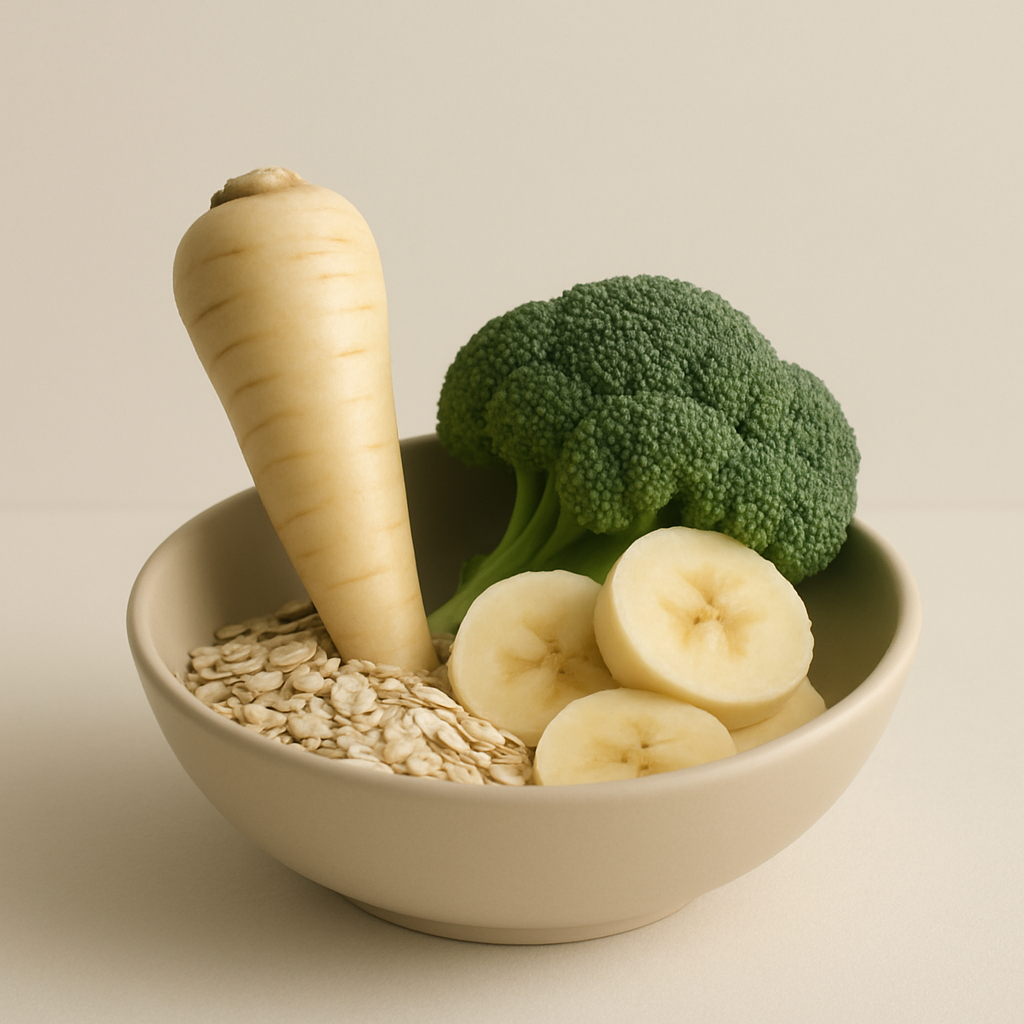
- Prebiotics: Non-digestible fibers that feed beneficial gut bacteria, promoting their growth.
- Glutamine: An amino acid that helps maintain the gut lining and supports its repair.
- Aloe Vera (Aloe barbadensis miller): Contains compounds that can soothe and may support the gut lining.
- Turmeric (Curcuma longa): Known for its anti-inflammatory properties, which may aid in reducing gut inflammation.
Traditional Uses
Historically, various cultures have recognized the importance of gut health and employed natural remedies for gut repair:
- In traditional Chinese medicine, herbal formulas are often used to harmonize digestion and support gut health.
- Ayurvedic practices include the use of spices like ginger and turmeric to enhance digestion and alleviate gastrointestinal issues.
- Native American herbal traditions have utilized plants like slippery elm (Ulmus rubra) to soothe the digestive tract.
What Modern Research Suggests
Recent studies have begun to validate some traditional uses of remedies for gut repair. Research indicates that:
- Probiotics can improve gut health by restoring the balance of gut bacteria, especially after antibiotic use.
- Prebiotics may enhance the effectiveness of probiotics and promote overall digestive health.
- Glutamine supplementation has shown potential in improving gut barrier function, particularly in individuals with gastrointestinal disorders.
Functional Actions
The functional actions of gut repair remedies include:
- Restoring the balance of gut microbiota.
- Reducing inflammation within the gastrointestinal tract.
- Enhancing the integrity of the gut barrier.
- Supporting digestive health through improved nutrient absorption.
Body Systems Supported
Gut repair primarily supports the following body systems:
- Digestive System: Enhances digestion and nutrient absorption.
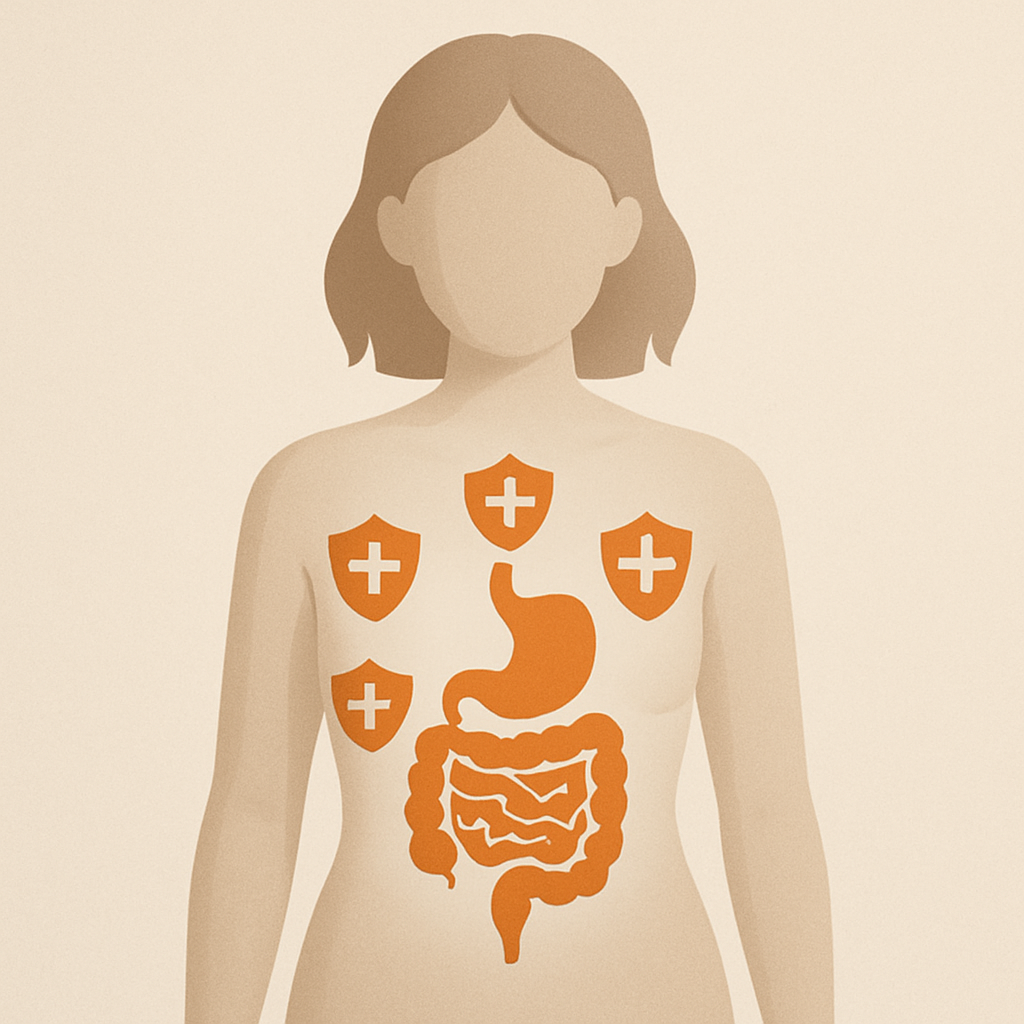
- Immune System: A healthy gut is crucial for optimal immune function, as a significant portion of the immune system resides in the gut.
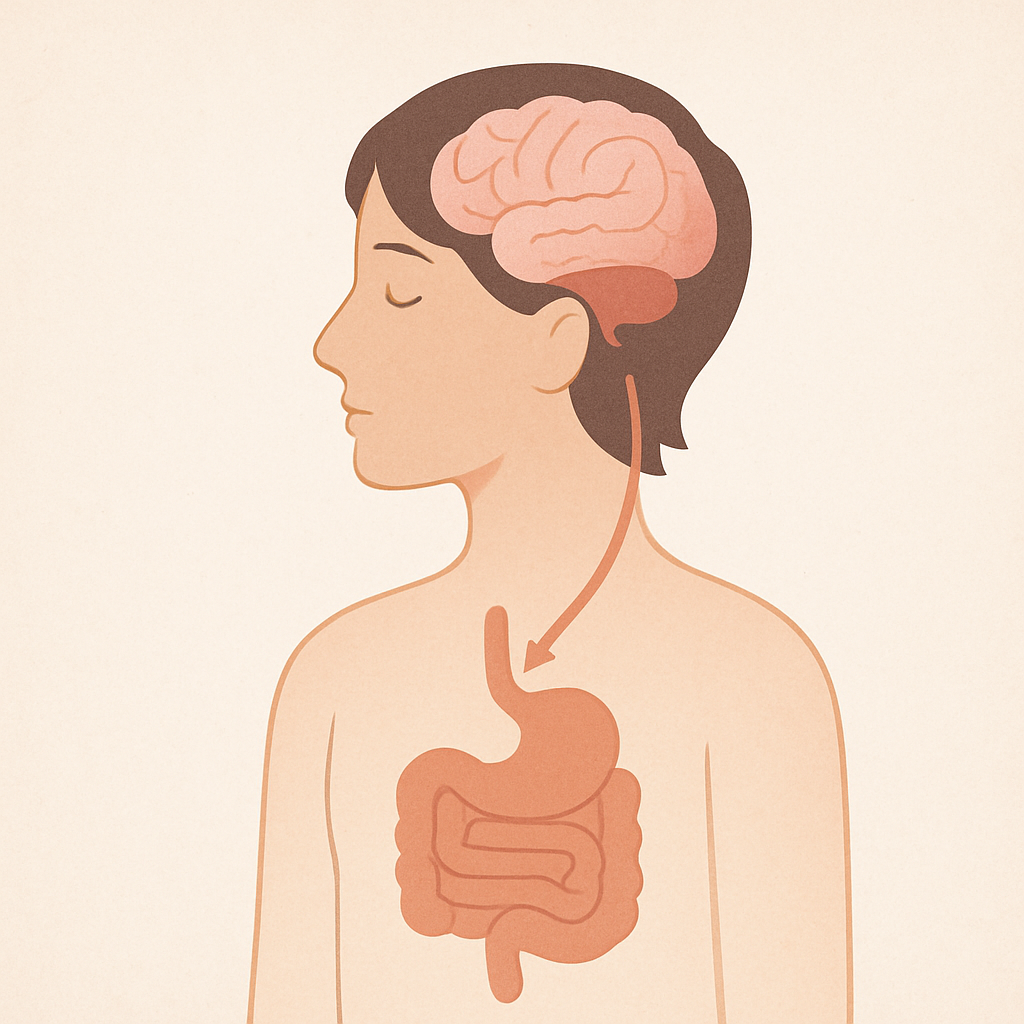
- Nervous System: The gut-brain connection suggests that gut health can influence mental well-being.
Common Forms & Educational Dosing Ranges
Gut repair remedies can be found in various forms, including:
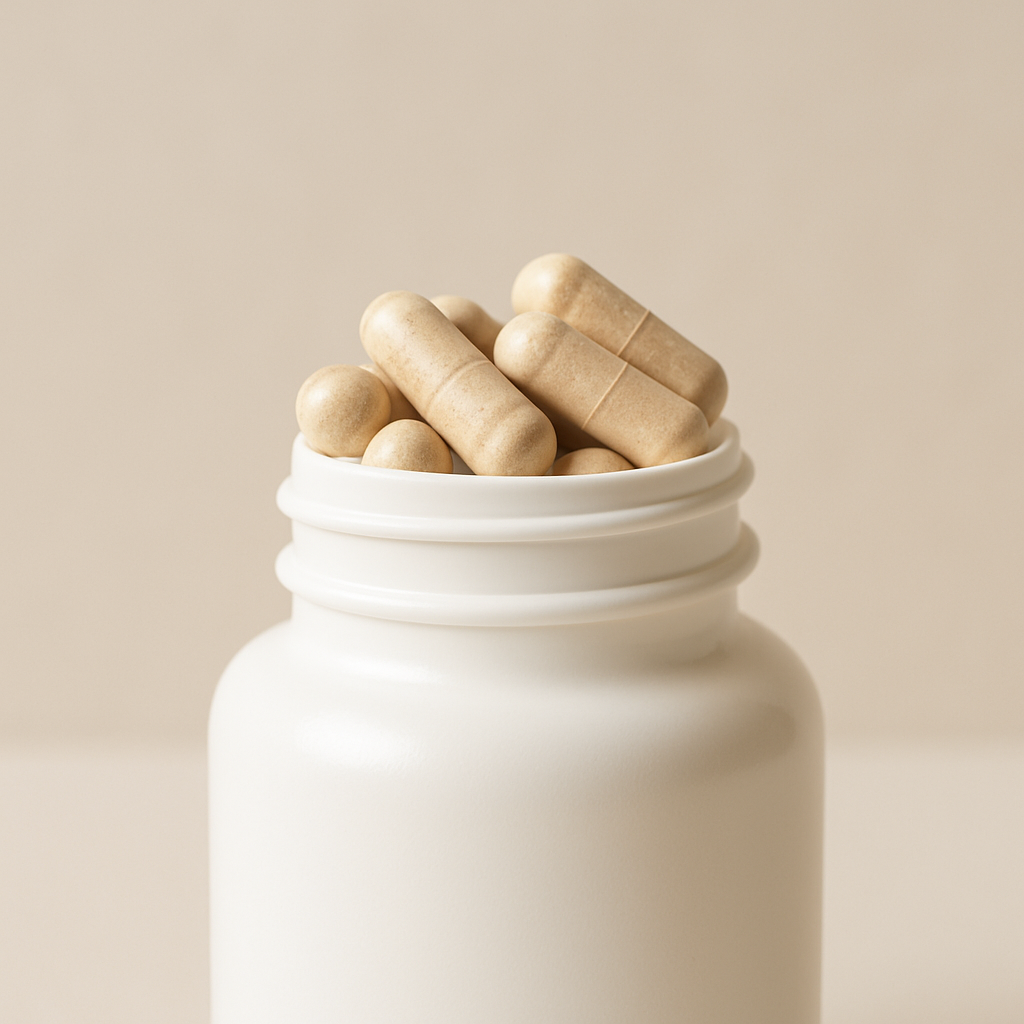
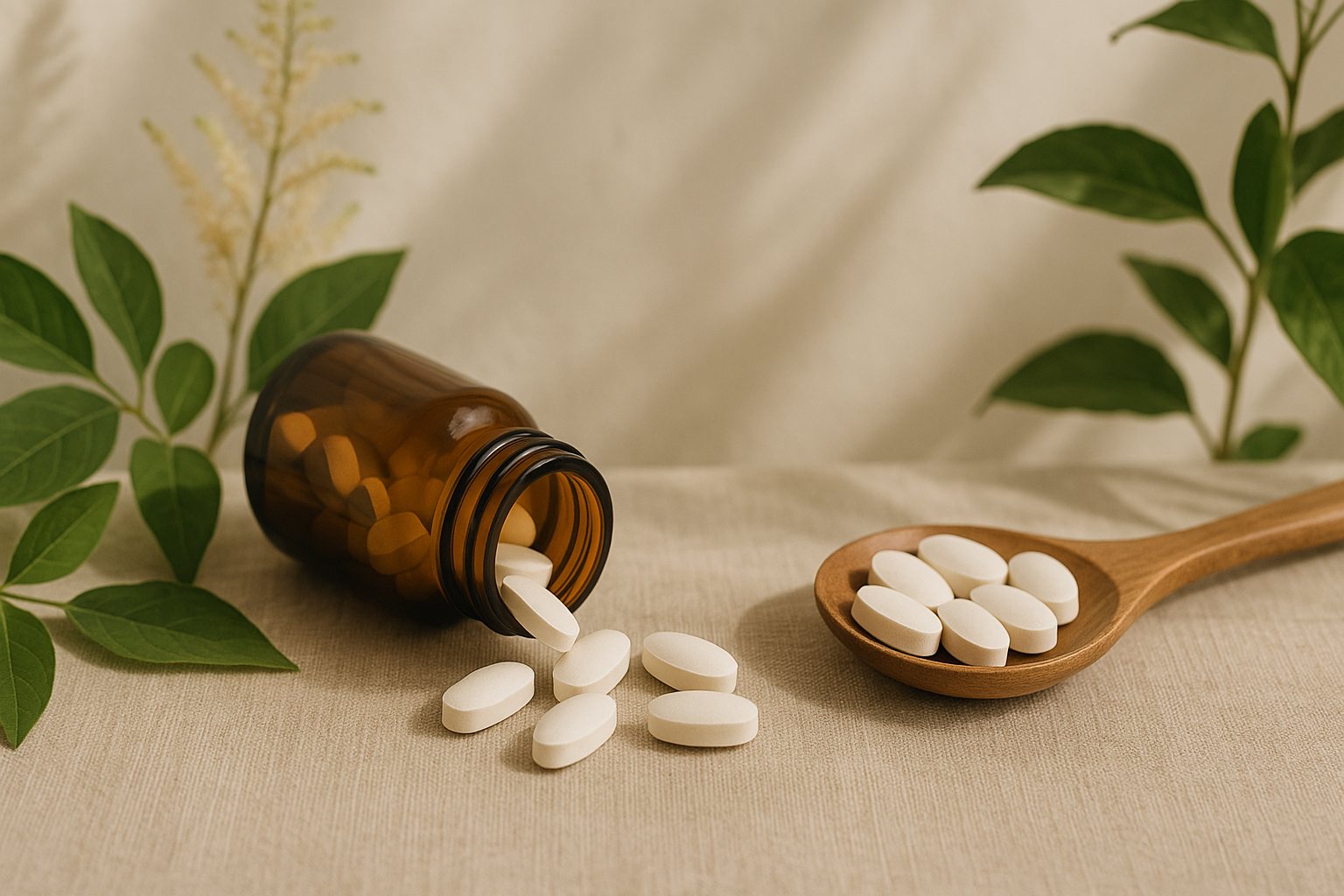
- Probiotic Supplements: Typically contain a range of bacterial strains; recommended doses vary but often range from 1 billion to 10 billion CFUs (colony-forming units) per day.
- Prebiotic Supplements: Often derived from inulin or fructooligosaccharides; a common dosing range is 5-10 grams per day.
- Glutamine Powder: Commonly recommended at doses of 5-10 grams per day, particularly for those with specific gut health concerns.
- Aloe Vera Juice: Usually taken in doses of 1-2 ounces daily, but it is crucial to choose products that are free from additives.
Safety, Contraindications & Interactions
While many gut repair remedies are considered safe, it is important to be aware of potential contraindications:
- Probiotics may cause mild digestive upset in some individuals, particularly when first starting.
- Aloe Vera may interact with certain medications, particularly those for diabetes, as it can lower blood sugar levels.
- Individuals with severe gastrointestinal conditions should consult healthcare professionals before starting any new supplement.
Pairs Well With
Gut repair remedies can be enhanced when paired with:
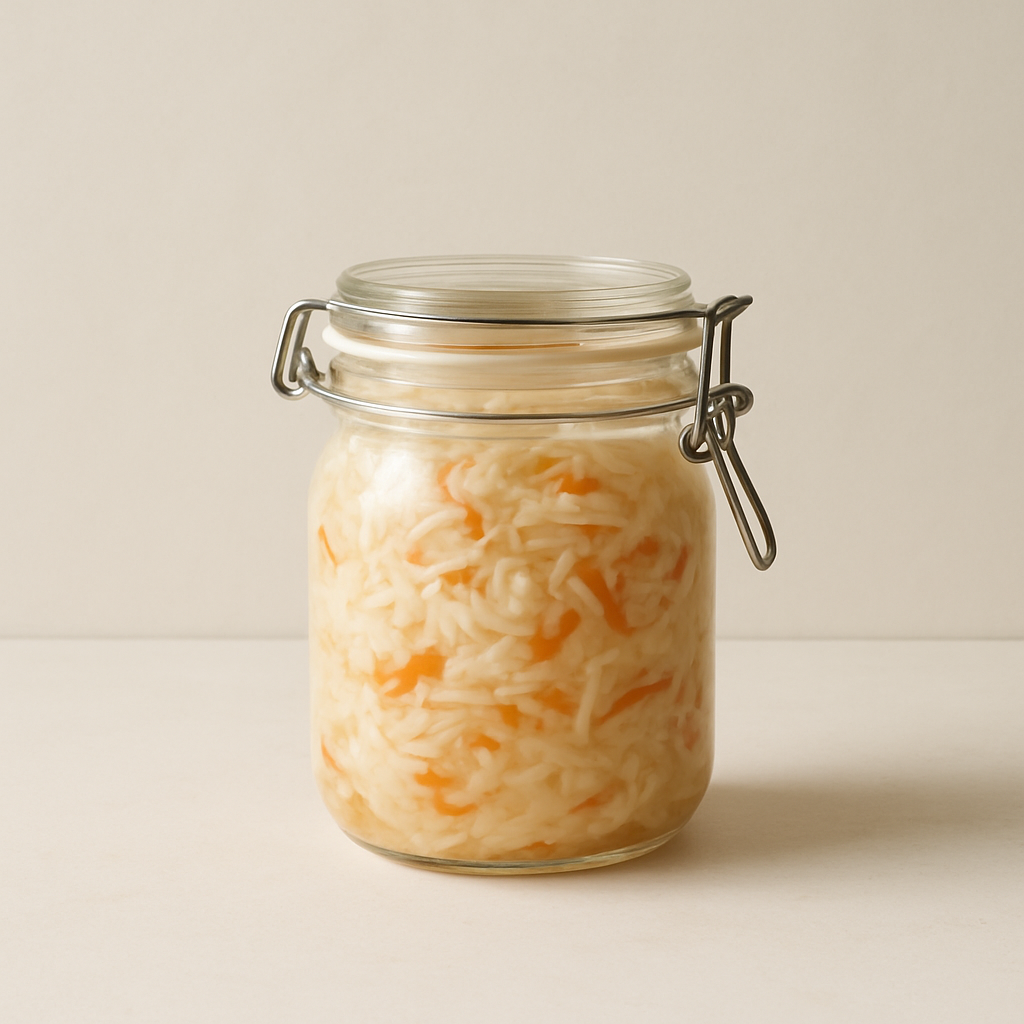
- Fermented Foods: Such as yogurt, kefir, sauerkraut, and kimchi, which naturally provide probiotics.
- Digestive Enzymes: To support the breakdown and absorption of nutrients.
- Anti-inflammatory Herbs: Like ginger and boswellia, which may further reduce gut inflammation.
FAQs (5)
- What are probiotics? Probiotics are live microorganisms that provide health benefits when consumed in adequate amounts, primarily by improving gut health.
- How long does it take to see improvements in gut health? Many individuals may notice changes within a few weeks of consistent use, although more significant changes may take longer.
- Can I take probiotics with antibiotics? Yes, taking probiotics during and after a course of antibiotics can help restore gut flora.
- Are there side effects of gut repair supplements? Some individuals may experience mild digestive upset or bloating when starting probiotics or prebiotics.
- Is there a specific diet that supports gut repair? A diet rich in fiber, fermented foods, and anti-inflammatory ingredients can support gut repair effectively.
Frequently asked
What are probiotics?
Probiotics are live microorganisms that provide health benefits when consumed in adequate amounts, primarily by improving gut health.
How long does it take to see improvements in gut health?
Many individuals may notice changes within a few weeks of consistent use, although more significant changes may take longer.
Can I take probiotics with antibiotics?
Yes, taking probiotics during and after a course of antibiotics can help restore gut flora.
Are there side effects of gut repair supplements?
Some individuals may experience mild digestive upset or bloating when starting probiotics or prebiotics.
Is there a specific diet that supports gut repair?
A diet rich in fiber, fermented foods, and anti-inflammatory ingredients can support gut repair effectively.