Essential Oils
Discover the benefits, uses, and safety of essential oils as a natural remedy. Explore how these concentrated plant extracts can support your wellness journey.
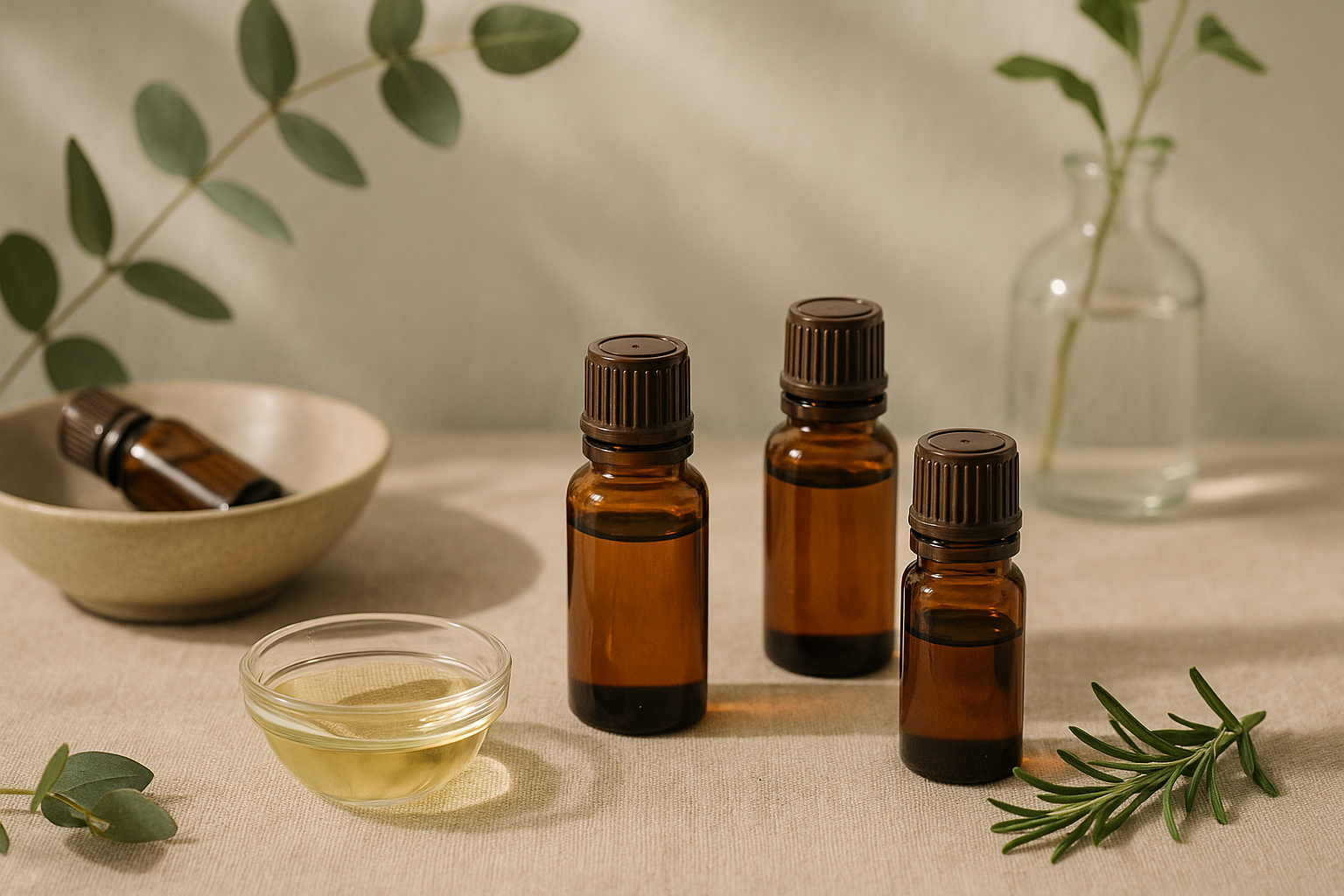
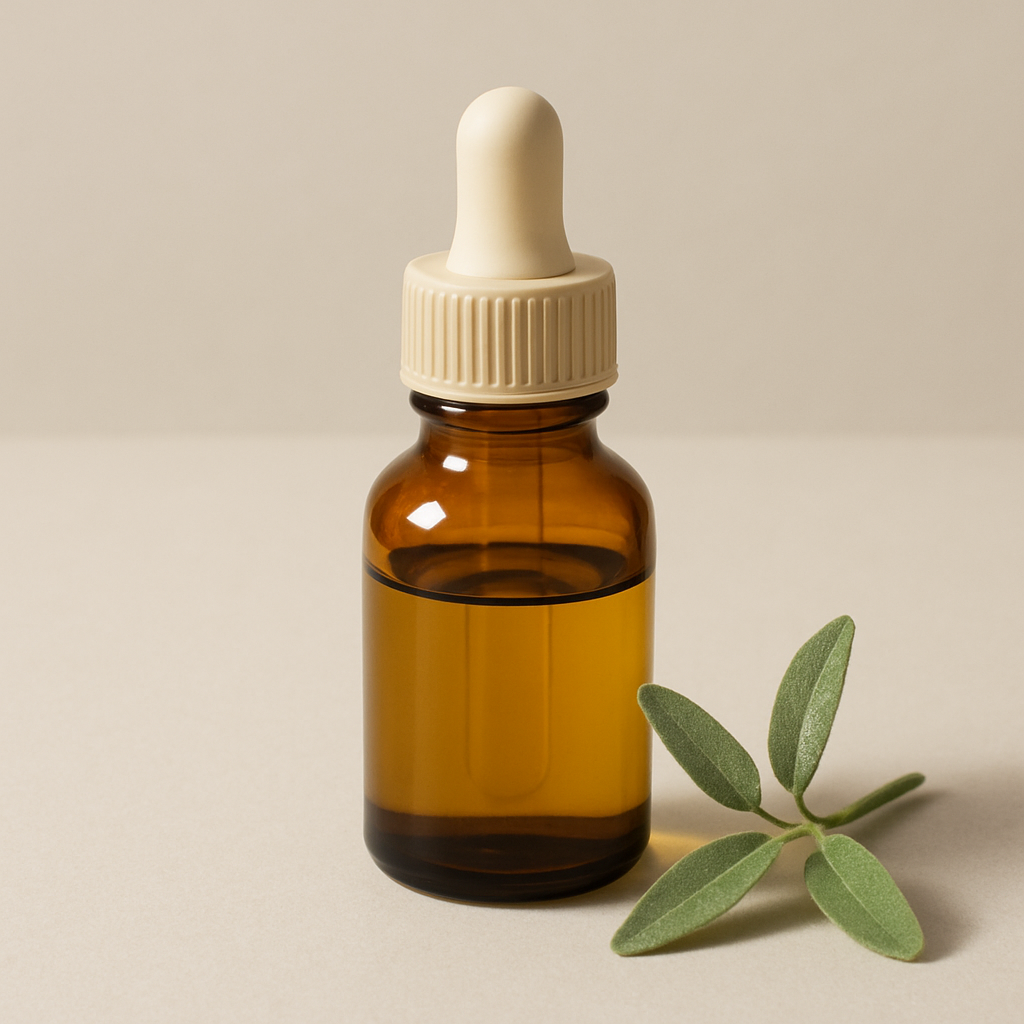
Essential oils are highly concentrated plant extracts that have been used for centuries in various cultures for their therapeutic properties. They are a significant component of natural medicine, offering a wide range of benefits for physical, mental, and emotional well-being. Understanding essential oils can empower individuals to incorporate these natural remedies into their daily lives, enhancing both health and wellness.
Intro Summary
Essential oils are concentrated extracts derived from plants, known for their aromatic and therapeutic properties. These oils are obtained through various methods, including distillation and cold pressing, capturing the plant's essence and beneficial compounds. In the realm of natural medicine, essential oils play an essential role, offering a spectrum of health benefits ranging from emotional support to physical healing.
The significance of essential oils extends beyond their pleasant scents. They contain active compounds that can influence the body in various ways, making them a valuable addition to holistic health practices. This category serves to educate users about the diverse applications of essential oils, their safety, and how to incorporate them into daily routines for enhanced wellness.
The Active Compounds at Play
The therapeutic properties of essential oils stem from their unique chemical compositions. These compounds can be categorized into several phytochemical and biochemical groups, each contributing to the oils' health benefits. Some of the primary groups include:
- Monoterpenes: Known for their uplifting and invigorating properties, monoterpenes such as limonene can be found in citrus oils.
- Sesquiterpenes: These compounds, like those found in chamomile, are often anti-inflammatory and calming.
- Alcohols: Compounds such as linalool in lavender possess antimicrobial properties and promote relaxation.
- Esters: Found in oils like bergamot, esters are known for their soothing effects and pleasant aromas.
- Phenols: Present in oils like clove, phenols are potent antioxidants and support immune health.
Featured Members of This Category
#Lavender Oil
Lavender oil is one of the most popular essential oils, renowned for its calming and relaxing properties. It is commonly used to reduce stress, promote sleep, and alleviate headaches. The primary active compound, linalool, contributes to its soothing effects.
#Peppermint Oil
Peppermint oil is celebrated for its invigorating aroma and cooling sensation. It is often used to relieve headaches, digestive issues, and muscle pain. The menthol content in peppermint provides a refreshing effect, making it a favorite among many.
#Tea Tree Oil
Tea tree oil is known for its powerful antimicrobial properties. It is frequently used in skincare to is traditionally explored for acne and infections. The terpinen-4-ol present in tea tree oil is responsible for its effectiveness against bacteria and fungi.
#Eucalyptus Oil
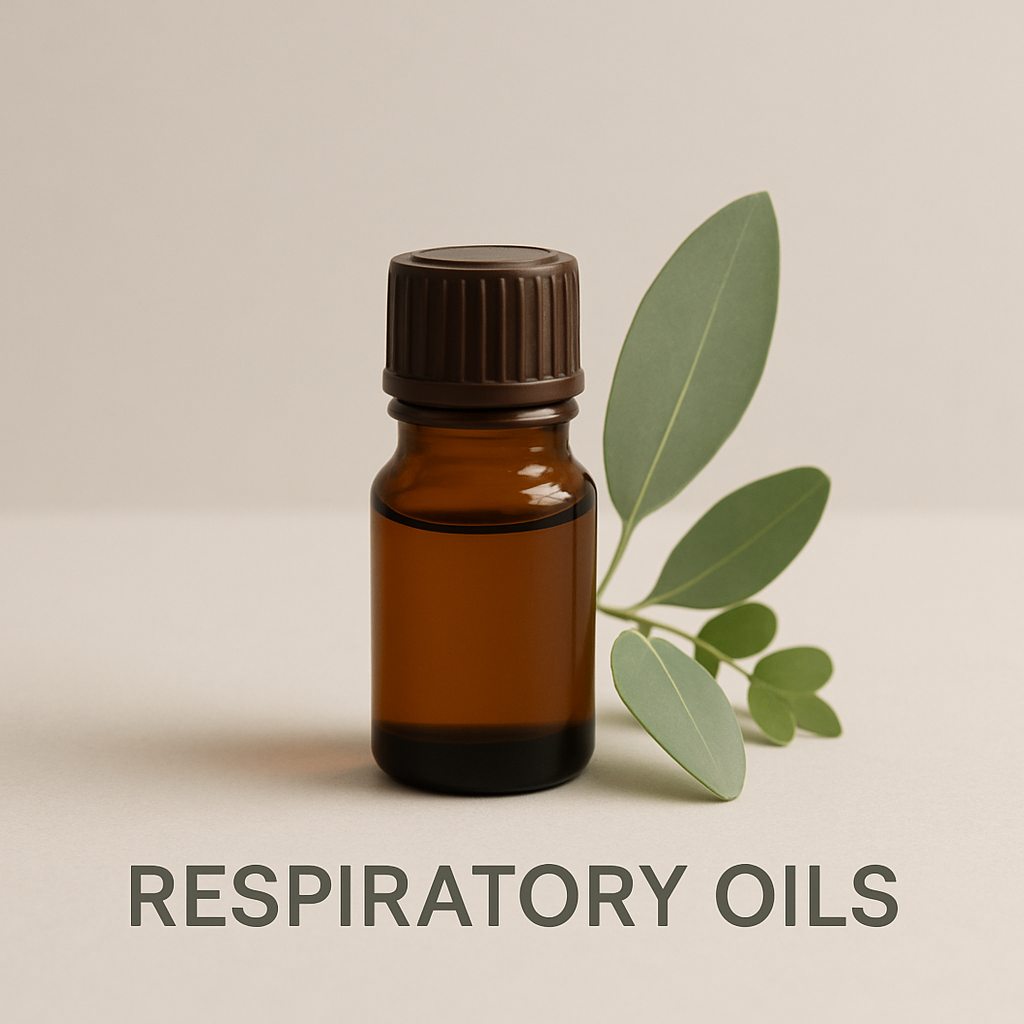
Eucalyptus oil is commonly used for its respiratory benefits. It is known to help clear the airways and ease congestion. The primary compound, eucalyptol, plays a vital role in its ability to promote respiratory health.
#Lemon Oil
Lemon oil is valued for its uplifting aroma and potential mood-enhancing effects. Rich in limonene, it is often used to alleviate stress and promote a positive mindset. It also has antibacterial properties, making it a great addition to cleaning products.
Common Functional Actions
Essential oils offer a variety of functional actions that support overall health. Some common actions include:
- Anti-inflammatory: Many essential oils, such as chamomile and ginger, can help reduce inflammation in the body.
- Antimicrobial: Oils like tea tree and oregano are known for their ability to combat pathogens.
- Digestive support: Oils such as peppermint and fennel can aid digestion and alleviate discomfort.
- Calming: Lavender and bergamot are often used for their soothing effects on the mind and body.
- Uplifting: Citrus oils, like lemon and orange, can enhance mood and energy levels.
Body Systems This Category Most Supports
Essential oils can support various body systems, including:
- Respiratory System: Eucalyptus and peppermint oils help clear airways and promote easier breathing.
- Digestive System: Oils such as ginger and peppermint can aid digestion and reduce discomfort.
- Nervous System: Lavender and chamomile oils support relaxation and stress relief.
- Immune System: Tea tree and oregano oils can enhance immune function and fight infections.
- Skin Health: Oils like tea tree and lavender are often used for their beneficial effects on the skin.
Wellness Goals People Pursue With It
Individuals incorporate essential oils into their wellness routines for various goals, including:
- Stress Reduction: Many use calming oils like lavender to alleviate stress and promote relaxation.
- Improved Sleep: Oils such as chamomile and cedarwood are popular for enhancing sleep quality.
- Enhanced Mood: Citrus oils are often used to uplift mood and increase energy levels.
- Pain Relief: Essential oils like peppermint and eucalyptus can help relieve headaches and muscle pain.
- Skin Care: Many people use essential oils in skincare routines to address acne and other skin issues.
How to Choose & Use (responsibly)
When selecting and using essential oils, it's essential to approach them with knowledge and caution:
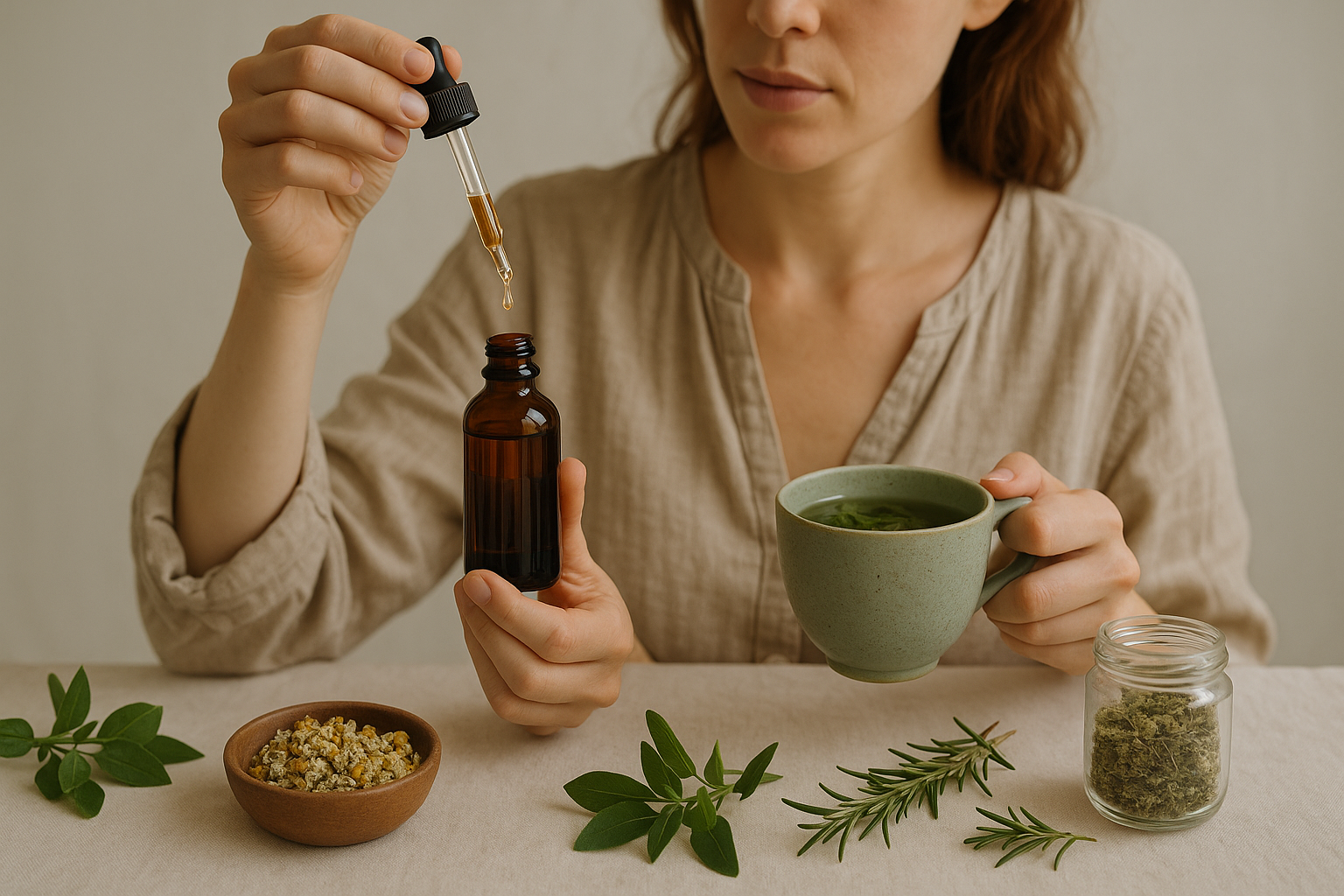
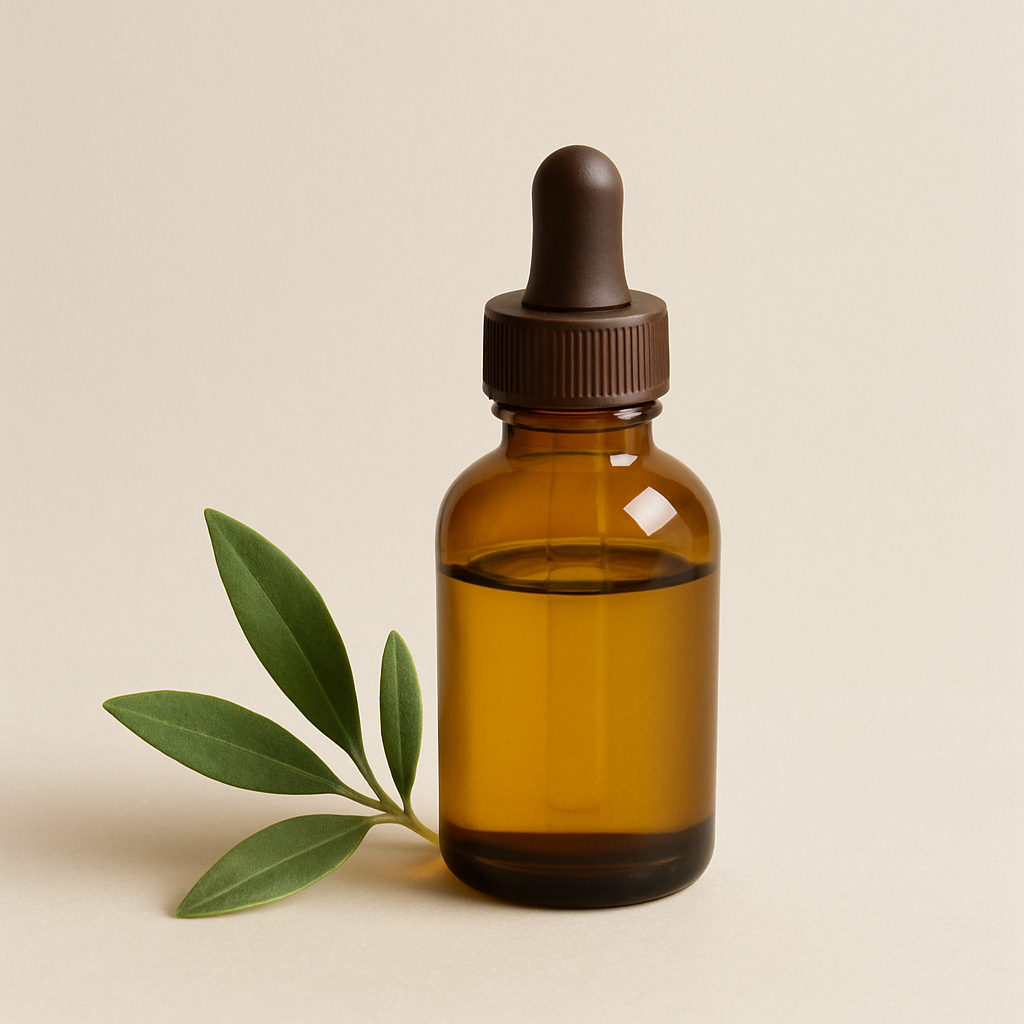
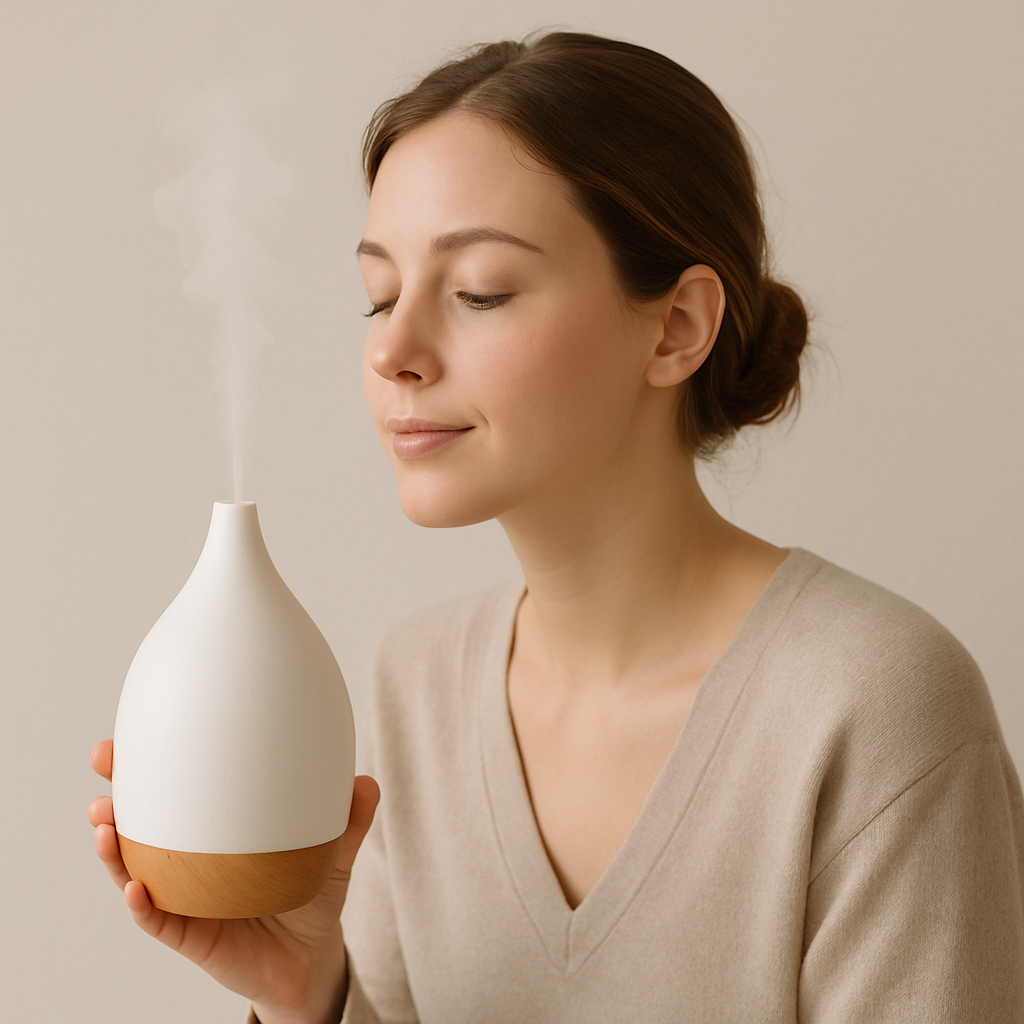
- Forms: Essential oils can be used in various forms, including diffused, applied topically (with a carrier oil), or ingested (only if labeled safe for consumption).
- Educational Dose Ranges: Start with small amounts and gradually increase as needed. Refer to reliable sources for dosage guidelines.
- Timing: Consider using calming oils in the evening and uplifting oils during the day for optimal benefit.
- Who Shouldn't Use: Pregnant women, children, and individuals with certain health conditions should consult a healthcare provider before use.
Safety, Contraindications & Medication Interactions
While essential oils are generally safe when used correctly, there are some precautions to consider:
- Allergies: Always perform a patch test before applying essential oils topically.
- Pregnancy: Some oils may not be safe during pregnancy; consult a healthcare professional.
- Medication Interactions: Essential oils can interact with certain medications; discuss with your doctor if you are on medication.
- Dilution: Always dilute essential oils before applying them to the skin to prevent irritation.
Pairs Well With (cross-pillar suggestions)
Essential oils can complement other natural remedies and health practices:
- Aromatherapy: Combine essential oils with other aromatherapy techniques for enhanced effects.
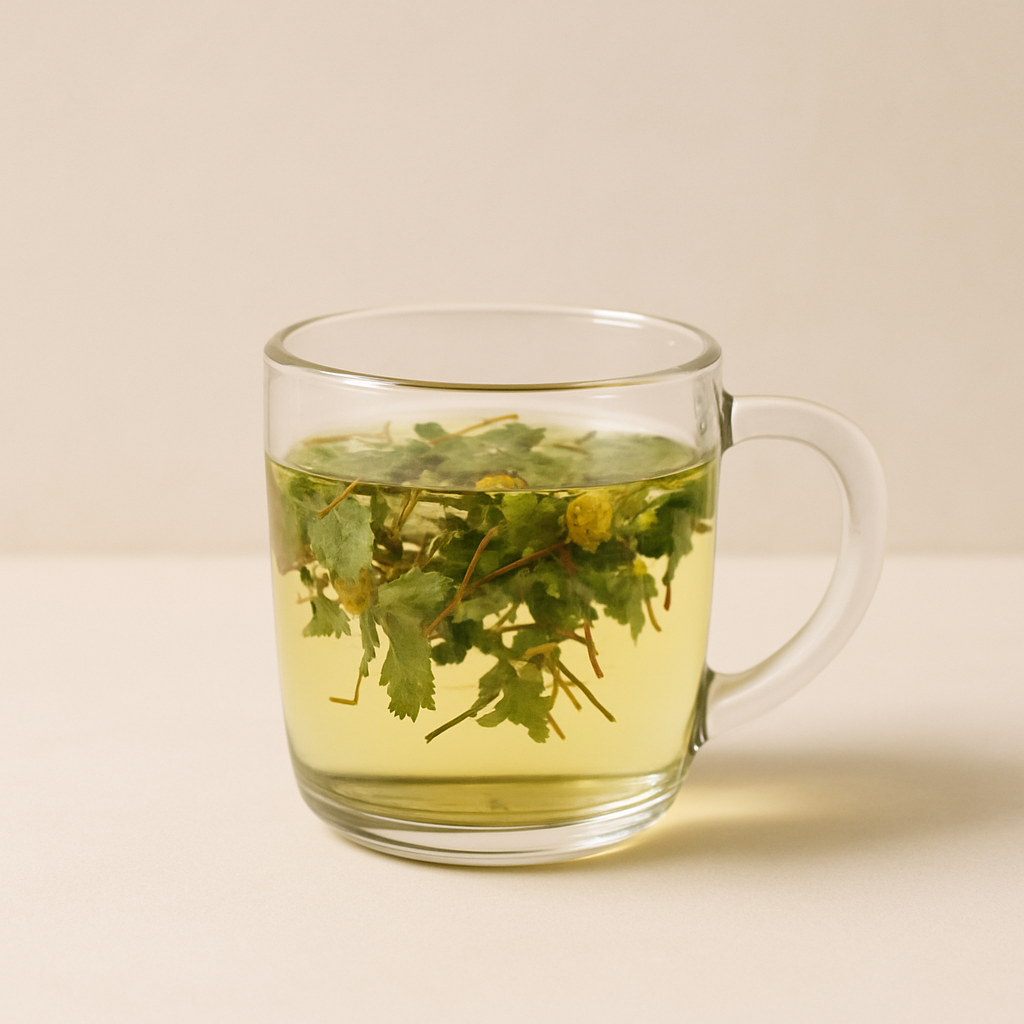
- Herbal Teas: Pair essential oils with herbal teas for added flavor and benefits.
- Massage Therapy: Integrate essential oils into massage oils for a soothing experience.
- Meditation: Use calming oils during meditation to deepen relaxation.
FAQs
What are essential oils?
Essential oils are concentrated extracts from plants that capture their aromatic and therapeutic properties.
How are essential oils used?
Essential oils can be used in diffusers, applied topically (with a carrier oil), or ingested if deemed safe.
Are essential oils safe for children?
Some essential oils are safe for children, but it’s essential to consult a healthcare provider for guidance.
Can essential oils help with stress and anxiety?
Many essential oils, such as lavender and chamomile, are known for their calming effects and can help reduce stress and anxiety.
How should essential oils be stored?
Essential oils should be stored in a cool, dark place in tightly sealed containers to maintain their potency.
Can essential oils interact with medications?
Yes, essential oils can interact with certain medications, so it's important to consult with a healthcare professional if you are taking medication.
Explore Essential Oils
15 subcategories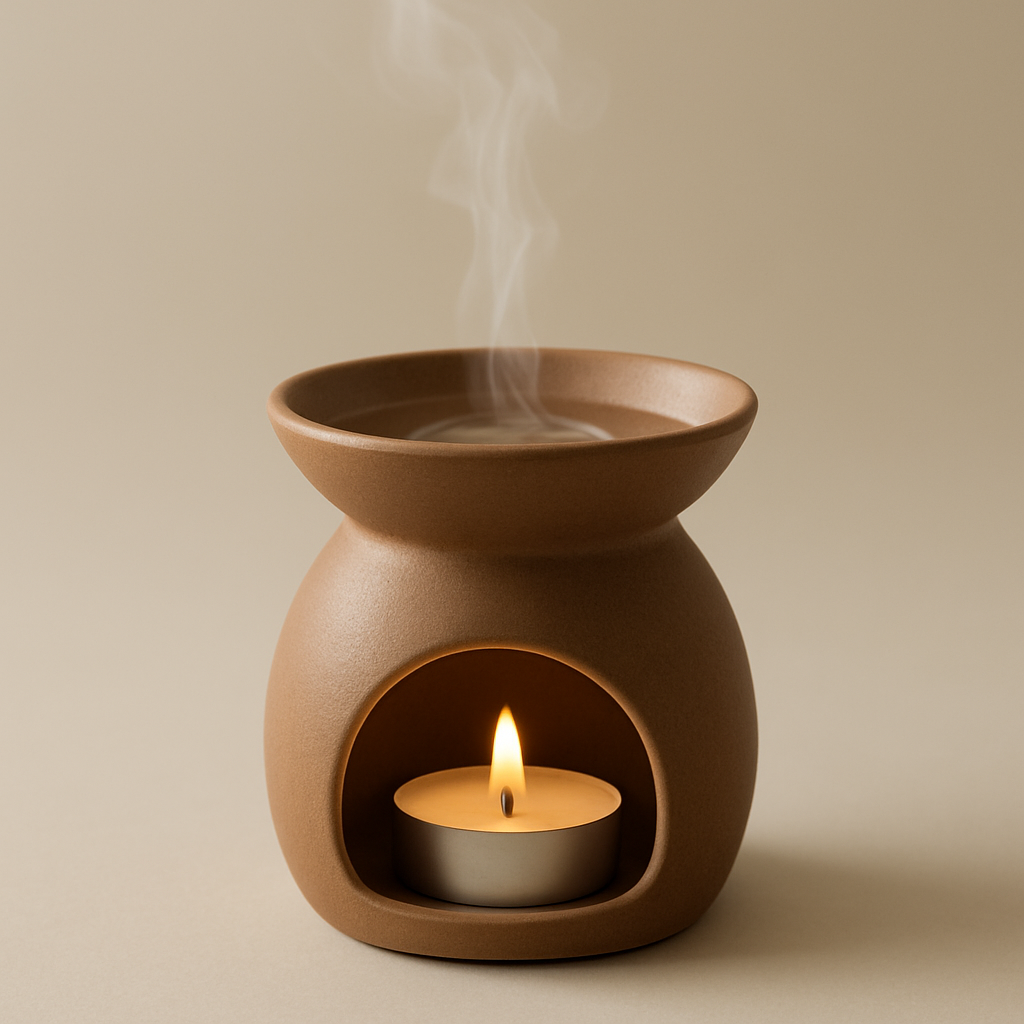
Frequently asked
What are essential oils?
Essential oils are concentrated extracts from plants that capture their aromatic and therapeutic properties.
How are essential oils used?
Essential oils can be used in diffusers, applied topically (with a carrier oil), or ingested if deemed safe.
Are essential oils safe for children?
Some essential oils are safe for children, but it’s essential to consult a healthcare provider for guidance.
Can essential oils help with stress and anxiety?
Many essential oils, such as lavender and chamomile, are known for their calming effects and can help reduce stress and anxiety.
How should essential oils be stored?
Essential oils should be stored in a cool, dark place in tightly sealed containers to maintain their potency.
Can essential oils interact with medications?
Yes, essential oils can interact with certain medications, so it's important to consult with a healthcare professional if you are taking medication.