Massage Oils
Discover the world of massage oils, their benefits, and how they can enhance your wellness experience.
Explore the benefits and uses of massage oils derived from essential oils, including their active compounds, traditional applications, and safety considerations.
What It Is
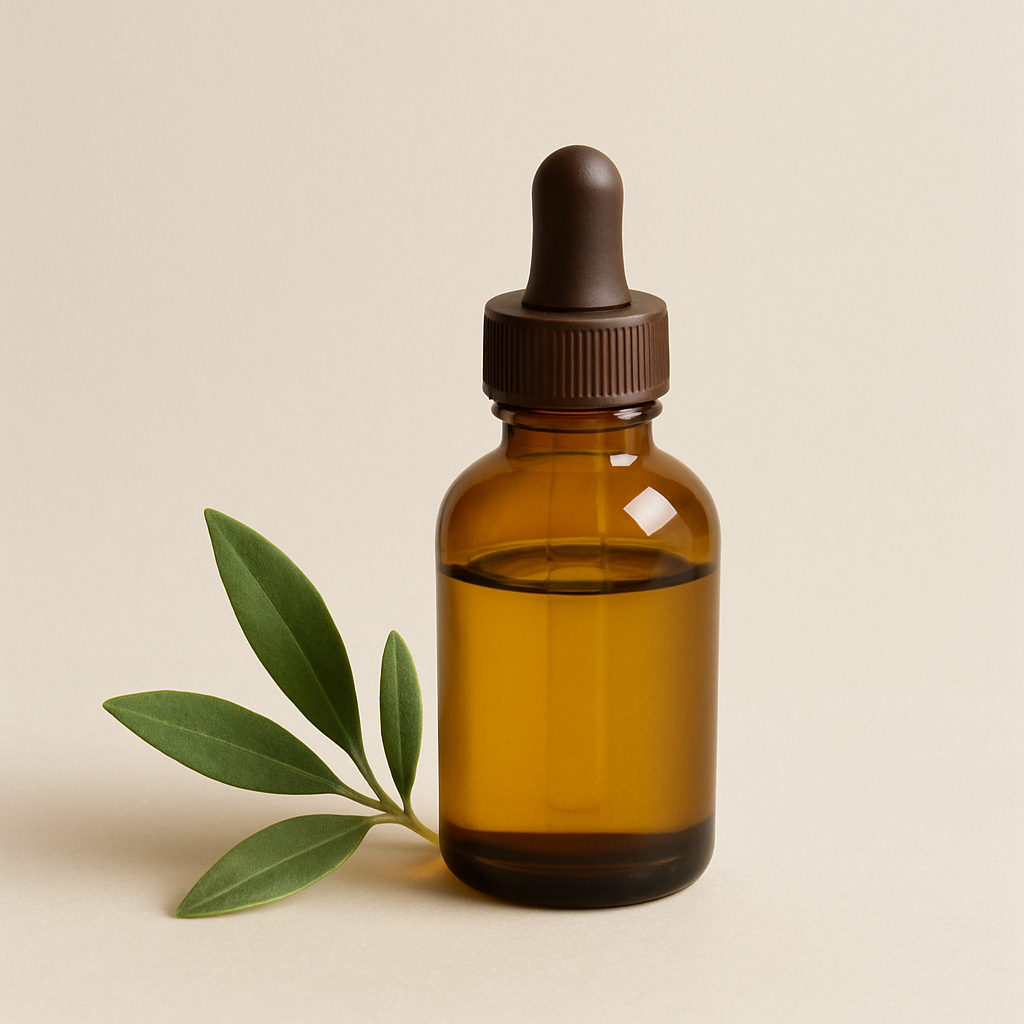
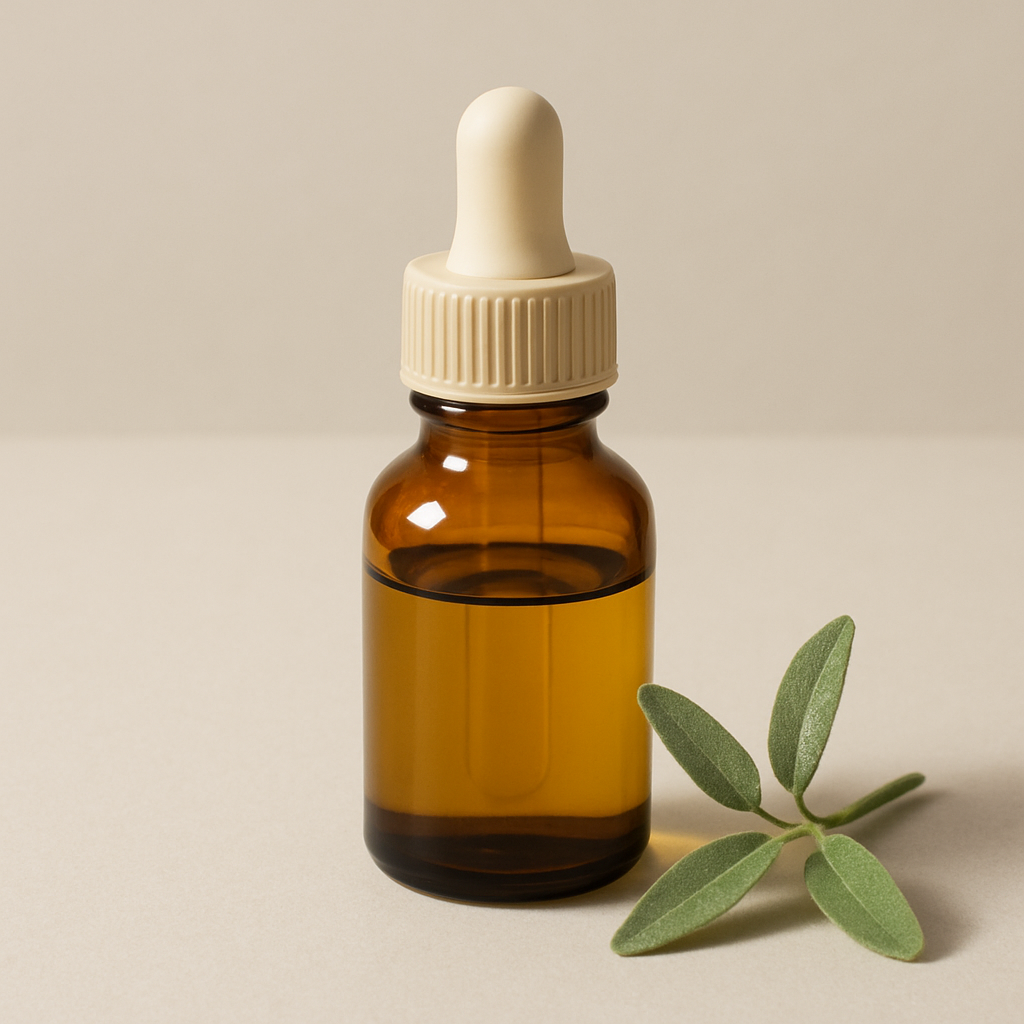
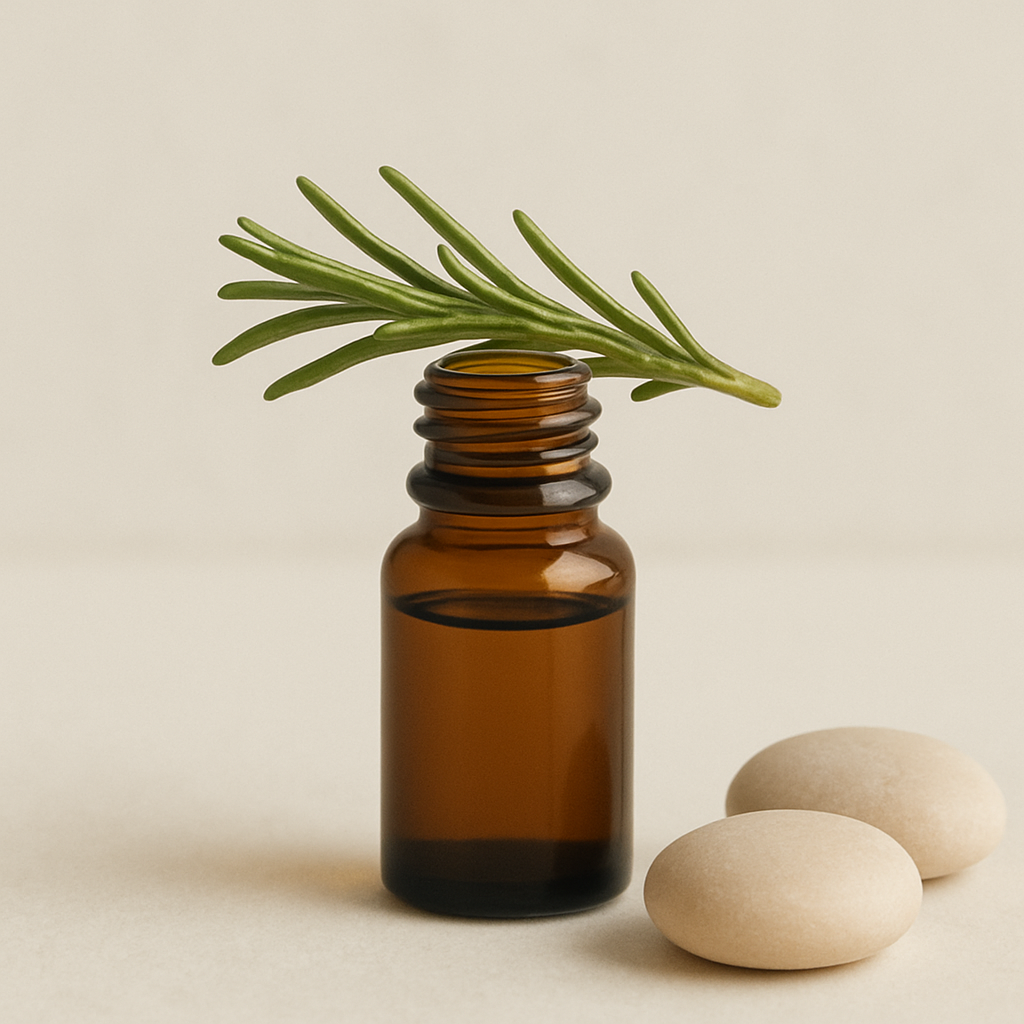
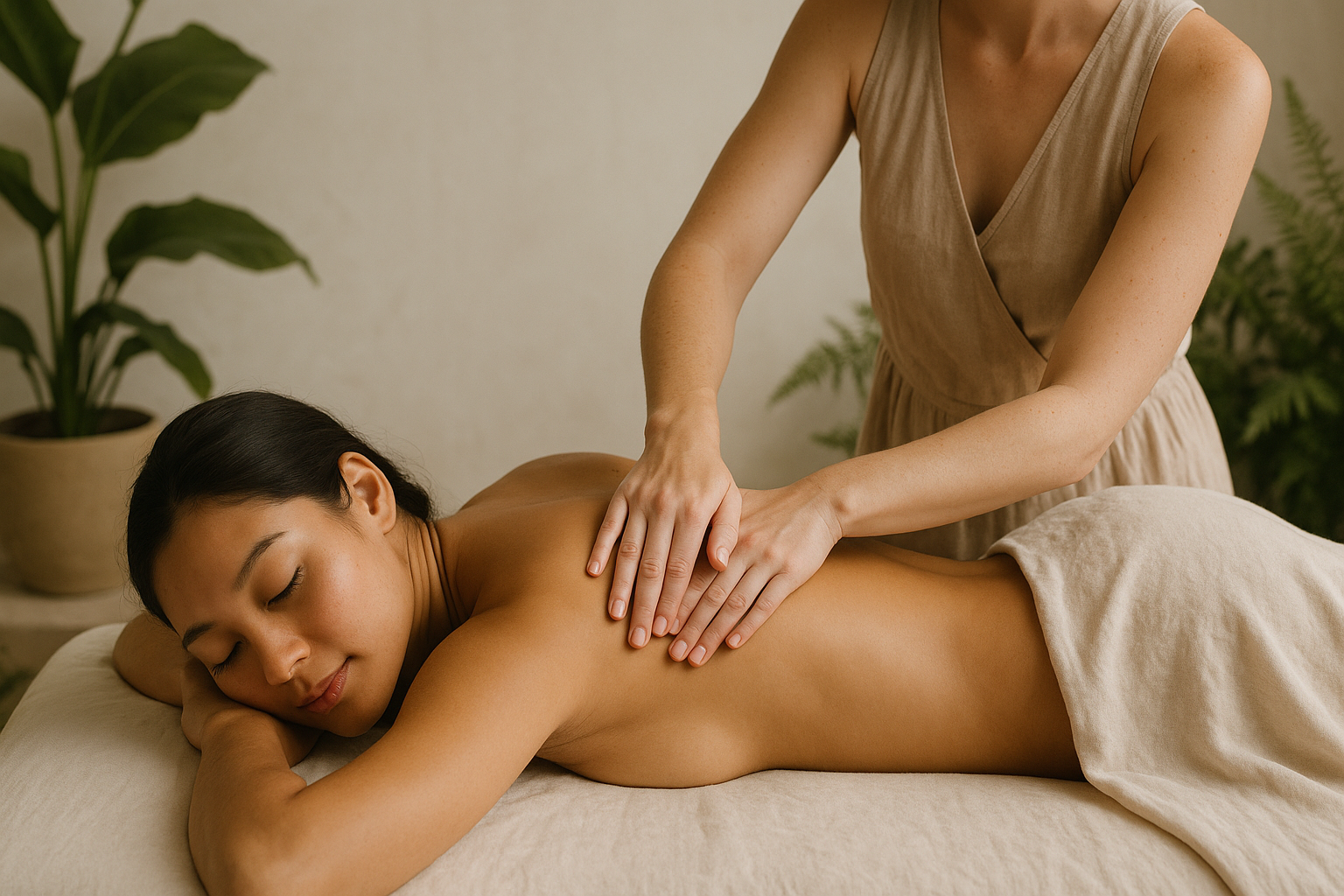
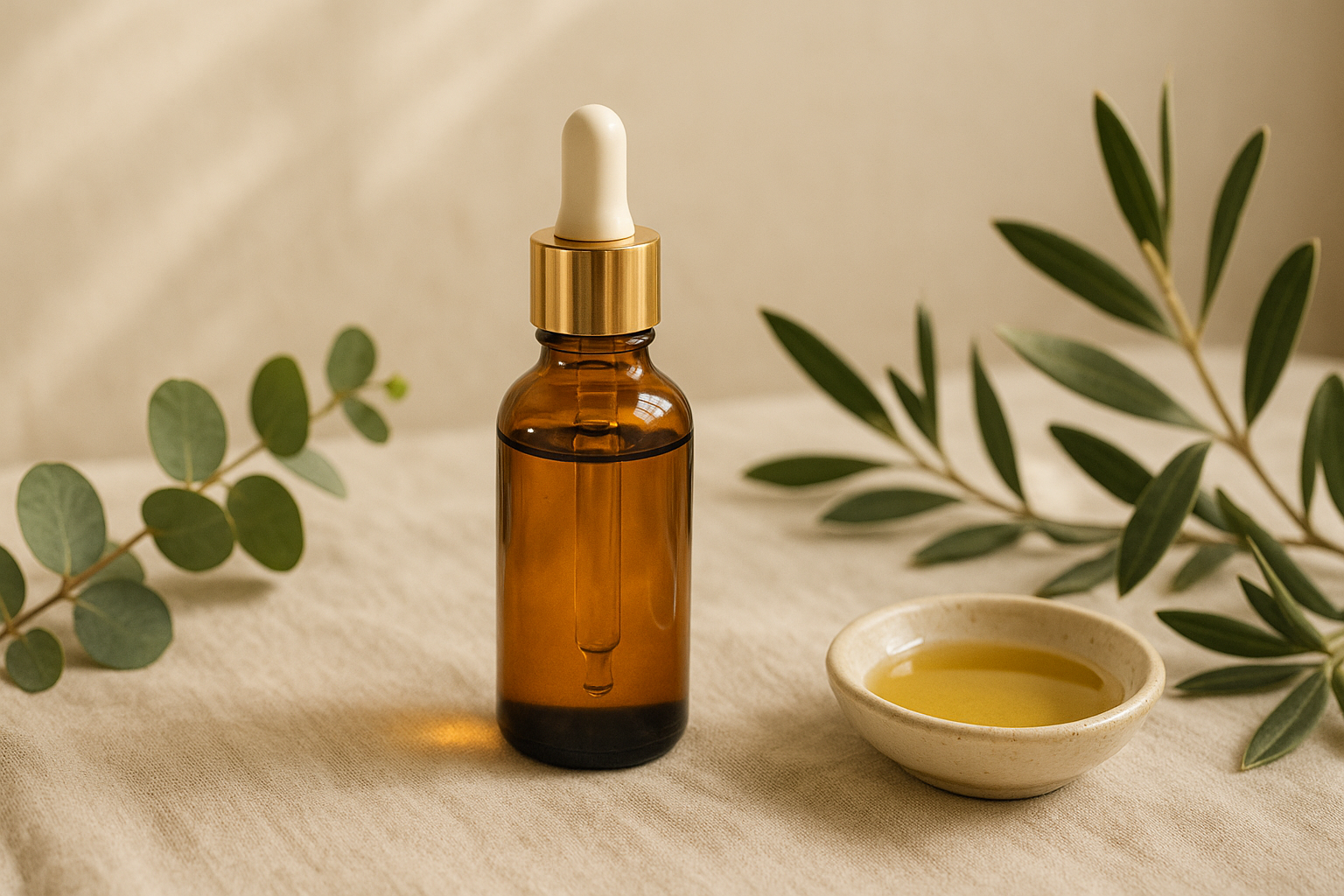
Massage oils are carrier oils infused with essential oils, used to enhance the experience of massage therapy. These oils help in providing lubrication during the massage, allowing for smooth and effective movements. The combination of carrier oils and essential oils can also offer various therapeutic benefits. Common carrier oils include sweet almond oil, jojoba oil, and coconut oil, while essential oils may include lavender (Lavandula angustifolia), eucalyptus (Eucalyptus globulus), and peppermint (Mentha piperita).
Key Active Compounds & Mechanisms
Massage oils contain a variety of active compounds that can influence the body and mind. Essential oils are made up of numerous chemical constituents, including:
- Terpenes: These compounds can have anti-inflammatory and analgesic properties.
- Esters: Known for their calming effects, esters can help reduce anxiety and promote relaxation.
- Phenols: These compounds can offer antioxidant benefits and may support immune function.
The mechanisms by which these compounds work can include absorption through the skin and inhalation, both of which can influence the nervous system and promote relaxation.
Traditional Uses
Historically, massage oils have been used in various cultures for centuries. In ancient India, Ayurvedic practices incorporated the use of herbal oils for massage to promote balance and well-being. In traditional Chinese medicine, oils were often used in conjunction with acupressure techniques to stimulate energy flow. Ancient Greeks and Romans also utilized oils for body massage as part of their health regimens, believing in the benefits for both physical and mental health.
What Modern Research Suggests
Modern research has begun to explore the benefits of massage oils in various contexts. Preliminary studies suggest that massage therapy using these oils can help reduce anxiety, improve mood, and alleviate muscle tension. Some research highlights the potential for specific oils, such as lavender, to enhance relaxation and sleep quality. However, more extensive clinical trials are needed to fully understand the efficacy of various essential oils when used in massage.
Functional Actions
The functional actions of massage oils can vary depending on the essential oils used. Common actions include:
- Relaxation: Essential oils like lavender and chamomile can promote a sense of calm.
- Pain Relief: Oils such as peppermint and eucalyptus may provide analgesic effects.
- Muscle Recovery: Oils like arnica and ginger can support recovery after physical activity.
These actions can contribute to an overall sense of well-being during and after massage therapy.
Body Systems Supported
Massage oils can support various body systems, including:
- Nervous System: Promotes relaxation and stress relief.
- Musculoskeletal System: Aids in muscle recovery and reduces tension.
- Circulatory System: Enhances blood flow and promotes lymphatic drainage.
By supporting these systems, massage oils can contribute to overall health and wellness.
Common Forms & Educational Dosing Ranges
Massage oils are typically available in liquid form, ready to be used for topical application. When using essential oils in massage, a common dilution ratio is:
- For every 1 ounce (30 ml) of carrier oil, add 5-10 drops of essential oil.
This dilution is essential for safety, as pure essential oils can cause skin irritation.
Safety, Contraindications & Interactions
While massage oils are generally safe for most people, certain precautions should be taken:
- Essential oils should be diluted in a carrier oil before application to the skin.
- Individuals with allergies or sensitive skin should perform a patch test before widespread use.
- Avoid using essential oils during pregnancy or breastfeeding unless advised by a healthcare professional.
Specific medication classes, such as anticoagulants, may interact with certain essential oils, so it is essential to consult with a healthcare provider before use.
Pairs Well With
Massage oils can be enhanced by pairing them with other holistic practices, such as:
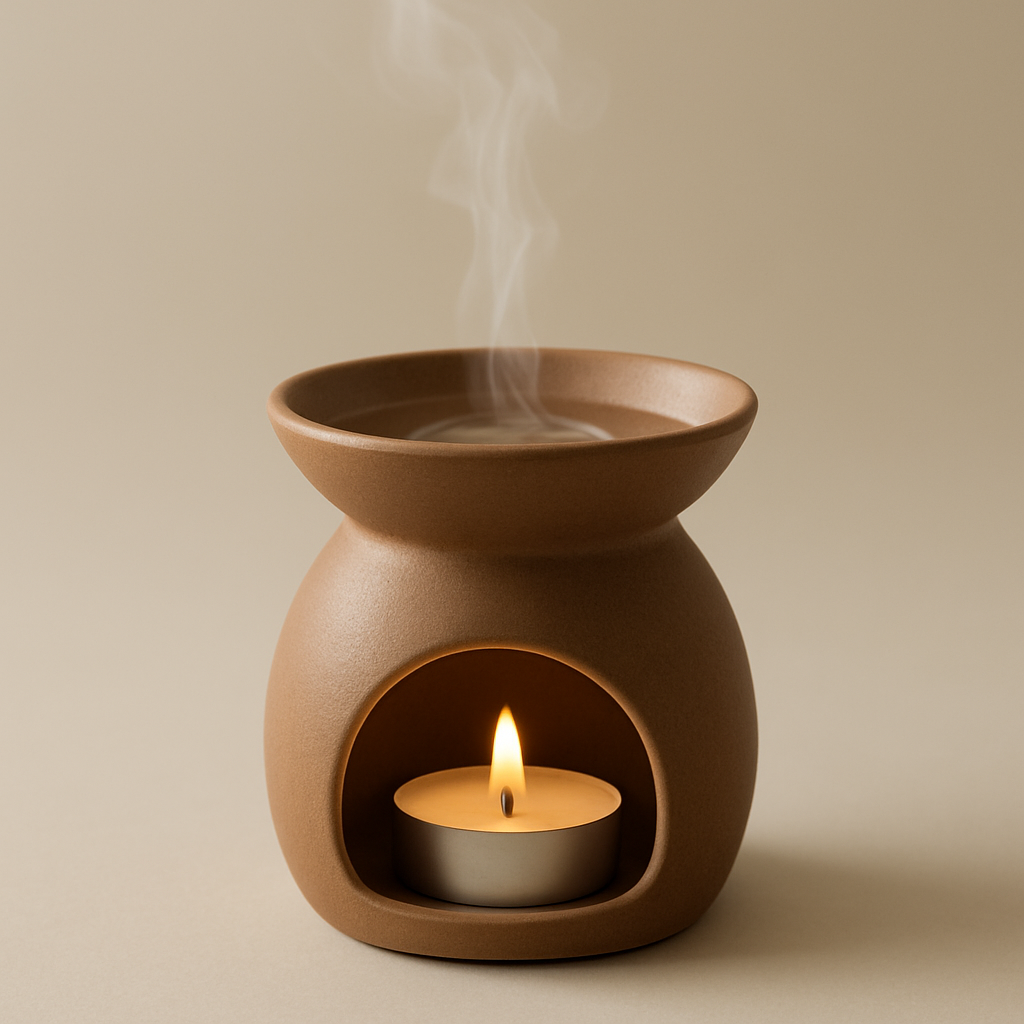
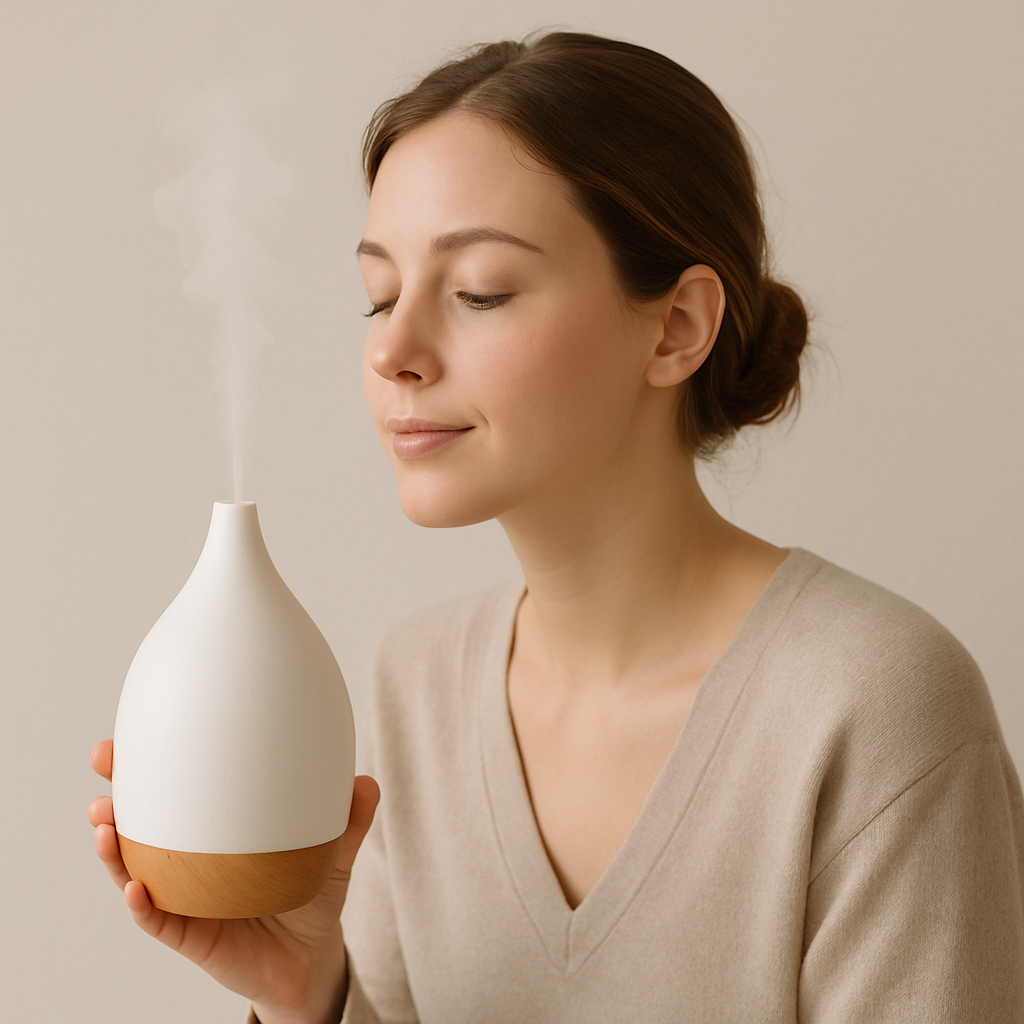
- Aromatherapy diffusers to create a calming atmosphere.
- Warm compresses to enhance the soothing effects of the oils.
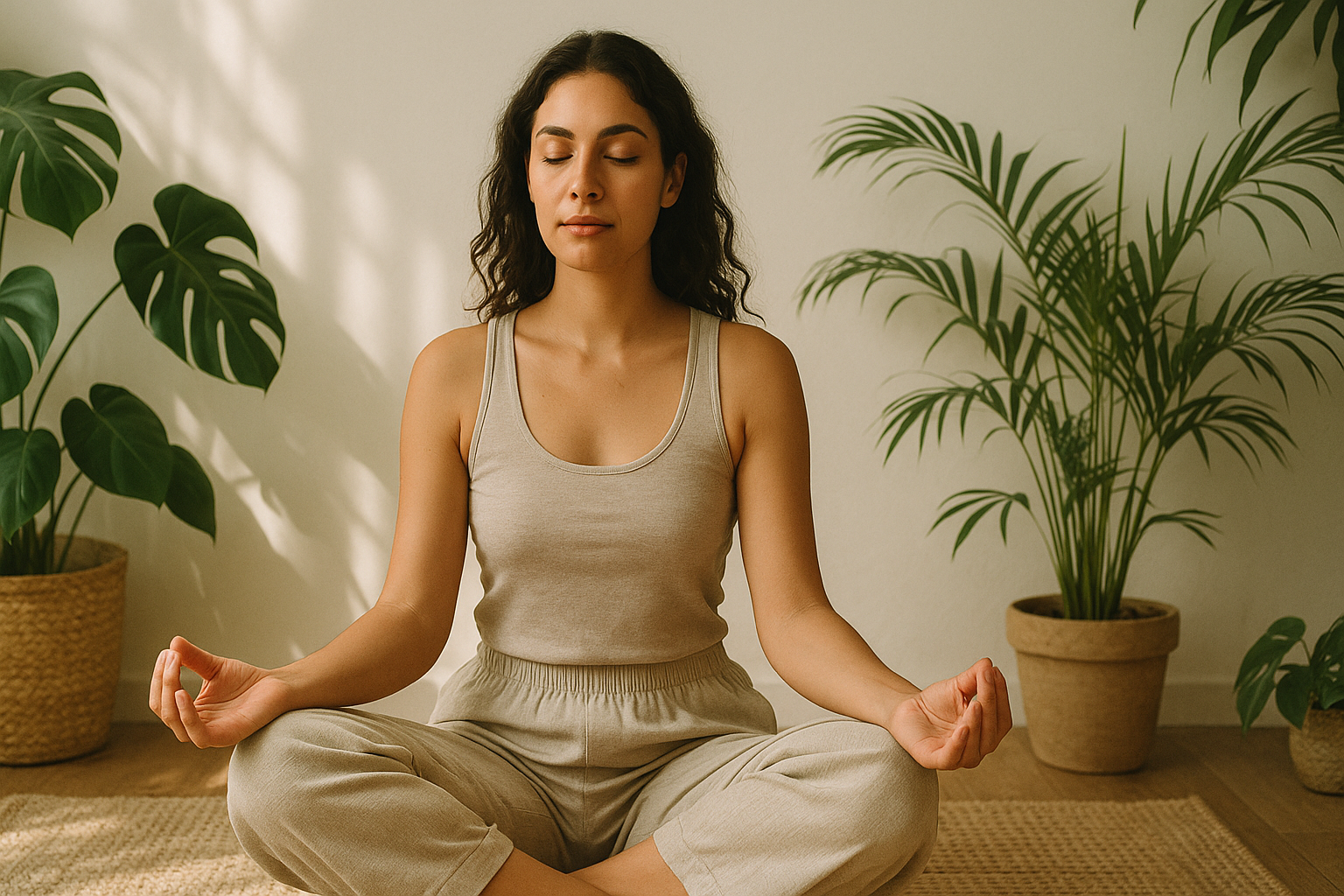
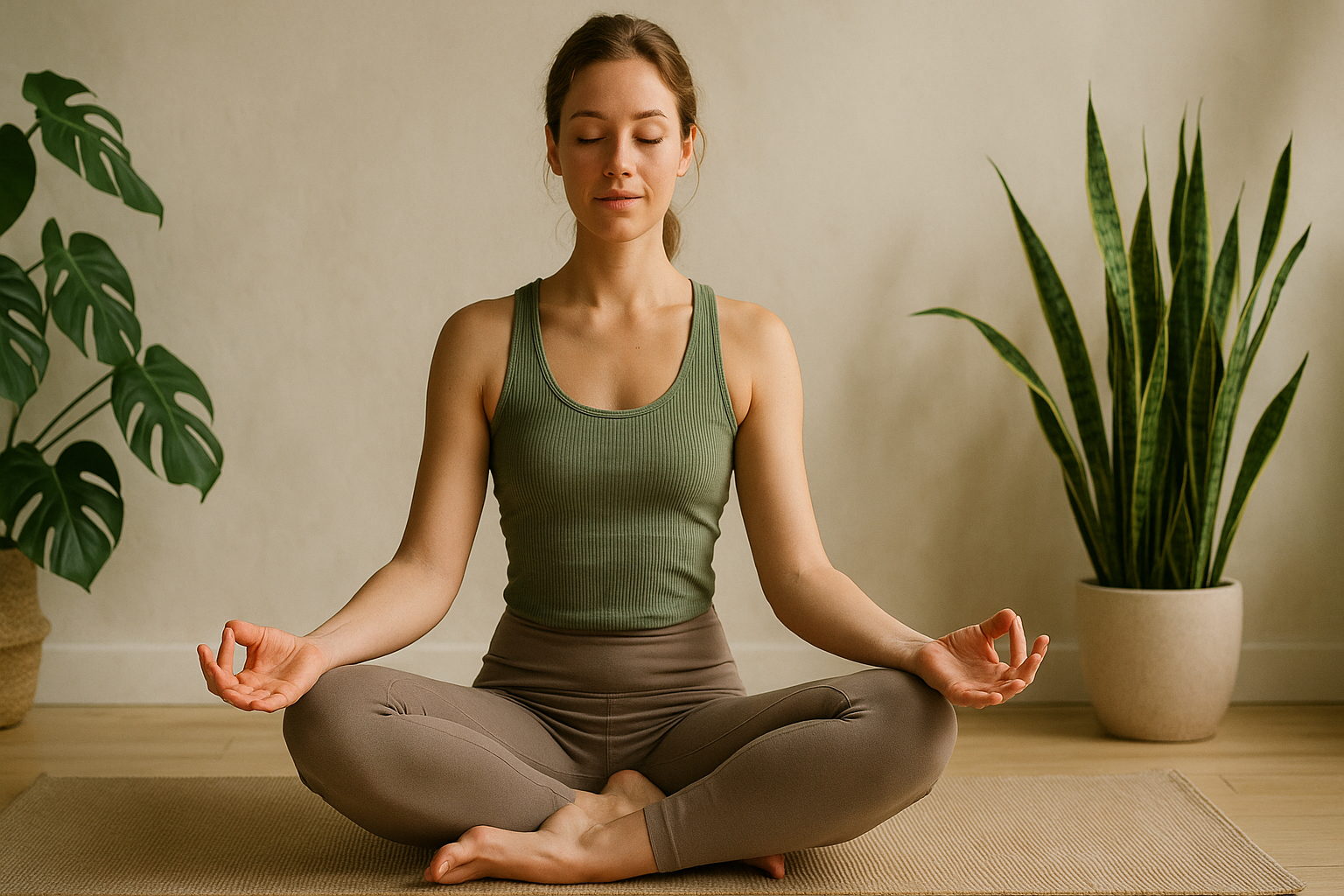
- Gentle stretching or yoga to maximize relaxation and muscle relief.
FAQs (5)
- What are the best carrier oils for massage? Common options include sweet almond oil, jojoba oil, and coconut oil.
- Can I use essential oils directly on my skin? It is advisable to dilute essential oils in a carrier oil to prevent irritation.
- How do I choose the right essential oil for massage? Consider your desired effects; for relaxation, lavender is a good choice, while peppermint is great for pain relief.
- How often can I use massage oils? You can use them as often as needed, but listen to your body and avoid overuse.
- Are massage oils safe for everyone? Most people can use them safely, but individuals with specific health concerns should consult a healthcare provider.
Frequently asked
What are the best carrier oils for massage?
Common options include sweet almond oil, jojoba oil, and coconut oil.
Can I use essential oils directly on my skin?
It is advisable to dilute essential oils in a carrier oil to prevent irritation.
How do I choose the right essential oil for massage?
Consider your desired effects; for relaxation, lavender is a good choice, while peppermint is great for pain relief.
How often can I use massage oils?
You can use them as often as needed, but listen to your body and avoid overuse.
Are massage oils safe for everyone?
Most people can use them safely, but individuals with specific health concerns should consult a healthcare provider.