Amino Acids
Explore the world of amino acids in natural remedies. Discover their benefits, how to use them, and safety considerations for optimal wellness.

Amino acids are the building blocks of proteins and play crucial roles in various biological processes. In the realm of natural remedies, they offer a multitude of health benefits, supporting everything from muscle recovery to mental well-being. Understanding amino acids and their functions can enhance your journey toward holistic health.
Intro Summary
Amino acids are organic compounds that combine to form proteins, which are essential for numerous bodily functions. They play a significant role in natural medicine, as they are involved in various physiological processes, including muscle repair, neurotransmitter synthesis, and hormonal balance. In the context of natural remedies, amino acids are gaining popularity for their potential to support overall health and wellness.
Understanding amino acids is vital for anyone interested in natural medicine, as they can contribute to physical and mental well-being. With the right knowledge, individuals can leverage these compounds to enhance their health, improve recovery from exercise, and support cognitive function.
The Active Compounds at Play
Amino acids are classified into two main groups: essential and non-essential amino acids. Essential amino acids cannot be synthesized by the body and must be obtained through diet or supplementation, while non-essential amino acids are produced by the body.
There are 20 standard amino acids that play critical roles in the body, including:
- Leucine: Important for muscle growth and repair.
- Glutamine: Supports gut health and immune function.
- Tryptophan: Precursor to serotonin, which regulates mood.
- Arginine: Enhances blood flow and nitric oxide production.
These active compounds interact with various biochemical pathways in the body, influencing everything from metabolism to hormonal regulation.
Featured Members of This Category
#L-Glutamine
L-Glutamine is an amino acid that plays a vital role in gut health and immune function. It is often used by athletes for muscle recovery and is known for its ability to support the intestinal lining.
#L-Tryptophan
L-Tryptophan is essential for the production of serotonin, a neurotransmitter that helps regulate mood and sleep. Supplementing with L-Tryptophan may enhance mood and promote restful sleep.
#L-Arginine
L-Arginine is known for its role in enhancing blood flow and improving cardiovascular health. It is often used to support athletic performance and recovery.
#L-Carnitine
L-Carnitine is involved in fat metabolism and energy production. It is popular among those looking to enhance their physical performance and support weight management.
#Tyrosine
Tyrosine is important for the production of dopamine, norepinephrine, and epinephrine, which are crucial for stress response and cognitive function. It is often used to enhance mental performance during stressful situations.
Common Functional Actions
Amino acids exhibit various functional actions that contribute to health and wellness. Some of the common actions include:
- Anti-inflammatory: Certain amino acids, like L-Glutamine, can help reduce inflammation in the body, supporting recovery and overall health.
- Muscle support: Amino acids are essential for muscle repair and growth, making them vital for athletes and those engaged in physical training.
- Neurotransmitter support: Amino acids like L-Tryptophan and Tyrosine are precursors to neurotransmitters, influencing mood and cognitive function.
- Metabolic support: Amino acids such as L-Carnitine play a role in energy metabolism, supporting fat utilization for energy.
Body Systems This Category Most Supports
Amino acids support a variety of body systems, including:
- Muscular system: Essential for muscle growth, repair, and recovery.
- Digestive system: Certain amino acids support gut health and the integrity of the intestinal lining.
- Nervous system: Amino acids are crucial for neurotransmitter synthesis, impacting mood, cognition, and stress response.
- Immune system: Some amino acids enhance immune function, supporting the body's defense mechanisms.
Wellness Goals People Pursue With It
Individuals turn to amino acids for various wellness goals, including:
- Improving athletic performance and recovery.
- Enhancing mood and cognitive function.
- Supporting gut health and digestion.
- Promoting better sleep and relaxation.
- Managing weight and metabolism.
How to Choose & Use (responsibly)
When considering amino acids, it's essential to choose the right form and dosage for your needs:
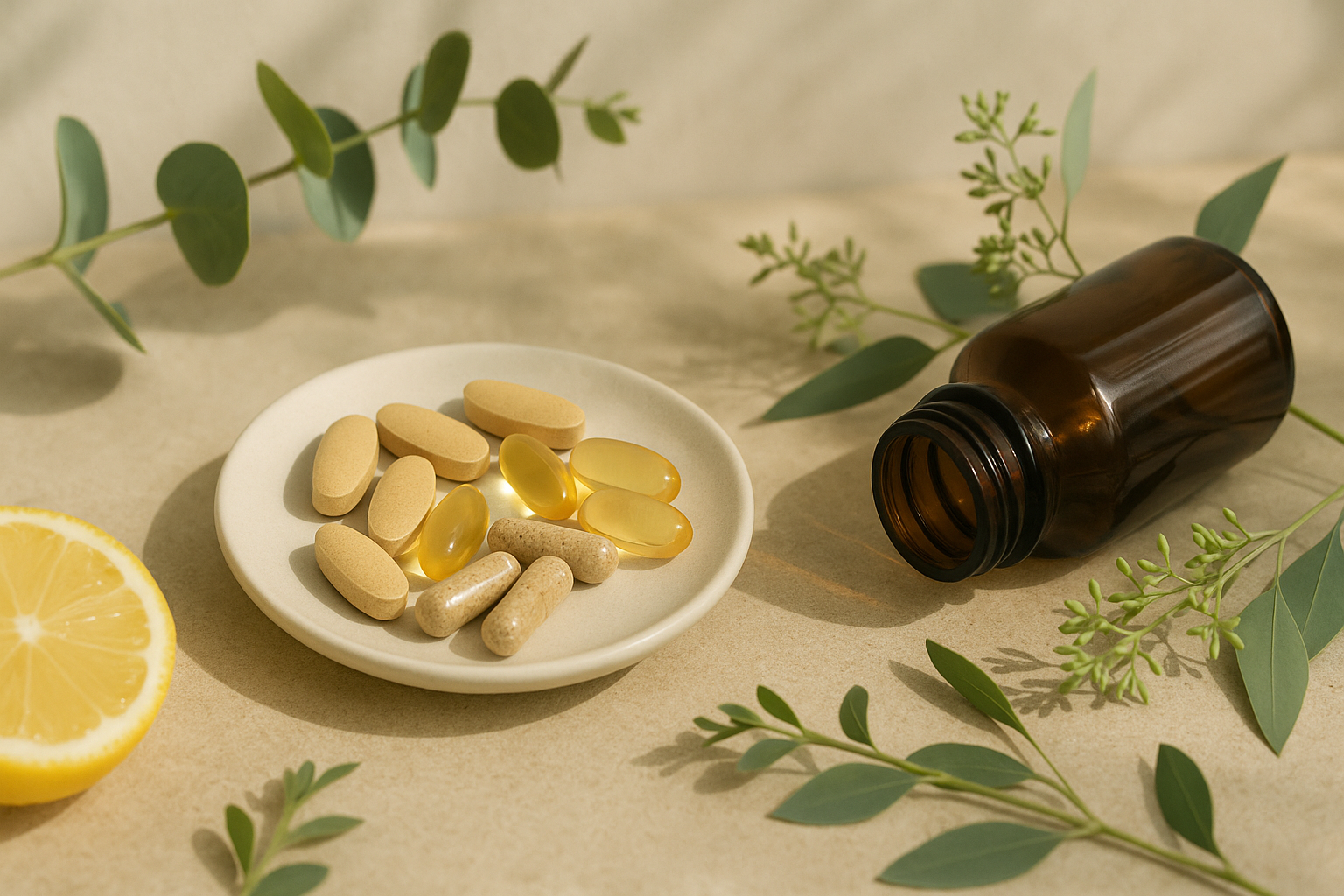
- Forms: Amino acids are available in various forms, such as capsules, powders, and liquid tinctures. Choose a form that fits your lifestyle for convenience.
- Educational dose ranges: Dosages can vary widely based on the type of amino acid and individual needs. It's advisable to start at the lower end of recommended dosages and consult with a healthcare professional.
- Timing: Some amino acids are best taken before or after exercise, while others may be beneficial during the day for cognitive support.
- Who shouldn't use: Pregnant or breastfeeding individuals, those with certain medical conditions, or those on specific medications should consult a healthcare provider before using amino acid supplements.
Safety, Contraindications & Medication Interactions
While amino acids are generally considered safe for most people when used appropriately, there are some considerations to keep in mind:
- Contraindications: Individuals with certain metabolic disorders or allergies should avoid specific amino acids.
- Medication interactions: Amino acids may interact with certain medications, such as those for diabetes or blood pressure. Always consult with a healthcare provider if you are taking medication.
Pairs Well With (cross-pillar suggestions)
Amino acids can synergize well with various natural remedies and nutritional approaches:
- Herbal supplements: Combining amino acids with adaptogenic herbs like ashwagandha can enhance stress resilience.
- Protein-rich foods: Incorporating lean meats, legumes, and dairy can complement amino acid supplementation.
- Vitamins and minerals: Certain vitamins, like B vitamins, play a role in amino acid metabolism and can enhance their effectiveness.
FAQs
- What are amino acids? Amino acids are organic compounds that serve as the building blocks of proteins and are essential for various bodily functions.
- How can amino acids benefit my health? They can support muscle recovery, enhance mood, improve gut health, and aid in metabolism.
- Are there any side effects of amino acid supplements? While generally safe, some individuals may experience digestive upset or interactions with medications.
- How should I take amino acid supplements? They can be taken in various forms, including powders, capsules, or tinctures, depending on your preference.
- Can I get enough amino acids from my diet? Yes, a balanced diet rich in protein sources typically provides sufficient amino acids.
- Should I consult a healthcare provider before taking amino acids? Yes, especially if you have existing health conditions or are taking medications.
Explore Amino Acids
15 subcategories











Frequently asked
What are amino acids?
Amino acids are organic compounds that serve as the building blocks of proteins and are essential for various bodily functions.
How can amino acids benefit my health?
They can support muscle recovery, enhance mood, improve gut health, and aid in metabolism.
Are there any side effects of amino acid supplements?
While generally safe, some individuals may experience digestive upset or interactions with medications.
How should I take amino acid supplements?
They can be taken in various forms, including powders, capsules, or tinctures, depending on your preference.
Can I get enough amino acids from my diet?
Yes, a balanced diet rich in protein sources typically provides sufficient amino acids.
Should I consult a healthcare provider before taking amino acids?
Yes, especially if you have existing health conditions or are taking medications.