Cellular Recovery
Discover how amino acids can aid in cellular recovery through their active compounds, historical uses, and modern research insights.

Explore the potential benefits of amino acids in cellular recovery, detailing their active compounds, traditional uses, modern research, functional actions, supported body systems, common forms, safety considerations, and complementary pairings.
What It Is
Cellular recovery refers to the process by which the body repairs and regenerates its cells after damage or stress. Amino acids, the building blocks of proteins, play a crucial role in this process. They are organic compounds made up of carbon, hydrogen, oxygen, nitrogen, and sometimes sulfur, and they link together to form proteins essential for various bodily functions. Key amino acids involved in cellular recovery include glutamine, branched-chain amino acids (BCAAs), and arginine.
Key Active Compounds & Mechanisms
The primary amino acids associated with cellular recovery include:
- Glutamine: This amino acid supports immune function and gut health, crucial during times of stress.
- Branched-Chain Amino Acids (BCAAs): Comprising leucine, isoleucine, and valine, BCAAs are known for their role in muscle recovery and reducing exercise-induced muscle damage.
- Arginine: This amino acid promotes blood flow and nutrient delivery by enhancing nitric oxide production, which is vital for cellular repair.
These amino acids participate in various biochemical pathways, facilitating protein synthesis, energy production, and the modulation of immune responses.
Traditional Uses
Historically, amino acids have been utilized in various cultures for their health benefits. For example:
- Traditional Chinese Medicine: Glutamine has been used to support digestion and enhance immune function.
- Ayurveda: The use of amino acids in herbal formulations to promote vitality and recovery after illness is well documented.
- Indigenous Practices: Many traditional healing practices incorporate protein-rich foods to aid recovery and strength restoration following illness or physical exertion.
These ancient practices highlight the long-standing recognition of amino acids in supporting cellular health.
What Modern Research Suggests
Contemporary studies have begun to validate the traditional uses of amino acids for cellular recovery. Research indicates that:
- Amino acids can enhance muscle recovery by reducing soreness and improving strength following exercise.
- Glutamine supplementation may aid in recovery from intense physical stress and improve gut health.
- Arginine has been shown to support circulation and nutrient delivery, which are critical for tissue repair.
However, while the evidence is promising, further research is needed to fully understand the extent of their benefits.
Functional Actions
Amino acids support cellular recovery through several functional actions:
- Protein Synthesis: They are essential for repairing damaged tissues and synthesizing new proteins.
- Energy Production: Certain amino acids serve as precursors for energy metabolism, crucial during recovery periods.
- Immune Support: Amino acids like glutamine help maintain immune function, especially during times of physical stress.
Body Systems Supported
Amino acids contribute to the recovery of various body systems, including:
- Muscular System: Supports muscle repair and growth.
- Immune System: Enhances immune response and gut health.
- Cardiovascular System: Improves circulation and nutrient delivery for tissue repair.
- Digestive System: Supports gut health and recovery from digestive stress.
Common Forms & Educational Dosing Ranges
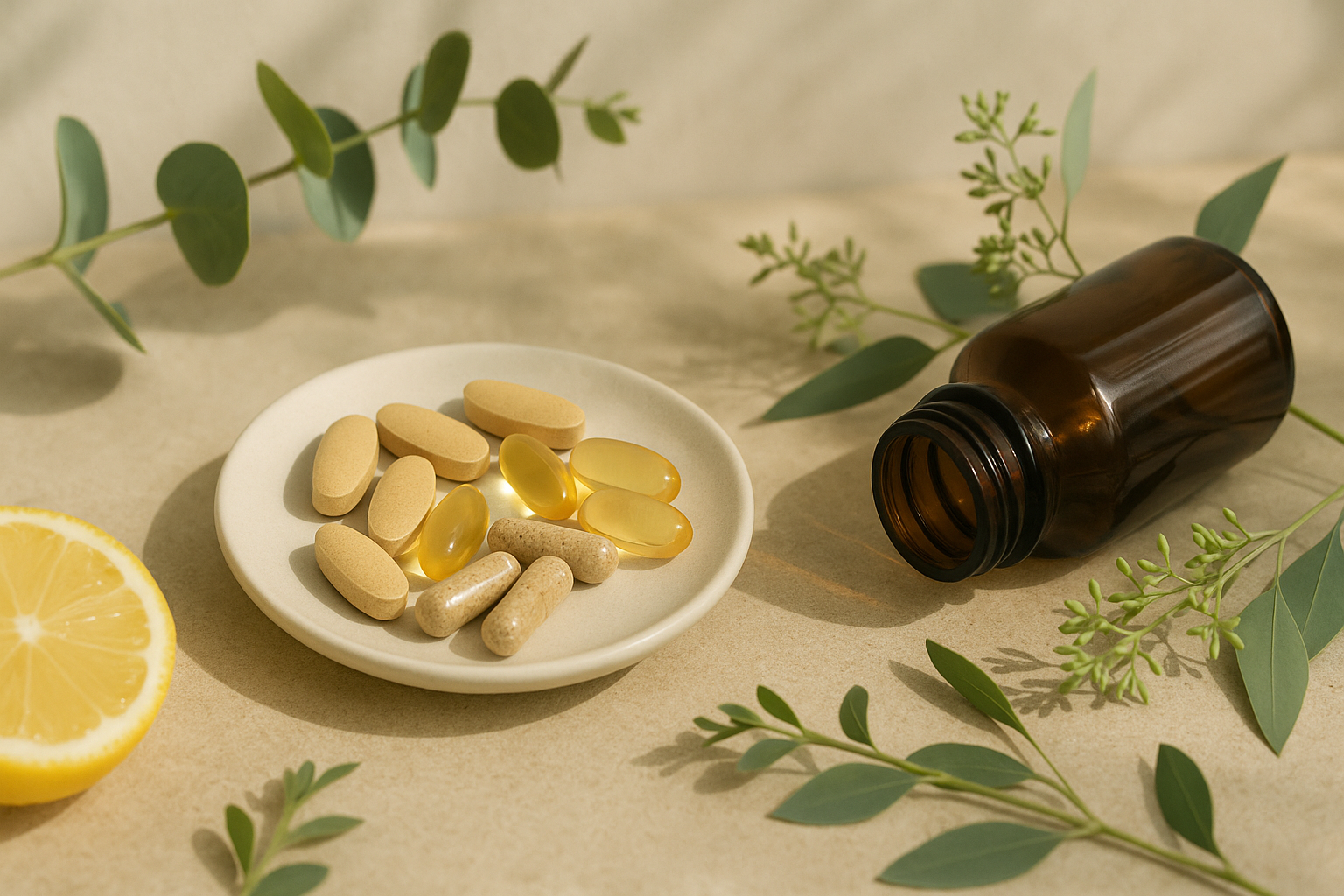
Amino acids can be found in various forms, including:
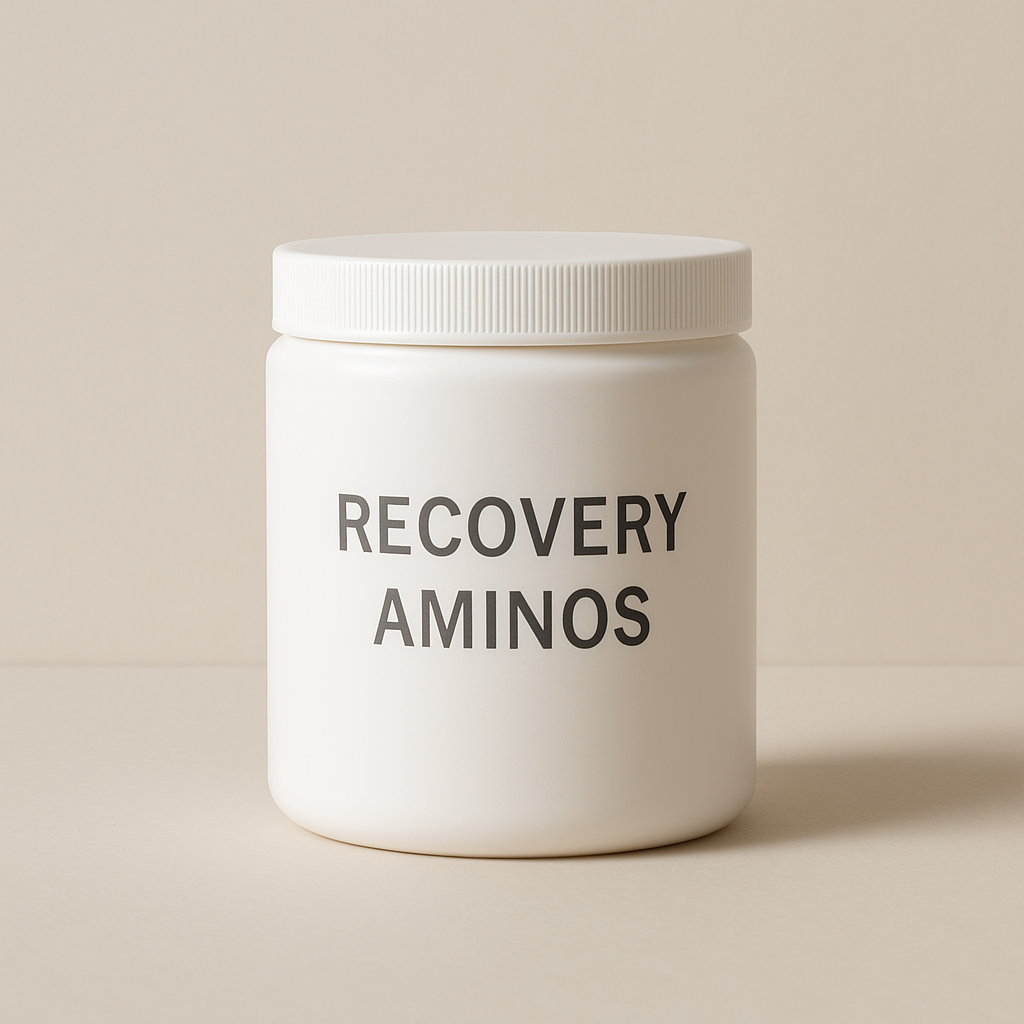
- Powders: Often used in protein shakes and smoothies.
- Capsules: Convenient for direct supplementation.
- Liquid Formulas: Easily absorbed and can be mixed with beverages.
Typical dosing ranges vary based on the specific amino acid and intended use:
- Glutamine: 5-10 grams per day.
- BCAAs: 5-20 grams before or after exercise.
- Arginine: 2-6 grams per day.
Safety, Contraindications & Interactions
While amino acids are generally considered safe, certain precautions should be taken:
- Individuals with kidney disorders should consult a healthcare provider before supplementation, as excessive amino acids can strain the kidneys.
- Amino acid supplements may interact with medications, particularly those affecting liver metabolism.
- People on blood-thinning medications should exercise caution with arginine, as it may enhance blood flow.
Always consult a healthcare professional before starting any new supplement regimen.
Pairs Well With
For enhanced cellular recovery, amino acids can be effectively paired with:
- Proteins: Such as whey or plant-based proteins to maximize recovery.
- Electrolytes: To replenish minerals lost during exercise.
- Antioxidants: Such as vitamin C and E to combat oxidative stress.
FAQs (5)
- What are amino acids? Amino acids are organic compounds that combine to form proteins, which are essential for various bodily functions.
- How do amino acids help with recovery? They support muscle repair, enhance immune function, and improve energy production during recovery.
- Are there any side effects of amino acid supplementation? Generally safe, but potential side effects may include gastrointestinal discomfort and interactions with certain medications.
- Can I get enough amino acids from food? Yes, a balanced diet with protein-rich foods typically provides sufficient amino acids for most individuals.
- How should I take amino acids for optimal recovery? Timing is essential; consuming them before or after exercise may enhance their effectiveness for recovery.
Frequently asked
What are amino acids?
Amino acids are organic compounds that combine to form proteins, which are essential for various bodily functions.
How do amino acids help with recovery?
They support muscle repair, enhance immune function, and improve energy production during recovery.
Are there any side effects of amino acid supplementation?
Generally safe, but potential side effects may include gastrointestinal discomfort and interactions with certain medications.
Can I get enough amino acids from food?
Yes, a balanced diet with protein-rich foods typically provides sufficient amino acids for most individuals.
How should I take amino acids for optimal recovery?
Timing is essential; consuming them before or after exercise may enhance their effectiveness for recovery.