Sleep Support
Discover how amino acids can enhance your sleep quality, their traditional uses, modern research, and practical advice for safe usage.
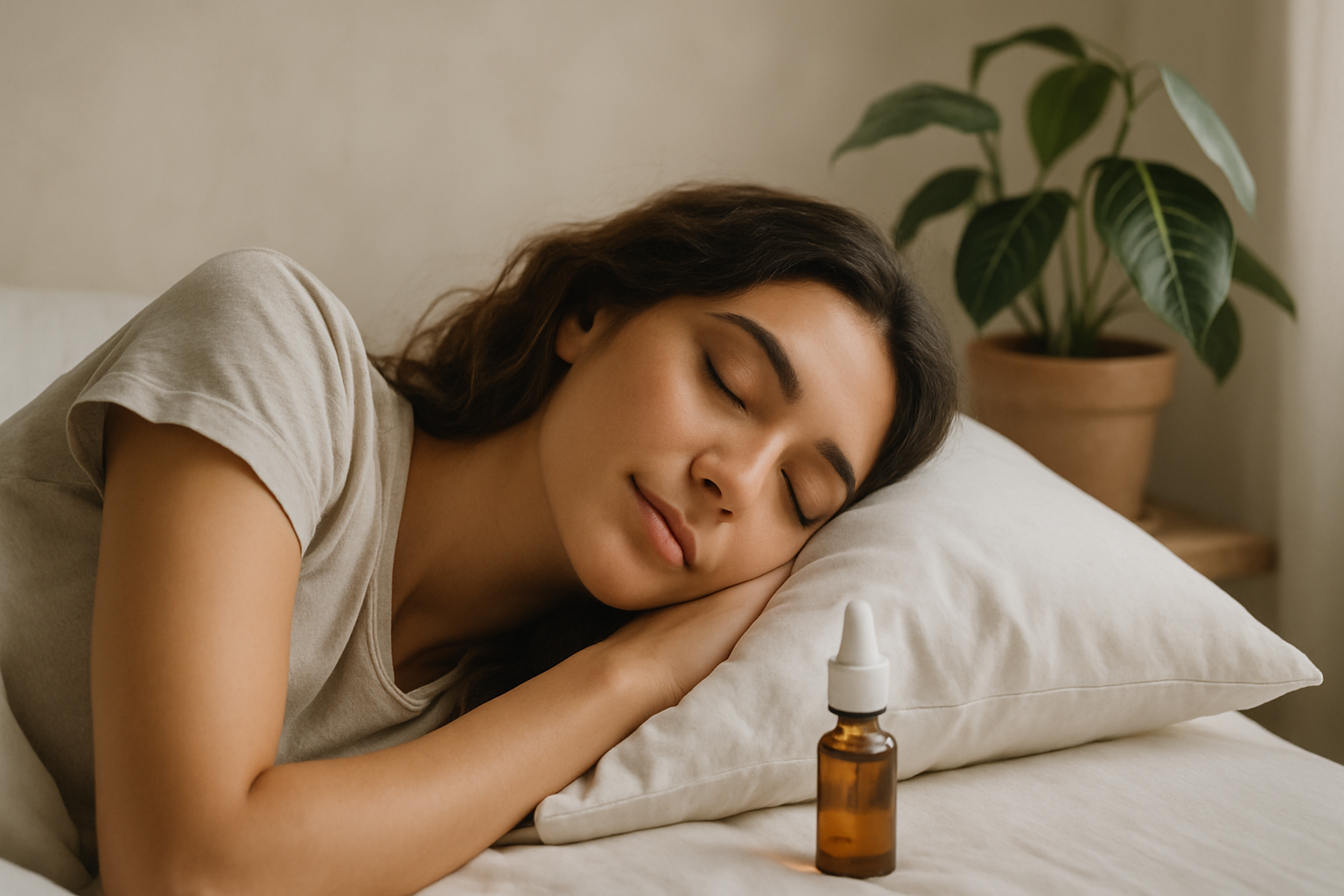
Explore the benefits of amino acids for sleep support, including active compounds, traditional uses, modern research, and safe applications.
What It Is
Sleep support encompasses various natural remedies that aim to improve the quality and duration of sleep. Among these remedies, amino acids play a significant role. Amino acids are organic compounds composed of carbon, hydrogen, oxygen, nitrogen, and sometimes sulfur. They serve as the building blocks of proteins and are crucial for numerous bodily functions. Certain amino acids, such as tryptophan and glycine, are particularly known for their sleep-enhancing properties.
Key Active Compounds & Mechanisms
The primary amino acids associated with sleep support include:
- Tryptophan - This essential amino acid is a precursor to serotonin, which subsequently converts to melatonin, a hormone that regulates sleep-wake cycles.
- Glycine - An amino acid that has been shown to lower body temperature and promote a relaxed state, aiding in falling asleep faster.
- Glutamine - While primarily known for its role in gut health, it also supports the production of neurotransmitters that can influence sleep quality.
These amino acids work synergistically to promote relaxation, reduce anxiety, and improve overall sleep quality.
Traditional Uses
Historically, amino acids have been utilized in various cultures for their calming effects. For instance:
- In ancient Greece, the use of dietary sources rich in tryptophan, such as turkey and dairy, was believed to promote better sleep.
- Traditional Chinese Medicine emphasizes the importance of amino acids in nourishing the heart and calming the mind, using foods like nuts and seeds to enhance sleep.
These historical practices highlight the longstanding recognition of amino acids as supportive agents for sleep health.
What Modern Research Suggests
Recent studies have begun to validate the traditional use of amino acids for sleep support. Some key findings include:
- A study published in the journal Sleep found that supplementation with tryptophan improved sleep efficiency and reduced the time taken to fall asleep.
- Research in Neuropsychopharmacology indicated that glycine supplementation could enhance sleep quality and reduce daytime fatigue.
While more research is needed to fully understand these mechanisms, preliminary evidence suggests that amino acids can be beneficial for sleep.
Functional Actions
Amino acids provide several functional actions that contribute to sleep support:
- Promoting relaxation by increasing serotonin and melatonin levels.
- Reducing anxiety and stress, which are common barriers to restful sleep.
- Enhancing sleep quality by improving sleep cycles and reducing wakefulness during the night.
Body Systems Supported
The use of amino acids for sleep support primarily impacts the following body systems:
- Nervous System: Amino acids like tryptophan and glycine help regulate neurotransmitters that influence mood and sleep.
- Endocrine System: By supporting melatonin production, amino acids aid in the regulation of sleep-wake cycles.
Common Forms & Educational Dosing Ranges
Amino acids can be found in various forms, including:
- Powder: Easily mixed into beverages or smoothies, commonly used for tryptophan and glycine.
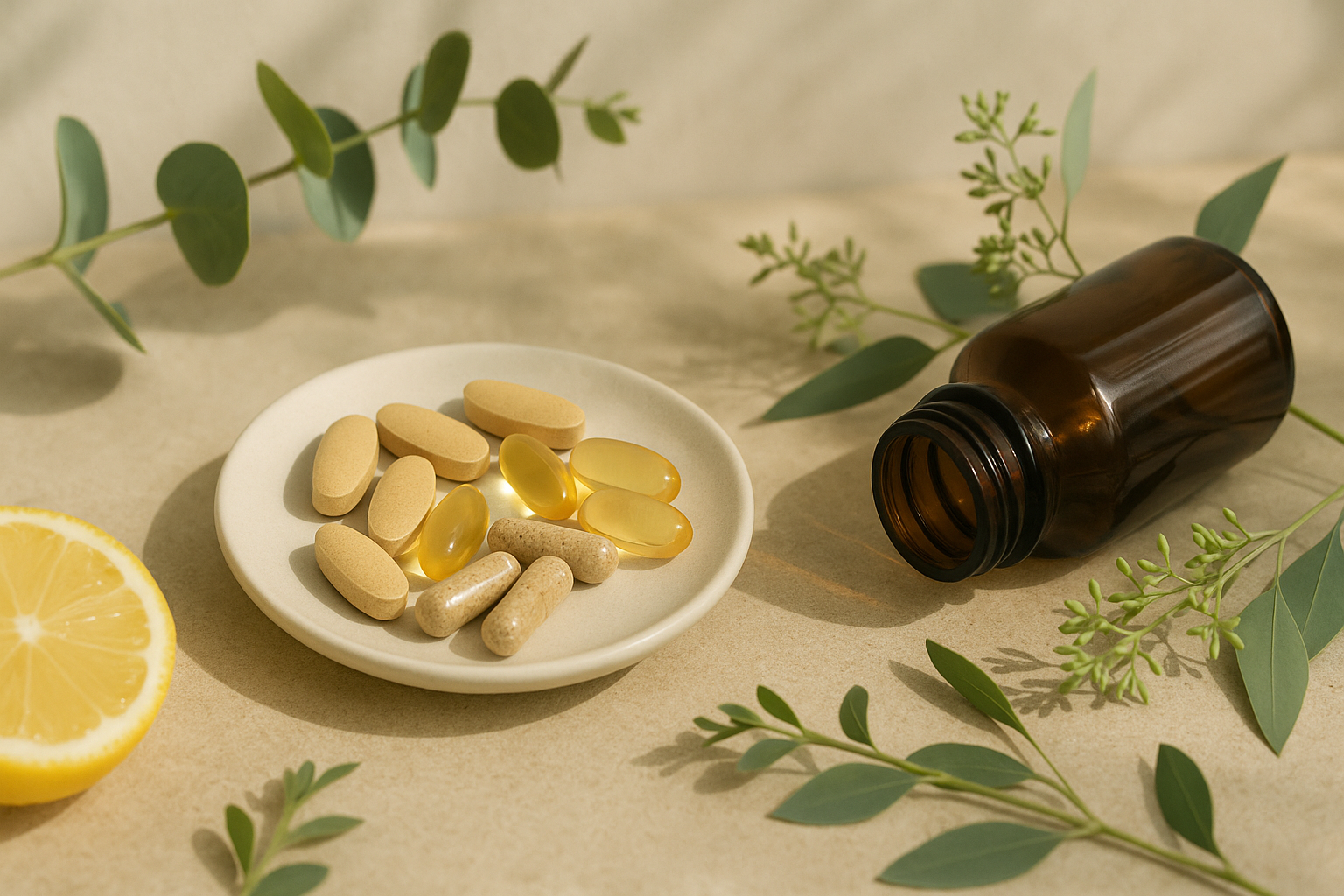
- Capsules or Tablets: Convenient for on-the-go use, often available in specific dosages.
Educational dosing ranges vary, but general guidelines suggest:
- Tryptophan: 500-2000 mg per day.
- Glycine: 3-5 grams before bedtime.
It is advisable to consult with a healthcare provider for personalized dosing recommendations.
Safety, Contraindications & Interactions
While amino acids are generally considered safe, there are some precautions to keep in mind:
- Individuals taking medications for depression, anxiety, or sleep disorders should consult a healthcare professional before starting amino acid supplementation, as interactions may occur.
- Avoid combining amino acid supplements with other sedatives or sleep medications without professional guidance.
Pairs Well With
Amino acids can be effectively paired with other natural remedies to enhance their sleep-supportive properties:
- Magnesium: Known for its muscle-relaxing properties, magnesium can complement amino acids for better sleep.
- Valerian Root: This herb is often used in combination with amino acids to promote relaxation and improve sleep quality.
FAQs (5)
- What is the best amino acid for sleep support? Tryptophan is often regarded as the best amino acid for promoting sleep due to its role in serotonin and melatonin production.
- How quickly can I expect results from amino acid supplements? Results can vary, but many individuals report improvements in sleep within a few days to a week of consistent use.
- Can I take amino acids with other sleep aids? It is essential to consult a healthcare provider before combining amino acids with other sleep aids to avoid potential interactions.
- Are there any side effects associated with amino acid supplementation? Generally, amino acids are safe; however, some individuals may experience digestive discomfort or drowsiness.
- Can dietary sources of amino acids improve sleep? Yes, foods rich in tryptophan, such as turkey, nuts, and dairy, can support sleep quality naturally.
Frequently asked
What is the best amino acid for sleep support?
Tryptophan is often regarded as the best amino acid for promoting sleep due to its role in serotonin and melatonin production.
How quickly can I expect results from amino acid supplements?
Results can vary, but many individuals report improvements in sleep within a few days to a week of consistent use.
Can I take amino acids with other sleep aids?
It is essential to consult a healthcare provider before combining amino acids with other sleep aids to avoid potential interactions.
Are there any side effects associated with amino acid supplementation?
Generally, amino acids are safe; however, some individuals may experience digestive discomfort or drowsiness.
Can dietary sources of amino acids improve sleep?
Yes, foods rich in tryptophan, such as turkey, nuts, and dairy, can support sleep quality naturally.