Hormone Optimization
Explore the importance of hormone optimization in modern wellness, its biological mechanisms, and practical interventions for achieving balance and well-being.
Hormone optimization is an essential aspect of modern wellness that focuses on achieving a balanced endocrine system for improved health and vitality. With the rise of stress, environmental toxins, and lifestyle changes, understanding and managing hormone levels has gained importance in achieving overall well-being. This category explores the mechanisms behind hormone optimization, practical applications, and various interventions available.
Intro Summary
Hormone optimization is a critical aspect of modern wellness, focusing on ensuring that hormone levels within the body are balanced and functioning optimally. Hormones are chemical messengers that play vital roles in regulating numerous bodily functions, including metabolism, mood, growth, and reproduction. As we navigate the complexities of contemporary life, factors such as stress, poor diet, and environmental toxins can lead to hormonal imbalances, which may contribute to various health issues.
This category delves into the importance of hormone optimization, examining how it can enhance overall well-being and vitality. It encompasses a variety of practices, from lifestyle adjustments and dietary changes to supplementation and advanced medical interventions. Understanding hormone optimization is essential for anyone seeking to improve their health and quality of life.
The Underlying Biology / Mechanism
The endocrine system is a network of glands that produce and secrete hormones directly into the bloodstream, where they travel to organs and tissues to exert their effects. Key glands involved include the pituitary, thyroid, adrenal glands, and the pancreas, among others. Hormones regulate a multitude of bodily functions, including metabolism, immune response, growth, and mood regulation.
When hormone levels are balanced, the body operates smoothly. However, various factors can disrupt this balance, leading to conditions such as fatigue, weight gain, mood swings, and reproductive issues. Hormone optimization aims to restore this balance through tailored interventions that address individual needs.
Key Sub-Topics Within This Category
Stress Hormones
Sex Hormones
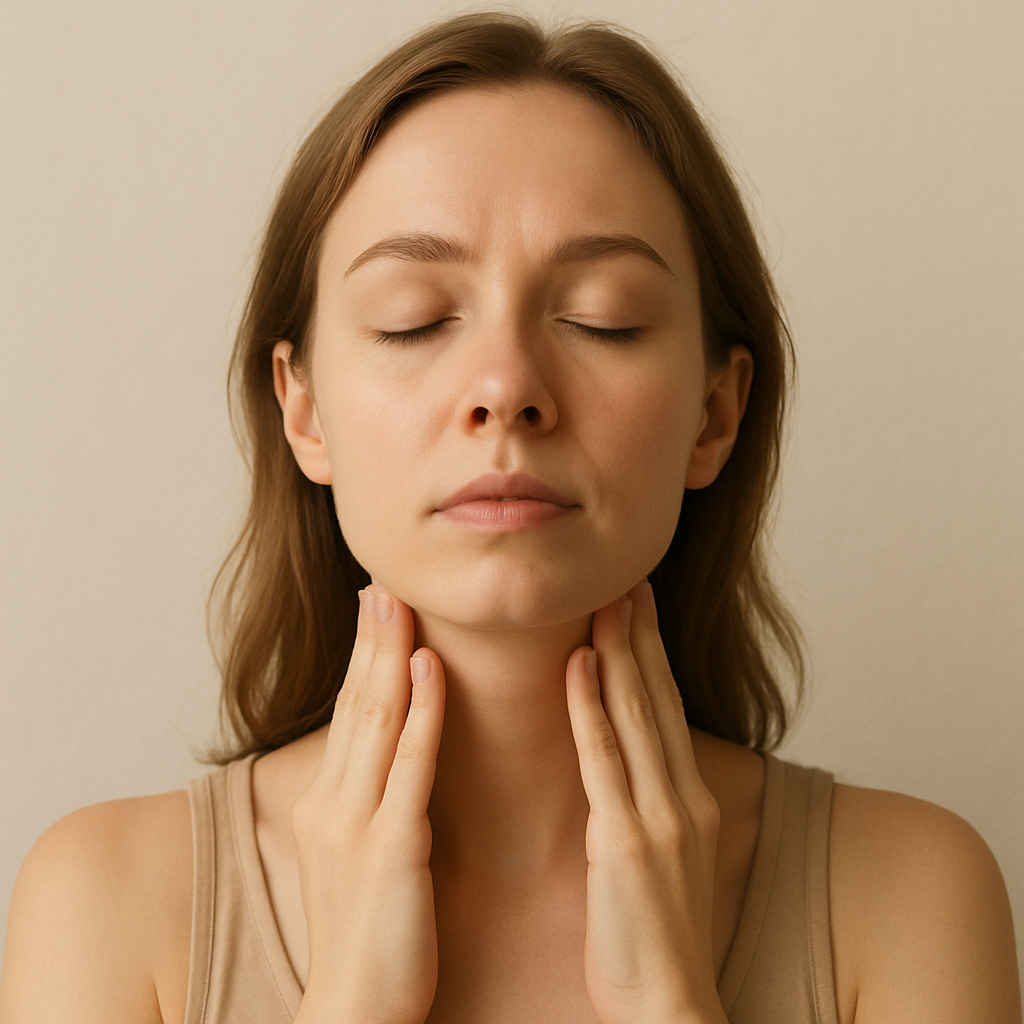
Thyroid Function
Insulin Sensitivity
Growth Hormones
Biomarkers, Tests, and Data Points That Matter
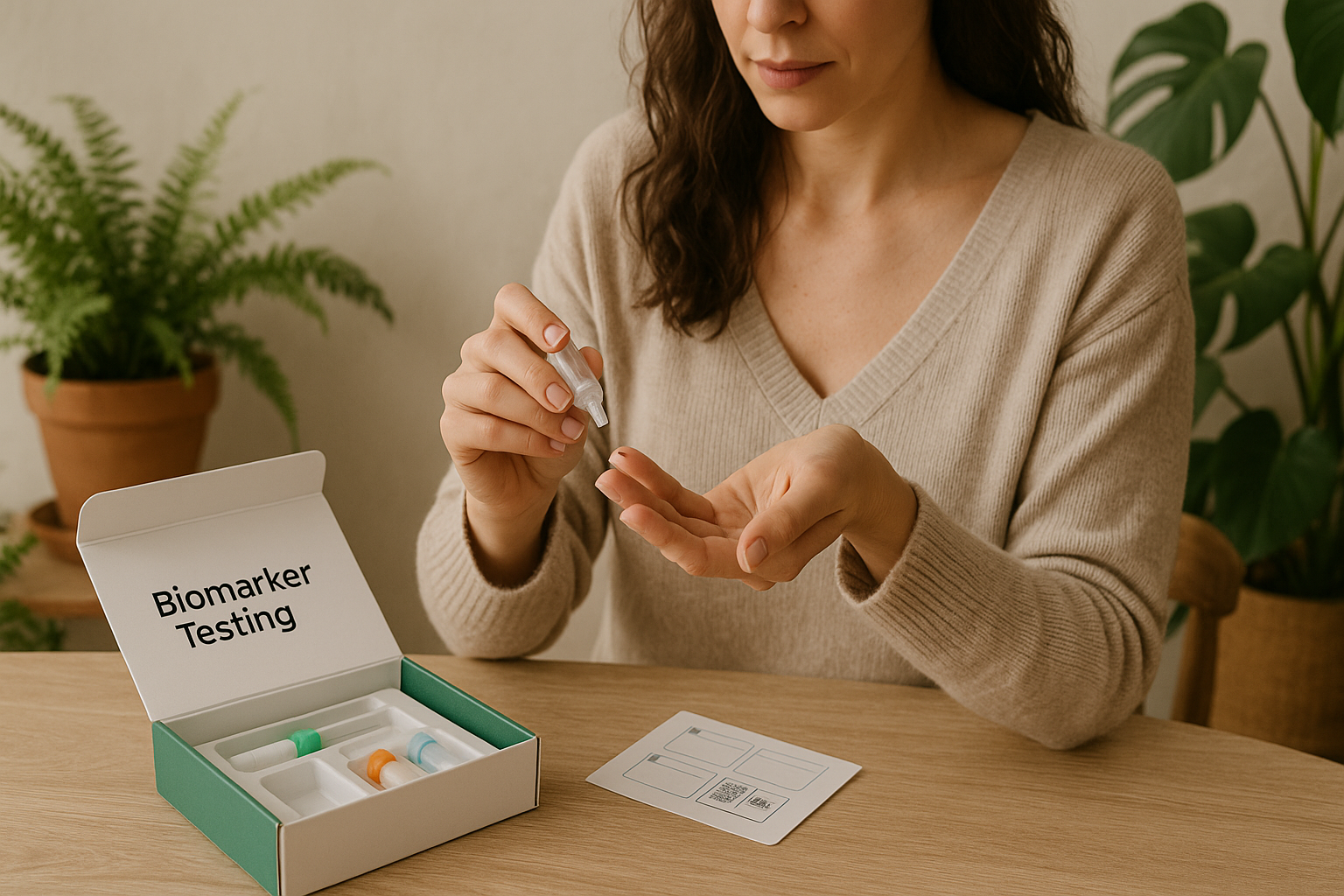
To effectively manage hormone levels, understanding key biomarkers is essential. Common tests include:
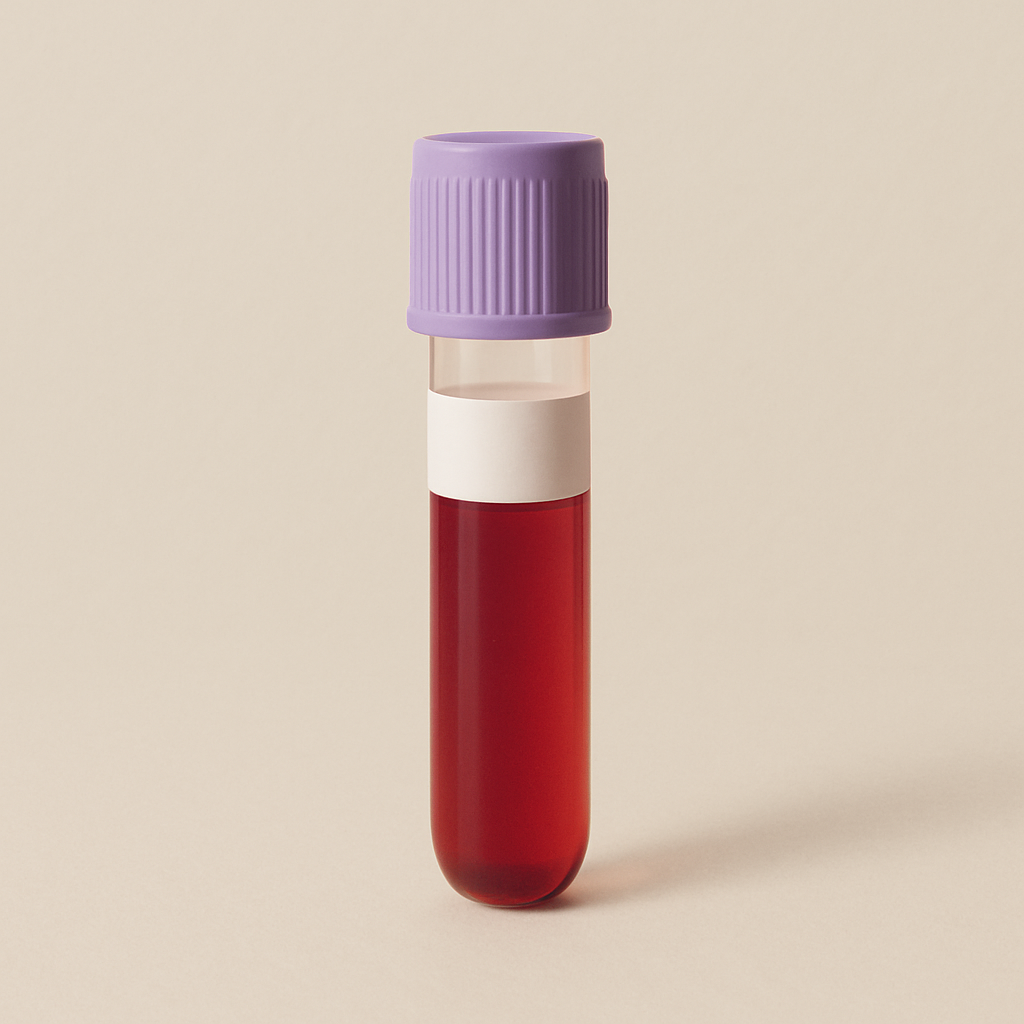
- Blood tests to measure levels of hormones such as estrogen, testosterone, cortisol, and thyroid hormones.
- Saliva tests for assessing cortisol and sex hormone levels throughout the day.
- Urine tests, especially for measuring metabolites of hormones.
It's important to note that reference ranges for hormone levels can vary widely based on age, sex, and individual health status. Always consult with a healthcare provider to interpret test results accurately and discuss potential implications for health.
Functional Actions This Category Targets
The goal of hormone optimization is to enhance several functional actions within the body, including:
- Improving energy levels and reducing fatigue.
- Enhancing mood stability and mental clarity.
- Regulating weight and promoting healthy metabolism.
- Supporting reproductive health and sexual function.
- Boosting immune system function.
Body Systems It Most Supports
Hormone optimization primarily supports several body systems, including:
- Endocrine System: The central player in hormone regulation.
- Nervous System: Hormones significantly impact mood and cognitive function.
- Digestive System: Hormones like insulin play key roles in metabolism and energy balance.
- Reproductive System: Hormones regulate sexual health and reproduction.
- Immune System: Hormonal balance can influence immune responses.
Common Goals
Individuals seeking hormone optimization typically have several goals, such as:
- Enhancing energy and reducing fatigue.
- Improving mood and mental clarity.
- Achieving and maintaining a healthy weight.
- Enhancing libido and sexual health.
- Regulating menstrual cycles and alleviating symptoms of menopause or andropause.
Approaches & Interventions (lifestyle, nutrition, supplements, devices)
There are various approaches to hormone optimization, including:
- Lifestyle Modifications: Regular exercise, adequate sleep, and stress management techniques such as meditation and yoga.
- Nutrition: Consuming a balanced diet rich in whole foods, healthy fats, fiber, and micronutrients that support hormone production.
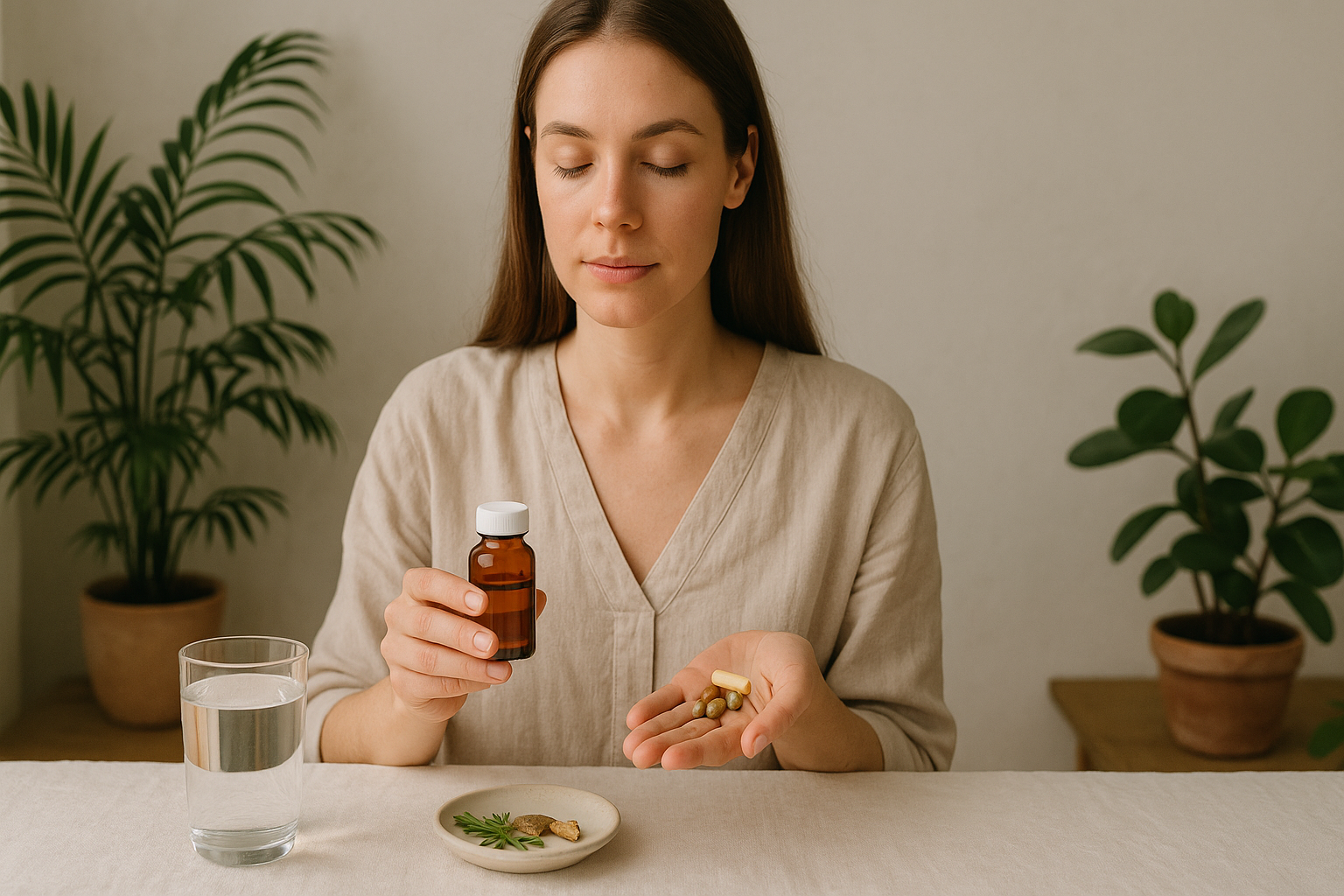
- Supplements: Natural supplements such as omega-3 fatty acids, vitamin D, and adaptogens may help support hormonal balance.
- Medical Interventions: Hormone replacement therapy (HRT) for those with significant hormonal deficiencies or imbalances.
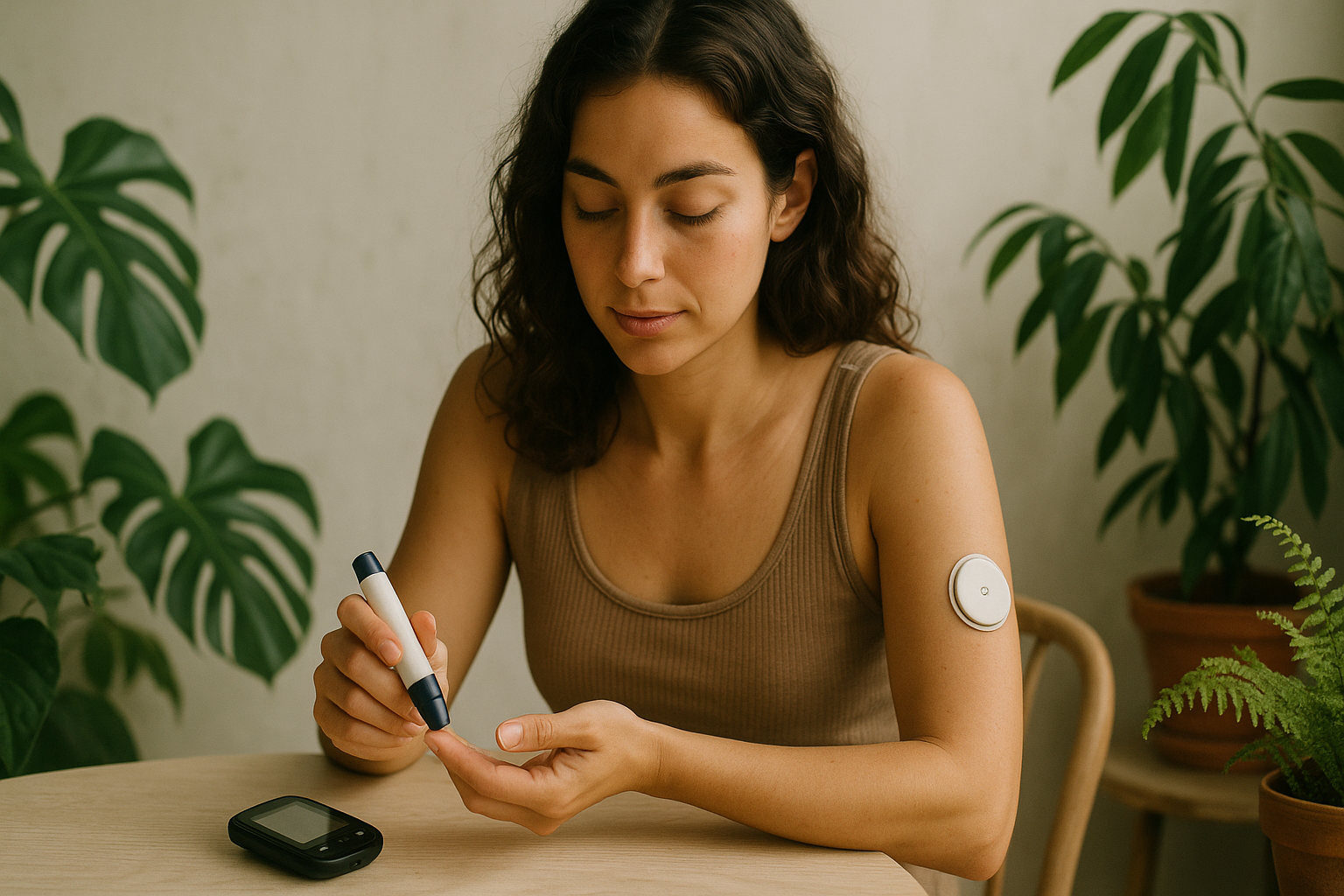
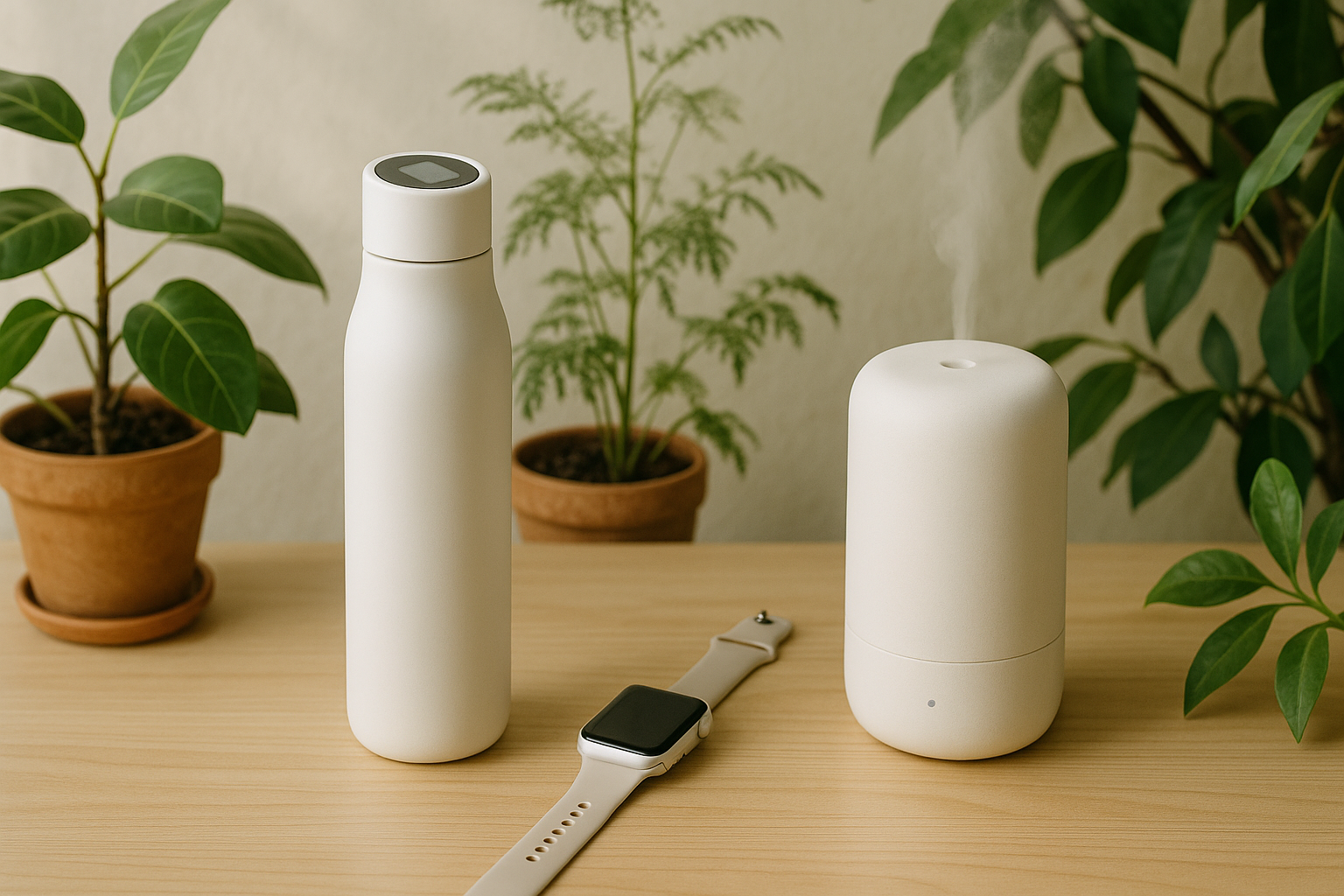
- Devices: Continuous glucose monitors and other health tracking devices to monitor biomarkers related to hormonal health.
Safety, Edge Cases & When to Consult a Clinician
While hormone optimization can be beneficial, it is essential to approach it with caution. Some individuals may have specific health conditions or hormonal disorders that require professional assessment. It is important to consult a clinician before making significant changes to your health regimen, especially if:
- You have a history of hormone-related conditions.
- You are pregnant or breastfeeding.
- You are taking medications that may interact with hormone therapy or supplements.
- You experience symptoms of hormone imbalance that are severe or persistent.
How It Bridges to Ancient Wisdom & Natural Remedies
Many principles of hormone optimization resonate with ancient wisdom and natural remedies. Traditional practices often emphasized the importance of balance within the body, using herbs, diet, and lifestyle changes to promote health. For example:
- Adaptogenic herbs such as ashwagandha and rhodiola have been used in Ayurvedic and traditional Chinese medicine to help the body adapt to stress and balance hormones.
- Dietary practices like the Mediterranean diet, rich in whole foods and healthy fats, have been linked to improved hormone health and overall well-being.
Through a holistic approach that incorporates both modern science and ancient wisdom, individuals can work towards achieving optimal hormonal balance.
FAQs (6)
What are the signs of hormonal imbalance?
Common signs include fatigue, mood swings, weight changes, and disrupted sleep patterns.
Can diet affect my hormone levels?
Yes, a balanced diet rich in nutrients can support hormone production and regulation.
How do I know if I need hormone optimization?
Consulting with a healthcare provider can help determine if you have symptoms indicative of hormonal imbalance.
Are there natural ways to optimize hormones?
Yes, lifestyle changes, nutrition, and certain supplements can help support hormonal health.
Is hormone replacement therapy safe?
HRT can be safe for some individuals, but it is essential to discuss the risks and benefits with a clinician.
How long does it take to see results from hormone optimization?
Results can vary; some individuals may notice changes within weeks, while others may take months.
Explore Hormone Optimization
15 subcategories






Frequently asked
What are the signs of hormonal imbalance?
Common signs include fatigue, mood swings, weight changes, and disrupted sleep patterns.
Can diet affect my hormone levels?
Yes, a balanced diet rich in nutrients can support hormone production and regulation.
How do I know if I need hormone optimization?
Consulting with a healthcare provider can help determine if you have symptoms indicative of hormonal imbalance.
Are there natural ways to optimize hormones?
Yes, lifestyle changes, nutrition, and certain supplements can help support hormonal health.
Is hormone replacement therapy safe?
HRT can be safe for some individuals, but it is essential to discuss the risks and benefits with a clinician.
How long does it take to see results from hormone optimization?
Results can vary; some individuals may notice changes within weeks, while others may take months.