Biohacking
Explore the world of biohacking, where modern wellness meets self-optimization through innovative practices, technology, and ancient wisdom.

Biohacking is a modern wellness trend that emphasizes self-experimentation and optimization of body and mind through various methods, including nutrition, technology, and lifestyle changes. This category explores how individuals can understand their own biology, improve their health and performance, and achieve overall well-being.
Intro Summary
Biohacking is an evolving category within modern wellness that focuses on self-optimization through various practices and technologies. This approach allows individuals to take control of their health and performance by experimenting with different methods to find what works best for them. Biohacking can involve anything from dietary changes and supplements to the use of technology and advanced biofeedback tools. Understanding biohacking is essential, as it empowers individuals to enhance their physical and mental well-being in a personalized manner.
The Underlying Biology / Mechanism
The essence of biohacking lies in the understanding of biological processes. At its core, biohacking seeks to optimize our biology by influencing various systems within the body, including metabolic pathways, hormonal balances, and neural networks. For instance, when individuals adopt dietary changes, they can alter their microbiome composition, which can impact digestion, immunity, and even mood. Similarly, practices like intermittent fasting can trigger autophagy, a process where the body cleans out damaged cells, leading to improved cellular health. By leveraging knowledge of these biological mechanisms, biohackers can implement strategies that support their personal health goals.
Key Sub-Topics Within This Category
- Nutrition and Diet Hacks
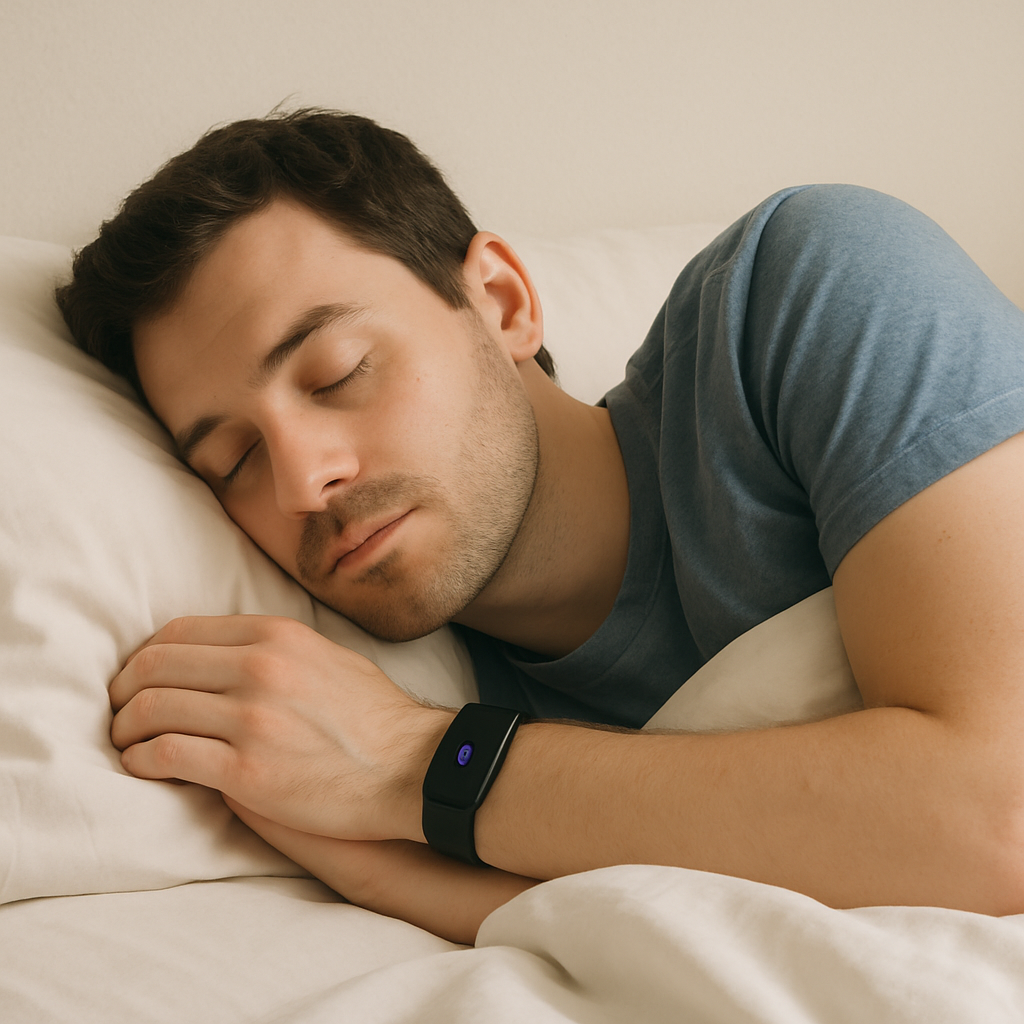
- Sleep Optimization
- Exercise and Movement Strategies
- Mindfulness and Mental Health Techniques
- Technological Interventions
- Genetic Testing and Analysis
- Supplementation and Nootropics
Biomarkers, Tests, and Data Points That Matter
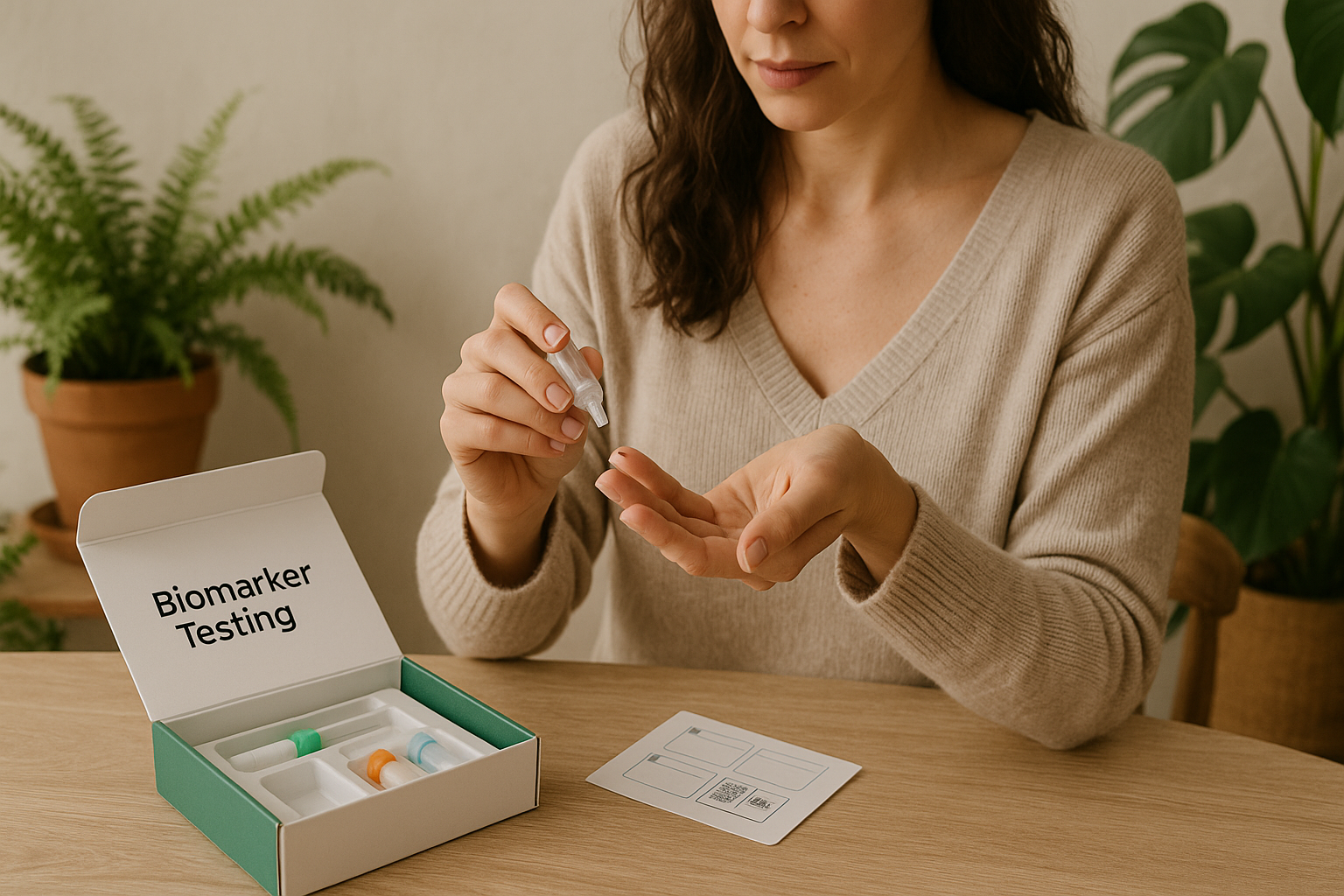
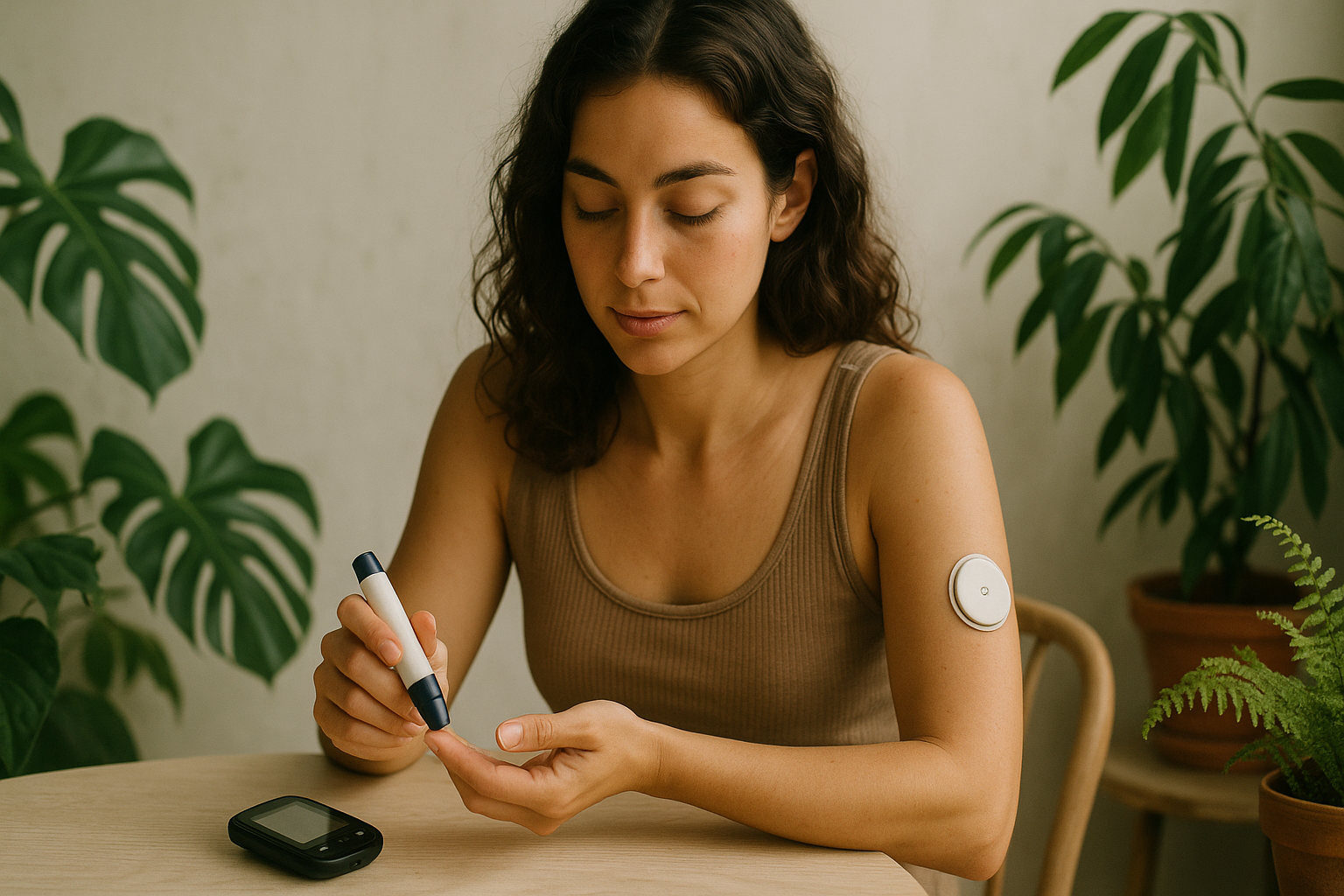
Biohacking often involves the use of biomarkers to monitor health and performance. Common biomarkers include blood glucose levels, hormone levels, inflammation markers, and lipid profiles. While testing can provide valuable insights, it is essential to understand reference ranges and how individual variations can affect results. For example, what is considered a normal range for one person may not be ideal for another. Therefore, personalized interpretations of test results are crucial for effective biohacking.
Functional Actions This Category Targets
Biohacking targets a variety of functional actions aimed at enhancing overall health and performance, including:
- Improving cognitive function and mental clarity
- Enhancing physical endurance and strength
- Optimizing sleep patterns and recovery
- Regulating metabolic health
- Managing stress and emotional well-being
Body Systems It Most Supports
The practices associated with biohacking primarily support several body systems, including:
- The nervous system – enhancing brain function and emotional balance
- The endocrine system – regulating hormones for optimal health
- The immune system – improving resilience and overall health
- The digestive system – optimizing gut health and nutrient absorption
- The muscular and skeletal systems – improving strength and mobility
Common Goals
Individuals who engage in biohacking often have specific goals in mind, such as:
- Weight loss and body composition improvement
- Increased energy levels and vitality
- Enhanced mental acuity and focus
- Improved athletic performance and recovery
- Better stress management and emotional resilience
Approaches & Interventions (lifestyle, nutrition, supplements, devices)
Biohacking encompasses a range of approaches and interventions, including:
- Lifestyle Changes: Incorporating regular physical activity, improving sleep hygiene, and managing stress through mindfulness practices.
- Nutrition: Adopting specific diets, such as ketogenic, paleo, or plant-based, and using intermittent fasting protocols.
- Supplements: Using vitamins, minerals, adaptogens, and nootropics to support cognitive and physical health.
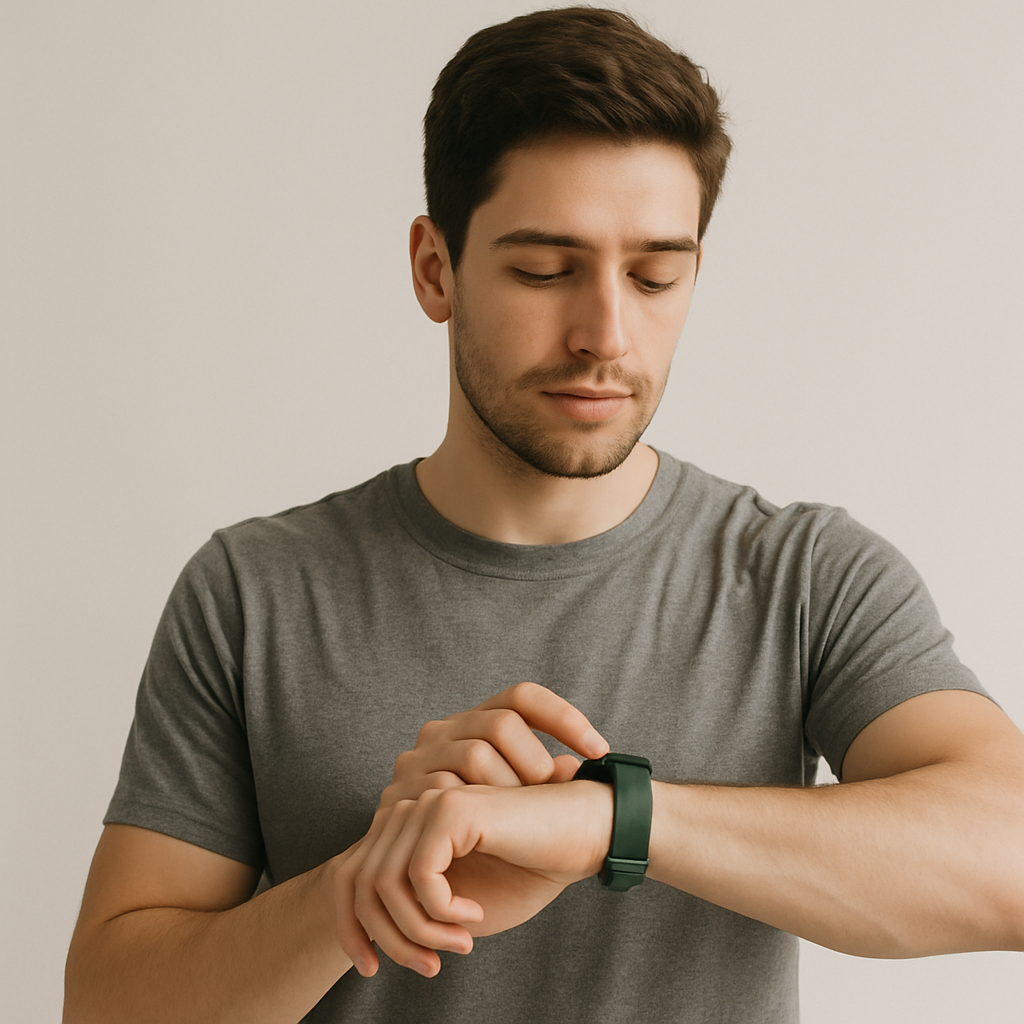
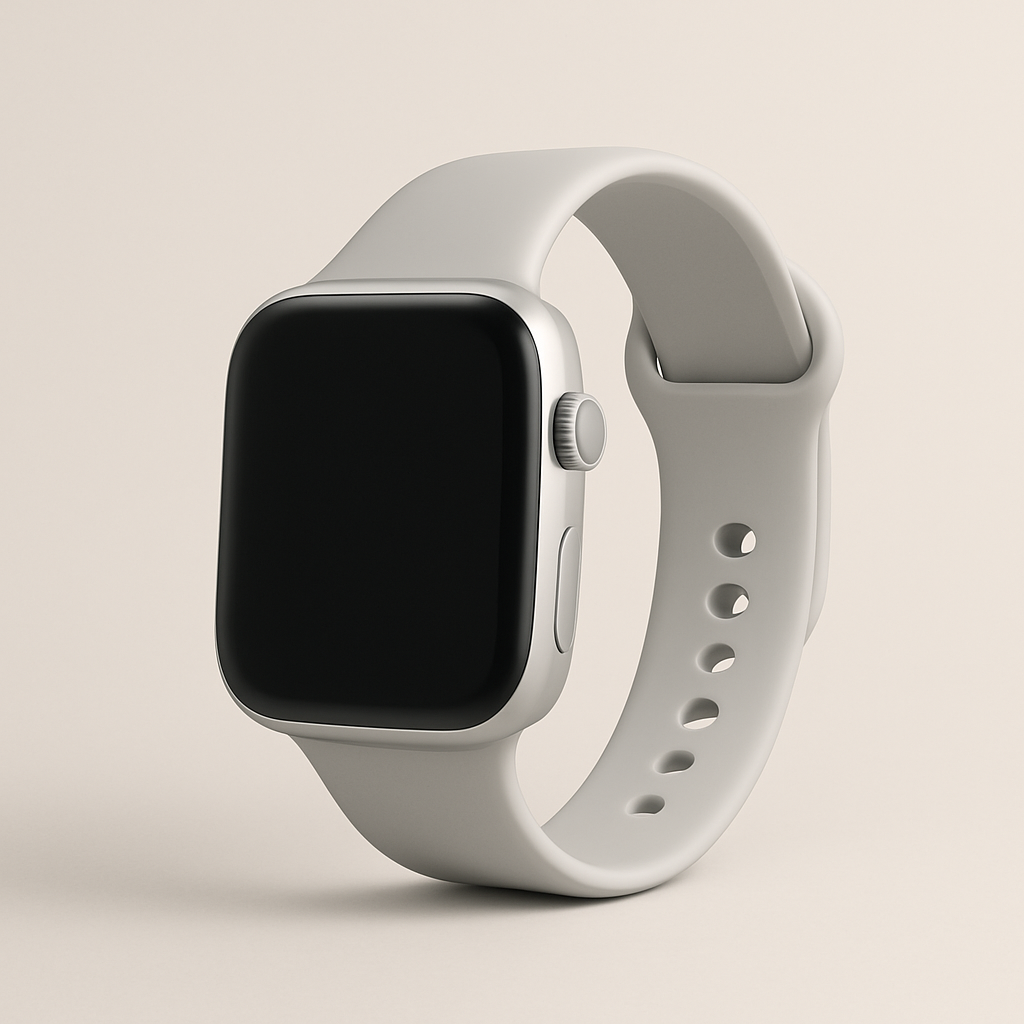
- Devices: Utilizing wearable technology, such as fitness trackers and sleep monitors, to gather data and inform lifestyle choices.
Safety, Edge Cases & When to Consult a Clinician
While biohacking can promote health and wellness, it is important to approach it with caution. Not all practices are suitable for everyone, and some may cause adverse effects, especially if underlying health conditions exist. Consulting a clinician before making significant changes to diet, exercise, or supplementation is crucial, particularly for individuals with chronic health issues, pregnant or breastfeeding women, and those on medication. Personalized guidance can help mitigate risks and optimize benefits.
How It Bridges to Ancient Wisdom & Natural Remedies
Interestingly, many biohacking practices echo ancient wisdom and natural remedies. Traditional practices like herbal medicine, fasting, and mindfulness have been utilized for centuries to enhance health and well-being. Biohacking often revisits these age-old concepts through the lens of modern science and technology, validating their efficacy and exploring new ways to enhance their benefits. Integrating ancient practices with modern biohacking can provide a holistic approach to wellness.
FAQs (6)
- What is biohacking? Biohacking is the practice of using various methods, techniques, and technologies to improve health and performance.
- Is biohacking safe? While many biohacking practices are safe, it's important to consider individual health conditions and consult a clinician before making significant changes.
- What are some common biohacking techniques? Common techniques include dietary changes, exercise optimization, technological monitoring, and supplementation.
- How can I start biohacking? Begin by identifying your health goals, researching strategies that resonate with you, and considering small, incremental changes.
- Are there risks associated with biohacking? Potential risks include negative reactions to supplements, overtraining, or ineffective dietary changes. Personalized guidance can help mitigate these risks.
- How does biohacking relate to traditional health practices? Many biohacking techniques are rooted in traditional health practices, blending ancient wisdom with modern science for holistic wellness.
Explore Biohacking
15 subcategories











Frequently asked
What is biohacking?
Biohacking is the practice of using various methods, techniques, and technologies to improve health and performance.
Is biohacking safe?
While many biohacking practices are safe, it's important to consider individual health conditions and consult a clinician before making significant changes.
What are some common biohacking techniques?
Common techniques include dietary changes, exercise optimization, technological monitoring, and supplementation.
How can I start biohacking?
Begin by identifying your health goals, researching strategies that resonate with you, and considering small, incremental changes.
Are there risks associated with biohacking?
Potential risks include negative reactions to supplements, overtraining, or ineffective dietary changes. Personalized guidance can help mitigate these risks.
How does biohacking relate to traditional health practices?
Many biohacking techniques are rooted in traditional health practices, blending ancient wisdom with modern science for holistic wellness.