Gut Health Science
Explore the science of gut health, its impact on modern wellness, and practical approaches to enhance your digestive well-being.

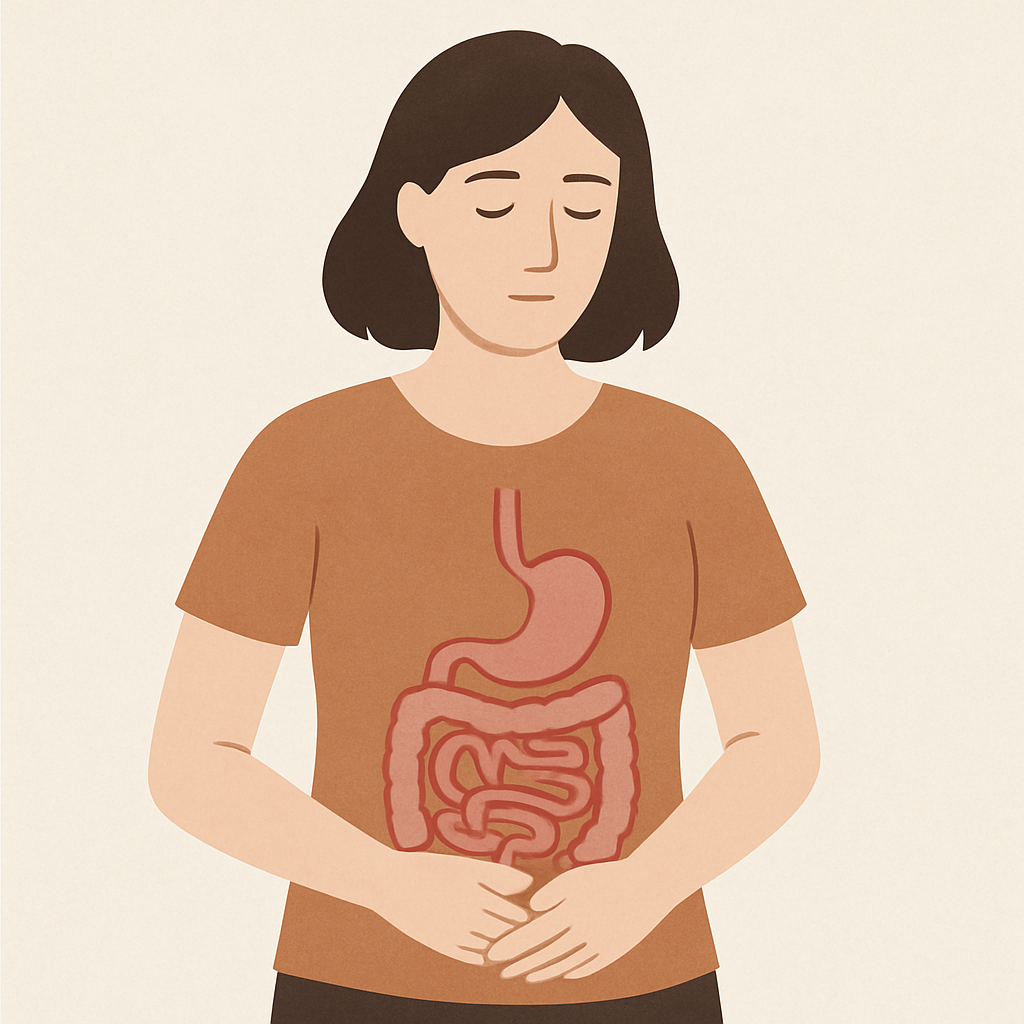
Gut health science explores the intricate relationship between our digestive system and overall well-being. It emphasizes the importance of maintaining a balanced gut microbiome, which plays a crucial role in various bodily functions. In modern wellness, this category focuses on how diet, lifestyle, and specific interventions can enhance gut health, ultimately leading to improved physical and mental health.
Intro Summary
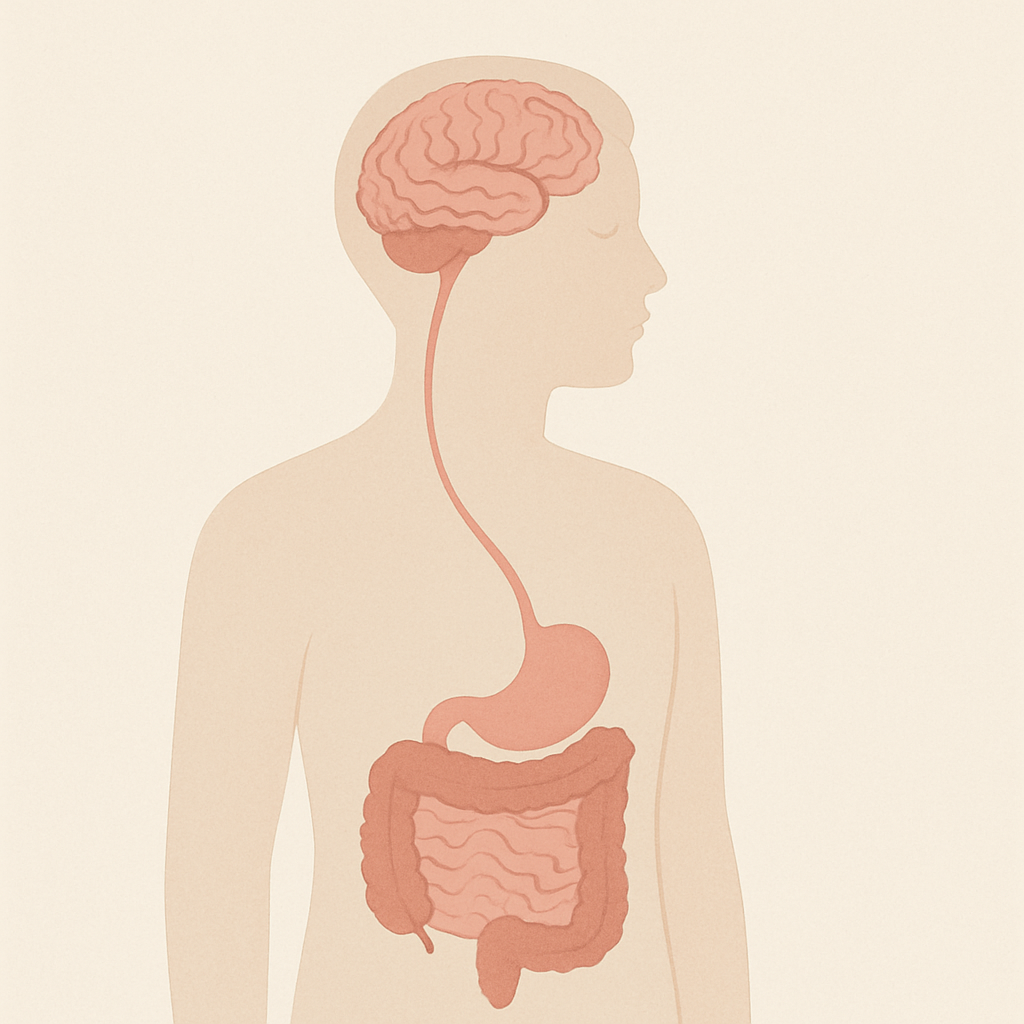
Gut health science is a rapidly evolving field that delves into the complex ecosystem of microorganisms residing in our digestive tract. This category is vital in modern wellness as it underscores the significance of a balanced gut microbiome in maintaining not just digestive health but overall physical and mental well-being. The gut, often referred to as the "second brain," influences various bodily functions, including metabolism, immune response, and even mood regulation. By understanding how to support gut health through diet, lifestyle, and specific interventions, individuals can enhance their quality of life.
Practicing gut health science involves adopting a holistic approach, which may include dietary modifications, lifestyle changes, and the use of probiotics and prebiotics. As we explore this category, we will uncover the underlying biology, key topics, and practical strategies for promoting gut health.
The Underlying Biology / Mechanism
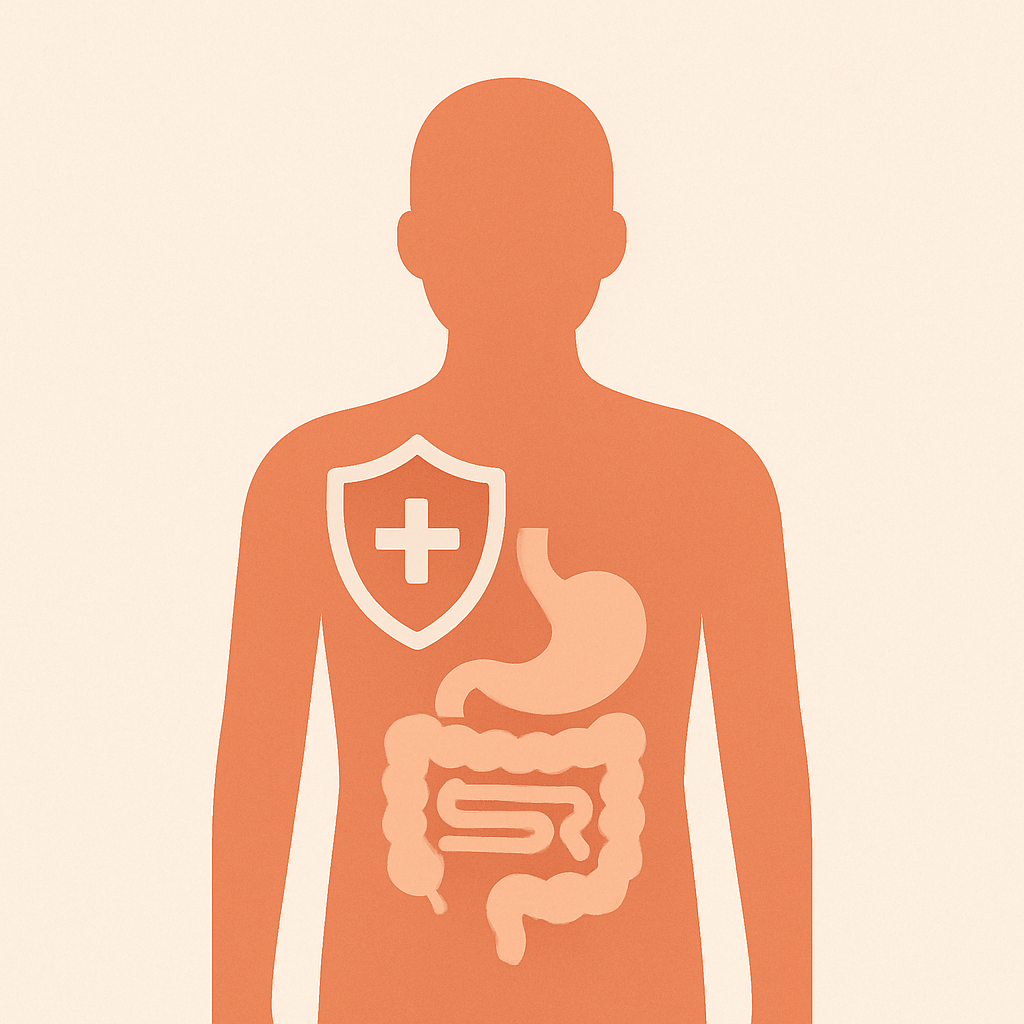
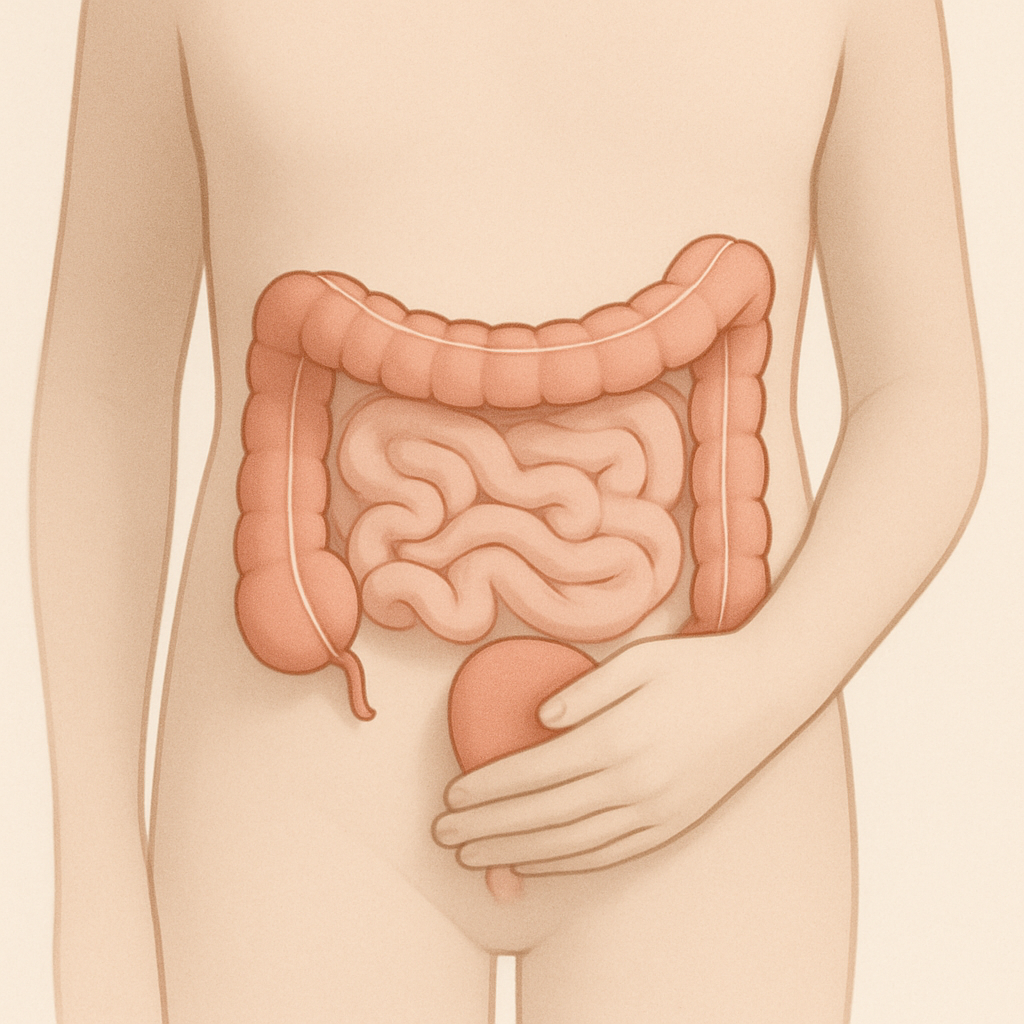
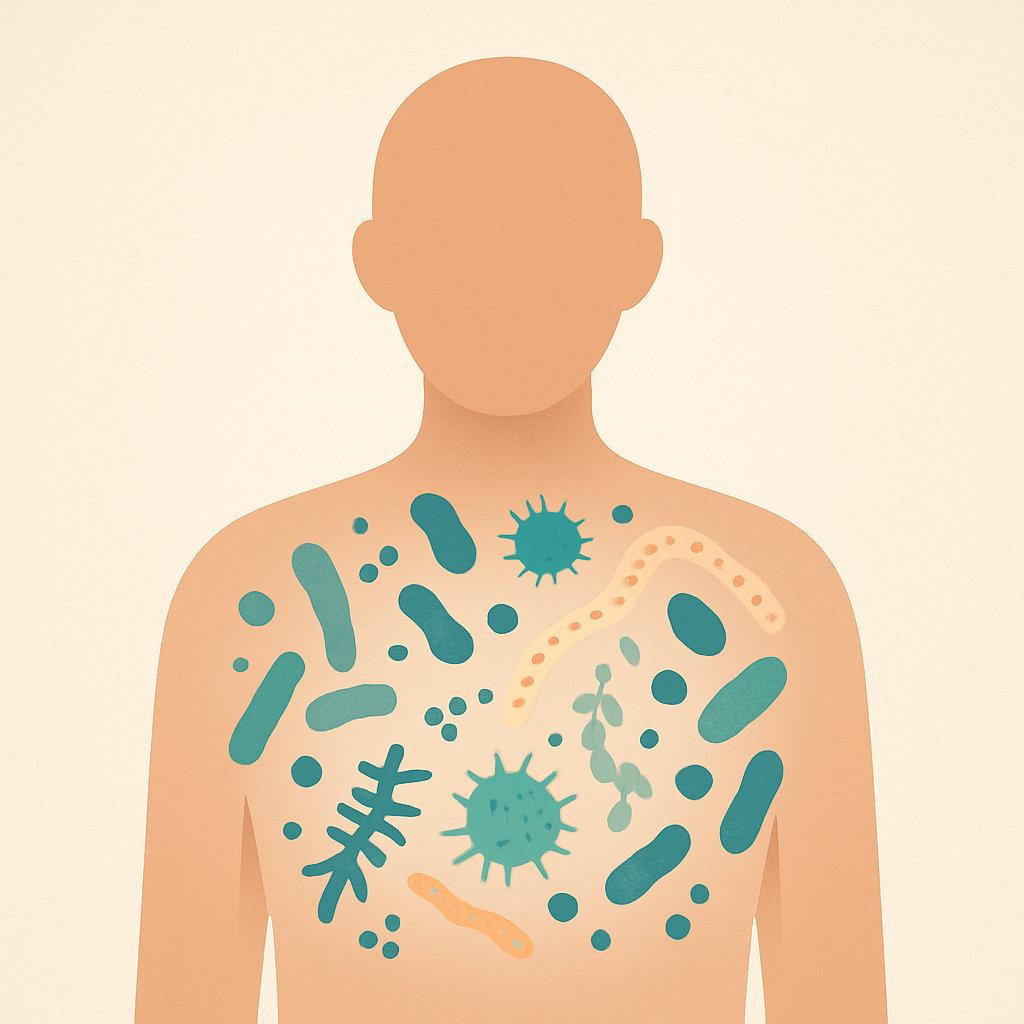
At the core of gut health science is the understanding of the microbiome, a diverse community of bacteria, fungi, viruses, and other microorganisms that inhabit our intestines. These microorganisms play a crucial role in breaking down food, synthesizing vitamins, and regulating our immune system. A healthy gut microbiome is characterized by a diverse and balanced population of beneficial bacteria, which helps to fend off harmful pathogens, prevent inflammation, and maintain gut integrity.
When the balance of gut bacteria is disrupted, a condition known as dysbiosis can occur. Dysbiosis has been linked to various health issues, including digestive disorders, obesity, diabetes, and mental health conditions. Factors such as poor diet, stress, lack of sleep, and antibiotic use can contribute to this imbalance. Understanding these mechanisms empowers individuals to take proactive steps in nurturing their gut health.
Key Sub-Topics Within This Category
- Microbiome Diversity
- Probiotics and Prebiotics
- Gut-Brain Axis
- Digestive Disorders
- Inflammation and Immunity
- Dietary Interventions
Biomarkers, Tests, and Data Points That Matter
Several biomarkers and tests can provide insights into gut health and the microbiome. Common assessments include:
- Stool Tests: These can analyze the composition of the gut microbiome and identify dysbiosis.
- Inflammatory Markers: Blood tests measuring markers like C-reactive protein (CRP) can indicate inflammation linked to gut health.
- Food Sensitivity Testing: Assessing reactions to specific foods can help identify dietary triggers affecting gut health.
It is essential to note that reference ranges may vary, and results should always be interpreted in consultation with a healthcare professional. Additionally, the complexity of the microbiome means that a single test may not provide a complete picture of gut health.
Functional Actions This Category Targets
Gut health science primarily targets several functional actions within the body, including:
- Enhancing nutrient absorption
- Regulating immune function
- Balancing gut bacteria
- Reducing inflammation
- Improving bowel regularity
Body Systems It Most Supports
The benefits of a healthy gut extend beyond digestion, supporting multiple body systems, such as:
- Immune System: A balanced gut microbiome plays a vital role in immune health, helping the body defend against infections.
- Nervous System: The gut-brain axis highlights the connection between gut health and mental well-being, influencing mood and cognitive function.
- Endocrine System: Gut health can affect hormone regulation and metabolic functions, impacting conditions like obesity and diabetes.
Common Goals
Individuals pursuing gut health science often have common goals, including:
- Improving digestive health and function
- Enhancing energy levels
- Supporting a healthy immune response
- Reducing symptoms of digestive disorders
- Promoting mental clarity and emotional well-being
Approaches & Interventions (lifestyle, nutrition, supplements, devices)
To support gut health, a variety of approaches and interventions can be employed:
- Lifestyle Changes: Incorporating regular physical activity, managing stress, and ensuring adequate sleep can positively impact gut health.
- Nutrition: A diverse diet rich in fruits, vegetables, whole grains, and fermented foods can promote a balanced gut microbiome.
- Supplements: Probiotics and prebiotics can help restore balance to the gut microbiome, but it is essential to choose high-quality products.
- Devices: Some individuals may explore microbiome testing kits or other health monitoring devices to gain insights into their gut health.
Safety, Edge Cases & When to Consult a Clinician
While many approaches to improving gut health are safe, there are edge cases to consider. Individuals with pre-existing health conditions, such as autoimmune disorders or severe allergies, should consult a healthcare professional before making significant dietary or lifestyle changes. Additionally, while probiotics are generally considered safe, certain strains may not be suitable for everyone.
If symptoms persist or worsen, it is crucial to seek advice from a clinician who can provide tailored recommendations based on individual health needs.
How It Bridges to Ancient Wisdom & Natural Remedies
The principles of gut health are not new; many ancient cultures recognized the importance of digestive well-being. Traditional practices, such as fermentation, have been used for centuries to enhance food preservation and promote gut health. Foods like kimchi, sauerkraut, and yogurt are examples of natural remedies that have stood the test of time.
Incorporating these age-old practices into modern wellness can bridge the gap between ancient wisdom and contemporary science, offering a holistic approach to nurturing gut health.
FAQs (6)
- What are probiotics, and how do they benefit gut health? Probiotics are live microorganisms that can provide health benefits when consumed in adequate amounts, supporting a balanced gut microbiome.
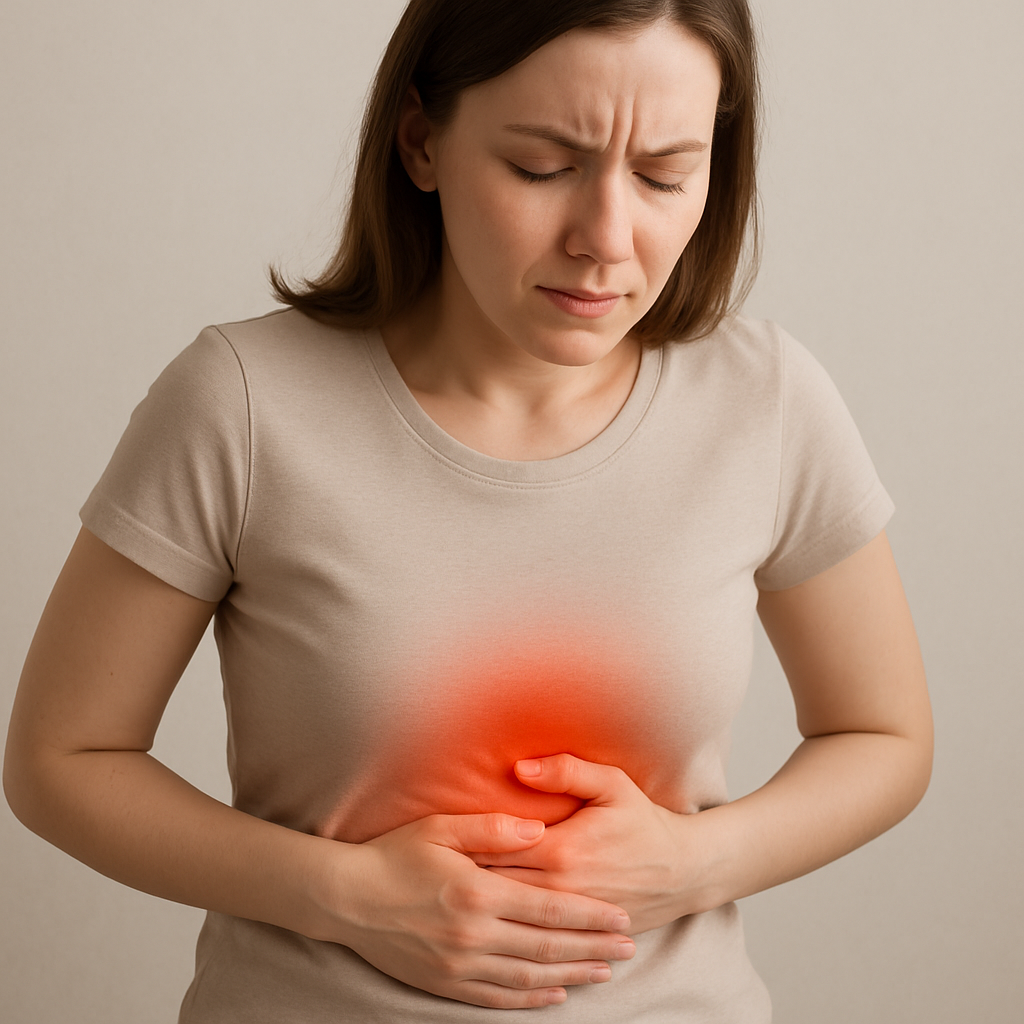
- How can I tell if my gut health is compromised? Symptoms like bloating, gas, digestive discomfort, and fatigue may indicate an imbalance in gut health.
- Are there specific foods that promote gut health? Yes, foods rich in fiber, fermented foods, and prebiotic-rich items like garlic and onions can support gut health.
- How long does it take to see improvements in gut health? Improvements can vary based on individual circumstances, but many people notice changes within a few weeks of adopting gut-friendly habits.
- Can stress affect gut health? Yes, stress can disrupt the gut microbiome and contribute to digestive issues, highlighting the importance of stress management.
- When should I consult a healthcare professional about my gut health? Consult a professional if you experience persistent symptoms, significant changes in digestion, or if you have underlying health conditions.
Explore Gut Health Science
15 subcategories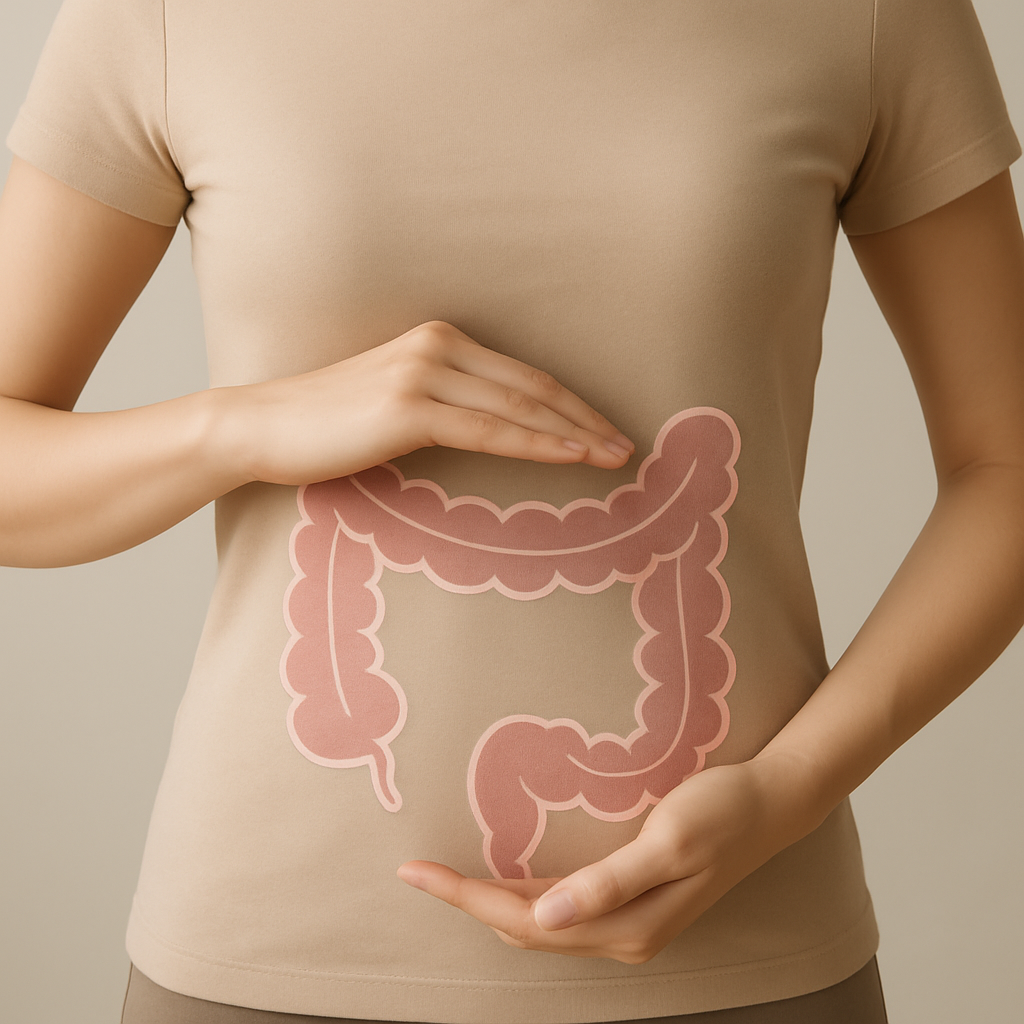




Frequently asked
What are probiotics, and how do they benefit gut health?
Probiotics are live microorganisms that can provide health benefits when consumed in adequate amounts, supporting a balanced gut microbiome.
How can I tell if my gut health is compromised?
Symptoms like bloating, gas, digestive discomfort, and fatigue may indicate an imbalance in gut health.
Are there specific foods that promote gut health?
Yes, foods rich in fiber, fermented foods, and prebiotic-rich items like garlic and onions can support gut health.
How long does it take to see improvements in gut health?
Improvements can vary based on individual circumstances, but many people notice changes within a few weeks of adopting gut-friendly habits.
Can stress affect gut health?
Yes, stress can disrupt the gut microbiome and contribute to digestive issues, highlighting the importance of stress management.
When should I consult a healthcare professional about my gut health?
Consult a professional if you experience persistent symptoms, significant changes in digestion, or if you have underlying health conditions.