Microbiome Science
Delve into microbiome science within gut health, uncovering mechanisms, evidence, applications, and safety considerations.

Explore the fascinating world of microbiome science as it relates to gut health. Discover the mechanisms, evidence, practical applications, and how it can support various body systems. Learn about biomarkers, common goals, safety considerations, and complementary practices.
What It Is
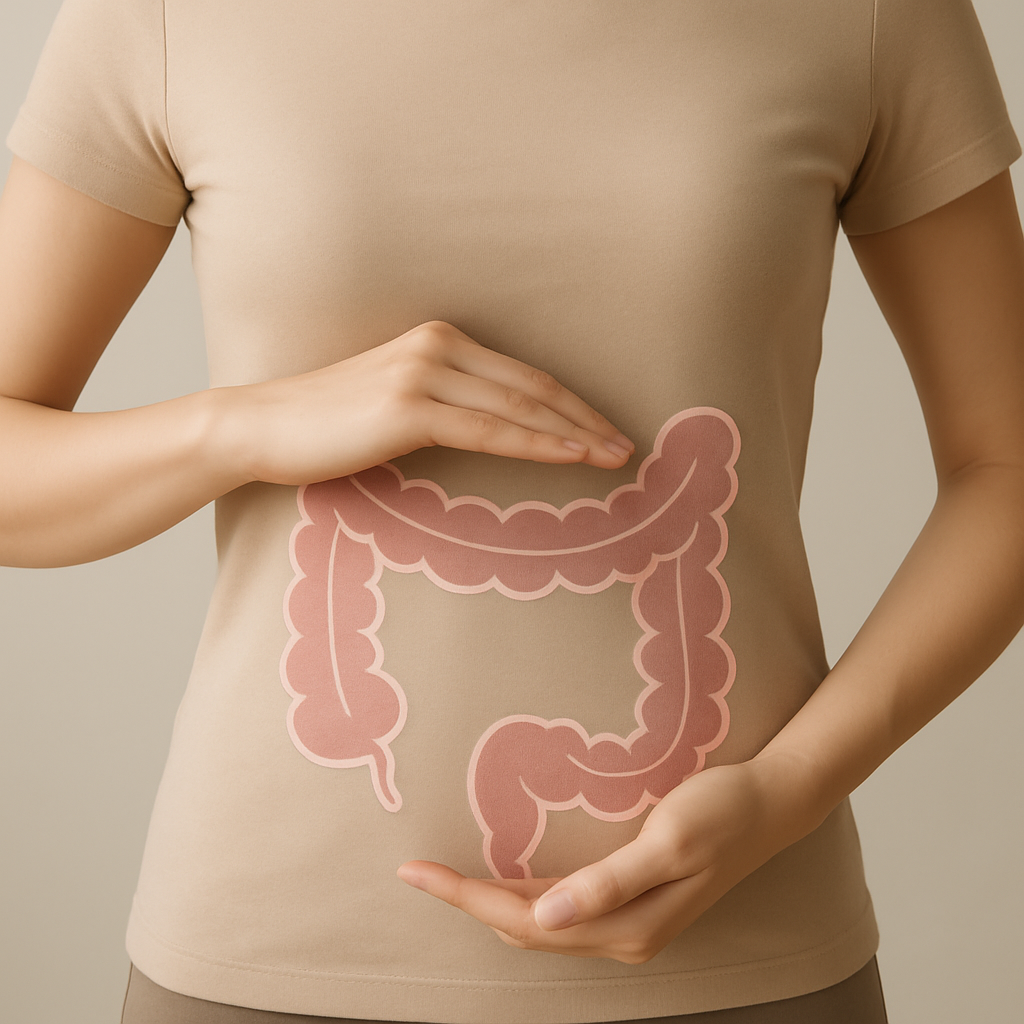
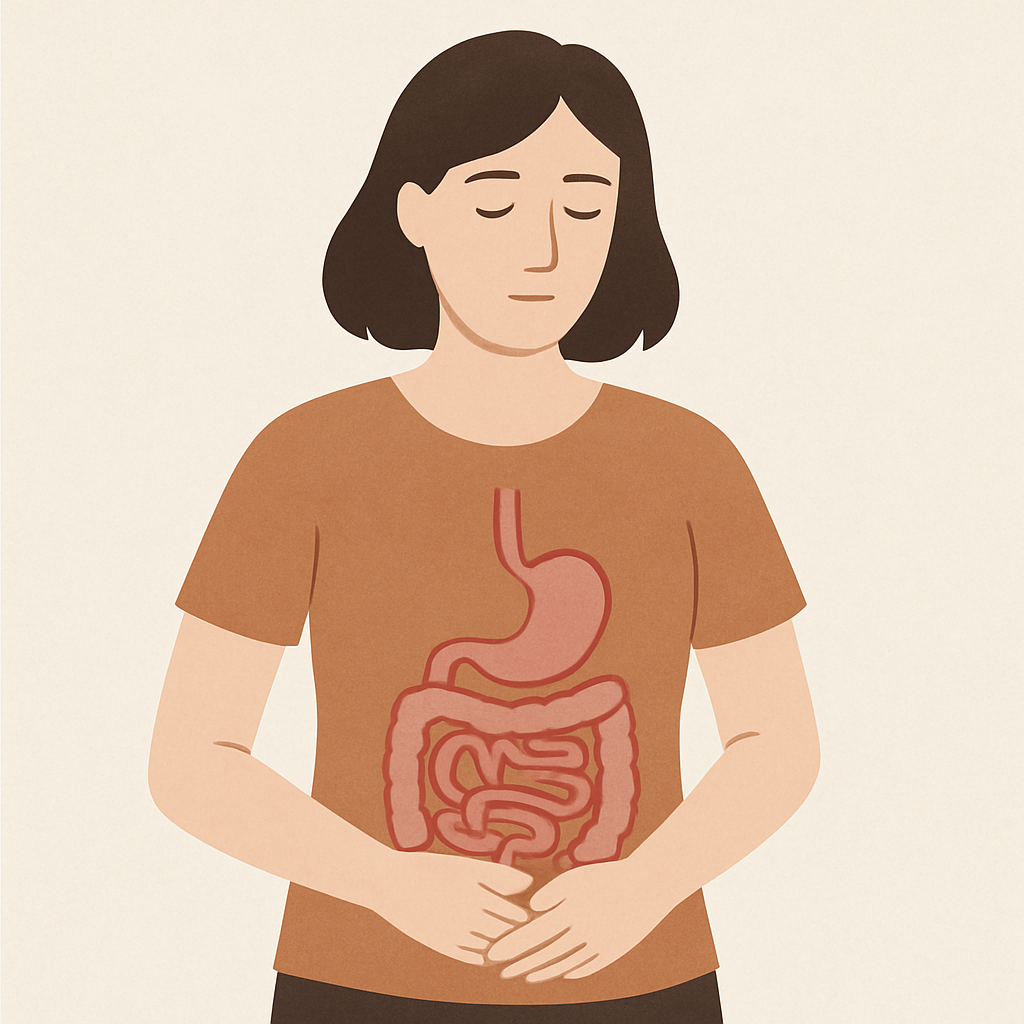
Microbiome science studies the complex community of microorganisms that reside in and on the human body, particularly in the gut. This ecosystem is home to trillions of bacteria, viruses, fungi, and other microbes that play a vital role in digestion, metabolism, and immune function. The gut microbiome is unique to each individual and is influenced by various factors, including diet, lifestyle, genetics, and environment.
The gut microbiome serves as a crucial interface between our bodies and the external environment, affecting not only gut health but also overall well-being. Research has shown that a diverse and balanced microbiome is essential for maintaining health, while dysbiosis, or an imbalance in microbial communities, can lead to various health issues, including gastrointestinal disorders, obesity, and autoimmune diseases.
Mechanism / How It Works
The gut microbiome operates through intricate mechanisms that influence digestion, nutrient absorption, and immune response. Microbes in the gut break down complex carbohydrates and fibers that human enzymes cannot digest, producing short-chain fatty acids (SCFAs) that provide energy to gut cells and have anti-inflammatory effects.
Additionally, the microbiome plays a role in synthesizing essential vitamins, such as B vitamins and vitamin K, which are vital for various bodily functions. The gut microbiome also interacts with the immune system, helping to regulate inflammatory responses and protect against pathogens. This communication between gut microbes and the host is facilitated by metabolites and signaling molecules produced by the microbiome.
Evidence Summary
Research on microbiome science is still in its early stages, but there is a growing body of evidence supporting its significance in health and disease. Preliminary studies have linked specific microbial profiles to conditions such as irritable bowel syndrome (IBS), inflammatory bowel disease (IBD), obesity, and even mental health disorders.
Clinical studies have shown that interventions like probiotics, prebiotics, and dietary modifications can positively influence the microbiome and improve gut health. However, the evidence is often conflicting, with some studies showing minimal benefits. The variability in individual responses to microbiome interventions highlights the need for personalized approaches in gut health science.
Practical Application
- Diverse Diet: Consume a wide variety of plant-based foods rich in fiber to promote microbial diversity.
- Probiotics: Incorporate fermented foods like yogurt, kefir, sauerkraut, and kombucha to introduce beneficial bacteria.
- Prebiotics: Include foods that feed good bacteria, such as garlic, onions, bananas, and asparagus.
- Avoid Unnecessary Antibiotics: Use antibiotics only when prescribed by a healthcare professional, as they can disrupt the microbiome.
Common pitfalls include focusing solely on one aspect of diet or supplementation without considering the overall balance of nutrients and the diversity of the microbiome.
Relevant Biomarkers & Tracking
Biomarkers related to the gut microbiome can help assess health status and guide interventions. Some common biomarkers include:
- Diversity Index: Measures the variety of microbial species present in the gut.
- SCFA Levels: Indicates the production of beneficial metabolites by gut bacteria.
- Inflammatory Markers: Such as C-reactive protein (CRP) and gut permeability tests to assess inflammation and gut health.
Tracking these biomarkers can provide insights into how dietary and lifestyle changes impact the microbiome.
Body Systems Supported
The gut microbiome supports multiple body systems, including:
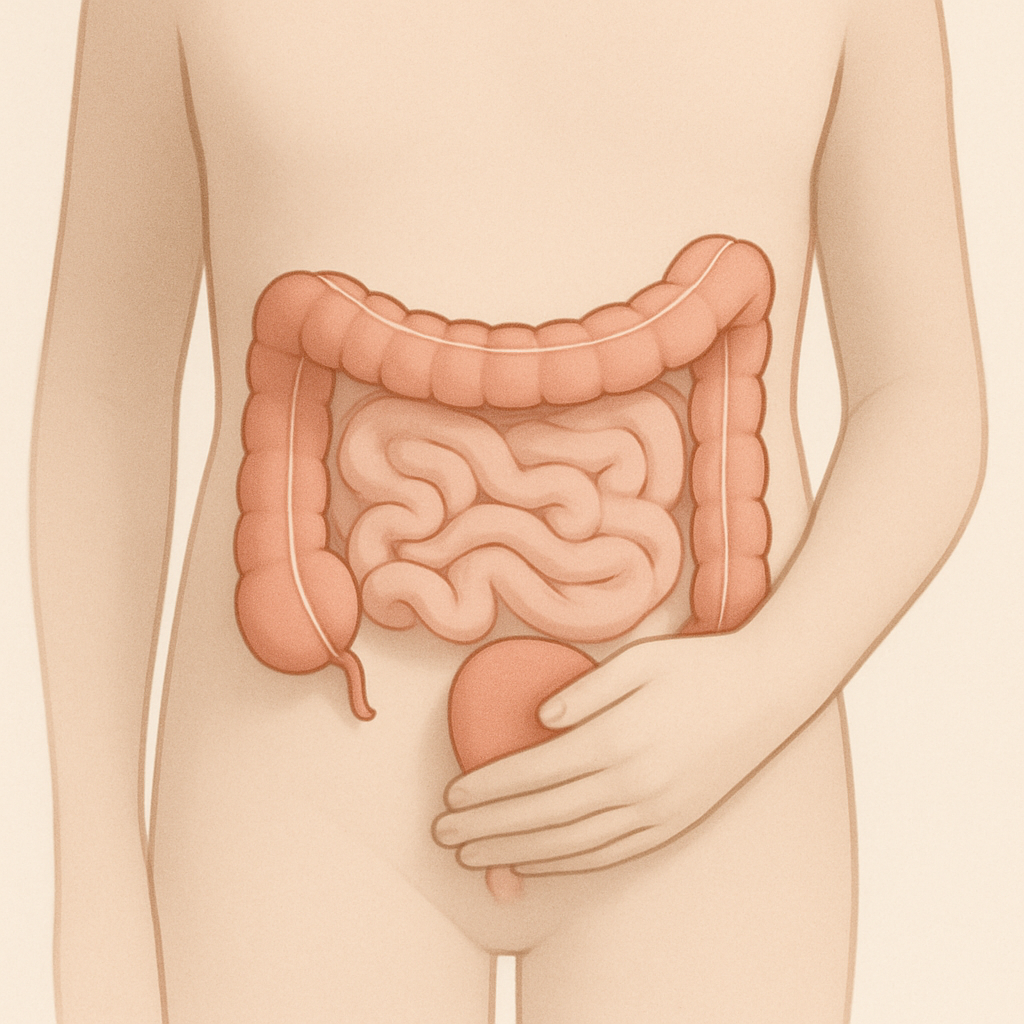
- Digestive System: Aids in digestion and nutrient absorption.
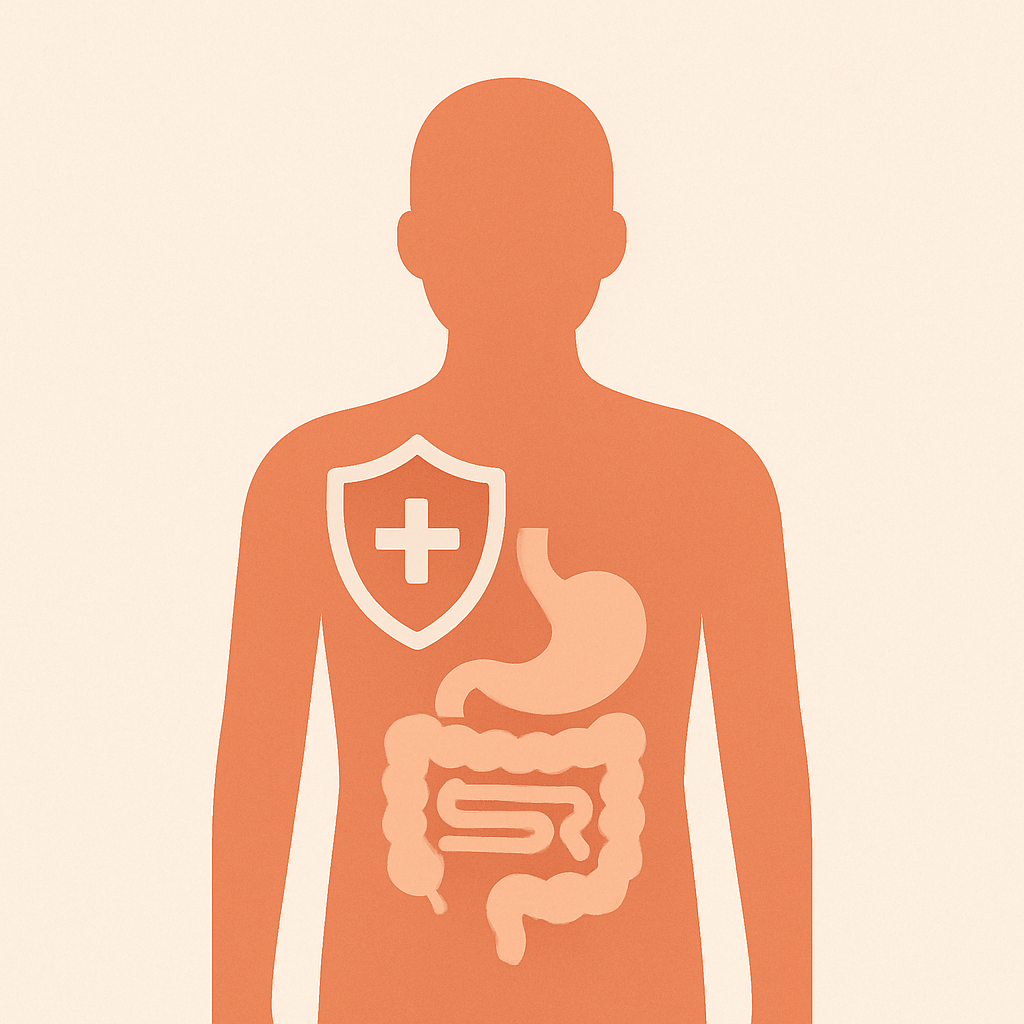
- Immune System: Enhances immune responses and protects against pathogens.
- Metabolic System: Influences metabolism and weight management.
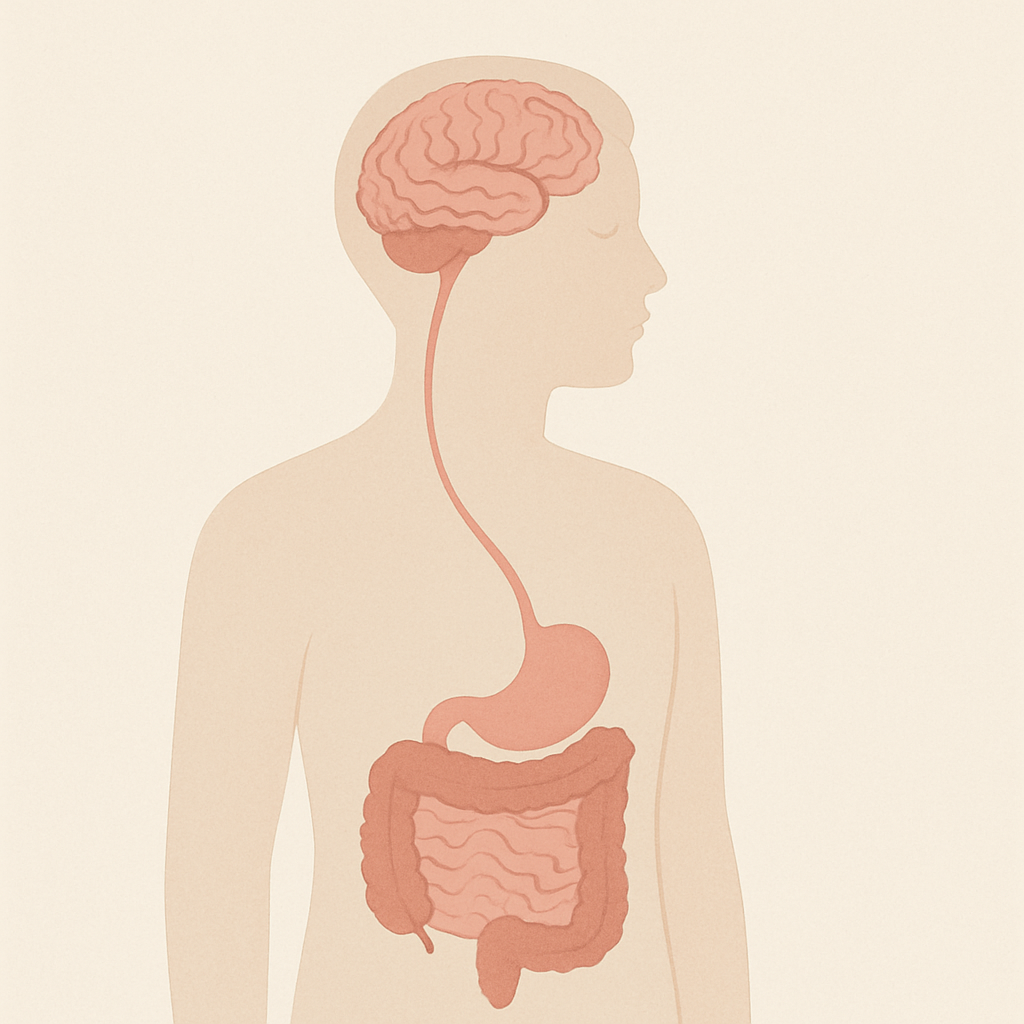
- Nervous System: Impacts gut-brain communication, potentially affecting mood and cognitive functions.
Common Goals
People often seek to improve their gut microbiome for various reasons, including:
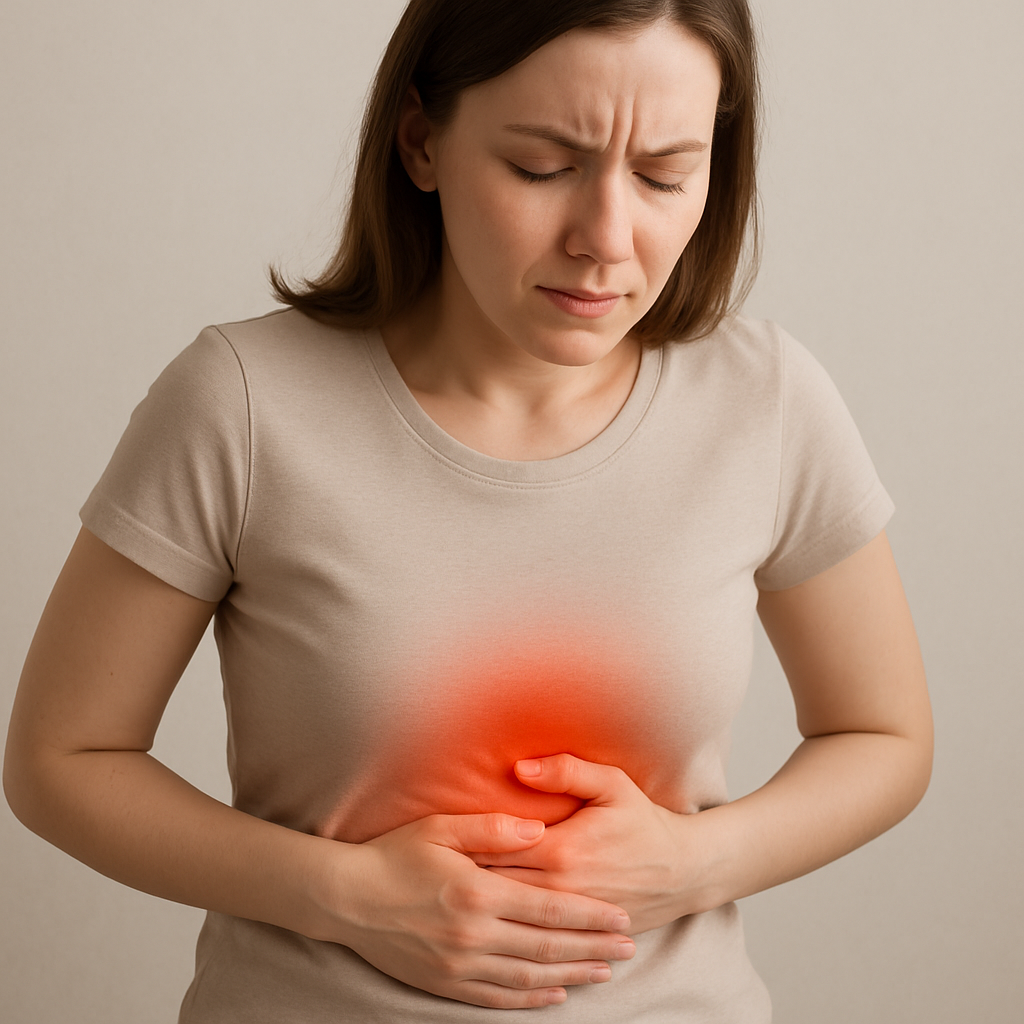
- Relieving digestive issues, such as bloating and constipation.
- Enhancing immune function and reducing inflammation.
- Supporting weight loss or management efforts.
- Improving mental health and cognitive function.
Safety, Contraindications & Edge Cases
While microbiome interventions are generally safe for most individuals, there are considerations to keep in mind. Those with compromised immune systems or severe gastrointestinal disorders should consult healthcare professionals before starting new probiotics or supplements. Additionally, some individuals may experience temporary digestive discomfort when introducing new foods or supplements.
Pairs Well With
Integrating microbiome science with ancient or natural practices can enhance its benefits. Consider exploring:
- Traditional Fermented Foods: Like kimchi and miso, which have been used for centuries to support gut health.
- Herbal Remedies: Such as ginger and peppermint, which may aid digestion.
- Mind-Body Practices: Including yoga and meditation, which can help manage stress and its impact on gut health.
FAQs (5)
- What is the gut microbiome? The gut microbiome is a community of microorganisms that live in the digestive tract and play crucial roles in digestion, immunity, and overall health.
- How can I improve my gut microbiome? You can improve your gut microbiome by eating a diverse diet rich in fiber, incorporating fermented foods, and avoiding unnecessary antibiotics.
- Are probiotics effective for everyone? Probiotics may benefit many individuals, but responses can vary based on individual microbiome composition.
- What are prebiotics? Prebiotics are non-digestible fibers that feed beneficial gut bacteria, promoting their growth and activity.
- Can stress affect my gut microbiome? Yes, stress can impact gut health and microbiome balance, highlighting the importance of managing stress through lifestyle practices.
Frequently asked
What is the gut microbiome?
The gut microbiome is a community of microorganisms that live in the digestive tract and play crucial roles in digestion, immunity, and overall health.
How can I improve my gut microbiome?
You can improve your gut microbiome by eating a diverse diet rich in fiber, incorporating fermented foods, and avoiding unnecessary antibiotics.
Are probiotics effective for everyone?
Probiotics may benefit many individuals, but responses can vary based on individual microbiome composition.
What are prebiotics?
Prebiotics are non-digestible fibers that feed beneficial gut bacteria, promoting their growth and activity.
Can stress affect my gut microbiome?
Yes, stress can impact gut health and microbiome balance, highlighting the importance of managing stress through lifestyle practices.