Longevity & Anti-Aging
Explore the Longevity & Anti-Aging category in modern wellness, focusing on practices and strategies aimed at extending lifespan and improving quality of life.
The "Longevity & Anti-Aging" category within modern wellness focuses on approaches and strategies aimed at extending lifespan and improving the quality of life as we age. It encompasses a wide range of practices, from dietary changes and physical activity to advanced supplements and innovative technologies. As society continues to prioritize healthy aging, understanding the underlying biology and effective interventions becomes increasingly important for those looking to enhance their longevity and maintain vitality.
Intro Summary
The "Longevity & Anti-Aging" category within modern wellness is dedicated to exploring the various methods and philosophies that aim to prolong life and enhance the quality of aging. In an era where many individuals aspire to not only live longer but also to maintain their vitality and health, this category plays a crucial role. It encompasses a variety of practices, including nutrition, physical activity, mental health strategies, and even advanced technological interventions.
As the global population ages, understanding the science of longevity has become increasingly critical. People are seeking evidence-based approaches to support their health as they navigate the aging process. This category provides insights into how we can leverage modern science alongside traditional wisdom to promote a healthier, longer life.
The Underlying Biology / Mechanism
At the core of longevity and anti-aging is the biological understanding of aging itself. Aging is a complex process that involves a gradual decline in cellular function, leading to physiological changes over time. Key mechanisms include:
- Telomere Shortening: Telomeres are protective caps on the ends of chromosomes. As cells divide, these telomeres shorten, which is associated with aging.
- Oxidative Stress: This refers to the damage caused by free radicals, which can lead to cellular aging and dysfunction.
- Inflammation: Chronic low-grade inflammation has been linked to many age-related diseases.
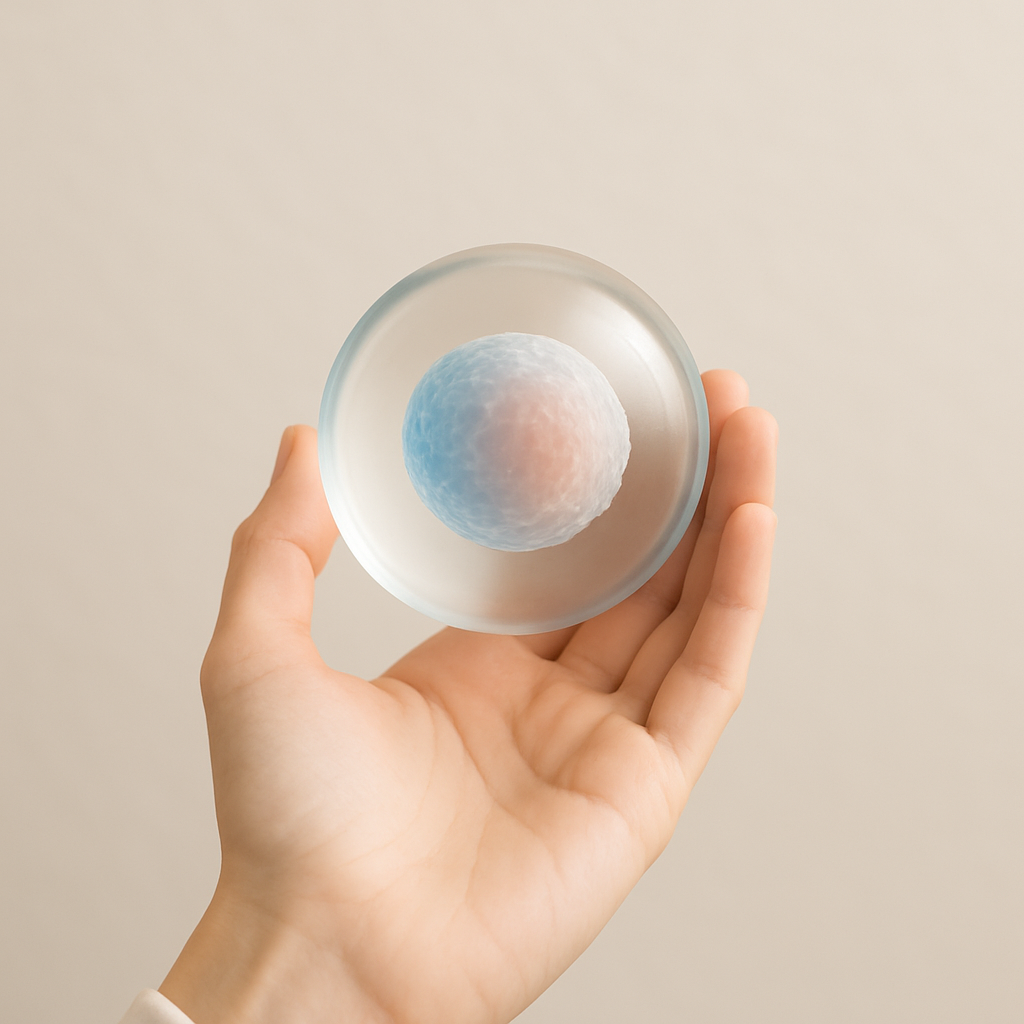
- Stem Cell Exhaustion: Over time, the body’s ability to regenerate and repair tissues diminishes due to the depletion of stem cells.
- Mitochondrial Dysfunction: Mitochondria, the powerhouses of cells, may become less effective with age, impacting energy levels and overall health.
By understanding these biological processes, individuals can better appreciate how specific interventions may help mitigate the effects of aging and promote longevity.
Key Sub-Topics Within This Category
Diet and Nutrition
Exercise and Physical Activity
Mental Health and Cognitive Function
Sleep and Recovery
Supplementation
Technological Innovations
Biomarkers, Tests, and Data Points That Matter
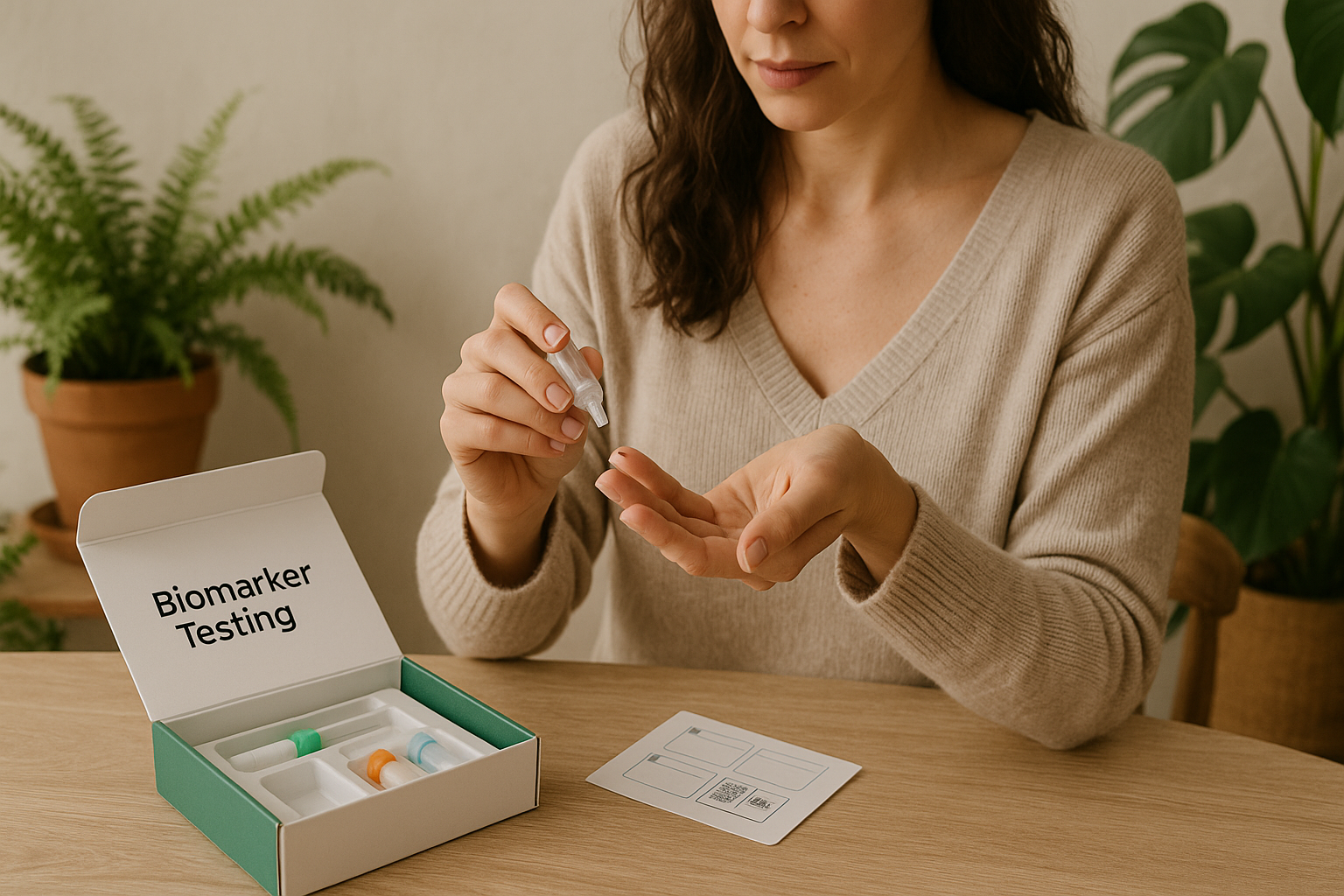
In the pursuit of longevity, various biomarkers can provide insights into an individual’s health status and aging process. Some key biomarkers include:
- Telomere Length: Shorter telomeres are often associated with age-related diseases.
- Inflammatory Markers: Blood tests measuring C-reactive protein (CRP) can indicate levels of inflammation in the body.
- Hormonal Levels: Testosterone, estrogen, and other hormones play a role in aging and can be monitored for balance.
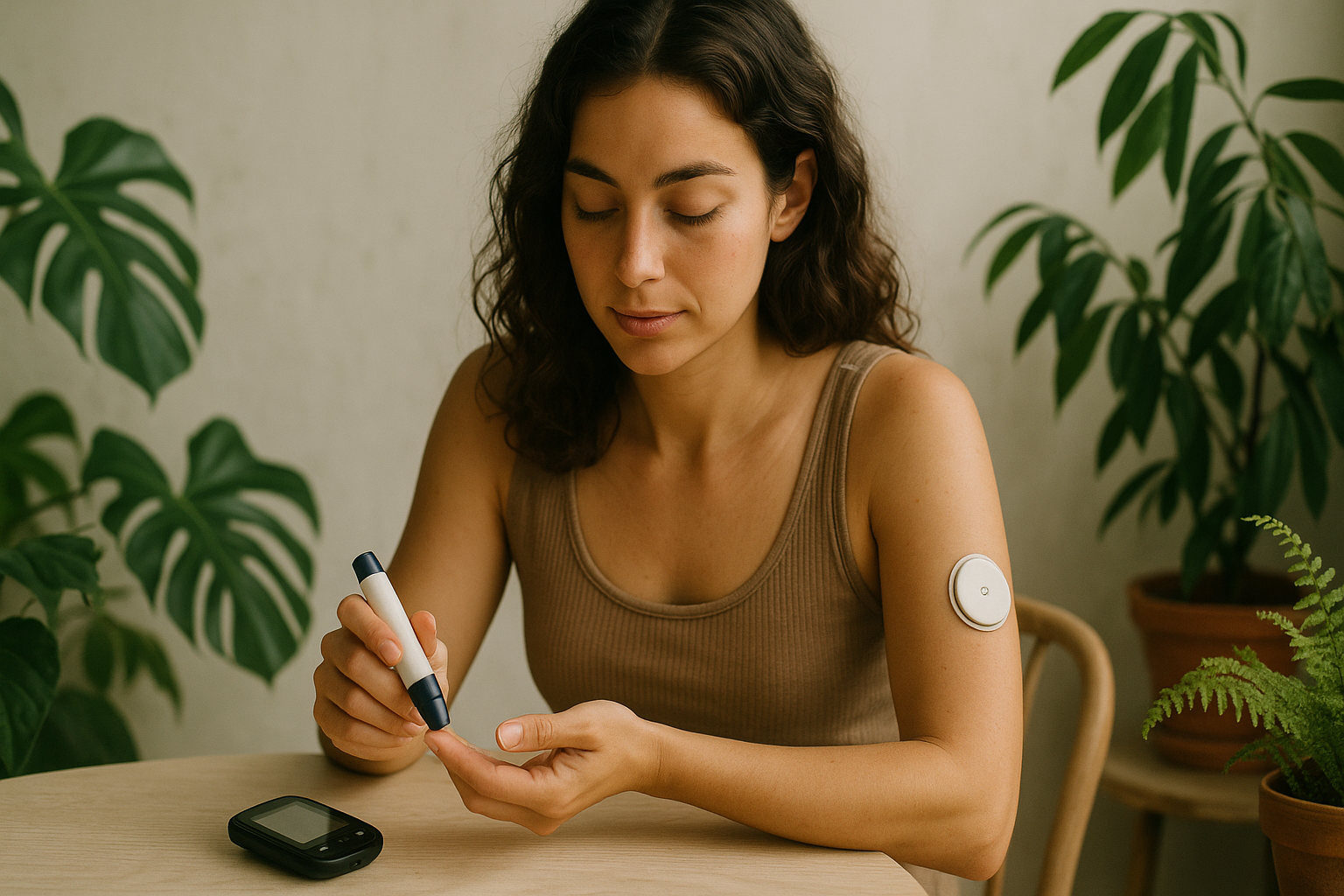
- Metabolic Markers: Blood sugar levels, lipid profiles, and insulin sensitivity are crucial for understanding metabolic health.
- Bone Density: Monitoring bone density can help assess the risk of osteoporosis as one ages.
It is important to note that reference ranges for these biomarkers can vary based on age, gender, and individual health status. Consulting with a healthcare professional is essential for interpreting these data points.
Functional Actions This Category Targets
The longevity and anti-aging category targets several functional actions, including:
- Enhancing cellular repair and regeneration
- Reducing oxidative stress and inflammation
- Improving metabolic health
- Supporting cognitive function and mental clarity
- Promoting physical fitness and mobility
Body Systems It Most Supports
This category primarily supports the following body systems:
- Endocrine System: Hormonal balance is essential for overall health and longevity.
- Immune System: A robust immune system helps combat age-related diseases.
- Nervous System: Cognitive health and emotional well-being are crucial for quality of life as one ages.
- Musculoskeletal System: Maintaining strength and flexibility is vital for mobility and independence.
- Cardiovascular System: Heart health is a critical component of longevity.
Common Goals
Individuals pursuing longevity and anti-aging typically aim for the following goals:
- To increase lifespan while maintaining quality of life
- To enhance physical and mental vitality
- To reduce the risk of chronic diseases
- To promote healthy aging and independence
- To support overall well-being and happiness
Approaches & Interventions (lifestyle, nutrition, supplements, devices)
There are numerous approaches and interventions that individuals can consider within this category:
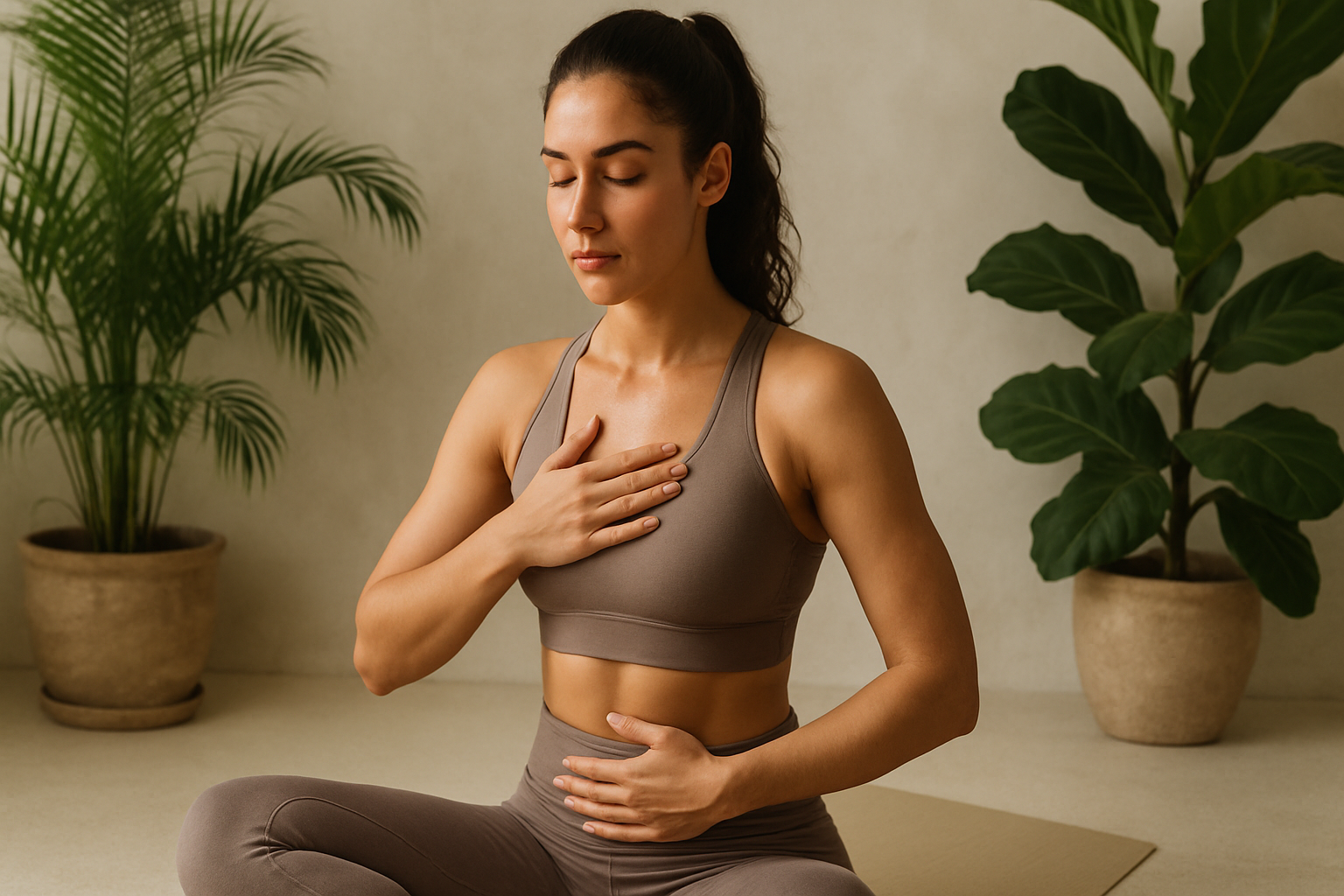
- Lifestyle Interventions: Incorporating regular physical activity, stress management techniques, and social engagement can significantly impact longevity.
- Nutrition: A balanced diet rich in whole foods, antioxidants, and anti-inflammatory ingredients is crucial. Popular dietary patterns include the Mediterranean diet and plant-based eating.
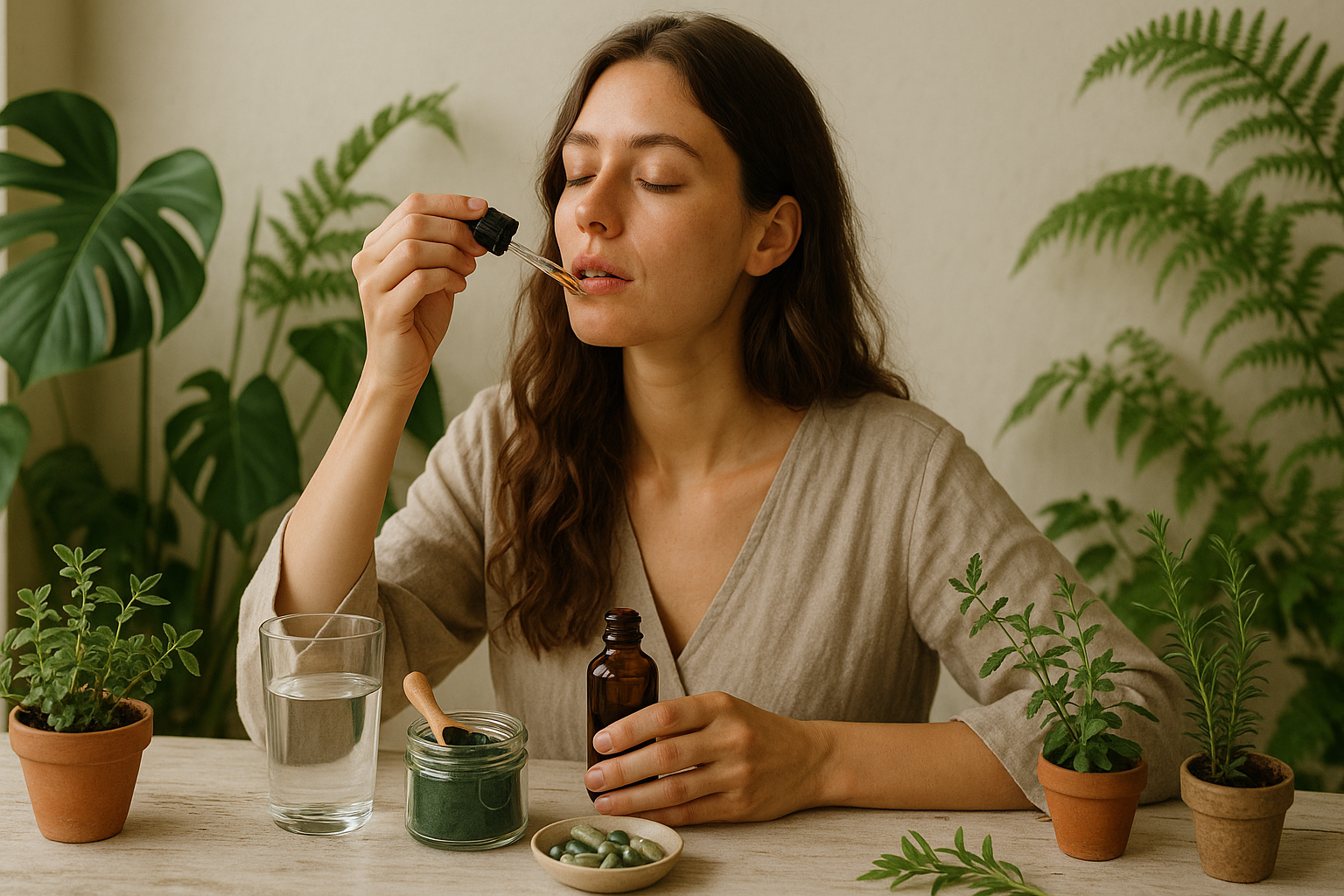
- Supplements: Certain supplements like omega-3 fatty acids, vitamin D, and antioxidants may support health as we age.
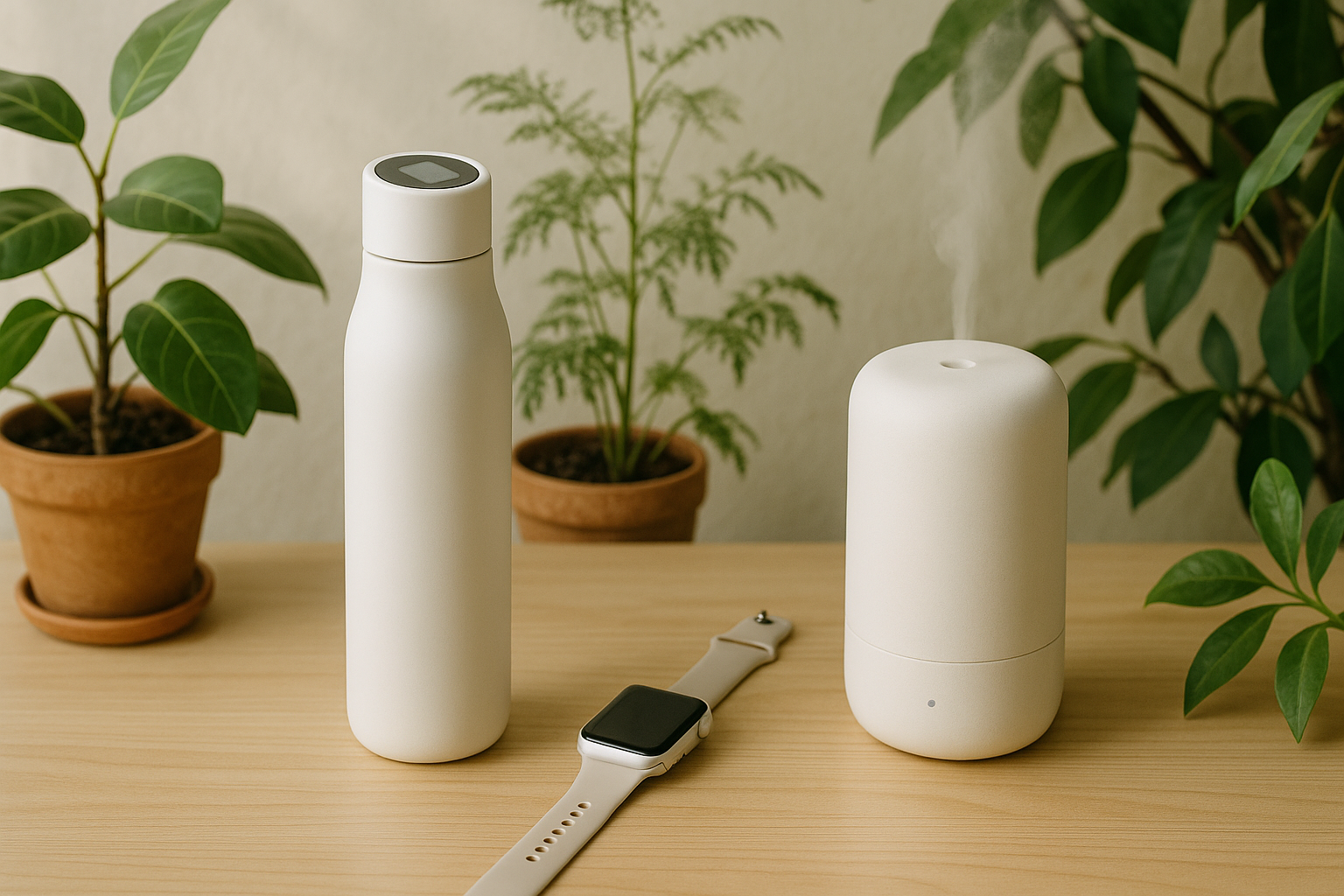
- Devices: Wearable technology for tracking physical activity, sleep, and heart rate can provide valuable insights for health optimization.
Safety, Edge Cases & When to Consult a Clinician
While many interventions for longevity and anti-aging are generally safe, it is essential to approach them with caution. Some considerations include:
- Individual health conditions may influence the appropriateness of certain supplements or interventions.
- There is potential for interactions between supplements and medications, so consulting a healthcare provider is crucial.
- Older adults may have unique health considerations that require tailored approaches.
If you have specific health concerns or are considering significant lifestyle changes, it is advisable to consult a clinician for personalized guidance.
How It Bridges to Ancient Wisdom & Natural Remedies
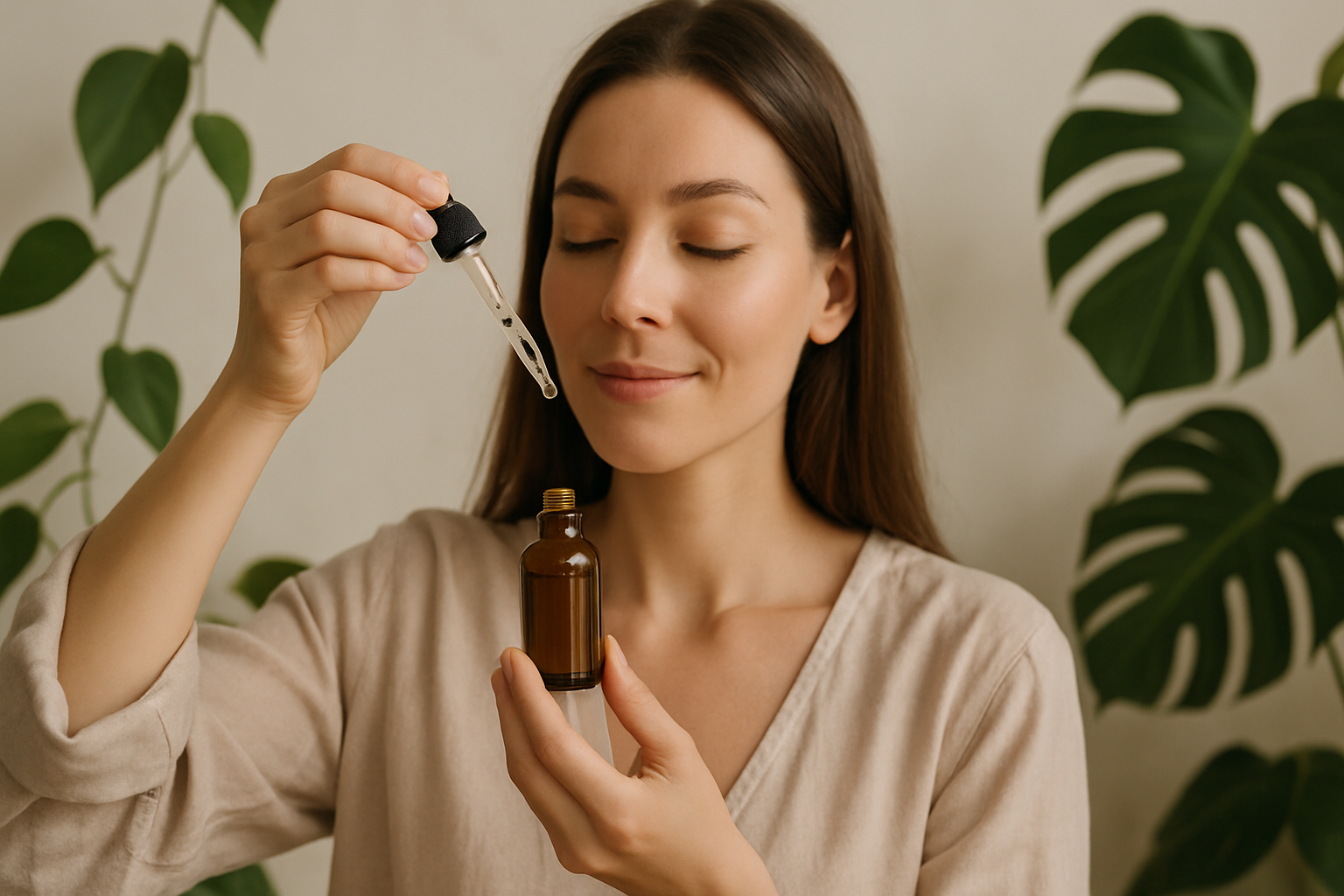
The pursuit of longevity is not a new concept; it has been a focus in many cultures throughout history. Ancient wisdom often emphasizes balance, moderation, and connection to nature. Traditional practices such as herbal medicine, meditation, and dietary traditions have been used for centuries to promote health and well-being.
Modern wellness is beginning to integrate these ancient approaches with contemporary research, highlighting the importance of holistic practices that consider the mind, body, and spirit in the quest for longevity.
FAQs (6)
What is the most effective way to promote longevity?
There is no one-size-fits-all answer, but a combination of a balanced diet, regular physical activity, stress management, and social connections is often recommended.
Are there specific supplements that can help with anti-aging?
Some evidence suggests that antioxidants, omega-3 fatty acids, and vitamin D may support healthy aging, but it's best to consult a healthcare provider before starting any new supplements.
How do lifestyle changes affect aging?
Lifestyle changes can significantly impact overall health, reduce the risk of chronic diseases, and improve quality of life as we age.
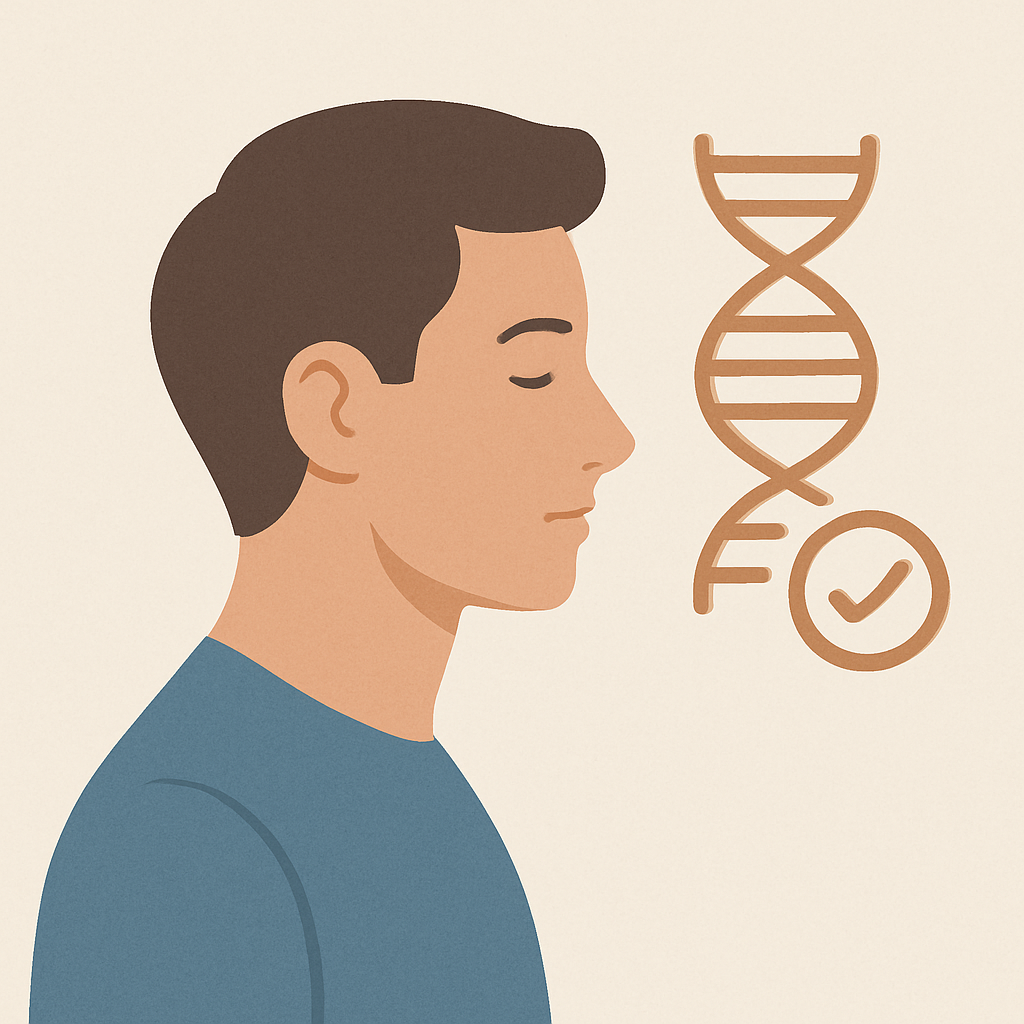
Can genetics influence longevity?
Yes, genetics can play a role in longevity, but lifestyle and environmental factors are also crucial in determining overall health and lifespan.
Is it possible to reverse aging?
While we cannot reverse aging, certain interventions may slow down the aging process and improve health outcomes.
When should I consult a healthcare professional about aging?
If you have specific health concerns, are considering major lifestyle changes, or are interested in appropriate supplements, consulting a healthcare professional is advisable.
Explore Longevity & Anti-Aging
15 subcategories





Frequently asked
What is the most effective way to promote longevity?
There is no one-size-fits-all answer, but a combination of a balanced diet, regular physical activity, stress management, and social connections is often recommended.
Are there specific supplements that can help with anti-aging?
Some evidence suggests that antioxidants, omega-3 fatty acids, and vitamin D may support healthy aging, but it's best to consult a healthcare provider before starting any new supplements.
How do lifestyle changes affect aging?
Lifestyle changes can significantly impact overall health, reduce the risk of chronic diseases, and improve quality of life as we age.
Can genetics influence longevity?
Yes, genetics can play a role in longevity, but lifestyle and environmental factors are also crucial in determining overall health and lifespan.
Is it possible to reverse aging?
While we cannot reverse aging, certain interventions may slow down the aging process and improve health outcomes.
When should I consult a healthcare professional about aging?
If you have specific health concerns, are considering major lifestyle changes, or are interested in appropriate supplements, consulting a healthcare professional is advisable.