Preventive Wellness
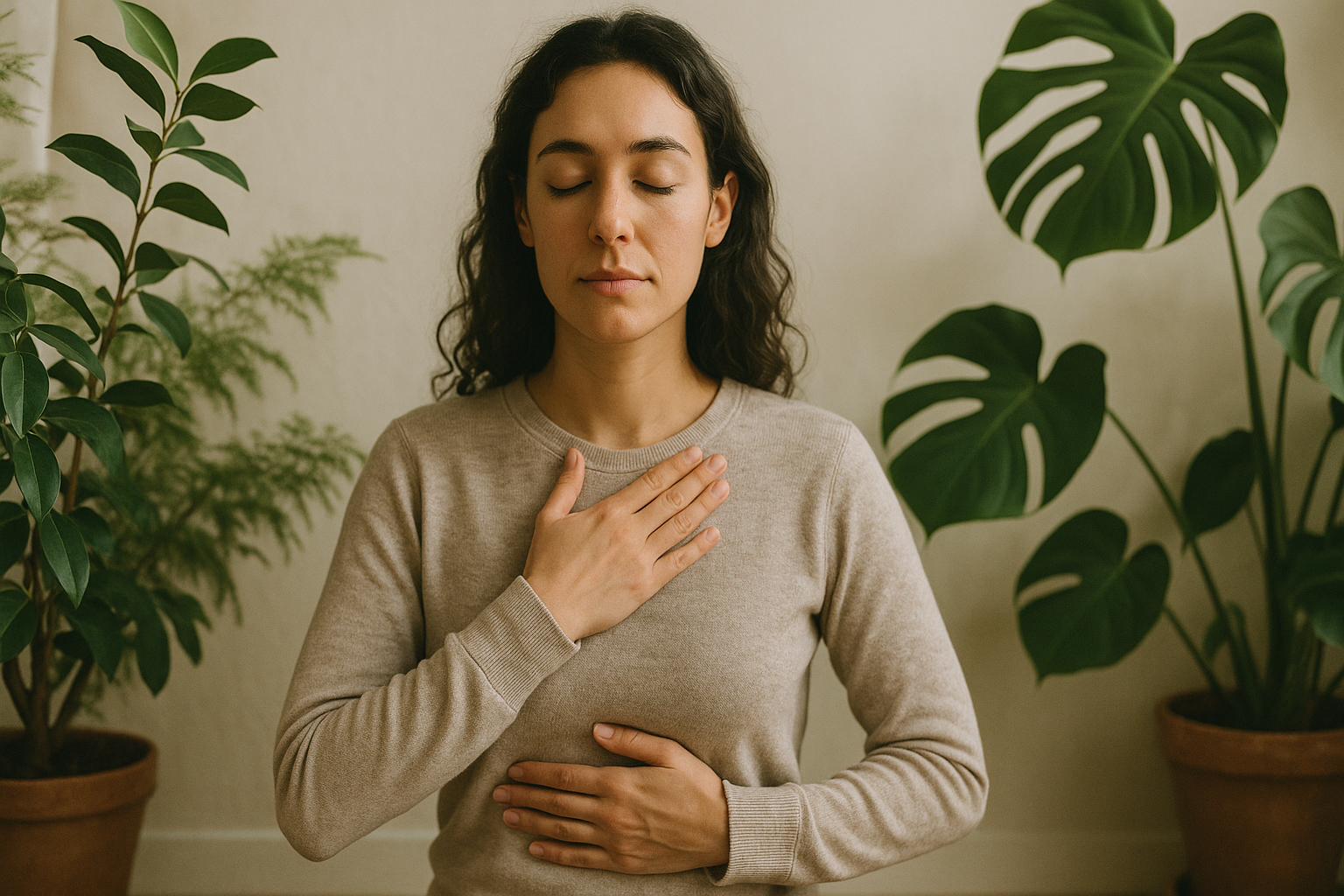
Explore the world of preventive wellness, where proactive health measures and lifestyle choices work together to enhance well-being.

Preventive wellness is a proactive approach to maintaining health and well-being by taking steps to prevent illness before it occurs. It emphasizes the importance of lifestyle choices, regular health screenings, and natural remedies to support overall health. This category is significant in modern wellness as it helps individuals take charge of their health, potentially reducing the risk of chronic diseases and improving quality of life.
Intro Summary
Preventive wellness is an essential aspect of modern health practices that focuses on maintaining health and well-being by taking proactive measures to prevent diseases before they develop. In contrast to reactive healthcare, which addresses health issues after they arise, preventive wellness encourages individuals to adopt lifestyle choices and habits that promote long-term health. This approach is increasingly significant in today's fast-paced world, where chronic diseases are on the rise and the importance of self-care is being recognized.
Practicing preventive wellness involves a combination of regular health screenings, awareness of personal health risk factors, and lifestyle modifications such as balanced nutrition, physical activity, stress management, and the use of natural remedies. By prioritizing preventive strategies, individuals can help mitigate the risk of developing serious health issues, enhance their quality of life, and achieve optimal well-being.
The Underlying Biology / Mechanism
Preventive wellness operates on the principle that the body has a remarkable capacity to may support and maintain itself when provided with the right conditions. At its core, this approach focuses on understanding the biological mechanisms that contribute to health and disease. For instance, the body continuously engages in processes like inflammation, immune responses, and cellular repair, which are crucial for maintaining health.
By adopting preventive measures, such as a nutritious diet, regular exercise, and stress management techniques, individuals can support these biological processes. A balanced diet rich in antioxidants, for example, can help reduce oxidative stress and inflammation, while regular physical activity can enhance cardiovascular health and improve metabolic function. The goal is to create an environment within the body that minimizes the risk of chronic diseases such as diabetes, heart disease, and certain cancers.
Key Sub-Topics Within This Category
- Nutrition and Dietary Choices
- Physical Activity and Exercise
- Stress Management Techniques
- Sleep Quality and Health
- Regular Health Screenings and Check-ups
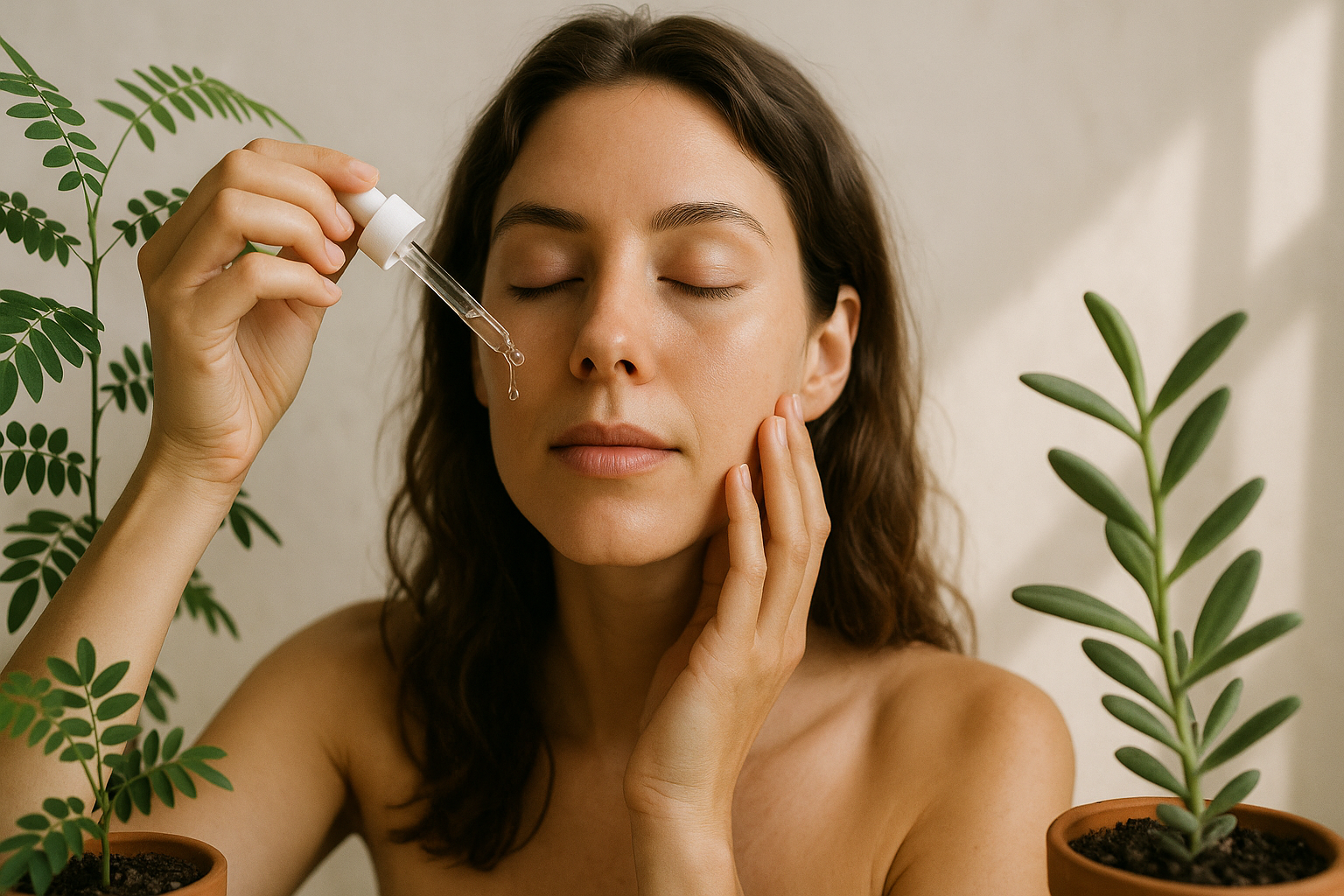
- Natural Remedies and Supplements
- Mental and Emotional Wellness
Biomarkers, Tests, and Data Points That Matter
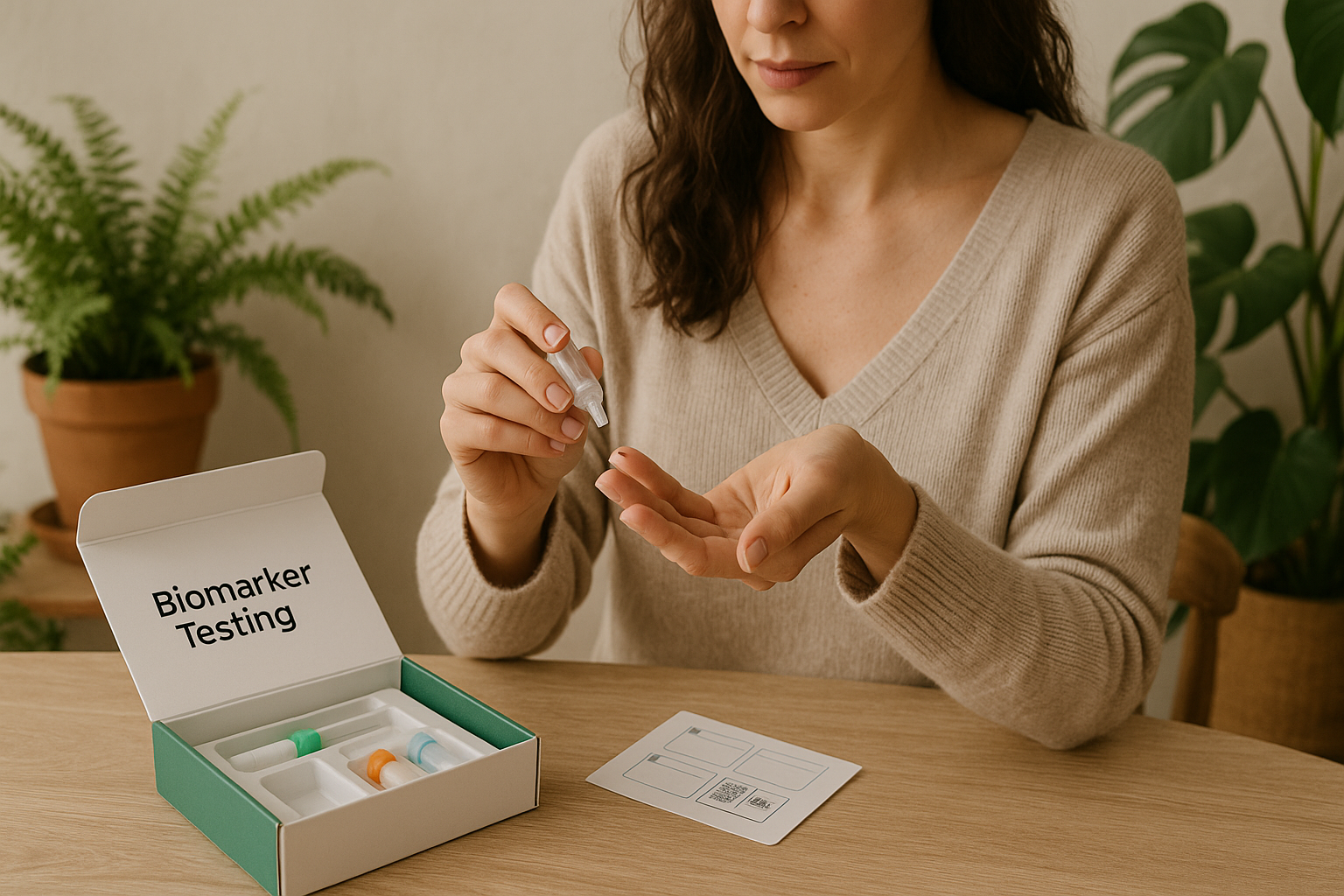
Understanding your health through biomarkers and tests is a crucial component of preventive wellness. Biomarkers are measurable indicators of health that can provide insight into an individual's risk for certain diseases. Common tests may include:
- Cholesterol Levels: A lipid panel can help assess cardiovascular risk.
- Blood Pressure: Regular monitoring can indicate heart health.
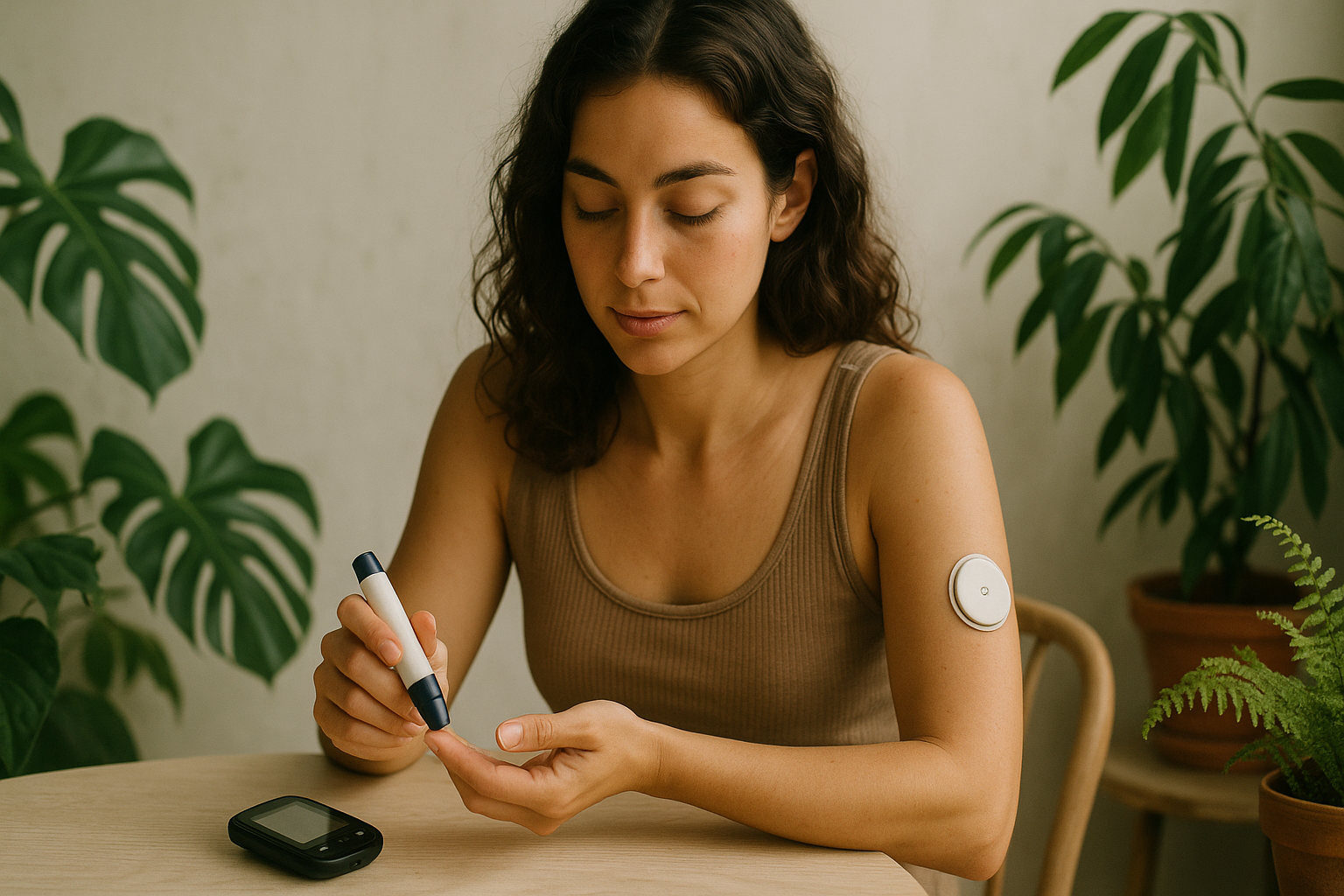
- Blood Sugar Levels: Testing for glucose levels can help identify diabetes risk.
- Body Mass Index (BMI): A measure of body fat based on height and weight.
- Inflammatory Markers: Tests such as C-reactive protein (CRP) can indicate inflammation in the body.
It is important to note that reference ranges for these tests can vary based on age, sex, and other factors. Always consult with a healthcare professional to interpret results accurately and discuss any concerns.
Functional Actions This Category Targets
Preventive wellness targets various functional actions within the body that contribute to overall health. These include:
- Enhancing immune function
- Reducing inflammation
- Improving cardiovascular health
- Supporting metabolic processes
- Balancing hormones
- Promoting mental clarity and emotional stability
Body Systems It Most Supports
Preventive wellness supports several key body systems, including:
- Cardiovascular System: Healthy diet and exercise can lower blood pressure and cholesterol levels.
- Immune System: Nutrition and stress management can strengthen immune responses.
- Endocrine System: Lifestyle choices can help regulate hormones.
- Digestive System: A balanced diet supports gut health and digestion.
- Nervous System: Stress management techniques can enhance mental health and cognitive function.
Common Goals
The goals of preventive wellness are varied but generally include:
- Reducing the risk of chronic diseases
- Improving overall health and well-being
- Enhancing quality of life
- Promoting longevity
- Encouraging healthy lifestyle habits
Approaches & Interventions (lifestyle, nutrition, supplements, devices)
Preventive wellness encompasses a range of approaches and interventions that can be integrated into daily life. These include:
- Lifestyle Modifications: Adopting regular exercise routines, prioritizing sleep, and practicing stress management techniques.
- Nutrition: Focusing on whole foods, such as fruits, vegetables, whole grains, lean proteins, and healthy fats.
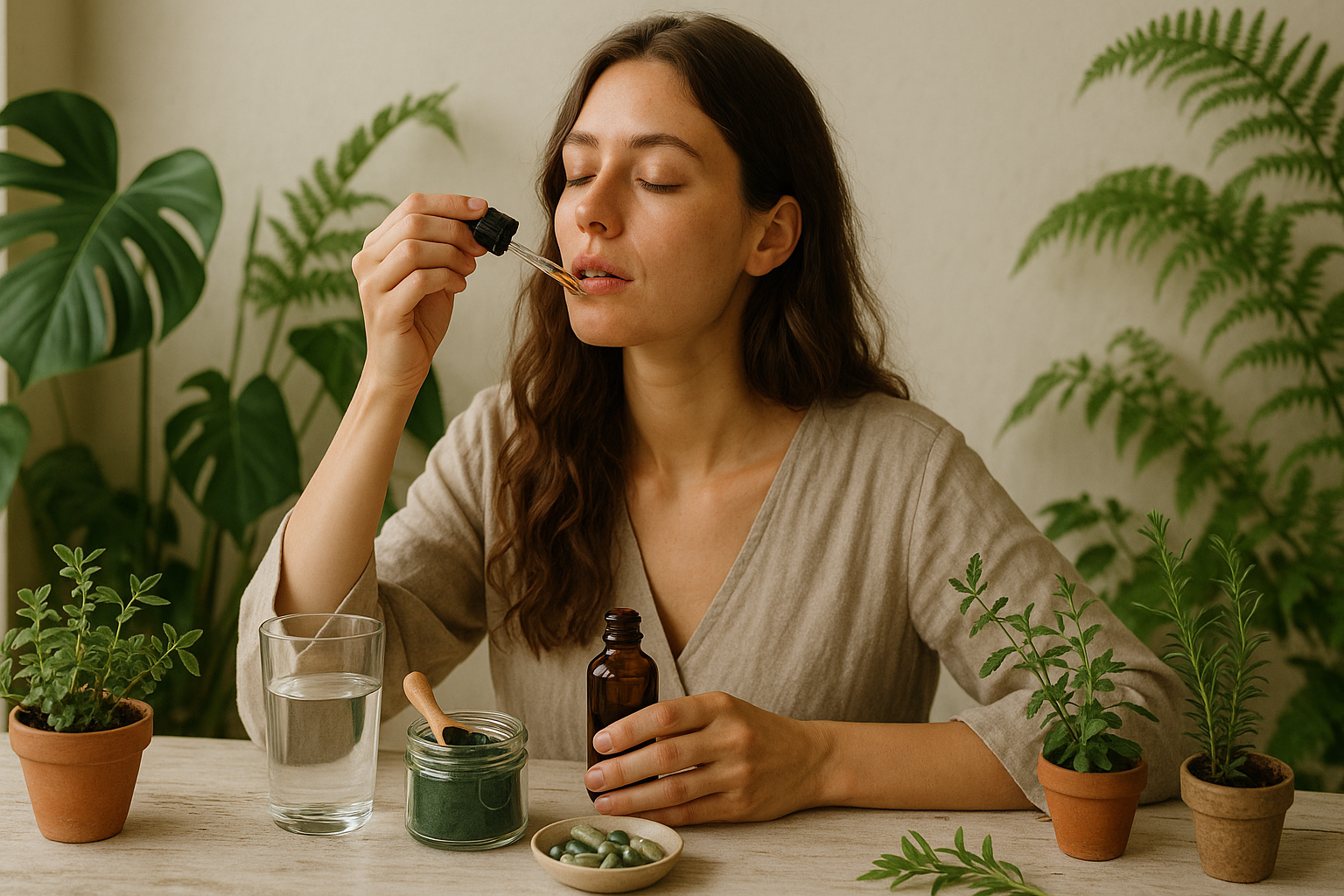
- Supplements: Considering vitamins and minerals that support specific health needs (consult a healthcare provider for personalized recommendations).
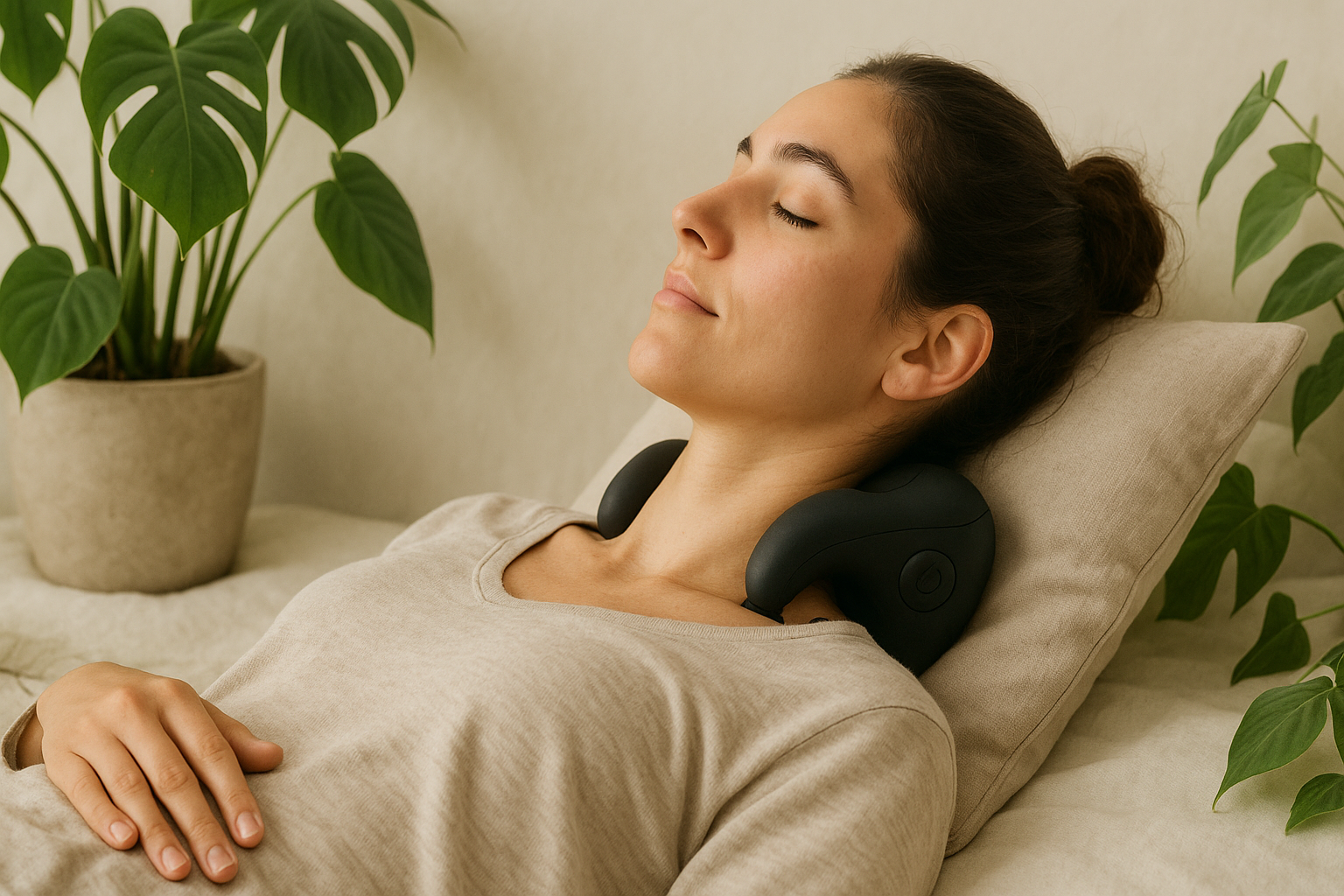
- Wearable Devices: Using fitness trackers and health apps to monitor physical activity, sleep patterns, and overall health metrics.
Safety, Edge Cases & When to Consult a Clinician
While preventive wellness is generally safe and beneficial, there are certain edge cases where caution is warranted. Individuals with pre-existing health conditions, pregnant women, or those taking medications should consult a healthcare provider before making significant lifestyle changes or starting new supplements.
It is also important to recognize symptoms that may require clinical attention. If you experience any unusual signs or changes in your health, do not hesitate to reach out to a healthcare professional for personalized advice and support.
How It Bridges to Ancient Wisdom & Natural Remedies
Preventive wellness has deep roots in ancient health practices, many of which emphasize the importance of balance, harmony, and natural remedies. Traditional medicine systems, such as Ayurveda and Traditional Chinese Medicine, have long recognized the value of preventive measures, including diet, herbal remedies, and lifestyle practices to maintain health.
These ancient practices often focus on holistic well-being, addressing not just physical health but also mental and emotional aspects. Integrating modern preventive strategies with these time-honored approaches can provide a more comprehensive framework for achieving optimal health.
FAQs (6)
- What is preventive wellness?
Preventive wellness is a proactive approach to health that emphasizes measures to prevent illness and maintain overall well-being. - Why is preventive wellness important?
It helps reduce the risk of chronic diseases, enhances quality of life, and encourages individuals to take charge of their health. - What are common preventive wellness practices?
Common practices include regular health screenings, a balanced diet, exercise, stress management, and natural remedies. - How can I assess my health risks?
Consulting with a healthcare provider can help identify personal health risks through tests and discussions about family medical history. - Are supplements necessary for preventive wellness?
Supplements can be beneficial, but it is important to consult a healthcare professional for personalized recommendations. - When should I see a clinician?
If you notice any concerning symptoms or have questions about your health, it’s best to consult a healthcare provider for guidance.
Explore Preventive Wellness
15 subcategories












Frequently asked
What is preventive wellness?
Preventive wellness is a proactive approach to health that emphasizes measures to prevent illness and maintain overall well-being.
Why is preventive wellness important?
It helps reduce the risk of chronic diseases, enhances quality of life, and encourages individuals to take charge of their health.
What are common preventive wellness practices?
Common practices include regular health screenings, a balanced diet, exercise, stress management, and natural remedies.
How can I assess my health risks?
Consulting with a healthcare provider can help identify personal health risks through tests and discussions about family medical history.
Are supplements necessary for preventive wellness?
Supplements can be beneficial, but it is important to consult a healthcare professional for personalized recommendations.
When should I see a clinician?
If you notice any concerning symptoms or have questions about your health, it’s best to consult a healthcare provider for guidance.