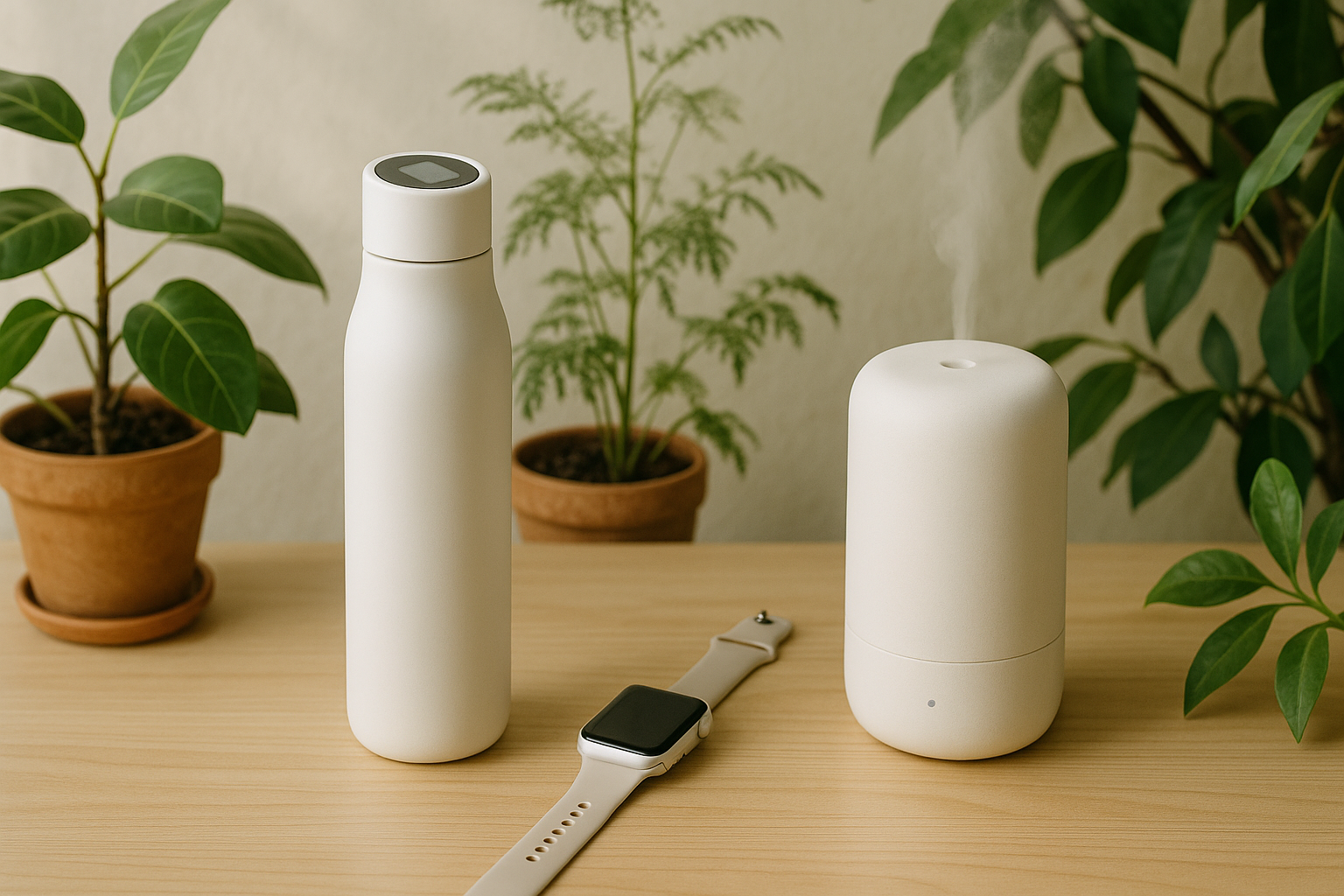
Health Tracking
Explore the world of health tracking within preventive wellness, its mechanisms, practical applications, and how it supports overall health.

Health tracking is a vital component of preventive wellness, allowing individuals to monitor their health metrics and make informed decisions about their well-being. Through various tools and technologies, health tracking provides insights that can lead to improved lifestyle choices and better health outcomes.
What It Is
Health tracking refers to the systematic monitoring of various health metrics over time. This can include physical parameters such as weight, heart rate, sleep patterns, and dietary intake, as well as mental health indicators like mood and stress levels. The primary goal of health tracking is to provide individuals with actionable insights that help them make informed decisions regarding their health and wellness.
With the rise of technology, health tracking has evolved beyond simple journaling to include sophisticated apps and wearable devices. These tools collect data in real-time and offer visualizations and trends, making it easier for individuals to understand their health behaviors and outcomes. As a component of preventive wellness, health tracking plays a crucial role in identifying potential health issues before they become more serious.
Mechanism / How It Works
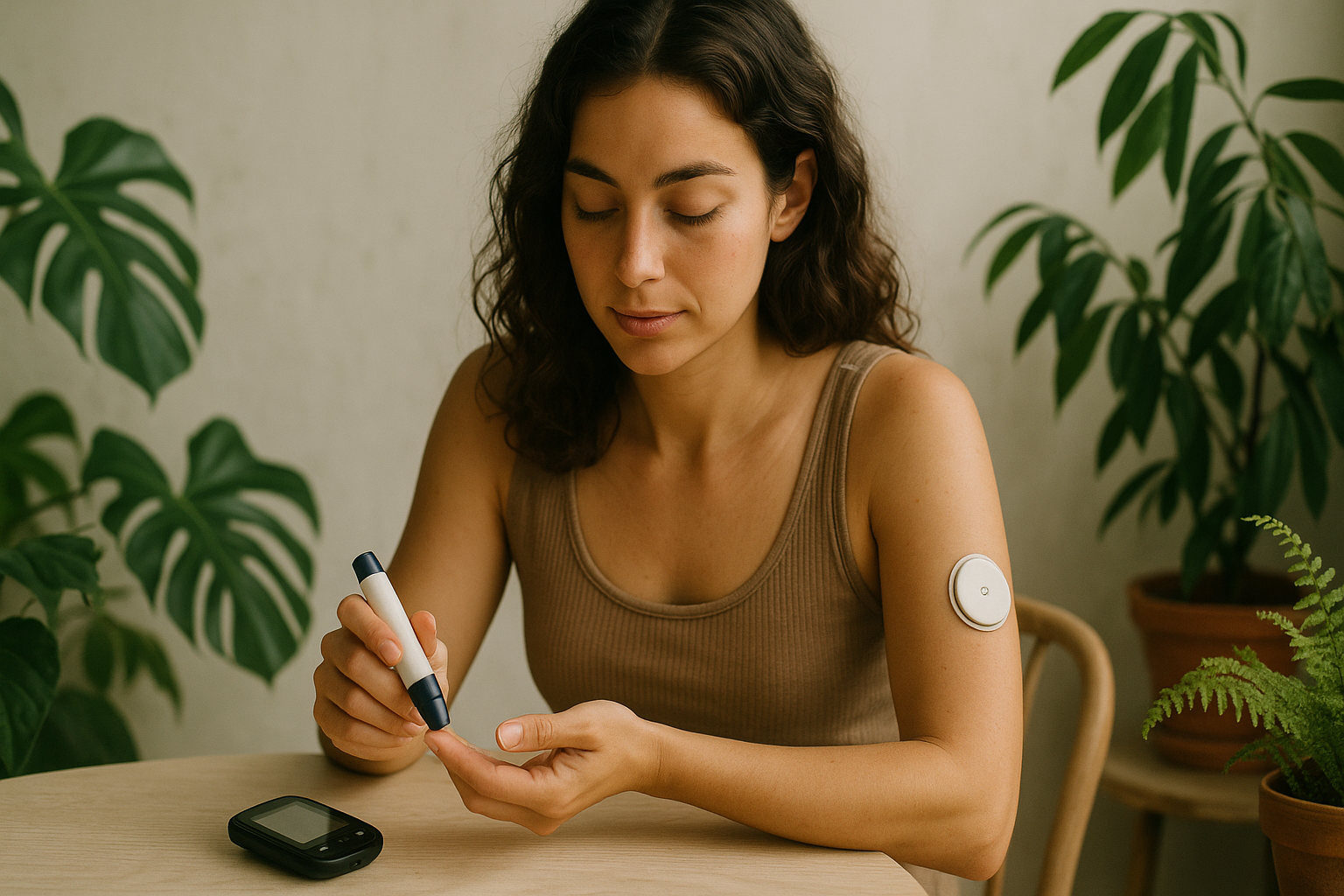
Health tracking typically works by gathering data from various sources, including wearable devices, mobile applications, and manual input. These tools often utilize sensors to monitor physiological metrics such as heart rate and activity levels. Users can also log information related to their diet, sleep, and emotional well-being.
Once the data is collected, algorithms analyze it to identify patterns and trends. For example, a sleep tracking app can analyze sleep duration and quality, providing personalized feedback to improve sleep hygiene. Additionally, many health tracking tools offer reminders and motivational features to encourage users to engage in healthier behaviors.
Evidence Summary
The evidence surrounding health tracking is evolving. Preliminary studies suggest that individuals who actively track their health metrics are more likely to engage in positive health behaviors, such as increased physical activity and improved dietary choices. However, the effectiveness of health tracking can vary widely among individuals.
Clinical studies have shown mixed results regarding the impact of health tracking on long-term health outcomes. While some participants experience significant improvements in health metrics, others may find the process overwhelming or unhelpful. Conflicting evidence exists on the psychological impact of health tracking, with some individuals reporting increased anxiety or stress related to constant monitoring.
Practical Application
To effectively integrate health tracking into daily life, individuals should start by identifying specific health goals, whether it's weight loss, improving sleep quality, or managing stress. Choosing the right tools is crucial; options range from simple journals to sophisticated apps and wearables.
Daily integration can involve setting aside a few minutes each day to log health metrics or review progress. It’s essential to establish a routine that feels sustainable. Common pitfalls include becoming overly focused on numbers, which can lead to stress or frustration. Balancing tracking with an overall positive mindset is vital for long-term success.
Relevant Biomarkers & Tracking
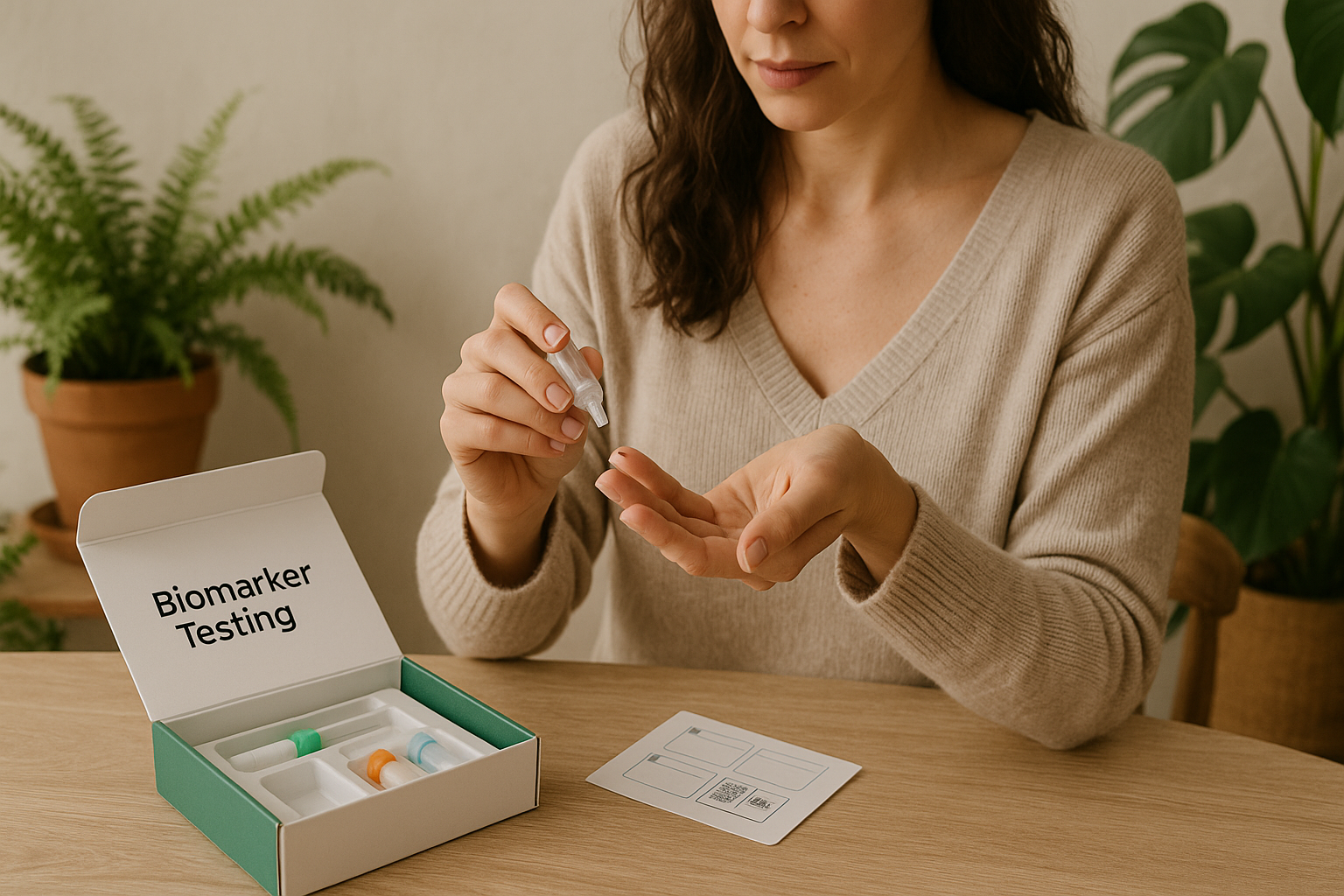
Health tracking can encompass a wide range of biomarkers, depending on the individual’s goals. Commonly tracked biomarkers include:
- Body weight
- Body mass index (BMI)
- Heart rate and variability
- Blood pressure
- Sleep duration and quality
- Dietary intake (macronutrients and micronutrients)
- Physical activity levels
- Mood and stress levels
Tracking these biomarkers can provide valuable insights into physical and mental health, guiding individuals toward more informed lifestyle choices.
Body Systems Supported
Health tracking supports various body systems, including:
- Cardiovascular system: Monitoring heart rate and blood pressure can help manage cardiovascular health.
- Endocrine system: Tracking weight and dietary intake can aid in managing metabolic health.
- Nervous system: Mood and stress tracking can enhance mental health awareness and resilience.
- Musculoskeletal system: Activity tracking encourages movement and exercise, benefiting bone and muscle health.
Common Goals
Individuals engage in health tracking for a variety of reasons. Common goals include:
- Weight management (loss or gain)
- Improved physical fitness and activity levels
- Better sleep quality
- Enhanced mental well-being
- Effective management of chronic conditions (e.g., diabetes, hypertension)
Safety, Contraindications & Edge Cases
While health tracking is generally safe, some individuals may experience anxiety or stress related to constant monitoring. It’s important to approach health tracking with a balanced mindset and not to let the data dictate self-worth.
For individuals with certain medical conditions, such as anxiety disorders or eating disorders, health tracking may require careful consideration and, in some cases, professional guidance. Always consult with a healthcare provider before starting any new health tracking regimen, especially if underlying health issues exist.
Pairs Well With
Health tracking can be complemented by various ancient and natural wellness practices, including:
- Meditation and mindfulness techniques to enhance mental well-being.
- Traditional dietary practices that focus on whole foods and balanced nutrition.
- Yoga or tai chi for physical activity that also promotes mental tranquility.
FAQs (5)
- Q: What is the best way to start health tracking?
- A: Begin by identifying your health goals and choosing a tracking tool that suits your needs, such as apps or journals.
- Q: Can health tracking lead to anxiety?
- A: Yes, for some individuals, constant monitoring can lead to stress or anxiety. It’s important to maintain a balanced approach.
- Q: How often should I track my health metrics?
- A: This varies by individual; some may benefit from daily tracking, while others may find weekly or monthly tracking sufficient.
- Q: Is health tracking effective for everyone?
- A: Effectiveness can vary; some individuals see significant benefits, while others may not find it helpful.
- Q: What should I do if I feel overwhelmed by tracking?
- A: Take a break, simplify your tracking methods, or consult with a healthcare professional for guidance.
Frequently asked
What is the best way to start health tracking?
Begin by identifying your health goals and choosing a tracking tool that suits your needs, such as apps or journals.
Can health tracking lead to anxiety?
Yes, for some individuals, constant monitoring can lead to stress or anxiety. It’s important to maintain a balanced approach.
How often should I track my health metrics?
This varies by individual; some may benefit from daily tracking, while others may find weekly or monthly tracking sufficient.
Is health tracking effective for everyone?
Effectiveness can vary; some individuals see significant benefits, while others may not find it helpful.
What should I do if I feel overwhelmed by tracking?
Take a break, simplify your tracking methods, or consult with a healthcare professional for guidance.