Persian Medicine
Explore the rich tradition of Persian Medicine, its origins, core philosophies, and modern-day practices.
Persian Medicine is an ancient healing tradition that integrates the mind, body, and spirit, emphasizing a holistic approach to health. Rooted in the cultural and historical context of Persia, it is practiced today in various forms across Iran and among Persian communities worldwide. This tradition operates from a worldview that emphasizes balance, harmony, and the interconnectedness of all life forms.
Intro Summary
Persian Medicine is an ancient healing tradition that integrates the mind, body, and spirit, emphasizing a holistic approach to health. Rooted in the cultural and historical context of Persia, it is practiced today in various forms across Iran and among Persian communities worldwide. This tradition operates from a worldview that emphasizes balance, harmony, and the interconnectedness of all life forms.
Origins & Lineage
Persian Medicine has its roots in the ancient civilization of Persia, now modern-day Iran. The healing practices can be traced back to the Avesta, the sacred texts of Zoroastrianism, where early medical knowledge was documented. Prominent figures such as Avicenna (Ibn Sina) in the 10th century played a significant role in the evolution of Persian Medicine, authoring the influential medical text "The Canon of Medicine." This text synthesized earlier Greek and Indian medical knowledge and became a cornerstone for medical education in the Islamic Golden Age.
Over time, Persian Medicine spread across the Middle East, influencing various cultures and integrating with other medical systems. The cultural richness of Persia allowed for a blending of philosophies, and its teachings permeated into the medical practices of neighboring regions, including Central Asia and parts of Europe.
Core Philosophy
Balance and Harmony
At the heart of Persian Medicine lies the concept of balance and harmony within the body. Practitioners believe that health is achieved when the body's elements are in equilibrium, and any imbalance can lead to illness.
Humoral Theory
Persian Medicine is grounded in the theory of humors, which posits that the body is composed of four primary fluids: blood, phlegm, yellow bile, and black bile. Each humor corresponds to specific qualities and influences health in different ways.
Interconnectedness of Body and Mind
This tradition views the mind and body as interconnected, recognizing that emotional and mental states can significantly impact physical health. Thus, treatment often addresses both mental and physical aspects of health.
Nature and the Elements
Nature plays a vital role in Persian Medicine, with an emphasis on the healing properties of natural elements and plants. The belief that the body is affected by external environmental factors informs many treatment practices.
Diagnostic / Observational Methods
Practitioners of Persian Medicine utilize various diagnostic methods to assess an individual's health. These methods often include:
- Tongue Diagnosis: The appearance of the tongue is analyzed for color, coating, and shape, revealing insights into the person's internal state.
- Pulse Diagnosis: Practitioners feel the pulse at different points on the body to determine the balance of the humors and overall vitality.
- Observation of Body Language: The way a person moves and carries themselves can provide clues about their health status.
- Lifestyle Inquiry: Detailed discussions about dietary habits, emotional health, and daily routines help practitioners understand a person's holistic well-being.
Common Modalities Within This Tradition
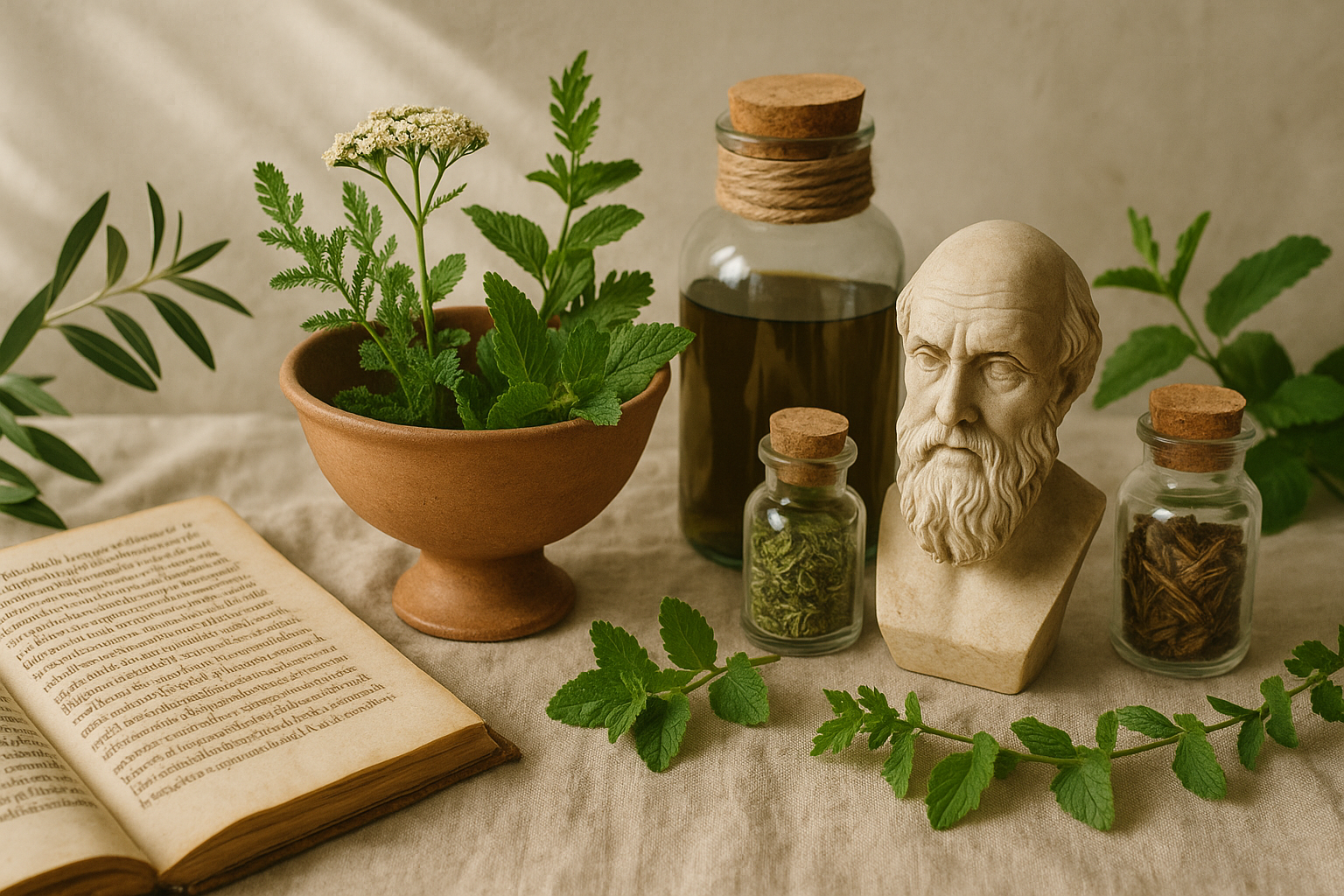
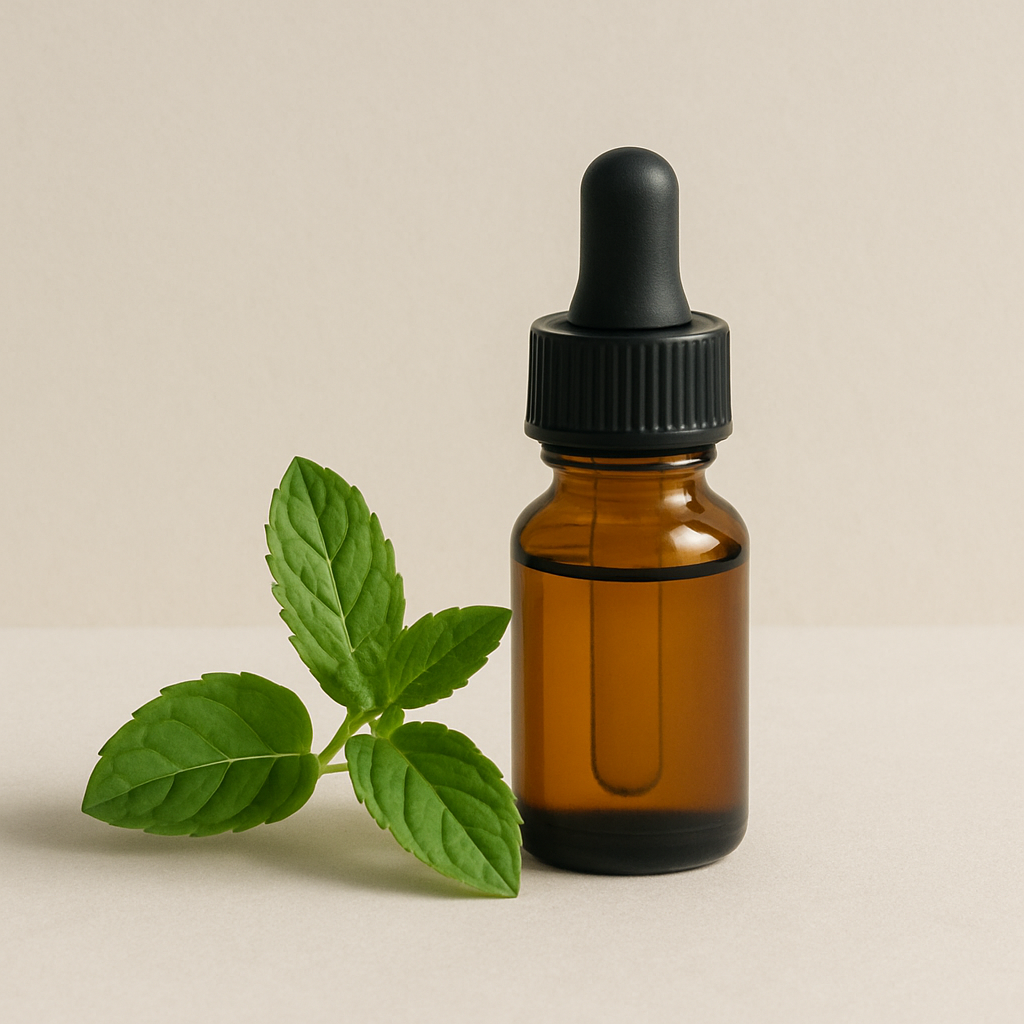
Herbs and Plant Medicine
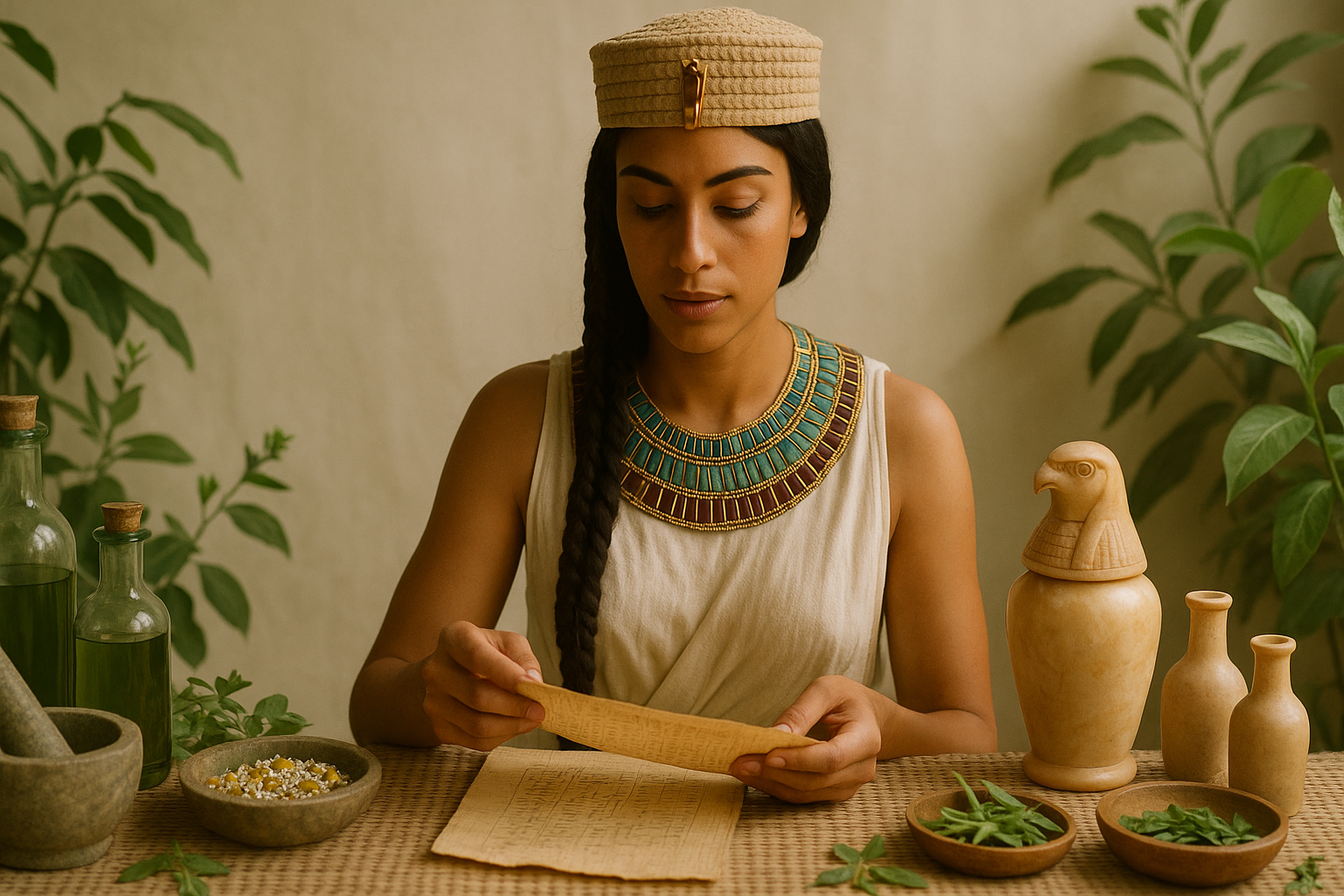
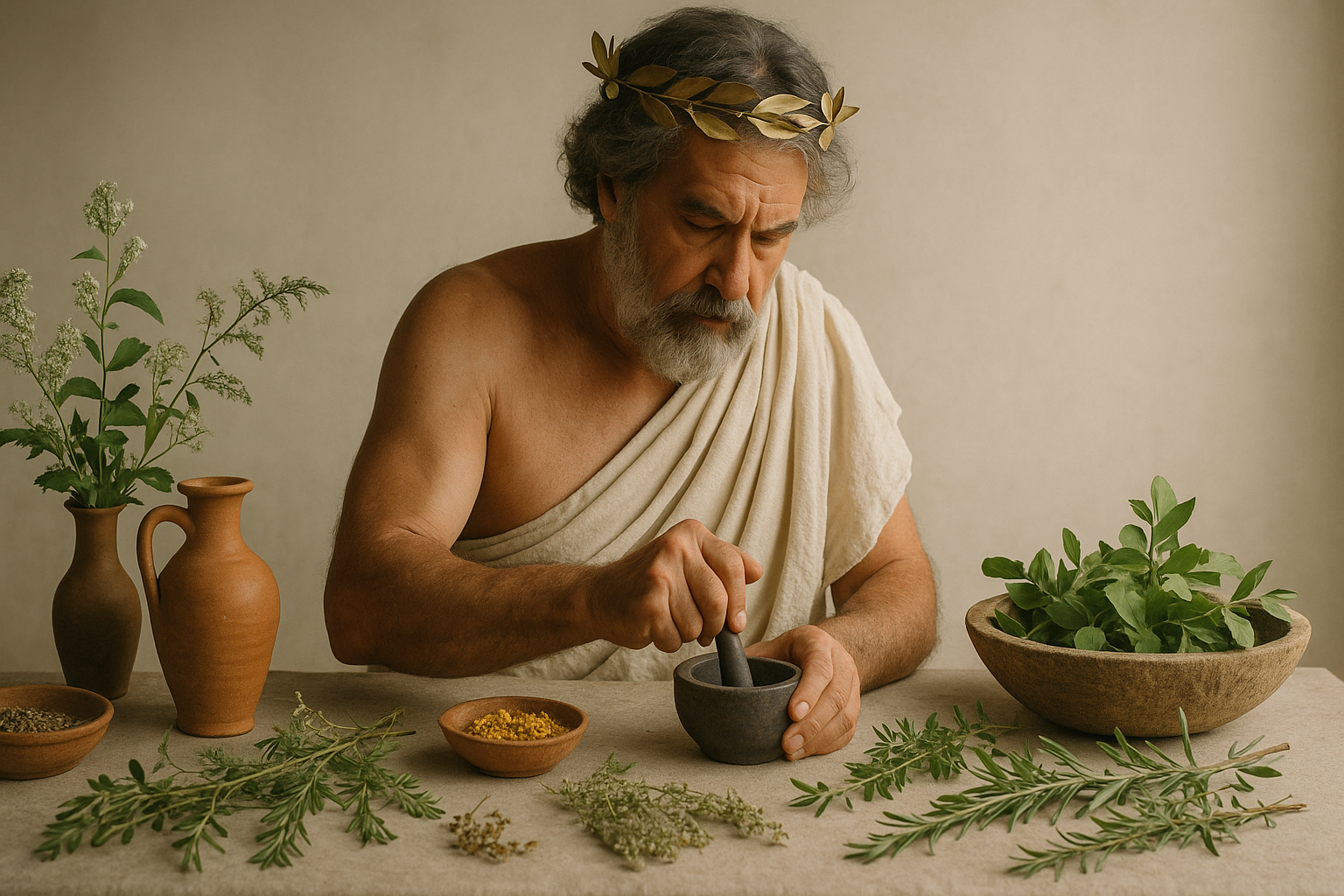
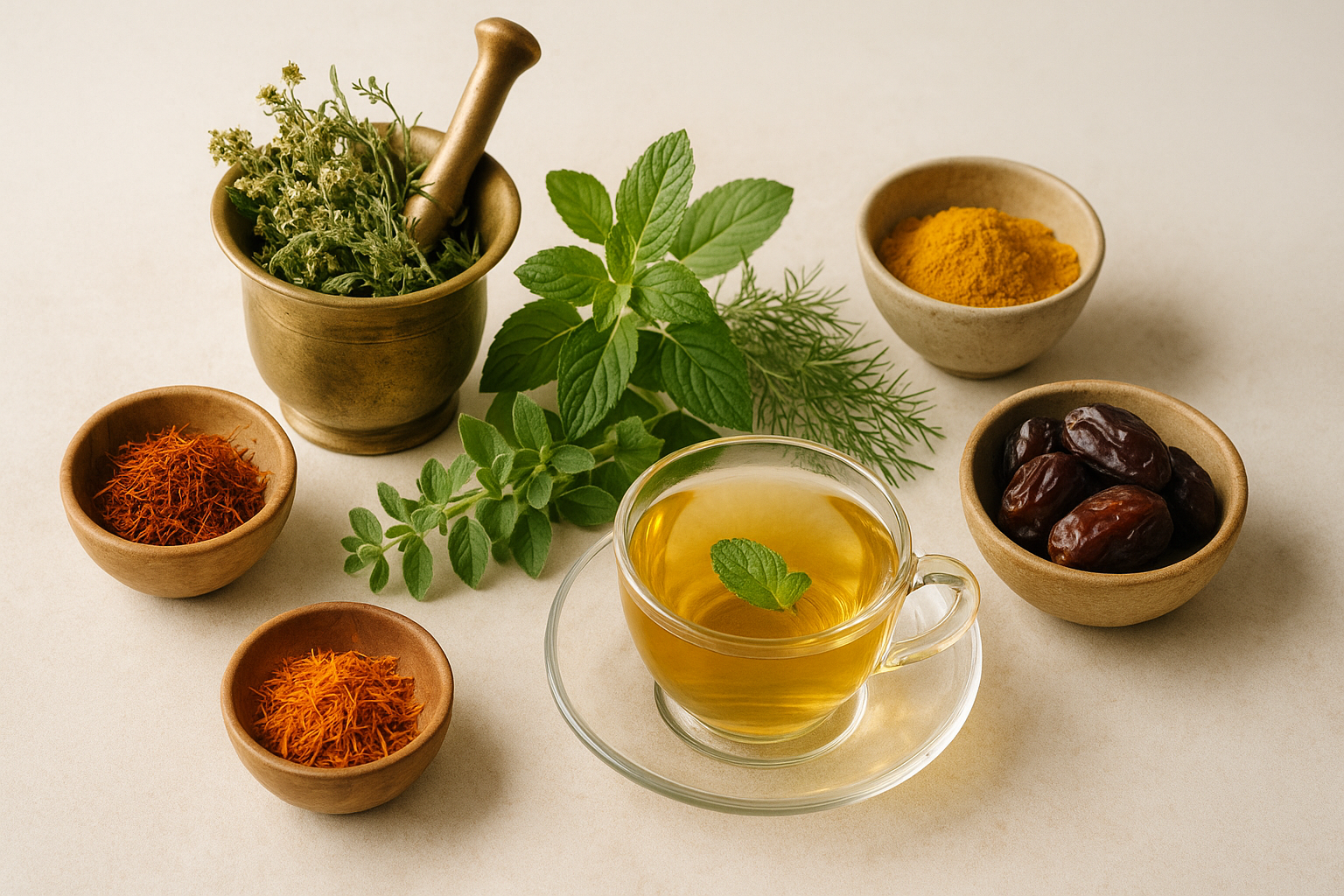
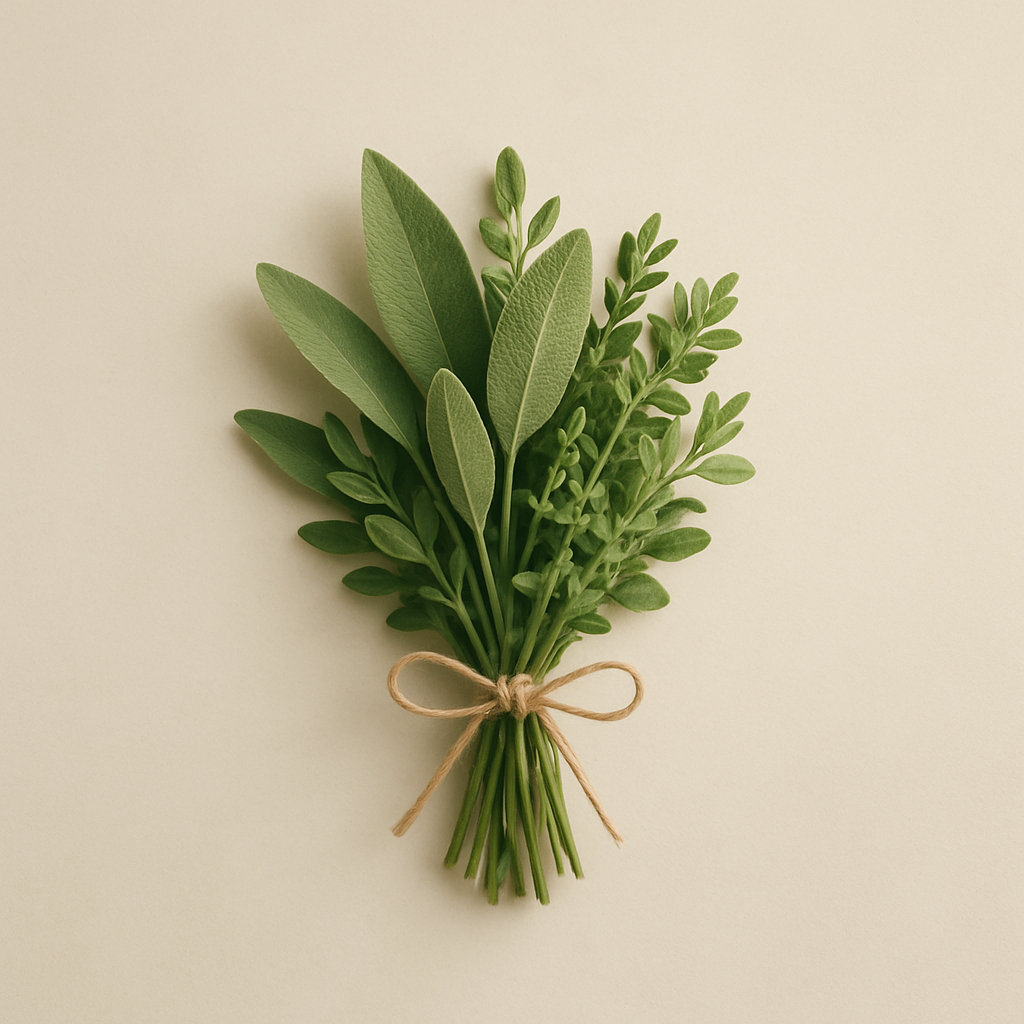
Herbs are fundamental to Persian Medicine, used for their therapeutic properties to restore balance. Common herbs include:
- Avishan (oregano): Known for its antimicrobial properties.
- Ginger: Often used for digestive issues.
- Pomegranate: Valued for its antioxidant qualities.
Dietary Practices
Food is considered medicine in Persian culture. Diet is tailored to individual needs based on the humoral balance. Foods are categorized as hot or cold, and practitioners recommend specific diets to address imbalances.
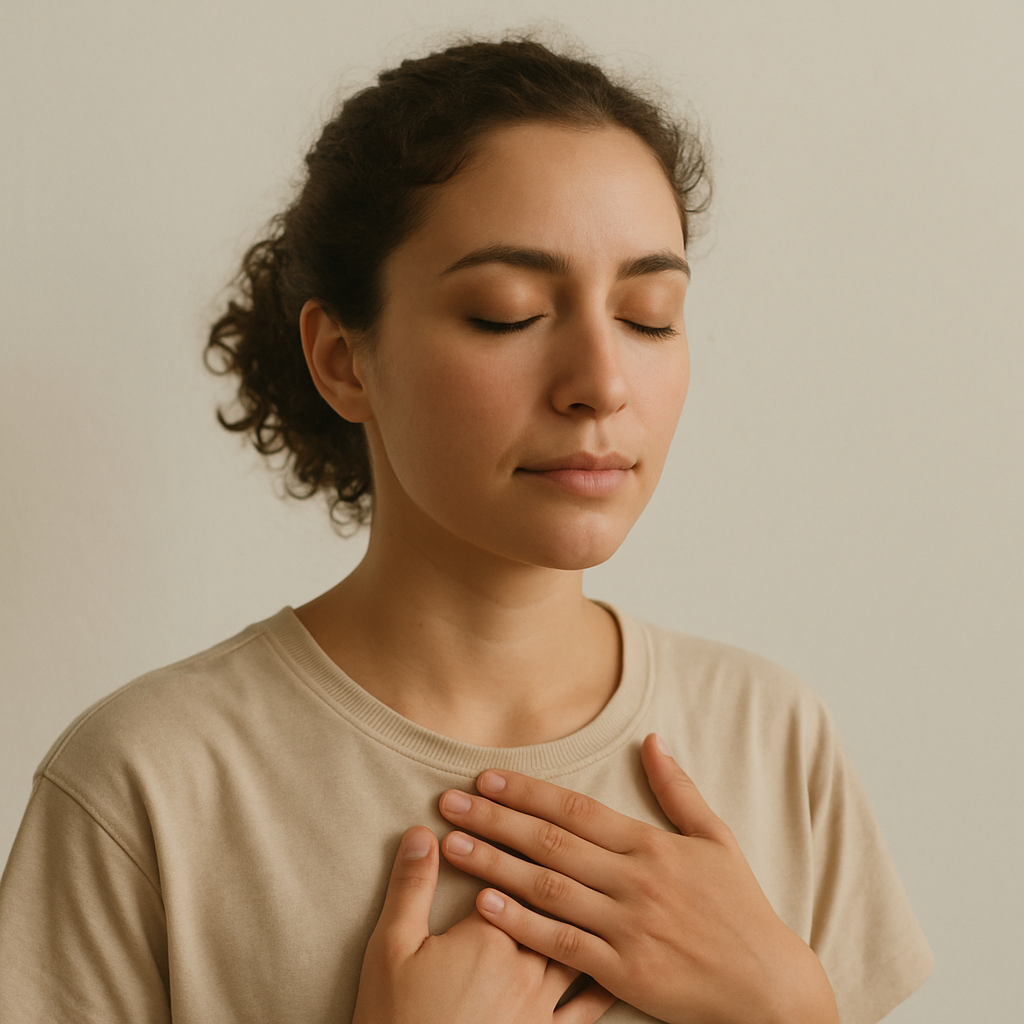
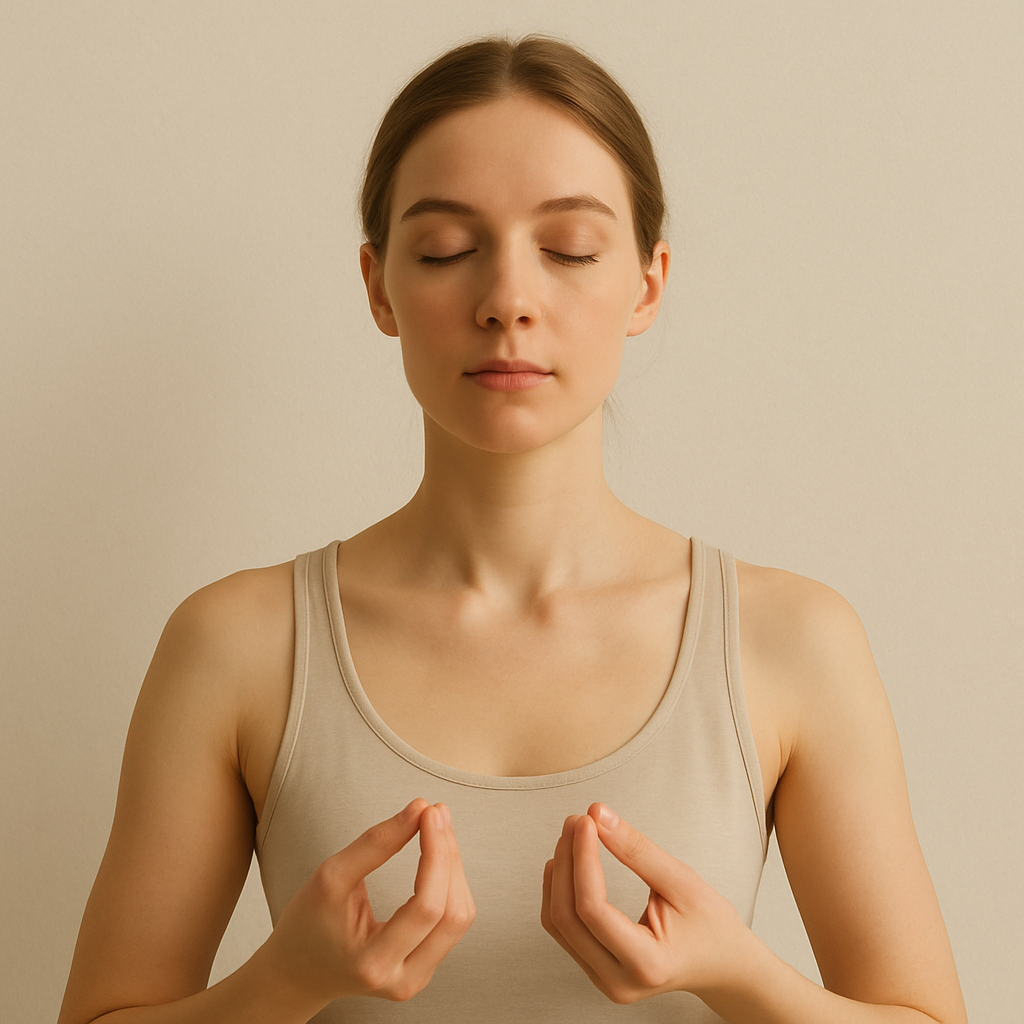
Breath Work and Meditation
Breath work and meditation are integral aspects of Persian Medicine, promoting mental clarity and emotional balance. Practitioners often guide patients in breath control techniques to enhance relaxation and mindfulness.
Movement Therapies
Movement is encouraged to stimulate circulation and support overall health. Gentle exercises, such as traditional Persian dance and yoga, are often recommended.
Ritual and Spiritual Healing
Rituals play a significant role in Persian Medicine, with practices that may include prayers, chants, and the use of talismans to promote healing and protection.
Conditions & Goals This Tradition Commonly Addresses
While Persian Medicine does not diagnose conditions in the conventional sense, it traditionally explores various health concerns such as:
- Digestive issues
- Respiratory problems
- Emotional imbalances
- Skin conditions
- Chronic fatigue
- Joint pain and inflammation
Safety, Sourcing, and Finding Qualified Practitioners
When seeking practitioners of Persian Medicine, it is essential to find those who are properly trained and knowledgeable. Look for certifications from recognized institutions, and consider their experience and approach. Always consult with healthcare professionals regarding any health concerns and before starting new treatments.
How It Intersects with Modern Wellness Today
Persian Medicine is gaining recognition in modern wellness circles for its holistic approach. Many practitioners integrate Persian healing principles with contemporary wellness practices, emphasizing nutrition, mindfulness, and the importance of community in health. This blending of ancient wisdom and modern understanding offers a comprehensive approach to well-being.
Related Approaches You Might Explore
Those interested in Persian Medicine may also explore related approaches such as:
- Traditional Chinese Medicine: Shares concepts of balance and the importance of nature.
- Ayurveda: The Indian system of medicine with similar humoral theories.
- Herbalism: Exploring the healing power of plants across various cultures.
FAQs
- What is Persian Medicine? Persian Medicine is an ancient holistic healing system emphasizing the balance of mind, body, and spirit.
- What are the key concepts of Persian Medicine? Key concepts include balance and harmony, humoral theory, the interconnectedness of body and mind, and the healing properties of nature.
- How do practitioners diagnose health issues? Practitioners use methods such as tongue and pulse diagnosis, body language observation, and lifestyle inquiries.
- What modalities are used in Persian Medicine? Common modalities include herbal medicine, dietary practices, breath work, movement therapies, and ritual healing.
- What conditions can Persian Medicine traditionally explore? It traditionally explores digestive issues, emotional imbalances, respiratory problems, and skin conditions.
- How can I find a qualified practitioner of Persian Medicine? Look for trained professionals with certifications from recognized institutions and consult with them about their approach.
Explore Persian Medicine
15 subcategories



Frequently asked
What is Persian Medicine?
Persian Medicine is an ancient holistic healing system emphasizing the balance of mind, body, and spirit.
What are the key concepts of Persian Medicine?
Key concepts include balance and harmony, humoral theory, the interconnectedness of body and mind, and the healing properties of nature.
How do practitioners diagnose health issues?
Practitioners use methods such as tongue and pulse diagnosis, body language observation, and lifestyle inquiries.
What modalities are used in Persian Medicine?
Common modalities include herbal medicine, dietary practices, breath work, movement therapies, and ritual healing.
What conditions can Persian Medicine traditionally explore?
It traditionally explores digestive issues, emotional imbalances, respiratory problems, and skin conditions.
How can I find a qualified practitioner of Persian Medicine?
Look for trained professionals with certifications from recognized institutions and consult with them about their approach.