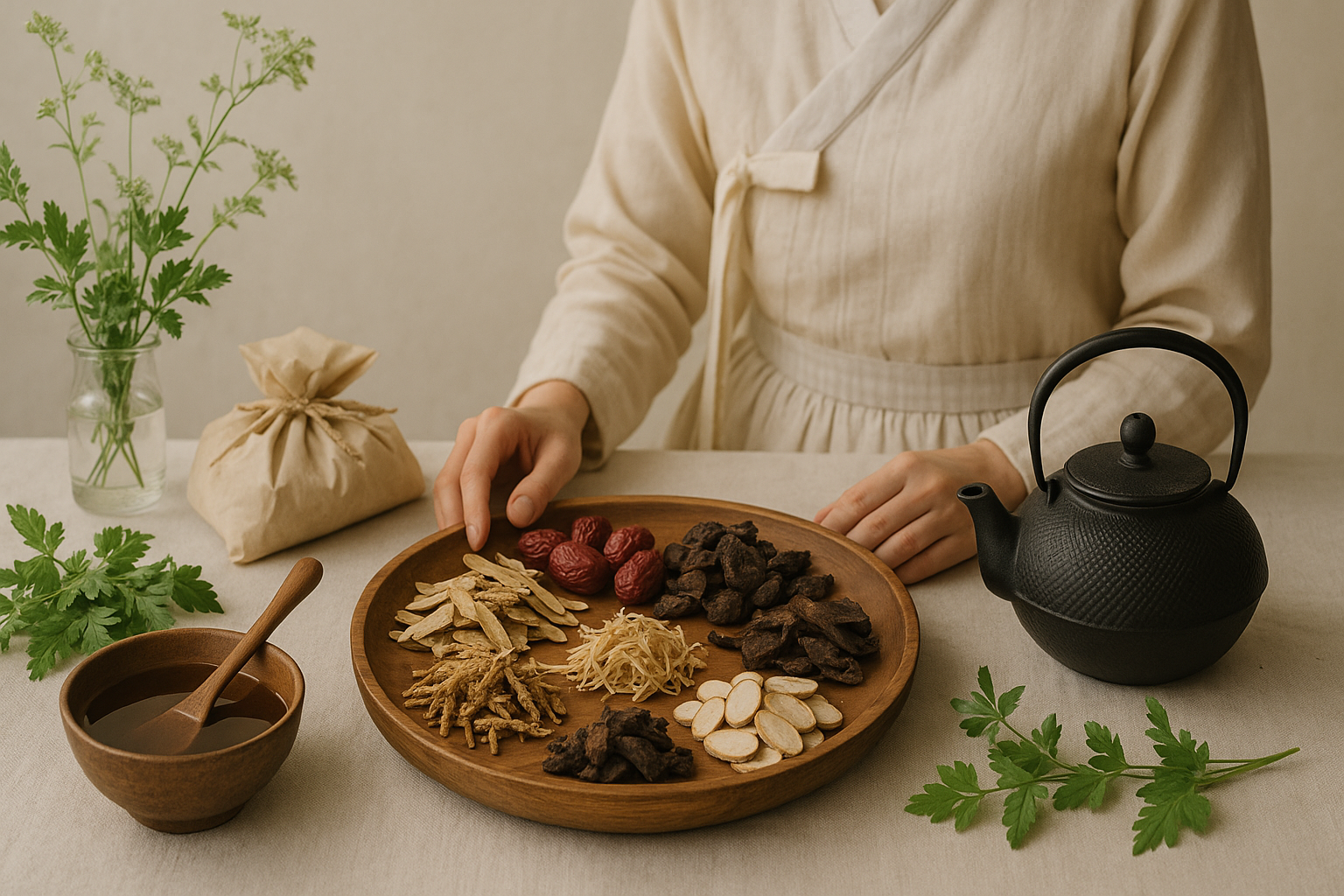
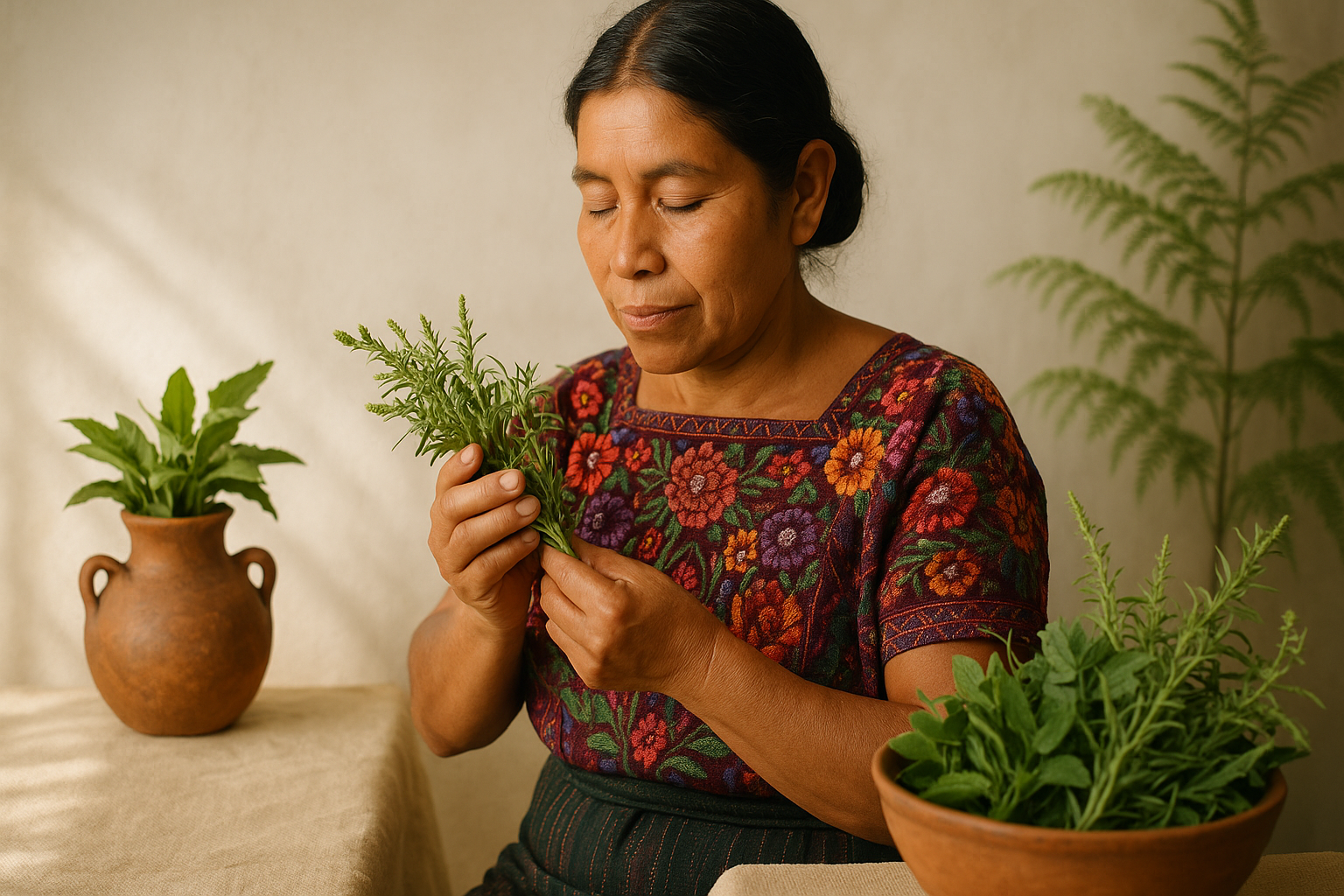
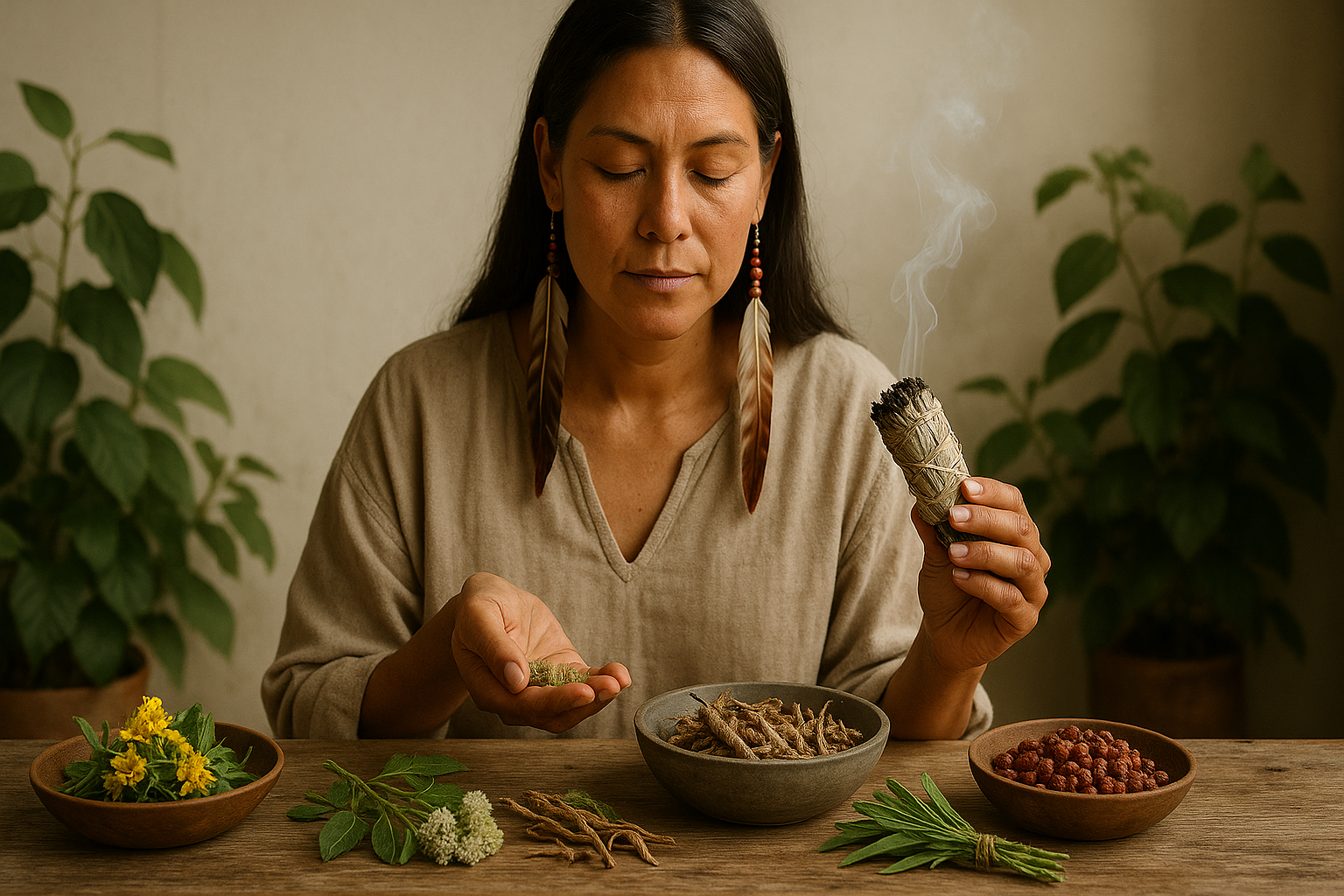
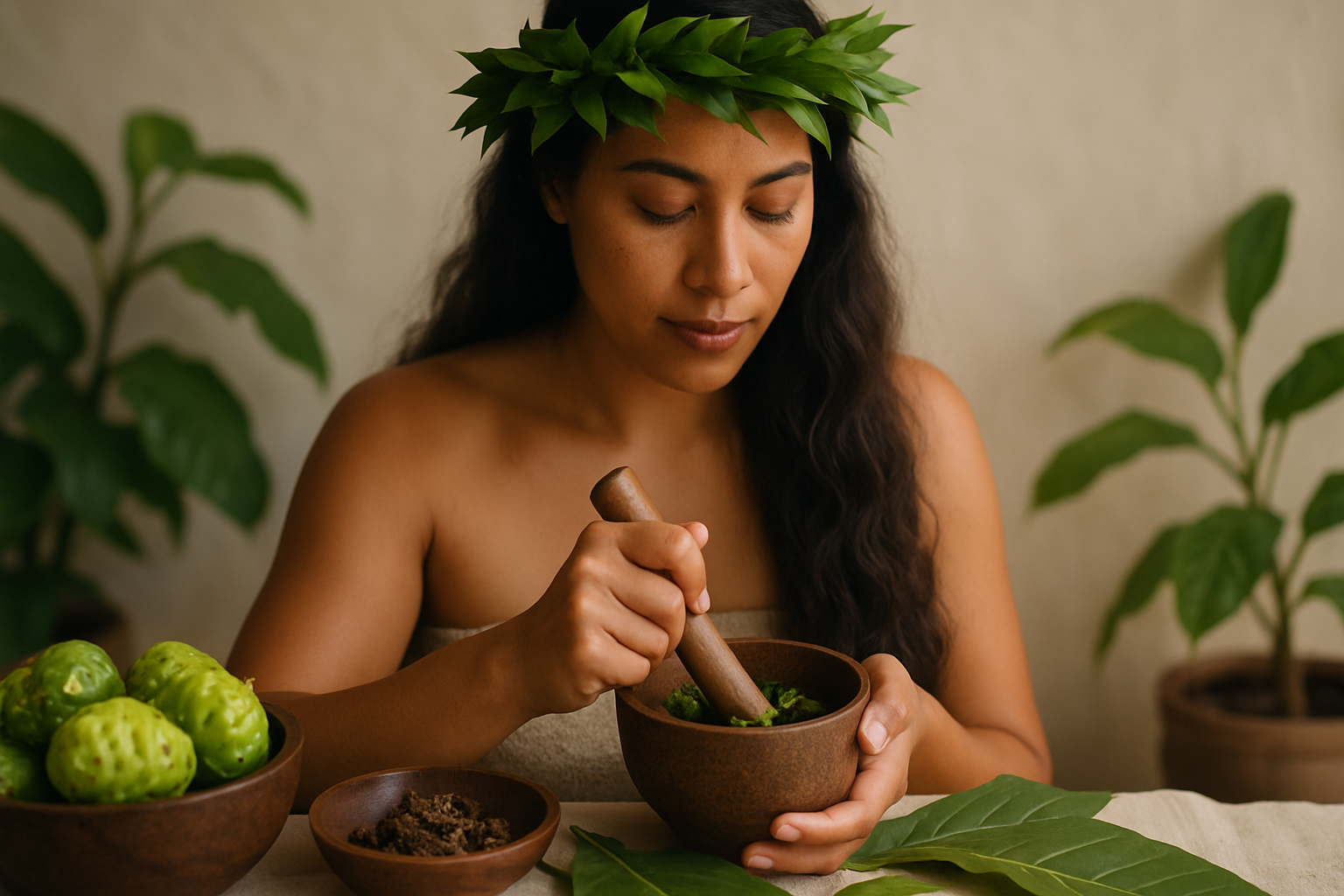
Sacred Herbs
Discover the significance of Sacred Herbs in Persian Medicine, their historical context, practical applications, and modern research findings.
Explore the rich tradition of Sacred Herbs within Persian Medicine, delving into its historical roots, practical applications, and modern research insights.
What It Is
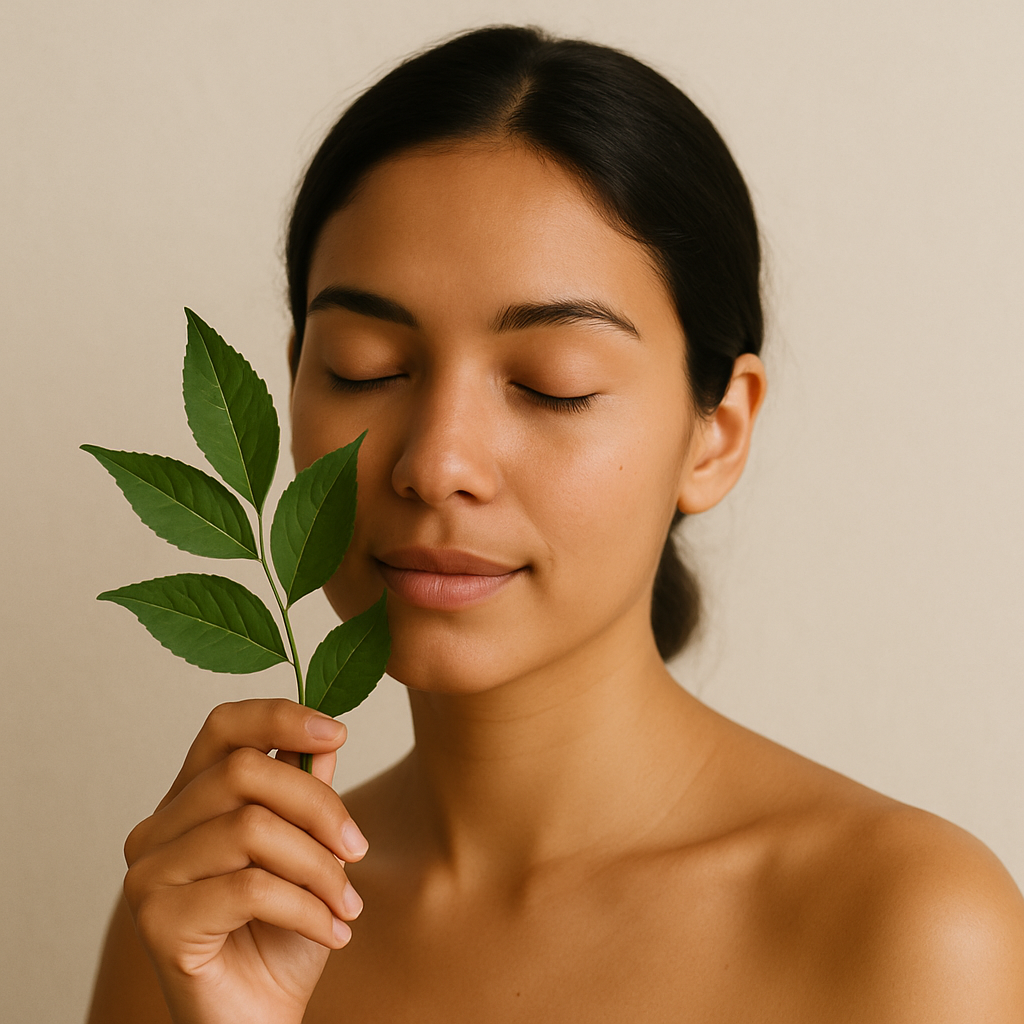
Sacred Herbs in Persian Medicine refer to a collection of plants that have been revered for their healing properties and spiritual significance. These herbs are believed to possess unique qualities that contribute to both physical health and spiritual well-being. Traditionally, they are used not only for their therapeutic effects but also in rituals and ceremonies that honor their sacred status.
This practice encompasses a variety of herbs, each with specific uses and symbolic meanings, forming an integral part of the holistic approach that characterizes Persian Medicine. Practitioners believe that the right herbs can help restore balance within the body and enhance one's connection to the divine, promoting overall wellness.
Historical Context Within Persian Medicine
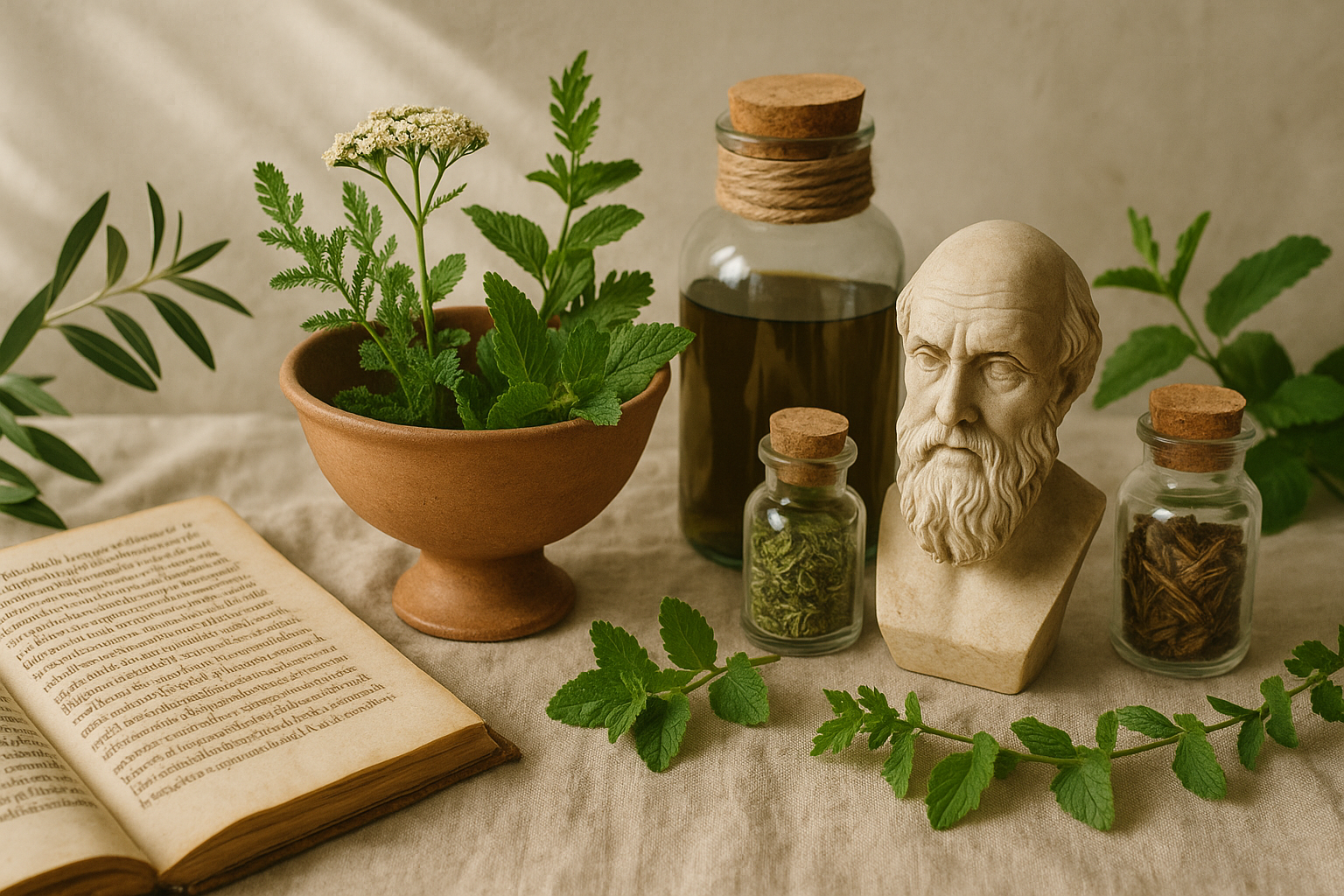
The use of Sacred Herbs can be traced back to ancient Persia, where scholars and healers like Avicenna (Ibn Sina) documented the medicinal properties of various plants in texts such as the "Canon of Medicine." This historical framework laid the groundwork for the integration of herbs into Persian therapeutic practices, emphasizing their importance in both physical and spiritual health.
Over centuries, the knowledge of these herbs was preserved and expanded upon by generations of practitioners. This oral and written tradition has kept alive the understanding of the profound connection between nature and human health, marking Sacred Herbs as essential components of Persian Medicine.
How It's Practiced
The practice of using Sacred Herbs involves several steps that a qualified practitioner may follow to ensure effective and safe use:
- Consultation: A thorough discussion of the individual's health history and current conditions.
- Herb Selection: Choosing the appropriate herbs based on traditional uses and the individual’s needs.
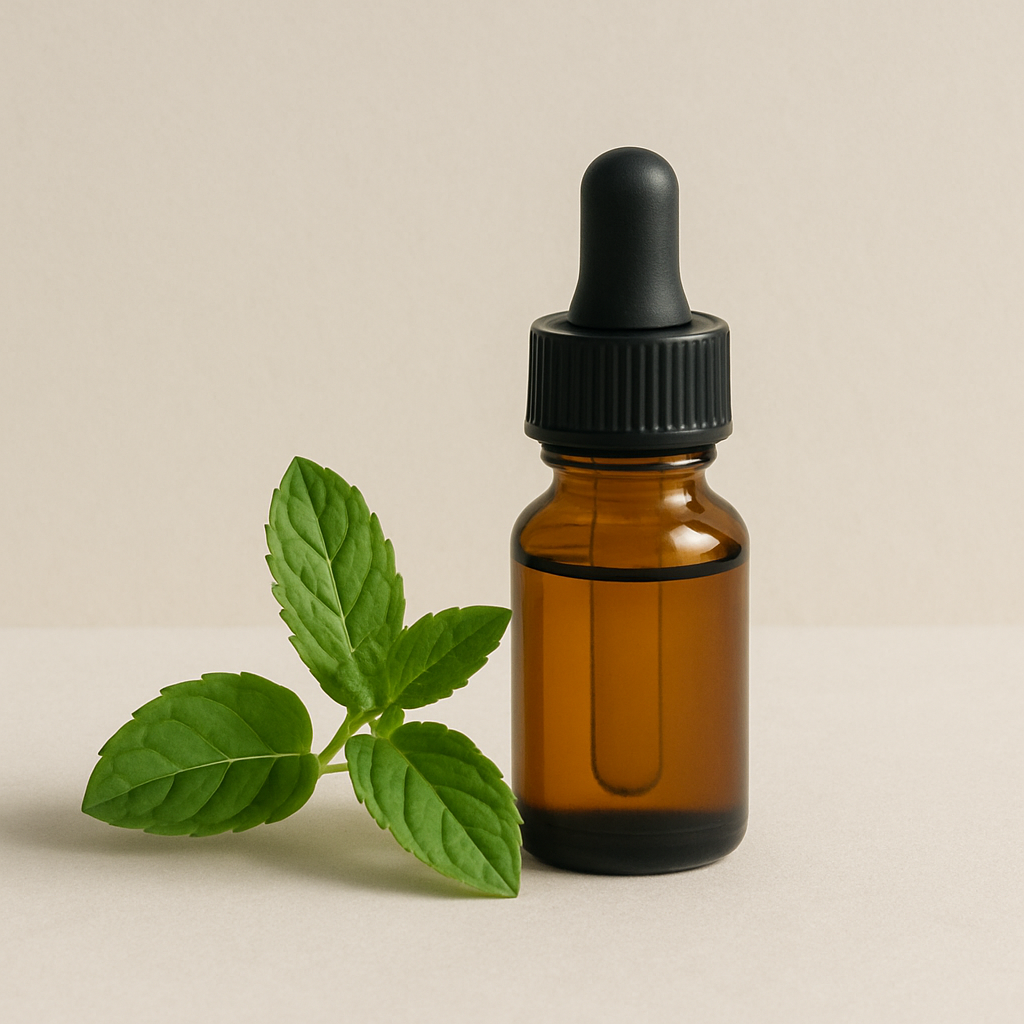
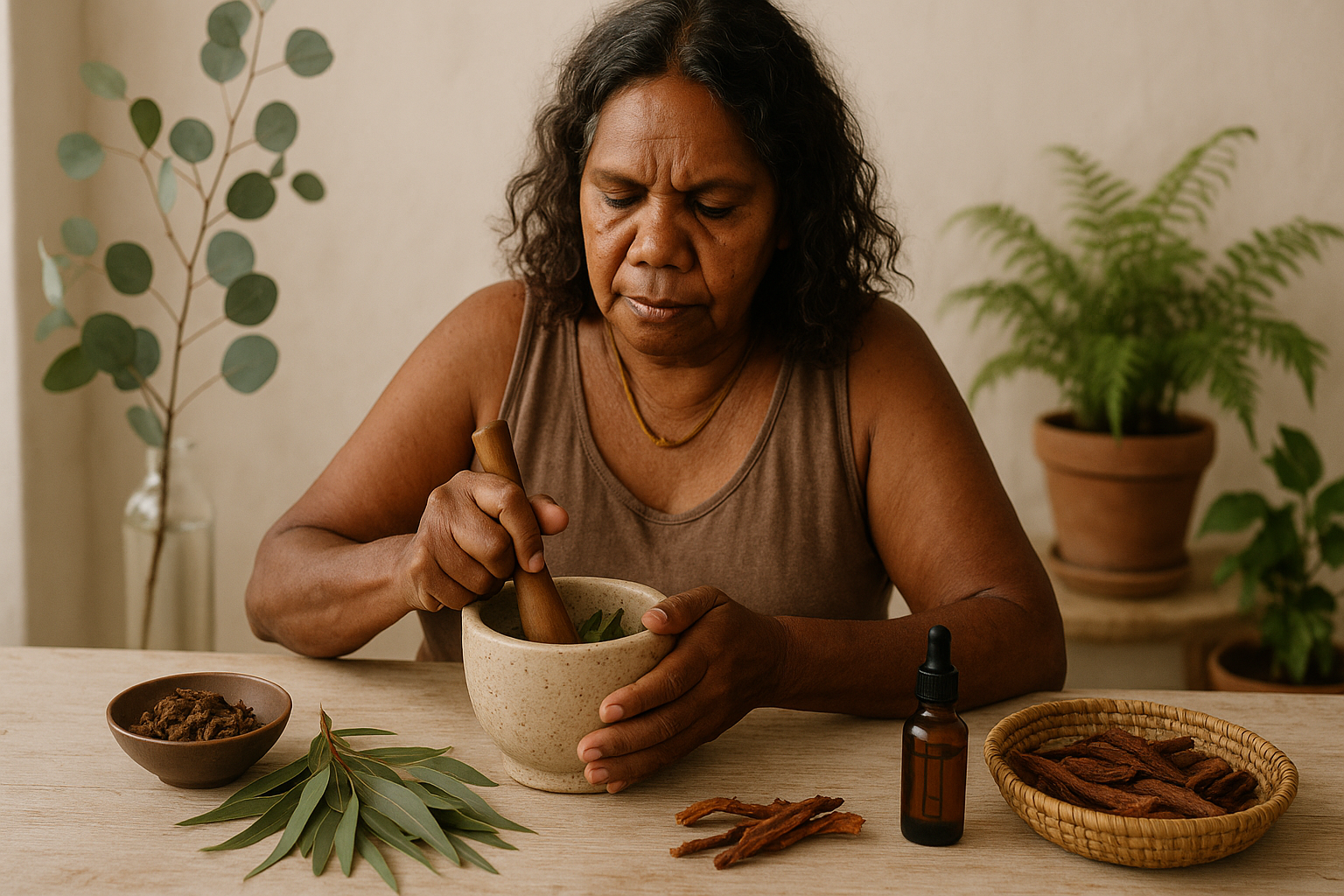
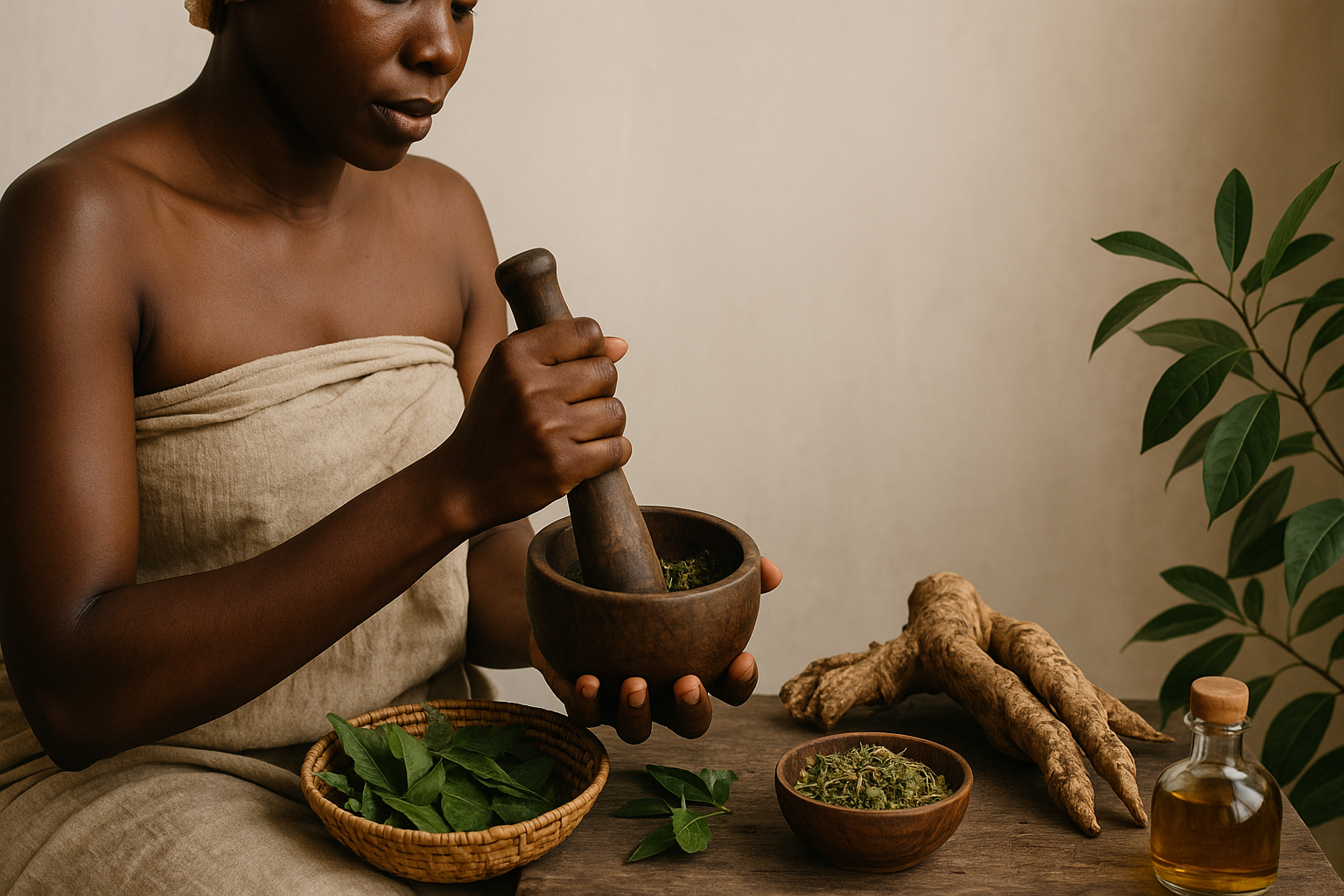
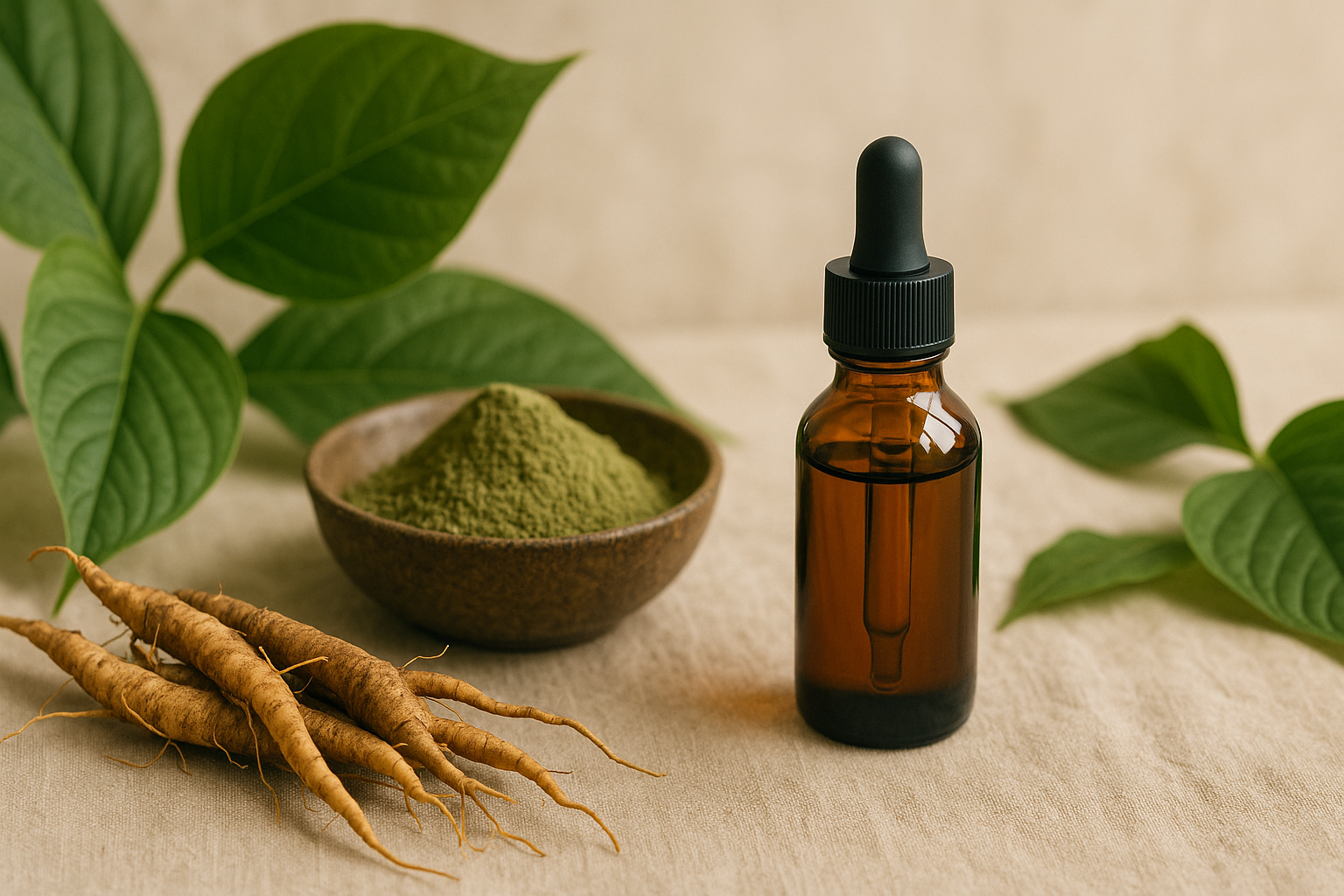
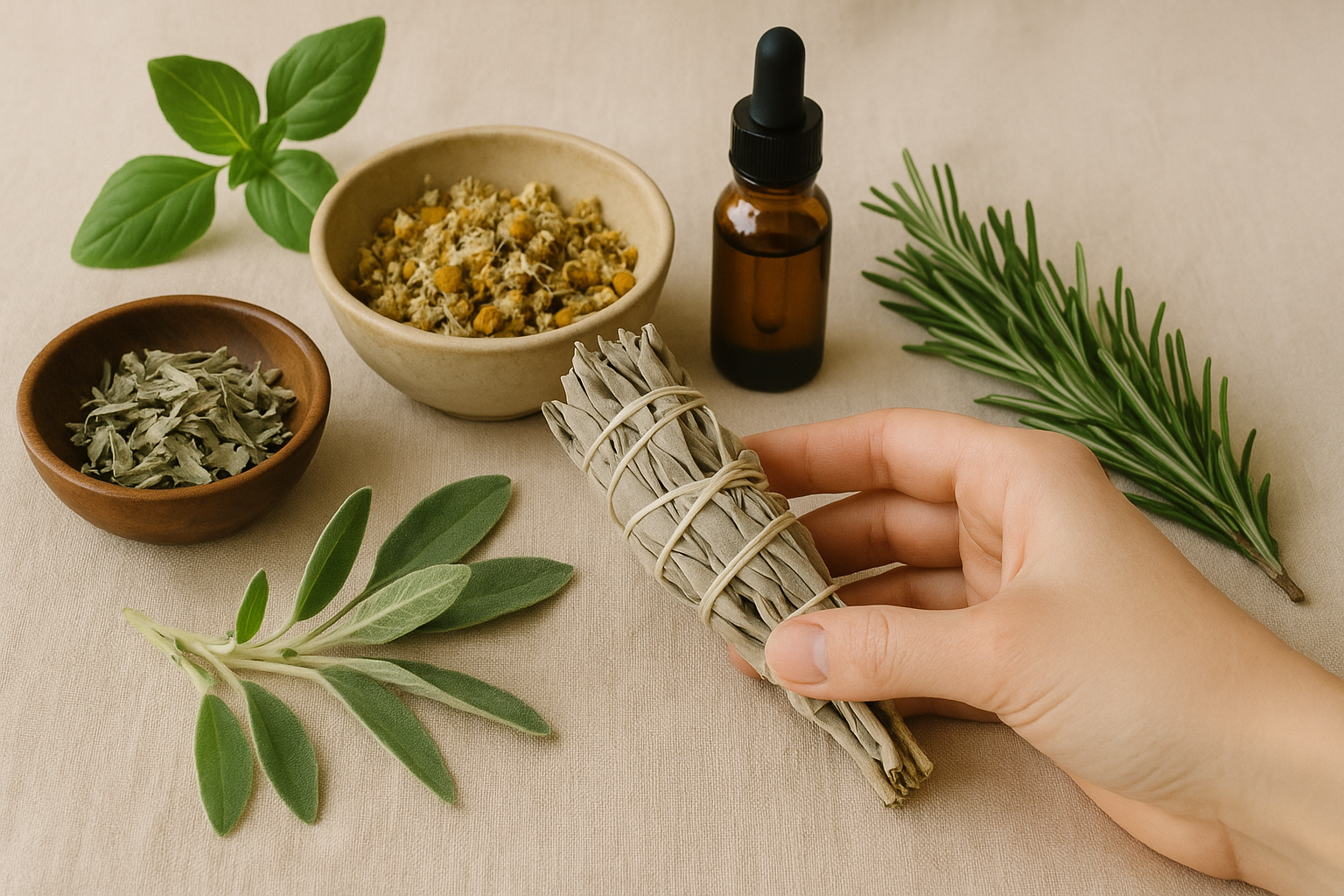
- Preparation: Herbs may be used in various forms, including teas, tinctures, or poultices.
- Administration: Guidelines for how to take the herbs, including dosages and timing.
- Follow-up: Monitoring the effects and adjusting the treatment as necessary.
What It Is Traditionally Explored For
Sacred Herbs are traditionally used for a variety of purposes, including:
- Enhancing digestion and metabolism
- Supporting immune function
- Promoting mental clarity and emotional balance
- Facilitating relaxation and stress relief
- Encouraging spiritual connection and mindfulness
These applications reflect the holistic philosophy of Persian Medicine, where physical ailments are often viewed in conjunction with emotional and spiritual health.
What Modern Research Suggests
Modern research on Sacred Herbs within Persian Medicine is still emerging, but preliminary studies suggest that some of these herbs may possess pharmacological properties that align with traditional uses. For instance, herbs such as saffron and chamomile have been investigated for their potential effects on mood and anxiety, showing promise in clinical settings.
However, it is essential to approach these findings with caution. While some studies indicate beneficial effects, more extensive research is necessary to confirm efficacy, safety, and appropriate applications of these Sacred Herbs in contemporary health practices.
Safety, Contraindications & Who Should Skip
While many Sacred Herbs are considered safe when used appropriately, there are important considerations to keep in mind:
- Individuals with known allergies to specific herbs should avoid them.
- Pregnant or breastfeeding women should consult a practitioner before using any herbs.
- Those with chronic health conditions or on medications should seek professional guidance to prevent interactions.
- Children may require special considerations regarding dosages and types of herbs used.
Pairs Well With (within Persian Medicine and across pillars)
Sacred Herbs complement other modalities and practices, including:
- Traditional Persian diet and nutrition principles
- Ayurvedic practices
- Mindfulness and meditation techniques
- Massage and bodywork therapies
How to Find a Qualified Practitioner
To find a qualified practitioner of Sacred Herbs within Persian Medicine, consider the following steps:
- Seek recommendations from healthcare practitioners or holistic health communities.
- Look for practitioners with formal training in Persian Medicine or herbalism.
- Verify credentials and experience in herbal therapies.
- Schedule initial consultations to assess compatibility and approach.
FAQs (5)
What are Sacred Herbs?
Sacred Herbs are plants revered in Persian Medicine for their healing and spiritual properties.
How are Sacred Herbs used?
They can be prepared as teas, tinctures, or poultices, depending on the herb and its intended use.
Are there any side effects associated with Sacred Herbs?
While generally safe, some herbs can cause allergic reactions or interact with medications.
Can I use Sacred Herbs alongside other treatments?
It is advisable to consult a practitioner to ensure safe integration with other health treatments.
Where can I learn more about Sacred Herbs?
Books on Persian Medicine, reputable herbalism websites, and courses offered by qualified practitioners are great resources.
Frequently asked
What are Sacred Herbs?
Sacred Herbs are plants revered in Persian Medicine for their healing and spiritual properties.
How are Sacred Herbs used?
They can be prepared as teas, tinctures, or poultices, depending on the herb and its intended use.
Are there any side effects associated with Sacred Herbs?
While generally safe, some herbs can cause allergic reactions or interact with medications.
Can I use Sacred Herbs alongside other treatments?
It is advisable to consult a practitioner to ensure safe integration with other health treatments.
Where can I learn more about Sacred Herbs?
Books on Persian Medicine, reputable herbalism websites, and courses offered by qualified practitioners are great resources.