Traditional Remedies
Delve into Traditional Remedies in Persian Medicine, their historical roots, practice, applications, and modern research insights.
Explore the rich tradition of Traditional Remedies within Persian Medicine, a system that emphasizes holistic healing and the balance of bodily humors. Discover how these remedies have been practiced through history, their applications, modern research insights, and safety considerations.
What It Is
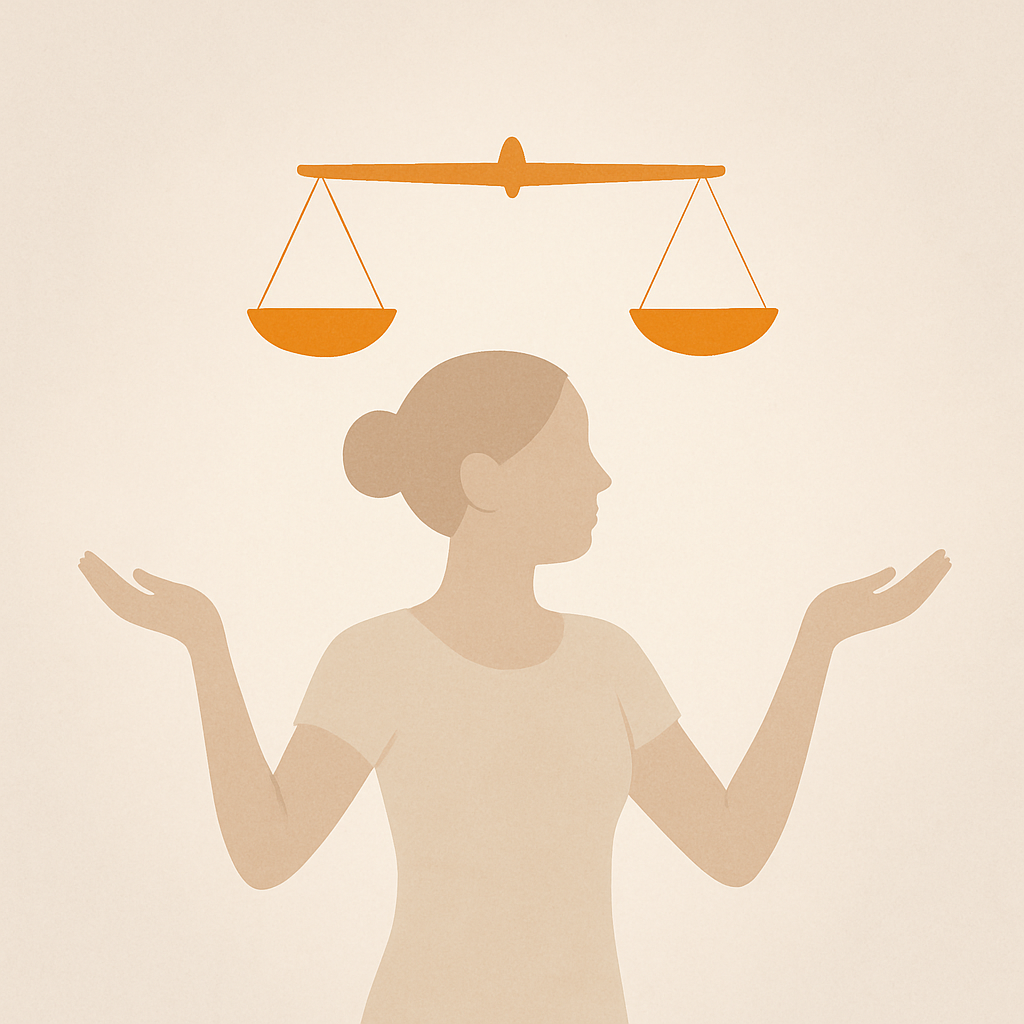
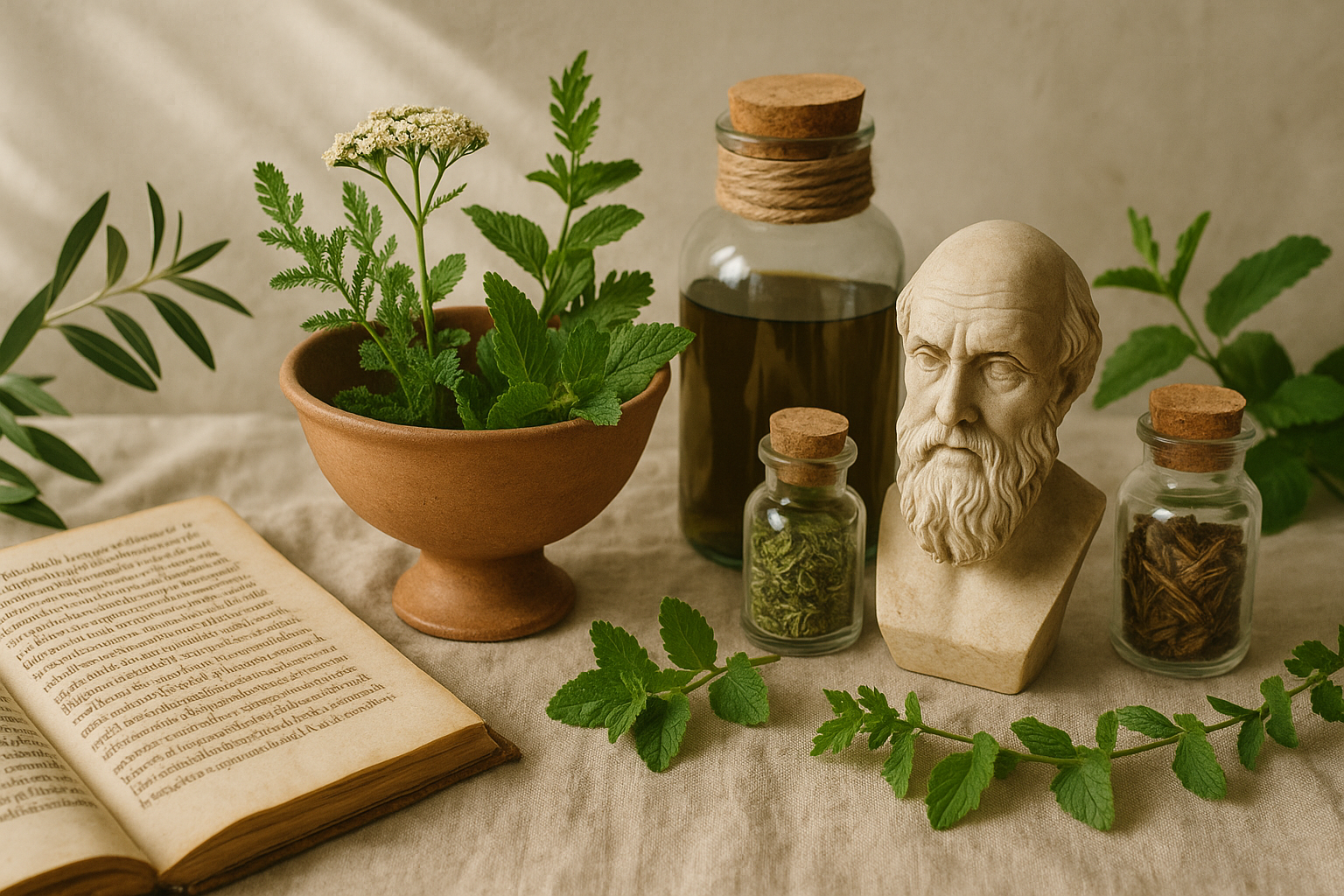
Traditional Remedies within Persian Medicine encompass a range of treatments and practices that have been developed over centuries. These remedies are based on the ancient understanding of the body, health, and the environment, aiming to restore balance and promote well-being. Central to this system is the belief in the four humors—blood, phlegm, yellow bile, and black bile—which are thought to influence health and temperament.
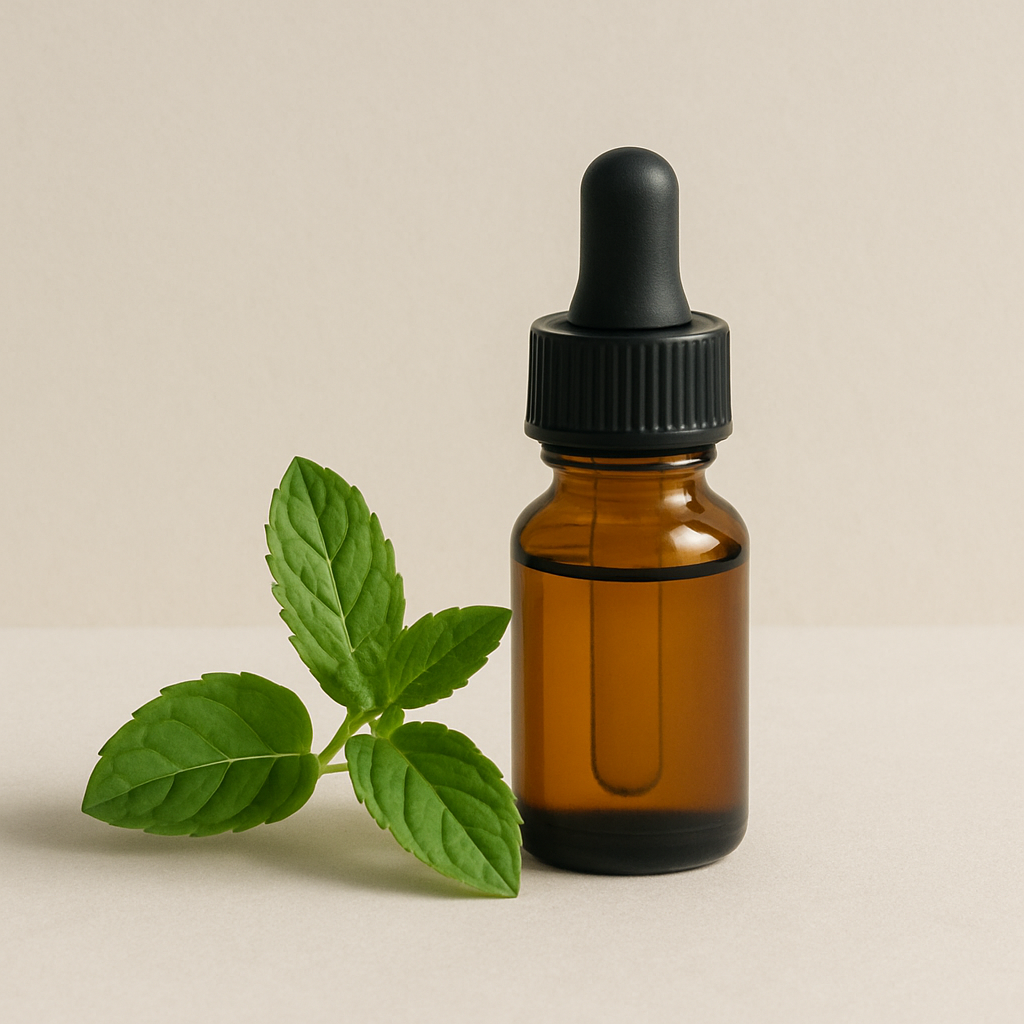
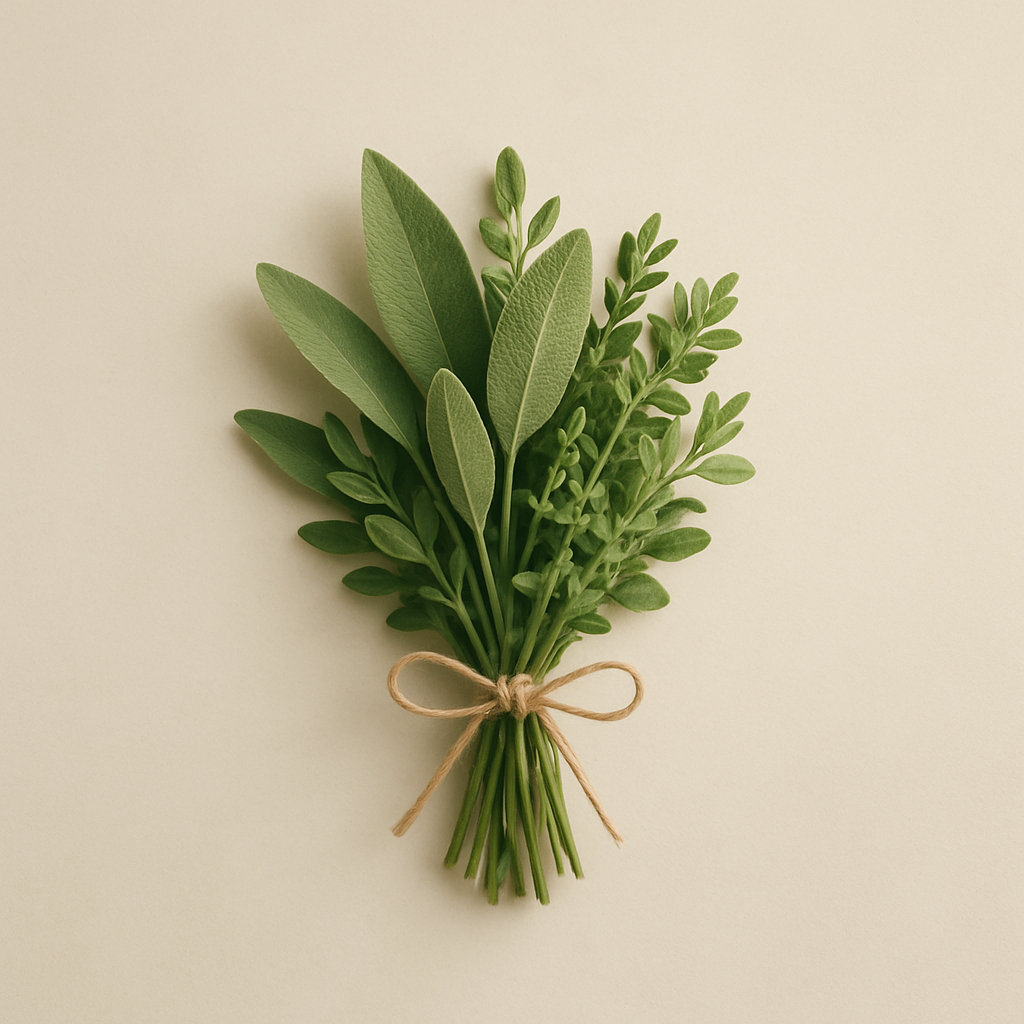
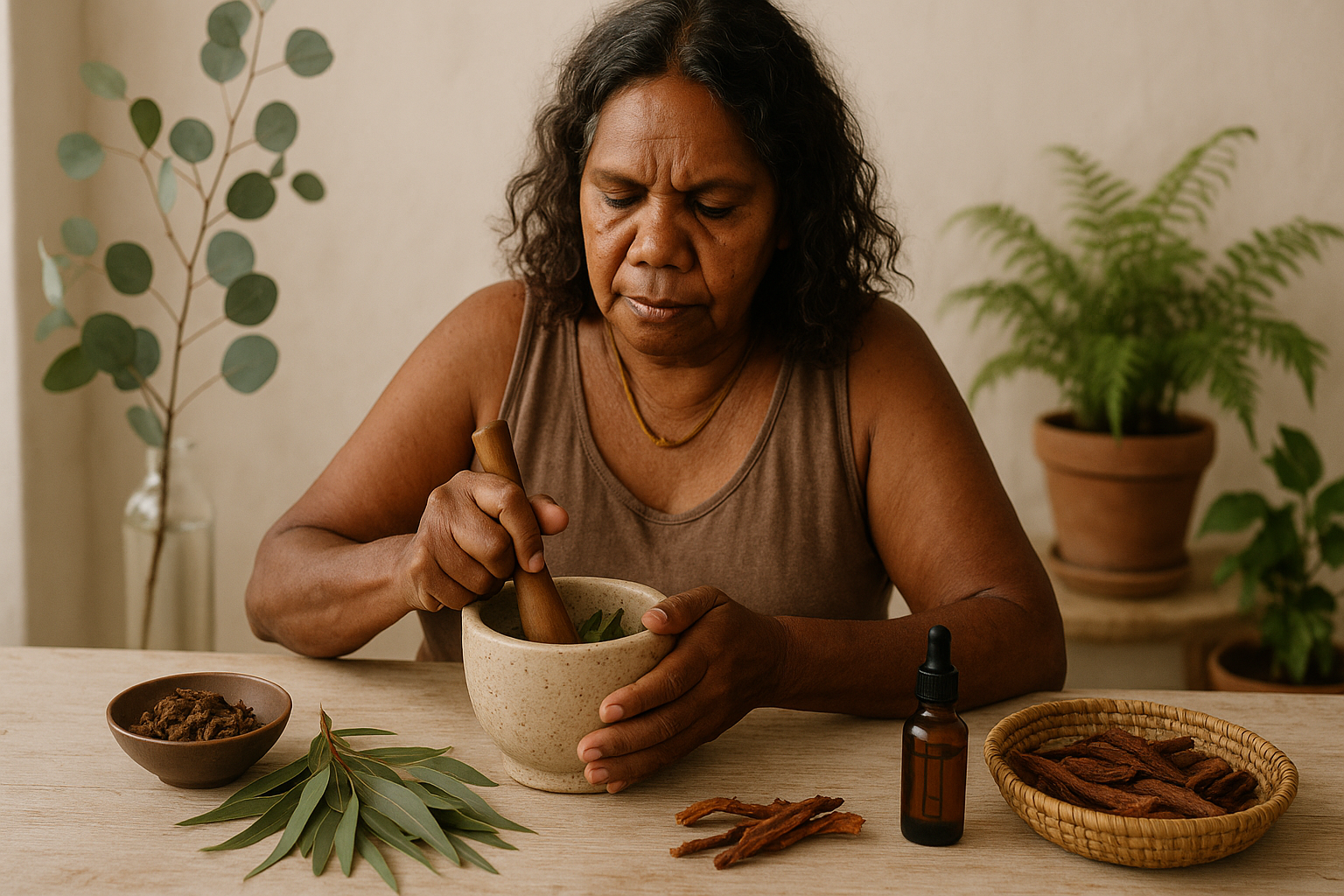
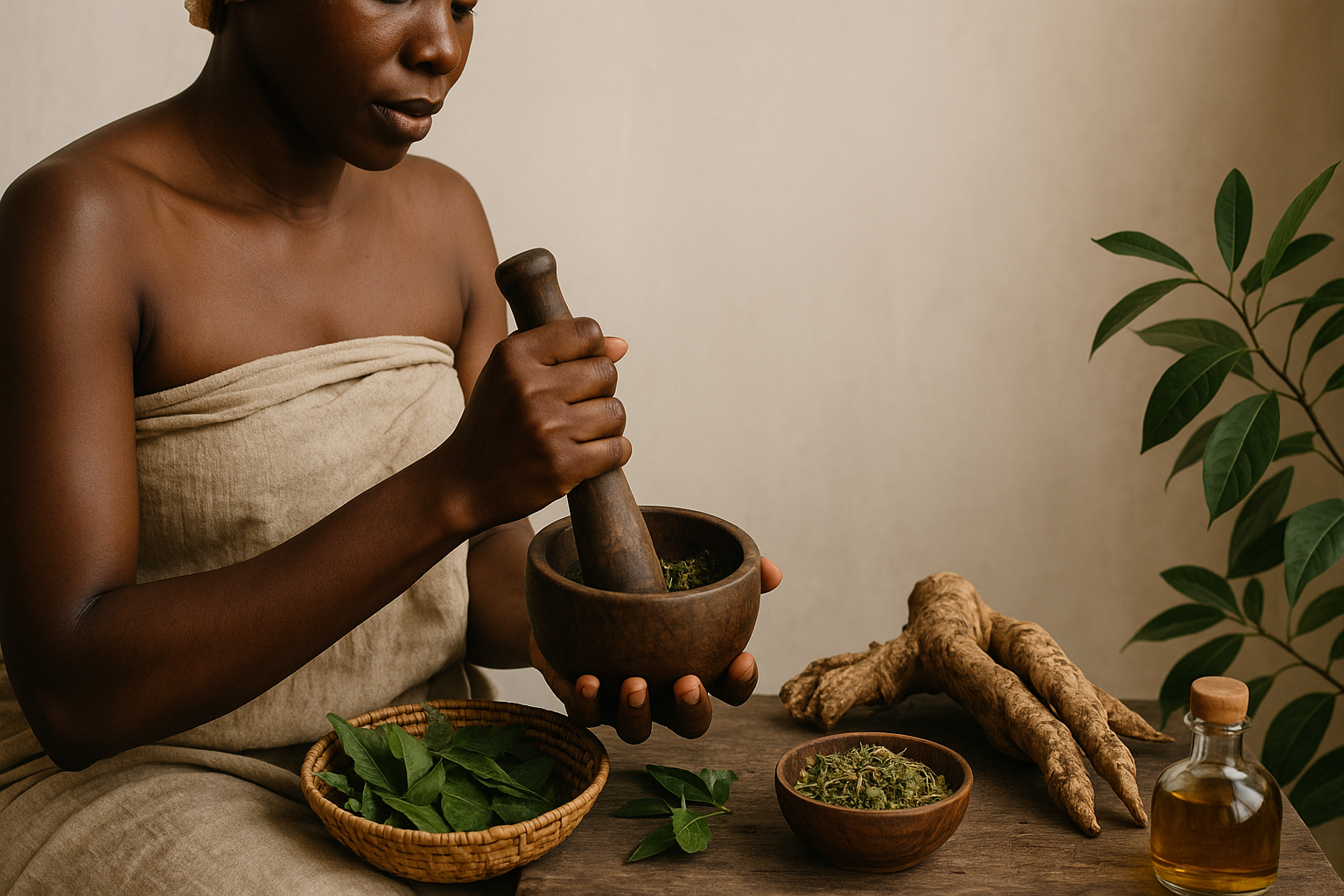
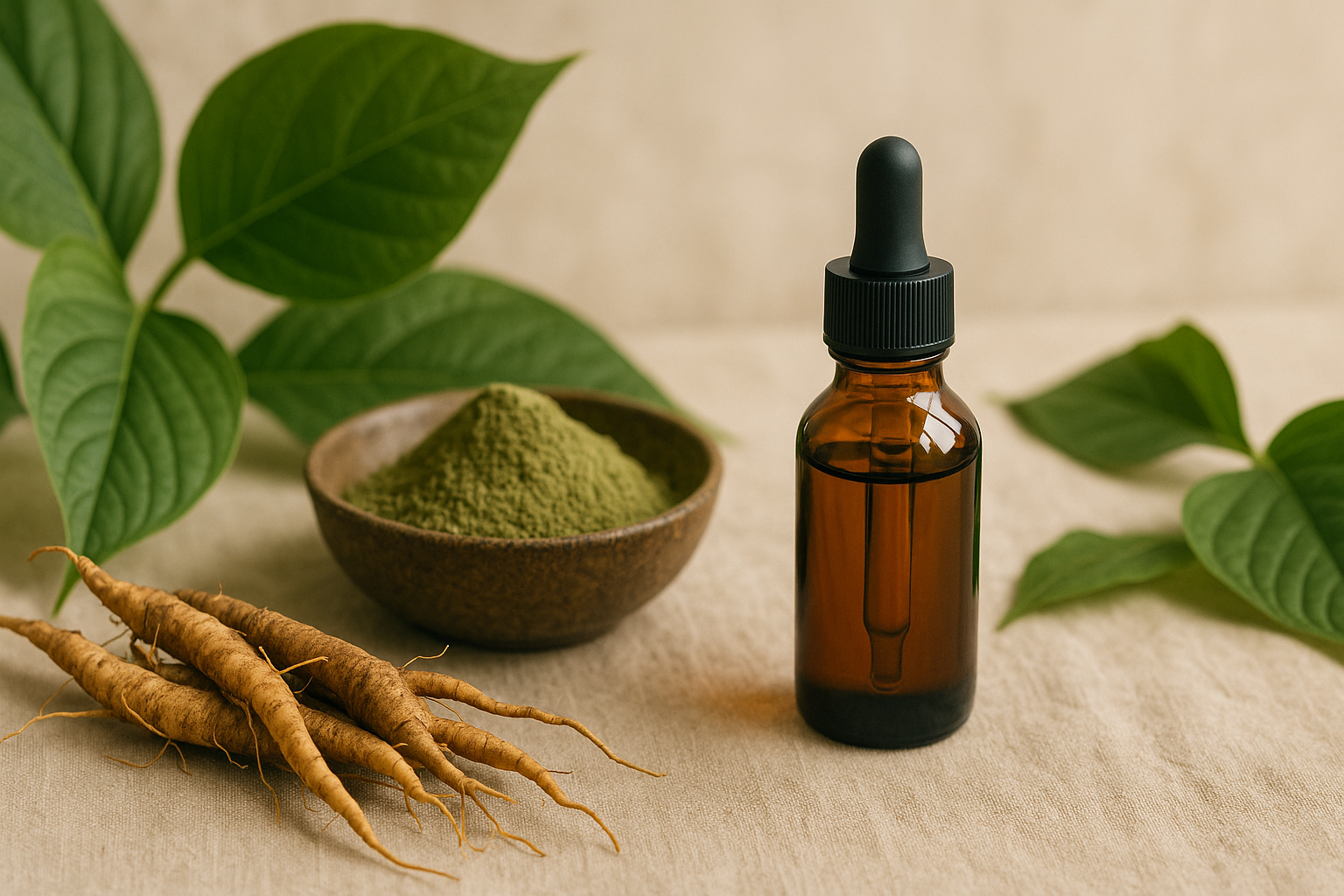
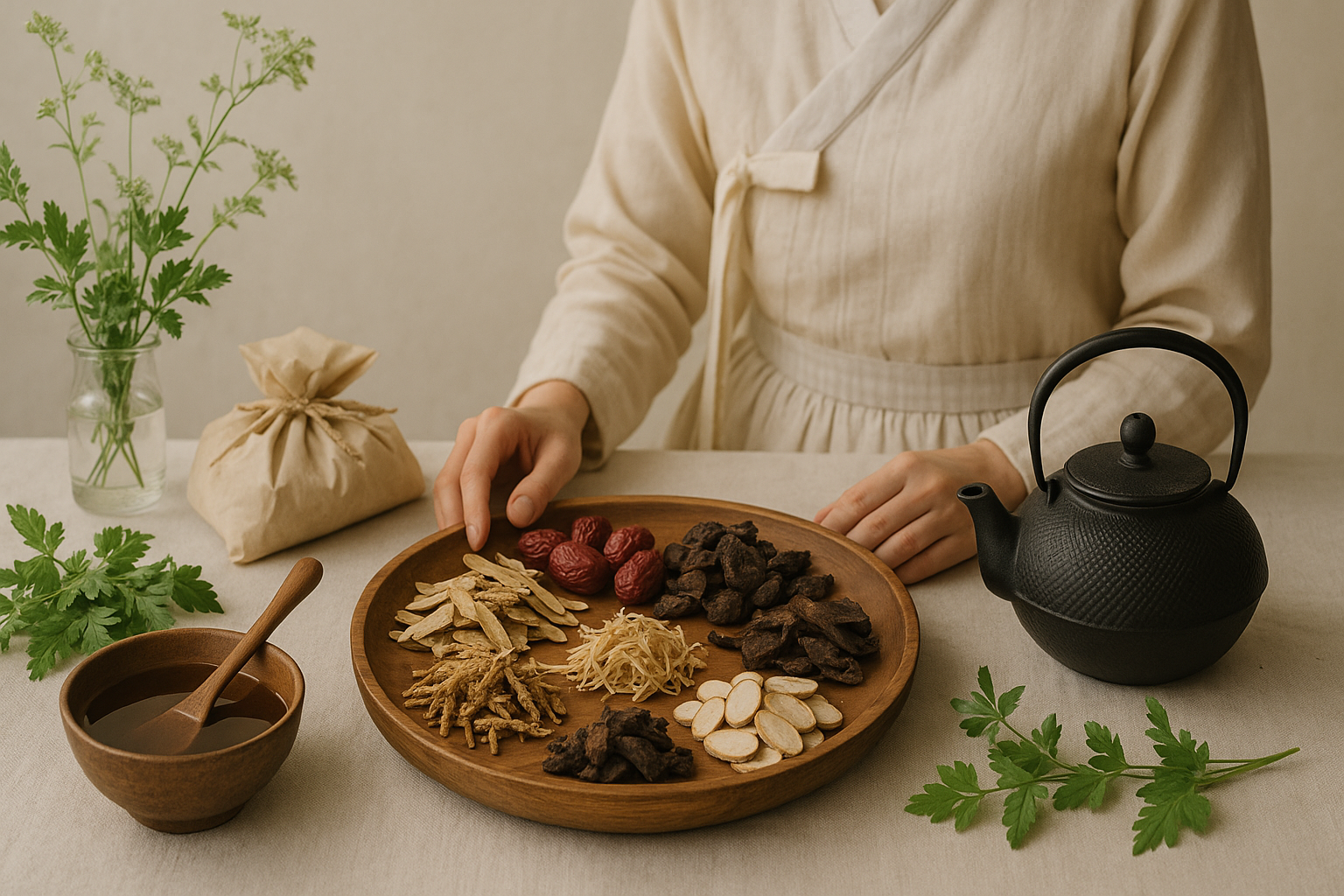
These remedies often utilize a variety of natural substances, including herbs, minerals, and animal products, which are selected for their properties and effects on the body. The practice emphasizes individualized treatment, taking into account the unique constitution of each person, as well as their specific health conditions and lifestyle factors.
Historical Context Within Persian Medicine
Pursued for over a millennium, Traditional Remedies in Persian Medicine can trace their origins back to ancient Persia, particularly during the Islamic Golden Age (8th to 14th centuries). This era was marked by significant advancements in various fields, including medicine, where scholars such as Avicenna (Ibn Sina) played a pivotal role in developing and systematizing medical knowledge.
Avicenna's seminal work, the "Canon of Medicine," served as a foundational text, synthesizing earlier Greek, Roman, and Indian medical traditions while incorporating local Persian practices. The principles outlined in his writings have influenced not only Persian Medicine but also various medical systems across the world.
How It's Practiced
Practicing Traditional Remedies involves a comprehensive approach that includes assessment, diagnosis, and treatment. A practitioner typically follows these steps:
- Initial Consultation: The practitioner conducts a thorough interview to understand the patient’s health history, lifestyle, and symptoms.
- Diagnosis: Based on the principles of humor balance, the practitioner assesses which humors are out of balance.
- Herbal Formulation: The practitioner selects specific herbs and natural substances tailored to the individual's needs.
- Dietary Recommendations: Advice on dietary changes that support the treatment plan is provided.
- Follow-Up: Regular follow-ups are scheduled to monitor progress and adjust treatments as needed.
What It Is Traditionally Explored For
Traditional Remedies in Persian Medicine have traditionally been used for a variety of health concerns, including:
- Digestive disorders
- Respiratory issues
- Skin conditions
- Musculoskeletal pain
- Stress and anxiety management
These remedies aim to promote overall health and restore harmony within the body, supporting both physical and mental well-being.
What Modern Research Suggests
Contemporary studies have begun to explore the efficacy of various herbs and treatments used in Traditional Remedies. Preliminary research indicates that some herbal formulations may possess anti-inflammatory, analgesic, and antimicrobial properties, aligning with their traditional uses. For example, herbs like saffron and cumin have shown potential benefits in clinical trials, pointing to their roles in managing mood and digestive health.
While promising, it is essential to approach these findings with caution. Many studies are still in early phases, and further rigorous research is needed to understand the full scope of these remedies’ effects and mechanisms. Traditional Remedies should not replace conventional medical treatments but may complement them when used wisely.
Safety, Contraindications & Who Should Skip
Though many Traditional Remedies are considered safe, it is crucial for individuals to consult with a qualified practitioner before beginning any treatment. Certain herbs may interact with medications, and some individuals may have allergies or sensitivities. Pregnant or breastfeeding women, as well as individuals with specific health conditions, should exercise caution and seek professional guidance.
Pairs Well With (within Persian Medicine and across pillars)
- Other modalities within Persian Medicine, such as Dietary Therapy and Massage Therapy
- Herbs like Rosemary and Thyme, commonly used in Persian culinary traditions
- Practices from other holistic traditions, such as Aromatherapy and Acupuncture
How to Find a Qualified Practitioner
Finding a qualified practitioner of Traditional Remedies in Persian Medicine involves a few steps:
- Research local holistic health centers or clinics that specialize in Persian Medicine.
- Look for practitioners with formal training and experience in Traditional Persian Medicine.
- Seek recommendations from trusted healthcare providers or individuals who have undergone treatment.
- Verify credentials and inquire about their approach to treatment and patient care.
FAQs (5)
- What are Traditional Remedies in Persian Medicine? Traditional Remedies consist of natural treatments such as herbs and dietary recommendations aimed at restoring health and balance.
- How do I know if Traditional Remedies are right for me? A consultation with a qualified practitioner can help assess your individual needs and health conditions.
- Are Traditional Remedies safe? While many are considered safe, it is essential to consult with a practitioner, especially if you are pregnant or have existing health conditions.
- Can I use Traditional Remedies alongside conventional medicine? Yes, but it is vital to discuss this with your healthcare provider to avoid potential interactions.
- Where can I find a practitioner of Persian Medicine? Research local holistic health centers, seek recommendations, and verify the practitioner’s credentials.
Frequently asked
What are Traditional Remedies in Persian Medicine?
Traditional Remedies consist of natural treatments such as herbs and dietary recommendations aimed at restoring health and balance.
How do I know if Traditional Remedies are right for me?
A consultation with a qualified practitioner can help assess your individual needs and health conditions.
Are Traditional Remedies safe?
While many are considered safe, it is essential to consult with a practitioner, especially if you are pregnant or have existing health conditions.
Can I use Traditional Remedies alongside conventional medicine?
Yes, but it is vital to discuss this with your healthcare provider to avoid potential interactions.
Where can I find a practitioner of Persian Medicine?
Research local holistic health centers, seek recommendations, and verify the practitioner’s credentials.