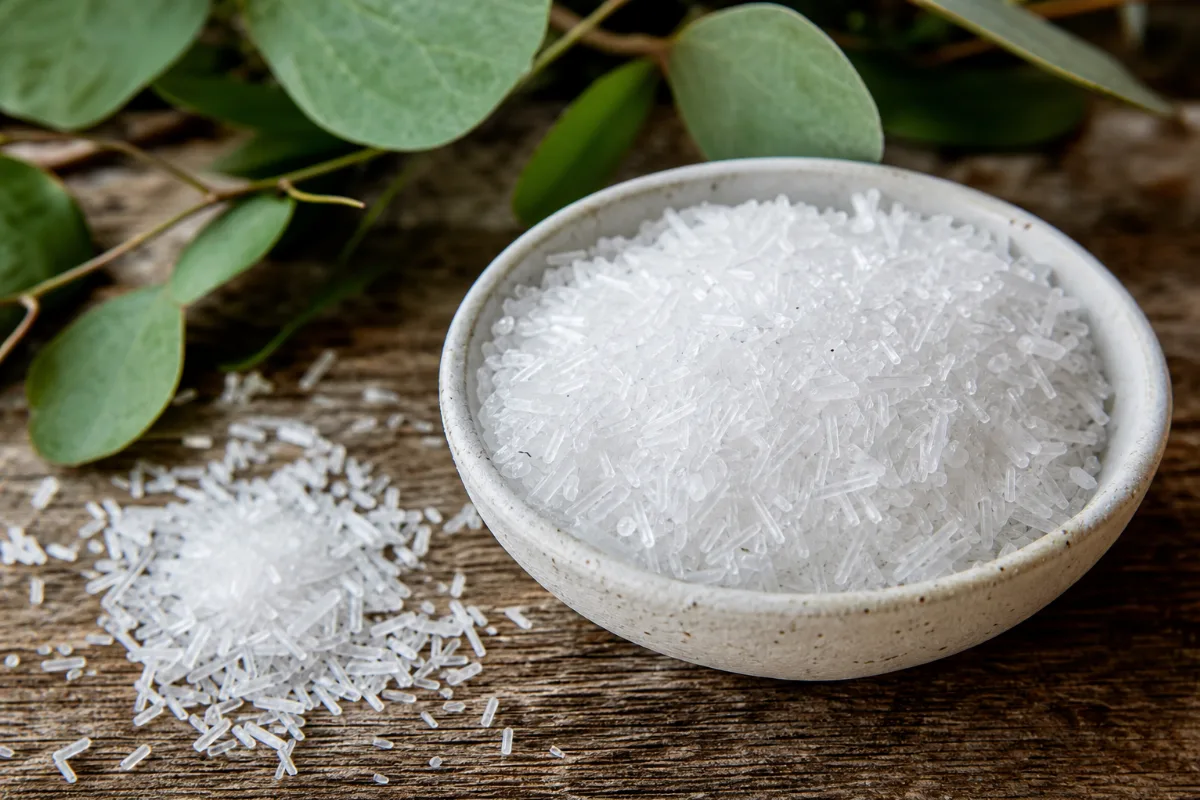
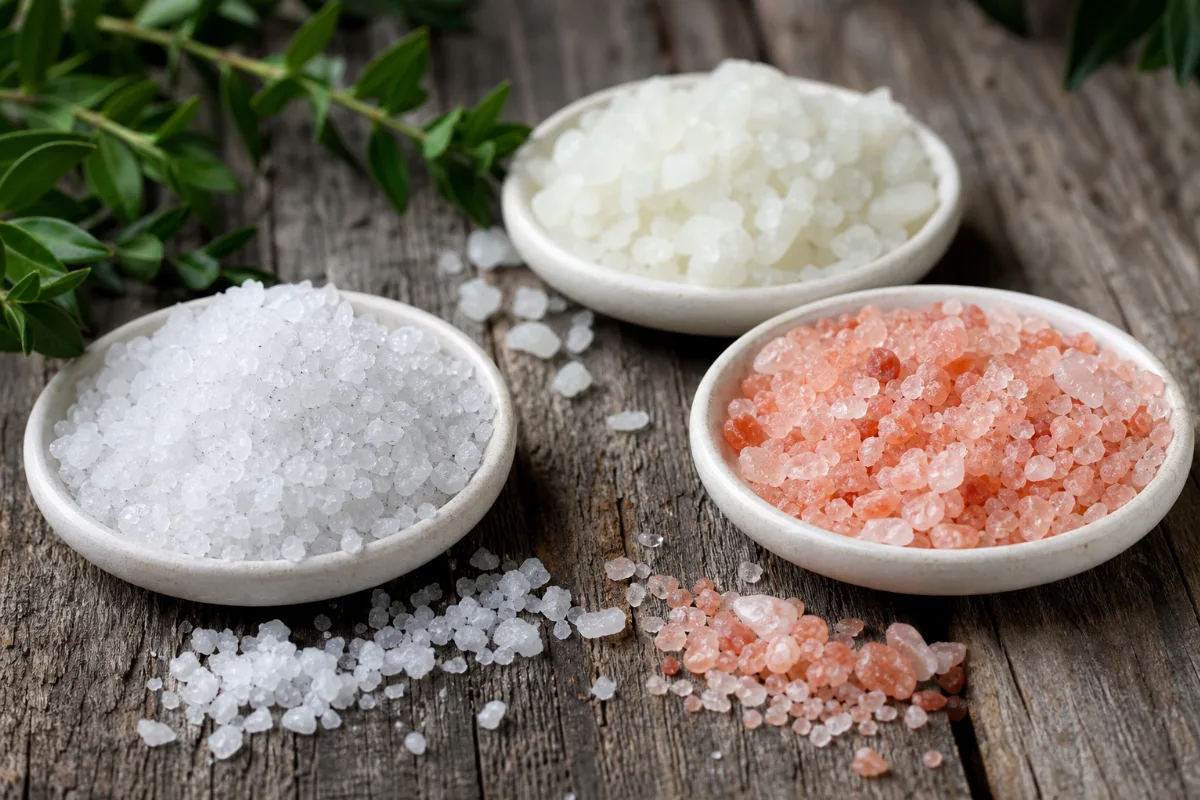
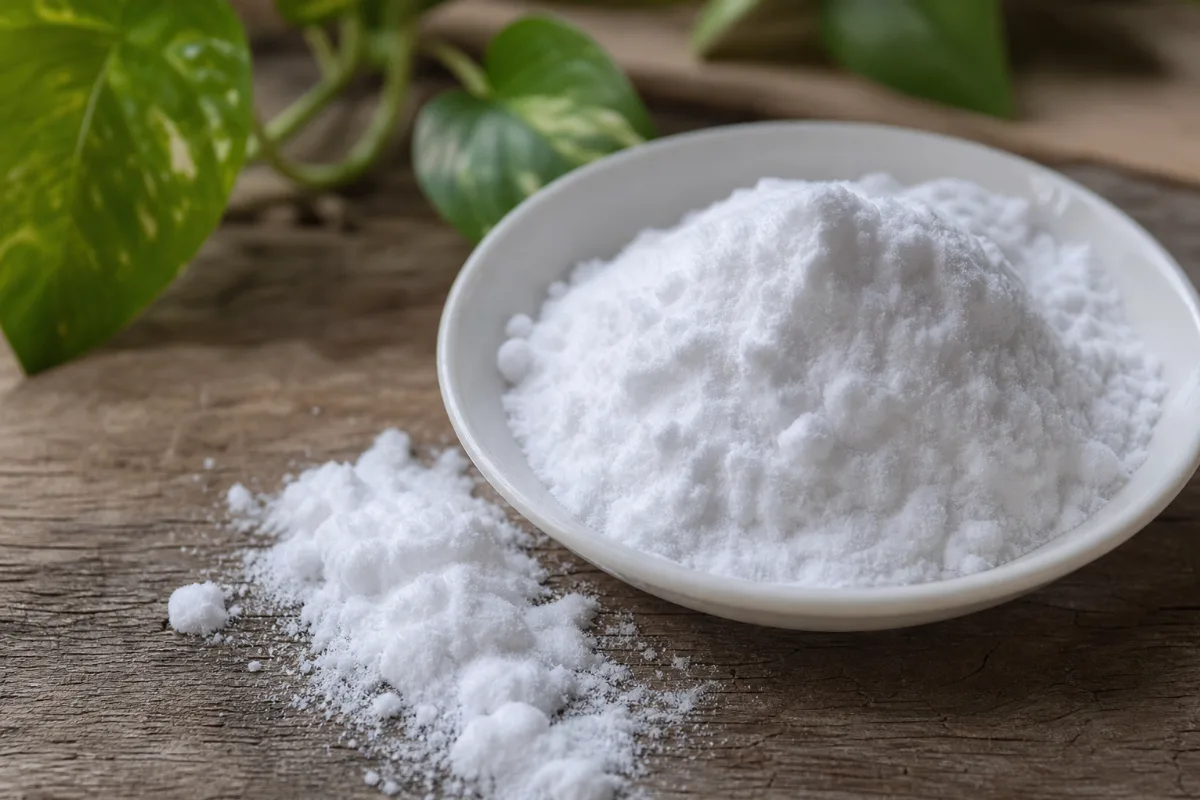
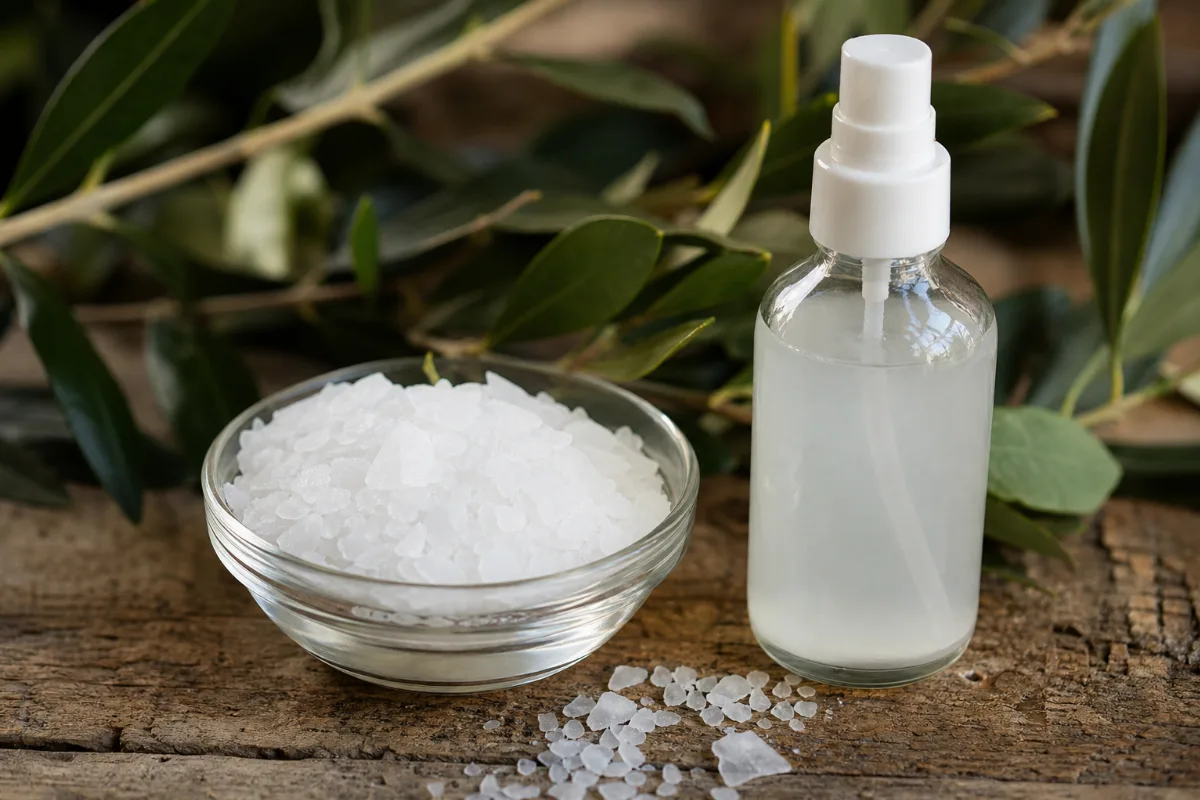
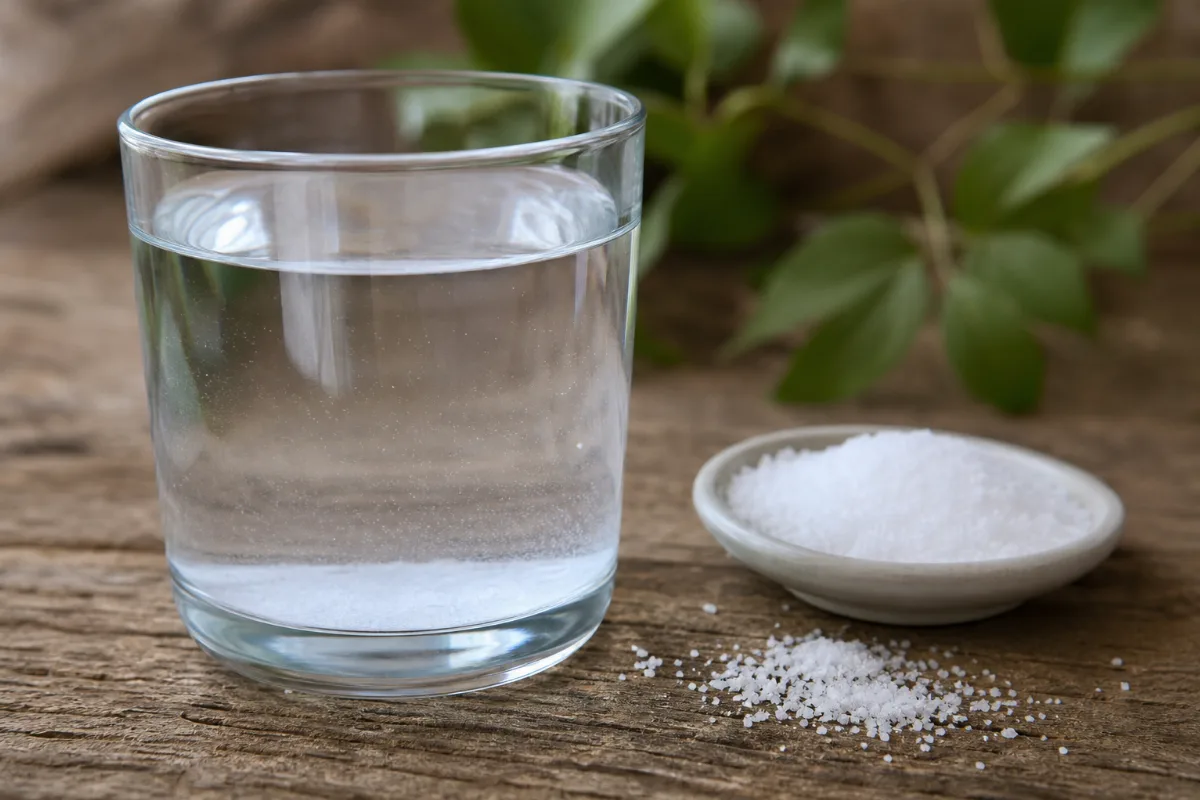
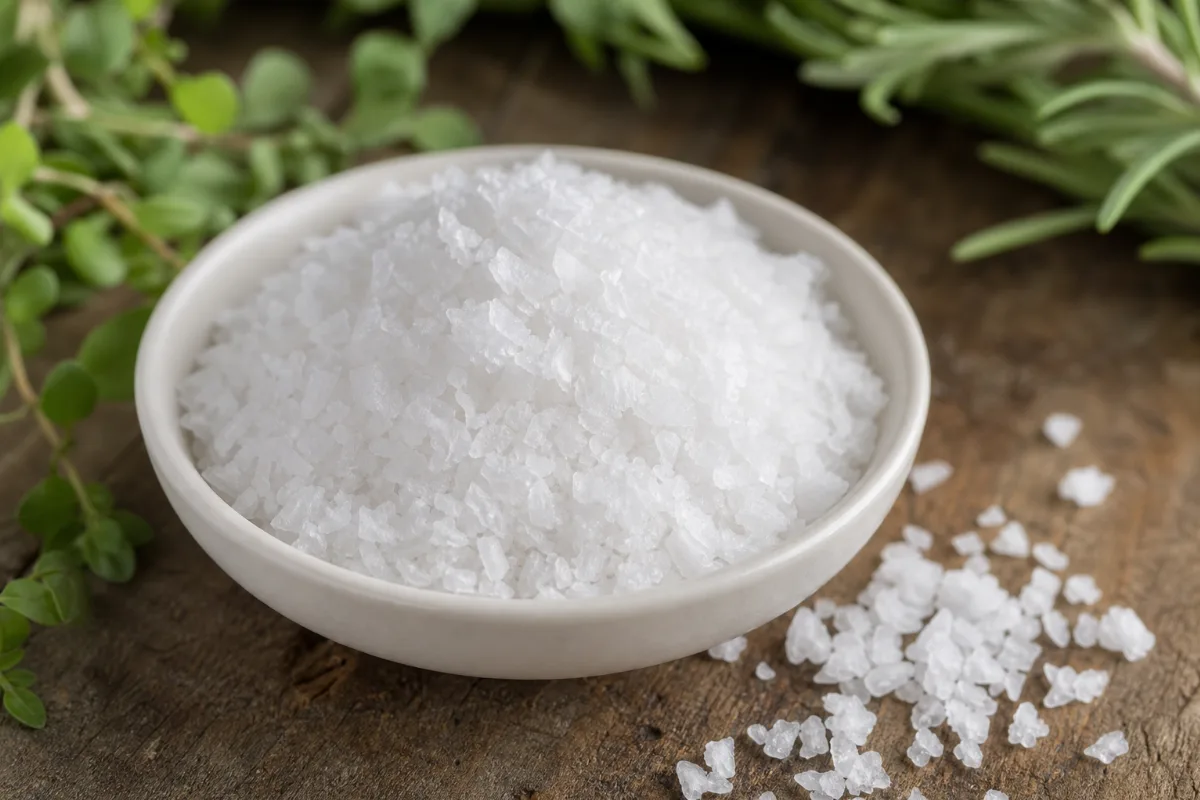
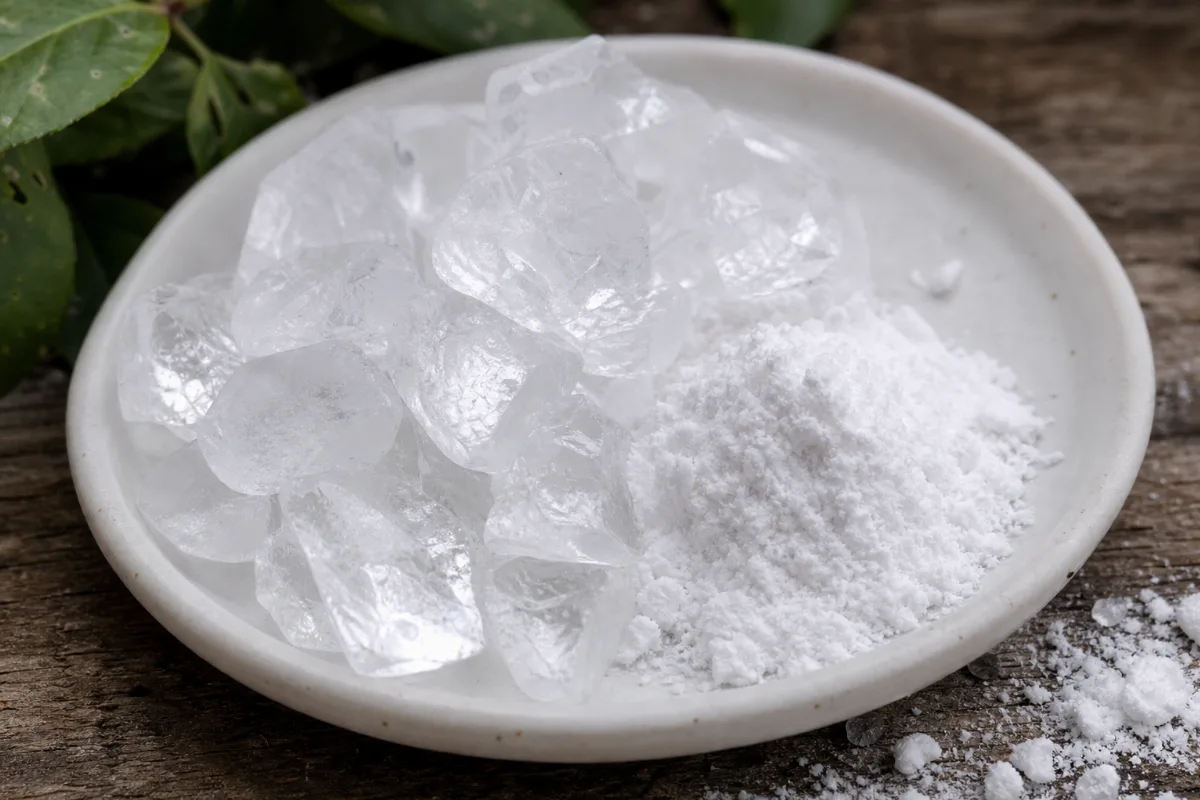
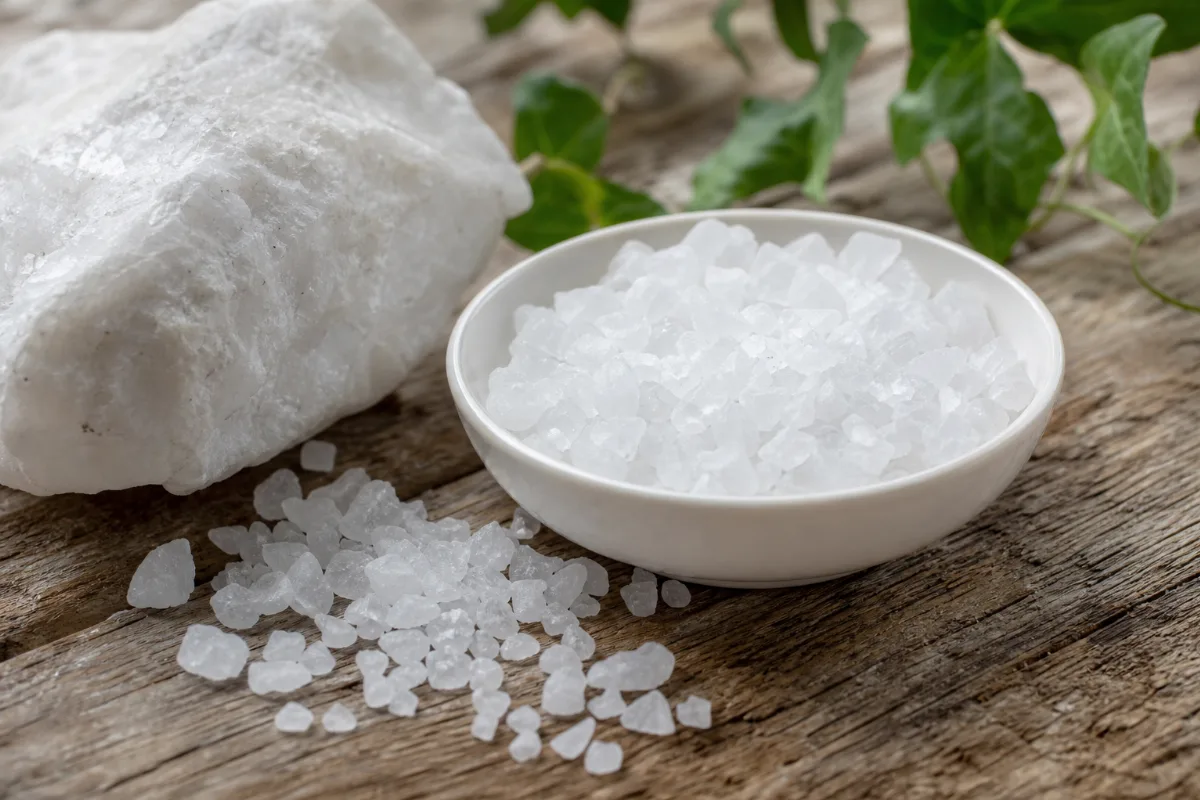
Natural mineral materials used on the body and in the home. Explore each salt, bath mineral, mineral water and household mineral: what it is, how it is used (in the bath, on skin, as a rinse or gargle, in food), what studies in people have and have not found (and what was only claimed), and what to check before you use it: swallowing, kidney disease, sodium, water safety and children. Dietary magnesium, calcium, iron and zinc as nutrients stay in Vitamins & Supplements, under Minerals.
Used: bath or soak, swallowed or eaten, medical or hospital use
Studied in people for: magnesium status, skin conditions (eczema, psoriasis)
Swallowing can be dangerousToo much magnesium (kidney disease, laxative use)
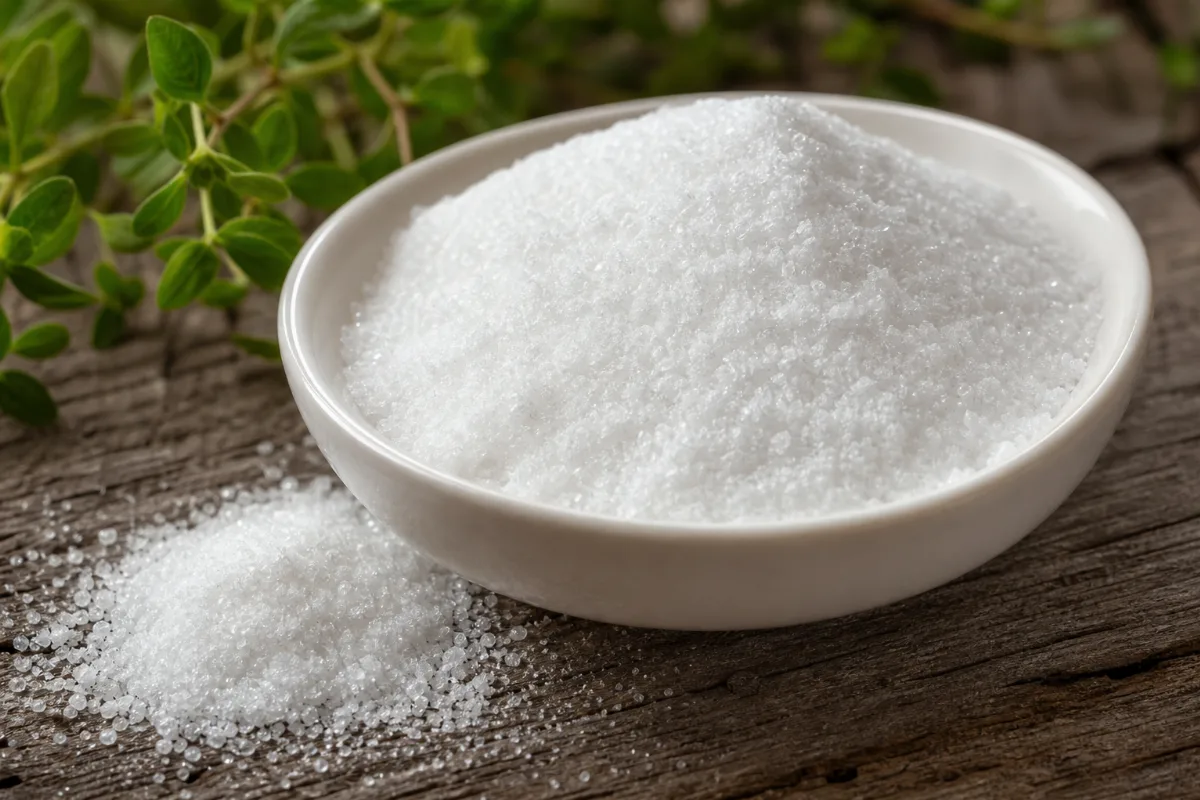
Epsom salt is magnesium sulfate. What reviews and trials say about baths and skin absorption, and why swallowing it as a laxative has caused serious magnesium overload.
Epsom salt baths and skin absorption of magnesium
Epsom salt for sore muscles, stress and sleep: claim check
Epsom salt foot baths and chemotherapy nerve symptoms (one trial)
Used: swallowed or eaten, bath or soak, household or cleaning
Studied in people for: blood pressure and sodium, skin conditions (eczema, psoriasis), iodine intake
Sodium: blood pressure, heart and kidney diseaseContaminants (metals, microplastics)Iodine and thyroid
Sea salt, Himalayan salt and Dead Sea salt checked: sodium and blood pressure, the tiny amount of trace minerals, iodine, one small Himalayan salt trial, and a Dead Sea bath study.
Sodium in specialty salts and blood pressure
Cutting sodium lowers blood pressure (general salt, not a specialty salt)
Himalayan salt versus table salt for blood pressure
Human evidence: Some human trials (small or short)
Used: household or cleaning, swallowed or eaten, medical or hospital use, in the mouth (toothpaste, rinse, gargle)
Studied in people for: gums and mouth
Swallowing can be dangerousSodium: blood pressure, heart and kidney diseaseMedicine interactionsBabies and children+2 more
Baking soda (sodium bicarbonate) checked against sources: what it is, why swallowing it for heartburn or "alkalizing" carries real risks, and what trials found for teeth and kidney disease.
Antacid for heartburn (labelled medicine use)
'Alkalizing the body' and cancer: claim check
Sodium bicarbonate for acidosis in chronic kidney disease (clinical use)
Used: on the skin, bath or soak, swallowed or eaten
Studied in people for: magnesium status, skin conditions (eczema, psoriasis)
Too much magnesium (kidney disease, laxative use)Swallowing can be dangerous
Do magnesium oil, sprays, lotions and Epsom salt baths raise magnesium through the skin? The claim, the small studies behind it, a 2017 review's verdict and safety points.
Does magnesium absorb through the skin? (review verdict)
Magnesium cream pilot trial
Magnesium chloride spray for nerve symptoms in kidney disease (open-label pilot)
Epsom salt and Dead Sea salt soaks as a magnesium source
Used: in the mouth (toothpaste, rinse, gargle), nose rinse
Studied in people for: nose and sinus rinse, sore throat (gargle)
Water safety (sterile water for nose rinses)Babies and children
What sources say about salt water gargles and saline nasal rinses, and the water-safety rule from the FDA: distilled, sterile or boiled-and-cooled water, never straight tap water.
Saline nasal rinses for nose and sinus conditions
Isotonic versus stronger (hypertonic) saline
Salt water gargles and sore throat: mainstream advice
Gargling to prevent colds: the trial tested plain water, not salt water
What balneotherapy and spa therapy are, how European thermal programs work, and what Cochrane and other reviews found for arthritis, fibromyalgia, back pain and skin problems.
Swallowing can be dangerousSodium: blood pressure, heart and kidney diseaseBabies and childrenIodine and thyroid+1 more
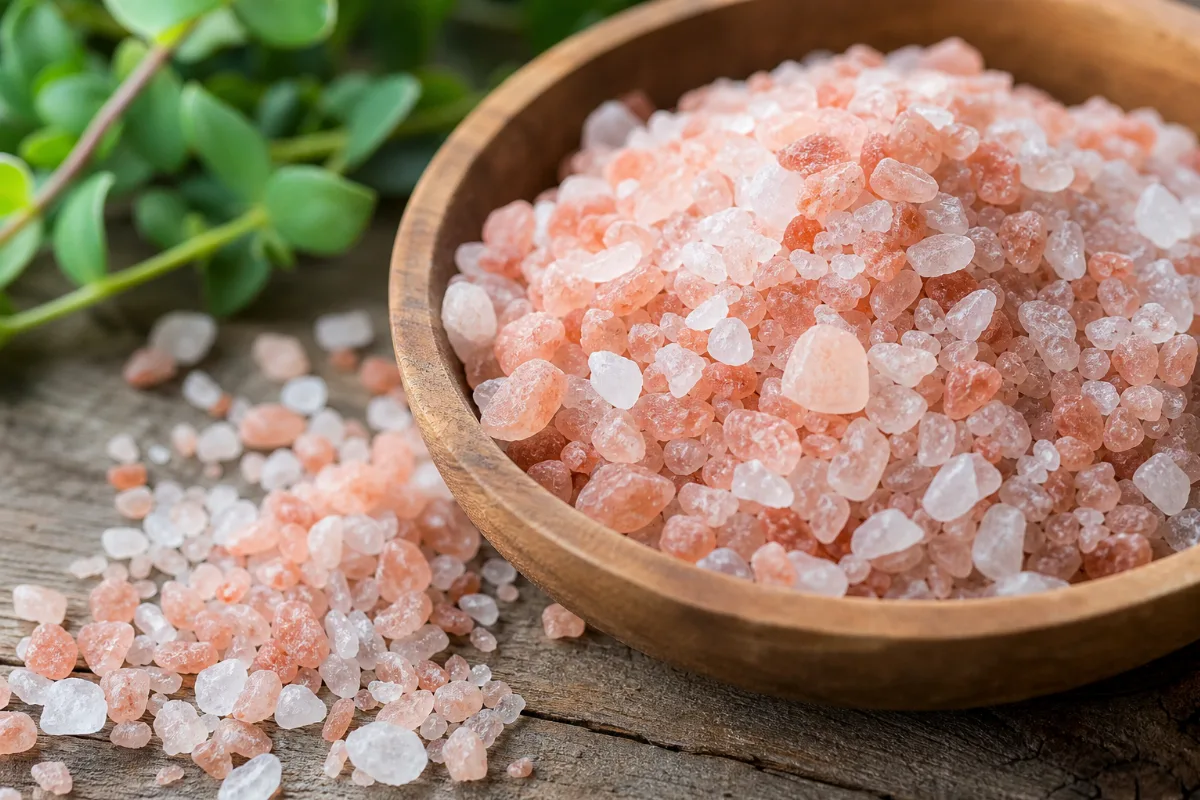
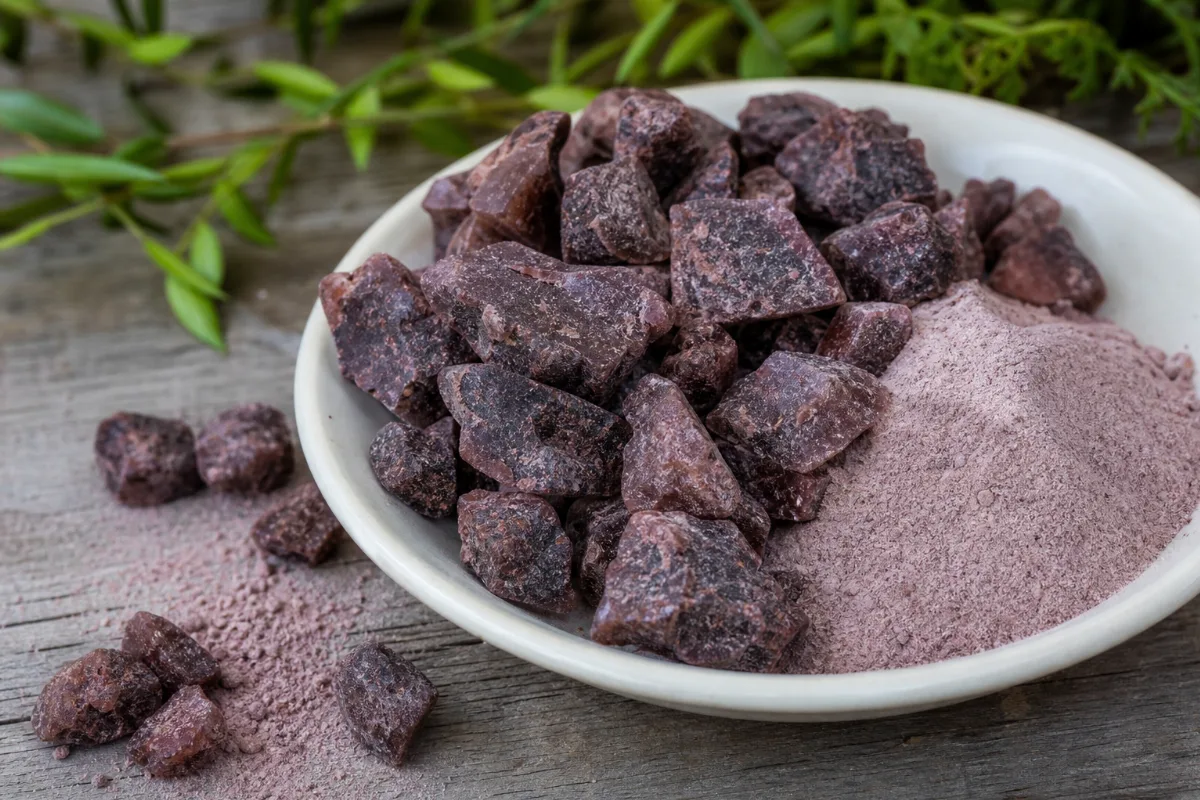
Himalayan pink salt is mostly sodium chloride; its color comes from iron oxide, its extra minerals are tiny, and one small trial found no blood pressure advantage over table salt.
Himalayan salt as a salt: sodium and blood pressure
Himalayan salt versus table salt for blood pressure (one small trial)
Studied in people for: skin conditions (eczema, psoriasis), joint and arthritis pain
Swallowing can be dangerousSodium: blood pressure, heart and kidney diseaseBabies and childrenSkin irritation or dryness
Dead Sea salt is sold for baths; one small study found soaking helped atopic dry skin, magnesium barely passes intact skin, and no source supports detox or swallowing it.
Soaking atopic dry skin in Dead Sea salt solution
Salt baths with UVB light for psoriasis
Dead Sea climatotherapy and seawater therapy (travel treatments)
Human evidence: Mostly traditional or marketing claims
Used: household or cleaning
Studied in people for: blood pressure and sodium
Swallowing can be dangerousSodium: blood pressure, heart and kidney diseaseBabies and childrenContaminants (metals, microplastics)+1 more
Celtic grey salt is sea salt, so it still carries sodium; lab tests found lead above EU limits in grey salts and some microplastics, and trace minerals add little.
Mineral content claims: 'rich in magnesium and 80+ trace minerals'
Human evidence: Mostly traditional or marketing claims
Used: household or cleaning
Studied in people for: blood pressure and sodium
Swallowing can be dangerousSodium: blood pressure, heart and kidney diseaseBabies and childrenIodine and thyroid
Kosher salt is plain coarse salt named for koshering meat; it is not lower in sodium by weight, usually has no iodine, and measuring by spoon gives different sodium.
Sodium chloride with added potassium iodate or potassium iodide, NaCl
Human evidence: Established for a specific medical use
Used: swallowed or eaten, household or cleaning
Studied in people for: iodine intake, blood pressure and sodium
Sodium: blood pressure, heart and kidney diseaseIodine and thyroidBabies and childrenSwallowing can be dangerous
Iodized table salt: the iodine added to prevent goiter, the sodium that still counts, what studies and WHO found, and the safety points for swallowing and for children.
Iodine for the thyroid: iodized salt as a public health tool
Sodium chloride with sodium sulfate, iron sulfide and other sulfur compounds, halite (rock salt)
Human evidence: Mostly traditional or marketing claims
Used: swallowed or eaten
Sodium: blood pressure, heart and kidney diseaseSwallowing can be dangerous
Black salt (kala namak): a sulfur-smelling South Asian condiment salt that is still mostly sodium chloride, what a German risk assessment and one lab study found, and what is unproven.
Cooking flavor: egg-like, sulfur taste
Traditional use: digestion, laxative, cooling (Ayurveda)
Human evidence: Established for a specific medical use
Used: household or cleaning
Studied in people for: blood pressure and sodium
Sodium: blood pressure, heart and kidney diseaseIodine and thyroidContaminants (metals, microplastics)Babies and children
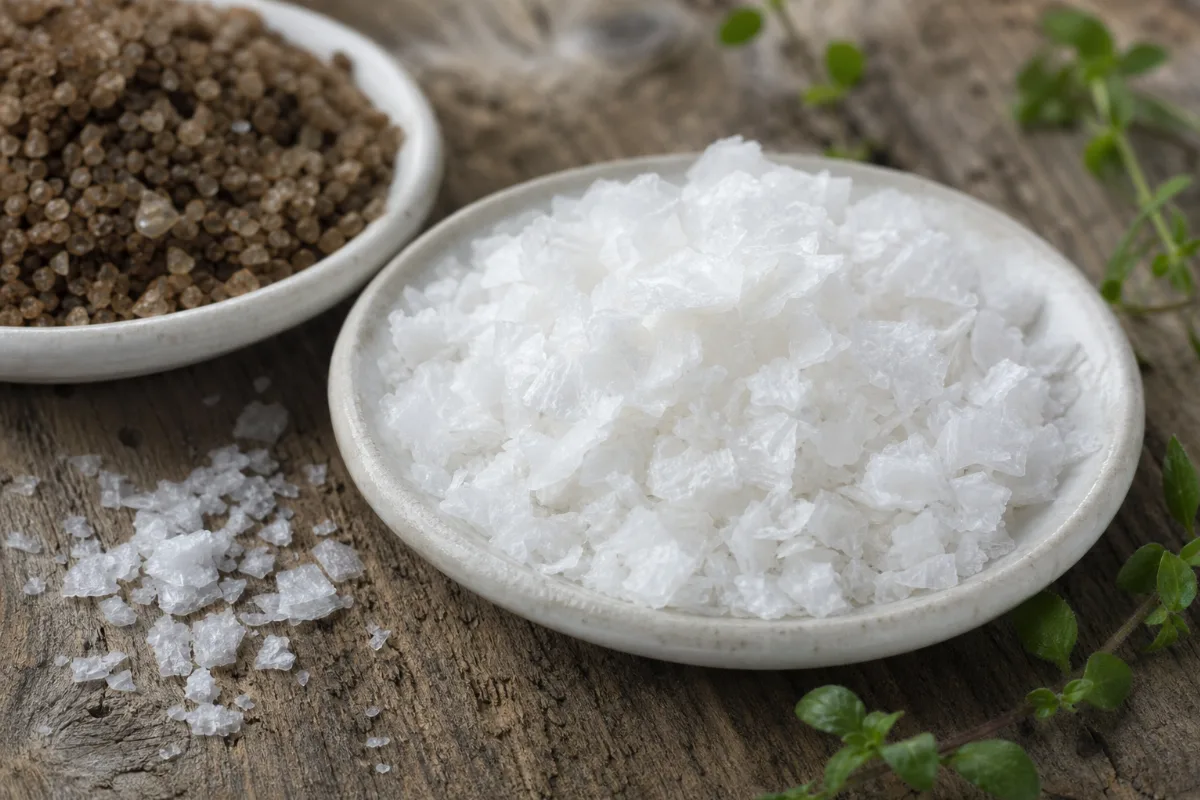
Flaky finishing salt and smoked salt are still sodium chloride: what the sources say about sodium, trace minerals, microplastics, and why smoke adds no proven health benefit.
Sodium and blood pressure: flakes and smoke do not change it
Flaky salt: lower sodium per teaspoon is a spoon effect
Human evidence: Mostly traditional or marketing claims
Used: bath or soak, on the skin
Studied in people for: skin conditions (eczema, psoriasis), magnesium status
Swallowing can be dangerousToo much magnesium (kidney disease, laxative use)Skin irritation or drynessBabies and children
Magnesium chloride bath flakes checked: little proof that magnesium soaks through skin, one small bath study, and why swallowing magnesium salts can be dangerous.
Magnesium soaking through the skin: claim check
Magnesium-rich salt bath for dry, atopic skin
Magnesium cream and chloride spray: small pilot results
Sore muscles, sleep and stress from magnesium flakes
Used: bath or soak, on the skin, medical or hospital use
Studied in people for: skin conditions (eczema, psoriasis), joint and arthritis pain
Lungs and breathing in
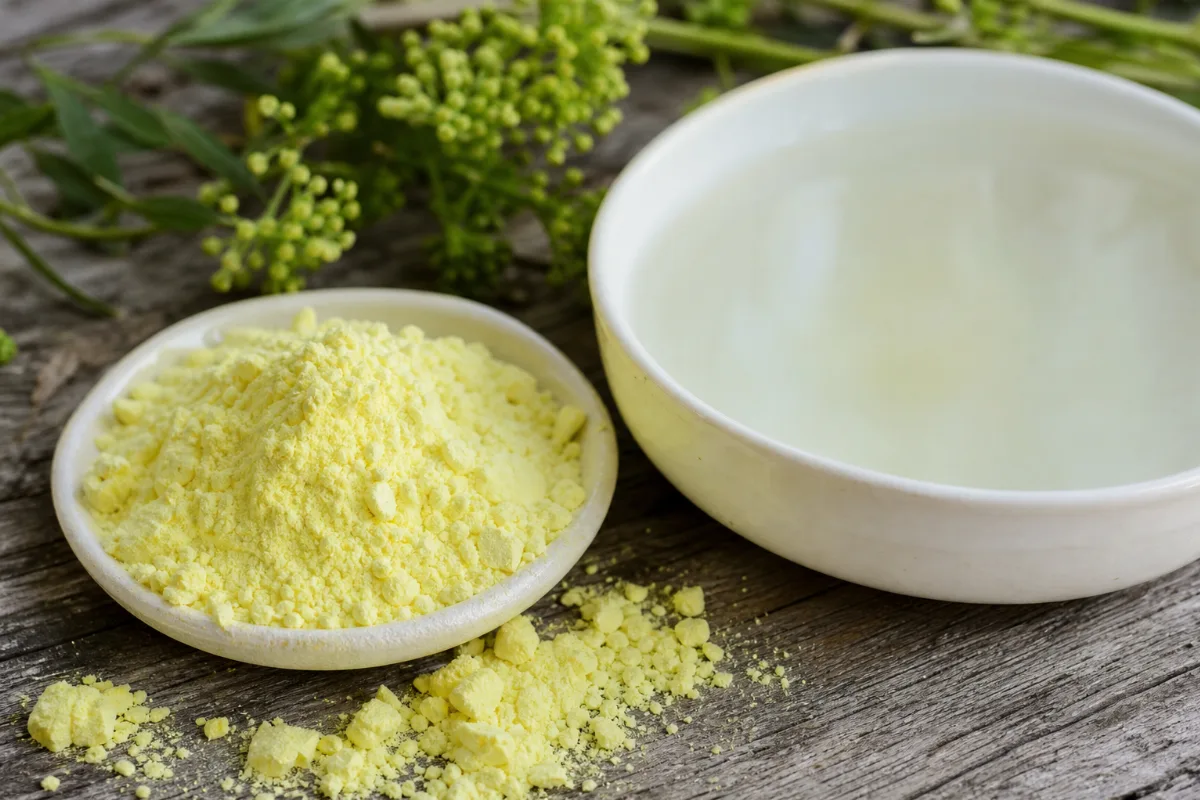
Sulfur (sulphur) baths and sulfur spa water: what trials found for arthritis and skin, why hydrogen sulfide gas is a real hazard, and why home sulfur powder is unproven.
Spa baths in sulfur or mineral water and osteoarthritis (supervised, natural spring water)
Spa baths and psoriasis or eczema (thermal mineral water, including sulfurous waters)
Sulfur in over-the-counter acne medicines (skin product, not a bath)
Human evidence: Mostly traditional or marketing claims
Used: household or cleaning, industrial, animal or pool use
Swallowing can be dangerousBabies and childrenFertility and pregnancy harm (borax)Skin irritation or dryness+2 more
Borax (sodium borate) is a laundry and cleaning mineral, not a food or supplement. What the sources say about poisoning, babies, fertility warnings and online health claims.
Borax as a health tonic or supplement: claim check
Human evidence: Mostly traditional or marketing claims
Used: on the skin, medical or hospital use, household or cleaning
Swallowing can be dangerousSkin irritation or drynessEyesBabies and children+2 more
Potassium alum (alum stone, "crystal deodorant") is an aluminum salt: what lab and human sources say about deodorant and shaving-nick uses, and why swallowing it is dangerous.
Styptic pencils and shaving nicks (on the skin)
Crystal deodorant and underarm odor (claim check)
Skin absorption of aluminum from alum crystals (unknown)
Breast cancer and Alzheimer's worries about underarm aluminum
Natural mineral water, dissolved calcium, magnesium, sodium, bicarbonate and sulfate salts
Human evidence: Very few human studies
Used: swallowed or eaten
Sodium: blood pressure, heart and kidney diseaseBabies and children
Mineral water as a source of dissolved salts and minerals: what the US label rule means, how much calcium, magnesium and sodium it adds, and what small studies found.
Calcium and magnesium from bottled water
Calcium absorption from calcium-rich mineral water
Bones and blood pressure (calcium-rich waters)
Digestion and constipation (thermal water, large volume)
Lungs and breathing inContaminants (metals, microplastics)
Salt therapy (halotherapy) means breathing salty air in a salt room. Trials are small, there are no guidelines, and people with asthma or COPD should ask their doctor first.
Salt rooms and mild asthma in children (pilot trial)
Salt rooms and COPD
Natural salt caves (speleotherapy): not the same as a salt room
Human evidence: Some human trials (small or short)
Used: nose rinse
Studied in people for: nose and sinus rinse
Water safety (sterile water for nose rinses)Babies and childrenContaminants (metals, microplastics)
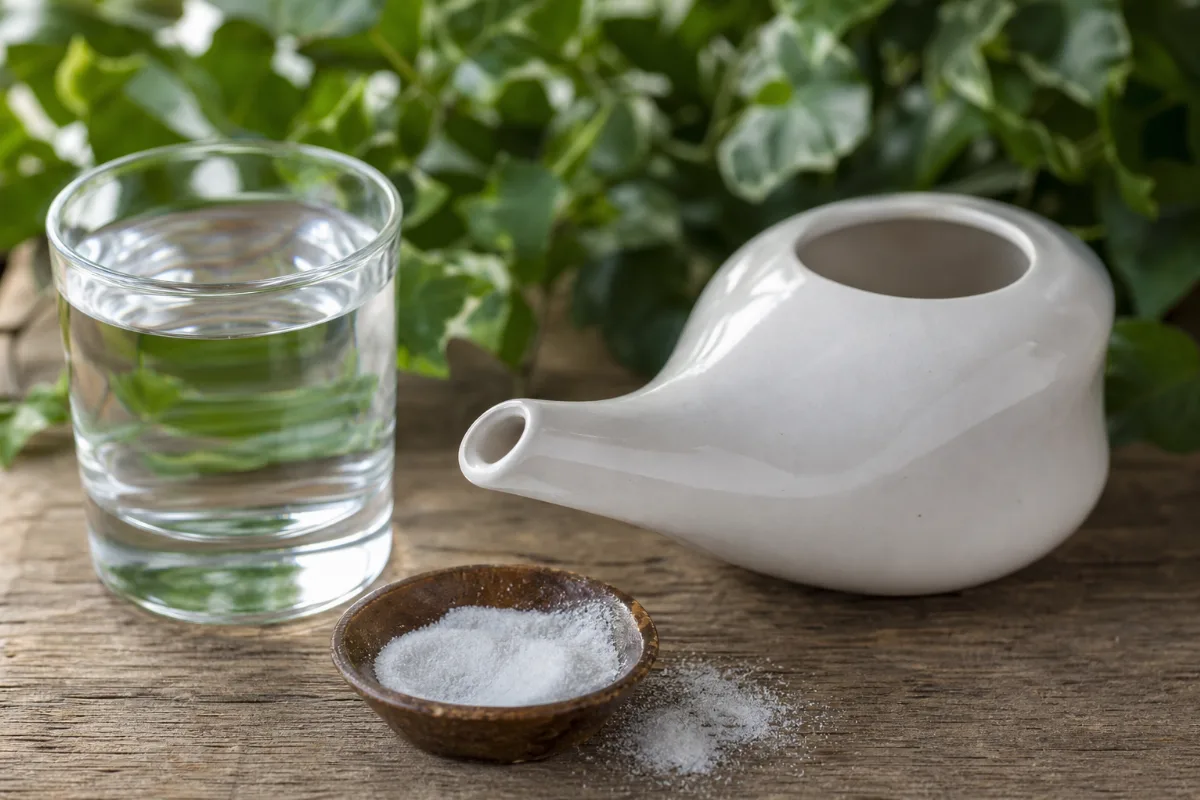
A neti pot or saline nose rinse may ease sinus symptoms, but tap water can carry a deadly amoeba. Use distilled, sterile or boiled-and-cooled water, and keep the device clean.
Salt-water rinses for long-lasting sinus symptoms
Rinses for colds and acute upper-airway infections
Sodium chloride, potassium chloride, trisodium citrate and glucose (typical packet mix; composition varies by product and was not verified in sources we read)
Human evidence: Established for a specific medical use
Used: medical or hospital use, swallowed or eaten
Studied in people for: rehydration (diarrhea)
Sodium: blood pressure, heart and kidney diseaseBabies and children
Oral rehydration salts are a medical salt-and-sugar mix for dehydration from diarrhea. What WHO and trials found, and the danger of mixing them wrongly.
Dehydration from diarrhea: oral rehydration (medical use)
Lower-strength ORS versus the older standard mix (children)
Human evidence: Some human trials (small or short)
Used: swallowed or eaten, household or cleaning
Studied in people for: blood pressure and sodium
High potassium (kidney disease, some medicines)Medicine interactions
Salt substitutes swap some sodium for potassium chloride. Trials show lower blood pressure, but kidney disease and some blood pressure medicines can make them risky.
Swapping some table salt for potassium-enriched salt: blood pressure
Stroke, heart events and death (SSaSS trial)
WHO suggests lower-sodium salt substitutes containing potassium
Human evidence: Established for a specific medical use
Used: on the skin, medical or hospital use, industrial, animal or pool use
Studied in people for: skin conditions (eczema, psoriasis), skin protection (sun, diaper rash)
Swallowing can be dangerousLungs and breathing inBabies and children
Zinc oxide on the skin and in the air: a regulated skin protectant and sunscreen ingredient, mixed diaper-rash trials, and the fume and spray inhalation risks.
Skin protectant ointments and creams (regulated over-the-counter use)
Mineral sunscreen filter
Diaper rash and barrier creams
Incontinence-related skin irritation in older adults
No salt or mineral matches all of these filters. Try removing one. Some topics (for example most herbs) are not salts and minerals and live elsewhere on the site.
"Studied for" means a study in people exists, not that the material works: many studies are small, short or tested a specific medical product, not the wellness product on a shelf. "Evidence in people" describes the overall picture, and "Mostly traditional or marketing claims" means we found no human trials for the popular claims. "Check before you use" lists cautions a source we read raised. It is not a complete list, so ask a pharmacist or clinician if you take medicines, are pregnant, or have a health condition.
A link between a salt or mineral and a topic means the body needs the salt or mineral for that job, or that low intake is linked to it. It does not mean extra supplements help if your intake is already adequate. See each page’s evidence label.
Browse by salt or mineral group
Cooking and table salts
Sea, Himalayan, Celtic, kosher, iodized, black and flaked salts: what actually differs, and what sodium guidance says.
Himalayan pink salt is mostly sodium chloride; its color comes from iron oxide, its extra minerals are tiny, and one small trial found no blood pressure advantage over t…
Celtic grey salt is sea salt, so it still carries sodium; lab tests found lead above EU limits in grey salts and some microplastics, and trace minerals add little.
Kosher salt is plain coarse salt named for koshering meat; it is not lower in sodium by weight, usually has no iodine, and measuring by spoon gives different sodium.
Iodized table salt: the iodine added to prevent goiter, the sodium that still counts, what studies and WHO found, and the safety points for swallowing and for children.
Black salt (kala namak): a sulfur-smelling South Asian condiment salt that is still mostly sodium chloride, what a German risk assessment and one lab study found, and wh…
Flaky finishing salt and smoked salt are still sodium chloride: what the sources say about sodium, trace minerals, microplastics, and why smoke adds no proven health ben…
Epsom salt is magnesium sulfate. What reviews and trials say about baths and skin absorption, and why swallowing it as a laxative has caused serious magnesium overload.
Dead Sea salt is sold for baths; one small study found soaking helped atopic dry skin, magnesium barely passes intact skin, and no source supports detox or swallowing it.
Magnesium chloride bath flakes checked: little proof that magnesium soaks through skin, one small bath study, and why swallowing magnesium salts can be dangerous.
Sulfur (sulphur) baths and sulfur spa water: what trials found for arthritis and skin, why hydrogen sulfide gas is a real hazard, and why home sulfur powder is unproven.
Borax & Alum(3)Two household minerals that are not for swallowing.
Borax (sodium borate) is a laundry and cleaning mineral, not a food or supplement. What the sources say about poisoning, babies, fertility warnings and online health cla…
Potassium alum (alum stone, "crystal deodorant") is an aluminum salt: what lab and human sources say about deodorant and shaving-nick uses, and why swallowing it is dang…
Baking soda (sodium bicarbonate) checked against sources: what it is, why swallowing it for heartburn or "alkalizing" carries real risks, and what trials found for teeth…
Waters, Springs & Salt Rooms(2)Mineral water and salt therapy (halotherapy).
Mineral water as a source of dissolved salts and minerals: what the US label rule means, how much calcium, magnesium and sodium it adds, and what small studies found.
Salt therapy (halotherapy) means breathing salty air in a salt room. Trials are small, there are no guidelines, and people with asthma or COPD should ask their doctor fi…
Rinses & Rehydration(2)Neti pots and nasal rinses, and oral rehydration salts.
A neti pot or saline nose rinse may ease sinus symptoms, but tap water can carry a deadly amoeba. Use distilled, sterile or boiled-and-cooled water, and keep the device …
Oral rehydration salts are a medical salt-and-sugar mix for dehydration from diarrhea. What WHO and trials found, and the danger of mixing them wrongly.
Other Mineral Materials(2)Salt substitutes (potassium chloride) and zinc oxide.
Salt substitutes swap some sodium for potassium chloride. Trials show lower blood pressure, but kidney disease and some blood pressure medicines can make them risky.
Zinc oxide on the skin and in the air: a regulated skin protectant and sunscreen ingredient, mixed diaper-rash trials, and the fume and spray inhalation risks.
Safety Guides & Claim Checks(3)Salt lamps, salt types compared, and safe bath-salt soaking.
Do Himalayan salt lamps release healthy negative ions or clean the air? What the sources found, what air-ion research really tested, and real risks: fire, shock and pets.
Sea, Himalayan, Celtic, kosher and iodized salt side by side: all mostly sodium chloride, with iodine the main documented difference and trace minerals too small to matt…
Bath salts and soaks: weak evidence for "absorbing minerals", plus hot-water, skin-reaction and swallowing risks, and who should check with a clinician first.
Search salts and minerals: popular salts and minerals, A to Z, search with filters, more ways
Well-studied salts and minerals to start with
These salts and minerals have the most human research summarized in our guides (counted from the evidence ratings on each profile). More research does not mean the salt or mineral works or is safe for you: open the guide to see what was found, including negative and mixed results.
Every published salt or mineral guide (23), with its names and what it is made of. Each name opens one guide that brings together identity, traditional use, research, safety, forms and sources.
Black Salt (Kala Namak)sodium chloride with sodium sulfate, iron sulfide and other sulfur compounds, halite (rock salt)Also: kala namak, Indian black salt, Himalayan black salt
Mineral Waternatural mineral water, dissolved calcium, magnesium, sodium, bicarbonate and sulfate saltsAlso: natural mineral water, bottled mineral water, spring water (a different label)
Oral Rehydration Saltssodium chloride, potassium chloride, trisodium citrate and glucose (typical packet mix; composition varies by product and was not verified in sources we read)Also: oral rehydration solution, ORS, rehydration salts
Search by salt or mineral, benefit, body system, goal, symptom or lab test. Each result explains why it matches and how strong the evidence is.
Check before you use ▾
Studied for ▾
Evidence in people ▾
Use type ▾
Filters: group, evidence, body system, body part, goal, root cause, habit, biomarker, condition
More ways to find a salt or mineral
Pick a way to look, then pick a choice. Every list links to the full guide.
Salts and minerals whose guide mentions use in a traditional system. A mention shows history, not proof that it works.
Ayurveda (1 salts and minerals)
Black Salt (Kala Namak)sodium chloride with sodium sulfate, iron sulfide and other sulfur compounds, halite (rock salt)
The ways each salt or mineral is used, from its guide: tea, tincture, capsule, powder, extract, topical or the whole salt or mineral.
Tinctures and liquid extracts (1 salts and minerals)
Oral Rehydration Saltssodium chloride, potassium chloride, trisodium citrate and glucose (typical packet mix; composition varies by product and was not verified in sources we read)
Oral Rehydration Saltssodium chloride, potassium chloride, trisodium citrate and glucose (typical packet mix; composition varies by product and was not verified in sources we read)
Salts and minerals whose guide documents a point to check for this concern. Being listed does not mean the salt or mineral is unsafe for everyone. Open the guide to read the details.
Pregnancy and breastfeeding (2 salts and minerals)
Oral Rehydration Saltssodium chloride, potassium chloride, trisodium citrate and glucose (typical packet mix; composition varies by product and was not verified in sources we read)
Oral Rehydration Saltssodium chloride, potassium chloride, trisodium citrate and glucose (typical packet mix; composition varies by product and was not verified in sources we read)
Medicine interactions (prescription and over the counter) (2 salts and minerals)
The best level of evidence in each salt or mineral guide for any listed benefit. A stronger label for one use says nothing about its other uses or its safety.
Clinical trials support a benefit (11 salts and minerals)
Oral Rehydration Saltssodium chloride, potassium chloride, trisodium citrate and glucose (typical packet mix; composition varies by product and was not verified in sources we read)
Salts and minerals have been used for health in many cultures for centuries. A traditional use tells you what people have done, not that it works. Here every salt or mineral is listed under the goals, body systems and actions its guide connects it to, and each link carries the strength of the evidence behind it.
Strongest
11 salts and minerals
Clinical trials support a benefit
Promising
9 salts and minerals
Early or mixed human evidence
Early science
2 salts and minerals
Lab or animal research only
Unknown
1 salts and minerals
Too little evidence to say
Each salt or mineral is counted once, at the strongest level its guide documents for any use. A strong label for one use says nothing about its other uses or its safety. "Traditional use" alone is not one of these labels: where a guide only reports history, the link is rated "Too little evidence to say". Read the guide on traditional use and research evidence.
Salts and minerals by wellness goal
Each card shows how many salts and minerals are linked to a goal and how strong the evidence is. Green means clinical trials support a benefit; grey means too little evidence. These are links the guides document, not recommendations. For the wider picture, see the Wellness Goals section.
Salts and minerals by body system, body part and action
The same links, organized the way anatomy and physiology textbooks do. "Action" describes what a salt or mineral is said to do (for example calming or digestive support); it names the claim, not the proof.
Side-by-side guides for salts and minerals that people confuse or choose between. They explain differences; they do not rank the salts and minerals.
What research shows, by health concern
Each guide below looks at one concern, from sleep to skin, and separates salts and minerals that were tested in people from salts and minerals that are only traditional or lab-tested.
People have used salts and minerals for health for many centuries. A traditional use tells you what people have done, not that it works. For what research found, see the Health Benefits and Scientific Evidence tabs.
Traditional salt or mineral medicine
Ayurveda, Traditional Chinese Medicine and other traditions each use natural remedies in their own systems. The salts and minerals below are the ones whose guide mentions the tradition in its own text. That a tradition uses a salt or mineral is history, not clinical evidence. Each guide says separately what trials found.
Salts and minerals are active substances. Some interact with prescription medicines, some are unsafe in pregnancy or with certain conditions, and some have been linked to serious harm. This tab brings together what the individual salt or mineral guides document, plus the general rules. Medicine interactions have their own tab.
If someone may have been poisoned or is seriously unwell
▸Collapse, seizure, trouble breathing, swelling of the face or throat, chest pain or a fast irregular heartbeat: call your local emergency number now (911 in the United States and Canada, 999 in the UK, 112 in the European Union).
▸Swallowed too much of a salt or mineral, or a child or pet got into a product, and the person seems well: in the United States call Poison Help, 1-800-222-1222 (free, 24 hours). Elsewhere, call your national poison centre or local emergency number.
▸Yellow skin or eyes, dark urine, severe belly pain, or a new rash after starting a salt or mineral: stop it and contact a clinician the same day.
"Natural" does not mean safe. Natural products can contain strong substances; some are harmful. Natural Does Not Mean Safe
Tell your pharmacist and clinician about every salt or mineral product you use, and ask before combining one with prescription or over-the-counter medicines.
Be extra careful with narrow-margin medicines such as warfarin, antidepressants, immunosuppressants, diabetes and blood pressure medicines.
Tell the surgical team about every salt or mineral before an operation. Many teams ask people to stop salt or mineral products ahead of surgery; ask yours how long.
Pregnancy, breastfeeding, children and older adults are groups where good safety data are often missing, so official sources usually advise asking first.
Start one product at a time, at the label amount, so a reaction can be traced. Stop and get advice if you feel unwell.
Products vary. Contamination, substitution and mislabelling are documented problems; third-party testing can reduce but not remove the risk.
Each line comes from a salt or mineral's own guide, where it is backed by cited sources: 81 documented risks across 23 of the 23 salts and minerals. A salt or mineral missing from a list is not proven safe: it may simply not have been studied. Open the salt or mineral's guide for the full wording and sources.
Pregnancy and breastfeeding · 2 salts and minerals
Heart, kidney and liver disease. MedlinePlus says too much sodium causes a serious buildup of fluid in people with heart failure, cirrhosis or kidney disease, and…
Too much sodium for people with high blood pressure, heart, liver or kidney disease. MedlinePlus says adults with high blood pressure should have no more than 1,500 mg sodium a day, and that people with heart failu…
Heart, kidney and liver disease. MedlinePlus says too much sodium causes a serious buildup of fluid in people with heart failure, cirrhosis or kidney disease; adu…
Sodium load, blood pressure, heart and kidney disease. MedlinePlus says the medicine increases sodium in the body and asks people with high blood pressure, heart failure or kidney dise…
Heart, kidney and liver disease. MedlinePlus says too much sodium causes a serious buildup of fluid in people with heart failure, cirrhosis or kidney disease, and…
Kidney disease and magnesium excess. MedlinePlus says side effects from high magnesium intake are not common except in people with significantly reduced kidney functi…
Too much sodium for people with high blood pressure, heart, liver or kidney disease. MedlinePlus says adults with high blood pressure should have no more than 1,500 mg sodium a day, and that people with heart failu…
Kidney, heart and blood pressure conditions. WHO and the NHS give general adult limits (under 2,000 mg sodium; 6 g salt). The sources we read give no separate advice for peop…
Heart, kidney and liver disease. MedlinePlus says too much sodium causes a serious buildup of fluid in people with heart failure, cirrhosis or kidney disease; adu…
Kidney disease and high magnesium. MedlinePlus says side effects from high magnesium intake are uncommon except in people with significantly reduced kidney function…
Kidney disease and magnesium. MedlinePlus says side effects from high magnesium intake are not common except in people with significantly reduced kidney functi…
Aluminum buildup, kidney disease and bladder irrigation. Poison Control says the kidneys remove aluminum, so people with impaired kidney function may accumulate it. Serious poisoning wit…
High potassium in kidney disease. MedlinePlus lists salt substitutes among causes of high potassium and says kidney problems can let potassium build up. NIDDK advi…
Sodium load, blood pressure, heart and kidney disease. MedlinePlus says the medicine increases sodium in the body and asks people with high blood pressure, heart failure or kidney dise…
Sodium and blood pressure. Celtic grey salt is mostly sodium chloride. WHO says high sodium raises blood pressure and recommends under 2,000 mg sodium a day…
Heart, kidney and liver disease. MedlinePlus says too much sodium causes a serious buildup of fluid in people with heart failure, cirrhosis or kidney disease, and…
Sodium content and blood pressure. Dead Sea salt also contains sodium chloride. WHO says excess sodium raises blood pressure and recommends under 2,000 mg sodium a …
Too much sodium for people with high blood pressure, heart, liver or kidney disease. MedlinePlus says adults with high blood pressure should have no more than 1,500 mg sodium a day, and that people with heart failu…
Kidney, heart and blood pressure conditions. WHO and the NHS give general adult limits (under 2,000 mg sodium; 6 g salt). The sources we read give no separate advice for peop…
Sodium and blood pressure. WHO says high sodium raises blood pressure and recommends under 2,000 mg of sodium a day for adults; the FDA says under 2,300 mg …
Heart, kidney and liver disease. MedlinePlus says too much sodium causes a serious buildup of fluid in people with heart failure, cirrhosis or kidney disease; adu…
High potassium in kidney disease. MedlinePlus lists salt substitutes among causes of high potassium and says kidney problems can let potassium build up. NIDDK advi…
Blood pressure medicines that raise potassium. MedlinePlus names ACE inhibitors, ARBs and spironolactone as causes of high potassium. High potassium often has no symptoms but c…
Potassium chloride hidden in packaged foods. NIDDK notes potassium chloride is sometimes used in place of salt in packaged foods, so people limiting potassium need to read in…
Adverse events are poorly reported. The Cochrane osteoarthritis review says adverse events were not measured or found in the included trials; the Cochrane rheumatoid…
Hydrogen sulfide in black salt: German risk assessment. In 2003 the German BfR measured about 200 mg hydrogen sulfide per kg in one sample. For a made-up 2 g per meal it estimated about…
Sodium: mostly sodium chloride. Kala namak is mostly sodium chloride. A 2020 lab study reported lower sodium than common sea salt and Himalayan pink salt but the…
Swallowing a large amount of salt. Sudden large salt intake can cause dangerously high blood sodium; a systematic review of 15 case reports found half of the cases …
Reproduction and development: EU classification and the debate. Boric acid and sodium borates are classified in the EU as toxic to reproduction (category 1B). A 2023 review of workers in China,…
Skin, eye and dust hazards. NPIC says borax can irritate skin, can be corrosive to the eye, and that workers breathing borax dust reported dry mouth and thro…
Swallowing large amounts of salt. A review of 27 reports found 35 deaths from acute salt ingestion (19 adults, 16 children); under 10 g of sodium was lethal in two…
Damaged skin and open wounds. Magnesium crossed damaged skin far more easily than intact skin in a lab study; the soaking study used skin with raised water los…
Swallowing Epsom salt as a laxative: magnesium overload. A 56-year-old man who swallowed Epsom salt as a laxative developed weakness, a slow heartbeat, low blood pressure, confusion and …
Iodine: check the label. WHO says all salt consumed should be iodized, and iodine is essential for brain development of the fetus and young child. Harvard…
No iodine unless the label says so. WHO says all salt consumed should be iodized. The sources we read do not give an iodine content for Himalayan salt; a 2026 review…
Iodine content on the shelf varies. Salt is called adequately iodized at 15 to 40 parts per million. A 2026 study of 20 brands in one Hungarian city found iodine fro…
Too much iodine can affect the thyroid. The NHS says high doses of iodine for long periods can change how the thyroid works. MedlinePlus says very high intake can reduce…
Sodium by spoon: kosher salt is not 'lower sodium' by weight. Harvard lists about 1,920 mg sodium in a teaspoon of coarse kosher salt, 1,120 mg in a teaspoon of one fine brand (Diamond Crysta…
Iodine: kosher salt is usually not iodized. Harvard says kosher salt does not typically contain iodine but may have an anti-caking agent; WHO says all salt consumed should b…
Swallowing large amounts of salt. A review of 27 reports found 35 deaths from acute salt ingestion (19 adults, 16 children); under 10 g of sodium was lethal in two…
Swallowing magnesium salts: overload cases. Case reports of Epsom salt (magnesium sulfate) swallowed as a laxative describe weakness, slow heartbeat, low blood pressure, con…
Broken or irritated skin: higher passage in the lab. In a 2026 pig-skin study, magnesium passage was far higher through skin with its top layer removed than through intact skin. This…
Swallowing magnesium products: laxative and overload cases. Case reports describe severe high blood magnesium after swallowing Epsom salt as a laxative and a fatal case with magnesium laxat…
Sodium in mineral water and low-salt diets. A study of 40 Polish waters found sodium varied widely. Health Canada's 1992 document gives 200 mg per liter as an aesthetic limi…
Flavored sparkling water and enamel. The ADA says citrus-flavored sparkling waters are more acidic and can raise the risk of enamel damage, and sweetened versions cou…
Tap water and Naegleria: never use plain tap water. The FDA says tap water is not safe for nasal rinsing and lists distilled or sterile water, tap water boiled for 3 to 5 minutes an…
Dirty devices and other infections. The FDA says to wash the device, dry it and follow the maker's instructions. A 2020 case report describes bacterial meningitis in…
Mixing errors: too much salt (hypernatremia). A 2015 case report describes a 6-month-old with blood sodium of 208 mmol/L after too much ORS, with some packets dissolved in les…
Severe dehydration needs a clinician and sometimes a drip. WHO says severe dehydration (lethargy, sunken eyes, not able to drink, slow skin pinch) needs intravenous fluids. CDC says some s…
Skin irritation and eye contact. Poison Control lists stinging, redness, itching or mild pain on skin. A consumer article adds tingling, tightness and dryness on …
Dust from alum powder. Poison Control describes a man who made geodes with alum powder without a mask and became dizzy and nauseated about 30 minutes la…
Room cleanliness and bacteria. The American Lung Association questions how well salt rooms are maintained, because warm, humid rooms could encourage bacterial g…
Asthma and COPD: check with your doctor first. The American Lung Association says salt therapy should be discussed with your doctor. Salt aerosol is also used in clinics as a c…
Nasal rinse water safety: use distilled, sterile or boiled-and-cooled water. The FDA says tap water is not suitable for a nasal rinse. Safe choices are distilled or sterile water, tap water boiled for 3 to …
Immune-compromised people and worsening symptoms. The FDA says anyone with a weakened immune system should ask a health care provider before using a nasal irrigation device, and a…
Swallowing the gargle. The NHS says to spit the salty water out and not swallow it. The sources we read give no figures for harm from swallowing a mouth…
Sore throat emergency signs. The NHS lists trouble breathing, being unable to swallow, drooling and a high-pitched sound when breathing as reasons to call 999…
Too much sodium: wider health effects. The WHO links high sodium to raised blood pressure, cardiovascular disease, gastric cancer, obesity, osteoporosis, Meniere's dise…
Hydrogen sulfide gas from sulfur springs and baths. Sulfur spring water gives off hydrogen sulfide. ATSDR says a few breaths of very high levels can be dangerous, and that people ca…
Breathing in zinc oxide fumes and nano sprays. Breathing zinc oxide fume from heated galvanized steel or brass causes metal fume fever, with fever, chills, cough and aches with…
Pets and zinc oxide creams. VCA says one ingestion of zinc oxide cream typically causes stomach upset in a pet, but repeated ingestion over days to weeks can…
Salt or mineral and medicine interactions
Some salts and minerals change how a medicine works, or add to its effect. This matters most for narrow-margin medicines such as blood thinners, antidepressants, immunosuppressants, and diabetes and blood pressure medicines. Always tell your pharmacist and clinician about every salt or mineral you take. Ask before starting, stopping or combining anything.
Each line comes from a salt or mineral's own guide and its cited sources. A salt or mineral missing from a list is not proven free of interactions: it may simply not have been studied. Open the salt or mineral's guide for the full wording.
Medicine interactions (prescription and over the counter) · 2 salts and minerals
Medicines, pregnancy and children. MedlinePlus says to take sodium bicarbonate at least 2 hours apart from other medicines, to tell the doctor if pregnant or breast…
Blood pressure medicines that raise potassium. MedlinePlus names ACE inhibitors, ARBs and spironolactone as causes of high potassium. High potassium often has no symptoms but c…
Scientific evidence and research on salts and minerals
For most salts and minerals, good human evidence is limited. Every outcome in our salt or mineral guides is rated for how strong the evidence is, and the rating is shown next to it. Across the 23 guides, 12 salts and minerals have no outcome rated "clinical trials support a benefit".
What the evidence ratings add up to
19Clinical trials support a benefitTrials in people support a defined effect, usually a narrow one.
35Early or mixed human evidenceSmall, short or disagreeing studies. Positive and negative findings both count here.
9Lab or animal research onlySeen in cells or animals. This does not show a benefit in people.
53Too little evidence to sayPopular claims for which we found no usable human trials.
81Documented risksSafety findings, shown in the Safety tab.
How to read salt or mineral research
Lab, animal and human studies answer different questions. A chemical that kills cells in a dish, or helps mice, may do nothing in people.
A mechanism is not proof of benefit. Knowing which compounds a salt or mineral contains, or which pathway they touch, explains how an effect might happen, not that it does.
A study that mentions a salt or mineral does not show the salt or mineral works. Many records only name the salt or mineral, test it in animals, or find no effect.
Product and form matter. A result for one extract, dose or tea does not carry over to another product.
Look at size, length and who paid. Small, short or industry-funded trials are more likely to overstate effects; a single trial is rarely enough.
These are the outcomes our guides rate "clinical trials support a benefit", each with the sources the guide cites. Even here, the effect is usually for one preparation, one group of people and one outcome.
MedlinePlus lists sodium bicarbonate as an antacid for heartburn and acid indigestion and says not to use it longer than 2 weeks unless a doctor says so.
Sodium and blood pressure: flakes and smoke do not change it
WHO says the main effect of a high-sodium diet is higher blood pressure. A Cochrane-based review and a 2020 analysis of trials found cutting total salt lowers blood pressure; none tested flaky or smoked salt separately.
Flaky salt: lower sodium per teaspoon is a spoon effect
Harvard's table lists about 2,120 mg sodium per teaspoon of fine sea salt and about 1,560 mg for coarse sea salt. Coarser salts hold less per spoon, but weight for weight it is still sodium chloride.
Himalayan salt as a salt: sodium and blood pressure
Himalayan pink salt is mostly sodium chloride (reported purity 98.8%). Harvard lists about 2,200 mg sodium per teaspoon against about 2,300 mg for fine iodized table salt. WHO says high sodium mainly raises blood pressure.
Iodized table salt is still sodium chloride. WHO says the main effect of a high-sodium diet is raised blood pressure. A Cochrane review of 34 trials found that cutting salt lowered blood pressure.
A Cochrane review of eight trials found saline helpful for the symptoms of chronic rhinosinusitis, alone or added to other treatment, but not as effective as a steroid nasal spray. Side effects were minor but common. A 2022 revie…
Dehydration from diarrhea: oral rehydration (medical use)
WHO says diarrhea should be treated with ORS, a solution of clean water, sugar and salt that replaces the water and salts lost in the stool. CDC calls ORS the most important part of treating cholera.
Lower-strength ORS versus the older standard mix (children)
In 8 trials, the lower-strength mix was linked to fewer unplanned IV drips (odds ratio 0.59), with less stool and less vomiting in some trials, and no clear difference in low blood sodium.
CDC says many people with cholera can rehydrate by drinking ORS, with IV fluids for the severely dehydrated. A 2004 Cochrane review of 7 small trials found more low blood sodium with the lower-strength mix, without serious conseq…
WHO says a 10 to 14 day course of dispersible zinc tablets shortens diarrhea by about 25% and cuts stool volume about 30%. This result belongs to the zinc tablets, not to the salts.
US over-the-counter rules allow a styptic pencil with aluminum sulfate to claim it stops bleeding from minor surface cuts during shaving. Poison Control says alum compounds harden the surface of a small cut.
Swapping some table salt for potassium-enriched salt: blood pressure
The Cochrane review of 26 trials found low-sodium salt substitutes probably lower blood pressure in adults and probably raise blood potassium slightly.
In about 21,000 people in rural China with prior stroke or age 60+ with high blood pressure, a potassium-enriched salt led to less stroke, fewer major heart and blood vessel events and fewer deaths. A 2024 review says the evidenc…
WHO suggests lower-sodium salt substitutes containing potassium
WHO says that if people use table salt, it suggests lower-sodium salt substitutes that contain potassium. Its adult target is under 2,000 mg sodium (under 5 g salt) a day. The page we read does not say who should avoid them.
The WHO says the main health effect of high-sodium diets is raised blood pressure. Harvard lists about 2,120 mg sodium per teaspoon of fine sea salt and about 2,200 mg for pink salt, so swapping salts does not remove sodium.
Cutting sodium lowers blood pressure (general salt, not a specialty salt)
A Cochrane-type review of 34 trials (3,230 people) found that about 4.4 g less salt a day lowered systolic pressure by 4.18 mm Hg; a 2020 analysis of 133 studies (12,197 people) found a dose-response pattern.
Skin protectant ointments and creams (regulated over-the-counter use)
US FDA rules list zinc oxide as a skin protectant ingredient at 1 to 25 percent. This is a defined use of a labelled product put on the skin, such as barrier ointments.
FDA lists zinc oxide as an active sunscreen ingredient and advises broad spectrum sunscreen with SPF 15 or higher. The EU safety committee judged nano zinc oxide at up to 25 percent as an unlikely risk after skin use, for specifi…
How many outcomes each guide rates in each evidence group. Open a guide for the individual outcomes, what was found (including negative results) and the sources.
Show the evidence table for all 23 salts and minerals
Many salt or mineral trials are small, short, and test a specific extract that is not what most people buy.
Natural products vary with source, growing or mining conditions and processing, so two products with the same name can differ in what they contain.
Safety is studied less than benefit: long-term use, children, pregnancy and combinations with medicines are often unstudied.
Positive trials are published more often than negative ones, and many reviews pool trials of very different quality.
Salt or mineral forms, preparations and quality
The same material can be sold as a powder, capsule, liquid or concentrated extract, and these are not interchangeable. A study of one preparation does not tell you what another does. This tab shows which forms each guide describes, and how to judge product quality.
Parts used
Different parts can contain different compounds, so the part named on the label matters.
Teas, tinctures, capsules, powders and topical products
For each kind of preparation, the salts and minerals whose guides describe it. The guides say which form was actually studied. Detailed preparation instructions are in Herbal Teas & Extracts, so they are not repeated here.
Tinctures and liquid extracts · 1 guides describe it
Whole salt or mineral, standardized extract, and what the numbers mean
A whole salt or mineral (fresh, dried or powdered) contains everything in the raw material, in amounts that vary. A standardized extract is made to contain a stated amount of one or more marker compounds, which makes batches more consistent but is not the same as the whole salt or mineral.
An extraction ratio such as 4:1 says how much raw material was used per unit of extract. It does not by itself say how much active compound a capsule holds or whether the product works. A marker compound is something measured for quality control; it is not always the compound that causes any effect.
Amounts and duration. We do not give universal dose recommendations. Where a source reports the amount and length of use tested for a named preparation, the salt or mineral's guide gives it in that context; an amount studied in one product does not carry over to another, or to food-level use.
Absorption. Some active constituents are poorly absorbed, which is why concentrated or specially formulated products exist (curcumin is the best-known case). Better absorption can also raise the risk of side effects.
Comparison guides
Identification, labels and product quality
A good label names the species by its scientific name, says which part is used, and states the amount and form. Third-party testing can check identity, strength and contamination, but a seal is not a guarantee of safety or benefit.
Does magnesium soak into the body from an Epsom salt bath?
A narrative review titled "Myth or Reality: Transdermal Magnesium?" found little evidence that it does; warm water itself may help sore muscles. [1]
Is it safe to swallow Epsom salt?
Swallowing Epsom salt (magnesium sulfate) as a laxative has caused dangerously high magnesium levels, including a case that needed dialysis. Ask a pharmacist or doctor first. [2]
Is Himalayan salt healthier than regular salt?
Sea and Himalayan salts contain only tiny amounts of trace minerals and still supply sodium, so general sodium advice applies. One small trial compared Himalayan and common salt in people with high blood pressure. [3]
Content last updated . The tabs from Health Benefits onward are compiled automatically from the evidence ratings and sources in each salt or mineral's guide (last data update November 13, 2026). This section has not been medically reviewed.
Education, not medical advice. This section is for general information. It does not diagnose or treat any condition and is not a substitute for care from a qualified health professional. Natural does not automatically mean safe.