Endocrine System
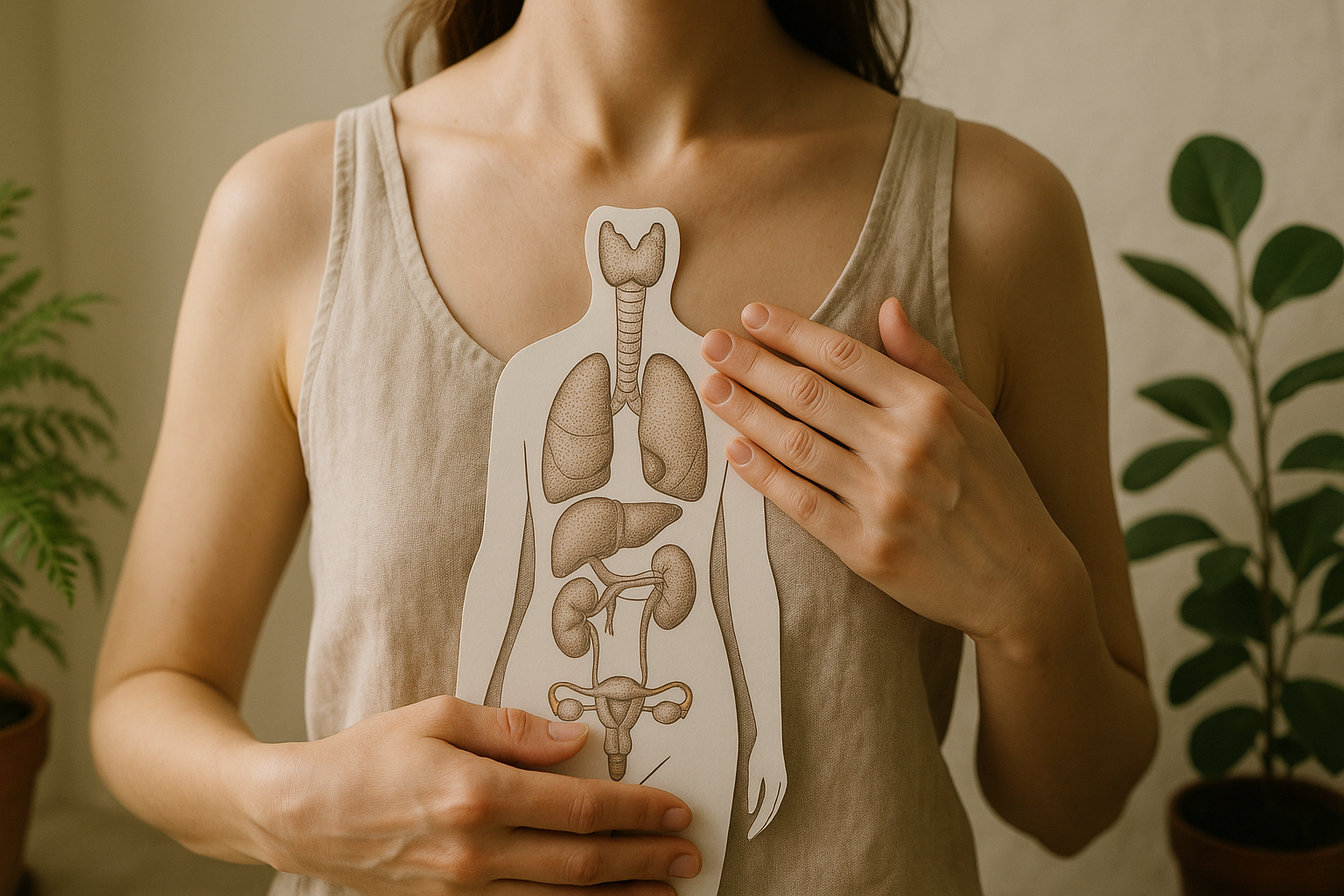
Hormone-producing glands and metabolism control.
Nutrients connected to Endocrine System
A link means the body needs the nutrient for this, or that low intake is linked to it. It does not mean extra supplements help if your intake is already adequate; each link shows how strong the evidence is.
- IodineEstablished role
Iodine is needed to make thyroid hormones, so it supports the endocrine (hormone) system.
- BladderwrackDocumented risk
Bladderwrack is rich in iodine; the EU herbal committee concluded it can influence thyroid function, and a trial of kelp capsules raised TSH. People with thyroid disease should ask a clinician first.
- Irish moss (sea moss)Documented risk
Iodine in seaweed can disturb thyroid function when intake is excessive.
- KelpDocumented risk
Excess iodine from kelp can disturb thyroid hormone balance; the ATA advises against kelp supplements above 500 micrograms of iodine a day.
- Pueraria mirifica (kwao krua)Documented risk
The root has strong estrogen-like activity (miroestrol). No human safety data were found for hormone-sensitive conditions, so this is a caution, not a benefit.
- KombuDocumented risk
Excess iodine from kombu can affect the thyroid, part of the hormone system.
- WakameDocumented risk
Iodine in wakame supports thyroid hormones, but too much can disturb the thyroid. Seaweed iodine varies widely.
- Sea Moss (Eucheuma & Gracilaria)Documented risk
Excess iodine can change thyroid hormone balance; ask a clinician if you have thyroid disease or take thyroid medicine.
- Kelp NoodlesDocumented risk
High iodine intake from kelp foods can affect thyroid hormone balance; the effect depends on the product and on the person.
- Dashi (Kombu Stock)Documented risk
Excess iodine affects the thyroid, part of the hormone system.
- Iodized Table SaltEstablished role
The thyroid uses iodine to make hormones; iodized salt is a common way people get it.
- SeleniumEstablished role
Selenium is needed for thyroid hormone production, so it matters mainly for the thyroid part of the hormone system.
- AshwagandhaDocumented risk
NCCIH advises against use in thyroid disorders, and case reports describe thyrotoxicosis after use.
- Licorice rootDocumented risk
Glycyrrhizin can disturb the body's salt-holding hormone balance, which is how it raises blood pressure and lowers potassium. The EU monograph describes the resulting water retention and low potassium.
- SpearmintPreliminary or mixed
In small tea studies in women with hirsutism, hormone levels changed, but a better clinical outcome was not shown.
- Tongkat aliPreliminary or mixed
Hormone levels changed in some trials; clinical meaning is not established.
- KudzuDocumented risk
Kudzu root has estrogen-like activity (isoflavones). MSK advises avoiding it with hormone-sensitive cancers and with tamoxifen.
- BugleweedPreliminary or mixed
Used for mild overactive thyroid; evidence is small open studies and case reports of mostly L. europaeus products, so it is preliminary.
- Spearmint TeaPreliminary or mixed
Hormone blood tests changed in women drinking spearmint tea; clinical meaning is not shown.
- Ashwagandha TeaDocumented risk
Thyroid hormone changes and thyrotoxicosis reported; NIH advises against use with thyroid disorders.
- ArameDocumented risk
Iodine from seaweed can push habitual eaters above the upper level and raise TSH (all seaweeds, arame not named).
- HijikiDocumented risk
Iodine from seaweed can push intake above the upper level and raise TSH in habitual eaters (all seaweeds, not hijiki alone).
- MozukuDocumented risk
Seaweed iodine can upset thyroid function in excess; mozuku iodine was not measured in sources we read.
- DulseDocumented risk
The thyroid is part of the hormone system. The risk comes from iodine intake that is too high.
- Sea LettuceDocumented risk
Iodine from seaweed can affect thyroid hormone balance when intake is high.
- Ao-nori (Green Laver)Documented risk
Iodine from seaweed can affect thyroid hormone balance when intake is high.
- Seaweed Snacks (Roasted Nori)Documented risk
High iodine over time can change thyroid function.
- Seaweed SaltDocumented risk
High iodine intake from seaweed raised estimated intake above the upper level and TSH fell after stopping in 49 seaweed eaters.
- Seaweed Salad (Chuka Wakame)Documented risk
Seaweed foods can carry a lot of iodine and labels rarely say how much, which matters for the thyroid.
- Bone Health FormulasDocumented risk
Calcium can reduce absorption of thyroid medicine; the sources advise spacing.
- Greens PowdersDocumented risk
Kelp and other seaweed can supply a lot of iodine, and high iodine for long periods could change how the thyroid works.
- Vitamin B5Established role
Pantothenic acid plays a part in making hormones. Sources do not show that extra supplements change hormone levels.
- CalciumEstablished role
Calcium helps the body release hormones.
- MagnesiumEstablished role
The NHS says magnesium helps the parathyroid glands work normally; these glands make hormones important for bone health.
- IronDocumented risk
Iron overload in haemochromatosis can damage the pancreas.
- PhosphorusEstablished role
Blood phosphate is balanced together with calcium by parathyroid hormone and vitamin D; this is hormone regulation of phosphorus, not an effect of phosphorus on health.
- CarnitineDocumented risk
In a 6-month trial in women taking thyroid hormone, L-carnitine reduced hyperthyroid-type symptoms, which suggests it can work against thyroid medicine. Ask a prescriber or pharmacist first.
- FenugreekPreliminary or mixed
Fenugreek may lower blood sugar, so it can add to the effect of diabetes medicines.
- BarberryPreliminary or mixed
Insulin and glucose measures changed in some trials in people with type 2 diabetes.
- Wild yamLab or animal research only
Laboratory work suggests weak estrogen-like activity. The one placebo-controlled cream trial found no change in hormone levels, so a real effect on hormones in people is not shown.
- Self-healPreliminary or mixed
Chinese trials used self-heal alongside thyroid drugs, with low or very low certainty evidence.
- Cuscuta seed (tu si zi)Lab or animal research only
Hormone-receptor effects are described in animal and cell studies only.
- FenugreekDocumented risk
Fenugreek may lower blood sugar, so it can add to the effect of diabetes medicines; EMA advises close glucose monitoring.
- KaleDocumented risk
Kale contains goitrogens that can matter for the thyroid in large amounts or with low iodine.
- Collard GreensDocumented risk
Goitrogens in cabbage-family vegetables can affect iodine use by the thyroid at large intakes with low iodine.
- Mustard GreensDocumented risk
Goitrogen caution for the thyroid, mainly with low iodine intake.
- CauliflowerPreliminary or mixed
Goitrogen question: reviews found no adverse thyroid effect from eating brassica vegetables, especially with adequate iodine.
- CabbageDocumented risk
Goitrogens in cabbage-family vegetables are a theoretical thyroid question; a 2024 systematic review found no adverse effect from eating them, especially with adequate iodine.
- Bok ChoyDocumented risk
A case report links very large amounts of raw bok choy to a severe thyroid problem; a 2024 review found no harm from ordinary intake.
- Daikon RadishDocumented risk
Goitrogens in crucifers matter only with large intake plus low iodine.
- Cassava (Yuca)Documented risk
EFSA says thyroid effects of cassava cyanide have only been reported with poor processing, iodine deficiency and low protein intake.
- Dried fenugreek leaf (kasuri methi)Documented risk
Fenugreek may lower blood sugar, so it can add to the effect of diabetes medicines; EMA advises close glucose monitoring.
- Lemon Balm TeaDocumented risk
EU monograph: lab and animal data suggest a water extract may inhibit TSH; relevance in people unknown.
- Nori (Laver)Documented risk
Iodine in seaweed can affect thyroid hormone balance when intake is high.
- FucoidanDocumented risk
Kelp-derived products may carry iodine; ATA advises against iodine and kelp supplements over 500 mcg a day.
Explore all vitamins → · Minerals → · Amino acids → · Omega fatty acids → · Antioxidants → · Gut supplements → · Nootropics → · Herbs →