Herbs & Botanicals · Herbs · Kitchen spice also sold as seed and extract supplements, with low-certainty evidence at best
Fenugreek
Trigonella foenum-graecum L. · also called Fenugreek, Greek hay, alholva or fenogreco (Spanish), fenugrec (French), Bockshornklee (German), methi (Hindi), 胡芦巴 hú lú bā (Chinese)
Fenugreek is a legume plant whose seeds are a common spice in curries and are also sold as ground seed, seed extracts, fibre and milk-boosting teas. It is in the same plant family as peanut and soya. Cooking with it is normal; this profile is about fenugreek taken as a health product. The best-studied use is blood sugar in people with type 2 diabetes, rated low. Cholesterol, after-meal sugar, menstrual pain and menopause symptoms are also low. Testosterone, milk supply, blood pressure and several other uses are very low, and body weight is against. Fenugreek can lower blood sugar, can cause serious allergy in people with peanut or other legume allergy, is not recommended in pregnancy, and can make urine and sweat smell of maple syrup.
General information, not medical advice. Last substantive update · Not medically reviewed. A named clinician has not signed off on this page. How this page is made
About Fenugreek
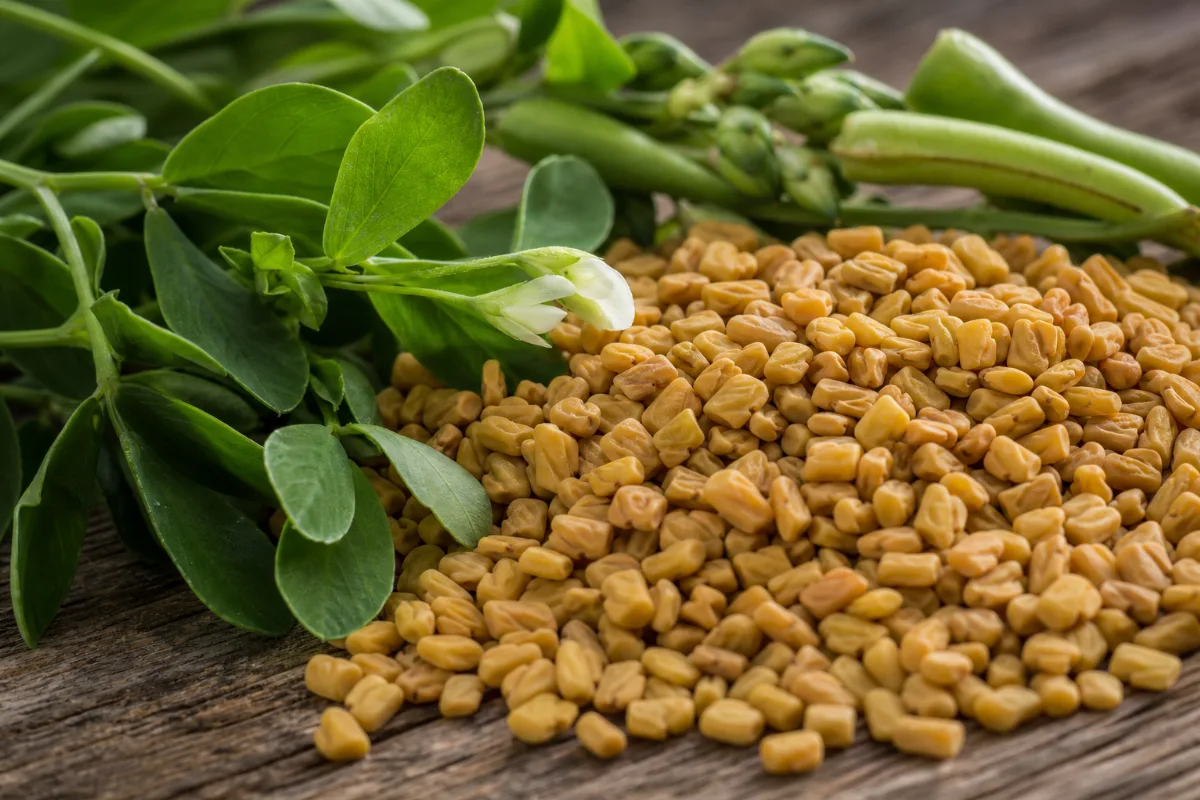
Fenugreek (Trigonella foenum-graecum) is a legume whose seeds are a familiar curry spice. The seeds are also sold as ground seed, seed extracts, fibre and milk-boosting teas. Its best-studied use is blood sugar in people with type 2 diabetes, rated low: several pooled analyses of small, mostly low-quality trials found modest falls, one did not, and the US National Center for Complementary and Integrative Health says there is not enough high-quality evidence. Cholesterol, after-meal blood sugar from fenugreek foods, menstrual pain and menopause symptoms are also low. Testosterone in men and breast milk supply are very low, and body weight is against. Safety matters more than for most spices: maple-syrup body odour, blood sugar lowering with diabetes drugs, allergy including cross-reaction with peanut and other legumes, an effect on warfarin in one case, and a recommendation against use in pregnancy, breastfeeding and under age 18. For amounts, ask a doctor or pharmacist.
What it is
Fenugreek (Trigonella foenum-graecum) is an annual plant of the legume family (Fabaceae), related to peanut, soya, chickpea and lentil. The plant name is accepted in the GBIF plant database.
The seed is the part nearly always used. Studies in this profile tested ground seed, seed extracts (including patented, branded ones), seed fibre or flakes, fenugreek-enriched bread, and mixed teas and capsules. No human trial of fenugreek leaf was found. Because the products differ so much, a result for one product cannot be assumed for another.
Traditional and current uses
A review says fenugreek has been used in Iran, India and China for centuries, including for diabetes, milk supply and period discomfort. We could not check a dated source. The EU lists traditional use of fenugreek seed for temporary loss of appetite and, as a poultice, for minor skin inflammation, based on long-standing use only.
Today fenugreek is mainly taken for blood sugar and cholesterol, milk supply, male vitality and testosterone, and menopause symptoms. Most of these uses rest on small trials, many of branded extracts.
What the research shows
Blood sugar has the most research: pooled analyses of up to 14 small trials mostly found modest falls in fasting sugar and HbA1c, with big differences between trials and one analysis that did not find a fasting-sugar fall. Cholesterol and triglycerides fell slightly on average. Weight and BMI did not change.
For testosterone, the newest 2026 analysis found a small rise in total testosterone, no clear change in free testosterone and very low certainty. For milk supply, a Cochrane review found the evidence low to very low. Menstrual pain and menopause symptoms improved in a few small trials, mostly of branded extracts. Almost all studies were read as abstracts only.
Who needs to be careful
People with peanut, soya, chickpea or other legume allergy should avoid fenugreek; the EU lists this as a contraindication. People taking diabetes medicines or warfarin should tell their doctor first. The EU does not recommend fenugreek in pregnancy, in breastfeeding, in women who could become pregnant without contraception, or under age 18.
A mother who takes fenugreek, or a baby of a mother who took it during labour, may smell of maple syrup. That smell is harmless but can be mistaken for a rare newborn disease, so tell the medical team.
At a glance
Traditional uses history, not proof
- Iran, India and China: a review says fenugreek seeds and leaves have been used in traditional medicine for centuries, for digestion, milk supply, period and menopause discomfort, blood sugar and cholesterol; the review gives no dated source in its abstract.
- European herbal medicine: the EU herbal monograph lists traditional use of the seed for temporary loss of appetite and, as a warm poultice, for minor skin inflammation, based on long-standing use rather than trials.
- Milk supply: used in many regions to increase breast milk, and found in many milk-boosting teas and capsules.
Studied for research
- Type 2 diabetes blood sugar, cholesterol and after-meal blood sugar, low
- Menstrual pain, menopause symptoms and male libido, low
- Testosterone in men, breast milk supply, blood pressure, women's libido, muscle, PCOS, appetite and prediabetes, very low
- Insulin resistance, mixed; body weight and BMI, against
- Fatty liver, type 1 diabetes, prostate symptoms, Alzheimer's and Parkinson's disease, insufficient
Main compounds
- Furostanol saponins such as protodioscin, and diosgenin: plant steroid compounds used to standardise extracts
- 4-hydroxyisoleucine: an amino acid that raised insulin release in lab studies of rat and human cells
- Seed gum and fibre (galactomannans): a thick fibre that may slow sugar absorption
- Trigonelline (an alkaloid) and sotolone (a flavour compound that gives the maple-syrup smell)
Common forms
- Whole or ground seed and seed tea
- Seed extracts, including branded extracts
- Seed fibre, flakes or fenugreek-enriched foods
- Milk-boosting teas, capsules and testosterone-booster blends that contain fenugreek among other ingredients
Research links: US National Center for Complementary and Integrative Health: Fenugreek · EU draft herbal monograph on fenugreek seed, revision 1 (European Medicines Agency) · Fenugreek and blood sugar: pooled analysis of 10 trials (abstract) · Fenugreek and testosterone in men: 2026 systematic review (abstract) · Oral milk boosters: Cochrane review (abstract) · Research Library · Genes & Biomarkers Library
The plant and its history
- Accepted scientific name
- Trigonella foenum-graecum L. (fenugreek)
- Naming authority
- L., published in Sp. Pl.: 777 (1753) (GBIF). NCBI authority string: Trigonella foenum-graecum L., 1753.
- Synonyms
- Trigonella foenum-graecum subsp. culta Gams; Medicago foenum-graecum (L.) E.H.L.Krause; Foenugraecum officinale Moench, 1794; Folliculigera foenum-graecum (L.) Pasq., 1867; Telis foenum-graecum (L.) Kuntze
- Common names
- Fenugreek (English); Greek hay (English); Alholva (Spanish); Fenogreco (Spanish); Fenugrec (French); Bockshornklee (German); Fieno greco comune (Italian); Feno-grego (Portuguese); मेथी (methi) (Hindi); حلبة (hulba) (Arabic); 胡芦巴 (hú lú bā) (Chinese)
- Botanical family
- Fabaceae (legume or pea family), the same family as peanut, soya, chickpea and lentil. This is why allergy cross-reaction with peanut and other legumes matters.
- Classification
- Plantae > Tracheophyta > Magnoliopsida > Fabales > Fabaceae > Trigonella > Trigonella foenum-graecum
- Native range
- A narrative review (Sun 2021) says fenugreek is native to parts of Iran to the north of India and is now grown in other regions. We did not verify this in a primary botanical source.
- Habitat
- Not verified in a source read for this file.
- What the plant looks like
- Roots: Not part of the medicinal use in the sources read.; Stems: Not verified in a source read.; Leaves: A narrative review (Sun 2021) says seeds and leaves are used in traditional medicine. No human trial of leaf was found.; Flowers: Not verified in a source read.; Fruit: The seed is the part used in the EU monograph and in nearly all trials: Ph. Eur. monograph for the herbal substance; the products are whole or powdered seed, dry extract (4:1, ethanol 20%) or soft extract (5-6:1, ethanol 60%).
- Cultivation
- Not verified from a source read.
- Harvest and processing
- Not verified in a source read. What is documented: EU traditional preparations of comminuted or powdered seed, tea or macerate, dry and soft extracts (EU draft monograph); trials used seed powder, hydroalcoholic extracts, branded extracts rich in furostanol saponins or protodioscin, defatted seed flakes, isolated seed fibre, and fenugreek-enriched breads.
- Look-alikes and adulterants
- Name: Other Trigonella species (for example Trigonella caerulea, "blue fenugreek", and Trigonella corniculata); Note: Accepted separate species in GBIF in the same family. Studies and products may name them; results for one species should not be carried over to fenugreek.; Name: Goat's rue (Galega officinalis); Note: Another Fabaceae milk-booster often sold in mixtures with fenugreek and fennel; a separate plant.; Name: Fennel (Foeniculum vulgare); Note: Often sold alongside fenugreek as a milk booster, but a different plant in the carrot family (Apiaceae).; Name: Mixed products; Note: Many milk-boosting teas and capsules and testosterone-booster blends contain fenugreek plus other ingredients; results are for the mixture.
- Sustainability and conservation
- Not verified. No IUCN assessment was retrieved.
The plant and the parts used

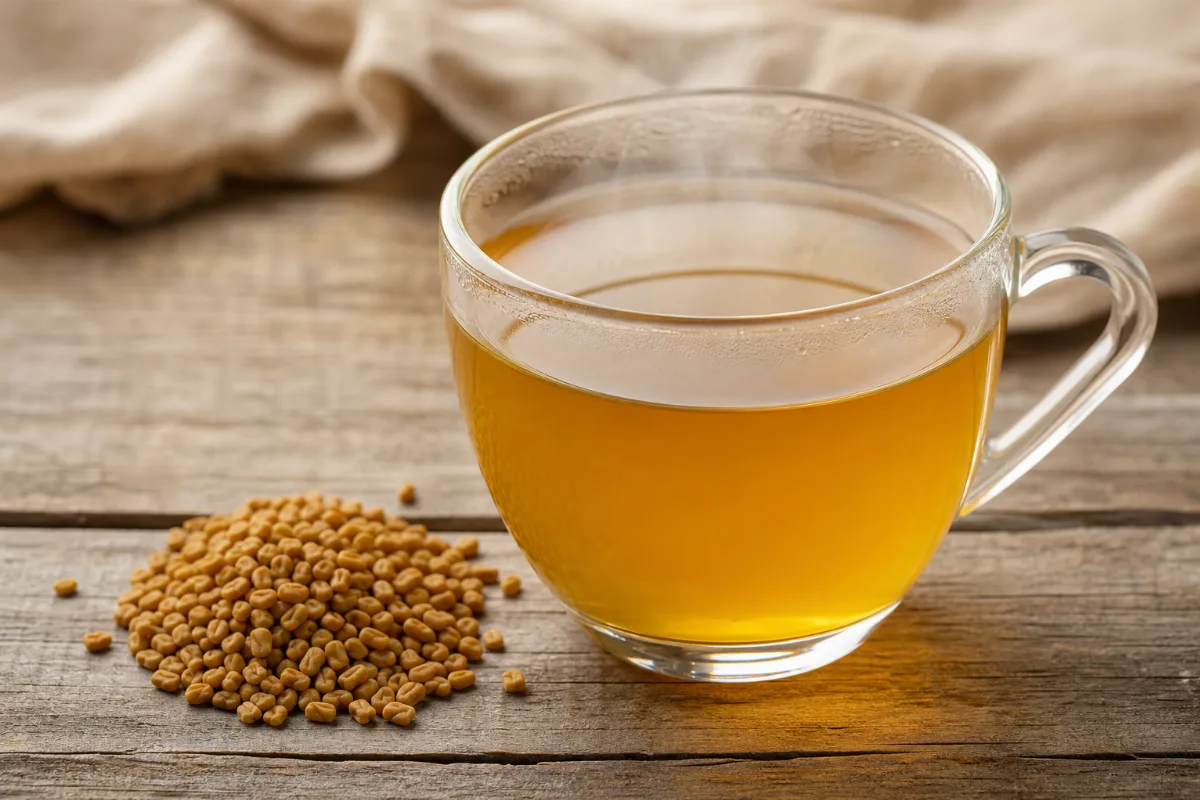
Traditional use and history history, not clinical proof
| Tradition or era | Documented use | Source |
|---|---|---|
| Iran, India and China, traditional medicine | A 2021 narrative review says fenugreek has been a notable multipurpose medicinal and traditional herb in Iran, India and China for centuries, with seeds and leaves traditionally used for digestion, milk supply, period and menopause discomfort, blood sugar and cholesterol. It cites no single dated source in the abstract; treat the dates as unverified. | p33245271 |
| Europe, EU traditional herbal medicine | The EU herbal monograph (first adopted 27 January 2011, revised in a March 2021 draft) lists two traditional-use indications for fenugreek seed: temporary loss of appetite (taken by mouth) and symptomatic treatment of minor skin inflammation (warm infusion applied as a cataplasm). The monograph says such use is based "exclusively on long-standing use" and not on clinical proof. | s-ema-hmpc-fenugreek-draft |
| Milk supply | LactMed says fenugreek has been used in many regions as a galactogogue (a milk booster) and is in many proprietary milk-boosting mixtures. | p30000838 |
| Diabetes in Asia | The first pooled analysis states fenugreek is widely used in cooking and as a traditional medicine for diabetes in Asia. | p24438170 |
| Modern science, from the 1990s | An early trial of defatted fenugreek seed in type 1 diabetes was published in 1990; the insulin-releasing amino acid 4-hydroxyisoleucine was isolated and described in 1998 (lab work). Wikipedia was not used for history. | p2194788 |
Traditional use shows how a plant was used. It does not show that a supplement works or is safe today.
What is inside, and how it may work
What the plant contains and how those compounds act in cells and animals. Laboratory and animal mechanisms are not proven effects in people.
Main compounds
| Compound | Family | Where it is concentrated | Activity studied | Level of evidence |
|---|---|---|---|---|
| Diosgenin PubChem 99474 | steroidal sapogenin | Seed | A plant steroid described in a 2023 review as mainly available in fenugreek and studied for effects on testosterone and strength. Its effects in people are not established. 40 101 | Pharmacological theory |
| Protodioscin (furostanol saponin) PubChem 441891 | steroidal saponin | Seed Branded extracts used in trials are enriched, for example "20% protodioscin" (Furosap) and an extract with a 3:1 protodioscin-to-trigonelline ratio (Khanna 2020); a different extract (Furocyst) is about 40% furostanol saponins. | Used to standardise extracts tested for testosterone, menopause and PCOS. Human effects of the pure compound are not shown. 53 44 87 101 | Controlled trial |
| Trigonelline PubChem 5570 | pyridine alkaloid | Seed | Named with protodioscin as a standardisation marker; a laboratory and animal compound studied for diabetes and brain effects. No human trial of the pure compound was found in our reading. 44 101 | Animal research |
| 4-Hydroxyisoleucine PubChem 2773624 | non-protein amino acid | Seed | Raised insulin release from rat and human pancreatic islets only when glucose was high, and improved glucose tolerance in rats and dogs. A candidate for part of fenugreek's sugar-lowering action but not shown in human trials. 77 13 101 | Laboratory research |
| Sotolone (sotolon) PubChem 62835 | furanone flavour compound | Seed | A flavour compound of fenugreek and also found in the urine of patients with maple syrup urine disease. Responsible for the maple-syrup smell in that disease; LactMed attributes the smell after fenugreek to it. 68 1 101 | Laboratory research |
| 2,5-Dimethylpyrazine PubChem 31252 | pyrazine | Appears in sweat after fenugreek tea | One of eight compounds that appeared in armpit sweat only after fenugreek and gave the best-perceived maple-syrup note in two men. 56 100 | Human data |
| Seed gum and fibre (galactomannans, mucilage) | polysaccharide fibre | Seed A review lists protein, fibre, gum, lipids, moisture, ash and starch as the main seed components; no percentages were checked. | Fibre thickens in the gut; used in food trials (bread, flakes, isolated fibre) that lowered the sugar rise after a meal or raised fullness. 86 72 22 55 | Controlled trial |
| Flavonoids and isoflavones (quercetin, luteolin, genistein, vitexin) | polyphenols | Seed | LactMed lists these among the seed compounds. Their role in human effects is not shown. 1 | Laboratory research |
Mechanisms, receptors and pathways
| Target or pathway | Gene or receptor | What was found | Level |
|---|---|---|---|
| Glucose-dependent insulin release from pancreatic beta cells | Insulin secretion (no single receptor identified in the abstracts) | 4-hydroxyisoleucine from fenugreek increased insulin release from isolated rat and human islets in a glucose-dependent way, and improved glucose tolerance in rats and dogs. This is lab and animal evidence; pooled human trials show only small changes in insulin resistance. 77 13 46 | Laboratory research |
| Slowed sugar absorption by seed fibre | Not applicable | Added fenugreek seed flour lowered the glycemic index of baked foods in healthy adults, consistent with a fibre effect in the gut. No trial in the sources read measured the mechanism. 72 52 22 | Pharmacological theory |
| Insulin sensitivity and melanin-concentrating hormone (MCH) | PMCH / MCH | In a clamp study in healthy volunteers the authors report improved insulin sensitivity that correlated with lower plasma MCH; abstract gives no numbers. 47 | Human data |
| Sex hormones | Testosterone, estradiol, FSH, SHBG | Trials of branded extracts reported small rises in total testosterone in men (pooled SMD 0.25 to 0.32) and rises in estradiol or free testosterone in women in some trials. Mechanism unknown; the idea that saponins slow testosterone breakdown is from case-report authors, not tested here. 92 40 79 44 70 | Human data |
| Prolactin and milk production | PRL | In 68 mothers of preterm babies fenugreek did not change prolactin, while milk volume was higher on day 7 but not on day 15. LactMed says some studies suggest insulin, prolactin and oxytocin changes but that the effect may be mostly psychological. 73 1 | Human data |
| Drug-metabolising enzymes | CYP2D6, CYP3A4 | Fenugreek extract blocked both enzymes in human liver microsomes at 50 to 100 microgram/ml, but in six volunteers taking the seed powder for a week, enzyme activity (urinary metabolite ratios) did not change significantly. 3 | Human data |
| Allergen cross-reaction with peanut | IgE binding to 7S vicilin and 11S legumin storage proteins | Fenugreek vicilin and legumin have homology to peanut allergens Ara h 1 and Ara h 3; IgE from peanut-allergic patients bound fenugreek proteins at 50 to 74 kDa. 24 23 | Laboratory research |
| Odour production | Not applicable | Sotolone is present in fenugreek and in the urine of patients with maple syrup urine disease; in sweat after fenugreek tea other compounds, notably 2,5-dimethylpyrazine, gave the best match to the odour. 68 56 | Human data |
Absorption, metabolism and elimination
- Absorption
- No human blood-level data for diosgenin, protodioscin, trigonelline or 4-hydroxyisoleucine after eating fenugreek were found in the sources read.
- Distribution
- Not established in humans.
- Metabolism
- Not established in humans. Odour compounds appear in urine and sweat after fenugreek, showing that some constituents or their products are excreted that way.
- Elimination
- Not found. LactMed says the maple-syrup odour appears in urine, sweat, faeces and possibly breast milk.
- Bioavailability
- Not established. Extract makers claim better bioavailability for branded extracts, but no study read measured it in people.
Isolated compounds versus whole extracts
No single compound has been shown to explain fenugreek's effects in people. Trials used whole seed powder (grams a day), seed fibre, defatted flakes, food products and branded extracts standardised to saponins or protodioscin (hundreds of milligrams a day). Results for one preparation cannot be assumed for another, and several extract trials involve the product makers.
Nutritional composition
Fenugreek seeds are rich in protein, fibre and gum (a narrative review lists protein, fibre, gum, lipids, moisture, ash and starch), but a nutrient table was not retrieved. Spice amounts in cooking are very small compared with the trial amounts. The seed gum and fibre content explains why large amounts cause gut effects.
1 mixed findings6 low certainty8 very low certainty4 not enough evidence1 evidence against
What was looked at
The 20 benefits and uses checked for Fenugreek, each with how strong the evidence is. Tap one to open it.
- Type 2 diabetes: blood sugar and HbA1cLow certainty
- Prediabetes: slowing the move to diabetesVery low certainty
- Blood sugar after a meal: fenugreek added to foodLow certainty
- Insulin resistance and insulin levelsMixed findings
- Cholesterol and blood fatsLow certainty
- Blood pressureVery low certainty
- Weight loss (body weight and BMI)Evidence against
- Fatty liver diseaseNot enough evidence
- Type 1 diabetesNot enough evidence
- Testosterone levels in menVery low certainty
- Male libido and sexual wellbeingLow certainty
- Women: sexual desire and arousalVery low certainty
- Muscle strength and exerciseVery low certainty
- Breast milk supplyVery low certainty
- Painful periodsLow certainty
- Menopause symptoms (hot flushes, night sweats, mood)Low certainty
- Polycystic ovary syndrome (PCOS)Very low certainty
- Appetite, fullness and fat intakeVery low certainty
- Prostate enlargement symptomsNot enough evidence
- Alzheimer's disease and Parkinson's diseaseNot enough evidence
Lab markers tracked in the studies
Fasting blood glucoseHbA1c (average blood sugar over about 3 months)Two-hour glucose after a sugar drink or mealFasting insulin and HOMA-IRTotal cholesterolLDL cholesterolHDL cholesterolTriglyceridesSystolic blood pressure (top number)Diastolic blood pressure (bottom number)Body weight and BMIWaist circumferenceTotal testosterone (men)Free testosterone (men)Estradiol (women)ProlactinBreast milk volumePSA (prostate-specific antigen)Period pain score (0 to 10)Menopause symptom scores and hot flushesLean body mass, fat mass and leg pressLibido and sexual function scoresFullness and fat intake
What is Fenugreek good for?
The main proposed uses and how strong the human evidence is for each. "Low" means small or inconsistent studies, "very low" means a single small or unclear study or reviewers who rate certainty very low, "mixed" means studies disagree, "against" means studies found no benefit, and "insufficient" means there is not enough to judge. Fenugreek in cooking is fine; these results come from specific seed products and extracts, and may not apply to cooking amounts or to other products.
Benefits, one by one
Each card is a research question, not a promise. Tap a goal to filter. Open a card to see the studies, doses and limits.
Type 2 diabetes: blood sugar and HbA1c
Low certaintyPooled analyses of small trials usually find that fenugreek seed products lower fasting blood sugar and HbA1c a little in people with type 2 diabetes. But the trials are small, short, of mixed quality and disagree a lot, and one 2023 analysis found no clear fall in fasting sugar. The US National Center for Complementary and Integrative Health says there is not enough high-quality evidence to say whether fenugreek helps diabetes.
14 studiesTrials used whole seed powder (about 2 to 25 g a day in the trials re…
Studies, doses and limits
What the trials found
Eight pooled analyses of randomized trials were read. Neelakantan 2014 (10 trials) found fasting glucose 0.96 mmol/l lower, 2-hour glucose 2.19 mmol/l lower and HbA1c 0.85 points lower, but with large disagreement and mostly low-quality trials; the effect was seen only at medium or high doses in people with diabetes. Gong 2016 (10 articles) and Kim 2023 (10 trials, 706 people) also found falls in fasting glucose, 2-hour glucose and HbA1c. Khodamoradi 2020 (12 articles) found fasting sugar 12.9 mg/dL lower and HbA1c 0.58 points lower. Correia 2023 and Kumar 2023 (network analysis) were also positive. Against that, Shabil 2023 (14 trials, 894 people) found HbA1c fell by 0.88 points but fasting and after-meal glucose did not clearly change. Suksomboon 2011 found HbA1c 1.13 points lower in a few trials with a very wide range. Single trials include an 8-week trial of whole seed powder (10 g a day) in 88 people with diabetes that reported falls in fasting glucose and HbA1c versus a starch placebo, a small trial of 9 finishers that found no clear fall in fasting glucose at 2 g a day, and a sponsor-linked 204-person trial that reported larger falls than drugs alone but is unclear on blinding.
Results
Most pooled analyses report modest falls in fasting glucose and HbA1c in people with type 2 diabetes. The size varies a lot between trials and the quality is mostly low.
Effect sizes as reported
Neelakantan 2014: fasting glucose -0.96 mmol/l (95% CI -1.52 to -0.40; I2 80%), 2-hour glucose -2.19 mmol/l, HbA1c -0.85 (-1.49 to -0.22). Khodamoradi 2020: fasting sugar -12.94 mg/dL, HbA1c -0.58 (-0.99 to -0.17). Shabil 2023: HbA1c -0.88 (-1.49 to -0.27); fasting glucose not clear.
Why this rating
Pooled analyses agree in direction, but the trials are small and mostly low quality, the preparations and amounts differ, disagreement between trials is high (I2 70 to 87% for glucose), and one analysis did not find a clear fasting-glucose fall. The reviewers themselves ask for better trials.
Form and dose studied
Trials used whole seed powder (about 2 to 25 g a day in the trials read), seed extracts (about 0.5 to 1 g a day) and food products. Results from one preparation cannot be carried over to another.
Who was studied
Adults with type 2 diabetes, many already on diabetes drugs; most trials in South Asia, Iran and the Middle East.
Limits
Small and short trials; low quality in most; different products; publication bias is possible; blood sugar numbers are not the same as fewer complications, which no trial measured.
Why researchers looked
Fenugreek seed is a traditional food and medicine for diabetes in South Asia, so many trials have tested it.
Traditional use
Used in South Asian and Middle Eastern cooking and traditional medicine, including for diabetes (Neelakantan 2014 abstract).
Proposed mechanism Laboratory research
Lab work shows an amino acid from the seed, 4-hydroxyisoleucine, makes isolated pancreatic islets from rats and humans release more insulin, but only when sugar is already high. The seed also holds a lot of gum fibre that may slow sugar uptake in the gut. These are lab and animal findings, not proven in people.
A proposed mechanism does not show that the effect happens in people.
Fenugreek can add to the blood-sugar-lowering effect of diabetes drugs (EMA advises monitoring). Mild stomach and gut upset is the main side effect in trials.
Prediabetes: slowing the move to diabetes
Very low certaintyThere are only a few trials in people with prediabetes. One 3-year trial reported fewer people moved on to diabetes on fenugreek, a 12-week extract trial lowered fasting and after-meal sugar, and a 6-month trial of a three-ingredient mix found no change. The best result comes from a trial without a proper placebo.
5 studiesWhole seed powder 10 g a day (Gaddam); a 500 mg a day extract (Picker…
Studies, doses and limits
What the trials found
Gaddam 2015 randomized 140 adults (66 fenugreek, 74 matched controls) for 3 years; the authors reported fewer conversions to diabetes (controls had 4.2 times the chance), with lower fasting and after-meal glucose and lower LDL. The control group does not appear to have taken a placebo. Pickering 2022 gave 54 people a specialised extract for 12 weeks versus placebo: fasting glucose, after-meal glucose and triglycerides differed, but HbA1c, insulin and C-peptide did not. Florentin 2019 (100 people, 6 months) tested a mix of fenugreek, olive leaf and bergamot and found no change in HbA1c, fasting glucose, insulin, HOMA-IR or lipids. The 2017 review of food plants for impaired glucose tolerance (Demmers) judged its fenugreek evidence low quality. Kiss 2018 reported better glucose tolerance after fenugreek in healthy volunteers, with no numbers in the abstract.
Results
Mixed: one open 3-year trial and one small extract trial were positive, one mixed-herb trial was null. None shows prevention of diabetes in a blinded trial.
Effect sizes as reported
Gaddam 2015: controls 4.2 times more likely to develop diabetes. Pickering 2022: fasting glucose p<0.001, after-meal glucose p=0.007, HbA1c p=0.41.
Why this rating
Three small trials point different ways, the longest is not placebo-controlled, and the null trial used a mixed product.
Form and dose studied
Whole seed powder 10 g a day (Gaddam); a 500 mg a day extract (Pickering); a three-ingredient mix (Florentin).
Who was studied
Adults with prediabetes.
Limits
Few trials; no blinded long-term trial; one trial tested a mixture; the diabetes-prevention result may not hold with a placebo.
Why researchers looked
People with prediabetes would like a way to prevent type 2 diabetes.
Traditional use
Same traditional use for diabetes as above.
Proposed mechanism Preliminary mechanism
Possible effects on insulin release and on slowing sugar absorption (laboratory and animal work); not shown to be the reason for benefit in people.
A proposed mechanism does not show that the effect happens in people.
Mild stomach and gut upset is the usual side effect; seek advice if you also take diabetes drugs.
Blood sugar after a meal: fenugreek added to food
Low certaintyAdding fenugreek seed powder or flakes to bread or meals lowered the rise in blood sugar after the meal in small short trials in healthy people and in people with diabetes. These are very small tests of one or a few meals.
3 studiesFenugreek seed powder as 5% to 10% of flour in bread; 30 g a day of f…
Studies, doses and limits
What the trials found
Robert 2016: ten healthy adults ate buns and flatbreads with 10% of the flour replaced by fenugreek seed powder; the glycemic index of the buns fell from 82 to 51 and of the flatbread from 63 to 43. Losso 2009: eight people with diet-controlled diabetes ate bread with 5% fenugreek flour; insulin area under the curve was lower (p<0.05) but glucose area was not significantly lower. Deshpande 2025: 15 people with type 2 diabetes finished a crossover trial of 30 g a day of defatted fenugreek flakes for 14 days; 24-hour sugar rise (p=0.02) and glucose swings (p=0.006) were lower; three authors work for the sponsor. Sharma 1990 gave 100 g a day of defatted seed to people with type 1 diabetes for 10 days (see separate entry).
Results
Lower after-meal sugar rise with fenugreek-enriched foods in tiny trials; taste and food quality can suffer at higher amounts.
Effect sizes as reported
Robert 2016: glycemic index of buns 82 to 51 and flatbread 63 to 43 with 10% fenugreek. Deshpande 2025: 24-hour iAUC p=0.02.
Why this rating
Consistent direction in three small trials, but each had 8 to 21 people, tested a few meals or 14 days, and one is sponsor-linked.
Form and dose studied
Fenugreek seed powder as 5% to 10% of flour in bread; 30 g a day of flakes.
Who was studied
Healthy adults and adults with type 2 diabetes.
Limits
Very small; short; different foods; finger-prick blood samples in one trial; no long-term outcomes.
Why researchers looked
Fenugreek seed is rich in gum fibre, which thickens in the gut, so food makers have tried adding it to breads and flakes.
Traditional use
Fenugreek is eaten as a spice and as sprouted or ground seed in many cuisines.
Proposed mechanism Pharmacological theory
The gum fibre may slow digestion and absorption of sugar. Shown mainly in lab and food-science work; the human trials here did not test the mechanism.
A proposed mechanism does not show that the effect happens in people.
Fibre-rich products can cause wind or loose stools.
Insulin resistance and insulin levels
Mixed findingsResults are mixed. Some trials reported lower insulin and better insulin resistance scores (HOMA-IR), and one pooled analysis found no clear fall in HOMA-IR. Other trials found insulin went up, not down.
7 studiesWhole seed 10 g a day; extracts about 0.5 to 1 g a day; fibre 4 to 8 …
Studies, doses and limits
What the trials found
Kim 2023 pooled 10 trials and found no significant fall in HOMA-IR. Rafraf 2014 (88 people with type 2 diabetes, 10 g a day of whole seed for 8 weeks) reported lower insulin (p=0.03) and HOMA-IR (p=0.004) and higher adiponectin. Gupta 2001 (25 people, 1 g a day of extract) reported lower insulin area under the curve and better insulin sensitivity. Hota 2024 reported insulin lower by over 10% on a branded extract (unclear blinding). Najdi 2019 (9 finishers) saw insulin rise (p=0.04). Pickering 2022 found no change in fasting insulin (p=0.12). Mathern 2009 found an 8 g fibre dose raised the insulin response after a breakfast in obese adults.
Results
Mixed direction between trials; a pooled analysis found no clear fall in HOMA-IR.
Effect sizes as reported
Rafraf 2014: HOMA-IR p=0.004. Kim 2023: HOMA-IR not significant.
Why this rating
Trials disagree on whether insulin goes up or down, and the pooled result for HOMA-IR is null.
Form and dose studied
Whole seed 10 g a day; extracts about 0.5 to 1 g a day; fibre 4 to 8 g in one meal.
Who was studied
Adults with type 2 diabetes or prediabetes, healthy adults.
Limits
Different products, small samples, insulin is a lab marker rather than a symptom.
Why researchers looked
Insulin resistance underlies type 2 diabetes and many studies measure it.
Proposed mechanism Preliminary mechanism
In lab work an amino acid from the seed raises insulin release when sugar is high; effects on insulin resistance in people are unproven.
A proposed mechanism does not show that the effect happens in people.
None specific beyond the general safety section.
Cholesterol and blood fats
Low certaintyPooled trials found small average falls in total cholesterol, LDL and triglycerides and a small rise in HDL after fenugreek seed products. The results come from small mixed-quality trials, many in people with diabetes, and the pooled results do not all agree.
10 studiesWhole seed or extract; amounts differ widely between trials.
Studies, doses and limits
What the trials found
Askarpour 2020 pooled 12 trials (560 people): total cholesterol -9.4 mg/dL, triglycerides -13.8 mg/dL, LDL -6.6 mg/dL, HDL +3.5 mg/dL; the LDL and triglyceride intervals came close to zero. Heshmat-Ghahdarijani 2020 pooled 15 trials and found falls in total cholesterol, LDL and triglycerides and a rise in HDL (units not stated in the abstract). Khodamoradi 2020: total cholesterol -9.1 mg/dL and LDL -11.1 mg/dL, no change in other measures. Gong 2016 found total cholesterol lower but triglycerides, LDL and HDL not clearly changed. Kim 2023 found total cholesterol, triglycerides and HDL improved but LDL did not. Fakhr 2023 (29 trials): triglycerides -20.1 mg/dL and HDL +3.6 mg/dL. Single trials: Pickering 2022 (triglycerides lower, total cholesterol/LDL/HDL not); Florentin 2019 (mixed product, no change); Geberemeskel 2019 (25 g twice a day for a month; large falls versus a metformin group). Rafraf 2014: total cholesterol and triglycerides lower, LDL and HDL not.
Results
Small average improvements in total cholesterol, triglycerides, and in some analyses LDL and HDL; analyses disagree on which markers move.
Effect sizes as reported
Askarpour 2020: TC -9.4 mg/dL, TG -13.8, LDL -6.6, HDL +3.5. Fakhr 2023: TG -20.12 mg/dL (-34.24 to -5.99), HDL +3.55 mg/dL.
Why this rating
Direction is mostly consistent across pooled analyses, but the effects are small, analyses disagree about LDL and triglycerides, trials are small and mostly low quality, and reviewers say trials in people with high blood fats are needed. No trial measured heart attacks or strokes.
Form and dose studied
Whole seed or extract; amounts differ widely between trials.
Who was studied
Mostly adults with type 2 diabetes or metabolic problems.
Limits
Mixed populations; short; results are blood tests, not heart outcomes.
Why researchers looked
Fenugreek is eaten as a fibre-rich seed that may bind bile acids, and trials often measured blood fats alongside blood sugar.
Traditional use
Used traditionally as a general tonic; claims about cholesterol come from modern study.
Proposed mechanism Animal research
Gum fibre may bind bile acids in the gut and the saponins may reduce cholesterol uptake. Shown in animals and lab work, not proven in people.
A proposed mechanism does not show that the effect happens in people.
No extra safety concerns beyond the general safety section.
Blood pressure
Very low certaintyPooled trials found a small average fall in the top (systolic) blood pressure number of roughly 3 to 3.5 mmHg, and no clear fall in the bottom number. That is much smaller than a blood pressure pill.
3 studiesSeed amounts of 15 g a day or more in the subgroup that looked best (…
Studies, doses and limits
What the trials found
Amini 2023 pooled 6 trials (373 people) and found systolic pressure about 3.5 mmHg lower (CI -6.33 to -0.59) and diastolic pressure not clearly changed. Fakhr 2023 (29 trials) found systolic pressure 3.45 mmHg lower (CI -6.38 to -0.52) and diastolic pressure not significantly changed. Hadi 2020 (50 people with type 2 diabetes, 15 g a day for 8 weeks) saw a fall in systolic pressure within the fenugreek group.
Results
A small average fall in systolic pressure. No convincing fall in diastolic.
Effect sizes as reported
Fakhr 2023: SBP -3.45 mmHg (-6.38 to -0.52); DBP not significant. Amini 2023: SBP about -3.5 mmHg.
Why this rating
The effect is small, the intervals come close to zero, few trials measured pressure carefully, and the amounts and durations vary. One pooled analysis printed its sign inconsistently in the abstract.
Form and dose studied
Seed amounts of 15 g a day or more in the subgroup that looked best (Amini 2023).
Who was studied
Adults, often with diabetes or metabolic problems.
Limits
Only 6 trials in one analysis; blood pressure not the main aim of most trials.
Why researchers looked
Blood pressure was measured in trials of people with metabolic problems.
Proposed mechanism Preliminary mechanism
No clear mechanism has been shown in people.
A proposed mechanism does not show that the effect happens in people.
People on blood pressure drugs should not stop them. Fenugreek has not been tested as a blood pressure treatment.
Weight loss (body weight and BMI)
Evidence againstPooled analyses found no change in body weight or BMI after fenugreek. Waist size was a little smaller in one analysis. Fenugreek has not been shown to help people lose weight.
3 studiesVarious.
Studies, doses and limits
What the trials found
Askarpour 2020 (12 trials): body weight +0.22 kg (CI -0.51 to 0.96) and BMI +0.09 (CI -0.24 to 0.43), no change. Fakhr 2023 (29 trials): BMI -0.40 kg/m2 (CI -1.11 to 0.32), not significant; waist circumference 2.5 units smaller (CI -3.78 to -1.24). Kim 2023: BMI did not change. Hadi and Pickering found no weight changes in their trials.
Results
No effect on body weight or BMI; a small fall in waist size in one analysis.
Effect sizes as reported
Askarpour 2020: weight +0.223 kg (-0.509 to 0.955); BMI +0.091 (-0.244 to 0.426). Fakhr 2023: waist -2.51 (-3.78 to -1.24).
Why this rating
Three pooled analyses found no change in weight or BMI.
Form and dose studied
Various.
Who was studied
Adults.
Limits
Waist result from one analysis only; follow-up short.
Why researchers looked
Fenugreek fibre may make people feel full, so weight was tested.
Traditional use
Sometimes marketed for weight loss.
Proposed mechanism Pharmacological theory
Fibre may increase fullness; see the appetite entry for the small trials.
A proposed mechanism does not show that the effect happens in people.
Do not use fenugreek for weight loss in place of medical care.
Fatty liver disease
Not enough evidenceOne small pilot trial of 30 people found no difference from placebo. That is the only trial read, so there is not enough evidence.
1 studies1 g a day of a hydroalcoholic seed extract.
Studies, doses and limits
What the trials found
Babaei 2020 randomized 30 adults with fatty liver disease (24 finished) to 1 g a day of seed extract or placebo for 3 months. Changes in ALT, scan scores, liver stiffness and weight did not differ between the groups. A 2026 network meta-analysis of plant extracts for fatty liver exists in PubMed but was not read.
Results
No benefit detected in one small pilot trial.
Effect sizes as reported
No significant differences.
Why this rating
One pilot trial with 30 people could miss a modest effect.
Form and dose studied
1 g a day of a hydroalcoholic seed extract.
Who was studied
Adults with fatty liver disease.
Limits
Tiny sample; short.
Why researchers looked
Fatty liver is linked to diabetes and high cholesterol, which fenugreek has been tested in.
Proposed mechanism Preliminary mechanism
No mechanism shown in people.
A proposed mechanism does not show that the effect happens in people.
No liver harm was seen in this trial. See the liver section of the safety file.
Type 1 diabetes
Not enough evidenceThe only trial read is a small 1990 study using a very large food-level amount of defatted seed for 10 days. It reported lower blood sugar and cholesterol. This is too little evidence, and fenugreek must never replace insulin.
1 studies100 g of defatted seed powder a day, split into two meals (this is fa…
Studies, doses and limits
What the trials found
Sharma 1990 gave people with insulin-dependent (type 1) diabetes isocaloric diets with and without 100 g a day of defatted fenugreek seed powder for 10 days each, in random order. The abstract reports lower fasting blood sugar, better glucose tolerance, 54% less sugar lost in the urine over 24 hours, and lower total, LDL and VLDL cholesterol and triglycerides; HDL did not change. The number of people is not stated.
Results
Reported improvement in a short 1990 trial; no newer trial was found.
Effect sizes as reported
24-hour urine glucose down 54%.
Why this rating
One old short trial of unstated size with a very large amount of seed.
Form and dose studied
100 g of defatted seed powder a day, split into two meals (this is far above normal food use).
Who was studied
People with type 1 diabetes.
Limits
Old, small, short; the dose is a very large food amount.
Why researchers looked
Early research tested fenugreek in people who need insulin.
Traditional use
Traditional use for diabetes in general.
Proposed mechanism Preliminary mechanism
No mechanism shown in people.
A proposed mechanism does not show that the effect happens in people.
People who use insulin could have low blood sugar if they change their diet or add fenugreek; talk to a doctor first.
Testosterone levels in men
Very low certaintyPooled analyses find a small average rise in total testosterone with fenugreek extracts, but the best 2026 analysis rates the evidence very low in certainty, found no clear change in free testosterone, and says it does not support testosterone-boosting claims. Several trials were small or run by the product makers.
9 studiesBranded seed extracts (for example Testofen, Furosap, Fenu-FG, Trigoz…
Studies, doses and limits
What the trials found
Yang 2026 (13 randomized placebo-controlled trials; 6 in the total-testosterone analysis) found a small favourable effect on total testosterone (SMD 0.25, CI 0.02 to 0.48, I2 0%) and no clear effect on free testosterone (SMD 0.08, CI -0.48 to 0.63, I2 66.7%); none of the 13 trials was low risk of bias and certainty was very low (GRADE). Mansoori 2020 (4 trials) reported a significant effect on total testosterone with no numbers in the abstract. Isenmann 2023 (7 studies, 449 people, mostly male athletes) found total testosterone SMD 0.32 (CI 0.09 to 0.55) and free testosterone SMD 0.24 (CI -0.04 to 0.52). Smith 2021 (32 herb trials in men) named fenugreek seed extracts and ashwagandha as having positive effects, and noted only 6 of 32 studies had low risk of bias. Individual trials: Lee-Ødegård 2024 (95 men aged 40 to 80, 12 weeks, extract with essential nutrients) found blood total testosterone up 9.0% versus placebo (not significant) but saliva testosterone up 37.2% versus placebo (p=0.042); that trial was run by its funder. Wankhede 2016 (60 men, 8 weeks of resistance training) reported higher testosterone on a glycoside fraction. Rao 2020 (100 men with prostate enlargement) found hormones unchanged. Furosap studies (50 and 100 men, open-label, no control group) reported testosterone rises but cannot show cause; their authors are linked to the extract developer.
Results
A small average rise in total testosterone in healthy or recreationally active men; free testosterone not clearly changed.
Effect sizes as reported
Yang 2026: total T SMD 0.25 (0.02 to 0.48); free T SMD 0.08 (-0.48 to 0.63). Isenmann 2023: total T SMD 0.32 (0.09 to 0.55).
Why this rating
The reviewers of the newest analysis rate it very low certainty; none of 13 trials was low risk of bias; many trials are of branded extracts and some are sponsored or open-label.
Form and dose studied
Branded seed extracts (for example Testofen, Furosap, Fenu-FG, Trigozim), about 300 to 1,800 mg a day in the trials read. Not comparable between products.
Who was studied
Mostly healthy younger or middle-aged men; few men with confirmed low testosterone.
Limits
Small trials, product-linked authors, free testosterone unclear, no trial of men with low testosterone and symptoms.
Why researchers looked
Fenugreek saponins such as protodioscin and diosgenin are marketed as testosterone supports, so many branded extracts were tested.
Traditional use
Fenugreek is used in traditional medicine for male and female reproductive health (a narrative review, Sun 2021).
Proposed mechanism Pharmacological theory
The proposed idea is that saponins affect the enzymes that break down testosterone or its conversion. The EMA draft notes only animal reproductive toxicity. No mechanism has been shown in men.
A proposed mechanism does not show that the effect happens in people.
Case reports of lung blood clots in men taking fenugreek-containing testosterone supplements exist (see safety file); cause is unproven.
Male libido and sexual wellbeing
Low certaintyTwo small placebo-controlled trials in healthy men reported better libido scores or "aging male" symptom scores. Open-label studies reported better sexual health but cannot show cause. The newest analysis says current evidence does not support testosterone-boosting or sexual claims.
5 studiesTestofen 600 mg a day; seed extract 400 or 500 mg a day.
Studies, doses and limits
What the trials found
Steels 2011 randomized 60 healthy men aged 25 to 52 (no erectile dysfunction) to Testofen (fenugreek extract plus minerals; 600 mg a day) or placebo for 6 weeks: sexual arousal and orgasm scores improved, mood and sleep did not, and testosterone and prolactin stayed in range. Hausenblas 2020 (57 healthy young men, 400 or 500 mg a day for 60 days) reported better aging-male symptoms, anxiety, grip strength and quality of life; the abstract gives no numbers. Maheshwari 2017 and Sankhwar 2023 (open-label, no control group, extract developer-linked) reported improved libido and sexual health. Yang 2026 descriptively summarised sexual function across trials and concluded the evidence does not support commercial claims.
Results
Reported improvements in libido questionnaires in two small trials of healthy men.
Effect sizes as reported
Steels 2011: sexual arousal and orgasm domains significantly higher than placebo (numbers not in abstract).
Why this rating
Two placebo-controlled trials point the same way, but both are small, short, in healthy men and use branded extracts; open-label studies add little.
Form and dose studied
Testofen 600 mg a day; seed extract 400 or 500 mg a day.
Who was studied
Healthy men, ages 25 to 52 in the placebo trials.
Limits
Healthy volunteers, not men with sexual problems; no numbers in abstracts; self-reported scores.
Why researchers looked
Fenugreek is sold for male vitality.
Traditional use
Traditional use for reproductive health.
Proposed mechanism Pharmacological theory
Unknown. The idea that it works through testosterone is not confirmed.
A proposed mechanism does not show that the effect happens in people.
See safety file for hormone-sensitive conditions and blood clots.
Women: sexual desire and arousal
Very low certaintyOne 8-week placebo-controlled trial of 80 healthy women with low sexual drive reported higher desire and arousal scores and a rise in free testosterone and estradiol. No other trial was found.
1 studiesLibifem 600 mg a day for 8 weeks.
Studies, doses and limits
What the trials found
Rao 2015 randomized 80 healthy menstruating women aged 20 to 49 with low sexual drive to 600 mg a day of the extract Libifem or placebo for two menstrual cycles. Free testosterone and estradiol rose, and sexual desire and arousal were higher than with placebo.
Results
Higher desire and arousal scores in one trial; changes in sex hormones.
Effect sizes as reported
Significant increases in free testosterone, estradiol, desire and arousal (numbers not in abstract).
Why this rating
One small trial of a branded extract; no replication.
Form and dose studied
Libifem 600 mg a day for 8 weeks.
Who was studied
Healthy menstruating women aged 20 to 49 reporting low sexual drive.
Limits
Single site; short; abstract gives no numbers. A rise in estradiol and testosterone is a hormone effect.
Why researchers looked
Fenugreek extract was tested for effects on sex hormones in women.
Traditional use
Traditional use for female reproductive health.
Proposed mechanism Preliminary mechanism
Unknown; the hormone changes seen in this trial are not a proven reason for the benefit.
A proposed mechanism does not show that the effect happens in people.
Hormone changes mean women with hormone-sensitive conditions should ask a doctor first.
Muscle strength and exercise
Very low certaintySmall studies, mainly in male athletes, hint at slightly better strength and body composition, but most of the measures were not statistically clear in the pooled analysis.
4 studiesSeed extracts and glycoside fractions (about 600 mg a day in the tria…
Studies, doses and limits
What the trials found
Isenmann 2023 pooled 7 studies (449 people, 378 men): lean body mass SMD 0.19 (CI -0.10 to 0.49), fat mass SMD -0.19 (CI -0.44 to 0.05) and leg press SMD 0.22 (CI -0.02 to 0.47), all with intervals that include zero. Albaker 2023 reviewed 6 trials: four reported better strength, endurance, lean mass or body fat, two small trials (under 10 people) were weak. Wankhede 2016 (60 men, 8 weeks of resistance training) reported better body fat without loss of strength. Hausenblas 2020 reported better grip strength in healthy men.
Results
Small hints of benefit not confirmed by pooled intervals.
Effect sizes as reported
Isenmann 2023: lean mass SMD 0.19 (-0.10 to 0.49); leg press 0.22 (-0.02 to 0.47).
Why this rating
Intervals include zero for strength and body composition; trials small and short; branded extracts.
Form and dose studied
Seed extracts and glycoside fractions (about 600 mg a day in the trial read in more detail).
Who was studied
Mostly young male recreational athletes.
Limits
Few women; sponsor ties; short; The review of Albaker notes doping and kidney or liver concerns need awareness.
Why researchers looked
Fenugreek glycosides are marketed to athletes.
Proposed mechanism Pharmacological theory
Possible hormone effect (unproven).
A proposed mechanism does not show that the effect happens in people.
See safety file.
Breast milk supply
Very low certaintyFenugreek is widely used by breastfeeding mothers to boost milk, but the evidence is very uncertain. A Cochrane review rated the evidence low to very low, small trials of fenugreek tea or capsules reported more milk, and a trial of cookies found no effect. LactMed notes the effect may be mostly psychological and that safety data are limited.
9 studiesTea, capsules (500 mg three times a day in one trial), mixtures and c…
Studies, doses and limits
What the trials found
The Cochrane review (Foong 2020; 41 trials, 3,005 mothers) found natural galactagogues including fenugreek too varied to pool; certainty low to very low; it is very uncertain whether fenugreek improves infant weight. Khan 2018 (network analysis, 5 studies, 122 women on fenugreek) found more milk than placebo but less than Coleus amboinicus and palm date. Mortel 2013 (6 trials of herbs) made no recommendation to use herbs. Trials: Turkyilmaz 2011 (66 mothers, herbal tea containing fenugreek) found more milk on day 3 and quicker regain of birth weight. Rouhi 2025 (68 mothers of preterm babies, 500 mg three times a day) found more milk on day 7 but no difference by day 15 and no change in prolactin. Bumrungpert 2018 (50 mothers, fenugreek-ginger-turmeric mixture) found milk volume up 49% at week 2 and 103% at week 4. Palacios 2023 (176 parents, cookies with fenugreek and other ingredients) found no effect. Wagner 2019 (60 mothers) tested the safety of a multi-herb tea and found no adverse effects attributable to it.
Results
Some small trials show more milk; the best-quality review rates the evidence very uncertain; one trial with food-type use found no effect.
Effect sizes as reported
Khan 2018 (network analysis): fenugreek versus placebo 11.11 (CI 6.77 to 15.46; units not given). Palacios 2023: milk production difference -0.33 mL/h (not significant).
Why this rating
Cochrane rates certainty low to very low; trials are small, short, often combine herbs and measure milk in different ways.
Form and dose studied
Tea, capsules (500 mg three times a day in one trial), mixtures and cookies.
Who was studied
Breastfeeding mothers, including mothers of preterm babies.
Limits
Mixed products; short follow-up; effect on infant growth unclear.
Why researchers looked
Fenugreek is one of the most common traditional milk boosters worldwide.
Traditional use
Used in many regions to increase milk supply (LactMed).
Proposed mechanism Preliminary mechanism
Proposed effects on insulin, prolactin and oxytocin are reported in some studies but are not established; LactMed says the effect may be mostly psychological.
A proposed mechanism does not show that the effect happens in people.
Maple-syrup odour of urine and sweat in mother and baby, rare severe skin and allergy reactions, and low-sugar concerns; infants: see safety file.
Painful periods
Low certaintySmall trials found less period pain than placebo and about the same relief as a standard painkiller, but the pooled evidence is rated low quality and "highly uncertain".
4 studiesSeed powder capsules taken in the first days of the period (900 mg ca…
Studies, doses and limits
What the trials found
Hassanzadeh 2024 (4 trials) found pain lower than placebo (SMD -2.21, CI -3.26 to -1.17) and no difference from mefenamic acid; GRADE low quality, effect "highly uncertain". The Cochrane review (Pattanittum 2016; 27 trials of supplements) judged all evidence low or very low; for fenugreek one trial of 101 women gave very limited evidence (-1.71 points on a 0 to 10 scale, CI -2.35 to -1.07). Younesy 2014 (101 students, 900 mg capsules, 2 to 3 three times a day for the first three days of the period, 2 cycles) found larger pain reduction than placebo (p<0.001). Inanmdar 2016 (60 women, open-label) found pain down about 66.9% with 3 g twice a day, 66.5% with cupping added and 62.9% with mefenamic acid.
Results
Less period pain than placebo in small trials; similar to mefenamic acid in two comparisons.
Effect sizes as reported
Hassanzadeh 2024: SMD -2.21 (-3.26 to -1.17) versus placebo. Cochrane: -1.71 points (-2.35 to -1.07), one trial.
Why this rating
GRADE low in the 2024 analysis; Cochrane very limited; students in Iran and India; the open trial had no placebo.
Form and dose studied
Seed powder capsules taken in the first days of the period (900 mg capsules, or 3 g twice a day, in the trials).
Who was studied
Young women with primary period pain.
Limits
Few trials; one-country; open-label trial included.
Why researchers looked
Fenugreek seed is a traditional remedy for period pain.
Traditional use
Traditional use in Iranian and Unani medicine (the trials come from these traditions).
Proposed mechanism Preliminary mechanism
Possible anti-inflammatory action (lab and animal ideas only).
A proposed mechanism does not show that the effect happens in people.
Not for use in pregnancy (see safety file). Pain that is severe or new needs a doctor.
Menopause symptoms (hot flushes, night sweats, mood)
Low certaintyThree small placebo-controlled trials of branded extracts in women around menopause reported fewer hot flushes and night sweats and better scores for mood and quality of life. Two of them also saw rises in estradiol. None has been replicated by an independent team.
4 studiesExtracts of 250 to 1,000 mg a day for 6 to 13 weeks.
Studies, doses and limits
What the trials found
Steels 2017 (115 women aged 40 to 65, 600 mg a day de-husked seed extract, 12 weeks) found better total menopause quality-of-life scores and fewer hot flushes and night sweats than placebo; estradiol did not differ. Begum 2016 (88 women, 1000 mg a day husk extract, 90 days) found plasma estradiol up 120% and better symptoms; 32% reported no hot flashes afterwards. Khanna 2020 (48 women, 250 mg twice a day, 42 days) reported hot flashes down 25.9%, night sweats 26.5%, depression 31.8%, insomnia 21.6%, with estradiol up 18.9% and FSH down 38.2%. Safary 2020 (60 postmenopausal women) found a fenugreek vaginal cream improved signs of vaginal thinning but less than a low-dose estrogen cream.
Results
Fewer hot flushes and better symptom scores than placebo in three small trials of three different branded extracts.
Effect sizes as reported
Khanna 2020: hot flashes -25.9%, night sweats -26.5% (within the extract group, 6 weeks). Begum 2016: estradiol +120%.
Why this rating
Consistent direction in three placebo-controlled trials, but each has 24 to 59 per group, a different extract, short duration and no independent replication.
Form and dose studied
Extracts of 250 to 1,000 mg a day for 6 to 13 weeks.
Who was studied
Women with menopause symptoms.
Limits
Different products; self-reported scores; a big rise in estradiol in one trial is itself a safety question.
Why researchers looked
Fenugreek extracts are marketed for women in menopause.
Traditional use
Traditional use for female hormone health.
Proposed mechanism Preliminary mechanism
Some trials report changes in estradiol, testosterone, FSH and SHBG; the clinical meaning is unclear.
A proposed mechanism does not show that the effect happens in people.
Women with breast or other hormone-sensitive cancers or conditions should ask their doctor before using fenugreek extracts.
Polycystic ovary syndrome (PCOS)
Very low certaintyStudies of one patented extract (Furocyst) reported smaller ovarian cysts and more regular periods, but two of the three studies had no placebo group and all are from the product developers.
3 studiesFurocyst 1000 mg a day for 90 days or 12 weeks.
Studies, doses and limits
What the trials found
Swaroop 2015 (50 women, open-label, no control, 90 days) reported smaller ovary volume, cysts shrinking in about 46% and 71% reporting regular cycles. Sankhwar 2023 (107 women, single group, 12 weeks) reported over 40% smaller cysts. Singh 2023 (208 women, double-blind versus placebo) reported fewer cysts, smaller ovaries, less hirsutism and lower free testosterone; the abstract gives no numbers.
Results
Reported improvement in cysts, hormones and periods from one product.
Effect sizes as reported
Swaroop 2015: 71% reported return of regular cycle; no control group.
Why this rating
One branded extract, trials from the developer group, two without a control group, abstract of the randomized trial gives no numbers.
Form and dose studied
Furocyst 1000 mg a day for 90 days or 12 weeks.
Who was studied
Premenopausal women with PCOS.
Limits
No independent trial; not compared with standard PCOS care.
Why researchers looked
A branded fenugreek extract was developed for PCOS.
Proposed mechanism Preliminary mechanism
Unknown.
A proposed mechanism does not show that the effect happens in people.
PCOS needs medical care; do not replace treatment.
Appetite, fullness and fat intake
Very low certaintyTiny short trials suggest fenugreek fibre may make people feel fuller and a seed extract may slightly lower the fat people eat, but weight did not change.
3 studiesIsolated fibre 4 to 8 g in one meal; extract 588 to 1176 mg a day.
Studies, doses and limits
What the trials found
Mathern 2009 (18 obese adults, crossover) found 8 g of isolated fenugreek fibre increased fullness and lowered hunger after breakfast; lunch intake was lower than after 4 g but not significantly lower than control; taste ratings fell as the fibre dose rose. Chevassus 2009 (12 healthy men, 588 or 1176 mg a day, crossover) found the higher dose cut daily fat intake by 17.3% (p=0.038). Chevassus 2010 (39 overweight men, 6 weeks) found a slight fall in fat intake relative to energy expenditure (0.26 vs 0.30, p=0.032) but no effect on weight or appetite scores. Note the EMA monograph lists temporary loss of appetite as a traditional use for fenugreek, the opposite direction, so the effect on appetite is unclear.
Results
Small short-term effects on fullness and fat intake; weight unchanged.
Effect sizes as reported
Chevassus 2009: fat intake -17.3% (CI for MJ/day difference -1.51 to -0.05).
Why this rating
Three tiny trials, men only, short; appetite findings conflict with traditional appetite-stimulating use.
Form and dose studied
Isolated fibre 4 to 8 g in one meal; extract 588 to 1176 mg a day.
Who was studied
Obese adults, healthy and overweight men.
Limits
Tiny, short, men only.
Why researchers looked
The seed fibre swells and may fill the stomach.
Traditional use
Fenugreek is eaten as a spice and is also taken to stimulate appetite (the EMA monograph lists traditional use for temporary loss of appetite).
Proposed mechanism Pharmacological theory
Fibre may slow stomach emptying; extracts may change eating behaviour; mostly animal and theoretical.
A proposed mechanism does not show that the effect happens in people.
Fibre can cause wind and loose stools.
Prostate enlargement symptoms
Not enough evidenceOne 12-week placebo-controlled trial of 100 men with prostate enlargement symptoms found no improvement.
1 studies600 mg a day extract.
Studies, doses and limits
What the trials found
Rao 2020 randomized 100 men aged 45 to 80 with prostate symptoms (score of at least 8) to 600 mg a day of a standardised extract or placebo for 12 weeks: symptoms did not improve, and hormones, PSA and safety markers stayed unchanged.
Results
No benefit for prostate symptoms.
Effect sizes as reported
No effect on International Prostate Symptom Score.
Why this rating
One trial, null result.
Form and dose studied
600 mg a day extract.
Who was studied
Men with benign prostate enlargement.
Limits
One trial.
Why researchers looked
Fenugreek extract was tested in men with benign prostate enlargement.
Proposed mechanism Preliminary mechanism
None shown.
A proposed mechanism does not show that the effect happens in people.
PSA stayed unchanged in this trial.
Alzheimer's disease and Parkinson's disease
Not enough evidenceTwo small trials in Iran and India reported better memory scores in Alzheimer's disease and slower worsening of Parkinson's scores. The reports are preliminary: one compared with the group's own start instead of with placebo, and neither has been repeated.
2 studies5 cc extract daily (Alzheimer's trial); 300 mg twice a day (Parkinson…
Studies, doses and limits
What the trials found
Foroumandi 2023 (82 people with mild to moderate Alzheimer's in care homes, 5 cc of seed extract for 4 months versus placebo) reported higher memory and quality-of-life scores, lower depression and blood pressure, and better antioxidant markers compared with their own baselines. Nathan 2014 (50 people with Parkinson's on L-dopa, 300 mg of extract twice a day for 6 months versus placebo) reported a slower rise in total UPDRS score (0.098% vs 13.36%) and good safety.
Results
Reported benefits in two preliminary trials.
Effect sizes as reported
Nathan 2014: UPDRS rose 0.098% (extract) vs 13.36% (placebo).
Why this rating
Two small trials of different extracts, one with within-group comparisons; no replication.
Form and dose studied
5 cc extract daily (Alzheimer's trial); 300 mg twice a day (Parkinson's trial).
Who was studied
People with Alzheimer's or Parkinson's.
Limits
Preliminary; do not substitute for medicines.
Why researchers looked
Fenugreek has antioxidant compounds studied in brain-disease models.
Proposed mechanism Animal research
Mostly animal and lab ideas (antioxidant action, trigonelline); not proven in people.
A proposed mechanism does not show that the effect happens in people.
Tell the medical team about any herb used with Parkinson's or dementia drugs.
Connections to the rest of health
How Fenugreek connects to the rest of our health knowledge graph. Every link says what kind of connection it is. A safety link (for example to the liver) is a warning, not a benefit. A study that merely mentions a topic never creates a benefit link.
Explore every connection: goals, body systems, organs, symptoms, genes
A. Wellness goals
| Connected to | Kind of connection | Evidence status | Context | Studies |
|---|---|---|---|---|
| Blood Sugar Balance | Potential benefit | Low certainty | Type 2 diabetes: blood sugar and HbA1c: Pooled analyses of small trials usually find that fenugreek seed products lower fasting blood sugar and HbA1c a little in people with type 2 diabetes. But the trials are small, short, of mixed quality and disagree a lot, and one 2023 analysis found no clear fall in fasting sugar. The US National Center for Complementary and Integrative Health says there is not enough high-quality evidence to say whether fenugreek helps diabetes. Prediabetes: slowing the move to diabetes: There are only a few trials in people with prediabetes. One 3-year trial reported fewer people moved on to diabetes on fenugreek, a 12-week extract trial lowered fasting and after-meal sugar, and a 6-month trial of a three-ingredient mix found no change. The best result comes from a trial without a proper placebo. | 61 31 46 78 20 49 85 45 69 33 59 38 32 25 29 67 26 21 47 72 52 22 80 |
| Metabolic Health | Potential benefit | Low certainty | Type 2 diabetes: blood sugar and HbA1c: Pooled analyses of small trials usually find that fenugreek seed products lower fasting blood sugar and HbA1c a little in people with type 2 diabetes. But the trials are small, short, of mixed quality and disagree a lot, and one 2023 analysis found no clear fall in fasting sugar. The US National Center for Complementary and Integrative Health says there is not enough high-quality evidence to say whether fenugreek helps diabetes. Prediabetes: slowing the move to diabetes: There are only a few trials in people with prediabetes. One 3-year trial reported fewer people moved on to diabetes on fenugreek, a 12-week extract trial lowered fasting and after-meal sugar, and a 6-month trial of a three-ingredient mix found no change. The best result comes from a trial without a proper placebo. | 61 31 46 78 20 49 85 45 69 33 59 38 32 25 29 67 26 21 47 8 10 |
| Blood Sugar Balance | Preliminary mechanism | Mixed findings | Insulin resistance and insulin levels: Results are mixed. Some trials reported lower insulin and better insulin resistance scores (HOMA-IR), and one pooled analysis found no clear fall in HOMA-IR. Other trials found insulin went up, not down. | 46 69 32 38 59 67 55 |
| Metabolic Health | Preliminary mechanism | Mixed findings | Insulin resistance and insulin levels: Results are mixed. Some trials reported lower insulin and better insulin resistance scores (HOMA-IR), and one pooled analysis found no clear fall in HOMA-IR. Other trials found insulin went up, not down. | 46 69 32 38 59 67 55 |
| Cholesterol Balance | Potential benefit | Low certainty | Cholesterol and blood fats: Pooled trials found small average falls in total cholesterol, LDL and triglycerides and a small rise in HDL after fenugreek seed products. The results come from small mixed-quality trials, many in people with diabetes, and the pooled results do not all agree. | 8 37 45 31 46 25 67 26 30 69 |
| Heart Health | Potential benefit | Low certainty | Cholesterol and blood fats: Pooled trials found small average falls in total cholesterol, LDL and triglycerides and a small rise in HDL after fenugreek seed products. The results come from small mixed-quality trials, many in people with diabetes, and the pooled results do not all agree. Blood pressure: Pooled trials found a small average fall in the top (systolic) blood pressure number of roughly 3 to 3.5 mmHg, and no clear fall in the bottom number. That is much smaller than a blood pressure pill. | 8 37 45 31 46 25 67 26 30 69 6 33 |
| Blood Pressure Support | Potential benefit | Very low certainty | Blood pressure: Pooled trials found a small average fall in the top (systolic) blood pressure number of roughly 3 to 3.5 mmHg, and no clear fall in the bottom number. That is much smaller than a blood pressure pill. | 6 25 33 |
| Weight Management | Potential benefit | Evidence against | Weight loss (body weight and BMI): Pooled analyses found no change in body weight or BMI after fenugreek. Waist size was a little smaller in one analysis. Fenugreek has not been shown to help people lose weight. Appetite, fullness and fat intake: Tiny short trials suggest fenugreek fibre may make people feel fuller and a seed extract may slightly lower the fat people eat, but weight did not change. | 8 25 46 55 18 19 |
| Liver Support | Potential benefit | Not enough evidence | Fatty liver disease: One small pilot trial of 30 people found no difference from placebo. That is the only trial read, so there is not enough evidence. | 10 |
| Mens Vitality | Potential benefit | Very low certainty | Testosterone levels in men: Pooled analyses find a small average rise in total testosterone with fenugreek extracts, but the best 2026 analysis rates the evidence very low in certainty, found no clear change in free testosterone, and says it does not support testosterone-boosting claims. Several trials were small or run by the product makers. Male libido and sexual wellbeing: Two small placebo-controlled trials in healthy men reported better libido scores or "aging male" symptom scores. Open-label studies reported better sexual health but cannot show cause. The newest analysis says current evidence does not support testosterone-boosting or sexual claims. | 92 54 40 82 51 90 71 53 75 83 35 |
| Hormone Balance | Potential benefit | Very low certainty | Testosterone levels in men: Pooled analyses find a small average rise in total testosterone with fenugreek extracts, but the best 2026 analysis rates the evidence very low in certainty, found no clear change in free testosterone, and says it does not support testosterone-boosting claims. Several trials were small or run by the product makers. Polycystic ovary syndrome (PCOS): Studies of one patented extract (Furocyst) reported smaller ovarian cysts and more regular periods, but two of the three studies had no placebo group and all are from the product developers. | 92 54 40 82 51 90 71 53 75 87 81 76 |
| Libido Support | Potential benefit | Low certainty | Male libido and sexual wellbeing: Two small placebo-controlled trials in healthy men reported better libido scores or "aging male" symptom scores. Open-label studies reported better sexual health but cannot show cause. The newest analysis says current evidence does not support testosterone-boosting or sexual claims. Women: sexual desire and arousal: One 8-week placebo-controlled trial of 80 healthy women with low sexual drive reported higher desire and arousal scores and a rise in free testosterone and estradiol. No other trial was found. | 83 35 53 75 92 70 |
| Womens Wellness | Potential benefit | Very low certainty | Women: sexual desire and arousal: One 8-week placebo-controlled trial of 80 healthy women with low sexual drive reported higher desire and arousal scores and a rise in free testosterone and estradiol. No other trial was found. Breast milk supply: Fenugreek is widely used by breastfeeding mothers to boost milk, but the evidence is very uncertain. A Cochrane review rated the evidence low to very low, small trials of fenugreek tea or capsules reported more milk, and a trial of cookies found no effect. LactMed notes the effect may be mostly psychological and that safety data are limited. | 70 27 43 58 88 73 15 64 89 1 34 66 93 39 84 79 44 74 87 81 76 |
| Muscle Recovery | Potential benefit | Very low certainty | Muscle strength and exercise: Small studies, mainly in male athletes, hint at slightly better strength and body composition, but most of the measures were not statistically clear in the pooled analysis. | 40 5 90 35 |
| Physical Stamina | Potential benefit | Very low certainty | Muscle strength and exercise: Small studies, mainly in male athletes, hint at slightly better strength and body composition, but most of the measures were not statistically clear in the pooled analysis. | 40 5 90 35 |
| Peak Performance | Potential benefit | Very low certainty | Muscle strength and exercise: Small studies, mainly in male athletes, hint at slightly better strength and body composition, but most of the measures were not statistically clear in the pooled analysis. | 40 5 90 35 |
| Menopause Support | Potential benefit | Low certainty | Menopause symptoms (hot flushes, night sweats, mood): Three small placebo-controlled trials of branded extracts in women around menopause reported fewer hot flushes and night sweats and better scores for mood and quality of life. Two of them also saw rises in estradiol. None has been replicated by an independent team. | 84 79 44 74 |
| Mood Balance | Potential benefit | Low certainty | Menopause symptoms (hot flushes, night sweats, mood): Three small placebo-controlled trials of branded extracts in women around menopause reported fewer hot flushes and night sweats and better scores for mood and quality of life. Two of them also saw rises in estradiol. None has been replicated by an independent team. | 84 79 44 74 |
| Fertility Support | Potential benefit | Very low certainty | Polycystic ovary syndrome (PCOS): Studies of one patented extract (Furocyst) reported smaller ovarian cysts and more regular periods, but two of the three studies had no placebo group and all are from the product developers. | 87 81 76 |
| Memory Support | Potential benefit | Not enough evidence | Alzheimer's disease and Parkinson's disease: Two small trials in Iran and India reported better memory scores in Alzheimer's disease and slower worsening of Parkinson's scores. The reports are preliminary: one compared with the group's own start instead of with placebo, and neither has been repeated. | 28 60 |
| Brain Health | Potential benefit | Not enough evidence | Alzheimer's disease and Parkinson's disease: Two small trials in Iran and India reported better memory scores in Alzheimer's disease and slower worsening of Parkinson's scores. The reports are preliminary: one compared with the group's own start instead of with placebo, and neither has been repeated. | 28 60 |
B. Body systems
| Connected to | Kind of connection | Evidence status | Context | Studies |
|---|---|---|---|---|
| Immune system | Contraindication | Authoritative guidance | Allergy to fenugreek or cross-reaction with peanut and other legumes. Allergy and cross-reaction with peanut and other legumes. Preparation or compound: Seed proteins |
95 23 24 |
| Endocrine system | Adverse effect or risk | Low certainty | Rises in estradiol and testosterone in trials; lower T3 in rodents (EU monograph). Preparation or compound: Concentrated extracts |
95 79 70 |
| Endocrine system | Drug or supplement interaction | Low certainty | Lowers blood sugar and can add to diabetes medicines; extracts raised estradiol or testosterone in some trials. Preparation or compound: Fenugreek seed and extracts |
46 79 92 95 |
| Endocrine System | Biological association | Low certainty | Studied for: Type 2 diabetes: blood sugar and HbA1c Studied for: Prediabetes: slowing the move to diabetes | 61 31 46 78 20 49 85 45 69 33 59 38 32 25 29 67 26 21 47 72 52 22 55 80 92 54 40 82 51 90 71 53 75 83 35 70 84 79 44 74 87 81 76 |
| Metabolism Weight | Biological association | Low certainty | Studied for: Type 2 diabetes: blood sugar and HbA1c Studied for: Prediabetes: slowing the move to diabetes | 61 31 46 78 20 49 85 45 69 33 59 38 32 25 29 67 26 21 47 8 37 30 55 18 19 |
| Digestive System | Biological association | Low certainty | Studied for: Blood sugar after a meal: fenugreek added to food Studied for: Fatty liver disease | 72 52 22 10 55 18 19 |
| Cardiovascular System | Biological association | Low certainty | Studied for: Cholesterol and blood fats Studied for: Blood pressure | 8 37 45 31 46 25 67 26 30 69 6 33 |
| Hepatic System | Biological association | Not enough evidence | Studied for: Fatty liver disease | 10 |
| Reproductive System | Biological association | Very low certainty | Studied for: Testosterone levels in men Studied for: Male libido and sexual wellbeing | 92 54 40 82 51 90 71 53 75 83 35 70 27 43 58 88 73 15 64 89 1 34 66 93 39 84 79 44 74 87 81 76 |
| Musculoskeletal System | Biological association | Very low certainty | Studied for: Muscle strength and exercise | 40 5 90 35 |
| Urinary System | Biological association | Not enough evidence | Studied for: Prostate enlargement symptoms | 71 |
| Nervous System | Biological association | Not enough evidence | Studied for: Alzheimer's disease and Parkinson's disease | 28 60 |
C. Body parts and organs
| Connected to | Kind of connection | Evidence status | Context | Studies |
|---|---|---|---|---|
| Gut | Adverse effect or risk | Low certainty | Wind, diarrhoea and nausea are the most reported side effects. Wind, diarrhoea and nausea are the most reported effects. Preparation or compound: Seed powder and extracts |
95 7 31 |
| Pancreas / blood sugar control | Drug or supplement interaction | Low certainty | May add to diabetes medicines; monitor blood sugar. Preparation or compound: Seed and seed extracts |
95 99 38 |
| Liver | Adverse effect or risk | Very low certainty | One case of liver injury; trials did not report liver harm. Preparation or compound: Supplement taken with ribociclib |
2 31 |
| Skin | Adverse effect or risk | Very low certainty | One case of toxic epidermal necrolysis; allergic skin and swelling reactions. Preparation or compound: Fenugreek taken by mouth; skin paste |
12 65 |
| Lungs / airways | Adverse effect or risk | Very low certainty | Asthma worsening, wheezing; lung clots in men taking testosterone blends. Preparation or compound: Powder inhaled or eaten |
65 1 4 |
| Reproductive organs | Contraindication | Authoritative guidance | Not recommended in pregnancy; animal studies show reproductive toxicity. Not recommended in pregnancy or breastfeeding; animal reproductive toxicity. Preparation or compound: Seed |
95 99 63 |
| Blood vessels / clotting | Drug or supplement interaction | Very low certainty | Possible added effect with warfarin (one case); lung clots reported with testosterone blends. One case of higher INR with warfarin; two lung-clot case reports with testosterone-booster blends. Preparation or compound: Seed products |
50 4 62 |
| Blood sugar control | Potential benefit | Low certainty | Small average falls in fasting sugar and HbA1c in people with type 2 diabetes; low certainty. Preparation or compound: Fenugreek seed and extracts |
61 45 78 |
I. Biomarkers
| Connected to | Kind of connection | Evidence status | Context | Studies |
|---|---|---|---|---|
| Blood glucose | Drug or supplement interaction | Low certainty | Lowering effect can add to diabetes drugs. Preparation or compound: Seed and extracts |
95 46 |
| Fasting blood glucose | Biological association | Low certainty | Measured in trials: lowered. A lab change is not the same as a health benefit. | 61 31 45 25 78 |
| HbA1c (average blood sugar over about 3 months) | Biological association | Low certainty | Measured in trials: lowered. A lab change is not the same as a health benefit. | 61 78 45 85 67 |
| Two-hour glucose after a sugar drink or meal | Biological association | Low certainty | Measured in trials: lowered. A lab change is not the same as a health benefit. | 61 31 78 72 22 |
| Fasting insulin and HOMA-IR | Biological association | Mixed findings | Measured in trials: mixed. A lab change is not the same as a health benefit. | 46 69 59 67 |
| Total cholesterol | Biological association | Low certainty | Measured in trials: lowered. A lab change is not the same as a health benefit. | 8 45 31 67 |
| LDL cholesterol | Biological association | Low certainty | Measured in trials: lowered. A lab change is not the same as a health benefit. | 8 45 46 31 |
| HDL cholesterol | Biological association | Low certainty | Measured in trials: raised. A lab change is not the same as a health benefit. | 8 25 69 |
| Triglycerides | Biological association | Low certainty | Measured in trials: lowered. A lab change is not the same as a health benefit. | 8 25 67 31 |
| Systolic blood pressure (top number) | Biological association | Very low certainty | Measured in trials: lowered. A lab change is not the same as a health benefit. | 6 25 |
| Diastolic blood pressure (bottom number) | Biological association | Low certainty | Measured in trials: no-change. A lab change is not the same as a health benefit. | 6 25 |
| Body weight and BMI | Biological association | Low certainty | Measured in trials: no-change. A lab change is not the same as a health benefit. | 8 25 |
| Waist circumference | Biological association | Very low certainty | Measured in trials: lowered. A lab change is not the same as a health benefit. | 25 |
| Total testosterone (men) | Biological association | Very low certainty | Measured in trials: raised. A lab change is not the same as a health benefit. | 92 40 51 |
| Free testosterone (men) | Biological association | Very low certainty | Measured in trials: mixed. A lab change is not the same as a health benefit. | 92 40 51 |
| Estradiol (women) | Biological association | Low certainty | Measured in trials: mixed. A lab change is not the same as a health benefit. | 79 44 84 70 |
| Prolactin | Biological association | Low certainty | Measured in trials: no-change. A lab change is not the same as a health benefit. | 73 83 |
| Breast milk volume | Biological association | Very low certainty | Measured in trials: raised. A lab change is not the same as a health benefit. | 73 88 15 64 |
| PSA (prostate-specific antigen) | Biological association | Low certainty | Measured in trials: no-change. A lab change is not the same as a health benefit. | 71 |
| Period pain score (0 to 10) | Biological association | Low certainty | Measured in trials: lowered. A lab change is not the same as a health benefit. | 34 66 39 |
| Menopause symptom scores and hot flushes | Biological association | Low certainty | Measured in trials: lowered. A lab change is not the same as a health benefit. | 84 44 79 |
| Lean body mass, fat mass and leg press | Biological association | Very low certainty | Measured in trials: mixed. A lab change is not the same as a health benefit. | 40 |
| Libido and sexual function scores | Biological association | Low certainty | Measured in trials: raised. A lab change is not the same as a health benefit. | 83 70 |
| Fullness and fat intake | Biological association | Very low certainty | Measured in trials: mixed. A lab change is not the same as a health benefit. | 55 18 19 |
J. Genes, receptors and enzymes
| Connected to | Kind of connection | Evidence status | Context | Studies |
|---|---|---|---|---|
| CYP2D6 and CYP3A4 | Preliminary mechanism | Human | Inhibited by fenugreek extract in human liver microsomes; not significantly changed in six volunteers. | 3 |
| PRL (prolactin) | Preliminary mechanism | Human | No change in prolactin level in mothers given fenugreek. | 73 |
| PMCH (melanin-concentrating hormone) | Preliminary mechanism | Human | Lower MCH levels correlated with better insulin sensitivity in healthy volunteers. | 47 |
| SHBG, FSH | Preliminary mechanism | Human | SHBG and FSH fell in a perimenopausal trial of one extract. | 44 |
K. Biological pathways
| Connected to | Kind of connection | Evidence status | Context | Studies |
|---|---|---|---|---|
| Insulin secretion by islet beta cells | Preliminary mechanism | In vitro | 4-hydroxyisoleucine increased glucose-dependent insulin release in rat and human islets. | 77 13 |
| Peanut allergens Ara h 1 and Ara h 3 | Preliminary mechanism | In vitro | Fenugreek vicilin and legumin are homologous, offering an explanation for peanut cross-reaction. | 24 |
L. Active compounds
| Connected to | Kind of connection | Evidence status | Context | Studies |
|---|---|---|---|---|
| Diosgenin | Biological association | Pharmacological theory | A plant steroid described in a 2023 review as mainly available in fenugreek and studied for effects on testosterone and strength. Its effects in people are not established. Preparation or compound: Seed |
40 101 |
| Protodioscin (furostanol saponin) | Biological association | Rct | Used to standardise extracts tested for testosterone, menopause and PCOS. Human effects of the pure compound are not shown. Preparation or compound: Seed |
53 44 87 101 |
| Trigonelline | Biological association | Animal | Named with protodioscin as a standardisation marker; a laboratory and animal compound studied for diabetes and brain effects. No human trial of the pure compound was found in our reading. Preparation or compound: Seed |
44 101 |
| 4-Hydroxyisoleucine | Biological association | In vitro | Raised insulin release from rat and human pancreatic islets only when glucose was high, and improved glucose tolerance in rats and dogs. A candidate for part of fenugreek's sugar-lowering action but not shown in human trials. Preparation or compound: Seed |
77 13 101 |
| Sotolone (sotolon) | Biological association | In vitro | A flavour compound of fenugreek and also found in the urine of patients with maple syrup urine disease. Responsible for the maple-syrup smell in that disease; LactMed attributes the smell after fenugreek to it. Preparation or compound: Seed |
68 1 101 |
| 2,5-Dimethylpyrazine | Biological association | Human | One of eight compounds that appeared in armpit sweat only after fenugreek and gave the best-perceived maple-syrup note in two men. Preparation or compound: Appears in sweat after fenugreek tea |
56 100 |
| Seed gum and fibre (galactomannans, mucilage) | Biological association | Rct | Fibre thickens in the gut; used in food trials (bread, flakes, isolated fibre) that lowered the sugar rise after a meal or raised fullness. Preparation or compound: Seed |
86 72 22 55 |
| Flavonoids and isoflavones (quercetin, luteolin, genistein, vitexin) | Biological association | In vitro | LactMed lists these among the seed compounds. Their role in human effects is not shown. Preparation or compound: Seed |
1 |
Each connection is stored with the ingredient, the connected record, the kind of connection, the evidence status, the supporting studies, the preparation or compound involved, and a review date (last reviewed October 25, 2026).
The evidence
The research centre for Fenugreek. Every record here was checked against PubMed or the publisher's page; we never list a study we have not verified.
Evidence by outcome
Bars show how many studies we found for each outcome, not how well it works. People are added up across trials only (reviews are not added, to avoid double counting).
How we rate evidence
High certainty
Several well-run trials or reviews agree; further research is unlikely to change the picture much.
Moderate certainty
Good trials point the same way, but some doubt remains.
Low certainty
Small, short or inconsistent trials. The finding could change with better research.
Very low certainty
Very little or very weak human data. Treat as a possibility only.
Mixed findings
Trials or reviews disagree with each other.
Not enough evidence
Not enough human research to say either way.
Evidence against
Good research found no benefit, or found harm.
We take the reviewers' own risk-of-bias and GRADE statements where they exist, and otherwise judge from study size, design, consistency, directness and whether a product matches what is sold. Many publications do not make evidence high. Method note: We searched PubMed, read the full text of the EU draft herbal monograph on fenugreek seed (revision 1, March 2021) and the US National Center for Complementary and Integrative Health page, read the LactMed entry through its PubMed record, and checked plant names in GBIF and the NCBI taxonomy and compounds in PubChem. Only abstracts were read for almost all studies. Some sources were not verified: LiverTox (it could not be opened), the final adopted EU monograph (the draft was read), the German Commission E monograph, and the WHO and FDA statements. Certainty ratings are the compiler's own reading, except where the reviewers gave their own (the 2026 testosterone review rates its evidence very low by GRADE; the 2024 dysmenorrhea review rates it low by GRADE). No study is cited that we could not verify.
Study library: every study we checked 101
| Study | Design | People | Product, dose, length | Result |
|---|---|---|---|---|
| 2006 Fenugreek. · PMID 30000838 |
Authoritative guidance |
Breastfeeding mothers and infants | Fenugreek seed as a milk booster seed Usual amounts quoted: 1 to 6 g a day for milk supply |
LactMed (US National Library of Medicine) notes limited safety data; stomach and gut effects, allergy, asthma worsening and maple-syrup odour of urine, sweat and possibly breastmilk; 43% of 122 mothers thought it helped milk supply and 5% thought it hurt; caution with diabetes and warfarin. Methods, limits and fundingOutcomes: Safety in breastfeeding Limitations: Database entry; no named authors. The text reports a survey where 45% of 85 mothers had an adverse reaction (as printed). Read: full-text |
| Al Harrak 2025 Ribociclib-Induced hepatotoxicity exacerbated by fenugreek supplement use: A case report. J Oncol Pharm Pract · PMID 40388649 · DOI |
Case report |
1 A 47-year-old woman with metastatic breast cancer on ribociclib |
Fenugreek-based supplement seed |
Grade III liver injury after starting ribociclib; the fenugreek supplement was discovered later; liver tests returned to normal after both were stopped. The authors rate a probable herb-drug interaction. Methods, limits and fundingOutcomes: Liver injury scores Limitations: One case; ribociclib alone can injure the liver, so fenugreek's role is uncertain (RUCAM 4, Naranjo 4, DIPS 5). Read: abstract |
| Al-Jenoobi 2015 Effect of Trigonella foenum-graecum L. on Metabolic Activity of CYP2D6 and CYP3A4. Forsch Komplementmed · PMID 26335391 · DOI |
Controlled trial |
6 Six volunteers (in vivo part) plus lab work on human liver microsomes |
Fenugreek seed powder and alcoholic extract seed Powder for 1 week 1 week · vs Same people before fenugreek |
In the lab, high extract concentrations blocked CYP2D6 and CYP3A4. In six people, fenugreek did not significantly change these enzymes. Urinary metabolite changes not significant (p 0.257 and 0.333) Methods, limits and fundingOutcomes: CYP2D6 and CYP3A4 activity using dextromethorphan Limitations: Only six people; no other drug enzymes tested. Read: abstract |
| Alakhras 2022 First-Time Submassive Pulmonary Embolism Likely Caused by Testosterone-Enhancing Supplement. Cureus · PMID 35733496 · DOI |
Case report |
1 A 75-year-old man with pulmonary embolism |
A testosterone-booster supplement ("Eroxin") containing fenugreek seed Six months of use |
The authors suggest fenugreek likely contributed; the supplement was a mixed product and no cause was proven. Methods, limits and fundingOutcomes: Blood clot in the lungs Limitations: One case; multi-ingredient product; cause not proven. Funding and conflicts: Authors declare no competing interests Read: abstract |
| Albaker 2023 Fenugreek and Its Effects on Muscle Performance: A Systematic Review. J Pers Med · PMID 36983608 · DOI |
Systematic review |
6 randomized trials of fenugreek in exercise or sport | Fenugreek extracts seed extract Various Various · vs Control or placebo |
Four of six trials found better strength or body composition; two small trials (under 10 people) were weak. Methods, limits and fundingOutcomes: Muscle strength, endurance, lean mass, fat Limitations: Abstract only. Includes very small trials. The review also notes doping and kidney or liver concerns need awareness. Funding and conflicts: Authors declare no conflict of interest Read: abstract |
| Amini 2023 The Effects of Fenugreek Seed Consumption on Blood Pressure: A Systematic Review and Meta-analysis of Randomized Controlled Trials. High Blood Press Cardiovasc Prev · PMID 36763260 · DOI |
Meta-analysis |
373 6 randomized trials |
Fenugreek seed seed Larger effect reported in subgroup of 15 g/day or more Subgroup of 12 weeks or less · vs Control |
Systolic pressure fell a little; diastolic did not. Systolic about 3.5 mmHg lower (the abstract prints the sign inconsistently); diastolic no clear change (SBP -6.33 to -0.59; DBP -5.82 to 12.21) Methods, limits and fundingOutcomes: Systolic and diastolic blood pressure Limitations: Abstract only. Only 6 trials. Subgroup finding at high amounts is exploratory. Read: abstract |
| Amiri Ardekani 2026 Exploring the Adverse Effects of Fenugreek in Humans: A Scoping Review. Iran J Med Sci · PMID 41625343 · DOI |
Systematic review |
Scoping review of 60 articles (to September 2024) | Fenugreek by mouth or on the skin seed Various Various |
Most common: mild stomach and gut upset. Also reported: low blood sugar, possible low potassium, allergic reactions, maple-syrup odour of urine, sweat or skin in infants and mothers, and drug interactions. 14 trials reported adverse effects, 23 reported none, 13 did not say; 10 allergy case reports. No deaths were attributed to fenugreek. Methods, limits and fundingOutcomes: Reported adverse effects in humans Limitations: Abstract only. A scoping review does not rate the quality of each report. Funding and conflicts: Authors declare none Read: abstract |
| Askarpour 2020 Effect of fenugreek supplementation on blood lipids and body weight: A systematic review and meta-analysis of randomized controlled trials. J Ethnopharmacol · PMID 32087319 · DOI |
Meta-analysis |
560 12 randomized trials (14 arms) in adults |
Fenugreek supplements (various) seed Various Various · vs Control |
Total cholesterol, triglycerides and LDL fell a little and HDL rose, while body weight and BMI did not change. TC -9.4 mg/dL; TG -13.8 mg/dL; LDL -6.6 mg/dL; HDL +3.5 mg/dL; weight +0.22 kg; BMI +0.09 (TC -15.4 to -3.3; TG -26.6 to -0.9; LDL -13.0 to -0.1; HDL 1.3 to 5.7; weight -0.51 to 0.96; BMI -0.24 to 0.43) Methods, limits and fundingOutcomes: Blood lipids, body weight, BMI Limitations: Abstract only. The LDL and triglyceride intervals come close to zero. Authors say trials in people with high blood lipids are needed. Funding and conflicts: Authors declare no conflict of interest Read: abstract |
| Aurich 2019 Report of a Case of IgE-Mediated Anaphylaxis to Fenugreek. J Investig Allergol Clin Immunol · PMID 30785103 · DOI |
Case report |
1 One person with anaphylaxis to fenugreek |
Fenugreek seed |
Case report of severe allergic reaction (anaphylaxis). Methods, limits and fundingOutcomes: IgE-mediated allergy Limitations: Only the title and citation were read; the record has no abstract. Read: title-only |
| Babaei 2020 Comparison of the efficacy of oral fenugreek seeds hydroalcoholic extract versus placebo in nonalcoholic fatty liver disease; a randomized, triple-blind controlled pilot clinical trial. Indian J Pharmacol · PMID 32565595 · DOI |
Controlled trial |
30 Adults with fatty liver disease (24 finished) |
Hydroalcoholic extract of fenugreek seeds seed 1 g a day 3 months · vs Placebo |
No significant differences between the groups. No significant difference Methods, limits and fundingOutcomes: ALT, FibroScan steatosis score, liver stiffness, other labs Limitations: Pilot trial, 30 people, so a modest benefit could be missed. Funding and conflicts: Authors declare no conflicts of interest Read: abstract |
| Bartley 1981 "Maple-syrup" urine odor due to fenugreek ingestion. N Engl J Med · PMID 7254294 · DOI |
Case report |
Case reports of maple-syrup urine odor with fenugreek | Fenugreek by mouth seed |
Maple-syrup urine odour was linked to fenugreek intake. Methods, limits and fundingOutcomes: Urine odour Limitations: Only the title and citation were read; the record has no abstract. Read: title-only |
| Bentele-Jaberg 2015 The Phytotherapeutic Fenugreek as Trigger of Toxic Epidermal Necrolysis. Dermatology · PMID 26138328 · DOI |
Case report |
1 A 32-year-old woman one month after childbirth |
Fenugreek herbal preparation taken for lactation seed Regular intake for 4 weeks |
Toxic epidermal necrolysis, a severe skin reaction, was confirmed; allergy work-up pointed to fenugreek as the most likely cause. Recovered after treatment in hospital. Methods, limits and fundingOutcomes: Skin reaction Limitations: One case; she also took painkillers. Read: abstract |
| Broca 1999 4-Hydroxyisoleucine: experimental evidence of its insulinotropic and antidiabetic properties. Am J Physiol · PMID 10516120 · DOI |
Animal research animal |
Normal rats and dogs; diabetic rats | 4-hydroxyisoleucine seed compound 18 mg/kg or 50 mg/kg Single or 6 days · vs Control |
Improved glucose tolerance in normal animals and lowered high blood sugar in diabetic rats. Methods, limits and fundingOutcomes: Glucose tolerance and insulin Limitations: Animals only. Read: abstract |
| Buchholz 2011 German outbreak of Escherichia coli O104:H4 associated with sprouts. N Engl J Med · PMID 22029753 · DOI |
Case control |
Outbreak of E. coli O104:H4 in Germany in 2011 | Sprouts sprouts · vs Controls |
Sprouts were the most likely vehicle; the outbreak strain could not be found on seeds of the implicated lot. Methods, limits and fundingOutcomes: Source of infection Limitations: The abstract does not name fenugreek. Read: abstract |
| Bumrungpert 2018 Effects of Fenugreek, Ginger, and Turmeric Supplementation on Human Milk Volume and Nutrient Content in Breastfeeding Mothers: A Randomized Double-Blind Controlled Trial. Breastfeed Med · PMID 30411974 · DOI |
Controlled trial |
50 Exclusively breastfeeding mothers |
Mixed capsules of fenugreek, ginger and turmeric seed + other herbs Three capsules three times a day 4 weeks · vs Placebo |
Milk volume rose 49% at week 2 and 103% at week 4 versus placebo; milk content unchanged; no extra side effects. Milk volume +49% (week 2); +103% (week 4) Methods, limits and fundingOutcomes: Milk volume and milk content Limitations: A three-herb mixture, so fenugreek cannot be separated out. Read: abstract |
| Chan 2011 Effect of herbal consumption on time in therapeutic range of warfarin therapy in patients with atrial fibrillation. J Cardiovasc Pharmacol · PMID 21558883 · DOI |
Cohort study |
250 Adults with atrial fibrillation on warfarin |
Herbs eaten in foods, including fenugreek (used by 1.2%) seed Frequency of use At least 6 months on warfarin · vs Infrequent users and non-users |
People using several herbs 4 or more times a week had worse INR control. Fenugreek was used by too few to judge on its own. In range 58.1% (infrequent users) vs 51.1% (frequent users) Methods, limits and fundingOutcomes: Time in the therapeutic INR range Limitations: Fenugreek effect not separable; observational. Read: abstract |
| Che 2017 Case reports of peanut-fenugreek and cashew-sumac cross-reactivity. J Allergy Clin Immunol Pract · PMID 28283164 · DOI |
Case report |
Case reports of cross-reactivity between peanut and fenugreek | Fenugreek seed |
Case reports of peanut-fenugreek cross-reactivity. Methods, limits and fundingOutcomes: Cross-reaction Limitations: Only the title and citation were read; the record has no abstract. Read: title-only |
| Chevassus 2009 A fenugreek seed extract selectively reduces spontaneous fat consumption in healthy volunteers. Eur J Clin Pharmacol · PMID 19809809 · DOI |
Controlled trial |
12 Healthy men, three-period crossover |
Fenugreek seed extract seed extract 588 mg or 1176 mg a day 14 days each · vs Placebo |
The higher dose reduced daily fat intake by 17.3%; total energy intake fell but not significantly. Fat intake 3.73 vs 4.51 MJ/day (95% CI -1.51 to -0.05 (p=0.038)) Methods, limits and fundingOutcomes: Energy and fat intake Limitations: Twelve men; short. Read: abstract |
| Chevassus 2010 A fenugreek seed extract selectively reduces spontaneous fat intake in overweight subjects. Eur J Clin Pharmacol · PMID 20020282 · DOI |
Controlled trial |
39 Healthy overweight men |
Hydroalcoholic fenugreek seed extract seed extract Fixed daily dose (not stated in abstract) 6 weeks · vs Placebo |
Fat intake fell slightly; weight and appetite scores did not change. Fat intake relative to energy expenditure 0.26 vs 0.30 (p=0.032) Methods, limits and fundingOutcomes: Energy and fat intake, weight, appetite scores, insulin Limitations: Short, men only, small. Read: abstract |
| Correia AGDS 2023 Effect of saffron and fenugreek on lowering blood glucose: A systematic review with meta-analysis. Phytother Res · PMID 36992660 · DOI |
Meta-analysis |
People with raised blood sugar; 19 studies for saffron and fenugreek together | Fenugreek (and, separately, saffron) seed Various Various · vs Control groups |
Fenugreek lowered fasting glucose, after-meal glucose and HbA1c, with very high disagreement between trials. Standardized mean differences: fasting -0.90; postprandial -1.13; HbA1c -0.43 (Fasting -1.43 to -0.38 (I2 87%); postprandial -1.99 to -0.28 (I2 94%); HbA1c -0.75 to -0.12 (I2 20%)) Methods, limits and fundingOutcomes: Fasting glucose, postprandial glucose, HbA1c Limitations: Abstract only. Standardized differences are not in glucose units, and the authors note shortcomings that need attention. Read: abstract |
| Demmers 2017 Effects of medicinal food plants on impaired glucose tolerance: A systematic review of randomized controlled trials. Diabetes Res Clin Pract · PMID 28750220 · DOI |
Systematic review |
Adults with impaired glucose tolerance; 10 trials, at least 6 weeks | Medicinal food plants (curcumin, fenugreek, flaxseed and others) seed Various At least 6 weeks · vs Control |
The main positive result was for curcumin. The authors say fenugreek and flaxseed may also be effective, but studies were low quality and most were highly biased. No fenugreek numbers in the abstract Methods, limits and fundingOutcomes: Two-hour glucose, HbA1c, insulin resistance Limitations: Abstract only. Most studies were at high risk of bias (incomplete data, selective reporting). Read: abstract |
| Deshpande 2025 Effect of 'FenuflakesTM' on 24-hour glycemic variability in adults with type 2 diabetes: A randomized crossover continuous glucose monitoring study. Asia Pac J Clin Nutr · PMID 41038677 · DOI |
Controlled trial |
21 Adults with type 2 diabetes (15 completed), crossover |
Defatted fenugreek seed flakes ("Fenuflakes") seed 30 g a day added to diet 14 days, vs 14 days control diet · vs Control diet |
24-hour glucose rise and glucose swings were lower on the fenugreek diet. iAUC p=0.02; mean amplitude of glycemic excursions p=0.006 Methods, limits and fundingOutcomes: 24-hour glucose by continuous monitor, glucose swings, fasting glucose, HbA1c Limitations: Small; 6 of 21 did not finish; HbA1c over 14 days is not a meaningful change. Sponsor staff (In-dus Biotech) are authors. Funding and conflicts: Three authors are employees of the sponsor, In-dus Biotech Ltd., India (not involved in data collection and analysis, per the paper) Read: abstract |
| Faeste 2009 Allergenicity and antigenicity of fenugreek (Trigonella foenum-graecum) proteins in foods. J Allergy Clin Immunol · PMID 18930518 · DOI |
Cross sectional |
29 Sera from 29 patients with IgE to peanut and other legumes; 2 patients tested by skin prick and food challenge |
Fenugreek seed powder seed About 2 mg elicited objective symptoms in one open challenge |
Most sera had IgE to both peanut and fenugreek; fenugreek sensitisation was thought to come from cross-reaction in peanut-allergic people. About one third of fenugreek-containing foods were labelled correctly. Methods, limits and fundingOutcomes: IgE binding, fenugreek allergens Limitations: Lab and small clinical study. Read: abstract |
| Faeste 2010 Characterization of potential allergens in fenugreek (Trigonella foenum-graecum) using patient sera and MS-based proteomic analysis. J Proteomics · PMID 20219717 · DOI |
Laboratory research in-vitro |
13 Sera from 13 people with IgE to peanut and fenugreek |
Fenugreek proteins seed |
Fenugreek vicilin and legumin proteins resemble peanut allergens Ara h 1 and Ara h 3, which offers an explanation for cross-reaction. Methods, limits and fundingOutcomes: Allergen identification Limitations: Laboratory protein work. Read: abstract |
| Fakhr 2023 Effects of fenugreek supplementation on the components of metabolic syndrome: A systematic review and dose-response meta-analysis of randomized clinical trials. Pharmacol Res · PMID 36470549 · DOI |
Meta-analysis |
29 randomized trials (31 arms) | Fenugreek supplementation (various) seed Dose-response analysis done; doses not given in abstract Various · vs Control |
Fasting glucose, triglycerides, waist size and systolic blood pressure fell and HDL rose. Diastolic blood pressure and BMI did not change significantly. FPG -16.75 mg/dL; TG -20.12 mg/dL; HDL +3.55 mg/dL; waist -2.51; SBP -3.45 mmHg; DBP +3.17 (not significant); BMI -0.40 (not significant) (FPG -23.36 to -10.15; TG -34.24 to -5.99; HDL 1.98 to 5.12; WC -3.78 to -1.24; SBP -6.38 to -0.52; DBP -5.40 to 11.73; BMI -1.11 to 0.32) Methods, limits and fundingOutcomes: Fasting glucose, triglycerides, HDL, waist, blood pressure, BMI Limitations: Abstract only. Pooled trials were mixed in populations and preparations. Funding and conflicts: Authors declare no conflict of interest Read: abstract |
| Florentin 2019 No effect of fenugreek, bergamot and olive leaf extract on glucose homeostasis in patients with prediabetes: a randomized double-blind placebo-controlled study. Arch Med Sci Atheroscler Dis · PMID 31448348 · DOI |
Controlled trial |
100 Adults with prediabetes (87 completed) |
Combination of fenugreek, olive leaf polyphenols and bergamot extract seed 6 months · vs Placebo |
No change in HbA1c or any other glucose or lipid measure in either group. No significant change Methods, limits and fundingOutcomes: HbA1c (main), fasting glucose, insulin, HOMA-IR, lipids Limitations: A combination product, so it cannot say what fenugreek alone does. Abstract only. Funding and conflicts: Authors declare no conflict of interest Read: abstract |
| Foong 2020 Oral galactagogues (natural therapies or drugs) for increasing breast milk production in mothers of non-hospitalised term infants. Cochrane Database Syst Rev · PMID 32421208 · DOI |
Systematic review |
3005 41 randomized trials of galactagogues; 27 of natural products including fenugreek |
Oral galactagogues; fenugreek among many seed Various Various · vs Placebo, no treatment or other |
Overall certainty low to very low. Natural galactagogues including fenugreek were too varied to pool; the authors are very uncertain whether fenugreek improves infant weight. Reported side effects included maple-syrup-smelling urine and infant hives. Methods, limits and fundingOutcomes: Milk volume, infant weight, breastfeeding rates, side effects Limitations: Cochrane review (search to November 2019). Fenugreek was one of many products, and several studies used mixtures. Funding and conflicts: Several authors declare lactation-related interests (see paper); none tied to fenugreek products Read: abstract |
| Foroumandi 2023 The effects of fenugreek seed extract supplementation in patients with Alzheimer's disease: A randomized, double-blind, placebo-controlled trial. Phytother Res · PMID 36199177 · DOI |
Controlled trial |
82 People with mild to moderate Alzheimer's disease in care homes in Iran |
Fenugreek seed extract (liquid) seed extract 5 cc a day 4 months · vs Placebo |
Authors report better memory, mood and quality of life and lower blood pressure in the fenugreek group compared with its own starting point. Methods, limits and fundingOutcomes: Memory, depression, quality of life, blood pressure, oxidative markers Limitations: Abstract reports within-group changes from baseline; the between-group comparison is not given. Treat as preliminary. Read: abstract |
| Gaddam 2015 Role of Fenugreek in the prevention of type 2 diabetes mellitus in prediabetes. J Diabetes Metab Disord · PMID 26436069 · DOI |
Controlled trial |
140 Adults aged 30 to 70 with prediabetes |
Fenugreek powder seed 5 g twice a day before meals (10 g a day) 3 years · vs Matched controls (not described as placebo in the abstract) |
Fewer people developed diabetes on fenugreek. Fasting glucose, after-meal glucose and LDL fell and insulin rose. Controls had 4.2 times the chance of developing diabetes Methods, limits and fundingOutcomes: Conversion to type 2 diabetes, fasting and after-meal glucose, LDL, insulin Limitations: Abstract only. The control group was not clearly blinded or given a placebo. Small, single-centre study. Read: abstract |
| Geberemeskel 2019 Antidiabetic Effect of Fenugreek Seed Powder Solution (Trigonella foenum-graecum L.) on Hyperlipidemia in Diabetic Patients. J Diabetes Res · PMID 31583253 · DOI |
Controlled trial |
114 Newly diagnosed type 2 diabetes |
Fenugreek seed powder solution seed 25 g twice a day 1 month · vs Metformin group (not a placebo) |
Total cholesterol, triglycerides and LDL fell and HDL rose in the fenugreek group. Total cholesterol -13.6%; triglycerides -23.5%; LDL -23.4%; HDL +21.7% (within group) Methods, limits and fundingOutcomes: Lipid profile Limitations: The comparison group took metformin, not a placebo. The amount (50 g a day) is very high. Short (1 month). Abstract only. Funding and conflicts: Authors declare no competing interests Read: abstract |
| Gong 2016 Effect of fenugreek on hyperglycaemia and hyperlipidemia in diabetes and prediabetes: A meta-analysis. J Ethnopharmacol · PMID 27496582 · DOI |
Meta-analysis |
People with diabetes or prediabetes in 10 articles (12 studies) | Fenugreek (various) seed Various Various · vs Control groups |
Fasting glucose, 2-hour glucose, HbA1c and total cholesterol fell. Triglycerides, LDL and HDL did not change clearly. No liver or kidney harm found; main side effect was stomach and gut discomfort. Fasting glucose MD -0.84 mmol/L; 2-hour glucose -1.30 mmol/L; HbA1c -1.16; total cholesterol -0.30 mmol/L (Fasting -1.38 to -0.31; 2-hour -1.78 to -0.83; HbA1c -1.23 to -1.09; total cholesterol -0.56 to -0.03) Methods, limits and fundingOutcomes: Fasting glucose, 2-hour glucose, HbA1c, lipids, side effects Limitations: Abstract only. Some included studies were low quality. The HbA1c interval is very narrow for such mixed trials, so treat it with caution. Read: abstract |
| Gupta 2001 Effect of Trigonella foenum-graecum (fenugreek) seeds on glycaemic control and insulin resistance in type 2 diabetes mellitus: a double blind placebo controlled study. J Assoc Physicians India · PMID 11868855 |
Controlled trial |
25 Adults newly diagnosed with mild type 2 diabetes |
Hydroalcoholic extract of fenugreek seeds seed 1 g per day 2 months · vs Usual care (diet, exercise) plus placebo capsules |
Fasting and 2-hour glucose did not differ between groups. Area under the glucose and insulin curves, insulin sensitivity and triglycerides improved on fenugreek. Fasting glucose 148.3 to 119.9 (fenugreek) vs 137.5 to 113.0 (control), not different; insulin sensitivity 112.9 vs 92.2 percent (p<0.05) Methods, limits and fundingOutcomes: Fasting and 2-hour glucose, area under the curve for glucose and insulin, insulin resistance (HOMA), lipids Limitations: Very small (12 vs 13 people). Abstract only; some figures printed in the abstract look inconsistent, so we quote few of them. Read: abstract |
| Hadi 2020 The effect of fenugreek seed supplementation on serum irisin levels, blood pressure, and liver and kidney function in patients with type 2 diabetes mellitus: A parallel randomized clinical trial. Complement Ther Med · PMID 32147060 · DOI |
Controlled trial |
50 Adults with type 2 diabetes taking diabetes drugs |
Fenugreek seed powder seed 5 g three times a day 8 weeks · vs Control group (no placebo stated); both groups on drugs |
Fasting glucose was lower than in the control group; ALT and ALP changed. Within the fenugreek group, AST, systolic blood pressure and irisin fell. Diastolic pressure did not change. Fasting glucose p=0.024 vs control; ALT p=0.02; ALP p=0.001 Methods, limits and fundingOutcomes: Irisin, blood pressure, liver and kidney tests, fasting glucose Limitations: Abstract only. Many results are within-group comparisons. Registered trial IRCT20190618043924N1. Funding and conflicts: Authors declare no conflict of interest Registration: IRCT20190618043924N1 Read: abstract |
| Hassanzadeh 2024 The Effect of Fenugreek on the Severity of Dysmenorrhea: A Systematic Review and Meta-analysis. Curr Drug Res Rev · PMID 37594100 · DOI |
Meta-analysis |
Women with painful periods; 4 articles | Fenugreek seed (various) seed Various Various · vs Placebo, mefenamic acid, Chandrasura churna |
Pain was lower than placebo. Not different from mefenamic acid or the other herbal comparator. The authors rate the evidence low and the effect "highly uncertain". Versus placebo SMD -2.21 (-3.26 to -1.17) Methods, limits and fundingOutcomes: Pain severity Limitations: Abstract only. GRADE: low quality. Only four small trials. Read: abstract |
| Hausenblas 2020 Efficacy of fenugreek seed extract on men's psychological and physical health: a randomized placebo-controlled double-blind clinical trial. J Complement Integr Med · PMID 32441668 · DOI |
Controlled trial |
57 Healthy young men (average age 26) |
Fenugreek seed extract seed extract 400 mg or 500 mg a day 60 days · vs Placebo |
Fenugreek groups scored better on symptoms, anxiety, grip strength and quality of life. No adverse events reported. Methods, limits and fundingOutcomes: Aging-male symptoms, quality of life, grip strength, anxiety Limitations: Abstract gives no numbers. The men were healthy and young, so this is not a test in men with low testosterone. Registration: NCT03528538 Read: abstract |
| Heck 2000 Potential interactions between alternative therapies and warfarin. Am J Health Syst Pharm · PMID 10902065 |
Systematic review |
Review of herbs and warfarin | Herbs including fenugreek seed |
Lists fenugreek among herbs that may increase bleeding risk or add to warfarin. Notes nearly all information is from lab studies, animals or single case reports. Methods, limits and fundingOutcomes: Potential interactions with warfarin Limitations: Fenugreek is listed as a "potential" interaction; the evidence is weak. Read: abstract |
| Heshmat-Ghahdarijani 2020 Effect of fenugreek consumption on serum lipid profile: A systematic review and meta-analysis. Phytother Res · PMID 32385866 · DOI |
Meta-analysis |
15 randomized trials: 281 on fenugreek and 255 controls in 11 controlled articles, plus 136 in 4 uncontrolled | Fenugreek (various) seed Various Various · vs Control groups |
Pooled controlled trials showed lower total cholesterol, LDL and triglycerides and higher HDL; the uncontrolled studies did not show the same fall in TC, TG and LDL. Total cholesterol -1.13; LDL -1.26; triglycerides -1.07; HDL +0.70 (units not stated in abstract) (TC -1.88 to -0.37; LDL -2.09 to -0.43; TG -1.82 to -0.33; HDL 0.07 to 1.34) Methods, limits and fundingOutcomes: Total cholesterol, LDL, triglycerides, HDL Limitations: Abstract only. The abstract does not state the units of these differences. English-language articles only. Read: abstract |
| Hota 2024 A Placebo-Controlled, Double-Blind Clinical Investigation to Evaluate the Efficacy of a Patented Trigonella foenum-graecum Seed Extract "Fenfuro®" in Type 2 Diabetics. J Am Nutr Assoc · PMID 37459747 · DOI |
Controlled trial |
204 Adults with type 2 diabetes on metformin and/or a sulfonylurea |
Patented fenugreek seed extract rich in furostanol saponins ("Fenfuro") seed 500 mg twice a day 12 weeks · vs Drugs alone |
After-meal glucose fell by more than 33% and fasting glucose fell more than in the drug-only group; HOMA index fell from 4.27 to 3.765. After-meal glucose down more than 33%; insulin down more than 10% Methods, limits and fundingOutcomes: After-meal and fasting glucose, HOMA, insulin, safety Limitations: The title says placebo-controlled and double-blind but the abstract objective says open-labelled and compares with drugs only, so blinding is unclear. Product-linked authors (patented extract). Abstract only. Funding and conflicts: Patented commercial extract (Fenfuro); competing-interest statement not read Read: abstract |
| Inanmdar 2016 Clinical efficacy of Trigonella foenum graecum (Fenugreek) and dry cupping therapy on intensity of pain in patients with primary dysmenorrhea. Chin J Integr Med · PMID 27225291 · DOI |
Controlled trial |
60 Women with primary painful periods |
Fenugreek seed powder, with or without dry cupping seed 3 g twice a day on days 1 to 3 3 months · vs Mefenamic acid 500 mg twice a day |
Pain reduction was about the same in all groups. Pain down 66.89% (fenugreek), 66.49% (fenugreek and cupping), 62.88% (mefenamic acid) Methods, limits and fundingOutcomes: Lower abdominal pain Limitations: Open-label, not blinded, no placebo group. Read: abstract |
| Isenmann 2023 The Anabolic Effect of Fenugreek: A Systematic Review with Meta-analysis. Int J Sports Med · PMID 37253363 · DOI |
Meta-analysis |
449 7 studies (378 men, 71 women), mostly male athletes |
Fenugreek extracts seed extract Various Various · vs Control |
Small effect on total testosterone; the other measures moved in the expected direction but their intervals included zero. Total testosterone SMD 0.32; free testosterone 0.24; lean mass 0.19; fat mass -0.19; leg press 0.22 (Total 0.09 to 0.55; free -0.04 to 0.52; lean mass -0.10 to 0.49; fat mass -0.44 to 0.05; leg press -0.02 to 0.47) Methods, limits and fundingOutcomes: Testosterone, lean mass, fat mass, leg press Limitations: Abstract only. The authors conclude "performance-enhancing and anabolic effects", but only total testosterone was statistically clear, so we do not repeat that conclusion. Funding and conflicts: Authors declare no conflict of interest Read: abstract |
| Izzo 2005 Cardiovascular pharmacotherapy and herbal medicines: the risk of drug interaction. Int J Cardiol · PMID 15676159 · DOI |
Systematic review |
43 case reports and 8 trials of herb-drug interactions with heart drugs | Herbs including fenugreek seed |
Fenugreek is listed among herbs that interact with warfarin (over-anticoagulation). Methods, limits and fundingOutcomes: Interactions with cardiovascular drugs Limitations: Fenugreek here rests on the single boldo-fenugreek case. Read: abstract |
| Joseph 2018 Fenugreek Anaphylaxis in a Pediatric Patient. Allergy Rhinol (Providence) · PMID 29977649 · DOI |
Case report |
1 A child with fenugreek anaphylaxis |
Fenugreek in food seed |
First pediatric case proven by skin test and IgE tests with a clear ingestion; two earlier child cases were less clear. Methods, limits and fundingOutcomes: Allergy testing Limitations: One child. Read: abstract |
| Khan 2018 Effectiveness of fenugreek as a galactagogue: A network meta-analysis. Phytother Res · PMID 29193352 · DOI |
Meta-analysis |
122 5 studies with 122 women on fenugreek |
Fenugreek as a milk-boosting herb (network meta-analysis) seed Various Various · vs Placebo, control, other galactagogues |
Fenugreek increased milk amount versus placebo in 4 studies, but was less effective than Coleus amboinicus and palm date. Versus placebo: 11.11 (units not stated); pairwise versus comparators 17.79 (Versus placebo 6.77 to 15.46; pairwise 11.71 to 23.88) Methods, limits and fundingOutcomes: Breast milk amount Limitations: Only five small studies; units are not given in the abstract. Read: abstract |
| Khanna 2020 Efficacy of a novel extract of fenugreek seeds in alleviating vasomotor symptoms and depression in perimenopausal women: A randomized, double-blinded, placebo-controlled study. J Food Biochem · PMID 33025616 · DOI |
Controlled trial |
48 Women with perimenopausal symptoms |
Standardised fenugreek seed extract (FHE) seed extract 250 mg twice a day 42 days · vs Placebo |
Hot flashes, night sweats, depression and insomnia scores improved; estradiol, free testosterone and progesterone rose and FSH and SHBG fell. Hot flashes -25.9%; night sweats -26.5%; depression -31.8%; insomnia -21.6%; estradiol +18.9% Methods, limits and fundingOutcomes: Menopause Rating Scale, hormones Limitations: Only 24 per group; short; the extract is a branded product. Read: abstract |
| Khodamoradi 2020 The Effects of Fenugreek on Cardiometabolic Risk Factors in Adults: A Systematic Review and Meta-analysis. Complement Ther Med · PMID 32951700 · DOI |
Meta-analysis |
Adults in 12 articles | Fenugreek seed versus placebo seed Various Various · vs Placebo |
Fenugreek seed lowered fasting sugar, HbA1c, total cholesterol and LDL. Other cardiometabolic measures did not change significantly. Authors warn of high disagreement for blood sugar. Fasting sugar -12.94 mg/dL; HbA1c -0.58; total cholesterol -9.13 mg/dL; LDL -11.11 mg/dL (FBS -21.39 to -4.49 (I2 85%); HbA1c -0.99 to -0.17; TC -13.83 to -4.43; LDL -20.32 to -1.90) Methods, limits and fundingOutcomes: Fasting blood sugar, HbA1c, lipids, other cardiometabolic markers Limitations: Abstract only. Search 2000 to July 2019, English only. Read: abstract |
| Kim 2023 The Effect of Fenugreek in Type 2 Diabetes and Prediabetes: A Systematic Review and Meta-Analysis of Randomized Controlled Trials. Int J Mol Sci · PMID 37762302 · DOI |
Meta-analysis |
706 People with type 2 diabetes or prediabetes in 10 randomized trials |
Fenugreek (various) seed Various Various · vs Control groups |
Fenugreek lowered fasting glucose, 2-hour glucose and HbA1c, and improved total cholesterol, triglycerides and HDL. It did not lower insulin resistance (HOMA-IR), LDL or BMI. No liver or kidney harm; mild stomach and gut upset in some trials. Significant reductions reported for fasting glucose, 2-hour glucose, HbA1c, total cholesterol, triglycerides; HDL improved; HOMA-IR, LDL and BMI not significant Methods, limits and fundingOutcomes: Fasting glucose, 2-hour glucose, HbA1c, HOMA-IR, lipids, BMI, safety Limitations: Abstract only; the abstract gives no pooled numbers. Preparations and doses differed between trials. Funding and conflicts: Authors report no conflict of interest Read: abstract |
| Kiss 2018 Insulin-Sensitizer Effects of Fenugreek Seeds in Parallel with Changes in Plasma MCH Levels in Healthy Volunteers. Int J Mol Sci · PMID 29518003 · DOI |
Controlled trial |
Healthy volunteers, including some with impaired glucose responses | Fenugreek seed preparation by mouth seed |
Authors report better glucose tolerance, especially in people with impaired responses, linked to lower MCH levels. Methods, limits and fundingOutcomes: Insulin sensitivity (hyperinsulinemic euglycemic clamp), melanin-concentrating hormone Limitations: Abstract gives no numbers, no group sizes and no dose. Treat as preliminary. Funding and conflicts: Authors declare no conflict of interest Read: abstract |
| Korman 2001 Pseudo-maple syrup urine disease due to maternal prenatal ingestion of fenugreek. J Paediatr Child Health · PMID 11532065 · DOI |
Case report |
Newborns whose mothers took fenugreek during labour | Fenugreek by mouth in late pregnancy seed |
Newborns had a maple-syrup smell, leading to a false suspicion of maple syrup urine disease; sotolone is the shared odour compound. Methods, limits and fundingOutcomes: Odour of newborn Limitations: Short report. Read: abstract |
| Kumar 2023 Comparative effectiveness of six herbs in the management of glycemic status of type 2 diabetes mellitus patients: A systematic review and network meta-analysis of randomized controlled trials. Diabetes Metab Syndr · PMID 37451111 · DOI |
Meta-analysis |
3130 Adults with type 2 diabetes; 44 trials of six herbs |
Fenugreek among six herbs (apple cider vinegar, cinnamon, curcumin, fenugreek, others) seed Various Various · vs Placebo |
Fenugreek, apple cider vinegar, cinnamon and curcumin each lowered fasting glucose versus placebo; only apple cider vinegar and fenugreek seeds lowered HbA1c. Fenugreek fasting glucose SMD -19.64; HbA1c effect printed as 0.84 (sign not clear in abstract) Methods, limits and fundingOutcomes: Fasting glucose, HbA1c (network meta-analysis) Limitations: Abstract only. The reported standardized differences are unusually large and the sign printed for fenugreek HbA1c is unclear, so we do not quote a size. Only English-language trials. Funding and conflicts: Authors declare no competing interests Read: abstract |
| Lambert 2001 Potential interaction between warfarin and boldo-fenugreek. Pharmacotherapy · PMID 11310527 · DOI |
Case report |
1 A woman on warfarin for atrial fibrillation |
Products containing boldo and fenugreek seed |
INR rose while she took both herbs, returned to normal a week after stopping, and rose again when both were restarted. Methods, limits and fundingOutcomes: INR (blood thinning level) Limitations: One person; two herbs together, so fenugreek alone is not proven. The authors rate the link "probable" using the Naranjo scale. Read: abstract |
| Lee-Ødegård 2024 Effect of a plant extract of fenugreek (Trigonella foenum-graecum) on testosterone in blood plasma and saliva in a double blind randomized controlled intervention study. PLoS One · PMID 39288153 · DOI |
Controlled trial |
95 Men aged 40 to 80 |
Fenugreek extract plus essential nutrients (Trigozim) seed extract 600, 1200 or 1800 mg a day (extract, with nutrients) 12 weeks · vs Placebo |
Blood total testosterone and free testosterone index rose but not clearly more than placebo; saliva testosterone rose versus placebo. No effect on libido or side effects noticed. Saliva testosterone +37.2% vs placebo (p=0.042) for any dose; 1800 mg: +19.6% saliva (p=0.006); blood total testosterone +9.0% vs placebo (p=0.122) Methods, limits and fundingOutcomes: Blood and saliva testosterone, libido questionnaire Limitations: Contains added nutrients (a combination). Industry-funded. Funding and conflicts: Funded by Vitas Ltd; authors own or lead the company that ran the trial Read: abstract |
| Losso 2009 Fenugreek bread: a treatment for diabetes mellitus. J Med Food · PMID 19857068 · DOI |
Controlled trial |
8 Adults with diet-controlled diabetes, crossover |
Bread containing 5% fenugreek flour seed Two slices (56 g) Single meal, 4-hour tests, a week apart · vs Regular wheat bread |
Glucose area under the curve was lower with fenugreek bread but not significantly; insulin area was lower (p<0.05). Insulin area under the curve p<0.05; glucose not significant Methods, limits and fundingOutcomes: Glucose and insulin after the meal Limitations: Only 8 people. Single meal. Abstract only. Read: abstract |
| Maheshwari 2017 Efficacy of Furosap(TM), a novel Trigonella foenum-graecum seed extract, in Enhancing Testosterone Level and Improving Sperm Profile in Male Volunteers. Int J Med Sci · PMID 28138310 · DOI |
Single arm |
50 Men aged 35 to 65 |
Furosap (20% protodioscin fenugreek seed extract) seed extract 500 mg a day 12 weeks |
Free testosterone was reported up to 46% higher in 90% of men; sperm counts improved in 85%. No control group. Free testosterone improved up to 46% Methods, limits and fundingOutcomes: Free and total testosterone, sperm profile, libido, mood, safety Limitations: No placebo, not blinded, so changes cannot be credited to fenugreek. Funding and conflicts: Industry-linked: authors include officers of Cepham, Inc., which developed the extract Read: abstract |
| Mansoori 2020 Effect of fenugreek extract supplement on testosterone levels in male: A meta-analysis of clinical trials. Phytother Res · PMID 32048383 · DOI |
Meta-analysis |
Men in 4 randomized trials | Fenugreek extract (various) seed extract Various Various · vs Control |
Authors report a significant effect on total testosterone. Significant effect reported; size not in abstract Methods, limits and fundingOutcomes: Total testosterone Limitations: Abstract gives no numbers. Only four trials. Read: abstract |
| Mathern 2009 Effect of fenugreek fiber on satiety, blood glucose and insulin response and energy intake in obese subjects. Phytother Res · PMID 19353539 · DOI |
Controlled trial |
18 Obese adults, crossover |
Isolated fenugreek fibre seed fibre 4 g or 8 g added to breakfast Single breakfast tests · vs Breakfast without fibre |
The 8 g dose increased fullness and reduced hunger. Blood sugar area did not change; insulin area rose. Lunch intake was lower than with 4 g but not significantly lower than control. Taste was rated worse with more fibre. Methods, limits and fundingOutcomes: Hunger, fullness, blood sugar and insulin, lunch intake Limitations: Single blind, 18 people, one day. Abstract only. Read: abstract |
| Mebazaa 2011 Analysis of human male armpit sweat after fenugreek ingestion: Characterisation of odour active compounds by gas chromatography coupled to mass spectrometry and olfactometry. Food Chem · PMID 25214354 · DOI |
Other |
2 Two male volunteers |
Fenugreek infusion seed · vs Before versus after |
Eight compounds appeared only after fenugreek; 2,5-dimethylpyrazine gave the best-perceived maple-syrup note. The paper points to these, not sotolone, for sweat odour. Methods, limits and fundingOutcomes: Compounds in armpit sweat Limitations: Two men. Read: abstract |
| Monastiri 1997 Fenugreek odour in maple syrup urine disease. J Inherit Metab Dis · PMID 9266407 · DOI |
Case report |
A report on fenugreek odour in maple syrup urine disease | Fenugreek seed |
Report on the fenugreek odour in maple syrup urine disease. Methods, limits and fundingOutcomes: Odour Limitations: Only the title and citation were read; the record has no abstract. Read: title-only |
| Mortel 2013 Systematic review of the efficacy of herbal galactogogues. J Hum Lact · PMID 23468043 · DOI |
Systematic review |
6 trials of herbal milk boosters (shatavari, torbangun, fenugreek, milk thistle and a Japanese herbal medicine) | Herbal galactogogues seed Various Various · vs Various |
Five of six trials found more milk but trials were small and flawed; the authors made no recommendation to use herbs. Methods, limits and fundingOutcomes: Breast milk production Limitations: Abstract only; fenugreek was one of five preparations. Read: abstract |
| Najdi 2019 A randomized controlled clinical trial evaluating the effect of Trigonella foenum-graecum (fenugreek) versus glibenclamide in patients with diabetes. Afr Health Sci · PMID 31148988 · DOI |
Controlled trial |
12 Adults with uncontrolled type 2 diabetes already taking metformin (9 completed) |
Fenugreek seed 2 g a day (versus glibenclamide 5 mg a day) 12 weeks · vs Glibenclamide |
Fasting glucose did not drop significantly. Insulin rose and the HDL/LDL ratio changed. No liver or kidney problems noted. Fasting glucose p=0.63; insulin p=0.04 Methods, limits and fundingOutcomes: Fasting glucose, insulin, lipid ratio, liver and kidney function Limitations: Only 12 people recruited and 9 finished, so it cannot show whether fenugreek works. Read: abstract |
| Nathan 2014 Efficacy and safety of standardized extract of Trigonella foenum-graecum L seeds as an adjuvant to L-Dopa in the management of patients with Parkinson's disease. Phytother Res · PMID 23512705 · DOI |
Controlled trial |
50 People with Parkinson's disease stabilised on L-dopa |
Standardised fenugreek seed extract (IBHB) seed extract 300 mg twice a day 6 months · vs Placebo |
Authors report slower rise in UPDRS scores than placebo and good safety. Total UPDRS rose 0.098% (extract) vs 13.36% (placebo) Methods, limits and fundingOutcomes: Parkinson's rating scale (UPDRS), Hoehn and Yahr stage Limitations: A small proof-of-concept trial; the competing-interest statement was not read. It does not show fenugreek treats Parkinson's. Read: abstract |
| Neelakantan 2014 Effect of fenugreek (Trigonella foenum-graecum L.) intake on glycemia: a meta-analysis of clinical trials. Nutr J · PMID 24438170 · DOI |
Meta-analysis |
Adults in 10 trials of at least 1 week; medium or high doses in people with diabetes drove the effect | Fenugreek seed products (various) seed Various (low, medium, high groups) At least 1 week · vs Control interventions |
Blood sugar measures fell, but trials disagreed a lot and most were of low methodological quality. Fasting glucose -0.96 mmol/l; 2-hour glucose -2.19 mmol/l (7 trials); HbA1c -0.85 percentage points (3 trials) (Fasting 95% CI -1.52 to -0.40 (I2 80%); 2-hour -3.19 to -1.19 (I2 71%); HbA1c -1.49 to -0.22 (I2 0%)) Methods, limits and fundingOutcomes: Fasting blood glucose, 2-hour postload glucose, HbA1c Limitations: Abstract only. Search ended November 2013. Most trials low quality. Effects were seen only with medium or high doses in people with diabetes. Authors say better trials with a well-defined preparation are needed. Read: abstract |
| Nguyen 2017 Pulmonary Embolism Secondary to Testosterone-Enhancing Herbal Supplement Use. Cureus · PMID 29018642 · DOI |
Case report |
1 A man with new bilateral pulmonary embolism |
Fenugreek-containing testosterone supplements seed Daily use |
The authors raise a possible link; fenugreek compounds were proposed to raise testosterone, which can thicken blood. Methods, limits and fundingOutcomes: Blood clot in the lungs Limitations: One case; mixed product; speculation about mechanism. Funding and conflicts: Authors declare no competing interests Read: abstract |
| Ouzir 2016 Toxicological properties of fenugreek (Trigonella foenum graecum). Food Chem Toxicol · PMID 27498339 · DOI |
Systematic review animal |
Narrative toxicology review of human, rodent, rabbit and chick data | Fenugreek seed seed Various Various |
Reports birth defects and reduced fertility mostly in animals, with oxidative stress and testicular harm in male animals and anti-implantation effects in females. Advises against use in pregnancy and in people with peanut or chickpea allergy. Methods, limits and fundingOutcomes: Toxic and reproductive effects Limitations: Mostly animal evidence; the review does not weigh study quality in the abstract. Read: abstract |
| Palacios 2023 Effectiveness of lactation cookies on human milk production rates: a randomized controlled trial. Am J Clin Nutr · PMID 36921902 · DOI |
Controlled trial |
176 Exclusively breastfeeding parents of 2-month-olds (51% completed the milk measurement) |
Lactation cookies with oatmeal, brewer's yeast, flax and fenugreek seed (in a food) One 56.5 g cookie a day 1 month · vs Ordinary cookies |
No difference in milk production or perceived supply. Difference-in-differences -0.33 (SE 4.97) mL/h, p=0.948 Methods, limits and fundingOutcomes: Milk production rate, perceived milk shortage, self-efficacy Limitations: Combination product; people who did not have a milk problem; half dropped out. Registration: NCT04805008 Read: abstract |
| Patil 1997 Allergy to fenugreek (Trigonella foenum graecum). Ann Allergy Asthma Immunol · PMID 9087156 · DOI |
Case series |
2 Two people with allergy to fenugreek |
Fenugreek seed powder (inhaled, eaten, applied to skin) seed · vs Double-blind placebo-controlled challenge |
One person had a runny nose, wheezing and fainting after breathing in the powder; the other had facial swelling and wheezing after applying a paste to the scalp. Both reacted to fenugreek and chickpea in testing. Methods, limits and fundingOutcomes: Allergic reactions Limitations: Two cases; not a rate. Read: abstract |
| Pattanittum 2016 Dietary supplements for dysmenorrhoea. Cochrane Database Syst Rev · PMID 27000311 · DOI |
Systematic review |
3101 27 trials of dietary supplements for painful periods (mostly young students, mostly Iran) |
Supplements; fenugreek in one trial seed Various Various · vs Placebo, NSAIDs, others |
Every supplement result was low or very low quality. For fenugreek, one trial of 101 women gave "very limited evidence" of benefit. Fenugreek versus placebo: -1.71 points on 0 to 10 scale (-2.35 to -1.07) Methods, limits and fundingOutcomes: Pain on a 0 to 10 scale; adverse effects Limitations: Cochrane review; search to March 2015. Only one fenugreek trial. Read: abstract |
| Pickering 2022 An Exploratory Study of the Safety and Efficacy of a Trigonella foenum-graecum Seed Extract in Early Glucose Dysregulation: A Double-Blind Randomized Placebo-Controlled Trial. Pharmaceutics · PMID 36432644 · DOI |
Controlled trial |
54 Adults with early glucose problems (prediabetes) |
Specialised fenugreek seed extract seed 500 mg a day 12 weeks · vs Matching placebo |
Fasting glucose, after-meal glucose and triglycerides differed between groups. HbA1c, insulin, C-peptide, cholesterol and CRP did not. Safety markers were unchanged. Fasting glucose p<0.001; after-meal glucose p=0.007; triglycerides p=0.030; HbA1c p=0.41 Methods, limits and fundingOutcomes: Fasting glucose, after-meal glucose, HbA1c, insulin, lipids, safety Limitations: Exploratory, small. Abstract only; the abstract gives p values rather than group means. Funding and conflicts: Authors declare no conflict of interest; funders had no role in design, analysis or publication Read: abstract |
| Podebrad 1999 4,5-dimethyl-3-hydroxy-2[5H]-furanone (sotolone)--the odour of maple syrup urine disease. J Inherit Metab Dis · PMID 10234605 · DOI |
Other |
7 Seven people with maple syrup urine disease and healthy controls |
n/a (urine analysis) · vs Healthy urine |
Sotolone, a flavour compound of fenugreek, was found in urine of patients with maple syrup urine disease and was absent from controls. Methods, limits and fundingOutcomes: Source of the maple syrup odour Limitations: Explains why the odours are alike. Read: abstract |
| Rafraf 2014 Effect of Fenugreek Seeds on Serum Metabolic Factors and Adiponectin Levels in Type 2 Diabetic Patients. Int J Vitam Nutr Res · PMID 26098483 · DOI |
Controlled trial |
88 Adults with type 2 diabetes |
Powdered whole fenugreek seeds seed 10 g a day (placebo 5 g wheat starch) 8 weeks · vs Wheat starch placebo |
Fasting glucose, HbA1c, insulin, insulin resistance, total cholesterol and triglycerides fell and adiponectin rose versus placebo. LDL and HDL did not change. Fasting glucose p=0.007; HbA1c p=0.0001; insulin p=0.03; HOMA-IR p=0.004; total cholesterol p=0.005; triglycerides p=0.0001; adiponectin p=0.001 Methods, limits and fundingOutcomes: Fasting glucose, HbA1c, insulin, HOMA-IR, lipids, adiponectin Limitations: Abstract only; gives p values only. Single trial in Iran. Read: abstract |
| Rao 2015 Influence of a Specialized Trigonella foenum-graecum Seed Extract (Libifem), on Testosterone, Estradiol and Sexual Function in Healthy Menstruating Women, a Randomised Placebo Controlled Study. Phytother Res · PMID 25914334 · DOI |
Controlled trial |
80 Healthy menstruating women aged 20 to 49 with low sexual drive |
Libifem, a specialised fenugreek seed extract seed extract 600 mg a day 8 weeks (two cycles) · vs Placebo |
Free testosterone and estradiol rose, and sexual desire and arousal improved versus placebo. Methods, limits and fundingOutcomes: Sex hormones, sexual desire and arousal questionnaires Limitations: Abstract gives no numbers. Short, single site. The hormone rise in women means other hormone-sensitive conditions need caution. Read: abstract |
| Rao 2020 The effect of Trigonella foenum-graecum extract on prostate-specific antigen, and prostate function in otherwise healthy men with benign prostate hyperplasia. Phytother Res · PMID 31828857 · DOI |
Controlled trial |
100 Men aged 45 to 80 with enlarged-prostate symptoms |
Standardised fenugreek extract seed extract 600 mg a day 12 weeks · vs Placebo |
No improvement in prostate symptoms. Hormones, PSA and safety markers stayed unchanged. No effect on symptoms Methods, limits and fundingOutcomes: Prostate symptom score, hormones, PSA, safety Limitations: Abstract only. Read: abstract |
| Robert 2016 Reduction of postprandial blood glucose in healthy subjects by buns and flatbreads incorporated with fenugreek seed powder. Eur J Nutr · PMID 26358163 · DOI |
Controlled trial |
10 Healthy adults, crossover |
Buns and flatbreads with 10% fenugreek seed powder in place of wheat flour seed 10% of flour Single test meals · vs Same foods with 0% fenugreek; glucose reference |
Sugar rise after the meal was lower and glycemic index fell for both foods. Glycemic index of buns 82 to 51; flatbread 63 to 43 (incremental area under curve: buns 227 vs 138; flatbread 174 vs 121 mmol x min/L) Methods, limits and fundingOutcomes: Blood sugar after the meal, glycemic index Limitations: Ten healthy people, single meals, finger-prick blood samples. Abstract only. Read: abstract |
| Rouhi 2025 Investigating the Effectiveness of Fenugreek on the Quantity of Breast Milk and the Level of Prolactin in Mothers of Preterm Newborns: A Randomized Controlled Clinical Trial. Curr Drug Res Rev · PMID 41239794 · DOI |
Controlled trial |
68 Mothers of preterm babies born before 32 weeks |
Fenugreek capsules seed 500 mg three times a day Day 5 to day 14 after delivery · vs Placebo |
Milk volume was higher on day 7 but not on day 15; prolactin and newborn weight did not differ. No side effects reported. Milk volume day 7 p=0.017; day 15 p=0.073; prolactin p=0.324 Methods, limits and fundingOutcomes: Milk volume, prolactin, infant weight Limitations: Single-country trial; benefit not lasting at day 15. Registration: IRCT20120718010324N62 Read: abstract |
| Safary 2020 Comparison of the Effects of Fenugreek Vaginal Cream and Ultra Low- Dose Estrogen on Atrophic Vaginitis. Curr Drug Deliv · PMID 32640956 · DOI |
Controlled trial |
60 Postmenopausal women with vaginal dryness and thinning (atrophic vaginitis) |
Fenugreek 5% vaginal cream (applied inside the vagina) seed extract (topical) 0.5 g twice a week 12 weeks · vs Conjugated estrogen vaginal cream |
Signs improved but estrogen cream worked significantly better. p=0.001 in favour of estrogen Methods, limits and fundingOutcomes: Signs of atrophic vaginitis; vaginal maturation index Limitations: A vaginal cream, not a supplement. Not relevant to oral use. Read: abstract |
| Sankhwar 2023 Safety and Efficacy of Furosap®, a Patented Trigonella foenum-graecum Seed Extract, in Boosting Testosterone Level, Reproductive Health and Mood Alleviation in Male Volunteers. J Am Nutr Assoc · PMID 34694954 · DOI |
Single arm |
100 Healthy men aged 35 to 60 |
Furosap (20% protodioscin fenugreek seed extract) seed extract 500 mg a day 12 weeks |
Free and bound testosterone, sperm motility, mood and libido scores improved over 12 weeks; blood pressure and DHEA fell. No adverse events reported. Methods, limits and fundingOutcomes: Testosterone, sperm, mood, blood chemistry Limitations: No control group and not blinded. Funding and conflicts: Patented branded extract (Furosap) from the same developer group as the 2017 paper; competing-interest statement for this paper not read Read: abstract |
| Sankhwar 2023 Beneficial Effects of a Novel Fenugreek Seed Extract (Trigonella foenum-graecum, Furocyst®) in Women with Polycystic Ovary Syndrome (PCOS): A Follow-up Compliance Clinical Investigation. J Am Nutr Assoc · PMID 36441141 · DOI |
Single arm |
107 Women with polycystic ovary syndrome |
Furocyst, a fenugreek seed extract seed extract 1000 mg a day 12 weeks |
Reported more than 40% smaller cysts and regular cycles. Methods, limits and fundingOutcomes: Cysts, hormones, cycles Limitations: No control group. Follow-up of the branded product. Funding and conflicts: Patented branded extract (Furocyst) from the same developer group; competing-interest statement not read Read: abstract |
| Sauvaire 1998 4-Hydroxyisoleucine: a novel amino acid potentiator of insulin secretion. Diabetes · PMID 9519714 · DOI |
Laboratory research in-vitro |
Isolated pancreatic islets from rats and humans; perfused rat pancreas | 4-hydroxyisoleucine purified from fenugreek seed seed 100 micromol/l to 1 mmol/l Acute · vs Lower glucose |
The amino acid increased insulin release only at high glucose levels. Methods, limits and fundingOutcomes: Insulin release Limitations: Laboratory study; not a human treatment trial. Read: abstract |
| Shabil 2023 Effect of Fenugreek on Hyperglycemia: A Systematic Review and Meta-Analysis. Medicina (Kaunas) · PMID 36837450 · DOI |
Meta-analysis |
894 Participants in 14 trials of fenugreek versus control |
Fenugreek (various) seed Various Various · vs Control groups |
Only HbA1c showed a clear fall. Fasting and after-meal glucose were not clearly changed in the pooled numbers. The authors flag low study quality and big differences between trials. HbA1c MD -0.88; fasting glucose MD 3.70 (as printed); postprandial glucose MD -10.61 (HbA1c -1.49 to -0.27; fasting -27.02 to 19.62 (p 0.76); postprandial -68.48 to 47.26 (p 0.72)) Methods, limits and fundingOutcomes: Fasting glucose, postprandial glucose, HbA1c Limitations: Abstract only. The abstract describes the fasting result as a reduction but prints a positive mean difference of 3.70 with a confidence interval that crosses zero; we report the numbers as printed and do not treat fasting glucose as shown by this review. Funding and conflicts: Authors declare no conflict of interest Read: abstract |
| Shamshad Begum 2016 A Novel Extract of Fenugreek Husk (FenuSMART™) Alleviates Postmenopausal Symptoms and Helps to Establish the Hormonal Balance: A Randomized, Double-Blind, Placebo-Controlled Study. Phytother Res · PMID 27406028 · DOI |
Controlled trial |
88 Women with moderate to severe postmenopausal complaints |
Fenugreek husk extract (FenuSMART) seed husk extract 1000 mg a day 90 days · vs Placebo |
Plasma estradiol rose by 120% and symptoms improved; 32% reported no hot flashes after treatment. Estradiol +120% Methods, limits and fundingOutcomes: Plasma estrogens, Greene scale, SF-36 Limitations: A big rise in estradiol is a hormone effect, so use by women with hormone-sensitive cancer or conditions is a question for a doctor. Read: abstract |
| Sharma 1990 Effect of fenugreek seeds on blood glucose and serum lipids in type I diabetes. Eur J Clin Nutr · PMID 2194788 |
Controlled trial |
People with insulin-dependent (type 1) diabetes | Defatted fenugreek seed powder in the diet seed 100 g per day, in two equal doses at lunch and dinner 10 days each diet (crossover) · vs Same diet without fenugreek |
Fasting sugar, glucose tolerance, urine sugar loss, total cholesterol, LDL, VLDL and triglycerides improved; HDL did not change. 24-hour urine glucose down 54% Methods, limits and fundingOutcomes: Fasting blood sugar, glucose tolerance, urine glucose, lipids Limitations: The amount (100 g a day) is a very large food-level dose. Short, small study from 1990; abstract only. Read: abstract |
| Singh 2023 Efficacy of a Proprietary Fenugreek Seed Extract (Trigonella foenum-graecum, Furocyst®) in Women with Polycystic Ovary Syndrome (PCOS): a Randomized, Double-Blind, Placebo-Controlled Study. J Am Nutr Assoc · PMID 36219198 · DOI |
Controlled trial |
208 Premenopausal women with polycystic ovary syndrome |
Furocyst, a fenugreek seed extract seed extract 1000 mg a day (2 x 500 mg) · vs Placebo |
Reported fewer cysts, smaller ovaries, less hirsutism and lower fasting glucose and lipids, and lower free testosterone. Methods, limits and fundingOutcomes: Cysts, ovarian volume, hirsutism, hormones, glucose and lipids Limitations: Abstract gives no numbers. Patented branded product. Funding and conflicts: Patented branded extract (Furocyst) from the same developer group as the 2015 paper; competing-interest statement not read Read: abstract |
| Smith 2021 Examining the Effects of Herbs on Testosterone Concentrations in Men: A Systematic Review. Adv Nutr · PMID 33150931 · DOI |
Systematic review |
Men in 32 studies of 13 herbs | Single herbal ingredients including fenugreek seed extracts seed extract Various Various · vs Placebo or control |
Fenugreek seed extracts and ashwagandha were the two herbs with positive effects on testosterone; 9 of 32 studies overall were significant and only 6 of 32 had low risk of bias. Methods, limits and fundingOutcomes: Testosterone and related hormones Limitations: Abstract only. Most participants were young and healthy; doses and extracts varied. Registration: PROSPERO CRD42020173623 Read: abstract |
| Steels 2011 Physiological aspects of male libido enhanced by standardized Trigonella foenum-graecum extract and mineral formulation. Phytother Res · PMID 21312304 · DOI |
Controlled trial |
60 Healthy men aged 25 to 52 without erectile problems |
Testofen (fenugreek extract plus minerals) seed extract 600 mg a day 6 weeks · vs Placebo |
Sexual arousal and orgasm scores improved. Mood and sleep did not change. Testosterone and prolactin stayed in the normal range. Methods, limits and fundingOutcomes: Libido questionnaire (DISF-SR), quality of life, hormones Limitations: Testofen is a fenugreek extract plus minerals (a combination product). Abstract only; the abstract gives no numbers. Read: abstract |
| Steels 2017 Efficacy of a Proprietary Trigonella foenum-graecum L. De-Husked Seed Extract in Reducing Menopausal Symptoms in Otherwise Healthy Women: A Double-Blind, Randomized, Placebo-Controlled Study. Phytother Res · PMID 28707431 · DOI |
Controlled trial |
115 Healthy women aged 40 to 65 with menopausal symptoms |
Proprietary de-husked fenugreek seed extract seed extract 600 mg a day 12 weeks · vs Placebo |
Menopause symptom scores and hot flushes and night sweats improved. Estradiol did not differ between groups. Total MENQOL p<0.001 Methods, limits and fundingOutcomes: Menopause quality of life score, hot flushes, night sweats, estradiol Limitations: Abstract only; no numbers. A proprietary extract, so it may not apply to other products. Read: abstract |
| Suksomboon 2011 Meta-analysis of the effect of herbal supplement on glycemic control in type 2 diabetes. J Ethnopharmacol · PMID 21843614 · DOI |
Meta-analysis |
487 Adults with type 2 diabetes in 9 placebo-controlled trials of at least 8 weeks (several herbs) |
Single-herb supplements including Trigonella foenum-graecum seed Various At least 8 weeks · vs Placebo |
Fenugreek lowered HbA1c versus placebo, with a very wide range and high disagreement between trials. HbA1c -1.13% for fenugreek (95% CI -0.11% to -2.14%) Methods, limits and fundingOutcomes: HbA1c, fasting glucose Limitations: Abstract only. Few fenugreek trials; authors note high heterogeneity and need for standardized preparations. Read: abstract |
| Sun 2021 Fenugreek Cultivation with Emphasis on Historical Aspects and its uses in Traditional Medicine and Modern Pharmaceutical Science. Mini Rev Med Chem · PMID 33245271 · DOI |
Other |
Narrative review | Fenugreek seed, leaf |
Describes fenugreek as native from Iran to northern India and used in traditional medicine in Iran, India and China. Methods, limits and fundingOutcomes: History and uses Limitations: Narrative review; claims about history not independently verified. Read: abstract |
| Swaroop 2015 Efficacy of a Novel Fenugreek Seed Extract (Trigonella foenum-graecum, Furocyst) in Polycystic Ovary Syndrome (PCOS). Int J Med Sci · PMID 26516311 · DOI |
Single arm |
50 Premenopausal women with polycystic ovary syndrome |
Furocyst, a fenugreek seed extract (about 40% furostanol saponins) seed extract 1000 mg a day (2 x 500 mg) 90 days |
Ovary volume fell; cysts shrank in about 46% and disappeared in 36%; 71% reported regular periods. 71% reported return of regular cycle Methods, limits and fundingOutcomes: Ovary volume, cysts, cycles Limitations: No control group. Industry-linked. Funding and conflicts: Industry-linked: authors from Cepham Research Center, which developed the extract Read: abstract |
| Turkyılmaz 2011 The effect of galactagogue herbal tea on breast milk production and short-term catch-up of birth weight in the first week of life. J Altern Complement Med · PMID 21261516 · DOI |
Controlled trial |
66 Mothers of newborns, three groups (tea, placebo, no treatment) |
Herbal tea containing fenugreek (a herbal mixture) seed Tea each day (amount not stated in abstract) First days after delivery (milk measured on day 3) · vs Placebo and no-treatment groups |
Milk volume was higher and infants regained birth weight earlier in the tea group. p<0.05 for milk volume and weight regain Methods, limits and fundingOutcomes: Milk volume, infant weight loss and regain Limitations: The tea contained fenugreek among other ingredients (not fully listed in the abstract). Small; first days only. Read: abstract |
| Wagner 2019 The Safety of Mother's Milk® Tea: Results of a Randomized Double-Blind, Controlled Study in Fully Breastfeeding Mothers and Their Infants. J Hum Lact · PMID 30005170 · DOI |
Controlled trial |
60 Fully breastfeeding mothers with no milk shortage |
Mother's Milk tea (fennel, anise, coriander, fenugreek seed and others) seed + other herbs Tea (amount not stated in abstract) 30 days, plus follow-up to the infant's first year · vs Lemon verbena leaf placebo tea |
No adverse effects attributable to the tea were reported; no differences in infant growth. No difference between groups Methods, limits and fundingOutcomes: Maternal and infant adverse effects Limitations: A multi-herb tea, 60 mothers. Whether the commercial maker funded it is not stated in the abstract. Read: abstract |
| Wankhede 2016 Beneficial effects of fenugreek glycoside supplementation in male subjects during resistance training: A randomized controlled pilot study. J Sport Health Sci · PMID 30356905 · DOI |
Controlled trial |
60 Healthy men in an 8-week resistance training programme |
Fenu-FG (glycoside fraction of fenugreek seed) seed extract 300 mg twice a day 8 weeks · vs Placebo |
Reported better testosterone and body fat without loss of strength; well tolerated. Methods, limits and fundingOutcomes: Testosterone, strength, body fat, safety Limitations: Pilot study. The abstract gives no numbers. The journal published an erratum. Abstract only. Read: abstract |
| Weiser 2013 Trace-back and trace-forward tools developed ad hoc and used during the STEC O104:H4 outbreak 2011 in Germany and generic concepts for future outbreak situations. Foodborne Pathog Dis · PMID 23268760 · DOI |
Other |
Trace-back of the 2011 German E. coli O104:H4 outbreak | Sprouts and seeds sprouts, seeds |
Trace-back pointed to sprouts from one German farm and to a specific lot of fenugreek seeds imported from Egypt as the most likely source of contamination. Methods, limits and fundingOutcomes: Source of contamination Limitations: Trace-back analysis; the strain was not confirmed on the seeds in the paper by Buchholz et al. Read: abstract |
| Yang 2026 Effects of oral fenugreek-derived preparations on testosterone-related outcomes in adult men: a systematic review and meta-analysis of randomized placebo-controlled trials. Front Nutr · PMID 42688439 · DOI |
Meta-analysis |
Adult men; 13 randomized placebo-controlled trials (6 in the total testosterone analysis, 5 for free testosterone) | Oral fenugreek-derived preparations seed extract Various Various · vs Placebo |
A small favourable effect on total testosterone; free testosterone not clearly changed. None of the 13 trials was low risk of bias. The authors rate certainty very low and say it does not support testosterone-boosting claims. Total testosterone SMD 0.25; free testosterone SMD 0.08 (not significant) (Total 0.02 to 0.48 (I2 0%); free -0.48 to 0.63 (I2 66.7%)) Methods, limits and fundingOutcomes: Total and free testosterone, sexual function, body composition, safety Limitations: Abstract only. Uses GRADE (very low certainty). Registered PROSPERO CRD420261364708. Funding and conflicts: Authors declare no commercial or financial relationships Registration: PROSPERO CRD420261364708 Read: abstract |
| Younesy 2014 Effects of fenugreek seed on the severity and systemic symptoms of dysmenorrhea. J Reprod Infertil · PMID 24695380 |
Controlled trial |
101 Unmarried students with painful periods |
Fenugreek seed powder capsules seed 900 mg per capsule, 2 to 3 capsules, three times a day, first 3 days of period 2 cycles · vs Placebo |
Pain fell more with fenugreek than placebo; the duration of pain and symptoms like fatigue and nausea also eased. No side effects reported. Larger pain reduction versus placebo, p<0.001 Methods, limits and fundingOutcomes: Pain on a visual scale, duration of pain, other symptoms Limitations: Young students, one centre. Read: abstract |
| s-ema-fenugreek-final-2021 EMA/HMPC opinion on revised fenugreek monograph, adopted 24 November 2021 (EMA/HMPC/755473/2021) · Source |
Authoritative guidance n/a |
Methods, limits and fundingRead: summary-only | ||
| s-ema-hmpc-fenugreek-draft EMA/HMPC European Union herbal monograph on Trigonella foenum-graecum L., semen, Draft - Revision 1 (EMA/HMPC/179591/2018), 3 March 2021 · Source |
Authoritative guidance n/a |
Methods, limits and fundingRead: full-text | ||
| s-gbif-trigonella-foenum-graecum GBIF Backbone: Trigonella foenum-graecum L. (usageKey 5360475) · Source |
Reference database n/a |
Methods, limits and fundingRead: full-text | ||
| s-livertox-fenugreek LiverTox: Fenugreek (NCBI Bookshelf) · Source |
Authoritative guidance n/a |
Methods, limits and fundingRead: summary-only | ||
| s-ncbi-taxonomy-trigonella-foenum-graecum NCBI Taxonomy: Trigonella foenum-graecum (taxid 78534) · Source |
Reference database n/a |
Methods, limits and fundingRead: full-text | ||
| s-nccih-fenugreek NCCIH: Fenugreek · Source |
Authoritative guidance n/a |
Methods, limits and fundingRead: full-text | ||
| s-pubchem-dimethylpyrazine PubChem: 2,5-dimethylpyrazine (CID 31252, C6H8N2) · Source |
Reference database n/a |
Methods, limits and fundingRead: full-text | ||
| s-pubchem-fenugreek-compounds PubChem compound records: diosgenin (CID 99474), trigonelline (5570), 4-hydroxyisoleucine (2773624), sotolone (62835), protodioscin (441891), yamogenin (441900) · Source |
Reference database n/a |
Methods, limits and fundingRead: full-text |
What we do not know yet
- What the evidence supports: nothing is rated above low. Type 2 diabetes blood sugar, cholesterol, after-meal sugar from foods, menstrual pain, menopause symptoms and male libido are low; testosterone, milk supply, blood pressure and several others are very low; insulin resistance is mixed; weight is against; fatty liver, type 1 diabetes, prostate symptoms and brain conditions are insufficient.
- What is uncertain: most trials are small, short, of low quality and use very different products (whole seed, extracts, fibre, mixtures), so results cannot be moved between products. Many extract trials come from the product developers or are open-label. Pooled analyses disagree on fasting blood sugar and LDL.
- What has never been tested: whether fenugreek prevents diabetes complications, heart attacks or fractures; trials in men with confirmed low testosterone; any human trial of the leaf; fenugreek with aspirin or newer blood thinners; long-term safety of extracts; safety in pregnancy in people; and contamination of supplements with metals or pesticides.
- What we could not verify: LiverTox (the page could not be opened), the final adopted EU monograph of November 2021 (the March 2021 draft was read in full), the German Commission E and WHO statements, and the FDA position known only through LactMed. LactMed's own cited references were not read.
- Almost all studies were read as abstracts only, and several abstracts give no numbers or print them inconsistently, so we report only what they state.
How new research is added
New studies are found by a saved PubMed search and are placed in a review queue. A person reads each one before it changes any evidence rating or safety wording. New publications never change ratings automatically.
Lab markers
What changed in blood or saliva tests during trials. A changed number is not the same as feeling or being healthier, and we give no "normal ranges".
Hormonal 4
Total testosterone (men)
Raised in trials
The testosterone carried in blood, bound and unbound.
Very low certaintyResults and what it means
Why it was measured
Main outcome of fenugreek testosterone trials.
Statistical vs. clinical meaning
Statistically clear in two analyses but small; the 2026 analysis rates certainty very low.
Safety implication
Raised testosterone in men can affect blood thickness and hormone-sensitive conditions.
Free testosterone (men)
Mixed results in trials
The unbound testosterone available to tissues.
Very low certaintyResults and what it means
Why it was measured
Main outcome of trials.
Statistical vs. clinical meaning
Pooled results are not significant and disagree.
Safety implication
None.
Estradiol (women)
Mixed results in trials
The main estrogen.
Low certaintyResults and what it means
Why it was measured
Measured to see hormone effects in women.
Statistical vs. clinical meaning
Direction varies between extracts.
Safety implication
A rise in estradiol matters for women with hormone-sensitive cancers or conditions.
Prolactin
No clear change in trials
The hormone that triggers milk production.
Low certaintyResults and what it means
Why it was measured
Tested as a way fenugreek might raise milk.
Statistical vs. clinical meaning
No effect found in the trials that measured it.
Safety implication
None.
Metabolic 6
Fasting blood glucose
Lowered in trials
The sugar level in blood after not eating overnight.
Low certaintyResults and what it means
Why it was measured
Main blood sugar measure in fenugreek trials.
Statistical vs. clinical meaning
Average falls of about 15 to 20 mg/dL in several analyses are statistically clear, but disagreement between trials is high and one analysis found no clear fall. A lab change does not show fewer diabetes complications.
Safety implication
May add to the blood-sugar-lowering of diabetes drugs.
| Study | Result | People | Product |
|---|---|---|---|
| 61 | -0.96 mmol/l (95% CI -1.52 to -0.40), 10 trials, I2 80% | Adults, mostly with diabetes | Fenugreek seed products |
| 31 | -0.84 mmol/L (-1.38 to -0.31) | Diabetes or prediabetes, 10 articles | Fenugreek |
| 45 | -12.94 mg/dL (-21.39 to -4.49) | Adults, 12 articles | Fenugreek seed versus placebo |
| 25 | -16.75 mg/dL (-23.36 to -10.15) | Adults, 29 trials | Fenugreek supplementation |
| 78 | Mean difference printed as 3.70 (CI -27.02 to 19.62), not a clear fall | Participants in 14 trials | Fenugreek |
HbA1c (average blood sugar over about 3 months)
Lowered in trials
A blood test that reflects average blood sugar over roughly the last three months.
Low certaintyResults and what it means
Why it was measured
Shows longer-term blood sugar control.
Statistical vs. clinical meaning
A fall of 0.6 to 0.9 points would matter if real, but it comes from few trials of mixed quality, and the real size is uncertain. NCCIH says evidence is not strong enough.
Safety implication
Can add to diabetes drugs; low blood sugar is possible.
| Study | Result | People | Product |
|---|---|---|---|
| 61 | -0.85 percentage points (-1.49 to -0.22), 3 trials | People with diabetes | Fenugreek seed |
| 78 | -0.88 (-1.49 to -0.27), 14 trials | Participants in 14 trials | Fenugreek |
| 45 | -0.58 (-0.99 to -0.17) | Adults, 12 articles | Fenugreek seed versus placebo |
| 85 | -1.13% (-2.14% to -0.11%) | Type 2 diabetes, 9 trials of several herbs | Fenugreek |
| 67 | No difference (p=0.41) | 54 adults with prediabetes | 500 mg a day extract, 12 weeks |
Total cholesterol
Lowered in trials
All the cholesterol carried in blood.
Low certaintyResults and what it means
Why it was measured
A routine heart-risk blood test.
Statistical vs. clinical meaning
A drop of about 9 mg/dL is small. It is a lab marker, not proof of fewer heart attacks.
Safety implication
None.
LDL cholesterol
Lowered in trials
The so-called bad cholesterol carried in LDL particles.
Low certaintyResults and what it means
Why it was measured
A main heart-risk marker.
Statistical vs. clinical meaning
Two analyses show a small fall, two find none; the interval nearly includes zero in one.
Safety implication
None.
HDL cholesterol
Raised in trials
The so-called good cholesterol.
Low certaintyResults and what it means
Why it was measured
A heart-risk marker.
Statistical vs. clinical meaning
Small rise in two analyses; a single trial found none.
Safety implication
None.
Triglycerides
Lowered in trials
Fat carried in the blood.
Low certaintyResults and what it means
Why it was measured
High levels are linked to heart and metabolic risk.
Statistical vs. clinical meaning
Consistent but modest.
Safety implication
None.
Other 13
Two-hour glucose after a sugar drink or meal
Lowered in trials
Blood sugar two hours after a glucose drink or meal.
Low certaintyResults and what it means
Why it was measured
Shows how well the body handles a sugar load.
Statistical vs. clinical meaning
Mixed: two analyses were positive, one was not; food trials are tiny.
Safety implication
None specific.
| Study | Result | People | Product |
|---|---|---|---|
| 61 | -2.19 mmol/l (-3.19 to -1.19), 7 trials | Mostly people with diabetes | Fenugreek seed |
| 31 | -1.30 mmol/L (-1.78 to -0.83) | Diabetes or prediabetes | Fenugreek |
| 78 | Postprandial MD -10.61 (-68.48 to 47.26), not clear | Participants in 14 trials | Fenugreek |
| 72 | Glycemic index of buns 82 to 51, flatbread 63 to 43 | 10 healthy adults | 10% fenugreek seed powder in baked goods |
| 22 | 24-hour iAUC lower (p=0.02) | 15 adults with type 2 diabetes | 30 g a day of flakes for 14 days |
Fasting insulin and HOMA-IR
Mixed results in trials
Insulin level and a calculated score (HOMA-IR) of how resistant the body is to insulin.
Mixed findingsResults and what it means
Why it was measured
Insulin resistance is a core problem in type 2 diabetes.
Statistical vs. clinical meaning
Trials point in different directions.
Safety implication
None.
| Study | Result | People | Product |
|---|---|---|---|
| 46 | HOMA-IR not significantly lower | 10 trials, 706 people | Fenugreek |
| 69 | Insulin p=0.03 and HOMA-IR p=0.004 lower | 88 adults with type 2 diabetes | 10 g a day whole seed, 8 weeks |
| 59 | Insulin rose (p=0.04) | 9 finishers | 2 g a day |
| 67 | Fasting insulin p=0.12 (no change) | 54 adults with prediabetes | 500 mg a day extract |
Systolic blood pressure (top number)
Lowered in trials
The pressure when the heart beats.
Very low certaintyResults and what it means
Why it was measured
A key heart and stroke risk marker.
Statistical vs. clinical meaning
The fall is small and statistically borderline.
Safety implication
Do not change blood pressure drugs.
Diastolic blood pressure (bottom number)
No clear change in trials
The pressure between heartbeats.
Low certaintyResults and what it means
Body weight and BMI
No clear change in trials
Weight and weight-for-height.
Low certaintyResults and what it means
Why it was measured
Used to judge weight loss.
Statistical vs. clinical meaning
Two analyses found no change.
Safety implication
None.
Waist circumference
Lowered in trials
The distance around the waist.
Very low certaintyBreast milk volume
Raised in trials
The amount of milk produced.
Very low certaintyResults and what it means
Why it was measured
The outcome mothers care about.
Statistical vs. clinical meaning
Mixed results, mixed products.
Safety implication
See safety file.
| Study | Result | People | Product |
|---|---|---|---|
| 73 | Higher on day 7 (p=0.017), not day 15 (p=0.073) | 68 mothers | Fenugreek capsules |
| 88 | Higher with tea (p<0.05) | 66 mothers | Herbal tea with fenugreek |
| 15 | +49% at week 2, +103% at week 4 | 50 mothers | Fenugreek-ginger-turmeric mixture |
| 64 | Difference-in-differences -0.33 mL/h (p=0.948) | 176 parents | Cookies with fenugreek |
PSA (prostate-specific antigen)
No clear change in trials
A blood protein that can rise with prostate problems.
Low certaintyPeriod pain score (0 to 10)
Lowered in trials
Pain rated by the woman on a scale.
Low certaintyResults and what it means
Why it was measured
The outcome women care about.
Statistical vs. clinical meaning
A drop of about 1.7 points on 0 to 10 would be noticeable if real; GRADE low.
Safety implication
None.
Menopause symptom scores and hot flushes
Lowered in trials
Questionnaire scores and counts of hot flushes and night sweats.
Low certaintyResults and what it means
Why it was measured
Main outcome of menopause trials.
Statistical vs. clinical meaning
Direction consistent but products and scales differ.
Safety implication
See hormone note.
Lean body mass, fat mass and leg press
Mixed results in trials
Muscle mass proxy, body fat and a strength test.
Very low certaintyResults and what it means
Libido and sexual function scores
Raised in trials
Questionnaire scores of desire and arousal.
Low certaintyResults and what it means
Why it was measured
Self-reported outcome.
Statistical vs. clinical meaning
Two small trials of branded extracts.
Safety implication
None.
Fullness and fat intake
Mixed results in trials
Fullness scores from questionnaires and fat eaten.
Very low certaintyResults and what it means
Why it was measured
Tested for weight control.
Statistical vs. clinical meaning
Tiny short trials.
Safety implication
None.
| Study | Result | People | Product |
|---|---|---|---|
| 55 | 8 g fibre raised fullness (p<0.05); lunch intake not significantly lower than control | 18 obese adults | Isolated fibre |
| 18 | Fat intake -17.3% at higher dose (p=0.038) | 12 healthy men | 1176 mg a day extract |
| 19 | Fat intake ratio 0.26 vs 0.30 (p=0.032); appetite scores unchanged | 39 overweight men | Extract, 6 weeks |
Safety
What studies and official sources say about side effects, medicines and who should check first. Each point shows what kind of evidence it comes from.
Main points to know 9
- Fenugreek can make sweat, urine and breath smell of maple syrup, and can cause a false alarm for a rare newborn disease. Fenugreek by mouth can give urine, sweat and skin a maple-syrup smell. This is harmless in itself. But the same smell is the sign of maple syrup urine disease, a rare inherited illness of newborns. Mothers who took fenugreek during labour had newborns who smelled of maple syrup, which led to a false suspicion of the disease. The lab compound sotolone is shared by fenugreek and by the urine of patients with the disease. A mother taking fenugreek, or a baby of a mother who took it, should tell doctors and nurses so the smell is not misread; and a baby who is unwell should always be seen, whatever the smell. A separate study of armpit sweat found other compounds (such as 2,5-dimethylpyrazine) appeared after fenugreek and gave the best-matching smell. Case report 48 11 57 68 56 7 27 1
- It may lower blood sugar, and can add to diabetes medicines. Fenugreek seed products can lower blood sugar. The EU herbal monograph (draft Revision 1) says close monitoring of blood sugar control should be considered in people treated for diabetes. NCCIH says large amounts may cause a harmful drop in blood sugar, and LactMed advises caution at high doses in women with diabetes. Trials in people on metformin or sulfonylureas did not report severe lows in their abstracts, but they were small. A scoping review of 60 articles lists hypoglycemia among reported effects. People on insulin or diabetes pills should not add fenugreek without telling their doctor, and should know the signs of low blood sugar. Authoritative guidance 95 99 1 7 38 33
- Do not use medicinal amounts in pregnancy. The EU monograph says use in pregnancy, in breastfeeding and in women who could become pregnant and are not using contraception is not recommended: animal studies show reproductive toxicity, including effects on male and female fertility. NCCIH says fenugreek is not safe in pregnancy in amounts larger than found in food and that use has been linked to a higher risk of birth defects. A toxicology review (mostly animal data) reports birth defects, embryo loss and anti-implantation or abortion-causing activity in animals and advises against use in pregnancy. We found no controlled human study of fenugreek in pregnancy. Culinary amounts are different from medicinal amounts. Authoritative guidance 95 99 63
- Allergy: people with peanut, soya, chickpea or other legume allergy can react, sometimes severely. Fenugreek is a legume. Proteins in it resemble major peanut allergens (Ara h 1 and Ara h 3), and most blood samples from peanut-allergic patients in one study also showed IgE to fenugreek, so cross-reaction is likely. Case reports describe wheezing, fainting, facial swelling, anaphylaxis (including in a child) and, in one new mother, toxic epidermal necrolysis, a severe blistering skin reaction. The EU monograph lists hypersensitivity to fenugreek, peanut, soya and other legumes as a contraindication. In one challenge about 2 mg of fenugreek powder produced objective symptoms. Allergic reactions have been reported after skin use and after inhaling the powder. Authoritative guidance 95 65 42 9 17 23 24 12
- Blood thinners: a possible increase in bleeding with warfarin. One woman on warfarin had a rise in her INR (blood-thinning level) that fell when she stopped boldo and fenugreek and rose again when both were restarted; the authors rated the link probable but two herbs were involved. Reviews list fenugreek among herbs that may add to warfarin, but note that most such information is from single cases, lab work or animals. People on warfarin or other blood thinners should tell their prescriber before using fenugreek. Case report 50 36 41 16
- Stomach and gut upset is the most common side effect. Wind, diarrhoea and nausea are the most common effects. The EU monograph lists flatulence, diarrhoea and dizziness with frequency not known, and reports that 25 to 100 g a day of seed powder caused minor stomach and gut symptoms in 4 of 10 cases. A scoping review of 60 articles found mild gut upset the most common effect and attributed no deaths to fenugreek. Authoritative guidance 95 7 31 46
- Breastfeeding and babies. Fenugreek is a common milk-booster, but LactMed says limited safety data exist for mothers and infants. In the Cochrane review, side effects reported included urine that smelled of maple syrup and hives in infants. LactMed lists diarrhoea, allergic reactions, asthma worsening and, in single mothers, a fast heart rate, breast congestion and skin necrolysis, and notes a survey where 45% of 85 mothers who used fenugreek reported an adverse reaction. The EU monograph says use in lactation is not recommended and that use under 18 has not been established because of lack of safety data. Talk to a lactation consultant and doctor first; milk supply problems need checking of latch and feeding frequency. Authoritative guidance 95 1 27 12
- Hormone-active extracts: caution with hormone-sensitive conditions, and with testosterone-booster blends. Some fenugreek extract trials in women found rises in estradiol (+120% in one, +18.9% in another) and in free testosterone. Anyone with a hormone-sensitive cancer or condition should ask an oncologist or doctor first. Two case reports describe lung blood clots (pulmonary embolism) in men taking fenugreek-containing testosterone-booster supplements; the products were mixtures and cause was not proven. Case report 79 44 70 4 62
- Raw fenugreek sprouts have been linked to an E. coli outbreak. The 2011 German E. coli O104:H4 outbreak was traced to sprouts from one farm, and trace-back pointed to a lot of fenugreek seeds imported from Egypt as the most likely source of contamination, though the outbreak strain was not found on seeds in the main epidemiology paper. Seeds used for sprouting can carry harmful germs. Pregnant women, young children, older adults and people with weak immunity should avoid raw sprouts. Other 91 14
Side effects 10
| Effect | How often | Severity and recovery | Evidence |
|---|---|---|---|
| Stomach and gut upset (wind, diarrhoea, nausea) In the scoping review of 60 articles, 14 trials reported adverse effects, 23 reported none and 13 did not say. | EU monograph: frequency not known for flatulence and diarrhoea; at 25 to 100 g a day of seed powder, minor gut symptoms in 4 of 10 cases (a count from a small report, not a rate). | mild Reported as mild and self-limiting (scoping review). | Authoritative guidance 95 7 31 |
| Dizziness Listed under undesirable effects. | Frequency not known (EU monograph). | mild Not stated. | Authoritative guidance 95 |
| Maple-syrup smell of urine, sweat and skin Reported in adults taking it and in newborns of mothers who took it during labour. | No rate found. | mild (harmless, but can mislead medical staff) Fades after stopping (not measured in the abstracts read). | Case report 11 48 57 56 27 7 |
| Allergic reactions (asthma, runny nose, facial swelling, wheezing, anaphylaxis) Includes cross-reaction with peanut and chickpea. | EU monograph: frequency not known. Ten case reports or series in the scoping review. | moderate to severe Reactions treated; outcome varies by case. | Case report 95 65 42 9 17 7 |
| Severe skin reaction (toxic epidermal necrolysis) A new mother who took fenugreek for 4 weeks to boost milk; she also used painkillers. | One case found. | severe Recovered after hospital treatment in the one case. | Case report 12 |
| Low blood sugar Greater concern with diabetes drugs. | No rate found; reported in the scoping review; NCCIH says large amounts may cause a harmful drop. | moderate Not stated. | Authoritative guidance 7 99 |
| Low potassium (possible) Weak evidence; source behind the 14% figure was not read. | LactMed mentions a 14% decrease in serum potassium; scoping review lists "potential hypokalemia". | unknown Not stated. | Case report 1 7 |
| Raised liver tests (possible) See liver section. | One case; LactMed states liver toxicity has been reported alone and in mixtures (cited papers not read). | moderate in the case Liver tests normalised within weeks of stopping in the case. | Case report 2 1 |
| Blood clots in the lungs in men taking testosterone-booster blends Mixed products; cause not proven. | Two case reports. | severe Not stated. | Case report 4 62 |
| Hives in infants of mothers using fenugreek Very low certainty. | Reported in the Cochrane review; no rate. | mild to moderate Not stated. | Systematic review 27 |
Liver
We found one published case of liver injury with a fenugreek supplement: a woman with breast cancer on ribociclib (a drug known to affect the liver) had grade III liver injury; the fenugreek supplement was found later, and liver tests normalised within eight weeks of stopping ribociclib and four weeks after stopping fenugreek. The authors scored the link as possible to probable, and fenugreek was not the only suspect. LactMed says liver toxicity has been reported with fenugreek alone and in herbal mixtures (its cited reports were not read). Reviews of trials report no liver or kidney toxicity in the trials pooled, and trials of fatty liver and diabetes monitored liver tests without liver harm in the abstracts. LiverTox could not be opened, so its rating is not stated here. 2 1 31 46 10 33 59
How often. No frequency of human liver injury was found.
Monitoring. No official monitoring advice was found. Stop and seek care for yellow skin or eyes, dark urine or pain in the upper right belly. People on liver-affecting drugs should tell their prescriber.
- . 47-year-old woman with metastatic breast cancer on ribociclib; grade III liver injury; fenugreek-based supplement also taken; RUCAM 4 after revision, Naranjo 4, DIPS 5 (probable herb-drug interaction); normal liver tests after stopping; moved to a different drug without recurrence.
This is a safety connection. It is not evidence that Fenugreek supports liver health.
Medicines and supplements 5
| With | Why it matters | Importance | Evidence | What to do |
|---|---|---|---|---|
| Diabetes medicines (metformin, sulfonylureas such as glibenclamide, insulin) prescription | Fenugreek seed products lower blood sugar in trials, so they may add to diabetes medicines. | The EU monograph asks that blood sugar control be closely monitored in people treated for diabetes. Trials added fenugreek to metformin or sulfonylurea treatment (204 people; 50 people on drugs; 9 finishers on metformin) and did not report severe low blood sugar in their abstracts, but they were small. | Authoritative guidance Low certainty 95 38 33 59 99 1 | If you take diabetes medicine, do not add fenugreek without your doctor knowing. Check blood sugar more often and learn the signs of low sugar. |
| Warfarin and other blood thinners prescription | Unknown. Fenugreek is listed among herbs that may add to blood thinning; the one case involved boldo too. | One case: INR rose twice when boldo and fenugreek were taken, and normalised when stopped (Naranjo: probable). A study of 250 people on warfarin found too few fenugreek users to judge. Reviews call the evidence weak. | Case report Very low certainty 50 36 41 16 1 | If you take warfarin, tell your prescriber before using fenugreek, and have the INR checked after starting or stopping. |
| Ribociclib (a breast cancer drug) and other CYP3A4-processed medicines prescription | In the lab, high concentrations of a fenugreek extract blocked the liver enzymes CYP2D6 and CYP3A4; in six healthy volunteers taking the powder for a week, enzyme activity did not change significantly. | One case report of liver injury with ribociclib and fenugreek (DIPS: probable herb-drug interaction). The six-person study and lab work do not support a large effect. | Case report Very low certainty 2 3 | Cancer patients should not add fenugreek or any supplement without telling their oncology team. |
| Hormone therapy, hormone-blocking cancer drugs and testosterone treatment prescription | Some fenugreek extracts raised estradiol or free testosterone in trials. | Not studied as an interaction. The size of hormone changes varied by extract. | Pharmacological theory Not enough evidence 79 44 70 51 | Ask the prescriber if you take hormone therapy or have a hormone-sensitive condition. |
| Other herbs and supplements that lower blood sugar or are sold as testosterone boosters herb-supplement | Possible additive effect. | Not studied. The two lung-clot case reports involved blended testosterone-booster products. | Pharmacological theory Not enough evidence 4 62 | Avoid stacking several products; show the label list to a pharmacist. |
Who should check first 10
| Situation | Advice | Evidence |
|---|---|---|
| Allergy to fenugreek, peanut, soya, chickpea or other legumes | Do not use. The EU monograph lists hypersensitivity to fenugreek, peanut, soya and other plants of the legume family as a contraindication. | Authoritative guidance 95 23 24 17 |
| Pregnancy | Not recommended in medicinal amounts (EU monograph; NCCIH). Eating it as a spice in food is different. | Authoritative guidance 95 99 63 |
| Women who could become pregnant and are not using contraception | The EU monograph does not recommend use. | Authoritative guidance 95 |
| Breastfeeding | The EU monograph does not recommend use. LactMed describes limited safety data and various adverse reports. Ask a lactation consultant and doctor. | Authoritative guidance 95 1 27 |
| Children and teenagers under 18 | Not recommended: the EU monograph says use has not been established because of lack of adequate safety data. Infants: a mother using it can give her baby a maple-syrup odour that has been mistaken for a rare disease. | Authoritative guidance 95 48 |
| Diabetes treated with medicines | Needs medical supervision and blood sugar checks. | Authoritative guidance 95 99 |
| Taking warfarin or other blood thinners | Tell the prescriber; INR monitoring. | Case report 50 36 |
| Asthma, especially if allergic | Asthma worsening and wheezing have been reported (LactMed; allergy case reports). Avoid if reactions occurred before. | Case report 1 65 |
| Hormone-sensitive cancer or condition, or a history of blood clots | Ask your doctor first, especially for concentrated extracts and testosterone-booster blends. | Pharmacological theory 79 4 62 |
| Liver disease or taking liver-affecting medicines | One case of liver injury with ribociclib and fenugreek; ask your doctor. | Case report 2 |
Overdose, product quality and regulators
Summary. Fenugreek is eaten widely as a spice, and doses in the trials read were generally well tolerated. High doses of seed in animals harmed reproduction. The EU monograph says reproductive studies were not adequate and genotoxicity and carcinogenicity tests had not been done.
Animal. EU monograph (preclinical section): lower triiodothyronine (T3) in rodents given hydro-ethanolic extracts at 110 mg/kg a day and above, no safe level (NOAEL) determined; testicular toxicity and lower fertility in mice, rats and rabbits at high doses of seed; embryo resorption, foetal death, growth retardation, malformations and altered neurobehavioural performance in rats and mice at high doses. A toxicology review (Ouzir 2016) reports similar findings and anti-implantation and abortion-causing activity in females, with oxidative stress and DNA damage in the testes of male animals.
Human doses studied. Trials read used from 0.5 to 1 g a day of extracts up to 25 g twice a day of seed powder (in one trial lasting a month); a 3-year trial used 10 g a day. These are not recommendations.
High dose or long term signals. EU monograph: 25 to 100 g a day of seed powder caused minor gut symptoms in 4 of 10 cases. The 3-year trial in prediabetes reported no adverse effects. No long-term safety study of extracts was found.
Overdose response. Gut symptoms (EU monograph). No deaths were attributed to fenugreek in a 2026 scoping review of 60 articles.
Genotoxicity. The EU monograph says tests on genotoxicity and carcinogenicity have not been performed.
Toxic plant parts. No toxic part of the seed was identified in the sources read. The leaf was not covered by a safety source read.
The proven quality problem is germs on seeds used for sprouting. Fenugreek products are also a hidden allergen in spiced foods: in a survey only about one third of fenugreek-containing foods were labelled correctly.
E. coli O104:H4 outbreak in Germany, 2011. Trace-back pointed to sprouts from one German farm and to a lot of fenugreek seeds imported from Egypt as the most likely source of contamination (Weiser 2013). The main epidemiology paper (Buchholz 2011) named sprouts as the likely vehicle and could not identify the outbreak strain on seeds from the implicated lot. 91 14
Allergen labelling. About one third of fenugreek-containing food products were labelled correctly in a survey; the dose of fenugreek powder that caused symptoms in a challenge was about 2 mg. 23
Supplements with undeclared ingredients. The authors of one lung-clot case report comment that supplement ingredients are poorly regulated and occasionally tainted with unlisted ingredients; this is an author comment, not a survey of fenugreek products. 4
Heavy metals, pesticides, mould toxins. No survey of fenugreek products for these was found in the sources read.
| Body | Action | Date |
|---|---|---|
| European Medicines Agency, Committee on Herbal Medicinal Products (HMPC) (European Union) | European Union herbal monograph on Trigonella foenum-graecum L., semen, Draft - Revision 1 (EMA/HMPC/179591/2018), 3 March 2021: traditional use for temporary loss of appetite (oral) and minor skin inflammation (cutaneous). Contraindicated in hypersensitivity to fenugreek, peanut, soya and other legumes. Not recommended in pregnancy, lactation, or women who could become pregnant without contraception, or under 18. Monitor blood sugar in diabetes. Side effects: flatulence, diarrhoea, dizziness, allergy. Earlier monograph adopted 27 January 2011. source | 2021-03-03 |
| US National Center for Complementary and Integrative Health (NCCIH) (United States) | Fenugreek page (updated February 2025): not enough high-quality evidence for diabetes or menstrual cramps; uncertain for milk supply; not safe in pregnancy in amounts above food; little known in breastfeeding; digestive side effects; large doses may cause a harmful drop in blood sugar; allergy can be serious. source | 2025-02 |
| LactMed, Drugs and Lactation Database (US National Library of Medicine) (United States) | Fenugreek entry: limited safety data in nursing mothers and infants; effect on milk may be mostly psychological; gut effects, allergy, asthma worsening, maple-syrup odour; cautions with diabetes and warfarin; FDA lists it as "generally recognized as safe" as a flavouring. source | 2026-10-15 |
When to get medical help
- Swelling of the face, lips or throat, trouble breathing, wheezing, fainting or widespread hives after fenugreek: call emergency services now (possible anaphylaxis), especially with a peanut or legume allergy.
- Painful blistering rash, skin peeling or sores in the mouth or eyes: go to emergency care (a severe skin reaction was reported in a new mother).
- Shaking, sweating, confusion, severe weakness or fainting, especially if you take diabetes medicine: check blood sugar and get urgent help.
- Black or bloody stools, vomiting blood, nosebleeds that will not stop or unusual bruising while on warfarin: seek urgent care.
- Sudden chest pain, shortness of breath, coughing blood or one swollen painful leg: go to emergency care (blood clots were reported with testosterone-booster blends).
- Yellow skin or eyes, dark urine or severe upper-right belly pain: stop and seek care (possible liver injury).
- A newborn who smells of maple syrup: tell doctors that the mother used fenugreek, but a baby who is feeding poorly, very sleepy or vomiting still needs urgent medical assessment.
Stop the supplement and contact a clinician or emergency service. In the US, Poison Control is 1-800-222-1222.
General information only, not medical advice. Ask a clinician or pharmacist before use, especially with medicines, in pregnancy or with a health condition. See the Natural Remedy Safety guide.
Frequently asked questions
Does fenugreek lower blood sugar?
Probably a little, in people with type 2 diabetes, but the evidence is weak. Several pooled analyses of small trials found modest falls in fasting sugar and HbA1c, for example about 0.6 to 0.9 points for HbA1c. The trials are mostly low quality and disagree, and one analysis found no clear fall in fasting or after-meal sugar. The US National Center for Complementary and Integrative Health says there is not enough high-quality evidence. It cannot replace diabetes medicine.
Is it safe to take fenugreek with diabetes medicine?
It needs medical supervision. Fenugreek can lower blood sugar, so it may add to metformin, sulfonylureas or insulin. The EU monograph says blood sugar control should be closely monitored in people treated for diabetes, and the NCCIH says large amounts may cause a harmful drop in blood sugar. Tell your doctor, and know the signs of low blood sugar.
Does fenugreek boost testosterone?
Maybe slightly, but the evidence is very uncertain. A 2026 review of 13 trials in men found a small rise in total testosterone, no clear rise in free testosterone, no trial at low risk of bias, and certainty rated very low; it says the evidence does not support testosterone-boosting claims. Many trials tested branded extracts and some were sponsored or had no placebo.
Does fenugreek increase breast milk?
It is very uncertain. A Cochrane review rated the evidence low to very low for natural milk boosters including fenugreek. Some small trials found more milk, one found a difference at day 7 but not day 15, and a trial of lactation cookies found no effect. A National Library of Medicine database says the effect may be mostly psychological. Talk to a lactation consultant and doctor first; see the safety tab for risks.
Why does fenugreek make me smell like maple syrup?
Fenugreek can give urine, sweat and skin a maple-syrup smell. It is harmless in itself. One flavour compound, sotolone, is shared by fenugreek and by the urine of patients with maple syrup urine disease, a rare inherited illness of babies, and mothers who took fenugreek in labour had newborns with this smell, which led to a false suspicion of the disease. Tell the medical team if a mother took fenugreek, and always get a baby who is unwell checked.
Is fenugreek safe in pregnancy?
It is not recommended in medicinal amounts. The EU monograph does not recommend use in pregnancy or in women who could become pregnant and are not using contraception, because animal studies showed reproductive toxicity. The NCCIH says it is not safe in pregnancy in amounts larger than found in food and links it to birth defects. We found no controlled human trial in pregnancy. Eating fenugreek as a spice in food is different.
Is fenugreek safe while breastfeeding, and for babies?
Safety data are limited. The EU monograph does not recommend use during breastfeeding or under age 18. A national drug database notes limited data and lists gut upset, allergy, asthma worsening and the maple-syrup odour of urine, sweat and possibly breast milk. The Cochrane review reported hives in infants and maple-syrup urine odour as the minor effects. One new mother developed a severe blistering skin reaction. Ask a doctor first.
Can people with peanut allergy take fenugreek?
They should avoid it. Fenugreek is a legume, its proteins resemble major peanut allergens, and in one study most blood samples from peanut-allergic patients also reacted to fenugreek. About 2 mg of powder caused symptoms in one challenge. The EU lists allergy to peanut, soya and other legumes as a contraindication. Reactions include wheezing, facial swelling and anaphylaxis.
Does fenugreek interact with blood thinners?
Possibly. One woman on warfarin had a rise in her INR (blood-thinning test) when she took products with boldo and fenugreek; it fell when she stopped and rose again when she restarted. Reviews list fenugreek as a possible interaction, but nearly all the evidence is single cases. Tell your prescriber and ask about INR checks.
Does fenugreek help period pain or menopause symptoms?
Possibly a little, but the evidence is low quality. A 2024 analysis of four trials found less period pain than placebo and the same as a standard painkiller, but rated the effect highly uncertain. Three small trials of branded extracts reported fewer hot flushes and night sweats in women around menopause, and two found rises in estradiol; women with hormone-sensitive conditions should ask a doctor first.
Does fenugreek lower cholesterol or help with weight loss?
What side effects does fenugreek have, and when should I get help?
The most common are wind, diarrhoea and nausea; dizziness is also listed. Rarer problems include allergy, low blood sugar and, in single cases, a severe skin reaction and liver injury with a cancer drug. Get urgent help for swelling of the face or throat, trouble breathing, a blistering rash, shaking, sweating and confusion with diabetes medicine, or yellow skin or eyes. Raw fenugreek sprouts have been linked to an E. coli outbreak, so avoid them if pregnant, elderly, a young child or immune-weakened.
Explore by health goal
Blood Sugar BalanceMetabolic HealthWomens WellnessMens VitalityHeart HealthWeight ManagementHormone BalanceLibido SupportCholesterol BalanceBlood Pressure SupportLiver SupportMuscle RecoveryPhysical StaminaPeak PerformanceMenopause SupportMood BalanceFertility SupportMemory SupportBrain Health
Editorial transparency
- Written by
- AlternativeMed editorial team. Research compiled with AI assistance, then checked against PubMed records.
- Medical review
- None. This page has not been reviewed by a physician or pharmacist.
- First published
- 2026-10-25
- Last substantive update
- 2026-10-25
- How we research
- We searched PubMed, read the full text of the EU draft herbal monograph on fenugreek seed (revision 1, March 2021) and the US National Center for Complementary and Integrative Health page, read the LactMed entry through its PubMed record, and checked plant names in GBIF and the NCBI taxonomy and compounds in PubChem. Only abstracts were read for almost all studies. Some sources were not verified: LiverTox (it could not be opened), the final adopted EU monograph (the draft was read), the German Commission E monograph, and the WHO and FDA statements. Certainty ratings are the compiler's own reading, except where the reviewers gave their own (the 2026 testosterone review rates its evidence very low by GRADE; the 2024 dysmenorrhea review rates it low by GRADE). No study is cited that we could not verify.
- How we rate evidence
- See "How we rate evidence" in the Evidence tab.
- Independence
- No product is promoted on this page. No affiliate links are shown. If one is added later it will be labelled and kept apart from the evidence.
Sources 101
Each source was opened and checked. Where we read only the abstract, it says so. The small numbers in the text point here.
- . Fenugreek.. . 2006. PMID 30000838. (full-text)
- Al Harrak Y, Lkhoyaali S, Lamsyah O, et al.. Ribociclib-Induced hepatotoxicity exacerbated by fenugreek supplement use: A case report.. J Oncol Pharm Pract. 2025. PMID 40388649. DOI 10.1177/10781552251340911. (abstract)
- Al-Jenoobi FI, Al-Thukair AA, Alam MA, et al.. Effect of Trigonella foenum-graecum L. on Metabolic Activity of CYP2D6 and CYP3A4.. Forsch Komplementmed. 2015. PMID 26335391. DOI 10.1159/000432412. (abstract)
- Alakhras H, Yelton BR, Beano H. First-Time Submassive Pulmonary Embolism Likely Caused by Testosterone-Enhancing Supplement.. Cureus. 2022. PMID 35733496. DOI 10.7759/cureus.25103. (abstract)
- Albaker WI. Fenugreek and Its Effects on Muscle Performance: A Systematic Review.. J Pers Med. 2023. PMID 36983608. DOI 10.3390/jpm13030427. (abstract)
- Amini MR, Payandeh N, Sheikhhossein F, et al.. The Effects of Fenugreek Seed Consumption on Blood Pressure: A Systematic Review and Meta-analysis of Randomized Controlled Trials.. High Blood Press Cardiovasc Prev. 2023. PMID 36763260. DOI 10.1007/s40292-023-00565-6. (abstract)
- Amiri Ardekani E, Parvizi MM, Zare R, et al.. Exploring the Adverse Effects of Fenugreek in Humans: A Scoping Review.. Iran J Med Sci. 2026. PMID 41625343. DOI 10.30476/ijms.2025.106073.4017. (abstract)
- Askarpour M, Alami F, Campbell MS, et al.. Effect of fenugreek supplementation on blood lipids and body weight: A systematic review and meta-analysis of randomized controlled trials.. J Ethnopharmacol. 2020. PMID 32087319. DOI 10.1016/j.jep.2019.112538. (abstract)
- Aurich S, Spiric J, Engin A, et al.. Report of a Case of IgE-Mediated Anaphylaxis to Fenugreek.. J Investig Allergol Clin Immunol. 2019. PMID 30785103. DOI 10.18176/jiaci.0328. (title-only)
- Babaei A, Taghavi SA, Mohammadi A, et al.. Comparison of the efficacy of oral fenugreek seeds hydroalcoholic extract versus placebo in nonalcoholic fatty liver disease; a randomized, triple-blind controlled pilot clinical trial.. Indian J Pharmacol. 2020. PMID 32565595. DOI 10.4103/ijp.IJP_17_19. (abstract)
- Bartley GB, Hilty MD, Andreson BD, et al.. "Maple-syrup" urine odor due to fenugreek ingestion.. N Engl J Med. 1981. PMID 7254294. DOI 10.1056/NEJM198108203050823. (title-only)
- Bentele-Jaberg N, Guenova E, Mehra T, et al.. The Phytotherapeutic Fenugreek as Trigger of Toxic Epidermal Necrolysis.. Dermatology. 2015. PMID 26138328. DOI 10.1159/000433423. (abstract)
- Broca C, Gross R, Petit P, et al.. 4-Hydroxyisoleucine: experimental evidence of its insulinotropic and antidiabetic properties.. Am J Physiol. 1999. PMID 10516120. DOI 10.1152/ajpendo.1999.277.4.E617. (abstract)
- Buchholz U, Bernard H, Werber D, et al.. German outbreak of Escherichia coli O104:H4 associated with sprouts.. N Engl J Med. 2011. PMID 22029753. DOI 10.1056/NEJMoa1106482. (abstract)
- Bumrungpert A, Somboonpanyakul P, Pavadhgul P, et al.. Effects of Fenugreek, Ginger, and Turmeric Supplementation on Human Milk Volume and Nutrient Content in Breastfeeding Mothers: A Randomized Double-Blind Controlled Trial.. Breastfeed Med. 2018. PMID 30411974. DOI 10.1089/bfm.2018.0159. (abstract)
- Chan HT, So LT, Li SW, et al.. Effect of herbal consumption on time in therapeutic range of warfarin therapy in patients with atrial fibrillation.. J Cardiovasc Pharmacol. 2011. PMID 21558883. DOI 10.1097/FJC.0b013e31821cd888. (abstract)
- Che CT, Douglas L, Liem J. Case reports of peanut-fenugreek and cashew-sumac cross-reactivity.. J Allergy Clin Immunol Pract. 2017. PMID 28283164. DOI 10.1016/j.jaip.2016.12.024. (title-only)
- Chevassus H, Molinier N, Costa F, et al.. A fenugreek seed extract selectively reduces spontaneous fat consumption in healthy volunteers.. Eur J Clin Pharmacol. 2009. PMID 19809809. DOI 10.1007/s00228-009-0733-5. (abstract)
- Chevassus H, Gaillard JB, Farret A, et al.. A fenugreek seed extract selectively reduces spontaneous fat intake in overweight subjects.. Eur J Clin Pharmacol. 2010. PMID 20020282. DOI 10.1007/s00228-009-0770-0. (abstract)
- Correia AGDS, Alencar MB, Dos Santos AN, et al.. Effect of saffron and fenugreek on lowering blood glucose: A systematic review with meta-analysis.. Phytother Res. 2023. PMID 36992660. DOI 10.1002/ptr.7817. (abstract)
- Demmers A, Korthout H, van Etten-Jamaludin FS, et al.. Effects of medicinal food plants on impaired glucose tolerance: A systematic review of randomized controlled trials.. Diabetes Res Clin Pract. 2017. PMID 28750220. DOI 10.1016/j.diabres.2017.05.024. (abstract)
- Deshpande PO, Gokhale CA, Bhaskaran S, et al.. Effect of 'FenuflakesTM' on 24-hour glycemic variability in adults with type 2 diabetes: A randomized crossover continuous glucose monitoring study.. Asia Pac J Clin Nutr. 2025. PMID 41038677. DOI 10.6133/apjcn.202510_34(5).0003. (abstract)
- Faeste CK, Namork E, Lindvik H. Allergenicity and antigenicity of fenugreek (Trigonella foenum-graecum) proteins in foods.. J Allergy Clin Immunol. 2009. PMID 18930518. DOI 10.1016/j.jaci.2008.09.012. (abstract)
- Faeste CK, Christians U, Egaas E, et al.. Characterization of potential allergens in fenugreek (Trigonella foenum-graecum) using patient sera and MS-based proteomic analysis.. J Proteomics. 2010. PMID 20219717. DOI 10.1016/j.jprot.2010.02.011. (abstract)
- Fakhr L, Chehregosha F, Zarezadeh M, et al.. Effects of fenugreek supplementation on the components of metabolic syndrome: A systematic review and dose-response meta-analysis of randomized clinical trials.. Pharmacol Res. 2023. PMID 36470549. DOI 10.1016/j.phrs.2022.106594. (abstract)
- Florentin M, Liberopoulos E, Elisaf MS, et al.. No effect of fenugreek, bergamot and olive leaf extract on glucose homeostasis in patients with prediabetes: a randomized double-blind placebo-controlled study.. Arch Med Sci Atheroscler Dis. 2019. PMID 31448348. DOI 10.5114/amsad.2019.86756. (abstract)
- Foong SC, Tan ML, Foong WC, et al.. Oral galactagogues (natural therapies or drugs) for increasing breast milk production in mothers of non-hospitalised term infants.. Cochrane Database Syst Rev. 2020. PMID 32421208. DOI 10.1002/14651858.CD011505.pub2. (abstract)
- Foroumandi E, Javan R, Moayed L, et al.. The effects of fenugreek seed extract supplementation in patients with Alzheimer's disease: A randomized, double-blind, placebo-controlled trial.. Phytother Res. 2023. PMID 36199177. DOI 10.1002/ptr.7612. (abstract)
- Gaddam A, Galla C, Thummisetti S, et al.. Role of Fenugreek in the prevention of type 2 diabetes mellitus in prediabetes.. J Diabetes Metab Disord. 2015. PMID 26436069. DOI 10.1186/s40200-015-0208-4. (abstract)
- Geberemeskel GA, Debebe YG, Nguse NA. Antidiabetic Effect of Fenugreek Seed Powder Solution (Trigonella foenum-graecum L.) on Hyperlipidemia in Diabetic Patients.. J Diabetes Res. 2019. PMID 31583253. DOI 10.1155/2019/8507453. (abstract)
- Gong J, Fang K, Dong H, et al.. Effect of fenugreek on hyperglycaemia and hyperlipidemia in diabetes and prediabetes: A meta-analysis.. J Ethnopharmacol. 2016. PMID 27496582. DOI 10.1016/j.jep.2016.08.003. (abstract)
- Gupta A, Gupta R, Lal B. Effect of Trigonella foenum-graecum (fenugreek) seeds on glycaemic control and insulin resistance in type 2 diabetes mellitus: a double blind placebo controlled study.. J Assoc Physicians India. 2001. PMID 11868855. (abstract)
- Hadi A, Arab A, Hajianfar H, et al.. The effect of fenugreek seed supplementation on serum irisin levels, blood pressure, and liver and kidney function in patients with type 2 diabetes mellitus: A parallel randomized clinical trial.. Complement Ther Med. 2020. PMID 32147060. DOI 10.1016/j.ctim.2020.102315. (abstract)
- Hassanzadeh R, Shabani F, Montazeri M, et al.. The Effect of Fenugreek on the Severity of Dysmenorrhea: A Systematic Review and Meta-analysis.. Curr Drug Res Rev. 2024. PMID 37594100. DOI 10.2174/2589977515666230818092814. (abstract)
- Hausenblas HA, Conway KL, Coyle KRM, et al.. Efficacy of fenugreek seed extract on men's psychological and physical health: a randomized placebo-controlled double-blind clinical trial.. J Complement Integr Med. 2020. PMID 32441668. DOI 10.1515/jcim-2019-0101. (abstract)
- Heck AM, DeWitt BA, Lukes AL. Potential interactions between alternative therapies and warfarin.. Am J Health Syst Pharm. 2000. PMID 10902065. (abstract)
- Heshmat-Ghahdarijani K, Mashayekhiasl N, Amerizadeh A, et al.. Effect of fenugreek consumption on serum lipid profile: A systematic review and meta-analysis.. Phytother Res. 2020. PMID 32385866. DOI 10.1002/ptr.6690. (abstract)
- Hota D, Padhy BM, Maiti R, et al.. A Placebo-Controlled, Double-Blind Clinical Investigation to Evaluate the Efficacy of a Patented Trigonella foenum-graecum Seed Extract "Fenfuro®" in Type 2 Diabetics.. J Am Nutr Assoc. 2024. PMID 37459747. DOI 10.1080/27697061.2023.2233008. (abstract)
- Inanmdar W, Sultana A, Mubeen U, et al.. Clinical efficacy of Trigonella foenum graecum (Fenugreek) and dry cupping therapy on intensity of pain in patients with primary dysmenorrhea.. Chin J Integr Med. 2016. PMID 27225291. DOI 10.1007/s11655-016-2259-x. (abstract)
- Isenmann E, Alisauskas P, Flenker U, et al.. The Anabolic Effect of Fenugreek: A Systematic Review with Meta-analysis.. Int J Sports Med. 2023. PMID 37253363. DOI 10.1055/a-2048-5925. (abstract)
- Izzo AA, Di Carlo G, Borrelli F, et al.. Cardiovascular pharmacotherapy and herbal medicines: the risk of drug interaction.. Int J Cardiol. 2005. PMID 15676159. DOI 10.1016/j.ijcard.2003.06.039. (abstract)
- Joseph NI, Slavin E, Peppers BP, et al.. Fenugreek Anaphylaxis in a Pediatric Patient.. Allergy Rhinol (Providence). 2018. PMID 29977649. DOI 10.1177/2152656718764134. (abstract)
- Khan TM, Wu DB, Dolzhenko AV. Effectiveness of fenugreek as a galactagogue: A network meta-analysis.. Phytother Res. 2018. PMID 29193352. DOI 10.1002/ptr.5972. (abstract)
- Khanna A, John F, Das S, et al.. Efficacy of a novel extract of fenugreek seeds in alleviating vasomotor symptoms and depression in perimenopausal women: A randomized, double-blinded, placebo-controlled study.. J Food Biochem. 2020. PMID 33025616. DOI 10.1111/jfbc.13507. (abstract)
- Khodamoradi K, Khosropanah MH, Ayati Z, et al.. The Effects of Fenugreek on Cardiometabolic Risk Factors in Adults: A Systematic Review and Meta-analysis.. Complement Ther Med. 2020. PMID 32951700. DOI 10.1016/j.ctim.2020.102416. (abstract)
- Kim J, Noh W, Kim A, et al.. The Effect of Fenugreek in Type 2 Diabetes and Prediabetes: A Systematic Review and Meta-Analysis of Randomized Controlled Trials.. Int J Mol Sci. 2023. PMID 37762302. DOI 10.3390/ijms241813999. (abstract)
- Kiss R, Szabó K, Gesztelyi R, et al.. Insulin-Sensitizer Effects of Fenugreek Seeds in Parallel with Changes in Plasma MCH Levels in Healthy Volunteers.. Int J Mol Sci. 2018. PMID 29518003. DOI 10.3390/ijms19030771. (abstract)
- Korman SH, Cohen E, Preminger A. Pseudo-maple syrup urine disease due to maternal prenatal ingestion of fenugreek.. J Paediatr Child Health. 2001. PMID 11532065. DOI 10.1046/j.1440-1754.2001.00617.x. (abstract)
- Kumar S, Sharma SK, Mudgal SK, et al.. Comparative effectiveness of six herbs in the management of glycemic status of type 2 diabetes mellitus patients: A systematic review and network meta-analysis of randomized controlled trials.. Diabetes Metab Syndr. 2023. PMID 37451111. DOI 10.1016/j.dsx.2023.102826. (abstract)
- Lambert JP, Cormier J. Potential interaction between warfarin and boldo-fenugreek.. Pharmacotherapy. 2001. PMID 11310527. DOI 10.1592/phco.21.5.509.34492. (abstract)
- Lee-Ødegård S, Gundersen TE, Drevon CA. Effect of a plant extract of fenugreek (Trigonella foenum-graecum) on testosterone in blood plasma and saliva in a double blind randomized controlled intervention study.. PLoS One. 2024. PMID 39288153. DOI 10.1371/journal.pone.0310170. (abstract)
- Losso JN, Holliday DL, Finley JW, et al.. Fenugreek bread: a treatment for diabetes mellitus.. J Med Food. 2009. PMID 19857068. DOI 10.1089/jmf.2008.0199. (abstract)
- Maheshwari A, Verma N, Swaroop A, et al.. Efficacy of Furosap(TM), a novel Trigonella foenum-graecum seed extract, in Enhancing Testosterone Level and Improving Sperm Profile in Male Volunteers.. Int J Med Sci. 2017. PMID 28138310. DOI 10.7150/ijms.17256. (abstract)
- Mansoori A, Hosseini S, Zilaee M, et al.. Effect of fenugreek extract supplement on testosterone levels in male: A meta-analysis of clinical trials.. Phytother Res. 2020. PMID 32048383. DOI 10.1002/ptr.6627. (abstract)
- Mathern JR, Raatz SK, Thomas W, et al.. Effect of fenugreek fiber on satiety, blood glucose and insulin response and energy intake in obese subjects.. Phytother Res. 2009. PMID 19353539. DOI 10.1002/ptr.2795. (abstract)
- Mebazaa R, Rega B, Camel V. Analysis of human male armpit sweat after fenugreek ingestion: Characterisation of odour active compounds by gas chromatography coupled to mass spectrometry and olfactometry.. Food Chem. 2011. PMID 25214354. DOI 10.1016/j.foodchem.2011.02.063. (abstract)
- Monastiri K, Limame K, Kaabachi N, et al.. Fenugreek odour in maple syrup urine disease.. J Inherit Metab Dis. 1997. PMID 9266407. DOI 10.1023/a:1005335915708. (title-only)
- Mortel M, Mehta SD. Systematic review of the efficacy of herbal galactogogues.. J Hum Lact. 2013. PMID 23468043. DOI 10.1177/0890334413477243. (abstract)
- Najdi RA, Hagras MM, Kamel FO, et al.. A randomized controlled clinical trial evaluating the effect of Trigonella foenum-graecum (fenugreek) versus glibenclamide in patients with diabetes.. Afr Health Sci. 2019. PMID 31148988. DOI 10.4314/ahs.v19i1.34. (abstract)
- Nathan J, Panjwani S, Mohan V, et al.. Efficacy and safety of standardized extract of Trigonella foenum-graecum L seeds as an adjuvant to L-Dopa in the management of patients with Parkinson's disease.. Phytother Res. 2014. PMID 23512705. DOI 10.1002/ptr.4969. (abstract)
- Neelakantan N, Narayanan M, de Souza RJ, et al.. Effect of fenugreek (Trigonella foenum-graecum L.) intake on glycemia: a meta-analysis of clinical trials.. Nutr J. 2014. PMID 24438170. DOI 10.1186/1475-2891-13-7. (abstract)
- Nguyen SM, Ko Ko N, Sattar AS, et al.. Pulmonary Embolism Secondary to Testosterone-Enhancing Herbal Supplement Use.. Cureus. 2017. PMID 29018642. DOI 10.7759/cureus.1545. (abstract)
- Ouzir M, El Bairi K, Amzazi S. Toxicological properties of fenugreek (Trigonella foenum graecum).. Food Chem Toxicol. 2016. PMID 27498339. DOI 10.1016/j.fct.2016.08.003. (abstract)
- Palacios AM, Cardel MI, Parker E, et al.. Effectiveness of lactation cookies on human milk production rates: a randomized controlled trial.. Am J Clin Nutr. 2023. PMID 36921902. DOI 10.1016/j.ajcnut.2023.03.010. (abstract)
- Patil SP, Niphadkar PV, Bapat MM. Allergy to fenugreek (Trigonella foenum graecum).. Ann Allergy Asthma Immunol. 1997. PMID 9087156. DOI 10.1016/S1081-1206(10)63185-7. (abstract)
- Pattanittum P, Kunyanone N, Brown J, et al.. Dietary supplements for dysmenorrhoea.. Cochrane Database Syst Rev. 2016. PMID 27000311. DOI 10.1002/14651858.CD002124.pub2. (abstract)
- Pickering E, Steels E, Rao A, et al.. An Exploratory Study of the Safety and Efficacy of a Trigonella foenum-graecum Seed Extract in Early Glucose Dysregulation: A Double-Blind Randomized Placebo-Controlled Trial.. Pharmaceutics. 2022. PMID 36432644. DOI 10.3390/pharmaceutics14112453. (abstract)
- Podebrad F, Heil M, Reichert S, et al.. 4,5-dimethyl-3-hydroxy-2[5H]-furanone (sotolone)--the odour of maple syrup urine disease.. J Inherit Metab Dis. 1999. PMID 10234605. DOI 10.1023/a:1005433516026. (abstract)
- Rafraf M, Malekiyan M, Asghari-Jafarabadi M, et al.. Effect of Fenugreek Seeds on Serum Metabolic Factors and Adiponectin Levels in Type 2 Diabetic Patients.. Int J Vitam Nutr Res. 2014. PMID 26098483. DOI 10.1024/0300-9831/a000206. (abstract)
- Rao A, Steels E, Beccaria G, et al.. Influence of a Specialized Trigonella foenum-graecum Seed Extract (Libifem), on Testosterone, Estradiol and Sexual Function in Healthy Menstruating Women, a Randomised Placebo Controlled Study.. Phytother Res. 2015. PMID 25914334. DOI 10.1002/ptr.5355. (abstract)
- Rao A, Grant R. The effect of Trigonella foenum-graecum extract on prostate-specific antigen, and prostate function in otherwise healthy men with benign prostate hyperplasia.. Phytother Res. 2020. PMID 31828857. DOI 10.1002/ptr.6554. (abstract)
- Robert SD, Ismail AA, Rosli WI. Reduction of postprandial blood glucose in healthy subjects by buns and flatbreads incorporated with fenugreek seed powder.. Eur J Nutr. 2016. PMID 26358163. DOI 10.1007/s00394-015-1037-4. (abstract)
- Rouhi M, Hossieni MB, Khodaie L, et al.. Investigating the Effectiveness of Fenugreek on the Quantity of Breast Milk and the Level of Prolactin in Mothers of Preterm Newborns: A Randomized Controlled Clinical Trial.. Curr Drug Res Rev. 2025. PMID 41239794. DOI 10.2174/0125899775313919240822102906. (abstract)
- Safary M, Hakimi S, Mobaraki-Asl N, et al.. Comparison of the Effects of Fenugreek Vaginal Cream and Ultra Low- Dose Estrogen on Atrophic Vaginitis.. Curr Drug Deliv. 2020. PMID 32640956. DOI 10.2174/1567201817666200708112655. (abstract)
- Sankhwar SN, Kumar P, Bagchi M, et al.. Safety and Efficacy of Furosap®, a Patented Trigonella foenum-graecum Seed Extract, in Boosting Testosterone Level, Reproductive Health and Mood Alleviation in Male Volunteers.. J Am Nutr Assoc. 2023. PMID 34694954. DOI 10.1080/07315724.2021.1978348. (abstract)
- Sankhwar P, Jaiswar SP, Yadav S, et al.. Beneficial Effects of a Novel Fenugreek Seed Extract (Trigonella foenum-graecum, Furocyst®) in Women with Polycystic Ovary Syndrome (PCOS): A Follow-up Compliance Clinical Investigation.. J Am Nutr Assoc. 2023. PMID 36441141. DOI 10.1080/27697061.2022.2145526. (abstract)
- Sauvaire Y, Petit P, Broca C, et al.. 4-Hydroxyisoleucine: a novel amino acid potentiator of insulin secretion.. Diabetes. 1998. PMID 9519714. DOI 10.2337/diab.47.2.206. (abstract)
- Shabil M, Bushi G, Bodige PK, et al.. Effect of Fenugreek on Hyperglycemia: A Systematic Review and Meta-Analysis.. Medicina (Kaunas). 2023. PMID 36837450. DOI 10.3390/medicina59020248. (abstract)
- Shamshad Begum S, Jayalakshmi HK, Vidyavathi HG, et al.. A Novel Extract of Fenugreek Husk (FenuSMART™) Alleviates Postmenopausal Symptoms and Helps to Establish the Hormonal Balance: A Randomized, Double-Blind, Placebo-Controlled Study.. Phytother Res. 2016. PMID 27406028. DOI 10.1002/ptr.5680. (abstract)
- Sharma RD, Raghuram TC, Rao NS. Effect of fenugreek seeds on blood glucose and serum lipids in type I diabetes.. Eur J Clin Nutr. 1990. PMID 2194788. (abstract)
- Singh A, Gainder S, Banerjee P, et al.. Efficacy of a Proprietary Fenugreek Seed Extract (Trigonella foenum-graecum, Furocyst®) in Women with Polycystic Ovary Syndrome (PCOS): a Randomized, Double-Blind, Placebo-Controlled Study.. J Am Nutr Assoc. 2023. PMID 36219198. DOI 10.1080/27697061.2022.2126410. (abstract)
- Smith SJ, Lopresti AL, Teo SYM, et al.. Examining the Effects of Herbs on Testosterone Concentrations in Men: A Systematic Review.. Adv Nutr. 2021. PMID 33150931. DOI 10.1093/advances/nmaa134. (abstract)
- Steels E, Rao A, Vitetta L. Physiological aspects of male libido enhanced by standardized Trigonella foenum-graecum extract and mineral formulation.. Phytother Res. 2011. PMID 21312304. DOI 10.1002/ptr.3360. (abstract)
- Steels E, Steele ML, Harold M, et al.. Efficacy of a Proprietary Trigonella foenum-graecum L. De-Husked Seed Extract in Reducing Menopausal Symptoms in Otherwise Healthy Women: A Double-Blind, Randomized, Placebo-Controlled Study.. Phytother Res. 2017. PMID 28707431. DOI 10.1002/ptr.5856. (abstract)
- Suksomboon N, Poolsup N, Boonkaew S, et al.. Meta-analysis of the effect of herbal supplement on glycemic control in type 2 diabetes.. J Ethnopharmacol. 2011. PMID 21843614. DOI 10.1016/j.jep.2011.07.059. (abstract)
- Sun W, Shahrajabian MH, Cheng Q. Fenugreek Cultivation with Emphasis on Historical Aspects and its uses in Traditional Medicine and Modern Pharmaceutical Science.. Mini Rev Med Chem. 2021. PMID 33245271. DOI 10.2174/1389557520666201127104907. (abstract)
- Swaroop A, Jaipuriar AS, Gupta SK, et al.. Efficacy of a Novel Fenugreek Seed Extract (Trigonella foenum-graecum, Furocyst) in Polycystic Ovary Syndrome (PCOS).. Int J Med Sci. 2015. PMID 26516311. DOI 10.7150/ijms.13024. (abstract)
- Turkyılmaz C, Onal E, Hirfanoglu IM, et al.. The effect of galactagogue herbal tea on breast milk production and short-term catch-up of birth weight in the first week of life.. J Altern Complement Med. 2011. PMID 21261516. DOI 10.1089/acm.2010.0090. (abstract)
- Wagner CL, Boan AD, Marzolf A, et al.. The Safety of Mother's Milk® Tea: Results of a Randomized Double-Blind, Controlled Study in Fully Breastfeeding Mothers and Their Infants.. J Hum Lact. 2019. PMID 30005170. DOI 10.1177/0890334418787474. (abstract)
- Wankhede S, Mohan V, Thakurdesai P. Beneficial effects of fenugreek glycoside supplementation in male subjects during resistance training: A randomized controlled pilot study.. J Sport Health Sci. 2016. PMID 30356905. DOI 10.1016/j.jshs.2014.09.005. (abstract)
- Weiser AA, Gross S, Schielke A, et al.. Trace-back and trace-forward tools developed ad hoc and used during the STEC O104:H4 outbreak 2011 in Germany and generic concepts for future outbreak situations.. Foodborne Pathog Dis. 2013. PMID 23268760. DOI 10.1089/fpd.2012.1296. (abstract)
- Yang P, Niu Z, Guo J, et al.. Effects of oral fenugreek-derived preparations on testosterone-related outcomes in adult men: a systematic review and meta-analysis of randomized placebo-controlled trials.. Front Nutr. 2026. PMID 42688439. DOI 10.3389/fnut.2026.1903508. (abstract)
- Younesy S, Amiraliakbari S, Esmaeili S, et al.. Effects of fenugreek seed on the severity and systemic symptoms of dysmenorrhea.. J Reprod Infertil. 2014. PMID 24695380. (abstract)
- . EMA/HMPC opinion on revised fenugreek monograph, adopted 24 November 2021 (EMA/HMPC/755473/2021). . . (summary-only)
- . EMA/HMPC European Union herbal monograph on Trigonella foenum-graecum L., semen, Draft - Revision 1 (EMA/HMPC/179591/2018), 3 March 2021. . . (full-text)
- . GBIF Backbone: Trigonella foenum-graecum L. (usageKey 5360475). . . (full-text)
- . LiverTox: Fenugreek (NCBI Bookshelf). . . (summary-only)
- . NCBI Taxonomy: Trigonella foenum-graecum (taxid 78534). . . (full-text)
- . NCCIH: Fenugreek. . . (full-text)
- . PubChem: 2,5-dimethylpyrazine (CID 31252, C6H8N2). . . (full-text)
- . PubChem compound records: diosgenin (CID 99474), trigonelline (5570), 4-hydroxyisoleucine (2773624), sotolone (62835), protodioscin (441891), yamogenin (441900). . . (full-text)
Where to buy
Check the label first. Whatever you buy, look for these:
- The plant part and the extract type or ratio on the label
- A standardized amount of the active compounds, where relevant
- A third-party testing mark (USP, NSF or ConsumerLab)
- Interactions: ask a pharmacist if you take medicines, are pregnant or have a medical condition
Talk to a pharmacist or doctor before you start any supplement, especially if you take medicines. See the Safety tab for interactions.
Support our free guides: as an Amazon Associate we earn from qualifying purchases. Full disclosure.


