Herbs & Botanicals · Herbs · Bark spice with mixed, low-certainty evidence for blood sugar; cassia carries a coumarin liver caution
Cinnamon
Cinnamomum verum J.Presl (Ceylon cinnamon); Cinnamomum aromaticum Nees, usually called C. cassia (cassia) · also called Cinnamon, Ceylon cinnamon, true cinnamon, cassia, Chinese cinnamon, canela (Spanish)
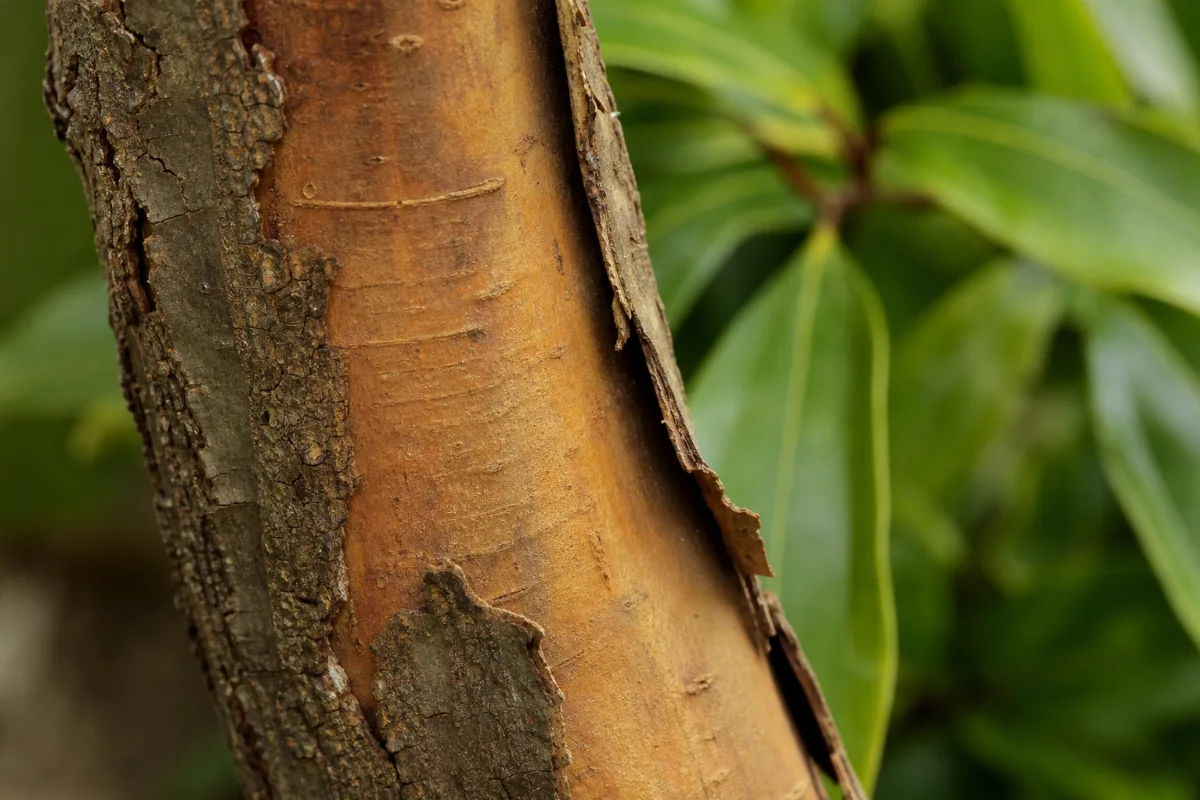
Cinnamon is the dried inner bark of trees in the laurel family. Ceylon cinnamon (Cinnamomum verum) has little coumarin; cassia (Cinnamomum aromaticum, usually called C. cassia) is the common cheaper kind with much more coumarin, which can harm the liver in sensitive people. It is a kitchen spice and is also sold as capsules, extracts and oil.
General information, not medical advice. Last substantive update · Not medically reviewed. A named clinician has not signed off on this page. How this page is made
About Cinnamon
Cinnamon is the dried inner bark of trees in the Cinnamomum genus. Two species matter for health and are very different: Ceylon cinnamon (Cinnamomum verum, 'true cinnamon') has little coumarin; cassia (Cinnamomum aromaticum, usually called C. cassia) is the common cheaper kind and has much more coumarin, which can harm the liver in sensitive people. The best-studied use is blood sugar in type 2 diabetes, where the research is mixed and rated low to mixed. Other uses (cholesterol, blood pressure, PCOS, weight) are rated low or mixed, and there is no human research on memory.
What it is
Cinnamon is the dried inner bark of evergreen trees of the laurel family (Lauraceae). Ceylon cinnamon is Cinnamomum verum J.Presl, once called Cinnamomum zeylanicum. Cassia is a separate species, listed in the GBIF plant database as Cinnamomum aromaticum Nees and widely written Cinnamomum cassia. This page keeps the two apart wherever the research does.
Shops often just say 'cinnamon'. In an Italian survey of 34 samples about half were cassia, one in ten a blend and under four in ten Ceylon. NCCIH also notes that products often do not state the type.
Traditional and current uses
Cinnamon has been used in traditional Indian and Chinese medicine for digestive complaints, headache, fever and missing periods, and more recently for diabetes, cholesterol and blood pressure. The EU accepts traditional use of cinnamon bark and bark oil for mild stomach and bowel cramps, bloating and wind (we could only read search-result text of that monograph).
Today people mainly take cinnamon for blood sugar, cholesterol and weight. Most of those uses are studied in small, short trials.
What is in it and how it works
The flavour comes mainly from cinnamaldehyde. Cassia is rich in coumarin. Ceylon has the lowest coumarin of the four species compared in one study, and the most eugenol. Polyphenols such as procyanidin A2 are also present.
In the lab and in animals, cinnamon compounds slow starch digestion, help cells take up glucose, damp inflammation and damage bacterial cell walls. One Ceylon extract blocked a starch-digesting enzyme in a test tube and lowered glucose in the first hour after a meal in healthy volunteers. Most of the mechanism work is not shown in people, and no human data on how well cinnamon compounds reach the blood were found.
What the research shows
Many small trials, pooled in many reviews, give mixed answers on blood sugar. Some pooled results show fasting blood sugar lower by about 10 to 25 mg/dL and HbA1c by 0.1 to 0.6 points; others, including the Cochrane review (2012) and a 2022 analysis judged to be of very poor-quality studies, find no clear effect. Trials are short (usually under four months), use unnamed or mixed cinnamon types and show very high disagreement between trials.
Cholesterol, blood pressure, weight, inflammation and PCOS results are small and not consistent. No trial has tested heart attacks, strokes, kidney disease or deaths. Ceylon cinnamon, the lower-coumarin kind, has few trials, and the two 2025 trials have commercial links. No human trial of cinnamon for memory or Alzheimer disease was found.
At a glance
Traditional uses history, not proof
- Traditional Indian and Chinese medicine: digestive complaints, headache, fever and missing periods (LiverTox, a review).
- European traditional use: mild stomach and bowel cramps, bloating and wind (EMA monograph; search-result text only).
- Chinese Pharmacopoeia wording: dispersing cold and relieving pain (as quoted in a lab paper).
Studied for research
- Blood sugar (HbA1c, fasting glucose, insulin resistance) in type 2 diabetes, mixed to low
- Cholesterol, blood pressure, weight, inflammation, PCOS, low or mixed
- Painful periods, diarrhoea and indigestion, mouth germs, very low
- Memory and Alzheimer disease, insufficient (no human trials)
Main compounds
- Cinnamaldehyde, the main flavour compound
- Coumarin, much higher in cassia than in Ceylon cinnamon
- Eugenol and cinnamic acid
- Polyphenols such as procyanidin A2
Common forms
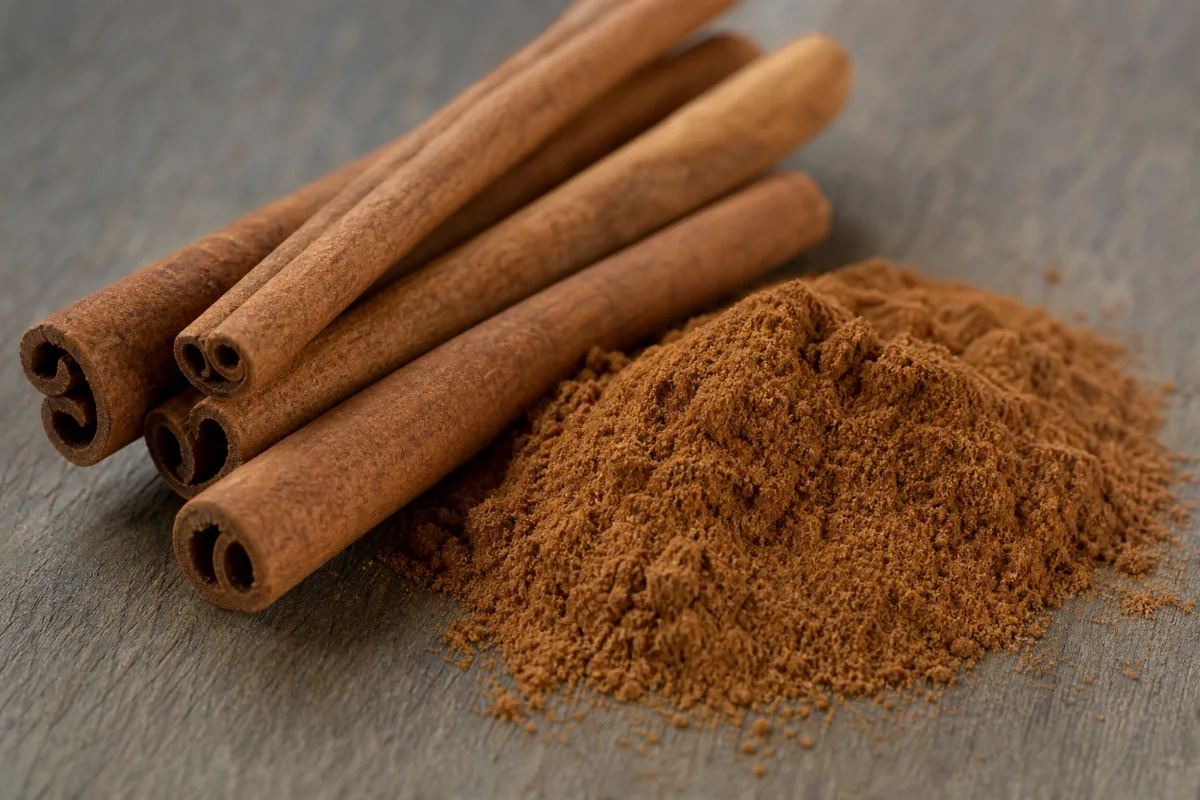
- Bark sticks (quills) and ground powder as a spice
- Capsules or powder supplements
- Water or alcohol extracts
- Cinnamon oil (not for undiluted use)
- Tea
Research links: US National Center for Complementary and Integrative Health: Cinnamon · German Federal Institute for Risk Assessment (BfR): coumarin in cinnamon · LiverTox: Cinnamon (PubMed record) · LactMed: Cinnamon (PubMed record) · GBIF: Cinnamomum verum · GBIF: Cinnamomum aromaticum · Research Library · Genes & Biomarkers Library
The plant and its history
- Accepted scientific name
- Cinnamomum verum J.Presl (Ceylon cinnamon, true cinnamon). Cassia is a separate species: Cinnamomum aromaticum Nees in the GBIF backbone, commonly written Cinnamomum cassia (L.) J.Presl or C. cassia Blume.
- Naming authority
- C. verum: J.Presl, in Rostl. 2: 36 (1825), accepted species in GBIF (usageKey 3033987, confidence 99, family Lauraceae, order Laurales). C. aromaticum: Nees, in Pl. Asiat. Rar. 2: 74 (1831), accepted in GBIF (usageKey 3033982, confidence 97). In NCBI Taxonomy the cassia name (taxid 230708) is filed as Neolitsea cassia, which shows the cassia name is unsettled across databases. This page keeps the two cinnamons apart.
- Synonyms
- Cinnamomum zeylanicum Blume (synonym of C. verum, GBIF 3033988; the name used in older papers); Cinnamomum cinnamomum (L.) H.Karst.; Camphorina cinnamomum (L.) Farw.; Cinnamomum aromaticum J.Graham; Cinnamomum aromaticum var. longifolium Lukman. (listed under C. aromaticum, not C. verum); Laurus cinnamomum Andrews (listed under C. aromaticum); Laurus malabathrum Wall. ex Nees (listed under C. aromaticum)
- Common names
- Ceylon cinnamon (English); True cinnamon (English); Cassia (English (the other species, C. aromaticum / C. cassia)); Chinese cinnamon (English (usually cassia)); Canela de Ceilan (Spanish (Ceylon cinnamon)); Canela de la China (Spanish (cassia)); Batavia cinnamon / Indonesian cassia (English (Cinnamomum burmanni, NCBI taxid 119261)); Saigon cinnamon (English (Cinnamomum loureiroi))
- Botanical family
- Lauraceae, the laurel family (order Laurales), which also holds bay laurel, avocado and camphor trees. The class label 'magnoliids' is general knowledge and not checked.
- Classification
- Plantae > Tracheophyta > Magnoliopsida (magnoliids) > Laurales > Lauraceae > Cinnamomum > Cinnamomum verum (Ceylon) and Cinnamomum aromaticum / cassia (cassia)
- Native range
- Ceylon cinnamon is native to Sri Lanka and parts of South Asia (LiverTox, NCCIH: grows mainly in Sri Lanka). Cassia is grown mainly in China and South-East Asia (general knowledge; not verified here). NCCIH notes cassia is the most common type sold in North America.
- Habitat
- Tropical evergreen trees grown on plantations. Not verified from a flora; general knowledge only.
- What the plant looks like
- Roots: Not covered.; Stems: The bark is the part used. Not verified from a flora.; Leaves: Evergreen, leathery leaves. General description, not checked.; Flowers: Small flower clusters. General description, not checked.; Fruit: Small dark berries. General description, not checked.
- Cultivation
- Grown commercially for the inner bark. Details were not researched.
- Harvest and processing
- The inner bark is stripped, dried and sold as rolled quills or ground powder. General knowledge, not verified from a source read. A 2023 study found that species can be told apart by chemical profile (Rana and Sheu), not by powder appearance.
- Look-alikes and adulterants
- Name: Cassia (Cinnamomum aromaticum / C. cassia); Note: The most important look-alike. Much higher coumarin (BfR: about 3,000 mg/kg average). Often sold simply as 'cinnamon'. In an Italian survey about half of cinnamon samples were cassia.; Name: Indonesian cassia (Cinnamomum burmanni); Note: Accepted species in GBIF (key 3033985); counted among the cheaper, hepatotoxic substitutes in Rana and Sheu 2023. Used in the cinnamon tea trial and in the DLBS3233 combination.; Name: Saigon cinnamon (Cinnamomum loureiroi); Note: Accepted species in GBIF (key 4182513); listed with the cheaper substitutes in Rana and Sheu 2023.; Name: Camphor tree (Cinnamomum camphora); Note: A different Cinnamomum species used for camphor products; not a cinnamon spice. Not researched further.
- Sustainability and conservation
- Not assessed here.
The plant and the parts used
Traditional use and history history, not clinical proof
| Tradition or era | Documented use | Source |
|---|---|---|
| Traditional Indian, Chinese and other herbal medicine (as summarised by LiverTox) | LiverTox says cinnamon has been used in traditional Indian and Chinese medicine for digestive symptoms, headache, fever and absence of periods, and more recently for diabetes, high cholesterol and high blood pressure. | p42551031 |
| Chinese medicine (as summarised by trial authors) | Heydarpour 2020 lists headache, toothache, common cold, diarrhoea, flatulence, fever and absence of periods as traditional uses. Lu 2012 says cinnamon has been used as a traditional treatment in China for thousands of years (the authors' statement; not independently checked). The cassia study of Li 2021 cites the Chinese Pharmacopoeia 2015 for dispersing cold, relieving pain, warming the channels and promoting blood circulation. | p32151755 |
| Traditional digestive use in Europe (EMA/HMPC) | The EU monograph on Cinnamomum verum bark and bark oil (compiled 2011) accepts traditional use for mild spasmodic stomach and bowel complaints including bloating and wind. Only search-result text was read. | s-ema-hmpc-cinnamon-oil |
| Modern trade | Cassia has largely replaced Ceylon cinnamon in the European food market because it is cheaper (Lungarini 2009). | p19680836 |
Traditional use shows how a plant was used. It does not show that a supplement works or is safe today.
What is inside, and how it may work
What the plant contains and how those compounds act in cells and animals. Laboratory and animal mechanisms are not proven effects in people.
Main compounds
| Compound | Family | Where it is concentrated | Activity studied | Level of evidence |
|---|---|---|---|---|
| Cinnamaldehyde PubChem 637511 | phenylpropanoid aldehyde | Bark (both species); bark oil The EMA draft report is said to describe bark with up to 4% essential oil, mainly cinnamaldehyde (60 to 75%) (search-result text; not verified). | Gives cinnamon its flavour and is the main compound tested in the lab. Animal studies show glucose and fat lowering through several pathways; it is changed in the body to cinnamyl alcohol, methyl cinnamate and cinnamic acid; it can sensitise the mouth and skin in some people. 74 61 29 79 | Animal research |
| Coumarin PubChem 323 | benzopyrone (lactone) | Bark; far higher in cassia Cassia about 3,000 mg/kg on average, highest measured 10,000 mg/kg; Ceylon low (BfR). Ceylon had the lowest coumarin of four species in a GC-MS comparison (1.90% of the profile) (Rana 2023). In 1 g of cinnamon-bark decoction the Japanese study found 3.0 mg coumarin. | Liver-toxic in a sensitive subgroup of people (as a drug); EFSA and BfR TDI 0.1 mg/kg body weight a day; European limits on cinnamon foods. 78 1 24 53 | Human data |
| Eugenol PubChem 3314 | phenylpropanoid (phenol) | Bark; present at 5.77% of the profile in Ceylon in one comparison 5.77% of the GC-MS profile in C. verum, the highest of four species (Rana 2023). LactMed lists eugenol among the compounds. | Aromatic and antimicrobial compound in lab studies; its role in human effects has not been shown. 53 47 | Laboratory research |
| Cinnamic acid PubChem 444539 | phenylpropanoid acid | Bark; also a body metabolite of cinnamaldehyde Not found in the abstracts read. | Antibacterial in lab studies; a metabolite of cinnamaldehyde. 61 74 | Laboratory research |
| Procyanidin A2 and related polyphenols PubChem 124025 | A-type proanthocyanidins (polyphenols) | Bark Not found in the abstracts read. | Cinnamon polyphenols are described as antioxidant and as inhibiting tau aggregation in lab models (Momtaz 2018). A specific compound's role in human effects is not shown. 41 | Laboratory research |
| Cinnamyl alcohol PubChem 5315892 | phenylpropanoid alcohol | Bark; also a metabolite of cinnamaldehyde Not found in the abstracts read. | Named as a metabolite of cinnamaldehyde (Zhu 2017). 74 | Animal research |
Mechanisms, receptors and pathways
| Target or pathway | Gene or receptor | What was found | Level |
|---|---|---|---|
| Starch-digesting enzyme (alpha-amylase) inhibition | Pancreatic alpha-amylase | A Ceylon cinnamon hydro-alcoholic extract blocked pancreatic alpha-amylase in a test tube (IC50 25 micrograms/mL) and lowered the blood sugar response to starch in rats from 12.5 mg/kg. In 18 healthy volunteers 1 g lowered glucose over the first hour by 21.2% (p<0.05), without raising insulin. 5 | Human data |
| Glucose uptake and insulin signalling (several pathways) | GLUT4; PI3K/IRS-1; AMPK; PPARs; RBP4; ERK/JNK/p38 MAPK | Reviews of mainly test-tube and animal work say Ceylon cinnamon and cinnamaldehyde increase cellular glucose uptake (GLUT4 movement to the membrane), glycogen making in the liver, and insulin signalling, and reduce glucose making in the liver and enzyme PTP1B, in diabetic animals. 54 74 | Animal research |
| Slowed stomach emptying and appetite hormone signalling | TRPA1; ghrelin | Cinnamaldehyde is reported to slow stomach emptying and act through a TRPA1-ghrelin pathway in animals. In 21 healthy adults a 2 g cinnamon infusion did not change energy use but reduced fullness. 74 57 | Animal research |
| Brown fat heat production | Brown adipose tissue; mitochondrial uncoupling | Cassia extract raised body temperature and energy use in animals in cold and uncoupled mitochondria in brown fat cells. 34 | Animal research |
| Antioxidant and anti-inflammatory signalling | Nrf2; NF-kB | Cinnamaldehyde acts through the Nrf2 pathway in lab models (Zhu 2017). A trial in 44 people with type 2 diabetes found lower NF-kB (p 0.02) but no change in CRP, IL-6 or TNF-alpha. 74 10 | Human data |
| Bacterial cell damage | Bacterial membranes, ATPases, biofilms, quorum sensing | Cinnamon oils and compounds inhibit bacteria by damaging membranes, altering lipids, blocking ATPases, cell division and motility, and disrupting biofilms. Lab results only. 61 14 | Laboratory research |
| Tau and amyloid-beta clumping | Tau protein; amyloid-beta | Cinnamon extract blocked tau clumping and amyloid-beta aggregation in test-tube and animal models, according to a review. 41 | Laboratory research |
| Coumarin liver toxicity | Not established | The reason some people are far more sensitive to coumarin's liver toxicity than animals is not known (Abraham 2010). 1 | Human data |
Absorption, metabolism and elimination
- Absorption
- No human absorption data for cinnamon compounds were found in the abstracts read.
- Distribution
- Not found.
- Metabolism
- Cinnamaldehyde is turned into cinnamyl alcohol, methyl cinnamate and cinnamic acid in the body, per a review of animal work (Zhu 2017). A sensitive subgroup of humans is more susceptible to coumarin's liver effects than animals; the cause is unknown (Abraham 2010).
- Elimination
- Not found.
- Bioavailability
- Not found. Human blood-level studies of cinnamon bark compounds were not found in this search, so claims about how much reaches the blood cannot be made.
Isolated compounds versus whole extracts
Cinnamon is a mixture. Cassia and Ceylon differ in coumarin (much higher in cassia) and probably in other compounds, and trials use powder, water extracts, alcohol extracts or oil. Results from one cannot be moved to another. Cinnamaldehyde alone is mainly tested in animals, and the one human trial that mixed cinnamon with another compound (berberine) cannot be credited to cinnamon. Water extracts of cassia contain less of the oil-soluble compounds; the BfR suggests water extracts as one way to cut coumarin, but the 2012 Wickenberg paper warns the benefit seen with cassia could be lost on replacing it.
Nutritional composition
USDA FoodData Central was not consulted for this page. Cinnamon is used in very small amounts, so its contribution of calories or vitamins is negligible (general knowledge; not verified here). Cinnamon is not a significant source of any nutrient at spice quantities.
4 mixed findings10 low certainty3 very low certainty2 not enough evidence
What was looked at
The 19 benefits and uses checked for Cinnamon, each with how strong the evidence is. Tap one to open it.
- Long-term blood sugar (HbA1c) in type 2 diabetesMixed findings
- Fasting blood sugar in type 2 diabetesLow certainty
- Insulin resistance (HOMA-IR) and fasting insulinLow certainty
- Blood sugar after a meal or glucose drink (single doses)Mixed findings
- Prediabetes and impaired glucose toleranceLow certainty
- Ceylon cinnamon (Cinnamomum verum) on blood sugar, on its ownLow certainty
- Cassia cinnamon (Cinnamomum cassia / aromaticum) on blood sugarMixed findings
- Metabolic syndromeLow certainty
- Memory, thinking and Alzheimer diseaseNot enough evidence
- Blood fats (cholesterol, triglycerides) in type 2 diabetesLow certainty
- Blood fats in adults generally and in metabolic syndromeMixed findings
- Blood pressureLow certainty
- PCOS: blood sugar, insulin and body measuresLow certainty
- PCOS: hormones and ovariesNot enough evidence
- Body weight and waistLow certainty
- Inflammation and oxidative stress markersLow certainty
- Painful periods (primary dysmenorrhoea)Very low certainty
- Digestion: diarrhoea, bloating and indigestionVery low certainty
- Mouth health and germs (antimicrobial effects)Very low certainty
Lab markers tracked in the studies
HbA1c (three-month blood sugar average, %)Fasting blood glucoseHOMA-IR (insulin resistance estimate)Blood sugar after eating or a glucose drinkFasting insulinLDL cholesterol (mg/dL)HDL cholesterol (mg/dL)Triglycerides (mg/dL)Total cholesterol (mg/dL)Systolic blood pressure (top number, mmHg)Diastolic blood pressure (bottom number, mmHg)Body weight and BMIC-reactive protein (CRP, mg/L)Testosterone and other androgens (PCOS)
What is Cinnamon good for?
The main proposed uses and how strong the human evidence is for each. "Mixed" means studies disagree; "low" means small or weak studies point one way; "insufficient" means too little or no human evidence. Nothing here is rated moderate or high.
Benefits, one by one
Each card is a research question, not a promise. Tap a goal to filter. Open a card to see the studies, doses and limits.
Long-term blood sugar (HbA1c) in type 2 diabetes
Mixed findingsHbA1c is the three-month blood sugar average. Some pooled analyses find a small drop with cinnamon and others find none. The size, where found, is small (roughly 0.1 to 0.6 points). Reviewers disagree, so the evidence is mixed.
14 studiesStudies used cinnamon bark powder or extract from about 120 mg to 6 g…
Studies, doses and limits
What the trials found
Pooled trials disagree. Akilen 2012 (6 trials, 435 people) found a tiny drop of 0.09 points. Allen 2013 (10 trials, 543 people) found no significant drop (-0.16%, CI -0.39 to 0.02). Namazi 2019 (18 trials) found -0.24% (CI -0.48 to -0.01). Deyno 2019 (16 trials) and Krittanawong 2022 (23 studies, very poor quality) found no change. Moridpour 2024 (24 trials) and de Moura 2025 (28 trials, 3,054 people) found drops; de Moura reported -0.56 with 94% heterogeneity. The 2012 Cochrane review found no significant HbA1c difference. An umbrella analysis of 11 meta-analyses found -0.10%. Single trials: Lira Neto 2022 (160 people, 3 g, on diabetes drugs) -0.2 points vs placebo; Talaei 2017 (44 people) no change; Lu 2012 (66 people on gliclazide) HbA1c fell in both extract groups; a 2025 Ceylon extract trial (210 people) reported HbA1c falling from baseline.
Results
Typical pooled drops are about 0.1 to 0.6 HbA1c points when a drop is found. For comparison, many diabetes drugs lower HbA1c by more than that.
Effect sizes as reported
Akilen -0.09 points; Allen -0.16% (not significant); Namazi -0.24%; umbrella -0.10%; de Moura -0.56 (CI -0.99 to -0.13, I2 94%); Moridpour SMD -0.67; Krittanawong 0.0 (CI -0.44 to 0.45); Lira Neto -0.2 vs placebo.
Why this rating
Pooled analyses split between small benefit and none. Heterogeneity is very high (I2 about 77 to 94 percent), trials are small, short (about 6 to 18 weeks), and cinnamon type, part and dose vary or are not stated. One often-cited trial (Khan 2003) has a journal Expression of Concern.
Form and dose studied
Studies used cinnamon bark powder or extract from about 120 mg to 6 g a day, most often cassia or an unnamed species; recent Sri Lankan trials used a Ceylon extract.
Who was studied
Adults with type 2 diabetes, often already on metformin or other diabetes drugs.
Limits
No trial lasted more than about 4 months. HbA1c changes are a lab marker, not proof of fewer complications. Some trials are industry-linked (see studies).
Why researchers looked
HbA1c is the number doctors use to judge diabetes control, so it is the most important blood sugar outcome.
Traditional use
Cinnamon bark has long been used as a spice and in traditional medicine in South Asia, China and elsewhere; the diabetes use is mainly modern.
Proposed mechanism Preliminary mechanism
Lab and animal work suggests compounds in cinnamon bark (cinnamaldehyde and tea-like polyphenols) may slow starch digestion, help cells take up glucose and make insulin work better. Ceylon extract blocked a starch-digesting enzyme in a test tube and lowered the sugar response to starch in rats. None of this shows the same thing happens at the doses people take.
A proposed mechanism does not show that the effect happens in people.
Cassia contains coumarin, which can harm the liver in sensitive people (see Safety). Cinnamon can add to the effect of diabetes medicines, so people on them should tell their prescriber and watch for low sugar.
Fasting blood sugar in type 2 diabetes
Low certaintyMost pooled analyses find fasting blood sugar is lower with cinnamon, on average about 10 to 25 mg/dL. The studies are small, disagree a lot and are of uneven quality, so the certainty is low.
12 studiesMostly cassia or unnamed bark powder; doses 120 mg to 6 g a day for 4…
Studies, doses and limits
What the trials found
Davis 2011 (8 trials) found a drop of 0.49 mmol/L. Allen 2013 found -24.59 mg/dL. Namazi 2019 found -19.26 mg/dL (I2 96.5%). Deyno 2019 found -0.545 mmol/L. de Moura 2025 found -15.26 mg/dL. Moridpour 2024 found SMD -1.32. An umbrella analysis found -10.93 mg/dL. The Cochrane review (2012, 10 trials, 577 people, mostly cassia, mean 2 g a day) called the fasting-glucose effect inconclusive and the evidence insufficient; it searched only to January 2012. In single trials Lira Neto 2022 found -0.55 mmol/L vs placebo; Talaei 2017 found no change. The 2025 Ceylon extract trial in people with LDL 100 to 190 mg/dL found fasting glucose 8.59 mg/dL lower than placebo (secondary outcome; its main LDL result was null).
Results
Pooled drops of about 10 to 25 mg/dL. For comparison, a fasting reading of 126 mg/dL or more is the usual diabetes threshold.
Effect sizes as reported
Davis -0.49 mmol/L; Allen -24.59 mg/dL (CI -40.52 to -8.67); Namazi -19.26 mg/dL; de Moura -15.26 mg/dL (CI -22.23 to -8.30); umbrella -10.93 mg/dL; Cochrane inconclusive.
Why this rating
Direction is fairly consistent across pooled analyses, but heterogeneity is extreme (I2 83 to 96 percent), the Cochrane review found it inconclusive, trials are small and often at high or unclear risk of bias, and a more recent very-poor-quality analysis (Krittanawong) found no HbA1c effect.
Form and dose studied
Mostly cassia or unnamed bark powder; doses 120 mg to 6 g a day for 4 to 18 weeks.
Who was studied
Adults with type 2 diabetes or prediabetes.
Limits
Different products, species and doses; short trials; positive publication bias is possible; the 2003 Khan trial has an Expression of Concern.
Why researchers looked
Cinnamon has been tried as an add-on to help control fasting glucose.
Traditional use
Cinnamon bark has long been used as a spice and in traditional medicine in South Asia, China and elsewhere; the diabetes use is mainly modern.
Proposed mechanism Preliminary mechanism
Lab and animal work suggests compounds in cinnamon bark (cinnamaldehyde and tea-like polyphenols) may slow starch digestion, help cells take up glucose and make insulin work better. Ceylon extract blocked a starch-digesting enzyme in a test tube and lowered the sugar response to starch in rats. None of this shows the same thing happens at the doses people take.
A proposed mechanism does not show that the effect happens in people.
Cassia contains coumarin, which can harm the liver in sensitive people (see Safety). Cinnamon can add to the effect of diabetes medicines, so people on them should tell their prescriber and watch for low sugar.
Insulin resistance (HOMA-IR) and fasting insulin
Low certaintyPooled analyses suggest cinnamon may lower a lab estimate of insulin resistance (HOMA-IR). A careful clamp study in people with impaired glucose tolerance found no change. Certainty is low.
6 studiesCinnamon capsules or powder; cassia in the clamp study.
Studies, doses and limits
What the trials found
Deyno 2019 found HOMA-IR lower by 0.714 (CI -1.388 to -0.04). de Moura 2025 found -0.76 (CI -1.13 to -0.39), with less heterogeneity (I2 22%). Moridpour 2024 found fasting insulin not significantly changed (SMD -0.17, CI -0.34 to 0.01). The umbrella analysis found insulin -2.01 IU/mL and HOMA-IR -0.61. In contrast, Wickenberg 2014 (21 people with impaired glucose tolerance, 12 g cassia a day for 12 weeks) used the gold-standard clamp test and found no change in insulin sensitivity. Gutierrez 2016 (10 obese women, 5 g cassia once) found no change in insulin sensitivity.
Results
HOMA-IR falls of roughly 0.6 to 0.8 units in pooled results.
Effect sizes as reported
Deyno -0.714; de Moura -0.76; umbrella -0.61; clamp trial: no significant change.
Why this rating
HOMA-IR is a calculation from fasting numbers, not a direct measure. The only direct (clamp) test was null in a very small study.
Form and dose studied
Cinnamon capsules or powder; cassia in the clamp study.
Who was studied
Adults with type 2 diabetes or prediabetes.
Limits
Surrogate marker; small trials; high heterogeneity.
Why researchers looked
Insulin resistance is the core problem behind type 2 diabetes and prediabetes.
Traditional use
Cinnamon bark has long been used as a spice and in traditional medicine in South Asia, China and elsewhere; the diabetes use is mainly modern.
Proposed mechanism Preliminary mechanism
Lab and animal work suggests compounds in cinnamon bark (cinnamaldehyde and tea-like polyphenols) may slow starch digestion, help cells take up glucose and make insulin work better. Ceylon extract blocked a starch-digesting enzyme in a test tube and lowered the sugar response to starch in rats. None of this shows the same thing happens at the doses people take.
A proposed mechanism does not show that the effect happens in people.
Cassia contains coumarin, which can harm the liver in sensitive people (see Safety). Cinnamon can add to the effect of diabetes medicines, so people on them should tell their prescriber and watch for low sugar.
Blood sugar after a meal or glucose drink (single doses)
Mixed findingsSingle-dose tests give mixed results. Some find a lower peak after a sugar drink; others find nothing. This is a short-term effect and not proof of lasting benefit.
6 studiesSingle doses of 1 to 6 g (powder, extract, tea).
Studies, doses and limits
What the trials found
Ceylon extract (1 g) in 18 healthy volunteers lowered glucose over the first 60 minutes by 21.2% (p<0.05) but the 2-hour change (-14.8%) was not significant. Cassia (5 g) in 10 obese women lowered the 30-minute peak (140 vs 156 mg/dL) with no change in overall glucose curve. Ceylon cinnamon capsules (6 g) in 10 people with impaired glucose tolerance had no effect on glucose or insulin. Water extract in 36 people with type 2 diabetes had no effect. Cinnamon tea (C. burmannii) in non-diabetic adults slightly lowered the peak. de Moura 2025 pooled after-meal glucose in trials in people with type 2 diabetes: -39.22 mg/dL (CI -63.90 to -14.55; I2 100%).
Results
Results range from no effect to a 20 percent lower glucose in the first hour.
Effect sizes as reported
Beejmohun AUC 0-60 -21.2% (p<0.05), 0-120 -14.8% (p 0.15); Gutierrez peak 140 vs 156 mg/dL; Wickenberg 2012 no effect; Rachid 2022 no effect; de Moura -39.22 mg/dL.
Why this rating
Small crossover tests (10 to 36 people) of different cinnamons, extracts and doses disagree, and the pooled after-meal result has complete heterogeneity (I2 100%).
Form and dose studied
Single doses of 1 to 6 g (powder, extract, tea).
Who was studied
Healthy adults, people with impaired glucose tolerance, obesity or type 2 diabetes.
Limits
Tiny studies, one dose, several without placebo drinks.
Why researchers looked
Researchers tested whether cinnamon blunts the sugar spike after eating.
Traditional use
Cinnamon bark has long been used as a spice and in traditional medicine in South Asia, China and elsewhere; the diabetes use is mainly modern.
Proposed mechanism Preliminary mechanism
Lab and animal work suggests compounds in cinnamon bark (cinnamaldehyde and tea-like polyphenols) may slow starch digestion, help cells take up glucose and make insulin work better. Ceylon extract blocked a starch-digesting enzyme in a test tube and lowered the sugar response to starch in rats. None of this shows the same thing happens at the doses people take.
A proposed mechanism does not show that the effect happens in people.
Cassia contains coumarin, which can harm the liver in sensitive people (see Safety). Cinnamon can add to the effect of diabetes medicines, so people on them should tell their prescriber and watch for low sugar.
Prediabetes and impaired glucose tolerance
Low certaintyIn people with prediabetes the results conflict: a small 2024 crossover trial using continuous glucose monitors found lower glucose, while earlier small trials in impaired glucose tolerance found no benefit.
3 studiesCinnamon spice 4 g a day (Zelicha, species not stated); cassia 12 g a…
Studies, doses and limits
What the trials found
Zelicha 2024: 18 adults with obesity and prediabetes took 4 g cinnamon spice or placebo for 4 weeks each (crossover); 24-hour glucose was lower on cinnamon (p<0.001), glucose peaks were lower (rise 9.56 vs 11.73 mg/dL, p 0.027) and triglycerides were lower. Wickenberg 2014 (cassia, 12 g a day, 12 weeks, 21 people with impaired glucose tolerance) and Wickenberg 2012 (Ceylon, single 6 g dose) found no benefit. No trial tested whether cinnamon prevents diabetes from developing.
Results
Zelicha: peak rise lower by about 2 mg/dL on average; other trials null.
Effect sizes as reported
Zelicha 24-hour glucose lower (p<0.001), peak 9.56 vs 11.73 mg/dL (p 0.027); Wickenberg: no significant changes.
Why this rating
Only three small trials, two null, one positive but with 18 people and no long-term outcome.
Form and dose studied
Cinnamon spice 4 g a day (Zelicha, species not stated); cassia 12 g a day (Wickenberg 2014); Ceylon 6 g single dose.
Who was studied
Adults with prediabetes or impaired glucose tolerance.
Limits
No trial on developing diabetes; short; small.
Why researchers looked
Prediabetes is where preventing diabetes might be possible, so cinnamon has been tested early.
Traditional use
Cinnamon bark has long been used as a spice and in traditional medicine in South Asia, China and elsewhere; the diabetes use is mainly modern.
Proposed mechanism Preliminary mechanism
Lab and animal work suggests compounds in cinnamon bark (cinnamaldehyde and tea-like polyphenols) may slow starch digestion, help cells take up glucose and make insulin work better. Ceylon extract blocked a starch-digesting enzyme in a test tube and lowered the sugar response to starch in rats. None of this shows the same thing happens at the doses people take.
A proposed mechanism does not show that the effect happens in people.
Cassia contains coumarin, which can harm the liver in sensitive people (see Safety). Cinnamon can add to the effect of diabetes medicines, so people on them should tell their prescriber and watch for low sugar.
Ceylon cinnamon (Cinnamomum verum) on blood sugar, on its own
Low certaintyCeylon cinnamon (true cinnamon) has far fewer human trials than cassia. Two recent Sri Lankan trials point to a small glucose benefit, one is industry-linked, and an older small trial found nothing. It is not yet clear Ceylon works as well as cassia.
5 studiesStandardised Ceylon bark extracts at 250 mg to 1 g a day; Ceylon caps…
Studies, doses and limits
What the trials found
A 2012 review found no human studies of Ceylon cinnamon at that time (Ranasinghe 2012, only test-tube and animal work). Since then: the 2025 Ranasinghe trial (210 people with type 2 diabetes, standardised Ceylon extract 250 or 500 mg a day, 4 months) reported fasting glucose and HbA1c falling from baseline with better insulin resistance, but the abstract gives p values rather than group-difference numbers and all authors hold a patent. Muthukuda 2025 (150 adults, Ceylon extract 1 g a day, 12 weeks, funded by a spice company) missed its main LDL target but fasting glucose was 8.59 mg/dL lower than placebo, with a larger drop in people with type 2 diabetes. Wickenberg 2012 (10 people, single 6 g Ceylon dose) found no effect on after-meal glucose. Beejmohun 2014 (18 healthy volunteers, 1 g Ceylon extract) lowered glucose by 21.2% in the first hour.
Results
Numbers: fasting glucose 8.59 mg/dL lower than placebo (CI 0.59 to 16.59) in Muthukuda; others as above.
Effect sizes as reported
Muthukuda fasting glucose adjusted difference 8.59 mg/dL (CI 0.59 to 16.59); Ranasinghe 2025 p<0.05 vs baseline; Wickenberg 2012 null.
Why this rating
Two modern randomized trials lean positive but are industry-linked or patent-linked, report limited numbers, and one missed its primary goal. Older Ceylon work was in animals and test tubes.
Form and dose studied
Standardised Ceylon bark extracts at 250 mg to 1 g a day; Ceylon capsules 6 g single dose.
Who was studied
Adults with type 2 diabetes or raised cholesterol; healthy volunteers.
Limits
Few trials, commercial links, short follow-up. Results for cassia trials cannot be assumed for Ceylon.
Why researchers looked
Ceylon has little coumarin, so it is the safer choice for regular use, and people want to know if it works as well.
Traditional use
Ceylon cinnamon is native to Sri Lanka and is the 'true cinnamon' of the spice trade.
Proposed mechanism Preliminary mechanism
Lab and animal work suggests compounds in cinnamon bark (cinnamaldehyde and tea-like polyphenols) may slow starch digestion, help cells take up glucose and make insulin work better. Ceylon extract blocked a starch-digesting enzyme in a test tube and lowered the sugar response to starch in rats. None of this shows the same thing happens at the doses people take.
A proposed mechanism does not show that the effect happens in people.
Ceylon is much lower in coumarin than cassia (see Safety).
Cassia cinnamon (Cinnamomum cassia / aromaticum) on blood sugar
Mixed findingsMost older diabetes trials used cassia or an unnamed bark. They give mixed results. Cassia is also the type with high coumarin, so the benefit has to be weighed against liver risk.
4 studiesCassia bark 3 to 12 g a day (powder capsules).
Studies, doses and limits
What the trials found
The Cochrane review (2012; mostly Cinnamomum cassia, mean 2 g a day) found the evidence insufficient. Wickenberg 2014 (21 people with impaired glucose tolerance; 12 g cassia a day for 12 weeks) found no change in insulin sensitivity, HbA1c, fasting glucose or liver enzymes (17 people finished). Delgadillo-Centeno 2023 (18 people with type 2 diabetes on metformin; 3 g cassia a day for 12 weeks) found lower weight (81.4 to 79.9 kg), BMI and HbA1c (53 to 45 mmol/mol) but no change in fasting glucose, blood pressure, lipids or arterial stiffness. Gutierrez 2016 (5 g cassia, once) lowered the 30-minute peak only.
Results
Mixed, very small trials.
Effect sizes as reported
Delgadillo HbA1c 53 to 45 mmol/mol (p 0.036); Wickenberg 2014 null; Cochrane insufficient.
Why this rating
Tiny trials (10 to 21 people) with opposite results; cassia chemistry also varies by source.
Form and dose studied
Cassia bark 3 to 12 g a day (powder capsules).
Who was studied
Adults with type 2 diabetes, impaired glucose tolerance or obesity.
Limits
Within-group testing in small trials; short.
Why researchers looked
Cassia is the cheap, common cinnamon in shops, and most glucose trials used it.
Traditional use
Cassia has been used in traditional Chinese medicine for centuries.
Proposed mechanism Preliminary mechanism
Lab and animal work suggests compounds in cinnamon bark (cinnamaldehyde and tea-like polyphenols) may slow starch digestion, help cells take up glucose and make insulin work better. Ceylon extract blocked a starch-digesting enzyme in a test tube and lowered the sugar response to starch in rats. None of this shows the same thing happens at the doses people take.
A proposed mechanism does not show that the effect happens in people.
High coumarin content in cassia: with these doses (3 to 12 g a day) coumarin intake would far exceed the European tolerable daily intake. See Safety.
Metabolic syndrome
Low certaintyOne 16-week trial in India found many improvements with cinnamon in people with metabolic syndrome, larger than other trials usually report. It has not been confirmed by independent trials.
2 studies3 g a day for 16 weeks (species not stated).
Studies, doses and limits
What the trials found
Gupta Jain 2017: 116 Asian Indians with metabolic syndrome took 3 g cinnamon or wheat flour for 16 weeks. The cinnamon group had greater falls in fasting glucose (0.3 mmol/L), HbA1c (2.6 mmol/mol), waist (4.8 cm) and BMI (1.3), and fewer still met the metabolic syndrome definition (34.5% vs 5.2%). A meta-analysis of cinnamon in metabolic syndrome and related disorders (Wu 2022; 12 studies, 773 people) found lower total cholesterol, triglycerides and LDL, but no significant lipid effect in European and American patients.
Results
Waist 4.8 cm and BMI 1.3 units lower than placebo in one trial.
Effect sizes as reported
Gupta Jain: fasting glucose difference 0.3 mmol/L (CI 0.2 to 0.5); HbA1c 2.6 mmol/mol (CI 0.4 to 4.9); metabolic syndrome 34.5% vs 5.2%.
Why this rating
One trial of moderate size, species not stated and registered after recruitment ended; results much larger than other trials.
Form and dose studied
3 g a day for 16 weeks (species not stated).
Who was studied
Asian Indian adults with metabolic syndrome.
Limits
Retrospective registration; single region; unnamed species.
Why researchers looked
Metabolic syndrome groups high sugar, belly fat, high blood pressure and abnormal blood fats.
Traditional use
Cinnamon bark has long been used as a spice and in traditional medicine in South Asia, China and elsewhere; the diabetes use is mainly modern.
Proposed mechanism Preliminary mechanism
Lab and animal work suggests compounds in cinnamon bark (cinnamaldehyde and tea-like polyphenols) may slow starch digestion, help cells take up glucose and make insulin work better. Ceylon extract blocked a starch-digesting enzyme in a test tube and lowered the sugar response to starch in rats. None of this shows the same thing happens at the doses people take.
A proposed mechanism does not show that the effect happens in people.
Cassia contains coumarin, which can harm the liver in sensitive people (see Safety). Cinnamon can add to the effect of diabetes medicines, so people on them should tell their prescriber and watch for low sugar.
Memory, thinking and Alzheimer disease
Not enough evidenceWe found no human trial of cinnamon for memory or thinking. Lab and animal work suggests cinnamon compounds may affect brain proteins linked to Alzheimer disease, but this has not been tested in people.
1 studiesNot applicable.
Studies, doses and limits
What the trials found
No randomized human trial of cinnamon for cognition or dementia was found in our PubMed search. A 2018 review (Momtaz) says cinnamon extract blocks tau protein and amyloid-beta clumping in test-tube and animal models, and calls for human trials.
Results
No human data.
Why this rating
Only laboratory and animal work; no human evidence.
Limits
Everything is from models, not from people.
Why researchers looked
Because diabetes and Alzheimer disease are linked, researchers have looked at cinnamon compounds in the lab.
Traditional use
No well-documented traditional use for memory was found in the sources read.
Proposed mechanism Laboratory research
Cinnamon extracts reduced tau and amyloid-beta clumping and inflammation signals in test-tube and animal models, according to a review. These are early findings.
A proposed mechanism does not show that the effect happens in people.
Same as for other uses.
Blood fats (cholesterol, triglycerides) in type 2 diabetes
Low certaintyPooled trials in people with type 2 diabetes find lower triglycerides and total cholesterol, and sometimes LDL, with cinnamon. Effects are small and the trials disagree.
7 studiesCinnamon capsules or powder, 120 mg to 6 g a day, 4 to 18 weeks.
Studies, doses and limits
What the trials found
Allen 2013 (10 trials) found triglycerides -29.59 mg/dL, total cholesterol -15.60, LDL -9.42 and HDL +1.66. Jamali 2020 (16 studies, 1,025 people) found triglycerides -26.27 mg/dL, total cholesterol -13.93, LDL -6.13 and no change in HDL. de Moura 2025 found lower total cholesterol, LDL and triglycerides in the capsule subgroup. Deyno 2019 found no significant lipid change. The 2025 Ceylon trial (500 mg group) reported lower total and LDL cholesterol. Muthukuda 2025, a Ceylon trial aimed at people with raised LDL, found no significant LDL drop (difference 6.05 mg/dL, CI -2.43 to 14.52). Zare 2019 found improved total, LDL and HDL cholesterol but not triglycerides.
Results
Triglycerides about 20 to 30 mg/dL lower and LDL about 6 to 9 mg/dL lower in pooled analyses.
Effect sizes as reported
Jamali: triglycerides -26.27 (CI -38.93 to -13.61), total cholesterol -13.93, LDL -6.13 (CI -10.72 to -1.53); Allen: triglycerides -29.59, LDL -9.42.
Why this rating
Pooled results are small and some reviews found nothing; heterogeneity is high; the one Ceylon trial built to test LDL was null.
Form and dose studied
Cinnamon capsules or powder, 120 mg to 6 g a day, 4 to 18 weeks.
Who was studied
Adults with type 2 diabetes.
Limits
Short trials; surrogate markers; mixed products.
Why researchers looked
Diabetes raises heart risk, so blood fats were measured in cinnamon diabetes trials.
Traditional use
Cinnamon bark has long been used as a spice and in traditional medicine in South Asia, China and elsewhere; the diabetes use is mainly modern.
Proposed mechanism Preliminary mechanism
Lab studies suggest cinnamon polyphenols may affect fat and cholesterol handling in the liver. This is early and not proven in people.
A proposed mechanism does not show that the effect happens in people.
Cassia contains coumarin, which can harm the liver in sensitive people (see Safety). Ceylon has little coumarin.
Blood fats in adults generally and in metabolic syndrome
Mixed findingsAcross all adults, pooled lipid results are small and mixed. Triglycerides and total cholesterol fall slightly in some reviews; LDL and HDL change little.
5 studiesCinnamon powder or extract, variable doses.
Studies, doses and limits
What the trials found
Maierean 2017 (13 trials, 750 people) found triglycerides -23.91 mg/dL and total cholesterol -13.92 mg/dL with no significant LDL or HDL change. Wu 2022 (12 studies, 773 people with metabolic syndrome) found total cholesterol -7.34, triglycerides -8.85 and LDL -6.18 mg/dL, but no significant effect in European and American patients. The umbrella analysis of 11 meta-analyses (Sarmadi 2023) found only about 1 mg/dL changes in total cholesterol and LDL and +0.47 mg/dL HDL, with no triglyceride effect. Krittanawong 2022 found no LDL or HDL change. Heydarpour 2020 pooled 5 trials in PCOS and found lower LDL, total cholesterol and triglycerides and higher HDL.
Results
Changes of about 1 to 24 mg/dL depending on the analysis.
Effect sizes as reported
Maierean: triglycerides -23.91 mg/dL (CI -34.54 to -12.40), LDL -6.19 mg/dL (not significant); Sarmadi: total cholesterol -1.01, LDL -0.82, HDL +0.47, triglycerides -0.13 (not significant).
Why this rating
Reviews reach different answers on the same blood fats; effects are small and not seen in Western populations in one analysis.
Form and dose studied
Cinnamon powder or extract, variable doses.
Who was studied
Adults with obesity, metabolic syndrome, diabetes or PCOS.
Limits
Surrogate markers; heterogeneity.
Why researchers looked
People take cinnamon hoping to improve cholesterol.
Traditional use
Cinnamon bark has long been used as a spice and in traditional medicine in South Asia, China and elsewhere; the diabetes use is mainly modern.
Proposed mechanism Preliminary mechanism
Same early lab ideas as above.
A proposed mechanism does not show that the effect happens in people.
Cassia contains coumarin, which can harm the liver in sensitive people (see Safety). Ceylon has little coumarin.
Blood pressure
Low certaintyPooled analyses suggest a small drop in blood pressure, mostly in people with diabetes or overweight. Reviews disagree on the size, and it is not shown to help people with diagnosed high blood pressure.
7 studiesCinnamon capsules or powder, mostly 1.2 to 3 g a day.
Studies, doses and limits
What the trials found
Hadi 2020 (9 trials, 641 people) found systolic -5.17 mmHg and diastolic -3.36 mmHg, mainly in trials of 2 g a day or less, lasting over 8 weeks, in people with BMI 30 or more. Ghavami 2021 (8 trials, 582 people) found systolic -0.61 mmHg (not significant) and diastolic -0.93 mmHg. Jamali 2020 (9 articles, people with type 2 diabetes) found a drop in both. Single trials: Wainstein 2011 (59 people) saw a systolic fall that disappeared after adjusting for starting pressure and was put down to regression to the mean; Azimi 2016 (204 people) found no difference from tea alone; Delgadillo-Centeno 2023 found no change. The 2025 meta-analysis of 49 studies reported lower systolic and diastolic pressure in standardised units.
Results
From no change to about 5 mmHg in the top number.
Effect sizes as reported
Hadi: SBP -5.17 mmHg (CI -9.35 to -0.99), DBP -3.36 (CI -5.67 to -1.04); Ghavami: SBP -0.61 (CI -1.36 to 0.14), DBP -0.93 (CI -1.55 to -0.32).
Why this rating
Reviews of almost the same trials disagree on systolic pressure, trials are small and mostly not in people with high blood pressure.
Form and dose studied
Cinnamon capsules or powder, mostly 1.2 to 3 g a day.
Who was studied
Adults with type 2 diabetes, overweight or obesity.
Limits
Few trials in hypertension; authors recommend better trials.
Why researchers looked
Blood pressure was measured in several cinnamon trials.
Traditional use
Cinnamon bark has long been used as a spice and in traditional medicine in South Asia, China and elsewhere; the diabetes use is mainly modern.
Proposed mechanism Preliminary mechanism
Lab work suggests cinnamon compounds may relax blood vessels. This is early and not proven in people.
A proposed mechanism does not show that the effect happens in people.
May add to blood pressure medicines; tell your prescriber.
PCOS: blood sugar, insulin and body measures
Low certaintyIn women with polycystic ovary syndrome (PCOS), pooled small trials suggest lower fasting sugar and insulin resistance. Weight changes are small. Trials are few.
7 studiesCinnamon powder 1.5 g a day (single-herb trials).
Studies, doses and limits
What the trials found
Heydarpour 2020 pooled 5 trials: fasting glucose -5.32 mg/dL, insulin -4.10, HOMA-IR -0.69, no change in weight or BMI. Heshmati 2021 (5 trials) found HOMA-IR SMD -0.84 (CI -1.52 to -0.16). Xiaomei 2024 (12 trials) found weight -0.47 kg, fasting sugar -7.72 mg/dL and lower total and LDL cholesterol. Trial level: Hajimonfarednejad 2018 (66 women, 1.5 g cinnamon powder a day, 12 weeks) found lower fasting insulin (p 0.024) and HOMA-IR (p 0.014) than placebo, but no difference in testosterone, DHEA-S or other measures. Peivandi 2024 (39 women, 1.5 g a day, 6 months) found no difference in BMI, lipids, insulin resistance or androgens. Combination products (marjoram tea; DLBS3233 with another plant) cannot be credited to cinnamon.
Results
Fasting glucose about 5 to 8 mg/dL lower; HOMA-IR about 0.7 lower in pooled results.
Effect sizes as reported
Heydarpour: fasting glucose -5.32 (CI -10.46 to -0.17); Xiaomei: -7.72 mg/dL; Hajimonfarednejad: fasting insulin p 0.024; Peivandi: no significant change.
Why this rating
Five to twelve small trials, high heterogeneity (I2 91 percent for fasting sugar), a pilot with null results.
Form and dose studied
Cinnamon powder 1.5 g a day (single-herb trials).
Who was studied
Women with PCOS, many overweight, some on other treatments.
Limits
No data on periods, ovulation or pregnancy rates.
Why researchers looked
Insulin resistance drives many PCOS symptoms, so cinnamon has been tried.
Traditional use
Not a documented traditional use for PCOS in the sources read.
Proposed mechanism Preliminary mechanism
Same insulin-related lab ideas as for diabetes; none shown directly in PCOS ovaries.
A proposed mechanism does not show that the effect happens in people.
Not for use during pregnancy in medicinal amounts; see Safety.
PCOS: hormones and ovaries
Not enough evidenceFor hormones (testosterone, AMH) and ovary size, evidence is thin and mixed. One pilot found a smaller ovary volume; another found no androgen change.
3 studies1.5 g a day powder; combination tea.
Studies, doses and limits
What the trials found
Hajimonfarednejad 2018 found no difference in testosterone or DHEA-S versus placebo. Peivandi 2024 (39 women, 6 months) found differences in ovarian volume and abdominal subcutaneous fat but no change in androgens. Majeed 2025, a pilot of marjoram plus cinnamon tea (60 women, 36 completed), saw hormone changes in both groups; it is a combination and cannot be credited to cinnamon.
Results
No clear effect.
Effect sizes as reported
Not quantified in abstracts.
Why this rating
Two small trials with different answers and a combination pilot.
Form and dose studied
1.5 g a day powder; combination tea.
Who was studied
Women with PCOS.
Limits
No fertility outcomes.
Why researchers looked
PCOS involves high male-type hormones and ovary changes.
Proposed mechanism Pharmacological theory
None established.
A proposed mechanism does not show that the effect happens in people.
Cassia contains coumarin, which can harm the liver in sensitive people (see Safety). Ceylon has little coumarin.
Body weight and waist
Low certaintyPooled analyses find very small reductions in weight and BMI with cinnamon, under about 1 kg on average. This is too small to matter much on its own.
6 studiesCinnamon powder or extract, doses vary.
Studies, doses and limits
What the trials found
Yazdanpanah 2020 (21 trials, 1,480 people) found weight -0.92 kg, BMI -0.40 kg/m2 and waist-hip ratio -0.02, with waist and fat mass not significant. An umbrella analysis of 7 meta-analyses found weight -0.67 kg and BMI -0.45. Namazi 2019 and Jamali 2020 found no significant weight, BMI or waist change in people with type 2 diabetes. Xiaomei 2024 found -0.47 kg in PCOS. In a crossover trial of 21 healthy adults, a cinnamon drink reduced fullness and slightly raised food eaten at the next meal. One report links cinnamon taken for weight loss to liver injury in a single woman (see Safety).
Results
Under 1 kg in pooled results.
Effect sizes as reported
Yazdanpanah: weight -0.92 kg (CI -1.51 to -0.33; I2 84%); BMI -0.40.
Why this rating
Statistically detectable but tiny change, high heterogeneity, and a small appetite trial that went the wrong way.
Form and dose studied
Cinnamon powder or extract, doses vary.
Who was studied
Adults, many with diabetes or PCOS.
Limits
The umbrella paper's title overstates what the numbers show.
Why researchers looked
Cinnamon is sold for weight loss.
Traditional use
Cinnamon bark has long been used as a spice and in traditional medicine in South Asia, China and elsewhere; the diabetes use is mainly modern.
Proposed mechanism Animal research
Some animal work suggests cassia extract may raise heat production in brown fat; no human proof.
A proposed mechanism does not show that the effect happens in people.
Cassia contains coumarin, which can harm the liver in sensitive people (see Safety). Ceylon has little coumarin.
Inflammation and oxidative stress markers
Low certaintyPooled analyses find lower CRP (an inflammation marker) with cinnamon, but a careful trial in people with diabetes found no change. Evidence is low.
5 studiesCinnamon powder 1.5 to 4 g a day.
Studies, doses and limits
What the trials found
Vallianou 2019 (6 studies, 285 people) found CRP -0.81 mg/L. Zhu 2020 (12 trials) found CRP -2.22 mg/L, MDA lower and total antioxidant capacity higher. The umbrella analysis (Sarmadi 2023) found no significant effect on CRP or MDA. Davari 2019 (44 people with type 2 diabetes, 3 g for 8 weeks) found no benefit on hs-CRP, IL-6, TNF-alpha or SIRT1. Jafari 2025 reported lower CRP in standardised units.
Results
CRP about 1 to 2 mg/L lower in some analyses; not seen in others.
Effect sizes as reported
Vallianou: CRP -0.81 mg/L (CI -1.36 to -0.26); Zhu: -2.22 mg/L (CI -3.74 to -0.69); Sarmadi: CRP -1.33 (CI -2.66 to 0.00, p 0.051).
Why this rating
Small number of trials; conflicting reviews; best single trial null.
Form and dose studied
Cinnamon powder 1.5 to 4 g a day.
Who was studied
Adults with diabetes, metabolic disorders or PCOS.
Limits
Marker only, not symptoms.
Why researchers looked
Cinnamon polyphenols are antioxidants in the lab.
Traditional use
Cinnamon bark has long been used as a spice and in traditional medicine in South Asia, China and elsewhere; the diabetes use is mainly modern.
Proposed mechanism Laboratory research
Cinnamaldehyde and polyphenols reduce inflammation signals in cells and animals.
A proposed mechanism does not show that the effect happens in people.
Cassia contains coumarin, which can harm the liver in sensitive people (see Safety). Ceylon has little coumarin.
Painful periods (primary dysmenorrhoea)
Very low certaintyA small meta-analysis suggests cinnamon may ease period pain. A Cochrane review could not draw any conclusion about cinnamon.
2 studiesNot given.
Studies, doses and limits
What the trials found
Xu 2020 (9 studies, 647 women, pooled cinnamon, fennel and ginger) reported less pain intensity and shorter pain duration with cinnamon versus placebo; the numbers in the abstract are hard to interpret and the authors ask for more studies. The Cochrane review on supplements for painful periods (Pattanittum 2016) said data on cinnamon versus placebo were unsuitable for analysis.
Results
Not clearly quantifiable.
Effect sizes as reported
Xu: cinnamon pain WMD 1.815 (CI 1.330 to 2.301) as reported.
Why this rating
Few trials; the best-quality review could not analyse cinnamon.
Form and dose studied
Not given.
Who was studied
Young women with period pain.
Limits
Small trials; unclear products.
Why researchers looked
Cinnamon is a traditional remedy for cramps.
Traditional use
Traditionally used for menstrual complaints, per the reviews read.
Proposed mechanism Pharmacological theory
Cinnamon may relax muscle in lab studies; unproven for periods.
A proposed mechanism does not show that the effect happens in people.
Not for use in pregnancy in medicinal amounts.
Digestion: diarrhoea, bloating and indigestion
Very low certaintyOne trial of a cassia water extract found slower gut transit in people with diarrhoea. A Cochrane review found cinnamon oil made little or no difference to indigestion. Traditional use for gas and cramps is recognised in Europe.
3 studiesCassia water extract 2.4 g a day; cinnamon oil.
Studies, doses and limits
What the trials found
Park 2023 (70 people with diarrhoea symptoms, cassia water extract capsules for 8 weeks) found slower colonic transit (p 0.019) and changes in gut bacteria and stool chemicals; the abstract does not give a symptom score. The Cochrane review of non-Chinese herbal medicines for functional dyspepsia (Baez 2023) found cinnamon oil may make little or no difference (one study, 51 people, SMD 0.38, CI -0.17 to 0.94, low certainty). In Zelicha 2024, 4 g of cinnamon a day caused no differences in digestive symptoms from placebo.
Results
No clear benefit.
Effect sizes as reported
Baez: cinnamon oil SMD 0.38 (CI -0.17 to 0.94).
Why this rating
One small trial with indirect results and one Cochrane null.
Form and dose studied
Cassia water extract 2.4 g a day; cinnamon oil.
Who was studied
People with diarrhoea or functional dyspepsia.
Limits
No symptom data in the abstract of the diarrhoea trial.
Why researchers looked
Cinnamon is a classic digestive spice.
Traditional use
The EU lists cinnamon bark oil as a traditional remedy for mild spasmodic stomach and bowel complaints, bloating and wind (monograph not fully read).
Proposed mechanism Animal research
Cinnamon oil relaxes gut muscle and affects gut bacteria in lab and animal studies.
A proposed mechanism does not show that the effect happens in people.
Cassia has coumarin; see Safety.
Mouth health and germs (antimicrobial effects)
Very low certaintyIn test tubes cinnamon oil and extracts kill many germs. In people, one small trial found a cinnamon oil mouthwash helped oral thrush about as well as an antifungal drug. Cinnamon can also irritate the mouth (see Safety).
4 studies0.5 mg/mL oil mouthwash (trial).
Studies, doses and limits
What the trials found
Araujo 2021 (36 people with oral thrush) compared Cinnamomum zeylanicum essential oil mouthwash and spray (0.5 mg/mL) with nystatin for 15 days: both improved signs, and cinnamon cut Candida counts by 61% on the mouth lining and 33% on dentures. A meta-analysis of lab studies (Ezzaky 2023) found cassia and cinnamon extracts inhibited foodborne bacteria such as Salmonella and Bacillus cereus in test tubes. Reviews of dental and antibacterial use (Yanakiev 2020, Vasconcelos 2018) describe mostly lab work.
Results
Candida counts down 33 to 61% in one small trial.
Effect sizes as reported
Araujo: Candida reduced 61% (mucosa), 33% (dentures).
Why this rating
One small head-to-head trial; the rest is test-tube work that does not show benefit in people.
Form and dose studied
0.5 mg/mL oil mouthwash (trial).
Who was studied
People with oral thrush; lab organisms.
Limits
Small; no placebo.
Why researchers looked
Cinnamon oil is widely tested against germs.
Traditional use
Cinnamon bark has long been used as a spice and in traditional medicine in South Asia, China and elsewhere; the diabetes use is mainly modern.
Proposed mechanism Laboratory research
Cinnamaldehyde damages bacterial and fungal cell walls in the lab.
A proposed mechanism does not show that the effect happens in people.
Cinnamon oil can burn skin and mouth if used undiluted (see Safety).
Connections to the rest of health
How Cinnamon connects to the rest of our health knowledge graph. Every link says what kind of connection it is. A safety link (for example to the liver) is a warning, not a benefit. A study that merely mentions a topic never creates a benefit link.
Explore every connection: goals, body systems, organs, symptoms, genes
A. Wellness goals
| Connected to | Kind of connection | Evidence status | Context | Studies |
|---|---|---|---|---|
| Blood Sugar Balance | Potential benefit | Mixed findings | Long-term blood sugar (HbA1c) in type 2 diabetes: HbA1c is the three-month blood sugar average. Some pooled analyses find a small drop with cinnamon and others find none. The size, where found, is small (roughly 0.1 to 0.6 points). Reviewers disagree, so the evidence is mixed. Fasting blood sugar in type 2 diabetes: Most pooled analyses find fasting blood sugar is lower with cinnamon, on average about 10 to 25 mg/dL. The studies are small, disagree a lot and are of uneven quality, so the certainty is low. | 2 3 45 13 32 42 77 33 72 35 59 36 55 31 11 44 64 18 5 63 52 6 73 54 12 22 21 66 20 50 39 51 |
| Metabolic Health | Potential benefit | Mixed findings | Long-term blood sugar (HbA1c) in type 2 diabetes: HbA1c is the three-month blood sugar average. Some pooled analyses find a small drop with cinnamon and others find none. The size, where found, is small (roughly 0.1 to 0.6 points). Reviewers disagree, so the evidence is mixed. Fasting blood sugar in type 2 diabetes: Most pooled analyses find fasting blood sugar is lower with cinnamon, on average about 10 to 25 mg/dL. The studies are small, disagree a lot and are of uneven quality, so the certainty is low. | 2 3 45 13 32 42 77 33 72 35 59 36 55 31 11 44 64 18 73 63 17 65 69 30 27 66 57 |
| Weight Management | Potential benefit | Low certainty | Metabolic syndrome: One 16-week trial in India found many improvements with cinnamon in people with metabolic syndrome, larger than other trials usually report. It has not been confirmed by independent trials. Body weight and waist: Pooled analyses find very small reductions in weight and BMI with cinnamon, under about 1 kg on average. This is too small to matter much on its own. | 17 65 69 30 45 27 66 57 |
| Heart Health | Potential benefit | Low certainty | Metabolic syndrome: One 16-week trial in India found many improvements with cinnamon in people with metabolic syndrome, larger than other trials usually report. It has not been confirmed by independent trials. Blood fats (cholesterol, triglycerides) in type 2 diabetes: Pooled trials in people with type 2 diabetes find lower triglycerides and total cholesterol, and sometimes LDL, with cinnamon. Effects are small and the trials disagree. | 17 65 3 26 77 13 44 55 71 38 56 32 22 19 15 27 62 4 12 25 |
| Memory Support | Preliminary mechanism | Not enough evidence | Memory, thinking and Alzheimer disease: We found no human trial of cinnamon for memory or thinking. Lab and animal work suggests cinnamon compounds may affect brain proteins linked to Alzheimer disease, but this has not been tested in people. | 41 |
| Brain Health | Preliminary mechanism | Not enough evidence | Memory, thinking and Alzheimer disease: We found no human trial of cinnamon for memory or thinking. Lab and animal work suggests cinnamon compounds may affect brain proteins linked to Alzheimer disease, but this has not been tested in people. | 41 |
| Cognitive Performance | Preliminary mechanism | Not enough evidence | Memory, thinking and Alzheimer disease: We found no human trial of cinnamon for memory or thinking. Lab and animal work suggests cinnamon compounds may affect brain proteins linked to Alzheimer disease, but this has not been tested in people. | 41 |
| Cholesterol Balance | Potential benefit | Low certainty | Blood fats (cholesterol, triglycerides) in type 2 diabetes: Pooled trials in people with type 2 diabetes find lower triglycerides and total cholesterol, and sometimes LDL, with cinnamon. Effects are small and the trials disagree. Blood fats in adults generally and in metabolic syndrome: Across all adults, pooled lipid results are small and mixed. Triglycerides and total cholesterol fall slightly in some reviews; LDL and HDL change little. | 3 26 77 13 44 55 71 38 65 56 32 22 |
| Blood Pressure Support | Potential benefit | Low certainty | Blood pressure: Pooled analyses suggest a small drop in blood pressure, mostly in people with diabetes or overweight. Reviews disagree on the size, and it is not shown to help people with diagnosed high blood pressure. | 19 15 27 62 4 12 25 |
| Womens Wellness | Potential benefit | Low certainty | PCOS: blood sugar, insulin and body measures: In women with polycystic ovary syndrome (PCOS), pooled small trials suggest lower fasting sugar and insulin resistance. Weight changes are small. Trials are few. Painful periods (primary dysmenorrhoea): A small meta-analysis suggests cinnamon may ease period pain. A Cochrane review could not draw any conclusion about cinnamon. | 22 21 66 20 50 39 51 67 49 |
| Hormone Balance | Potential benefit | Low certainty | PCOS: blood sugar, insulin and body measures: In women with polycystic ovary syndrome (PCOS), pooled small trials suggest lower fasting sugar and insulin resistance. Weight changes are small. Trials are few. | 22 21 66 20 50 39 51 |
| Womens Wellness | Preliminary mechanism | Not enough evidence | PCOS: hormones and ovaries: For hormones (testosterone, AMH) and ovary size, evidence is thin and mixed. One pilot found a smaller ovary volume; another found no androgen change. | 20 50 39 |
| Hormone Balance | Preliminary mechanism | Not enough evidence | PCOS: hormones and ovaries: For hormones (testosterone, AMH) and ovary size, evidence is thin and mixed. One pilot found a smaller ovary volume; another found no androgen change. | 20 50 39 |
| Fertility Support | Preliminary mechanism | Not enough evidence | PCOS: hormones and ovaries: For hormones (testosterone, AMH) and ovary size, evidence is thin and mixed. One pilot found a smaller ovary volume; another found no androgen change. | 20 50 39 |
| Inflammation Balance | Biological association | Low certainty | Inflammation and oxidative stress markers: Pooled analyses find lower CRP (an inflammation marker) with cinnamon, but a careful trial in people with diabetes found no change. Evidence is low. | 60 75 56 10 25 |
| Healthy Aging | Biological association | Low certainty | Inflammation and oxidative stress markers: Pooled analyses find lower CRP (an inflammation marker) with cinnamon, but a careful trial in people with diabetes found no change. Evidence is low. | 60 75 56 10 25 |
| Calm Relaxation | Potential benefit | Very low certainty | Painful periods (primary dysmenorrhoea): A small meta-analysis suggests cinnamon may ease period pain. A Cochrane review could not draw any conclusion about cinnamon. | 67 49 |
| Digestive Support | Traditional use | Very low certainty | Digestion: diarrhoea, bloating and indigestion: One trial of a cassia water extract found slower gut transit in people with diarrhoea. A Cochrane review found cinnamon oil made little or no difference to indigestion. Traditional use for gas and cramps is recognised in Europe. | 48 8 73 |
| Gut Health | Traditional use | Very low certainty | Digestion: diarrhoea, bloating and indigestion: One trial of a cassia water extract found slower gut transit in people with diarrhoea. A Cochrane review found cinnamon oil made little or no difference to indigestion. Traditional use for gas and cramps is recognised in Europe. | 48 8 73 |
| Immune Support | Preliminary mechanism | Very low certainty | Mouth health and germs (antimicrobial effects): In test tubes cinnamon oil and extracts kill many germs. In people, one small trial found a cinnamon oil mouthwash helped oral thrush about as well as an antifungal drug. Cinnamon can also irritate the mouth (see Safety). | 76 14 68 61 |
B. Body systems
| Connected to | Kind of connection | Evidence status | Context | Studies |
|---|---|---|---|---|
| Endocrine system | Drug or supplement interaction | Low certainty | May add to diabetes medicines; low-sugar risk is theoretical. Preparation or compound: Cinnamon supplements |
36 35 12 |
| Immune system | Adverse effect or risk | Low certainty | Allergic-type mouth inflammation from gum, sweets and toothpaste. Preparation or compound: Cinnamaldehyde flavouring |
29 9 |
| Reproductive system | Contraindication | Low certainty | NCCIH: larger Ceylon amounts unsafe in pregnancy; no nursing data; rat offspring effects. Preparation or compound: Medicinal amounts, pregnancy and breastfeeding |
83 47 46 |
| Endocrine System | Biological association | Mixed findings | Studied for: Long-term blood sugar (HbA1c) in type 2 diabetes Studied for: Fasting blood sugar in type 2 diabetes | 2 3 45 13 32 42 77 33 72 35 59 36 55 31 11 44 64 18 5 63 52 6 73 54 12 17 65 26 71 38 56 22 21 66 20 50 39 51 |
| Metabolism Weight | Biological association | Mixed findings | Studied for: Long-term blood sugar (HbA1c) in type 2 diabetes Studied for: Fasting blood sugar in type 2 diabetes | 2 3 45 13 32 42 77 33 72 35 59 36 55 31 11 44 64 18 5 63 52 6 73 12 17 65 26 71 38 56 22 69 30 27 66 57 |
| Nervous System | Biological association | Not enough evidence | Studied for: Memory, thinking and Alzheimer disease | 41 |
| Cardiovascular System | Biological association | Low certainty | Studied for: Blood pressure | 19 15 27 62 4 12 25 |
| Reproductive System | Biological association | Low certainty | Studied for: PCOS: blood sugar, insulin and body measures Studied for: PCOS: hormones and ovaries | 22 21 66 20 50 39 51 67 49 |
| Immune System | Biological association | Low certainty | Studied for: Inflammation and oxidative stress markers Studied for: Mouth health and germs (antimicrobial effects) | 60 75 56 10 25 76 14 68 61 |
| Digestive System | Biological association | Very low certainty | Studied for: Digestion: diarrhoea, bloating and indigestion Studied for: Mouth health and germs (antimicrobial effects) | 48 8 73 76 14 68 61 |
C. Body parts and organs
| Connected to | Kind of connection | Evidence status | Context | Studies |
|---|---|---|---|---|
| Liver | Adverse effect or risk | Low certainty | Rare liver injury case reports; coumarin intake limit in Europe; a meta-analysis of enzyme trials was neutral. Preparation or compound: Cassia cinnamon (coumarin) |
23 7 70 1 43 |
| Gut | Adverse effect or risk | Low certainty | Bloating, heartburn and nausea. Preparation or compound: Cinnamon |
47 33 |
| Lungs | Adverse effect or risk | Low certainty | Cellulose fibres can cause lasting inflammation when breathed in. Preparation or compound: Dry ground cinnamon, inhaled |
28 16 |
I. Biomarkers
| Connected to | Kind of connection | Evidence status | Context | Studies |
|---|---|---|---|---|
| HbA1c (three-month blood sugar average, %) | Biological association | Mixed findings | Measured in trials: mixed. A lab change is not the same as a health benefit. | 2 3 45 72 32 35 12 |
| Fasting blood glucose | Biological association | Low certainty | Measured in trials: lowered. A lab change is not the same as a health benefit. | 3 45 77 72 33 44 59 |
| HOMA-IR (insulin resistance estimate) | Biological association | Low certainty | Measured in trials: lowered. A lab change is not the same as a health benefit. | 13 77 72 64 |
| Blood sugar after eating or a glucose drink | Biological association | Mixed findings | Measured in trials: mixed. A lab change is not the same as a health benefit. | 77 5 63 52 73 |
| Fasting insulin | Biological association | Low certainty | Measured in trials: no-change. A lab change is not the same as a health benefit. | 42 72 59 |
| LDL cholesterol (mg/dL) | Biological association | Mixed findings | Measured in trials: mixed. A lab change is not the same as a health benefit. | 26 3 38 44 32 |
| HDL cholesterol (mg/dL) | Biological association | Low certainty | Measured in trials: mixed. A lab change is not the same as a health benefit. | 3 26 56 |
| Triglycerides (mg/dL) | Biological association | Low certainty | Measured in trials: lowered. A lab change is not the same as a health benefit. | 38 26 65 56 |
| Total cholesterol (mg/dL) | Biological association | Low certainty | Measured in trials: lowered. A lab change is not the same as a health benefit. | 38 26 65 56 |
| Systolic blood pressure (top number, mmHg) | Biological association | Low certainty | Measured in trials: mixed. A lab change is not the same as a health benefit. | 19 15 62 |
| Diastolic blood pressure (bottom number, mmHg) | Biological association | Low certainty | Measured in trials: lowered. A lab change is not the same as a health benefit. | 19 15 |
| Body weight and BMI | Biological association | Low certainty | Measured in trials: lowered. A lab change is not the same as a health benefit. | 69 30 45 |
| C-reactive protein (CRP, mg/L) | Biological association | Low certainty | Measured in trials: mixed. A lab change is not the same as a health benefit. | 60 75 56 10 |
| Testosterone and other androgens (PCOS) | Biological association | Low certainty | Measured in trials: no-change. A lab change is not the same as a health benefit. | 20 50 |
J. Genes, receptors and enzymes
| Connected to | Kind of connection | Evidence status | Context | Studies |
|---|---|---|---|---|
| Pancreatic alpha-amylase | Preliminary mechanism | In vitro | Inhibited by a Ceylon extract in a test tube. | 5 |
| SLC2A4 (GLUT4) | Preliminary mechanism | In vitro | Glucose transporter moved to the cell membrane by C. zeylanicum in cell studies, as summarised by a review. | 54 |
| PPARG and other PPARs | Preliminary mechanism | Animal | Named among cinnamaldehyde's pathways in animals. | 74 |
| PTPN1 (PTP1B) | Preliminary mechanism | In vitro | Cinnamaldehyde appears to regulate this insulin-signalling brake in lab work. | 74 |
| TRPA1 | Preliminary mechanism | Animal | Cinnamaldehyde's TRPA1 route to ghrelin signalling is reported in animals. | 74 |
K. Biological pathways
| Connected to | Kind of connection | Evidence status | Context | Studies |
|---|---|---|---|---|
| AMPK signalling | Preliminary mechanism | Animal | Cinnamaldehyde acts via AMPK in diabetic animal models. | 74 |
| PI3K/IRS-1 insulin signalling | Preliminary mechanism | Animal | Cinnamaldehyde improved insulin sensitivity in animals through this pathway. | 74 |
| Keap1-Nrf2 antioxidant response | Preliminary mechanism | In vitro | Cinnamaldehyde acts via Nrf2 in lab models. | 74 |
| NF-kB inflammation signalling | Preliminary mechanism | Human | Plasma NF-kB differed between cinnamon and placebo in a 44-person trial while inflammation markers did not. | 10 |
| Tau and amyloid-beta | Preliminary mechanism | In vitro | Aggregation blocked in lab and animal models. | 41 |
L. Active compounds
| Connected to | Kind of connection | Evidence status | Context | Studies |
|---|---|---|---|---|
| Cinnamaldehyde | Biological association | Animal | Gives cinnamon its flavour and is the main compound tested in the lab. Animal studies show glucose and fat lowering through several pathways; it is changed in the body to cinnamyl alcohol, methyl cinnamate and cinnamic acid; it can sensitise the mouth and skin in some people. Preparation or compound: Bark (both species); bark oil |
74 61 29 79 |
| Coumarin | Biological association | Human | Liver-toxic in a sensitive subgroup of people (as a drug); EFSA and BfR TDI 0.1 mg/kg body weight a day; European limits on cinnamon foods. Preparation or compound: Bark; far higher in cassia |
78 1 24 53 |
| Eugenol | Biological association | In vitro | Aromatic and antimicrobial compound in lab studies; its role in human effects has not been shown. Preparation or compound: Bark; present at 5.77% of the profile in Ceylon in one comparison |
53 47 |
| Cinnamic acid | Biological association | In vitro | Antibacterial in lab studies; a metabolite of cinnamaldehyde. Preparation or compound: Bark; also a body metabolite of cinnamaldehyde |
61 74 |
| Procyanidin A2 and related polyphenols | Biological association | In vitro | Cinnamon polyphenols are described as antioxidant and as inhibiting tau aggregation in lab models (Momtaz 2018). A specific compound's role in human effects is not shown. Preparation or compound: Bark |
41 |
| Cinnamyl alcohol | Biological association | Animal | Named as a metabolite of cinnamaldehyde (Zhu 2017). Preparation or compound: Bark; also a metabolite of cinnamaldehyde |
74 |
Each connection is stored with the ingredient, the connected record, the kind of connection, the evidence status, the supporting studies, the preparation or compound involved, and a review date (last reviewed October 25, 2026).
Evidence at a glance: what changed in 14 lab markers
Tap a number to show only those markers. Counts are markers, not people.
The evidence
The research centre for Cinnamon. Every record here was checked against PubMed or the publisher's page; we never list a study we have not verified.
Evidence by outcome
Bars show how many studies we found for each outcome, not how well it works. People are added up across trials only (reviews are not added, to avoid double counting).
How we rate evidence
High certainty
Several well-run trials or reviews agree; further research is unlikely to change the picture much.
Moderate certainty
Good trials point the same way, but some doubt remains.
Low certainty
Small, short or inconsistent trials. The finding could change with better research.
Very low certainty
Very little or very weak human data. Treat as a possibility only.
Mixed findings
Trials or reviews disagree with each other.
Not enough evidence
Not enough human research to say either way.
Evidence against
Good research found no benefit, or found harm.
We take the reviewers' own risk-of-bias and GRADE statements where they exist, and otherwise judge from study size, design, consistency, directness and whether a product matches what is sold. Many publications do not make evidence high. Method note: We searched PubMed and read abstracts (not full texts) for nearly all studies. We read summaries of the NCCIH cinnamon page and the German BfR coumarin FAQ, checked plant names in GBIF and the NCBI taxonomy, and compounds in PubChem. Some sources were not verified: the EMA/HMPC monograph's safety sections, the EFSA coumarin opinion, the full LiverTox page (its likelihood score was not seen), the FDA statement (known only through LactMed), and the Commission E and WHO monographs. The abstract of one Pediatrics paper on the cinnamon challenge was not available. Certainty ratings are the compiler's own reading, not formal grades. No study is cited that we could not verify. One often-cited 2003 diabetes trial carries a journal Expression of Concern and is not relied on.
Study library: every study we checked 83
| Study | Design | People | Product, dose, length | Result |
|---|---|---|---|---|
| Abraham 2010 Toxicology and risk assessment of coumarin: focus on human data. Molecular nutrition & food research · PMID 20024932 · DOI |
Review |
Human and animal toxicity data on coumarin; German survey of over 1,000 people on Christmas cassia intake | Coumarin (pure compound, as drug) and cassia cinnamon exposure bark (cassia) TDI 0.1 mg per kg body weight per day |
Coumarin can harm the liver; a subgroup of people is more sensitive than test animals. A TDI of 0.1 mg/kg/day was derived from human drug data and matches EFSA. Heavy cassia eaters can reach the TDI. TDI 0.1 mg/kg body weight a day Methods, limits and fundingOutcomes: Liver toxicity, tolerable daily intake Limitations: Only the abstract was read. Based on coumarin as a drug, not on cinnamon. Read: abstract |
| Akilen 2012 Cinnamon in glycaemic control: Systematic review and meta analysis. Clinical nutrition (Edinburgh, Scotland) · PMID 22579946 · DOI |
Meta-analysis |
435 Adults with type 2 diabetes; 6 trials |
Cinnamon (1 to 6 g a day) bark (as reported) 1 to 6 g a day 40 days to 4 months · vs Control |
Small but statistically significant drops in HbA1c and fasting glucose. HbA1c -0.09 percentage points; fasting glucose -0.84 mmol/L (HbA1c 0.04 to 0.14; fasting glucose 0.66 to 1.02) Methods, limits and fundingOutcomes: HbA1c and fasting plasma glucose Limitations: Only the abstract was read. Only 6 trials. The HbA1c drop is tiny. Searched to August 2011. Read: abstract |
| Allen 2013 Cinnamon use in type 2 diabetes: an updated systematic review and meta-analysis. Annals of family medicine · PMID 24019277 · DOI |
Meta-analysis |
543 Adults with type 2 diabetes; 10 randomized trials |
Cinnamon (120 mg to 6 g a day) bark (as reported) 120 mg to 6 g a day 4 to 18 weeks · vs Control |
Fasting glucose, total cholesterol, LDL and triglycerides fell and HDL rose, but HbA1c did not change significantly. Fasting glucose -24.59 mg/dL; total cholesterol -15.60; LDL -9.42; triglycerides -29.59; HDL +1.66; HbA1c -0.16% (Fasting glucose -40.52 to -8.67; HbA1c -0.39 to 0.02) Methods, limits and fundingOutcomes: Fasting plasma glucose, HbA1c, lipids Limitations: Only the abstract was read. Heterogeneity was high (I2 66 to 95 percent for all but HDL). Searched to February 2012. Authors say the preferred dose and duration are unclear. Read: abstract |
| Azimi 2016 Effect of cinnamon, cardamom, saffron and ginger consumption on blood pressure and a marker of endothelial function in patients with type 2 diabetes mellitus: A randomized controlled clinical trial. Blood pressure · PMID 26758574 · DOI |
Controlled trial |
204 Adults with type 2 diabetes in Iran |
Cinnamon with black tea (compared with cardamom, saffron, ginger) 3 g cinnamon with tea 8 weeks · vs Tea alone |
No difference between plants and control for blood pressure, ICAM-1 or body measures. No significant between-group difference Methods, limits and fundingOutcomes: Blood pressure, ICAM-1, body measures Limitations: Only the abstract was read. Read: abstract |
| Beejmohun 2014 Acute effect of Ceylon cinnamon extract on postprandial glycemia: alpha-amylase inhibition, starch tolerance test in rats, and randomized crossover clinical trial in healthy volunteers. BMC complementary and alternative medicine · PMID 25249234 · DOI |
Controlled trial |
18 Healthy volunteers (crossover); plus rat and test-tube work |
Ceylon cinnamon hydro-alcoholic extract (CCE) bark (extract) 1 g (single dose) Single test · vs Placebo |
Lower glucose in the first hour; whole 2-hour change not significant; no extra insulin; no adverse effects. Glucose AUC 0-60 min -21.2% (p<0.05); AUC 0-120 min -14.8% (p=0.15) Methods, limits and fundingOutcomes: Blood glucose and insulin for 2 hours after a meal Limitations: Only the abstract was read. Healthy people, one dose. Registered NCT02074423. Funding not in abstract. Read: abstract |
| Bernardo 2015 Effect of Cinnamon Tea on Postprandial Glucose Concentration. Journal of diabetes research · PMID 26258147 · DOI |
Controlled trial |
Adults without diabetes | Cinnamon tea (Cinnamomum burmannii) bark Not given in abstract Single test · vs Glucose drink alone |
Slightly lower glucose; lower peak and peak variation (p<0.05). p<0.05 for maximum glucose Methods, limits and fundingOutcomes: After-meal glucose Limitations: Only the abstract was read. Sample size not in abstract. Different species (C. burmannii, Indonesian cassia). Read: abstract |
| Brancheau 2015 Do cinnamon supplements cause acute hepatitis? The American journal of case reports · PMID 25923145 · DOI |
Case report |
1 73-year-old woman, also taking a statin |
Cinnamon supplement (species not stated) About 1 week |
Abdominal pain, vomiting, diarrhoea and hepatitis after about a week of cinnamon supplements; both stopped; statin restarted later without trouble. Hepatitis; recovery after stopping Methods, limits and fundingOutcomes: Liver tests Limitations: Only the abstract was read. One case, other causes not fully excluded, and a statin was involved. Read: abstract |
| Báez 2023 Non-Chinese herbal medicines for functional dyspepsia. The Cochrane database of systematic reviews · PMID 37323050 · DOI |
Systematic review |
People with functional dyspepsia; Cochrane review of 41 trials of non-Chinese herbal medicines | Many herbs including cinnamon oil bark oil Not given in abstract Not given in abstract · vs Placebo |
Cinnamon oil may make little or no difference to symptoms (one study of 51 people, low certainty). Cinnamon oil SMD 0.38 (-0.17 to 0.94) Methods, limits and fundingOutcomes: Dyspepsia symptoms Limitations: Only the abstract was read. Read: abstract |
| Calapai 2014 Oral adverse reactions due to cinnamon-flavoured chewing gums consumption. Oral diseases · PMID 24004186 · DOI |
Review |
Case reports of mouth reactions to cinnamon gum | Cinnamon-flavoured gum, toothpaste, candy, mouthwash flavouring |
Contact stomatitis (mouth inflammation from allergy) is the most common reaction and may be missed or mistaken for other mouth problems. Not applicable Methods, limits and fundingOutcomes: Oral adverse reactions Limitations: Only the abstract was read. Read: abstract |
| Davari 2020 Effects of cinnamon supplementation on expression of systemic inflammation factors, NF-kB and Sirtuin-1 (SIRT1) in type 2 diabetes: a randomized, double blind, and controlled clinical trial. Nutrition journal · PMID 31901246 · DOI |
Controlled trial |
44 Adults with type 2 diabetes in Iran; 39 finished |
Cinnamon supplement 3 g a day 8 weeks · vs Placebo |
No benefit on hs-CRP, TNF-alpha, IL-6 or SIRT1. NF-kB differed between groups (p 0.02); authors conclude no beneficial effect overall. hs-CRP p 0.29; TNF-alpha p 0.27; IL-6 p 0.52; SIRT1 p 0.51; NF-kB p 0.02 Methods, limits and fundingOutcomes: hs-CRP, IL-6, TNF-alpha, NF-kB, SIRT1 Limitations: Only the abstract was read. Funding and conflicts: Authors declare no competing interests Read: abstract |
| Davis 2011 Cinnamon intake lowers fasting blood glucose: meta-analysis. Journal of medicinal food · PMID 21480806 · DOI |
Meta-analysis |
People with type 2 diabetes or prediabetes; 8 placebo-controlled trials | Cinnamon or cinnamon extract bark (as reported) Not given in abstract Not given in abstract · vs Placebo |
Fasting glucose was lower with cinnamon or extract. Fasting glucose -0.49 mmol/L (plus or minus 0.2) Methods, limits and fundingOutcomes: Fasting blood glucose Limitations: Only the abstract was read. Searched to May 2010; standard error given instead of a confidence interval. Read: abstract |
| Delgadillo-Centeno 2023 Cinnamomum cassia on Arterial Stiffness and Endothelial Dysfunction in Type 2 Diabetes Mellitus: Outcomes of a Randomized, Double-Blind, Placebo-Controlled Clinical Trial. Journal of medicinal food · PMID 37262194 · DOI |
Controlled trial |
18 Adults with type 2 diabetes of one year or less, taking metformin |
Cinnamomum cassia capsules bark 3,000 mg a day (1,000 mg three times a day) 12 weeks · vs Placebo |
Weight, BMI and HbA1c fell; no change in arterial stiffness, vessel function, fasting glucose, blood pressure or lipids. HbA1c 53 to 45 mmol/mol (p 0.036); weight 81.4 to 79.9 kg (p 0.037) Methods, limits and fundingOutcomes: Arterial stiffness, endothelial function, weight, HbA1c, glucose, lipids, BP Limitations: Only the abstract was read. Only 18 people; within-group tests. Read: abstract |
| Deyno 2019 Efficacy and safety of cinnamon in type 2 diabetes mellitus and pre-diabetes patients: A meta-analysis and meta-regression. Diabetes research and clinical practice · PMID 31425768 · DOI |
Meta-analysis |
People with type 2 diabetes or prediabetes; 16 randomized trials | Cinnamon (formulations varied) bark (as reported) Not given in abstract Not given in abstract · vs Placebo |
Fasting glucose and HOMA-IR fell; HbA1c and lipids did not change significantly. Fasting glucose -0.545 mmol/L; HOMA-IR -0.714; HbA1c and lipids not significant (Fasting glucose -0.910 to -0.18 (I2 83.6%); HOMA-IR -1.388 to -0.04 (I2 84.4%)) Methods, limits and fundingOutcomes: Fasting glucose, HOMA-IR, HbA1c, lipids Limitations: Only the abstract was read. High heterogeneity; authors call for standardised cinnamon products. Read: abstract |
| Ezzaky 2023 In vitro antimicrobial activity of extracts and essential oils of Cinnamomum, Salvia, and Mentha spp. against foodborne pathogens: A meta-analysis study. Comprehensive reviews in food science and food safety · PMID 37615998 · DOI |
Meta-analysis in-vitro |
Lab studies against foodborne bacteria | Extracts and essential oils of Cinnamomum, Salvia and Mentha bark (extract and oil) Lab concentrations |
Cassia extract and cinnamon showed strong inhibition against some bacteria (Salmonella, Bacillus cereus). Cassia vs Salmonella pooled zone 26.24 mm Methods, limits and fundingOutcomes: Inhibition zones and MIC Limitations: Only the abstract was read. Test-tube results; not evidence of benefit in people. Read: abstract |
| Ghavami 2021 What is the Impact of Cinnamon Supplementation on Blood Pressure? A Systematic Review and Meta-Analysis. Endocrine, metabolic & immune disorders drug targets · PMID 32727334 · DOI |
Meta-analysis |
582 Adults; 8 randomized trials |
Cinnamon supplements bark (as reported) Not given in abstract Varied · vs Placebo |
Systolic pressure did not change overall; diastolic fell slightly. Systolic -0.61 mmHg (not significant); diastolic -0.93 mmHg (Systolic -1.36 to 0.14; diastolic -1.55 to -0.32) Methods, limits and fundingOutcomes: Systolic and diastolic blood pressure Limitations: Only the abstract was read. Conflicts with the larger systolic drop in another review of nearly the same trials. Read: abstract |
| Grant-Alfieri 2013 Ingesting and aspirating dry cinnamon by children and adolescents: the "cinnamon challenge". Pediatrics · PMID 23610205 · DOI |
Review |
Children and teenagers who swallow dry ground cinnamon as a dare (the cinnamon challenge) | Dry ground cinnamon bark |
Pediatrics paper on the dangers of the cinnamon challenge. Not read Methods, limits and fundingOutcomes: Harm from swallowing or breathing in dry cinnamon Limitations: No abstract is available in PubMed; only the title and journal record were read, so we do not repeat its findings. The danger is stated by NCCIH (see s-nccih-cinnamon). Read: summary-only |
| Gupta Jain 2017 Effect of oral cinnamon intervention on metabolic profile and body composition of Asian Indians with metabolic syndrome: a randomized double -blind control trial. Lipids in health and disease · PMID 28606084 · DOI |
Controlled trial |
116 Asian Indian adults with metabolic syndrome |
Cinnamon capsules (species not stated) 3 g a day 16 weeks · vs Wheat flour capsules |
Greater falls in fasting glucose, HbA1c, waist, BMI and other measures; fewer people met metabolic syndrome criteria after. Fasting glucose difference 0.3 mmol/L; HbA1c 2.6 mmol/mol; waist 4.8 cm; BMI 1.3; metabolic syndrome 34.5% vs 5.2% (Fasting glucose 0.2 to 0.5; HbA1c 0.4 to 4.9) Methods, limits and fundingOutcomes: Body composition, glucose, HbA1c, blood pressure, lipids Limitations: Only the abstract was read. Registered after recruitment ended (retrospective). Species not named; the large body-measure effects are bigger than most other trials found. Read: abstract |
| Gutierrez 2016 Cassia Cinnamon Supplementation Reduces Peak Blood Glucose Responses but Does Not Improve Insulin Resistance and Sensitivity in Young, Sedentary, Obese Women. Journal of dietary supplements · PMID 26716656 · DOI |
Controlled trial |
10 Young sedentary women with obesity (crossover) |
Cassia cinnamon bark capsules bark 5 g (single dose) Single test · vs Placebo |
Lower 30-minute glucose peak; no change in insulin sensitivity or resistance or overall glucose curve. Peak 140 vs 156 mg/dL (p 0.025) Methods, limits and fundingOutcomes: Insulin sensitivity and resistance, glucose after a glucose drink Limitations: Only the abstract was read. Read: abstract |
| Hadi 2020 The effect of cinnamon supplementation on blood pressure in adults: A systematic review and meta-analysis of randomized controlled trials. Clinical nutrition ESPEN · PMID 32220351 · DOI |
Meta-analysis |
641 Adults; 9 randomized trials |
Cinnamon supplements bark (as reported) Significant mainly at 2 g a day or less Significant mainly beyond 8 weeks · vs Placebo |
Both pressures fell modestly; few trials in people with high blood pressure. Systolic -5.17 mmHg; diastolic -3.36 mmHg (Systolic -9.35 to -0.99; diastolic -5.67 to -1.04) Methods, limits and fundingOutcomes: Systolic and diastolic blood pressure Limitations: Only the abstract was read. Mostly people with diabetes or overweight; small trials. Funding and conflicts: Authors declare no conflict Read: abstract |
| Hajimonfarednejad 2018 Insulin resistance improvement by cinnamon powder in polycystic ovary syndrome: A randomized double-blind placebo controlled clinical trial. Phytotherapy research : PTR · PMID 29250843 · DOI |
Controlled trial |
66 Women with PCOS, all taking a progestin in the last 10 days of the cycle |
Cinnamon powder capsules bark powder 1.5 g a day in 3 doses 12 weeks · vs Placebo capsules |
Fasting insulin and HOMA-IR fell more than on placebo; LDL fell versus baseline and was lower than placebo (p 0.049); other measures, including testosterone, did not differ. Fasting insulin p 0.024; HOMA-IR p 0.014; LDL p 0.049 Methods, limits and fundingOutcomes: Insulin resistance, glucose, lipids, androgens Limitations: Only the abstract was read. Species not stated. Read: abstract |
| Heshmati 2021 The effect of cinnamon supplementation on glycemic control in women with polycystic ovary syndrome: A systematic review and meta-analysis. Journal of food biochemistry · PMID 33111340 · DOI |
Meta-analysis |
Women with PCOS; 5 randomized trials | Cinnamon supplements bark (as reported) Not given in abstract Varied · vs Placebo |
Lower HOMA-IR with cinnamon. HOMA-IR SMD -0.84 (-1.52 to -0.16) Methods, limits and fundingOutcomes: Insulin resistance (HOMA-IR) Limitations: Only the abstract was read. Read: abstract |
| Heydarpour 2020 Effects of cinnamon on controlling metabolic parameters of polycystic ovary syndrome: A systematic review and meta-analysis. Journal of ethnopharmacology · PMID 32151755 · DOI |
Meta-analysis |
Women with PCOS; 5 trials | Cinnamon supplements bark (as reported) Not given in abstract Varied · vs Placebo |
No change in weight or BMI; fasting glucose, insulin and HOMA-IR fell; LDL, total cholesterol and triglycerides fell and HDL rose. Fasting glucose -5.32 mg/dL; insulin -4.10; HOMA-IR -0.69; weight -0.74 kg (not significant) (Fasting glucose -10.46 to -0.17; HOMA-IR -1.37 to -0.004) Methods, limits and fundingOutcomes: Weight, BMI, glucose, insulin, HOMA-IR, lipids Limitations: Only the abstract was read. Only 5 trials; HOMA-IR interval almost reaches zero. Read: abstract |
| Hoofnagle 2012 Cinnamon. · PMID 42551031 |
Database entry n/a |
LiverTox entry on cinnamon (NIDDK) | Cinnamon bark |
Entry says cinnamon as herbal medicine is generally well tolerated but has been implicated in isolated, rare reports of acute liver injury. Not applicable Methods, limits and fundingOutcomes: Drug-induced liver injury Limitations: Only the PubMed summary of the entry was read; the full LiverTox page (with its likelihood score) could not be opened. Read: abstract |
| Iwata 2016 The Relation between Hepatotoxicity and the Total Coumarin Intake from Traditional Japanese Medicines Containing Cinnamon Bark. Frontiers in pharmacology · PMID 27378929 · DOI |
Case series |
129 Japanese outpatients taking cinnamon-bark Kampo medicine (TJ-125) plus other Kampo |
Kampo medicines containing cinnamon bark bark Median coumarin intake 0.113 mg/kg/day (0.049 to 0.541) Retrospective, years 2008 to 2013 · vs Patients below the TDI |
76% of patients (98) exceeded the 0.1 mg/kg/day TDI. Liver test abnormalities occurred in 17.3% above and 19.4% below the TDI, not significantly different, and none was traced to cinnamon in individual patients. Abnormal liver tests: 17/98 (17.3%) at or above TDI vs 6/31 (19.4%) below Methods, limits and fundingOutcomes: Liver function tests vs coumarin intake Limitations: Only the abstract was read. Retrospective, mixed herbal formulas, no placebo. Coumarin in 1 g cinnamon bark decoction measured at 3.0 mg. Read: abstract |
| Jafari 2025 The effect of cinnamon supplementation on cardiovascular risk factors in adults: a GRADE assessed systematic review, dose-response and meta-analysis of randomized controlled trials. Journal of health, population, and nutrition · PMID 40611215 · DOI |
Meta-analysis |
Adults; 49 studies on cardiovascular risk factors | Cinnamon supplements bark (as reported) Dose-response analysed; not given in abstract Not given in abstract · vs Control |
Improvements in most measures, reported in standardised units. Fasting glucose SMD -1.28; HbA1c SMD -0.71; LDL SMD -0.71; total cholesterol SMD -1.15; triglycerides SMD -0.91; HDL SMD +0.56; systolic BP SMD -0.85; diastolic BP SMD -1.04; CRP SMD -0.78 (Fasting glucose -1.65 to -0.90; HbA1c -1.02 to -0.40; HDL 0.23 to 0.89) Methods, limits and fundingOutcomes: Waist, blood pressure, glucose, insulin, HbA1c, HOMA-IR, CRP, lipids, MDA Limitations: Only the abstract was read. Titled GRADE-assessed but the abstract gives no GRADE ratings. Standardised effect sizes this large are unusual for a spice and likely reflect small, varied trials. Funding and conflicts: Authors declare no conflicts Read: abstract |
| Jamali 2020 The effect of cinnamon supplementation on lipid profiles in patients with type 2 diabetes: A systematic review and meta-analysis of clinical trials. Complementary therapies in medicine · PMID 33220625 · DOI |
Meta-analysis |
1025 Adults with type 2 diabetes; 16 studies |
Cinnamon supplements bark (as reported) Not given in abstract Varied · vs Placebo |
Triglycerides, total cholesterol and LDL fell; HDL did not change. Triglycerides -26.27 mg/dL; total cholesterol -13.93; LDL -6.13; HDL +0.64 (not significant) (Triglycerides -38.93 to -13.61; LDL -10.72 to -1.53) Methods, limits and fundingOutcomes: Lipid profile Limitations: Only the abstract was read. Effects larger in Eastern than Western countries. Read: abstract |
| Jamali 2020 Effect of cinnamon supplementation on blood pressure and anthropometric parameters in patients with type 2 diabetes: A systematic review and meta-analysis of clinical trials. Diabetes & metabolic syndrome · PMID 32032898 · DOI |
Meta-analysis |
Adults with type 2 diabetes; 9 articles | Cinnamon supplements bark (as reported) Not given in abstract Varied · vs Placebo |
Systolic and diastolic pressure fell; weight, BMI, waist did not change significantly. Systolic SMD -0.532; diastolic SMD -0.681 (Systolic -1.032 to -0.033; diastolic -1.297 to -0.065) Methods, limits and fundingOutcomes: Blood pressure, weight, BMI, waist Limitations: Only the abstract was read. Funding and conflicts: Authors declare no conflict Read: abstract |
| Johnson-Arbor 2021 Stoned on spices: a mini-review of three commonly abused household spices. Clinical toxicology (Philadelphia, Pa.) · PMID 33191804 · DOI |
Review |
Mini-review of misuse of nutmeg, cinnamon and vanilla | Ground cinnamon and cinnamon oil bark; oil |
Cinnamon oils can irritate and cause dermatitis or ulcers on skin; inhaled ground cinnamon contains cellulose fibres that persist in the lungs and can cause chronic lung inflammation and fibrosis. Misuse usually causes mild to moderate symptoms, though some cases need hospital care. Not applicable Methods, limits and fundingOutcomes: Harm from misuse Limitations: Only the abstract was read. Read: abstract |
| Kalogirou 2026 Cinnamon-Induced Contact Stomatitis: A Retrospective Study of 74 Cases and Literature Review. Oral diseases · PMID 40914980 · DOI |
Case series |
74 74 patients diagnosed 2010 to 2025 with mouth lesions after cinnamon gum or candy |
Cinnamon-flavoured chewing gum or sweets flavouring |
Lesions on the cheek lining and tongue (white, red or ulcerated); all healed within a week of stopping the product. All 74 resolved within a week of stopping Methods, limits and fundingOutcomes: Mouth lesions Limitations: Only the abstract was read. Retrospective series from one group; no estimate of how common it is. Read: abstract |
| Keramati 2022 Cinnamon, an effective anti-obesity agent: Evidence from an umbrella meta-analysis. Journal of food biochemistry · PMID 35365881 · DOI |
Meta-analysis |
Adults; umbrella analysis of 7 meta-analyses | Cinnamon supplements bark (as reported) Larger effects at 3 g a day or more reported Varied · vs Control |
Small reductions in weight and BMI; waist not significant. Weight -0.67 kg; BMI -0.45 kg/m2; waist -1.05 cm (not significant) (Weight -0.99 to -0.35; BMI -0.57 to -0.33) Methods, limits and fundingOutcomes: Body weight, BMI, waist Limitations: Only the abstract was read. Umbrella analyses reuse overlapping trials. The title calls cinnamon an effective anti-obesity agent, which the size of the change does not support. Read: abstract |
| Khan 2003 Cinnamon improves glucose and lipids of people with type 2 diabetes. Diabetes care · PMID 14633804 · DOI |
Controlled trial |
60 Adults with type 2 diabetes in Pakistan |
Cinnamon (species not stated in abstract) bark 1, 3 or 6 g a day 40 days then 20-day washout · vs Placebo capsules |
Fasting glucose, triglycerides, LDL and total cholesterol fell in all three cinnamon groups; HDL did not change. Fasting glucose -18 to -29%; triglycerides -23 to -30%; LDL -7 to -27%; total cholesterol -12 to -26% Methods, limits and fundingOutcomes: Fasting glucose, triglycerides, cholesterol Limitations: Only the abstract was read. This often-cited 2003 trial now carries an Expression of Concern from the journal (Diabetes Care, 2025), meaning its reliability is under question. We cite it only to show where early positive results came from, and rely on it for nothing. It is not a retraction. Read: abstract |
| Krittanawong 2022 Association Between Cinnamon Consumption and Risk of Cardiovascular Health: A Systematic Review and Meta-Analysis. The American journal of medicine · PMID 34411521 · DOI |
Meta-analysis |
1070 23 studies, adults; authors call the included studies heterogeneous and generally of very poor quality |
Cinnamon consumption bark (as reported) Not given in abstract Not given in abstract · vs No cinnamon / placebo |
No difference in LDL, HDL or HbA1c between cinnamon and comparison groups. LDL WMD 0.38; HDL WMD 0.40; HbA1c WMD 0.0 (LDL -6.07 to 6.83; HDL -1.14 to 1.94; HbA1c -0.44 to 0.45) Methods, limits and fundingOutcomes: HbA1c, LDL, HDL Limitations: Only the abstract was read. This is the main null pooled result. It used a different outcome set from most reviews and judged the trials very poor quality. Read: abstract |
| Leach 2012 Cinnamon for diabetes mellitus. The Cochrane database of systematic reviews · PMID 22972104 · DOI |
Systematic review |
577 People with type 1 or type 2 diabetes; 10 randomized trials |
Oral cinnamon alone (mostly Cinnamomum cassia) bark Mean 2 g a day 4 to 16 weeks · vs Placebo, active drug or no treatment |
Fasting glucose result was inconclusive. No significant difference in HbA1c, insulin or after-meal glucose. No data on quality of life, illness or death. Reactions were infrequent and mild. No significant HbA1c difference; fasting glucose inconclusive Methods, limits and fundingOutcomes: Fasting glucose, HbA1c, insulin, after-meal glucose, quality of life, complications Limitations: Only the abstract was read. Searched to January 2012, so newer trials are missing. Risk of bias was high or unclear in all but two trials. Authors concluded the evidence was insufficient. Funding and conflicts: Authors state no known conflict of interest Read: abstract |
| Li 2021 Cinnamomum cassia extract promotes thermogenesis during exposure to cold via activation of brown adipose tissue. Journal of ethnopharmacology · PMID 32980484 · DOI |
Animal experiment animal |
Animals exposed to cold, plus brown fat cells in culture | Cinnamomum cassia extract bark (extract) Not given in abstract Not given in abstract · vs Untreated |
The extract raised body temperature and energy use in cold conditions and uncoupled mitochondria in brown fat cells. Not quantified in the abstract Methods, limits and fundingOutcomes: Body temperature, energy use, brown fat markers Limitations: Only the abstract was read (the abstract was truncated in our copy). Animal and cell work; no human data. Read: abstract |
| Lira Neto 2022 Efficacy of Cinnamon as an Adjuvant in Reducing the Glycemic Biomarkers of Type 2 Diabetes Mellitus: A Three-Month, Randomized, Triple-Blind, Placebo-Controlled Clinical Trial. Journal of the American Nutrition Association · PMID 33605836 · DOI |
Controlled trial |
160 Adults with type 2 diabetes on oral diabetes drugs, HbA1c 6.0% or more, in Brazil |
Cinnamon capsules (species not stated in abstract) 3 g a day 90 days · vs Placebo capsules |
Small reductions in HbA1c and fasting glucose compared with placebo, added to usual diabetes drugs. HbA1c -0.2 percentage points; fasting glucose -0.55 mmol/L vs placebo Methods, limits and fundingOutcomes: HbA1c (main), fasting glucose, insulin, HOMA-IR Limitations: Only the abstract was read. Authors call the reductions modest. Registered RBR-2KKB6D. Funding and conflicts: Not stated in abstract Read: abstract |
| Lu 2012 Cinnamon extract improves fasting blood glucose and glycosylated hemoglobin level in Chinese patients with type 2 diabetes. Nutrition research (New York, N.Y.) · PMID 22749176 · DOI |
Controlled trial |
66 Chinese adults with type 2 diabetes, all taking gliclazide |
Cinnamon extract bark (extract) 120 mg or 360 mg a day 3 months · vs Placebo |
HbA1c and fasting glucose fell in both extract groups and not in placebo; triglycerides fell in the low-dose group; cholesterol and liver enzymes did not change. Directions reported; values not in abstract Methods, limits and fundingOutcomes: HbA1c and fasting glucose, lipids, liver enzymes Limitations: Only the abstract was read. Small. Within-group changes emphasised in the abstract. Read: abstract |
| Lungarini 2008 Coumarin and cinnamaldehyde in cinnamon marketed in Italy: a natural chemical hazard? Food additives & contaminants. Part A, Chemistry, analysis, control, exposure & risk assessment · PMID 19680836 · DOI |
Laboratory survey n/a |
84 34 cinnamon samples and 50 cinnamon-containing foods bought in Italy |
Cinnamon products bark |
About 51% of cinnamon samples were cassia, 10% blends and only 39% Ceylon cinnamon. Many cinnamon foods exceeded the then EU limit of 2 mg/kg. 51% cassia, 10% blend, 39% Ceylon Methods, limits and fundingOutcomes: Coumarin and cinnamaldehyde by HPLC Limitations: Only the abstract was read. Italian market in the 2000s; labelling may have changed. Read: abstract |
| Maierean 2017 The effects of cinnamon supplementation on blood lipid concentrations: A systematic review and meta-analysis. Journal of clinical lipidology · PMID 28887086 · DOI |
Meta-analysis |
750 Adults; 13 randomized trials |
Cinnamon supplements bark (as reported) Not given in abstract (dose not linked to effect) Varied · vs Placebo |
Triglycerides and total cholesterol fell; LDL and HDL did not change significantly (HDL rose when one trial was left out). Triglycerides -23.91 mg/dL; total cholesterol -13.92 mg/dL; LDL -6.19 mg/dL (not significant); HDL +1.92 (not significant) (Triglycerides -34.54 to -12.40; total cholesterol -24.36 to -3.48; LDL -13.53 to 1.16) Methods, limits and fundingOutcomes: LDL, HDL, triglycerides, total cholesterol Limitations: Only the abstract was read. Read: abstract |
| Majeed 2025 Safety and effectiveness of marjoram and cinnamon herbal tea supplementation in managing polycystic ovary syndrome: a pilot randomized, double-blind, controlled trial. Annals of medicine and surgery (2012) · PMID 41377384 · DOI |
Controlled trial |
60 Women with PCOS; only 36 finished |
Marjoram plus cinnamon herbal tea (combination) Twice a day 3 months · vs Placebo tea |
No major side effects. Hormone changes appeared in both groups (AMH fell in both); FSH rose in the herbal tea group. Mixed within-group changes Methods, limits and fundingOutcomes: Hormones and lipids, safety Limitations: Only the abstract was read. A combination tea, so effects cannot be credited to cinnamon. Pilot, large dropout. Funding and conflicts: Authors declare no conflict Read: abstract |
| Mansour 2025 The efficacy and safety of berberine in combination with cinnamon supplementation in patients with type 2 diabetes: a randomized clinical trial. European journal of nutrition · PMID 39998703 · DOI |
Controlled trial |
Adults with type 2 diabetes | Berberine plus cinnamon, combined 1,200 mg berberine and 600 mg cinnamon a day 12 weeks · vs Placebo |
Fasting sugar, HbA1c and LDL were lower with the combination; other measures were not different. p values only (fasting sugar 0.031; HbA1c 0.013; LDL 0.039) Methods, limits and fundingOutcomes: Fasting sugar, HbA1c, lipids, blood pressure Limitations: Only the abstract was read. A combination product: berberine is itself a glucose-lowering compound, so no effect can be credited to cinnamon. Funding and conflicts: One author is an employee of the company that made the supplement (declared) Read: abstract |
| Momtaz 2018 Cinnamon, a promising prospect towards Alzheimer's disease. Pharmacological research · PMID 29258915 · DOI |
Narrative review in-vitro |
Cinnamon and Alzheimer disease (laboratory and animal studies) | Cinnamon extracts and compounds bark |
Authors report that cinnamon extract blocks tau and amyloid-beta clumping in animal and test-tube models and call for clinical trials. Not applicable Methods, limits and fundingOutcomes: Tau and amyloid-beta in models Limitations: Only the abstract was read. No human trial is reported in the abstract. Read: abstract |
| Moridpour 2024 The effect of cinnamon supplementation on glycemic control in patients with type 2 diabetes mellitus: An updated systematic review and dose-response meta-analysis of randomized controlled trials. Phytotherapy research : PTR · PMID 37818728 · DOI |
Meta-analysis |
Adults with type 2 diabetes; 24 randomized trials | Cinnamon supplements (forms and species varied) bark (as reported; species mixed) Dose-response analysed; doses not given in abstract Not given in abstract · vs Placebo or control |
Fasting sugar, insulin resistance and HbA1c were lower with cinnamon; fasting insulin did not change significantly. Fasting blood sugar SMD -1.32; HOMA-IR SMD -1.32 (identical figures in the abstract); HbA1c SMD -0.67; insulin SMD -0.17 (not significant) (Fasting sugar -1.77 to -0.87; HbA1c -1.18 to -0.15; insulin -0.34 to 0.01) Methods, limits and fundingOutcomes: Fasting blood sugar, HOMA-IR, HbA1c, insulin Limitations: Only the abstract was read. Standardised units (not mg/dL), so hard to translate into daily-life size. The abstract gives identical numbers for fasting sugar and HOMA-IR, which looks like a copying slip we cannot check. Certainty rating not stated in the abstract. Searched to December 2022. Read: abstract |
| Mousavi 2021 What is the influence of cinnamon supplementation on liver enzymes? A systematic review and meta-analysis of randomized controlled trials. Phytotherapy research : PTR · PMID 34212447 · DOI |
Meta-analysis |
256 Adults; 7 trials (9 arms) |
Cinnamon supplements bark (as reported) Under 1,500 mg a day subgroup noted Varied · vs Control |
No significant change in ALT, AST or ALP overall; ALT and AST lower in people with type 2 diabetes in longer trials. ALT in type 2 diabetes -4.01 U/L (-6.86 to -1.15) Methods, limits and fundingOutcomes: ALT, AST, ALP (liver enzymes) Limitations: Only the abstract was read. Only 256 people, mostly with normal enzymes. Authors say trials in people with abnormal liver tests are needed. A lack of enzyme rise in short trials does not rule out rare liver injury. Read: abstract |
| Muthukuda 2025 Effects of Cinnamomum zeylanicum (Ceylon cinnamon) extract on lipid profile, glucose levels and its safety in adults: A randomized, double-blind, controlled trial. PloS one · PMID 39854533 · DOI |
Controlled trial |
150 Adults in Sri Lanka with LDL between 100 and 190 mg/dL (66% women); 127 assessed at 12 weeks |
Standardised Cinnamomum zeylanicum (Ceylon) extract capsules bark (extract) 1,000 mg a day 12 weeks · vs Placebo |
LDL cholesterol did not fall significantly. Fasting glucose fell more on cinnamon, especially in people with type 2 diabetes. LDL adjusted difference 6.05 mg/dL (not significant); fasting glucose adjusted difference 8.59 mg/dL (LDL -2.43 to 14.52; fasting glucose 0.59 to 16.59) Methods, limits and fundingOutcomes: LDL cholesterol (main); other lipids, fasting glucose, blood pressure, safety Limitations: Only the abstract was read. Main (LDL) result was null; glucose was secondary. The fasting-glucose subgroup finding in diabetes comes from an interaction analysis. Funding and conflicts: Funded by SDS Spices Pvt Ltd (spice company), which also paid for two authors' time; authors say funding did not influence the study Read: abstract |
| Namazi 2019 The impact of cinnamon on anthropometric indices and glycemic status in patients with type 2 diabetes: A systematic review and meta-analysis of clinical trials. Complementary therapies in medicine · PMID 30935562 · DOI |
Meta-analysis |
Adults with type 2 diabetes; 18 randomized trials | Cinnamon supplements bark (as reported) Not given in abstract Not given in abstract · vs Placebo |
Fasting glucose fell; HbA1c fell slightly; weight, BMI and waist did not change significantly. Fasting glucose -19.26 mg/dL; HbA1c -0.24%; weight, BMI, waist not significant (Fasting glucose -28.08 to -10.45 (I2 96.5%); HbA1c -0.48 to -0.01 (I2 76.8%)) Methods, limits and fundingOutcomes: Fasting sugar, HbA1c, weight, BMI, waist Limitations: Only the abstract was read. Authors advise great caution because of the high heterogeneity. Searched to early 2018. Read: abstract |
| Neto 2019 Maternal cinnamon intake during lactation led to visceral obesity and hepatic metabolic dysfunction in the adult male offspring. Endocrine · PMID 30276593 · DOI |
Animal experiment animal |
Rat mothers fed cinnamon during nursing and their adult male offspring | Cinnamon aqueous extract bark (extract) 400 mg/kg/day to the mothers Whole nursing period · vs Untreated mothers |
The offspring grew up with more belly fat, high insulin and leptin, and a mildly fatty liver. Reported p values 0.001 to 0.05 Methods, limits and fundingOutcomes: Offspring weight, insulin and liver changes Limitations: Only the abstract was read. Rats given a large extract dose; not proof of harm in people but a reason for caution in nursing. Read: abstract |
| Not listed in PubMed record (database entry) 2006 Cinnamon. · PMID 40986675 |
Database entry n/a |
LactMed entry on cinnamon (NICHD), updated October 2026 | Cinnamon (Ceylon) bark |
Entry says no data exist on the safety of cinnamon in nursing mothers or infants, and that cassia has high amounts of coumarin; no studies of milk supply were found. Not applicable Methods, limits and fundingOutcomes: Use during breastfeeding Limitations: Only the PubMed summary of the entry was read. Read: abstract |
| Park 2023 Cinnamon (Cinnamomum cassia) water extract improves diarrhea symptoms by changing the gut environment: a randomized controlled trial. Food & function · PMID 36655542 · DOI |
Controlled trial |
70 Adults with diarrhoea symptoms |
Cinnamomum cassia water extract capsules bark (water extract) 3 capsules of 400 mg twice a day 8 weeks · vs Placebo |
Slower colonic transit time and changes in stool chemicals and gut bacteria; authors say diarrhoea symptoms improved. Colonic transit time p 0.019 Methods, limits and fundingOutcomes: Bowel transit, stool chemistry, gut bacteria Limitations: Only the abstract was read. The abstract does not give a symptom score. A water extract of cassia, which may differ in coumarin from the bark powder. Read: abstract |
| Pattanittum 2016 Dietary supplements for dysmenorrhoea. The Cochrane database of systematic reviews · PMID 27000311 · DOI |
Systematic review |
Women with painful periods; Cochrane review of dietary supplement trials | Many supplements including Cinnamomum zeylanicum (C. verum) bark Not given in abstract Not given in abstract · vs Placebo, NSAIDs or others |
For chamomile and cinnamon versus placebo the data were unsuitable for analysis, so no conclusion on cinnamon could be drawn. Not analysable for cinnamon Methods, limits and fundingOutcomes: Pain relief Limitations: Only the abstract was read. Only the cinnamon statement is used here. Read: abstract |
| Peivandi 2024 Metabolic and endocrine changes induced by cinnamon in women with polycystic ovarian syndrome: A pilot study. Avicenna journal of phytomedicine · PMID 38966626 · DOI |
Controlled trial |
39 Overweight or obese women with PCOS |
Cinnamon capsules 1,500 mg a day (three 500 mg capsules) 6 months · vs Placebo |
Ovarian volume and abdominal fat differed between groups; BMI, lipids, insulin resistance and androgens did not. Differences in ovarian volume and subcutaneous fat; others not significant Methods, limits and fundingOutcomes: Ovarian volume, androgens, metabolic measures Limitations: Only the abstract was read. Pilot study, 39 women. Funding and conflicts: Authors declare no conflict Read: abstract |
| Permadi 2021 Administration of Cinnamon and Lagersroemia speciosa Extract on Lipid Profile of Polycystic Ovarian Syndrome Women with High Body Mass Index. Journal of human reproductive sciences · PMID 34083987 · DOI |
Non randomized trial |
62 Women with PCOS, insulin resistance |
DLBS3233, a combination of Cinnamomum burmanni and Lagerstroemia speciosa extracts bark (extract) plus leaf of another plant 100 mg a day 3 and 6 months · vs No control group |
Triglycerides, HOMA-IR and free testosterone fell in women with BMI 25 or more. Reported as improvements; numbers not in abstract Methods, limits and fundingOutcomes: Lipids, HOMA-IR, free testosterone Limitations: Only the abstract was read. No control group and a branded combination with another plant, so it says little about cinnamon. Funding and conflicts: Authors declare no conflict Read: abstract |
| Rachid 2022 Effect of Aqueous Cinnamon Extract on the Postprandial Glycemia Levels in Patients with Type 2 Diabetes Mellitus: A Randomized Controlled Trial. Nutrients · PMID 35458138 · DOI |
Controlled trial |
36 Adults with type 2 diabetes |
Aqueous (water) cinnamon extract bark (extract) 6 g in 100 mL after a glucose drink Single test · vs Glucose drink alone (no placebo) |
No difference in glucose area under the curve, peak or variation. p 0.834 for area under the curve Methods, limits and fundingOutcomes: After-meal glucose Limitations: Only the abstract was read. No placebo drink. Funding and conflicts: Authors declare no conflict Read: abstract |
| Rana 2023 Discrimination of four Cinnamomum species by proximate, antioxidant, and chemical profiling: towards quality assessment and authenticity. Journal of food science and technology · PMID 37599847 · DOI |
Laboratory survey n/a |
Four Cinnamomum species compared by chemistry | C. verum, C. burmannii, C. cassia, C. loureiroi bark |
C. verum had the lowest coumarin (1.90%) and highest eugenol (5.77%) in the GC-MS profile; the authors say cheaper, hepatotoxic species are used to adulterate it. Coumarin 1.90% in C. verum (lowest of four); percentages as reported, not mg/kg Methods, limits and fundingOutcomes: Coumarin, eugenol, antioxidants Limitations: Only the abstract was read. Percent of the GC-MS profile, not mg per kg of bark. Funding and conflicts: Authors declare no conflict Read: abstract |
| Ranasinghe 2012 Efficacy and safety of 'true' cinnamon (Cinnamomum zeylanicum) as a pharmaceutical agent in diabetes: a systematic review and meta-analysis. Diabetic medicine : a journal of the British Diabetic Association · PMID 22671971 · DOI |
Systematic review animal |
16 non-human studies of Ceylon cinnamon (5 test-tube, 6 animal, 5 mixed) | Cinnamomum zeylanicum (true cinnamon) extracts bark |
Found no human studies of Ceylon cinnamon at the time. Test-tube and animal work pointed to effects on starch-digesting enzymes and glucose uptake, with no significant toxic effects on liver and kidney in animals. Not applicable (no human data) Methods, limits and fundingOutcomes: Effects on glucose handling and safety Limitations: Only the abstract was read. Searched in 2012; human trials of Ceylon cinnamon have appeared since. Animal results do not show what happens in people. Read: abstract |
| Ranasinghe 2025 Efficacy and Safety of Cinnamomum zeylanicum (Ceylon cinnamon) for diabetes mellitus: a randomized, double blind, placebo-controlled clinical trial. Diabetes & metabolic syndrome · PMID 41412108 · DOI |
Controlled trial |
210 Adults with type 2 diabetes in Sri Lanka (mean age 58.6); 186 finished |
Standardised Cinnamomum zeylanicum (Ceylon) extract bark (extract) 250 mg or 500 mg (two arms) 4 months · vs Placebo |
Fasting glucose and HbA1c fell from baseline in both extract groups, with lower insulin resistance and better beta-cell function; total and LDL cholesterol lower in the 500 mg group. Abstract gives p values (<0.05) rather than the size of the changes; change from baseline stressed Methods, limits and fundingOutcomes: HbA1c and fasting plasma glucose; secondary lipids, insulin resistance, blood pressure Limitations: Only the abstract was read. The abstract compares with baseline and uses regression, and gives no between-group differences in numbers. Registered SLCTR/2017/010. All authors hold a Sri Lankan patent, so there is a commercial interest. Funding and conflicts: All authors hold a patent issued by the National Intellectual Property Office, Sri Lanka (declared) Read: abstract |
| Sarmadi 2023 The effect of cinnamon consumption on lipid profile, oxidative stress, and inflammation biomarkers in adults: An umbrella meta-analysis of randomized controlled trials. Nutrition, metabolism, and cardiovascular diseases : NMCD · PMID 37500345 · DOI |
Meta-analysis |
Adults; umbrella analysis of 11 meta-analyses | Cinnamon bark (as reported) Not given in abstract Varied · vs Placebo |
Small improvements in total cholesterol, LDL and HDL; no significant effect on triglycerides, MDA or CRP. Total cholesterol -1.01 mg/dL; LDL -0.82; HDL +0.47; triglycerides -0.13 (not significant) (Total cholesterol -2.02 to 0.00; LDL -1.57 to -0.07; HDL 0.17 to 0.77) Methods, limits and fundingOutcomes: Lipids, oxidative stress and inflammation markers Limitations: Only the abstract was read. The effect sizes are very small. The abstract text about IL-6 is internally inconsistent, so we do not use it. Funding and conflicts: Authors declare no conflict Read: abstract |
| Soares APDC 2022 Cinnamon Infusion Reduces Satiety and Increases Energy Intake: A Randomized Crossover Trial. Annals of nutrition & metabolism · PMID 35830848 · DOI |
Controlled trial |
21 Healthy adults (crossover) |
Cinnamon infusion (Cinnamomum sp.) bark (infusion) 2 g in a drink (single dose) Single test · vs Water |
No change in energy use; less feeling of fullness and slightly more food eaten at the next meal. Satiety lower (p 0.021); next-meal energy higher (p 0.05) Methods, limits and fundingOutcomes: Energy use, appetite, food intake Limitations: Only the abstract was read. Open-label. Read: abstract |
| Sproll 2008 HPLC analysis and safety assessment of coumarin in foods. Food chemistry · PMID 26003373 · DOI |
Laboratory survey n/a |
Cinnamon-flavoured foods in Germany | Cinnamon-flavoured foods bark |
Bakery products and cereals averaged 9 mg/kg coumarin; some cookies up to 88 mg/kg. Up to 88 mg/kg in some cookies Methods, limits and fundingOutcomes: Coumarin by HPLC Limitations: Only the abstract was read. Read: abstract |
| Talaei 2017 Effects of Cinnamon Consumption on Glycemic Indicators, Advanced Glycation End Products, and Antioxidant Status in Type 2 Diabetic Patients. Nutrients · PMID 28885566 · DOI |
Controlled trial |
44 Adults with type 2 diabetes in Iran; 39 finished |
Cinnamon supplement 3 g a day 8 weeks · vs Placebo |
No significant change in any measure, within or between groups. No significant differences Methods, limits and fundingOutcomes: Fasting glucose, insulin, HbA1c, HOMA-IR, glycation and antioxidant markers Limitations: Only the abstract was read. Funding and conflicts: Authors declare no conflict Read: abstract |
| Vallianou 2019 Effect of cinnamon (Cinnamomum Zeylanicum) supplementation on serum C-reactive protein concentrations: A meta-analysis and systematic review. Complementary therapies in medicine · PMID 30670254 · DOI |
Meta-analysis |
285 Adults; 6 trials of Cinnamomum zeylanicum as named in the title |
Cinnamon supplements bark (as reported) Under and over 1,500 mg a day compared Varied · vs Control |
CRP fell, more so when starting CRP was high and trials were longer than 12 weeks. CRP -0.81 mg/L (-1.36 to -0.26) Methods, limits and fundingOutcomes: C-reactive protein (CRP) Limitations: Only the abstract was read. Significant heterogeneity. The title names Ceylon cinnamon but the abstract does not state the species used in each trial. Read: abstract |
| Vasconcelos 2018 Antibacterial mechanisms of cinnamon and its constituents: A review. Microbial pathogenesis · PMID 29702210 · DOI |
Narrative review in-vitro |
How cinnamon and its compounds act on bacteria | Cinnamon and constituents bark |
Review of lab mechanisms of antibacterial action. Not applicable Methods, limits and fundingOutcomes: Antibacterial mechanisms Limitations: Only the abstract was read. Lab work. Read: abstract |
| Wainstein 2011 Dietary cinnamon supplementation and changes in systolic blood pressure in subjects with type 2 diabetes. Journal of medicinal food · PMID 21861719 · DOI |
Controlled trial |
59 Adults with type 2 diabetes |
Cinnamon 1,200 mg a day 12 weeks · vs Placebo |
Systolic pressure fell 3.4 mmHg on cinnamon and rose 1.9 on placebo (p 0.06); after adjusting for starting pressure the difference vanished. Authors attribute it to regression to the mean. Systolic -3.4 vs +1.9 mmHg (p 0.06) Methods, limits and fundingOutcomes: Blood pressure (main), HbA1c, glucose, lipids Limitations: Only the abstract was read. Read: abstract |
| Wickenberg 2012 Ceylon cinnamon does not affect postprandial plasma glucose or insulin in subjects with impaired glucose tolerance. The British journal of nutrition · PMID 21929834 · DOI |
Controlled trial |
10 Adults with impaired glucose tolerance (crossover) |
Cinnamomum zeylanicum (Ceylon) capsules bark 6 g with a 75 g glucose drink (single dose) Single test · vs Placebo capsules |
No effect on glucose or insulin after the glucose drink. No significant difference Methods, limits and fundingOutcomes: After-meal glucose and insulin, glycaemic index Limitations: Only the abstract was read. Ten people, one dose. Read: abstract |
| Wickenberg 2014 Cassia cinnamon does not change the insulin sensitivity or the liver enzymes in subjects with impaired glucose tolerance. Nutrition journal · PMID 25249415 · DOI |
Controlled trial |
21 Adults with impaired glucose tolerance; 17 finished |
Cinnamomum cassia capsules bark 6 g twice a day (12 g a day) 12 weeks · vs Placebo |
No change in insulin sensitivity, HbA1c, fasting glucose, BMI, lipids or liver enzymes. No significant effects Methods, limits and fundingOutcomes: Insulin sensitivity by clamp, HbA1c, fasting glucose, lipids, liver enzymes Limitations: Only the abstract was read. Very small. The dose was high, yet liver enzymes did not change over 12 weeks in these 9 treated people. Read: abstract |
| Wu 2022 Effects of cinnamon supplementation on lipid profiles among patients with metabolic syndrome and related disorders: A systematic review and meta-analysis. Complementary therapies in clinical practice · PMID 35803022 · DOI |
Meta-analysis |
773 Adults with metabolic syndrome and related disorders; 12 studies |
Cinnamon or extracts bark (as reported) High dose (1.5 g a day or more) compared Varied · vs Placebo |
Total cholesterol, triglycerides and LDL fell. No significant lipid effect in European and American patients. Total cholesterol -7.34 mg/dL; triglycerides -8.85; LDL -6.18 (Total cholesterol -9.27 to -5.41; triglycerides -14.16 to -3.54; LDL -7.72 to -4.25) Methods, limits and fundingOutcomes: Lipid profile Limitations: Only the abstract was read. Funding and conflicts: Authors declare no conflict Read: abstract |
| Xiaomei 2024 Effect of cinnamon as a Chinese herbal medicine on markers of cardiovascular risk in women with polycystic ovary syndrome: A systematic review and meta-analysis of randomized controlled trials. European journal of obstetrics, gynecology, and reproductive biology · PMID 39053085 · DOI |
Meta-analysis |
Women with PCOS; 12 randomized trials | Cinnamon supplements bark (as reported) Not given in abstract Varied · vs Placebo |
Small reductions in weight, fasting sugar, total cholesterol and LDL; reduced HOMA-IR. Weight -0.47 kg; fasting sugar -7.72 mg/dL; total cholesterol -11.12; LDL -11.11 (Weight -0.80 to -0.15; fasting sugar -12.33 to -3.12 (I2 91%)) Methods, limits and fundingOutcomes: Weight, HOMA-IR, fasting sugar, lipids Limitations: Only the abstract was read. The abstract gives the HOMA-IR figure as a positive number (0.5015) while describing a reduction, so the direction is as stated in words only. Funding and conflicts: Authors declare no conflict Read: abstract |
| Xu 2020 Efficacy of herbal medicine (cinnamon/fennel/ginger) for primary dysmenorrhea: a systematic review and meta-analysis of randomized controlled trials. The Journal of international medical research · PMID 32603204 · DOI |
Meta-analysis |
647 Women with primary period pain; 9 studies (cinnamon, fennel, ginger) |
Cinnamon, fennel or ginger bark (as reported) Not given in abstract One cycle in most · vs Placebo |
Pain intensity lower with each herb; pain duration shorter with cinnamon. Cinnamon vs placebo pain WMD 1.815; pain duration WMD 16.200 (Pain 1.330 to 2.301) Methods, limits and fundingOutcomes: Pain intensity and duration Limitations: Only the abstract was read. The reported intervals and the direction of the numbers are hard to interpret from the abstract; few cinnamon trials; authors ask for more studies. Read: abstract |
| Yanakiev 2020 Effects of Cinnamon (Cinnamomum spp.) in Dentistry: A Review. Molecules (Basel, Switzerland) · PMID 32932678 · DOI |
Narrative review in-vitro |
Cinnamon in dentistry (lab and clinical literature) | Cinnamon oil, extracts, compounds bark |
Authors say cinnamon oil, extracts and compounds show significant antimicrobial effects against mouth pathogens. Not applicable Methods, limits and fundingOutcomes: Antimicrobial effects against mouth organisms Limitations: Only the abstract was read. Mostly lab work. Read: abstract |
| Yazdanpanah 2020 Effects of cinnamon supplementation on body weight and composition in adults: A systematic review and meta-analysis of controlled clinical trials. Phytotherapy research : PTR · PMID 31800140 · DOI |
Meta-analysis |
1480 Adults; 21 randomized trials |
Cinnamon supplements bark (as reported) Not given in abstract Varied · vs Control |
Small reductions in weight, BMI and waist-hip ratio; waist and fat mass not significant. Weight -0.92 kg; BMI -0.40 kg/m2; waist-hip ratio -0.02; waist -1.76 cm (not significant) (Weight -1.51 to -0.33 (I2 84%); BMI -0.57 to -0.22) Methods, limits and fundingOutcomes: Body weight, BMI, waist, waist-hip ratio, fat mass Limitations: Only the abstract was read. Under 1 kg average loss; high heterogeneity. Read: abstract |
| Yesukumar 2025 Probable Cinnamon-Induced Mixed Hepatocellular-Cholestatic Liver Injury in a Young Woman: A Case Report. Cureus · PMID 41158894 · DOI |
Case report |
1 34-year-old woman |
Cinnamon taken for weight loss for a prolonged time (species and amount not stated) Prolonged |
Abdominal pain, jaundice, dark urine and a mixed liver-cholestatic injury pattern; full recovery after stopping. Recovery after stopping Methods, limits and fundingOutcomes: Liver tests Limitations: Only the abstract was read. One case. Authors describe it as probable, not proven. Funding and conflicts: No financial relationships declared Read: abstract |
| Zare 2019 Efficacy of cinnamon in patients with type II diabetes mellitus: A randomized controlled clinical trial. Clinical nutrition (Edinburgh, Scotland) · PMID 29605574 · DOI |
Controlled trial |
140 Adults with type 2 diabetes in Iran, split by BMI 27 or more vs under 27 |
Cinnamon bark powder capsules (species not stated in abstract) bark powder 500 mg twice a day 3 months · vs Placebo capsules |
Improvements in weight measures, fasting glucose, 2-hour glucose, HbA1c, insulin resistance, total and LDL cholesterol; triglycerides did not change. Larger in people with BMI 27 or more. Direction of change reported; numbers not in abstract Methods, limits and fundingOutcomes: Body measures, glucose, HbA1c, insulin resistance, lipids Limitations: Only the abstract was read. Species not named. Registered IRCT2017031133015N1. Read: abstract |
| Zarezadeh 2023 The effect of cinnamon supplementation on glycemic control in patients with type 2 diabetes or with polycystic ovary syndrome: an umbrella meta-analysis on interventional meta-analyses. Diabetology & metabolic syndrome · PMID 37316893 · DOI |
Meta-analysis |
Adults with type 2 diabetes or PCOS; umbrella analysis of 11 earlier meta-analyses | Cinnamon supplements bark (as reported) Not given in abstract Not given in abstract · vs Placebo |
Pooling earlier meta-analyses gave lower fasting glucose, insulin, HOMA-IR and a small HbA1c drop. Fasting glucose -10.93 mg/dL; insulin -2.01 IU/mL; HOMA-IR -0.61; HbA1c -0.10% (Fasting glucose -16.22 to -5.65; HbA1c -0.17 to -0.03) Methods, limits and fundingOutcomes: Fasting glucose, insulin, HOMA-IR, HbA1c Limitations: Only the abstract was read. An umbrella analysis reuses overlapping trials, so it is not independent confirmation. Searched to June 2022. Funding and conflicts: Authors declare no conflicts Read: abstract |
| Zelicha 2024 Effect of cinnamon spice on continuously monitored glycemic response in adults with prediabetes: a 4-week randomized controlled crossover trial. The American journal of clinical nutrition · PMID 38290699 · DOI |
Controlled trial |
18 Adults with obesity and prediabetes (mean fasting glucose 102.9 mg/dL), crossover |
Cinnamon spice (species not stated in abstract) bark (ground spice) 4 g a day 4 weeks per arm, 2-week washout · vs Placebo |
24-hour glucose and glucose peaks were lower on cinnamon; triglycerides lower; no difference in digestive symptoms. Peak rise 9.56 vs 11.73 mg/dL (p 0.027); 24-hour glucose lower (p<0.001) (Peak difference 0.8 to 3.7) Methods, limits and fundingOutcomes: 24-hour glucose on continuous monitor, glucose peaks, digestive symptoms Limitations: Only the abstract was read. Only 18 people. Registered NCT04342624. Funding not in abstract. Read: abstract |
| Zhu 2017 Cinnamaldehyde in diabetes: A review of pharmacology, pharmacokinetics and safety. Pharmacological research · PMID 28559210 · DOI |
Narrative review animal |
Cinnamaldehyde in diabetes (animal and lab studies) | Cinnamaldehyde bark compound |
Cinnamaldehyde improved glucose and fat handling in diabetic animals through several pathways; it is converted in the body to cinnamyl alcohol, methyl cinnamate and cinnamic acid; authors note a potential toxicity concern and call for clinical trials. Not applicable Methods, limits and fundingOutcomes: Pharmacology, pharmacokinetics, safety Limitations: Only the abstract was read. Read: abstract |
| Zhu 2020 Impact of Cinnamon Supplementation on cardiometabolic Biomarkers of Inflammation and Oxidative Stress: A Systematic Review and Meta-Analysis of Randomized Controlled Trials. Complementary therapies in medicine · PMID 33066854 · DOI |
Meta-analysis |
Adults; 12 randomized trials | Cinnamon powder (1.5 to 4 g a day) bark powder 1.5 to 4 g a day Varied · vs Control |
CRP and MDA fell, total antioxidant capacity rose, IL-6 fell marginally, ICAM-1 did not change. CRP -2.22 mg/L; MDA -0.79 mmol/L; IL-6 -1.48 pg/mL (p 0.049); TAC +0.34 mmol/L (CRP -3.74 to -0.69; IL-6 -2.96 to -0.01) Methods, limits and fundingOutcomes: CRP, MDA, IL-6, total antioxidant capacity, ICAM-1 Limitations: Only the abstract was read. Read: abstract |
| de Araújo 2021 Efficacy of essential oil of cinnamon for the treatment of oral candidiasis: A randomized trial. Special care in dentistry : official publication of the American Association of Hospital Dentists, the Academy of Dentistry for the Handicapped, and the American Society for Geriatric Dentistry · PMID 33475184 · DOI |
Controlled trial |
36 People with oral thrush (candidiasis) |
Cinnamomum zeylanicum essential oil mouthwash and spray bark oil 0.5 mg/mL 15 days · vs Nystatin (antifungal drug) |
Both improved signs; cinnamon reduced Candida counts by 61% on mucosa and 33% on dentures. Clinical efficacy p 0.0339 (cinnamon); Candida -61% mucosa, -33% dentures Methods, limits and fundingOutcomes: Clinical signs and Candida counts Limitations: Only the abstract was read. Small; compared with a drug, not with placebo. Read: abstract |
| de Moura 2025 Effects of cinnamon supplementation on metabolic biomarkers in individuals with type 2 diabetes: a systematic review and meta-analysis. Nutrition reviews · PMID 38917435 · DOI |
Meta-analysis |
3054 Adults and older adults with type 2 diabetes; 28 randomized trials |
Cinnamon supplements, mostly capsules (species mixed) bark (as reported) Up to and above 2 g a day compared 30 to 120 days · vs Placebo or control |
Pooled results favoured cinnamon for glucose, HbA1c, insulin resistance; capsule form and 2 g a day or less looked best in subgroups. Very high heterogeneity. Fasting glucose -15.26 mg/dL; after-meal glucose -39.22 mg/dL; HbA1c -0.56 (abstract writes mg/dL; HbA1c is a percentage); HOMA-IR -0.76 (Fasting glucose -22.23 to -8.30 (I2 88%); after-meal -63.90 to -14.55 (I2 100%); HbA1c -0.99 to -0.13 (I2 94%); HOMA-IR -1.13 to -0.39) Methods, limits and fundingOutcomes: Fasting and after-meal glucose, HbA1c, HOMA-IR, lipids, BMI Limitations: Only the abstract was read. I2 of 88 to 100 percent means the trials disagree a great deal. The review used GRADE but the abstract does not give the resulting rating. Registered PROSPERO CRD42022370332. Read: abstract |
| s-bfr-coumarin-faq German Federal Institute for Risk Assessment (BfR): FAQ on coumarin in cinnamon and other foods (27 Sept 2012) · Source |
Authoritative guidance n/a |
Methods, limits and fundingRead: summary-only | ||
| s-ema-hmpc-cinnamon-oil EMA/HMPC community herbal monograph on Cinnamomum verum J.S. Presl, cortex and corticis aetheroleum (compiled 10 May 2011) · Source |
Authoritative guidance n/a |
Methods, limits and fundingRead: summary-only | ||
| s-gbif-cinnamomum-aromaticum GBIF Backbone Taxonomy: Cinnamomum aromaticum Nees (usageKey 3033982) · Source |
Reference database n/a |
Methods, limits and fundingRead: full-text | ||
| s-gbif-cinnamomum-verum GBIF Backbone Taxonomy: Cinnamomum verum J.Presl (usageKey 3033987) · Source |
Reference database n/a |
Methods, limits and fundingRead: full-text | ||
| s-ncbi-taxonomy-cinnamomum NCBI Taxonomy: Cinnamomum verum (taxid 128608), Cinnamomum burmannii (119261) and the entry for cassia (taxid 230708) · Source |
Reference database n/a |
Methods, limits and fundingRead: summary-only | ||
| s-nccih-cinnamon NCCIH: Cinnamon · Source |
Authoritative guidance n/a |
Methods, limits and fundingRead: summary-only |
What we do not know yet
- What the evidence supports: nothing is rated moderate or high. Fasting blood sugar and insulin resistance in type 2 diabetes are low; HbA1c, after-meal sugar and cholesterol are mixed.
- What is uncertain: pooled trials disagree strongly, are small and short (under about 4 months) and often do not name the cinnamon species, so Ceylon and cassia results are mixed together.
- What is unstudied: no trial measured diabetes complications, heart attacks, strokes or deaths; no trial tested cinnamon to prevent diabetes; no human trial exists for memory or Alzheimer disease.
- What could not be checked: the EMA monograph's safety sections, the EFSA coumarin opinion, the full LiverTox page, Commission E and WHO monographs, and the Pediatrics cinnamon challenge paper's findings.
- Safety gaps: no study tested cinnamon with blood thinners or measured low-blood-sugar risk with diabetes drugs, and no human data exist for medicinal amounts in pregnancy or breastfeeding.
How new research is added
New studies are found by a saved PubMed search and are placed in a review queue. A person reads each one before it changes any evidence rating or safety wording. New publications never change ratings automatically.
Lab markers
What changed in blood or saliva tests during trials. A changed number is not the same as feeling or being healthier, and we give no "normal ranges".
Hormonal 1
Testosterone and other androgens (PCOS)
No clear change in trials
Male-type hormones that are often raised in PCOS.
Low certaintyResults and what it means
Why it was measured
Key PCOS hormone marker.
Statistical vs. clinical meaning
Two small trials agree on no change.
Safety implication
None.
Metabolic 8
HbA1c (three-month blood sugar average, %)
Mixed results in trials
The share of haemoglobin in red blood cells coated with sugar. It reflects average blood sugar over about three months. A level of 6.5% or above is the usual cut-off for diabetes.
Mixed findingsResults and what it means
Why it was measured
The main long-term measure of diabetes control.
Statistical vs. clinical meaning
Pooled drops are small and reviewers disagree. A drop of 0.1 to 0.3 points is statistically detectable but small in practice.
Safety implication
Could add to diabetes drugs; watch for low sugar.
| Study | Result | People | Product |
|---|---|---|---|
| 2 | -0.09 percentage points (CI 0.04 to 0.14) | Type 2 diabetes, 6 trials | Cinnamon 1 to 6 g a day |
| 3 | -0.16% (CI -0.39 to 0.02), not significant | Type 2 diabetes, 10 trials | Cinnamon 120 mg to 6 g a day |
| 45 | -0.24% (CI -0.48 to -0.01) | Type 2 diabetes, 18 trials | Cinnamon supplements |
| 72 | -0.10% (CI -0.17 to -0.03) | Umbrella of 11 meta-analyses | Cinnamon |
| 32 | WMD 0.0 (CI -0.44 to 0.45), no difference | 23 studies, very poor quality | Cinnamon |
| 35 | -0.2 points vs placebo | 160 adults on oral diabetes drugs | 3 g a day for 90 days |
| 12 | 53 to 45 mmol/mol, p 0.036 | 18 adults on metformin | Cassia 3 g a day for 12 weeks |
Fasting blood glucose
Lowered in trials
Blood sugar after at least eight hours without food. 126 mg/dL or higher on repeat tests is the usual diabetes threshold.
Low certaintyResults and what it means
Why it was measured
A simple measure of daily sugar control.
Statistical vs. clinical meaning
Pooled drops of about 10 to 25 mg/dL are clinically relevant if real, but heterogeneity is extreme and trials are small.
Safety implication
Hypoglycaemia risk with diabetes drugs.
| Study | Result | People | Product |
|---|---|---|---|
| 3 | -24.59 mg/dL (CI -40.52 to -8.67) | Type 2 diabetes, 10 trials | Cinnamon 120 mg to 6 g a day |
| 45 | -19.26 mg/dL (CI -28.08 to -10.45) | Type 2 diabetes, 18 trials | Cinnamon |
| 77 | -15.26 mg/dL (CI -22.23 to -8.30) | Type 2 diabetes, 28 trials, 3,054 people | Cinnamon, mainly capsules |
| 72 | -10.93 mg/dL (CI -16.22 to -5.65) | Umbrella analysis | Cinnamon |
| 33 | Inconclusive | Cochrane, 10 trials, 577 people | Mostly cassia |
| 44 | 8.59 mg/dL lower than placebo (CI 0.59 to 16.59) | 150 adults, LDL 100 to 190 | Ceylon extract 1 g a day |
| 59 | No significant change | 44 adults with type 2 diabetes | 3 g a day, 8 weeks |
HOMA-IR (insulin resistance estimate)
Lowered in trials
A calculation from fasting glucose and fasting insulin. Higher means more insulin resistance. It is an estimate, not a direct test.
Low certaintyResults and what it means
Why it was measured
Shows whether the body responds well to insulin.
Statistical vs. clinical meaning
A modest fall in an estimated number; the direct clamp test did not agree.
Safety implication
None specific.
| Study | Result | People | Product |
|---|---|---|---|
| 13 | -0.714 (CI -1.388 to -0.04) | Type 2 diabetes or prediabetes, 16 trials | Cinnamon |
| 77 | -0.76 (CI -1.13 to -0.39) | Type 2 diabetes, 28 trials | Cinnamon |
| 72 | -0.61 (CI -0.91 to -0.31) | Umbrella | Cinnamon |
| 64 | Clamp test: no change in insulin sensitivity | 21 adults with impaired glucose tolerance | Cassia 12 g a day, 12 weeks |
Fasting insulin
No clear change in trials
The hormone insulin measured while fasting. High levels can signal insulin resistance.
Low certaintyResults and what it means
Why it was measured
Helps interpret insulin resistance.
Statistical vs. clinical meaning
Results differ between the two analyses.
Safety implication
None specific.
LDL cholesterol (mg/dL)
Mixed results in trials
The cholesterol carried in LDL particles, often called bad cholesterol. Lower is generally better for heart risk.
Mixed findingsResults and what it means
Why it was measured
Heart-risk marker measured in cinnamon trials.
Statistical vs. clinical meaning
Pooled drop of 6 to 9 mg/dL in diabetes reviews; null elsewhere and in the best-aimed trial.
Safety implication
None specific.
| Study | Result | People | Product |
|---|---|---|---|
| 26 | -6.13 mg/dL (CI -10.72 to -1.53) | Type 2 diabetes, 16 studies | Cinnamon |
| 3 | -9.42 mg/dL (CI -17.21 to -1.63) | Type 2 diabetes, 10 trials | Cinnamon |
| 38 | -6.19 mg/dL (CI -13.53 to 1.16), not significant | 13 trials | Cinnamon |
| 44 | Cinnamon arm 6.05 mg/dL higher in the LDL-focused trial (not significant) | 150 adults with LDL 100 to 190 | Ceylon extract 1 g a day |
| 32 | WMD 0.38 (CI -6.07 to 6.83), no difference | 23 studies, very poor quality | Cinnamon |
HDL cholesterol (mg/dL)
Mixed results in trials
The cholesterol carried in HDL particles, often called good cholesterol.
Low certaintyResults and what it means
Why it was measured
Part of the blood fat profile.
Statistical vs. clinical meaning
Changes of 0.5 to 1.7 mg/dL are too small to be meaningful.
Safety implication
None.
Triglycerides (mg/dL)
Lowered in trials
A type of fat in the blood. High levels raise heart and pancreas risk.
Low certaintyResults and what it means
Why it was measured
Often lowers in cinnamon trials.
Statistical vs. clinical meaning
Several reviews agree on a fall; an umbrella analysis found none.
Safety implication
None.
Total cholesterol (mg/dL)
Lowered in trials
All cholesterol in the blood.
Low certaintyResults and what it means
Why it was measured
Part of the blood fat profile.
Statistical vs. clinical meaning
Consistent small falls except in the umbrella analysis.
Safety implication
None.
Inflammatory 1
C-reactive protein (CRP, mg/L)
Mixed results in trials
A blood protein that rises with inflammation.
Low certaintyResults and what it means
Why it was measured
Inflammation marker.
Statistical vs. clinical meaning
Direction favours cinnamon, but the best single trial was null.
Safety implication
None.
Other 4
Blood sugar after eating or a glucose drink
Mixed results in trials
Blood sugar measured one to two hours after a meal or a measured sugar drink.
Mixed findingsResults and what it means
Why it was measured
Shows how much sugar spikes after food.
Statistical vs. clinical meaning
Single-dose results disagree and are in small groups.
Safety implication
None specific.
| Study | Result | People | Product |
|---|---|---|---|
| 77 | -39.22 mg/dL (CI -63.90 to -14.55; I2 100%) | Type 2 diabetes trials | Cinnamon |
| 5 | Area under curve 0-60 min -21.2% (p<0.05); 0-120 min -14.8% (not significant) | 18 healthy adults | Ceylon extract 1 g |
| 63 | No effect | 10 adults with impaired glucose tolerance | Ceylon 6 g |
| 52 | No effect | 36 adults with type 2 diabetes | Water extract |
| 73 | Glucose peak rise 9.56 vs 11.73 mg/dL (p 0.027) | 18 adults with prediabetes | Cinnamon 4 g a day for 4 weeks |
Systolic blood pressure (top number, mmHg)
Mixed results in trials
The pressure in the arteries as the heart beats.
Low certaintyResults and what it means
Why it was measured
Main blood pressure outcome.
Statistical vs. clinical meaning
Reviews disagree.
Safety implication
May add to blood pressure drugs.
Diastolic blood pressure (bottom number, mmHg)
Lowered in trials
The pressure between heartbeats.
Low certaintyResults and what it means
Why it was measured
Second blood pressure outcome.
Statistical vs. clinical meaning
Small fall in both reviews, but the size differs by 3.5 times.
Safety implication
May add to blood pressure drugs.
Body weight and BMI
Lowered in trials
Body weight in kg and body mass index (weight divided by height squared).
Low certaintyResults and what it means
Why it was measured
Outcome of weight-loss claims.
Statistical vs. clinical meaning
Under 1 kg; reviews in diabetes found nothing.
Safety implication
None.
Safety
What studies and official sources say about side effects, medicines and who should check first. Each point shows what kind of evidence it comes from.
Main points to know 7
- Cassia cinnamon (the common supermarket kind) contains coumarin, which can harm the liver in sensitive people. Cassia (Cinnamomum cassia, also called C. aromaticum) averages about 3,000 mg of coumarin per kg, with a highest measured level of 10,000 mg/kg, according to the German risk agency BfR. Ceylon cinnamon (C. verum, 'true cinnamon') has low levels. The European tolerable daily intake for coumarin is 0.1 mg per kg of body weight a day. Using the BfR's average figures, about 2 g of cassia a day reaches that limit for a 60 kg adult, and about 0.5 g a day for a 15 kg child. A small group of people is more sensitive than animals, and liver effects were seen when coumarin was used as a drug. A short overshoot is not thought dangerous; regular large amounts of cassia are the concern. Authoritative guidance 78 1 37 24
- Ceylon and cassia are different spices, and most shops and products do not say which. In an Italian survey of 34 cinnamon samples, about 51% were cassia, 10% probably a blend and only 39% Ceylon cinnamon. A 2023 chemical comparison found Ceylon (C. verum) had the lowest coumarin of four species and described cheaper, liver-toxic species being used to adulterate it. NCCIH notes products often do not state the type or plant part. If you use cinnamon often or as a supplement, check the label for Cinnamomum verum or zeylanicum. Authoritative guidance 37 53 83
- Rare cases of liver injury have been reported with cinnamon supplements. LiverTox describes cinnamon as generally well tolerated but implicated in isolated, rare reports of acute liver injury. We found two published case reports: a 73-year-old woman who developed hepatitis about a week after starting cinnamon supplements while taking a statin, and a 34-year-old woman with a mixed liver injury after long use of cinnamon for weight loss; both recovered after stopping. Neither report proves cinnamon was the cause, and the species was not stated. Case report 23 7 70
- Cinnamon may add to the effect of diabetes medicines. Cinnamon lowers blood sugar a little in many trials. Taken with insulin or tablets that lower sugar it could, in theory, add to the effect and cause low blood sugar. Trials that added cinnamon to usual diabetes drugs (for example gliclazide and metformin) did not report severe low sugar in the abstracts we read, but they were small and short. Tell the person who manages your diabetes before taking cinnamon supplements. Pharmacological theory 35 36 12
- Cinnamon flavouring can inflame the mouth. Cinnamaldehyde, the flavour compound, can cause an allergic-type inflammation inside the mouth. In a retrospective series of 74 patients, lesions on the cheek lining and tongue (white, red or ulcerated) all cleared within a week after stopping cinnamon gum or sweets. Such reactions can be mistaken for other mouth problems. Case series 29 9
- Pregnancy and breastfeeding: stay to food amounts. NCCIH says food amounts of both cassia and Ceylon appear safe in pregnancy, and that larger amounts of Ceylon are considered unsafe in pregnancy. LactMed says no data exist on cinnamon in nursing mothers or babies. In rats, a large cinnamon extract dose given to nursing mothers led to belly fat, high insulin and a mildly fatty liver in the grown-up male offspring; this is animal evidence only. If you are pregnant or nursing, keep to ordinary food use and ask your clinician before supplements. Authoritative guidance 83 47 46
- Never swallow dry cinnamon powder as a dare, and do not use cinnamon oil neat. NCCIH warns against the 'cinnamon challenge' of swallowing a spoonful of dry powder. Ground cinnamon contains cellulose fibres that persist in the lungs, and breathing it in can cause lasting lung inflammation; cinnamon oils can irritate the skin and cause ulcers or dermatitis. Misuse usually causes mild to moderate symptoms but some cases need hospital care. Authoritative guidance 83 28 16
Side effects 8
| Effect | How often | Severity and recovery | Evidence |
|---|---|---|---|
| Bloating, indigestion, heartburn, nausea LactMed lists occasional bloating, dyspepsia, heartburn and nausea. The Cochrane review found adverse reactions to oral cinnamon infrequent and generally mild. No frequency figure is given. | Not established | mild Settles after stopping or reducing | Authoritative guidance 47 33 |
| Mouth inflammation or sores (contact stomatitis) from cinnamon gum, sweets, toothpaste or mouthwash Caused by cinnamon flavouring (cinnamaldehyde). How common it is across all users is not known. | Not established | mild to moderate Cleared within a week of stopping in all 74 cases in one series | Case series 29 9 |
| Allergic reactions NCCIH says larger amounts or long-term use may cause allergic reactions. | Not established | mild to serious Usually settles after avoiding it | Authoritative guidance 83 |
| Liver injury Rare and isolated per LiverTox. Cassia contains coumarin; species not stated in the cases. | Not established | moderate to serious Both reported cases recovered after stopping | Case report 23 7 70 |
| Low blood sugar when combined with diabetes medicines Theoretical. Trials adding cinnamon to diabetes medicines did not report this in their abstracts. | Not established | moderate Reversible with treatment | Pharmacological theory 33 |
| Skin irritation, ulcers or burns from cinnamon oil Cinnamon oils contain local irritants. | Not established | mild to moderate Usually heals after stopping | Authoritative guidance 28 |
| Lung inflammation from breathing in dry powder Associated with swallowing or inhaling spoonfuls of ground cinnamon. | Not established | moderate to serious Chronic inflammation and fibrosis are described | Authoritative guidance 28 16 |
| Less feeling of fullness after a cinnamon drink In 21 healthy adults a 2 g cinnamon infusion reduced fullness and raised food eaten at the next meal. Not a safety harm, but relevant to anyone using cinnamon for appetite. | Not established | mild Short-lived | Controlled trial 57 |
Liver
Liver is the main safety question, and it is mostly about cassia. Coumarin, found in much higher amounts in cassia than in Ceylon cinnamon, is liver-toxic in a sensitive subgroup of people when taken as a drug; the European tolerable daily intake of 0.1 mg per kg of body weight a day was derived from such human data. LiverTox says cinnamon has been implicated in isolated, rare reports of acute liver injury. We found two published cases. In the other direction, a meta-analysis of 7 trials (256 people) found no significant change in ALT, AST or ALP overall, and a 12-week trial of 12 g of cassia a day in 9 treated people with impaired glucose tolerance saw no change in liver enzymes. A retrospective study of 129 Japanese patients on cinnamon-bark Kampo medicines found 76% above the coumarin TDI but no more liver test abnormalities than in those below it, and none traced to cinnamon. 23 7 70 1 24 43 64 78
How often. No frequency of cinnamon-related liver injury was found. The BfR said no cinnamon-linked liver damage had been reported in the literature up to its 2012 FAQ; two cases have been published since that we found.
Monitoring. No agency monitoring advice for cinnamon was found. Stop and seek care for yellow skin or eyes, dark urine, pale stools, severe tiredness or belly pain. People with liver disease, or who take liver-toxic medicines, should avoid cassia supplements.
- .
- .
This is a safety connection. It is not evidence that Cinnamon supports liver health.
Medicines and supplements 6
| With | Why it matters | Importance | Evidence | What to do |
|---|---|---|---|---|
| Insulin, sulfonylureas (for example gliclazide, glibenclamide) and other diabetes medicines prescription | Cinnamon lowers blood sugar a little, so the effects may add together. | Trials that added cinnamon to gliclazide or metformin reported glucose benefits; their abstracts do not report severe low sugar. No study was designed to test hypoglycaemia risk. | Pharmacological theory Low certainty 36 35 12 33 | Tell your doctor or pharmacist before starting cinnamon supplements, check sugar as advised and know the signs of low sugar (shakiness, sweating, confusion). |
| Liver-toxic medicines (for example some pain, cancer, tuberculosis or anti-seizure drugs) and statins prescription | Coumarin in cassia can stress the liver; the hepatitis case report involved cinnamon with a statin. | One case report only; authors suggest avoiding the combination. Cannot show cause. | Case report Very low certainty 7 1 | Avoid cassia supplements if you take medicines that can harm the liver unless your doctor agrees; have liver tests as advised. |
| Blood pressure and cholesterol medicines prescription | Small blood pressure and cholesterol falls were seen in some trials. | Not tested directly. Trials in people already on drugs found small effects only. | Pharmacological theory Not enough evidence 19 26 | Mention cinnamon supplements at medicine reviews. |
| Warfarin and other blood thinners prescription | Cassia contains coumarin, a different substance from the blood-thinning drugs called coumarins, but the name causes concern. | No interaction report or study was found in our search. Not verified either way. | Pharmacological theory Not enough evidence | Ask your pharmacist if you take a blood thinner and want to use cinnamon supplements. |
| An anticancer medicine and nicotine (NCCIH, theoretical) prescription | NCCIH states that, for theoretical reasons, some cinnamon components may interact with an anticancer medicine or nicotine; the medicine is not named in the summary we read. | No clinical data seen. | Pharmacological theory Not enough evidence 83 | Check with your oncology team or pharmacist before using cinnamon supplements during cancer treatment. |
| Other herbs and supplements that lower blood sugar (for example berberine) herb-supplement | Effects may add together. One trial combined 600 mg cinnamon with 1,200 mg berberine and saw lower fasting sugar, HbA1c and LDL; the effect cannot be credited to cinnamon. | No problems reported in the abstract. | Controlled trial Low certainty 40 | Do not stack several blood-sugar-lowering supplements without medical advice. |
Who should check first 7
| Situation | Advice | Evidence |
|---|---|---|
| Allergy to cinnamon or cinnamaldehyde, or a past mouth reaction to cinnamon gum, sweets or toothpaste | Avoid cinnamon products and flavourings. | Case series 29 9 83 |
| Liver disease, or taking medicines that can harm the liver | Avoid cassia in supplement amounts. NCCIH notes prolonged use may be a concern for sensitive people such as those with liver disease. | Authoritative guidance 83 1 23 |
| Pregnancy | Food amounts appear safe per NCCIH; avoid medicinal or supplement amounts, especially larger amounts of Ceylon, which NCCIH calls unsafe in pregnancy. | Authoritative guidance 83 |
| Breastfeeding | No safety data exist for medicinal amounts; stay with food amounts. A rat study of a large extract dose in nursing mothers showed effects on the grown-up offspring. | Authoritative guidance 47 46 |
| Children | A small child can reach the coumarin limit with about 0.5 g of average cassia a day (BfR). Prefer Ceylon for regular use. Never give dry cinnamon powder as a dare or game. | Authoritative guidance 78 16 |
| Diabetes treated with insulin or sugar-lowering tablets | Not forbidden, but talk to your care team first. | Pharmacological theory 33 |
| Mouth ulcers, sores or inflammation | Avoid cinnamon gum, sweets and oil-based mouthwash until healed. | Case series 29 |
Overdose, product quality and regulators
Summary. Cinnamon as a food spice is very widely eaten. The toxicity concerns are (1) coumarin in cassia, which can affect the liver in sensitive people above the tolerable daily intake; (2) cinnamon oil and dry powder, which irritate skin, mouth and lungs; (3) cinnamaldehyde allergy in the mouth.
Animal. Pure coumarin was hepatotoxic and carcinogenic in animals; the European Food Safety Authority discounted a genotoxic mechanism in 2004, which allowed a TDI to be set (from Abraham 2010). Cinnamaldehyde is metabolised to cinnamyl alcohol, methyl cinnamate and cinnamic acid, and a review notes a potential toxicity concern for the compound (Zhu 2017, animal and lab work).
Human doses studied. Trials have used cinnamon from about 120 mg to 12 g a day for 4 to 18 weeks. One 12-week trial gave 12 g of cassia a day to 9 people with impaired glucose tolerance without a change in liver enzymes. Such doses would far exceed the coumarin TDI if the cinnamon was average cassia, so the lack of liver signal should not be read as proof of safety.
High dose or long term signals. Liver injury case reports; Japanese Kampo patients mostly exceeded the coumarin TDI without a clear rise in liver test abnormalities (retrospective, no placebo).
Overdose response. No cinnamon overdose guideline was found in what we read. Swallowing or inhaling dry powder can cause choking, lung inflammation and, rarely, hospital admission.
Genotoxicity. For coumarin, genotoxicity was discounted by EFSA in 2004 per Abraham 2010. Other compounds were not reviewed.
Toxic plant parts. The inner bark is the part used as spice and medicine. Cinnamon bark oil, leaf oil and other plant parts were not reviewed in detail; undiluted essential oil is an irritant.
The main 'contamination' issue is the mix-up between cassia and Ceylon, which changes coumarin exposure. Coumarin also appears in cinnamon baked goods.
Cassia sold as 'cinnamon'. In 34 cinnamon samples from the Italian market, about 51% were cassia, 10% blends and 39% Ceylon. Many cinnamon foods exceeded the then EU limit of 2 mg/kg. 37
Adulteration of Ceylon cinnamon. A 2023 study of four Cinnamomum species says the valued Ceylon type is frequently adulterated with cheaper hepatotoxic substitutes (C. burmannii, C. cassia, C. loureiroi), and that chemical profiling can tell them apart. 53
Coumarin in cinnamon baked goods. In German foods, bakery products and cereals averaged 9 mg/kg of coumarin, with some cinnamon cookies up to 88 mg/kg. EU limits since 2011: 50 mg/kg for traditional or seasonal cinnamon bakery goods and 5 mg/kg for desserts; no limit for cinnamon as a spice (BfR). 58 78
| Body | Action | Date |
|---|---|---|
| German Federal Institute for Risk Assessment (BfR) (Germany) | FAQ on coumarin in cinnamon: TDI 0.1 mg/kg body weight a day (same as EFSA), applying to sensitive consumers; advises moderation with cassia and Ceylon for frequent home use; supplements may contain high coumarin. source | 2012-09-27 |
| US National Center for Complementary and Integrative Health (NCCIH) (United States) | Cinnamon is likely safe in food amounts; larger amounts or long-term use may cause stomach problems or allergic reactions; cassia contains coumarin linked to liver problems; food amounts safe in pregnancy but larger amounts of Ceylon unsafe; warns against the cinnamon challenge. source | |
| LiverTox, US National Institute of Diabetes and Digestive and Kidney Diseases (United States) | Cinnamon: generally well tolerated but implicated in isolated, rare reports of acute liver injury. source | 2026-07-01 |
| LactMed, US National Library of Medicine (United States) | No data on cinnamon in nursing mothers or infants; cassia has high coumarin; Ceylon cinnamon is generally recognised as safe (GRAS) as a flavouring by the FDA, as stated by LactMed. source | 2026-10-15 |
When to get medical help
- Yellow skin or eyes, dark urine, pale stools, severe tiredness or belly pain after starting cinnamon (possible liver injury): stop and get medical care.
- Swelling of the face, lips or throat, trouble breathing or widespread hives (serious allergy): call emergency services.
- Choking, coughing, wheezing or trouble breathing after swallowing or breathing in dry cinnamon powder: get urgent care.
- Shakiness, sweating, confusion or fainting in someone on diabetes medicines (low blood sugar): treat with fast sugar and seek care.
- Painful mouth sores or swelling that do not heal within a week after stopping cinnamon gum or sweets: see a dentist or doctor.
Stop the supplement and contact a clinician or emergency service. In the US, Poison Control is 1-800-222-1222.
General information only, not medical advice. Ask a clinician or pharmacist before use, especially with medicines, in pregnancy or with a health condition. See the Natural Remedy Safety guide.
Frequently asked questions
Does cinnamon lower blood sugar or help with diabetes?
Maybe a little, but the research disagrees. Several pooled analyses of small trials in type 2 diabetes find fasting blood sugar lower by roughly 10 to 25 mg/dL and HbA1c lower by 0.1 to 0.6 points. The Cochrane review (2012) called the evidence insufficient, and a 2022 analysis of studies it called very poor quality found no difference in HbA1c. We rate HbA1c as mixed and fasting sugar as low. Cinnamon is not a replacement for diabetes treatment.
What is the difference between Ceylon and cassia cinnamon?
They are different species. Ceylon cinnamon (Cinnamomum verum, also called true cinnamon) is low in coumarin. Cassia (Cinnamomum aromaticum, usually written C. cassia) is the cheaper, more common kind and contains far more coumarin. Most studies on blood sugar used cassia or did not name the species. Labels often just say cinnamon; look for Cinnamomum verum or zeylanicum on the label.
Can cinnamon harm the liver?
Cassia can, in sensitive people, because of its coumarin. LiverTox reports isolated, rare cases of liver injury with cinnamon, and we found two published case reports (both recovered after stopping). Short trials, including a 12-week cassia trial and a meta-analysis of seven trials, saw no rise in liver enzymes overall. That does not rule out rare reactions. People with liver disease should avoid cassia supplements.
Is it safe to take cinnamon with diabetes medicines?
Cinnamon lowers blood sugar a little, so in theory it could add to insulin or tablets and cause low blood sugar. The trials that added cinnamon to usual diabetes drugs did not report severe lows in their abstracts, but they were small. Tell your doctor or pharmacist before starting a cinnamon supplement.
Does cinnamon lower cholesterol or blood pressure?
Slightly in some analyses, not in others. Reviews in people with type 2 diabetes find lower triglycerides and total cholesterol; an umbrella analysis found changes of about 1 mg/dL. For blood pressure, one review found a 5 mmHg fall in the top number and another found almost none. A Ceylon trial designed to lower LDL cholesterol found no significant drop. We rate these low or mixed.
Does cinnamon help with weight loss?
Does cinnamon help polycystic ovary syndrome (PCOS)?
Possibly for insulin resistance. Pooled small trials find lower fasting sugar and insulin resistance, but the trials are few and one pilot found no change in insulin resistance, lipids or androgens. For hormones and ovaries the evidence is insufficient. Trials of combination products cannot be credited to cinnamon.
Is cinnamon safe in pregnancy or while breastfeeding?
In food amounts, NCCIH says both cassia and Ceylon appear safe in pregnancy, but it considers larger amounts of Ceylon unsafe in pregnancy. For breastfeeding, LactMed says no data exist on the safety of cinnamon for nursing mothers or babies. In rats, a large extract dose given to nursing mothers affected the grown offspring. Stay with food amounts and ask your clinician about supplements.
Is cinnamon safe for children, and what is the cinnamon challenge?
Children reach the coumarin limit sooner because they weigh less, so regular use of cassia is the concern. The 'cinnamon challenge' means swallowing a spoonful of dry powder as a dare. NCCIH warns it can cause serious harm; ground cinnamon fibres can stay in the lungs and cause lasting inflammation.
Can cinnamon cause mouth sores or allergy?
Does cinnamon help memory or Alzheimer disease?
There is no human evidence. Lab and animal work suggests cinnamon extract may block clumping of tau and amyloid-beta proteins, but no trial has tested this in people. We rate it insufficient.
Explore by health goal
Blood Sugar BalanceMetabolic HealthHeart HealthWomens WellnessWeight ManagementCholesterol BalanceHormone BalanceMemory SupportBrain HealthCognitive PerformanceBlood Pressure SupportFertility SupportInflammation BalanceHealthy AgingCalm RelaxationDigestive SupportGut HealthImmune Support
Editorial transparency
- Written by
- AlternativeMed editorial team. Research compiled with AI assistance, then checked against PubMed records.
- Medical review
- None. This page has not been reviewed by a physician or pharmacist.
- First published
- 2026-10-25
- Last substantive update
- 2026-10-25
- How we research
- We searched PubMed and read abstracts (not full texts) for nearly all studies. We read summaries of the NCCIH cinnamon page and the German BfR coumarin FAQ, checked plant names in GBIF and the NCBI taxonomy, and compounds in PubChem. Some sources were not verified: the EMA/HMPC monograph's safety sections, the EFSA coumarin opinion, the full LiverTox page (its likelihood score was not seen), the FDA statement (known only through LactMed), and the Commission E and WHO monographs. The abstract of one Pediatrics paper on the cinnamon challenge was not available. Certainty ratings are the compiler's own reading, not formal grades. No study is cited that we could not verify. One often-cited 2003 diabetes trial carries a journal Expression of Concern and is not relied on.
- How we rate evidence
- See "How we rate evidence" in the Evidence tab.
- Independence
- No product is promoted on this page. No affiliate links are shown. If one is added later it will be labelled and kept apart from the evidence.
Sources 83
Each source was opened and checked. Where we read only the abstract, it says so. The small numbers in the text point here.
- Abraham K, Wöhrlin F, Lindtner O, et al.. Toxicology and risk assessment of coumarin: focus on human data.. Molecular nutrition & food research. 2010. PMID 20024932. DOI 10.1002/mnfr.200900281. (abstract)
- Akilen R, Tsiami A, Devendra D, et al.. Cinnamon in glycaemic control: Systematic review and meta analysis.. Clinical nutrition (Edinburgh, Scotland). 2012. PMID 22579946. DOI 10.1016/j.clnu.2012.04.003. (abstract)
- Allen RW, Schwartzman E, Baker WL, et al.. Cinnamon use in type 2 diabetes: an updated systematic review and meta-analysis.. Annals of family medicine. 2013. PMID 24019277. DOI 10.1370/afm.1517. (abstract)
- Azimi P, Ghiasvand R, Feizi A, et al.. Effect of cinnamon, cardamom, saffron and ginger consumption on blood pressure and a marker of endothelial function in patients with type 2 diabetes mellitus: A randomized controlled clinical trial.. Blood pressure. 2016. PMID 26758574. DOI 10.3109/08037051.2015.1111020. (abstract)
- Beejmohun V, Peytavy-Izard M, Mignon C, et al.. Acute effect of Ceylon cinnamon extract on postprandial glycemia: alpha-amylase inhibition, starch tolerance test in rats, and randomized crossover clinical trial in healthy volunteers.. BMC complementary and alternative medicine. 2014. PMID 25249234. DOI 10.1186/1472-6882-14-351. (abstract)
- Bernardo MA, Silva ML, Santos E, et al.. Effect of Cinnamon Tea on Postprandial Glucose Concentration.. Journal of diabetes research. 2015. PMID 26258147. DOI 10.1155/2015/913651. (abstract)
- Brancheau D, Patel B, Zughaib M. Do cinnamon supplements cause acute hepatitis?. The American journal of case reports. 2015. PMID 25923145. DOI 10.12659/AJCR.892804. (abstract)
- Báez G, Vargas C, Arancibia M, et al.. Non-Chinese herbal medicines for functional dyspepsia.. The Cochrane database of systematic reviews. 2023. PMID 37323050. DOI 10.1002/14651858.CD013323.pub2. (abstract)
- Calapai G, Miroddi M, Mannucci C, et al.. Oral adverse reactions due to cinnamon-flavoured chewing gums consumption.. Oral diseases. 2014. PMID 24004186. DOI 10.1111/odi.12170. (abstract)
- Davari M, Hashemi R, Mirmiran P, et al.. Effects of cinnamon supplementation on expression of systemic inflammation factors, NF-kB and Sirtuin-1 (SIRT1) in type 2 diabetes: a randomized, double blind, and controlled clinical trial.. Nutrition journal. 2020. PMID 31901246. DOI 10.1186/s12937-019-0518-3. (abstract)
- Davis PA, Yokoyama W. Cinnamon intake lowers fasting blood glucose: meta-analysis.. Journal of medicinal food. 2011. PMID 21480806. DOI 10.1089/jmf.2010.0180. (abstract)
- Delgadillo-Centeno JS, Grover-Páez F, Hernández-González SO, et al.. Cinnamomum cassia on Arterial Stiffness and Endothelial Dysfunction in Type 2 Diabetes Mellitus: Outcomes of a Randomized, Double-Blind, Placebo-Controlled Clinical Trial.. Journal of medicinal food. 2023. PMID 37262194. DOI 10.1089/jmf.2022.0089. (abstract)
- Deyno S, Eneyew K, Seyfe S, et al.. Efficacy and safety of cinnamon in type 2 diabetes mellitus and pre-diabetes patients: A meta-analysis and meta-regression.. Diabetes research and clinical practice. 2019. PMID 31425768. DOI 10.1016/j.diabres.2019.107815. (abstract)
- Ezzaky Y, Elmoslih A, Silva BN, et al.. In vitro antimicrobial activity of extracts and essential oils of Cinnamomum, Salvia, and Mentha spp. against foodborne pathogens: A meta-analysis study.. Comprehensive reviews in food science and food safety. 2023. PMID 37615998. DOI 10.1111/1541-4337.13232. (abstract)
- Ghavami A, Haghighian HK, Roshanravan N, et al.. What is the Impact of Cinnamon Supplementation on Blood Pressure? A Systematic Review and Meta-Analysis.. Endocrine, metabolic & immune disorders drug targets. 2021. PMID 32727334. DOI 10.2174/1871530320666200729143614. (abstract)
- Grant-Alfieri A, Schaechter J, Lipshultz SE. Ingesting and aspirating dry cinnamon by children and adolescents: the "cinnamon challenge".. Pediatrics. 2013. PMID 23610205. DOI 10.1542/peds.2012-3418. (summary-only)
- Gupta Jain S, Puri S, Misra A, et al.. Effect of oral cinnamon intervention on metabolic profile and body composition of Asian Indians with metabolic syndrome: a randomized double -blind control trial.. Lipids in health and disease. 2017. PMID 28606084. DOI 10.1186/s12944-017-0504-8. (abstract)
- Gutierrez JL, Bowden RG, Willoughby DS. Cassia Cinnamon Supplementation Reduces Peak Blood Glucose Responses but Does Not Improve Insulin Resistance and Sensitivity in Young, Sedentary, Obese Women.. Journal of dietary supplements. 2016. PMID 26716656. DOI 10.3109/19390211.2015.1110222. (abstract)
- Hadi A, Campbell MS, Hassani B, et al.. The effect of cinnamon supplementation on blood pressure in adults: A systematic review and meta-analysis of randomized controlled trials.. Clinical nutrition ESPEN. 2020. PMID 32220351. DOI 10.1016/j.clnesp.2020.01.002. (abstract)
- Hajimonfarednejad M, Nimrouzi M, Heydari M, et al.. Insulin resistance improvement by cinnamon powder in polycystic ovary syndrome: A randomized double-blind placebo controlled clinical trial.. Phytotherapy research : PTR. 2018. PMID 29250843. DOI 10.1002/ptr.5970. (abstract)
- Heshmati J, Sepidarkish M, Morvaridzadeh M, et al.. The effect of cinnamon supplementation on glycemic control in women with polycystic ovary syndrome: A systematic review and meta-analysis.. Journal of food biochemistry. 2021. PMID 33111340. DOI 10.1111/jfbc.13543. (abstract)
- Heydarpour F, Hemati N, Hadi A, et al.. Effects of cinnamon on controlling metabolic parameters of polycystic ovary syndrome: A systematic review and meta-analysis.. Journal of ethnopharmacology. 2020. PMID 32151755. DOI 10.1016/j.jep.2020.112741. (abstract)
- Hoofnagle JH. Cinnamon.. . 2012. PMID 42551031. (abstract)
- Iwata N, Kainuma M, Kobayashi D, et al.. The Relation between Hepatotoxicity and the Total Coumarin Intake from Traditional Japanese Medicines Containing Cinnamon Bark.. Frontiers in pharmacology. 2016. PMID 27378929. DOI 10.3389/fphar.2016.00174. (abstract)
- Jafari A, Mardani H, Faghfouri AH, et al.. The effect of cinnamon supplementation on cardiovascular risk factors in adults: a GRADE assessed systematic review, dose-response and meta-analysis of randomized controlled trials.. Journal of health, population, and nutrition. 2025. PMID 40611215. DOI 10.1186/s41043-025-00967-3. (abstract)
- Jamali N, Kazemi A, Saffari-Chaleshtori J, et al.. The effect of cinnamon supplementation on lipid profiles in patients with type 2 diabetes: A systematic review and meta-analysis of clinical trials.. Complementary therapies in medicine. 2020. PMID 33220625. DOI 10.1016/j.ctim.2020.102571. (abstract)
- Jamali N, Jalali M, Saffari-Chaleshtori J, et al.. Effect of cinnamon supplementation on blood pressure and anthropometric parameters in patients with type 2 diabetes: A systematic review and meta-analysis of clinical trials.. Diabetes & metabolic syndrome. 2020. PMID 32032898. DOI 10.1016/j.dsx.2020.01.009. (abstract)
- Johnson-Arbor K, Smolinske S. Stoned on spices: a mini-review of three commonly abused household spices.. Clinical toxicology (Philadelphia, Pa.). 2021. PMID 33191804. DOI 10.1080/15563650.2020.1840579. (abstract)
- Kalogirou EM, Aktypi-Bampouranou A, Vasilaki M, et al.. Cinnamon-Induced Contact Stomatitis: A Retrospective Study of 74 Cases and Literature Review.. Oral diseases. 2026. PMID 40914980. DOI 10.1111/odi.70081. (abstract)
- Keramati M, Musazadeh V, Malekahmadi M, et al.. Cinnamon, an effective anti-obesity agent: Evidence from an umbrella meta-analysis.. Journal of food biochemistry. 2022. PMID 35365881. DOI 10.1111/jfbc.14166. (abstract)
- Khan A, Safdar M, Ali Khan MM, et al.. Cinnamon improves glucose and lipids of people with type 2 diabetes.. Diabetes care. 2003. PMID 14633804. DOI 10.2337/diacare.26.12.3215. (abstract)
- Krittanawong C, Isath A, Scott CZ, et al.. Association Between Cinnamon Consumption and Risk of Cardiovascular Health: A Systematic Review and Meta-Analysis.. The American journal of medicine. 2022. PMID 34411521. DOI 10.1016/j.amjmed.2021.07.019. (abstract)
- Leach MJ, Kumar S. Cinnamon for diabetes mellitus.. The Cochrane database of systematic reviews. 2012. PMID 22972104. DOI 10.1002/14651858.CD007170.pub2. (abstract)
- Li X, Lu HY, Jiang XW, et al.. Cinnamomum cassia extract promotes thermogenesis during exposure to cold via activation of brown adipose tissue.. Journal of ethnopharmacology. 2021. PMID 32980484. DOI 10.1016/j.jep.2020.113413. (abstract)
- Lira Neto JCG, Damasceno MMC, Ciol MA, et al.. Efficacy of Cinnamon as an Adjuvant in Reducing the Glycemic Biomarkers of Type 2 Diabetes Mellitus: A Three-Month, Randomized, Triple-Blind, Placebo-Controlled Clinical Trial.. Journal of the American Nutrition Association. 2022. PMID 33605836. DOI 10.1080/07315724.2021.1878967. (abstract)
- Lu T, Sheng H, Wu J, et al.. Cinnamon extract improves fasting blood glucose and glycosylated hemoglobin level in Chinese patients with type 2 diabetes.. Nutrition research (New York, N.Y.). 2012. PMID 22749176. DOI 10.1016/j.nutres.2012.05.003. (abstract)
- Lungarini S, Aureli F, Coni E. Coumarin and cinnamaldehyde in cinnamon marketed in Italy: a natural chemical hazard?. Food additives & contaminants. Part A, Chemistry, analysis, control, exposure & risk assessment. 2008. PMID 19680836. DOI 10.1080/02652030802105274. (abstract)
- Maierean SM, Serban MC, Sahebkar A, et al.. The effects of cinnamon supplementation on blood lipid concentrations: A systematic review and meta-analysis.. Journal of clinical lipidology. 2017. PMID 28887086. DOI 10.1016/j.jacl.2017.08.004. (abstract)
- Majeed NG, Gubari MIM, Mohammed PA, et al.. Safety and effectiveness of marjoram and cinnamon herbal tea supplementation in managing polycystic ovary syndrome: a pilot randomized, double-blind, controlled trial.. Annals of medicine and surgery (2012). 2025. PMID 41377384. DOI 10.1097/MS9.0000000000004181. (abstract)
- Mansour A, Sajjadi-Jazi SM, Gerami H, et al.. The efficacy and safety of berberine in combination with cinnamon supplementation in patients with type 2 diabetes: a randomized clinical trial.. European journal of nutrition. 2025. PMID 39998703. DOI 10.1007/s00394-025-03618-9. (abstract)
- Momtaz S, Hassani S, Khan F, et al.. Cinnamon, a promising prospect towards Alzheimer's disease.. Pharmacological research. 2018. PMID 29258915. DOI 10.1016/j.phrs.2017.12.011. (abstract)
- Moridpour AH, Kavyani Z, Khosravi S, et al.. The effect of cinnamon supplementation on glycemic control in patients with type 2 diabetes mellitus: An updated systematic review and dose-response meta-analysis of randomized controlled trials.. Phytotherapy research : PTR. 2024. PMID 37818728. DOI 10.1002/ptr.8026. (abstract)
- Mousavi SM, Jayedi A, Bagheri A, et al.. What is the influence of cinnamon supplementation on liver enzymes? A systematic review and meta-analysis of randomized controlled trials.. Phytotherapy research : PTR. 2021. PMID 34212447. DOI 10.1002/ptr.7200. (abstract)
- Muthukuda D, de Silva CK, Ajanthan S, et al.. Effects of Cinnamomum zeylanicum (Ceylon cinnamon) extract on lipid profile, glucose levels and its safety in adults: A randomized, double-blind, controlled trial.. PloS one. 2025. PMID 39854533. DOI 10.1371/journal.pone.0317904. (abstract)
- Namazi N, Khodamoradi K, Khamechi SP, et al.. The impact of cinnamon on anthropometric indices and glycemic status in patients with type 2 diabetes: A systematic review and meta-analysis of clinical trials.. Complementary therapies in medicine. 2019. PMID 30935562. DOI 10.1016/j.ctim.2019.01.002. (abstract)
- Neto JGO, Bento-Bernardes T, Pazos-Moura CC, et al.. Maternal cinnamon intake during lactation led to visceral obesity and hepatic metabolic dysfunction in the adult male offspring.. Endocrine. 2019. PMID 30276593. DOI 10.1007/s12020-018-1775-1. (abstract)
- Not listed in PubMed record (database entry). Cinnamon.. . 2006. PMID 40986675. (abstract)
- Park SY, Kim YD, Kim MS, et al.. Cinnamon (Cinnamomum cassia) water extract improves diarrhea symptoms by changing the gut environment: a randomized controlled trial.. Food & function. 2023. PMID 36655542. DOI 10.1039/d2fo01835g. (abstract)
- Pattanittum P, Kunyanone N, Brown J, et al.. Dietary supplements for dysmenorrhoea.. The Cochrane database of systematic reviews. 2016. PMID 27000311. DOI 10.1002/14651858.CD002124.pub2. (abstract)
- Peivandi S, Heydari-Latibari S, Ghasemzadeh F, et al.. Metabolic and endocrine changes induced by cinnamon in women with polycystic ovarian syndrome: A pilot study.. Avicenna journal of phytomedicine. 2024. PMID 38966626. DOI 10.22038/AJP.2023.23357. (abstract)
- Permadi W, Hestiantoro A, Ritonga MA, et al.. Administration of Cinnamon and Lagersroemia speciosa Extract on Lipid Profile of Polycystic Ovarian Syndrome Women with High Body Mass Index.. Journal of human reproductive sciences. 2021. PMID 34083987. DOI 10.4103/jhrs.JHRS_141_20. (abstract)
- Rachid AP, Moncada M, Mesquita MF, et al.. Effect of Aqueous Cinnamon Extract on the Postprandial Glycemia Levels in Patients with Type 2 Diabetes Mellitus: A Randomized Controlled Trial.. Nutrients. 2022. PMID 35458138. DOI 10.3390/nu14081576. (abstract)
- Rana P, Sheu SC. Discrimination of four Cinnamomum species by proximate, antioxidant, and chemical profiling: towards quality assessment and authenticity.. Journal of food science and technology. 2023. PMID 37599847. DOI 10.1007/s13197-023-05788-y. (abstract)
- Ranasinghe P, Jayawardana R, Galappaththy P, et al.. Efficacy and safety of 'true' cinnamon (Cinnamomum zeylanicum) as a pharmaceutical agent in diabetes: a systematic review and meta-analysis.. Diabetic medicine : a journal of the British Diabetic Association. 2012. PMID 22671971. DOI 10.1111/j.1464-5491.2012.03718.x. (abstract)
- Ranasinghe P, Galappatthy P, Constantine GR, et al.. Efficacy and Safety of Cinnamomum zeylanicum (Ceylon cinnamon) for diabetes mellitus: a randomized, double blind, placebo-controlled clinical trial.. Diabetes & metabolic syndrome. 2025. PMID 41412108. DOI 10.1016/j.dsx.2025.103357. (abstract)
- Sarmadi B, Musazadeh V, Dehghan P, et al.. The effect of cinnamon consumption on lipid profile, oxidative stress, and inflammation biomarkers in adults: An umbrella meta-analysis of randomized controlled trials.. Nutrition, metabolism, and cardiovascular diseases : NMCD. 2023. PMID 37500345. DOI 10.1016/j.numecd.2023.03.010. (abstract)
- Soares APDC, de Faria NC, Graciano GF, et al.. Cinnamon Infusion Reduces Satiety and Increases Energy Intake: A Randomized Crossover Trial.. Annals of nutrition & metabolism. 2022. PMID 35830848. DOI 10.1159/000525949. (abstract)
- Sproll C, Ruge W, Andlauer C, et al.. HPLC analysis and safety assessment of coumarin in foods.. Food chemistry. 2008. PMID 26003373. DOI 10.1016/j.foodchem.2007.12.068. (abstract)
- Talaei B, Amouzegar A, Sahranavard S, et al.. Effects of Cinnamon Consumption on Glycemic Indicators, Advanced Glycation End Products, and Antioxidant Status in Type 2 Diabetic Patients.. Nutrients. 2017. PMID 28885566. DOI 10.3390/nu9090991. (abstract)
- Vallianou N, Tsang C, Taghizadeh M, et al.. Effect of cinnamon (Cinnamomum Zeylanicum) supplementation on serum C-reactive protein concentrations: A meta-analysis and systematic review.. Complementary therapies in medicine. 2019. PMID 30670254. DOI 10.1016/j.ctim.2018.12.005. (abstract)
- Vasconcelos NG, Croda J, Simionatto S. Antibacterial mechanisms of cinnamon and its constituents: A review.. Microbial pathogenesis. 2018. PMID 29702210. DOI 10.1016/j.micpath.2018.04.036. (abstract)
- Wainstein J, Stern N, Heller S, et al.. Dietary cinnamon supplementation and changes in systolic blood pressure in subjects with type 2 diabetes.. Journal of medicinal food. 2011. PMID 21861719. DOI 10.1089/jmf.2010.0300. (abstract)
- Wickenberg J, Lindstedt S, Berntorp K, et al.. Ceylon cinnamon does not affect postprandial plasma glucose or insulin in subjects with impaired glucose tolerance.. The British journal of nutrition. 2012. PMID 21929834. DOI 10.1017/S0007114511005113. (abstract)
- Wickenberg J, Lindstedt S, Nilsson J, et al.. Cassia cinnamon does not change the insulin sensitivity or the liver enzymes in subjects with impaired glucose tolerance.. Nutrition journal. 2014. PMID 25249415. DOI 10.1186/1475-2891-13-96. (abstract)
- Wu T, Huang W, He M, et al.. Effects of cinnamon supplementation on lipid profiles among patients with metabolic syndrome and related disorders: A systematic review and meta-analysis.. Complementary therapies in clinical practice. 2022. PMID 35803022. DOI 10.1016/j.ctcp.2022.101625. (abstract)
- Xiaomei Z, Xiaoyan F. Effect of cinnamon as a Chinese herbal medicine on markers of cardiovascular risk in women with polycystic ovary syndrome: A systematic review and meta-analysis of randomized controlled trials.. European journal of obstetrics, gynecology, and reproductive biology. 2024. PMID 39053085. DOI 10.1016/j.ejogrb.2024.07.032. (abstract)
- Xu Y, Yang Q, Wang X. Efficacy of herbal medicine (cinnamon/fennel/ginger) for primary dysmenorrhea: a systematic review and meta-analysis of randomized controlled trials.. The Journal of international medical research. 2020. PMID 32603204. DOI 10.1177/0300060520936179. (abstract)
- Yanakiev S. Effects of Cinnamon (Cinnamomum spp.) in Dentistry: A Review.. Molecules (Basel, Switzerland). 2020. PMID 32932678. DOI 10.3390/molecules25184184. (abstract)
- Yazdanpanah Z, Azadi-Yazdi M, Hooshmandi H, et al.. Effects of cinnamon supplementation on body weight and composition in adults: A systematic review and meta-analysis of controlled clinical trials.. Phytotherapy research : PTR. 2020. PMID 31800140. DOI 10.1002/ptr.6539. (abstract)
- Yesukumar SJ, Bakir L, Mohamed IA, et al.. Probable Cinnamon-Induced Mixed Hepatocellular-Cholestatic Liver Injury in a Young Woman: A Case Report.. Cureus. 2025. PMID 41158894. DOI 10.7759/cureus.93328. (abstract)
- Zare R, Nadjarzadeh A, Zarshenas MM, et al.. Efficacy of cinnamon in patients with type II diabetes mellitus: A randomized controlled clinical trial.. Clinical nutrition (Edinburgh, Scotland). 2019. PMID 29605574. DOI 10.1016/j.clnu.2018.03.003. (abstract)
- Zarezadeh M, Musazadeh V, Foroumandi E, et al.. The effect of cinnamon supplementation on glycemic control in patients with type 2 diabetes or with polycystic ovary syndrome: an umbrella meta-analysis on interventional meta-analyses.. Diabetology & metabolic syndrome. 2023. PMID 37316893. DOI 10.1186/s13098-023-01057-2. (abstract)
- Zelicha H, Yang J, Henning SM, et al.. Effect of cinnamon spice on continuously monitored glycemic response in adults with prediabetes: a 4-week randomized controlled crossover trial.. The American journal of clinical nutrition. 2024. PMID 38290699. DOI 10.1016/j.ajcnut.2024.01.008. (abstract)
- Zhu R, Liu H, Liu C, et al.. Cinnamaldehyde in diabetes: A review of pharmacology, pharmacokinetics and safety.. Pharmacological research. 2017. PMID 28559210. DOI 10.1016/j.phrs.2017.05.019. (abstract)
- Zhu C, Yan H, Zheng Y, et al.. Impact of Cinnamon Supplementation on cardiometabolic Biomarkers of Inflammation and Oxidative Stress: A Systematic Review and Meta-Analysis of Randomized Controlled Trials.. Complementary therapies in medicine. 2020. PMID 33066854. DOI 10.1016/j.ctim.2020.102517. (abstract)
- de Araújo MRC, Maciel PP, Castellano LRC, et al.. Efficacy of essential oil of cinnamon for the treatment of oral candidiasis: A randomized trial.. Special care in dentistry : official publication of the American Association of Hospital Dentists, the Academy of Dentistry for the Handicapped, and the American Society for Geriatric Dentistry. 2021. PMID 33475184. DOI 10.1111/scd.12570. (abstract)
- de Moura SL, Gomes BGR, Guilarducci MJ, et al.. Effects of cinnamon supplementation on metabolic biomarkers in individuals with type 2 diabetes: a systematic review and meta-analysis.. Nutrition reviews. 2025. PMID 38917435. DOI 10.1093/nutrit/nuae058. (abstract)
- . German Federal Institute for Risk Assessment (BfR): FAQ on coumarin in cinnamon and other foods (27 Sept 2012). . . (summary-only)
- . EMA/HMPC community herbal monograph on Cinnamomum verum J.S. Presl, cortex and corticis aetheroleum (compiled 10 May 2011). . . (summary-only)
- . GBIF Backbone Taxonomy: Cinnamomum aromaticum Nees (usageKey 3033982). . . (full-text)
- . GBIF Backbone Taxonomy: Cinnamomum verum J.Presl (usageKey 3033987). . . (full-text)
- . NCBI Taxonomy: Cinnamomum verum (taxid 128608), Cinnamomum burmannii (119261) and the entry for cassia (taxid 230708). . . (summary-only)
- . NCCIH: Cinnamon. . . (summary-only)


