Intro Summary
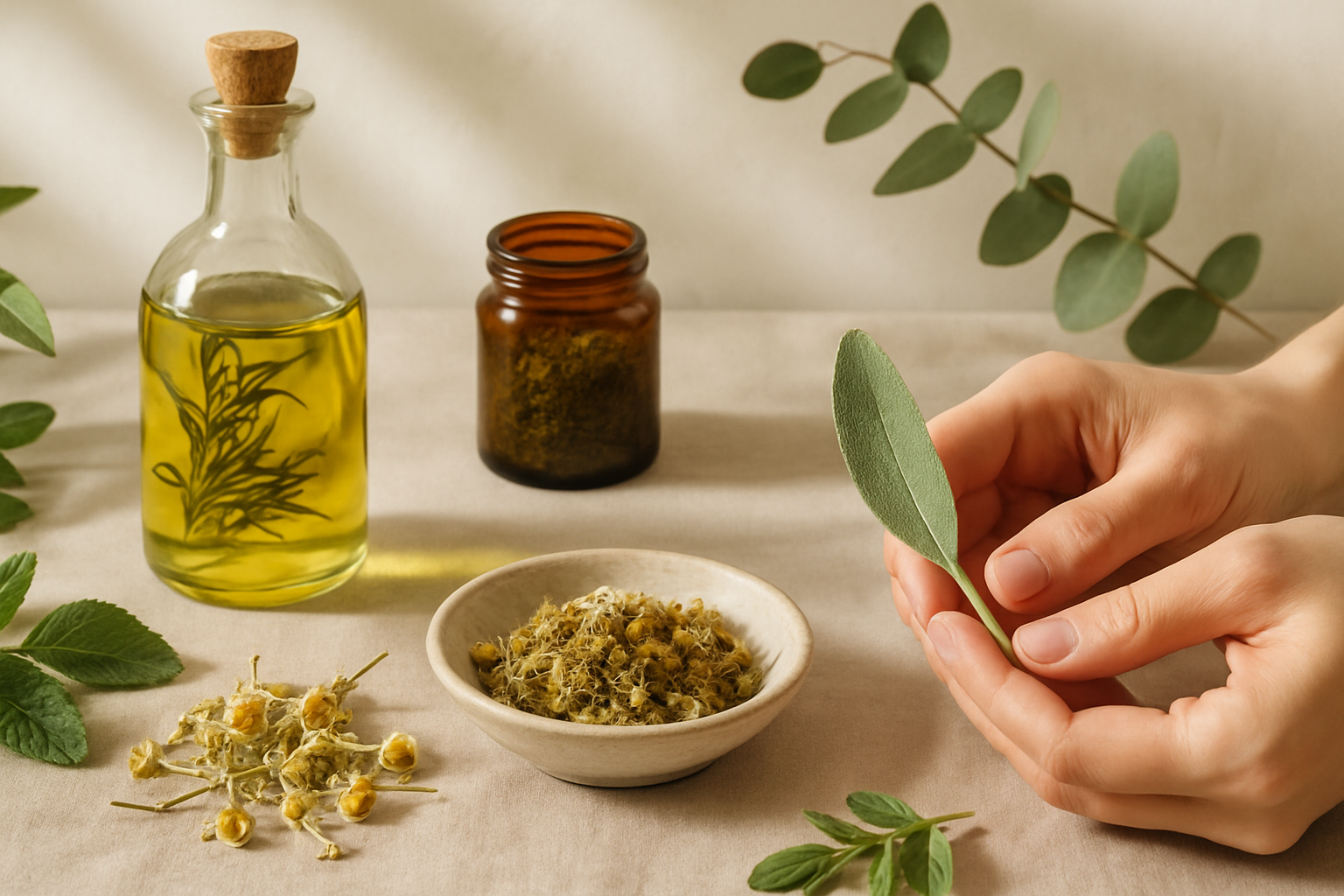
Natural remedies represent a diverse range of approaches to health and wellness, often rooted in the use of plant-based medicine and holistic practices. These remedies can include:
- Plant medicine: Using herbs, flowers, and other botanical materials for their therapeutic properties.
- Supplemental nutrition: Incorporating vitamins, minerals, and other nutrients to support health.
- Functional foods: Foods that offer health benefits beyond basic nutrition.
- Topicals: Natural creams, oils, and salves applied to the skin for various benefits.
- Simple home approaches: DIY methods for promoting wellness using everyday ingredients.
By exploring these various forms of natural remedies, individuals can harness the power of nature to enhance their well-being.
What Natural Remedies Cover
Herbs
Herbs are one of the most common natural remedies, used for centuries to address various health concerns. They can be consumed in many forms, including teas, tinctures, capsules, and extracts.
Vitamins & Minerals
Essential vitamins and minerals are crucial for maintaining overall health. They support bodily functions and can be found in whole foods or taken as supplements.
Essential Oils
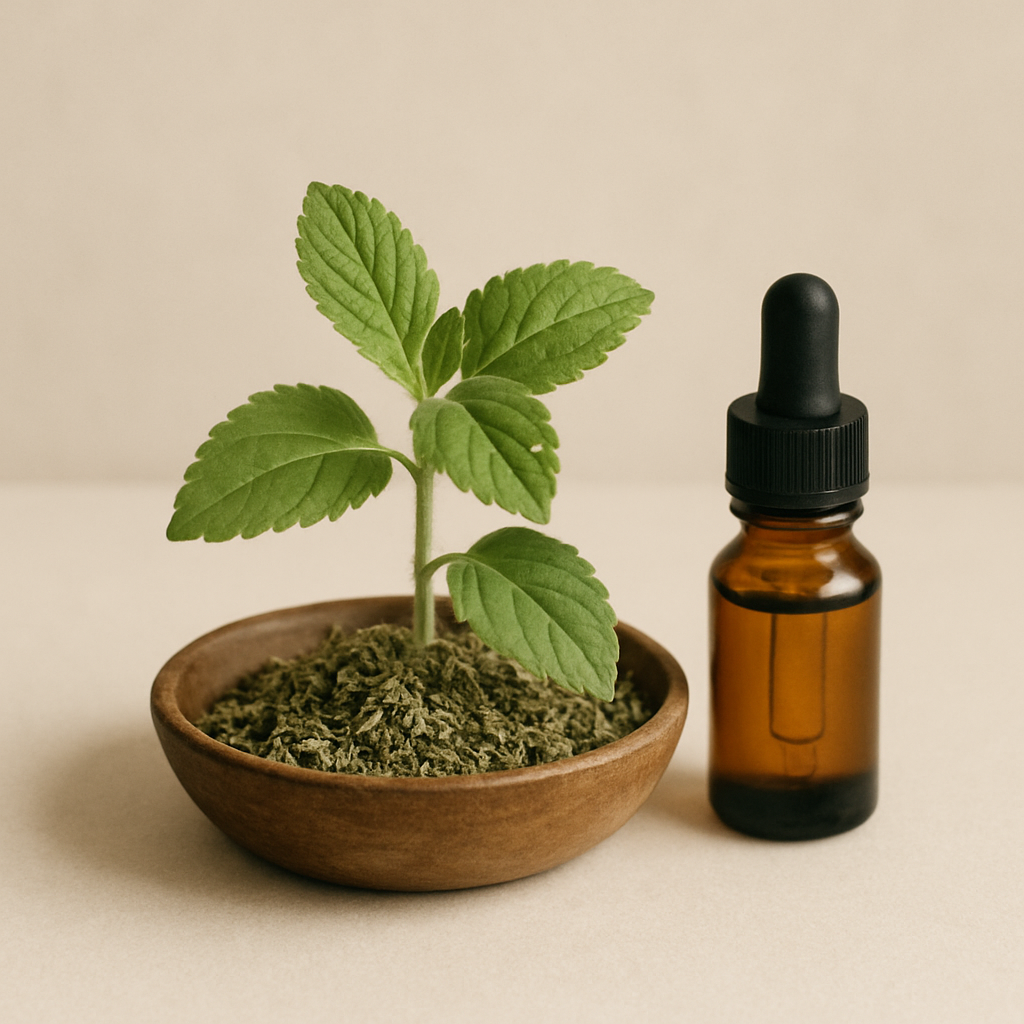
Extracted from plants, essential oils are concentrated liquids that capture the plant's scent and therapeutic properties. They are often used in aromatherapy and topical applications.
Teas
Herbal teas are a gentle way to consume the benefits of plants. They can be soothing, energizing, or supportive, depending on the herbs used.
Mushrooms
Medicinal mushrooms, such as reishi and lion's mane, are recognized for their potential health benefits, including immune support and cognitive enhancement.
Superfoods
Superfoods are nutrient-dense foods that provide exceptional health benefits. Examples include spirulina, chia seeds, and goji berries.
Probiotics
Probiotics are beneficial bacteria that support gut health. They can be found in fermented foods or taken as supplements.
Amino Acids
Amino acids are the building blocks of proteins and play vital roles in many bodily functions, including muscle health and neurotransmitter production.
Enzymes
Digestive enzymes help break down food and can aid in nutrient absorption. They may be taken as supplements for digestive support.
Flower Essences
Flower essences are energetic remedies derived from flowers and are used to address emotional and psychological issues.
Plant Extracts
Plant extracts, such as those from herbs and roots, often provide concentrated benefits and can be found in various supplements.
Functional Foods
Functional foods are those that provide health benefits beyond basic nutrition, often containing bioactive compounds that promote wellness.
Common Plant Compound Families
Understanding the various plant compound families can help you appreciate the complexity and potential benefits of natural remedies. Here are some common families:
- Alkaloids: Naturally occurring compounds that often have pharmacological effects, found in plants like coffee and tobacco.
- Terpenes: Aromatic compounds that give plants their scent and may have therapeutic properties, found in essential oils.
- Polyphenols: Antioxidant compounds found in fruits and vegetables, known for their potential health benefits.
- Glycosides: Compounds that can have various effects in the body, often found in medicinal plants.
- Polysaccharides: Complex carbohydrates that can support immune function and overall health, found in mushrooms and certain herbs.
How to Choose Quality & Source Responsibly
When selecting natural remedies, it's essential to prioritize quality and responsible sourcing. Here are some tips:
- Third-party testing: Look for products that have been tested by independent laboratories to ensure purity and potency.
- Sustainable sourcing: Choose brands that practice sustainable harvesting to protect the environment and plant species.
- Organic vs. wildcrafted: Organic products are grown without synthetic pesticides, while wildcrafted plants are harvested from their natural habitats. Both have their benefits.
- Supplier transparency: Opt for companies that provide clear information about their sourcing, production methods, and ingredient origins.
Common Goals People Pursue Through Natural Remedies
People turn to natural remedies for various reasons, often seeking to support specific health goals. Here are some common objectives:
- Daily wellness: Enhancing overall health and vitality through natural means.
- Targeted support: Addressing specific health concerns or symptoms.
- Recovery: Supporting the body during recovery from illness or injury.
- Performance: Enhancing physical or mental performance, such as improving energy or focus.
- Mood: Promoting emotional well-being and reducing stress.
- Longevity: Supporting overall health to promote a longer, healthier life.
Safety, Drug Interactions & When to Loop in a Provider
While natural remedies can offer many benefits, it is crucial to be aware of potential safety concerns and interactions with medications. Here are some considerations:
- Real interactions: Some natural remedies can interact with prescription medications, such as anticoagulants, SSRIs, immunosuppressants, and hormonal therapies.
- Consulting a provider: Always discuss your use of natural remedies with a healthcare provider, especially if you are pregnant, nursing, or taking medications.
- Monitoring effects: Pay attention to how your body responds to natural remedies and report any adverse effects to your provider.
How Natural Remedies Connect to Ancient Wisdom & Modern Wellness
Natural remedies bridge the gap between ancient wisdom and modern wellness practices. Many cultures have used herbal medicine and holistic approaches for centuries, and today, this knowledge is gaining recognition in contemporary health and wellness. The integration of traditional practices with modern scientific research creates a comprehensive approach to health that values both historical context and evidence-based understanding.
Featured Plant Profiles
Ginger
Ginger has been used for centuries for its potential anti-inflammatory and digestive benefits. It is commonly taken as a tea or supplement. Safety note: Consult a provider if you are on blood thinners.
Turmeric
Turmeric is renowned for its active compound, curcumin, which has antioxidant properties. It is often used to support joint health and reduce inflammation. Safety note: May interact with certain medications; consult a provider.
Echinacea
Echinacea is traditionally used to support immune function and reduce the duration of colds. Safety note: Avoid if you have allergies to related plants.
FAQs
What are natural remedies?
Natural remedies are health approaches that utilize plant-based ingredients, supplements, and holistic practices to support wellness.
Are natural remedies safe?
While many natural remedies are safe, it's essential to consult a healthcare provider, especially if you are taking medications.
How do I choose quality natural remedies?
Look for products that undergo third-party testing, are sustainably sourced, and provide transparent information about their ingredients.
Can natural remedies interact with medications?
Yes, some natural remedies can have interactions with prescription medications, so it's important to discuss your use with a healthcare provider.
What are some common natural remedies for stress?
Common natural remedies for stress include herbal teas, adaptogenic herbs, and essential oils.
How do I know if a natural remedy is effective?
Researching the specific remedy and consulting with a knowledgeable healthcare provider can help determine its effectiveness for your needs.