Cooking Oils, Butter & More: What Research Shows & Safety.
Dietary fats first. Explore each cooking oil and fat as food: its fatty-acid makeup (measured by USDA), what research in people has and has not found for heart health and other goals, how it handles heat, a normal serving, and what to check: calories, saturated and trans fat, rancidity, allergy. These are food oils; external and traditional uses of oils are in Natural Oils & Butters.
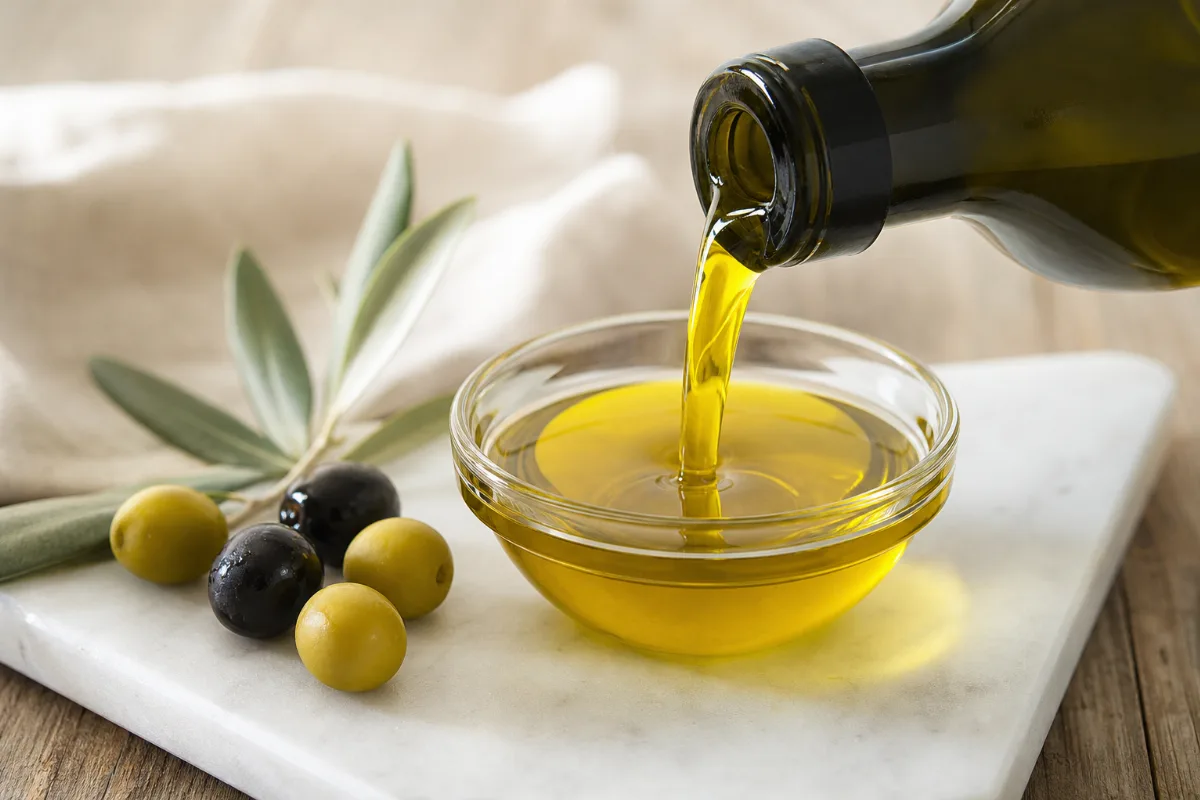
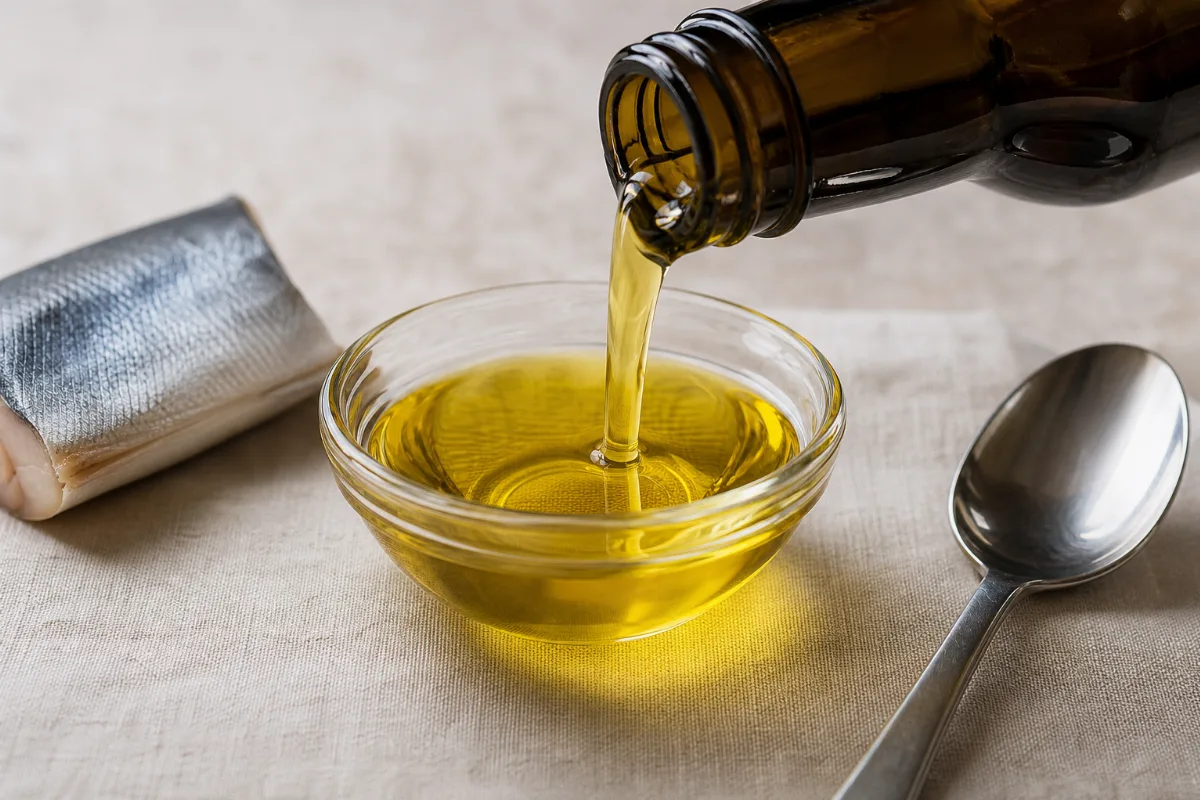
What cohort studies, a major Mediterranean-diet trial and reviews of trials found about olive oil as a food, where results are mixed, and why it is not proven alone.
Olive oil in a Mediterranean-style diet and heart events
Olive oil intake and cardiovascular disease and death (cohorts)
Olive oil and type 2 diabetes risk (cohorts)
Extra virgin olive oil and cholesterol or blood pressure in trials
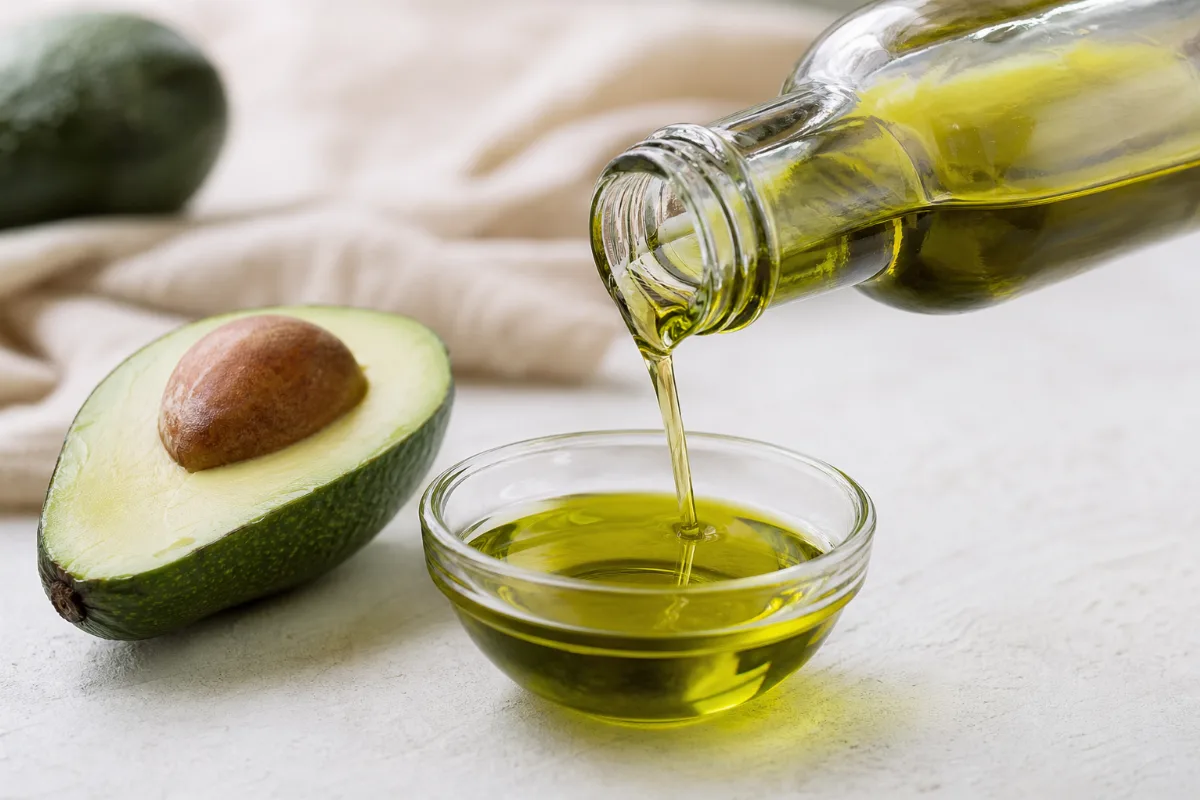
Avocado oil as a food: USDA fat profile, what reviews and lab studies found, why labels are hard to trust, heating, calories, and latex-fruit allergy notes.
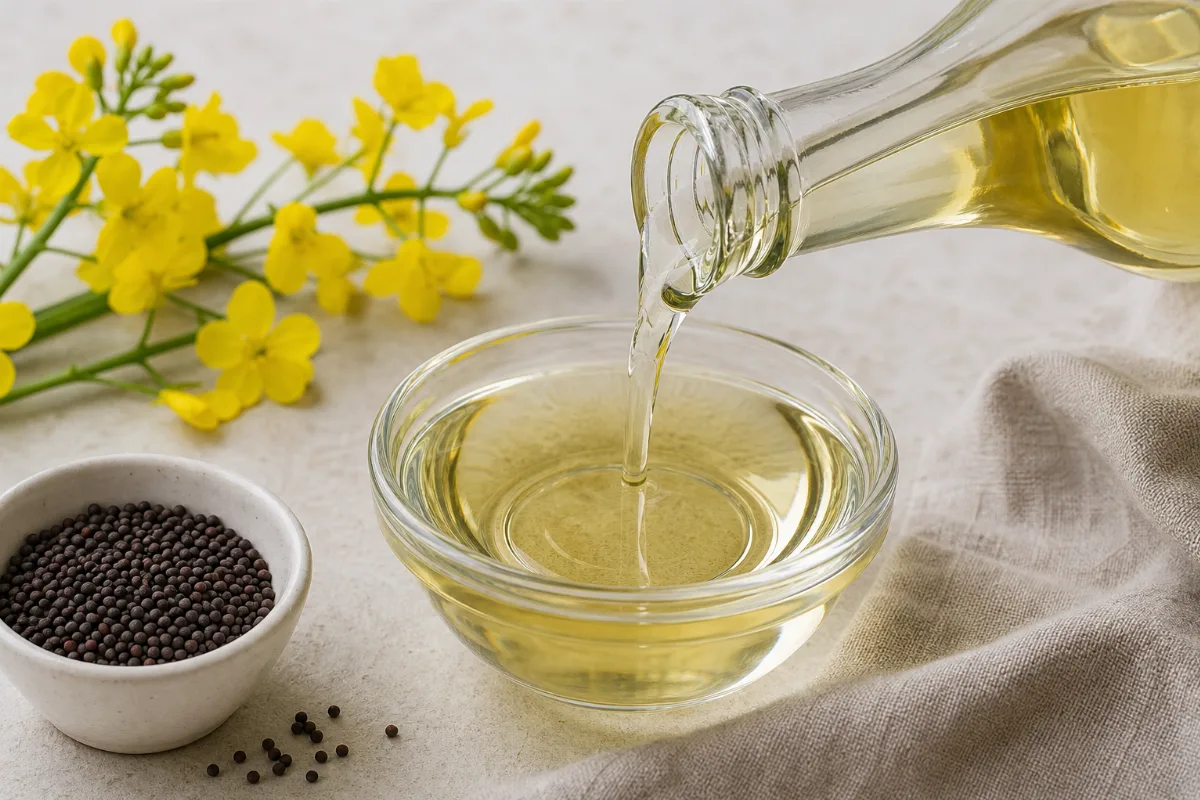
Canola oil as a food: USDA fat profile, what pooled trials found on cholesterol and weight, the FDA qualified claim, erucic acid, and honest answers to the seed-oil worries.
Canola oil and LDL cholesterol
Canola oil compared with olive oil for LDL
Canola oil and coronary heart disease (FDA qualified claim)
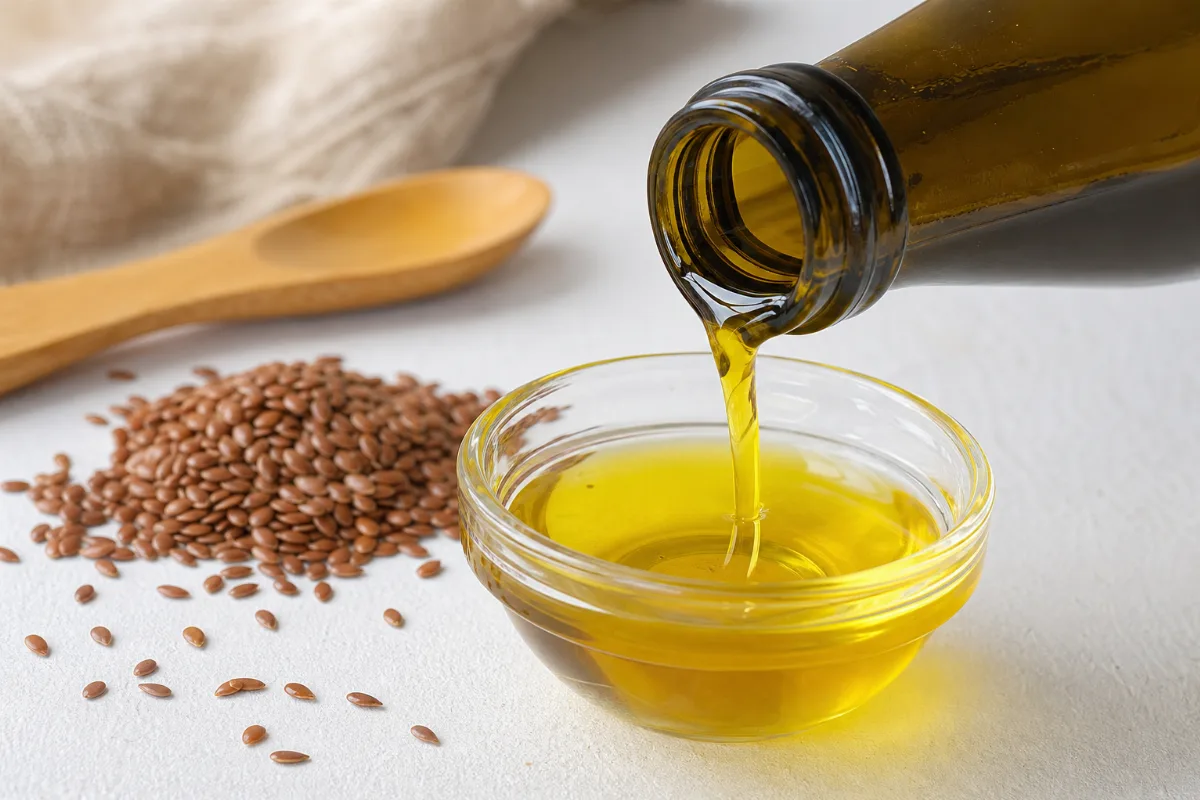
Flaxseed oil as a food: its very high plant omega-3 (ALA) content by USDA values, what trials and cohorts found, conversion to fish omega-3s, and cautions.
Plant omega-3 (ALA) intake from flaxseed oil
Conversion of ALA to EPA and DHA
ALA and heart disease events (Cochrane)
Plant ALA, blood fats and inflammation in overweight adults
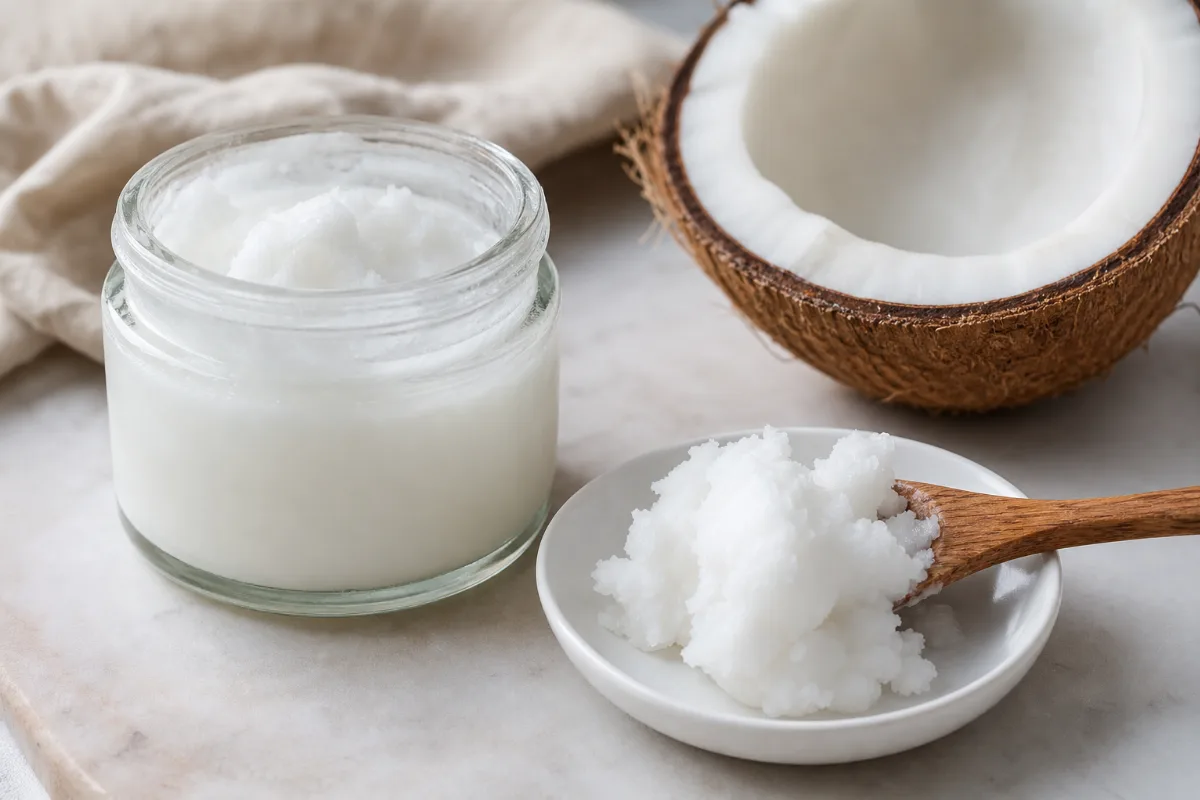
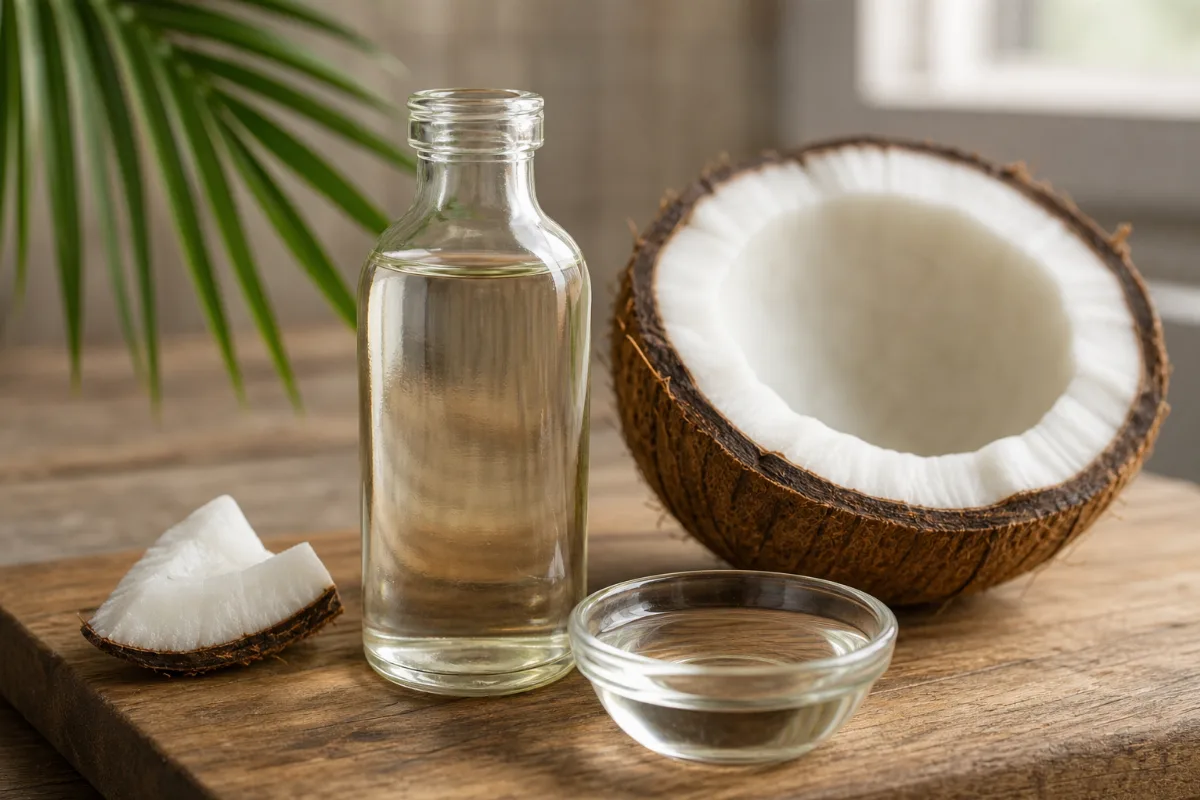
Coconut oil as a food: USDA fat profile (about 82% saturated), pooled trials on LDL and HDL cholesterol, health claims checked, allergy and official fat limits.
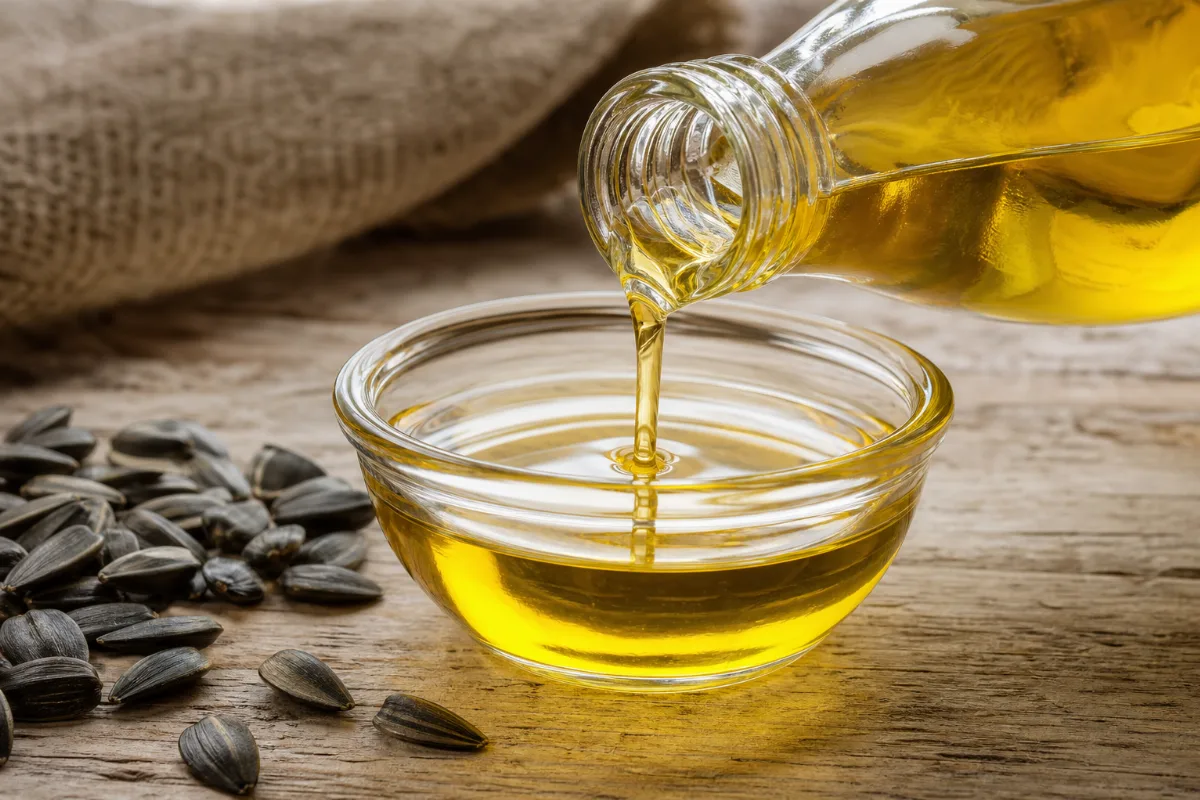
Sunflower oil as a food: USDA fat and vitamin E values, linoleic vs oleic types, what trials found on cholesterol and inflammation, allergy, heating and safety.
Sunflower oil in place of saturated fat and LDL cholesterol
Sunflower oil and heart disease events
Oleic acid oils and the FDA qualified claim
Sunflower oil vs coconut oil as cooking oil in coronary disease
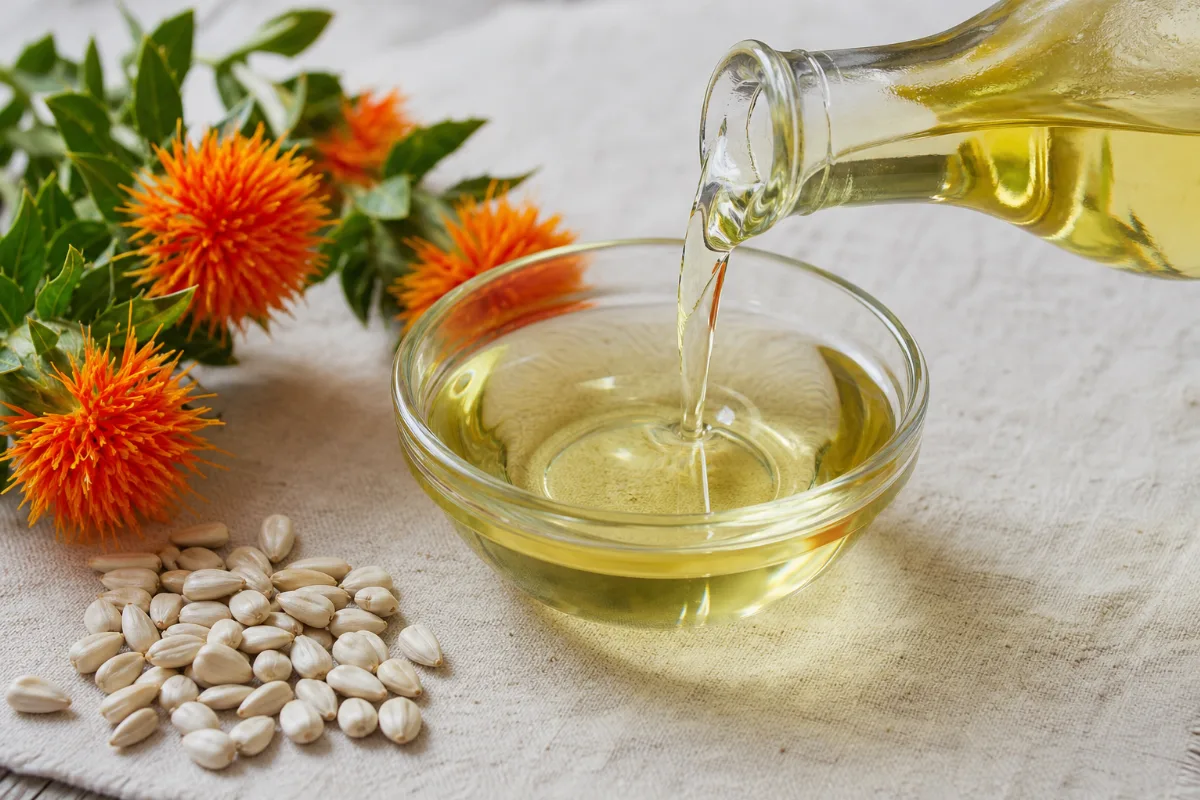
Safflower oil as a food: high-oleic vs linoleic types, USDA fat and vitamin E values, what small trials found on cholesterol and blood sugar, allergy and safety.
Safflower oil in place of saturated fat and LDL cholesterol
High-oleic safflower oil and the FDA qualified claim
Safflower oil and blood sugar in women with type 2 diabetes
High-oleic safflower oil and cholesterol compared with coconut oil
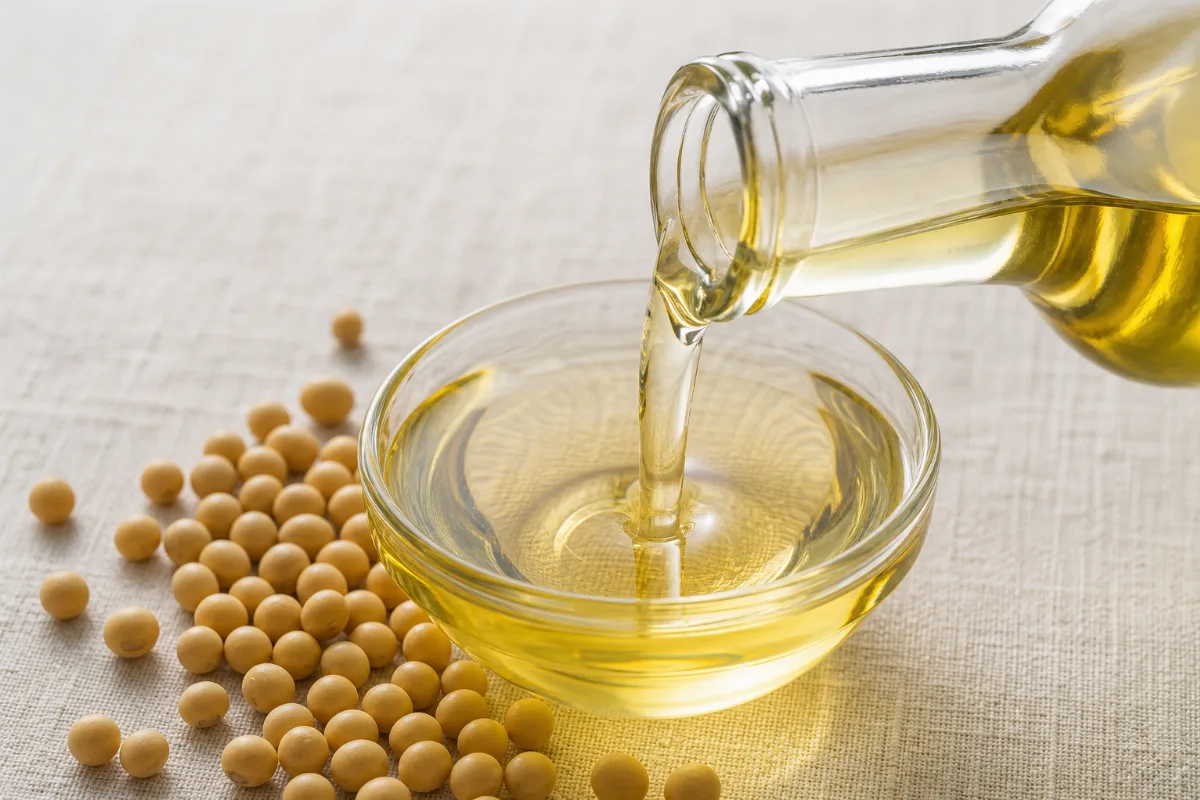
Soybean and vegetable oil as a food: USDA fat, ALA and vitamin K values, what trials found on cholesterol and inflammation, soy allergy, warfarin and heating.
Soybean oil in place of saturated fat and LDL cholesterol
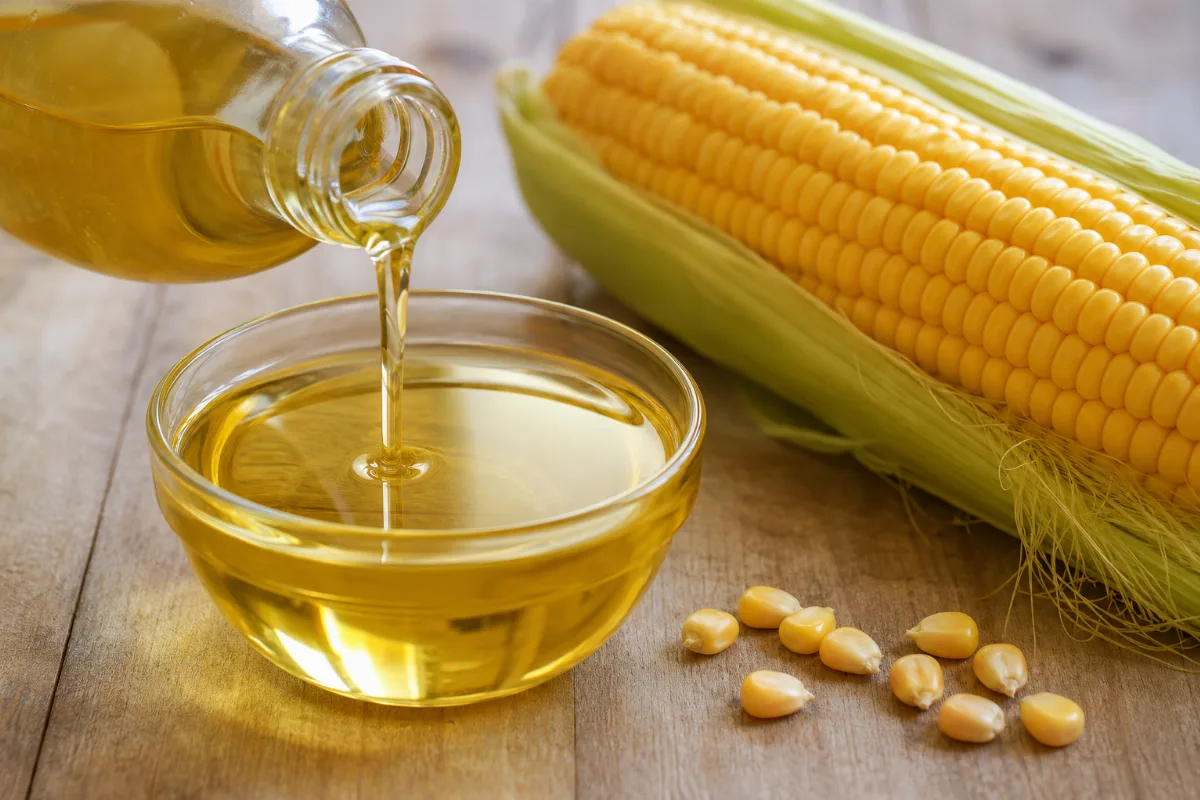
Corn oil as a food: USDA fat and vitamin E values, what trials found on LDL cholesterol versus olive oil, the Minnesota Coronary Experiment, allergy and safety.
Corn oil and LDL cholesterol compared with olive oil
Corn oil in place of saturated fat and heart events
Minnesota Coronary Experiment: corn oil, cholesterol and deaths
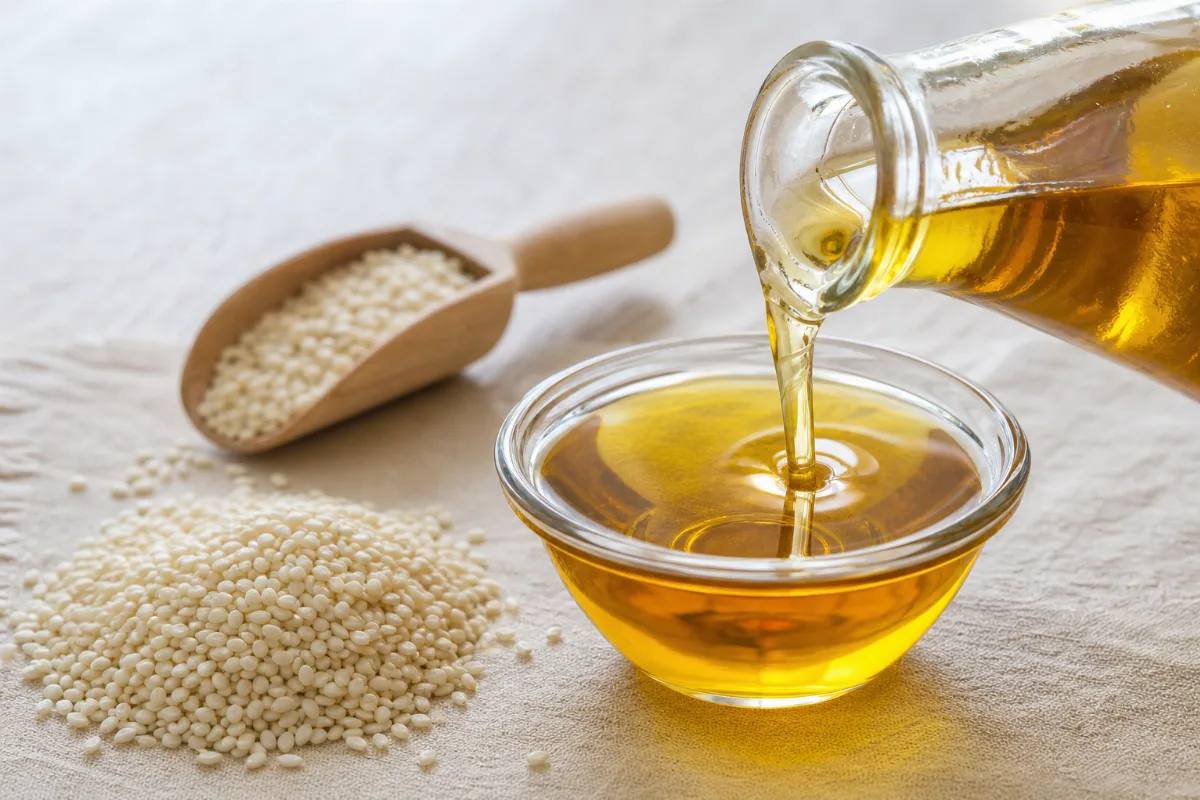
Sesame oil as a food: USDA fat values, sesame allergy and labeling, small trials on blood pressure and blood sugar, medicine cautions and what we could not verify.
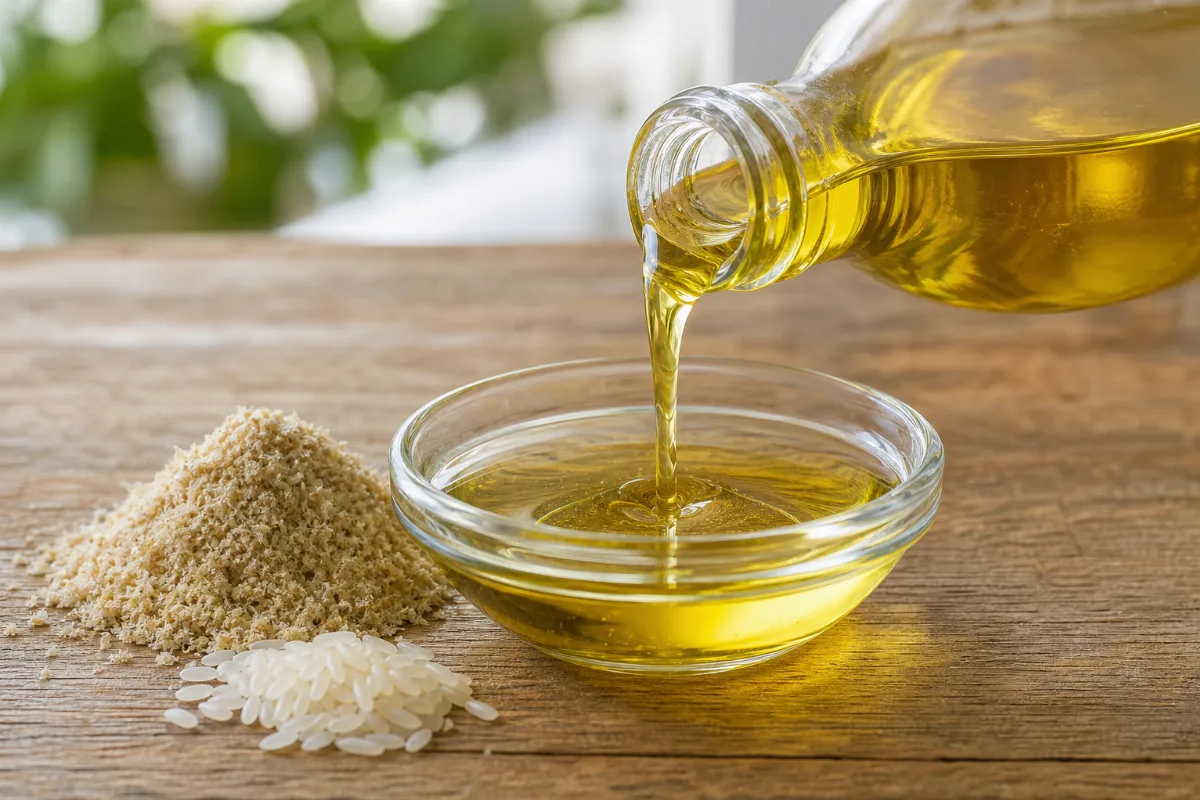
Rice bran oil as a food: USDA fat and vitamin E values, what pooled trials found on LDL cholesterol, heating and storage limits, and which safety questions have no answer yet.
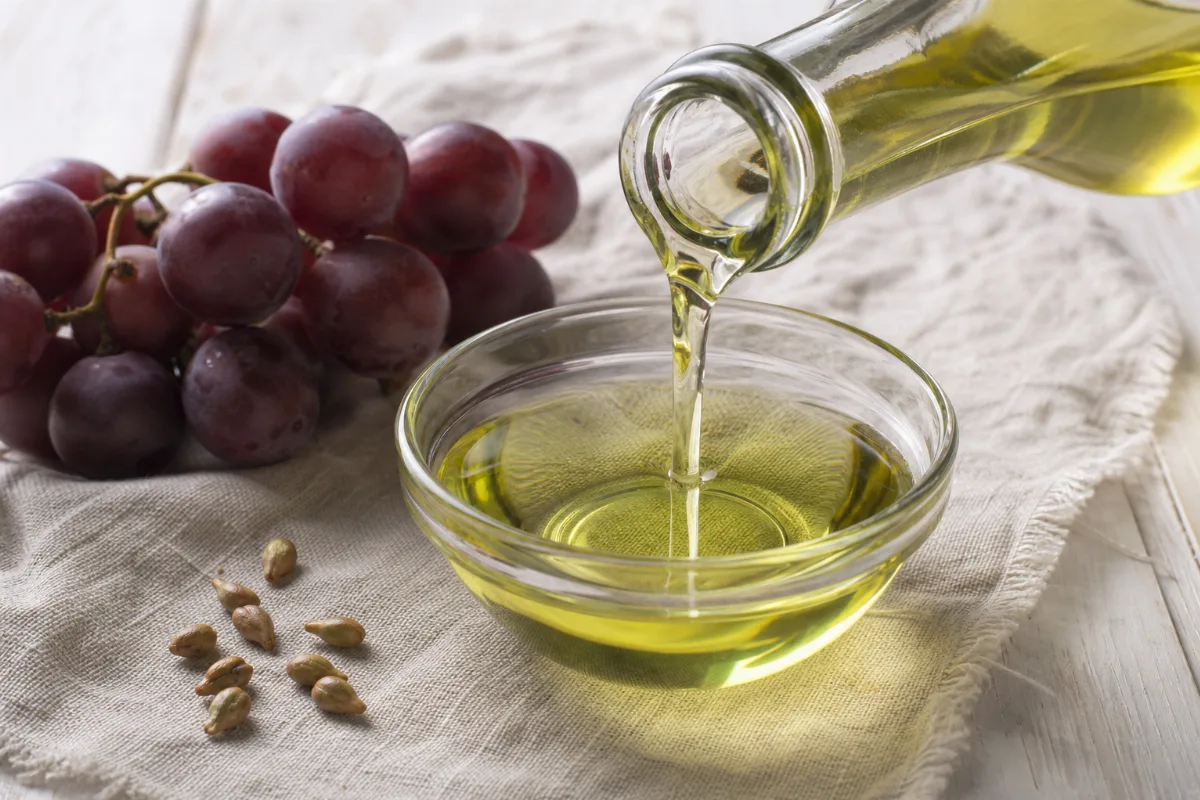
Grapeseed oil as a food: USDA fat and vitamin E values, one small trial on inflammation markers, heating and contaminant questions, and how it differs from grape seed extract.
Grapeseed oil, inflammation markers and insulin resistance
Unsaturated oil in place of saturated fat
Vitamin E (alpha-tocopherol) from the oil
Anti-inflammatory and other claims for grapeseed oil
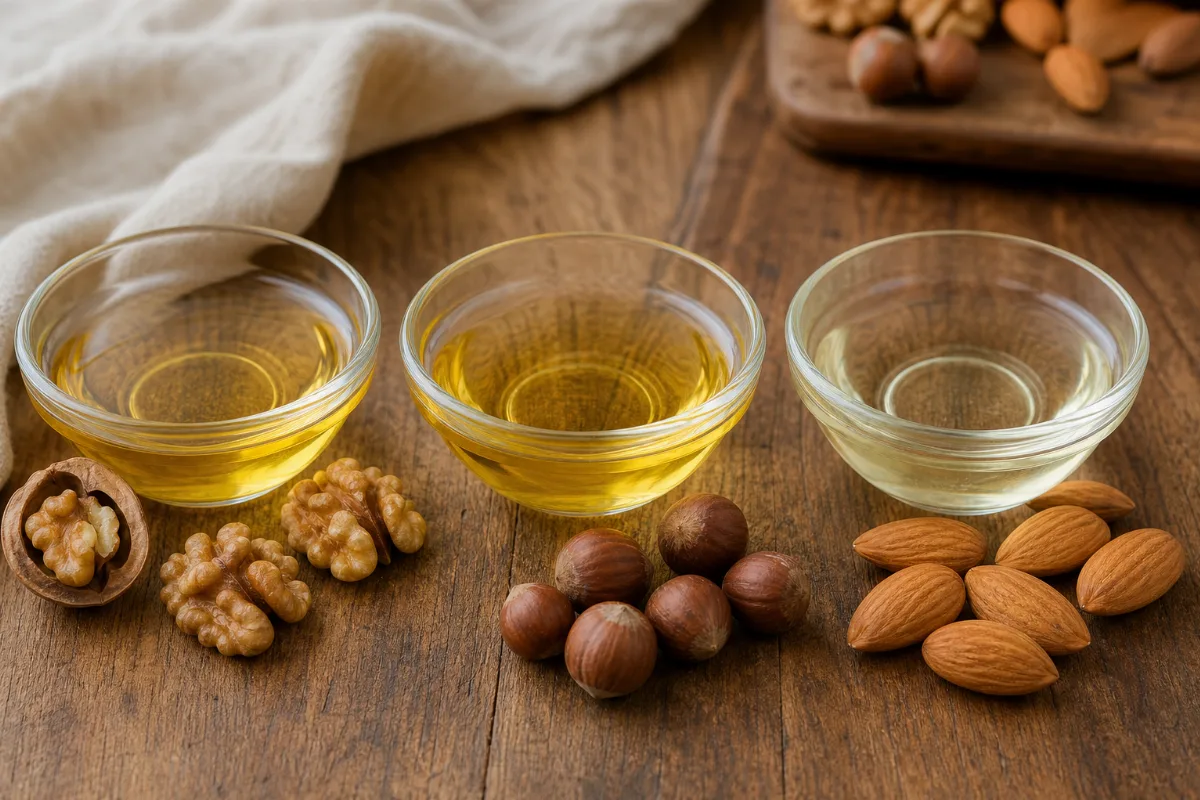
Walnut, hazelnut and almond oils as foods: USDA values, small trials on cholesterol and blood sugar, tree nut allergy and refined versus cold-pressed oils, and storage.
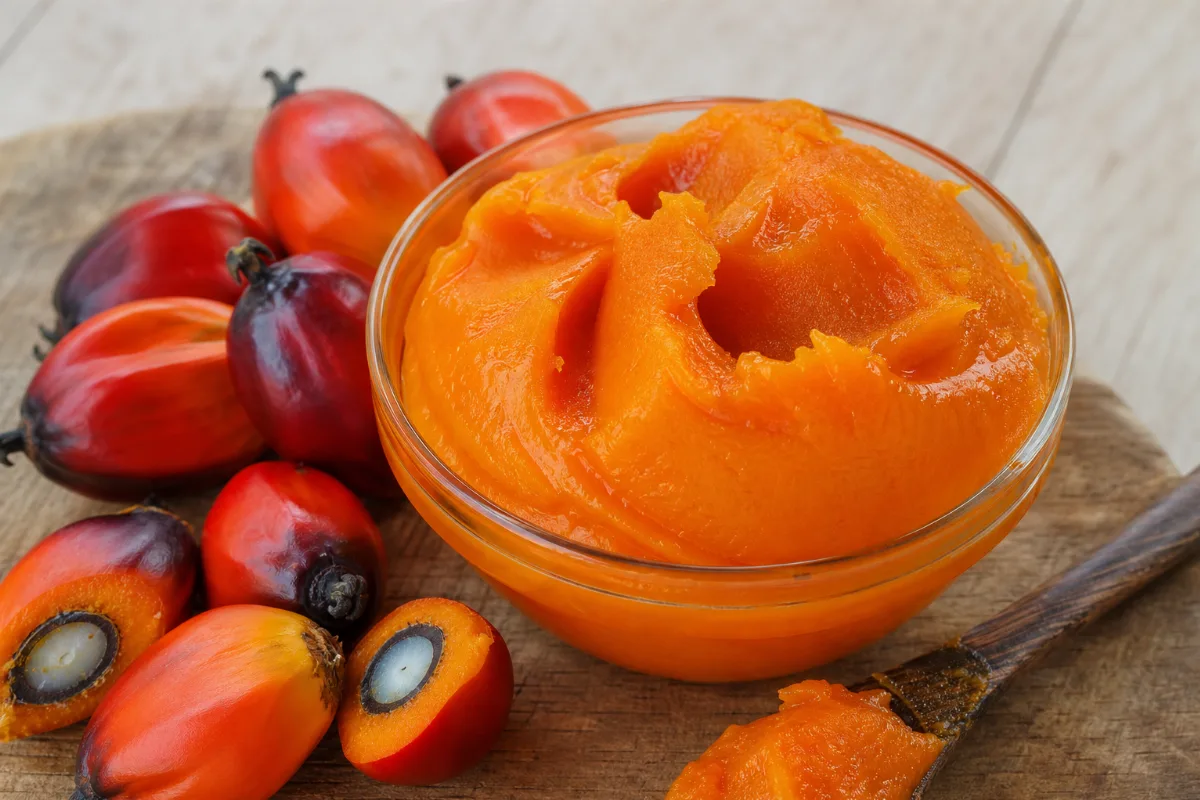
Palm oil as a food: USDA saturated fat values, a pooled finding that it raises LDL cholesterol versus low-saturated oils, industry-funded views, and contaminants.
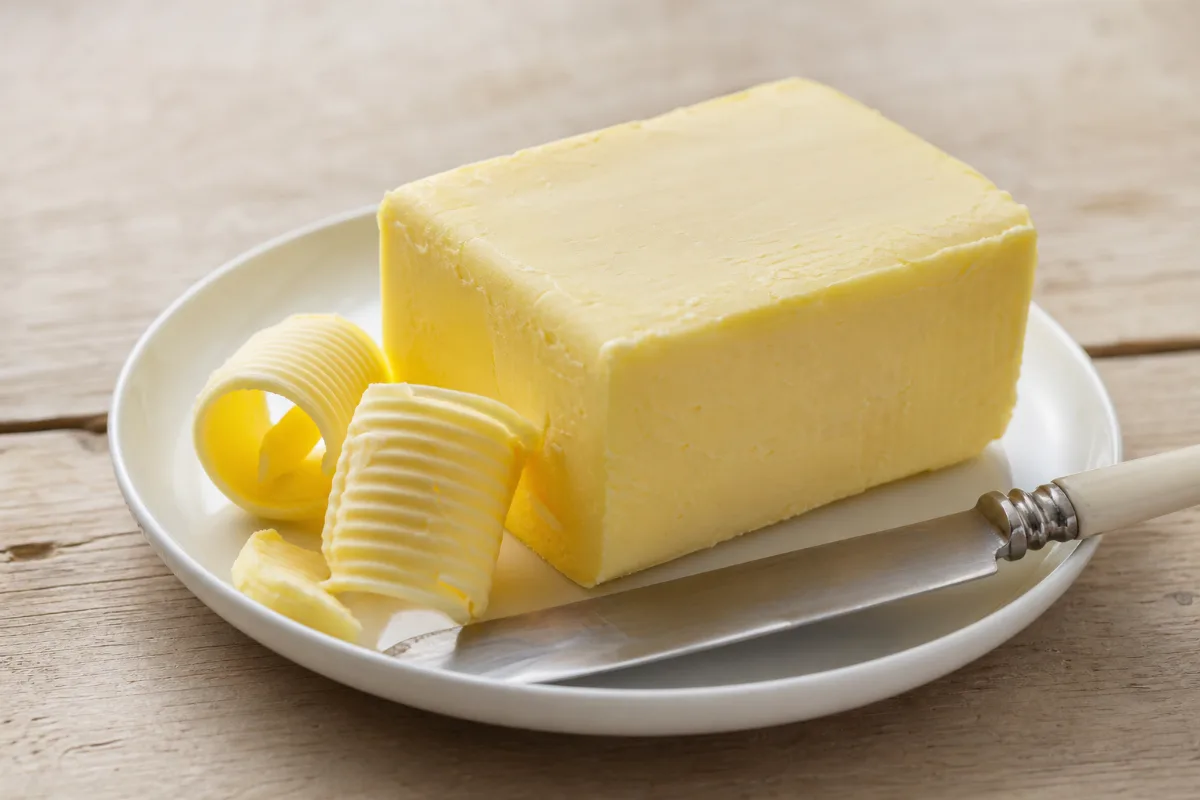
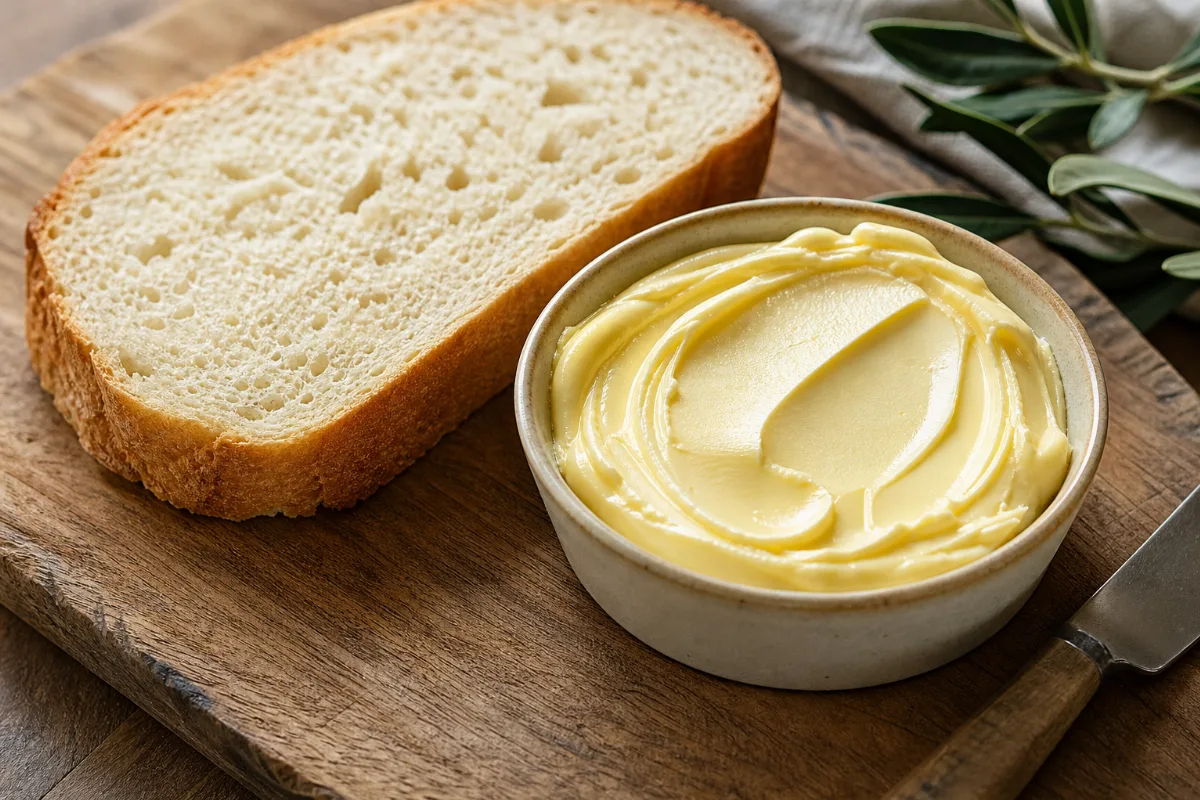
Butter as a food: USDA values, saturated fat and LDL cholesterol, what large reviews found on heart disease and diabetes, milk allergy, raw-milk butter and storage.
Saturated fat limits and replacing butter-type fats
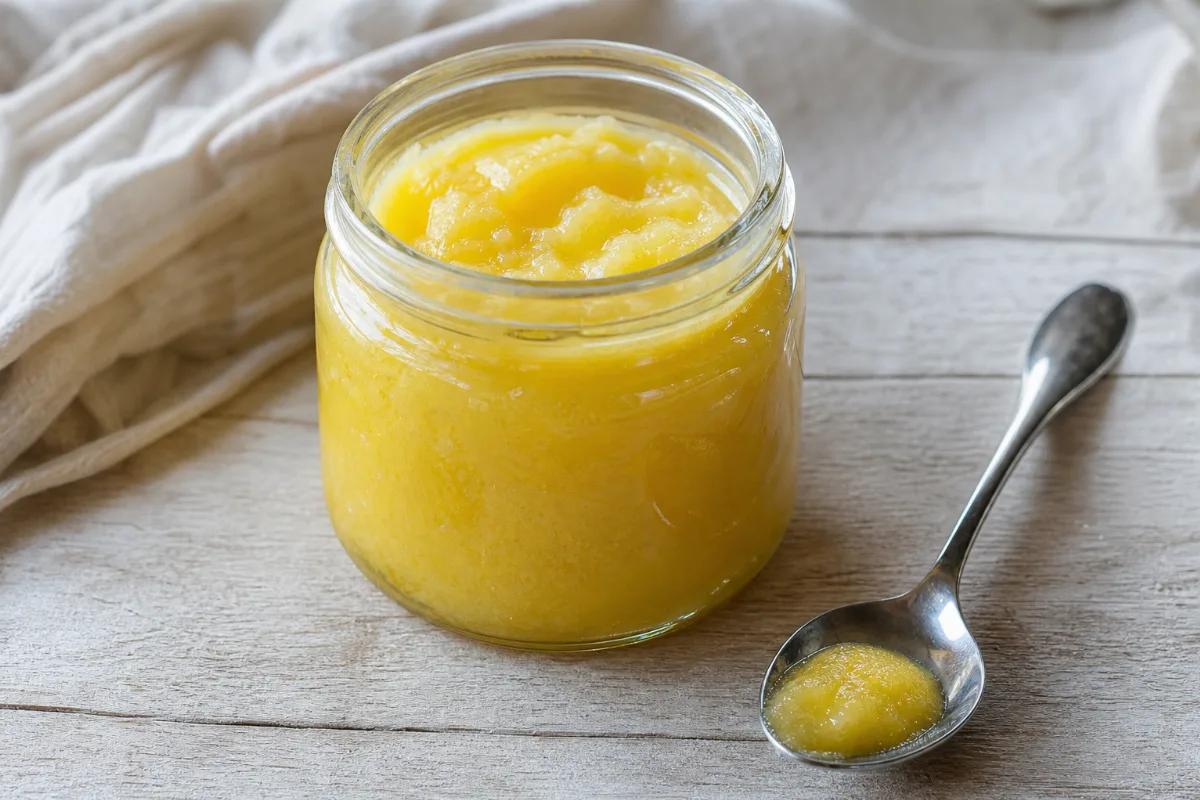
Ghee (clarified butter) as a food: USDA values, saturated fat, what small studies and a 2025 meta-analysis found on cholesterol and heart risk, milk allergy and storage.
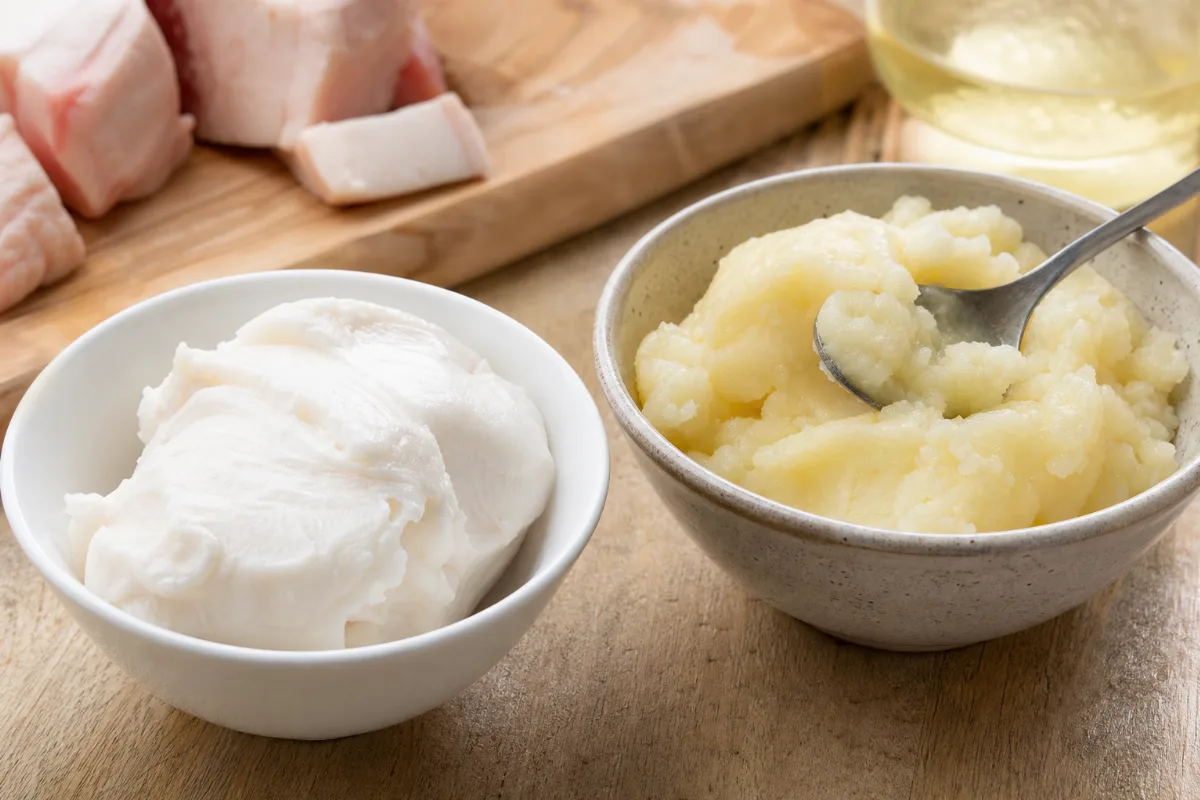
Lard and beef tallow as foods: USDA values, saturated fat versus other fats, what trials found on LDL cholesterol, alpha-gal allergy to mammal products, and honest limits of the evidence.
Gallus gallus domesticus, Anser anser domesticus, Anas platyrhynchos domesticus
Normal serving (USDA): 1 tablespoon (12.8 g)
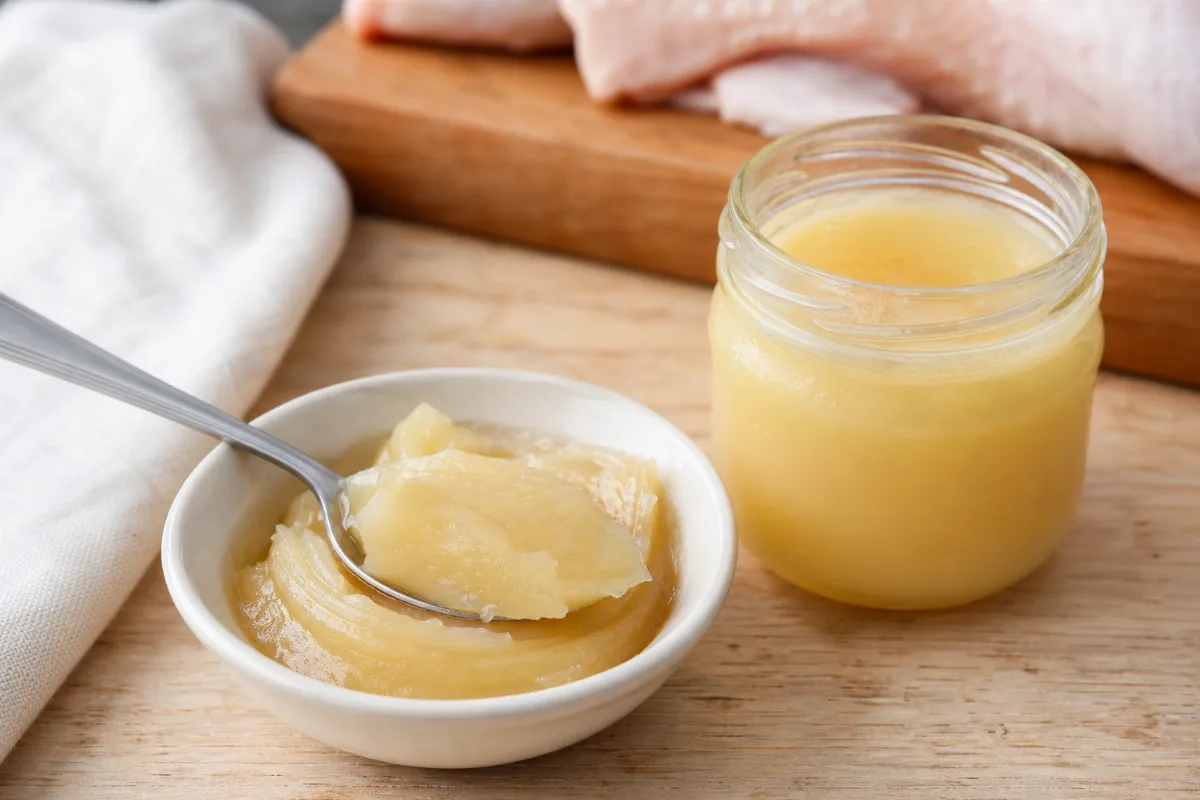
Duck, goose and chicken fat as foods: USDA values for chicken and goose fat, how their fat mix differs from butter, what research shows (little), and safety notes.
Medium-chain triglycerides (from coconut or palm kernel)
Normal serving (USDA): No USDA household portion; label serving varies
MCT oil explained: what medium-chain triglycerides are, small trial effects on weight, ketones and cholesterol, stomach upset, and medicine and coconut allergy cautions.
Gadus morhua (cod liver oil), Salmo salar (salmon oil)
Vitamin A
Normal serving (USDA): 1 tablespoon (13.6 g)
Cod liver oil and fish oil as foods: USDA fat and vitamin A values, what trials found on triglycerides, heart events and infections, plus pregnancy and allergy cautions.
Normal serving (USDA): 1 tablespoon (14 g) of tub spread
Margarine and plant-oil spreads as foods: USDA values, trans fat and the FDA ruling on partially hydrogenated oils, plant sterol spreads and LDL, allergy and label tips.
Replacing saturated fat with unsaturated fat
Plant sterol and stanol spreads and LDL cholesterol
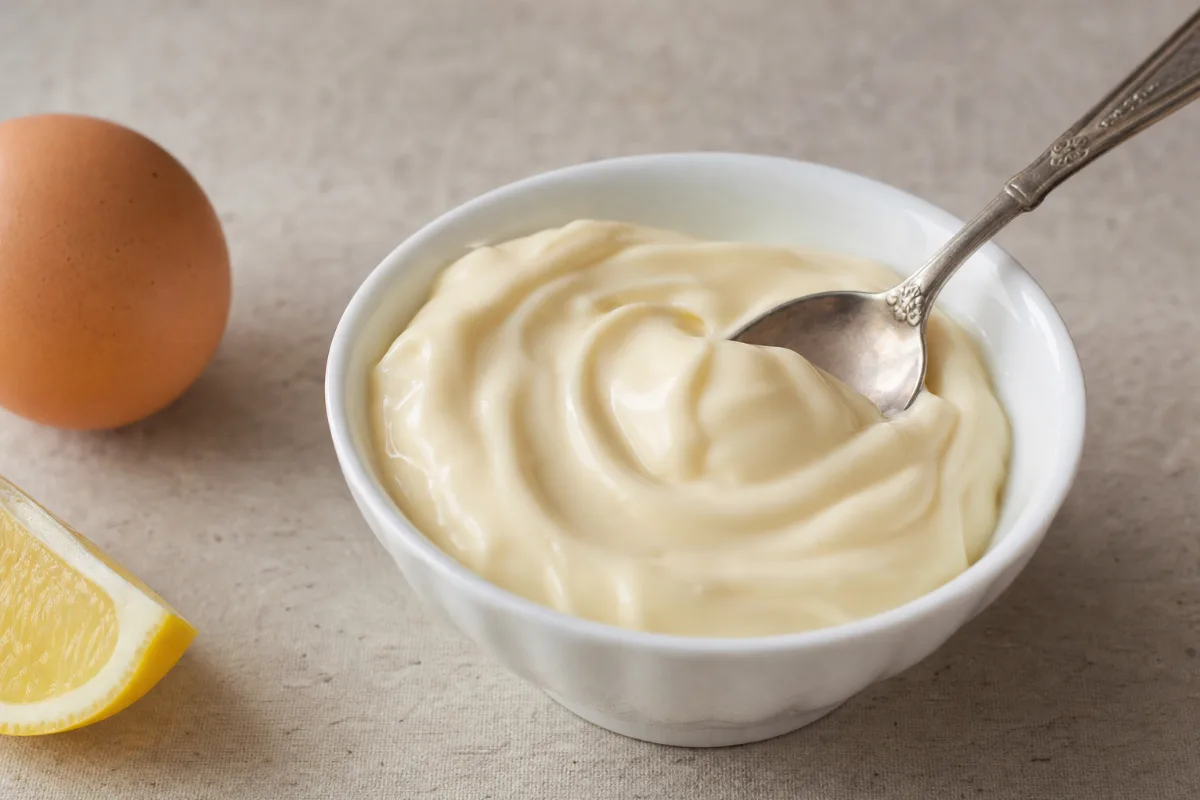
Mayonnaise as a food: USDA calories and fat profile, vitamin K and warfarin, egg allergy, raw-egg Salmonella risk in homemade versions, and what research shows.
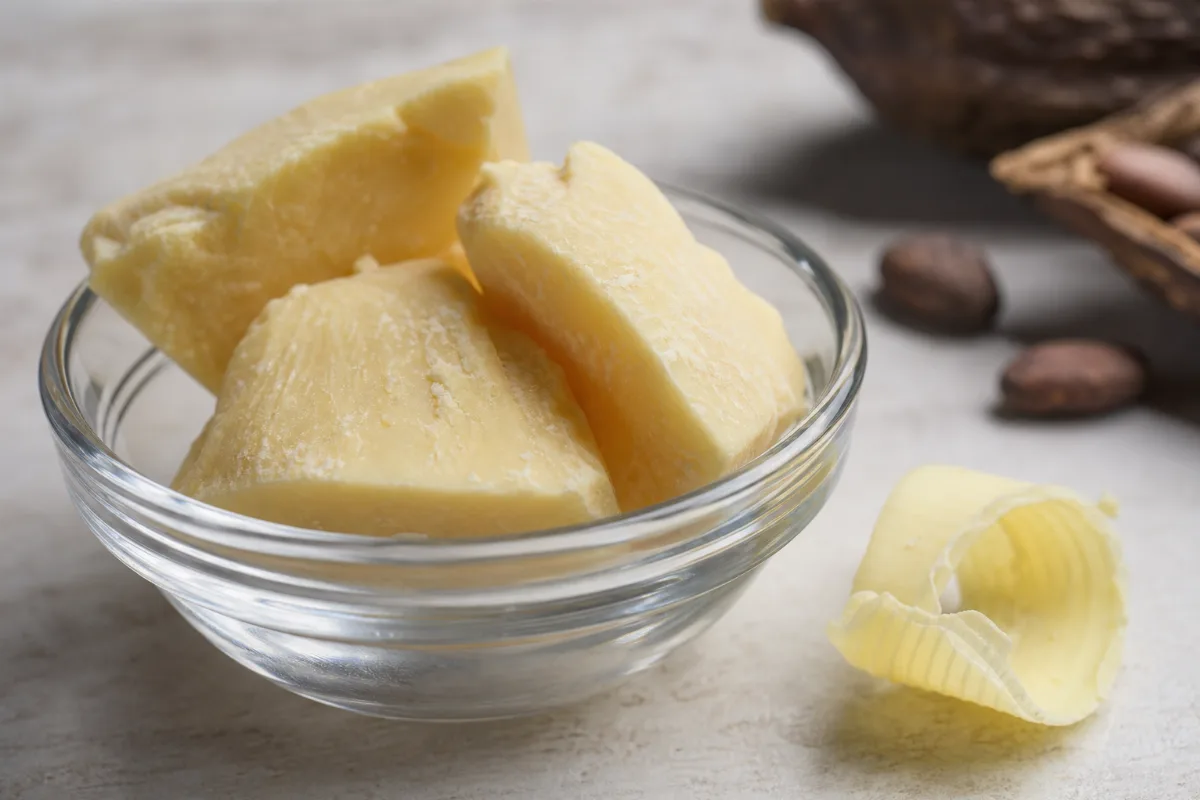
Cocoa butter as a food fat: USDA values, stearic acid versus other saturated fats, what small trials found on cholesterol, white chocolate, allergy and cautions.
Stearic acid and LDL cholesterol
Cocoa butter diets compared with olive and soybean oil
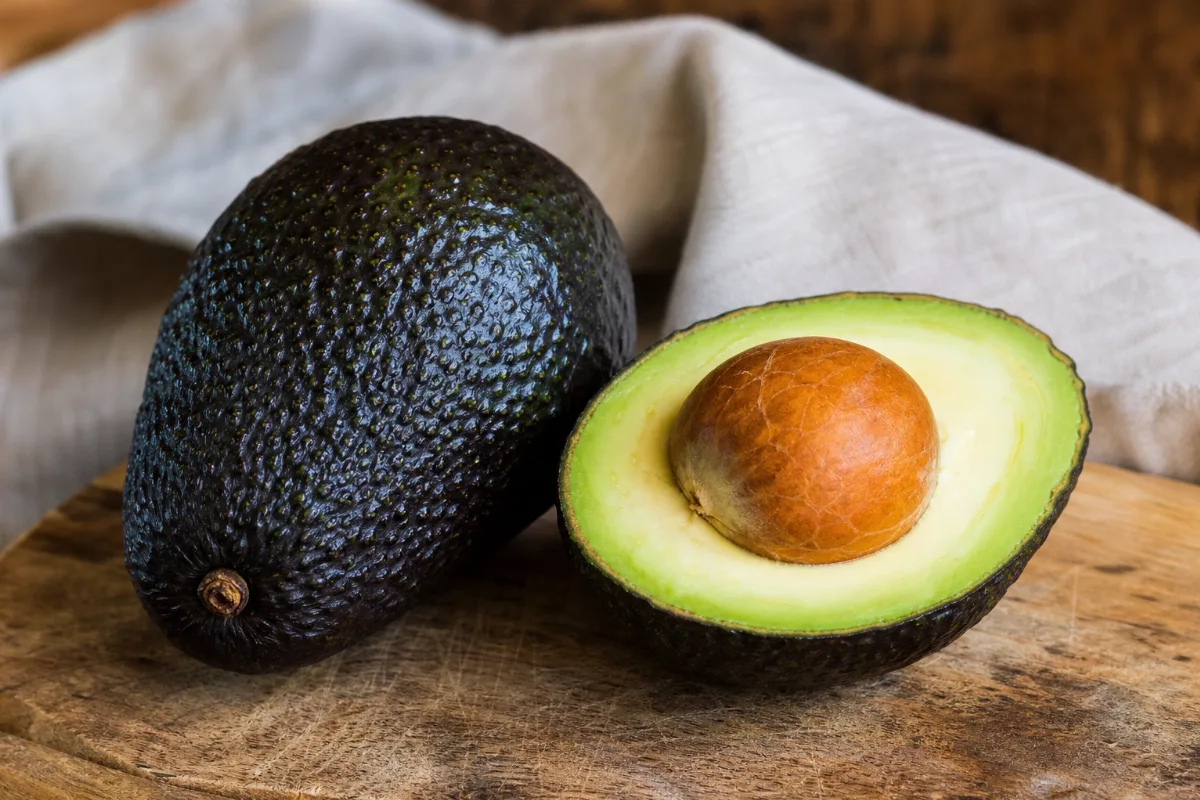
Avocado as a food: what small trials and reviews found on cholesterol, blood sugar and eye pigment, what they did not show, and latex-fruit allergy and warfarin cautions.
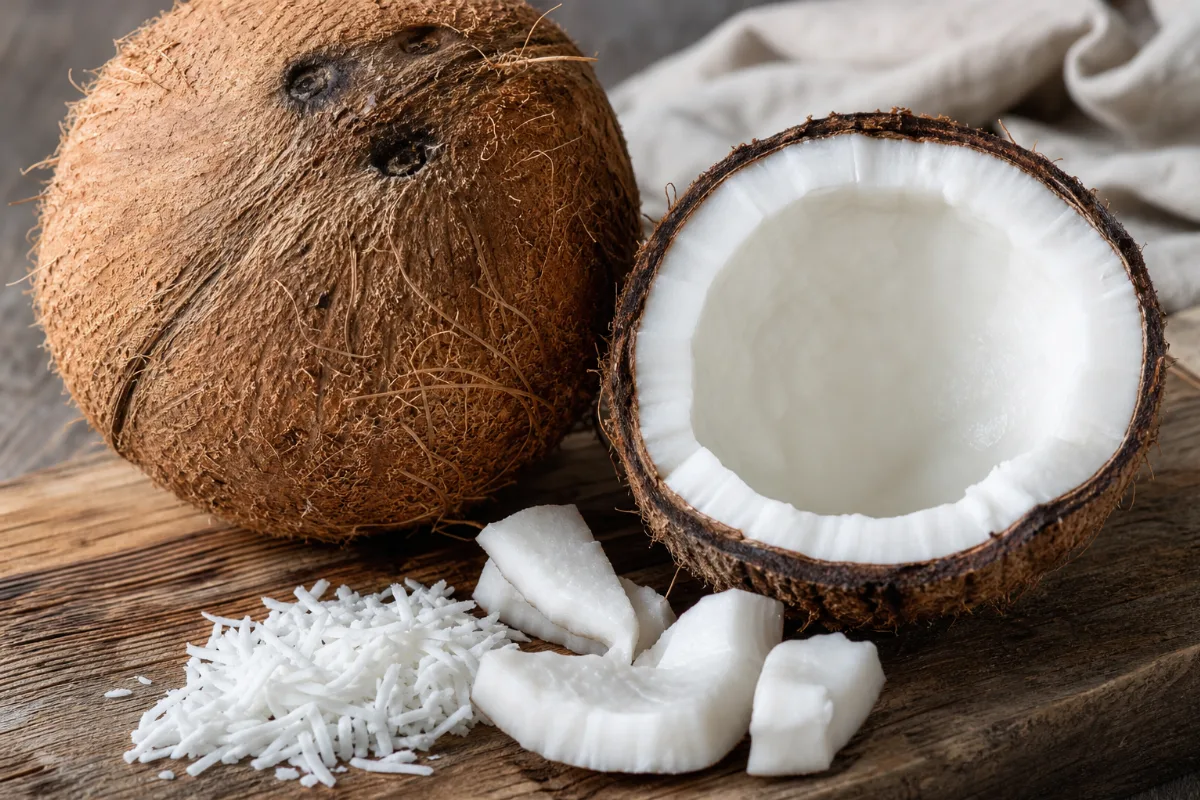
What the research shows for coconut meat, with USDA nutrient values, a clear look at its saturated fat, and short notes on coconut water, milk and oil, allergy and food safety.
No oil or fat matches all of these filters. Try removing one. Some topics (for example most herbs) are not oils and fats and live elsewhere on the site.
A link between a oil or fat and a topic means the body needs the oil or fat for that job, or that low intake is linked to it. It does not mean extra supplements help if your intake is already adequate. See each page’s evidence label.
Browse by oil or fat fat group
Plant oils
Olive, avocado, canola, flaxseed, coconut, sunflower, soybean and other oils pressed from fruits, seeds and nuts.
Avocado oil as a food: USDA fat profile, what reviews and lab studies found, why labels are hard to trust, heating, calories, and latex-fruit allergy notes.
Canola oil as a food: USDA fat profile, what pooled trials found on cholesterol and weight, the FDA qualified claim, erucic acid, and honest answers to the seed-oil worr…
Flaxseed oil as a food: its very high plant omega-3 (ALA) content by USDA values, what trials and cohorts found, conversion to fish omega-3s, and cautions.
Coconut oil as a food: USDA fat profile (about 82% saturated), pooled trials on LDL and HDL cholesterol, health claims checked, allergy and official fat limits.
Sunflower oil as a food: USDA fat and vitamin E values, linoleic vs oleic types, what trials found on cholesterol and inflammation, allergy, heating and safety.
Safflower oil as a food: high-oleic vs linoleic types, USDA fat and vitamin E values, what small trials found on cholesterol and blood sugar, allergy and safety.
Soybean and vegetable oil as a food: USDA fat, ALA and vitamin K values, what trials found on cholesterol and inflammation, soy allergy, warfarin and heating.
Corn oil as a food: USDA fat and vitamin E values, what trials found on LDL cholesterol versus olive oil, the Minnesota Coronary Experiment, allergy and safety.
Sesame oil as a food: USDA fat values, sesame allergy and labeling, small trials on blood pressure and blood sugar, medicine cautions and what we could not verify.
Rice bran oil as a food: USDA fat and vitamin E values, what pooled trials found on LDL cholesterol, heating and storage limits, and which safety questions have no answe…
Grapeseed oil as a food: USDA fat and vitamin E values, one small trial on inflammation markers, heating and contaminant questions, and how it differs from grape seed ex…
Walnut, hazelnut and almond oils as foods: USDA values, small trials on cholesterol and blood sugar, tree nut allergy and refined versus cold-pressed oils, and storage.
Palm oil as a food: USDA saturated fat values, a pooled finding that it raises LDL cholesterol versus low-saturated oils, industry-funded views, and contaminants.
Butter & Animal Fats(4)Butter, ghee, lard, tallow and poultry fats.
Butter as a food: USDA values, saturated fat and LDL cholesterol, what large reviews found on heart disease and diabetes, milk allergy, raw-milk butter and storage.
Ghee (clarified butter) as a food: USDA values, saturated fat, what small studies and a 2025 meta-analysis found on cholesterol and heart risk, milk allergy and storage.
Lard and beef tallow as foods: USDA values, saturated fat versus other fats, what trials found on LDL cholesterol, alpha-gal allergy to mammal products, and honest limit…
Duck, goose and chicken fat as foods: USDA values for chicken and goose fat, how their fat mix differs from butter, what research shows (little), and safety notes.
Special Fats & Spreads(5)MCT oil, cod liver oil, margarine and spreads, mayonnaise and cocoa butter.
MCT oil explained: what medium-chain triglycerides are, small trial effects on weight, ketones and cholesterol, stomach upset, and medicine and coconut allergy cautions.
Cod liver oil and fish oil as foods: USDA fat and vitamin A values, what trials found on triglycerides, heart events and infections, plus pregnancy and allergy cautions.
Margarine and plant-oil spreads as foods: USDA values, trans fat and the FDA ruling on partially hydrogenated oils, plant sterol spreads and LDL, allergy and label tips.
Mayonnaise as a food: USDA calories and fat profile, vitamin K and warfarin, egg allergy, raw-egg Salmonella risk in homemade versions, and what research shows.
Cocoa butter as a food fat: USDA values, stearic acid versus other saturated fats, what small trials found on cholesterol, white chocolate, allergy and cautions.
Safety & Practical Guides(4)Saturated, unsaturated and trans fats explained; smoke points; and which fat to choose.
What saturated, unsaturated and trans fats are, which oils and spreads contain how much (USDA values), and what health bodies and trials say about swapping one for anoth…
Where trans fat comes from, how the FDA's 2015 ruling and 2018 deadline changed US food, how to read the 0 g label rule, and what pooled studies say about health.
What a smoke point is, why it is not the whole story, what lab studies found when oils were heated or deep-fried, and practical kitchen points, with evidence limits.
Olive oil, canola, butter, coconut, palm or tallow? What the Dietary Guidelines, WHO, NHS and pooled studies say about each cooking fat, and where the evidence is still …
Search oils and fats: popular oils and fats, A to Z, search with filters, more ways
Well-studied oils and fats to start with
These oils and fats have the most human research summarized in our guides (counted from the evidence ratings on each profile). More research does not mean the oil or fat works or is safe for you: open the guide to see what was found, including negative and mixed results.
Every published oil or fat guide (24), with its names and what it is made of. Each name opens one guide that brings together identity, traditional use, research, safety, forms and sources.
Oils and fats whose guide documents a point to check for this concern. Being listed does not mean the oil or fat is unsafe for everyone. Open the guide to read the details.
The best level of evidence in each oil or fat guide for any listed benefit. A stronger label for one use says nothing about its other uses or its safety.
Clinical trials support a benefit (15 oils and fats)
Oils and fats have been used for health in many cultures for centuries. A traditional use tells you what people have done, not that it works. Here every oil or fat is listed under the goals, body systems and actions its guide connects it to, and each link carries the strength of the evidence behind it.
Strongest
15 oils and fats
Clinical trials support a benefit
Promising
9 oils and fats
Early or mixed human evidence
Early science
0 oils and fats
Lab or animal research only
Unknown
0 oils and fats
Too little evidence to say
Each oil or fat is counted once, at the strongest level its guide documents for any use. A strong label for one use says nothing about its other uses or its safety. "Traditional use" alone is not one of these labels: where a guide only reports history, the link is rated "Too little evidence to say". Read the guide on traditional use and research evidence.
Oils and fats by wellness goal
Each card shows how many oils and fats are linked to a goal and how strong the evidence is. Green means clinical trials support a benefit; grey means too little evidence. These are links the guides document, not recommendations. For the wider picture, see the Wellness Goals section.
Oils and fats by body system, body part and action
The same links, organized the way anatomy and physiology textbooks do. "Action" describes what an oil or fat is said to do (for example calming or digestive support); it names the claim, not the proof.
Side-by-side guides for oils and fats that people confuse or choose between. They explain differences; they do not rank the oils and fats.
What research shows, by health concern
Each guide below looks at one concern, from sleep to skin, and separates oils and fats that were tested in people from oils and fats that are only traditional or lab-tested.
People have used oils and fats for health for many centuries. A traditional use tells you what people have done, not that it works. For what research found, see the Health Benefits and Scientific Evidence tabs.
Traditional oil or fat medicine
Ayurveda, Traditional Chinese Medicine and other traditions each use natural remedies in their own systems. The oils and fats below are the ones whose guide mentions the tradition in its own text. That a tradition uses an oil or fat is history, not clinical evidence. Each guide says separately what trials found.
Oils and fats are active substances. Some interact with prescription medicines, some are unsafe in pregnancy or with certain conditions, and some have been linked to serious harm. This tab brings together what the individual oil or fat guides document, plus the general rules. Medicine interactions have their own tab.
If someone may have been poisoned or is seriously unwell
▸Collapse, seizure, trouble breathing, swelling of the face or throat, chest pain or a fast irregular heartbeat: call your local emergency number now (911 in the United States and Canada, 999 in the UK, 112 in the European Union).
▸Swallowed too much of an oil or fat, or a child or pet got into a product, and the person seems well: in the United States call Poison Help, 1-800-222-1222 (free, 24 hours). Elsewhere, call your national poison centre or local emergency number.
▸Yellow skin or eyes, dark urine, severe belly pain, or a new rash after starting an oil or fat: stop it and contact a clinician the same day.
"Natural" does not mean safe. Natural products can contain strong substances; some are harmful. Natural Does Not Mean Safe
Tell your pharmacist and clinician about every oil or fat product you use, and ask before combining one with prescription or over-the-counter medicines.
Be extra careful with narrow-margin medicines such as warfarin, antidepressants, immunosuppressants, diabetes and blood pressure medicines.
Tell the surgical team about every oil or fat before an operation. Many teams ask people to stop oil or fat products ahead of surgery; ask yours how long.
Pregnancy, breastfeeding, children and older adults are groups where good safety data are often missing, so official sources usually advise asking first.
Start one product at a time, at the label amount, so a reaction can be traced. Stop and get advice if you feel unwell.
Products vary. Contamination, substitution and mislabelling are documented problems; third-party testing can reduce but not remove the risk.
Each line comes from an oil or fat's own guide, where it is backed by cited sources: 69 documented risks across 24 of the 24 oils and fats. A oil or fat missing from a list is not proven safe: it may simply not have been studied. Open the oil or fat's guide for the full wording and sources.
Vitamin A in cod liver oil: pregnancy and bone caution. USDA lists about 4,080 mcg RAE of vitamin A in a tablespoon. The NHS advises avoiding fish liver oil in pregnancy and keeping tot…
Vitamin D in cod liver oil and upper limits. Cod liver oil contains vitamin D in amounts that vary by product. The NHS says not to take more than 100 mcg a day from all sourc…
Butter and LDL cholesterol. In trials, butter raised LDL (bad) cholesterol more than many liquid plant oils such as olive, canola, sunflower and safflower.
Raw-milk butter and germs. The CDC says foods made from raw milk can carry germs such as Listeria and Salmonella; pregnant people, children under 5 and adul…
Natural trans fat in butter. USDA lists about 3.3 g total trans fat per 100 g of butter. The FDA ban on partially hydrogenated oils does not cover trans fat t…
Erucic acid in rapeseed oils. EFSA set a tolerable daily intake of 7 mg per kg of body weight and found that some young children with high consumption of eruci…
Saturated fat content. One tablespoon has about 8.1 g of saturated fat, 41% of the FDA Daily Value. The NHS lists chocolate among foods high in saturate…
White chocolate: milk and sugar. US rules require white chocolate to contain at least 20% cocoa butter, at least 14% milk solids and no more than 55% sugar.
Saturated fat and official limits. One tablespoon (13.6 g) has about 11 g of saturated fat, 56 percent of the Daily Value. US guidelines limit saturated fat to less…
Marine omega-3 supplements and atrial fibrillation. Seven trials with about 81,000 people found more atrial fibrillation with marine omega-3 supplements (hazard ratio 1.25), larger …
Saturated fat in ghee. USDA lists about 7.9 g of saturated fat per tablespoon, 40% of the FDA Daily Value; the NHS lists ghee among high-saturated-fat f…
Energy density and fat content. USDA lists 884 kcal per 100 g, about 120 kcal per tablespoon. WHO advises total fat of 30% or less of energy and saturated fat of…
Heating and oxidation of polyunsaturated oils. A 2026 review notes mono- and polyunsaturated oils are prone to oxidation; a cooking-fume study found sunflower oil gave the most…
Saturated fat and calories in lard and tallow. About 115 kcal per tablespoon; the NHS lists lard and suet among foods high in saturated fat (maximums 30 g a day for men, 20 g f…
Alpha-gal syndrome and mammal fats. The CDC describes alpha-gal syndrome as a serious allergy after a tick bite with reactions to mammal products; an AAAAI expert an…
Hydrogenated fats and artificial trans fat. The FDA ruled partially hydrogenated oils no longer generally recognized as safe; compliance was 2018 (distribution to 2020).
Trans fat from partially hydrogenated oils. The FDA ruled partially hydrogenated oils no longer generally recognized as safe in 2015; trans fat raises LDL cholesterol and he…
Raw-egg homemade mayonnaise and Salmonella. A review says outbreaks are mostly linked to eggs and raw egg products such as mayonnaise; the FDA recommends pasteurized eggs fo…
Safety record and regulatory status. A 2000 toxicology review found largely negative acute, irritation and sensitization tests and no notable toxicity in 90-day feedi…
Saturated fat content and guidance. USDA lists 49.3 g saturated fat per 100 g, 34% of the Daily Value in one tablespoon. WHO names palm oil among saturated fat sourc…
Energy density and saturated fat. USDA lists 884 kcal per 100 g (about 120 kcal per tablespoon) and 19.7 g saturated fat per 100 g (13% Daily Value per tablespoon)…
Heating, oxidation and storage. In a laboratory test rice bran oil reached a peroxide value of 10 faster than the other refined oils tested, and oxidative stabil…
Calories and trans fat. One tablespoon has about 120 kcal. USDA lists 0.533 g trans fat per 100 g; partially hydrogenated oils were ruled not generally r…
Energy density and fat content. USDA lists 884 kcal per 100 g (about 120 kcal per tablespoon) for all three oils. WHO advises total fat of 30% or less of energy …
Rancidity, oxidation and heating of nut oils. Mono- and polyunsaturated oils are prone to oxidation and shelf life depends on storage. No reliable smoke point was read for the…
Oil or fat and medicine interactions
Some oils and fats change how a medicine works, or add to its effect. This matters most for narrow-margin medicines such as blood thinners, antidepressants, immunosuppressants, and diabetes and blood pressure medicines. Always tell your pharmacist and clinician about every oil or fat you take. Ask before starting, stopping or combining anything.
Each line comes from an oil or fat's own guide and its cited sources. A oil or fat missing from a list is not proven free of interactions: it may simply not have been studied. Open the oil or fat's guide for the full wording.
Medicine interactions (prescription and over the counter) · 6 oils and fats
Flaxseed oil and blood-thinning medicines. NCCIH says there are theoretical reasons flaxseed oil could interact with anticoagulant or antiplatelet drugs; the Linus Pauling …
Vitamin K from plant-oil foods and warfarin. A nutrition review notes that plant oils and foods made from them, such as margarines and dressings, provide vitamin K, and that …
Vitamin K in mayonnaise and warfarin. USDA lists 163 mcg of vitamin K per 100 g (about 22 mcg a tablespoon). Steady vitamin K intake is the usual goal on warfarin.
Medicine interactions and health conditions. WebMD lists divalproex, valproate, valproic acid, triheptanoin and orlistat as interactions and asks people with liver problems o…
Sesame oil and medicines. Sesame oil was tested in people already on blood pressure medicines (further drop) and with glibenclamide (stronger glucose lower…
Vitamin K in soybean oil and warfarin. USDA lists about 25 mcg of vitamin K in a tablespoon (21% of the Daily Value). Warfarin users are advised to keep vitamin K intak…
Bleeding, surgery and anesthesia · 2 oils and fats
Fish oil and bleeding. A meta-analysis of 11 trials found no overall rise in bleeding, but high-dose purified EPA showed a small absolute rise (0.6%). A…
Flaxseed oil and blood-thinning medicines. NCCIH says there are theoretical reasons flaxseed oil could interact with anticoagulant or antiplatelet drugs; the Linus Pauling …
Scientific evidence and research on oils and fats
For most oils and fats, good human evidence is limited. Every outcome in our oil or fat guides is rated for how strong the evidence is, and the rating is shown next to it. Across the 24 guides, 9 oils and fats have no outcome rated "clinical trials support a benefit".
What the evidence ratings add up to
16Clinical trials support a benefitTrials in people support a defined effect, usually a narrow one.
67Early or mixed human evidenceSmall, short or disagreeing studies. Positive and negative findings both count here.
10Lab or animal research onlySeen in cells or animals. This does not show a benefit in people.
29Too little evidence to sayPopular claims for which we found no usable human trials.
69Documented risksSafety findings, shown in the Safety tab.
How to read oil or fat research
Lab, animal and human studies answer different questions. A chemical that kills cells in a dish, or helps mice, may do nothing in people.
A mechanism is not proof of benefit. Knowing which compounds an oil or fat contains, or which pathway they touch, explains how an effect might happen, not that it does.
A study that mentions an oil or fat does not show the oil or fat works. Many records only name the oil or fat, test it in animals, or find no effect.
Product and form matter. A result for one extract, dose or tea does not carry over to another product.
Look at size, length and who paid. Small, short or industry-funded trials are more likely to overstate effects; a single trial is rarely enough.
These are the outcomes our guides rate "clinical trials support a benefit", each with the sources the guide cites. Even here, the effect is usually for one preparation, one group of people and one outcome.
Saturated fat limits and replacing butter-type fats
Cochrane trials found that cutting saturated fat for two years or more lowered combined heart events by about 21%. The AHA advises replacing saturated fat with unsaturated fat.
A pooled analysis of 27 randomized trials (1,359 people) found canola oil lowered total cholesterol by 7.24 mg/dL and LDL by 6.4 mg/dL, with no effect on HDL or triglycerides. The drop was seen against sunflower oil and saturated…
A pooled analysis of 16 trials found coconut oil raised LDL by 10.47 mg/dL and HDL by 4.00 mg/dL compared with non-tropical vegetable oils. A second analysis of 12 studies also found higher LDL than plant oils and lower LDL than …
Cochrane trials found cutting saturated fat for two years or more lowered combined heart events by about 21%; the NHS gives maximums of 30 g (men) and 20 g (women) a day and advises removing poultry skin to cut saturated fat.
Cochrane trials found cutting saturated fat for two years or more lowered combined heart events by about 21%; the AHA advises replacing it with unsaturated fat.
Cochrane trials found cutting saturated fat for two years or more lowered combined heart events by about 21%; the AHA advises replacing saturated fat with unsaturated fat.
The American Heart Association concluded that replacing saturated fat with unsaturated fat lowers cardiovascular disease; a Cochrane review found 21% fewer combined cardiovascular events with reduced saturated fat.
Plant sterol and stanol spreads and LDL cholesterol
A pooled analysis of 124 studies found 6 to 12% lower LDL at 0.6 to 3.3 g a day of plant sterols or stanols. The FDA allows a heart-disease health claim on qualifying spreads.
MCT supplements raised blood ketones; in Alzheimer disease, brain ketone uptake roughly doubled at 30 g a day, and a pooled analysis of 12 records found higher ketones.
A pooled analysis of clinical trials found palm oil raised LDL by 0.24 mmol/L (0.31 in randomized trials) compared with vegetable oils low in saturated fat, with a small HDL rise.
Safflower oil in place of saturated fat and LDL cholesterol
Using unsaturated oils such as safflower oil in place of saturated fat lowers LDL cholesterol. The evidence is for the swap in general; safflower oil alone has few trials.
Soybean oil in place of saturated fat and LDL cholesterol
Using unsaturated oils such as soybean oil in place of saturated fat lowers LDL cholesterol and, in pooled trials of polyunsaturated vegetable oils, heart events. We did not read a soybean-oil-only trial.
Sunflower oil in place of saturated fat and LDL cholesterol
Using unsaturated oils such as sunflower oil in place of saturated fat lowers LDL cholesterol. One 4-week feeding trial with mid-oleic sunflower oil lowered LDL by 5.8% against an average American diet.
How many outcomes each guide rates in each evidence group. Open a guide for the individual outcomes, what was found (including negative results) and the sources.
Many oil or fat trials are small, short, and test a specific extract that is not what most people buy.
Natural products vary with source, growing or mining conditions and processing, so two products with the same name can differ in what they contain.
Safety is studied less than benefit: long-term use, children, pregnancy and combinations with medicines are often unstudied.
Positive trials are published more often than negative ones, and many reviews pool trials of very different quality.
Oil or fat forms, preparations and quality
The same material can be sold as a powder, capsule, liquid or concentrated extract, and these are not interchangeable. A study of one preparation does not tell you what another does. This tab shows which forms each guide describes, and how to judge product quality.
Parts used
Different parts can contain different compounds, so the part named on the label matters.
Teas, tinctures, capsules, powders and topical products
For each kind of preparation, the oils and fats whose guides describe it. The guides say which form was actually studied. Detailed preparation instructions are in Herbal Teas & Extracts, so they are not repeated here.
Tinctures and liquid extracts · 2 guides describe it
Whole oil or fat, standardized extract, and what the numbers mean
A whole oil or fat (fresh, dried or powdered) contains everything in the raw material, in amounts that vary. A standardized extract is made to contain a stated amount of one or more marker compounds, which makes batches more consistent but is not the same as the whole oil or fat.
An extraction ratio such as 4:1 says how much raw material was used per unit of extract. It does not by itself say how much active compound a capsule holds or whether the product works. A marker compound is something measured for quality control; it is not always the compound that causes any effect.
Amounts and duration. We do not give universal dose recommendations. Where a source reports the amount and length of use tested for a named preparation, the oil or fat's guide gives it in that context; an amount studied in one product does not carry over to another, or to food-level use.
Absorption. Some active constituents are poorly absorbed, which is why concentrated or specially formulated products exist (curcumin is the best-known case). Better absorption can also raise the risk of side effects.
Comparison guides
Identification, labels and product quality
A good label names the species by its scientific name, says which part is used, and states the amount and form. Third-party testing can check identity, strength and contamination, but a seal is not a guarantee of safety or benefit.
Which oil is the healthiest according to health bodies?
There is no single winner. The NHS names olive, rapeseed, sunflower and corn oils as the main options and lists palm and coconut oil among foods to cut down on. [1] Harvard recommends healthy oils such as olive and canola oil for cooking and lists sunflower, soy and corn oils as unsaturated sources. [3] The WHO prefers unsaturated fats over saturated fats and says no more than 10 percent of energy should come from saturated fat. [2] See which cooking fat to choose.
Is coconut oil healthy?
Health bodies advise using it sparingly because it is high in saturated fat. [1][3] In one 4-week randomized trial of 91 adults aged 50 to 75 eating 50 g a day, butter raised LDL cholesterol more than coconut oil or olive oil, and coconut oil and olive oil did not differ; the BBC helped fund recruitment and testing. [5] One small trial does not settle long-term heart outcomes. See coconut oil.
Are seed oils toxic?
Randomized trials do not show that. A 2023 pooled analysis of 40 trials (2,175 people, none longer than 24 weeks, no outside funding) found that linoleic acid, the main fat in many seed oils, lowered LDL cholesterol slightly, by 3.26 mg/dL on average, and more when it replaced saturated fat. [6] Lab work is a separate question: a single-author narrative review argues that polyunsaturated oils form more aldehydes when heated to frying temperature, but it relies largely on lab and animal findings. [7] Harvard still lists sunflower, soy and corn oils as healthier unsaturated choices. [3]
Is trans fat still a concern?
Yes, but it is much reduced. The FDA says trans fat raises LDL cholesterol and that in 2015 it ruled partially hydrogenated oils no longer generally recognized as safe, with most uses ending by June 2018 and a final compliance date of January 1, 2021. [4] Small amounts occur naturally in milk, butter, cheese and meat. [4] The WHO says to keep all trans fats under 1 percent of energy, [2] and the NHS gives about 5 g a day as the adult maximum. [1] See trans fats explained.
Does smoke point matter?
It is one factor, not the whole story. The only heating evidence we read was lab-based: polyunsaturated-rich oils formed more aldehydes in frying experiments than monounsaturated-rich or saturated oils, according to that narrative review. [7] We did not find a health body source giving smoke point numbers, so we do not list any here. See smoke points and cooking with oil.
Content last updated . The tabs from Health Benefits onward are compiled automatically from the evidence ratings and sources in each oil or fat's guide (last data update November 14, 2026). This section has not been medically reviewed.
Education, not medical advice. This section is for general information. It does not diagnose or treat any condition and is not a substitute for care from a qualified health professional. Natural does not automatically mean safe.