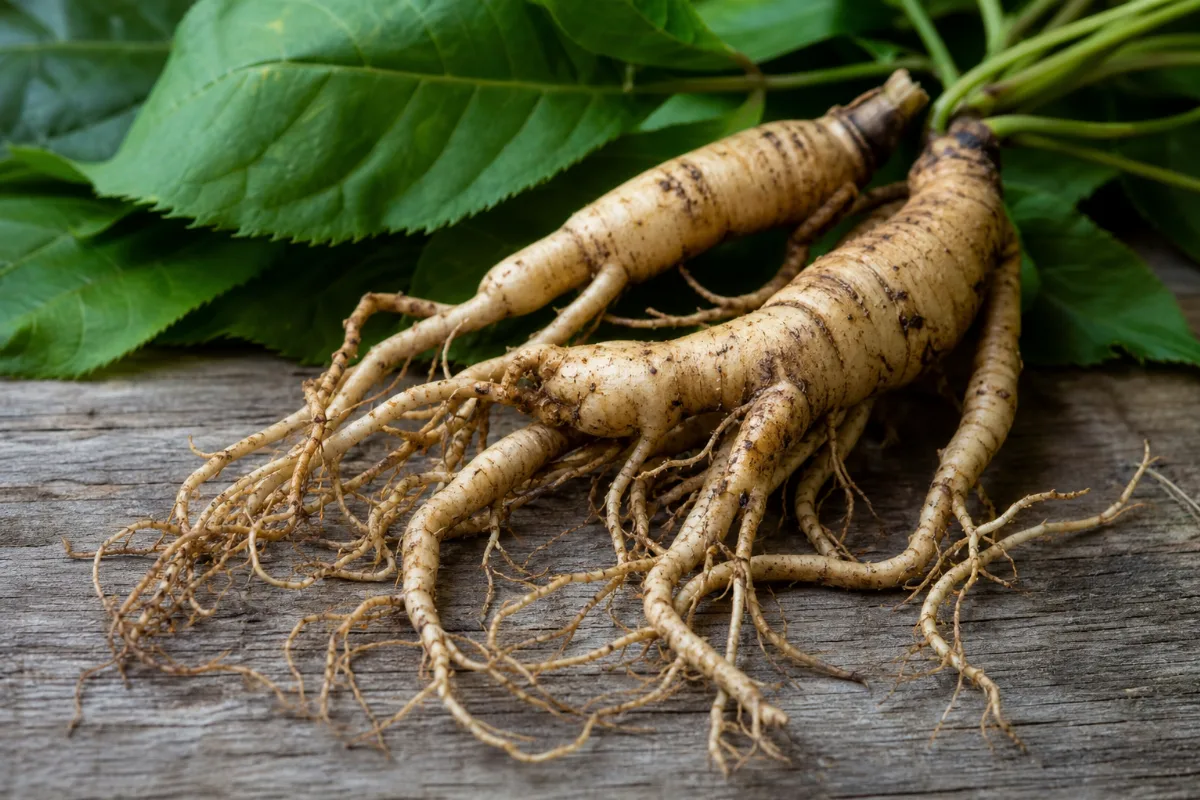
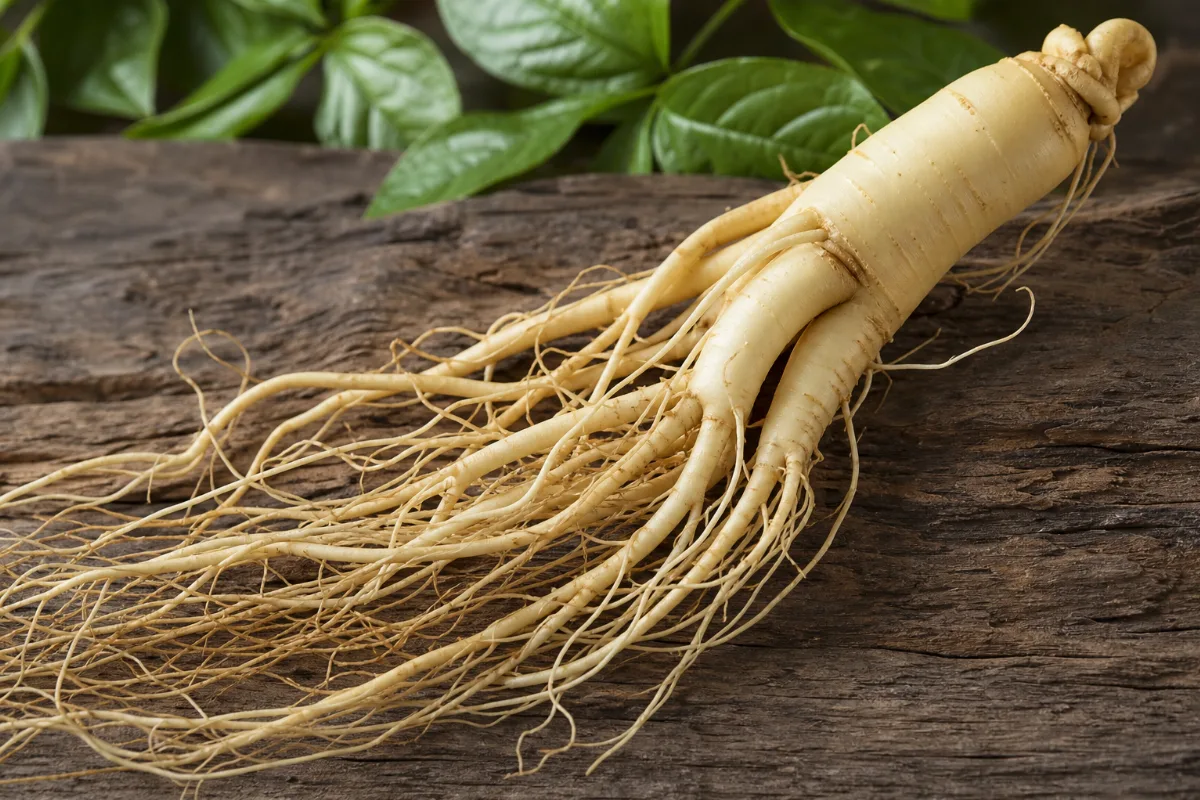
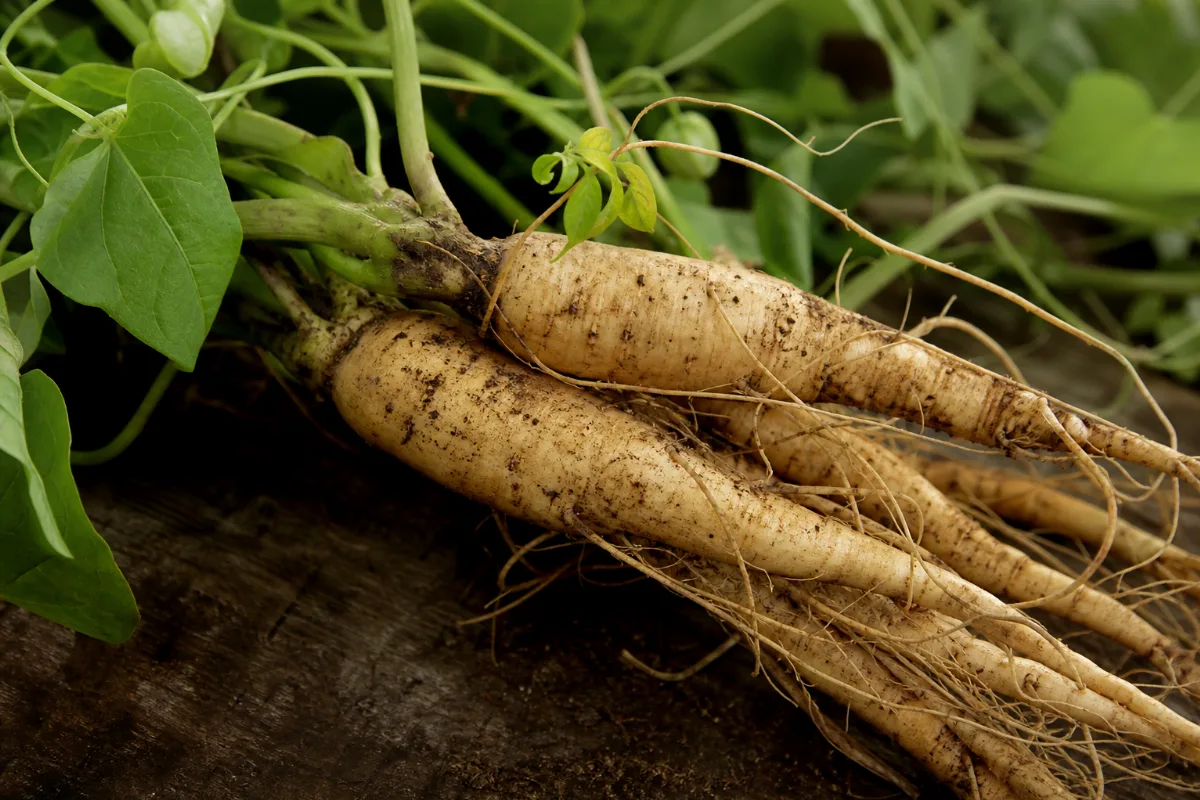
What the Word Means, What Research Shows & What to Check Before You Use.
Adaptogen is a traditional and Soviet-era idea, not a medical category. Explore each plant, root, mushroom and berry that is often called one: where it comes from, what studies in people have and have not found (and what was only in the lab), and what to check before you use it: stimulation and sleep, thyroid, autoimmune disease, pregnancy, blood thinners, blood pressure, diabetes medicines, liver and hormone-sensitive conditions.
Human evidence: Some human trials (small or short)
Studied in people for: stress and anxiety, sleep
Liver disease or liver injury reportsPregnancy and breastfeedingThyroid disease or thyroid medicineAutoimmune conditions+7 more
What ashwagandha (Withania somnifera) is, what trials found for stress and sleep, and the liver, thyroid, pregnancy and medicine cautions to know before using it.
Blood thinners and bleedingBefore surgeryDiabetes medicines
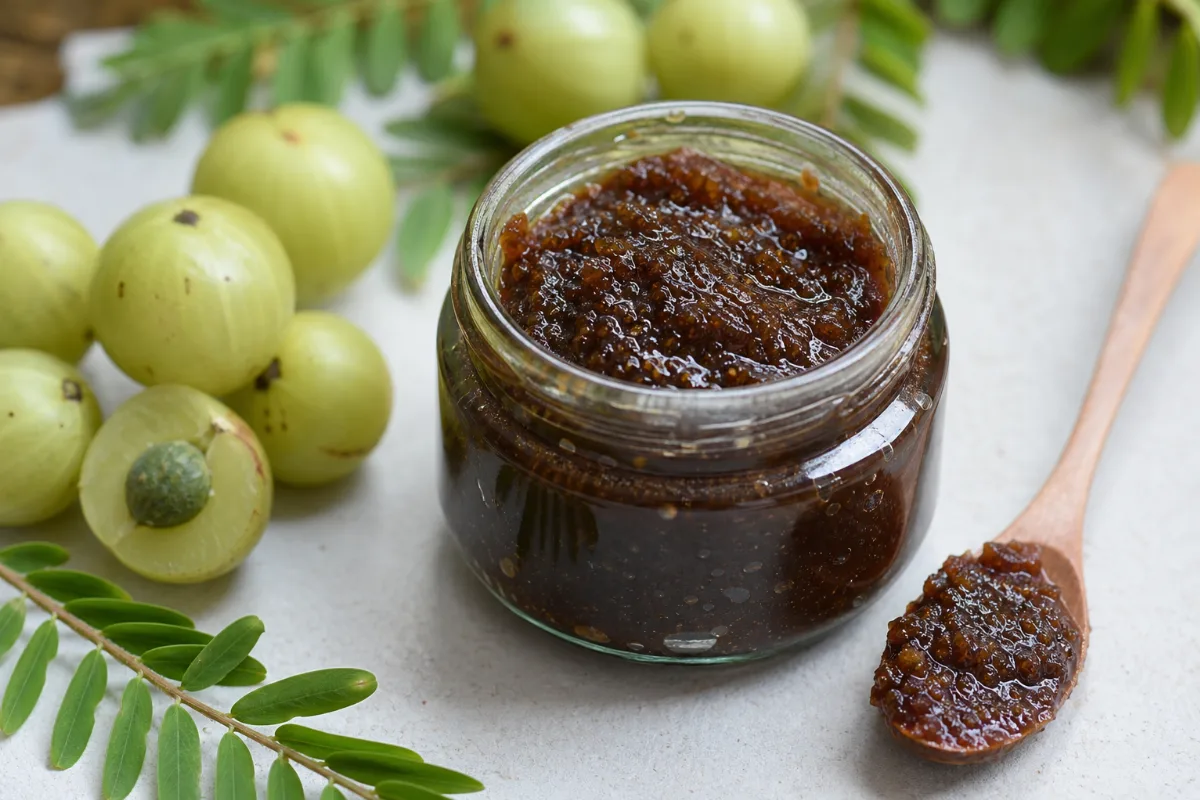
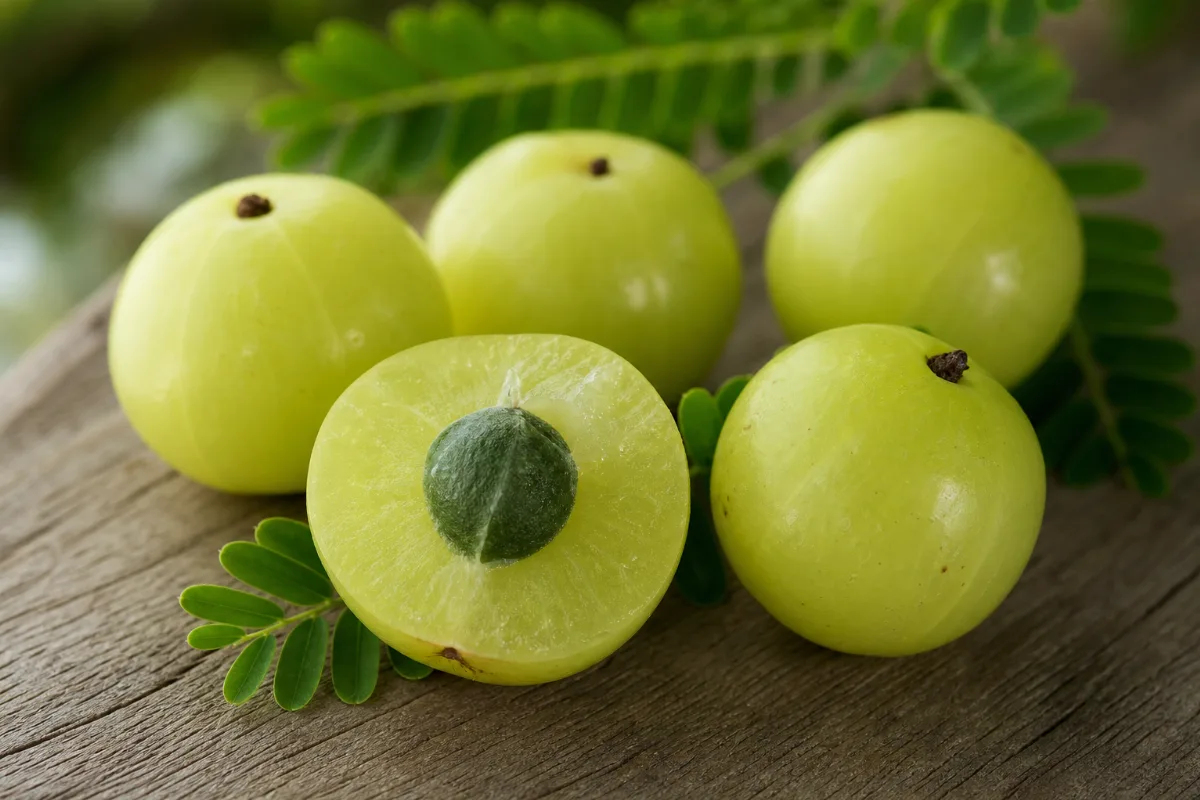
Amla, or Indian gooseberry (Phyllanthus emblica), is an Ayurvedic fruit; this guide separates tradition from trial findings and covers blood-thinner and diabetes cautions.
Human evidence: Some human trials (small or short)
Studied in people for: menopause symptoms, sexual function
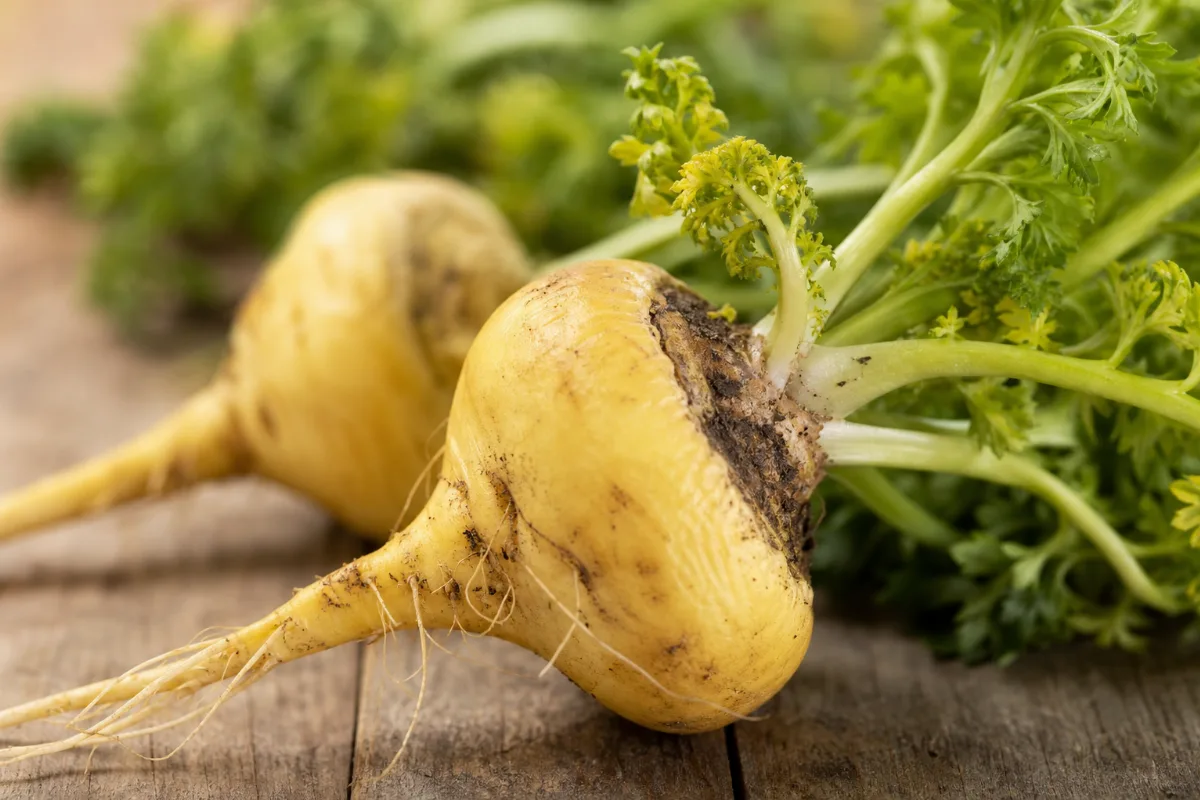
Maca (Lepidium meyenii) is an Andean root eaten as food and sold as a supplement; this guide separates traditional use from trial results and covers safety questions.
Studied in people for: stress and anxiety, fatigue and stamina, mood
Mood disorders (mania)Blood pressure and its medicinesPregnancy and breastfeedingStimulating: insomnia, jitters
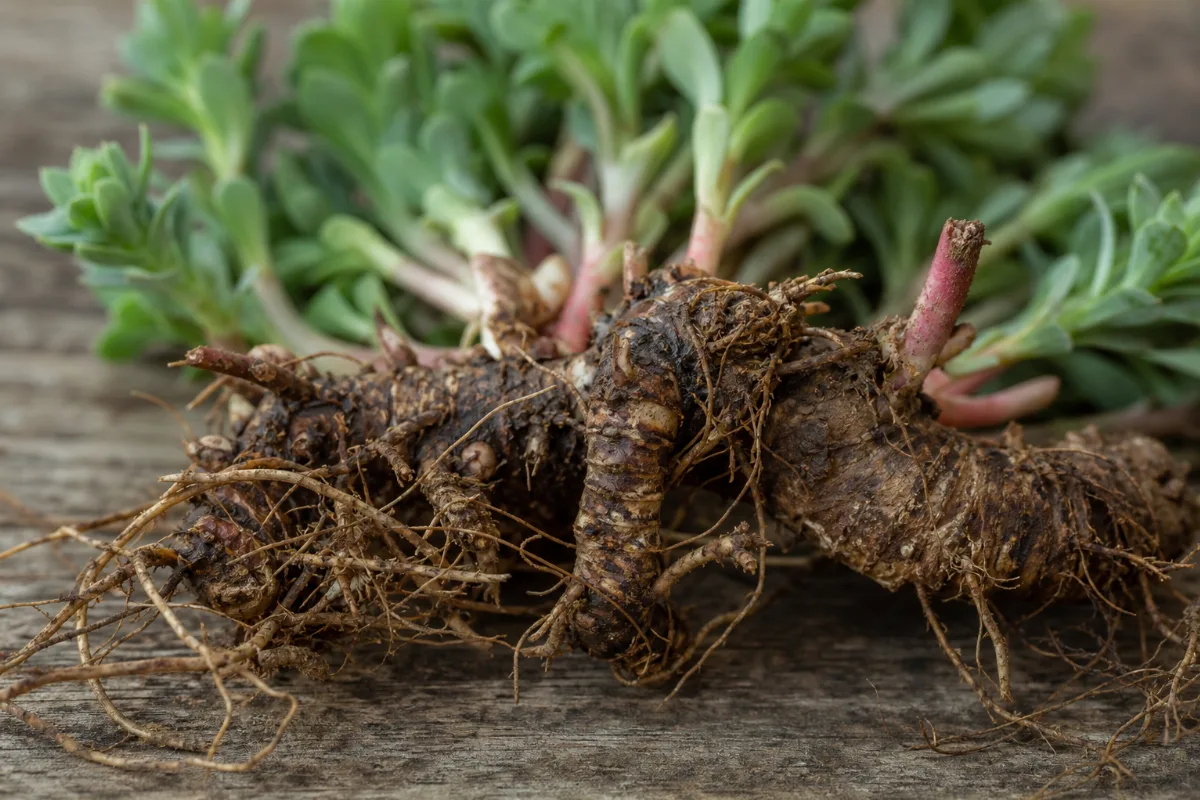
What rhodiola (Rhodiola rosea) is, what trials found for fatigue, stress and mood, and cautions about antidepressants, other medicines, pregnancy and look-alike products.
Human evidence: Some human trials (small or short)
Studied in people for: blood sugar, immune and infections
Autoimmune conditionsImmunosuppressant medicinesPregnancy and breastfeeding
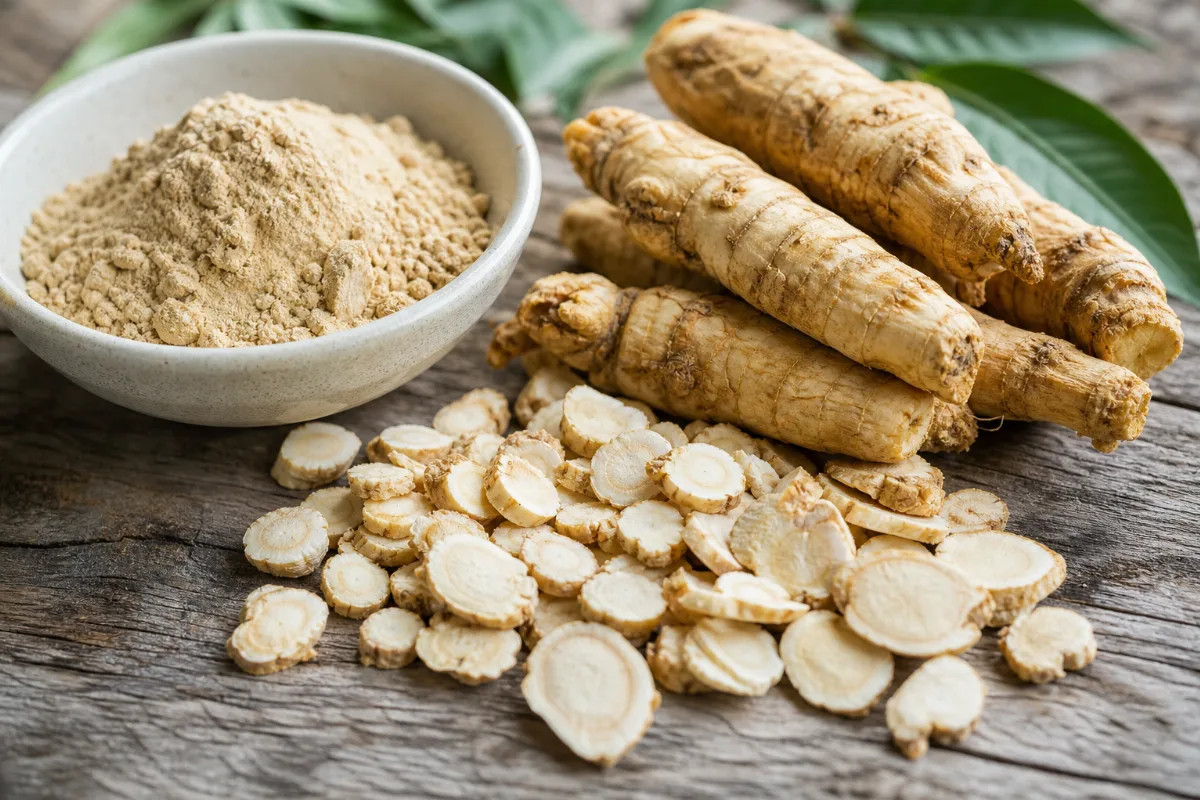
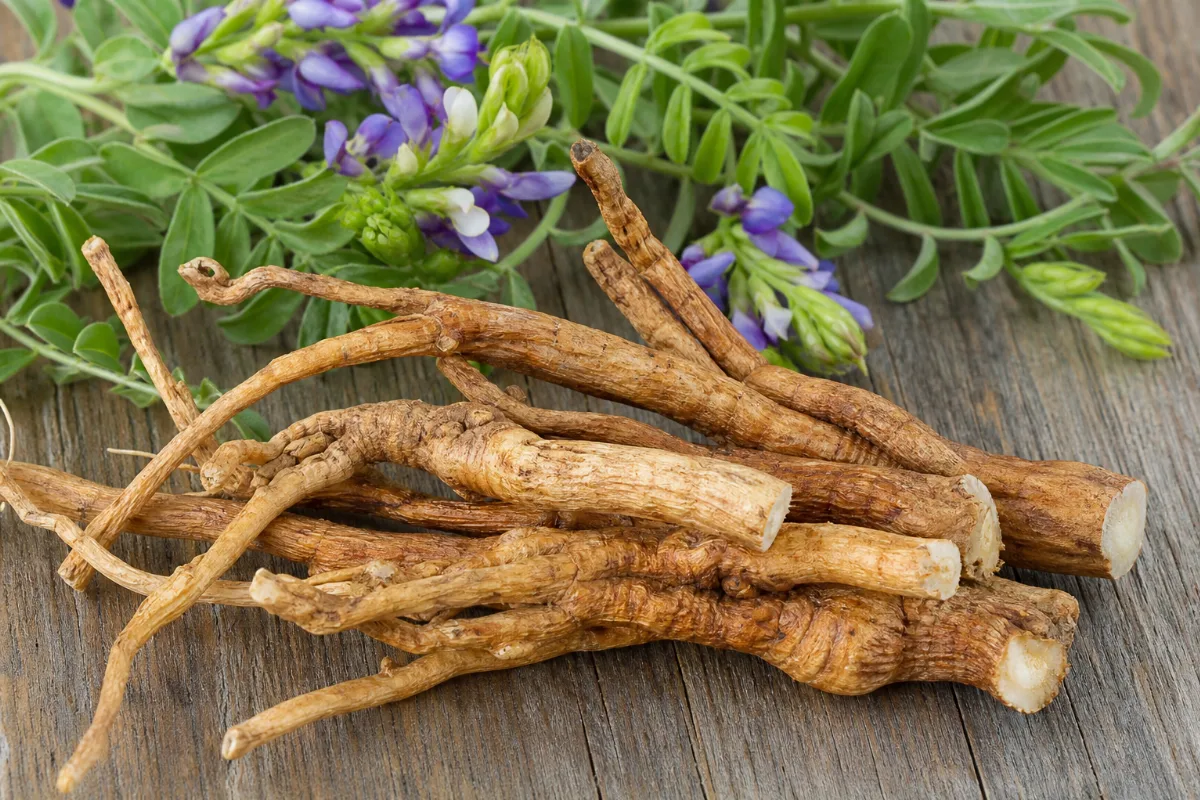
Astragalus (Astragalus mongholicus, also sold as A. membranaceus) is a root used in Chinese medicine; this guide covers NIH's evidence summary and the immune-medicine caution.
Liver disease or liver injury reportsPregnancy and breastfeedingAllergy
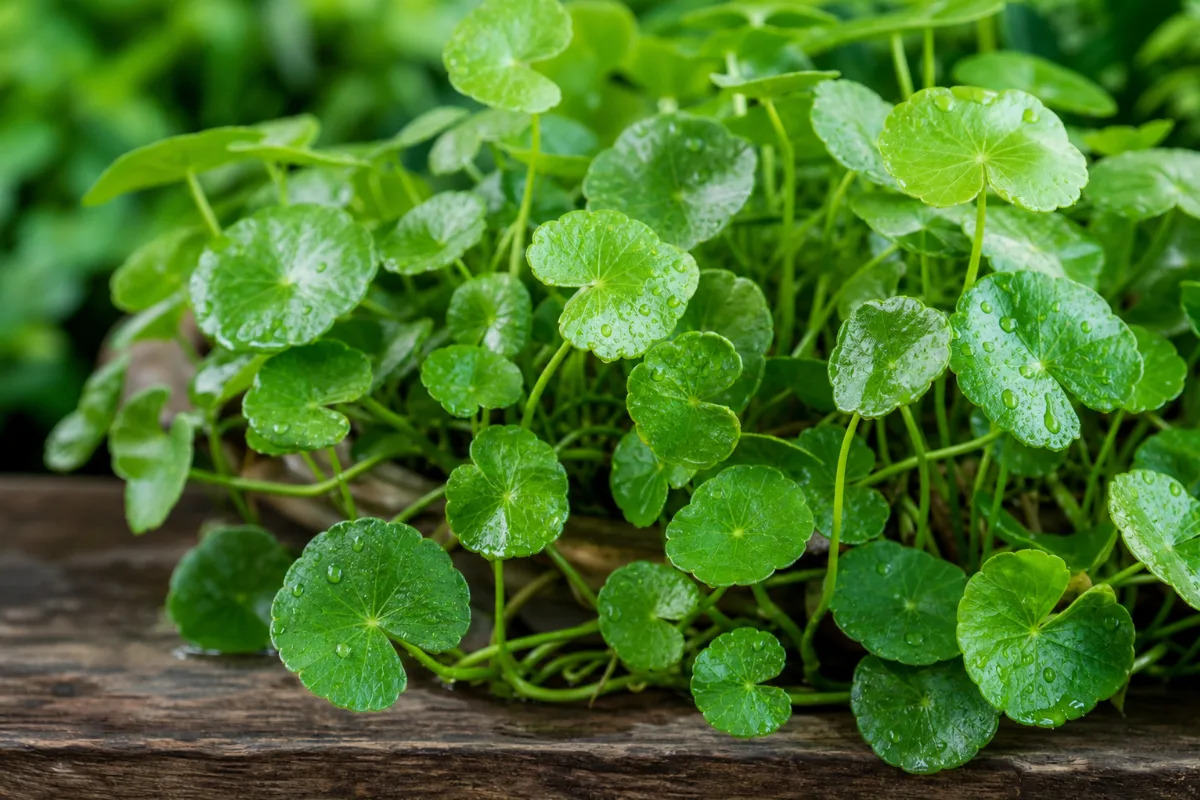
Gotu kola (Centella asiatica): reports of liver injury, the EU skin-use monograph for minor wounds, small studies on memory and anxiety, and why "brahmi" can mean two plants.
Blood pressure and its medicinesLow potassiumKidney diseasePregnancy and breastfeeding+3 more
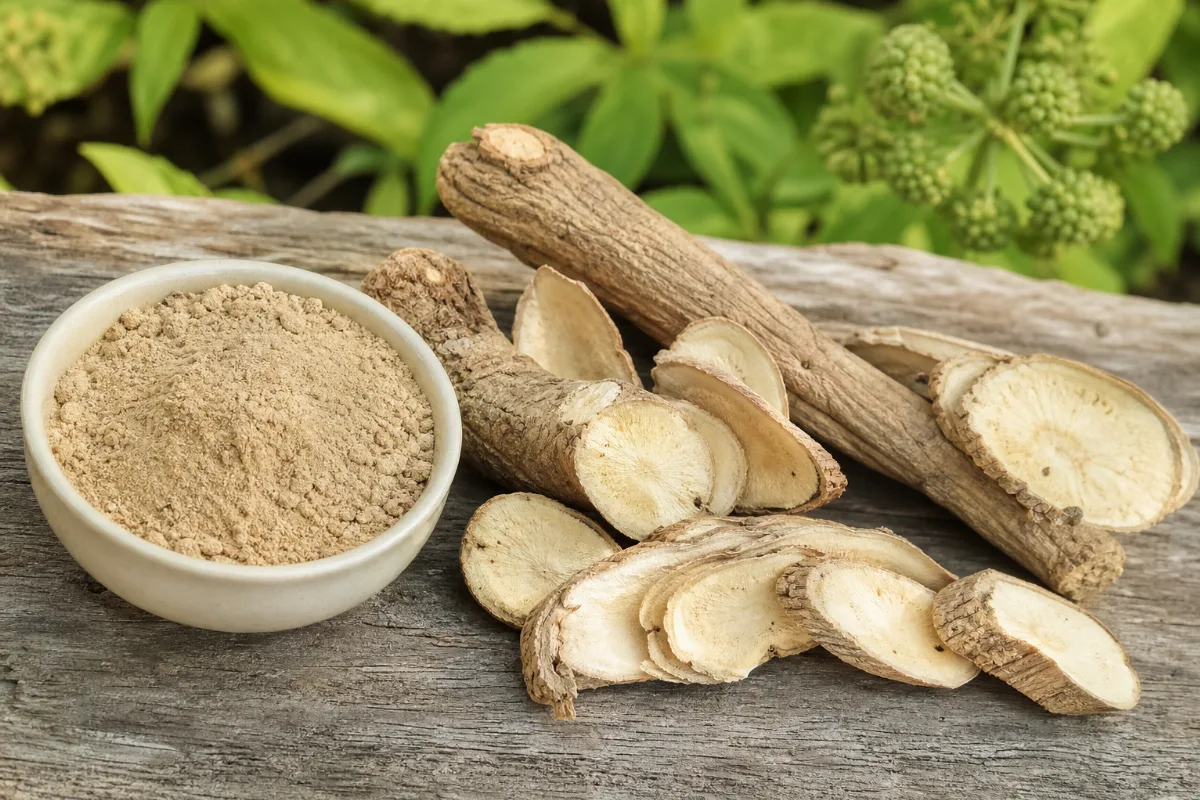
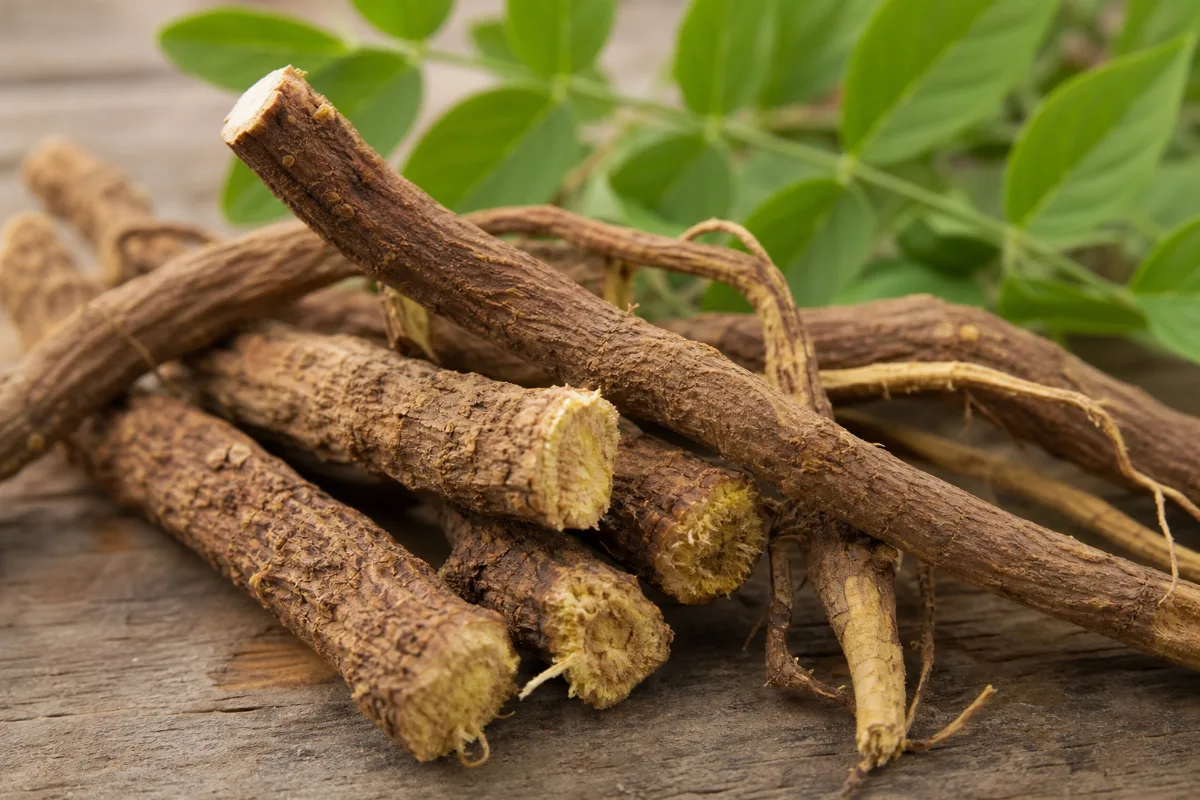
Licorice root (Glycyrrhiza glabra): what research and EU and NIH sources say, why glycyrrhizin can raise blood pressure and lower potassium, medicine interactions, and how DGL differs.
Studied in people for: blood sugar, liver, menopause symptoms
Immunosuppressant medicines
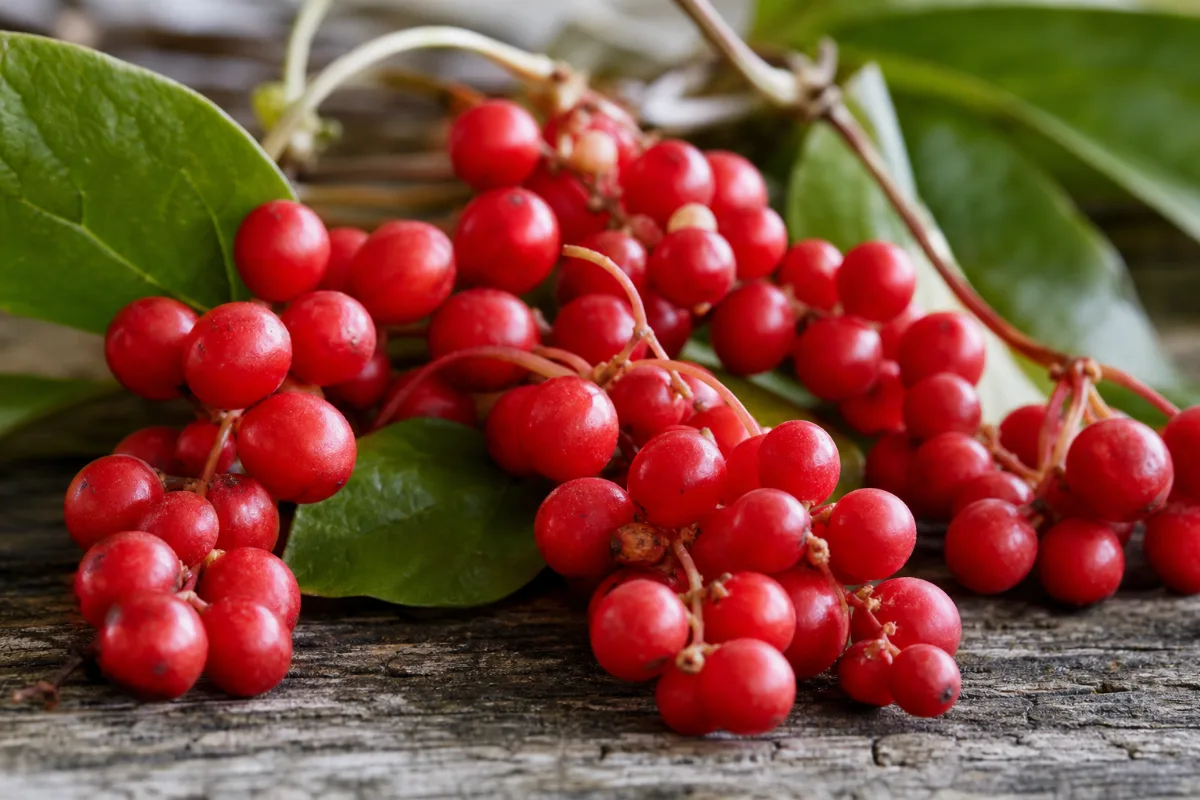
What schisandra (Schisandra chinensis) is, where the adaptogen idea began, what little human research exists, and cautions about enzyme interactions and the tacrolimus findings.
Human evidence: Some human trials (small or short)
Studied in people for: immune and infections, blood sugar, heart and cholesterol, fatigue and stamina
Blood thinners and bleedingDiabetes medicines
What American ginseng (Panax quinquefolius) is, how it differs from Asian ginseng, what trials found for colds and blood sugar, the warfarin finding, and wild-harvest concerns.
Possible shorter or fewer colds
Possible modest blood sugar lowering in type 2 diabetes
Studied in people for: fatigue and stamina, stress and anxiety
Stimulating: insomnia, jittersPregnancy and breastfeeding
What eleuthero (Siberian ginseng, Eleutherococcus senticosus) is, why it is not true ginseng, what trials and the EMA found, and cautions on adulteration, pregnancy and medicines.
Traditional use for loss of strength and energy (asthenia)
Studied in people for: fatigue and stamina, memory and thinking, blood sugar, heart and cholesterol, sexual function, immune and infections
Diabetes medicinesBlood thinners and bleedingBefore surgeryStimulating: insomnia, jitters+5 more
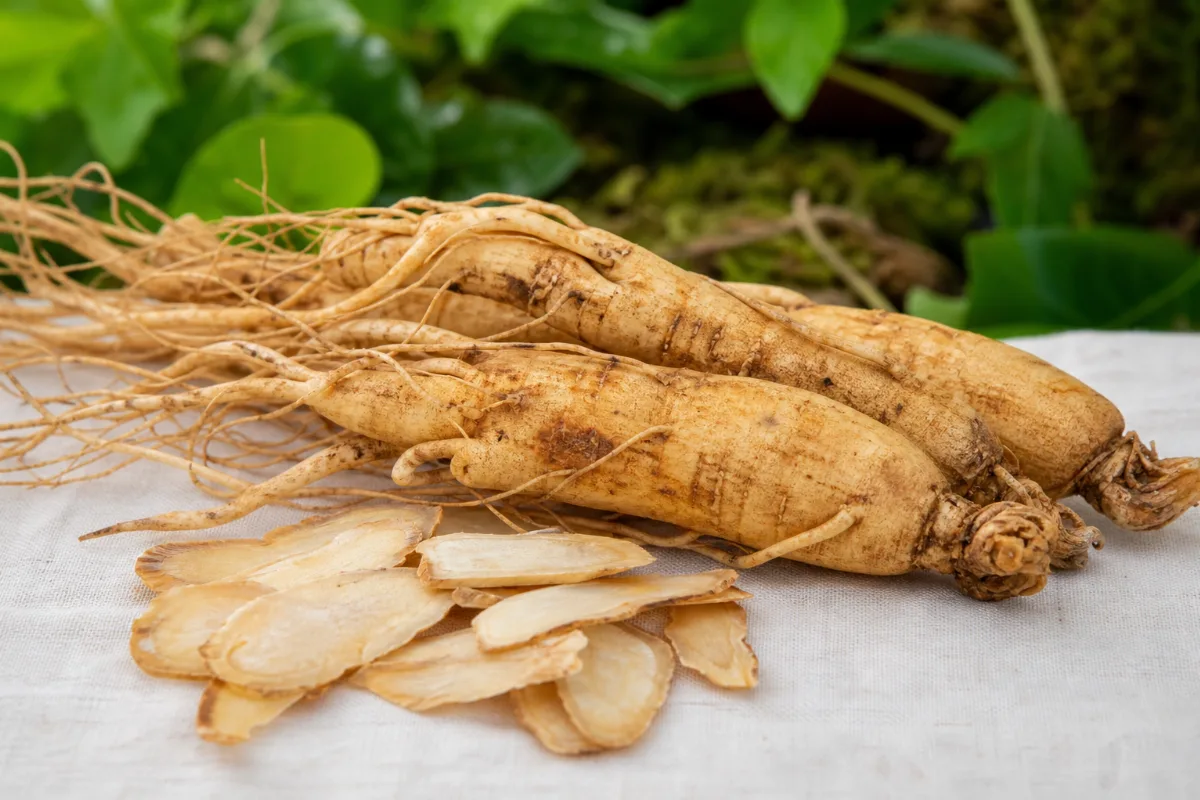
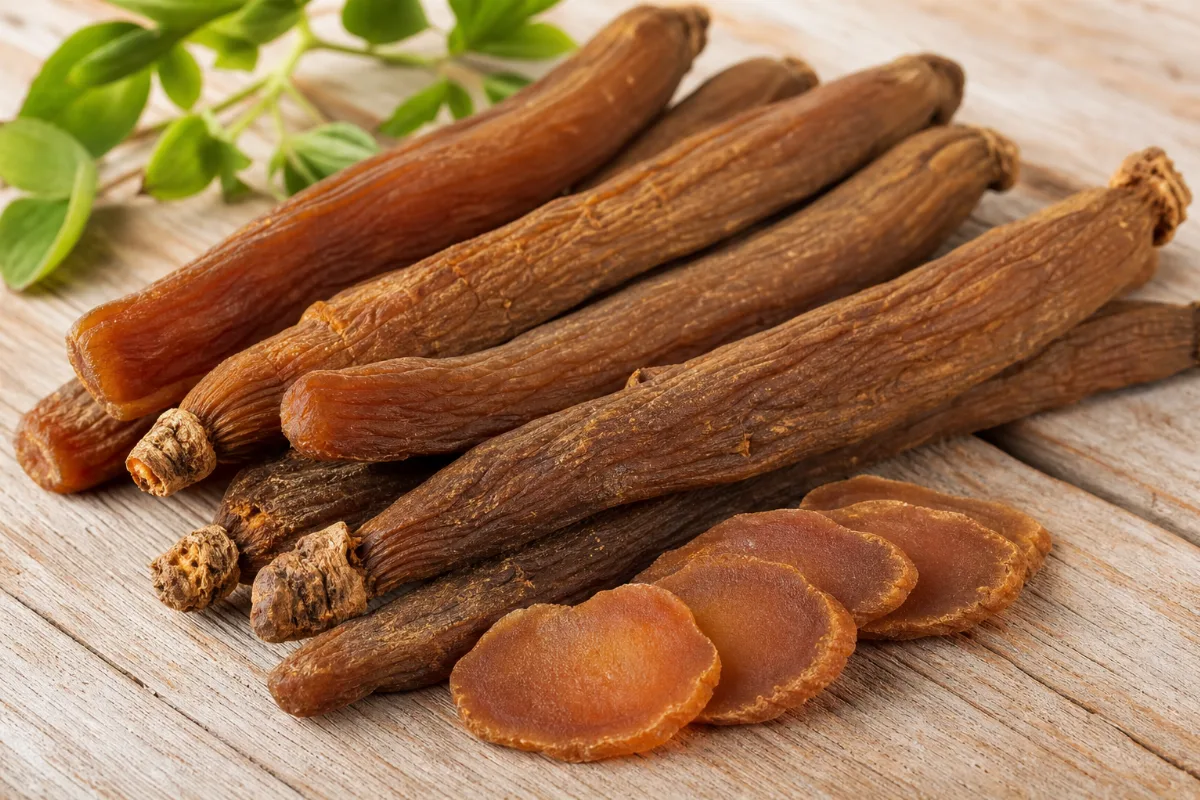
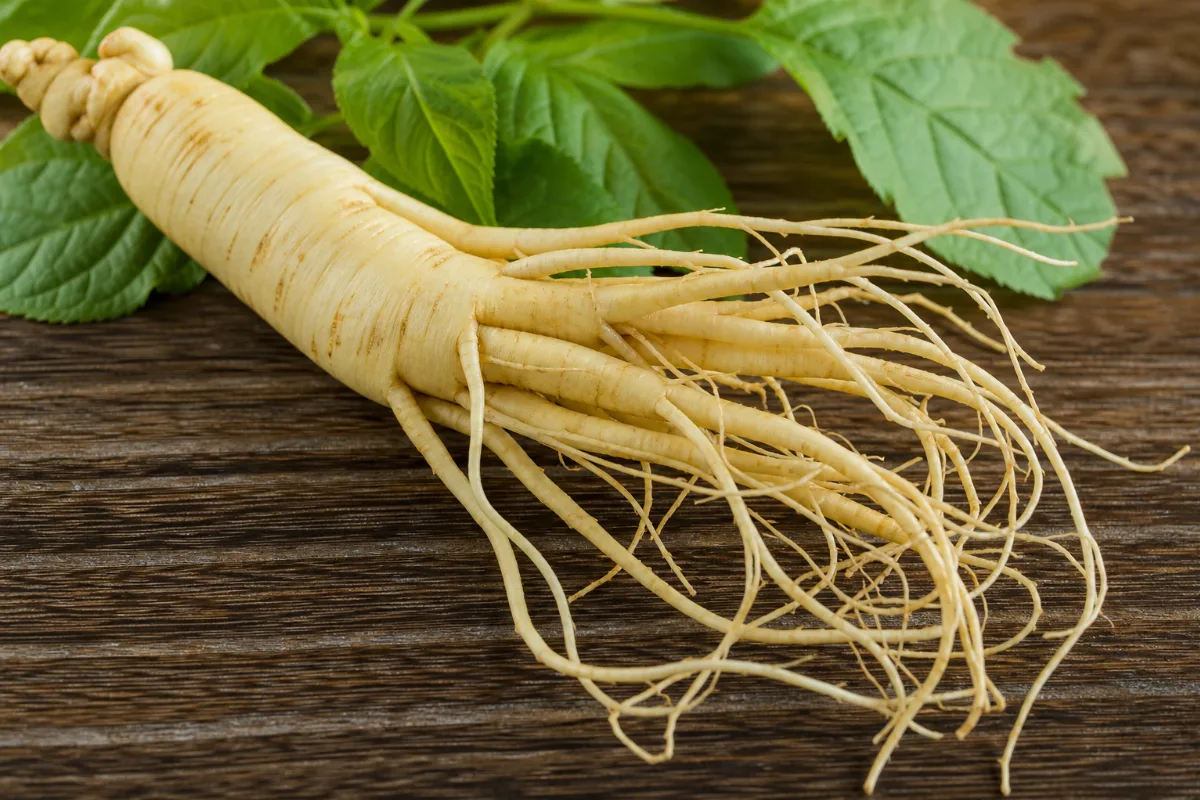
What Asian ginseng (Panax ginseng) is, what research found for fatigue, thinking, blood sugar and more, and cautions about warfarin, diabetes medicines, insomnia and pregnancy.
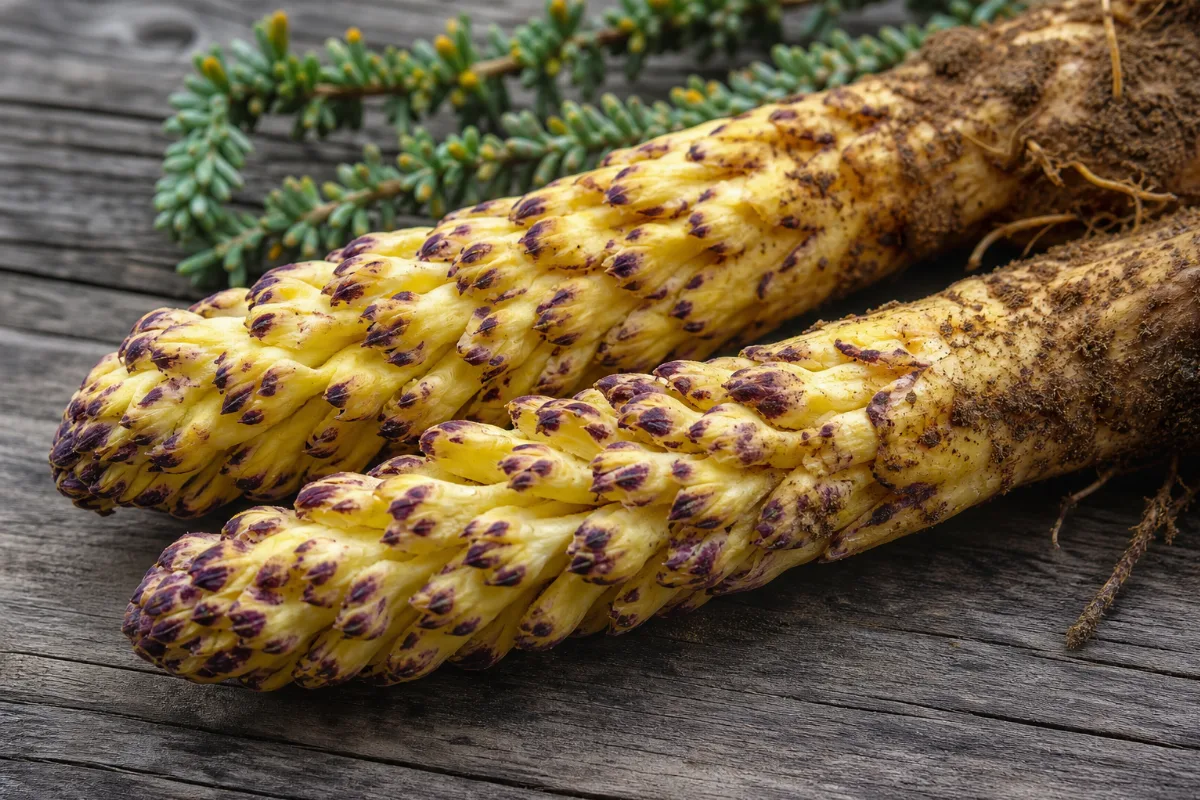
Cistanche (rou cong rong) is a parasitic plant used in Chinese medicine. What small trials found, why wild plants were protected, and what is not known about safety.
Overall evidence for any health use
Traditional use as a tonic
Muscle strength and exercise recovery
Walking ability in early age-related mobility decline
Codonopsis pilosula, Codonopsis pilosula var. modesta, Codonopsis tangshen
Root
Human evidence: Mostly traditional use
Pregnancy and breastfeeding
Codonopsis (dang shen, Codonopsis pilosula) is a Chinese herbal root sometimes called an adaptogen; this guide shows what human evidence exists, which is limited, and the safety gaps.
Traditional qi tonic (Chinese medicine)
Dang shen formulae in COPD (lung function, quality of life)
Immune activity (laboratory findings)
Stomach and intestine protection (laboratory findings)
Liver disease or liver injury reportsAutoimmune conditions
Guduchi, or giloy (Tinospora cordifolia), is an Ayurvedic climber linked to liver injury reports; this guide covers the debate over causes, look-alike species and autoimmune cautions.
He shou wu (fo-ti, Reynoutria multiflora) is a Chinese root linked to documented liver injury. What the sources found, why processing is discussed, and who should be most careful.
Human evidence: Some human trials (small or short)
Studied in people for: stress and anxiety, exercise performance, heart and cholesterol
Jiaogulan (Gynostemma pentaphyllum) is a Chinese vine used as tea and extract; this guide covers small human trials, a platelet case report, and unanswered safety questions.
Stress-related anxiety
Fatigue and exercise performance
Blood lipids
Traditional use (diabetes, liver fibrosis, high blood pressure, high lipids)
Human evidence: Some human trials (small or short)
Studied in people for: heart and cholesterol
Blood thinners and bleedingBefore surgery
Notoginseng (sanqi, Panax notoginseng) is a Chinese root used for bruising and bleeding. What trials of hospital preparations show, and why blood thinner cautions matter.
Traditional use for swelling, pain and bleeding
Added to standard care after a heart attack (injection)
Added to standard care for bleeding in the brain (injection)
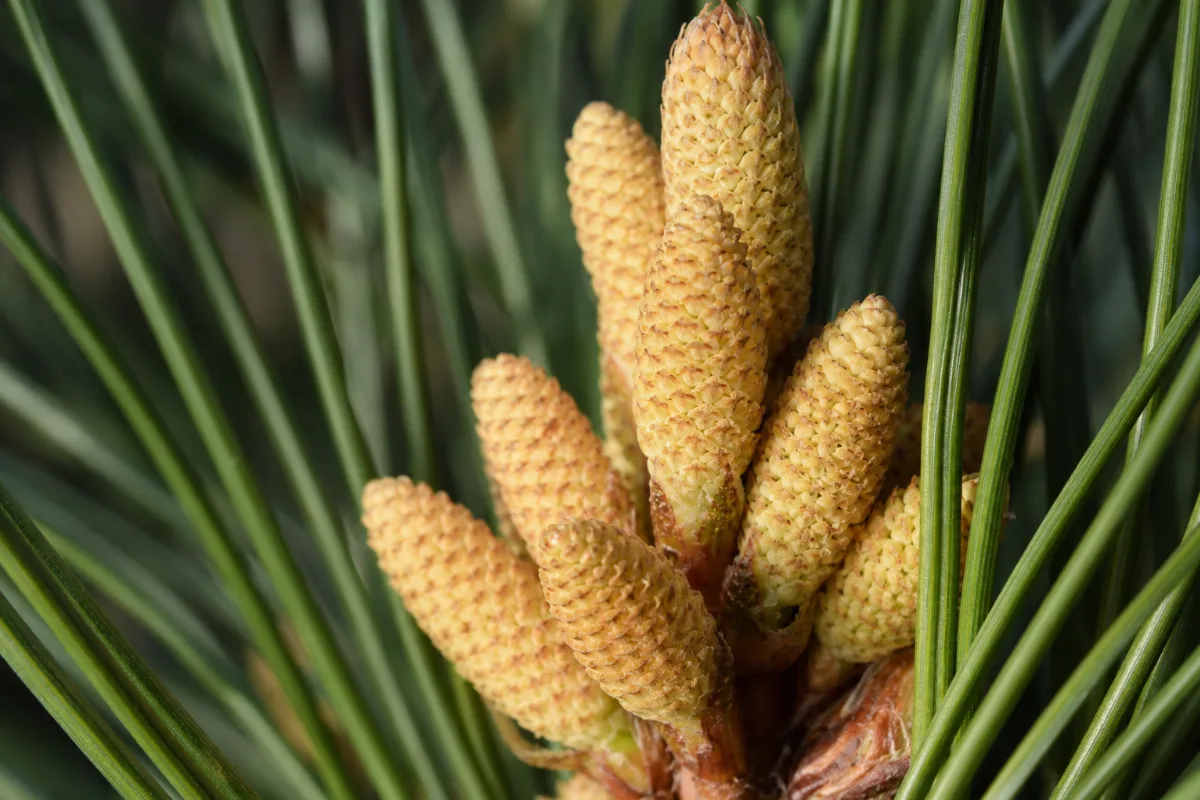
Pine pollen, collected from Pinus trees, is sold for energy and testosterone. We found no human trials, only animal and cell studies, plus allergy reports to check.
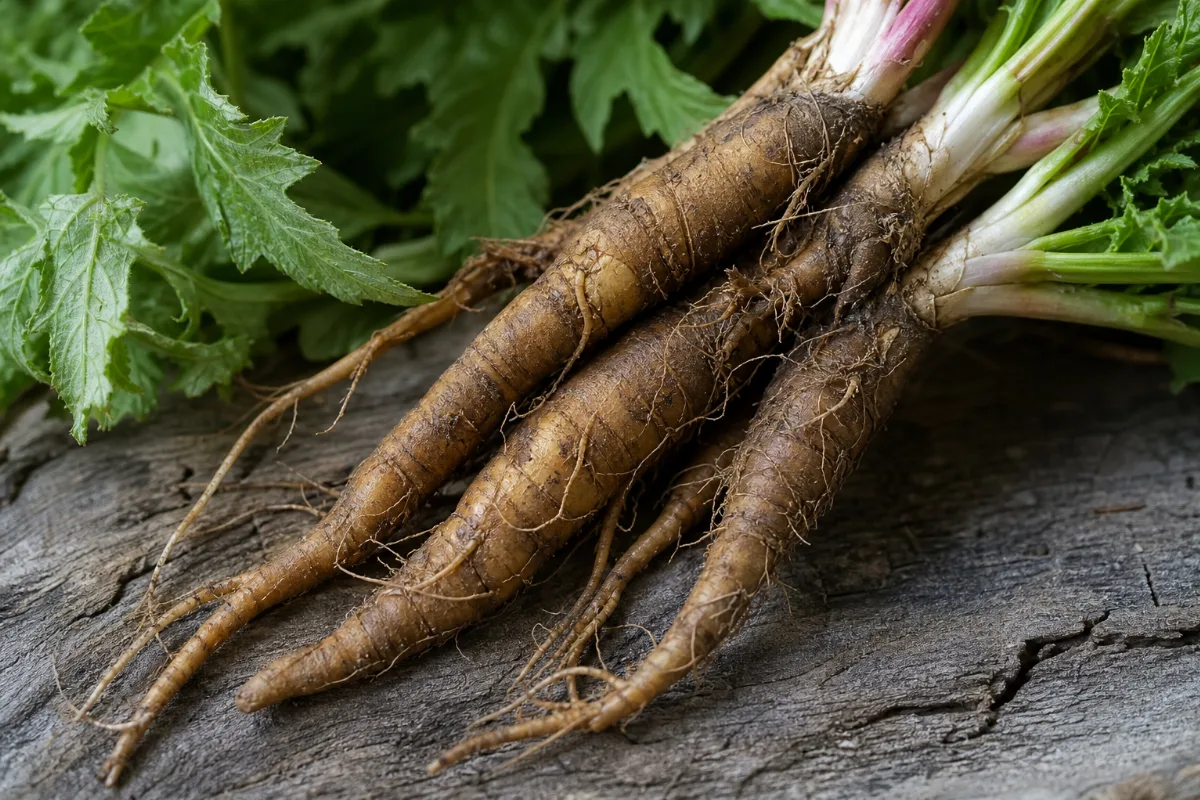
Rhaponticum (maral root, Russian leuzea) is a Soviet-era adaptogen herb; this guide covers its ecdysteroids, the very limited human evidence and sports-supplement label problems.
Traditional adaptogen use
Ecdysteroids and muscle gain (ecdysterone products)
Human evidence: Some human trials (small or short)
Studied in people for: heart and cholesterol, menopause symptoms
Blood thinners and bleedingKidney disease
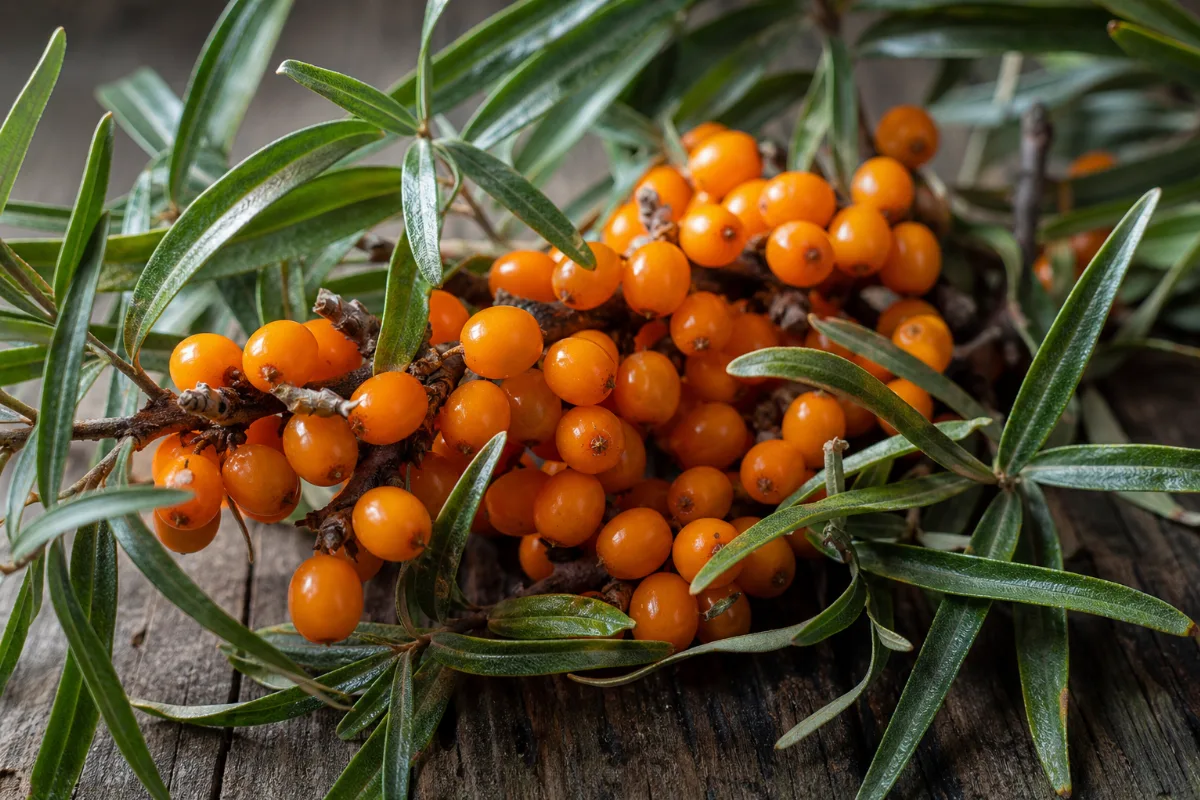
Sea buckthorn (Hippophae rhamnoides): what small trials found for cholesterol, vaginal dryness, dry eye and burns, how oil and cream studies differ, and what safety data we could not find.
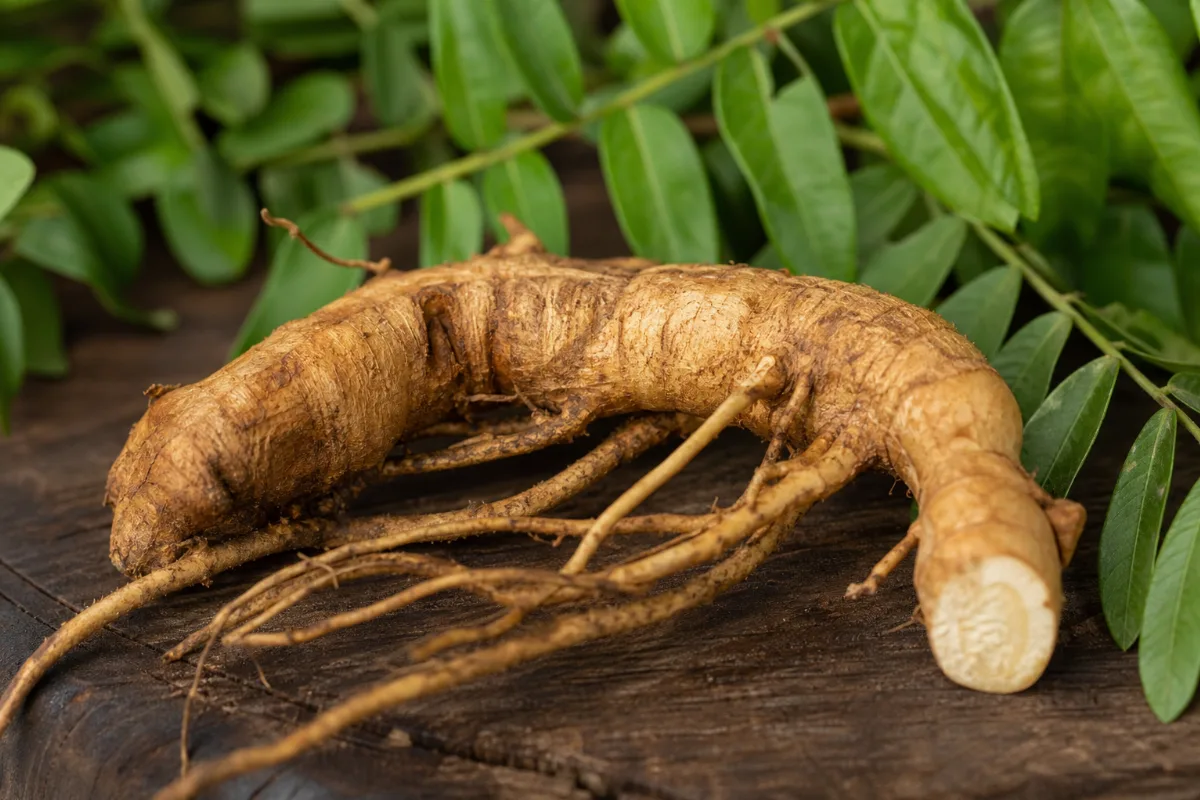
Tongkat ali (Eurycoma longifolia) is a Southeast Asian root sold for testosterone and vitality. What small trials found, what is unproven, and old reports of metal contamination.
Human evidence: Some human trials (small or short)
Studied in people for: stress and anxiety, sleep, blood sugar
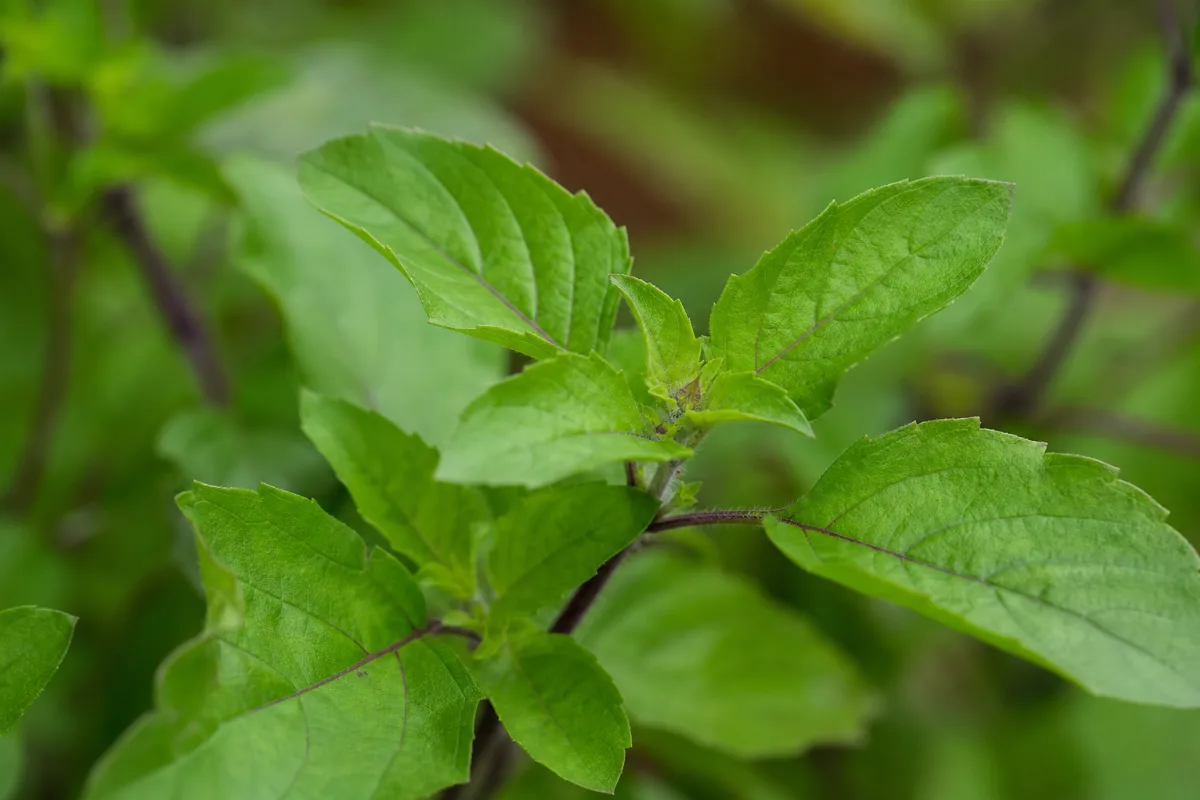
What holy basil or tulsi (Ocimum tenuiflorum) is, how it differs from sweet basil, what small trials found for stress and blood sugar, and the safety gaps that remain.
Studied in people for: blood sugar, heart and cholesterol
Pregnancy and breastfeedingDiabetes medicinesAllergy
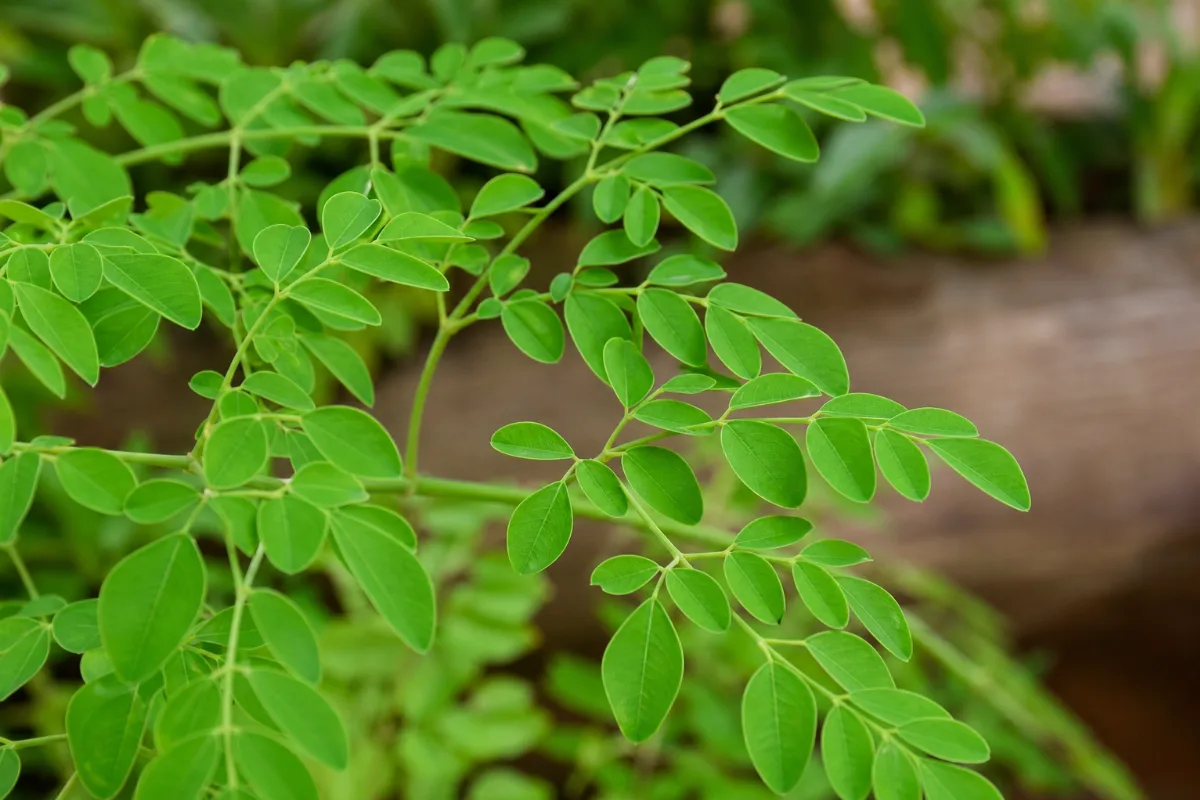
Moringa leaf (Moringa oleifera): what small human trials and reviews found on blood sugar, blood pressure and breast milk, plus pregnancy, medicine and allergy cautions.
Human evidence: Some human trials (small or short)
Studied in people for: menopause symptoms, sexual function
Hormone-sensitive conditionsPregnancy and breastfeeding
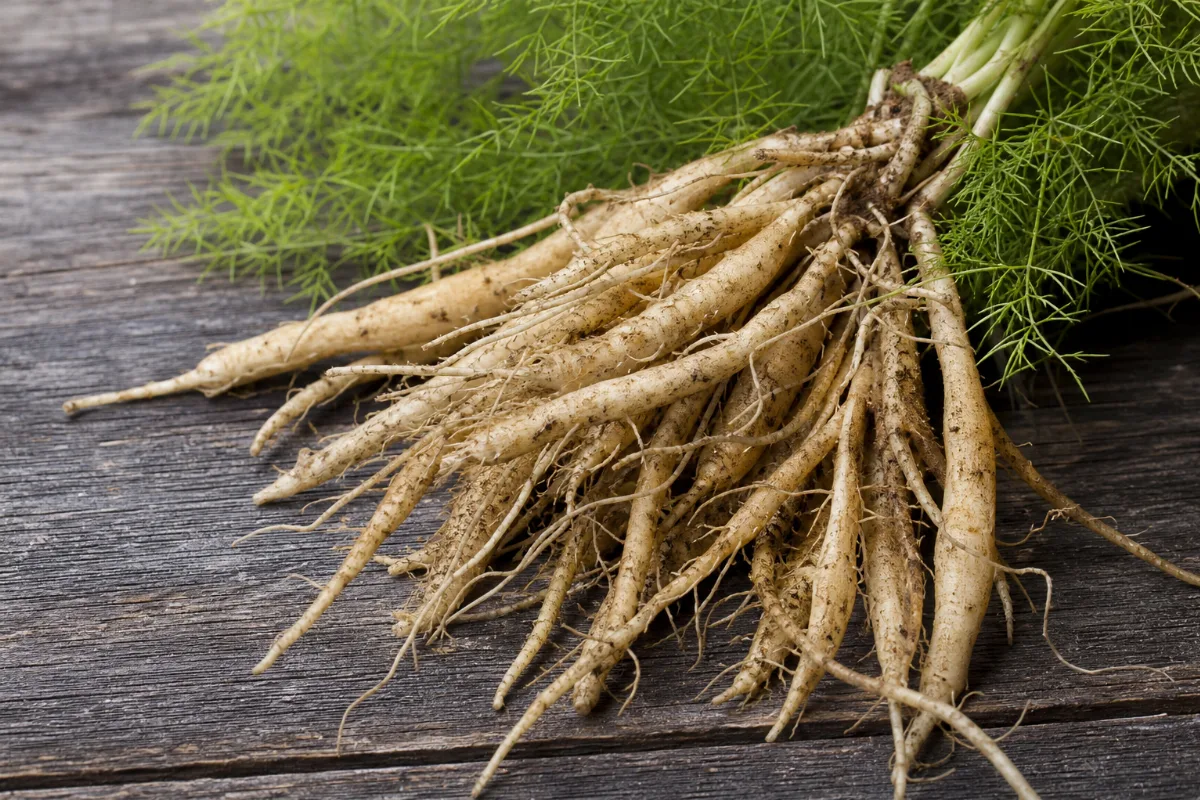
Shatavari root (Asparagus racemosus): what small trials and reviews show for lactation, menopause and women's health, and what is not yet known about safety.
Human evidence: Some human trials (small or short)
Studied in people for: heart and cholesterol, blood sugar
Diabetes medicinesPregnancy and breastfeedingBefore surgeryHeavy metals and quality
Triphala is an Ayurvedic blend of three fruits (haritaki, bibhitaki, amla); what trials found on mouthwash, cholesterol and bowels, plus medicine, pregnancy and metal-quality cautions.
Rehmannia root (Rehmannia glutinosa, di huang): raw versus prepared forms, what small and mixed-quality trials show, and honest safety gaps on medicines, pregnancy and digestion.
Menopause-like symptoms after breast cancer treatment
Diabetic eye disease (retinopathy), as part of a formula
Early diabetic kidney disease, as part of Liuwei Dihuang
Memory and thinking problems, as part of Liuwei Dihuang
Studied in people for: fatigue and stamina, immune and infections, blood sugar, heart and cholesterol
Liver disease or liver injury reportsBlood thinners and bleedingImmunosuppressant medicinesAutoimmune conditions
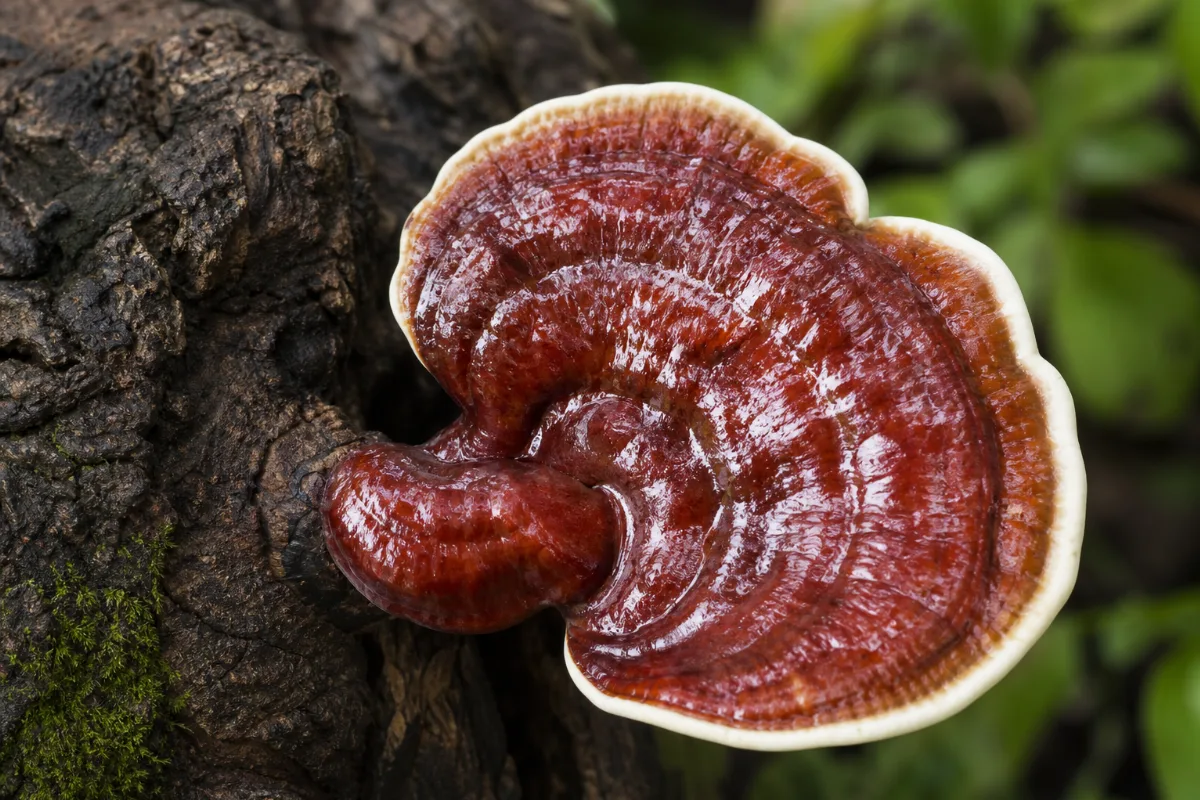
Reishi (Ganoderma lucidum and related lingzhi species) in plain language. Liver injury reports and bleeding cautions first, then what trials found and the species naming dispute.
Immune markers (lab and small studies)
Adjunct in cancer care (not a treatment)
Fatigue in neurasthenia
Blood sugar, cholesterol and blood pressure (no benefit shown)
Human evidence: Some human trials (small or short)
Studied in people for: memory and thinking
Allergy
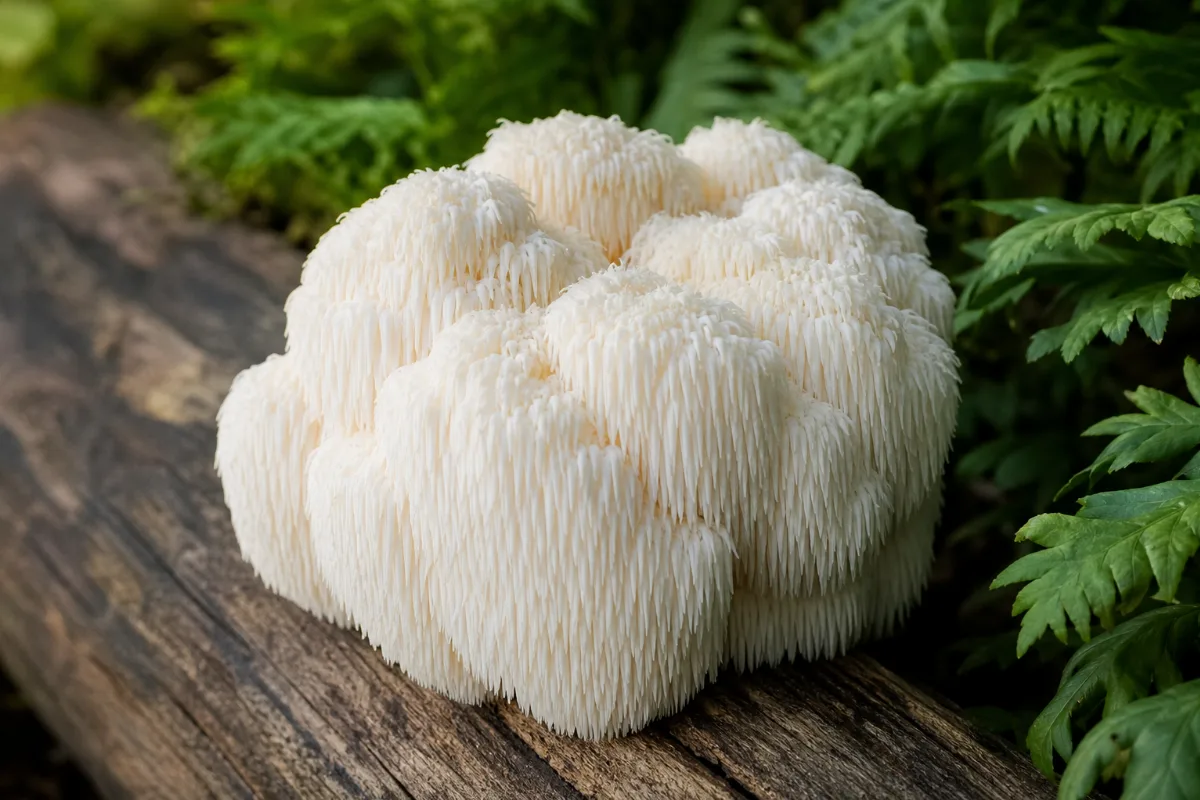
Lion's mane (Hericium erinaceus) is a food mushroom also sold as a supplement. What small human trials found, what is only lab research, and the safety points to know.
Memory and thinking tests in small human trials
Nerve growth factor and nerve cell findings in the lab
Cordyceps militaris (cultivated), Ophiocordyceps sinensis (wild caterpillar fungus; older name Cordyceps sinensis)
Fruiting bodyMycelium
Human evidence: Human trials with mixed results
Studied in people for: immune and infections, exercise performance
Blood thinners and bleedingDiabetes medicinesHeavy metals and quality
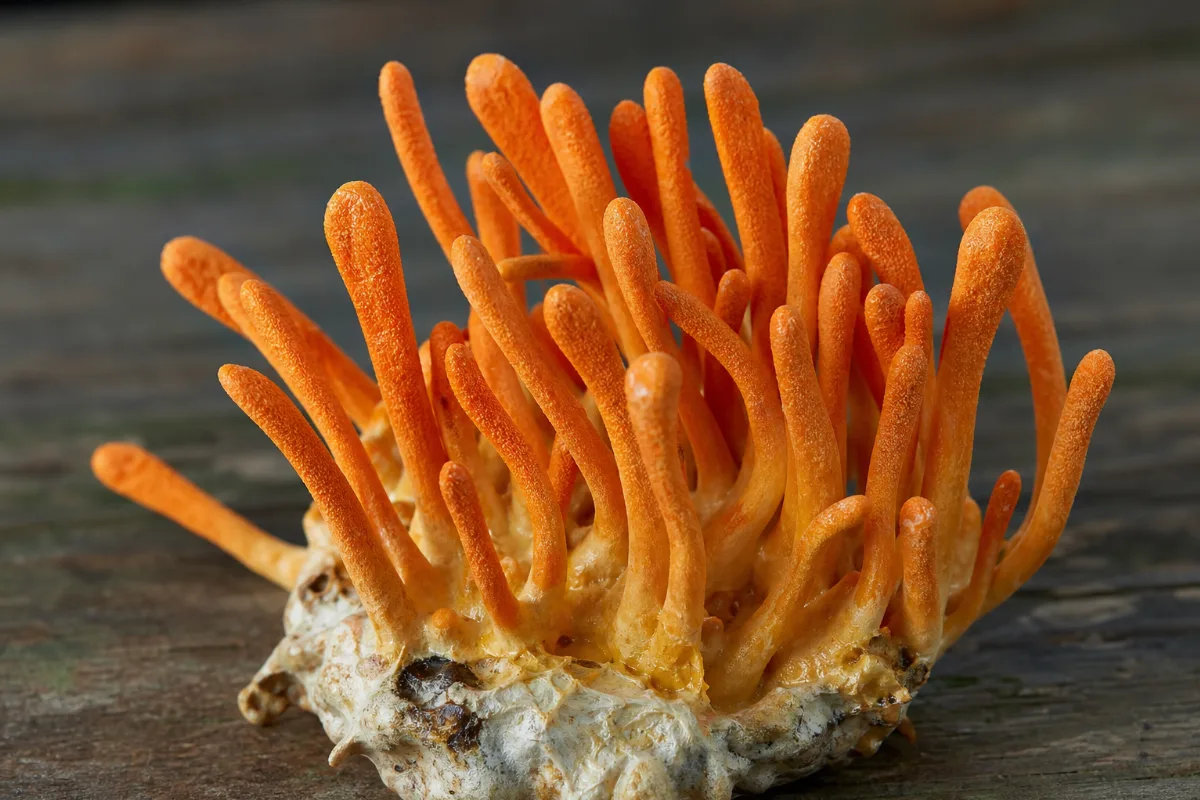
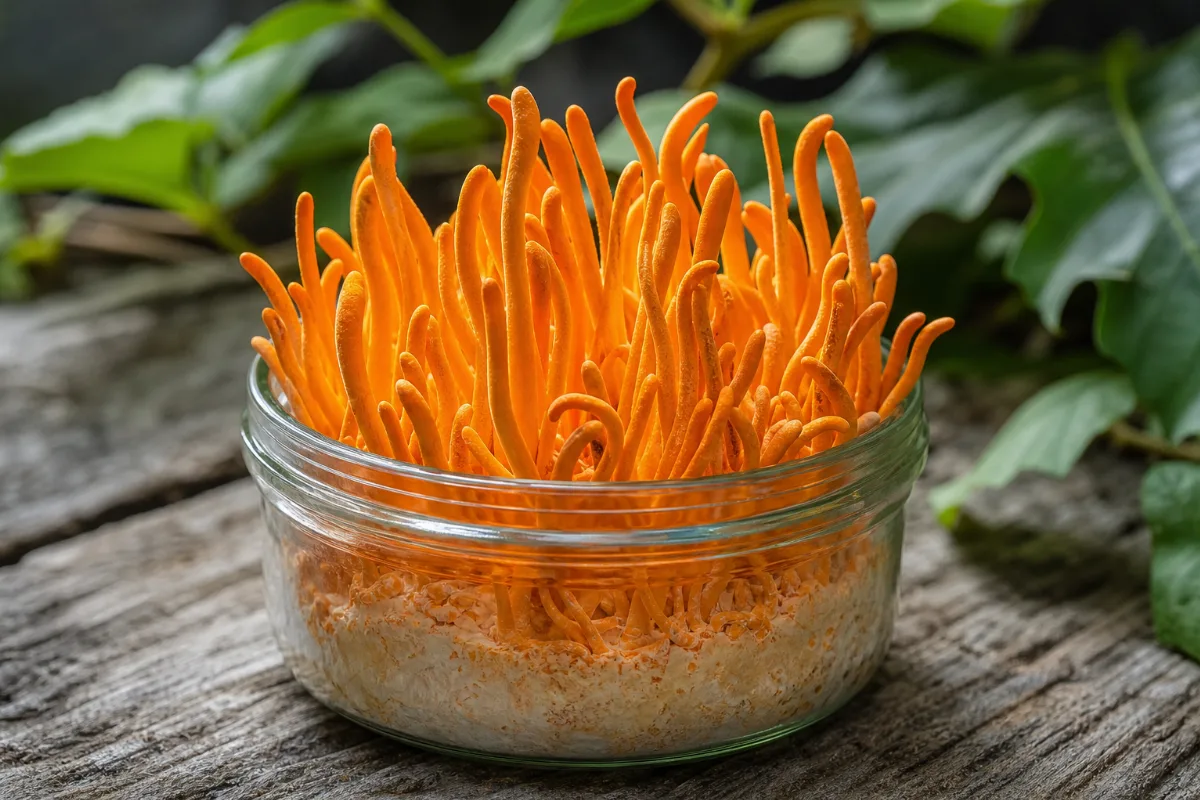
Cordyceps explained: cultivated Cordyceps militaris versus wild caterpillar fungus (Ophiocordyceps sinensis), what small trials found, bleeding and blood sugar cautions, and conservation.
Kidney diseaseBlood thinners and bleedingDiabetes medicines
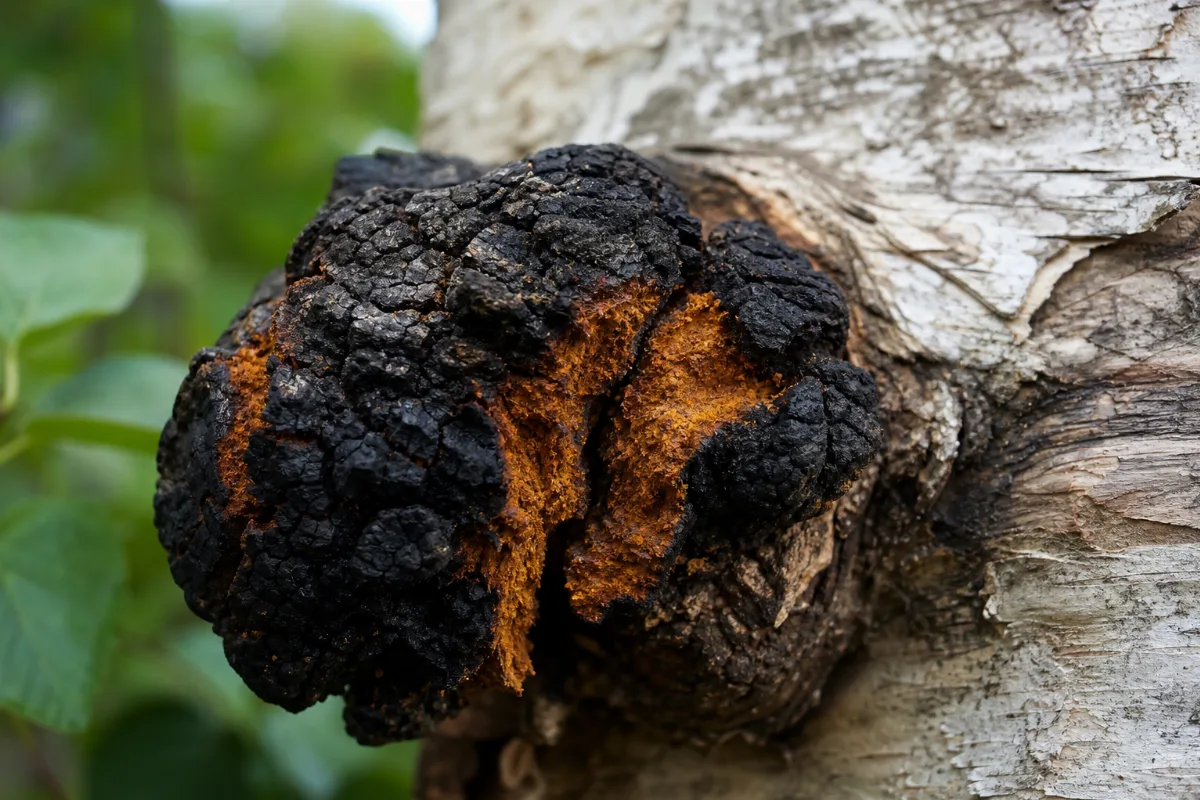
Chaga (Inonotus obliquus) explained: kidney injury from oxalate reported with chaga powder, bleeding and blood sugar cautions, folk use, and why human trial evidence is missing.
Traditional folk remedy
Antioxidant, anti-inflammatory and immune effects in the lab
Human evidence: Some human trials (small or short)
Studied in people for: immune and infections
Pregnancy and breastfeeding
Turkey tail (Trametes versicolor) in plain language: how the Japanese cancer-care drug PSK differs from supplements, what trials found, and why the oncology team must know.
Human evidence: Some human trials (small or short)
Studied in people for: immune and infections, memory and thinking
Blood thinners and bleedingDiabetes medicines
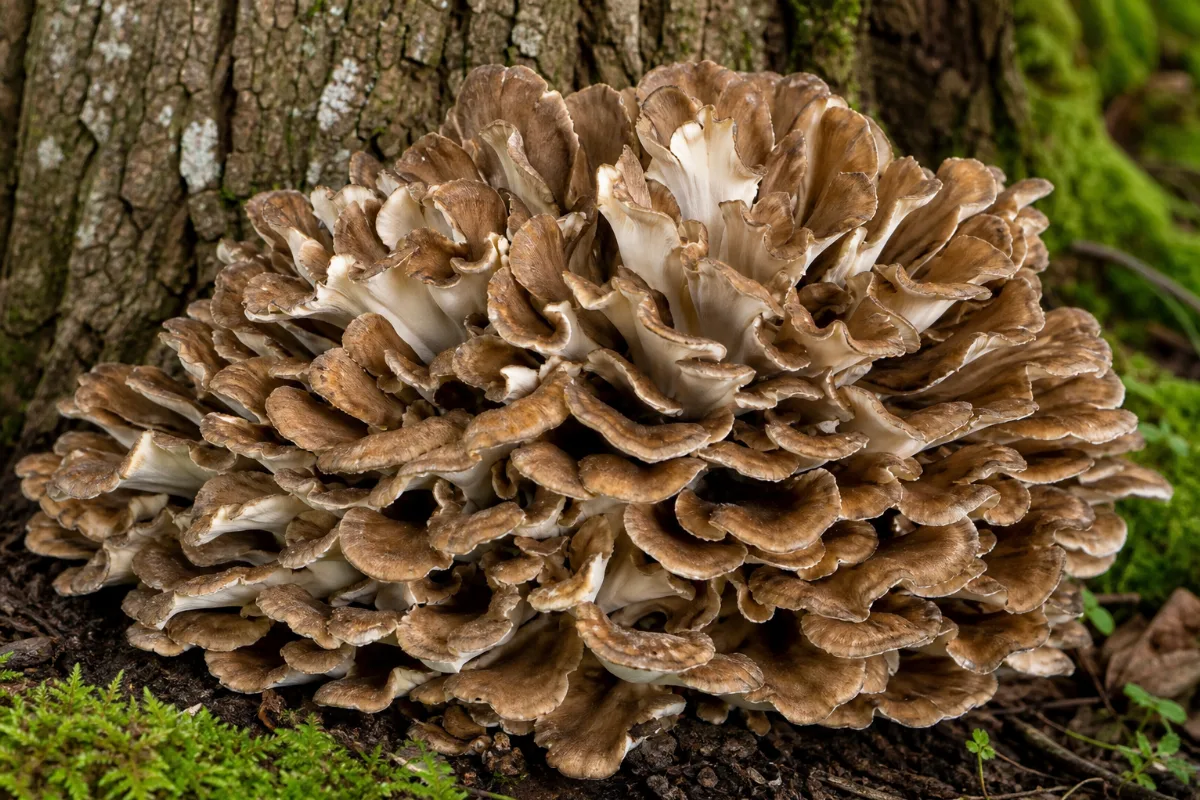
Maitake (Grifola frondosa, also called hen of the woods) as a food and supplement: blood sugar and warfarin cautions first, then what small trials found and what is still unknown.
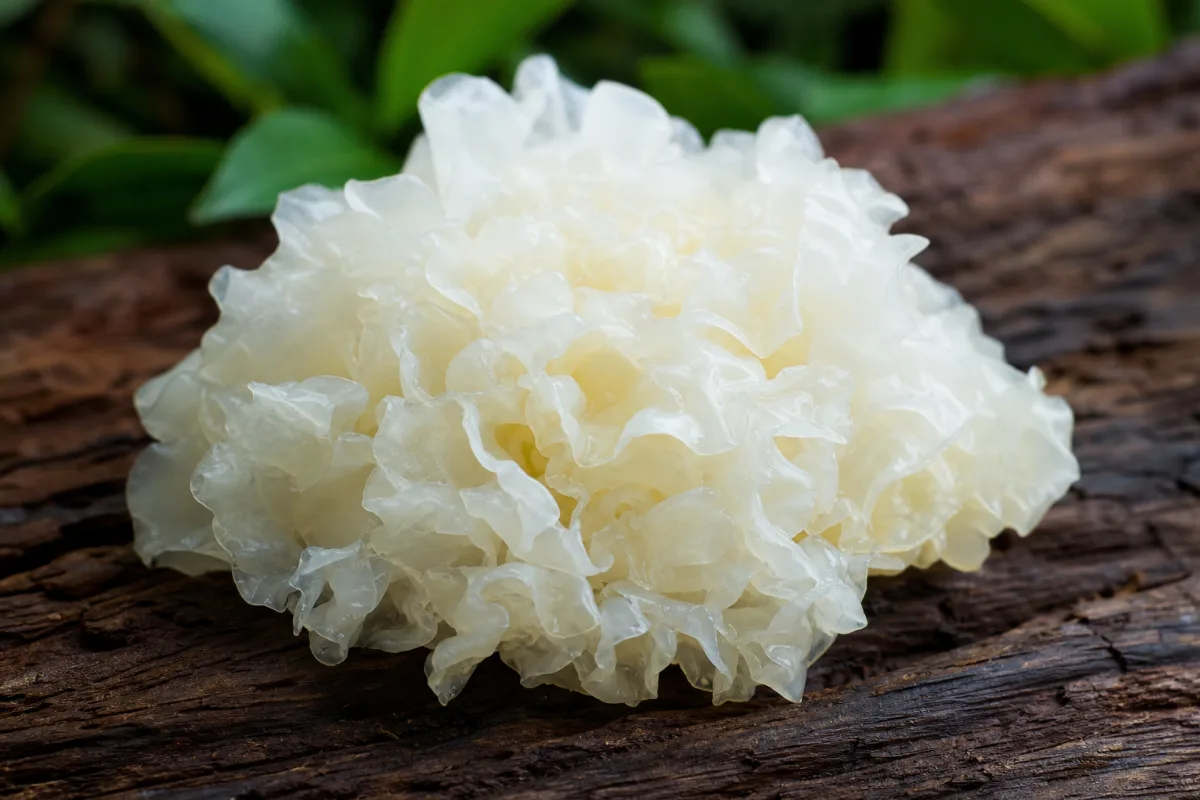
Tremella (snow fungus, Tremella fuciformis) is an edible fungus used in Asian cooking and medicine. One small memory trial exists; skin and drink claims rest mostly on lab work.
Subjective memory complaints
Skin hydration, ageing and wound healing (lab work)
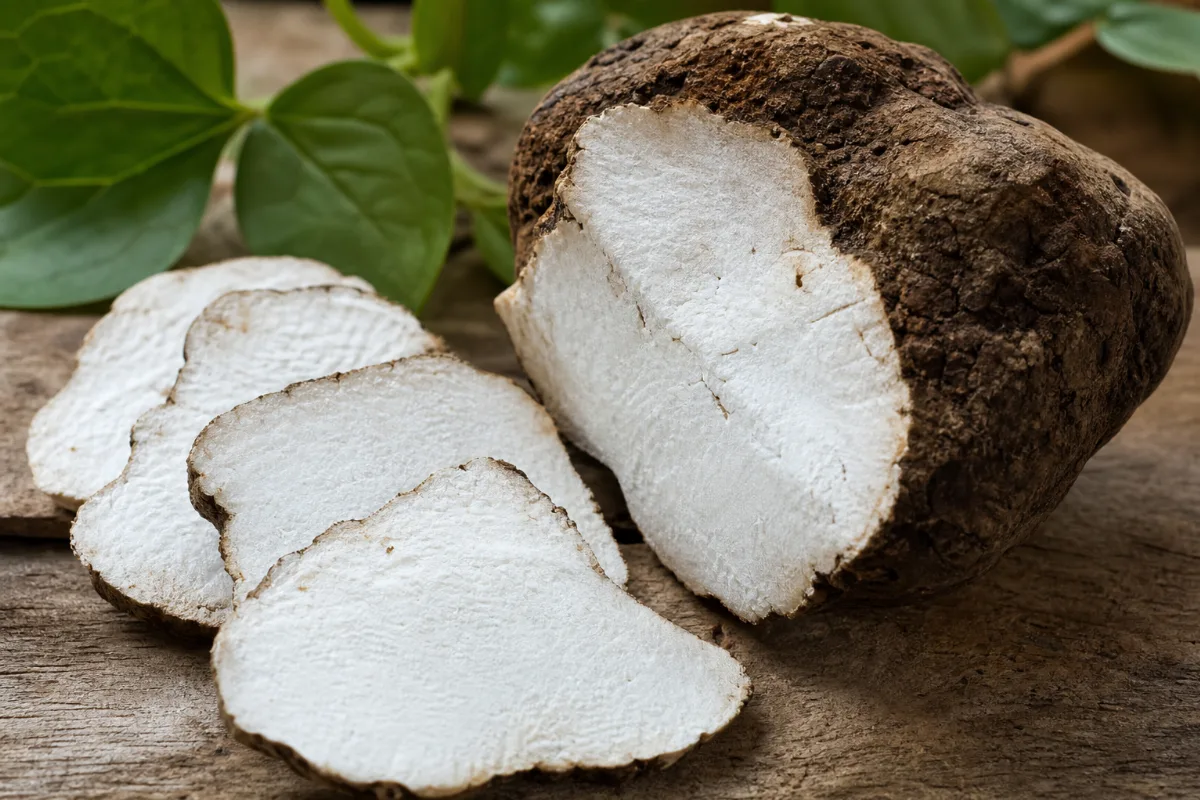
Poria, or fu ling, is the hardened body of the fungus Wolfiporia cocos, a long-standing Chinese medicine ingredient. See what trials show, why evidence is thin, and quality concerns.
Traditional Chinese medicine use
Blood sugar, as part of herbal formulas
Antioxidant and anti-inflammatory activity in the lab
Pfaffia paniculata, Hebanthe erianthos (accepted name per GBIF match)
Root
Human evidence: Mostly lab and animal research
Pregnancy and breastfeedingLiver disease or liver injury reportsKidney diseaseHormone-sensitive conditions
Suma, or Brazilian ginseng (Pfaffia paniculata): what we found on traditional use, the thin human evidence, the ecdysterone sports claims, and safety unknowns.
Energy, stress and general tonic claims
Muscle building and sports performance (ecdysterone)
Human evidence: Some human trials (small or short)
Mood disorders (mania)Pregnancy and breastfeeding
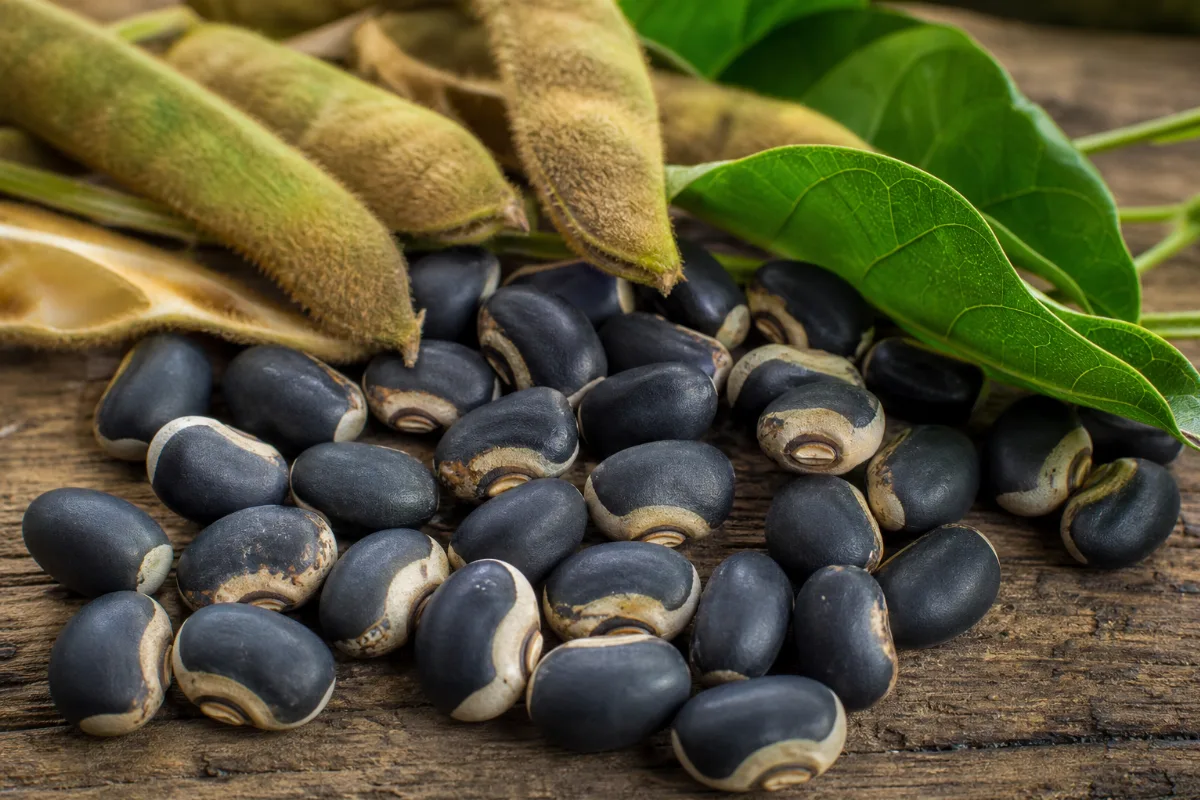
Mucuna pruriens (velvet bean) seed is a natural source of levodopa. What Parkinson's trials show, and the medicine, psychiatric, seed-hair and fertility-claim cautions.
Polygonatum rhizome (huang jing, Solomon's seal; Polygonatum sibiricum): used in Chinese medicine for centuries, with one small sleep trial and mostly lab research behind it.
Sleep in mild insomnia
Blood sugar (diabetes)
Antioxidant, immune, anti-fatigue and other lab findings
Traditional tonic use (fatigue, cough, appetite, joints)
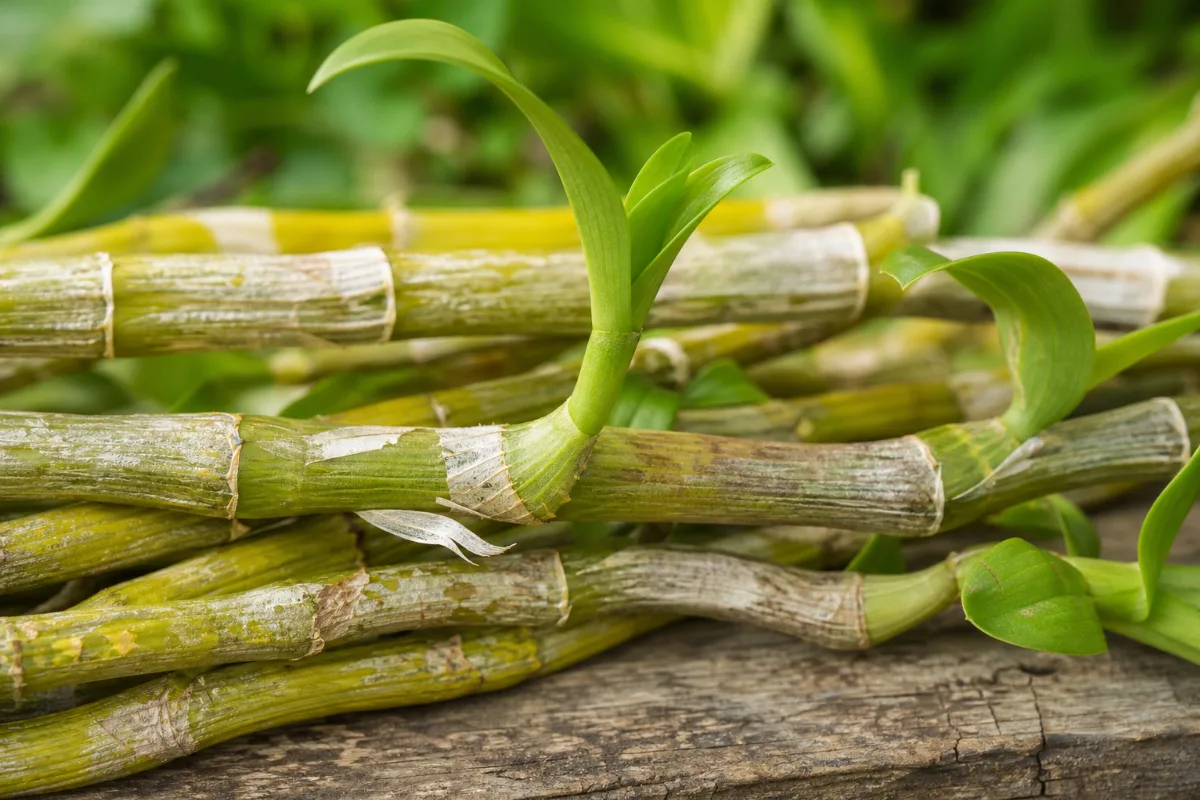
Dendrobium (shi hu, Dendrobium officinale) is an orchid stem used in Chinese medicine; human evidence is small, products are often mixed with other species, and wild plants are threatened.
Studied in people for: sexual function, exercise performance
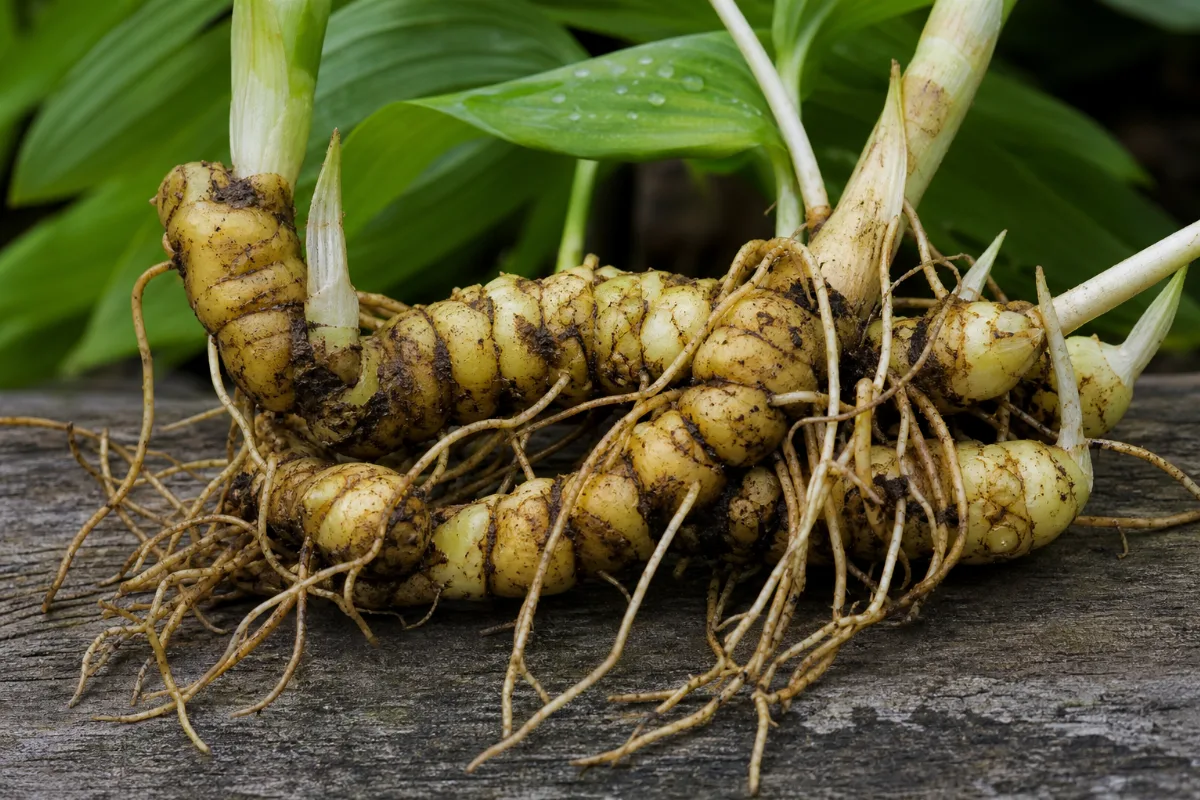
Safed musli root (Chlorophytum borivilianum): Ayurvedic use for stamina and libido, the few small human trials, wild-stock decline, look-alike roots and what is not known about safety.
Sperm quality and testosterone
Physical performance and endurance
Sperm density in low sperm count (three-herb mix)
Growth hormone after exercise (two-ingredient blend)
Human evidence: Some human trials (small or short)
Studied in people for: immune and infections, exercise performance
Heavy metals and qualityBlood thinners and bleedingDiabetes medicines
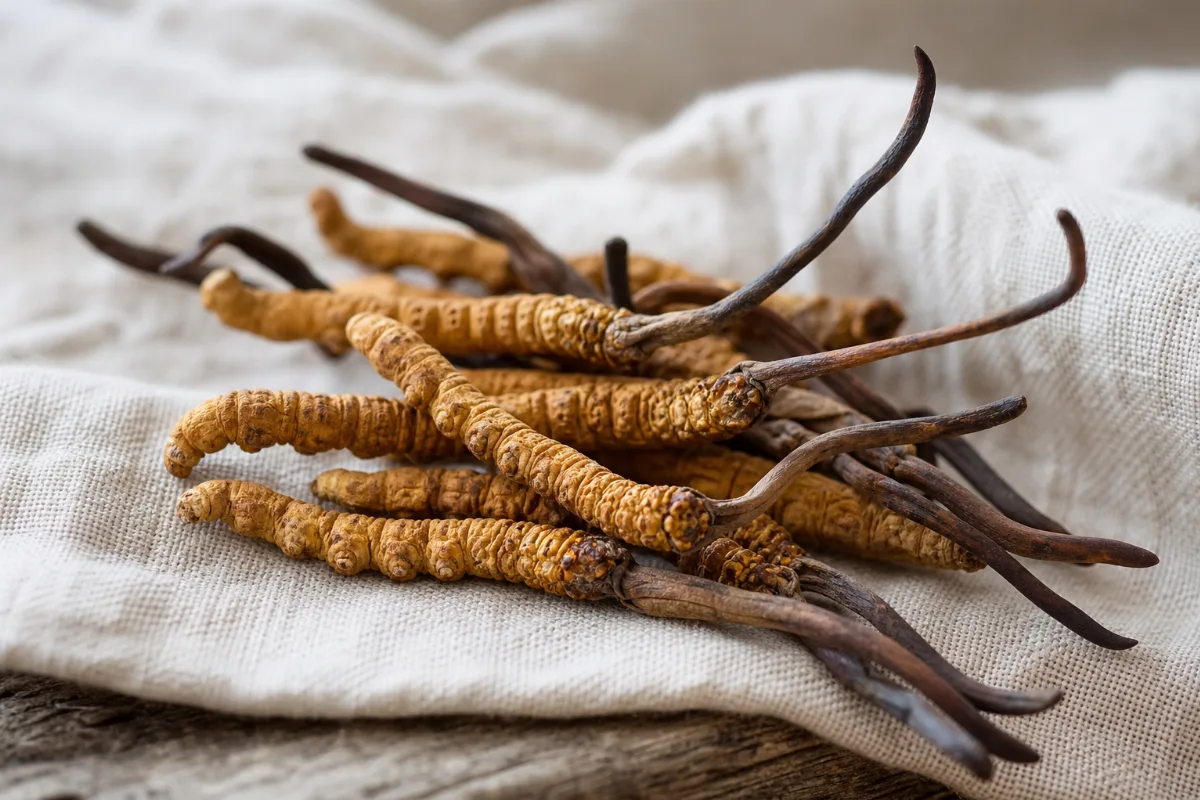
The wild Tibetan caterpillar fungus (Ophiocordyceps sinensis, yartsa gunbu) is rare, costly and conservation-listed; what kidney and lung trials of fungus-based products show, why they mostly tested cultured mycelium, and the arsenic findings in the wild product.
Kidney disease: add-on trials of fungus products
Lung disease (COPD): one active-controlled trial
Immune markers in healthy adults (cultured P. hepiali mycelium)
Studied in people for: immune and infections, exercise performance, sleep
Blood thinners and bleedingDiabetes medicines
Cordyceps militaris, the orange cultivated cordyceps grown on grain or silkworm pupae: how it is made, what small human trials found (immune markers, exercise, runners' blood markers, a negative sleep trial), the safety data we could and could not find, and the lab numbers.
Immune markers in healthy adults
Exercise capacity and stamina
Blood markers in endurance runners
Sleep in people with depression (no benefit found)
Human evidence: Some human trials (small or short)
Studied in people for: heart and cholesterol, blood sugar, liver
Blood thinners and bleedingBefore surgeryPregnancy and breastfeedingAllergy
Ashitaba (Angelica keiskei): what EFSA and human trials say about the leaf, stem sap and chalcones, plus cautions on blood clotting, pregnancy, allergy and look-alike Angelica herbs.
Sutherlandia (cancer bush, Lessertia frutescens): what small human trials and lab studies show, and why antiretroviral and tuberculosis-prevention medicine interactions matter.
No adaptogen matches all of these filters. Try removing one. Some topics (for example most herbs) are not adaptogens and live elsewhere on the site.
"Adaptogen" is a traditional and Soviet-era idea, not a medical category, and European regulators judge each herb on its own evidence rather than on that word. "Studied for" means a study in people exists, not that the plant works: most trials are small, short and often paid for by makers. "Check before you use" lists cautions a source we read raised. It is not a complete list, so ask a pharmacist or clinician if you take medicines or have a health condition.
A link between a adaptogen and a topic means the body needs the adaptogen for that job, or that low intake is linked to it. It does not mean extra supplements help if your intake is already adequate. See each page’s evidence label.
Browse by adaptogen group
Ginsengs
Asian, American, Korean red, Japanese and Vietnamese ginseng and relatives: the roots that gave "adaptogen" much of its fame.
Understanding Adaptogens(3)What the word means, where the idea came from, how researchers define it, and how to read claims about stress, cortisol and "adrenal support".
What "adaptogen" means, where the word came from, why regulators and researchers disagree about it, and how to read claims about stress, cortisol and "adrenal support".
What the Endocrine Society and NIH say about "adrenal fatigue", how it differs from real adrenal disease such as Addison's, and how to read "adrenal support" supplement …
An A to Z directory of every ingredient in the Adaptogens library, with scientific names, plant part, classification notes, a key caution and a link to each guide.
More Adaptogen Profiles and the Safety Checklist(9)Ginsengs, Siberian and Chinese tonics and other plants that are less well known, plus the situation-by-situation safety checklist behind the "Check before you use" filter.
Who should ask a clinician or pharmacist before using adaptogens: a situation-by-situation table of which plants health sources flag, and what to do. Not medical advice.
Japanese ginseng (Panax japonicus, chikusetsu ginseng) is a rhizome used in East Asian traditional medicine; this page separates tradition from the very thin human evide…
Vietnamese ginseng (Ngoc Linh, Panax vietnamensis) is a rare Vietnamese root; we found no health trials in people, only one small blood-sugar test and lab work.
Manchurian aralia (Aralia elata, also called Aralia mandshurica) is a root used in Soviet-era tinctures; this guide separates tradition from evidence and covers safety g…
Zamaniha (Oplopanax elatus) is a Russian Far East shrub root used in Soviet-era tinctures; this page shows what the sources say, what they do not, and why caution applie…
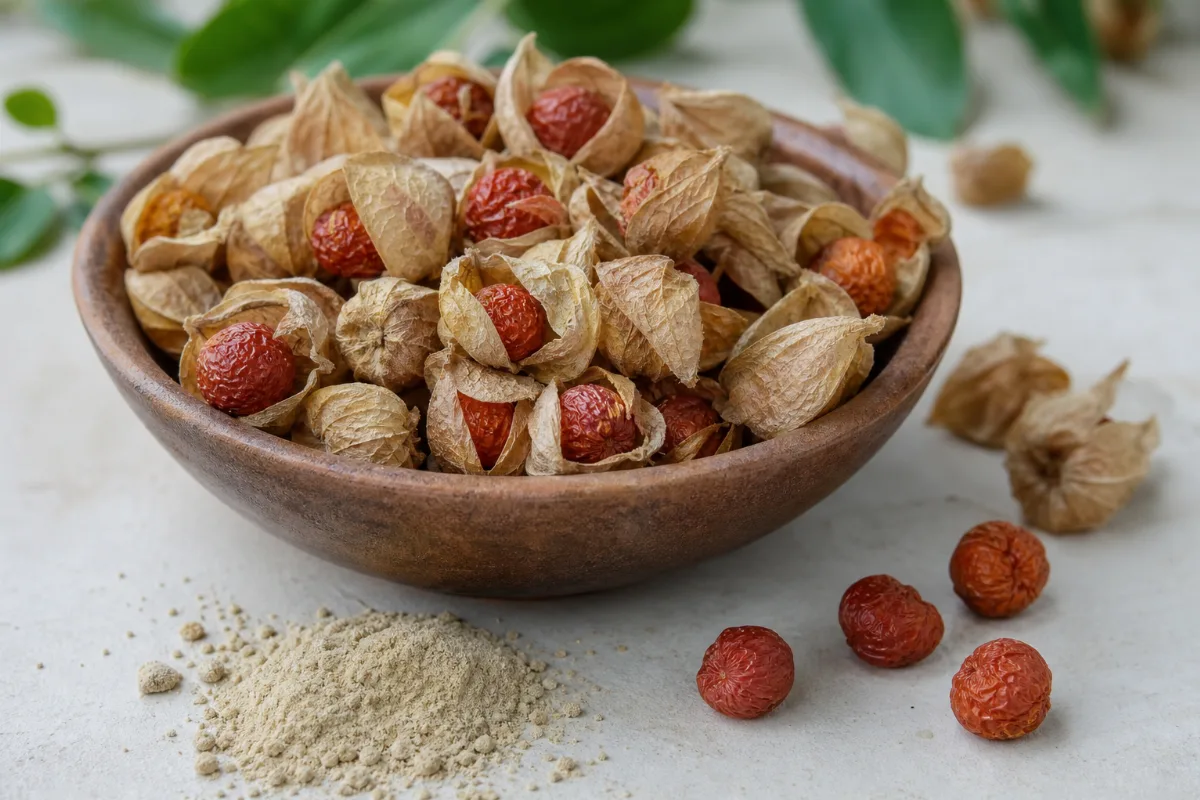
Withania coagulans (Indian cheesemaker) is an Ayurvedic fruit and a relative of ashwagandha; this guide covers what the thin research shows and one allergy report.
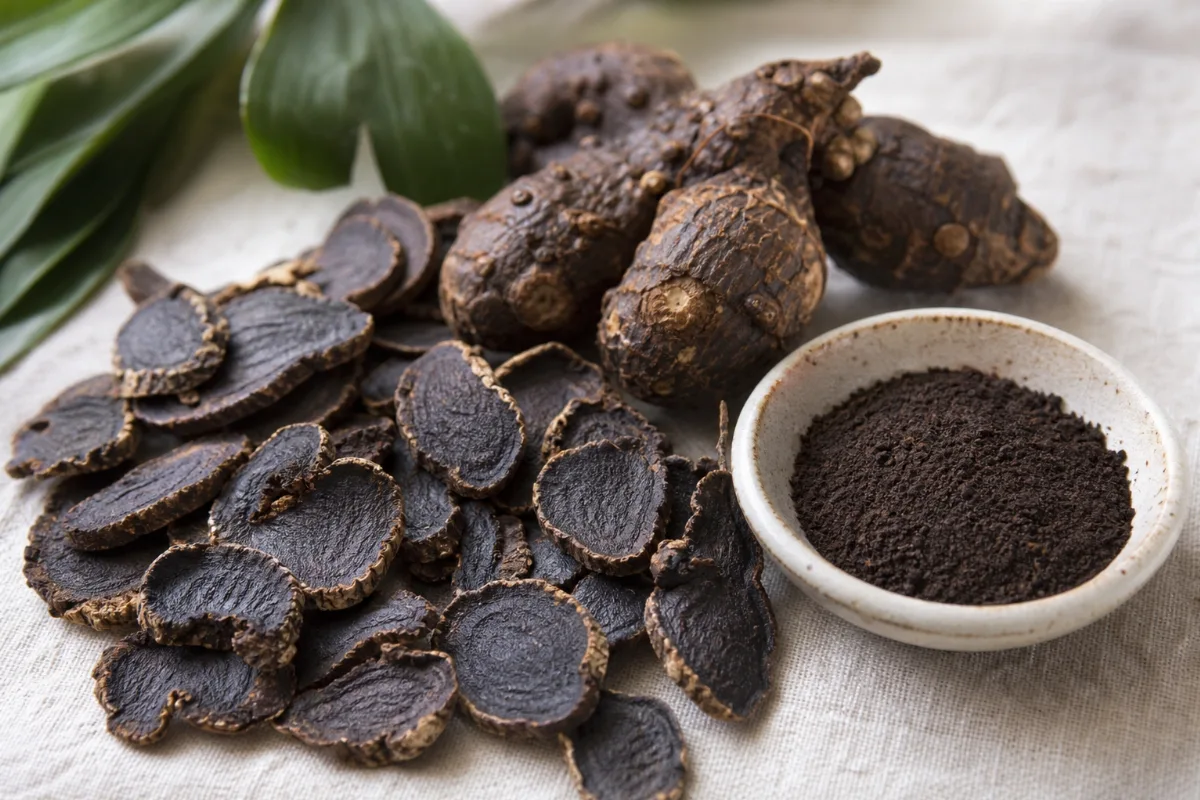
Black ginger (Kaempferia parviflora, krachai dum) is a Thai rhizome sold for energy and exercise; here is what small human trials show, what they do not, and safety note…
Child ginseng (Pseudostellaria heterophylla, tai zi shen) is a Chinese tonic root, not a true ginseng; the research is thin, mostly lab work, and safety data are sparse.
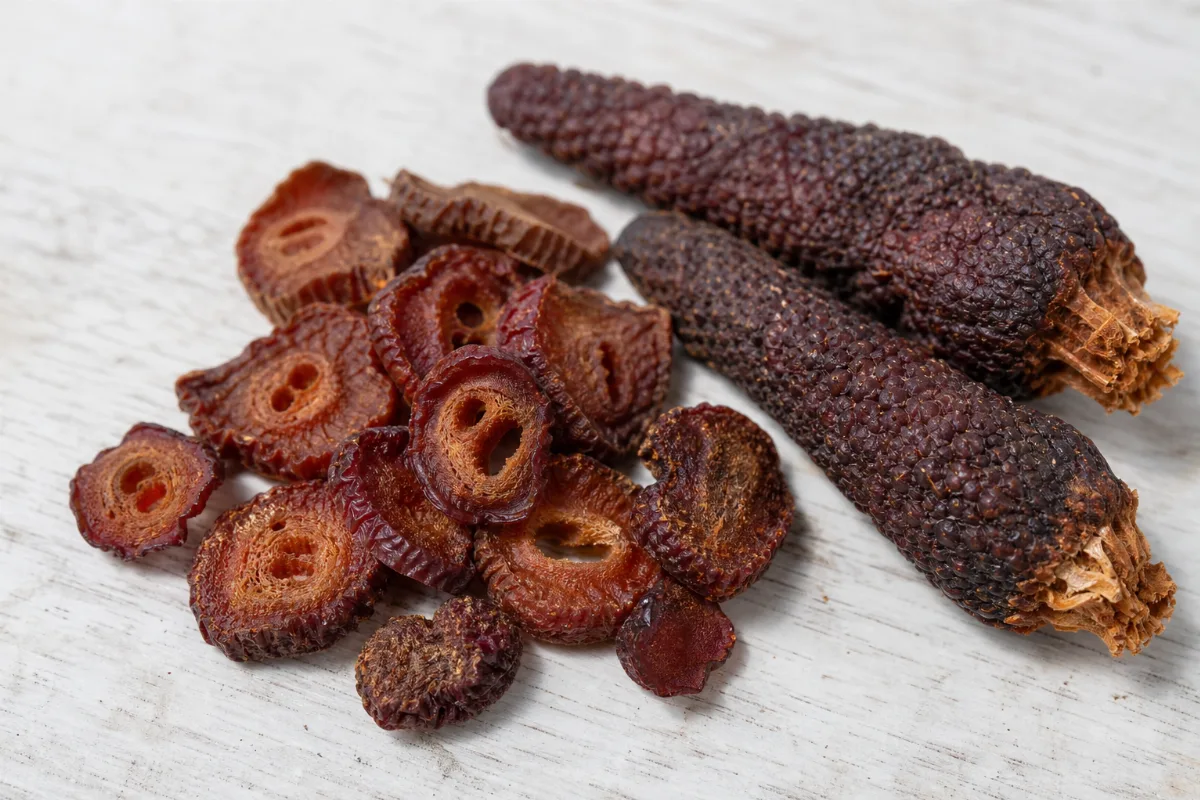
Cynomorium (Suo Yang) is a parasitic desert plant used as a Chinese yang tonic; we found no human trials, only lab and animal studies, and little safety data.
Major Adaptogen Herbs(7)Ashwagandha, rhodiola, Asian and American ginseng, eleuthero, holy basil and schisandra: one guide each.
What ashwagandha (Withania somnifera) is, what trials found for stress and sleep, and the liver, thyroid, pregnancy and medicine cautions to know before using it.
What rhodiola (Rhodiola rosea) is, what trials found for fatigue, stress and mood, and cautions about antidepressants, other medicines, pregnancy and look-alike products.
What Asian ginseng (Panax ginseng) is, what research found for fatigue, thinking, blood sugar and more, and cautions about warfarin, diabetes medicines, insomnia and pre…
What American ginseng (Panax quinquefolius) is, how it differs from Asian ginseng, what trials found for colds and blood sugar, the warfarin finding, and wild-harvest co…
What eleuthero (Siberian ginseng, Eleutherococcus senticosus) is, why it is not true ginseng, what trials and the EMA found, and cautions on adulteration, pregnancy and …
What holy basil or tulsi (Ocimum tenuiflorum) is, how it differs from sweet basil, what small trials found for stress and blood sugar, and the safety gaps that remain.
What schisandra (Schisandra chinensis) is, where the adaptogen idea began, what little human research exists, and cautions about enzyme interactions and the tacrolimus f…
Other Herbs, Roots & Berries(13)Maca, astragalus, amla, codonopsis, jiaogulan and other plants sometimes called adaptogens, with classification questions noted.
Maca (Lepidium meyenii) is an Andean root eaten as food and sold as a supplement; this guide separates traditional use from trial results and covers safety questions.
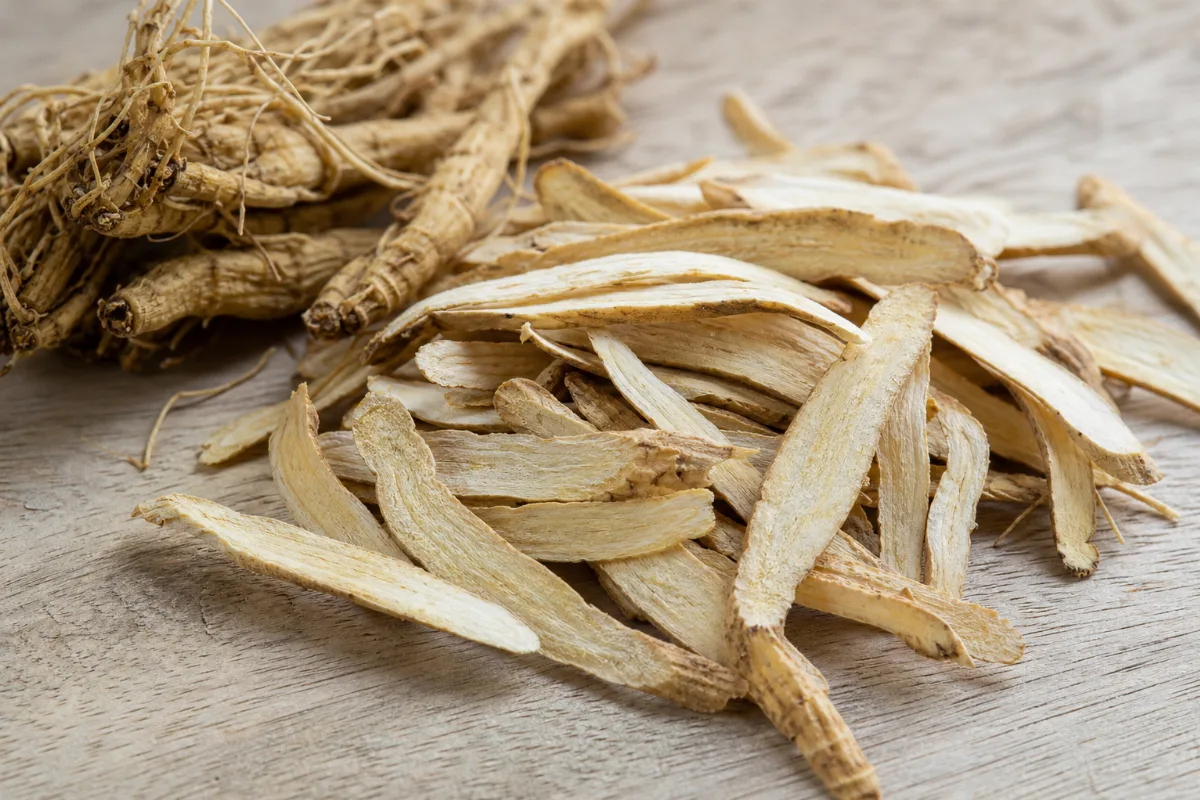
Astragalus (Astragalus mongholicus, also sold as A. membranaceus) is a root used in Chinese medicine; this guide covers NIH's evidence summary and the immune-medicine ca…
Amla, or Indian gooseberry (Phyllanthus emblica), is an Ayurvedic fruit; this guide separates tradition from trial findings and covers blood-thinner and diabetes caution…
Codonopsis (dang shen, Codonopsis pilosula) is a Chinese herbal root sometimes called an adaptogen; this guide shows what human evidence exists, which is limited, and th…
Jiaogulan (Gynostemma pentaphyllum) is a Chinese vine used as tea and extract; this guide covers small human trials, a platelet case report, and unanswered safety questi…
Guduchi, or giloy (Tinospora cordifolia), is an Ayurvedic climber linked to liver injury reports; this guide covers the debate over causes, look-alike species and autoim…
Rhaponticum (maral root, Russian leuzea) is a Soviet-era adaptogen herb; this guide covers its ecdysteroids, the very limited human evidence and sports-supplement label …
Cistanche (rou cong rong) is a parasitic plant used in Chinese medicine. What small trials found, why wild plants were protected, and what is not known about safety.
He shou wu (fo-ti, Reynoutria multiflora) is a Chinese root linked to documented liver injury. What the sources found, why processing is discussed, and who should be mos…
Notoginseng (sanqi, Panax notoginseng) is a Chinese root used for bruising and bleeding. What trials of hospital preparations show, and why blood thinner cautions matter.
Tongkat ali (Eurycoma longifolia) is a Southeast Asian root sold for testosterone and vitality. What small trials found, what is unproven, and old reports of metal conta…
Pine pollen, collected from Pinus trees, is sold for energy and testosterone. We found no human trials, only animal and cell studies, plus allergy reports to check.
Is sea buckthorn (Hippophae rhamnoides) an adaptogen? A short claim check: rodent studies use the word, human trials on stress are missing, and berry trials mainly measu…
Ashwagandha in Depth(11)The most searched adaptogen: stress and sleep evidence, root versus leaf, thyroid, liver reports, pregnancy and interactions.
What pooled reviews and individual trials of ashwagandha found for stress and anxiety scores and cortisol, which extracts were tested, who paid, and where the evidence i…
What pooled reviews and trials of ashwagandha extract found for sleep and insomnia, how sleep was measured, whether morning or night matters, and the cautions that apply.
Claims about ashwagandha, testosterone, sperm quality, libido and women's sexual health checked against trial sizes, populations and outcomes, with pregnancy and hormone…
How ashwagandha root, leaf and root-and-leaf products differ, what withanolides are, why a trial of one extract does not transfer to another, and what quality studies fo…
Warning signs of liver injury first, then what case series and reviews report about ashwagandha liver injury, common mild side effects, higher-risk groups and what we co…
What trials, case reports and NIH say about ashwagandha and thyroid hormone levels, hyperthyroidism, thyroid medicines and blood test results, and why people with thyroi…
Which medicine groups health agencies name with ashwagandha, from sedatives to immunosuppressants, and which warnings rest on case reports, lab work or no clear data.
What NCCIH, Memorial Sloan Kettering and published studies say about ashwagandha (Withania somnifera) in pregnancy, while breastfeeding and for children, and where the e…
What NCCIH and Memorial Sloan Kettering say about ashwagandha before surgery and with autoimmune conditions or transplants, and what the sources do not explain.
A plain answer to whether ashwagandha is safe and whether it is banned, using NCCIH, a Danish restriction, a UK safety review in progress and what we could not confirm e…
How ashwagandha capsules, powders, gummies, teas and tinctures differ, why plant part and extract matter more than the format, and what to check on a label.
Rhodiola, Ginseng, Holy Basil & Maca in Depth(10)Evidence, side effects and cautions for the next most-searched adaptogens.
What human trials of Rhodiola rosea root extracts found for stress-related fatigue, anxiety, burnout and low mood, with the limits, mixed results and safety points.
Reported side effects of Rhodiola rosea, what is and is not documented about antidepressants, losartan and other medicines, and who should ask a clinician first.
How Asian, American, Siberian (eleuthero), Indian and other plants called ginseng differ by species, plant part and research, so labels and study results are not mixed u…
What reviews and trials of Panax ginseng and American ginseng found for fatigue, energy, memory and thinking, with the limits and the safety points that matter.
What sources document about ginseng with warfarin, diabetes medicines and blood sugar, plus insomnia, mania reports, surgery, pregnancy and who should ask a clinician fi…
Red and white ginseng are the same root, Panax ginseng, prepared two ways. Here is what steaming changes in the lab, what is known in people, and the safety points.
Eleuthero (Siberian ginseng) side effects, what the sources say about blood pressure, bleeding and blood sugar, medicine interactions, and who is advised to avoid it.
What human studies of holy basil (tulsi) found for stress, blood sugar and thyroid, how strong that evidence is, and the cautions that apply, including diabetes medicine…
What clinical trials and reviews found when maca root was tested for sexual desire, energy and menopause symptoms, how small those trials were, and what they say about h…
What the sources say about maca safety: no liver injury reports, few reported side effects in small trials, some blood pressure and blood sugar signals, and gaps for pre…
Mushroom Adaptogens (Cross-Reference)(4)Reishi, cordyceps, chaga and lion's mane are covered in Mushrooms; these pages explain the adaptogen claims and link to the guides.
Reishi, cordyceps, chaga and lion's mane are often called adaptogens. This overview explains what that label does and does not mean and points to the full mushroom guide…
Reishi is often sold as a calming adaptogen for stress and sleep. This claim check separates traditional use from research, and lists documented cautions.
Cordyceps is marketed as an adaptogen for energy, stamina and immunity. This claim check covers the species mix-up, the small trials, cordycepin and documented cautions.
Mushroom coffee is sold as calm energy with adaptogens. This claim check covers caffeine, what trials of mushroom blends found, skin and kidney reports, and label questi…
Adaptogens by Wellness Goal(12)What research shows for stress, energy, sleep, focus, exercise, burnout, menopause, thyroid and blood sugar. Evidence, not promises.
A plain-language index of what research and health agencies say adaptogens may or may not do for stress, energy, sleep, focus and exercise, with links to each goal page.
What NCCIH, health agencies and recent reviews say about ashwagandha, rhodiola and ginseng for stress, anxiety and resilience, and what cortisol results do and do not me…
What reviews and health agencies say about ginseng, rhodiola and other adaptogens for tiredness and energy, why lasting fatigue needs a clinician first, and what "adrena…
What NCCIH, a 2021 meta-analysis and other reviews say about ashwagandha and other adaptogens for sleep, what is not known about adaptogen teas, and who should ask first.
What NCCIH and meta-analyses say about ginseng, ashwagandha and rhodiola for attention, memory and mental performance, and why adaptogens and nootropics are not the same…
What NCCIH and recent meta-analyses say about ashwagandha, rhodiola and ginseng for endurance, strength and recovery, where results disagree, and what to check in tested…
Adaptogens are often sold for burnout. This page checks what burnout means, what small trials of rhodiola and ashwagandha found, and what the evidence cannot yet say.
What small trials and reviews report for ashwagandha, maca and ginseng in perimenopause and menopause, what NIH and NHS say, and the limits of "hormone support" claims.
Claims that adaptogens balance thyroid or other hormones, checked against trials and case reports of ashwagandha, with plain cautions for people with thyroid conditions …
What trials and reviews report for ginseng, holy basil, ashwagandha and astragalus on blood sugar and body weight, and why people on diabetes medicines should ask a phar…
Claims that adaptogens support or boost immunity checked against reviews of astragalus and ginseng, with cautions for autoimmune conditions and immune-suppressing medici…
What trials report for ashwagandha, rhodiola and Asian ginseng on thinking, low mood and anxiety, why brain fog has many causes, and why adaptogens never replace treatme…
Supplement Forms & Products(10)Capsules, powders, extracts, tinctures, teas, gummies, drinks and blends: what each format means.
What adaptogen capsules, powders, extracts, tinctures, teas, gummies, drinks and blends are, what a US label must show, and why a format alone says little about quality.
What an adaptogen capsule or tablet label can and cannot tell you: plant part, powder or extract, amount per serving, blends, and what lab studies found in real products.
What adaptogen powders are, how a whole-herb root or leaf powder differs from an extract, and what the sources say about identity, plant part, metals and testing.
What "standardized" means on adaptogen labels, which marker compounds are named (withanolides, rosavins, salidroside, ginsenosides), and what a marker number does and do…
What adaptogen tinctures and liquid extracts are, why the solvent (often alcohol) matters, what regulators and the FDA labeling guide say, and cautions for pregnancy and…
What an adaptogen tea or infusion is, what human research has and has not tested in tea form, and the cautions that still apply when the herb is in a cup.
What the research and the label rules say about adaptogen gummies, including ashwagandha gummies: studied amounts, sugar information, label accuracy and child safety.
Adaptogen drinks, lattes and coffee alternatives checked: how much caffeine is typical, what a drink label may hide, and the few studies that tested an adaptogen drink.
Single adaptogens versus blends compared on what is documented: label rules, how blends hide amounts, what trials tested, and why cautions add up with every ingredient.
What is and is not known about adaptogens added to chocolate, snacks and skincare: the few human studies, what they tested, and where proper evidence was not found.
What the research says about species mix-ups, plant parts, extracts, marker compounds, contamination and labels in adaptogen products, and what testing can and cannot sh…
Why root, leaf and other plant parts are not interchangeable in adaptogen products, with what testing of ashwagandha, ginseng and other products found.
How whole-herb powders and extracts of adaptogens differ on labels and in studies, with what official monographs and tests show, and why results do not transfer.
What standardization and marker compounds such as withanolides, ginsenosides, rosavins and salidroside mean on adaptogen labels, and what tests of products found.
What a ratio such as 10:1 on an adaptogen extract label means, why a bigger number is not automatically a stronger product, and what the ratio cannot tell you.
How to read the Supplement Facts panel on an adaptogen product: plant part, extract weight, serving size, blends and claims, and what a label cannot tell you.
Why one total weight for an adaptogen blend hides how much of each ingredient you get, what US label rules require, and how to judge a blend against study amounts.
What independent testing and a certificate of analysis can and cannot show about an adaptogen supplement, which tests exist, and why the method and the batch matter.
What published studies found about wrong species, fillers, heavy metals and hidden drugs in herbal and adaptogen products, with the limits of each study and what to ask …
Use & Practical Questions(9)Studied amounts, how long studies lasted, timing, food, combining and cycling: what is known and what is not.
What research and official herbal monographs say about amounts, length of use, timing, food, combining and cycling for adaptogens, and where the sources say nothing. No …
Amounts used in published adaptogen trials and listed in European herbal monographs, with the extract, duration and people studied. These are study amounts, not advice.
How long human trials and official monographs have covered ashwagandha, rhodiola, ginseng, eleuthero and astragalus, and why a short study cannot show long-term safety o…
Whether adaptogens work better in the morning or evening is not tested in the sources we read. This page shows the schedules trials and monographs used, and the side eff…
Whether adaptogens should be taken with or without food is not settled in the sources we read. What trials did with meals, what absorption studies measured, and what to …
Whether taking more than one adaptogen at a time has been studied, what the official sources say about blends and medicines, and why each herb's own cautions still apply.
What "cycling" adaptogens means in marketing, what the official sources say about time limits and long-term safety, and why no study of on-and-off schedules was found.
A simple note-keeping method for anyone using an adaptogen supplement, built around what official sources suggest you tell a clinician, with warning signs to flag early.
Warning signs after taking an adaptogen supplement, which need emergency care, which need a call to a clinician, and how to report a problem, using FDA and NIH sources.
Adaptogen Safety & Interactions(13)Side effects, medicines, pregnancy, children, thyroid, immune, liver, blood pressure and sugar, surgery and when to get help.
A table of side effects reported for ashwagandha, ginseng types, rhodiola, eleuthero, schisandra, astragalus, licorice, maca and others, with the NIH, EMA or LiverTox so…
Which adaptogen and medicine combinations are reported in people, which come only from lab or animal studies, and which are theoretical, with the source and strength for…
What NIH, the European Medicines Agency, LactMed and published reviews say about adaptogen herbs in pregnancy and breastfeeding, ingredient by ingredient, and where evid…
What EMA monographs, NIH and case reports say about adaptogen herbs for children and teenagers, why adult studies do not transfer, and what one small ashwagandha trial i…
Ingredient-specific thyroid cautions for adaptogens. Ashwagandha has NIH warnings and small trial results; for other adaptogens, thyroid evidence was not found in the so…
What NIH, Memorial Sloan Kettering and published reviews say about ashwagandha, astragalus, ginseng and other adaptogens in autoimmune disease and with immunosuppressant…
What the sources say about adaptogen herbs and the liver or kidneys: ashwagandha and he shou wu liver reports, licorice and astragalus kidney cautions, and when to ask f…
Documented and possible cautions when adaptogen herbs meet blood pressure or diabetes medicines, covering licorice, ginseng, eleuthero, rhodiola and ashwagandha, with ev…
Why surgical teams ask about adaptogen herbs: what NCCIH and a JAMA review say about bleeding, blood sugar and anesthesia, and what is and is not known for each plant.
Why taking several supplements together is not automatically safer: what NCCIH, the National Kidney Foundation and liver case reports say about interactions and hidden a…
Warning signs after taking an adaptogen and who to contact: 911, Poison Help, 988, a clinician or pharmacist, plus how to report a problem to the FDA. Information, not m…
What the sources say about rhodiola, ginseng and ashwagandha with bipolar disorder, anxiety disorders and antidepressants, and why adaptogens never replace treatment. 98…
Life Stages & Special Situations(6)Women, men, older adults, teens, athletes, shift workers and people taking many medicines.
What research and health agencies say about ashwagandha, maca, ginseng and other adaptogens for women's hormones, cycles, fertility, sexual function and menopause, and w…
A claim check of ashwagandha, maca, tongkat ali and ginseng for men's testosterone, fertility, sexual function and prostate health, with the safety points sources docume…
What is known about adaptogens in people over 65, including the thin trial evidence, medicine interactions, sedation and falls, and kidney and liver questions to raise w…
What trials say about ashwagandha, rhodiola, ginseng and ecdysterone for sport, plus what anti-doping bodies say about supplement contamination, the WADA list and ecdyst…
What trials and health agencies say about ashwagandha and rhodiola for the tiredness and stress of shift work, exams and caregiving, and why sleep, support and a clinici…
How adaptogens can interact with prescription medicines, what sources document for blood thinners, diabetes, blood pressure, sedatives and thyroid medicines, and how to …
Science, History & Policy(12)The Soviet-era origins, active compounds, how trials measure stress, regulation and conservation.
How much human research exists on adaptogens, what NIH and a European regulator say about it, where reviews disagree, and how to read an adaptogen study without being mi…
Who coined the word adaptogen, how Soviet researchers like Lazarev and Brekhman shaped it, where sources disagree on dates, and why the early evidence has limits.
The HPA axis and cortisol explained in plain words, the ways adaptogens are proposed to act, what is only lab or animal work, and what human trials have and have not sho…
What withanolides, ginsenosides, rosavins, schisandrins and eleutherosides are, which plant each comes from, why labels use them as markers, and why a marker is not proo…
What human trials of adaptogens exist, how big and how long they are, why reviews disagree, what trials miss about safety, and how to check funding and conflicts of inte…
A side-by-side evidence table for ashwagandha, ginseng, rhodiola, eleuthero, schisandra, holy basil, maca, astragalus and licorice, with plant part, strength of evidence…
How long-standing traditional use of adaptogen herbs differs from clinical trial evidence, what European and US bodies say about each, and why neither one settles the qu…
What cell and animal studies of adaptogens can and cannot show, why human trials are needed, and how to read headlines that rely on mice, rats or lab dishes.
How adaptogen trials measure stress, fatigue and sleep, with questionnaires, clinician ratings and cortisol tests, and why a changed lab number is not the same as feelin…
The common weaknesses in adaptogen trials (small size, short length, varied extracts, risk of bias) and what is and is not known about who pays for the research.
The biggest open questions about adaptogens: whether the category is valid, how they work, which extracts count, long-term safety, special groups and conservation.
How the EU and US treat adaptogen herbs and supplements, and what reviews say about wild harvest pressure on American ginseng, rhodiola and eleuthero, with plain notes o…
Adaptogen Comparisons(13)Side-by-side comparisons that answer one question each. No rankings and no universal winners.
Index of side-by-side adaptogen guides, such as ashwagandha vs rhodiola and Asian vs American ginseng, plus a documented at-a-glance table. No rankings, no winners.
Asian ginseng (Panax ginseng) and American ginseng (Panax quinquefolius) are related but different plants. What sources say about each, and why results do not transfer.
Ashwagandha (Withania somnifera) and rhodiola (Rhodiola rosea) side by side: what health agencies say, how uneven the research is, and how their cautions differ. No winn…
Ashwagandha (Withania somnifera) is sometimes called Indian ginseng but is not a ginseng. A side-by-side look at documented evidence and cautions for ashwagandha and Pan…
Ashwagandha (Withania somnifera) and holy basil or tulsi (Ocimum tenuiflorum) compared: how much research exists, what reviews say, and where safety information is thin.
How herbal adaptogens such as ashwagandha differ from mushroom products such as reishi and cordyceps, what the sources compare, and where no head-to-head evidence exists.
How a whole-herb adaptogen powder differs from a standardized extract on the label, what quality studies found, and why trial results cannot be carried from one form to …
A checklist for comparing adaptogen supplements by what the label and the research actually support, with no brand names and no rankings, and the safety questions to set…
Whether adaptogens work like caffeine and other stimulants, what the sources say about each, and why sleep problems and caffeine-containing blends deserve care.
What the research says about adaptogens such as ashwagandha and rhodiola next to prescription treatment for anxiety and depression, and why no one should switch or stop …
A side-by-side look at what systematic reviews and NIH say about ashwagandha, magnesium, melatonin, L-theanine and kava for stress and sleep, with the cautions for each …
Glossary & Quick Reference(4)Terms, an ingredient table, frequently asked questions and a safety quick reference.
Plain-language definitions of adaptogen, HPA axis, cortisol, adrenal fatigue, withanolides, ginsenosides, extract ratio, standardization and other terms you meet in adap…
A one-page table of ingredients called adaptogens with scientific names, plant parts, a plain evidence label and the key caution each source names, linked to the full gu…
Straight answers to common questions about adaptogens: what the word means, whether they work, how safe they are, adrenal fatigue, supplements versus medicine, and where…
A one-page quick reference to warning signs reported with adaptogen supplements, who to call in the US (911, Poison Help, 988), and what to tell a clinician or pharmacis…
Search adaptogens: popular adaptogens, A to Z, search with filters, more ways
Well-studied adaptogens to start with
These adaptogens have the most human research summarized in our guides (counted from the evidence ratings on each profile). More research does not mean the adaptogen works or is safe for you: open the guide to see what was found, including negative and mixed results.
Every published adaptogen guide (12), with its names and what it is made of. Each name opens one guide that brings together identity, traditional use, research, safety, forms and sources.
B (1)
Black Ginger (Krachai Dum)Kaempferia parvifloraAlso: Black ginger, Thai ginseng, Krachai dum · Part used: rhizome
Adaptogens whose guide documents a point to check for this concern. Being listed does not mean the adaptogen is unsafe for everyone. Open the guide to read the details.
Pregnancy and breastfeeding (4 adaptogens)
ChyawanprashPhyllanthus emblica (amla, main ingredient)
The best level of evidence in each adaptogen guide for any listed benefit. A stronger label for one use says nothing about its other uses or its safety.
Adaptogens have been used for health in many cultures for centuries. A traditional use tells you what people have done, not that it works. Here every adaptogen is listed under the goals, body systems and actions its guide connects it to, and each link carries the strength of the evidence behind it.
Strongest
0 adaptogens
Clinical trials support a benefit
Promising
9 adaptogens
Early or mixed human evidence
Early science
3 adaptogens
Lab or animal research only
Unknown
0 adaptogens
Too little evidence to say
Each adaptogen is counted once, at the strongest level its guide documents for any use. A strong label for one use says nothing about its other uses or its safety. "Traditional use" alone is not one of these labels: where a guide only reports history, the link is rated "Too little evidence to say". Read the guide on traditional use and research evidence.
Adaptogens by wellness goal
Each card shows how many adaptogens are linked to a goal and how strong the evidence is. Green means clinical trials support a benefit; grey means too little evidence. These are links the guides document, not recommendations. For the wider picture, see the Wellness Goals section.
The same links, organized the way anatomy and physiology textbooks do. "Action" describes what an adaptogen is said to do (for example calming or digestive support); it names the claim, not the proof.
Each guide below looks at one concern, from sleep to skin, and separates adaptogens that were tested in people from adaptogens that are only traditional or lab-tested.
People have used adaptogens for health for many centuries. A traditional use tells you what people have done, not that it works. For what research found, see the Health Benefits and Scientific Evidence tabs.
Traditional adaptogen medicine
Ayurveda, Traditional Chinese Medicine and other traditions each use natural remedies in their own systems. The adaptogens below are the ones whose guide mentions the tradition in its own text. That a tradition uses an adaptogen is history, not clinical evidence. Each guide says separately what trials found.
Adaptogens are active substances. Some interact with prescription medicines, some are unsafe in pregnancy or with certain conditions, and some have been linked to serious harm. This tab brings together what the individual adaptogen guides document, plus the general rules. Medicine interactions have their own tab.
If someone may have been poisoned or is seriously unwell
▸Collapse, seizure, trouble breathing, swelling of the face or throat, chest pain or a fast irregular heartbeat: call your local emergency number now (911 in the United States and Canada, 999 in the UK, 112 in the European Union).
▸Swallowed too much of an adaptogen, or a child or pet got into a product, and the person seems well: in the United States call Poison Help, 1-800-222-1222 (free, 24 hours). Elsewhere, call your national poison centre or local emergency number.
▸Yellow skin or eyes, dark urine, severe belly pain, or a new rash after starting an adaptogen: stop it and contact a clinician the same day.
Each ingredient has its own risks. Ashwagandha, ginseng, rhodiola, licorice root, astragalus and he shou wu all have documented cautions.
Tell your pharmacist or clinician about every supplement, especially if you take medicine for diabetes, blood pressure, thyroid conditions, depression or seizures, take blood thinners or immune-suppressing medicine, are pregnant or breastfeeding, or are having surgery.
Many adaptogens have not been tested in pregnant women, nursing mothers or children.
Stop and call a clinician or pharmacist about yellow skin or eyes, dark urine, a rash or any new reaction. In the US, Poison Help is 1-800-222-1222; call 911 for collapse, seizure, trouble breathing or swelling of the face or throat. For a mental health crisis in the US, call or text 988.
"Natural" does not mean safe. Natural products can contain strong substances; some are harmful. Natural Does Not Mean Safe
Tell your pharmacist and clinician about every adaptogen product you use, and ask before combining one with prescription or over-the-counter medicines.
Be extra careful with narrow-margin medicines such as warfarin, antidepressants, immunosuppressants, diabetes and blood pressure medicines.
Tell the surgical team about every adaptogen before an operation. Many teams ask people to stop adaptogen products ahead of surgery; ask yours how long.
Pregnancy, breastfeeding, children and older adults are groups where good safety data are often missing, so official sources usually advise asking first.
Start one product at a time, at the label amount, so a reaction can be traced. Stop and get advice if you feel unwell.
Products vary. Contamination, substitution and mislabelling are documented problems; third-party testing can reduce but not remove the risk.
Each line comes from an adaptogen's own guide, where it is backed by cited sources: 39 documented risks across 12 of the 12 adaptogens. A adaptogen missing from a list is not proven safe: it may simply not have been studied. Open the adaptogen's guide for the full wording and sources.
Other medicines processed by liver enzymes. In lab work lycium extract may induce CYP3A4 and juice and extracts inhibited CYP2C9 and CYP2C19; the clinical relevance is unkno…
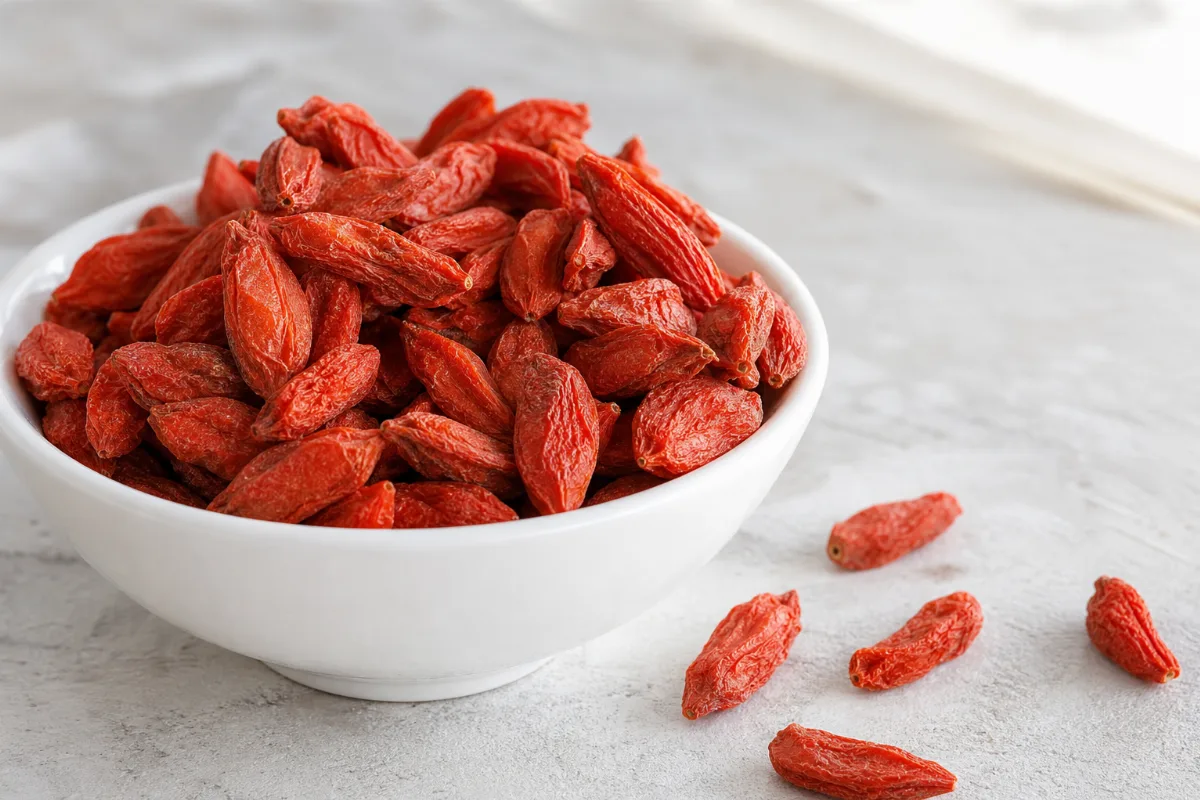
Pregnancy, breastfeeding, children, liver and kidney: no data read. The sources we read do not address pregnancy, breastfeeding, children, liver or kidney safety for goji.
Liver damage and autoimmune conditions. NCCIH lists severe rash, liver damage and severe allergic reactions as uncommon reports, and says ginseng may worsen autoimmune d…
Pregnancy, breastfeeding, children, liver and kidney: no data read. The sources we read do not address pregnancy, breastfeeding, children, liver or kidney safety for goji.
High blood pressure with low potassium in pregnancy (mumijo case). One pregnant woman developed a licorice-like high blood pressure syndrome after months of a supplement called mumijo. We did not …
Short-term tolerability. A 4-week trial in 52 healthy adults found no related adverse events; a systematic review reported none at 1.35 g/day. Long-term s…
Brand and recipe variability. Manufacturers differ in composition and preparation, a review noted no uniform standards, and cookies, granules, fruit-flavored a…
Human safety data are missing. We found no human safety or interaction study for Japanese ginseng; an animal study of a lab-grown cell culture of the plant foun…
Alcohol in tinctures. Aralia is discussed in the form of an alcohol tincture; people avoiding alcohol, children, pregnant people and those on interacti…
No human safety data. The sources we read report no human safety data for this plant. NCCIH cautions for Asian ginseng (insomnia, possible blood clotti…
Gaps in safety information. Pregnancy, breastfeeding, children, liver, thyroid, blood thinners and surgery are not described for this plant in the sources re…
Adaptogen and medicine interactions
Some adaptogens change how a medicine works, or add to its effect. This matters most for narrow-margin medicines such as blood thinners, antidepressants, immunosuppressants, and diabetes and blood pressure medicines. Always tell your pharmacist and clinician about every adaptogen you take. Ask before starting, stopping or combining anything.
Each line comes from an adaptogen's own guide and its cited sources. A adaptogen missing from a list is not proven free of interactions: it may simply not have been studied. Open the adaptogen's guide for the full wording.
Medicine interactions (prescription and over the counter) · 5 adaptogens
Possible interaction with sildenafil. In rats, black ginger extract lowered sildenafil blood levels by 95% on the first day of co-use. No human data were found.
Warfarin and blood thinners. Case reports describe a very high INR and bleeding after goji juice (71-year-old woman, 4 days), after goji berry wine (65-year-o…
Other medicines processed by liver enzymes. In lab work lycium extract may induce CYP3A4 and juice and extracts inhibited CYP2C9 and CYP2C19; the clinical relevance is unkno…
Warfarin and blood clotting. A small double-blind crossover trial of 25 people on warfarin found no significant INR difference with Korean red ginseng versus …
Blood sugar lowering: risk with diabetes medicines. NCCIH says Asian ginseng may lower blood sugar, so people with diabetes should talk with a provider first.
Possible added effect with diabetes medicines. In rats, the fruit extract lowered blood sugar (also in normal rats) and added to the effect of glipizide. No human interaction s…
Warfarin and blood thinners. Case reports describe a very high INR and bleeding after goji juice (71-year-old woman, 4 days), after goji berry wine (65-year-o…
Sugar, honey and ghee content and diabetes. The classical product contains sugar, honey and ghee, and reviewers say it is generally considered contraindicated in diabetes or…
Blood sugar lowering: risk with diabetes medicines. NCCIH says Asian ginseng may lower blood sugar, so people with diabetes should talk with a provider first.
Possible added effect with diabetes medicines. In rats, the fruit extract lowered blood sugar (also in normal rats) and added to the effect of glipizide. No human interaction s…
Scientific evidence and research on adaptogens
For most adaptogens, good human evidence is limited. Every outcome in our adaptogen guides is rated for how strong the evidence is, and the rating is shown next to it. Across the 12 guides, 12 adaptogens have no outcome rated "clinical trials support a benefit".
What the evidence ratings add up to
0Clinical trials support a benefitTrials in people support a defined effect, usually a narrow one.
28Early or mixed human evidenceSmall, short or disagreeing studies. Positive and negative findings both count here.
35Lab or animal research onlySeen in cells or animals. This does not show a benefit in people.
24Too little evidence to sayPopular claims for which we found no usable human trials.
39Documented risksSafety findings, shown in the Safety tab.
How to read adaptogen research
Lab, animal and human studies answer different questions. A chemical that kills cells in a dish, or helps mice, may do nothing in people.
A mechanism is not proof of benefit. Knowing which compounds an adaptogen contains, or which pathway they touch, explains how an effect might happen, not that it does.
A study that mentions an adaptogen does not show the adaptogen works. Many records only name the adaptogen, test it in animals, or find no effect.
Product and form matter. A result for one extract, dose or tea does not carry over to another product.
Look at size, length and who paid. Small, short or industry-funded trials are more likely to overstate effects; a single trial is rarely enough.
How many outcomes each guide rates in each evidence group. Open a guide for the individual outcomes, what was found (including negative results) and the sources.
Many adaptogen trials are small, short, and test a specific extract that is not what most people buy.
Natural products vary with source, growing or mining conditions and processing, so two products with the same name can differ in what they contain.
Safety is studied less than benefit: long-term use, children, pregnancy and combinations with medicines are often unstudied.
Positive trials are published more often than negative ones, and many reviews pool trials of very different quality.
Adaptogen forms, preparations and quality
The same material can be sold as a powder, capsule, liquid or concentrated extract, and these are not interchangeable. A study of one preparation does not tell you what another does. This tab shows which forms each guide describes, and how to judge product quality.
Parts used
Different parts can contain different compounds, so the part named on the label matters.
Teas, tinctures, capsules, powders and topical products
For each kind of preparation, the adaptogens whose guides describe it. The guides say which form was actually studied. Detailed preparation instructions are in Herbal Teas & Extracts, so they are not repeated here.
Teas, infusions and decoctions · 6 guides describe it
Whole adaptogen, standardized extract, and what the numbers mean
A whole adaptogen (fresh, dried or powdered) contains everything in the raw material, in amounts that vary. A standardized extract is made to contain a stated amount of one or more marker compounds, which makes batches more consistent but is not the same as the whole adaptogen.
An extraction ratio such as 4:1 says how much raw material was used per unit of extract. It does not by itself say how much active compound a capsule holds or whether the product works. A marker compound is something measured for quality control; it is not always the compound that causes any effect.
Amounts and duration. We do not give universal dose recommendations. Where a source reports the amount and length of use tested for a named preparation, the adaptogen's guide gives it in that context; an amount studied in one product does not carry over to another, or to food-level use.
Absorption. Some active constituents are poorly absorbed, which is why concentrated or specially formulated products exist (curcumin is the best-known case). Better absorption can also raise the risk of side effects.
Comparison guides
Identification, labels and product quality
A good label names the species by its scientific name, says which part is used, and states the amount and form. Third-party testing can check identity, strength and contamination, but a seal is not a guarantee of safety or benefit.
A term for substances theorized to raise resistance to stress. NIH describes astragalus, for example, as "considered an adaptogen, which is a natural substance theorized to stimulate the body's resistance to physical, environmental, and emotional stress." [1] See What are adaptogens.
Do adaptogens work?
Evidence is limited and mixed, and varies by ingredient. See Research and Benefits.
Content last updated . The tabs from Health Benefits onward are compiled automatically from the evidence ratings and sources in each adaptogen's guide (last data update November 12, 2026). This section has not been medically reviewed.
Education, not medical advice. This section is for general information. It does not diagnose or treat any condition and is not a substitute for care from a qualified health professional. Natural does not automatically mean safe.