Adaptogens · Herbs & Botanicals · Pine tree pollen with animal and lab research only; no human results found
Pine Pollen
Pinus massoniana Lamb., Pinus sylvestris L. and other Pinus species (pollen) · also called Pine pollen, Masson pine pollen, Scots pine pollen, songhuafen (Chinese 松花粉), Pollen Pini
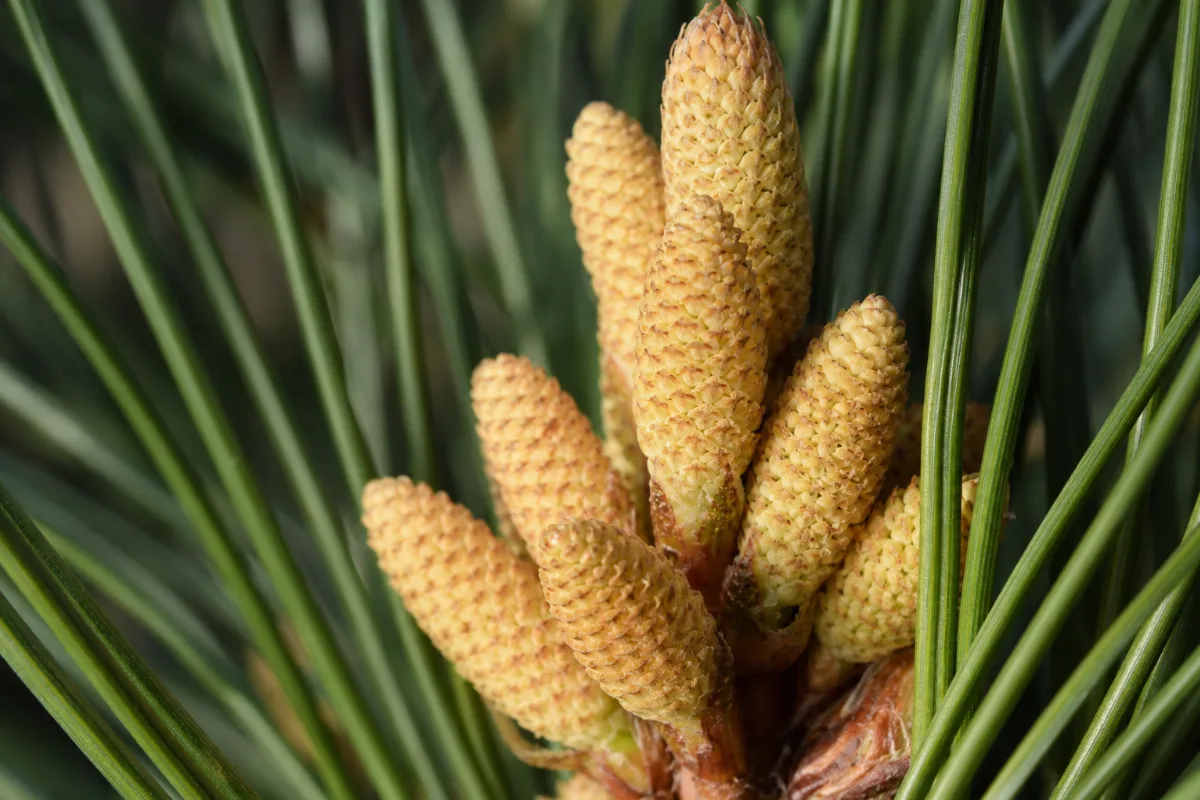
Pine pollen is the fine yellow powder shed by the male cones of pine trees. It is used in Chinese medicine and food and sold as a supplement, often as wall-broken powder. Nothing is rated above insufficient. All of the evidence we could read is from cells, rats, mice and fish. A 2020 count lists 37 clinical trials, found through Chinese and English databases and often on skin conditions, but we could not read their results. No study measured testosterone in people who took it. Its pollen is a known allergen that can trigger hay fever and asthma, and eaten pollen products have caused anaphylaxis in allergic people.
General information, not medical advice. Last substantive update · Not medically reviewed. A named clinician has not signed off on this page. How this page is made
About Pine Pollen
Pine pollen is the powder shed by pine trees, used in Chinese medicine and food and sold as a supplement. The research is almost all in cells, rats, mice and fish, and no human results could be read. It is also a known allergen. If you want to try it, ask a doctor or pharmacist about amounts and about your medicines.
What it is
Pine pollen is the pollen of pine trees in the genus Pinus (family Pinaceae). Research uses Masson pine (Pinus massoniana), Scots pine (Pinus sylvestris), and others such as P. tabuliformis and P. yunnanensis. GBIF accepts all four names.
Only the pollen is used. It is different from pine nuts (seeds of Pinus pinea), pine bark extracts, needles and bee pollen. It is often sold with the hard outer wall broken. Cattail pollen is sometimes mixed in, and a DNA test was needed to tell the two apart.
Traditional and current uses
Authors describe pine pollen as a traditional Chinese medicinal and edible pollen. Researchers say it has been used for skin treatment. Publications have grown since 2004. A 2020 count found 239 publications: 180 pharmacology studies, 37 clinical trials and 22 reviews.
The most common clinical conditions were bedsores, diaper rash, high blood fats, mouth sores, eczema, prostate enlargement, high blood pressure, prostatitis, type 2 diabetes and radiation skin damage. The results of these trials were not read, so we do not know whether they were well designed.
What it contains and the testosterone question
Reviews and lab studies name sugars (polysaccharides), phenols such as dihydroquercetin and p-coumaric acid, vitamin D, and oils that can go rancid. The sugars and the extract rich in dihydroquercetin did most of the work in skin studies in mice.
Pine pollen is often sold for testosterone. A 1971 paper looked for testosterone, epitestosterone and androstenedione in Scots pine pollen, but only its title could be read, so the amounts are not known. In young fish, pine pollen raised testosterone and turned female fish male. No study measured hormones in people. We cannot say it raises testosterone in men, and the fish result is a reason for caution in hormone-sensitive conditions rather than a benefit.
Whole pollen versus wall-broken pollen
Sellers break the hard outer wall to make the contents easier to use. In the lab, breaking the wall raised measured phenols and antioxidant activity, and one heat-sterilised wall-broken pollen went rancid much faster than raw or irradiated pollen. Mouse work suggests the wall itself acts like fibre.
No study compared the two in people, for benefit, absorption or allergy.
At a glance
Traditional uses history, not proof
- China: described as a traditional medicinal and edible pollen used for many purposes; old texts were not read.
- Skin treatment: researchers say pine pollen has traditionally been used for skin conditions, and skin use is notable in modern clinical studies.
- Modern supplement use: promoted for energy, immunity and male vitality; these claims were not supported by human trials we could read.
Studied for research
- Immune effects, aging markers, gut health, prostate enlargement, bone and muscle, liver, kidney, skin, joints, blood fats and lab cancer work, all insufficient (cells and animals only)
- Testosterone and male vitality, insufficient: no human hormone measurement was found
- Tiredness and stamina, insufficient: no study could be read
Main compounds
- Polysaccharides (sugars), some chemically sulfated in the lab
- Dihydroquercetin (taxifolin) and other phenols such as p-coumaric acid and catechins
- Vitamin D (about 2 micrograms per 10 g in two pine species, 1987 analysis)
- A 1971 paper looked for testosterone, epitestosterone and androstenedione in Scots pine pollen; amounts not verified
Common forms
- Raw pollen powder
- Wall-broken (sporoderm-broken) powder
- Water extracts and fermented pollen liquid used in research
- Pollen sugars and fibre by-products used in research
Research links: 2020 count of pine pollen studies, including 37 clinical trials (PubMed) · 2024 review of pine pollen polysaccharides (PubMed) · 2026 fish study: pine pollen and testosterone (PubMed) · Bee pollen anaphylaxis case report (PubMed) · GBIF: Pinus massoniana · Research Library · Genes & Biomarkers Library
The plant and its history
- Accepted scientific name
- Pinus massoniana Lamb. (Masson pine) and Pinus sylvestris L. (Scots pine), plus other Pinus species such as P. tabuliformis and P. yunnanensis. The pollen (the male spores) is the part used.
- Naming authority
- Pinus massoniana Lamb.; Pinus sylvestris L.; Pinus tabuliformis Carriere; Pinus yunnanensis Franch. (GBIF).
- Common names
- Pine pollen (English); Masson pine (English); Scots pine (English); Scotch pine (English); songhuafen (松花粉) (Chinese (the term used in p25244742)); Pollen Pini (Latin pharmacy name used in Chinese research papers); 马尾松 ma wei song (Chinese (GBIF name for Pinus massoniana))
- Botanical family
- Pinaceae (the pine family, order Pinales), which includes spruce, fir and larch.
- Classification
- Plantae > Tracheophyta > Pinopsida > Pinales > Pinaceae > Pinus > Pinus massoniana; Pinus sylvestris (and others)
- Native range
- Not verified from a source read. Masson pine is a Chinese pine (its GBIF common names are Chinese); Scots pine is widespread in Europe and Asia (not verified).
- Habitat
- Not verified in a source read for this file.
- What the plant looks like
- Roots: Not part of the use.; Stems: Not part of the use.; Leaves: Needles; not the part used for pollen.; Flowers: Male cones shed the pollen, which is what is collected. Details not verified.; Fruit: Cones and seeds; pine nuts are the seeds of Pinus pinea, a different product.
- Cultivation
- Not verified from a source read.
- Harvest and processing
- Not verified in detail. Papers describe raw pollen, wall-broken (sporoderm-broken or wall-disrupted) pollen, heat or cobalt-60 irradiation sterilisation (p29961985, p33316712), fermented pollen broth (p41703817) and pollen fibre by-product (p42065568).
- Look-alikes and adulterants
- Name: Cattail pollen (puhuang, Typha); Note: Frequently mixed with pine pollen; the two look alike and DNA tests were needed to tell them apart (p25244742).; Name: Bee pollen; Note: Pollen collected by honey bees from many flowers; a different product with documented anaphylaxis cases (p25749764, p42368776).; Name: Rye-grass pollen extract (Cernilton); Note: A different pollen extract with trials in prostate enlargement (p10792162); results cannot be applied to pine pollen.; Name: Pine nuts, pine bark and pine needle products; Note: Different parts of pines (seeds of Pinus pinea; maritime pine bark is listed among prostate herbs in p34885733); not interchangeable with pollen.
- Sustainability and conservation
- Not verified. No IUCN assessment was retrieved.
Traditional use and history history, not clinical proof
| Tradition or era | Documented use | Source |
|---|---|---|
| China, traditional medicine and food | Authors describe pine pollen as a traditional Chinese medicinal and edible pollen used for many purposes, and traditionally for skin treatment. The 2020 count found rising publications since 2004. | p34327226 |
| Chinese materia medica texts (for example Ben Cao Gang Mu) | A web search summary mentions old Chinese texts recording pine pollen. NOT verified: no primary text was read. | s-search-regulatory-not-found |
| Modern supplement market | Sold as pollen powder, often wall-broken, and marketed for male vitality. Marketing claims were not used as evidence. | p39396591 |
Traditional use shows how a plant was used. It does not show that a supplement works or is safe today.
What is inside, and how it may work
What the plant contains and how those compounds act in cells and animals. Laboratory and animal mechanisms are not proven effects in people.
Main compounds
| Compound | Family | Where it is concentrated | Activity studied | Level of evidence |
|---|---|---|---|---|
| Pine pollen polysaccharides (PPPS, for example PPM60, SPPM60 sulfated forms) | polysaccharides | Pollen Not given in the abstracts | Immune-cell activation, gut, skin and wound effects in cells and mice. Some tested forms are chemically sulfated, which changes the activity. 11 33 26 34 | Laboratory research |
| Dihydroquercetin (taxifolin) PubChem 439533 | flavonoid | Pollen Named as the main component of one purified extract | Reported as the main active component of an extract that eased psoriasis-like disease in mice. 36 | Animal research |
| p-Coumaric acid, catechin, caffeic acid PubChem 637542 | phenolic compounds | Pollen Named as three major phenols in one extract; CIDs: p-coumaric 637542, catechin 9064, caffeic acid 689043 | Antioxidant measures in liver cells. 20 | Laboratory research |
| Ferulic acid, gallic acid, rutin PubChem 445858 | phenolic compounds | Pollen Phenolic acids 70 to 94% of phenolics; rutin 2 to 3%; Pinus pollen had 2.5 times less phenolics than birch. CIDs: ferulic 445858, gallic 370, rutin 5280805 | Antioxidant activity in the lab. 14 | Laboratory research |
| Vitamin D2, D3 and metabolites PubChem 5280795 | secosteroid vitamins | Pollen of Pinus nigra and P. sylvestris About 2 micrograms of vitamin D per 10 g of pollen; 0.1 to 3 micrograms per 10 g for 25-OH-D3, 24,25-(OH)2D3 and 1,25-(OH)2D3 (CIDs: D3 5280795, D2 5280793) | Not tested in people. 29 | Other |
| Testosterone, epitestosterone, androstenedione PubChem 6013 | steroid hormones | Pollen of Pinus sylvestris Not verified. Only the 1971 paper title could be read; amounts unknown. CIDs: testosterone 6013, epitestosterone 10204, androstenedione 6128 | Pollen acted on sex hormone profiles in fish. Whether any hormone in pollen reaches or acts in people is not shown. 28 1 | Animal research |
| 3-Hydroxy fatty acids (3-hydroxydodecanoic and 3-hydroxymyristic acid) PubChem 16064 | fatty acids marking bacterial endotoxin | Pollen (all 12 batches) Present in all batches; amounts not in abstract. CIDs: 3-hydroxytetradecanoic 16064, 3-hydroxydodecanoic 94216 | Markers of bacterial lipopolysaccharide; part of the immune-cell activation by pollen. 3 | Laboratory research |
| Pollen wall (cellulose, sporopollenin) and unsaturated fatty acids | fibre and oils | Pollen wall; pollen oils Not given | Authors of p33210367 suggest cellulose in the wall works as fibre and that sporopollenin cannot be used in the gut. The oils oxidise in storage (p29961985). 32 31 | Animal research |
Mechanisms, receptors and pathways
| Target or pathway | Gene or receptor | What was found | Level |
|---|---|---|---|
| TLR4 and calcium signalling in macrophages | TLR4, PI3K, PLC, IP3R | A sulfated pollen sugar bound TLR4 and raised calcium, activating macrophages. 11 | Laboratory research |
| Th17/Treg balance and cytokines in colitis | IL-1beta, IL-6, TNF-alpha, IL-10 | Pollen sugars rebalanced Th17/Treg cells and cytokines in colitis mice. 35 34 | Animal research |
| Nrf2/HO-1 and MAPK in alcohol-damaged liver cells | Nrf2, HO-1, Keap1, Bax, caspase-3, MAPK | Raised Nrf2 and HO-1, lowered cell death signals and MAPK phosphorylation. 20 | Laboratory research |
| IL-17 signalling in psoriasis-like skin | IL-17, NF-kB, JAK1/STAT3, HO-1/Nrf2 | Dihydroquercetin-rich extract reduced IL-17 pathway genes and PASI scores in mice. 36 | Animal research |
| Enolase-1 and PI3K/AKT in liver cancer cells | ENO1, PI3K/AKT, C-MYC, ERBB2 | Pollen solution lowered ENO1 and slowed growth of cancer cells and grafts. 18 | Laboratory research |
| Sex-gene expression and androgen to oestrogen balance (fish) | dmrt1, amh (up); cyp19a1a, foxl2 (down) | Dietary pine pollen shifted gene activity and sex steroids toward male in young tilapia. 1 | Animal research |
| Cell senescence markers | p53, p21, p16, PTEN, p27 | Pollen delayed senescence of human fibroblasts. 22 | Laboratory research |
| Neutrophil traps and macrophage polarisation in diabetic wounds | PAD4, citrullinated H3, CD31 | Pollen sugars reduced traps and M1 macrophages and promoted vessels in diabetic mouse wounds. 4 | Animal research |
Absorption, metabolism and elimination
- Absorption
- No human blood-level data for any pine pollen compound were found.
- Distribution
- Not established.
- Metabolism
- Not established. Mouse work suggests the hard wall may pass through the gut like fibre (authors' interpretation, p33210367).
- Elimination
- Not found.
- Bioavailability
- Not established in humans. Lab grinding increased measured extractable phenols (p33316712), which is chemistry, not absorption.
Isolated compounds versus whole extracts
Papers test very different things: whole pollen, wall-broken pollen, water extracts, fermented broths, fibre, the empty wall, purified sugars (some chemically sulfated) and a dihydroquercetin-rich fraction. In one skin study sugars were the main active part; in another, dihydroquercetin. No single compound is shown to explain the effects, and results from purified or chemically modified parts cannot be assumed for a pollen powder.
Nutritional composition
A review calls pine pollen nutrient-rich, with protein, vitamins and carbohydrates (p39396591), and vitamin D of about 2 micrograms per 10 g was reported for two species in 1987 (p3671475). No verified nutrient table is given here.
15 not enough evidence
What was looked at
The 15 benefits and uses checked for Pine Pollen, each with how strong the evidence is. Tap one to open it.
- Immune system: general immune supportNot enough evidence
- Antioxidant activity and aging markersNot enough evidence
- Memory and thinkingNot enough evidence
- Tiredness (fatigue) and staminaNot enough evidence
- Gut health, colitis and constipationNot enough evidence
- Prostate: enlargement (BPH) and prostatitisNot enough evidence
- Male hormones and testosteroneNot enough evidence
- Bone and muscle after loss of male hormonesNot enough evidence
- Liver protectionNot enough evidence
- Kidney protection from heavy metalNot enough evidence
- Skin conditions: psoriasis, eczema and wound healingNot enough evidence
- Joint inflammation (arthritis)Not enough evidence
- Blood fats and blood sugarNot enough evidence
- Cancer cells in the laboratoryNot enough evidence
- Women's reproductive health (ovarian function)Not enough evidence
Lab markers tracked in the studies
Inflammation messengers IL-6, TNF-alpha and IL-1betaMacrophage activity and nitric oxideCell aging markers and AGEsTestosteroneLDL and HDL cholesterol
What is Pine Pollen good for?
The main proposed uses and how strong the human evidence is for each. 'Insufficient' means there is no human research we could read, so we cannot say whether it works. Everything here comes from cells and animals.
Benefits, one by one
Each card is a research question, not a promise. Tap a goal to filter. Open a card to see the studies, doses and limits.
Immune system: general immune support
Not enough evidenceLab and animal work, mostly on sugar molecules (polysaccharides) from pine pollen, shows immune cells being switched on. No human trial of immune effects was found, so it is not known whether eating pine pollen strengthens or changes immunity in people.
5 studiesTested forms include whole pollen from Masson pine, a polysaccharide …
Studies, doses and limits
What the trials found
No human trial of this use was found in PubMed. A 2020 count of the literature (p34327226) lists 37 clinical trials of pine pollen overall, found through Chinese and English databases and for other conditions, often skin; their details were not read. Immune effects were seen in mouse and chicken cell models. In mice made immune-weak with cyclophosphamide, a pollen polysaccharide eased the weakened state of gut lymph tissue cells (p33295902). A chemically sulfated pollen sugar raised the activity of macrophages, including ones suppressed by dexamethasone (p27288698).
Results
Immune cells became more active in the lab and in mice. Nothing was measured in people.
Effect sizes as reported
No numbers in the abstracts.
Why this rating
Only cell and animal studies, mostly of purified or chemically modified sugars rather than the whole powder sold as supplements. No human data.
Form and dose studied
Tested forms include whole pollen from Masson pine, a polysaccharide from Taishan Pinus massoniana pollen and a chemically sulfated version. Doses are not given in the abstracts.
Who was studied
Cells (mouse macrophage line, chicken macrophages, Caco-2) and mice.
Limits
The effects of a purified or chemically changed sugar cannot be assumed for whole pollen. Immune switching in the lab does not mean fewer infections. Part of the pollen effect in one study came from bacterial endotoxin.
Why researchers looked
Immune regulation is the most common topic in pine pollen laboratory studies, according to a 2020 count of the literature.
Traditional use
Pine pollen is described as a traditional Chinese medicinal and edible pollen (p36633076, p39396591). The historical texts were not read, so specific claims about old books are not verified.
Proposed mechanism Laboratory research
In cells, a sulfated sugar from Masson pine pollen bound the TLR4 receptor on macrophages and raised calcium inside the cells, which switched them on. A chicken-cell study found that part of the effect of Masson pine pollen is from bacterial endotoxin on the pollen and that about 80% was not blocked by polymyxin B, so other stimuli were responsible.
A proposed mechanism does not show that the effect happens in people.
'Immune-boosting' could be unwelcome in autoimmune disease or after a transplant; no study tested this.
Antioxidant activity and aging markers
Not enough evidencePine pollen extract slowed signs of aging in human skin cells in a dish and in mice aged on purpose with a sugar. Nobody has tested whether it slows aging in people.
5 studiesPine pollen (species not stated for the cell and mouse study), 1 to 2…
Studies, doses and limits
What the trials found
No human trial of this use was found in PubMed. A 2020 count of the literature (p34327226) lists 37 clinical trials of pine pollen overall, found through Chinese and English databases and for other conditions, often skin; their details were not read. In human 2BS fibroblast cells, 1 and 2 mg/mL of pine pollen delayed replicative senescence (more growth, less SA-beta-Gal staining). In mice aged by D-galactose injections for 8 weeks, pine pollen improved memory latency and error rate in a step-down test and lowered IL-6 and TNF-alpha and AGEs (p22577492). A separate test-tube study of Pinus yunnanensis pollen found grinding the pollen walls raised antioxidant activity of extracts by 46.68 to 58.06% (p33316712). A birch-versus-pine comparison found Pinus pollen had 2.5 times less phenolic compounds than birch pollen (p36679068).
Results
Cell and mouse markers moved in the direction of 'less aged'. No lifespan or human measure.
Effect sizes as reported
Antioxidant activity +46.68 to 58.06% after superfine grinding (test tube, P. yunnanensis; p33316712).
Why this rating
Cell and animal data only. An aging model driven by D-galactose is artificial, and test-tube antioxidant tests do not show benefit in the body.
Form and dose studied
Pine pollen (species not stated for the cell and mouse study), 1 to 2 mg/mL on cells; mouse dose not given in the abstract.
Who was studied
Human fibroblast cell line and young mice aged by D-galactose.
Limits
Artificial aging model; antioxidant tests in the lab do not predict benefits in people. Authors call it 'attractive' for future research only.
Why researchers looked
Anti-aging ('antisenility') and antioxidation are among the top topics in pine pollen laboratory studies (p34327226).
Traditional use
Pine pollen is described in the Chinese literature as a tonic traditional medicine and food (p36633076). Specific old-text claims were not verified.
Proposed mechanism Animal research
The extract changed the activity of cell-aging genes and markers (p53, p21, p16) in human fibroblasts, and in mice it lowered glycation products (AGEs) and cytokines and raised antioxidant activity.
A proposed mechanism does not show that the effect happens in people.
Memory and thinking
Not enough evidenceOne mouse study found better memory-test scores in artificially aged mice given pine pollen. No human study of memory, focus or mood was found.
1 studiesPine pollen; dose in mice not given in the abstract.
Studies, doses and limits
What the trials found
No human trial of this use was found in PubMed. A 2020 count of the literature (p34327226) lists 37 clinical trials of pine pollen overall, found through Chinese and English databases and for other conditions, often skin; their details were not read. In the only study that tested memory, mice aged with D-galactose had longer latency (a better score) and fewer errors in a step-down test after pine pollen (p22577492).
Results
Better scores in artificially aged mice; no human data.
Effect sizes as reported
No numbers in the abstract.
Why this rating
One mouse experiment of an artificial aging model. No human study.
Form and dose studied
Pine pollen; dose in mice not given in the abstract.
Who was studied
C57BL/6J mice.
Limits
A mouse step-down test is not a measure of human memory.
Why researchers looked
Memory was only a side measure in an anti-aging experiment, not a main reason people use the pollen.
Proposed mechanism Animal research
The authors link the memory change to lower inflammatory cytokines and lower glycation in the mouse brain model; this is a hypothesis.
A proposed mechanism does not show that the effect happens in people.
Tiredness (fatigue) and stamina
Not enough evidenceAnti-fatigue is a common claim for pine pollen, but we found no study of it in PubMed, in animals or people.
2 studiesNot applicable.
Studies, doses and limits
What the trials found
No human trial of this use was found in PubMed. A 2020 count of the literature (p34327226) lists 37 clinical trials of pine pollen overall, found through Chinese and English databases and for other conditions, often skin; their details were not read. Our PubMed search for pine pollen with fatigue, exercise and swimming found no fatigue study. The 2020 count says the topic exists in the literature, probably in Chinese databases, but we could not read those papers.
Results
No fatigue result could be read.
Why this rating
No study of fatigue could be read at all.
Limits
Anyone with long-lasting fatigue should have a doctor look for causes such as anaemia, thyroid problems, sleep disorders or low mood.
Why researchers looked
The 2020 literature count lists anti-fatigue as one of the ten most frequent pharmacology topics (p34327226), and fatigue is a commonly claimed use.
Proposed mechanism Pharmacological theory
None established. Pine pollen is described as rich in protein, vitamins and carbohydrates (p39396591), but the review gives no figures and none were verified.
A proposed mechanism does not show that the effect happens in people.
Gut health, colitis and constipation
Not enough evidenceIn mice with chemically caused colitis, sugars from pine pollen eased gut damage and changed gut bacteria; pollen fibre helped constipation in mice. No human gut trial was found.
7 studiesPurified or chemically sulfated polysaccharides (P. yunnanensis, P. m…
Studies, doses and limits
What the trials found
No human trial of this use was found in PubMed. A 2020 count of the literature (p34327226) lists 37 clinical trials of pine pollen overall, found through Chinese and English databases and for other conditions, often skin; their details were not read. Two colitis papers from one group (P. yunnanensis polysaccharides, p36987195 and p39410218) agree that colitis improved but disagree on which bacteria changed (Akkermansia fell in one and rose in the other), so bacteria findings are unsettled. A separate group found Taishan Pinus massoniana pollen polysaccharide eased DSS colitis (p33295902). Pine pollen fibre helped loperamide-induced constipation in mice (p42065568), and the pollen wall helped mice with dyslipidemia (p33210367).
Results
Gut damage, cytokines and constipation measures improved in mice. No human result.
Effect sizes as reported
No numbers in the abstracts.
Why this rating
Mouse studies of purified sugars, wall or fibre only; results on bacteria conflict; no human study.
Form and dose studied
Purified or chemically sulfated polysaccharides (P. yunnanensis, P. massoniana), the empty pollen wall and a fibre by-product, not whole powder.
Who was studied
Mice (DSS colitis, loperamide constipation, dyslipidemia) and gut cell lines.
Limits
DSS colitis is a chemical injury model. The products differ from a powder or capsule. People with inflammatory bowel disease should not replace treatment.
Why researchers looked
Improving gut function is among the top ten pharmacology topics (p34327226), and Masson pine pollen is used in Chinese medicine for gut conditions (p38331121).
Traditional use
Masson pine pollen is used in traditional Chinese medicine for gut conditions, as described by the authors of p38331121; the original texts were not read.
Proposed mechanism Animal research
In colitis mice pollen sugars lowered inflammatory messengers (IL-1beta, IL-6, TNF-alpha), raised anti-inflammatory ones (IL-2, IL-10, IL-13), rebalanced Th17 and Treg cells, and shifted gut bacteria. The pollen wall (mostly cellulose, the authors think) and a fibre by-product changed short-chain fatty acids and gut bacteria in mice.
A proposed mechanism does not show that the effect happens in people.
In one study, pollen wall lowered HDL cholesterol (p33210367), which is not usually wanted.
Prostate: enlargement (BPH) and prostatitis
Not enough evidenceIn rats given testosterone to make their prostate grow, pine pollen water extract and fermented pollen liquid reduced the growth. Prostate use is one of the most common in the literature, but no human trial result could be read.
3 studiesPine pollen water extract and fermented broths in rats; amounts not i…
Studies, doses and limits
What the trials found
No human trial of this use was found in PubMed. A 2020 count of the literature (p34327226) lists 37 clinical trials of pine pollen overall, found through Chinese and English databases and for other conditions, often skin; their details were not read. Prostate hyperplasia and prostatitis were both on the list of conditions treated in the clinical studies, so some trials exist. They were not read. The rat study (p41703817) found all treated groups reduced BPH, and a 7-day yeast-fermented liquid worked better than plain water extract. A different product, Cernilton (rye-grass pollen extract), has trials in BPH (p10792162), but that is a different plant and its results cannot be applied to pine pollen.
Results
Prostate measures improved in rats. For people, only the existence of clinical trials is known.
Effect sizes as reported
No numbers in the abstract.
Why this rating
One rat study read plus a list of conditions. No trial result could be read.
Form and dose studied
Pine pollen water extract and fermented broths in rats; amounts not in the abstract.
Who was studied
Rats given testosterone propionate.
Limits
The rat model is created with testosterone, so it may not reflect natural BPH. Fermented broth is a lab product. Do not confuse with Cernilton (rye pollen), saw palmetto or pygeum.
Why researchers looked
Prostate hyperplasia and prostatitis are among the top conditions in the 2020 count of clinical and pharmacology studies of pine pollen (p34327226).
Traditional use
Pine pollen is described as a traditional Chinese medicinal and edible pollen (p36633076, p39396591). The historical texts were not read, so specific claims about old books are not verified.
Proposed mechanism Animal research
In rats, pine pollen products restored prostate tissue and blood hormone profile toward healthy-control values, with less oxidative stress and lower inflammatory and growth factors. The authors link the results to the phenol content of the fermented liquid.
A proposed mechanism does not show that the effect happens in people.
Prostate symptoms can come from cancer or infection; see a doctor for blood in urine, pain or trouble passing urine.
Male hormones and testosterone
Not enough evidencePine pollen is often sold for testosterone. We found no human study that measured testosterone after taking pine pollen. The evidence is in fish and rats, and a 1971 lab paper title says testosterone was looked for in Scots pine pollen.
4 studiesPine pollen in fish feed at 1,280 mg per kg of feed; rats 50 and 150 …
Studies, doses and limits
What the trials found
No human trial of this use was found in PubMed. A 2020 count of the literature (p34327226) lists 37 clinical trials of pine pollen overall, found through Chinese and English databases and for other conditions, often skin; their details were not read. No study measuring blood testosterone in men or women after pine pollen was found. The 1971 paper (p5549221) has only a title on PubMed, so the amounts and form of any hormones are not verified. Another 1987 paper by the same author reports vitamin D, not sex hormones, in pine pollen (p3671475). The rat study of orchidectomized rats compared pollen to testosterone injections but did not report that pollen raised testosterone in the abstract (p40647215).
Results
Fish: more male, higher testosterone. Rats: protected bone and muscle without testes. People: no data.
Effect sizes as reported
77.8% of pollen-fed fish became male vs 97.8% with 17-methyltestosterone (p42421110).
Why this rating
Fish and rat data only. We cannot state that pine pollen contains meaningful active testosterone or that it raises it in people.
Form and dose studied
Pine pollen in fish feed at 1,280 mg per kg of feed; rats 50 and 150 mg per kg.
Who was studied
Newly hatched Nile tilapia; male rats without testes.
Limits
Findings in fish at a stage when sex is changeable do not predict adults. Not a test of fertility, libido or muscle in men.
Why researchers looked
Scots pine pollen was analysed for testosterone, epitestosterone and androstenedione in 1971 (p5549221), and pine pollen is promoted as a 'phytoandrogen' source. The sources we read do not show a testosterone benefit in people.
Proposed mechanism Animal research
Fish fed pine pollen from 3 to 30 days after hatching turned from female to male in 77.8% of cases and had higher testosterone and 11-ketotestosterone; the authors say pollen acts on the androgen to oestrogen balance (p42421110). The 2020 count and the rat paper do not report human hormone levels.
A proposed mechanism does not show that the effect happens in people.
Because pollen changed sex hormones in fish, people with hormone-sensitive conditions should ask a doctor (see Safety). This is a theory, not a measured human effect.
Bone and muscle after loss of male hormones
Not enough evidenceIn male rats with their testes removed, pine pollen slowed bone and muscle loss. This is an animal model of very low testosterone.
1 studiesPine pollen 50 or 150 mg/kg body weight a day for 60 days; testostero…
Studies, doses and limits
What the trials found
No human trial of this use was found in PubMed. A 2020 count of the literature (p34327226) lists 37 clinical trials of pine pollen overall, found through Chinese and English databases and for other conditions, often skin; their details were not read. At 150 mg/kg for 60 days, pine pollen prevented bone loss in both compact and spongy bone and kept calf muscle density and area as in sham rats, and limited fat build-up; 50 mg/kg protected only spongy bone (p40647215).
Results
Bone and muscle protection in rats at 150 mg/kg; less at 50 mg/kg.
Effect sizes as reported
Described in words; 40 rats in 5 groups.
Why this rating
One animal experiment; people have not been tested.
Form and dose studied
Pine pollen 50 or 150 mg/kg body weight a day for 60 days; testosterone as comparison.
Who was studied
Male Wistar rats after orchidectomy.
Limits
Rats with no testes; healthy men with normal testosterone are not comparable. Rat doses cannot be turned into human amounts here.
Why researchers looked
The Polish group tested pine pollen as a possible way to prevent osteoporosis in males.
Proposed mechanism Animal research
Not explained in the abstract. The authors compare it with testosterone replacement.
A proposed mechanism does not show that the effect happens in people.
Liver protection
Not enough evidenceIn rat and cell experiments, pine pollen extract protected against chemical liver damage and alcohol damage to liver cells. No human trial of liver protection was found.
3 studiesMasson pine pollen water extract and original powder (rats); pine pol…
Studies, doses and limits
What the trials found
No human trial of this use was found in PubMed. A 2020 count of the literature (p34327226) lists 37 clinical trials of pine pollen overall, found through Chinese and English databases and for other conditions, often skin; their details were not read. Masson pine pollen water extract inhibited liver fibrosis in rats given carbon tetrachloride for 8 weeks (p26191155). A pine pollen extract lowered LDH, ROS and MDA and raised GSH and SOD in HepG2 cells at 200 and 400 micrograms/mL (p36476398). Fermented pine pollen was reported to be liver-protective in a 2026 paper that we did not read (title only; not listed as a study).
Results
Liver cell and tissue markers improved in cells and rats.
Effect sizes as reported
No numbers in the abstracts.
Why this rating
Cells and rats only; chemical injury models.
Form and dose studied
Masson pine pollen water extract and original powder (rats); pine pollen extract (cells).
Who was studied
Rats with carbon tetrachloride liver fibrosis; HepG2 liver cancer cells.
Limits
Not human; HepG2 is a cancer cell line. Protection against a poison in rats does not show that the pollen helps fatty liver or hepatitis in people.
Why researchers looked
Liver protection is among the top pharmacology topics for pine pollen (p34327226).
Proposed mechanism Laboratory research
In alcohol-damaged HepG2 cells the extract raised Nrf2, HO-1, GSH and SOD and lowered ROS, MDA and cell death signals. In rats with carbon tetrachloride fibrosis it was linked to antioxidant action, less activation of scar-forming stellate cells and less collagen.
A proposed mechanism does not show that the effect happens in people.
Liver is also a safety question; see the safety file.
Kidney protection from heavy metal
Not enough evidenceIn rats poisoned with cadmium, Masson pine pollen extract changed oxidative markers and kidney gene activity. The authors call the finding preliminary.
1 studiesMasson pine pollen water extract.
Studies, doses and limits
What the trials found
No human trial of this use was found in PubMed. A 2020 count of the literature (p34327226) lists 37 clinical trials of pine pollen overall, found through Chinese and English databases and for other conditions, often skin; their details were not read. Masson pine pollen water extract significantly altered SOD and MDA in rats with cadmium kidney damage (p38143799).
Results
Oxidative markers shifted; kidney function not stated in the abstract.
Effect sizes as reported
No numbers in the abstract.
Why this rating
One rat study, abstract only, authors call it preliminary.
Form and dose studied
Masson pine pollen water extract.
Who was studied
Rats given cadmium.
Limits
Not a treatment for metal poisoning; anyone exposed to cadmium needs medical care.
Why researchers looked
Cadmium is a toxic metal that damages the kidney; the authors tested whether pollen could help.
Proposed mechanism Animal research
Gene and metabolite changes included detoxification genes (cytochrome P450 and a transporter). Whether kidney function improved was not stated in the abstract.
A proposed mechanism does not show that the effect happens in people.
Skin conditions: psoriasis, eczema and wound healing
Not enough evidenceSkin use is the most notable clinical use in the literature (bedsores, diaper rash, eczema, radiation burns). Mouse studies of pollen extract, taxifolin and sugars show less skin inflammation. We could not read the human trials.
4 studiesDihydroquercetin-enriched extract by mouth (psoriasis mice); purified…
Studies, doses and limits
What the trials found
Human trials exist but could not be read: the 2020 count (p34327226) lists several skin and wound conditions as top clinical topics, and says the topical use was notable. Eight trials reported no adverse events; one reported mild gut reactions. Mouse studies: dihydroquercetin-rich extract for 7 days reduced PASI score, skin thickness and spleen index in psoriasis-like mice (p41447846); polysaccharides reduced skin lesions in DNCB atopic dermatitis mice (p40871078) and accelerated wound healing in diabetic mice (p40654518).
Results
Skin inflammation and wound closure improved in mice; human results unread.
Effect sizes as reported
Described in words.
Why this rating
Human trial results unread; the mouse work uses purified or enriched products.
Form and dose studied
Dihydroquercetin-enriched extract by mouth (psoriasis mice); purified polysaccharide (atopic dermatitis and wound mice). Topical forms in human trials not read.
Who was studied
Mice (imiquimod psoriasis, DNCB atopic dermatitis, streptozotocin diabetic wounds) and skin cells.
Limits
Chemical models; enriched or purified products are not powders. A skin product made from pine pollen can itself cause allergy in sensitised people, though no source we read tested that.
Why researchers looked
The 2020 count says topical use for skin disease was notable, and the top clinical conditions included bedsores, diaper dermatitis, eczema, oral mucositis and radiodermatitis (p34327226). Pine pollen has traditionally been used for skin treatment (p40871078).
Traditional use
Pine pollen has traditionally been used for dermatological treatments, according to the authors of p40871078.
Proposed mechanism Animal research
A pine pollen extract rich in dihydroquercetin acted on IL-17 signalling in psoriasis-like mice. Pollen polysaccharides reduced mast cells and IL-4/IL-17A in atopic dermatitis mice. They reduced neutrophil traps and shifted macrophages and promoted new vessels in diabetic mouse wounds.
A proposed mechanism does not show that the effect happens in people.
Do not put pollen on open wounds without medical advice.
Joint inflammation (arthritis)
Not enough evidenceIn mice and rats with arthritis models, pine pollen extract lowered paw swelling and inflammatory messengers. No human arthritis trial was found.
1 studiesPine pollen extract 100 or 200 mg/kg a day.
Studies, doses and limits
What the trials found
No human trial of this use was found in PubMed. A 2020 count of the literature (p34327226) lists 37 clinical trials of pine pollen overall, found through Chinese and English databases and for other conditions, often skin; their details were not read. Pine pollen extract at 100 and 200 mg/kg a day reduced paw swelling and inflammatory cytokines over 21 days in adjuvant arthritis, and over 49 days lowered arthritis score and paw oedema in collagen-induced arthritis (p19148883).
Results
Less swelling and inflammation markers in arthritic animals.
Effect sizes as reported
Described in words.
Why this rating
One group's animal work from 2009; no replication or human data.
Form and dose studied
Pine pollen extract 100 or 200 mg/kg a day.
Who was studied
Rodents with induced arthritis.
Limits
Animal models. Pine pollen is not shown to help arthritis in people.
Why researchers looked
The Korean study asked whether pine pollen could help chronic inflammatory disorders.
Proposed mechanism Animal research
The extract lowered TNF-alpha, IL-1beta and IL-6, and in collagen arthritis lowered rheumatoid factor, anti-collagen antibody and oxidative markers.
A proposed mechanism does not show that the effect happens in people.
Do not stop arthritis medicines.
Blood fats and blood sugar
Not enough evidencePine pollen is claimed to help cholesterol and blood sugar. We found only mouse data (including that pollen wall lowered HDL, the good cholesterol) and test-tube enzyme work. The literature count lists clinical trials in high blood fats, high blood pressure and type 2 diabetes that we could not read.
4 studiesPine pollen extract, pollen wall, test-tube extracts.
Studies, doses and limits
What the trials found
No human trial of this use was found in PubMed. A 2020 count of the literature (p34327226) lists 37 clinical trials of pine pollen overall, found through Chinese and English databases and for other conditions, often skin; their details were not read. Pine pollen extract at 100 mg/kg lowered LDL and in one model raised HDL in arthritic rodents (p19148883). Pinus yunnanensis pollen wall lowered TC, TNF-alpha, IL-6 and HDL in dyslipidemic mice (p33210367). Wall-disrupted P. yunnanensis pollen extracts inhibited alpha-glucosidase in a test tube with little effect from grinding (p33316712).
Results
Mixed in mice (LDL down, HDL down in one, up in another); no human blood test could be read.
Effect sizes as reported
No numbers in the abstracts.
Why this rating
Mouse and test-tube data only; the clinical trials could not be read.
Form and dose studied
Pine pollen extract, pollen wall, test-tube extracts.
Who was studied
Mice, rats and test tubes.
Limits
Findings in mice conflict on HDL. Test-tube enzyme inhibition does not lower blood sugar in a person.
Why researchers looked
Lowering blood sugar and blood lipids are among the top ten pharmacology topics, and hyperlipidemia, hypertension and type 2 diabetes are among the top clinical conditions (p34327226).
Proposed mechanism Animal research
Pollen wall changed bile acids and fat metabolism in mice. In the lab, ground pine pollen extracts inhibited the sugar-digesting enzyme alpha-glucosidase, but grinding changed this little.
A proposed mechanism does not show that the effect happens in people.
Anyone taking diabetes or cholesterol drugs should ask before adding it.
Cancer cells in the laboratory
Not enough evidencePine pollen solution slowed liver cancer cells and tumour growth in mice. This is early lab work and not a treatment; no human cancer trial was found.
2 studiesPine pollen solution by injection in mice.
Studies, doses and limits
What the trials found
No human trial of this use was found in PubMed. A 2020 count of the literature (p34327226) lists 37 clinical trials of pine pollen overall, found through Chinese and English databases and for other conditions, often skin; their details were not read. Pine pollen solution reduced proliferation, invasion and migration of ENO1-overexpressing liver cancer cells; injected into mice with grafts it reduced ENO1 and tumour weight (p39576845).
Results
Liver cancer cells and grafts grew less in the lab.
Effect sizes as reported
No numbers in the abstract.
Why this rating
Cell and mouse work with an injected solution.
Form and dose studied
Pine pollen solution by injection in mice.
Who was studied
Liver cancer cell lines and nude mice.
Limits
Not a cancer treatment; do not delay or replace cancer care.
Why researchers looked
Inhibiting tumour cell growth is among the top ten pharmacology topics (p34327226).
Proposed mechanism Laboratory research
The pollen solution lowered ENO1 and affected PI3K/AKT signalling and C-MYC in liver cancer cells.
A proposed mechanism does not show that the effect happens in people.
Women's reproductive health (ovarian function)
Not enough evidencePine pollen shifted liver metabolism in rats with chemically induced premature ovarian failure. Hormones and fertility were not reported in the abstract.
1 studiesWall-broken pine pollen 0.1 to 1.5 g/kg.
Studies, doses and limits
What the trials found
No human trial of this use was found in PubMed. A 2020 count of the literature (p34327226) lists 37 clinical trials of pine pollen overall, found through Chinese and English databases and for other conditions, often skin; their details were not read. Wall-broken pine pollen at 0.1, 0.5 and 1.5 g/kg for four weeks pulled liver metabolites back toward normal in cyclophosphamide-treated female rats (p36633076).
Results
Liver metabolite patterns moved back toward normal; no hormone or fertility data in the abstract.
Effect sizes as reported
32 liver metabolites raised and 28 lowered by the model; pollen reversed many.
Why this rating
One rat metabolomics study.
Form and dose studied
Wall-broken pine pollen 0.1 to 1.5 g/kg.
Who was studied
Female rats with chemotherapy-induced ovarian failure.
Limits
Metabolite patterns are not fertility. Because pollen changed sex hormones in fish, women with oestrogen-sensitive conditions should ask a doctor.
Why researchers looked
Pine pollen is described as a food and medicine that may protect reproductive tissues (authors' background, p36633076).
Proposed mechanism Animal research
Mainly vitamin B6 metabolism was changed by pine pollen compared with conjugated estrogens.
A proposed mechanism does not show that the effect happens in people.
Connections to the rest of health
How Pine Pollen connects to the rest of our health knowledge graph. Every link says what kind of connection it is. A safety link (for example to the liver) is a warning, not a benefit. A study that merely mentions a topic never creates a benefit link.
Explore every connection: goals, body systems, organs, symptoms, genes
A. Wellness goals
| Connected to | Kind of connection | Evidence status | Context | Studies |
|---|---|---|---|---|
| Immune Support | Preliminary mechanism | Not enough evidence | Immune system: general immune support: Lab and animal work, mostly on sugar molecules (polysaccharides) from pine pollen, shows immune cells being switched on. No human trial of immune effects was found, so it is not known whether eating pine pollen strengthens or changes immunity in people. | 17 11 24 3 33 |
| Healthy Aging | Preliminary mechanism | Not enough evidence | Antioxidant activity and aging markers: Pine pollen extract slowed signs of aging in human skin cells in a dish and in mice aged on purpose with a sugar. Nobody has tested whether it slows aging in people. Bone and muscle after loss of male hormones: In male rats with their testes removed, pine pollen slowed bone and muscle loss. This is an animal model of very low testosterone. | 17 22 5 14 27 25 12 18 |
| Longevity | Preliminary mechanism | Not enough evidence | Antioxidant activity and aging markers: Pine pollen extract slowed signs of aging in human skin cells in a dish and in mice aged on purpose with a sugar. Nobody has tested whether it slows aging in people. | 17 22 5 14 27 |
| Memory Support | Preliminary mechanism | Not enough evidence | Memory and thinking: One mouse study found better memory-test scores in artificially aged mice given pine pollen. No human study of memory, focus or mood was found. | 22 |
| Brain Health | Preliminary mechanism | Not enough evidence | Memory and thinking: One mouse study found better memory-test scores in artificially aged mice given pine pollen. No human study of memory, focus or mood was found. | 22 |
| Cognitive Performance | Preliminary mechanism | Not enough evidence | Memory and thinking: One mouse study found better memory-test scores in artificially aged mice given pine pollen. No human study of memory, focus or mood was found. | 22 |
| Reduce Fatigue | Traditional use | Not enough evidence | Tiredness (fatigue) and stamina: Anti-fatigue is a common claim for pine pollen, but we found no study of it in PubMed, in animals or people. | 17 33 |
| Energy Boost | Traditional use | Not enough evidence | Tiredness (fatigue) and stamina: Anti-fatigue is a common claim for pine pollen, but we found no study of it in PubMed, in animals or people. | 17 33 |
| Physical Stamina | Traditional use | Not enough evidence | Tiredness (fatigue) and stamina: Anti-fatigue is a common claim for pine pollen, but we found no study of it in PubMed, in animals or people. | 17 33 |
| Gut Health | Preliminary mechanism | Not enough evidence | Gut health, colitis and constipation: In mice with chemically caused colitis, sugars from pine pollen eased gut damage and changed gut bacteria; pollen fibre helped constipation in mice. No human gut trial was found. | 34 35 24 16 32 3 17 |
| Digestive Support | Preliminary mechanism | Not enough evidence | Gut health, colitis and constipation: In mice with chemically caused colitis, sugars from pine pollen eased gut damage and changed gut bacteria; pollen fibre helped constipation in mice. No human gut trial was found. | 34 35 24 16 32 3 17 |
| Inflammation Balance | Preliminary mechanism | Not enough evidence | Gut health, colitis and constipation: In mice with chemically caused colitis, sugars from pine pollen eased gut damage and changed gut bacteria; pollen fibre helped constipation in mice. No human gut trial was found. Skin conditions: psoriasis, eczema and wound healing: Skin use is the most notable clinical use in the literature (bedsores, diaper rash, eczema, radiation burns). Mouse studies of pollen extract, taxifolin and sugars show less skin inflammation. We could not read the human trials. | 34 35 24 16 32 3 17 36 26 4 15 |
| Mens Vitality | Preliminary mechanism | Not enough evidence | Prostate: enlargement (BPH) and prostatitis: In rats given testosterone to make their prostate grow, pine pollen water extract and fermented pollen liquid reduced the growth. Prostate use is one of the most common in the literature, but no human trial result could be read. | 8 17 21 |
| Hormone Balance | Preliminary mechanism | Not enough evidence | Prostate: enlargement (BPH) and prostatitis: In rats given testosterone to make their prostate grow, pine pollen water extract and fermented pollen liquid reduced the growth. Prostate use is one of the most common in the literature, but no human trial result could be read. Women's reproductive health (ovarian function): Pine pollen shifted liver metabolism in rats with chemically induced premature ovarian failure. Hormones and fertility were not reported in the abstract. | 8 17 21 27 |
| Mens Vitality | Biological association | Not enough evidence | Male hormones and testosterone: Pine pollen is often sold for testosterone. We found no human study that measured testosterone after taking pine pollen. The evidence is in fish and rats, and a 1971 lab paper title says testosterone was looked for in Scots pine pollen. | 28 29 1 25 |
| Libido Support | Biological association | Not enough evidence | Male hormones and testosterone: Pine pollen is often sold for testosterone. We found no human study that measured testosterone after taking pine pollen. The evidence is in fish and rats, and a 1971 lab paper title says testosterone was looked for in Scots pine pollen. | 28 29 1 25 |
| Hormone Balance | Biological association | Not enough evidence | Male hormones and testosterone: Pine pollen is often sold for testosterone. We found no human study that measured testosterone after taking pine pollen. The evidence is in fish and rats, and a 1971 lab paper title says testosterone was looked for in Scots pine pollen. | 28 29 1 25 |
| Muscle Recovery | Preliminary mechanism | Not enough evidence | Bone and muscle after loss of male hormones: In male rats with their testes removed, pine pollen slowed bone and muscle loss. This is an animal model of very low testosterone. | 25 |
| Liver Support | Preliminary mechanism | Not enough evidence | Liver protection: In rat and cell experiments, pine pollen extract protected against chemical liver damage and alcohol damage to liver cells. No human trial of liver protection was found. | 7 20 17 |
| Healthy Skin | Preliminary mechanism | Not enough evidence | Skin conditions: psoriasis, eczema and wound healing: Skin use is the most notable clinical use in the literature (bedsores, diaper rash, eczema, radiation burns). Mouse studies of pollen extract, taxifolin and sugars show less skin inflammation. We could not read the human trials. | 17 36 26 4 |
| Joint Support | Preliminary mechanism | Not enough evidence | Joint inflammation (arthritis): In mice and rats with arthritis models, pine pollen extract lowered paw swelling and inflammatory messengers. No human arthritis trial was found. | 15 |
| Cholesterol Balance | Preliminary mechanism | Not enough evidence | Blood fats and blood sugar: Pine pollen is claimed to help cholesterol and blood sugar. We found only mouse data (including that pollen wall lowered HDL, the good cholesterol) and test-tube enzyme work. The literature count lists clinical trials in high blood fats, high blood pressure and type 2 diabetes that we could not read. | 17 15 32 5 |
| Blood Sugar Balance | Preliminary mechanism | Not enough evidence | Blood fats and blood sugar: Pine pollen is claimed to help cholesterol and blood sugar. We found only mouse data (including that pollen wall lowered HDL, the good cholesterol) and test-tube enzyme work. The literature count lists clinical trials in high blood fats, high blood pressure and type 2 diabetes that we could not read. | 17 15 32 5 |
| Metabolic Health | Preliminary mechanism | Not enough evidence | Blood fats and blood sugar: Pine pollen is claimed to help cholesterol and blood sugar. We found only mouse data (including that pollen wall lowered HDL, the good cholesterol) and test-tube enzyme work. The literature count lists clinical trials in high blood fats, high blood pressure and type 2 diabetes that we could not read. | 17 15 32 5 |
| Womens Wellness | Preliminary mechanism | Not enough evidence | Women's reproductive health (ovarian function): Pine pollen shifted liver metabolism in rats with chemically induced premature ovarian failure. Hormones and fertility were not reported in the abstract. | 27 |
| Fertility Support | Preliminary mechanism | Not enough evidence | Women's reproductive health (ovarian function): Pine pollen shifted liver metabolism in rats with chemically induced premature ovarian failure. Hormones and fertility were not reported in the abstract. | 27 |
B. Body systems
| Connected to | Kind of connection | Evidence status | Context | Studies |
|---|---|---|---|---|
| Immune system | Adverse effect or risk | Low certainty | Pollen allergy and anaphylaxis risk in allergic people; pine pollen allergy is documented from airborne exposure. Pollen allergy and anaphylaxis risk in people sensitive to pollen. Preparation or compound: Pine pollen and pollen products |
10 13 6 |
| Respiratory system | Contraindication | Low certainty | Asthma and wheeze triggered by pollen. Preparation or compound: Pine pollen powder |
10 9 |
| Endocrine system | Biological association | Not enough evidence | Raised testosterone and masculinised young fish; not studied in people. Raised testosterone in young fish; not studied in people. Preparation or compound: Pine pollen |
1 28 29 25 |
| Reproductive system | Contraindication | Not enough evidence | Precaution in hormone-sensitive conditions, pregnancy and breastfeeding; no human data. Preparation or compound: Pine pollen |
1 |
| Immune System | Biological association | Not enough evidence | Studied for: Immune system: general immune support Studied for: Antioxidant activity and aging markers | 17 11 24 3 33 22 5 14 27 34 35 16 32 36 26 4 15 |
| Nervous System | Biological association | Not enough evidence | Studied for: Antioxidant activity and aging markers Studied for: Memory and thinking | 17 22 5 14 27 33 |
| Musculoskeletal System | Biological association | Not enough evidence | Studied for: Tiredness (fatigue) and stamina Studied for: Bone and muscle after loss of male hormones | 17 33 25 15 |
| Digestive System | Biological association | Not enough evidence | Studied for: Gut health, colitis and constipation | 34 35 24 16 32 3 17 |
| Reproductive System | Biological association | Not enough evidence | Studied for: Prostate: enlargement (BPH) and prostatitis Studied for: Male hormones and testosterone | 8 17 21 28 29 1 25 27 |
| Urinary System | Biological association | Not enough evidence | Studied for: Prostate: enlargement (BPH) and prostatitis Studied for: Kidney protection from heavy metal | 8 17 21 12 |
| Hepatic System | Biological association | Not enough evidence | Studied for: Liver protection Studied for: Cancer cells in the laboratory | 7 20 17 18 |
| Integumentary System | Biological association | Not enough evidence | Studied for: Skin conditions: psoriasis, eczema and wound healing | 17 36 26 4 |
| Metabolism Weight | Biological association | Not enough evidence | Studied for: Blood fats and blood sugar | 17 15 32 5 |
| Cardiovascular System | Biological association | Not enough evidence | Studied for: Blood fats and blood sugar | 17 15 32 5 |
C. Body parts and organs
| Connected to | Kind of connection | Evidence status | Context | Studies |
|---|---|---|---|---|
| Liver | Biological association | Not enough evidence | Protected rat liver and liver cells from chemical injury; no human liver injury reports found. Preparation or compound: Masson pine pollen extract |
7 20 |
| Lungs | Contraindication | Low certainty | Asthma and wheeze triggered by pollen. Preparation or compound: Pine pollen powder |
10 9 |
I. Biomarkers
| Connected to | Kind of connection | Evidence status | Context | Studies |
|---|---|---|---|---|
| Inflammation messengers IL-6, TNF-alpha and IL-1beta | Biological association | Not enough evidence | Measured in trials: lowered. A lab change is not the same as a health benefit. | 22 34 32 |
| Macrophage activity and nitric oxide | Biological association | Not enough evidence | Measured in trials: raised. A lab change is not the same as a health benefit. | 11 3 |
| Cell aging markers and AGEs | Biological association | Not enough evidence | Measured in trials: lowered. A lab change is not the same as a health benefit. | 22 |
| Testosterone | Biological association | Not enough evidence | Measured in trials: mixed. A lab change is not the same as a health benefit. | 1 25 |
| LDL and HDL cholesterol | Biological association | Not enough evidence | Measured in trials: mixed. A lab change is not the same as a health benefit. | 15 32 |
J. Genes, receptors and enzymes
| Connected to | Kind of connection | Evidence status | Context | Studies |
|---|---|---|---|---|
| TLR4 | Preliminary mechanism | In vitro | Bound by a sulfated pollen sugar in macrophages. | 11 |
| NFE2L2 (Nrf2) and HMOX1 (HO-1) | Preliminary mechanism | In vitro | Raised in alcohol-damaged liver cells; also named in the psoriasis mouse study. | 20 36 |
| ENO1 (alpha-enolase) | Preliminary mechanism | In vitro | Lowered in liver cancer cells and grafts. | 18 |
| dmrt1, amh, cyp19a1a, foxl2 | Preliminary mechanism | Animal | Sex genes shifted in pollen-fed tilapia. | 1 |
| TP53, CDKN1A (p21), CDKN2A (p16) | Preliminary mechanism | In vitro | Senescence markers changed in aged human fibroblasts. | 22 |
K. Biological pathways
L. Active compounds
| Connected to | Kind of connection | Evidence status | Context | Studies |
|---|---|---|---|---|
| Pine pollen polysaccharides (PPPS, for example PPM60, SPPM60 sulfated forms) | Biological association | In vitro | Immune-cell activation, gut, skin and wound effects in cells and mice. Some tested forms are chemically sulfated, which changes the activity. Preparation or compound: Pollen |
11 33 26 34 |
| Dihydroquercetin (taxifolin) | Biological association | Animal | Reported as the main active component of an extract that eased psoriasis-like disease in mice. Preparation or compound: Pollen |
36 |
| p-Coumaric acid, catechin, caffeic acid | Biological association | In vitro | Antioxidant measures in liver cells. Preparation or compound: Pollen |
20 |
| Ferulic acid, gallic acid, rutin | Biological association | In vitro | Antioxidant activity in the lab. Preparation or compound: Pollen |
14 |
| Vitamin D2, D3 and metabolites | Biological association | Other | Not tested in people. Preparation or compound: Pollen of Pinus nigra and P. sylvestris |
29 |
| Testosterone, epitestosterone, androstenedione | Biological association | Animal | Pollen acted on sex hormone profiles in fish. Whether any hormone in pollen reaches or acts in people is not shown. Preparation or compound: Pollen of Pinus sylvestris |
28 1 |
| 3-Hydroxy fatty acids (3-hydroxydodecanoic and 3-hydroxymyristic acid) | Biological association | In vitro | Markers of bacterial lipopolysaccharide; part of the immune-cell activation by pollen. Preparation or compound: Pollen (all 12 batches) |
3 |
| Pollen wall (cellulose, sporopollenin) and unsaturated fatty acids | Biological association | Animal | Authors of p33210367 suggest cellulose in the wall works as fibre and that sporopollenin cannot be used in the gut. The oils oxidise in storage (p29961985). Preparation or compound: Pollen wall; pollen oils |
32 31 |
Each connection is stored with the ingredient, the connected record, the kind of connection, the evidence status, the supporting studies, the preparation or compound involved, and a review date (last reviewed October 25, 2026).
The evidence
The research centre for Pine Pollen. Every record here was checked against PubMed or the publisher's page; we never list a study we have not verified.
Evidence by outcome
Bars show how many studies we found for each outcome, not how well it works. People are added up across trials only (reviews are not added, to avoid double counting).
How we rate evidence
High certainty
Several well-run trials or reviews agree; further research is unlikely to change the picture much.
Moderate certainty
Good trials point the same way, but some doubt remains.
Low certainty
Small, short or inconsistent trials. The finding could change with better research.
Very low certainty
Very little or very weak human data. Treat as a possibility only.
Mixed findings
Trials or reviews disagree with each other.
Not enough evidence
Not enough human research to say either way.
Evidence against
Good research found no benefit, or found harm.
We take the reviewers' own risk-of-bias and GRADE statements where they exist, and otherwise judge from study size, design, consistency, directness and whether a product matches what is sold. Many publications do not make evidence high. Method note: We searched PubMed, read the abstract of each study listed, checked the plant names in GBIF and NCBI Taxonomy and compounds in PubChem. We searched the web for regulatory pages (EMA, FDA, NCCIH, LactMed, LiverTox, Commission E, WHO and Chinese regulators) and found none; the official sites were not searched directly. Commercial seller pages were not used as evidence.
Study library: every study we checked 41
| Study | Design | People | Product, dose, length | Result |
|---|---|---|---|---|
| Abaho 2026 Dietary pine pollen induces masculinization in Nile tilapia (Oreochromis niloticus, L. 1758) by modulating sex-biased gene expression and steroid hormone profiles. Biol Sex Differ · PMID 42421110 · DOI |
Animal research animal |
All-female Nile tilapia fish fed from 3 to 30 days after hatching, followed to 120 days | Pine pollen mixed into fish feed (species not stated in the abstract) pollen 1,280 mg per kg of feed 27 days of feeding, then a normal diet to 120 days · vs Normal feed; feed with 60 mg/kg 17-methyltestosterone (MT) |
Pine pollen: 77.8% (SE 2.9) became male; MT: 97.8% (SE 1.1); controls stayed all-female. Pollen and MT both raised testosterone and 11-ketotestosterone and changed male and female sex gene activity (dmrt1 and amh up; cyp19a1a and foxl2 down). The authors say more work is needed to make the pollen stronger. 77.8% males with pollen vs 97.8% with MT vs 0% in controls Methods, limits and fundingOutcomes: Gonad tissue, sex-gene expression, blood sex steroids, share of males Limitations: Newly hatched fish, whose sex is still changeable; says nothing directly about adult people. It shows pollen can act on sex hormones in this species, not that it raises testosterone in men. Funding and conflicts: Authors declare no competing interests Read: abstract |
| Armentia 1990 Allergy to pine pollen and pinon nuts: a review of three cases. Ann Allergy · PMID 2297145 |
Case series |
3 Three patients (title only) |
Pine pollen and pinon nuts pollen and nut |
No abstract available; only the title was read. Methods, limits and fundingOutcomes: Not available Limitations: Only the PubMed title record was read: details NOT verified. Read: summary-only |
| Brugger 2024 Masson Pine pollen (Pinus massoniana) activate HD11 chicken macrophages invitro. J Ethnopharmacol · PMID 38331121 · DOI |
Laboratory research in-vitro |
Twelve batches of Masson pine pollen from different Chinese sites and harvest years, tested on chicken macrophage cells | Masson pine (Pinus massoniana) pollen material pollen Titrated amounts 6 hours · vs Lipopolysaccharide (LPS) as reference |
The batches gave strong signals in the endotoxin (LAL) test and contained 3-hydroxydodecanoic and 3-hydroxymyristic acids regardless of processing, year or origin. Pollen activated the macrophages; polymyxin B blocked part of this (about twice as strongly for LPS as for pollen; the authors say about 80% of the pollen effect was not blocked and so came from other stimuli). Most samples had little or no microbial background; three had spoilage microbes and Gram-negative bacteria. No antimicrobial activity was found. Qualitative, plus 'approx. 80%' not blocked by polymyxin B Methods, limits and fundingOutcomes: Endotoxin (LAL) test, fatty acids, microbes, macrophage activation Limitations: Chicken cells in a dish; the batches tested were not necessarily supplements sold to people. Authors say the pollen immune effect is partly from bacterial endotoxin on the pollen. Funding and conflicts: Authors declare no competing interests Read: abstract |
| Chen 2025 Effects and the mechanism of pine pollen polysaccharides on diabetic wound healing in vitro and in vivo. Regen Ther · PMID 40654518 · DOI |
Animal research animal |
Skin, fibroblast and blood-vessel cells in high glucose, and streptozotocin diabetic mice with skin wounds | Pine pollen polysaccharides (PPPS) pollen Not given in abstract Not given in abstract · vs Untreated diabetic wounds |
PPPS protected the cells and promoted new vessel formation in high glucose, reduced neutrophil extracellular traps and M1 macrophages, and accelerated wound healing in diabetic mice. Described in words Methods, limits and fundingOutcomes: Cell survival, migration, new vessel formation, wound closure, neutrophil extracellular traps, macrophage type Limitations: Purified sugar; mouse wounds. Not a trial in people with diabetic ulcers. Funding and conflicts: Authors declare no potential conflicts of interest Read: abstract |
| Cheng 2021 Effects of (60)Co-irradiation and superfine grinding wall disruption pretreatment on phenolic compounds in pine (Pinus yunnanensis) pollen and its antioxidant and alpha-glucosidase-inhibiting activities. Food Chem · PMID 33316712 · DOI |
Laboratory analysis n/a |
Pinus yunnanensis pollen | Pine pollen: untreated, cobalt-60 irradiated, or superfine ground (wall-disrupted) pollen · vs Untreated pollen |
Superfine grinding wall disruption raised total phenolics by 22.66% and flavonoids by 10.61% in whole pollen and raised antioxidant activity by 46.68 to 58.06%. Irradiation lowered antioxidant activity by 29.18 to 40.90%. Both had little effect on alpha-glucosidase inhibition. +22.66% phenolics; +10.61% flavonoids; +46.68 to 58.06% antioxidant activity (lab) Methods, limits and fundingOutcomes: Phenolic and flavonoid content, antioxidant and alpha-glucosidase-inhibiting activity in the lab Limitations: Chemistry measured in test tubes; says nothing about what a person absorbs or whether it helps health. Funding and conflicts: Not stated in abstract Read: abstract |
| Choi 2015 Bee Pollen-Induced Anaphylaxis: A Case Report and Literature Review. Allergy Asthma Immunol Res · PMID 25749764 · DOI |
Case report |
1 A 40-year-old man with seasonal allergic rhinitis |
Bee pollen (pollen packed by honey bees; contained Japanese hop, chrysanthemum, ragweed and dandelion pollen) bee-collected mixed pollen One tablespoon Single dose |
One hour after one tablespoon he had hives, face swelling, shortness of breath, vomiting, abdominal pain and diarrhoea, oxygen saturation 91%; he recovered after epinephrine, an antihistamine and a steroid. IgE to ragweed, chrysanthemum and dandelion was raised. One case Methods, limits and fundingOutcomes: Reaction, IgE Limitations: This was bee pollen from weeds and flowers, NOT pine pollen. It shows that eaten pollen products can cause anaphylaxis in people with pollen allergy. Funding and conflicts: Authors declare no conflict of interest (as stated in the record) Read: abstract |
| Cong 2015 Anti-fibrotic effects of the Masson pine pollen aqueous extract on hepatic fibrosis rat model. Int J Clin Exp Pathol · PMID 26191155 |
Animal research animal |
Sprague-Dawley rats with liver fibrosis caused by carbon tetrachloride | Masson pine (Pinus massoniana) pollen water extract (low and high dose) and original pollen powder pollen Not given in abstract 8 weeks · vs Untreated fibrosis group |
The extract inhibited the fibrosis process in this model; the authors link it to antioxidant action, less activation of liver scar-forming cells, less collagen and more matrix-breakdown enzymes. The abstract gives no figures for treated groups. Described in words; no numbers in the abstract Methods, limits and fundingOutcomes: Liver enzymes (AST, ALT), liver tissue, collagen, antioxidant enzymes, fibrosis signals Limitations: Chemical liver injury in rats. The abstract does not state what happened to enzyme levels in the treated groups. Read: abstract |
| Deng 2026 Protective effect of pine pollen fermentation broth on testosterone propionate-induced prostatic hyperplasia in rats. Food Res Int · PMID 41703817 · DOI |
Animal research animal |
Rats given testosterone propionate to cause benign prostatic hyperplasia (BPH) | Pine pollen water extract and fermented broths (three microbial strains) pollen Not given in abstract Not given in abstract · vs Healthy control and a positive drug group |
All treated groups inhibited BPH and brought prostate-related measures back to the healthy-control level or close to the drug group. The 7-day yeast-fermented liquid did better than the plain water extract. Described in words; no numbers in the abstract Methods, limits and fundingOutcomes: Prostate tissue, blood hormone profile, antioxidant capacity, inflammatory and growth factors Limitations: Rat study with chemically induced BPH. Fermented broth is a lab-made product not the same as pollen powder. Specific pine species not given in the abstract. Authors are food-science researchers who frame it as a functional-food opportunity. Funding and conflicts: Authors declare no competing interests Read: abstract |
| Eickholt 2026 Supplemental Bee Pollen Ingestion With Resultant Anaphylaxis and Allergic Asthma: Case Report. Case Rep Immunol · PMID 42368776 · DOI |
Case report |
1 A 26-year-old woman with seasonal rhinitis and past exercise-induced asthma |
Bee pollen supplement bee-collected mixed pollen Single exposure |
Four hours after bee pollen she had lip and tongue swelling, shortness of breath, nausea, abdominal pain and itching; a month later new wheeze at peak fall pollen season led to a diagnosis of allergic asthma attributed to the bee pollen. Total IgE 189 kU/L. One case Methods, limits and fundingOutcomes: Reaction, IgE Limitations: Bee pollen, NOT pine pollen. One case; causality is the authors' judgement. Funding and conflicts: Authors declare no conflicts of interest Read: abstract |
| Freeman 1993 Pine pollen allergy in northern Arizona. Ann Allergy · PMID 8507046 |
Case series |
826 About 826 atopic (allergic) patients in a private allergy practice in northern Arizona |
Skin-prick test with pine pollen antigen (airborne exposure) pollen |
Positive in 12 of about 826 (1.5%). Eight had spring rhinoconjunctivitis, four perennial symptoms, and four of the 12 had asthma. Some had symptoms matching the pine pollen season. 12 of about 826 (1.5%) Methods, limits and fundingOutcomes: Skin-test sensitivity and symptoms Limitations: Selected allergy-clinic patients; airborne exposure, not eating pollen. States that pine allergy is generally held to be rare. Read: abstract |
| Geng 2016 Immunomodulatory effects of sulfated polysaccharides of pine pollen on mouse macrophages. Int J Biol Macromol · PMID 27288698 · DOI |
Laboratory research in-vitro |
Mouse RAW264.7 macrophage cells, including a dexamethasone-suppressed immune model | Chemically sulfated Masson pine pollen polysaccharide (SPPM60-D) pollen Not given in abstract Not given in abstract · vs Untreated cells |
SPPM60-D raised cell activity, proliferation, calcium and immune function of macrophages, including those suppressed by dexamethasone; it mainly bound to TLR4 and activated the TLR4-PI3K-PLC-IP3R pathway. Described in words Methods, limits and fundingOutcomes: Cell activity, calcium, phagocytosis, migration, cytokines Limitations: Cell-line study of a chemically modified sugar; not whole pollen and not in people. Funding and conflicts: Not stated in abstract Read: abstract |
| Hu 2023 Masson pine pollen aqueous extract ameliorates cadmium-induced kidney damage in rats. Front Mol Biosci · PMID 38143799 · DOI |
Animal research animal |
Rats with cadmium-induced kidney damage | Masson pine (Pinus massoniana) pollen water extract (MPPAE) pollen Not given in abstract Not given in abstract · vs Untreated cadmium group |
SOD and MDA were significantly altered after treatment; many genes (including detoxification genes such as cytochrome P450 and a transporter) and metabolites changed. The authors call the findings preliminary. Described in words Methods, limits and fundingOutcomes: SOD, MDA, gene activity and metabolites in kidney Limitations: Rats given a metal poison; gene and metabolite shifts do not show that kidneys work better. Not a human study. Funding and conflicts: Authors declare no conflicts of interest Read: abstract |
| Kalliel 1988 Eastern pine sensitivity in New England. N Engl Reg Allergy Proc · PMID 3412292 · DOI |
Case series |
100 100 consecutive patients with seasonal or perennial allergic rhinitis in an allergy clinic |
Eastern white pine pollen extract: skin prick and nasal challenge pollen Nasal extract 1/100,000 to 1/100 w/v Single session · vs Saline in the other nostril |
6 of 100 (6%) had a positive skin test (6 of 61 with spring hay fever, 10%). Of four challenged in the nose, two reacted. Authors conclude pine pollen can cause spring hay fever in New England. 6 of 100; 6 of 61 spring rhinitis; 2 of 4 positive nasal challenges Methods, limits and fundingOutcomes: Skin test; nose airflow and symptoms Limitations: Small, selected clinic sample; airborne/nasal exposure only. Read: abstract |
| Keriene 2023 Patterns of Phenolic Compounds in Betula and Pinus Pollen. Plants (Basel) · PMID 36679068 · DOI |
Laboratory analysis n/a |
Birch (Betula) and pine (Pinus) pollen | Pinus pollen extracts, free and cell-wall-bound phenolics pollen · vs Birch pollen |
Pinus pollen extracts contained 2.5 times less phenolic compounds than birch. Free phenolics were minimal in deeper layers of Pinus pollen. Phenolic acids made up 70 to 94% of phenolics; trans-ferulic acid was dominant and Pinus extracts contained gallic acid; rutin was 2 to 3%. 2.5 times less phenolics than birch pollen Methods, limits and fundingOutcomes: Phenolic compounds and antioxidant activity Limitations: Chemistry only; pollen collected for ecology not as a supplement. Funding and conflicts: Funders had no role (as stated) Read: abstract |
| Lee 2009 Effect of pine pollen extract on experimental chronic arthritis. Phytother Res · PMID 19148883 · DOI |
Animal research animal |
Mice and rats with Freund's adjuvant arthritis or collagen-induced arthritis (a model of rheumatoid arthritis) | Pine pollen extract pollen 100 and 200 mg/kg a day by mouth 21 days (adjuvant arthritis); 49 days (collagen arthritis) · vs Untreated arthritis group |
Extract reduced paw swelling and TNF-alpha, IL-1beta and IL-6; in collagen arthritis it lowered arthritis score, paw swelling, rheumatoid factor, anti-collagen antibody and oxidative markers. At 100 mg/kg it lowered LDL cholesterol and, in the adjuvant model, raised HDL cholesterol. Described in words; no numbers in the abstract Methods, limits and fundingOutcomes: Paw swelling, arthritis score, cytokines, antibodies, oxidative markers, cholesterol Limitations: Animal models; extract preparation and pine species not stated in the abstract. Not a test in people with arthritis. Read: abstract |
| Li 2026 Pine pollen fiber alleviates constipation induced by loperamide in mice: focus on gastrointestinal motility-related hormones, short-chain fatty acids, and gut microbiota changes. Food Funct · PMID 42065568 · DOI |
Animal research animal |
Mice with loperamide-induced constipation | Pine pollen fiber (PPF), a by-product of pine pollen processing pollen fibre Low and high dose; amounts not in abstract 14 days · vs Untreated constipated mice |
PPF raised fecal moisture and gut propulsion, shifted gut hormones and neurotransmitters, increased microbial diversity and raised acetate, propionate and butyrate. Described in words Methods, limits and fundingOutcomes: Stool water, gut transit, gut hormones, gut bacteria, short-chain fatty acids Limitations: Fibre by-product, not whole pollen; mice with drug-induced constipation. Funding and conflicts: Not stated in abstract Read: abstract |
| Liang 2020 The Potential Effects and Use of Chinese Herbal Medicine Pine Pollen (Pinus pollen): A Bibliometric Analysis of Pharmacological and Clinical Studies. World J Tradit Chin Med · PMID 34327226 · DOI |
Bibliometric analysis |
239 239 publications on pine pollen found in three Chinese and two English databases: 180 pharmacological studies, 37 clinical trials, 22 reviews |
Pine pollen (Pinus pollen), single herb or add-on pollen Various; not given in abstract Various · vs Various |
Top pharmacology topics: immune regulation, antisenility, antioxidation, liver protection, prostate hyperplasia, tumour cells, blood glucose, blood lipids, antifatigue, gut function. Top clinical conditions: bedsores, diaper dermatitis, hyperlipidemia, oral mucositis, eczema, prostate hyperplasia, hypertension, prostatitis, type 2 diabetes, radiodermatitis. Eight trials reported no adverse events, one reported mild stomach and gut reactions that went away without treatment. Topical (skin) use was notable. Counts only; no effect sizes or trial quality ratings in the abstract Methods, limits and fundingOutcomes: Counts of topics, diseases treated, preparations and adverse effects Limitations: Abstract only. It counts and describes studies; it does not rate their quality or pool results, so it cannot show that pine pollen works. Trial details (size, design, dose) were not read. Funding and conflicts: Conflict of interest statement: none Read: abstract |
| Luo 2024 Pine pollen reverses the function of hepatocellular carcinoma by inhibiting alpha-Enolase mediated PI3K/AKT signaling pathway. PLoS One · PMID 39576845 · DOI |
Laboratory research in-vitro |
Liver cancer cells and mice with liver cancer grafts | Pine pollen solution; in mice, by injection pollen Not given in abstract Not given in abstract · vs Empty-vector cells / untreated mice |
The pollen solution reduced growth, invasion and migration of ENO1-overexpressing cells; in mice, injection lowered ENO1 and tumour weight and affected ALT and AST. The abstract gives no figures. Described in words Methods, limits and fundingOutcomes: Cell growth, invasion, migration, tumour weight, signalling proteins, ALT and AST Limitations: Cell and mouse work with an injected solution; not an eaten supplement and not human. Do not read this as a cancer treatment. Funding and conflicts: Authors declare no competing interests Read: abstract |
| Ma 2014 [Identification of cattail pollen (puhuang), pine pollen (songhuafen) and its adulterants by ITS2 sequence]. Zhongguo Zhong Yao Za Zhi · PMID 25244742 |
Laboratory analysis n/a |
60 60 pollen samples |
DNA barcoding (ITS2 sequence) to identify cattail pollen, pine pollen and adulterants pollen |
Cattail pollen (puhuang) and pine pollen (songhuafen) are frequently mixed with adulterants, which look alike under the microscope; the DNA method separated them into clear groups. 60 samples Methods, limits and fundingOutcomes: Species identification Limitations: Chinese-language abstract; 2014; does not say how often adulteration occurs in products. Read: abstract |
| Ma 2023 Pine pollen extract alleviates ethanol-induced oxidative stress and apoptosis in HepG2 cells via MAPK signaling. Food Chem Toxicol · PMID 36476398 · DOI |
Laboratory research in-vitro |
Human liver cancer cell line (HepG2) damaged with alcohol | Pine pollen extract (PPE) pollen 200 and 400 micrograms per mL 24 hours before and 24 hours with alcohol · vs Alcohol-damaged cells without extract |
PPE lowered LDH, ROS and MDA, raised GSH and SOD, raised Nrf2, HO-1 and Keap1, lowered Bax and caspase-3 activation and reduced MAPK phosphorylation. Main phenols: p-coumaric acid, catechins, caffeic acid. Described in words Methods, limits and fundingOutcomes: Cell damage markers, oxidative stress, apoptosis and signalling Limitations: Cells in a dish, not people. Species of pine not stated in the abstract. Funding and conflicts: Authors declare no competing interests Read: abstract |
| MacDonald 2000 A systematic review of Cernilton for the treatment of benign prostatic hyperplasia. BJU Int · PMID 10792162 · DOI |
Systematic review |
444 Men with symptomatic BPH in four trials |
Cernilton, a rye-grass pollen extract (NOT pine pollen) pollen extract (rye-grass) Not given in abstract 12 to 24 weeks · vs Placebo or other products |
Self-rated improvement vs placebo RR 2.40 (CI 1.21 to 4.75); nocturia vs placebo RR 2.05 (1.41 to 3.00); no gain in flow rates, residual volume or prostate size. Adverse events rare and mild. RR 2.40 vs placebo for self-rated improvement (1.21 to 4.75) Methods, limits and fundingOutcomes: Self-rated symptoms, nocturia, flow rate, prostate size Limitations: Short, small trials of unclear quality, and a different plant. It must not be read as evidence for pine pollen. Funding and conflicts: Not stated in abstract Read: abstract |
| Mao 2012 Antiaging effect of pine pollen in human diploid fibroblasts and in a mouse model induced by D-galactose. Oxid Med Cell Longev · PMID 22577492 · DOI |
Animal research animal |
Human 2BS fibroblast cells and C57BL/6J mice aged artificially by D-galactose | Pine pollen (species not stated in the abstract) pollen 1 and 2 mg per mL in cells; dose in mice not given in abstract 8 weeks (mice) · vs D-galactose model; aminoguanidine as reference |
Pine pollen delayed cell senescence (more growth, less SA-beta-Gal, changes in p53, p21, p16, PTEN and p27); in mice it improved memory latency and error rate and lowered IL-6, TNF-alpha and AGEs and restored antioxidant activity. Described in words Methods, limits and fundingOutcomes: Cell senescence markers, memory tests (step-down), IL-6, TNF-alpha, AGEs, antioxidant activity Limitations: Artificially aged mice, not natural aging; lab marker of cell age is not lifespan or human health. Pollen species and dose in mice not given in the abstract. Funding and conflicts: Not stated in abstract Read: abstract |
| Marcos 2001 Pinus pollen aerobiology and clinical sensitization in northwest Spain. Ann Allergy Asthma Immunol · PMID 11476460 · DOI |
Case series |
10 10 patients with pine pollen sensitivity in northwest Spain (Pinus pinaster and P. radiata main species) |
Skin tests and specific IgE to Pinus pollen pollen |
Ten patients had symptoms coinciding with pine pollen season (February to April), most monosensitised to pine pollen with seasonal rhinoconjunctivitis. Authors conclude pine pollen may be an important allergen in high-pollen areas. 10 patients Methods, limits and fundingOutcomes: Symptoms vs pollen season Limitations: Small, selected; airborne exposure. Read: abstract |
| Niu 2021 Effects of Pinus massoniana pollen polysaccharides on intestinal microenvironment and colitis in mice. Food Funct · PMID 33295902 · DOI |
Animal research animal |
Mice (gut bacteria, cyclophosphamide immune suppression, DSS colitis) and Caco-2 gut cells | Taishan Pinus massoniana pollen polysaccharide (PPPS) pollen Not given in abstract Not given in abstract · vs Untreated / model groups |
PPPS changed gut bacteria composition and raised the share of probiotic bacteria, eased the immune-suppressed state of Peyer's patch lymphocytes, reduced LPS-induced Caco-2 cell damage and relieved DSS colitis. Described in words Methods, limits and fundingOutcomes: Gut bacteria, immune cells in Peyer's patches, barrier damage, colon injury Limitations: Purified polysaccharide, cells and mice. Not human. Read: abstract |
| Polak 2025 Osteoprotective Effect of Pine Pollen in Orchidectomized Rats. Nutrients · PMID 40647215 · DOI |
Animal research animal |
40 Male Wistar rats: one sham-operated group and four groups with testicles removed (orchidectomy, ORX) |
Pine pollen (species not stated in the abstract) pollen 50 and 150 mg/kg body weight 60 days · vs Saline (negative control); testosterone (positive control) |
The 150 mg/kg dose inhibited bone loss in both compact and spongy bone; 50 mg/kg protected spongy bone only. The higher dose kept calf muscle density and area like the sham group and limited muscle and under-skin fat build-up. Described in words; no numbers in the abstract Methods, limits and fundingOutcomes: Bone density, structure and strength (tibia); calf muscle area, density and fat Limitations: Rats without testes, a model of very low male hormones; not a model of healthy men. Species of pine and product not stated in the abstract. Whether the effect works through hormones was not shown in the abstract. Funding and conflicts: Authors declare no conflicts of interest Read: abstract |
| Qiu 2025 A Sponge-like Polysaccharide from Pine Pollen: Structural Features and Therapeutic Potential in DNCB-Induced Atopic Dermatitis Models. Pharmaceutics · PMID 40871078 · DOI |
Animal research animal |
Human skin cells (HaCaT) and BALB/c mice with DNCB-induced atopic dermatitis | Pine pollen polysaccharides (PPPS) pollen Not given in abstract Not given in abstract · vs Untreated model |
PPPS was the main active part of nine pollen components tested; it protected cells and in mice reduced skin thickening, mast cell infiltration, cell death and IL-4 and IL-17A. Described in words Methods, limits and fundingOutcomes: Cell viability, oxidative stress, skin lesions, mast cells, IL-4, IL-17A Limitations: Purified sugar; cells and mice. Chemical-induced skin allergy model. Funding and conflicts: Authors declare no conflicts of interest Read: abstract |
| Qu 2023 [Pseudotargeted metabolomics analysis of pine pollen intervention in the liver of premature ovarian failure rats]. Se Pu · PMID 36633076 · DOI |
Animal research animal |
60 Ten-week-old female rats with cyclophosphamide-induced premature ovarian failure (six groups of ten) |
Pine pollen (the Chinese text says wall-broken pine pollen) by stomach tube pollen 0.1, 0.5 or 1.5 g/kg body weight 4 weeks · vs Saline model group; conjugated estrogens 0.075 g/kg |
Cyclophosphamide raised 32 and lowered 28 liver metabolites; pine pollen moved many back toward normal, mainly in vitamin B6 metabolism. 32 raised, 28 lowered by model; pollen pulled values back (no figures) Methods, limits and fundingOutcomes: Liver metabolites (687 found) Limitations: Liver metabolite patterns only; no hormones or fertility measured in the abstract. The statement that pine pollen 'contains sex hormones' is the authors' background claim in the introduction, not a result of this study. Funding and conflicts: Not stated in abstract Read: abstract |
| Saden-Krehula 1971 Testosterone, epitestosterone and androstenedione in the pollen of Scotch pine P. silvestris L. Experientia · PMID 5549221 · DOI |
Laboratory analysis n/a |
Pollen of Scots pine (Pinus sylvestris) | Pollen analysed in the lab pollen |
No abstract is available in PubMed, so no amounts could be read. Methods, limits and fundingOutcomes: Title only: testosterone, epitestosterone and androstenedione in Scots pine pollen Limitations: Only the title and journal record were read. The amounts, the method and whether the finding was confirmed are NOT verified. A 1971 paper is also old. Read: summary-only |
| Saden-Krehula 1987 Vitamin D and its metabolites in the pollen of pine. Part 5: Steroid hormones in the pollen of pine species. Pharmazie · PMID 3671475 |
Laboratory analysis n/a |
Pollen of Pinus nigra and Pinus sylvestris | Pollen analysed in the lab pollen |
Vitamin D (D2, D3) about 2 micrograms per 10 g of pollen; 25-OHD3, 24,25-(OH)2D3 and 1,25-(OH)2D3 between 0.1 and 3 micrograms per 10 g, depending on species and method. about 2 micrograms vitamin D per 10 g pollen Methods, limits and fundingOutcomes: Vitamin D (D2, D3) and 25-hydroxy, 24,25-dihydroxy and 1,25-dihydroxy vitamin D3 in pollen Limitations: The record's title says 'steroid hormones' but the abstract reports only vitamin D and its metabolites. Old paper (1987), two species, methods not described in the abstract. Whether these amounts are active in people is not known. Read: abstract |
| Senna 2000 Anaphylaxis to pine nuts and immunological cross-reactivity with pine pollen proteins. J Investig Allergol Clin Immunol · PMID 10780800 |
Case report |
1 One patient with food allergy to pine nuts (Pinus pinea), no symptoms to pine pollen but IgE to it |
Pine nut and pine pollen extracts in skin, blood and lab tests nut and pollen |
The patient had high specific IgE to both pine nut and pine pollen extracts; some components cross-reacted. The authors say co-sensitisation to both is possible. Qualitative Methods, limits and fundingOutcomes: IgE, skin prick, immunoblot Limitations: Single case; the exposure was pine nuts, not pine pollen supplements. Read: abstract |
| Shan 2019 Lipid oxidation stability of ultra-high-temperature short-time sterilization sporoderm-broken pine pollen (UHT-PP) and (60) Co-irradiation sterilization sporoderm-broken pine pollen ((60) Co-PP). J Sci Food Agric · PMID 29961985 · DOI |
Laboratory analysis n/a |
Wall-broken (sporoderm-broken) pine pollen sterilised in two ways, versus raw pine pollen | Pine pollen: raw, UHT-sterilised wall-broken, cobalt-60 irradiated wall-broken pollen 30 days storage · vs Raw pine pollen |
The starting peroxide value of UHT wall-broken pollen was over 15 times higher than raw or irradiated wall-broken pollen. Hexanal was about 30 times higher and hexanoic acid about 2 times higher. Authors conclude rancidity occurs more readily in the UHT product than in raw or irradiated pollen. Peroxide value more than 15 times higher; hexanal about 30 times higher Methods, limits and fundingOutcomes: Peroxide value, rancidity chemicals, antioxidants Limitations: Lab chemistry on stored pollen; no human or taste test and no safety data. Shows breaking the wall can speed spoilage of the oils depending on the sterilising method. Funding and conflicts: Not stated in abstract Read: abstract |
| Song 2021 Effects of pine pollen wall on gut microbiota and biomarkers in mice with dyslipidemia. Phytother Res · PMID 33210367 · DOI |
Animal research animal |
Mice with dyslipidemia | Pinus yunnanensis pollen wall (the empty outer shell) pollen wall Not given in abstract Not given in abstract · vs Untreated dyslipidemia mice |
Pollen wall prevented liver pathology and lowered TNF-alpha, IL-6, total cholesterol and HDL cholesterol; it also changed bile acid and fat metabolism, short-chain fatty acids and gut bacteria. The authors suggest cellulose is the main working part and that sporopollenin cannot be used by the gut. Described in words; HDL cholesterol was lowered, which is not usually seen as a benefit Methods, limits and fundingOutcomes: Liver changes, TNF-alpha, IL-6, cholesterol, bile acids, short-chain fatty acids, gut bacteria Limitations: The wall alone, not whole pollen; mouse study. Funding and conflicts: Not stated in abstract Read: abstract |
| Tao 2024 Extraction, structural-activity relationships, bioactivities, and application prospects of pine pollen polysaccharides as ingredients for functional products: A review. Int J Biol Macromol · PMID 39396591 · DOI |
Narrative review animal |
Pine pollen polysaccharides (PPPs) from Pinus massoniana, Pinus tabuliformis and related species | Pine pollen polysaccharides pollen |
Review says PPPs show anti-tumour, liver-protective, lipid-lowering, anti-inflammatory, immune, antioxidant, blood sugar, antiviral and antibacterial activities, and that understanding of structure-activity, safety and practical use 'remains limited'. Narrative; no pooled figures Methods, limits and fundingOutcomes: Extraction, structure, bioactivities Limitations: Narrative review of mostly lab and animal work; abstract does not give a human trial count. Funding and conflicts: Authors declare no competing interests Read: abstract |
| Wang 2023 Effects of Pine Pollen Polysaccharides and Sulfated Polysaccharides on Ulcerative Colitis and Gut Flora in Mice. Polymers (Basel) · PMID 36987195 · DOI |
Animal research animal |
Mice with colitis caused by dextran sodium sulfate | Pinus yunnanensis pollen polysaccharide (PPM60) and its chemically sulfated form (SPPM60) pollen Not given in abstract Not given in abstract · vs Untreated colitis mice |
Both reduced weight loss, colon shortening and gut injury; raised IL-2, IL-10, IL-13 and lowered IL-1beta, IL-6 and TNF-alpha; and shifted gut bacteria (e.g. more lactobacillus). Described in words Methods, limits and fundingOutcomes: Weight, colon length, gut injury, cytokines, serum metabolites, gut bacteria Limitations: Purified, partly chemically modified sugars, not whole pollen; mouse model. A different pine species (P. yunnanensis). Funding and conflicts: Authors declare no conflict of interest Read: abstract |
| Wang 2024 Effects of Pine Pollen Polysaccharides and Sulfated Polysaccharides on Ulcerative Colitis in Mice by Regulating Th17/Treg. Foods · PMID 39410218 · DOI |
Animal research animal |
Mice with colitis caused by 3% dextran sodium sulfate | Pine pollen polysaccharide (PPM60-III) and sulfated form (SPPM60-III) pollen Not given in abstract Not given in abstract · vs Untreated colitis mice |
Both eased colitis and rebalanced Th17/Treg cells; the sulfated form worked better. Gut bacteria and metabolite patterns changed. Described in words Methods, limits and fundingOutcomes: Th17/Treg balance, cytokines, gut bacteria, metabolites Limitations: Purified sugars; mouse model; results on individual bacteria differ from the 2023 paper from the same group (e.g. Akkermansia fell in one and rose in the other), showing how unsettled the gut-bacteria findings are. Funding and conflicts: Authors declare no competing financial interests Read: abstract |
| Xu 2026 Biological activity study of a pine pollen extract rich in dihydroquercetin for the treatment of psoriasis. Phytomedicine · PMID 41447846 · DOI |
Animal research animal |
Mouse macrophage cells and mice with imiquimod-induced psoriasis-like skin disease | Pine pollen extract enriched in dihydroquercetin (taxifolin), by mouth pollen Not given in abstract 7 days (mice) · vs Untreated psoriasis mice |
PPE reduced the PASI score, skin thickness, spleen index and inflammatory cell infiltration, and lowered inflammatory cytokines; the authors report effects on the IL-17 pathway and name dihydroquercetin as the main active component. Described in words Methods, limits and fundingOutcomes: PASI score, skin thickness, spleen index, inflammatory cells and cytokines Limitations: Mouse model of psoriasis-like skin disease; short 7-day treatment. The enriched extract is a purified product, not plain pollen. Funding and conflicts: Authors declare no competing interests Read: abstract |
| s-gbif-pinus-massoniana GBIF Backbone: Pinus massoniana Lamb. (usageKey 5285215) · Source |
Reference database n/a |
Methods, limits and fundingRead: full-text | ||
| s-gbif-pinus-sylvestris GBIF Backbone: Pinus sylvestris L. (usageKey 5285637) · Source |
Reference database n/a |
Methods, limits and fundingRead: full-text | ||
| s-gbif-pinus-tabuliformis GBIF Backbone: Pinus tabuliformis Carriere (usageKey 5285359) · Source |
Reference database n/a |
Methods, limits and fundingRead: full-text | ||
| s-gbif-pinus-yunnanensis GBIF Backbone: Pinus yunnanensis Franch. (usageKey 5285783) · Source |
Reference database n/a |
Methods, limits and fundingRead: full-text | ||
| s-search-regulatory-not-found Regulatory search for pine pollen (EMA/HMPC, FDA, NCCIH, LactMed, LiverTox, Commission E, WHO, China pharmacopoeia) · Source |
Search log n/a |
Methods, limits and fundingRead: summary-only |
What we do not know yet
- What the evidence supports: nothing is rated above insufficient. All results we could read are from cells, rats, mice and fish.
- What is uncertain: the 37 clinical trials counted in 2020 were not read, so their quality and results are unknown. Fish hormone findings may not apply to people. Gut-bacteria findings conflict between papers.
- What is missing: no human hormone measurements, no allergy testing of eaten pine pollen, no pregnancy, breastfeeding or child data, no comparison of whole and wall-broken pollen, no heavy metal or pesticide testing of products, and no official monograph found.
How new research is added
New studies are found by a saved PubMed search and are placed in a review queue. A person reads each one before it changes any evidence rating or safety wording.
Lab markers
What changed in blood or saliva tests during trials. A changed number is not the same as feeling or being healthier, and we give no "normal ranges".
Hormonal 1
Testosterone
Mixed results in trials
The main male sex hormone, also present in women in smaller amounts.
Not enough evidenceResults and what it means
Why it was measured
Pine pollen is promoted for testosterone, so what was measured matters.
Statistical vs. clinical meaning
Raised in fish. Not measured in any human study we found.
Safety implication
If pollen raises sex hormones in people, hormone-sensitive conditions and pregnancy are a concern; this is not shown.
| Study | Result | People | Product |
|---|---|---|---|
| 1 | Testosterone and 11-ketotestosterone were significantly higher in pollen-fed and methyltestosterone-fed young tilapia than in controls | Nile tilapia, 3 to 30 days after hatching | Pine pollen 1,280 mg per kg feed |
| 25 | Testosterone was the positive-control treatment; the abstract does not report blood testosterone for pine pollen | Male rats after orchidectomy | Pine pollen 50 and 150 mg/kg |
Metabolic 1
LDL and HDL cholesterol
Mixed results in trials
Blood fats carried by LDL (often called bad) and HDL (often called good) particles.
Not enough evidenceResults and what it means
Why it was measured
Mouse work on blood fats.
Statistical vs. clinical meaning
Directions differ between studies; animals only.
Safety implication
A lower HDL is not usually wanted.
Other 3
Inflammation messengers IL-6, TNF-alpha and IL-1beta
Lowered in trials
Small proteins that immune cells release during inflammation.
Not enough evidenceResults and what it means
Why it was measured
Used as lab markers of inflammation in animal models.
Statistical vs. clinical meaning
Statistically reported changes in mice. A lower number in a mouse is not a health benefit in a person.
Safety implication
None specific.
| Study | Result | People | Product |
|---|---|---|---|
| 22 | IL-6 and TNF-alpha lowered in D-galactose-aged mice (values not in abstract) | Aged-model mice | Pine pollen |
| 34 | IL-1beta, IL-6 and TNF-alpha lowered; IL-2, IL-10 and IL-13 raised in colitis mice | DSS colitis mice | P. yunnanensis polysaccharides |
| 32 | TNF-alpha and IL-6 lowered in mice with dyslipidemia | Dyslipidemia mice | Pine pollen wall |
Macrophage activity and nitric oxide
Raised in trials
How active the immune cells called macrophages are in a dish.
Not enough evidenceResults and what it means
Why it was measured
Used to see whether a substance switches immune cells on.
Statistical vs. clinical meaning
Cells in a dish; activation can also mean unwanted inflammation.
Safety implication
Pollen batches carried endotoxin activity (see safety).
| Study | Result | People | Product |
|---|---|---|---|
| 11 | Sulfated pollen sugar raised proliferation, calcium and function of RAW264.7 macrophages, also under dexamethasone suppression | Mouse macrophage cell line | Sulfated Masson pine pollen polysaccharide |
| 3 | Masson pine pollen raised nitric oxide and changed TLR pathway genes in chicken macrophages; part of this came from endotoxin | Chicken HD11 macrophages | Twelve batches of Masson pine pollen |
Cell aging markers and AGEs
Lowered in trials
Markers of cell aging (p53, p21, p16, SA-beta-Gal) and advanced glycation end products (AGEs), sugar-damaged proteins linked to aging.
Not enough evidenceResults and what it means
Why it was measured
Used as lab markers of aging in cells and animals.
Statistical vs. clinical meaning
Marker changes in an artificial aging model; not lifespan or health outcomes.
Safety implication
None specific.
| Study | Result | People | Product |
|---|---|---|---|
| 22 | Delayed replicative senescence in 2BS cells at 1 and 2 mg/mL and lower AGEs in D-galactose mice | Human fibroblasts and aged-model mice | Pine pollen |
Safety
What studies and official sources say about side effects, medicines and who should check first. Each point shows what kind of evidence it comes from.
Main points to know 6
- Pollen allergy and anaphylaxis: do not use if you are allergic to pine or other tree pollen. Pine pollen is an airborne allergen. Skin tests were positive to pine pollen in 12 of about 826 allergic patients (1.5%) in Arizona (four of the 12 had asthma) and in 6 of 100 allergy-clinic patients in New England (6%); Spanish doctors describe patients whose only allergy was pine pollen. Allergy to pine nuts can come with allergy to pine pollen proteins. Eating pollen products can cause anaphylaxis in pollen-allergic people: two case reports describe it after bee pollen (a different, mixed-flower product). We found no case report of anaphylaxis from eating pine pollen specifically, but that does not prove it cannot happen. Case report 10 13 23 30 2 6 9
- Asthma: pollen can trigger breathing problems. In the Arizona series four of 12 pine-pollen-sensitive patients had asthma. A woman with a history of exercise-induced asthma had anaphylaxis and then new allergic asthma attributed to bee pollen. No study tested breathing in asthmatic people taking pine pollen powder, and dust from fine powder could be breathed in. People with asthma should speak to their doctor first. Case report 10 9
- Hormone-sensitive conditions: caution, because pine pollen acted on sex hormones in fish. In young fish pine pollen raised testosterone and 11-ketotestosterone and turned female fish into males (77.8% versus 97.8% with a synthetic hormone). A 1971 paper looked for testosterone, epitestosterone and androstenedione in Scots pine pollen but only its title could be read, so the amounts are unknown. No study measured hormones in people after pine pollen. Until it is known, people with prostate, breast, ovarian or uterine cancer, endometriosis, fibroids or other hormone-sensitive conditions, or on hormone treatment, should ask their doctor. This is a precaution from theory and animal data, not a documented human harm. Animal research 1 28 25
- There is almost no human safety research. A 2020 count of 37 clinical trials found eight that reported no adverse events and one with mild stomach and gut symptoms that went away; trial size, form and dose were not read. This is not enough to call pine pollen safe for long periods, in pregnancy, in children or alongside medicines. Systematic review 17
- Whole pollen versus 'wall-broken' pollen. Sellers break the hard outer wall to make the contents easier to use. We found no human study comparing the two. In the lab, breaking the wall raised measured phenols and antioxidant activity (Pinus yunnanensis) and one heat-sterilised wall-broken product went rancid much more quickly (peroxide value over 15 times higher than raw pollen). Mouse work suggests the wall itself behaves like fibre. No safety, allergy or absorption difference was tested in people, and it is not known whether broken walls make allergic reactions more or less likely. Laboratory research 31 5 32
- Quality: endotoxin and look-alike pollens. All twelve Masson pine pollen batches from different sites and years gave strong signals in the endotoxin (LAL) test, and three had spoilage microbes or Gram-negative bacteria. Cattail pollen is mixed with pine pollen and the two look alike. Buy only from a seller who names the species and shows lab tests for microbes, metals and pesticides; no such testing of supplements was found in the research. Laboratory research 3 19
Side effects 5
| Effect | How often | Severity and recovery | Evidence |
|---|---|---|---|
| Allergic rhinitis, red itchy eyes, sneezing (from airborne pine pollen) These are reactions to breathing pollen outdoors, used here to show that pine pollen can be allergenic. Eating it was not studied. | Skin test positive in 1.5% of 826 allergic patients (Arizona) and 6% of 100 rhinitis patients (New England); not rates of reactions to supplements | mild to moderate Seasonal; usually settles when exposure stops (not stated in the abstracts) | Case series 10 13 23 |
| Anaphylaxis (swelling, breathlessness, low oxygen) Bee pollen is a mix of flower pollens. It is the closest documented example of an eaten pollen product causing anaphylaxis. | Two case reports for bee pollen products; none found for pine pollen specifically | severe Both patients recovered after emergency treatment | Case report 6 9 |
| Allergic asthma or wheeze Not tested for eaten pine pollen. | One bee pollen case; four of 12 pine-pollen-sensitive patients had asthma in the Arizona series | moderate to severe Not stated | Case report 9 10 |
| Mild stomach and gut upset The trial, form and dose were not read. | One clinical trial of the literature count reported mild gut reactions that went away without treatment; a count of trials, not a rate | mild Went away without special management | Systematic review 17 |
| Hormone-related effects (theoretical) Pollen raised testosterone in fish. Nothing similar is shown in people. | No frequency; none measured in people | unknown Unknown | Pharmacological theory 1 |
Liver
No LiverTox page for pine pollen was found and none was read. No published human case of liver injury from pine pollen was found in our PubMed search. Rat and cell work suggests protection against chemical liver injury, not injury. Absence of reports is not proof of safety, because few people have been studied. 7 20
How often. No frequency of human liver injury exists for pine pollen.
Monitoring. No agency monitoring advice was found. Stop and seek care for yellow skin or eyes, dark urine or unusual tiredness with belly pain.
This is a safety connection. It is not evidence that Pine Pollen supports liver health.
Medicines and supplements 6
| With | Why it matters | Importance | Evidence | What to do |
|---|---|---|---|---|
| Hormone treatments, testosterone or anti-androgen and prostate drugs (for example finasteride or hormone blockers) prescription | Theory only: pine pollen changed sex hormone levels in fish. No human or drug-interaction test exists. | Unknown. Could add to or undo hormone treatment if pollen really acts on hormones in people, which is not shown. | Pharmacological theory Not enough evidence 1 | Tell your doctor or pharmacist before using it if you take any hormone medicine. |
| Allergy medicines, allergy shots (immunotherapy) and emergency epinephrine prescription | Not a drug interaction as such: allergic reactions to eaten pollen products have required epinephrine, antihistamine and steroids. | People on allergy immunotherapy for tree pollen may be exposed to the allergen in a new way. No study exists. | Case report Not enough evidence 6 | Ask your allergy doctor first. |
| Immune-suppressing medicines (for example after transplant, or in autoimmune disease) prescription | Lab and animal work shows pollen sugars switching on macrophages, including cells suppressed by dexamethasone or cyclophosphamide. | Unknown in people. The theory is that an immune-stimulating product could oppose these drugs. | Laboratory research Not enough evidence 11 24 | Ask your specialist before using it. |
| Diabetes medicines prescription | Pollen extracts inhibited alpha-glucosidase in a test tube and blood-sugar lowering is a claimed use. | No human study of blood sugar was read. | Laboratory research Not enough evidence 5 17 | Check blood sugar more often and ask your doctor or pharmacist if you add it. |
| Cholesterol-lowering and blood pressure medicines prescription | Blood-fat changes in mice, including lower HDL in one study; hypertension and blood fats appear among clinical topics in the literature count. | No human data read. | Animal research Not enough evidence 32 17 | Ask your doctor or pharmacist before adding it. |
| Blood thinners and other herbs or supplements prescription | No source we read tested clotting effects of pine pollen. | Not found. Commercial sellers claim interactions with blood thinners but we did not use these as evidence. | Authoritative guidance Not enough evidence 41 | Ask your doctor or pharmacist if you take blood thinners. |
Who should check first 6
| Situation | Advice | Evidence |
|---|---|---|
| Allergy to pine pollen, other tree pollens, pine nuts or other pollen products (including bee pollen) | Do not use. Allergic reactions to eaten pollen products can be severe. | Case report 6 9 30 |
| Asthma, especially uncontrolled, or a history of pollen-triggered wheeze | Ask a doctor first. Avoid breathing in the powder. | Case report 9 10 |
| Hormone-sensitive conditions (prostate, breast, ovarian, uterine cancers; endometriosis; fibroids) or hormone treatment | Ask your doctor first. This is a precaution from fish and theory; no human harm is documented. | Pharmacological theory 1 28 |
| Pregnancy and breastfeeding | No data were found on pine pollen in pregnancy or breastfeeding (our PubMed search found nothing; no LactMed page was found). Given the animal hormone findings, it is sensible to avoid it unless your doctor says otherwise. | Authoritative guidance 1 41 |
| Children | No safety data were found; do not give it to children. | Authoritative guidance 41 |
| Immune-suppressed people or those with autoimmune disease | Ask your specialist first; the lab immune effects were in cells and animals. | Laboratory research 11 24 |
Overdose, product quality and regulators
Summary. No poisoning case, lethal-dose study or long-term toxicity study of pine pollen was found. Animal studies of pine pollen extract used doses from 50 mg/kg to 1.5 g/kg and the abstracts do not report toxicity findings, so these are not safety tests.
Animal. Rats received 50 and 150 mg/kg for 60 days (p40647215) and 0.1 to 1.5 g/kg for four weeks (p36633076); mice received 100 and 200 mg/kg for up to 49 days (p19148883). Their abstracts report no harms, but they were not designed to look for them.
Human doses studied. Not read. The 2020 count says eight trials reported no adverse events and one reported mild gut symptoms (p34327226); doses were not in the abstract.
Overdose response. Not found.
Genotoxicity. Not found.
Toxic plant parts. No toxic part of the pollen was identified in sources read. Other parts of pines (needles, bark, resin) were not reviewed and should not be assumed safe.
Quality is a real problem for pollen products: endotoxin signals in all twelve batches tested, spoilage microbes in three, rancidity in one sterilised wall-broken product, and substitution with look-alike pollens. No study of heavy metals, pesticides or mould toxins in pine pollen supplements was found.
Endotoxin and microbes. All 12 batches of Masson pine pollen from different Chinese sites and years gave strong endotoxin (LAL) signals; three batches had spoilage microorganisms and Gram-negative bacteria; most had little or no microbial background. 3
Rancidity of wall-broken pollen. A heat-sterilised (UHT) wall-broken pine pollen had a starting peroxide value over 15 times higher than raw or irradiated wall-broken pollen, with far more hexanal; raw and irradiated pollen stayed stable for 30 days. 31
Look-alike pollens. Cattail pollen (puhuang) and pine pollen (songhuafen) are frequently mixed with adulterants and look alike under the microscope; DNA barcoding told them apart in 60 samples. 19
Heavy metals, pesticides, mould toxins. Not found for pine pollen supplements. 41
| Body | Action | Date |
|---|
When to get medical help
- Swelling of the lips, tongue or throat
- Trouble breathing, wheezing or a tight chest
- Hives or widespread itching
- Dizziness, fainting, or vomiting soon after taking it
- Use epinephrine if you carry it and call emergency services
- Asthma getting worse after taking it
- Yellow skin or eyes, or dark urine
- Unusual breast, urinary or menstrual changes while taking it (a precaution from the hormone theory)
Stop the supplement and contact a clinician or emergency service. In the US, Poison Control is 1-800-222-1222.
General information only, not medical advice. Ask a clinician or pharmacist before use, especially with medicines, in pregnancy or with a health condition. See the Natural Remedy Safety guide.
Frequently asked questions
What is pine pollen?
Does pine pollen raise testosterone?
Is pine pollen an adaptogen?
The word 'adaptogen' has no legal meaning. Pine pollen is grouped with them by sellers, but we found no human research on stress or stamina to support that, so the evidence is insufficient.
Is there human research on pine pollen?
A 2020 count found 37 clinical trials, found through Chinese and English databases, often on skin conditions, bedsores, blood fats and prostate problems. We could not read their results, so we do not know their quality. The research we could read is from cells and animals.
Is pine pollen good for the prostate?
Can pine pollen cause an allergic reaction?
Yes, in people who are sensitive. Pine pollen allergy is documented from breathing it (positive skin tests in 1.5% of allergic patients in Arizona and 6% of rhinitis patients in New England). Eaten bee pollen has caused anaphylaxis. We found no anaphylaxis case for eaten pine pollen, but that does not prove it cannot happen.
Is pine pollen safe if I have asthma?
Is pine pollen safe in pregnancy or breastfeeding, or for children?
Should I worry about hormone-sensitive cancers or conditions?
What is the difference between whole and wall-broken pine pollen?
Is the quality of pine pollen products reliable?
Explore by health goal
Healthy AgingInflammation BalanceHormone BalanceMens VitalityImmune SupportLongevityMemory SupportBrain HealthCognitive PerformanceReduce FatigueEnergy BoostPhysical StaminaGut HealthDigestive SupportLibido SupportMuscle RecoveryLiver SupportHealthy SkinJoint SupportCholesterol BalanceBlood Sugar BalanceMetabolic HealthWomens WellnessFertility Support
Editorial transparency
- Written by
- AlternativeMed editorial team. Research compiled with AI assistance, then checked against PubMed records.
- Medical review
- None. This page has not been reviewed by a physician or pharmacist.
- First published
- 2026-10-25
- Last substantive update
- 2026-10-25
- How we research
- We searched PubMed, read the abstract of each study listed, checked the plant names in GBIF and NCBI Taxonomy and compounds in PubChem. We searched the web for regulatory pages (EMA, FDA, NCCIH, LactMed, LiverTox, Commission E, WHO and Chinese regulators) and found none; the official sites were not searched directly. Commercial seller pages were not used as evidence.
- How we rate evidence
- See "How we rate evidence" in the Evidence tab.
- Independence
- No product is promoted on this page. No affiliate links are shown. If one is added later it will be labelled and kept apart from the evidence.
Sources 41
Each source was opened and checked. Where we read only the abstract, it says so. The small numbers in the text point here.
- Abaho I, Jones CLW, Akoll P, et al.. Dietary pine pollen induces masculinization in Nile tilapia (Oreochromis niloticus, L. 1758) by modulating sex-biased gene expression and steroid hormone profiles.. Biol Sex Differ. 2026. PMID 42421110. DOI 10.1186/s13293-026-00950-5. (abstract)
- Armentia A, Quintero A, Fernandez-Garcia A, et al.. Allergy to pine pollen and pinon nuts: a review of three cases.. Ann Allergy. 1990. PMID 2297145. (summary-only)
- Brugger D, Wilhelm B, Schusser B, et al.. Masson Pine pollen (Pinus massoniana) activate HD11 chicken macrophages invitro.. J Ethnopharmacol. 2024. PMID 38331121. DOI 10.1016/j.jep.2024.117870. (abstract)
- Chen L, Zhu L, Cao Y. Effects and the mechanism of pine pollen polysaccharides on diabetic wound healing in vitro and in vivo.. Regen Ther. 2025. PMID 40654518. DOI 10.1016/j.reth.2025.06.009. (abstract)
- Cheng Y, Quan W, Qu T, et al.. Effects of (60)Co-irradiation and superfine grinding wall disruption pretreatment on phenolic compounds in pine (Pinus yunnanensis) pollen and its antioxidant and alpha-glucosidase-inhibiting activities.. Food Chem. 2021. PMID 33316712. DOI 10.1016/j.foodchem.2020.128808. (abstract)
- Choi JH, Jang YS, Oh JW, et al.. Bee Pollen-Induced Anaphylaxis: A Case Report and Literature Review.. Allergy Asthma Immunol Res. 2015. PMID 25749764. DOI 10.4168/aair.2015.7.5.513. (abstract)
- Cong T, Jin XY, Zhao L, et al.. Anti-fibrotic effects of the Masson pine pollen aqueous extract on hepatic fibrosis rat model.. Int J Clin Exp Pathol. 2015. PMID 26191155. (abstract)
- Deng Q, Hu L, Qiao Q, et al.. Protective effect of pine pollen fermentation broth on testosterone propionate-induced prostatic hyperplasia in rats.. Food Res Int. 2026. PMID 41703817. DOI 10.1016/j.foodres.2026.118331. (abstract)
- Eickholt E, Norelli V, Martin K, et al.. Supplemental Bee Pollen Ingestion With Resultant Anaphylaxis and Allergic Asthma: Case Report.. Case Rep Immunol. 2026. PMID 42368776. DOI 10.1155/crii/9583906. (abstract)
- Freeman GL. Pine pollen allergy in northern Arizona.. Ann Allergy. 1993. PMID 8507046. (abstract)
- Geng Y, Xing L, Sun M, et al.. Immunomodulatory effects of sulfated polysaccharides of pine pollen on mouse macrophages.. Int J Biol Macromol. 2016. PMID 27288698. DOI 10.1016/j.ijbiomac.2016.06.021. (abstract)
- Hu Z, Chen S, Shi T, et al.. Masson pine pollen aqueous extract ameliorates cadmium-induced kidney damage in rats.. Front Mol Biosci. 2023. PMID 38143799. DOI 10.3389/fmolb.2023.1249744. (abstract)
- Kalliel JN, Settipane GA. Eastern pine sensitivity in New England.. N Engl Reg Allergy Proc. 1988. PMID 3412292. DOI 10.2500/108854188779023379. (abstract)
- Keriene I, Saulience I, Sukiene L, et al.. Patterns of Phenolic Compounds in Betula and Pinus Pollen.. Plants (Basel). 2023. PMID 36679068. DOI 10.3390/plants12020356. (abstract)
- Lee KH, Choi EM. Effect of pine pollen extract on experimental chronic arthritis.. Phytother Res. 2009. PMID 19148883. DOI 10.1002/ptr.2526. (abstract)
- Li Z, Cheng Y, Ma D, et al.. Pine pollen fiber alleviates constipation induced by loperamide in mice: focus on gastrointestinal motility-related hormones, short-chain fatty acids, and gut microbiota changes.. Food Funct. 2026. PMID 42065568. DOI 10.1039/d6fo00700g. (abstract)
- Liang SB, Liang N, Bu FL, et al.. The Potential Effects and Use of Chinese Herbal Medicine Pine Pollen (Pinus pollen): A Bibliometric Analysis of Pharmacological and Clinical Studies.. World J Tradit Chin Med. 2020. PMID 34327226. DOI 10.4103/wjtcm.wjtcm_4_20. (abstract)
- Luo Y, Guo C, Ling C, et al.. Pine pollen reverses the function of hepatocellular carcinoma by inhibiting alpha-Enolase mediated PI3K/AKT signaling pathway.. PLoS One. 2024. PMID 39576845. DOI 10.1371/journal.pone.0312434. (abstract)
- Ma XX, Sun W, Ren WC, et al.. [Identification of cattail pollen (puhuang), pine pollen (songhuafen) and its adulterants by ITS2 sequence].. Zhongguo Zhong Yao Za Zhi. 2014. PMID 25244742. (abstract)
- Ma D, Wang Z, He Z, et al.. Pine pollen extract alleviates ethanol-induced oxidative stress and apoptosis in HepG2 cells via MAPK signaling.. Food Chem Toxicol. 2023. PMID 36476398. DOI 10.1016/j.fct.2022.113550. (abstract)
- MacDonald R, Ishani A, Rutks I, Wilt TJ. A systematic review of Cernilton for the treatment of benign prostatic hyperplasia.. BJU Int. 2000. PMID 10792162. DOI 10.1046/j.1464-410x.2000.00365.x. (abstract)
- Mao GX, Zheng LD, Cao YB, et al.. Antiaging effect of pine pollen in human diploid fibroblasts and in a mouse model induced by D-galactose.. Oxid Med Cell Longev. 2012. PMID 22577492. DOI 10.1155/2012/750963. (abstract)
- Marcos C, Rodriguez FJ, Luna I, et al.. Pinus pollen aerobiology and clinical sensitization in northwest Spain.. Ann Allergy Asthma Immunol. 2001. PMID 11476460. DOI 10.1016/S1081-1206(10)62320-4. (abstract)
- Niu X, Shang H, Chen S, et al.. Effects of Pinus massoniana pollen polysaccharides on intestinal microenvironment and colitis in mice.. Food Funct. 2021. PMID 33295902. DOI 10.1039/d0fo02190c. (abstract)
- Polak P, Radzki RP, Bienko M, et al.. Osteoprotective Effect of Pine Pollen in Orchidectomized Rats.. Nutrients. 2025. PMID 40647215. DOI 10.3390/nu17132110. (abstract)
- Qiu Z, Zhang M, Du H, et al.. A Sponge-like Polysaccharide from Pine Pollen: Structural Features and Therapeutic Potential in DNCB-Induced Atopic Dermatitis Models.. Pharmaceutics. 2025. PMID 40871078. DOI 10.3390/pharmaceutics17081058. (abstract)
- Qu T, Chen Y, Yang C, et al.. [Pseudotargeted metabolomics analysis of pine pollen intervention in the liver of premature ovarian failure rats].. Se Pu. 2023. PMID 36633076. DOI 10.3724/SP.J.1123.2022.04017. (abstract)
- Saden-Krehula M, Tajic M, Kolbah D. Testosterone, epitestosterone and androstenedione in the pollen of Scotch pine P. silvestris L.. Experientia. 1971. PMID 5549221. DOI 10.1007/BF02137770. (summary-only)
- Saden-Krehula M, Tajic M. Vitamin D and its metabolites in the pollen of pine. Part 5: Steroid hormones in the pollen of pine species.. Pharmazie. 1987. PMID 3671475. (abstract)
- Senna G, Roncarolo D, Dama A, Mistrello G. Anaphylaxis to pine nuts and immunological cross-reactivity with pine pollen proteins.. J Investig Allergol Clin Immunol. 2000. PMID 10780800. (abstract)
- Shan Y, Yu J, Liu QS, et al.. Lipid oxidation stability of ultra-high-temperature short-time sterilization sporoderm-broken pine pollen (UHT-PP) and (60) Co-irradiation sterilization sporoderm-broken pine pollen ((60) Co-PP).. J Sci Food Agric. 2019. PMID 29961985. DOI 10.1002/jsfa.9232. (abstract)
- Song X, Wang Y, Guan R, et al.. Effects of pine pollen wall on gut microbiota and biomarkers in mice with dyslipidemia.. Phytother Res. 2021. PMID 33210367. DOI 10.1002/ptr.6952. (abstract)
- Tao A, Gan Z, Zhang Y, et al.. Extraction, structural-activity relationships, bioactivities, and application prospects of pine pollen polysaccharides as ingredients for functional products: A review.. Int J Biol Macromol. 2024. PMID 39396591. DOI 10.1016/j.ijbiomac.2024.136473. (abstract)
- Wang Y, Song X, Wang Z, et al.. Effects of Pine Pollen Polysaccharides and Sulfated Polysaccharides on Ulcerative Colitis and Gut Flora in Mice.. Polymers (Basel). 2023. PMID 36987195. DOI 10.3390/polym15061414. (abstract)
- Wang Z, Li Z, Wang H, et al.. Effects of Pine Pollen Polysaccharides and Sulfated Polysaccharides on Ulcerative Colitis in Mice by Regulating Th17/Treg.. Foods. 2024. PMID 39410218. DOI 10.3390/foods13193183. (abstract)
- Xu Q, Chen Y, Dong Y, et al.. Biological activity study of a pine pollen extract rich in dihydroquercetin for the treatment of psoriasis.. Phytomedicine. 2026. PMID 41447846. DOI 10.1016/j.phymed.2025.157597. (abstract)
- . GBIF Backbone: Pinus massoniana Lamb. (usageKey 5285215). . . (full-text)
- . GBIF Backbone: Pinus sylvestris L. (usageKey 5285637). . . (full-text)
- . GBIF Backbone: Pinus tabuliformis Carriere (usageKey 5285359). . . (full-text)
- . GBIF Backbone: Pinus yunnanensis Franch. (usageKey 5285783). . . (full-text)
- . Regulatory search for pine pollen (EMA/HMPC, FDA, NCCIH, LactMed, LiverTox, Commission E, WHO, China pharmacopoeia). . . (summary-only)
Where to buy
Check the label first. Whatever you buy, look for these:
- The plant part and extract type
- A third-party testing mark (USP, NSF or ConsumerLab)
- Other ingredients and fillers
- Interactions: ask a pharmacist if you take medicines, are pregnant or have a thyroid condition
Talk to a pharmacist or doctor before you start any supplement, especially if you take medicines. See the Safety tab for interactions.
Support our free guides: as an Amazon Associate we earn from qualifying purchases. Full disclosure.


