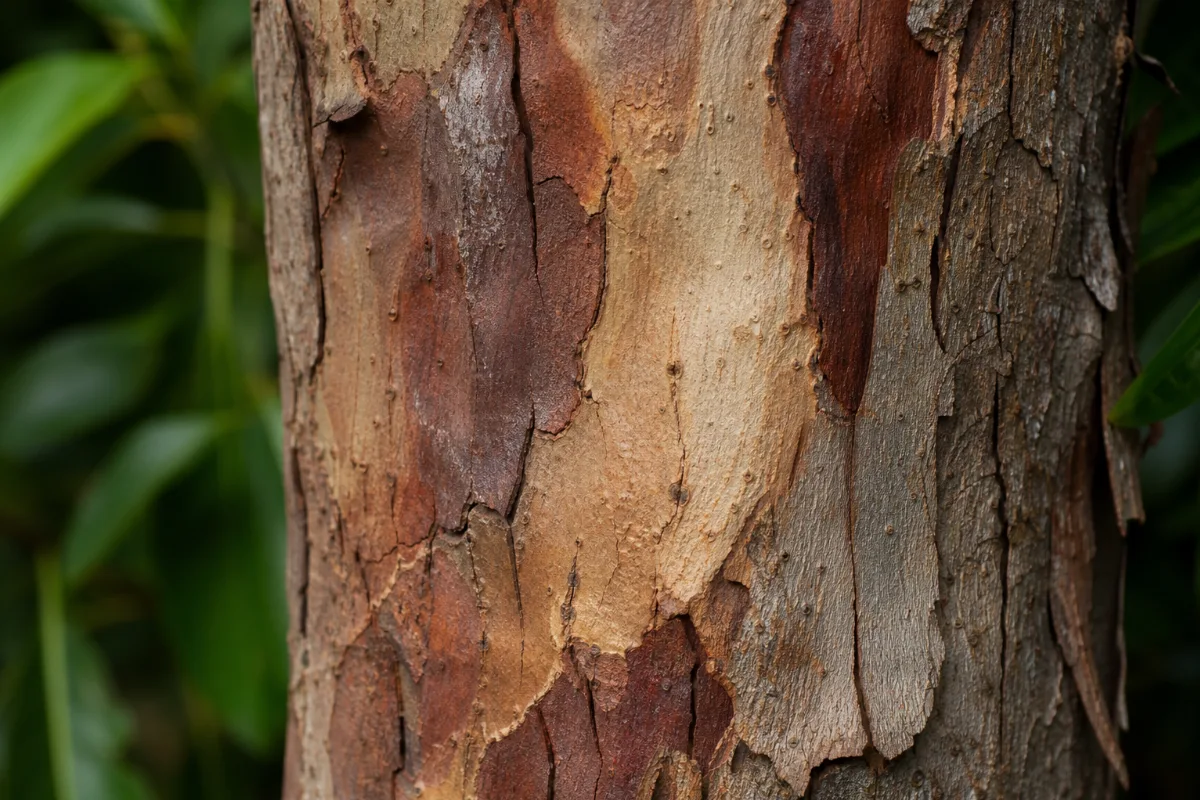
Herbs & Botanicals · Herbs · African tree bark extract taken for the prostate, with low-certainty evidence from older trials
Pygeum
Prunus africana (Hook.fil.) Kalkman, also called Pygeum africanum · also called Pygeum, African cherry, African almond, red stinkwood, bitter almond tree; Tadenan is a well-known branded extract
Pygeum is the bark of a large evergreen tree from the mountain forests of Africa, in the rose family. A standardised extract of the bark is sold as capsules for the urinary symptoms of an enlarged prostate. Most human trials are old and small. The tree is heavily harvested from the wild, so where the bark comes from matters.
General information, not medical advice. Last substantive update · Not medically reviewed. A named clinician has not signed off on this page. How this page is made
About Pygeum
Pygeum is a bark extract from the African cherry tree (Prunus africana). It is sold mainly for the urinary symptoms of an enlarged prostate. Older trials suggest a modest benefit, but they are small, short and mostly decades old, so the certainty is low. Side effects are mild, mostly stomach upset, but long-term safety is unknown and nobody has checked its effect on PSA tests. It has not been studied in women, pregnancy or children. The tree is over-harvested, so sourcing matters.
What it is
Pygeum comes from the stem bark of Prunus africana, an evergreen tree of mountain forests in sub-Saharan Africa and Madagascar. It belongs to the rose family, alongside plum and cherry. Pygeum africanum is its older name and is still printed on many labels.
Supplements are standardised extracts of the bark, usually in capsules. Different brands hold very different amounts of plant sterols, and the wild trees they come from are heavily harvested.
Traditional and current uses
In Africa, bark decoctions have been used for prostate and urinary complaints, stomach ache, chest pain, malaria and other problems. The modern extract is a different thing: it was developed as a standardised medicine and sold in Europe as Tadenan for mild to moderate enlarged prostate.
Outside prostate symptoms, the other proposed uses (prostatitis, fertility, erections, hair, cancer) rest on a few tiny studies or lab work.
What the research shows
The main evidence is a Cochrane review and a near-identical review by the same team, both covering 18 trials with 1,562 men. Compared with placebo, men were more than twice as likely to report improvement, night-time urination fell about 19%, and peak urine flow rose about 23%. The reviewers say the trials were small, short (an average of about two months), used different products and rarely used the standard symptom score.
Later studies mostly had no placebo group. Open studies saw symptom scores fall by around 35 to 46%, but placebo groups in BPH also improve. A placebo-controlled test of a pygeum and nettle mix found no difference from placebo. No trial has compared pygeum with the standard medicines.
A 2023 family-medicine review says pygeum may be effective; a 2023 urology review calls the evidence inconclusive and notes that plant treatments are not in the main guidelines.
Why products differ and why sourcing matters
In a lab comparison of bark and seven products, plant sterol content differed greatly between them, and a compound highlighted in lab studies was found in none of the samples. A consumer reference says the FDA has not tested pygeum products for label accuracy.
Bark is mostly taken from wild trees, wild populations are described as vulnerable and trade is regulated under CITES. A paper on the trade recommends traceable bark from cultivated trees.
At a glance
Traditional uses history, not proof
- African traditional medicine: stem-bark decoctions for prostate and urinary complaints, stomach ache, chest pain, malaria, heart conditions, gonorrhoea and kidney disease (from a review; the preparations and amounts were not checked)
- Modern European medicine: a standardised bark extract sold as Tadenan for mild to moderate BPH (from a 1998 clinical paper)
- Timber: the dense wood is used for axe handles and household items (not medicine)
Studied for research
- Urinary symptoms from an enlarged prostate (BPH): low certainty, from older, small trials
- Night-time urination and urine flow: low certainty
- Chronic prostatitis, sperm quality, erections, hair loss: very low or insufficient evidence
- Prostate cancer, bladder protection, inflammation: lab and animal work only
Main compounds
- Plant sterols such as beta-sitosterol, which vary a lot between products
- Phenolic compounds such as ferulic acid (and its esters) and atraric acid
- N-butylbenzenesulfonamide, a lab-active compound that was not found in the 11 samples tested
- Atranorin, a minor compound with no activity data read
Common forms
- Standardised bark extract capsules (sold under names such as Tadenan; products differ in sterol content)
- Mixed prostate capsules, often with stinging nettle, saw palmetto or pumpkin seed
- Bark decoction (traditional use; not trial-tested)
Research links: Memorial Sloan Kettering: Pygeum (About Herbs) · Cochrane review: Pygeum africanum for benign prostatic hyperplasia (PubMed) · Trade and policy of Prunus africana bark, 1972 to 2015 (PubMed) · Research Library · Genes & Biomarkers Library
The plant and its history
- Accepted scientific name
- Prunus africana (Hook.fil.) Kalkman
- Naming authority
- (Hook.fil.) Kalkman, published in Blumea 13: 33 (1965) (GBIF). The name rests on Pygeum africanum Hook.fil., so the original author is in brackets.
- Synonyms
- Pygeum africanum Hook.fil. (the name used on most supplement labels and in older papers); Pygeum crassifolium Hauman; Prunus crassifolia (Hauman) Kalkman; Laurocerasus africana (Hook.fil.) Browicz; Laurocerasus crassifolia (Hauman) Browicz
- Common names
- Pygeum (English); African cherry (English); African almond (English); Red stinkwood (English); Bitter almond tree (English); Rooi-stinkhout (Afrikaans); Afrikaanse kers (Dutch); Rotes Stinkholz (German); Muiri (Kikuyu); Inyazangoma (Xhosa); Afrikankirsikka (Finnish); Afrikansk lagerhägg (Swedish)
- Botanical family
- Rosaceae (the rose family), the same family as plum, cherry, almond and apple. Prunus africana is an evergreen tree.
- Classification
- Plantae > Tracheophyta > Magnoliopsida > Rosales > Rosaceae > Prunus > Prunus africana
- Native range
- Mountain (montane) forests scattered across sub-Saharan Africa, Madagascar and some neighbouring islands (review p36535336).
- Habitat
- Montane forest (review p36535336). Further detail was not read.
- What the plant looks like
- Roots: Not described in the sources read.; Stems: A tree (GBIF life form: tree). The dense wood is sawn for timber and axe handles (p36535336).; Leaves: Not described in the sources read.; Flowers: Not described in the sources read.; Fruit: Not described in the sources read.
- Cultivation
- Seed propagation is difficult because the tree flowers late and the seeds do not keep well (p33324427). A tissue-culture method for propagating plantlets from shoot pieces has been published. A paper on the bark trade proposes traceable supply chains based on cultivated trees (p26631758).
- Harvest and processing
- Medicine is made from stem bark. Standardised extracts used in trials and supplements are made from the bark (Tadenan and similar products). The solvents and process behind each brand were not found in the abstracts read. Bark harvest from wild trees is the main pressure on the species (p26631758).
- Look-alikes and adulterants
- Name: Other Prunus species and the former genus Pygeum; Note: GBIF lists Pygeum crassifolium and Laurocerasus names as synonyms of the same tree. No study of bark mix-ups or look-alike barks was found, so we cannot say which species could be substituted.; Name: Saw palmetto (Serenoa repens); Note: Not a look-alike plant but a product look-alike: both are sold for the prostate and appear together in mixed capsules.
- Sustainability and conservation
- Not verified from primary sources. A web-search summary of the CITES and IUCN pages reports CITES Appendix II since 1995 and an IUCN rating of Vulnerable; the CITES and IUCN pages refused access, so neither is confirmed here. A paper on the bark trade (p26631758, abstract read) says wild populations are vulnerable even in protected areas and that CITES restrictions apply to exports from Burundi, Kenya and Madagascar. The authors of the tissue-culture paper call it endangered.
Traditional use and history history, not clinical proof
| Tradition or era | Documented use | Source |
|---|---|---|
| Traditional African medicine | Decoctions of the stem bark are taken by mouth for benign prostatic hyperplasia, stomach ache, chest pain, malaria, heart conditions, gonorrhoea and urinary and kidney diseases (review of the literature 1971 to 2021). A 2024 review also lists wounds, diabetes and prostate cancer. | p36535336 |
| Modern pharmaceutical use in Europe | A standardised bark extract was marketed as Tadenan in many countries, including central and eastern Europe, for mild to moderate BPH (1998 clinical paper). | p9787978 |
| International bark trade, 1972 to 2015 | A paper on trade and policy describes almost 50 years of international trade in wild-harvested bark. Cameroon's share of the world trade rose to 72.6% in 2012. | p26631758 |
| Trade controls | CITES restrictions on exports from Burundi, Kenya and Madagascar; an EU import ban in 2007 that was lifted in 2011 (abstract of the trade paper). The CITES listing date was not confirmed from the primary page. | p26631758 |
| Benefit-sharing and ethics | A 2014 paper presents Prunus africana as a cautionary tale about exploiting medicinal plants without benefit-sharing with traditional communities. | p25225776 |
Traditional use shows how a plant was used. It does not show that a supplement works or is safe today.
What is inside, and how it may work
What the plant contains and how those compounds act in cells and animals. Laboratory and animal mechanisms are not proven effects in people.
Main compounds
| Compound | Family | Where it is concentrated | Activity studied | Level of evidence |
|---|---|---|---|---|
| Beta-sitosterol PubChem 222284 | plant sterol (phytosterol) | Bark About 680 micrograms/g in bark samples, mostly bound; above 10,000 micrograms/g total in some commercial products, mostly as the free form (p30316061). | Reviews credit the sterols (beta-sitosterol, beta-sitostenone, beta-sitosterol glucoside) with the anti-inflammatory action by lowering prostaglandins in the prostate, but single compounds were less effective than the whole extract (p36535336). In cells, beta-sitosterol lowered IL-6 (p35487926). 42 38 22 31 | Laboratory research |
| Ferulic acid and its esters PubChem 445858 | phenolic acid | Bark About 450 micrograms/g total in bark, mostly (over 90%) as esters; about four times lower in the products tested (p30316061). | No pygeum-specific activity was read for this compound. 42 31 | Laboratory research |
| Atraric acid PubChem 78435 | phenolic acid (methyl ester of a benzoic acid) | Bark Low micrograms per gram in bark and products, similar in both (p30316061). | Isolated from a bark extract, it blocked the human androgen receptor, stopped it entering the nucleus, lowered PSA gene activity and slowed growth of androgen-dependent prostate cancer cells in lab dishes (p16773539, p18627423). 40 34 42 31 | Laboratory research |
| N-butylbenzenesulfonamide (NBBS) PubChem 19241 | sulfonamide | Bark (isolated in one study) Not found in any of 4 bark and 7 product samples (p30316061). | Isolated from the bark, it blocked androgen and progesterone receptors and lowered PSA expression in cancer cells in the lab (p19771394). Its absence from the tested samples raises doubt about its role in products. 35 42 31 | Laboratory research |
| Atranorin PubChem 68066 | depside (lichen-type phenolic compound) | Bark samples Low micrograms per gram in bark and products (p30316061). | The 2019 study lists atranorin among compounds that may improve BPH; no activity data for it were read. 42 31 | Laboratory research |
Mechanisms, receptors and pathways
| Target or pathway | Gene or receptor | What was found | Level |
|---|---|---|---|
| Androgen receptor signalling | AR (androgen receptor) | Atraric acid and N-butylbenzenesulfonamide, isolated from the bark, blocked the human androgen receptor in reporter assays and stopped it moving into the cell nucleus. They also lowered the PSA gene in prostate cancer cell lines. A bark extract bound androgen and oestrogen receptors in cells. These are isolated compounds in lab dishes. 40 34 35 41 | Laboratory research |
| Growth of prostate stromal (fibroblast-like) cells | TGFB1, FGF2 | The extract slowed growth of cultured human prostate fibroblasts and myofibroblasts in a dose-dependent way, triggered cell death more in cells from BPH patients, lowered TGF-beta-1 and blocked FGF2 signalling. 6 37 | Laboratory research |
| Human serum after oral intake (ex vivo) | Transcriptome of WPMY prostate cells | Serum from one man who took the extract slowed growth of prostate stromal cells, raised tumour-suppressor genes and lowered inflammation and oxidative-stress genes. This shows some active material reached the blood in that man, but only one person was tested. 24 | Laboratory research |
| Inflammation signals (cytokines, prostaglandins) | IL6, TNF, 5-lipoxygenase pathway | A branded extract lowered IL-6 and other cytokines in stimulated white blood cells from 4 donors (company-linked). Cancer-centre and review sources describe lowered prostaglandin and 5-lipoxygenase products, but the primary experiments were not read. 43 28 38 | Laboratory research |
| Bladder muscle and structure | Not identified | In rabbits with partial bladder outlet blockage, 30 mg/kg a day for 3 weeks reduced bladder thickening, improved compliance and contraction and repaired cell structure; lower doses did little. 25 15 | Animal research |
| Prostate cancer development | Not identified | TRAMP mice fed pygeum developed prostate cancer less often (35%) than control mice (62.5%). 41 | Animal research |
| Sex hormone levels | LH, FSH, prolactin, oestradiol, testosterone | In 18 men taking 200 mg a day for 60 days, none of these hormone levels changed significantly. This is the only human mechanism data point found. 10 | Human data |
Absorption, metabolism and elimination
- Absorption
- Not studied in a way that identifies absorbed compounds. The authors of the serum study say the active compounds of the drug have not been identified, so the blood level of the drug cannot be measured. Serum from one man who took it did slow prostate cell growth in the lab, which suggests some active material reaches the blood.
- Distribution
- No data found.
- Metabolism
- No data found.
- Elimination
- No data found.
- Bioavailability
- Not established. Plant sterols are fat-like and probably need dietary fat for absorption, but no pygeum-specific study was read, so this is only a general expectation.
Isolated compounds versus whole extracts
Pygeum is used as a whole bark extract. A 2023 review concludes that single compounds isolated from the extract were less effective than the whole extract, which argues for studying the extract as a whole. At the same time, the best-known lab effects (androgen-receptor blocking) come from isolated compounds, and one of them (NBBS) was not found in any of 11 bark or product samples. Products differ in sterol content, so a product rich in beta-sitosterol is not the same as the bark.
Nutritional composition
A nutrient table is not meaningful for pygeum. It is a bark extract taken in small amounts, not a food. The bark holds plant sterols, phenolic acids and other compounds, but the sources read give no vitamin or mineral content, so none is claimed.
1 mixed findings3 low certainty3 very low certainty9 not enough evidence
What was looked at
The 16 benefits and uses checked for Pygeum, each with how strong the evidence is. Tap one to open it.
- Urinary symptoms from an enlarged prostate (BPH), compared with placeboLow certainty
- Night-time urination (nocturia) in men with BPHLow certainty
- Urine flow and bladder emptying in men with BPHLow certainty
- Quality of life with BPH symptomsVery low certainty
- Longer-term use (6 to 12 months) for BPH symptomsVery low certainty
- Prostate sizeNot enough evidence
- Compared with standard BPH medicines (alpha-blockers, finasteride)Not enough evidence
- Pygeum combined with stinging nettle rootMixed findings
- Chronic prostatitis (long-lasting prostate inflammation)Very low certainty
- Sperm quality and male fertilityNot enough evidence
- Erectile and sexual functionNot enough evidence
- Hair loss (androgenetic alopecia, chronic telogen effluvium)Not enough evidence
- Prostate cancer prevention or treatmentNot enough evidence
- Bladder function and bladder damage from blockageNot enough evidence
- Inflammation (general)Not enough evidence
- Other traditional African uses (stomach ache, chest pain, malaria, heart, gonorrhoea, kidney)Not enough evidence
Lab markers tracked in the studies
International Prostate Symptom Score (IPSS)Peak urine flow (Qmax)Residual urine (post-void residual volume)Night-time urination count (nocturia)Quality-of-life score (IPSS item)Prostate volumeSex hormones (testosterone, oestradiol, LH, FSH, prolactin)Night-time penile tumescence and rigidity (NPTR)Sperm analysis (spermogram)Hair density (hairs per square centimetre)Interleukin-6 (IL-6, inflammation signal)PSA (prostate-specific antigen) gene expression in cancer cells
What is Pygeum good for?
The main proposed uses and how strong the human evidence is for each. "Low" and "very low" mean the studies are small, old or uncontrolled. "Insufficient" means there is almost no human evidence. "Mixed" means studies disagree.
Benefits, one by one
Each card is a research question, not a promise. Tap a goal to filter. Open a card to see the studies, doses and limits.
Urinary symptoms from an enlarged prostate (BPH), compared with placebo
Low certaintyPygeum is mostly taken by men whose prostate has grown with age. Reviews of older, short, small trials found that more men said their symptoms were better on pygeum than on placebo. The trials are mostly 25 to 40 years old, so the evidence is weak.
9 studiesTrials used a standardised bark extract (Tadenan and similar) at 100 …
Studies, doses and limits
What the trials found
The Cochrane review (Wilt 2002; 18 trials, 1,562 men, average length 64 days) and an almost identical review by the same team (Ishani 2000) pooled older trials. Against placebo, pygeum gave a moderately large combined improvement and men were more than twice as likely to say their symptoms were better. Individual trials agree in direction: Barlet 1990 (263 men, 60 days) found improved urination in 66% on pygeum versus 31% on placebo, and Dufour 1984 (120 men) found a large placebo response (about half) but significant gains for night-time urination, hesitancy and incomplete emptying. A 2023 family-medicine review says pygeum 'may be effective' and a 2023 urology review calls the evidence inconclusive and notes that no plant treatment is in the European or American treatment algorithms. We did not find a larger modern trial.
Results
Most placebo-controlled trials point the same way, but they are small and short, many do not use the standard symptom score (IPSS), and only 1 of 18 reported how treatment allocation was hidden. The reviews searched only up to 2000.
Effect sizes as reported
Combined symptom plus flow effect size -0.8 SD (95% CI -1.4 to -0.3; 6 studies); overall improvement RR 2.1 (95% CI 1.4 to 3.1). Barlet 1990: 66% vs 31% improved (p<0.001).
Why this rating
The Cochrane authors call the trials small, short, varied in product and dose, and rarely using validated measures; they do not give a GRADE rating. Search ended in 2000 and the review was never updated. Placebo response was high (about 50% in one trial). The first author of one trial works for a company that sells the extract (funding is not stated in most abstracts).
Form and dose studied
Trials used a standardised bark extract (Tadenan and similar) at 100 mg a day (as 50 mg twice daily or 100 mg once daily); one small study used 200 mg a day. Products differ, so results may not carry over to other brands.
Who was studied
Men with mild to moderate symptoms from BPH, mostly aged 50 and over, in Europe.
Limits
Old trials; short (30 to 122 days); small; mixed preparations; poor reporting; some company-linked; no head-to-head test against alpha-blockers or finasteride. The two reviews share the same 18 trials.
Why researchers looked
An enlarged prostate can squeeze the urethra and cause weak flow, getting up at night and a feeling of not emptying the bladder. Pygeum bark extract has been sold for this in Europe for decades.
Traditional use
Stem-bark decoctions are a traditional African remedy for urinary and prostate complaints (review p36535336). The standardised bark extract (Tadenan and similar products) is a modern European-style preparation, not a traditional one.
Proposed mechanism Preliminary mechanism
Laboratory work suggests the bark extract slows growth of prostate fibroblast-like cells (cell and one-person serum studies), lowers inflammation signals such as prostaglandins and cytokines in cells, and that isolated compounds block the androgen receptor. Rabbit bladder studies suggest better bladder function. None of this has been proven to explain the effect in men.
A proposed mechanism does not show that the effect happens in people.
Side effects in trials were mild: nausea, stomach upset, constipation or diarrhoea (see the safety file). The trials were short, so long-term safety is less certain.
Night-time urination (nocturia) in men with BPH
Low certaintyGetting up at night to pass urine was one of the symptoms that improved in the pooled older trials.
4 studiesStandardised bark extract, about 100 mg a day in the open study.
Studies, doses and limits
What the trials found
The Cochrane and Am J Med reviews report that nocturia was reduced by 19% compared with placebo across pooled trials. In the open Breza 1998 study (85 men, 2 months) night-time urination fell by 32% from a baseline of 2.6 times a night. Dufour 1984 found a significant difference from placebo for night-time urination.
Results
Fewer trips in pooled trials; the open study shows a larger fall but had no placebo group.
Effect sizes as reported
Nocturia -19% versus placebo (pooled; confidence interval not in the abstract). Open study: -32% from 2.6 a night.
Why this rating
Based on the same old, short, small trials as the main finding; the pooled figure has no confidence interval in the abstract.
Form and dose studied
Standardised bark extract, about 100 mg a day in the open study.
Who was studied
Men with BPH and urinary symptoms.
Limits
Diary counts are self-reported; part of the fall is placebo response.
Why researchers looked
Nocturia is one of the most bothersome BPH symptoms and is easy to count in a diary.
Traditional use
Stem-bark decoctions are a traditional African remedy for urinary and prostate complaints (review p36535336). The standardised bark extract (Tadenan and similar products) is a modern European-style preparation, not a traditional one.
Proposed mechanism Preliminary mechanism
Laboratory work suggests the bark extract slows growth of prostate fibroblast-like cells (cell and one-person serum studies), lowers inflammation signals such as prostaglandins and cytokines in cells, and that isolated compounds block the androgen receptor. Rabbit bladder studies suggest better bladder function. None of this has been proven to explain the effect in men.
A proposed mechanism does not show that the effect happens in people.
Side effects in trials were mild: nausea, stomach upset, constipation or diarrhoea (see the safety file). The trials were short, so long-term safety is less certain.
Urine flow and bladder emptying in men with BPH
Low certaintyIn the pooled older trials the urine stream was a little stronger and less urine was left in the bladder. In more recent open studies the stream improved by about 15 to 19%.
5 studies100 mg a day as 50 mg twice daily or 100 mg once daily.
Studies, doses and limits
What the trials found
The Cochrane review reports residual urine down 24% and peak flow up 23% compared with placebo. In Chatelain 1999 (209 men, two dosing schedules, no placebo) peak flow rose 16% and 19% at 2 months and stayed 15% higher at 12 months. In Breza 1998 peak and average flow improved significantly, but the small fall in residual urine did not reach significance. Barlet 1990 reported better residual urine and flow than placebo without numbers in the abstract.
Results
Flow tends to be better by about one fifth; the clinical importance of a gain of 1.6 to 2.0 mL/s is modest.
Effect sizes as reported
Placebo comparison: peak flow +23%, residual urine -24% (pooled). Chatelain: +1.63 mL/s (+16%) and +2.02 mL/s (+19%) at 2 months; +1.65 mL/s (+15%) at 12 months.
Why this rating
Objective measures, which helps, but based on old small trials with mixed methods and no GRADE rating from the reviewers.
Form and dose studied
100 mg a day as 50 mg twice daily or 100 mg once daily.
Who was studied
Men with BPH, peak flow under about 15 mL/s in the entry criteria of the open studies.
Limits
Percent changes are given without confidence intervals in the abstracts; trials with no placebo group cannot separate drug effect from other causes.
Why researchers looked
Peak urine flow (Qmax) and the urine left behind after passing water (residual urine) are measured with a flow test and ultrasound, so they are less affected by opinion than symptom questionnaires.
Traditional use
Stem-bark decoctions are a traditional African remedy for urinary and prostate complaints (review p36535336). The standardised bark extract (Tadenan and similar products) is a modern European-style preparation, not a traditional one.
Proposed mechanism Preliminary mechanism
Laboratory work suggests the bark extract slows growth of prostate fibroblast-like cells (cell and one-person serum studies), lowers inflammation signals such as prostaglandins and cytokines in cells, and that isolated compounds block the androgen receptor. Rabbit bladder studies suggest better bladder function. None of this has been proven to explain the effect in men.
A proposed mechanism does not show that the effect happens in people.
Side effects in trials were mild: nausea, stomach upset, constipation or diarrhoea (see the safety file). The trials were short, so long-term safety is less certain.
Quality of life with BPH symptoms
Very low certaintyMen in open studies rated their quality of life better after pygeum. Because there was no placebo group, this is weak evidence.
4 studiesBark extract 100 mg a day in Breza and Chatelain; branded product in …
Studies, doses and limits
What the trials found
In Breza 1998 the quality-of-life score improved by 31% after 2 months; in Chatelain 1999 by 28% in both dosing groups. In the Spanish PROFIT study (115 men, 6 months, branded product, no control group) the share with a significantly impaired quality of life fell from 45.2% to 22.6%. In the placebo-controlled combination trial of pygeum with nettle (Melo 2002) quality of life improved 9.26% versus 5.98% with placebo, which was not significantly different.
Results
Improvements in uncontrolled studies; no gain over placebo in the one controlled test of a mixed product.
Effect sizes as reported
QoL score -31% (Breza), -28% (Chatelain); QoL impairment 45.2% to 22.6% (PROFIT); combination vs placebo 9.26% vs 5.98%, p=0.530 (Melo).
Why this rating
Mostly uncontrolled studies, some linked to makers; the only placebo-controlled result (a combination product) was null.
Form and dose studied
Bark extract 100 mg a day in Breza and Chatelain; branded product in PROFIT.
Who was studied
Men with BPH.
Limits
Subjective scores; no placebo group in most studies; one study reads from medical records.
Why researchers looked
How much urinary symptoms bother a man is what usually leads to treatment.
Traditional use
Stem-bark decoctions are a traditional African remedy for urinary and prostate complaints (review p36535336). The standardised bark extract (Tadenan and similar products) is a modern European-style preparation, not a traditional one.
Proposed mechanism Preliminary mechanism
Laboratory work suggests the bark extract slows growth of prostate fibroblast-like cells (cell and one-person serum studies), lowers inflammation signals such as prostaglandins and cytokines in cells, and that isolated compounds block the androgen receptor. Rabbit bladder studies suggest better bladder function. None of this has been proven to explain the effect in men.
A proposed mechanism does not show that the effect happens in people.
Side effects in trials were mild: nausea, stomach upset, constipation or diarrhoea (see the safety file). The trials were short, so long-term safety is less certain.
Longer-term use (6 to 12 months) for BPH symptoms
Very low certaintyA few uncontrolled studies suggest symptoms stay improved for 6 to 12 months. There are no long placebo-controlled trials.
4 studies100 mg a day of bark extract in the 12-month phase; branded product i…
Studies, doses and limits
What the trials found
Chatelain 1999: after 12 months in the open phase the symptom score fell from 16 to 9 (-46%), and half the 174 men who stayed in had a score below 8. Breza 1998: the gains were still present one month after stopping. PROFIT (2022): 60% of 115 men had an improvement of 4 or more IPSS points at 6 months. The Cochrane trials averaged 64 days and none was longer than 122 days.
Results
Gains appear to persist in men who stay on treatment, but we cannot tell how much is placebo response or natural fluctuation.
Effect sizes as reported
IPSS -46% at 12 months (open phase); IPSS mean -4.5 points at 6 months; 60% with a drop of 4 or more.
Why this rating
Uncontrolled, men who dropped out are not counted, and no long placebo-controlled trial exists.
Form and dose studied
100 mg a day of bark extract in the 12-month phase; branded product in PROFIT.
Who was studied
Men with BPH who completed the follow-up.
Limits
Open label; survivors only; possible company involvement; no information on prostate cancer screening or progression to retention or surgery.
Why researchers looked
BPH is a long-term condition, so people want to know whether a benefit lasts.
Traditional use
Stem-bark decoctions are a traditional African remedy for urinary and prostate complaints (review p36535336). The standardised bark extract (Tadenan and similar products) is a modern European-style preparation, not a traditional one.
Proposed mechanism Preliminary mechanism
Laboratory work suggests the bark extract slows growth of prostate fibroblast-like cells (cell and one-person serum studies), lowers inflammation signals such as prostaglandins and cytokines in cells, and that isolated compounds block the androgen receptor. Rabbit bladder studies suggest better bladder function. None of this has been proven to explain the effect in men.
A proposed mechanism does not show that the effect happens in people.
The 12-month open phase reported a safety profile similar to the earlier phase; none of the studies followed men for more than a year.
Prostate size
Not enough evidenceThe one study that measured prostate volume found no change. Pygeum has not been shown to shrink the prostate.
2 studies100 mg a day (Breza) and 200 mg a day (Carani).
Studies, doses and limits
What the trials found
In the open Breza 1998 study (85 men, 2 months) prostate volume was unchanged. A very small older study (Carani 1991, 18 men) described less swelling around the urethra on ultrasound but gave no volume figures in the abstract.
Results
No measured shrinkage in the one study that tested it.
Effect sizes as reported
Prostate volume unchanged (Breza 1998); no numbers in the abstract.
Why this rating
Only one small open study measured volume, for two months.
Form and dose studied
100 mg a day (Breza) and 200 mg a day (Carani).
Who was studied
Men with BPH or chronic prostatitis.
Limits
Short, small, uncontrolled.
Why researchers looked
Some of the lab work suggests the extract slows growth of prostate cells, so people ask whether it shrinks the gland.
Traditional use
Stem-bark decoctions are a traditional African remedy for urinary and prostate complaints (review p36535336). The standardised bark extract (Tadenan and similar products) is a modern European-style preparation, not a traditional one.
Proposed mechanism Preliminary mechanism
Laboratory work suggests the bark extract slows growth of prostate fibroblast-like cells (cell and one-person serum studies), lowers inflammation signals such as prostaglandins and cytokines in cells, and that isolated compounds block the androgen receptor. Rabbit bladder studies suggest better bladder function. None of this has been proven to explain the effect in men.
A proposed mechanism does not show that the effect happens in people.
Side effects in trials were mild: nausea, stomach upset, constipation or diarrhoea (see the safety file). The trials were short, so long-term safety is less certain.
Compared with standard BPH medicines (alpha-blockers, finasteride)
Not enough evidenceNo trial has compared pygeum with the standard medicines, so nobody knows how it stacks up.
2 studiesNot applicable.
Studies, doses and limits
What the trials found
The Cochrane review says no trial compared pygeum with alpha-blockers or 5-alpha-reductase inhibitors, and asks for such trials. A 2023 review says drug therapy and surgery seem most effective for moderate to severe BPH and that the plant treatments are used for mild to moderate symptoms.
Results
No head-to-head data.
Why this rating
No trial exists.
Limits
Unstudied. Men whose symptoms are moderate or severe, or who have retention, blood in urine or infection, need a doctor rather than a supplement.
Why researchers looked
Doctors usually offer alpha-blockers such as tamsulosin or 5-alpha-reductase inhibitors for BPH.
Traditional use
Stem-bark decoctions are a traditional African remedy for urinary and prostate complaints (review p36535336). The standardised bark extract (Tadenan and similar products) is a modern European-style preparation, not a traditional one.
Proposed mechanism Preliminary mechanism
Laboratory work suggests the bark extract slows growth of prostate fibroblast-like cells (cell and one-person serum studies), lowers inflammation signals such as prostaglandins and cytokines in cells, and that isolated compounds block the androgen receptor. Rabbit bladder studies suggest better bladder function. None of this has been proven to explain the effect in men.
A proposed mechanism does not show that the effect happens in people.
Side effects in trials were mild: nausea, stomach upset, constipation or diarrhoea (see the safety file). The trials were short, so long-term safety is less certain.
Pygeum combined with stinging nettle root
Mixed findingsOne small placebo-controlled trial of a pygeum plus nettle mix found no difference from placebo. A second trial with no placebo found full and half doses worked about the same.
2 studies25 mg pygeum bark extract with 300 mg nettle root extract per capsule.
Studies, doses and limits
What the trials found
Melo 2002 (49 men, 6 months, 25 mg pygeum plus 300 mg nettle extract) found the mix no better than placebo: IPSS fell 21.6% versus 19.7% (p=0.928). Krzeski 1993 (134 men, 8 weeks) compared the full and half dose of the same mix, with no placebo; both improved with no difference between doses.
Results
No benefit over placebo in the one placebo-controlled test of this mix.
Effect sizes as reported
IPSS -21.6% vs -19.7% (p=0.928); peak flow +17.2% vs +13.3% (p=0.463).
Why this rating
One null placebo-controlled trial and one dose-comparison trial without placebo; the mix cannot tell us about pygeum alone.
Form and dose studied
25 mg pygeum bark extract with 300 mg nettle root extract per capsule.
Who was studied
Men with BPH symptoms.
Limits
Small; a two-plant mix; Krzeski has no placebo.
Why researchers looked
Pygeum is often sold in mixed prostate products, so trials have tested the mix.
Traditional use
Stem-bark decoctions are a traditional African remedy for urinary and prostate complaints (review p36535336). The standardised bark extract (Tadenan and similar products) is a modern European-style preparation, not a traditional one.
Proposed mechanism Preliminary mechanism
Laboratory work suggests the bark extract slows growth of prostate fibroblast-like cells (cell and one-person serum studies), lowers inflammation signals such as prostaglandins and cytokines in cells, and that isolated compounds block the androgen receptor. Rabbit bladder studies suggest better bladder function. None of this has been proven to explain the effect in men.
A proposed mechanism does not show that the effect happens in people.
Side effects in trials were mild: nausea, stomach upset, constipation or diarrhoea (see the safety file). The trials were short, so long-term safety is less certain.
Chronic prostatitis (long-lasting prostate inflammation)
Very low certaintyTwo small, old studies without placebo groups suggest men with chronic prostatitis felt better on pygeum. There are no proper controlled trials, so this is too weak to rely on.
3 studiesTadenan extract; 200 mg a day in Carani (double the usual BPH amount)…
Studies, doses and limits
What the trials found
Nazarov 2008 (Russia, 30 men with chronic prostatitis and sterility) used Tadenan as part of combined treatment and reported fewer symptoms, better quality of life, better prostate structure and circulation and a higher peak urine flow, with no numbers in the abstract. Carani 1991 (18 men with enlarged prostate or chronic prostatitis, 200 mg a day for 60 days) reported better urinary measures and less swelling around the urethra on ultrasound. Neither had a placebo group.
Results
Positive reports in small uncontrolled studies.
Effect sizes as reported
No numbers in the abstracts.
Why this rating
Two small, uncontrolled studies; one used combined treatment so the effect of pygeum cannot be isolated; abstracts give no data.
Form and dose studied
Tadenan extract; 200 mg a day in Carani (double the usual BPH amount); dose not stated in Nazarov.
Who was studied
Men with chronic prostatitis (some also with infertility or BPH).
Limits
No control group, no numbers, tiny, old, one in Russian and one in Italian (abstracts only).
Why researchers looked
Pygeum is credited with calming prostate inflammation in lab work, and some European doctors have used it for prostatitis.
Traditional use
Not a classic traditional use of the bark extract.
Proposed mechanism Preliminary mechanism
Reviews credit plant sterols in the bark with lowering prostaglandins (inflammation chemicals) in the prostate, and a cell study found lower inflammation signals. This is lab-level theory.
A proposed mechanism does not show that the effect happens in people.
No serious problems were reported in these small studies, but most were short and tiny, so rare or long-term effects could not be seen.
Sperm quality and male fertility
Not enough evidenceOne small Russian study of men with prostatitis and infertility reported a better sperm analysis after combined treatment with pygeum. No numbers were given and there was no placebo.
3 studiesTadenan as part of a combined regimen; dose not in the abstract.
Studies, doses and limits
What the trials found
Nazarov 2008 (30 men with chronic prostatitis and sterility, Tadenan in combined treatment) reported an improved sperm analysis, with no numbers. No trial of pygeum alone on sperm count or pregnancy was found.
Results
An unquantified improvement in one uncontrolled study.
Why this rating
One tiny uncontrolled study of combined treatment, no numbers, no pregnancy outcomes.
Form and dose studied
Tadenan as part of a combined regimen; dose not in the abstract.
Who was studied
30 men with chronic prostatitis and sterility.
Limits
Combined treatment; no control; no numbers.
Why researchers looked
Prostate inflammation is sometimes linked to poor sperm quality, so doctors tried treating both.
Traditional use
Not a classic traditional use of the bark extract.
Proposed mechanism Pharmacological theory
No mechanism for sperm has been shown. A lab study of isolated compounds found they block the androgen receptor, which in theory could affect male hormones, but this was not shown in people.
A proposed mechanism does not show that the effect happens in people.
Isolated pygeum compounds block the androgen receptor in lab cells. Whether the extract affects sperm or testosterone in people is unknown; testosterone was unchanged in an 18-man study (see hormones).
Erectile and sexual function
Not enough evidencePygeum is sometimes sold for erections or sex drive, but the only human data are one tiny old study with no clear effect, and a cancer-centre summary says there is no scientific evidence for this use.
4 studies200 mg a day (Carani); 100 mg a day (Breza).
Studies, doses and limits
What the trials found
Carani 1991 (18 men, 200 mg a day for 60 days) found better sexual behaviour by history, but no significant change in night-time penile erection monitoring or in sex hormones. In Breza 1998 (85 men) the quality of sexual life stayed unchanged. Memorial Sloan Kettering says no scientific evidence supports use for sexual performance. A rat paper notes that in Montenegro and neighbouring countries pygeum is advertised as a supplement for erectile dysfunction.
Results
No objective improvement; subjective improvement in a tiny uncontrolled study.
Effect sizes as reported
Not significant for night-time erections or hormones.
Why this rating
Tiny uncontrolled study with a null objective result, one open BPH study with no change, and no controlled trial.
Form and dose studied
200 mg a day (Carani); 100 mg a day (Breza).
Who was studied
Men with BPH or chronic prostatitis.
Limits
Tiny, old, uncontrolled; sexual function was not the main goal in Breza.
Why researchers looked
Prostate problems and sexual problems often occur together, and some supplements are marketed for erectile dysfunction.
Traditional use
Not a classic traditional use of the bark extract.
Proposed mechanism Pharmacological theory
None demonstrated.
A proposed mechanism does not show that the effect happens in people.
No serious problems were reported in these small studies, but most were short and tiny, so rare or long-term effects could not be seen.
Hair loss (androgenetic alopecia, chronic telogen effluvium)
Not enough evidenceA six-month trial of a capsule that contained pygeum plus saw palmetto, pumpkin seed, L-cystine and vitamins found more hair than placebo. Because it was a mix made by the company behind it, it says almost nothing about pygeum alone.
2 studiesOne capsule a day of the combined product; amount of pygeum not state…
Studies, doses and limits
What the trials found
Piquero-Casals 2025 (80 men and women aged 18 to 60, six months) tested one capsule a day of a product containing L-cystine, Serenoa repens, Cucurbita pepo, Pygeum africanum, vitamins and micronutrients against placebo. Hair density increased by 9.9 hairs/cm2 at 3 months and 12.3 hairs/cm2 at 6 months in the supplement group, reported as significant compared with placebo, with no moderate or severe adverse events. We found no trial of pygeum alone for hair.
Results
Positive for the multi-ingredient product; unknown for pygeum alone.
Effect sizes as reported
Hair density +9.9 hairs/cm2 (3 months), +12.3 hairs/cm2 (6 months) in the supplement group, reported significant versus placebo (p-values not in the abstract).
Why this rating
One small, industry-linked trial of a multi-ingredient product; pygeum's own contribution cannot be separated.
Form and dose studied
One capsule a day of the combined product; amount of pygeum not stated in the abstract.
Who was studied
Men and women aged 18 to 60 with hair loss.
Limits
Multi-ingredient; small; six of ten authors work for the maker (ISDIN).
Why researchers looked
Hair loss in men is driven by the androgen DHT, and pygeum and saw palmetto are credited with anti-androgen activity in lab work.
Traditional use
Not a classic traditional use of the bark extract.
Proposed mechanism Preliminary mechanism
Isolated pygeum compounds block the androgen receptor in lab cells. Whether this happens in the scalp has not been tested.
A proposed mechanism does not show that the effect happens in people.
No serious problems were reported in these small studies, but most were short and tiny, so rare or long-term effects could not be seen.
Prostate cancer prevention or treatment
Not enough evidenceIn lab dishes and in mice, pygeum extracts and some of its compounds slowed prostate cancer cell growth. No study in people shows that pygeum prevents or treats prostate cancer. This is not a reason to take it.
4 studiesNot applicable to people. The mouse study used a 30% ethanol extract.
Studies, doses and limits
What the trials found
No human trial on cancer was found. In TRAMP mice (a mouse model that develops prostate cancer) a diet with pygeum gave a cancer incidence of 35% versus 62.5% on the control diet (P=0.034). In cell studies, extract and isolated compounds slowed cancer cell growth.
Results
Mouse and cell findings only.
Effect sizes as reported
Mice: 35% vs 62.5% cancer incidence (P=0.034).
Why this rating
Only cell and animal work.
Who was studied
Mouse and cell models only.
Limits
Mouse results often fail in people. A supplement must not delay cancer screening or treatment.
Why researchers looked
The androgen receptor drives most prostate cancers, and pygeum compounds block it in cells.
Traditional use
Not a classic traditional use of the bark extract.
Proposed mechanism Laboratory research
Atraric acid and N-butylbenzenesulfonamide, isolated from the bark, blocked the androgen receptor, lowered PSA gene activity and slowed growth of androgen-dependent prostate cancer cells. Extracts triggered cell death in prostate cancer cell lines.
A proposed mechanism does not show that the effect happens in people.
Lab data suggest pygeum compounds may lower PSA activity in cells. Nobody has tested whether it changes a PSA blood test in men, so tell the doctor who reads your PSA that you take it.
Bladder function and bladder damage from blockage
Not enough evidenceIn rabbits with a blocked bladder outlet, a high dose of Tadenan protected the bladder muscle. Nobody has tested whether this happens in men.
2 studiesRabbit doses are not comparable to human doses.
Studies, doses and limits
What the trials found
No human study of bladder function was found. In rabbits (Levin 2002; 36 animals) only the 30 mg/kg a day dose for 3 weeks improved compliance, contraction and cell structure; 1 and 10 mg/kg had little effect.
Results
Animal findings only.
Effect sizes as reported
Dose-dependent improvement in rabbits.
Why this rating
Animal work only.
Form and dose studied
Rabbit doses are not comparable to human doses.
Who was studied
Rabbits.
Limits
Surgery model; not tested in people.
Why researchers looked
In BPH the bladder muscle can be damaged by long-term blockage, so researchers asked whether the extract protects it.
Traditional use
Not a classic traditional use of the bark extract.
Proposed mechanism Animal research
Reduced bladder thickening and repaired cell structure in obstructed rabbits.
A proposed mechanism does not show that the effect happens in people.
No serious problems were reported in these small studies, but most were short and tiny, so rare or long-term effects could not be seen.
Inflammation (general)
Not enough evidenceIn a lab study on blood cells from four donors, a branded pygeum extract lowered several inflammation signals. This has not been tested in people with any inflammatory disease.
2 studiesNot applicable.
Studies, doses and limits
Results
Lab findings only.
Effect sizes as reported
IL-6 significantly lower in 3 of 4 donors.
Why this rating
Cell work only, company-linked.
Who was studied
Cell cultures.
Limits
Tiny, in vitro, company-linked.
Why researchers looked
Chronic inflammation in the prostate is thought to play a role in BPH.
Traditional use
Not a classic traditional use of the bark extract.
Proposed mechanism Laboratory research
Lower IL-6, TNF-alpha and other cytokines in stimulated white blood cells.
A proposed mechanism does not show that the effect happens in people.
No serious problems were reported in these small studies, but most were short and tiny, so rare or long-term effects could not be seen.
Other traditional African uses (stomach ache, chest pain, malaria, heart, gonorrhoea, kidney)
Not enough evidenceIn Africa the stem bark has long been taken as a decoction for many complaints. None of these uses has been tested in good human trials.
2 studiesTraditional bark decoctions; no amounts are verified here.
Studies, doses and limits
What the trials found
No clinical trial for any of these uses was found.
Results
Traditional use only.
Why this rating
Traditional use and laboratory work; no human trials.
Form and dose studied
Traditional bark decoctions; no amounts are verified here.
Who was studied
Traditional users in Africa.
Limits
Wild-harvested bark is also the cause of the tree's conservation problems (see safety).
Why researchers looked
Ethnobotanical surveys record the uses; lab studies then look for matching activity.
Traditional use
A 2023 review reports decoctions of stem bark taken for BPH, stomach ache, chest pain, malaria, heart conditions, gonorrhoea and urinary and kidney diseases. A 2024 review also lists wounds, diabetes and prostate cancer.
Proposed mechanism Laboratory research
Reviews report anti-inflammatory, antimicrobial, antioxidant and other activities in lab studies.
A proposed mechanism does not show that the effect happens in people.
Rat studies of bark extracts at high doses showed liver, kidney or heart effects (see the safety file). Traditional decoctions have not been safety-tested in people.
Connections to the rest of health
How Pygeum connects to the rest of our health knowledge graph. Every link says what kind of connection it is. A safety link (for example to the liver) is a warning, not a benefit. A study that merely mentions a topic never creates a benefit link.
Explore every connection: goals, body systems, organs, symptoms, genes
A. Wellness goals
| Connected to | Kind of connection | Evidence status | Context | Studies |
|---|---|---|---|---|
| Men's vitality | Contraindication | Not enough evidence | Pregnancy and breastfeeding: not studied; avoid. Children: not studied. Preparation or compound: Bark extract |
26 |
| Mens Vitality | Potential benefit | Low certainty | Urinary symptoms from an enlarged prostate (BPH), compared with placebo: Pygeum is mostly taken by men whose prostate has grown with age. Reviews of older, short, small trials found that more men said their symptoms were better on pygeum than on placebo. The trials are mostly 25 to 40 years old, so the evidence is weak. Night-time urination (nocturia) in men with BPH: Getting up at night to pass urine was one of the symptoms that improved in the pooled older trials. | 44 19 4 14 3 2 1 20 39 7 11 9 27 10 23 32 38 34 28 13 |
| Fertility Support | Potential benefit | Not enough evidence | Sperm quality and male fertility: One small Russian study of men with prostatitis and infertility reported a better sperm analysis after combined treatment with pygeum. No numbers were given and there was no placebo. | 32 10 34 |
| Libido Support | Potential benefit | Not enough evidence | Erectile and sexual function: Pygeum is sometimes sold for erections or sex drive, but the only human data are one tiny old study with no clear effect, and a cancer-centre summary says there is no scientific evidence for this use. | 10 7 28 13 |
| Hair Support | Potential benefit | Not enough evidence | Hair loss (androgenetic alopecia, chronic telogen effluvium): A six-month trial of a capsule that contained pygeum plus saw palmetto, pumpkin seed, L-cystine and vitamins found more hair than placebo. Because it was a mix made by the company behind it, it says almost nothing about pygeum alone. | 36 34 |
| Mens Vitality | Preliminary mechanism | Not enough evidence | Prostate cancer prevention or treatment: In lab dishes and in mice, pygeum extracts and some of its compounds slowed prostate cancer cell growth. No study in people shows that pygeum prevents or treats prostate cancer. This is not a reason to take it. | 41 34 35 40 |
| Inflammation Balance | Preliminary mechanism | Not enough evidence | Inflammation (general): In a lab study on blood cells from four donors, a branded pygeum extract lowered several inflammation signals. This has not been tested in people with any inflammatory disease. | 43 24 |
B. Body systems
| Connected to | Kind of connection | Evidence status | Context | Studies |
|---|---|---|---|---|
| Urinary system | Adverse effect or risk | Very low certainty | Stomach and gut upset is the main reported effect; no urinary-tract harm reported in trials. Preparation or compound: Bark extract |
44 4 |
| Hepatic system | Adverse effect or risk | Not enough evidence | Animal signal only; no human case reports found. Preparation or compound: Bark extracts |
17 18 |
| Urinary System | Biological association | Low certainty | Studied for: Urinary symptoms from an enlarged prostate (BPH), compared with placebo Studied for: Night-time urination (nocturia) in men with BPH | 44 19 4 14 3 2 1 20 39 7 11 9 27 10 23 32 38 25 15 33 |
| Reproductive System | Biological association | Low certainty | Studied for: Urinary symptoms from an enlarged prostate (BPH), compared with placebo Studied for: Night-time urination (nocturia) in men with BPH | 44 19 4 14 3 2 1 20 39 7 11 9 27 10 23 32 38 34 28 13 41 35 40 |
| Integumentary System | Biological association | Not enough evidence | Studied for: Hair loss (androgenetic alopecia, chronic telogen effluvium) | 36 34 |
| Immune System | Biological association | Not enough evidence | Studied for: Inflammation (general) | 43 24 |
| Digestive System | Biological association | Not enough evidence | Studied for: Other traditional African uses (stomach ache, chest pain, malaria, heart, gonorrhoea, kidney) | 38 33 |
C. Body parts and organs
| Connected to | Kind of connection | Evidence status | Context | Studies |
|---|---|---|---|---|
| Liver | Adverse effect or risk | Not enough evidence | No human case found. Rat studies showed a liver enzyme rise at 1,000 mg/kg (water extract) and liver damage at very high chloroform extract doses. A safety relationship, not a benefit. Rat studies at high doses; no human case found. A safety relationship, not a benefit. Preparation or compound: Bark extracts |
17 18 13 |
| Kidneys | Adverse effect or risk | Not enough evidence | Higher creatinine at 100 mg/kg for a month in rats; the authors call kidney a suspected target. No human data. Preparation or compound: Bark extract |
13 |
| Muscles | Adverse effect or risk | Not enough evidence | Higher LDH and creatine kinase in rats; suspected muscle and heart target sites in rats. No human data. Preparation or compound: Bark extract |
13 17 |
| Prostate and reproductive organs | Drug or supplement interaction | Not enough evidence | Androgen-receptor blocking in cells; unknown effect on PSA blood test and hormone treatment in men. Preparation or compound: Isolated compounds atraric acid and NBBS |
34 35 |
| Prostate | Drug or supplement interaction | Not enough evidence | Androgen-receptor blocking and lower PSA gene activity in lab cells; effect on blood PSA in men unknown. Preparation or compound: Atraric acid and N-butylbenzenesulfonamide (isolated) |
34 35 |
D. Symptoms
| Connected to | Kind of connection | Evidence status | Context | Studies |
|---|---|---|---|---|
| Urinary symptoms from an enlarged prostate (BPH) | Potential benefit | Low certainty | Older, small, short trials; Cochrane 2002 and Ishani 2000 review the same 18 trials. Preparation or compound: Standardised bark extract |
44 19 |
| Night-time urination | Potential benefit | Low certainty | About 19% fewer trips than placebo in pooled older trials. Preparation or compound: Standardised bark extract |
44 7 |
| Chronic prostatitis | Very low certainty | Two small uncontrolled studies. Preparation or compound: Tadenan bark extract |
32 10 | |
| Erectile and sexual function | Not enough evidence | No objective improvement in an 18-man study. Preparation or compound: Bark extract |
10 28 | |
| Hair loss | Not enough evidence | One company-linked trial of a multi-ingredient capsule. Preparation or compound: Multi-ingredient capsule including pygeum |
36 |
E. Health conditions
| Connected to | Kind of connection | Evidence status | Context | Studies |
|---|---|---|---|---|
| Pregnancy | Contraindication | Not enough evidence | Not studied; theoretical anti-androgen concern from lab compounds. Preparation or compound: Bark extract |
26 34 |
| Breastfeeding | Contraindication | Not enough evidence | It is not known whether pygeum passes into breast milk. Preparation or compound: Bark extract |
26 |
| Conservation of Prunus africana | Adverse effect or risk | Low certainty | Over-harvest and CITES trade controls affect where bark can come from. Not a health effect on the user. Preparation or compound: Wild-harvested bark |
12 5 |
I. Biomarkers
| Connected to | Kind of connection | Evidence status | Context | Studies |
|---|---|---|---|---|
| Testosterone | Drug or supplement interaction | Not enough evidence | No significant change in 18 men over 60 days; no control group. Preparation or compound: Tadenan 200 mg a day |
10 |
| International Prostate Symptom Score (IPSS) | Biological association | Low certainty | Measured in trials: lowered. A lab change is not the same as a health benefit. | 7 11 9 27 |
| Peak urine flow (Qmax) | Biological association | Low certainty | Measured in trials: raised. A lab change is not the same as a health benefit. | 44 11 27 |
| Residual urine (post-void residual volume) | Biological association | Low certainty | Measured in trials: lowered. A lab change is not the same as a health benefit. | 44 7 |
| Night-time urination count (nocturia) | Biological association | Low certainty | Measured in trials: lowered. A lab change is not the same as a health benefit. | 44 7 |
| Quality-of-life score (IPSS item) | Biological association | Very low certainty | Measured in trials: lowered. A lab change is not the same as a health benefit. | 7 11 9 27 |
| Prostate volume | Biological association | Not enough evidence | Measured in trials: no-change. A lab change is not the same as a health benefit. | 7 |
| Sex hormones (testosterone, oestradiol, LH, FSH, prolactin) | Biological association | Not enough evidence | Measured in trials: no-change. A lab change is not the same as a health benefit. | 10 |
| Night-time penile tumescence and rigidity (NPTR) | Biological association | Not enough evidence | Measured in trials: no-change. A lab change is not the same as a health benefit. | 10 |
| Sperm analysis (spermogram) | Biological association | Not enough evidence | Measured in trials: raised. A lab change is not the same as a health benefit. | 32 |
| Hair density (hairs per square centimetre) | Biological association | Not enough evidence | Measured in trials: raised. A lab change is not the same as a health benefit. | 36 |
| Interleukin-6 (IL-6, inflammation signal) | Biological association | Not enough evidence | Measured in trials: lowered. A lab change is not the same as a health benefit. | 43 |
| PSA (prostate-specific antigen) gene expression in cancer cells | Biological association | Not enough evidence | Measured in trials: lowered. A lab change is not the same as a health benefit. | 34 35 42 |
J. Genes, receptors and enzymes
| Connected to | Kind of connection | Evidence status | Context | Studies |
|---|---|---|---|---|
| AR (androgen receptor) | Preliminary mechanism | In vitro | Blocked by isolated atraric acid and NBBS in cell reporter assays; lower nuclear translocation. | 34 35 |
| KLK3 (the PSA gene) | Preliminary mechanism | In vitro | Lower PSA gene expression in LNCaP and C4-2 cells with atraric acid and NBBS. Not tested in men. | 34 35 |
| TGFB1 (transforming growth factor beta-1) | Preliminary mechanism | In vitro | Downregulated in prostate stromal cells treated with the extract. | 37 |
| FGF2 (fibroblast growth factor 2) | Preliminary mechanism | In vitro | FGF2 signalling inhibited; FGF2 raised the cells' sensitivity to the extract. | 37 6 |
| IL6 and other cytokines | Preliminary mechanism | In vitro | IL-6 lowered in stimulated white blood cells from three of four donors; TNF-alpha, IL-2 and IL-27 lowered in most donors. | 43 |
K. Biological pathways
| Connected to | Kind of connection | Evidence status | Context | Studies |
|---|---|---|---|---|
| Prostaglandin and 5-lipoxygenase inflammation pathways | Preliminary mechanism | In vitro | Reported by reviews and the MSK summary as lowered by pygeum sterols; the primary experiments were not read. | 38 28 |
| Androgen axis and sex hormones | Preliminary mechanism | Human | Hormone levels did not change in an 18-man uncontrolled study. | 10 |
L. Active compounds
| Connected to | Kind of connection | Evidence status | Context | Studies |
|---|---|---|---|---|
| Beta-sitosterol | Biological association | In vitro | Reviews credit the sterols (beta-sitosterol, beta-sitostenone, beta-sitosterol glucoside) with the anti-inflammatory action by lowering prostaglandins in the prostate, but single compounds were less effective than the whole extract (p36535336). In cells, beta-sitosterol lowered IL-6 (p35487926). Preparation or compound: Bark |
42 38 22 31 |
| Ferulic acid and its esters | Biological association | In vitro | No pygeum-specific activity was read for this compound. Preparation or compound: Bark |
42 31 |
| Atraric acid | Biological association | In vitro | Isolated from a bark extract, it blocked the human androgen receptor, stopped it entering the nucleus, lowered PSA gene activity and slowed growth of androgen-dependent prostate cancer cells in lab dishes (p16773539, p18627423). Preparation or compound: Bark |
40 34 42 31 |
| N-butylbenzenesulfonamide (NBBS) | Biological association | In vitro | Isolated from the bark, it blocked androgen and progesterone receptors and lowered PSA expression in cancer cells in the lab (p19771394). Its absence from the tested samples raises doubt about its role in products. Preparation or compound: Bark (isolated in one study) |
35 42 31 |
| Atranorin | Biological association | In vitro | The 2019 study lists atranorin among compounds that may improve BPH; no activity data for it were read. Preparation or compound: Bark samples |
42 31 |
Each connection is stored with the ingredient, the connected record, the kind of connection, the evidence status, the supporting studies, the preparation or compound involved, and a review date (last reviewed October 25, 2026).
Evidence at a glance: what changed in 12 lab markers
Tap a number to show only those markers. Counts are markers, not people.
The evidence
The research centre for Pygeum. Every record here was checked against PubMed or the publisher's page; we never list a study we have not verified.
Evidence by outcome
Bars show how many studies we found for each outcome, not how well it works. People are added up across trials only (reviews are not added, to avoid double counting).
How we rate evidence
High certainty
Several well-run trials or reviews agree; further research is unlikely to change the picture much.
Moderate certainty
Good trials point the same way, but some doubt remains.
Low certainty
Small, short or inconsistent trials. The finding could change with better research.
Very low certainty
Very little or very weak human data. Treat as a possibility only.
Mixed findings
Trials or reviews disagree with each other.
Not enough evidence
Not enough human research to say either way.
Evidence against
Good research found no benefit, or found harm.
We take the reviewers' own risk-of-bias and GRADE statements where they exist, and otherwise judge from study size, design, consistency, directness and whether a product matches what is sold. Many publications do not make evidence high. Method note: We searched PubMed for pygeum, Prunus africana and Tadenan, read the abstracts of the studies we cite, and recorded each study's design, people, product and results. We also read cancer-centre and consumer references. Regulator and conservation pages that refused access are marked as not verified.
Study library: every study we checked 44
| Study | Design | People | Product, dose, length | Result |
|---|---|---|---|---|
| Allkanjari 2015 What do we know about phytotherapy of benign prostatic hyperplasia? Life Sci · PMID 25703069 · DOI |
Narrative review |
Review of treatment options for BPH | Serenoa repens, Pygeum africanum, Urtica dioica and others various |
Says trials indicate significant efficacy and mild side effects for some plant treatments, while others need more evidence. Drug therapy and surgery seem most effective for moderate to severe BPH. Methods, limits and fundingOutcomes: Efficacy and side effects of plant treatments Limitations: General review; pygeum is named but not analysed in the abstract. Read: abstract |
| Antoniou 2023 Role of Phytotherapy in the Management of BPH: A Summary of the Literature. J Clin Med · PMID 36902686 · DOI |
Narrative review |
Urology literature review of phytotherapy for BPH | Several plant treatments including Serenoa repens, Cucurbita pepo and Pygeum africanum various |
For most plant products only modest effectiveness was reported, with minimal side effects. None is part of the recommended treatment algorithm in European or American guidelines. The authors call the evidence inconclusive. Methods, limits and fundingOutcomes: Evidence, mechanism, side effects Limitations: Summary of the literature, not a new analysis. Read: abstract |
| Arnold 2023 Benign Prostatic Hyperplasia: Rapid Evidence Review. Am Fam Physician · PMID 37327163 |
Narrative review |
Primary-care evidence review of BPH | Pygeum africanum and beta-sitosterol among other treatments various |
A 2023 family-medicine review says saw palmetto is not effective, while pygeum and beta-sitosterol may be effective. It says self-management methods can improve symptoms and that alpha-blockers or PDE-5 inhibitors are the main medicines. Methods, limits and fundingOutcomes: Guidance for doctors Limitations: Brief statement in an abstract; the wording is 'may be effective' and the review is not a trial-level analysis. Read: abstract |
| Barlet 1990 [Efficacy of Pygeum africanum extract in the medical therapy of urination disorders due to benign prostatic hyperplasia: evaluation of objective and subjective parameters. A placebo-controlled double-blind multicenter study]. Wien Klin Wochenschr · PMID 1702916 |
Controlled trial |
263 Men with BPH and urinary problems, 8 centres in Germany, France and Austria |
Pygeum africanum extract bark 50 mg capsule morning and evening 60 days · vs Placebo |
Treatment led to a marked improvement against placebo in the measured parameters (residual urine, flow, urination counts) and in patient-rated symptoms. Overall, urination improved in 66% of the pygeum group and 31% of the placebo group (p less than 0.001). Stomach and gut side effects occurred in 5 patients and led to stopping in 3 (the abstract does not say which group). Overall improvement 66% (pygeum) vs 31% (placebo), p<0.001 Methods, limits and fundingOutcomes: Residual urine, urine flow, day and night-time urination counts, symptoms, overall assessment Limitations: German-language paper, abstract only. The abstract gives no numbers for the individual measures. First author is at Laboratoires Debat (Paris), a company; the abstract does not give funding details, so industry involvement is possible. Funding and conflicts: First author affiliated with Laboratoires Debat (Paris), per the abstract. Funding not stated. Read: abstract |
| Bodeker 2014 Prunus africana (Hook.f.) Kalkman: the overexploitation of a medicinal plant species and its legal context. J Altern Complement Med · PMID 25225776 · DOI |
Narrative review |
History of the Prunus africana bark trade | Prunus africana bark bark |
Describes Prunus africana as a cautionary tale of over-exploitation of a medicinal plant and looks at benefit-sharing and trade rules. Methods, limits and fundingOutcomes: Overexploitation and legal context Limitations: Policy and ethics paper, not a measurement of tree numbers. Read: abstract |
| Boulbès 2006 Pygeum africanum extract inhibits proliferation of human cultured prostatic fibroblasts and myofibroblasts. BJU Int · PMID 17034612 · DOI |
Laboratory research in-vitro |
Cultured human prostatic fibroblasts and myofibroblasts from BPH tissue | Pygeum africanum extract bark 5 to 100 micrograms/mL in the dish · vs Untreated cells |
The extract slowed cell growth in a dose-dependent way. Except at 100 micrograms/mL, no acute toxicity to cells was seen. Dose-dependent inhibition of proliferation Methods, limits and fundingOutcomes: Cell growth Limitations: Cell culture only. Read: abstract |
| Breza 1998 Efficacy and acceptability of tadenan (Pygeum africanum extract) in the treatment of benign prostatic hyperplasia (BPH): a multicentre trial in central Europe. Curr Med Res Opin · PMID 9787978 · DOI |
Uncontrolled trial |
85 Men aged 50 to 75 with mild to moderate BPH (IPSS 12 or more, peak flow 15 mL/s or less) in Czech Republic, Slovakia and Poland |
Pygeum africanum extract (Tadenan) bark 50 mg twice daily 2 months of treatment, then 1 month off treatment |
85 men finished. After 2 months, IPSS improved by a mean of 40% and quality of life by 31%. Night-time urination fell by 32%. Peak and average urine flow improved significantly. The small change in residual urine did not reach significance. Gains were kept 1 month after stopping. Prostate volume and sexual life quality were unchanged. No treatment-related side effects were seen. IPSS -40%, quality-of-life score -31%, nocturia -32% (baseline mean IPSS 16.17, QoL 3.60, nocturia 2.6 a night) Methods, limits and fundingOutcomes: IPSS, quality of life score, nocturia, urine flow, residual urine, prostate volume Limitations: Open, no placebo group, so part of the improvement may be placebo response (the authors compare with placebo results from other studies). Only men who completed the whole study are counted. Company links not shown in the abstract (co-author affiliations not read). Read: abstract |
| CITES Secretariat CITES: African cherry (Prunus africana) programme page cites.org (page could not be opened: access blocked) · Source |
Authoritative guidance |
Not applicable | Prunus africana bark bark |
NOT verified from the page itself. A web-search summary of cites.org said the species has been in CITES Appendix II since 16 February 1995. The trade paper p26631758 (abstract read) confirms CITES restrictions on exports from Burundi, Kenya and Madagascar. Methods, limits and fundingLimitations: The CITES and IUCN pages returned an access-denied error to our tools, so the listing date and IUCN category are not confirmed from the primary pages. Read: summary-only |
| Cambronero 2022 [Effectiveness of treatment with Pygeum africanum in patients with lower urinary tract symptoms and benign prostatic hyperplasia: a cross-sectional study in the real-world clinical practice in Spain (The PROFIT Study)]. Arch Esp Urol · PMID 35435166 |
Observational |
115 Adults (men) with LUTS due to BPH treated in routine clinical practice in Spain |
Pygeum africanum, branded product Tebetane compuesto (other ingredients, if any, not stated in the abstract) bark 6 months |
After 6 months, 22.6% had a significantly impaired quality of life compared with 45.2% at the start. The total IPSS fell by a mean of 4.5 points and 69 men (60%) improved by 4 points or more. Storage symptoms fell by a mean 1.8 and voiding symptoms by 1.9. No treatment-related side effects were reported. IPSS mean -4.5 points; 60% had a drop of 4 or more; QoL impairment 45.2% to 22.6% Methods, limits and fundingOutcomes: Quality of life (IPSS item 8), IPSS, flow, satisfaction, tolerability Limitations: No control group, one visit at 6 months, baseline taken from medical records, so placebo response and natural change cannot be separated. The product name suggests a compound product; the abstract does not list what it contains. One author is from Laboratorios Gebro Pharma. Funding and conflicts: One author is at Laboratorios Gebro Pharma, a drug company, per the abstract. Funding not stated. Read: abstract |
| Carani 1991 [Urological and sexual evaluation of treatment of benign prostatic disease using Pygeum africanum at high doses]. Arch Ital Urol Nefrol Androl · PMID 1723220 |
Uncontrolled trial |
18 Men with prostatic hypertrophy or chronic prostatitis, some with sexual problems |
Pygeum africanum extract (Tadenan), double the usual dose bark 200 mg a day 60 days |
All urinary measures improved and ultrasound showed less swelling around the urethra. Sexual behaviour improved by history, but night-time penile erection monitoring and the hormone levels did not change significantly. No side effects were seen. Hormone levels and night-time erection measures not significantly changed Methods, limits and fundingOutcomes: Urinary symptoms, prostate ultrasound, sexual history, night-time erections, hormone levels (LH, FSH, prolactin, oestradiol, testosterone) Limitations: Only 18 men, no control group, old (1991), abstract only. The sexual improvement rests on patient history, not on the objective erection test. Read: abstract |
| Chatelain 1999 Comparison of once and twice daily dosage forms of Pygeum africanum extract in patients with benign prostatic hyperplasia: a randomized, double-blind study, with long-term open label extension. Urology · PMID 10475357 · DOI |
Controlled trial |
209 Men with symptomatic BPH (baseline IPSS about 17); 209 finished the 2-month comparison and 174 entered the open extension |
Pygeum africanum extract bark 50 mg twice daily versus 100 mg once daily; 100 mg once daily in extension 2 months double-blind, then 10 months open-label (12 months) · vs The two dosing schedules compared with each other (no placebo) |
The two schedules worked equally. At 2 months IPSS fell 38% (twice daily) and 35% (once daily), quality of life improved 28% in both, and peak flow rose 1.63 mL/s (16%) and 2.02 mL/s (19%). After 12 months in the open phase, IPSS fell from 16 to 9 (-46%), half of the men had an IPSS below 8 and peak flow was up 1.65 mL/s (15%). Safety was similar in both groups and phases. IPSS -38% / -35% at 2 months; -46% at 12 months (open phase); Qmax +16% / +19% at 2 months, +15% at 12 months Methods, limits and fundingOutcomes: IPSS, quality of life, peak urine flow Limitations: No placebo group, so this shows the two schedules are alike, not that pygeum beats placebo. The 12-month results come from an open phase without a control group and only for men who stayed in (174 of the original group). Funding not stated in the abstract. Read: abstract |
| Cunningham 2016 Power, policy and the Prunus africana bark trade, 1972-2015. J Ethnopharmacol · PMID 26631758 · DOI |
Narrative review |
Trade history and policy of Prunus africana bark, 1972 to 2015 | Wild-harvested Prunus africana bark bark |
The abstract says CITES restrictions apply to exports from Burundi, Kenya and Madagascar, that the 2007 EU ban was lifted in 2011, and that Cameroon supplied 72.6% (658.6 metric tons) of the world bark trade in 2012. Wild populations are vulnerable even in protected areas, and the authors call for traceable supply chains from cultivated trees. Methods, limits and fundingOutcomes: Trade volumes, prices, harvest Limitations: Trade and policy analysis. One author is based at CIFOR. Read: abstract |
| Duborija-Kovacevic 2019 Kidney, skeletal muscle and myocardium as potential target sites of Pygeum africanum toxicity in Wistar rats. Rev Int Androl · PMID 30691591 · DOI |
Animal research animal |
24 Adult male Wistar rats |
Pygeum africanum extract in olive oil bark 50 or 100 mg/kg a day 30 days · vs Water or olive oil |
Both doses caused some toxic effects after one month. At 100 mg/kg, liver weight relative to body weight and creatinine were higher than in controls; LDH was higher at both doses; prostate weight relative to body weight was lower. The authors suspect kidney, skeletal muscle and heart as possible target sites. Higher creatinine and LDH, higher liver weight ratio at the larger dose Methods, limits and fundingOutcomes: Body weight, organ weights, blood chemistry Limitations: Small rat study; the doses are per kilo of rat and not matched to human doses. Authors call for more research. Read: abstract |
| Dufour 1984 [Controlled study of the effects of Pygeum africanum extract on the functional symptoms of prostatic adenoma]. Ann Urol (Paris) · PMID 6084978 |
Controlled trial |
120 Men with prostatic adenoma (BPH) and functional urinary symptoms |
Pygeum africanum extract bark · vs Placebo |
Two random groups of 60. About half of the placebo group improved (a strong placebo response). The pygeum group improved overall, with statistically significant differences from placebo for night-time urination, difficulty starting to urinate and the feeling of not emptying the bladder. Placebo response about 50%; pygeum better for 3 symptoms (no numbers in the abstract) Methods, limits and fundingOutcomes: Functional urinary symptoms Limitations: French-language abstract, no dose, duration or numbers given. Very old (1984). Read: abstract |
| Edgar 2007 A critical review of the pharmacology of the plant extract of Pygeum africanum in the treatment of LUTS. Neurourol Urodyn · PMID 17397059 · DOI |
Narrative review |
Not applicable (review of laboratory and animal work plus short trials) | Pygeum africanum extract bark |
Reviews cell and animal work on prostate growth and bladder function. The authors say clinical proof has been held back by short trials with a high placebo response, and that the work set the stage for a large trial. Methods, limits and fundingOutcomes: Pharmacology of the extract Limitations: Written by a group whose first author works for Fournier Pharma, a company that markets the extract. Funding and conflicts: First author affiliated with Fournier Pharma, per the abstract. Read: abstract |
| GBIF Secretariat GBIF Backbone Taxonomy: Prunus africana (Hook.fil.) Kalkman GBIF API (api.gbif.org), queried 2026-10-25 · Source |
Authoritative guidance |
Not applicable | Prunus africana whole plant |
Accepted species, key 3022853, family Rosaceae, authorship (Hook.fil.) Kalkman, published in Blumea 13: 33 (1965). Synonyms include Pygeum africanum Hook.fil. (key 3022854, a synonym), Pygeum crassifolium Hauman, Prunus crassifolia (Hauman) Kalkman, Laurocerasus africana (Hook.fil.) Browicz and Laurocerasus crassifolia (Hauman) Browicz. Methods, limits and fundingLimitations: Taxonomy database; no ecology or status assessment. Read: full-text |
| Gathumbi 2000 Biochemical and haematological changes in rats administered an aqueous extract of Prunus africana stem-bark at various dosage levels. Onderstepoort J Vet Res · PMID 11028748 |
Animal research animal |
Sprague Dawley rats | Aqueous (water) extract of Prunus africana stem bark bark 10, 100 or 1,000 mg/kg a day · vs Control rats |
Moderate rise in ALT (a liver enzyme) and creatine kinase mainly at 1,000 mg/kg a day. No change in blood counts or in AST, ALP, protein or albumin. No overt signs. The authors say the extract may contain components that are mildly toxic to liver and heart on repeated high doses. Moderate ALT and CK rise at 1,000 mg/kg Methods, limits and fundingOutcomes: Blood chemistry and blood counts Limitations: Animal data, high dose, water extract (not the standard supplement). Read: abstract |
| Gathumbi 2002 Toxicity of chloroform extract of prunus africana stem bark in rats: gross and histological lesions. Phytother Res · PMID 12164269 · DOI |
Animal research animal |
Rats | Chloroform extract of Prunus africana stem bark bark Up to 1,000 mg/kg a day for 8 weeks; 3.3 g/kg for 6 days 8 weeks or 6 days |
No signs or tissue damage at up to 1,000 mg/kg a day for 8 weeks. At 3.3 g/kg a day for 6 days there was marked illness and 50% of rats died, with liver cell death, kidney and heart damage and rising liver and muscle enzymes. No harm at 1,000 mg/kg for 8 weeks; liver, kidney and heart damage with 50% deaths at 3.3 g/kg Methods, limits and fundingOutcomes: Clinical signs, tissue damage, blood chemistry Limitations: A chloroform extract, not the kind sold in supplements. Animal data. Read: abstract |
| Ishani 2000 Pygeum africanum for the treatment of patients with benign prostatic hyperplasia: a systematic review and quantitative meta-analysis. Am J Med · PMID 11099686 · DOI |
Systematic review |
1562 18 randomised trials in men with symptomatic BPH |
Pygeum africanum preparations alone or with other plant agents bark Varied Mean 64 days (range 30 to 122 days) · vs Placebo or other BPH medicines |
Same set of 18 trials as the Cochrane review. Against placebo (6 studies) pygeum gave a combined effect size of -0.8 SD. Men were more than twice as likely to report improvement. Nocturia fell by 19%, residual urine by 24% and peak flow rose by 23%. Drop-out was 13% with pygeum, 11% with placebo and 8% with other controls. Effect size -0.8 SD; risk ratio 2.1 for overall improvement (Effect size -0.8 SD (95% CI -1.4 to -0.3); RR 2.1 (95% CI 1.40 to 3.1)) Methods, limits and fundingOutcomes: Urologic symptoms and flow measures, tolerability Limitations: Authors conclude the evidence is limited by short studies, mixed designs, mixed preparations and mixed outcome measures. Overlaps fully with the Cochrane review (p11869585). Read: abstract |
| Kim 2012 Dietary supplements for benign prostatic hyperplasia: an overview of systematic reviews. Maturitas · PMID 22883375 · DOI |
Overview of reviews |
Six systematic reviews of dietary supplements for BPH | Serenoa repens, beta-sitosterol, Pygeum africanum, Cernilton various |
Saw palmetto showed no specific effect. For beta-sitosterol, Pygeum africanum and Cernilton, each reviewed once, the reviews found significant improvement. All the compounds had mild and infrequent side effects. The reviews of beta-sitosterol, pygeum and Cernilton had not been updated since 2000. Methods, limits and fundingOutcomes: Symptoms, flow, adverse effects Limitations: For pygeum this rests on the same 2000 to 2002 review, so it is not an independent confirmation. Read: abstract |
| Komakech 2020 A Micropropagation Protocol for the Endangered Medicinal Tree Prunus africana (Hook f.) Kalkman: Genetic Fidelity and Physiological Parameter Assessment. Front Plant Sci · PMID 33324427 · DOI |
Laboratory analysis in-vitro |
Plant tissue-culture study | Prunus africana plantlets wood/shoot |
Describes Prunus africana as an endangered medicinal plant and presents a lab method to grow new plants from shoot pieces. Methods, limits and fundingOutcomes: Micropropagation Limitations: Propagation method; the 'endangered' wording is the authors' own, not an official listing. Read: abstract |
| Komakech 2022 GC-MS and LC-TOF-MS profiles, toxicity, and macrophage-dependent in vitro anti-osteoporosis activity of Prunus africana (Hook f.) Kalkman Bark. Sci Rep · PMID 35487926 · DOI |
Laboratory research in-vitro |
Mouse bone-marrow cells, mouse macrophages and zebrafish larvae | Methanol, ethanol and water stem-bark extracts of Prunus africana bark 25 to 200 micrograms/mL (zebrafish) · vs Vehicle controls |
The authors saw no liver cell death in zebrafish larvae and conclude the bark is non-toxic to the liver. They also report lab effects on bone-cell activity. No hepatocyte death in zebrafish larvae Methods, limits and fundingOutcomes: Bone cell activity, inflammation signals, liver cell death in zebrafish Limitations: Fish larvae and cell work; not proof of liver safety in people. Read: abstract |
| Krzeski 1993 Combined extracts of Urtica dioica and Pygeum africanum in the treatment of benign prostatic hyperplasia: double-blind comparison of two doses. Clin Ther · PMID 7509261 |
Controlled trial |
134 Men aged 53 to 84 with BPH symptoms in two Warsaw centres |
Combined stinging nettle root extract (300 mg) and Pygeum africanum bark extract (25 mg) preparation bark + nettle root Standard dose versus half the standard dose 8 weeks · vs Half-dose of the same combination (no placebo) |
Both groups improved on urine flow, residual urine and night-time urination after 28 days, and further after 56 days, with no difference between the full and half dose. Five patients reported side effects and none stopped because of them. No between-group difference Methods, limits and fundingOutcomes: Urine flow, residual urine, nocturia, side effects Limitations: No placebo group, so the improvement cannot be separated from placebo response, and this is a two-plant mix. Funding not stated in the abstract. Read: abstract |
| Larré 2012 Biological effect of human serum collected before and after oral intake of Pygeum africanum on various benign prostate cell cultures. Asian J Androl · PMID 22198631 · DOI |
Laboratory research in-vitro |
Serum from one man taking Pygeum africanum, tested on prostate cell cultures and fresh benign prostate tissue | Tadenan serum sample after oral intake bark · vs Serum taken before the same man took the extract |
Serum collected after the man took pygeum slowed growth of prostate stromal (muscle-like) cells but not of the epithelial cell line. Genes linked to tumour suppression were raised and genes linked to inflammation and oxidative stress were lowered. Reduced growth of some prostate cell types Methods, limits and fundingOutcomes: Cell growth and gene activity Limitations: Serum from one treated person only. Lab cells, not a clinical result. Read: abstract |
| Levin 2002 Effect of oral Tadenan treatment on rabbit bladder structure and function after partial outlet obstruction. J Urol · PMID 11956488 |
Animal research animal |
36 Male rabbits with partial bladder outlet obstruction |
Tadenan (Pygeum africanum extract) bark 1, 10 or 30 mg/kg a day 3 weeks · vs Vehicle (sham and obstructed groups) |
Only 30 mg/kg a day improved obstructed bladders: less bladder thickening, better compliance, near-normal contraction and repaired cell structure. 1 and 10 mg/kg had little effect. Dose-dependent bladder improvement in rabbits Methods, limits and fundingOutcomes: Bladder compliance, contraction, cell structure Limitations: Rabbit surgery model, 6 animals per group. Not tested in men. Read: abstract |
| McIntyre C (written); Johnston B (medical review 2025 Pygeum: Overview, Uses, Side Effects, Precautions, Interactions, Dosing and Reviews (WebMD) WebMD Vitamins and Supplements · Source |
Authoritative guidance |
General public | Pygeum / Prunus africana bark supplements bark |
Read the overview, precautions and interactions sections on 2026-10-25. Says benefits for BPH are not well defined; common side effects are constipation, diarrhoea and nausea; the FDA has not reviewed pygeum for safety and effectiveness; the FDA has not tested products to confirm their contents; content varies with where the tree grew, weather, harvest and processing; no known food interactions; alcohol effect unknown; people on alpha-blockers should talk to a provider; medicine interactions are not fully understood; not usually used by people who can become pregnant or breastfeed, and effects on pregnancy and breast milk are unknown. Methods, limits and fundingLimitations: Consumer reference with no study citations in the part read; it is a secondary source for regulatory statements. Read: full-text |
| Melo 2002 Evaluating the efficiency of a combination of Pygeum africanum and stinging nettle (Urtica dioica) extracts in treating benign prostatic hyperplasia (BPH): double-blind, randomized, placebo controlled trial. Int Braz J Urol · PMID 15748367 |
Controlled trial |
49 Men aged 50 or older with BPH symptoms (IPSS 12 or more, peak flow 5 to 15 mL/s) in Brazil |
Combination of Pygeum africanum bark extract (25 mg) and stinging nettle (Urtica dioica) extract (300 mg) bark 6 months · vs Placebo |
The combination did no better than placebo. IPSS fell 21.6% with the combination and 19.7% with placebo (p=0.928). Quality of life improved 9.26% versus 5.98% (p=0.530). Peak flow rose 17.2% versus 13.3% (p=0.463). IPSS -21.6% vs -19.7%; QoL 9.26% vs 5.98%; Qmax +17.2% vs +13.3%; no significant differences (p=0.928 (IPSS), p=0.530 (QoL), p=0.463 (Qmax)) Methods, limits and fundingOutcomes: IPSS, quality of life, peak flow, side effects Limitations: Small (27 versus 22 men). This was a two-plant mix, so it cannot show whether pygeum alone works. Funding not stated in the abstract. Read: abstract |
| Memorial Sloan Kettering Cancer Center Pygeum (Memorial Sloan Kettering Cancer Center, About Herbs) MSK About Herbs web page (no date on the copy read) · Source |
Authoritative guidance |
General public and clinicians | Pygeum / Pygeum africanum, Prunus africana (Tadenan) bark |
Read in full on 2026-10-25. Says pygeum may relieve BPH symptoms but long-term effects are not known; several small trials suggest benefit and larger trials are needed. States that no scientific evidence supports use for sexual performance. Adverse reactions listed: nausea and stomach upset. Notes laboratory evidence of anti-inflammatory and androgen-receptor-blocking effects. Methods, limits and fundingLimitations: Cancer-centre consumer and clinician summary; gives no frequencies. Read: full-text |
| Moyad 2010 Under-hyped and over-hyped drug-dietary supplement interactions and issues. Urol Nurs · PMID 20359149 |
Narrative review |
Commentary on supplement-drug interactions | Fish oil, garlic, ginkgo, pygeum, saw palmetto various |
The author says the potential for harmful interactions with pygeum and a few other supplements may have been exaggerated, but this is a short urology-nursing commentary with no pygeum-specific data in the abstract. Methods, limits and fundingOutcomes: Drug interaction concern Limitations: Opinion piece; no data on pygeum interactions in the abstract. Read: abstract |
| NCBI NCBI Taxonomy: Prunus africana (taxid 379279) NCBI Taxonomy (E-utilities esummary, queried 2026-10-25) · Source |
Authoritative guidance |
Not applicable | Prunus africana whole plant |
Active species record, taxid 379279, division eudicots. Methods, limits and fundingLimitations: Name record only. Read: full-text |
| NCBI PubChem PubChem compound records for pygeum constituents PubChem PUG REST (queried 2026-10-25) · Source |
Authoritative guidance |
Not applicable | beta-sitosterol, ferulic acid, atraric acid, N-butylbenzenesulfonamide, atranorin bark |
CIDs and formulas confirmed by name search: beta-sitosterol 222284 (C29H50O), ferulic acid 445858 (C10H10O4), atraric acid 78435 (C10H12O4), N-butylbenzenesulfonamide 19241 (C10H15NO2S), atranorin 68066 (C19H18O8). Methods, limits and fundingLimitations: Identifier check only; says nothing about content in the plant. Read: full-text |
| Nazarov 2008 [Efficacy of tadenan in chronic prostatitis complicated by sterility]. Urologiia · PMID 19054994 |
Clinical study |
30 30 men with chronic prostatitis and sterility |
Tadenan (Pygeum africanum extract) as part of combined treatment bark |
The abstract says results were positive: fewer symptoms, a better sperm analysis, better quality of life, prostate structure and circulation, and a higher peak urine flow. It gives no numbers. No numbers given Methods, limits and fundingOutcomes: Symptoms, sperm analysis, quality of life, prostate structure, urine flow Limitations: Russian-language abstract with no numbers. It was a combined treatment, so the effect of pygeum cannot be separated. Control group not mentioned. Read: abstract |
| Ndung'u 2024 A Comprehensive Review of Ethnomedicinal Uses, Phytochemistry, Pharmacology, and Toxicity of Prunus africana (Hook. F.) Kalkman from Africa. Scientifica (Cairo) · PMID 38654751 · DOI |
Narrative review |
Review of African ethnomedicinal uses, chemistry, pharmacology and toxicity of Prunus africana | Prunus africana extracts bark |
Lists traditional uses for wounds, diabetes, malaria, BPH, chest pain and prostate cancer, and plant groups such as tannins, saponins, alkaloids, flavonoids, terpenoids and phytosterols. Says extracts show anti-inflammatory, antimicrobial, anti-androgenic and other effects in lab studies. Methods, limits and fundingOutcomes: Uses, compounds, toxicity Limitations: Only the abstract was read; the toxicity section was not read. Read: abstract |
| Papaioannou 2009 The natural compound atraric acid is an antagonist of the human androgen receptor inhibiting cellular invasiveness and prostate cancer cell growth. J Cell Mol Med · PMID 18627423 · DOI |
Laboratory research in-vitro |
Human prostate cancer cell lines (LNCaP, C4-2, PC3) | Atraric acid isolated from Pygeum africanum bark bark · vs Untreated cells |
Atraric acid blocked the androgen receptor, stopped it entering the cell nucleus, slowed growth of androgen-receptor-positive cells (LNCaP, C4-2) but not of PC3 cells lacking the receptor, lowered expression of the PSA gene in LNCaP and C4-2 cells, and reduced invasion. Lower PSA gene expression and growth in cells Methods, limits and fundingOutcomes: Androgen receptor activity, PSA gene expression, cell growth, invasion Limitations: An isolated compound in cancer cells; not shown for the whole extract or in people. Read: abstract |
| Papaioannou 2010 NBBS isolated from Pygeum africanum bark exhibits androgen antagonistic activity, inhibits AR nuclear translocation and prostate cancer cell growth. Invest New Drugs · PMID 19771394 · DOI |
Laboratory research in-vitro |
Human prostate cancer cell lines | N-butylbenzenesulfonamide (NBBS) isolated from Pygeum africanum bark bark · vs Untreated cells |
NBBS blocked androgen and progesterone receptors (not glucocorticoid or oestrogen receptors), lowered PSA expression and slowed growth of human prostate cancer cells. Lower PSA expression in cells Methods, limits and fundingOutcomes: Androgen receptor activity, PSA expression, cell growth Limitations: Isolated compound in cancer cells. A later analysis (p30316061) found no NBBS in 4 bark and 7 product samples. Read: abstract |
| Piquero-Casals 2025 Oral Supplementation with l-Cystine, Serenoa repens, Cucurbita pepo, and Pygeum africanum in Chronic Telogen Effluvium and Androgenetic Alopecia: A Double-Blind, Placebo-Controlled, Randomized Clinical Study. Skin Appendage Disord · PMID 39911983 · DOI |
Controlled trial |
80 Men and women aged 18 to 60 with chronic telogen effluvium or androgenetic alopecia |
Oral supplement containing L-cystine, Serenoa repens, Cucurbita pepo and Pygeum africanum plus vitamins and micronutrients bark (one of several ingredients) One capsule a day 6 months · vs Placebo |
Hair density increased by 9.9 hairs/cm2 after 3 months and 12.3 hairs/cm2 after 6 months in the supplement group, which the authors report as statistically significant compared with placebo. Overall hair volume was better. No moderate or severe adverse events. Hair density +9.9 hairs/cm2 at 3 months, +12.3 hairs/cm2 at 6 months Methods, limits and fundingOutcomes: Hair density, hair volume, adverse events Limitations: A multi-ingredient product: the result cannot be credited to pygeum. Small trial. Six of the ten authors are listed at ISDIN, the company behind the product. Funding and conflicts: Six of ten authors are listed at ISDIN Innovation and Development, per the abstract. Funding not stated in the abstract. Read: abstract |
| Quiles 2010 Antiproliferative and apoptotic effects of the herbal agent Pygeum africanum on cultured prostate stromal cells from patients with benign prostatic hyperplasia (BPH). Prostate · PMID 20503393 · DOI |
Laboratory research in-vitro |
Prostate stromal cells from 3 BPH patients and 3 non-BPH patients | Pygeum africanum (herbal agent) bark · vs Untreated cells |
Pygeum slowed growth and triggered cell death in prostate fibroblast-like cells, more in BPH cells than in non-BPH cells. It lowered TGF-beta-1 and blocked FGF2 signalling. Extra oestradiol or TGF-beta-1 blocked the effect. Antiproliferative and apoptotic effect in cultured cells Methods, limits and fundingOutcomes: Cell growth, cell death, growth factors Limitations: Cells from only 6 people; lab results. Read: abstract |
| Rubegeta 2023 The African cherry: A review of the botany, traditional uses, phytochemistry, and biological activities of Prunus africana (Hook.f.) Kalkman. J Ethnopharmacol · PMID 36535336 · DOI |
Narrative review |
Review of 455 documents from 1971 to 2021 on Prunus africana | Prunus africana bark and extracts bark |
Says stem-bark decoctions are traditionally taken for BPH, stomach ache, chest pain, malaria, heart conditions, gonorrhoea and urinary and kidney diseases, and the wood is used for timber. Activity is credited to phytosterols (mainly beta-sitosterol, beta-sitostenone, beta-sitosterol glucoside), but single compounds were less effective than the whole extract. Methods, limits and fundingOutcomes: Botany, traditional uses, chemistry, activity Limitations: Review; only the abstract was read. Read: abstract |
| Salinas-Casado 2020 Review of the experience and evidence of Pygeum africanum in urological practice. Actas Urol Esp (Engl Ed) · PMID 31627963 · DOI |
Narrative review |
Not applicable (non-exhaustive review by urologists) | Pygeum africanum bark |
The authors say pygeum is still used for urinary symptoms from BPH and conclude it seems to be an option in the urological toolbox, while rating the evidence level IV (expert opinion). Methods, limits and fundingOutcomes: Mechanisms, trials and routine practice Limitations: Non-exhaustive, narrative, expert opinion; the abstract names no data or sponsor. Read: abstract |
| Schleich 2006 Activity-guided isolation of an antiandrogenic compound of Pygeum africanum. Planta Med · PMID 16773539 · DOI |
Laboratory research in-vitro |
Androgen receptor reporter-gene assay | Dichloromethane extract of stem bark; isolated atraric acid bark |
Atraric acid was isolated from the bark extract and showed anti-androgen activity in a cell reporter assay. Anti-androgen activity in vitro Methods, limits and fundingOutcomes: Antiandrogenic activity Limitations: Isolated compound in lab cells. Read: abstract |
| Shenouda 2007 Phytosterol Pygeum africanum regulates prostate cancer in vitro and in vivo. Endocrine · PMID 17709901 · DOI |
Animal research animal |
Prostate cancer cell lines (PC-3, LNCaP) and TRAMP mice | Ethanolic (30%) Pygeum africanum extract bark · vs Casein diet (mice) |
In cells, the extract slowed growth and caused cell death and bound androgen and oestrogen receptors. In TRAMP mice fed pygeum, prostate cancer incidence was 35% versus 62.5% on the control diet (P=0.034). Cancer incidence 35% vs 62.5% (mice) (P=0.034) Methods, limits and fundingOutcomes: Cell growth, cancer incidence in mice Limitations: Mouse and cell work only; no human cancer-prevention study was found. Read: abstract |
| Thompson 2019 Chemical comparison of Prunus africana bark and pygeum products marketed for prostate health. J Pharm Biomed Anal · PMID 30316061 · DOI |
Laboratory analysis in-vitro |
4 samples of Prunus africana bark and 7 commercial pygeum products | Bark and commercial pygeum products bark · vs Bark versus products |
Bark and products had similar low amounts of atranorin and atraric acid. Total ferulic acid was about four times higher in bark (450 micrograms/g) than in products. Total beta-sitosterol was lower in bark (about 680 micrograms/g) and above 10,000 micrograms/g in some products, mostly as free sitosterol. The measured sitosterol generally followed the label. N-butylbenzenesulfonamide was not found in any sample. Large differences in sitosterol between bark and products Methods, limits and fundingOutcomes: Content of atranorin, atraric acid, beta-sitosterol and esters, ferulic acid and esters, N-butylbenzenesulfonamide Limitations: Only 7 products tested; the abstract does not name brands. Read: abstract |
| Villar 2024 Anti-Inflammatory Potential of Pygeum africanum Bark Extract: An In Vitro Study of Cytokine Release by Lipopolysaccharide-Stimulated Human Peripheral Blood Mononuclear Cells. Int J Mol Sci · PMID 39125867 · DOI |
Laboratory research |
White blood cells from 4 donors stimulated with lipopolysaccharide | Proprietary standardised Pygeum africanum bark extract (Prunera) bark · vs Untreated stimulated cells |
The extract significantly lowered IL-6 in three of four donors and lowered several other inflammation signals (for example TNF-alpha, IL-2, IL-27) in most donors. Lower IL-6 and other cytokines in cells Methods, limits and fundingOutcomes: Cytokine release Limitations: Four donors, cell work only. Company-linked. Funding and conflicts: Authors are at Euromed S.A., which makes the extract tested, per the abstract. Read: abstract |
| Wilt 2002 Pygeum africanum for benign prostatic hyperplasia. Cochrane Database Syst Rev · PMID 11869585 · DOI |
Systematic review |
1562 18 randomised trials in men with symptoms from benign prostatic hyperplasia (BPH) |
Pygeum africanum extracts (various, alone or in combination with other plants) bark Varied between trials Mean 64 days (range 30 to 122 days) · vs Placebo or other BPH treatments |
Compared with placebo, pygeum gave a moderately large improvement in the combined symptom and flow outcome. Men were more than twice as likely to report overall improvement. Nocturia fell by 19%, residual urine by 24% and peak urine flow rose by 23%. Side effects were mild and similar to placebo. No trial compared pygeum with alpha-blockers or 5-alpha-reductase inhibitors. Only 1 of 18 trials reported how treatment allocation was hidden. Combined effect size -0.8 SD for symptoms plus flow (6 placebo-controlled studies); overall symptom improvement RR 2.1; nocturia -19%, residual urine -24%, peak flow +23% (Effect size -0.8 SD (95% CI -1.4 to -0.3, 6 studies); RR 2.1 (95% CI 1.4 to 3.1)) Methods, limits and fundingOutcomes: Urinary symptom scores, nocturia, urine flow, residual urine, side effects Limitations: The reviewers themselves say the studies were small, short, used varied doses and preparations and rarely used validated symptom scores. Search ran to 2000 and the review has not been updated. Many trials did not report data in a form that allowed pooling. The Cochrane review and the Am J Med review (p11099686) cover the same 18 trials, so they are not independent confirmation of each other. Funding and conflicts: Cochrane conflict of interest statement: none (abstract). Read: abstract |
What we do not know yet
- What the evidence supports: low-certainty evidence from older trials that pygeum may modestly improve urinary symptoms, night-time urination and urine flow in men with an enlarged prostate.
- What is uncertain: whether the older results hold up in modern, well-run trials; no new large placebo-controlled trial was found, and the main review stopped searching in 2000.
- No trial compares pygeum with alpha-blockers or finasteride-type medicines.
- No study has measured blood PSA in men taking pygeum.
- No long-term (beyond 12 months) safety study; rare side effects are unknown.
- No drug-interaction study; the statements here rest on a consumer reference and lab theory.
- No human data in women, pregnancy, breastfeeding or children.
- Prostatitis, fertility, erections and hair loss rest on tiny uncontrolled studies or on a multi-ingredient product.
- Prostate cancer prevention is supported only by cell and mouse work.
- The CITES Appendix II and IUCN statuses were not verified from the primary pages; EMA, Commission E, WHO and LactMed pages were not read.
- No study of adulteration, heavy metals or pesticides in pygeum capsules was found.
How new research is added
New studies are found by a saved PubMed search and are placed in a review queue. A person reads each one before it changes any evidence rating or safety wording.
Lab markers
What changed in blood or saliva tests during trials. A changed number is not the same as feeling or being healthier, and we give no "normal ranges".
Hormonal 1
Sex hormones (testosterone, oestradiol, LH, FSH, prolactin)
No clear change in trials
Blood levels of the hormones that control the testicles and prostate.
Not enough evidenceResults and what it means
Why it was measured
Lab work shows isolated pygeum compounds block the androgen receptor, so researchers checked whether hormone levels shift.
Statistical vs. clinical meaning
Tiny study with no control group; a null result here does not rule out effects in other men or over longer periods.
Safety implication
Reassuring only for 60 days in 18 men.
| Study | Result | People | Product |
|---|---|---|---|
| 10 | No significant difference before and after 60 days | 18 men with prostatic hypertrophy or chronic prostatitis | Tadenan 200 mg a day, no control group |
Inflammatory 1
Interleukin-6 (IL-6, inflammation signal)
Lowered in trials
A signalling protein that rises in inflammation.
Not enough evidenceResults and what it means
Why it was measured
A laboratory marker used in the cell study.
Statistical vs. clinical meaning
Cell result only; not measured in people taking pygeum.
Safety implication
None.
| Study | Result | People | Product |
|---|---|---|---|
| 43 | Significant decrease in three of four donors' cells; other cytokines also lowered | White blood cells from 4 donors in a dish | Branded pygeum bark extract, in vitro |
Other 10
International Prostate Symptom Score (IPSS)
Lowered in trials
A questionnaire with 7 questions about urine flow, frequency, urgency and night-time urination. Scores run from 0 to 35; higher means worse symptoms.
Low certaintyResults and what it means
Why it was measured
The standard way to track how bothersome prostate urinary symptoms are.
Statistical vs. clinical meaning
Improvements of 35 to 46% are typical of what open studies show, but placebo groups in BPH often improve too (about 20% in the null trial). The Spanish study counted a drop of 4 or more points as clinically significant.
Safety implication
None for this measure.
| Study | Result | People | Product |
|---|---|---|---|
| 7 | Mean improvement of 40% after 2 months (baseline mean 16.17) | 85 men with BPH | Pygeum extract 100 mg a day, open study |
| 11 | Fell 38% (twice daily) and 35% (once daily) at 2 months from a baseline of 17; fell from 16 to 9 (-46%) at 12 months | 209 men (2 months), 174 men (12 months) | Pygeum extract 100 mg a day, two schedules, no placebo |
| 9 | Mean fall of 4.5 points; 69 of 115 (60%) improved by 4 or more points | 115 men, 6 months | Branded pygeum product, no control group |
| 27 | Fell 21.6% with the pygeum plus nettle mix and 19.7% with placebo (p=0.928) | 49 men, 6 months | Pygeum 25 mg plus nettle 300 mg versus placebo |
Peak urine flow (Qmax)
Raised in trials
The fastest rate of urine flow during one flow test, measured in millilitres a second. A weak stream gives a low number.
Low certaintyResults and what it means
Why it was measured
A machine-measured sign of how freely urine leaves the bladder.
Statistical vs. clinical meaning
Statistically significant in pooled trials; a gain of about 1.6 to 2 mL/s is modest in daily life.
Safety implication
None.
| Study | Result | People | Product |
|---|---|---|---|
| 44 | Peak urine flow up 23% versus placebo (pooled) | 18 trials, 1,562 men | Pygeum extracts versus placebo |
| 11 | Up 1.63 mL/s (16%) and 2.02 mL/s (19%) at 2 months; up 1.65 mL/s (15%) at 12 months | 209 men, 174 at 12 months | Pygeum extract, two schedules, no placebo |
| 27 | Up 17.2% with the mix and 13.3% with placebo (p=0.463) | 49 men | Pygeum plus nettle versus placebo |
Residual urine (post-void residual volume)
Lowered in trials
The amount of urine left in the bladder after passing water, measured by ultrasound or a catheter.
Low certaintyResults and what it means
Why it was measured
A high value means the bladder is not emptying well, which can lead to infections and stones.
Statistical vs. clinical meaning
Pooled result significant; the one open study did not confirm it.
Safety implication
None.
Night-time urination count (nocturia)
Lowered in trials
How many times a person wakes at night to pass urine, usually counted in a diary.
Low certaintyResults and what it means
Why it was measured
Broken sleep is a major complaint with BPH.
Statistical vs. clinical meaning
Reduction of roughly half a trip a night; self-reported.
Safety implication
None.
Quality-of-life score (IPSS item)
Lowered in trials
A single question asking how a person would feel if they had to live with their current urinary symptoms for the rest of their life.
Very low certaintyResults and what it means
Why it was measured
Shows how much the symptoms bother the person.
Statistical vs. clinical meaning
Only the placebo-controlled test was null.
Safety implication
None.
| Study | Result | People | Product |
|---|---|---|---|
| 7 | Improved 31% after 2 months | 85 men | Pygeum extract, open study |
| 11 | Improved 28% in both groups at 2 months | 209 men | Two dosing schedules, no placebo |
| 9 | Share with a significantly impaired quality of life fell from 45.2% to 22.6% | 115 men | Branded pygeum product, no control |
| 27 | 9.26% with the mix and 5.98% with placebo (p=0.530) | 49 men | Pygeum plus nettle versus placebo |
Prostate volume
No clear change in trials
The size of the prostate gland measured by ultrasound, in millilitres.
Not enough evidenceResults and what it means
Why it was measured
A bigger gland is more likely to cause trouble and guides some treatment choices.
Statistical vs. clinical meaning
No measured effect on gland size in the one study that checked.
Safety implication
None.
| Study | Result | People | Product |
|---|---|---|---|
| 7 | Prostate volume unchanged throughout | 85 men, 2 months | Pygeum extract, open study |
Night-time penile tumescence and rigidity (NPTR)
No clear change in trials
A recording of erections during sleep, used to separate physical from mental causes of erection problems.
Not enough evidenceResults and what it means
Sperm analysis (spermogram)
Raised in trials
A laboratory test of sperm count, movement and shape.
Not enough evidenceResults and what it means
Why it was measured
Used to assess male fertility.
Statistical vs. clinical meaning
Cannot be interpreted without numbers or a control group.
Safety implication
None known.
| Study | Result | People | Product |
|---|---|---|---|
| 32 | Described as improved; no numbers in the abstract | 30 men with chronic prostatitis and sterility | Tadenan in combined treatment |
Hair density (hairs per square centimetre)
Raised in trials
The number of hairs in a measured patch of scalp, counted from photographs (phototrichogram).
Not enough evidenceResults and what it means
Why it was measured
A measured way to track hair loss treatment.
Statistical vs. clinical meaning
Measurable, but the product had several active ingredients and the company that made it ran the trial.
Safety implication
No moderate or severe adverse events.
| Study | Result | People | Product |
|---|---|---|---|
| 36 | +9.9 hairs/cm2 at 3 months and +12.3 hairs/cm2 at 6 months in the supplement group, significant versus placebo per the authors | 80 men and women with hair loss | Multi-ingredient capsule including pygeum, saw palmetto and pumpkin seed |
PSA (prostate-specific antigen) gene expression in cancer cells
Lowered in trials
PSA is a protein made by prostate cells; the blood level is used in prostate cancer screening and follow-up. Here the measure is how active the PSA gene was in cultured cancer cells.
Not enough evidenceResults and what it means
Why it was measured
Androgen receptor blockers lower PSA gene activity; this was checked for pygeum compounds.
Statistical vs. clinical meaning
Cell work on isolated compounds. A later analysis of 7 products did not find NBBS in any of them (p30316061), so it is unknown whether the extract lowers serum PSA in men.
Safety implication
If the extract lowered blood PSA it could mask a rising PSA. No study has measured this. Tell the doctor who reads your PSA test.
Safety
What studies and official sources say about side effects, medicines and who should check first. Each point shows what kind of evidence it comes from.
Main points to know 7
- In trials pygeum looked mild and similar to placebo for up to about 4 months; long-term and rare-event safety is unknown. The Cochrane review of 18 trials (1,562 men, average 64 days) found side effects mild and similar to placebo, with drop-out of 13% on pygeum, 11% on placebo and 8% on other treatments. A 12-month open study (Chatelain 1999) reported a similar safety profile and two uncontrolled studies (Breza 1998, 85 men; PROFIT 2022, 115 men) reported no treatment-related side effects. All of these were small and short, and they were done mostly in men over 50. They cannot rule out rare problems. Systematic review 44 19 11 7 9
- Stomach and gut upset is the main reported effect. Nausea, stomach upset, constipation and diarrhoea are the effects named by cancer-centre and consumer references. In the 263-man Barlet trial, stomach and gut side effects occurred in 5 patients and led 3 to stop (the abstract does not say whether they were on pygeum or placebo). Authoritative guidance 28 26 4
- Do not use it in place of a medical check for urinary symptoms. Weak stream, getting up at night and blood in the urine can come from an enlarged prostate but also from infection, bladder problems, stones or prostate cancer. A supplement can delay finding these. No study has shown how pygeum affects a PSA blood test, so tell the doctor who reads your PSA that you take it. Authoritative guidance 3 34
- Women, children and pregnancy: not studied. Pygeum is used for a male condition. The consumer reference says it is not usually used by people who can become pregnant or breastfeed and that effects on pregnancy and breast milk are unknown. Compounds from the bark block the androgen receptor in lab cells, so a theoretical risk to a developing baby exists, but it has not been tested. Children were not studied. Pharmacological theory 26 34 35
- Liver and kidney: reassuring in people so far, but rat studies show effects at high doses. We found no case report of liver injury from pygeum in humans, and no entry in the LiverTox database was found. In rats a water extract raised a liver enzyme (ALT) at 1,000 mg/kg a day and a bark extract raised creatinine and a muscle enzyme at 50 to 100 mg/kg for a month, and a chloroform extract at very high doses killed half the rats. These are animal findings and not matched to human doses. Animal research 17 13 18 22
- The tree is over-harvested: where the bark comes from matters. Prunus africana bark is mostly wild-harvested, wild populations are described as vulnerable even in protected areas, and trade is restricted under CITES. A buyer cannot tell from a capsule how the bark was sourced. A paper on the trade calls for traceable bark from cultivated trees. Authoritative guidance 12 5 21 8
- Supplements are not regulated like medicines and products differ. The FDA has not reviewed pygeum for safety and effectiveness and has not tested products to confirm that they contain what the label says (consumer reference). In a lab comparison, total plant sterol (beta-sitosterol) content differed greatly between bark and between products. Authoritative guidance 26 42
Side effects 7
| Effect | How often | Severity and recovery | Evidence |
|---|---|---|---|
| Nausea Named by both references; no frequency given. | Not established | mild Reversible (expected; not studied) | Authoritative guidance 28 26 |
| Stomach upset or pain Taking it with food is a common-sense measure, not tested in these sources. | 5 of 263 trial participants had stomach and gut effects in Barlet 1990 (arm not stated); 3 stopped | mild Reversible (expected; not studied) | Controlled trial 4 28 |
| Constipation Listed as a common side effect; no frequency given. | Not established | mild Reversible (expected; not studied) | Authoritative guidance 26 |
| Diarrhoea Listed as a common side effect; no frequency given. | Not established | mild Reversible (expected; not studied) | Authoritative guidance 26 |
| No treatment-related side effects reported Uncontrolled studies; absence of reports in small studies does not prove absence of risk. | 0 of 85 (Breza 1998); 0 of 115 (PROFIT 2022); none in 18 men (Carani 1991, at double the usual amount) | not applicable not applicable | Case series 7 9 10 |
| Mild side effects in the pooled placebo-controlled trials Side effects 'mild and comparable to placebo'; no breakdown by type in the abstract. | Drop-out 13% pygeum, 11% placebo, 8% other treatments | mild Reported as mild | Systematic review 44 19 |
| Possible effects on the androgen axis (theory) Isolated compounds block the androgen receptor in cell studies, but sex hormone levels did not change in 18 men, and a later analysis found one of the compounds (NBBS) in none of 11 samples. No sexual or hormonal side effects were reported in the trials read. | Not established | unknown unknown | Pharmacological theory 34 35 10 |
Liver
We found no human case report of liver injury linked to pygeum in PubMed, and no entry for it in the LiverTox database (a search of NCBI Books found none, though the LiverTox site itself could not be opened). That is an absence of evidence, not proof of safety. In animals, a water extract of the bark raised the liver enzyme ALT and creatine kinase in rats at 1,000 mg/kg a day (not at 10 or 100 mg/kg), and a chloroform extract caused liver cell death only at 3.3 g/kg for 6 days. A one-month study of a bark extract at 50 and 100 mg/kg in rats found a higher liver-to-body weight ratio at the higher dose. In contrast, zebrafish larvae showed no liver cell death with bark extracts. Liver is a safety question here, not a benefit. 17 18 13 22
How often. No frequency can be given: no human liver case or trial liver-test result for pygeum was found.
Monitoring. No guideline on liver tests for pygeum users was found. Anyone with liver disease, or who takes medicines that can affect the liver, should ask a doctor or pharmacist first.
This is a safety connection. It is not evidence that Pygeum supports liver health.
Medicines and supplements 6
| With | Why it matters | Importance | Evidence | What to do |
|---|---|---|---|---|
| Alpha-blockers for prostate symptoms (tamsulosin, alfuzosin, doxazosin, prazosin) prescription | Both are taken for the same urinary symptoms. The consumer reference asks users on alpha-blockers to speak to a provider and says drug interactions are not fully understood. No trial tested the combination. | Unknown. | Authoritative guidance Not enough evidence 26 | Tell your doctor or pharmacist about pygeum if you take an alpha-blocker, and do not stop the medicine yourself. |
| 5-alpha-reductase inhibitors (finasteride, dutasteride) and other hormone-blocking medicines prescription | Theory only: isolated bark compounds block the androgen receptor in cells. No study tested pygeum with these medicines. | Unknown; theoretical additive effect on the androgen pathway. | Pharmacological theory Not enough evidence 34 35 | Ask the prescriber before combining, especially during prostate cancer treatment. |
| PSA blood test (and other prostate screening) lab test | Isolated compounds lowered PSA gene activity in prostate cancer cells. Whether the extract lowers blood PSA in men has not been measured. | Unknown; if it did lower PSA it could hide a rise. | Laboratory research Not enough evidence 34 35 | Tell the doctor who orders your PSA test that you take pygeum. |
| Other prostate supplements (saw palmetto, nettle root, beta-sitosterol, pumpkin seed) supplement | Many mixed products contain several of these. Overlapping effects and side effects cannot be separated, and no interaction study exists. | Unknown. | Authoritative guidance Not enough evidence 26 27 23 | Read labels and avoid doubling up without advice. Trials of the pygeum plus nettle mix reported mild effects only. |
| Blood thinners, other prescription medicines, liver- or kidney-affecting medicines prescription | No interaction case report or study for pygeum was found. A urology-nursing commentary says that concerns about harmful interactions with pygeum and a few other supplements may have been exaggerated, but it gives no pygeum data in the abstract. | Unknown. | Authoritative guidance Not enough evidence 29 26 | Absence of data is not proof of safety; ask your pharmacist to check your medicines. |
| Food and alcohol food | The consumer reference says no interactions with foods or drinks are known and that the effect of alcohol is unknown. | None known. | Authoritative guidance Not enough evidence 26 | No food rule is documented. |
Who should check first 8
| Situation | Advice | Evidence |
|---|---|---|
| A past reaction to pygeum or a bark extract | Do not use. No allergy report was found, so this is a general precaution. | Pharmacological theory |
| Pregnancy | Avoid. Not studied; the consumer reference says it is not usually used by people who can become pregnant. Bark compounds block the androgen receptor in lab cells, which is a theoretical concern for a developing baby. | Pharmacological theory 26 34 |
| Breastfeeding | Avoid. It is not known whether pygeum passes into breast milk. | Authoritative guidance 26 |
| Children and teenagers | Do not use. No source addresses children, so this is a precaution; there is also no medical use for BPH in this age group. | Pharmacological theory |
| Women | There is no medical use for the BPH extract in women. One hair-loss trial of a multi-ingredient product included women and reported no moderate or severe side effects, which says little about pygeum. | Controlled trial 36 |
| Liver or kidney disease | Ask a doctor first. Rat studies at high doses showed liver, kidney and muscle effects; no human data. | Animal research 17 13 18 |
| Blood in the urine, being unable to pass urine, fever or pain with urinating, or a suspicion of prostate cancer | See a doctor now instead of trying a supplement. These can be signs of conditions that need treatment. | Authoritative guidance 3 |
| Prostate cancer treatment (hormone therapy) or a coming PSA test | Tell your cancer or urology team. The effect on PSA and on hormone treatment is unstudied. | Pharmacological theory 34 35 |
Overdose, product quality and regulators
Summary. Human data show mild effects at the usual amount over weeks to months. Animal studies show liver, kidney, muscle and heart effects at high doses or in long dosing, which is why a cautious reading is sensible. No acute toxicity figure (LD50) for the extract sold in supplements was found.
Animal. Rats given a chloroform bark extract showed no signs at up to 1,000 mg/kg a day for 8 weeks, but at 3.3 g/kg for 6 days half died, with liver, kidney, heart and nerve cell damage. A water extract raised ALT and creatine kinase at 1,000 mg/kg. A bark extract in olive oil at 50 and 100 mg/kg for 30 days raised creatinine and LDH, and the authors suspect kidney, skeletal muscle and heart as targets.
Human doses studied. Trials used about 100 mg a day of a standardised bark extract for 2 to 12 months. One small study gave 200 mg a day for 60 days with no side effects.
High dose or long term signals. No human study above 200 mg a day or beyond 12 months was found. The rat creatinine and enzyme findings have not been looked for in men.
Overdose response. No human overdose case was found in the sources read. The consumer reference advises calling Poison Control or a doctor after an overdose.
Genotoxicity. Not found. The toxicity section of the 2024 African review was not read.
Toxic plant parts. Supplements use the stem bark only. We found no source on toxic parts of the tree. The seeds and leaves are not used in supplements and have not been assessed here.
Two different problems: what is in the capsule (product differences) and where the bark comes from (over-harvest). We found no study of heavy metals, pesticides, aflatoxin or deliberate substitution in pygeum products.
Product-to-product variation. In 4 bark samples and 7 commercial products, total beta-sitosterol was about 680 micrograms/g in bark but above 10,000 micrograms/g in some products, mostly as free sitosterol; ferulic acid was about four times higher in bark than in products. Measured sitosterol generally followed the label value. 42
Lab-active compound missing from samples. N-butylbenzenesulfonamide, an androgen-receptor blocker in lab studies, was not found in any of the 11 samples, so effects seen in the lab for that compound may not apply to what people take. 42 35
Little regulation. The FDA has not tested pygeum products to confirm label contents, and content can vary with where the tree grew, the weather, harvest time and processing. 26
Over-harvest of wild trees. Wild populations are vulnerable even in protected areas; in 2012 Cameroon supplied 72.6% of the world bark trade (658.6 metric tons); CITES restrictions apply to exports from Burundi, Kenya and Madagascar; the EU ban on imports was lifted in 2011. Harvesters received less than US$1 a day in a Mount Cameroon example. 12 5
Species substitution. No study of products containing other bark in place of Prunus africana was found. With a trade this large and controls this tight, it is a reasonable question, but we did not find evidence either way.
| Body | Action | Date |
|---|---|---|
| Tadenan and other pygeum medicines (marketing information in a clinical study) (Czech Republic, Slovakia, Poland and other countries) | The Breza 1998 paper says the extract is sold as Tadenan in many countries, including central and eastern Europe, for mild to moderate BPH. source | 1998 |
| NIH National Center for Complementary and Integrative Health (NCCIH) (United States) | No pygeum fact sheet was found: the expected address https://www.nccih.nih.gov/health/pygeum returned 'not found' on 2026-10-25. source | 2026-10-25 |
| Memorial Sloan Kettering Cancer Center, About Herbs (United States) | Pygeum may relieve BPH symptoms; long-term effectiveness and safety not known; no scientific evidence for sexual performance; nausea and stomach upset are listed. source | Undated on copy read |
| Treatment guidelines (European and American urology) (Europe and United States) | A 2023 review says none of the plant treatments for BPH it covered, which include pygeum, is part of the recommended treatment algorithm in European or American guidelines. source | 2023 |
When to get medical help
- You cannot pass urine, or have severe pain low in the belly: this is an emergency. Go to emergency care now.
- Blood in your urine, fever, chills, or pain and burning when you urinate: see a doctor the same day. These can mean an infection or other condition.
- Yellow skin or eyes, dark urine, pale stools, severe itching or pain in the upper right belly: stop pygeum and get medical care the same day (liver problems were seen in animal studies, not reported in people).
- Swelling of the lips, face or throat, hives or trouble breathing: emergency care; stop it.
- Severe or lasting vomiting, diarrhoea or belly pain: stop it and seek medical advice.
- Back or bone pain, unexplained weight loss, or a rising PSA while you take pygeum: see your doctor and mention the supplement.
- Pregnancy, or planning a pregnancy: stop it and ask your doctor.
Stop the supplement and contact a clinician or emergency service. In the US, Poison Control is 1-800-222-1222.
General information only, not medical advice. Ask a clinician or pharmacist before use, especially with medicines, in pregnancy or with a health condition. See the Natural Remedy Safety guide.
Frequently asked questions
Does pygeum work for an enlarged prostate?
It may help a little, but the evidence is weak. Reviews of 18 older trials (1,562 men, mostly about two months long) found men were more than twice as likely to report better symptoms than on placebo, with less night-time urination and a somewhat stronger stream. The trials were small, short, used different products and mostly pre-date modern standards, and the main review has not been updated since its search ended in 2000. We rate the certainty as low.
Why is the research so old?
Most placebo-controlled pygeum trials were run between the 1980s and 2000. We found no newer large placebo-controlled trial. Newer papers are mainly lab studies, small open studies without a placebo group, or reviews. That makes it hard to say how well it works today compared with modern treatments.
Does pygeum shrink the prostate?
Is pygeum as good as tamsulosin or finasteride?
Does pygeum lower PSA or affect a PSA test?
What are the side effects?
Is pygeum safe for the liver and kidneys?
We found no human case of liver or kidney harm, but that does not prove it is safe. In rats, bark extracts raised liver, kidney and muscle markers at high doses, and a chloroform extract killed half the animals at very high doses. If you have liver or kidney disease, ask a doctor or pharmacist first.
Can women, pregnant or breastfeeding people, or children take it?
No. The extract is made for a male condition and has not been studied in pregnancy, breastfeeding or children. A consumer reference says it is not usually used by people who can become pregnant or breastfeed. Compounds from the bark block the androgen receptor in lab cells, which is a theoretical concern for a baby, not a proven harm.
Does pygeum help erections or sex drive?
Can pygeum prevent prostate cancer?
Is the pygeum tree endangered?
It is heavily harvested. Bark is mostly taken from wild trees, wild populations are called vulnerable even in protected areas, and trade is restricted under CITES (we could not open the CITES and IUCN pages, so the exact listing is not verified here). Researchers recommend traceable bark from cultivated trees. A capsule label rarely tells you where the bark came from.
Are Pygeum africanum and Prunus africana the same plant?
Explore by health goal
Mens VitalityFertility SupportLibido SupportHair SupportInflammation Balance
Editorial transparency
- Written by
- AlternativeMed editorial team. Research compiled with AI assistance, then checked against PubMed records.
- Medical review
- None. This page has not been reviewed by a physician or pharmacist.
- First published
- 2026-10-25
- Last substantive update
- 2026-10-25
- How we research
- We searched PubMed for pygeum, Prunus africana and Tadenan, read the abstracts of the studies we cite, and recorded each study's design, people, product and results. We also read cancer-centre and consumer references. Regulator and conservation pages that refused access are marked as not verified.
- How we rate evidence
- See "How we rate evidence" in the Evidence tab.
- Independence
- No product is promoted on this page. No affiliate links are shown. If one is added later it will be labelled and kept apart from the evidence.
Sources 44
Each source was opened and checked. Where we read only the abstract, it says so. The small numbers in the text point here.
- Allkanjari O, Vitalone A. What do we know about phytotherapy of benign prostatic hyperplasia?. Life Sci. 2015. PMID 25703069. DOI 10.1016/j.lfs.2015.01.023. (abstract)
- Antoniou V, Gauhar V, Modi S, et al.. Role of Phytotherapy in the Management of BPH: A Summary of the Literature.. J Clin Med. 2023. PMID 36902686. DOI 10.3390/jcm12051899. (abstract)
- Arnold MJ, Gaillardetz A, Ohiokpehai J. Benign Prostatic Hyperplasia: Rapid Evidence Review.. Am Fam Physician. 2023. PMID 37327163. (abstract)
- Barlet A, Albrecht J, Aubert A, et al.. [Efficacy of Pygeum africanum extract in the medical therapy of urination disorders due to benign prostatic hyperplasia: evaluation of objective and subjective parameters. A placebo-controlled double-blind multicenter study].. Wien Klin Wochenschr. 1990. PMID 1702916. (abstract)
- Bodeker G, van 't Klooster C, Weisbord E. Prunus africana (Hook.f.) Kalkman: the overexploitation of a medicinal plant species and its legal context.. J Altern Complement Med. 2014. PMID 25225776. DOI 10.1089/acm.2013.0459. (abstract)
- Boulbès D, Soustelle L, Costa P, et al.. Pygeum africanum extract inhibits proliferation of human cultured prostatic fibroblasts and myofibroblasts.. BJU Int. 2006. PMID 17034612. DOI 10.1111/j.1464-410X.2006.06483.x. (abstract)
- Breza J, Dzurny O, Borowka A, et al.. Efficacy and acceptability of tadenan (Pygeum africanum extract) in the treatment of benign prostatic hyperplasia (BPH): a multicentre trial in central Europe.. Curr Med Res Opin. 1998. PMID 9787978. DOI 10.1185/03007999809113352. (abstract)
- CITES Secretariat. CITES: African cherry (Prunus africana) programme page. cites.org (page could not be opened: access blocked). . (summary-only)
- Cambronero J, Osca-García JM, Merino-Salas S, et al.. [Effectiveness of treatment with Pygeum africanum in patients with lower urinary tract symptoms and benign prostatic hyperplasia: a cross-sectional study in the real-world clinical practice in Spain (The PROFIT Study)].. Arch Esp Urol. 2022. PMID 35435166. (abstract)
- Carani C, Salvioli V, Scuteri A, et al.. [Urological and sexual evaluation of treatment of benign prostatic disease using Pygeum africanum at high doses].. Arch Ital Urol Nefrol Androl. 1991. PMID 1723220. (abstract)
- Chatelain C, Autet W, Brackman F. Comparison of once and twice daily dosage forms of Pygeum africanum extract in patients with benign prostatic hyperplasia: a randomized, double-blind study, with long-term open label extension.. Urology. 1999. PMID 10475357. DOI 10.1016/s0090-4295(99)00147-8. (abstract)
- Cunningham A, Anoncho VF, Sunderland T. Power, policy and the Prunus africana bark trade, 1972-2015.. J Ethnopharmacol. 2016. PMID 26631758. DOI 10.1016/j.jep.2015.11.042. (abstract)
- Duborija-Kovacevic N, Tomic Z. Kidney, skeletal muscle and myocardium as potential target sites of Pygeum africanum toxicity in Wistar rats.. Rev Int Androl. 2019. PMID 30691591. DOI 10.1016/j.androl.2017.12.006. (abstract)
- Dufour B, Choquenet C, Revol M, et al.. [Controlled study of the effects of Pygeum africanum extract on the functional symptoms of prostatic adenoma].. Ann Urol (Paris). 1984. PMID 6084978. (abstract)
- Edgar AD, Levin R, Constantinou CE, et al.. A critical review of the pharmacology of the plant extract of Pygeum africanum in the treatment of LUTS.. Neurourol Urodyn. 2007. PMID 17397059. DOI 10.1002/nau.20136. (abstract)
- GBIF Secretariat. GBIF Backbone Taxonomy: Prunus africana (Hook.fil.) Kalkman. GBIF API (api.gbif.org), queried 2026-10-25. . (full-text)
- Gathumbi PK, Mwangi JW, Njiro SM, et al.. Biochemical and haematological changes in rats administered an aqueous extract of Prunus africana stem-bark at various dosage levels.. Onderstepoort J Vet Res. 2000. PMID 11028748. (abstract)
- Gathumbi PK, Mwangi JW, Mugera GM, et al.. Toxicity of chloroform extract of prunus africana stem bark in rats: gross and histological lesions.. Phytother Res. 2002. PMID 12164269. DOI 10.1002/ptr.845. (abstract)
- Ishani A, MacDonald R, Nelson D, et al.. Pygeum africanum for the treatment of patients with benign prostatic hyperplasia: a systematic review and quantitative meta-analysis.. Am J Med. 2000. PMID 11099686. DOI 10.1016/s0002-9343(00)00604-5. (abstract)
- Kim TH, Lim HJ, Kim MS, et al.. Dietary supplements for benign prostatic hyperplasia: an overview of systematic reviews.. Maturitas. 2012. PMID 22883375. DOI 10.1016/j.maturitas.2012.07.007. (abstract)
- Komakech R, Kim YG, Kim WJ, et al.. A Micropropagation Protocol for the Endangered Medicinal Tree Prunus africana (Hook f.) Kalkman: Genetic Fidelity and Physiological Parameter Assessment.. Front Plant Sci. 2020. PMID 33324427. DOI 10.3389/fpls.2020.548003. (abstract)
- Komakech R, Shim KS, Yim NH, et al.. GC-MS and LC-TOF-MS profiles, toxicity, and macrophage-dependent in vitro anti-osteoporosis activity of Prunus africana (Hook f.) Kalkman Bark.. Sci Rep. 2022. PMID 35487926. DOI 10.1038/s41598-022-10629-7. (abstract)
- Krzeski T, Kazón M, Borkowski A, et al.. Combined extracts of Urtica dioica and Pygeum africanum in the treatment of benign prostatic hyperplasia: double-blind comparison of two doses.. Clin Ther. 1993. PMID 7509261. (abstract)
- Larré S, Camparo P, Comperat E, et al.. Biological effect of human serum collected before and after oral intake of Pygeum africanum on various benign prostate cell cultures.. Asian J Androl. 2012. PMID 22198631. DOI 10.1038/aja.2011.132. (abstract)
- Levin RM, Hass MA, Bellamy F, et al.. Effect of oral Tadenan treatment on rabbit bladder structure and function after partial outlet obstruction.. J Urol. 2002. PMID 11956488. (abstract)
- McIntyre C (written); Johnston B (medical review, 21 Nov 2025). Pygeum: Overview, Uses, Side Effects, Precautions, Interactions, Dosing and Reviews (WebMD). WebMD Vitamins and Supplements. 2025. (full-text)
- Melo EA, Bertero EB, Rios LA, et al.. Evaluating the efficiency of a combination of Pygeum africanum and stinging nettle (Urtica dioica) extracts in treating benign prostatic hyperplasia (BPH): double-blind, randomized, placebo controlled trial.. Int Braz J Urol. 2002. PMID 15748367. (abstract)
- Memorial Sloan Kettering Cancer Center. Pygeum (Memorial Sloan Kettering Cancer Center, About Herbs). MSK About Herbs web page (no date on the copy read). . (full-text)
- Moyad MA. Under-hyped and over-hyped drug-dietary supplement interactions and issues.. Urol Nurs. 2010. PMID 20359149. (abstract)
- NCBI. NCBI Taxonomy: Prunus africana (taxid 379279). NCBI Taxonomy (E-utilities esummary, queried 2026-10-25). . (full-text)
- NCBI PubChem. PubChem compound records for pygeum constituents. PubChem PUG REST (queried 2026-10-25). . (full-text)
- Nazarov TN, Mikhaĭlichenko VV. [Efficacy of tadenan in chronic prostatitis complicated by sterility].. Urologiia. 2008. PMID 19054994. (abstract)
- Ndung'u JK, Nguta JM, Mapenay IM, et al.. A Comprehensive Review of Ethnomedicinal Uses, Phytochemistry, Pharmacology, and Toxicity of Prunus africana (Hook. F.) Kalkman from Africa.. Scientifica (Cairo). 2024. PMID 38654751. DOI 10.1155/2024/8862996. (abstract)
- Papaioannou M, Schleich S, Prade I, et al.. The natural compound atraric acid is an antagonist of the human androgen receptor inhibiting cellular invasiveness and prostate cancer cell growth.. J Cell Mol Med. 2009. PMID 18627423. DOI 10.1111/j.1582-4934.2008.00426.x. (abstract)
- Papaioannou M, Schleich S, Roell D, et al.. NBBS isolated from Pygeum africanum bark exhibits androgen antagonistic activity, inhibits AR nuclear translocation and prostate cancer cell growth.. Invest New Drugs. 2010. PMID 19771394. DOI 10.1007/s10637-009-9304-y. (abstract)
- Piquero-Casals J, Saceda-Corralo D, Aladren S, et al.. Oral Supplementation with l-Cystine, Serenoa repens, Cucurbita pepo, and Pygeum africanum in Chronic Telogen Effluvium and Androgenetic Alopecia: A Double-Blind, Placebo-Controlled, Randomized Clinical Study.. Skin Appendage Disord. 2025. PMID 39911983. DOI 10.1159/000540081. (abstract)
- Quiles MT, Arbós MA, Fraga A, et al.. Antiproliferative and apoptotic effects of the herbal agent Pygeum africanum on cultured prostate stromal cells from patients with benign prostatic hyperplasia (BPH).. Prostate. 2010. PMID 20503393. DOI 10.1002/pros.21138. (abstract)
- Rubegeta E, Makolo F, Kamatou G, et al.. The African cherry: A review of the botany, traditional uses, phytochemistry, and biological activities of Prunus africana (Hook.f.) Kalkman.. J Ethnopharmacol. 2023. PMID 36535336. DOI 10.1016/j.jep.2022.116004. (abstract)
- Salinas-Casado J, Esteban-Fuertes M, Carballido-Rodríguez J, et al.. Review of the experience and evidence of Pygeum africanum in urological practice.. Actas Urol Esp (Engl Ed). 2020. PMID 31627963. DOI 10.1016/j.acuro.2019.08.002. (abstract)
- Schleich S, Papaioannou M, Baniahmad A, et al.. Activity-guided isolation of an antiandrogenic compound of Pygeum africanum.. Planta Med. 2006. PMID 16773539. DOI 10.1055/s-2006-941472. (abstract)
- Shenouda NS, Sakla MS, Newton LG, et al.. Phytosterol Pygeum africanum regulates prostate cancer in vitro and in vivo.. Endocrine. 2007. PMID 17709901. DOI 10.1007/s12020-007-0014-y. (abstract)
- Thompson RQ, Katz D, Sheehan B. Chemical comparison of Prunus africana bark and pygeum products marketed for prostate health.. J Pharm Biomed Anal. 2019. PMID 30316061. DOI 10.1016/j.jpba.2018.10.004. (abstract)
- Villar A, Silva-Fuentes F, Mulà A, et al.. Anti-Inflammatory Potential of Pygeum africanum Bark Extract: An In Vitro Study of Cytokine Release by Lipopolysaccharide-Stimulated Human Peripheral Blood Mononuclear Cells.. Int J Mol Sci. 2024. PMID 39125867. DOI 10.3390/ijms25158298. (abstract)
- Wilt T, Ishani A, Mac Donald R, et al.. Pygeum africanum for benign prostatic hyperplasia.. Cochrane Database Syst Rev. 2002. PMID 11869585. DOI 10.1002/14651858.CD001044. (abstract)
Where to buy
Check the label first. Whatever you buy, look for these:
- The plant part and the extract type or ratio on the label
- A standardized amount of the active compounds, where relevant
- A third-party testing mark (USP, NSF or ConsumerLab)
- Interactions: ask a pharmacist if you take medicines, are pregnant or have a medical condition
Talk to a pharmacist or doctor before you start any supplement, especially if you take medicines. See the Safety tab for interactions.
Support our free guides: as an Amazon Associate we earn from qualifying purchases. Full disclosure.


