Hepatic / Liver System
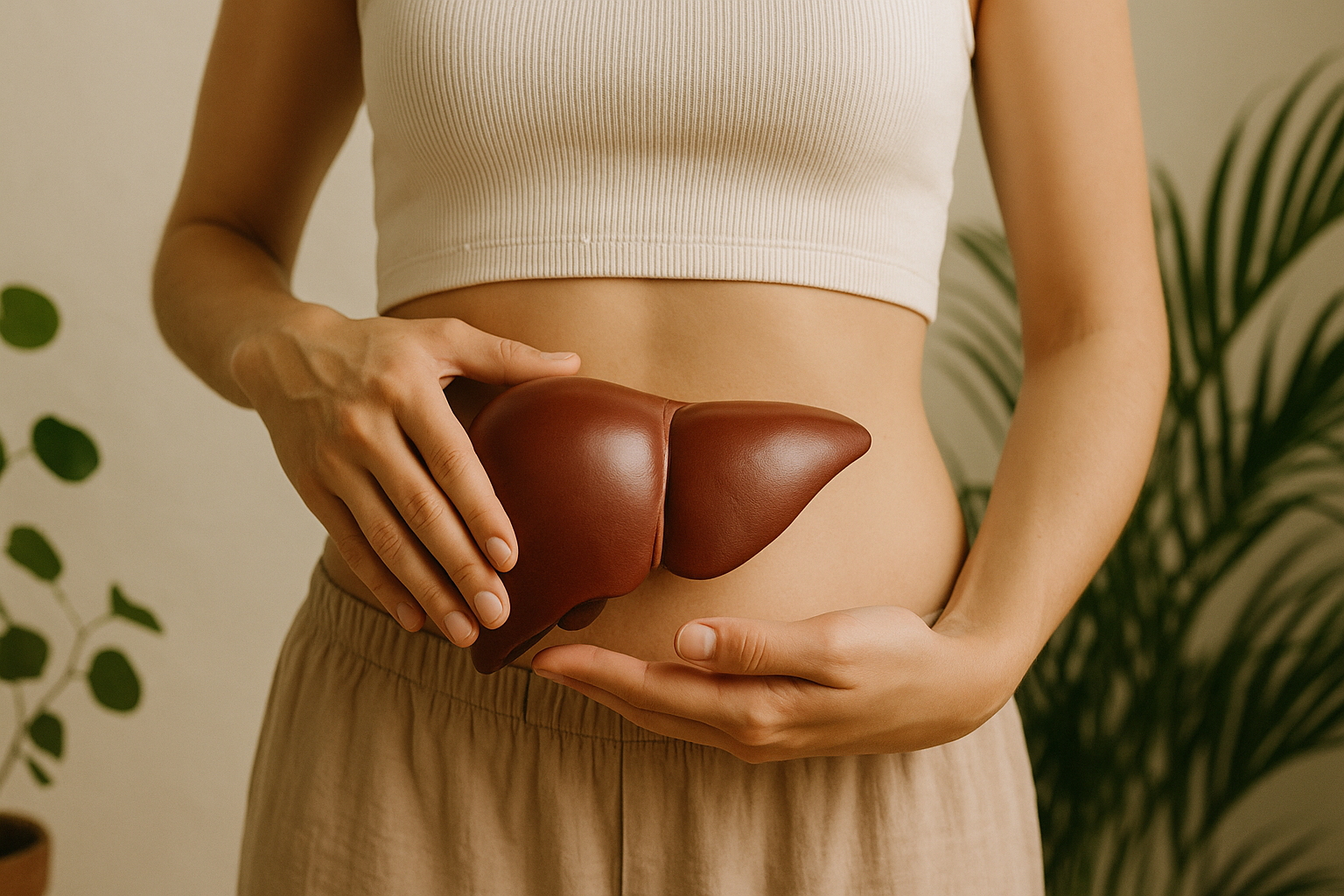
Liver and biliary system.
What This System Does
The hepatic or liver system is a vital component of the human body, responsible for numerous essential functions that maintain overall health. The liver is the largest internal organ and plays a key role in metabolizing nutrients, filtering toxins, and producing bile, which is necessary for digestion. It also stores vitamins and minerals, regulates blood sugar levels, and helps in blood clotting by producing proteins.
Structurally, the liver is divided into two main lobes, each composed of smaller functional units called lobules. These lobules contain hepatocytes, the primary cells responsible for the liver's many functions. The liver's unique blood supply comes from both the hepatic artery and the portal vein, allowing it to effectively process nutrients and detoxify harmful substances.
Signs This System Is Out of Balance
- Fatigue or weakness
- Unexplained weight loss or gain
- Yellowing of the skin or eyes (jaundice)
- Dark urine or pale stool
- Abdominal pain or swelling
- Itchy skin
- Frequent nausea or vomiting
- Loss of appetite
- Confusion or cognitive changes
These signs can indicate an imbalance in the liver's function and may warrant further investigation.
Common Contributing Factors
Several factors can contribute to an imbalance in the hepatic system:
- Lifestyle: Sedentary behavior, excessive alcohol consumption, and poor dietary choices can all negatively impact liver health.
- Environment: Exposure to toxins, pollutants, and certain medications can stress the liver.
- Nutritional: A diet high in saturated fats, sugars, and processed foods can lead to fatty liver disease.
- Hormonal: Hormonal imbalances, such as those occurring in pregnancy or with endocrine disorders, may affect liver function.
- Structural: Any physical abnormalities in the liver or bile duct system can hinder its ability to perform optimally.
Natural Approaches Across the Three Pillars
Ancient Wisdom
Traditional practices from various cultures have long recognized the importance of liver health. Herbal remedies such as milk thistle, dandelion root, and turmeric have been used to support liver function and detoxification. Ancient Chinese medicine also emphasizes the role of the liver in emotional well-being and promotes practices like acupuncture and Qi Gong to enhance liver function.
Natural Remedies
Several supportive ingredients can be utilized to promote liver health:
- Milk Thistle: Contains silymarin, which has antioxidant properties and supports liver cell regeneration.
- Dandelion Root: Traditionally used to stimulate bile production and improve digestion.
- Turmeric: Contains curcumin, known for its anti-inflammatory and antioxidant effects.
- Artichoke Leaf: May promote bile flow and support liver detoxification.
- Schisandra: An adaptogen that helps protect the liver from toxins and improve overall liver function.
Modern Wellness
In modern wellness, lifestyle changes play a crucial role in supporting the liver:
- Diet: Emphasizing whole foods, including fruits, vegetables, whole grains, and lean proteins while reducing processed foods and sugars.
- Regular Exercise: Engaging in physical activity can help maintain a healthy weight and reduce liver fat.
- Hydration: Drinking plenty of water supports detoxification processes.
- Mindfulness and Stress Management: Practices such as meditation, yoga, and deep breathing can help reduce stress, which may impact liver function.
Monitoring biomarkers such as liver enzymes and bilirubin levels through regular check-ups can help assess liver health.
Conditions Frequently Involving This System
- Fatty Liver Disease
- Hepatitis
- Cirrhosis
- Liver Cancer
- Hemochromatosis
- Wilson's Disease
- Cholestasis
- Gallbladder Disease
Lifestyle & Habit Foundations That Support It
To maintain a healthy liver, consider the following habits:
- Consume a balanced diet rich in nutrients.
- Limit alcohol intake and avoid recreational drugs.
- Maintain a healthy weight and manage blood sugar levels.
- Stay physically active with regular exercise.
- Practice good hygiene to prevent infections that may affect the liver.
When to Seek Professional Care
If you experience any signs of liver dysfunction, such as jaundice, severe abdominal pain, or persistent fatigue, it is important to seek professional care. Regular check-ups with a healthcare provider can help monitor liver health and catch any potential issues early.
FAQs
1. What are the primary functions of the liver?
The liver is responsible for metabolizing nutrients, detoxifying harmful substances, producing bile, storing vitamins and minerals, and regulating blood sugar levels.
2. How can I support my liver health naturally?
You can support your liver health by eating a balanced diet, staying hydrated, exercising regularly, and avoiding excessive alcohol and toxins.
3. What are common signs of liver problems?
Common signs include fatigue, jaundice, abdominal pain, dark urine, and unexplained weight changes.
4. Can liver issues be reversed?
In many cases, liver issues such as fatty liver disease can be reversed with lifestyle changes, while others may require medical intervention.
5. Are there any foods that are particularly good for the liver?
Foods rich in antioxidants, such as leafy greens, berries, and nuts, as well as healthy fats from sources like avocados and olive oil, are beneficial for liver health.
6. When should I see a doctor about my liver health?
If you notice persistent symptoms such as jaundice, severe abdominal pain, or ongoing fatigue, it is important to consult a healthcare professional.