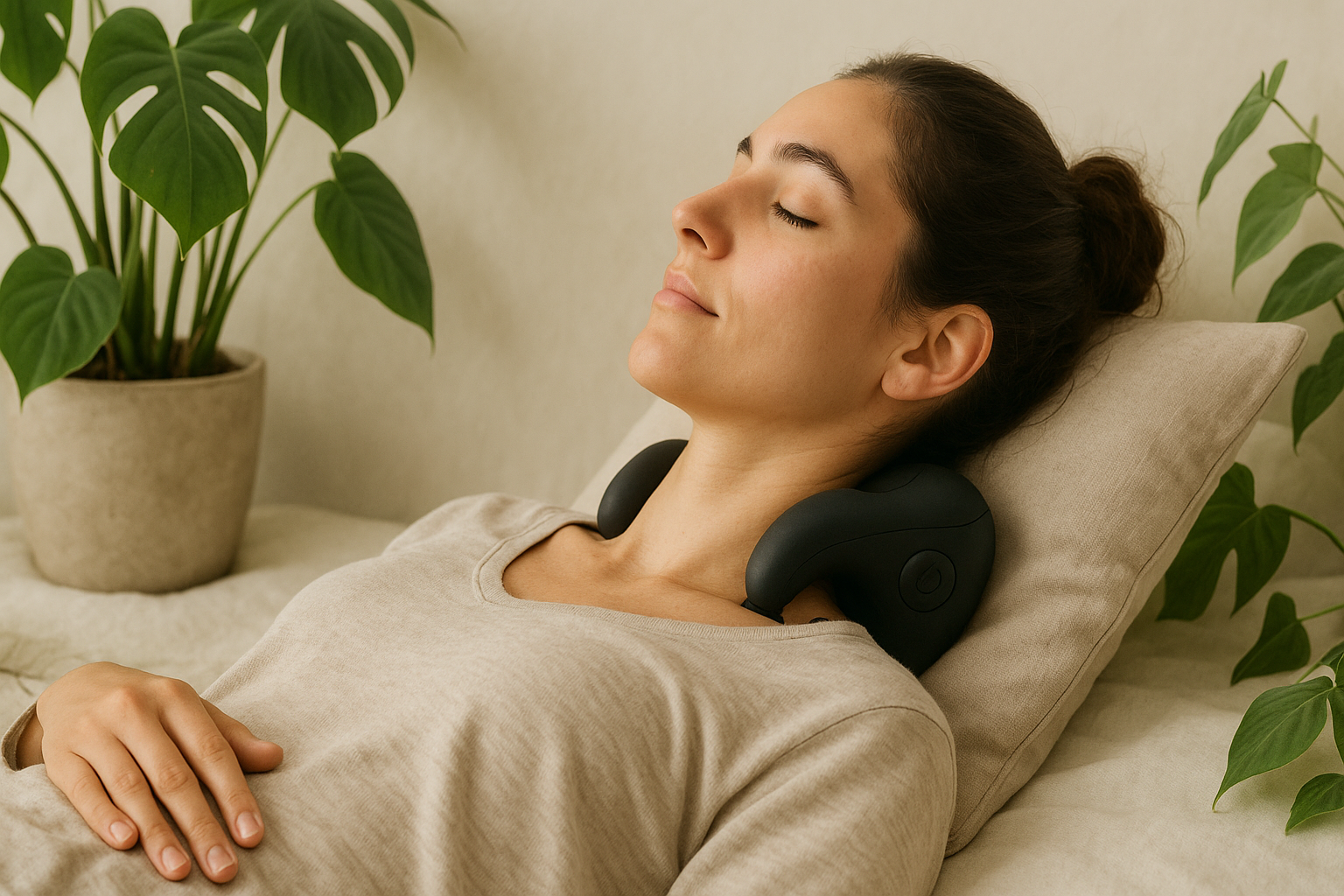
Nervous System Regulation
Explore the importance of Nervous System Regulation in modern wellness, its biological mechanisms, and effective practices for optimal health.

Nervous System Regulation is a crucial aspect of modern wellness that focuses on balancing the autonomic nervous system to promote overall health. By understanding its mechanisms and practices, individuals can adopt strategies to enhance their well-being.
Intro Summary
Nervous System Regulation is a crucial aspect of modern wellness that focuses on balancing the autonomic nervous system to promote overall health and well-being. In our fast-paced world, many individuals experience chronic stress, anxiety, and other imbalances that can disrupt the natural functioning of the nervous system. By understanding the mechanisms behind nervous system regulation and adopting effective practices, people can enhance their physical and mental health.
This category encompasses various techniques and approaches that aim to restore balance within the nervous system, ultimately leading to improved emotional resilience, better stress management, and enhanced overall health. Practices may include mindfulness, breathwork, body-based therapies, and lifestyle adjustments that support the body’s innate ability to self-regulate.
The Underlying Biology / Mechanism
The nervous system is a complex network that includes the central nervous system (brain and spinal cord) and the peripheral nervous system. Within the peripheral nervous system, the autonomic nervous system (ANS) plays a vital role in regulating involuntary bodily functions such as heart rate, digestion, and respiratory rate.
The ANS is divided into two main branches: the sympathetic nervous system (SNS) and the parasympathetic nervous system (PNS). The SNS is often referred to as the "fight or flight" system, which prepares the body to respond to stressors by increasing heart rate, redirecting blood flow, and releasing stress hormones. In contrast, the PNS is known as the "rest and digest" system, promoting relaxation, recovery, and restoration of bodily functions.
When the body experiences chronic stress, the SNS can become overactive, leading to a state of heightened arousal and anxiety. This imbalance can result in numerous health issues, including insomnia, digestive problems, and weakened immune response. Nervous system regulation aims to restore balance between the SNS and PNS, allowing the body to function optimally.
Key Sub-Topics Within This Category
- Mindfulness and Meditation
- Breathwork Techniques
- Somatic Therapies
- Yoga and Movement Practices
- Nutritional Support for Nervous System Health
- Devices and Technology for Regulation
Biomarkers, Tests, and Data Points That Matter
Understanding the health of the nervous system can involve various biomarkers and tests. Some relevant measurements include:
- Heart Rate Variability (HRV): This measures the variation in time between heartbeats and is a key indicator of autonomic nervous system balance.
- Cortisol Levels: Elevated cortisol, a stress hormone, can indicate chronic stress which may impact nervous system regulation.
- Electroencephalogram (EEG): This test measures electrical activity in the brain and can provide insights into stress levels and cognitive function.
It is essential to consider reference ranges and individual variations when interpreting these biomarkers. Consulting with a healthcare professional can provide a clearer understanding of what these markers mean for individual health.
Functional Actions This Category Targets
- Enhancing stress resilience
- Promoting relaxation and recovery
- Improving emotional regulation
- Supporting cognitive function
- Fostering overall well-being
Body Systems It Most Supports
- Nervous System
- Endocrine System
- Digestive System
- Cardiovascular System
- Immune System
Common Goals
- To achieve a balanced autonomic nervous system
- To reduce anxiety and stress levels
- To improve sleep quality
- To enhance overall mental clarity
- To foster emotional resilience
Approaches & Interventions (lifestyle, nutrition, supplements, devices)
Nervous system regulation can be approached through various lifestyle practices, nutritional support, and devices that aid in relaxation and balance. Some effective strategies include:
- Lifestyle Practices: Incorporate mindfulness meditation, yoga, and regular physical activity.
- Nutritional Support: Focus on a balanced diet rich in omega-3 fatty acids, antioxidants, and magnesium to support nervous system health.
- Supplements: Consider adaptogens like ashwagandha or rhodiola, which may help mitigate stress responses.
- Devices: Use biofeedback devices or wearables that track HRV and guide breathwork practices.
Safety, Edge Cases & When to Consult a Clinician
While many approaches to nervous system regulation are safe for most individuals, there are edge cases where caution is warranted. Individuals with specific health conditions, such as severe anxiety disorders, PTSD, or cardiovascular issues, should consult a clinician before starting new practices or interventions. Additionally, if symptoms worsen or if there are concerns about mental health, seeking professional guidance is crucial.
How It Bridges to Ancient Wisdom & Natural Remedies
Nervous system regulation has deep roots in ancient practices and natural remedies. Many cultures have long recognized the importance of balance within the body. Traditional practices such as yoga, tai chi, and various forms of meditation have been used for centuries to promote relaxation and mental clarity. Additionally, natural remedies, including herbal teas and essential oils, have historically been utilized to soothe anxiety and support emotional well-being.
The integration of these ancient practices with modern scientific understanding of the nervous system creates a holistic approach, providing a comprehensive toolkit for individuals seeking to enhance their wellness.
FAQs (6)
- What is nervous system regulation? Nervous system regulation refers to the practices and techniques that help balance the autonomic nervous system, promoting overall health and well-being.
- Why is it important? An unbalanced nervous system can lead to chronic stress, anxiety, and various health issues. Regulation helps restore equilibrium and improves emotional resilience.
- How can I measure my nervous system health? Key indicators include heart rate variability (HRV), cortisol levels, and brain activity measured by EEG.
- What are some effective practices for regulation? Mindfulness, breathwork, yoga, and adequate nutrition are all effective strategies for nervous system regulation.
- When should I consult a healthcare professional? If you have chronic health issues, severe anxiety, or if your symptoms worsen, it is essential to seek professional guidance.
- How do ancient practices relate to modern wellness? Ancient practices like yoga and meditation have been shown to support nervous system regulation, bridging traditional wisdom with contemporary health approaches.
Explore Nervous System Regulation
15 subcategories














Frequently asked
What is nervous system regulation?
Nervous system regulation refers to the practices and techniques that help balance the autonomic nervous system, promoting overall health and well-being.
Why is it important?
An unbalanced nervous system can lead to chronic stress, anxiety, and various health issues. Regulation helps restore equilibrium and improves emotional resilience.
How can I measure my nervous system health?
Key indicators include heart rate variability (HRV), cortisol levels, and brain activity measured by EEG.
What are some effective practices for regulation?
Mindfulness, breathwork, yoga, and adequate nutrition are all effective strategies for nervous system regulation.
When should I consult a healthcare professional?
If you have chronic health issues, severe anxiety, or if your symptoms worsen, it is essential to seek professional guidance.
How do ancient practices relate to modern wellness?
Ancient practices like yoga and meditation have been shown to support nervous system regulation, bridging traditional wisdom with contemporary health approaches.