Breathwork Recovery
Discover how breathwork recovery can enhance nervous system regulation and support overall well-being.
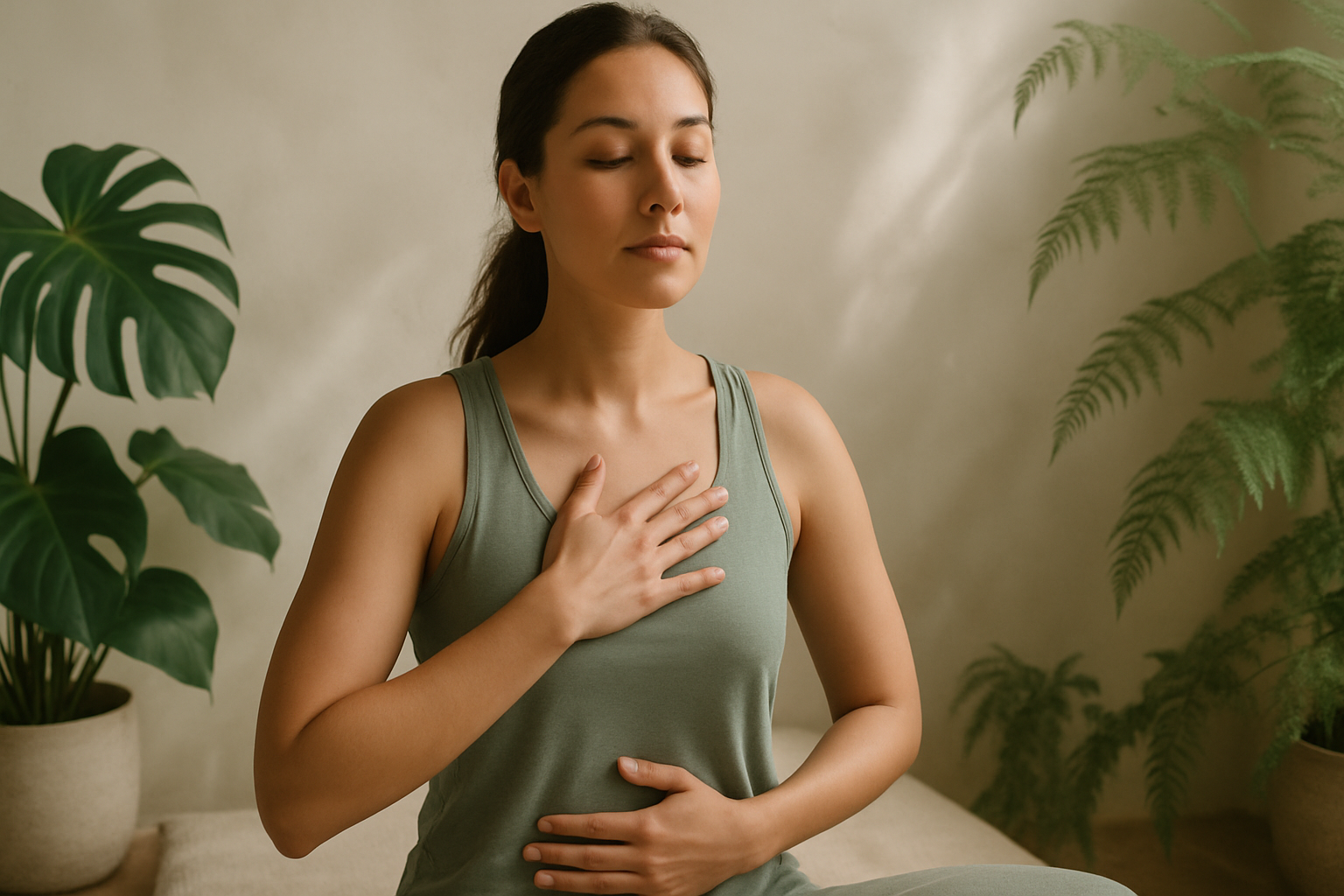
Explore the transformative potential of breathwork recovery as a tool for nervous system regulation. This comprehensive guide covers its definition, mechanisms, evidence, practical applications, and safety considerations.
What It Is
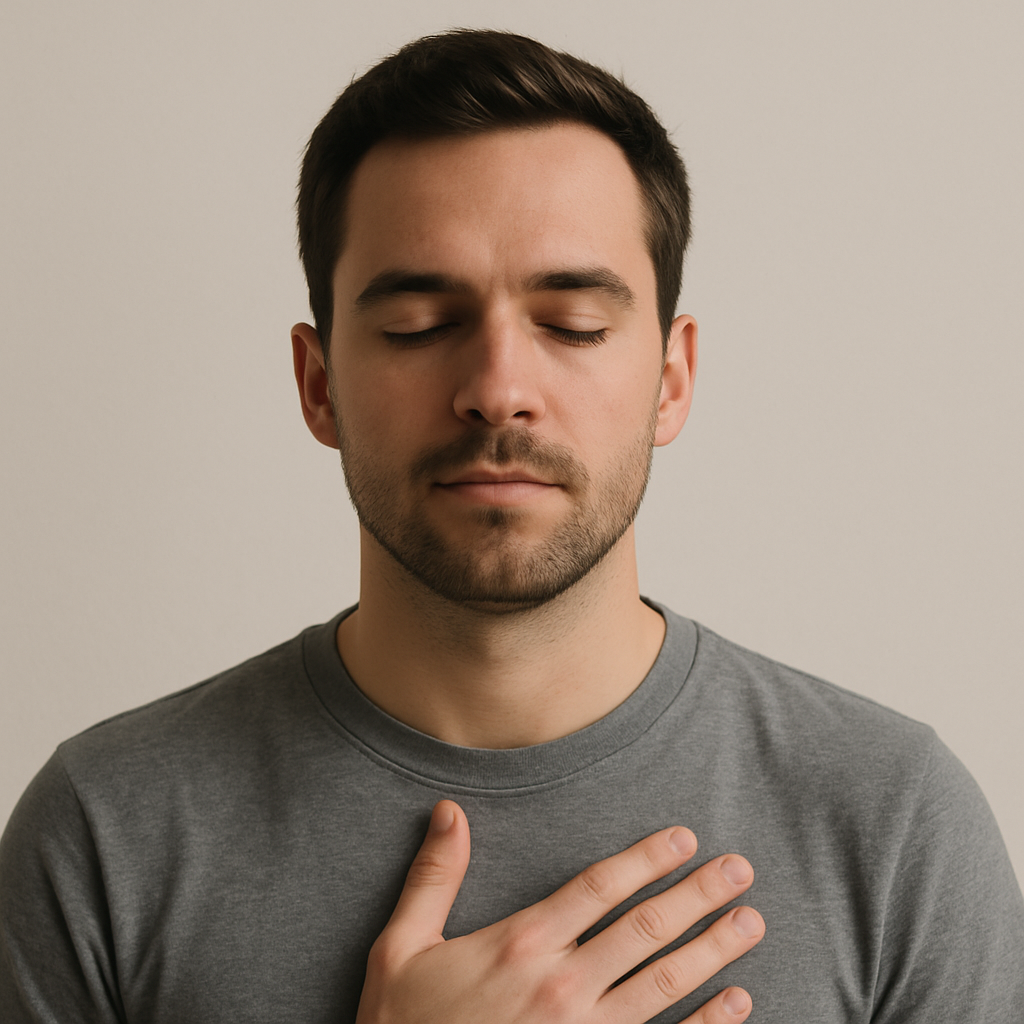
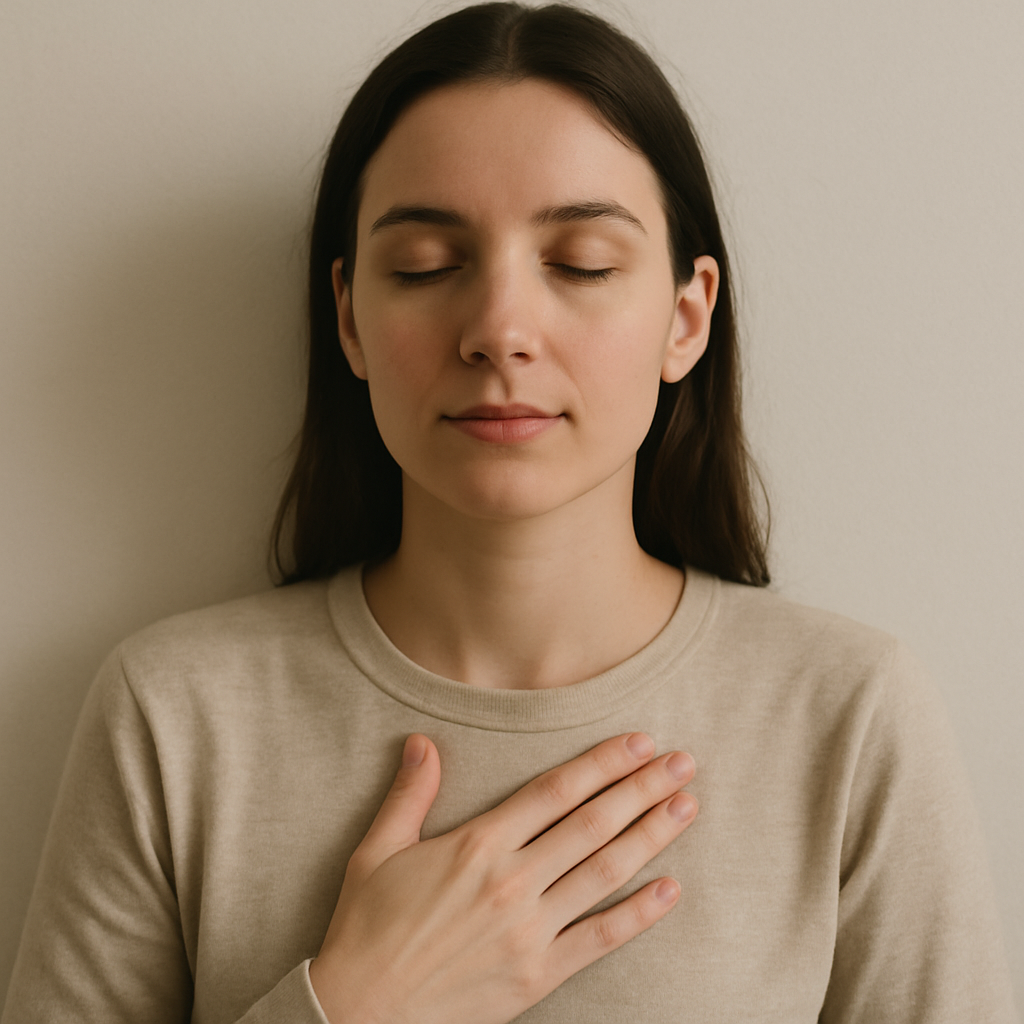
Breathwork recovery encompasses a variety of breathing techniques designed to help individuals manage stress, anxiety, and emotional challenges through the conscious regulation of breath. This practice is rooted in ancient traditions but has gained traction in modern wellness as a means to improve mental clarity, emotional resilience, and physiological health.
By focusing on the breath, individuals can access deeper states of relaxation and awareness, allowing for the release of stored tension and trauma in the body. This process not only aids in recovery from stress but also promotes a sense of connection to oneself and one's surroundings.
Mechanism / How It Works
The mechanisms underlying breathwork recovery primarily involve the autonomic nervous system (ANS), which regulates involuntary bodily functions, including heart rate, digestion, and respiratory rate. Breathwork techniques can shift the balance between the sympathetic nervous system (responsible for the fight-or-flight response) and the parasympathetic nervous system (responsible for rest and digestion).
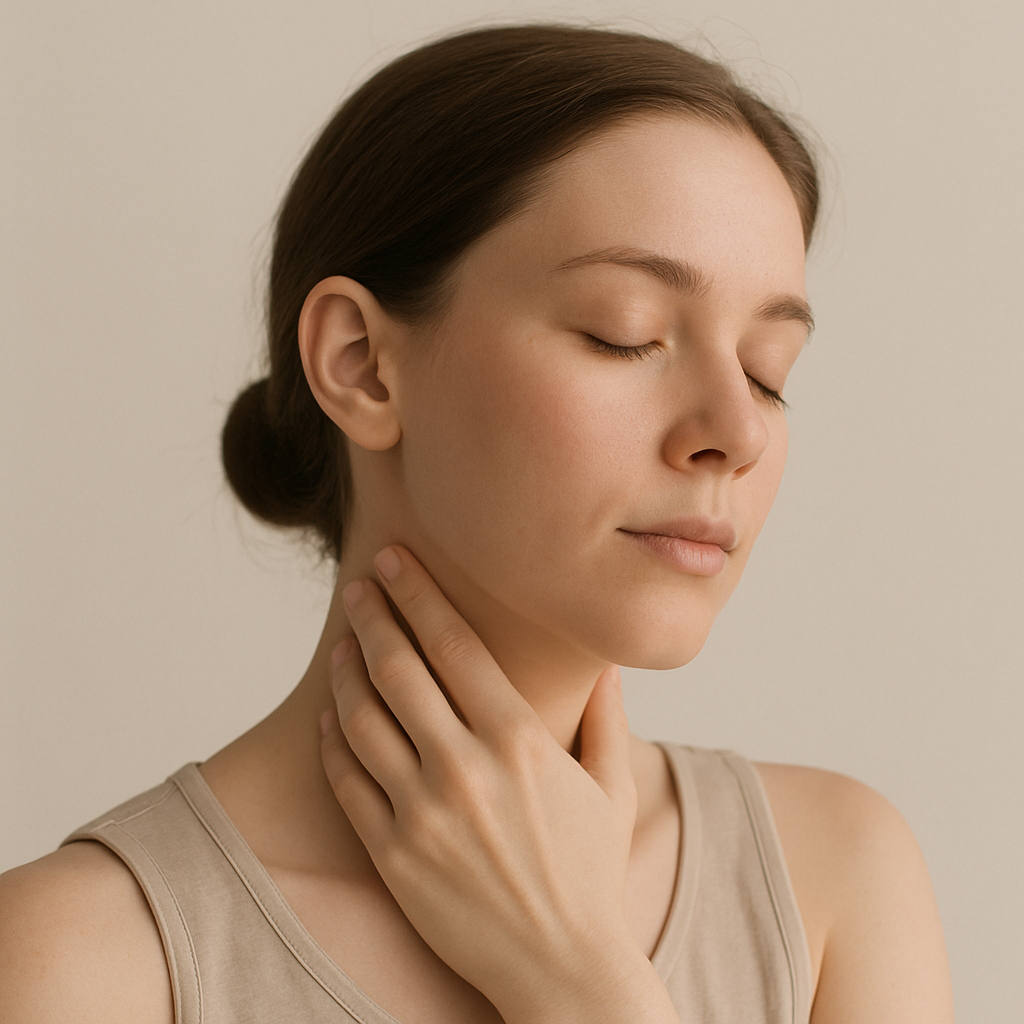
When engaging in breathwork, individuals often utilize techniques such as diaphragmatic breathing, box breathing, or alternate nostril breathing to stimulate the vagus nerve. This stimulation promotes a state of calmness by reducing cortisol levels and increasing feelings of safety and well-being. Additionally, breathwork can facilitate emotional processing and stress release, contributing to overall recovery.
Evidence Summary
The body of research surrounding breathwork recovery is growing, with preliminary studies indicating its potential benefits for mental health and well-being. Some clinical trials suggest that breathwork may reduce symptoms of anxiety and depression, enhance emotional regulation, and improve overall quality of life.
However, evidence remains mixed, and more rigorous research is needed to establish definitive conclusions. Conflicting findings highlight the necessity for individualized approaches and the importance of considering personal responses to breathwork practices.
Practical Application
Integrating breathwork recovery into daily life can be simple and beneficial. Here are some practical protocols to consider:
- Daily Practice: Aim for 10-15 minutes of intentional breathwork each day, focusing on techniques that resonate with you.
- Guided Sessions: Utilize apps or online resources for guided breathwork sessions, especially for beginners.
- Incorporate into Routine: Integrate breathwork during moments of stress or as part of a morning or evening routine.
Common pitfalls include the tendency to rush through the practice or become frustrated with perceived lack of progress. It's essential to approach breathwork with patience and an open mind.
Relevant Biomarkers & Tracking
Tracking the effects of breathwork recovery can be beneficial for understanding its impact on your well-being. Relevant biomarkers may include:
- Heart Rate Variability (HRV): A measure of autonomic nervous system function.
- Cortisol Levels: A marker of stress response.
- Emotional Rating Scales: Self-reported measures of anxiety, depression, and overall mood.
Keeping a journal to reflect on your experiences and track progress can also provide valuable insights into how breathwork affects your mental and emotional states.
Body Systems Supported
Breathwork recovery supports various body systems, including:
- Nervous System: Enhances regulation and promotes relaxation.
- Respiratory System: Improves lung capacity and respiratory efficiency.
- Endocrine System: Modulates the stress response and hormone levels.
By fostering a balanced state within these systems, breathwork can contribute to overall health and resilience.
Common Goals
Individuals may engage in breathwork recovery with various goals in mind, such as:
- Reducing anxiety and stress levels.
- Enhancing emotional regulation and resilience.
- Improving focus and mental clarity.
- Supporting physical recovery from trauma or overexertion.
Setting specific, achievable goals can help guide your breathwork practice and keep you motivated.
Safety, Contraindications & Edge Cases
While breathwork is generally considered safe, there are some contraindications and edge cases to consider:
- Individuals with respiratory conditions (like asthma) should consult a healthcare provider before starting.
- Pregnant individuals should seek guidance on appropriate breathwork techniques.
- Those with a history of trauma may require specialized breathwork approaches.
Listening to your body and discontinuing practice if discomfort arises is crucial. Consulting with a qualified instructor can provide additional safety and support.
Pairs Well With
Breathwork recovery can complement various ancient and natural practices, including:
- Meditation: Enhances mindfulness and emotional awareness.
- Yoga: Integrates breath with movement for holistic benefits.
- Nature Therapy: Encourages outdoor breathing practices to boost mood and well-being.
Integrating these practices can create a robust framework for nervous system regulation and overall wellness.
FAQs (5)
- What is breathwork recovery? Breathwork recovery involves intentional breathing techniques to help manage stress, anxiety, and emotional challenges.
- How does breathwork affect the nervous system? Breathwork can shift the balance between the sympathetic and parasympathetic nervous systems, promoting relaxation and emotional regulation.
- Is there scientific evidence for breathwork recovery? Preliminary studies indicate benefits, but more rigorous research is needed to establish definitive conclusions.
- How can I integrate breathwork into my daily routine? Aim for 10-15 minutes of practice each day, and use guided sessions or integrate it into moments of stress.
- Are there any safety concerns with breathwork? Individuals with respiratory conditions or a history of trauma should consult a healthcare provider before practicing.
Frequently asked
What is breathwork recovery?
Breathwork recovery involves intentional breathing techniques to help manage stress, anxiety, and emotional challenges.
How does breathwork affect the nervous system?
Breathwork can shift the balance between the sympathetic and parasympathetic nervous systems, promoting relaxation and emotional regulation.
Is there scientific evidence for breathwork recovery?
Preliminary studies indicate benefits, but more rigorous research is needed to establish definitive conclusions.
How can I integrate breathwork into my daily routine?
Aim for 10-15 minutes of practice each day, and use guided sessions or integrate it into moments of stress.
Are there any safety concerns with breathwork?
Individuals with respiratory conditions or a history of trauma should consult a healthcare provider before practicing.