Mind-Body Balance
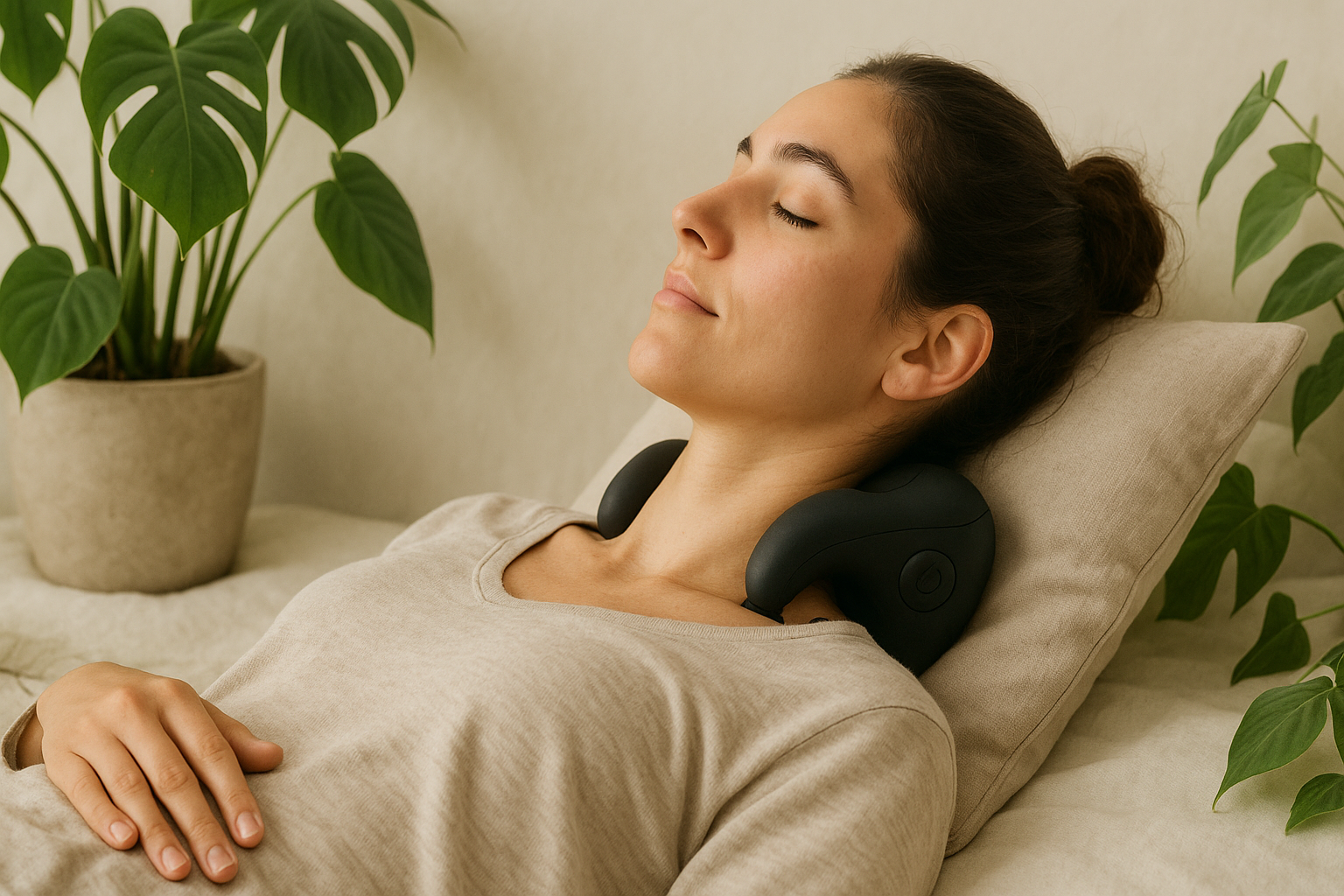
Discover how mind-body balance contributes to nervous system regulation and wellness, alongside practical applications and safety considerations.
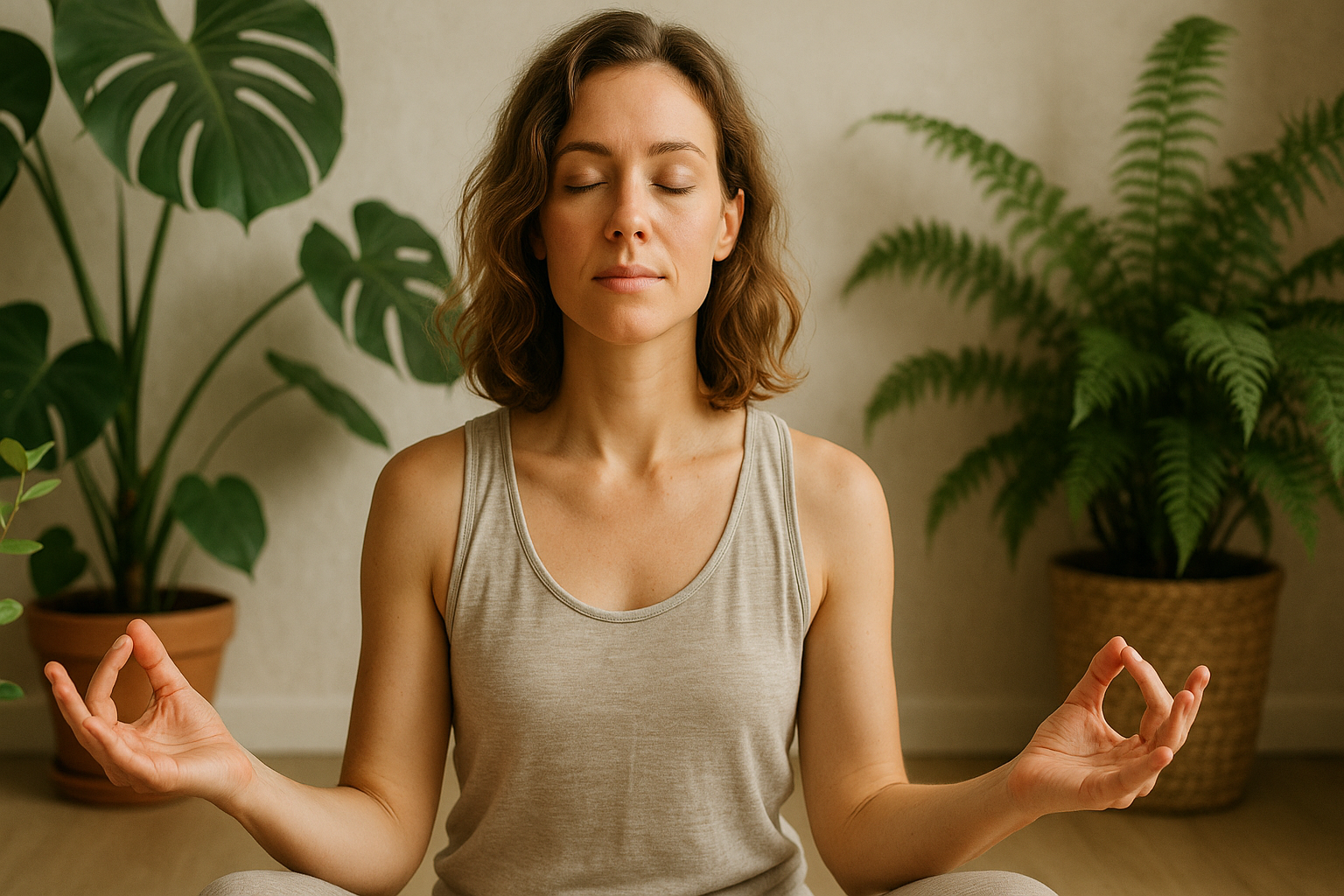
Explore the concept of mind-body balance within the realm of nervous system regulation, its mechanisms, evidence, practical applications, and the body systems it supports.
What It Is
Mind-body balance refers to the harmonious interplay between mental and physical states, emphasizing the profound connection between the mind and body. This balance is essential for overall well-being, as it influences how we respond to stress, manage emotions, and maintain physical health. The concept has roots in various traditional practices but has gained attention in modern wellness as research highlights the impact of psychological states on physiological responses.
In the context of nervous system regulation, mind-body balance involves techniques that promote relaxation, reduce stress, and enhance emotional resilience. These practices aim to align mental focus with physical relaxation, fostering a state of equilibrium that can lead to improved health outcomes.
Mechanism / How It Works
The mechanisms underlying mind-body balance involve complex interactions between the nervous system, endocrine system, and immune response. Techniques such as mindfulness meditation, yoga, and tai chi have been shown to activate the parasympathetic nervous system, promoting a state of calm and reducing the physiological effects of stress.
This activation leads to a decrease in cortisol levels, lower heart rates, and improved blood flow, which can enhance overall health. Additionally, practices that foster mind-body balance can lead to changes in brain chemistry, increasing levels of neurotransmitters associated with mood regulation, such as serotonin and dopamine.
Evidence Summary
The evidence surrounding mind-body balance is mixed but encouraging. Preliminary studies have suggested that practices promoting this balance can lead to reduced anxiety, improved mood, and better stress management. For instance, research indicates that mindfulness meditation can significantly lower symptoms of anxiety and depression.
However, clinical trials vary in quality, and some findings remain conflicting. Certain studies show significant improvements in mental health, while others indicate minimal effects. More rigorous research is needed to draw definitive conclusions about the long-term benefits and generalizability of mind-body interventions.
Practical Application
Integrating mind-body balance into daily life can be achieved through various protocols. Here are some practical applications:
- Mindfulness Meditation: Set aside time daily to focus on your breath and observe your thoughts without judgment.
- Yoga: Engage in regular yoga sessions that combine physical postures with breath awareness.
- Breathwork: Practice techniques such as deep breathing or pranayama to enhance relaxation.
- Nature Walks: Spend time in nature to support mental clarity and reduce stress.
Common pitfalls include setting unrealistic expectations regarding immediate results and neglecting consistent practice. It is essential to approach these techniques with patience and commitment.
Relevant Biomarkers & Tracking
Tracking the effectiveness of mind-body balance practices can involve various biomarkers. Some relevant indicators include:
- Heart rate variability (HRV): A higher HRV indicates better autonomic nervous system regulation.
- Cortisol levels: Measuring cortisol can provide insights into stress levels.
- Self-reported mood scales: Regularly assessing mood can help track emotional improvements.
- Sleep quality: Monitoring sleep patterns can indicate overall well-being and recovery.
Body Systems Supported
Mind-body balance primarily supports the following body systems:
- Nervous System: Enhances regulation and resilience to stress.
- Endocrine System: Influences hormone levels and stress responses.
- Immune System: Can improve immune function through stress reduction.
- Musculoskeletal System: Improves physical flexibility and reduces tension.
Common Goals
Individuals seeking mind-body balance typically aim for the following goals:
- Reduced stress and anxiety levels.
- Improved emotional regulation and resilience.
- Enhanced physical health and vitality.
- Greater overall well-being and life satisfaction.
Safety, Contraindications & Edge Cases
While mind-body practices are generally safe, certain considerations should be noted:
- Individuals with severe mental health conditions should consult a professional before starting any mind-body interventions.
- Some physical practices may not be suitable for everyone; modifications may be necessary for those with injuries or chronic conditions.
- There may be emotional releases during practices that can be overwhelming; support from a professional may be beneficial.
Pairs Well With
Mind-body balance practices complement various ancient and natural approaches, including:
- Aromatherapy: Utilizing essential oils to enhance relaxation.
- Herbal Medicine: Incorporating adaptogens like ashwagandha or rhodiola.
- Traditional Chinese Medicine: Techniques such as acupuncture can support mind-body integration.
- Ayurveda: Practices like pranayama and meditation align with Ayurvedic principles for holistic health.
FAQs (5)
- What is mind-body balance? It is the harmonious connection between mental and physical states that promotes overall well-being.
- How can I achieve mind-body balance? Techniques like mindfulness meditation, yoga, and breathwork can help cultivate this balance.
- What are the benefits of mind-body practices? Benefits may include reduced stress, improved mood, and enhanced physical health.
- Are there any risks associated with mind-body practices? Generally safe, but individuals with severe conditions should consult a professional before starting.
- How can I track my progress in achieving mind-body balance? Monitoring biomarkers like heart rate variability and cortisol levels, along with self-reported mood assessments, can be helpful.
Frequently asked
What is mind-body balance?
It is the harmonious connection between mental and physical states that promotes overall well-being.
How can I achieve mind-body balance?
Techniques like mindfulness meditation, yoga, and breathwork can help cultivate this balance.
What are the benefits of mind-body practices?
Benefits may include reduced stress, improved mood, and enhanced physical health.
Are there any risks associated with mind-body practices?
Generally safe, but individuals with severe conditions should consult a professional before starting.
How can I track my progress in achieving mind-body balance?
Monitoring biomarkers like heart rate variability and cortisol levels, along with self-reported mood assessments, can be helpful.