Parasympathetic Activation
Dive into parasympathetic activation and its role in nervous system regulation, supported by evidence and practical applications.

Explore the concept of parasympathetic activation within nervous system regulation, its mechanisms, evidence, practical applications, and its impact on various body systems.
What It Is
Parasympathetic activation refers to the stimulation of the parasympathetic nervous system, one of the two main branches of the autonomic nervous system. This system is primarily responsible for promoting a state of rest and relaxation in the body. When activated, the parasympathetic nervous system helps to decrease heart rate, enhance digestion, and promote energy conservation, counterbalancing the fight-or-flight response of the sympathetic nervous system.
The term "parasympathetic activation" encompasses various physiological processes that lead to increased relaxation, reduced stress, and overall improved well-being. This activation occurs through a series of neural pathways and neurotransmitters that influence bodily functions, promoting homeostasis and recovery.
Mechanism / How It Works
The parasympathetic nervous system primarily operates through the vagus nerve, which is the longest cranial nerve in the body. When stimulated, it releases neurotransmitters such as acetylcholine. This release initiates a cascade of responses that lead to physiological changes, such as:
- Decreased heart rate and blood pressure
- Increased gastrointestinal activity and saliva production
- Enhanced recovery processes in various organs
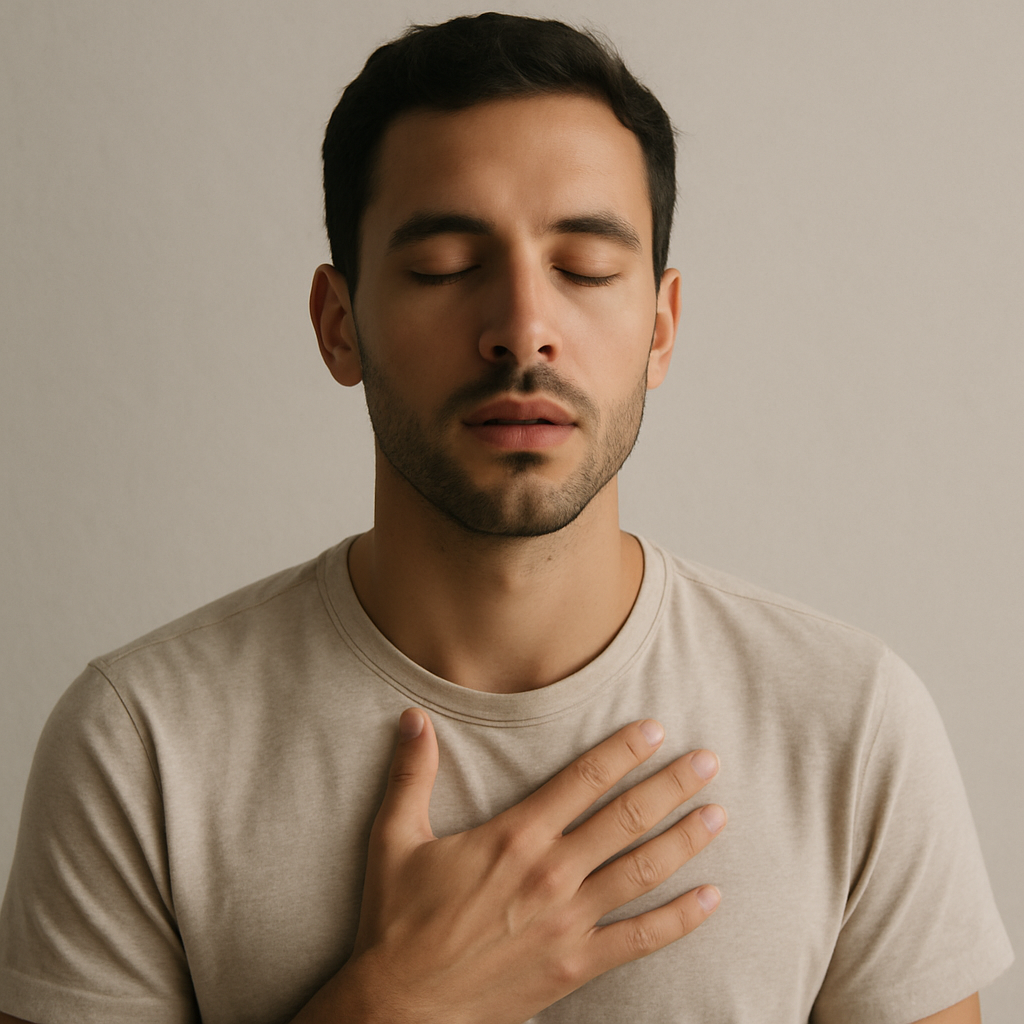
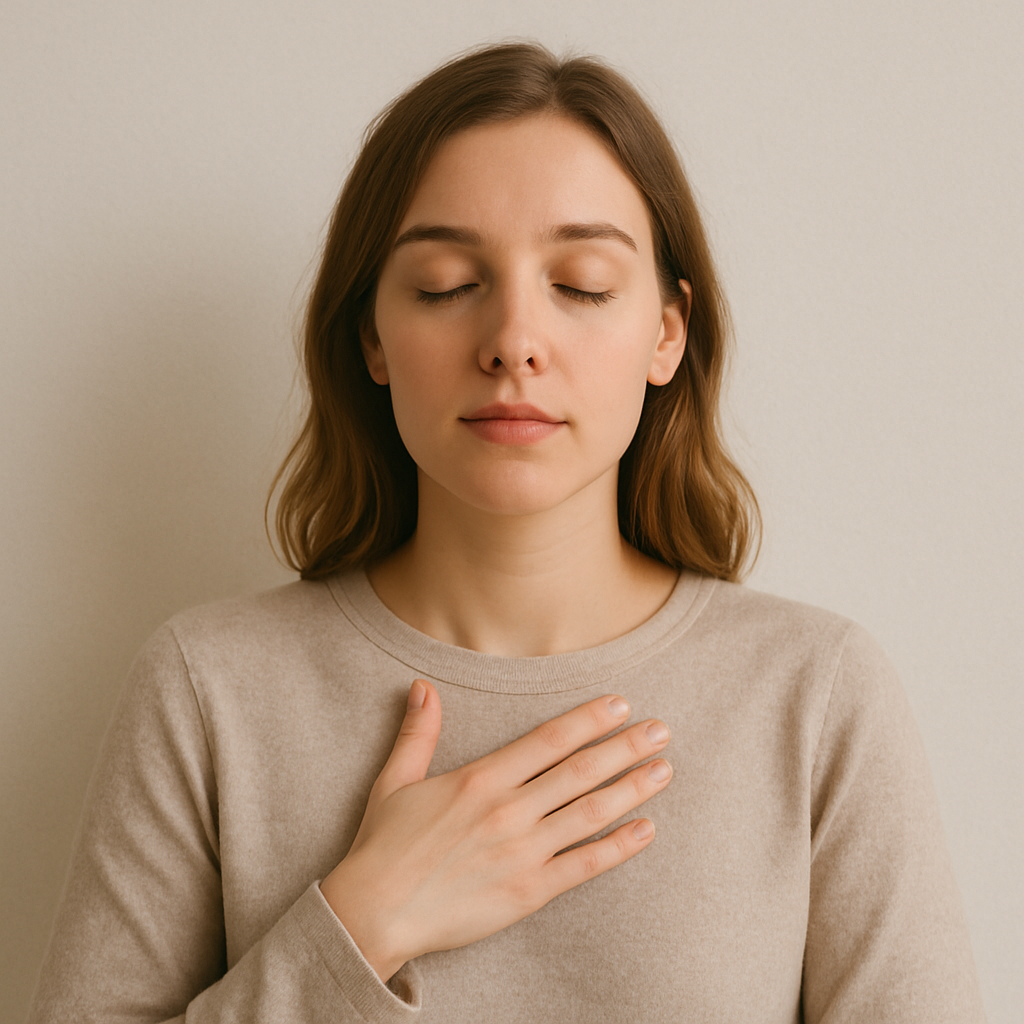
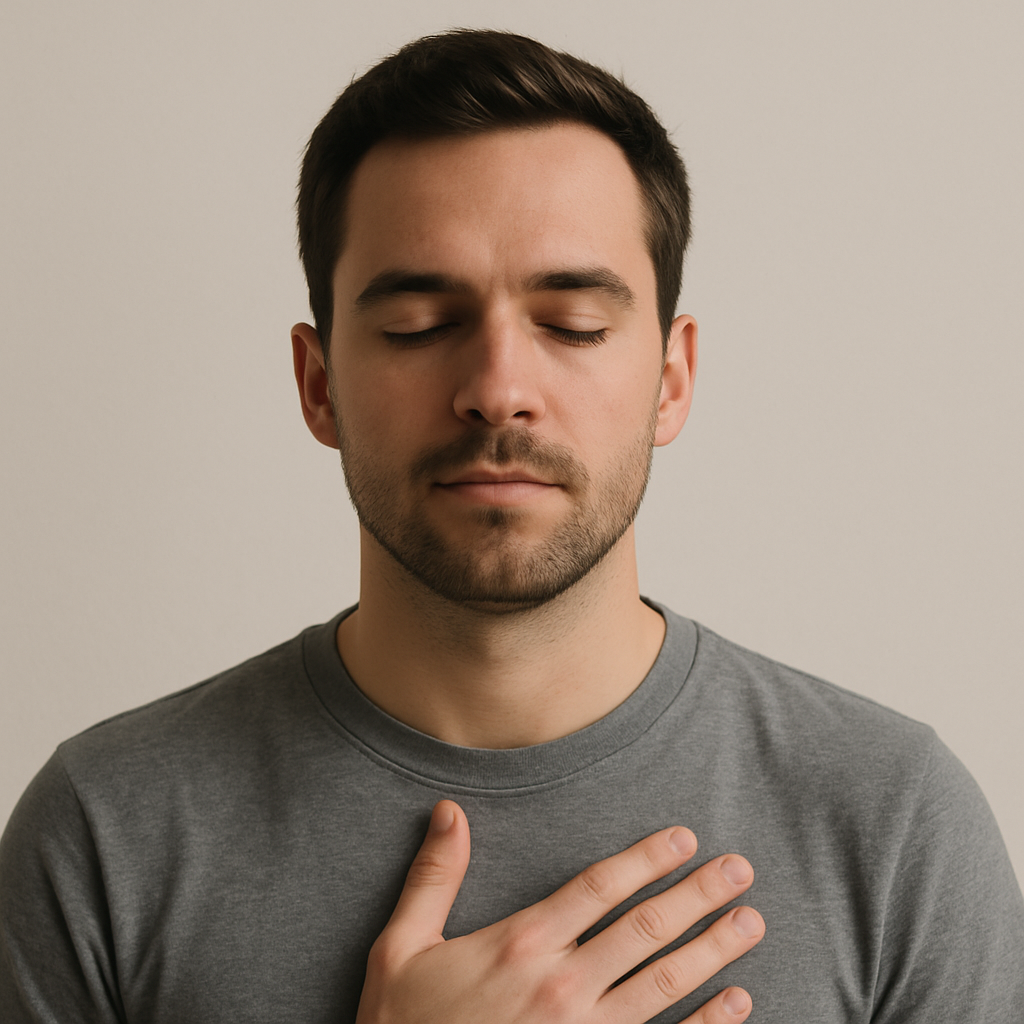
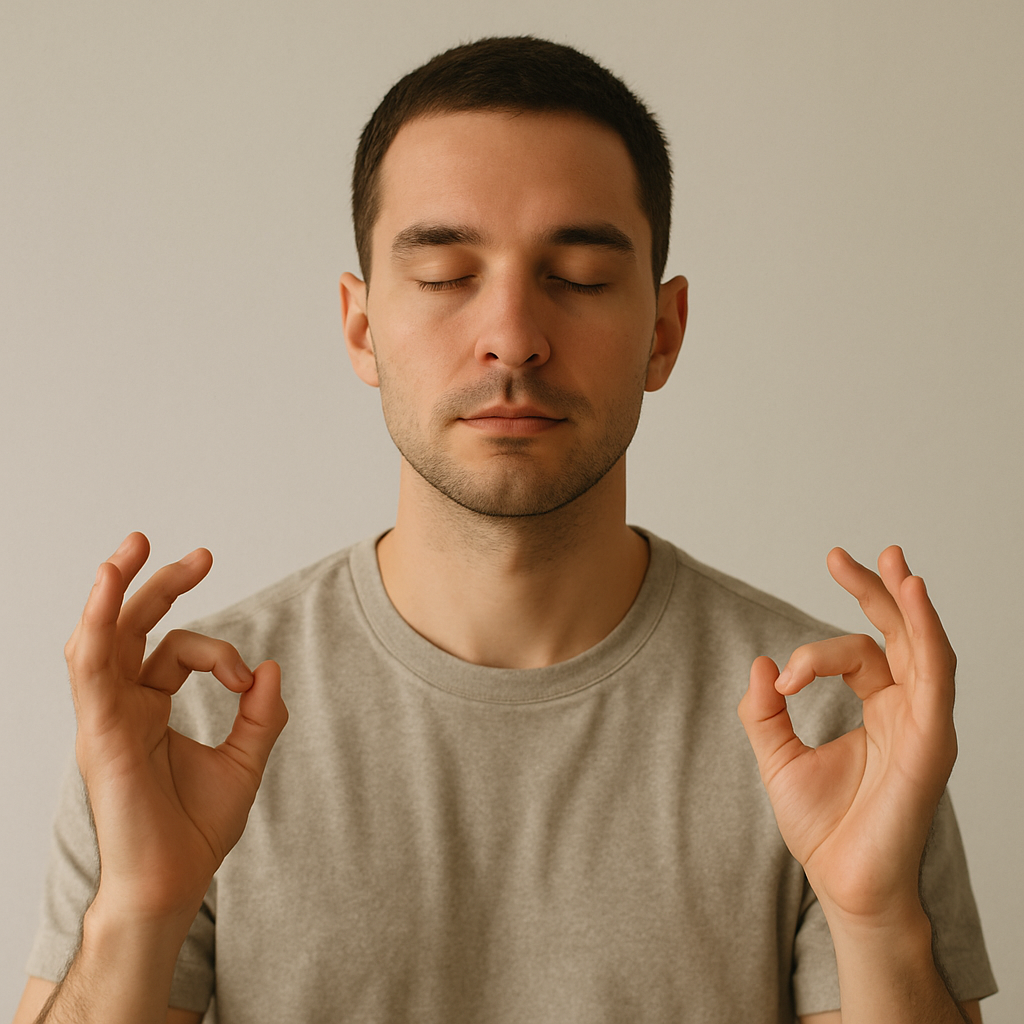
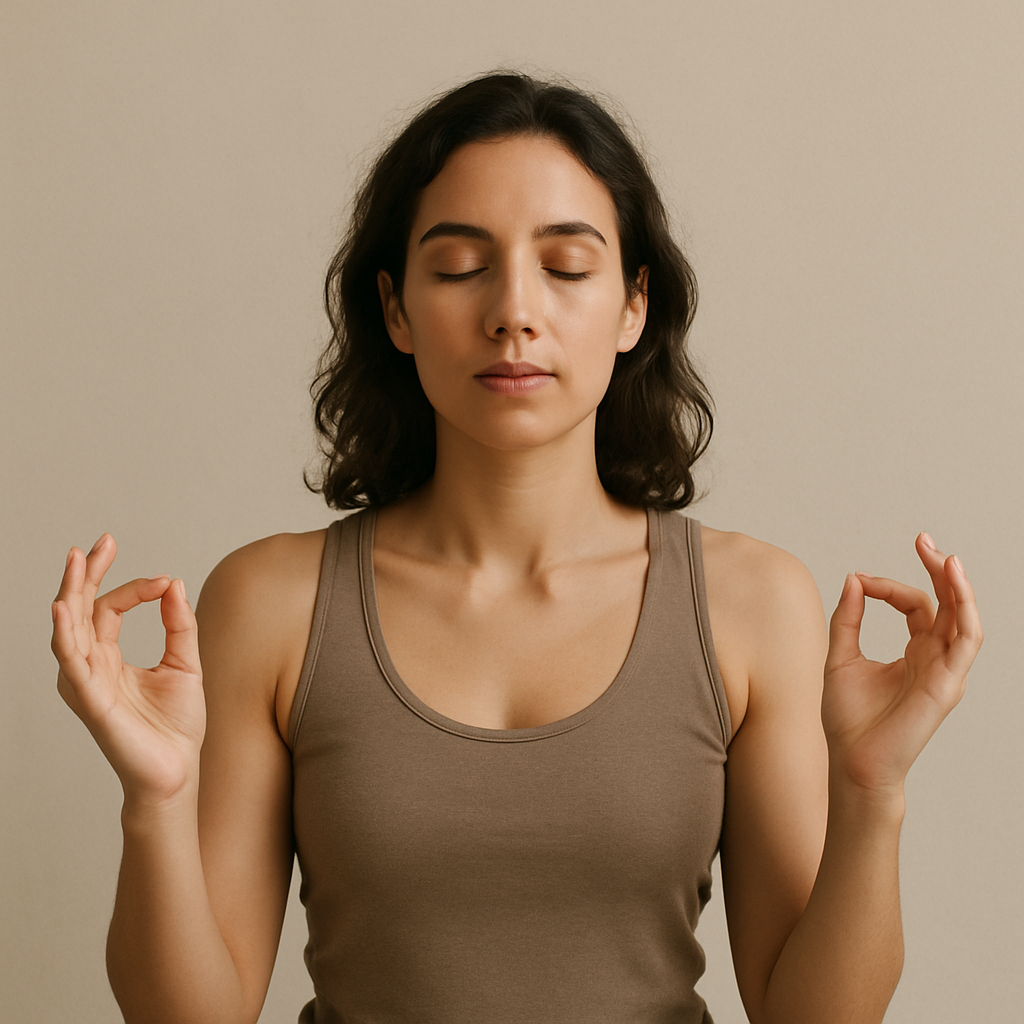
Parasympathetic activation can be triggered by several factors, including deep breathing, meditation, and certain physical activities like yoga. These practices stimulate the vagus nerve, enhancing its influence on bodily functions and promoting a state of calm.
Evidence Summary
Research into parasympathetic activation is still evolving, with a variety of studies offering insights into its efficacy and applications. Preliminary studies suggest that techniques aimed at stimulating the parasympathetic system, such as mindfulness meditation and controlled breathing, can lead to improvements in stress-related conditions.
Clinical studies have shown promising results, indicating that increased parasympathetic activity can improve heart rate variability, a marker of autonomic function associated with better health outcomes. However, conflicting evidence exists regarding the extent to which parasympathetic activation can alleviate specific medical conditions. More rigorous research is needed to solidify these findings and clarify the role of parasympathetic activation in overall health.
Practical Application
Integrating parasympathetic activation into daily life can be achieved through various practices. Some effective strategies include:
- Deep Breathing Exercises: Engage in slow, deep breaths to stimulate the vagus nerve.
- Meditation and Mindfulness: Dedicate time daily to practice mindfulness or meditation techniques.
- Yoga: Incorporate gentle yoga practices that focus on breath and relaxation.
- Nature Exposure: Spend time in nature to enhance overall well-being and stress reduction.
Common pitfalls to avoid include overexertion and the tendency to rush through relaxation techniques. Consistency is key in building a routine that effectively promotes parasympathetic activation.
Relevant Biomarkers & Tracking
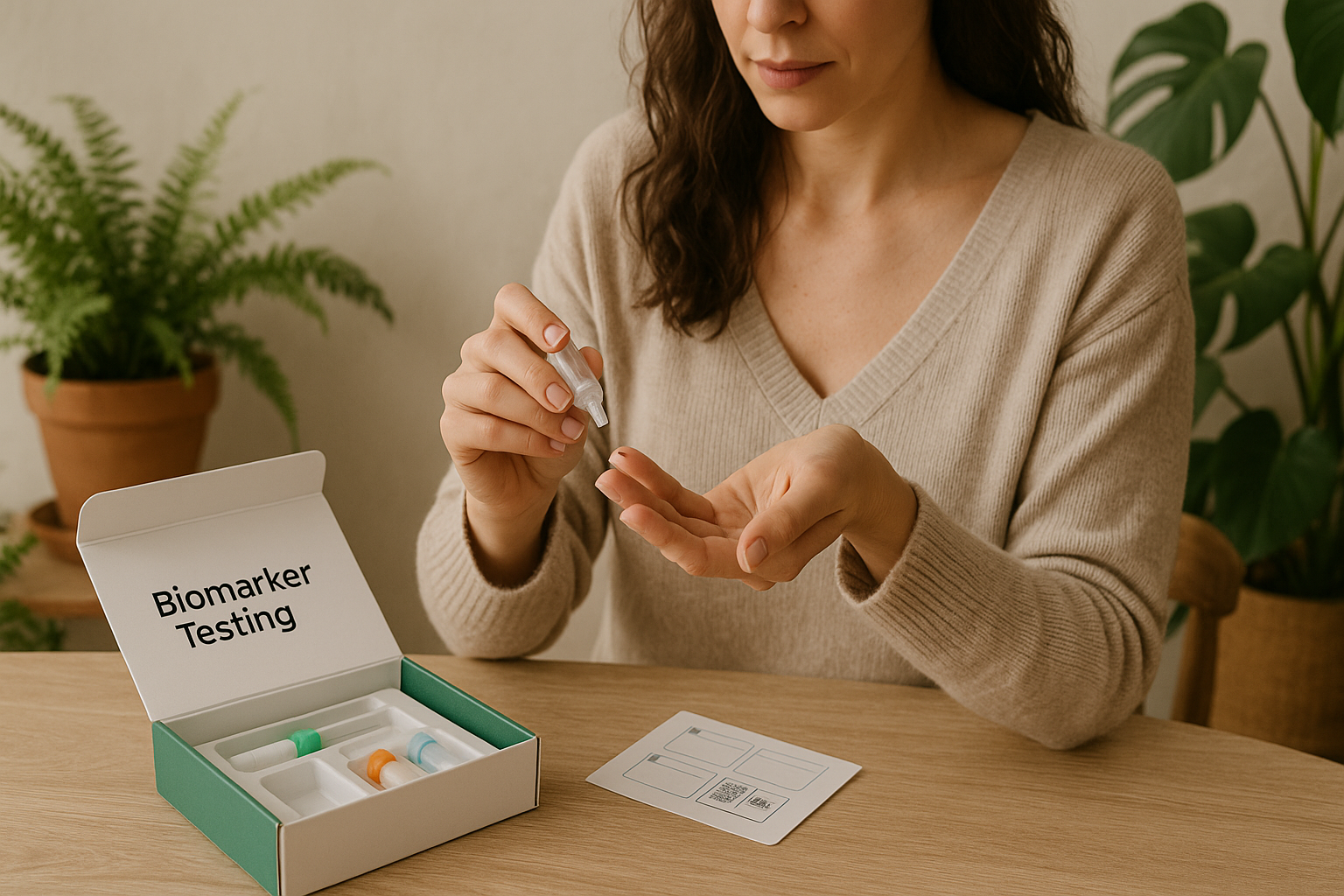
To assess parasympathetic activation and its effects, various biomarkers can be monitored:
- Heart Rate Variability (HRV): A higher HRV often indicates greater parasympathetic activity.
- Respiratory Rate: Slower and deeper breathing patterns can signal activation.
- Stress Hormones: Measuring cortisol levels can provide insights into stress responses.
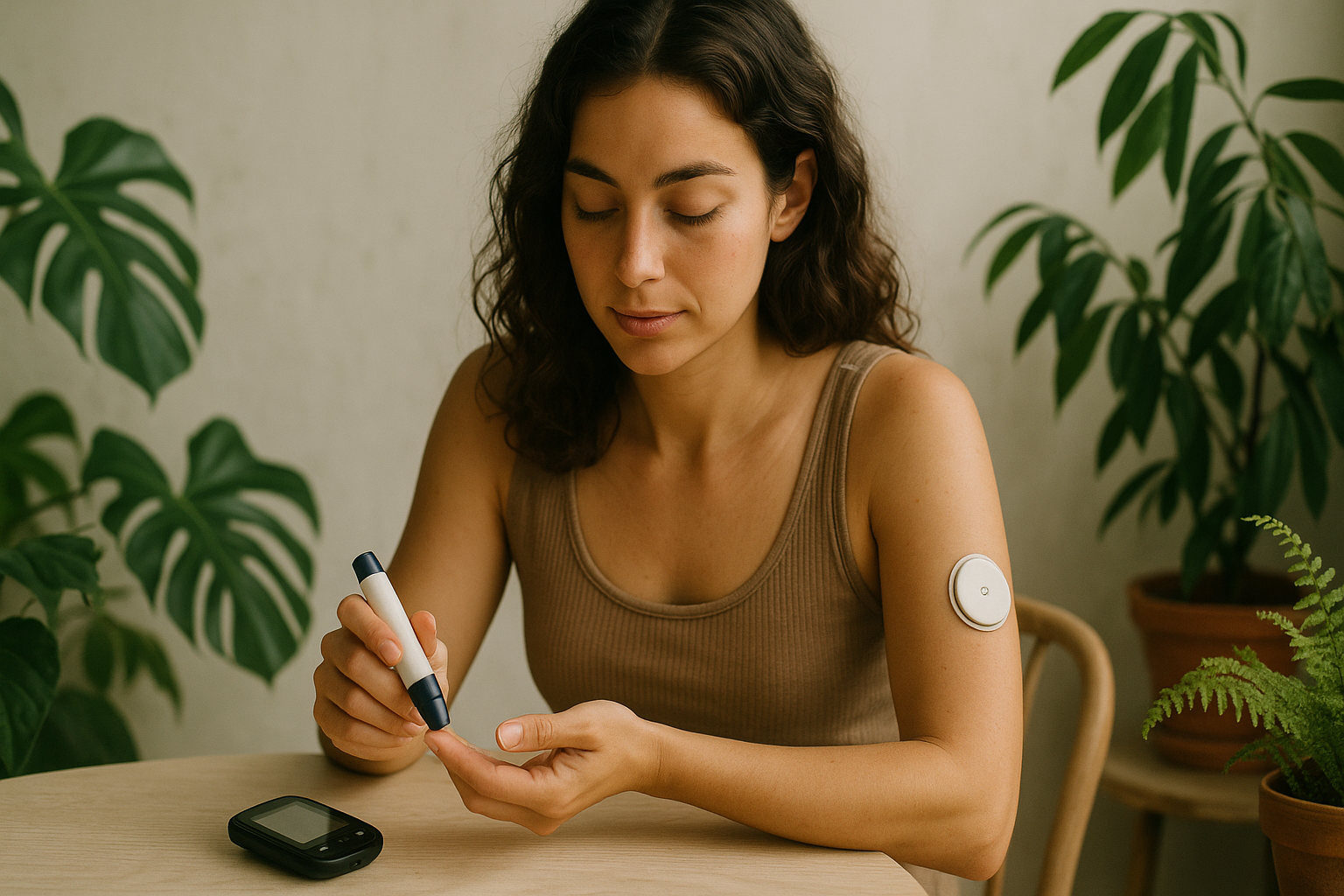
Tracking these biomarkers can help individuals understand their physiological responses and optimize practices for greater parasympathetic activation.
Body Systems Supported
Parasympathetic activation supports several body systems, including:
- Cardiovascular System: Helps regulate heart rate and blood pressure.
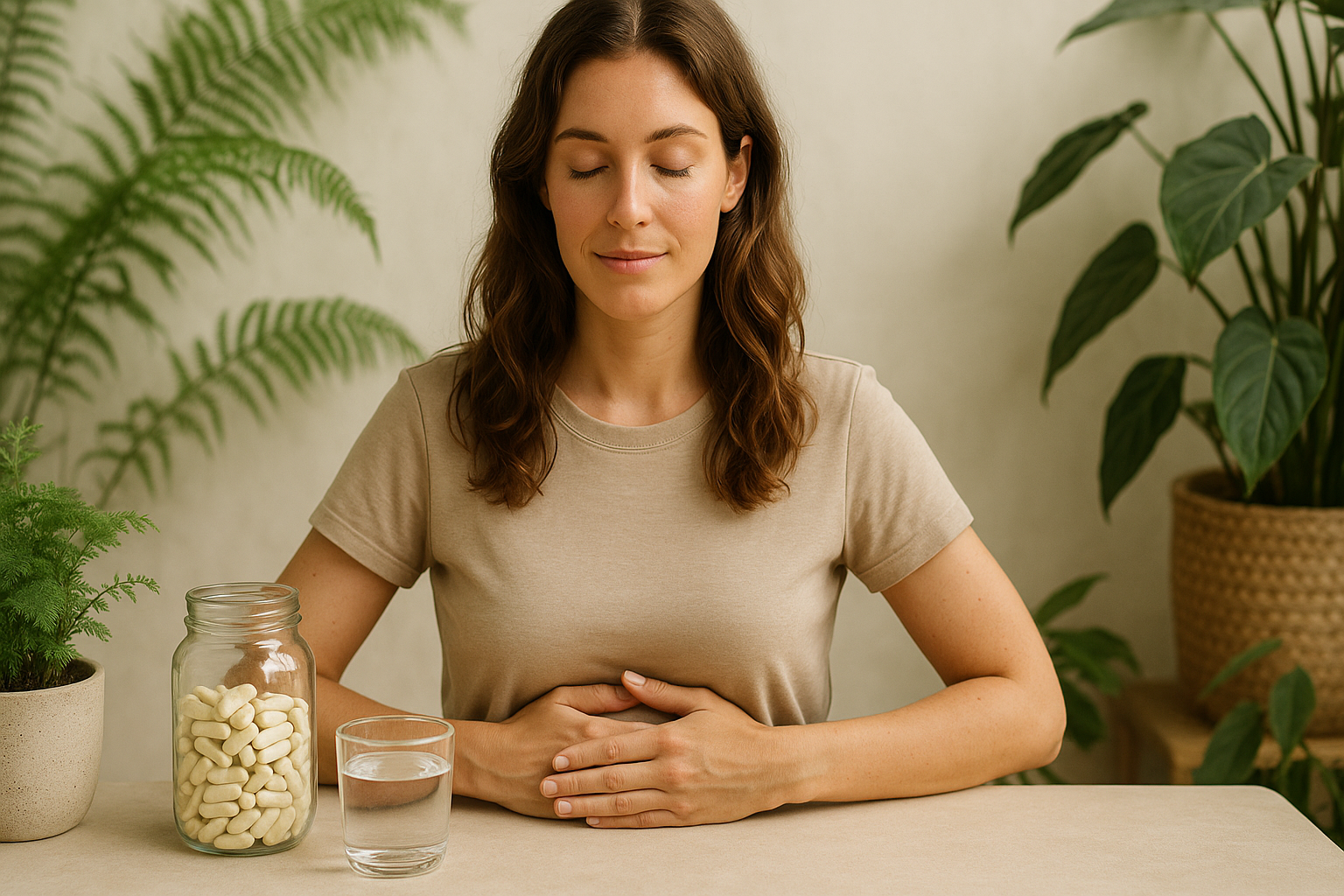
- Digestive System: Enhances digestion and nutrient absorption.
- Immune System: May contribute to improved immune responses.
By fostering a state of relaxation, parasympathetic activation can facilitate recovery and promote overall health across these systems.
Common Goals
Individuals often seek parasympathetic activation for several common goals:
- Reducing stress and anxiety levels
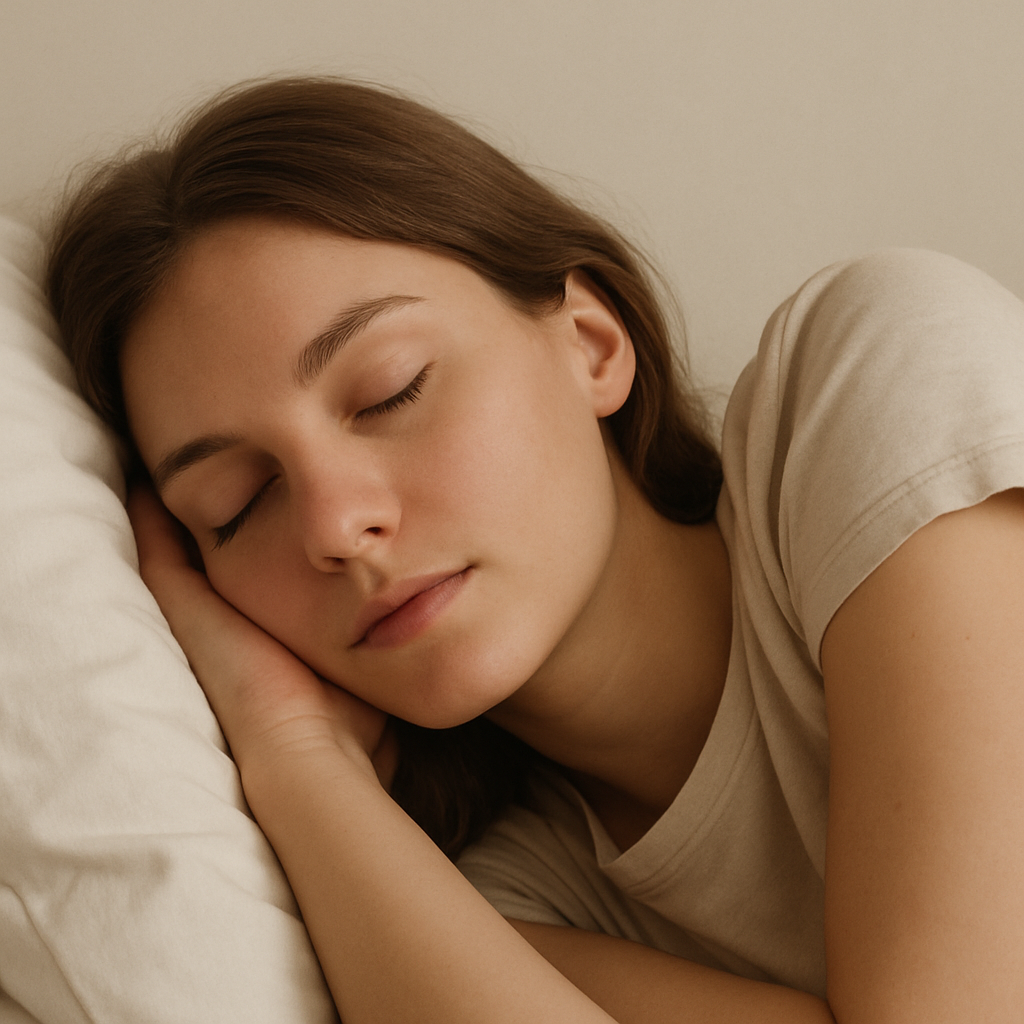
- Improving sleep quality
- Enhancing emotional resilience
- Promoting overall physical health
By focusing on these goals, individuals can tailor their practices to fit their personal wellness journeys.
Safety, Contraindications & Edge Cases
While parasympathetic activation is generally safe, some individuals may have conditions that require caution. People with certain medical conditions, such as severe asthma or specific heart conditions, should consult with healthcare professionals before engaging in practices aimed at increasing parasympathetic tone.
In rare cases, excessive activation can lead to symptoms like dizziness or lowered blood pressure. It's important to approach practices gradually and pay attention to the body's responses.
Pairs Well With
Parasympathetic activation pairs well with various ancient and natural counterparts, such as:
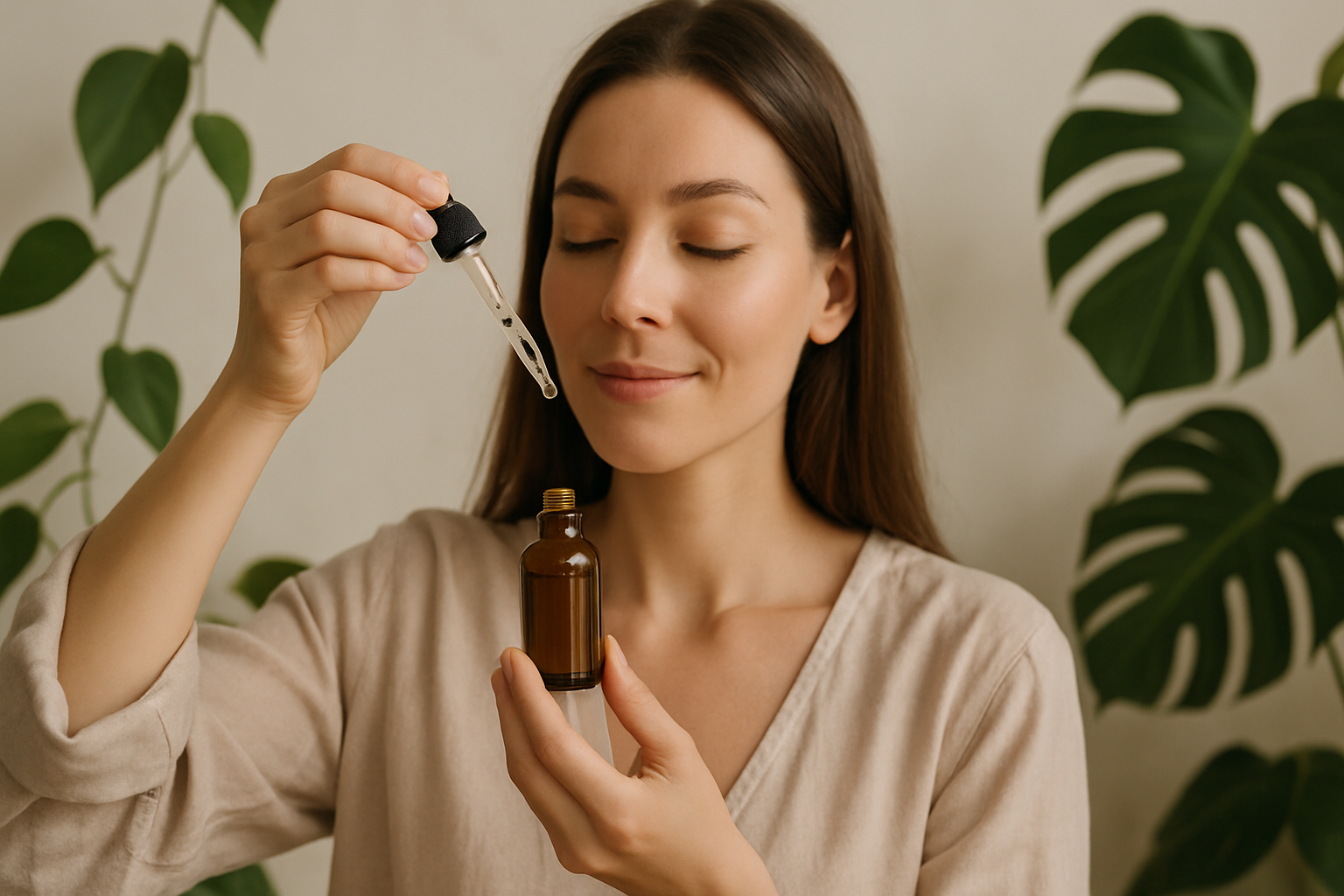
- Aromatherapy: Essential oils like lavender can enhance relaxation.
- Herbal Remedies: Herbs such as chamomile and valerian root support calming effects.
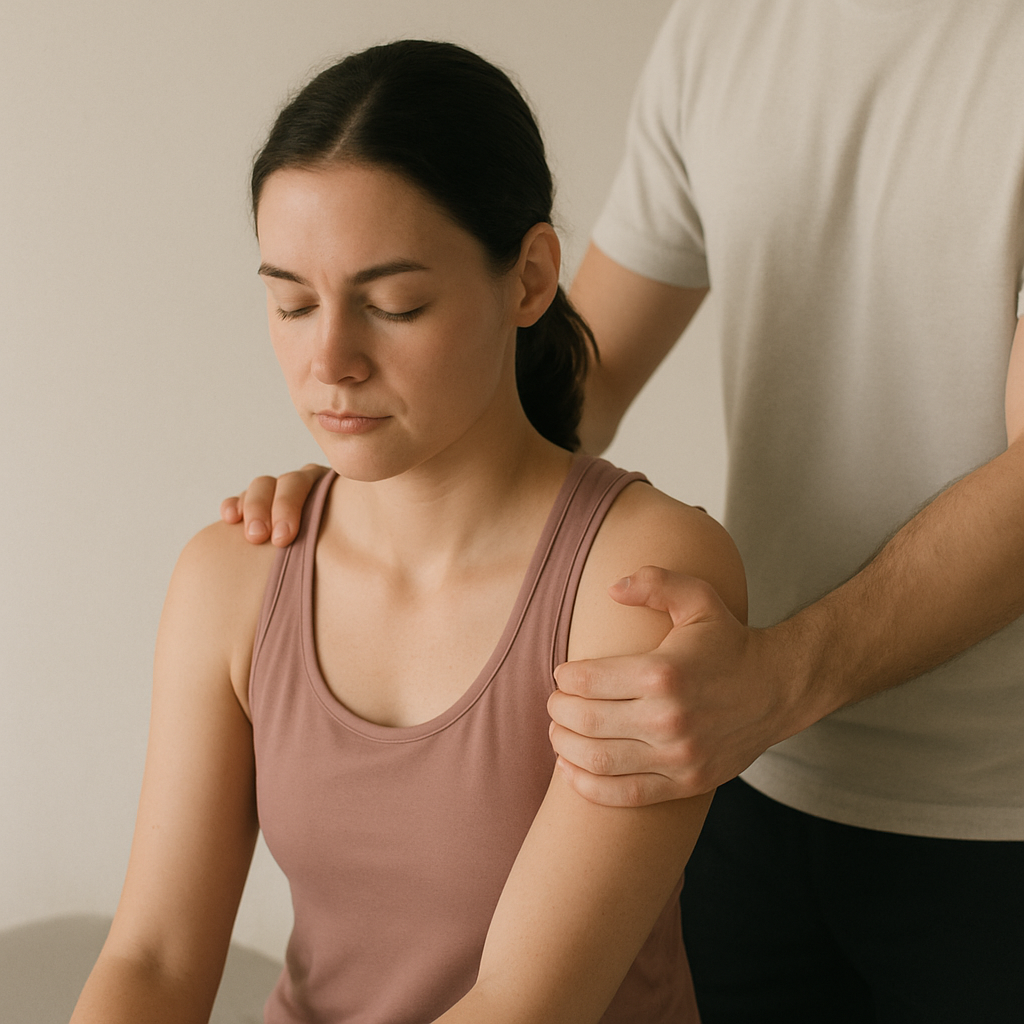
- Acupuncture: This traditional practice may help balance the autonomic nervous system.
Integrating these methods can provide a holistic approach to enhancing parasympathetic activation and overall wellness.
FAQs (5)
- What is the parasympathetic nervous system? The parasympathetic nervous system is a branch of the autonomic nervous system that promotes rest and relaxation in the body.
- How can I activate my parasympathetic nervous system? Techniques such as deep breathing, meditation, and yoga can help stimulate parasympathetic activation.
- What are the benefits of parasympathetic activation? Benefits include reduced stress, improved digestion, and enhanced emotional well-being.
- Can parasympathetic activation help with anxiety? Yes, it may help reduce anxiety symptoms by promoting relaxation and calming the mind.
- Are there any risks associated with parasympathetic activation? While generally safe, individuals with certain medical conditions should consult a healthcare provider before engaging in practices aimed at increasing activation.
Frequently asked
What is the parasympathetic nervous system?
The parasympathetic nervous system is a branch of the autonomic nervous system that promotes rest and relaxation in the body.
How can I activate my parasympathetic nervous system?
Techniques such as deep breathing, meditation, and yoga can help stimulate parasympathetic activation.
What are the benefits of parasympathetic activation?
Benefits include reduced stress, improved digestion, and enhanced emotional well-being.
Can parasympathetic activation help with anxiety?
Yes, it may help reduce anxiety symptoms by promoting relaxation and calming the mind.
Are there any risks associated with parasympathetic activation?
While generally safe, individuals with certain medical conditions should consult a healthcare provider before engaging in practices aimed at increasing activation.