Superfoods
Explore the world of superfoods, their health benefits, and how they can be integrated into your natural remedy practices.
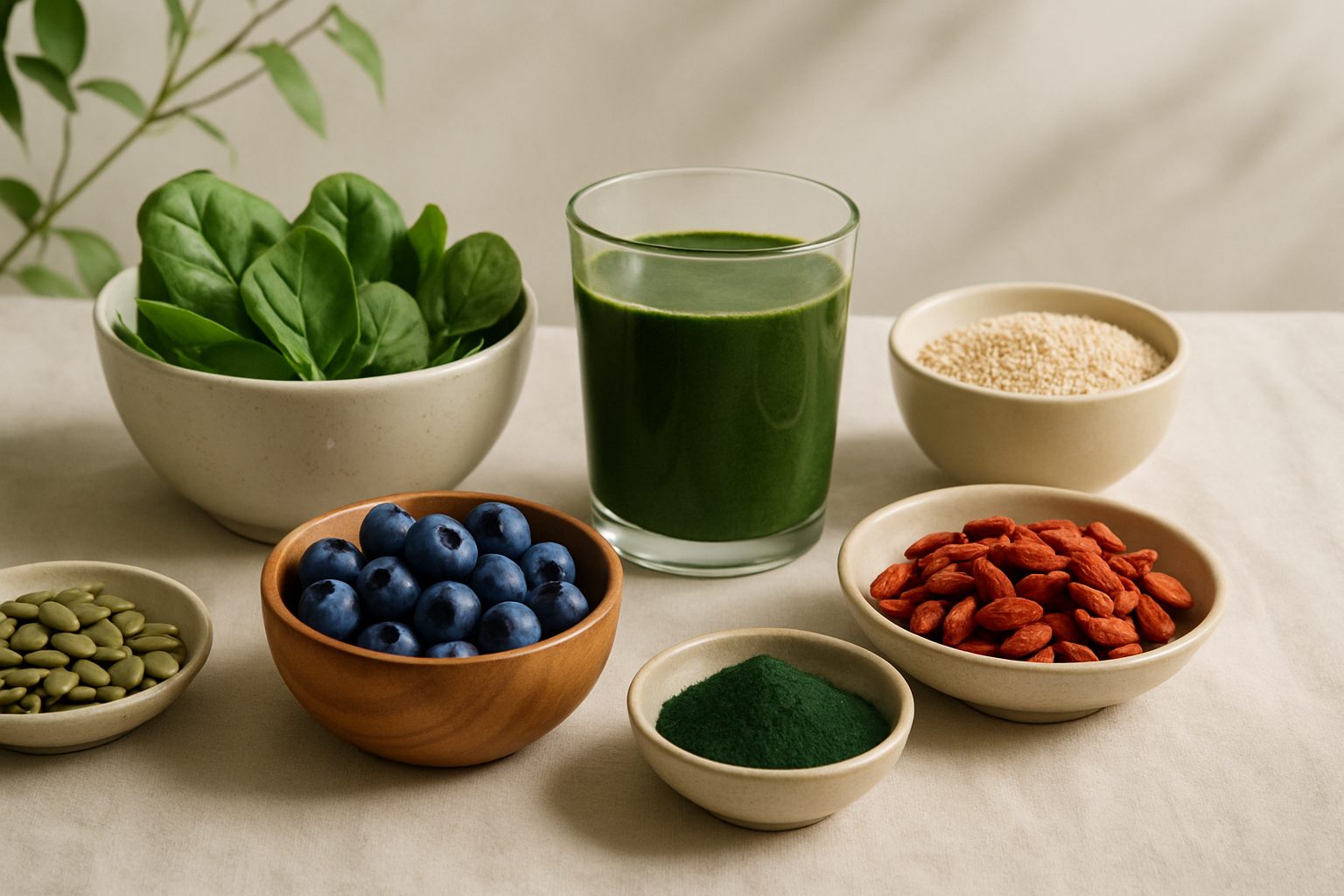
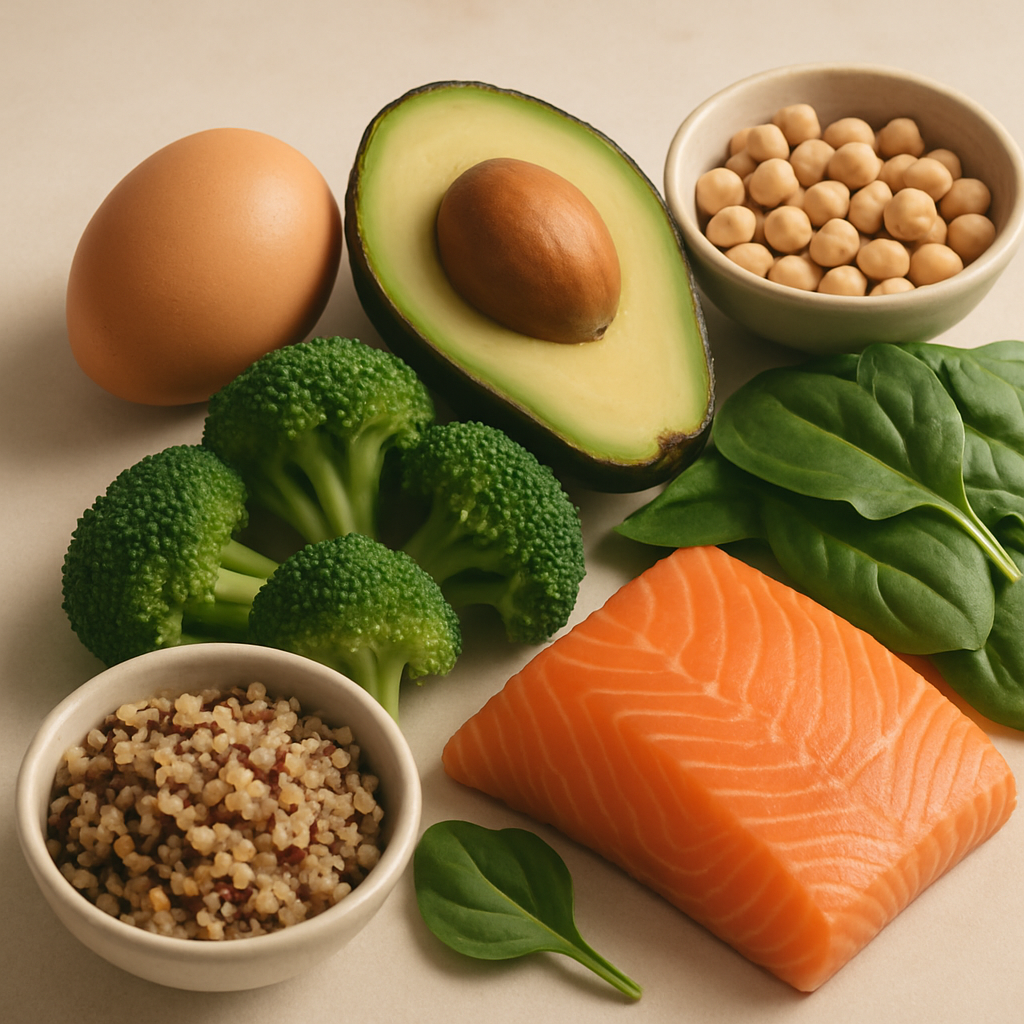
Superfoods are nutrient-rich foods that offer numerous health benefits and play a significant role in natural remedies. By incorporating these foods into your diet, you can enhance your overall wellness and support various body systems.
Intro Summary
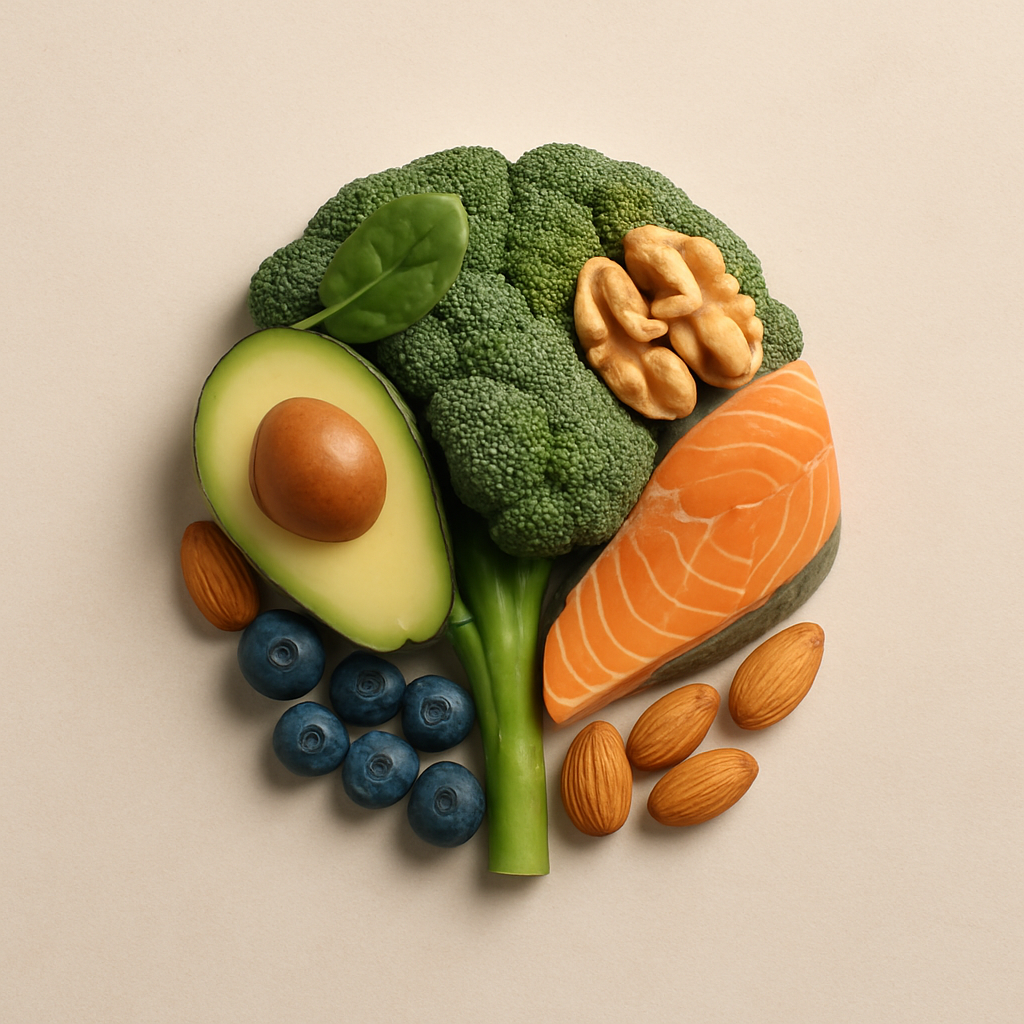
Superfoods are often hailed as the stars of the nutritional world, packed with vitamins, minerals, and phytochemicals that offer a myriad of health benefits. These natural powerhouses are not just a trend; they play a crucial role in natural medicine by providing essential nutrients that support overall wellness. The incorporation of superfoods into daily dietary habits can enhance vitality, boost energy levels, and support the body's ability to may support.
In the realm of natural remedies, superfoods serve as an accessible means to improve health and well-being. Their rich nutrient profiles can aid in the prevention of chronic diseases, promote digestive health, and support the immune system. Understanding what superfoods are and how they function is essential for anyone looking to leverage the benefits of natural remedies.
The Active Compounds at Play
Superfoods are characterized by their high concentrations of beneficial compounds, which can include:
- Antioxidants: Compounds that help neutralize free radicals in the body, reducing oxidative stress and inflammation.
- Vitamins and Minerals: Essential nutrients that support various bodily functions, from immune response to bone health.
- Phytochemicals: Bioactive compounds found in plants that can have anti-inflammatory, anti-cancer, and antioxidant effects.
- Fiber: Important for digestive health and maintaining stable blood sugar levels.
- Healthy Fats: Such as omega-3 fatty acids, which are crucial for heart health and cognitive function.
These active compounds work synergistically to enhance the body's natural defenses and promote optimal health.
Featured Members of This Category
1. Blueberries
Blueberries are often considered one of the most potent superfoods due to their high levels of antioxidants, particularly anthocyanins. These compounds are known for their anti-inflammatory properties and support cognitive health, making blueberries a great addition to a balanced diet.
2. Kale
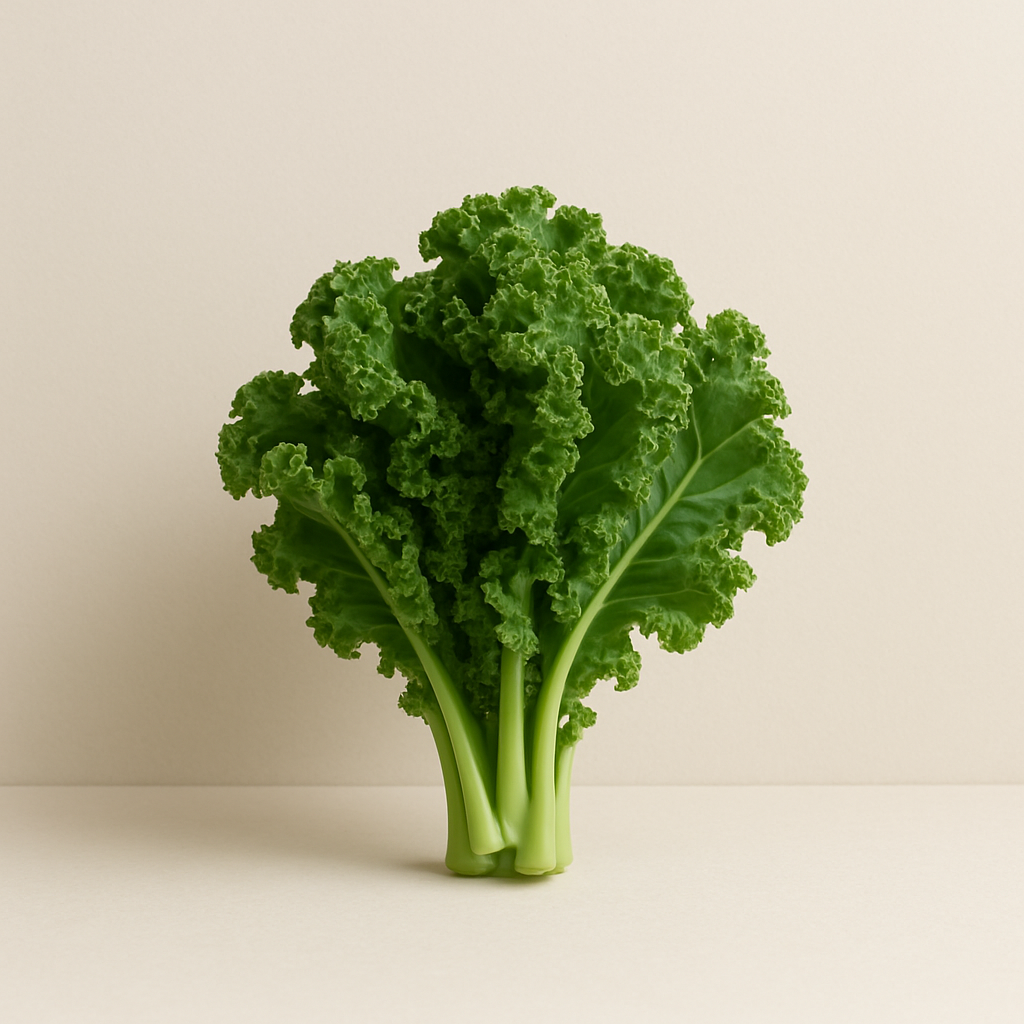
Kale is a nutrient-dense leafy green that is rich in vitamins A, C, and K, as well as calcium and antioxidants. Its high fiber content promotes digestive health, while its anti-inflammatory properties support overall well-being.
3. Quinoa
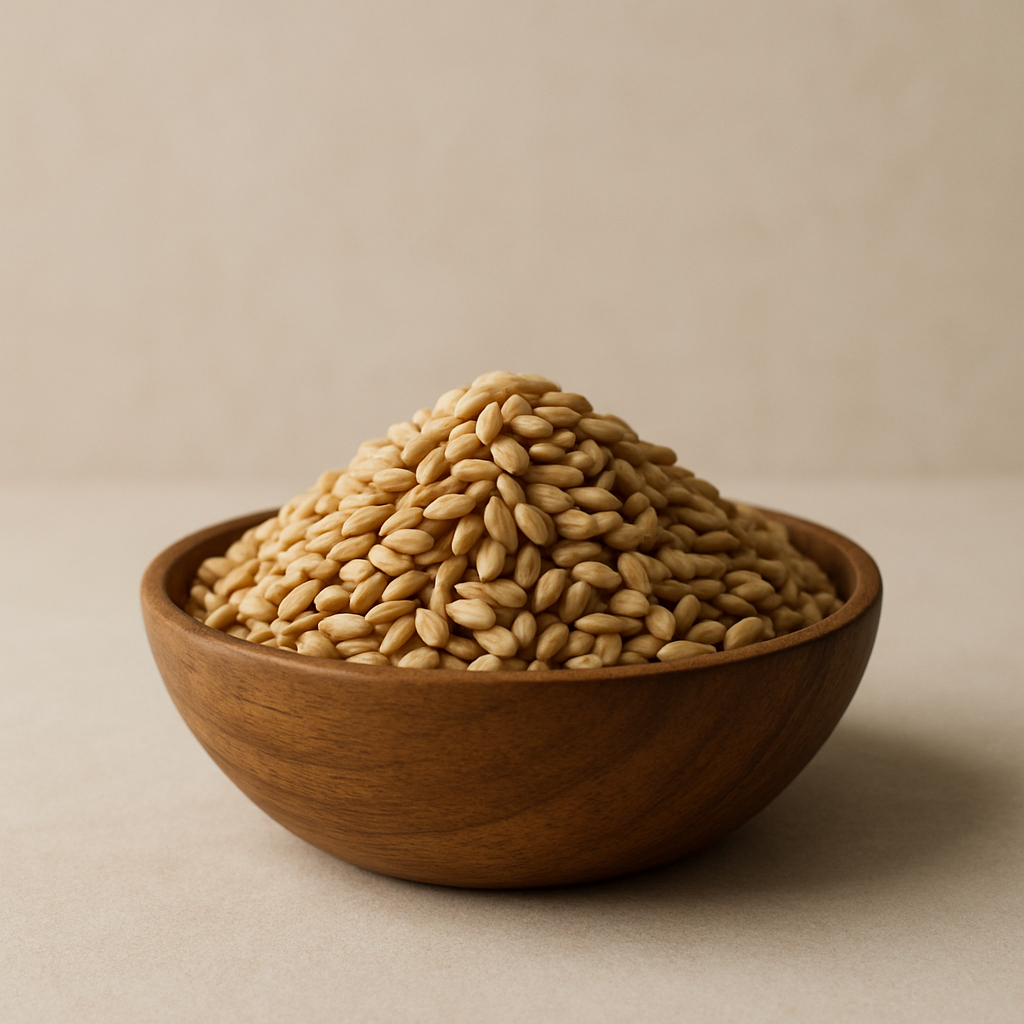
Quinoa is a complete protein source, containing all nine essential amino acids. It's also gluten-free and high in fiber, making it an excellent choice for those looking to improve their diet. Quinoa provides vital nutrients that support energy levels and overall health.
4. Chia Seeds
Chia seeds are small but mighty, offering a wealth of omega-3 fatty acids, fiber, and protein. They can help with digestive health, weight management, and heart health due to their nutrient profile and ability to absorb water, promoting satiety.
5. Spirulina
Spirulina is a blue-green algae that boasts an impressive nutrient profile, including B vitamins, iron, and antioxidants. It is known for its energy-boosting properties and is often used as a supplement for its potential to enhance endurance and overall vitality.
Common Functional Actions
Superfoods can serve various functional actions, including:
- Anti-inflammatory: Many superfoods contain compounds that reduce inflammation, which is linked to numerous chronic diseases.
- Adaptogenic: Certain superfoods help the body adapt to stress and promote homeostasis.
- Digestive Support: Foods high in fiber support gut health and regularity.
- Immune Boosting: Nutrient-rich superfoods can bolster the immune system, helping the body to ward off illness.
- Energy Enhancement: Superfoods can provide sustained energy levels through balanced nutrition.
Body Systems This Category Most Supports
Superfoods primarily support the following body systems:
- Digestive System: By promoting gut health and regularity.
- Immune System: By enhancing the body’s natural defenses.
- Cardiovascular System: By promoting heart health through healthy fats and antioxidants.
- Endocrine System: By supporting hormonal balance through nutrient-rich foods.
- Nervous System: By providing essential nutrients that support cognitive function and mental health.
Wellness Goals People Pursue With It
Many individuals turn to superfoods to achieve specific wellness goals, including:
- Weight Management: Incorporating high-fiber superfoods can aid in weight loss efforts.
- Increased Energy: Nutrient-dense foods can enhance energy levels and combat fatigue.
- Improved Digestion: Superfoods rich in fiber support digestive health.
- Enhanced Immunity: A strong immune system is bolstered by nutrient-rich superfoods.
- Better Skin Health: Antioxidant-rich foods can contribute to healthier skin.
How to Choose & Use (responsibly)
When selecting superfoods, consider the following:
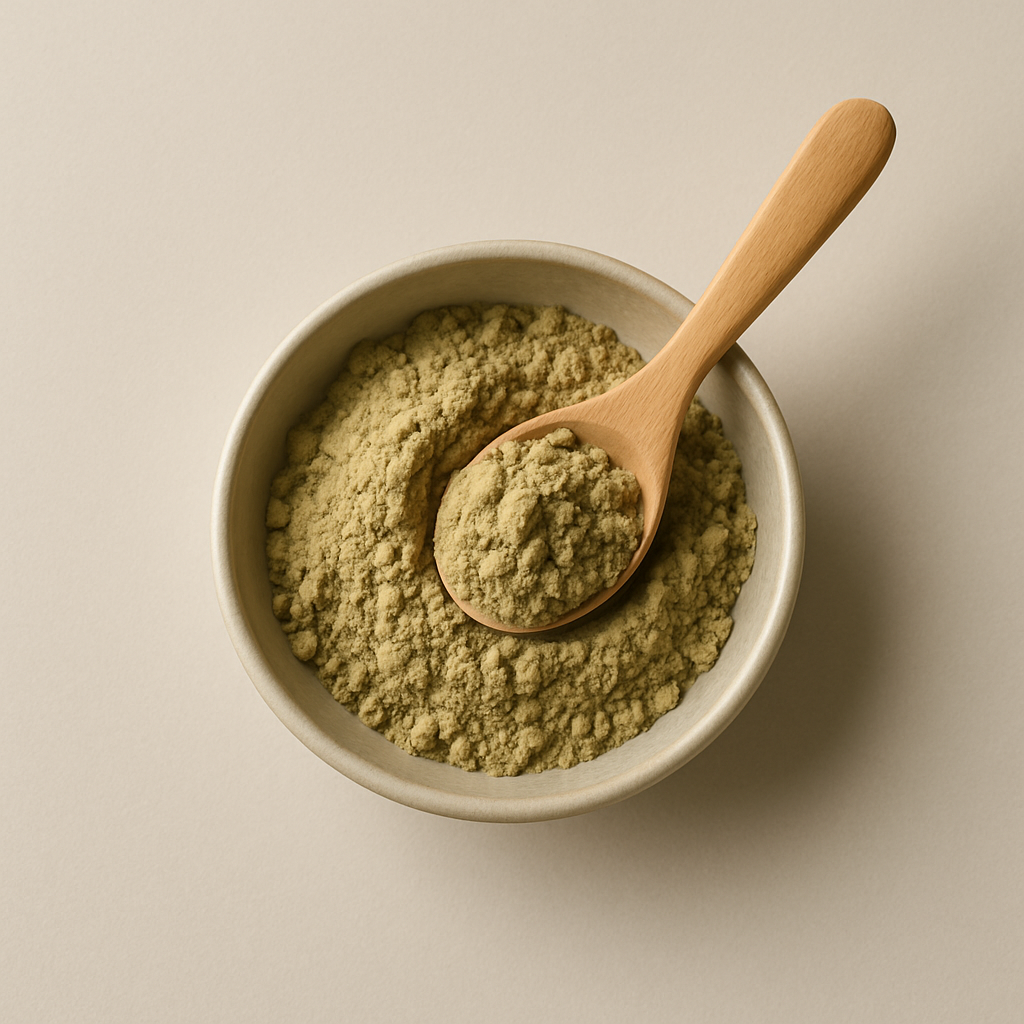
- Forms: Superfoods can be consumed in various forms including whole foods, powders, capsules, or teas.
- Dosage: Educational dose ranges vary; always refer to guidelines or consult a healthcare provider.
- Timing: Some superfoods may be more effective when consumed at certain times of the day.
- Who Shouldn't Use: Individuals with specific allergies or conditions should consult with a healthcare professional before incorporating new superfoods.
Safety, Contraindications & Medication Interactions
While superfoods are generally considered safe, there are some safety considerations:
- Allergies: Individuals with allergies to certain foods should exercise caution.
- Medication Interactions: Some superfoods may interact with medications; consult a healthcare provider.
- Underlying Health Conditions: Those with certain health conditions should discuss superfood use with a professional.
Always prioritize safety and consult with a healthcare professional when unsure.
Pairs Well With (cross-pillar suggestions)
To enhance the benefits of superfoods, consider pairing them with other natural remedies, such as:
- Herbal Teas: For digestive support, consider pairing with peppermint or ginger tea.
- Essential Oils: Incorporating oils like lemon or lavender can enhance overall wellness.
- Probiotics: Combining superfoods with probiotics can further support gut health.
FAQs
Here are some common questions regarding superfoods:
- What are superfoods? Superfoods are nutrient-rich foods that provide health benefits beyond basic nutrition.
- How can I incorporate superfoods into my diet? You can add them to smoothies, salads, and snacks or consume them as supplements.
- Are superfoods safe for everyone? While generally safe, individuals with specific health concerns should consult a healthcare professional.
- Can superfoods replace medications? Superfoods should complement a healthy lifestyle but not replace prescribed medications.
- How do I know which superfoods to choose? Focus on a variety of nutrient-dense options that suit your health goals.
- Is there a recommended daily intake for superfoods? Intake varies by type; consult a healthcare provider for personalized advice.
Explore Superfoods
15 subcategories






Frequently asked
What are superfoods?
Superfoods are nutrient-rich foods that provide health benefits beyond basic nutrition.
How can I incorporate superfoods into my diet?
You can add them to smoothies, salads, and snacks or consume them as supplements.
Are superfoods safe for everyone?
While generally safe, individuals with specific health concerns should consult a healthcare professional.
Can superfoods replace medications?
Superfoods should complement a healthy lifestyle but not replace prescribed medications.
How do I know which superfoods to choose?
Focus on a variety of nutrient-dense options that suit your health goals.
Is there a recommended daily intake for superfoods?
Intake varies by type; consult a healthcare provider for personalized advice.