Brain Foods
Discover the benefits of brain foods and how they can support cognitive health through natural remedies.
Explore the world of brain foods, their historical significance, active compounds, and modern research supporting their benefits for cognitive health.
What It Is
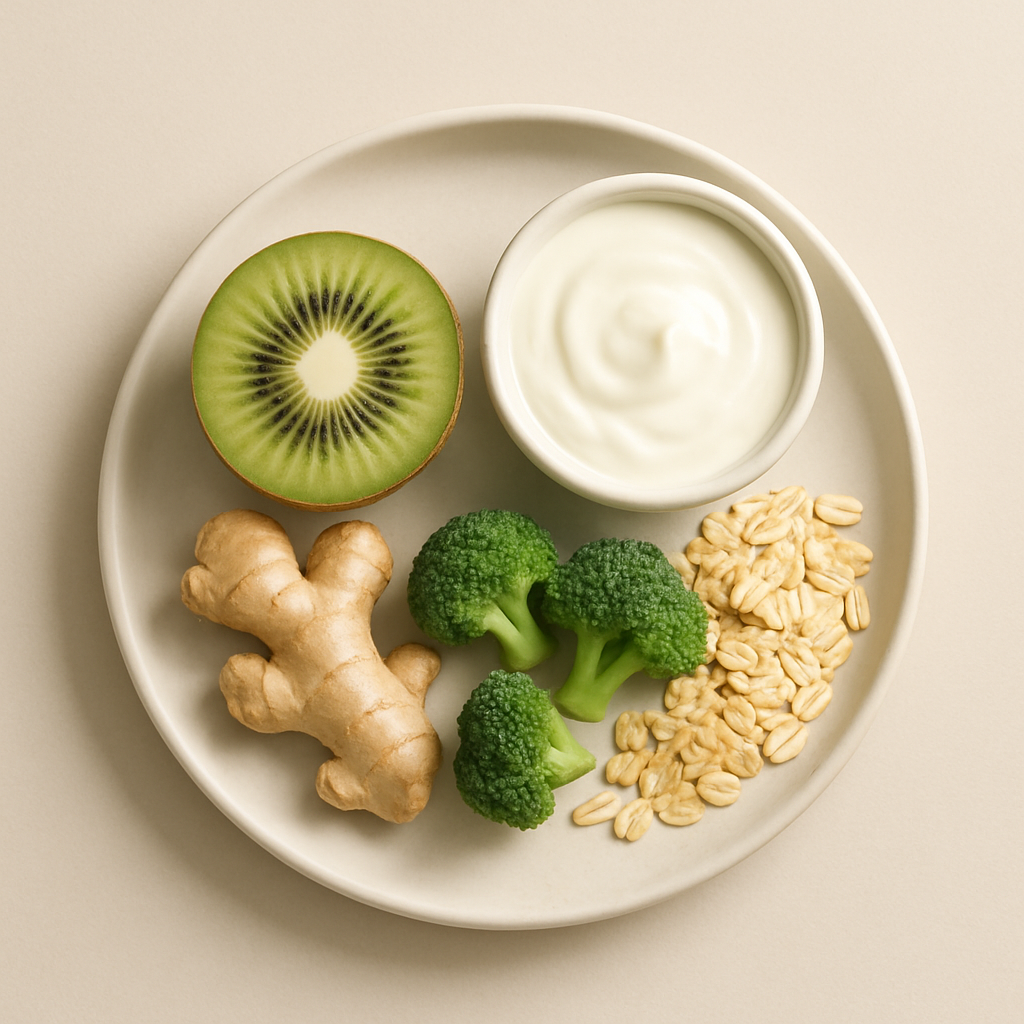
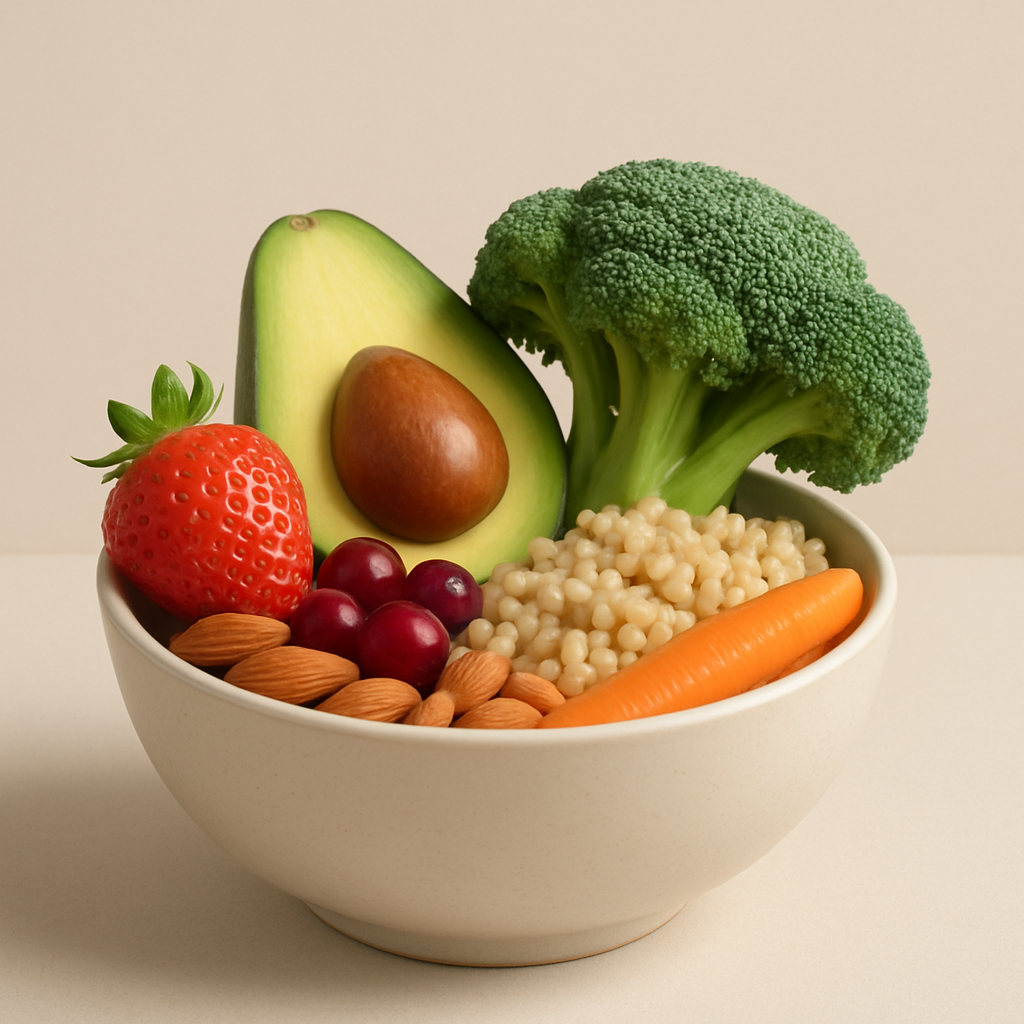
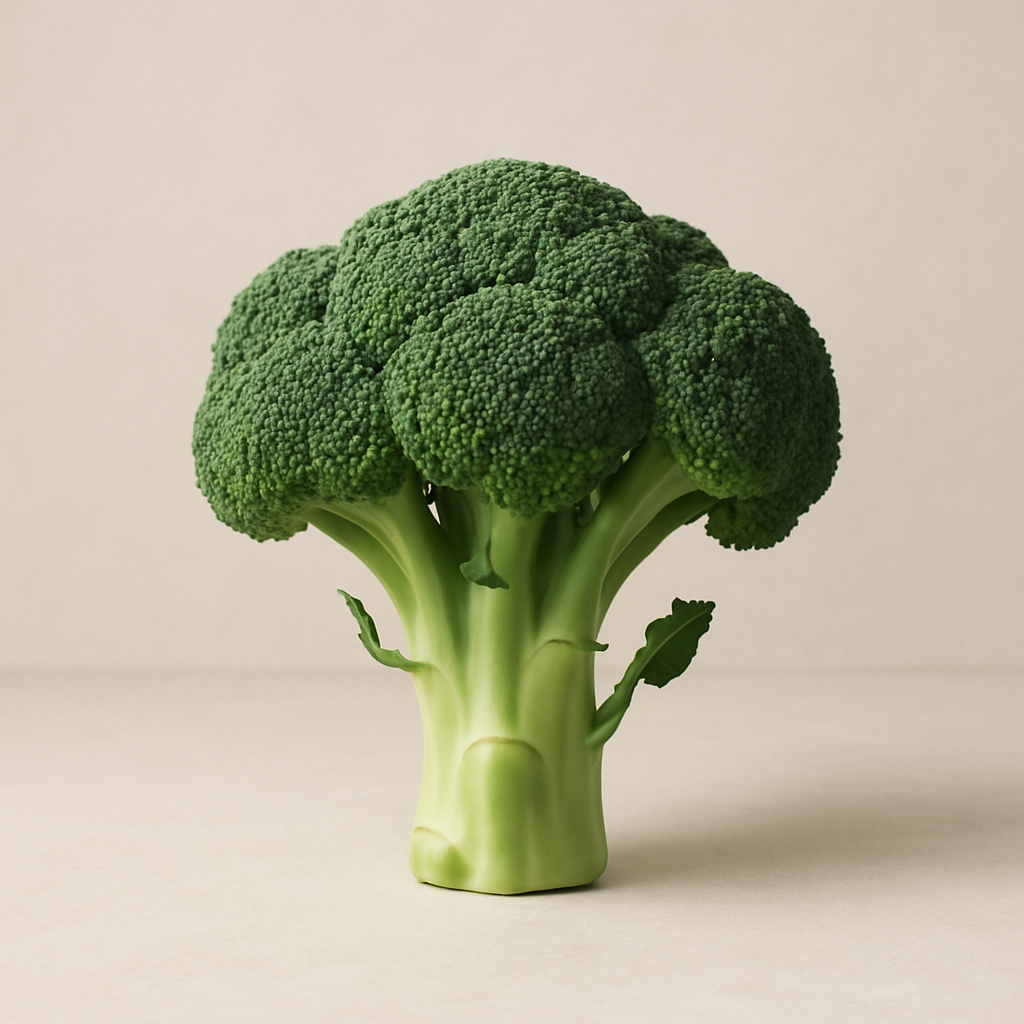
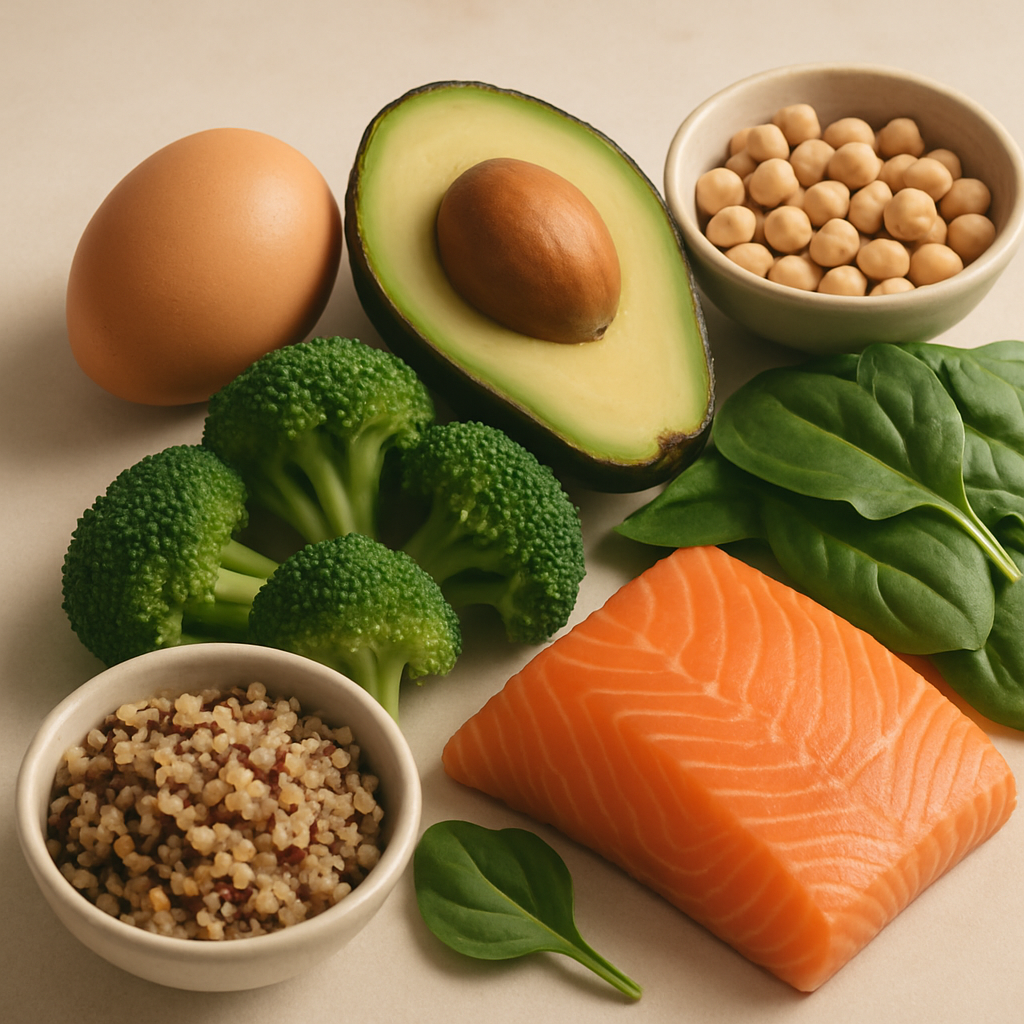
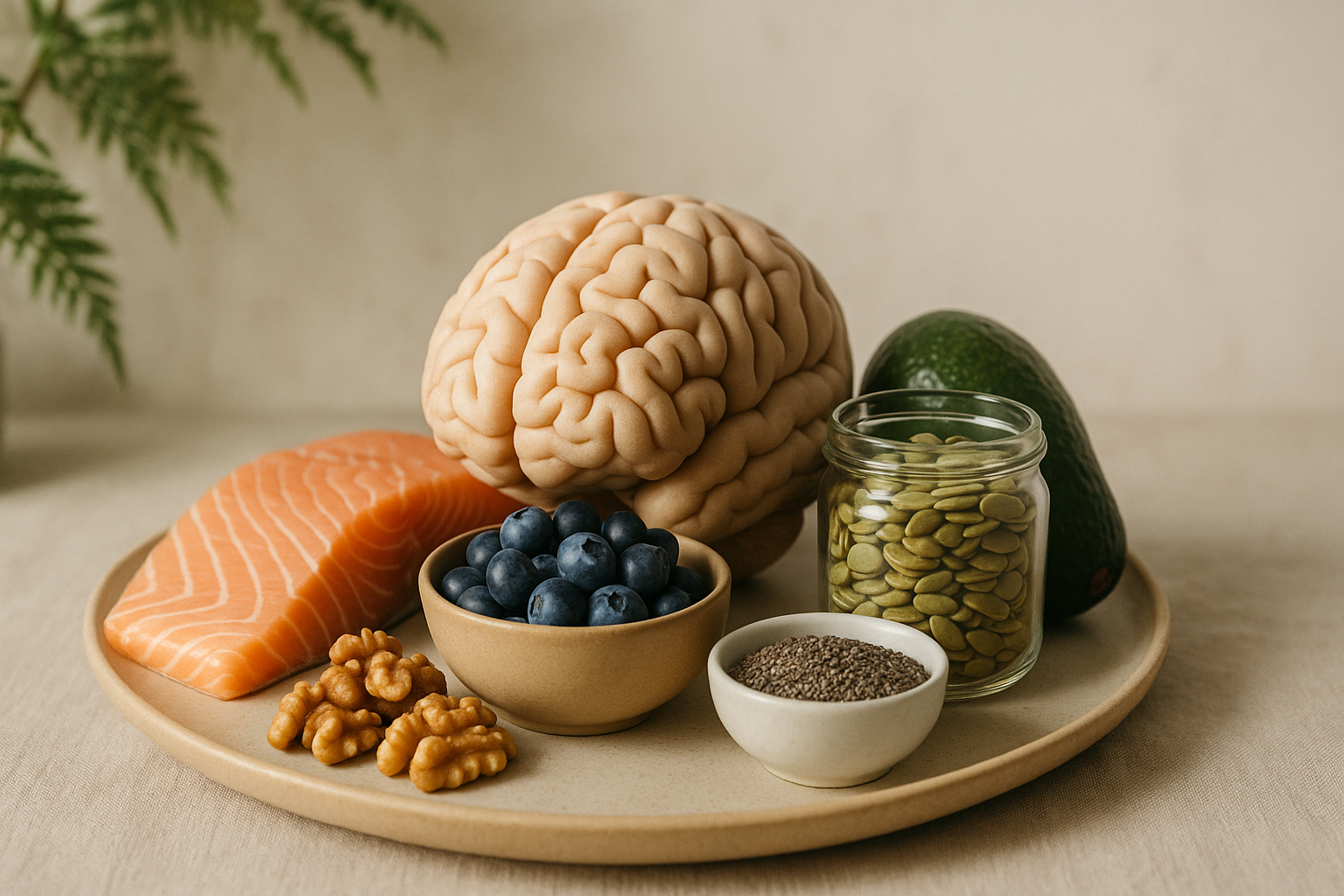
Brain foods are nutrient-rich foods that are believed to enhance cognitive function, support brain health, and improve memory. These foods are often packed with antioxidants, healthy fats, vitamins, and minerals that contribute to optimal brain performance. Examples of brain foods include fatty fish, blueberries, turmeric, broccoli, pumpkin seeds, and dark chocolate, all of which provide essential nutrients to support mental clarity and overall cognitive function.
Key Active Compounds & Mechanisms
Brain foods contain various active compounds that contribute to their cognitive benefits. Some of the key components include:
- Omega-3 Fatty Acids: Found in fatty fish like salmon (Salmo salar), these fats are crucial for brain health and are known to promote neurogenesis and reduce inflammation.
- Flavonoids: Present in berries such as blueberries (Vaccinium corymbosum), flavonoids are antioxidants that help protect brain cells from oxidative stress and may improve memory.
- Curcumin: The active ingredient in turmeric (Curcuma longa), curcumin has anti-inflammatory and antioxidant properties that may enhance brain function.
- Vitamins E and C: These vitamins are powerful antioxidants that protect the brain from oxidative damage and support overall cognitive health.
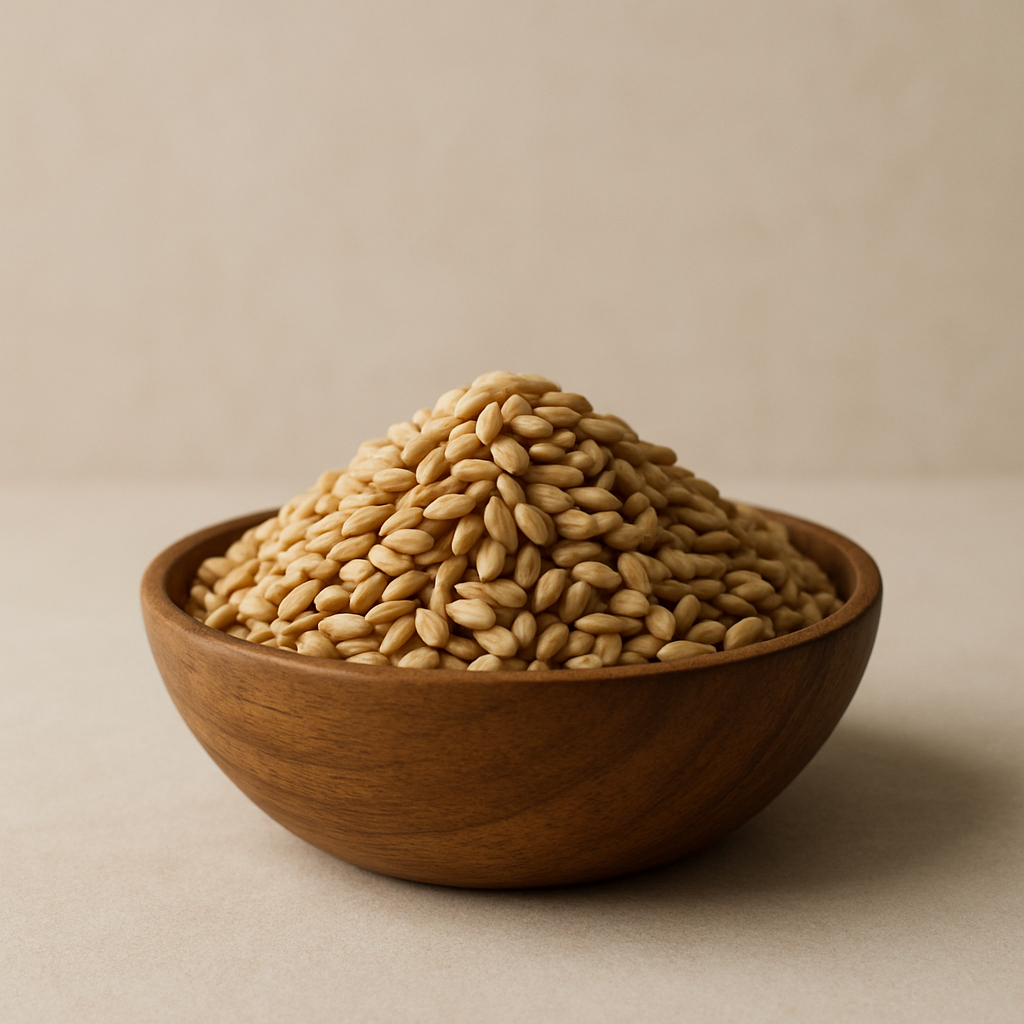
- Magnesium: Found in pumpkin seeds (Cucurbita pepo), magnesium is essential for neurotransmission and may enhance learning and memory.
Traditional Uses
Historically, many cultures have recognized the importance of certain foods in promoting cognitive health. For instance:
- Turmeric: Used in traditional Ayurvedic medicine for centuries, turmeric has been valued for its anti-inflammatory properties and is often incorporated into daily diets in the form of curries and teas.
- Fish: In Mediterranean cultures, the consumption of fatty fish has long been associated with lower rates of cognitive decline.
- Berries: Native American tribes have traditionally consumed berries for their health benefits, including memory support.
What Modern Research Suggests
Modern research supports many traditional claims about brain foods. Studies have indicated that:
- Regular consumption of omega-3 fatty acids may help in reducing the risk of dementia and cognitive decline.
- Flavonoids from berries have been linked to improved memory function in older adults.
- Curcumin has shown potential in enhancing cognitive functions and may help mitigate the impact of neurodegenerative diseases.
Functional Actions
The functional actions of brain foods can include:
- Neuroprotective Effects: Many brain foods possess antioxidants that protect neurons from damage.
- Anti-inflammatory Properties: Foods like turmeric can reduce inflammation in the brain, which is linked to cognitive decline.
- Improvement in Neurotransmission: Nutrients such as magnesium support neurotransmitter function, facilitating better communication between brain cells.
Body Systems Supported
Brain foods primarily support the following systems:
- Nervous System: Enhancing cognitive function and memory.
- Immune System: Reducing inflammation and oxidative stress.
- Cardiovascular System: Supporting healthy blood flow to the brain.
Common Forms & Educational Dosing Ranges
Brain foods can be consumed in various forms:
- Whole Foods: Incorporating fatty fish, berries, nuts, and seeds in daily meals.
- Supplements: Omega-3 supplements, curcumin capsules, and berry extracts are available.
Educational dosing ranges vary based on the specific food or supplement. For example:
- Fish: At least two servings of fatty fish per week.
- Curcumin: 500-2000 mg per day, depending on the formulation.
- Berries: A serving of 1 cup of fresh berries daily is often recommended.
Safety, Contraindications & Interactions
While brain foods are generally safe for most people, some considerations include:
- Fish: Those with seafood allergies should avoid fish-based brain foods.
- Curcumin: High doses may interact with blood thinners and medications for diabetes.
- Supplements: Always consult with a healthcare provider before starting new supplements, especially if taking medications or having existing health conditions.
Pairs Well With
Brain foods can enhance their effects when paired with other nutrient-rich foods:
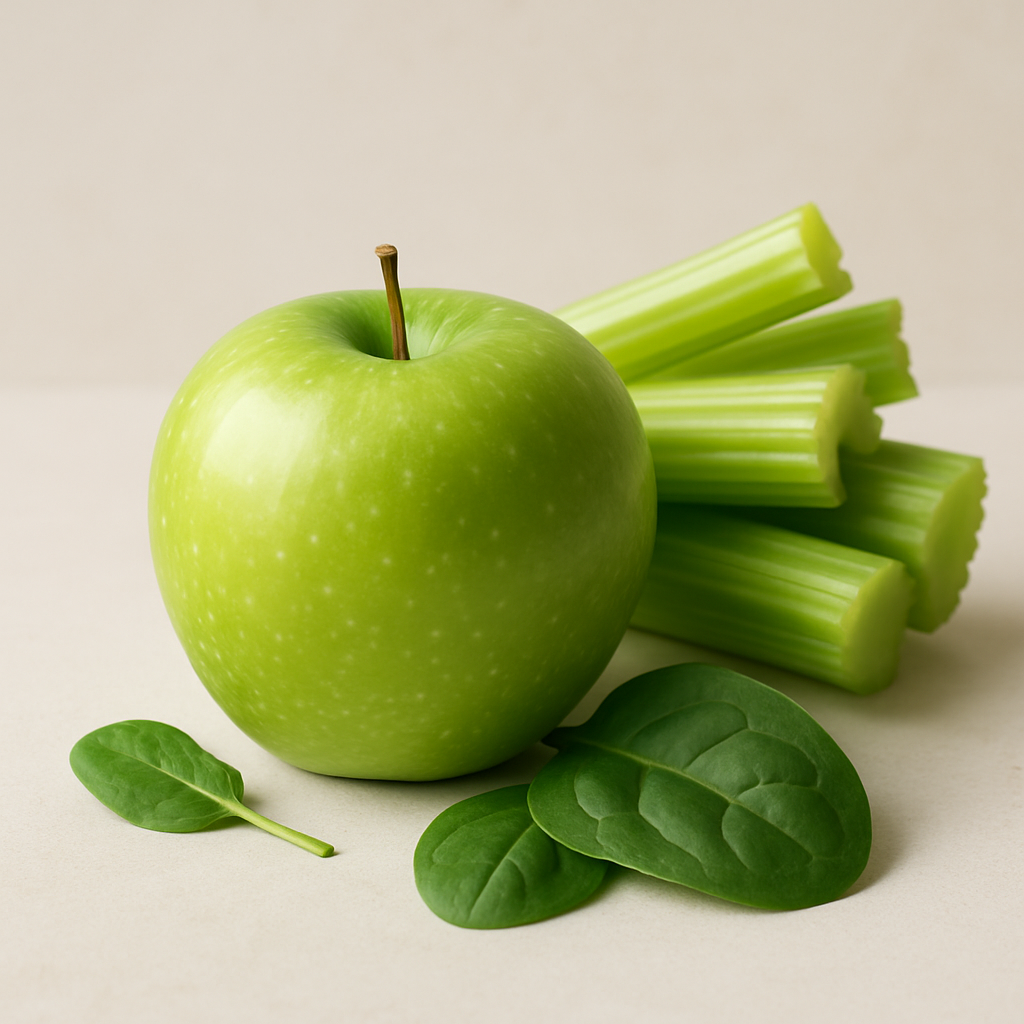
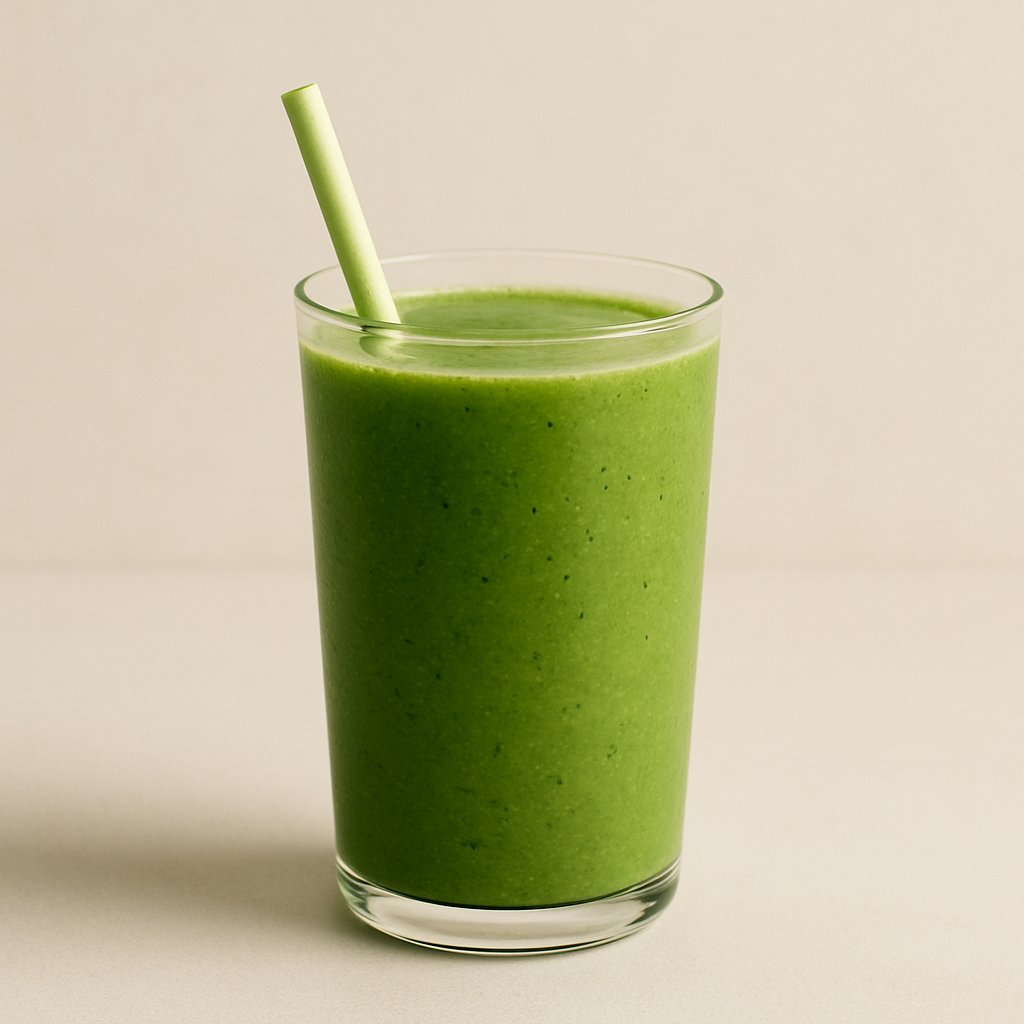
- Leafy Greens: Combined with berries for a nutrient-dense smoothie.
- Whole Grains: Brown rice or quinoa with fish for a balanced meal.
- Nuts and Seeds: Adding flaxseeds or walnuts to yogurt with berries for a nutritious snack.
FAQs (5)
- What are the best brain foods? Some of the best brain foods include fatty fish, blueberries, turmeric, broccoli, nuts, and seeds.
- How do brain foods improve memory? They provide essential nutrients that support brain cell function and protect against oxidative stress.
- Can I take brain food supplements? Yes, but it's important to consult with a healthcare provider first.
- How often should I consume brain foods? Aim to include a variety of brain foods in your diet daily for optimal benefits.
- Are there any side effects of brain foods? Generally, they are safe, but some individuals may have allergies or interactions with medications.
Frequently asked
What are the best brain foods?
Some of the best brain foods include fatty fish, blueberries, turmeric, broccoli, nuts, and seeds.
How do brain foods improve memory?
They provide essential nutrients that support brain cell function and protect against oxidative stress.
Can I take brain food supplements?
Yes, but it's important to consult with a healthcare provider first.
How often should I consume brain foods?
Aim to include a variety of brain foods in your diet daily for optimal benefits.
Are there any side effects of brain foods?
Generally, they are safe, but some individuals may have allergies or interactions with medications.