Recovery Science
Explore Recovery Science, a pivotal aspect of modern wellness that enhances the body's ability to recover from stress and exertion through science-backed strategies and interventions.
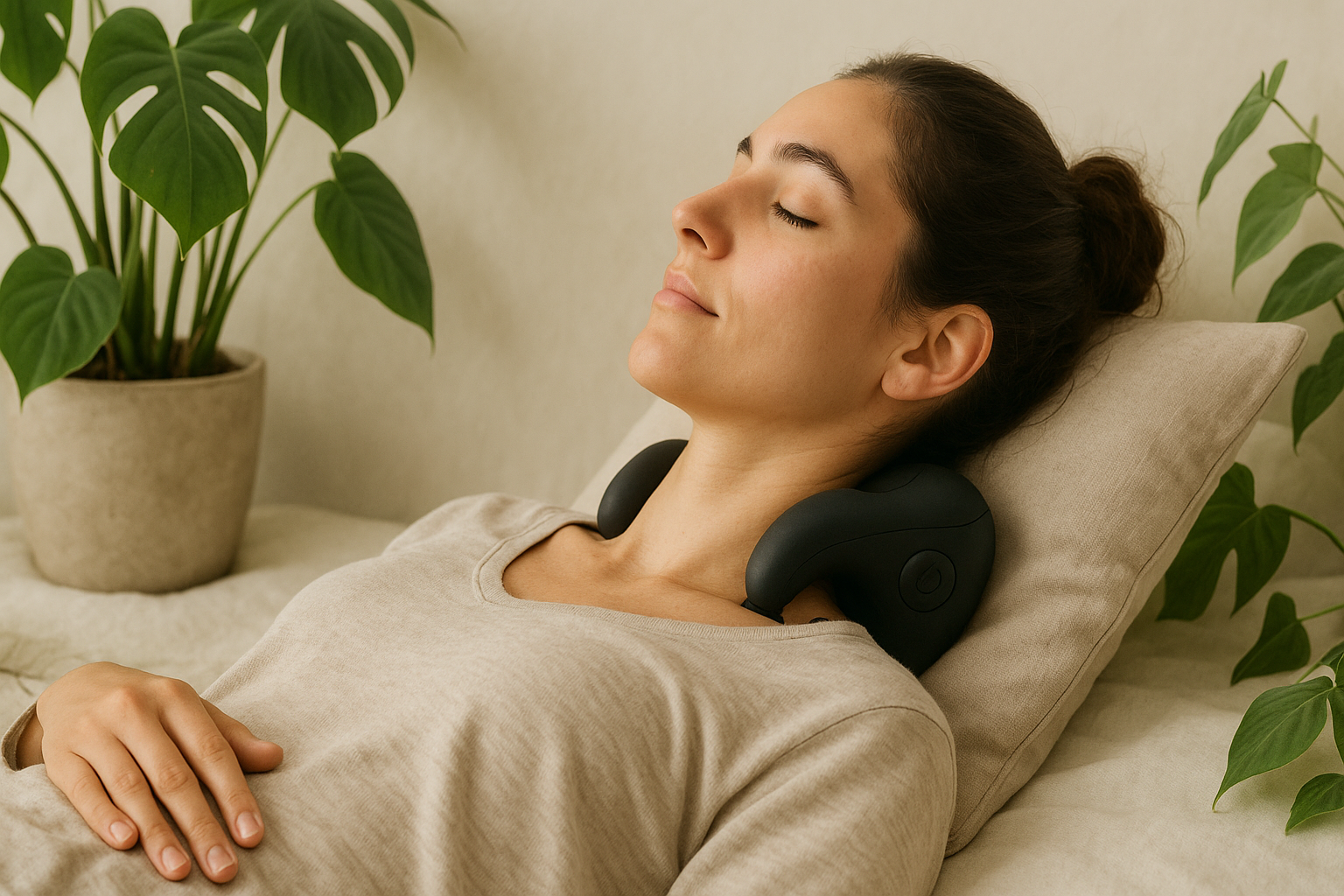
Recovery Science is a vital area of modern wellness that focuses on the processes and methods used to restore the body and mind to optimal health, especially after physical exertion or stress. This category encompasses various practices and interventions aimed at enhancing recovery, which is essential for maintaining overall well-being in today's fast-paced world. By understanding the biological mechanisms behind recovery, individuals can adopt more effective strategies to support their health and performance.
Intro Summary
Recovery Science is a vital aspect of modern wellness, focusing on the processes and methods used to restore the body and mind to optimal health, particularly after physical exertion or stress. As the pace of life accelerates and demands on our bodies increase, understanding how to effectively recover has become essential for maintaining overall well-being.
This category encompasses various practices and interventions aimed at enhancing recovery, including nutritional strategies, lifestyle changes, and therapeutic techniques. By employing evidence-based approaches, individuals can improve their recovery processes, leading to better physical performance, mental clarity, and emotional resilience.
The Underlying Biology / Mechanism
At the core of Recovery Science lies a complex interplay of biological processes that occur within the body during and after exertion. When we engage in physical activity, our muscles undergo stress, leading to micro-tears that require repair. Recovery involves several physiological mechanisms:
- Inflammation: This is a natural response to tissue damage, initiating repair processes through the release of inflammatory cytokines.
- Muscle Protein Synthesis: The body rebuilds damaged muscle fibers through the synthesis of new proteins, a process stimulated by nutrient intake, especially protein.
- Hormonal Regulation: Hormones such as cortisol, testosterone, and growth hormone play significant roles in recovery, influencing muscle repair and metabolic processes.
- Neurotransmitter Balance: Mental recovery is as crucial as physical recovery, requiring a balance of neurotransmitters that regulate mood and cognitive function.
Understanding these mechanisms helps individuals tailor their recovery strategies to align with their specific needs and circumstances.
Key Sub-Topics Within This Category
Active Recovery
Nutrition for Recovery
Sleep and Recovery
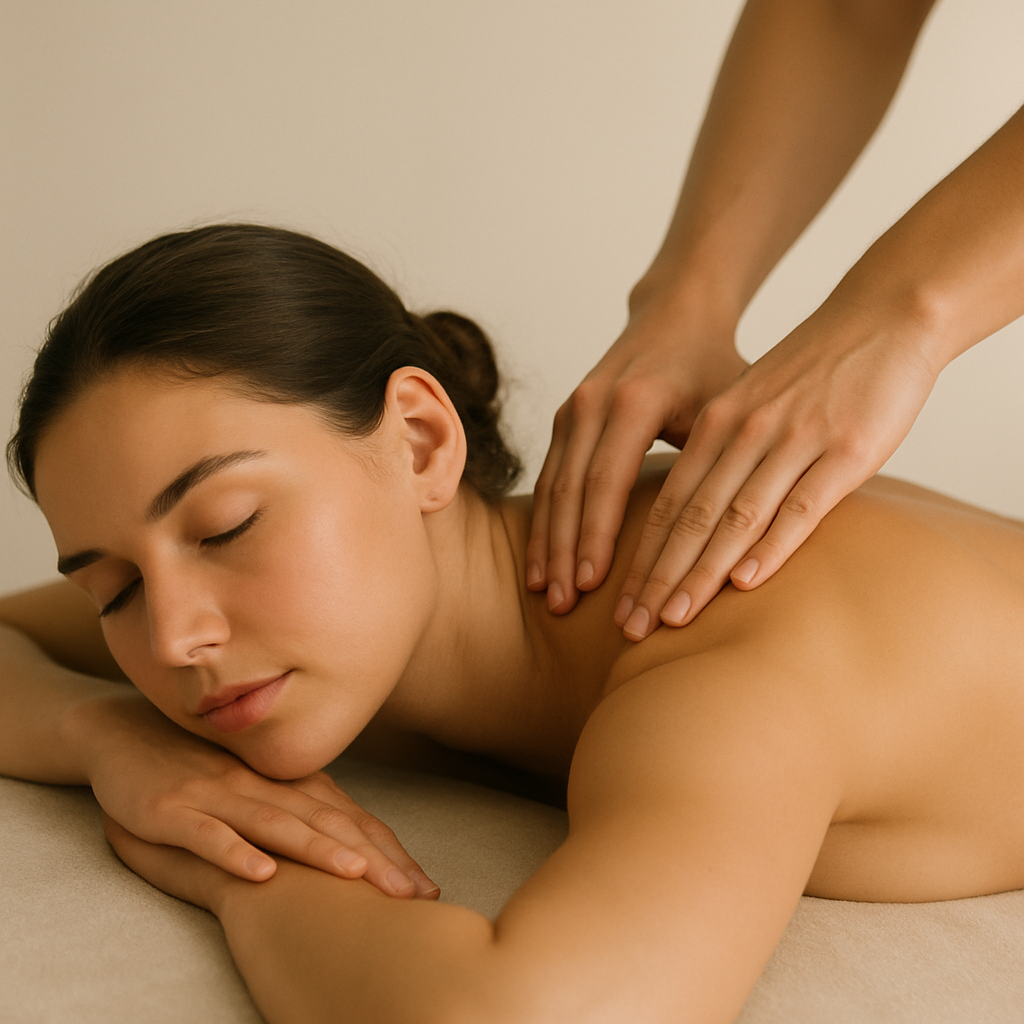
Techniques for Muscle Recovery (e.g., foam rolling, massage)
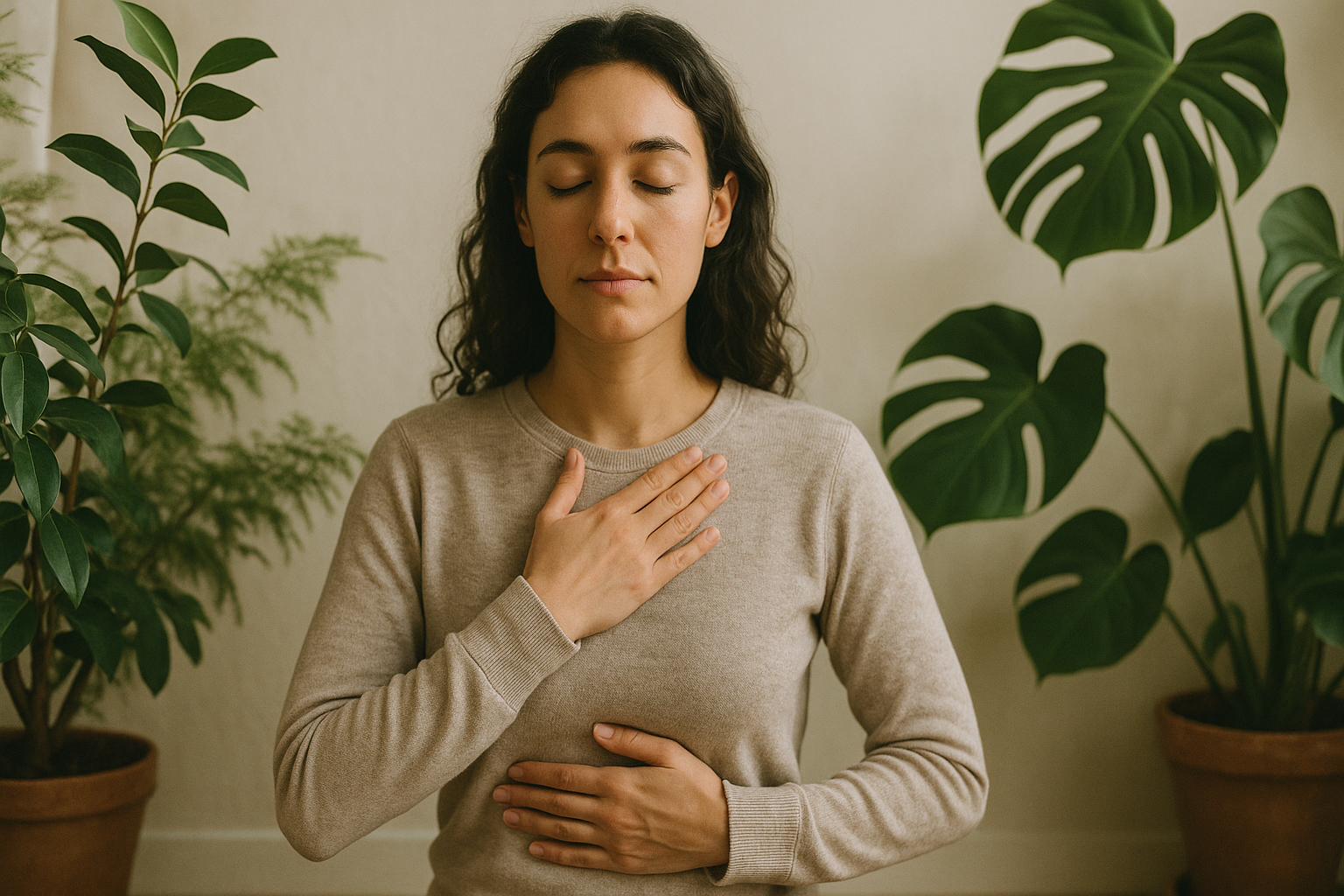
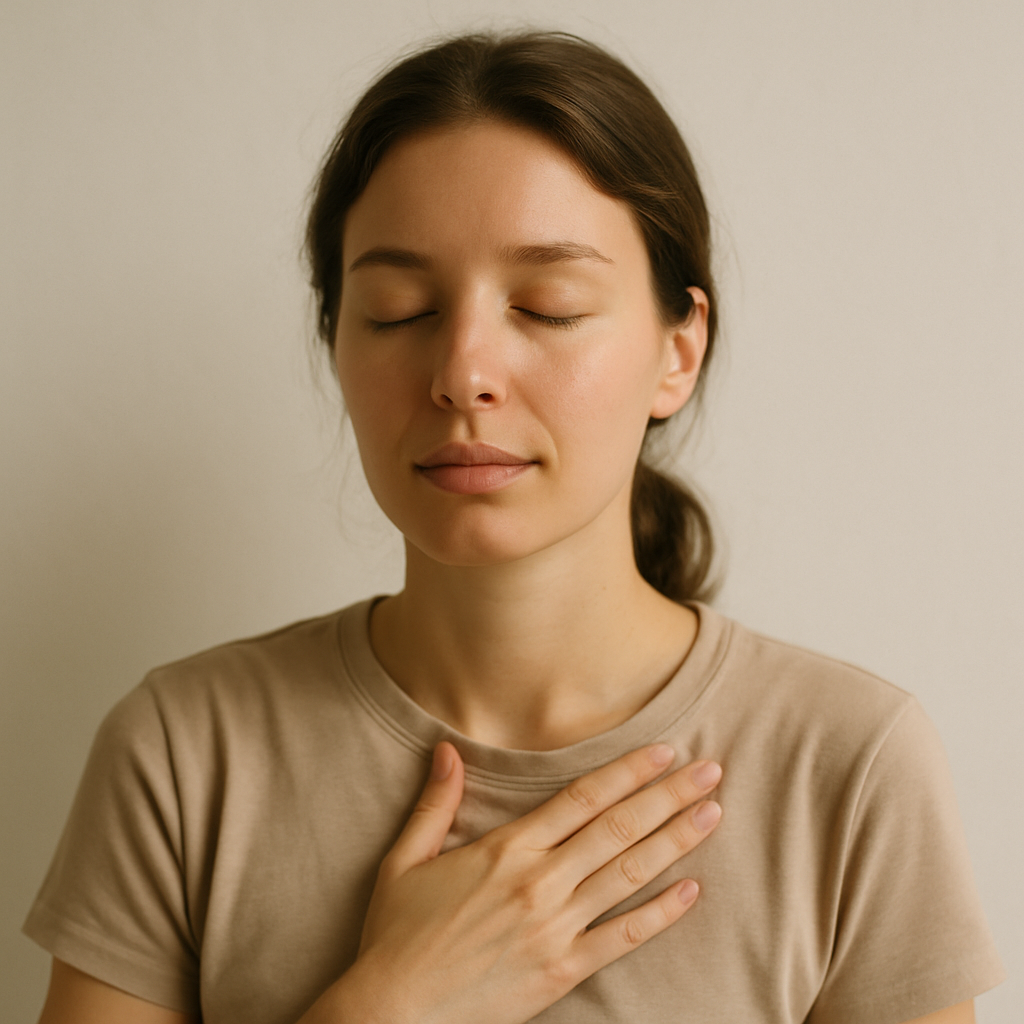
Mental Recovery Strategies (e.g., mindfulness, relaxation techniques)
Biomarkers, Tests, and Data Points That Matter
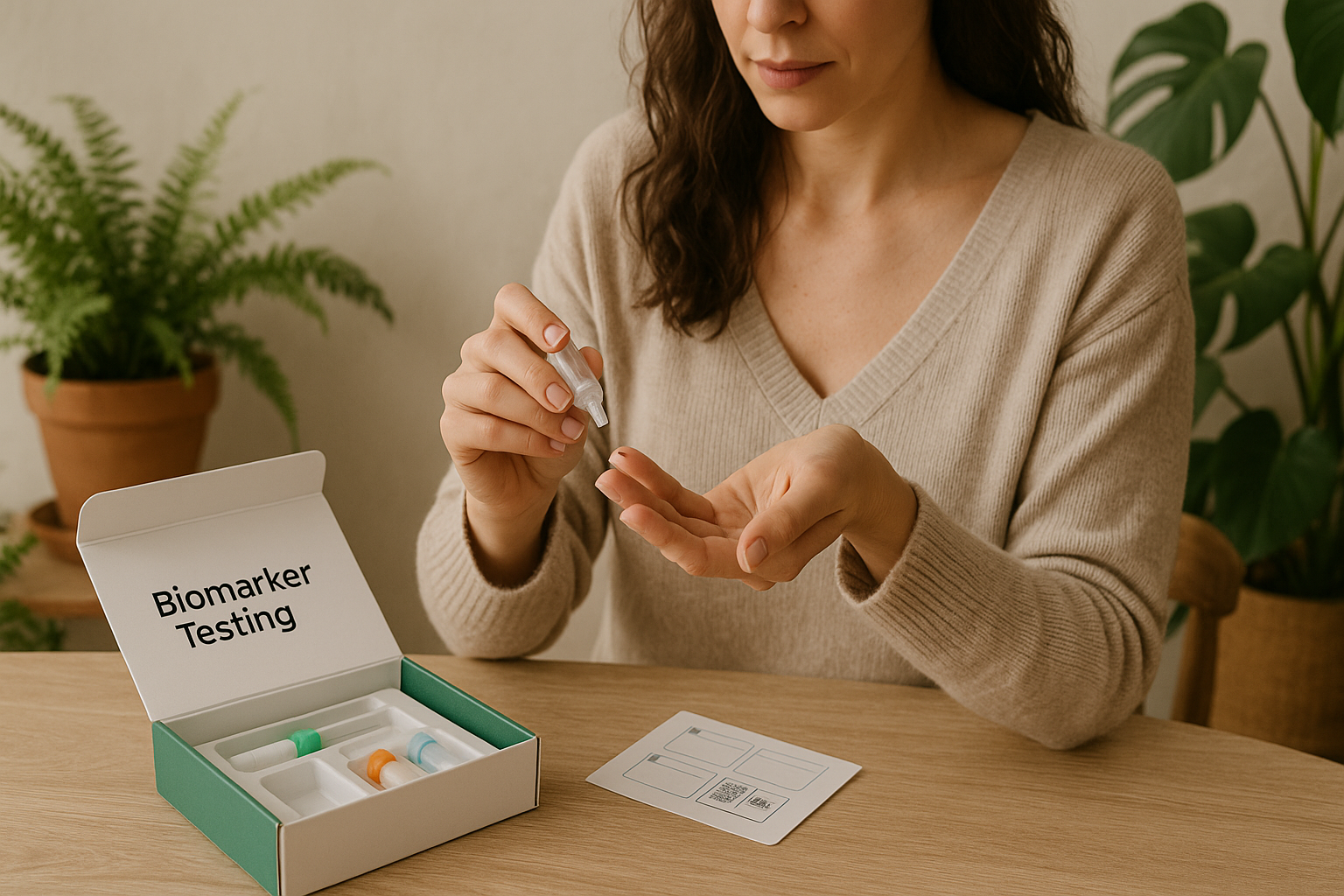
Identifying biomarkers can provide valuable insights into the recovery process, helping individuals understand their body's needs. Some important biomarkers include:
- C-reactive protein (CRP): An indicator of inflammation that can signal recovery status.
- Creatine kinase (CK): Elevated levels can indicate muscle damage, helping to gauge recovery time.
- Heart rate variability (HRV): A measure of autonomic nervous system function; higher HRV often correlates with better recovery.
However, it is essential to interpret these biomarkers within reference ranges and consider individual variations. Consulting with a healthcare professional can provide clarity on what these markers mean for personal health.
Functional Actions This Category Targets
Recovery Science aims to improve several functional actions critical to overall health, including:
- Enhancing muscle repair and growth
- Reducing inflammation and soreness
- Improving sleep quality
- Supporting mental clarity and emotional resilience
- Optimizing energy levels for daily activities
Body Systems It Most Supports
The recovery processes addressed in this category primarily support the following body systems:
- Musculoskeletal System: Facilitating muscle repair and joint health.
- Nervous System: Enhancing cognitive function and emotional well-being.
- Endocrine System: Regulating hormones that influence stress response and recovery.
- Immune System: Supporting recovery from illness and injury.
Common Goals
Individuals interested in Recovery Science often pursue the following goals:
- Maximizing physical performance and endurance
- Minimizing injury risk
- Enhancing mental focus and clarity
- Improving overall health and vitality
- Promoting a balanced lifestyle that integrates recovery practices
Approaches & Interventions (lifestyle, nutrition, supplements, devices)
Several approaches and interventions can be employed to enhance recovery:
- Lifestyle Changes: Incorporating regular physical activity, prioritizing sleep, and managing stress through mindfulness practices.
- Nutrition: Consuming a balanced diet rich in nutrients that support recovery, such as proteins, healthy fats, and antioxidants.
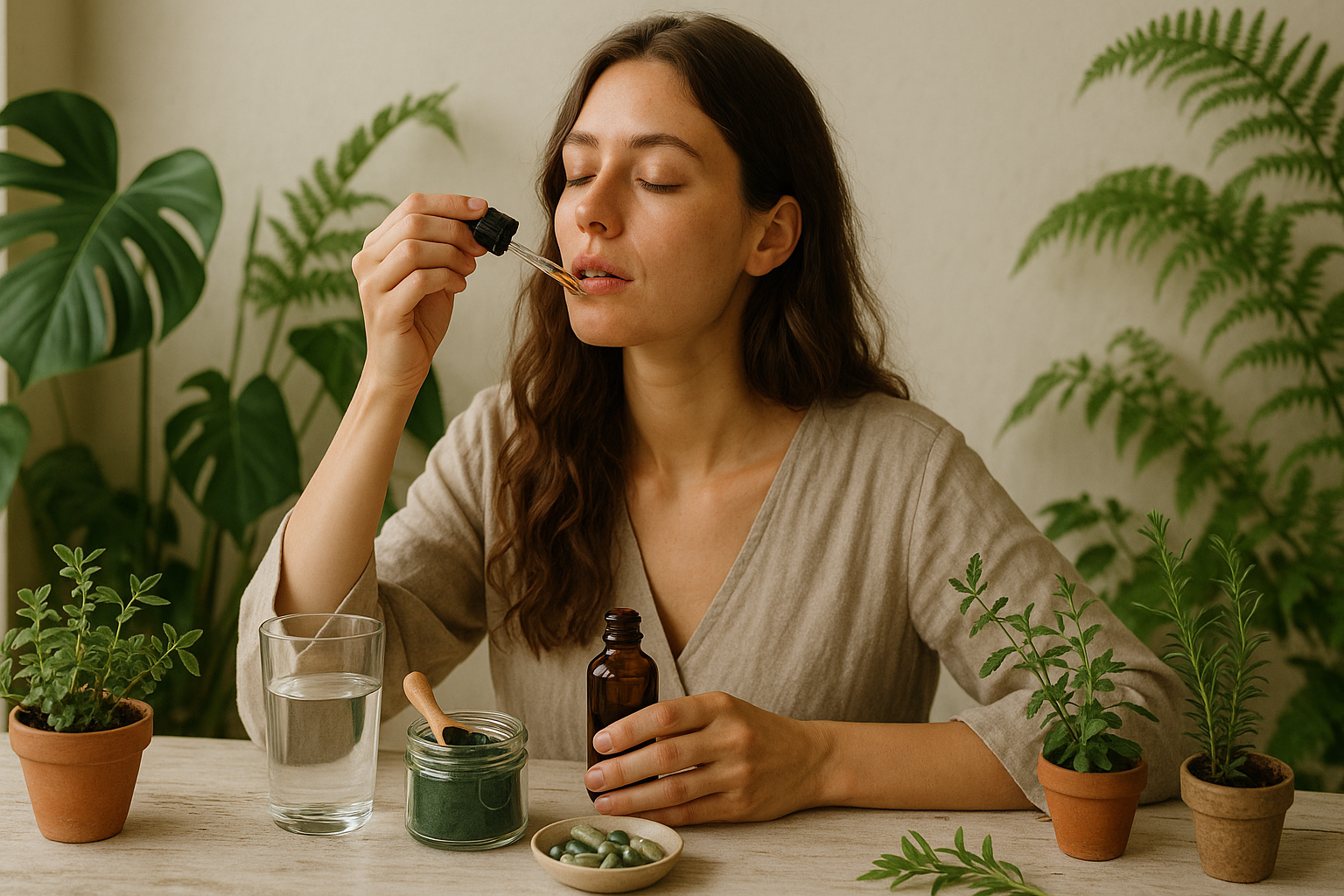
- Supplements: Utilizing supplements like omega-3 fatty acids, branched-chain amino acids (BCAAs), and electrolytes to support recovery.
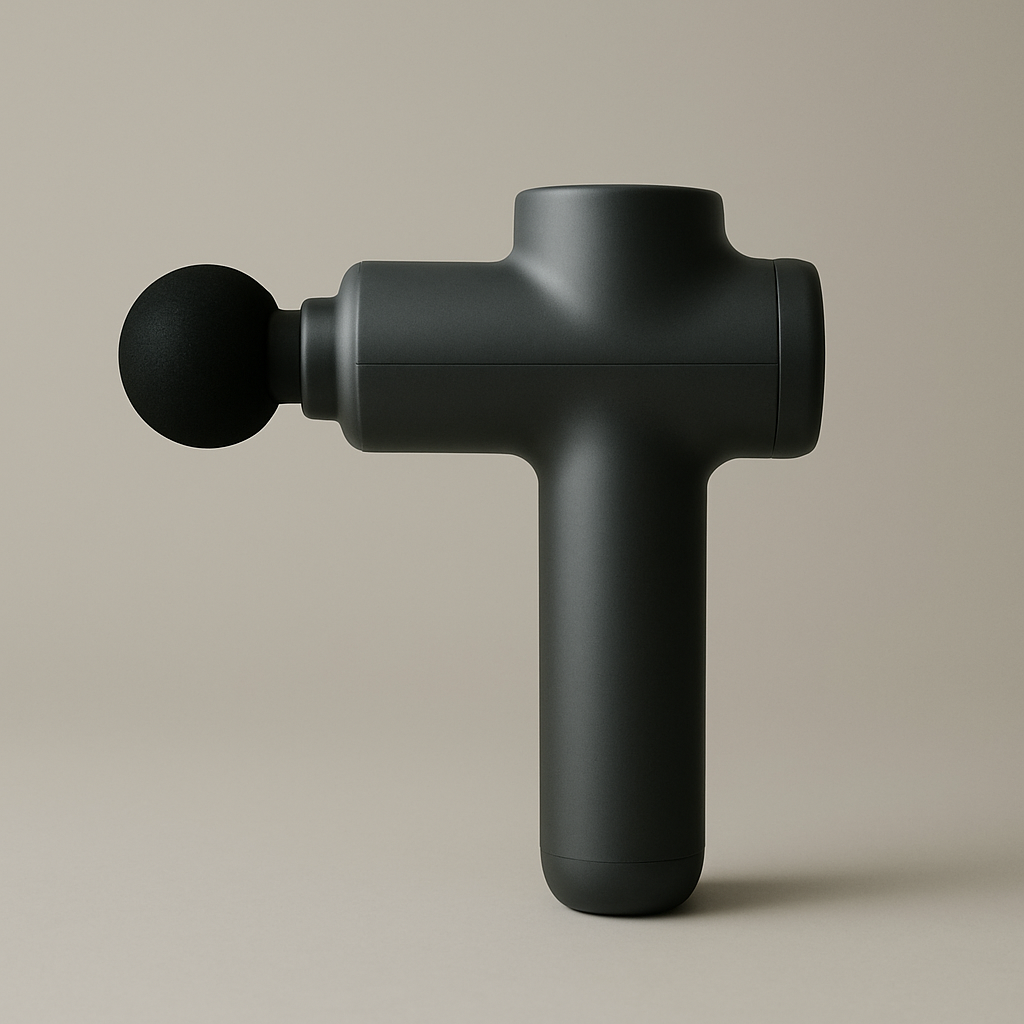
- Devices: Exploring recovery tools such as foam rollers, compression garments, and massage devices to aid muscle recovery.
Safety, Edge Cases & When to Consult a Clinician
While many recovery strategies are safe for most individuals, certain edge cases require caution. It is essential to consult a clinician when:
- Experiencing persistent pain or discomfort
- Facing chronic health conditions that may affect recovery
- Considering supplementation, especially if on medication or under medical care
- Unsure of the best recovery practices for personal goals or needs
How It Bridges to Ancient Wisdom & Natural Remedies
Recovery Science often parallels ancient wisdom and natural remedies that have been used for centuries to promote healing. Practices such as herbal medicine, acupuncture, and yoga have long recognized the importance of rest, nutrition, and holistic approaches to recovery. By integrating modern scientific understanding with traditional practices, individuals can create a comprehensive recovery plan that respects both ancient wisdom and contemporary evidence.
FAQs (6)
What is Recovery Science?
Recovery Science is the study of methods and processes that enhance the body's ability to recover from physical and mental exertion.
How does nutrition impact recovery?
Nutrition provides the essential building blocks for muscle repair, reduces inflammation, and supports overall recovery processes.
What role does sleep play in recovery?
Sleep is crucial for recovery as it allows the body to repair tissues, regulate hormones, and restore cognitive function.
Are there specific biomarkers to monitor recovery?
Yes, biomarkers such as C-reactive protein, creatine kinase, and heart rate variability can provide insights into recovery status.
When should I consult a clinician regarding recovery?
If you experience persistent pain, have chronic health issues, or are unsure about recovery practices, consulting a clinician is advisable.
How can ancient wisdom inform modern recovery practices?
Ancient practices like herbal remedies and mindfulness techniques can complement modern recovery strategies, providing a holistic approach to wellness.
Explore Recovery Science
15 subcategories




Frequently asked
What is Recovery Science?
Recovery Science is the study of methods and processes that enhance the body's ability to recover from physical and mental exertion.
How does nutrition impact recovery?
Nutrition provides the essential building blocks for muscle repair, reduces inflammation, and supports overall recovery processes.
What role does sleep play in recovery?
Sleep is crucial for recovery as it allows the body to repair tissues, regulate hormones, and restore cognitive function.
Are there specific biomarkers to monitor recovery?
Yes, biomarkers such as C-reactive protein, creatine kinase, and heart rate variability can provide insights into recovery status.
When should I consult a clinician regarding recovery?
If you experience persistent pain, have chronic health issues, or are unsure about recovery practices, consulting a clinician is advisable.
How can ancient wisdom inform modern recovery practices?
Ancient practices like herbal remedies and mindfulness techniques can complement modern recovery strategies, providing a holistic approach to wellness.