Athletic Recovery
Explore the science of athletic recovery, including its mechanisms, evidence, practical applications, and safety considerations for optimal performance.
Athletic recovery is a crucial aspect of enhancing performance and preventing injuries. This page delves into its mechanisms, evidence, practical applications, and more, to provide a comprehensive understanding of how athletes can optimize their recovery processes.
What It Is
Athletic recovery refers to the processes and practices that athletes engage in to restore energy, repair muscle tissue, and reduce the risk of injury following physical exertion. Recovery is not just about rest; it encompasses a range of strategies that aim to enhance physical and mental well-being after intense training sessions or competitions.
Recovery can be classified into various types, including active recovery, passive recovery, and recovery through nutrition and hydration. Active recovery involves low-intensity activities that promote blood flow and help clear metabolic waste, while passive recovery focuses on rest and relaxation. Nutritional strategies are also critical, as they provide the necessary nutrients to facilitate muscle repair and energy replenishment.
Mechanism / How It Works
The mechanisms behind athletic recovery involve a complex interplay of physiological processes. During intense exercise, muscles undergo micro-tears, which need to be repaired for muscle growth and strength improvements. This repair process is facilitated by protein synthesis, which is stimulated by adequate nutrition and rest.
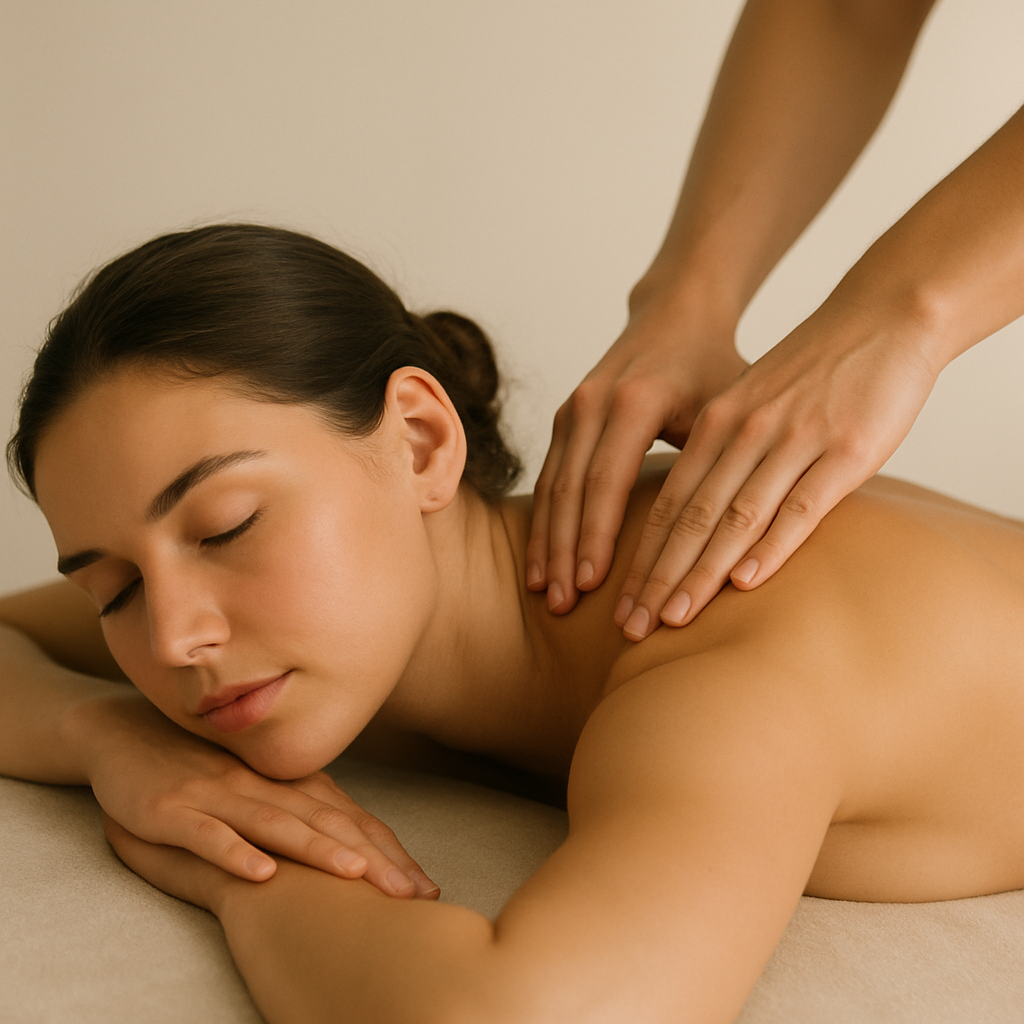
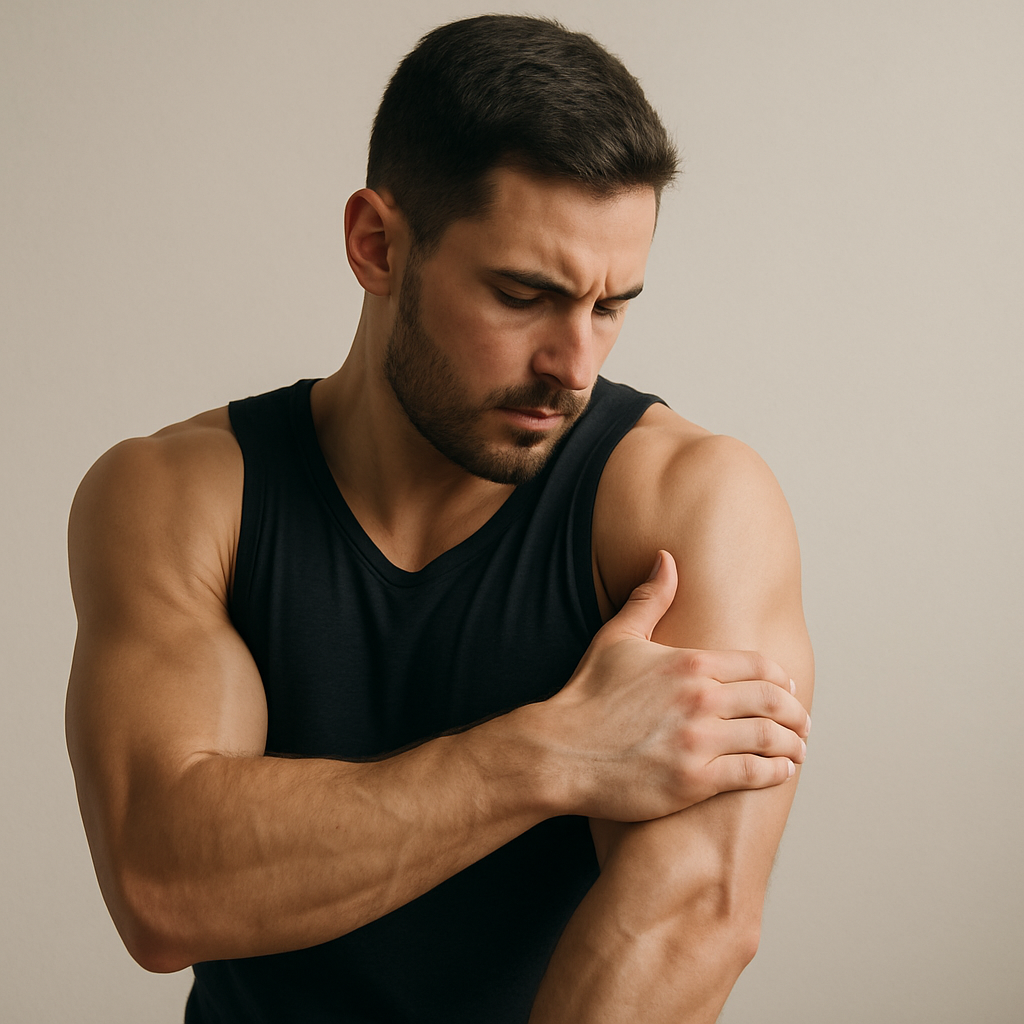
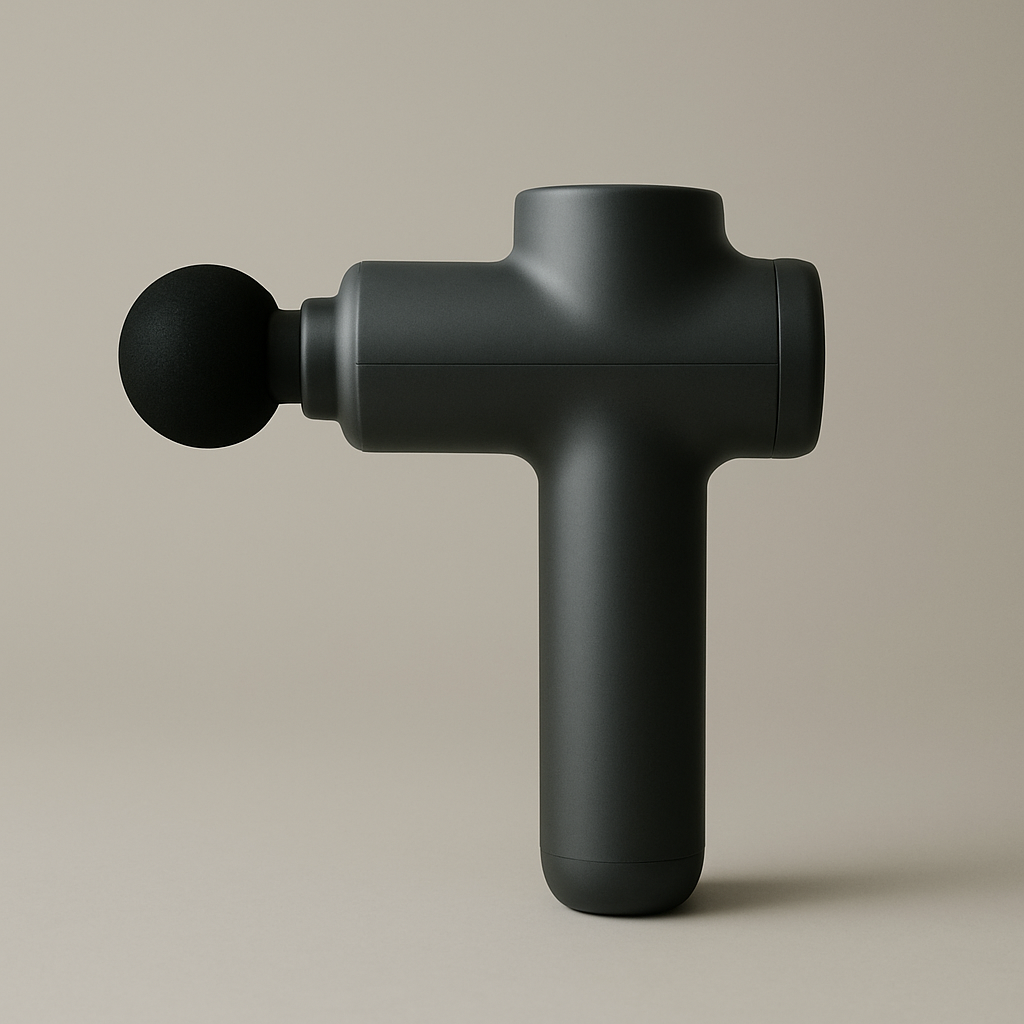
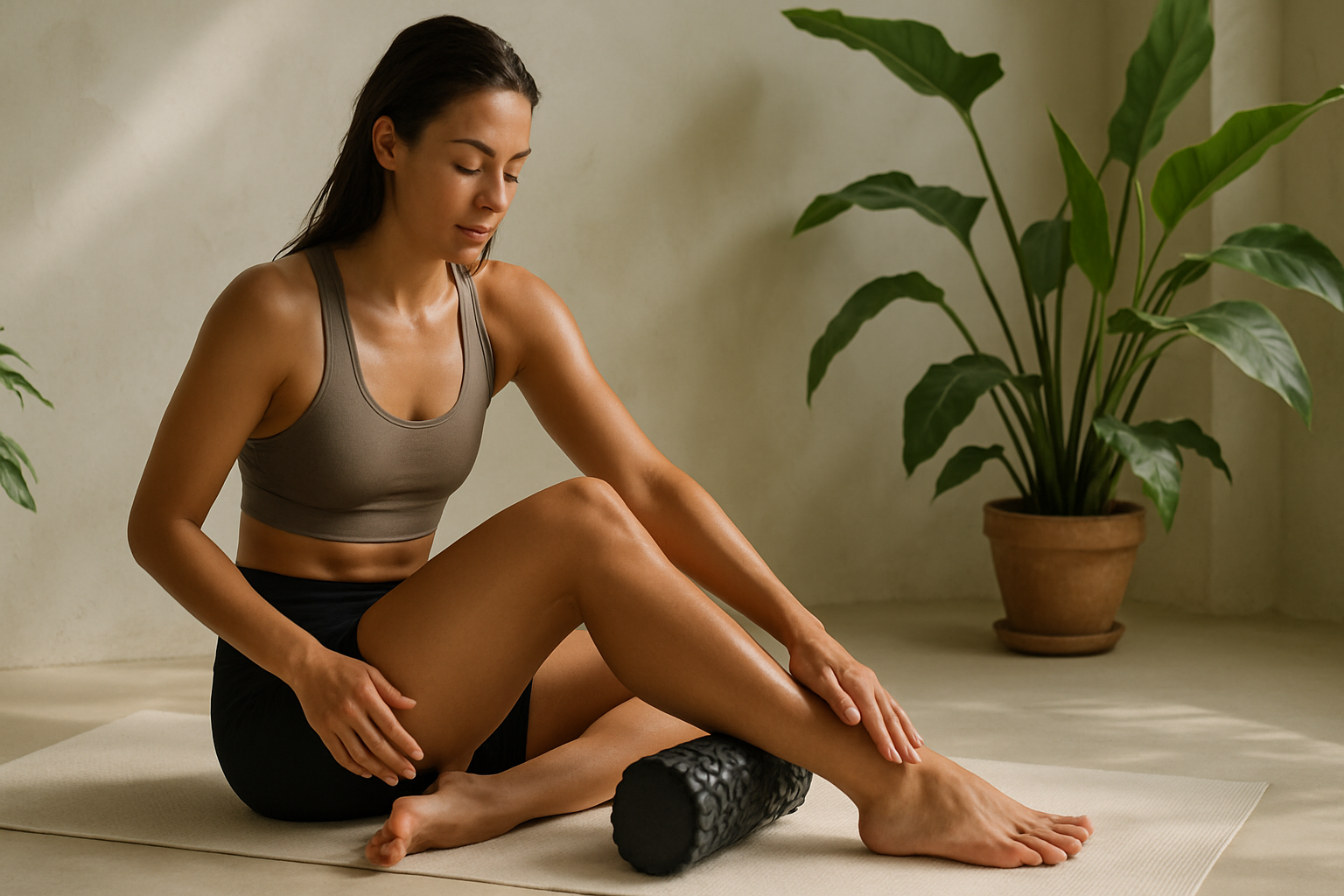
Additionally, recovery strategies such as stretching, foam rolling, and massage can help alleviate muscle soreness and improve flexibility. These techniques may enhance circulation, allowing for better nutrient delivery and waste removal at the cellular level. Hormonal responses, such as the release of growth hormone and testosterone during sleep, also play a vital role in physical recovery.
Evidence Summary
The research on athletic recovery is continuously evolving, with numerous studies exploring various recovery modalities. Some methods, such as active recovery and proper hydration, are well-supported by evidence demonstrating their effectiveness in reducing muscle soreness and improving performance outcomes.
However, other recovery strategies, like cryotherapy or certain supplements, show conflicting results in scientific literature. While some studies suggest benefits, others find little to no effect. Overall, more research is needed to establish standardized protocols and identify the most effective recovery practices across different sports and individuals.
Practical Application
To effectively integrate recovery strategies into an athlete's routine, it is essential to establish personalized protocols. This might include a combination of active recovery sessions, stretching, hydration, and nutrition focused on protein and carbohydrates.
Common pitfalls in recovery practices include neglecting hydration, failing to prioritize sleep, and inconsistent implementation of recovery techniques. Athletes should aim to create a structured recovery schedule that aligns with their training cycles, allowing adequate time for rest and rejuvenation.
Relevant Biomarkers & Tracking
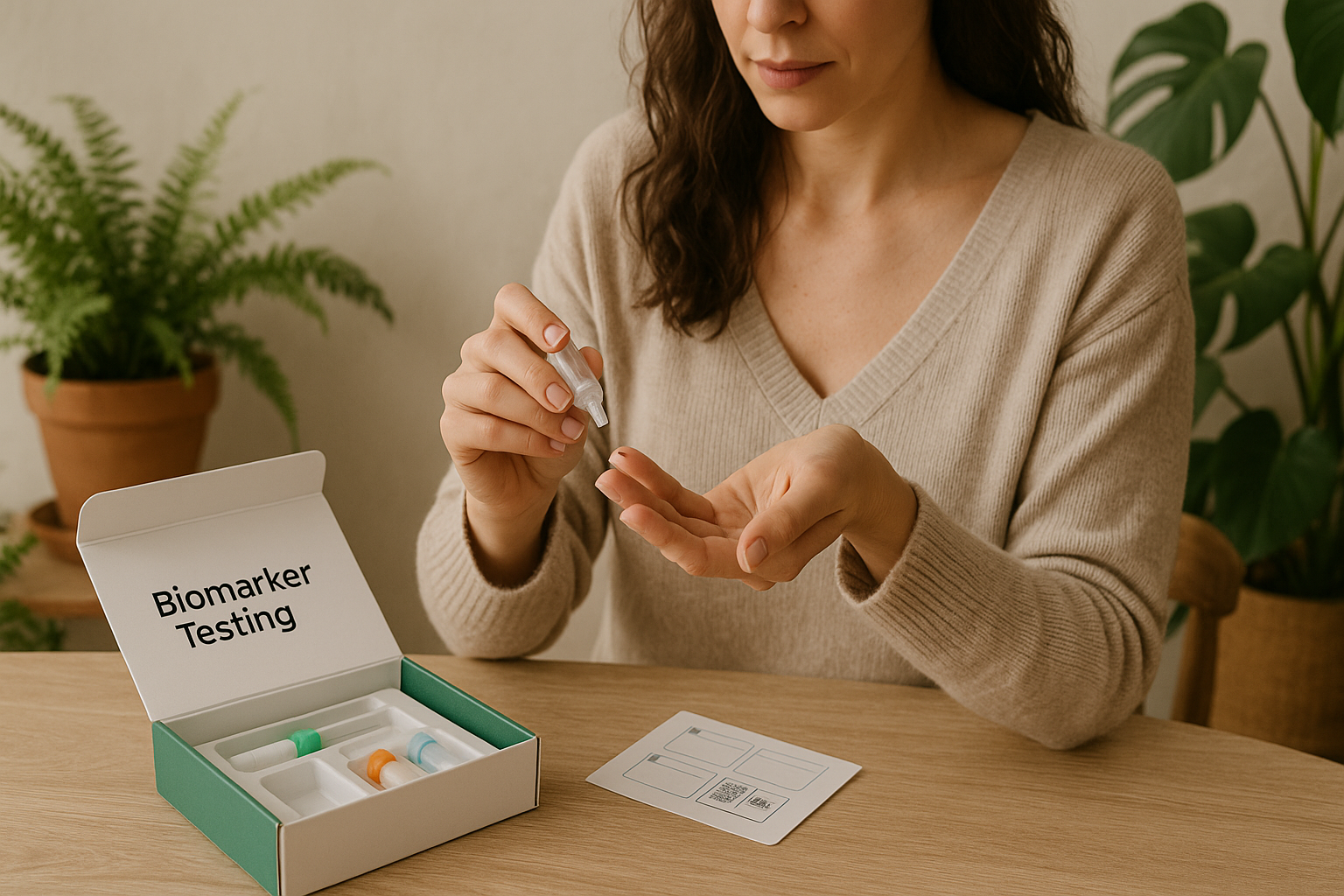
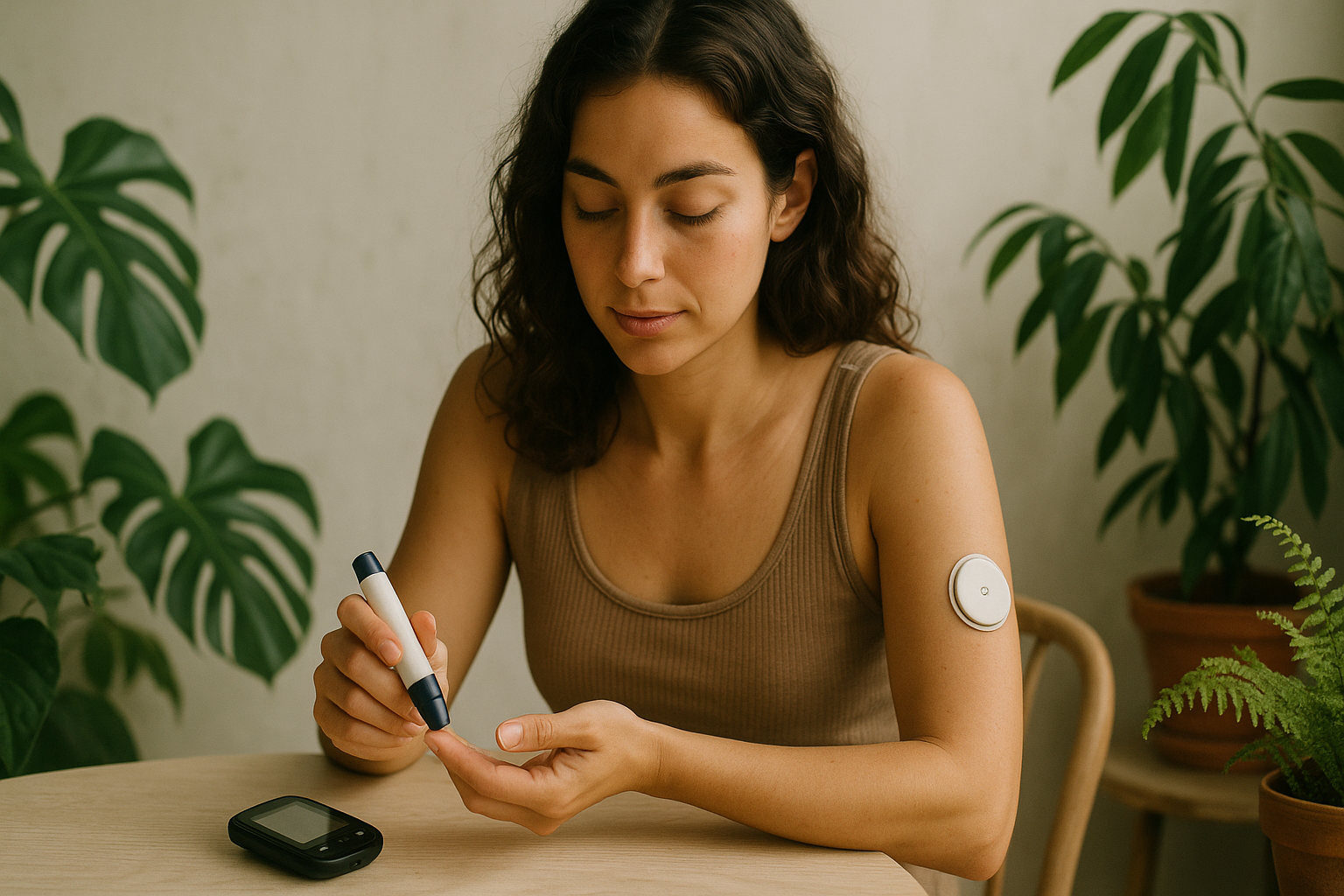
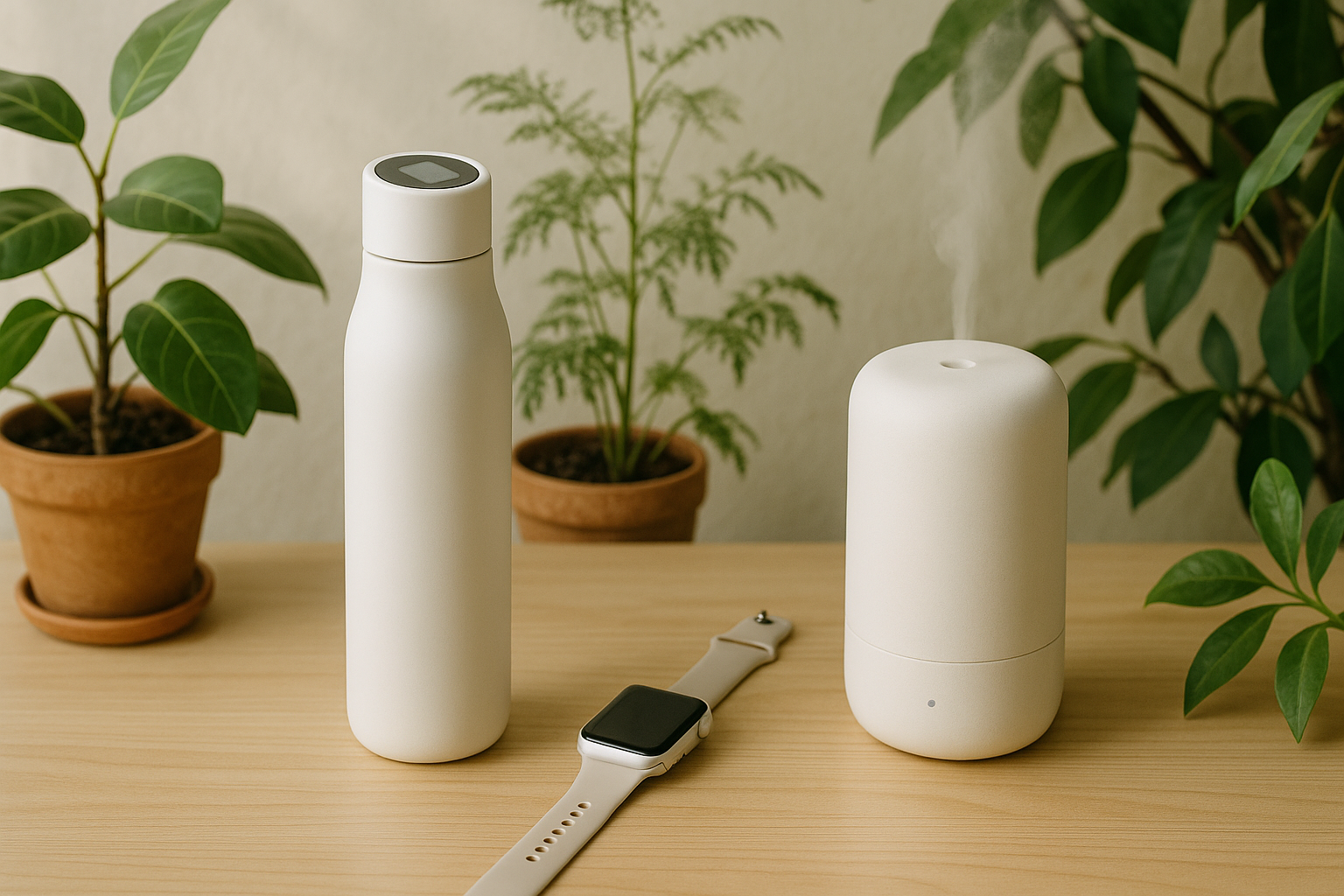
Monitoring certain biomarkers can provide insights into an athlete's recovery status. Key indicators include:
- Heart Rate Variability (HRV): A measure of autonomic nervous system function, indicating recovery levels.
- Cortisol Levels: A stress hormone that can indicate overtraining or inadequate recovery.
- Muscle Soreness Ratings: Self-reported scales can help gauge recovery progress.
- Sleep Quality: Tracking sleep duration and quality can reveal how well an athlete is recovering.
Body Systems Supported
Athletic recovery primarily supports the musculoskeletal system, facilitating muscle repair and reducing soreness. However, it also benefits other body systems, including:
- Cardiovascular System: Improved circulation aids in nutrient delivery and waste removal.
- Nervous System: Recovery techniques can help reduce stress and promote relaxation.
- Endocrine System: Hormonal balance during recovery supports overall health and performance.
Common Goals
The overarching goals of athletic recovery include:
- Enhancing muscle repair and growth.
- Reducing muscle soreness and fatigue.
- Improving overall athletic performance.
- Preventing injuries and overtraining.
- Restoring mental focus and motivation.
Safety, Contraindications & Edge Cases
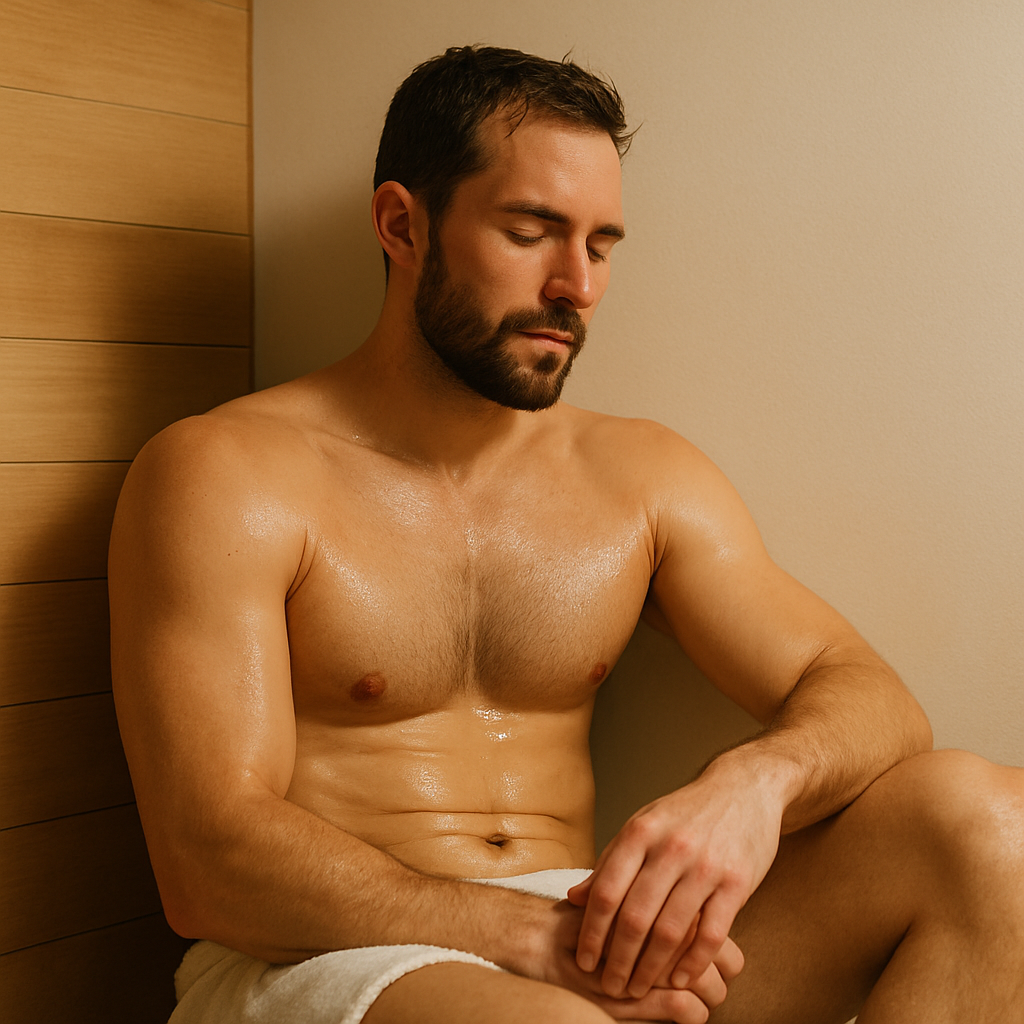
While most recovery techniques are safe, certain modalities may have contraindications. For example, individuals with specific medical conditions should avoid extreme temperature therapies like ice baths or saunas. Consulting with a healthcare professional before starting new recovery practices is advisable, especially for those with pre-existing conditions or injuries.
Edge cases may include elite athletes who may require tailored recovery strategies that differ from general recommendations, highlighting the need for individualized approaches.
Pairs Well With
Athletic recovery can be enhanced when combined with other wellness practices, such as:
- Mindfulness and meditation techniques to support mental recovery.
- Nutritional strategies that incorporate whole foods and anti-inflammatory ingredients.
- Yoga and pilates for flexibility and core strength, which can aid recovery.
FAQs (5)
- What is the best time to start recovery after exercise? It is optimal to begin recovery within 30 minutes post-exercise, focusing on hydration and nutrition.
- How long should a recovery period last? Recovery times can vary; typically, 24-48 hours is recommended for moderate exercise, while intense training may require longer.
- Does active recovery really work? Yes, active recovery can promote blood flow and reduce muscle soreness when performed at low intensity.
- What role does sleep play in recovery? Sleep is critical for recovery as it allows for muscle repair, hormonal balance, and overall energy restoration.
- Are supplements necessary for recovery? While some supplements may support recovery, focusing on a balanced diet is generally sufficient for most athletes.
Frequently asked
What is the best time to start recovery after exercise?
It is optimal to begin recovery within 30 minutes post-exercise, focusing on hydration and nutrition.
How long should a recovery period last?
Recovery times can vary; typically, 24-48 hours is recommended for moderate exercise, while intense training may require longer.
Does active recovery really work?
Yes, active recovery can promote blood flow and reduce muscle soreness when performed at low intensity.
What role does sleep play in recovery?
Sleep is critical for recovery as it allows for muscle repair, hormonal balance, and overall energy restoration.
Are supplements necessary for recovery?
While some supplements may support recovery, focusing on a balanced diet is generally sufficient for most athletes.