Inflammation Recovery
A comprehensive overview of inflammation recovery within recovery science, covering mechanisms, evidence, practical applications, and safety considerations.

Explore the intricacies of inflammation recovery, its mechanisms, evidence, practical applications, and the body systems it supports. Discover how to effectively integrate recovery strategies into your daily routine while being aware of safety considerations.
What It Is
Inflammation recovery refers to the process of healing and restoring balance in the body following periods of heightened inflammatory response. Inflammation is a natural and essential part of the immune response, helping to protect the body against injury and infection. However, chronic inflammation can lead to various health issues, making recovery crucial for overall well-being.
During inflammation recovery, the body works to reduce excessive inflammatory markers and restore normal function in tissues affected by inflammation. This process can involve a combination of lifestyle changes, dietary adjustments, and therapeutic interventions aimed at promoting healing and reducing inflammation.
Mechanism / How It Works
The mechanism of inflammation recovery primarily involves the regulation of the immune system and the restoration of tissue homeostasis. When inflammation occurs, immune cells are activated and migrate to the site of injury or infection. This process releases various cytokines and growth factors that facilitate healing.
To recover from inflammation, the body must transition from a pro-inflammatory state to an anti-inflammatory one. This is achieved through several biological processes, including:
- Resolution of Inflammation: Specialized pro-resolving mediators (SPMs) play a crucial role in ceasing the inflammatory response and promoting tissue repair.
- Antioxidant Defense: The body increases its production of antioxidants to neutralize free radicals and reduce oxidative stress, which can exacerbate inflammation.
- Cellular Repair Mechanisms: Fibroblasts and other repair cells are activated to regenerate damaged tissues and restore normal functionality.
Evidence Summary
The evidence surrounding inflammation recovery is multifaceted, encompassing preliminary studies, clinical trials, and some conflicting findings. Research indicates that various lifestyle factors, including diet, physical activity, and stress management, can significantly influence inflammatory levels and recovery outcomes.
Some key findings include:
- Dietary Interventions: Anti-inflammatory diets rich in omega-3 fatty acids, antioxidants, and whole foods have been shown to reduce inflammation and support recovery.
- Exercise: Regular physical activity can enhance recovery by promoting circulation and reducing pro-inflammatory cytokines.
- Mindfulness and Stress Management: Techniques such as meditation and yoga may help lower stress-related inflammation.
However, there are conflicting results in certain areas, particularly regarding the effectiveness of specific supplements and their direct impact on inflammation recovery.
Practical Application
Implementing inflammation recovery strategies into daily life involves a holistic approach that combines nutrition, exercise, and stress reduction. Here are some practical protocols:
- Nutrition: Incorporate a diet rich in fruits, vegetables, whole grains, lean proteins, and healthy fats while minimizing processed foods and sugar.
- Exercise: Aim for at least 150 minutes of moderate-intensity aerobic activity each week, along with strength training exercises twice a week.
- Stress Management: Engage in mindfulness practices, such as meditation, yoga, or deep-breathing exercises, to help manage stress levels.
Common pitfalls to avoid include relying solely on supplements without lifestyle changes and neglecting the importance of adequate sleep and hydration in the recovery process.
Relevant Biomarkers & Tracking
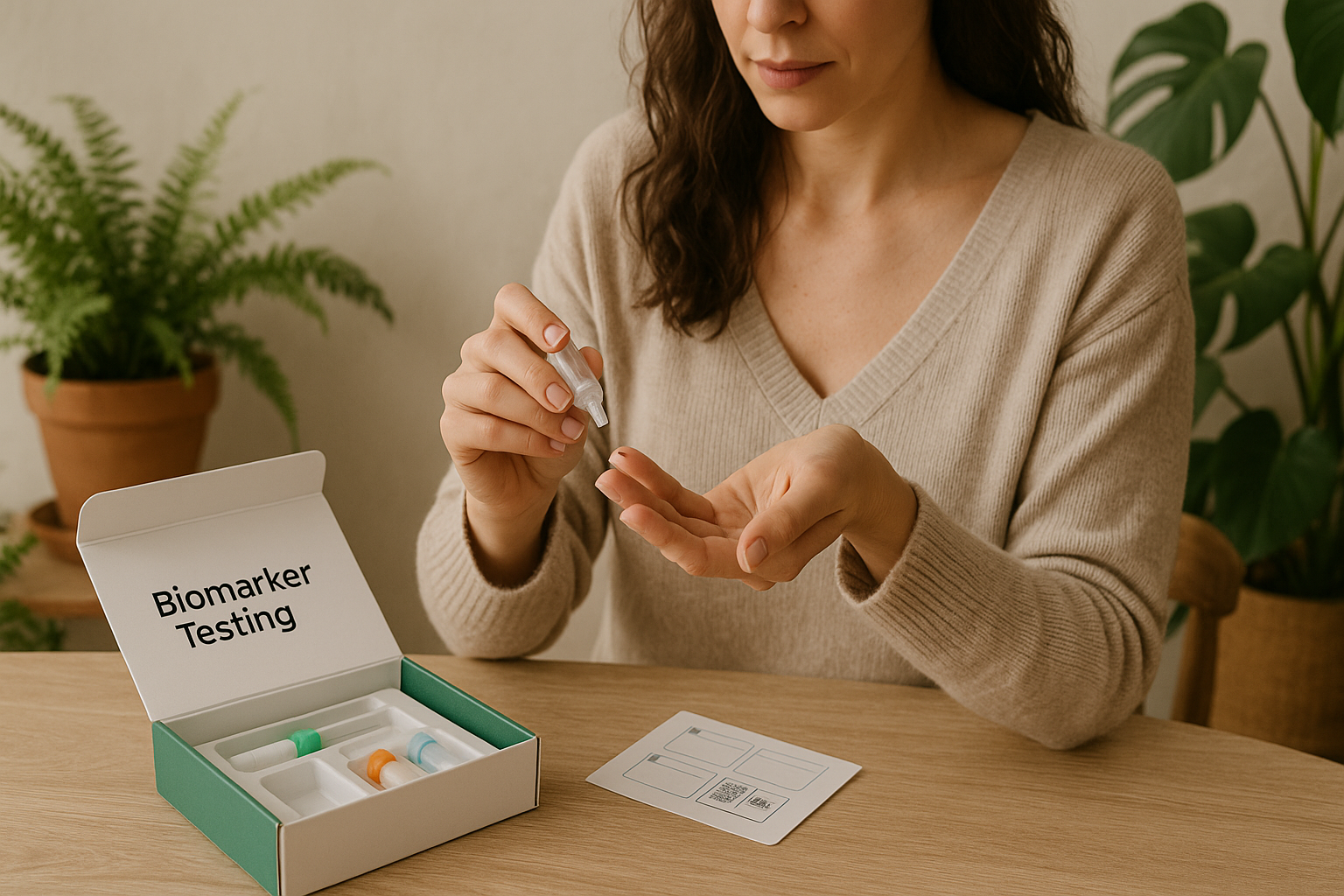
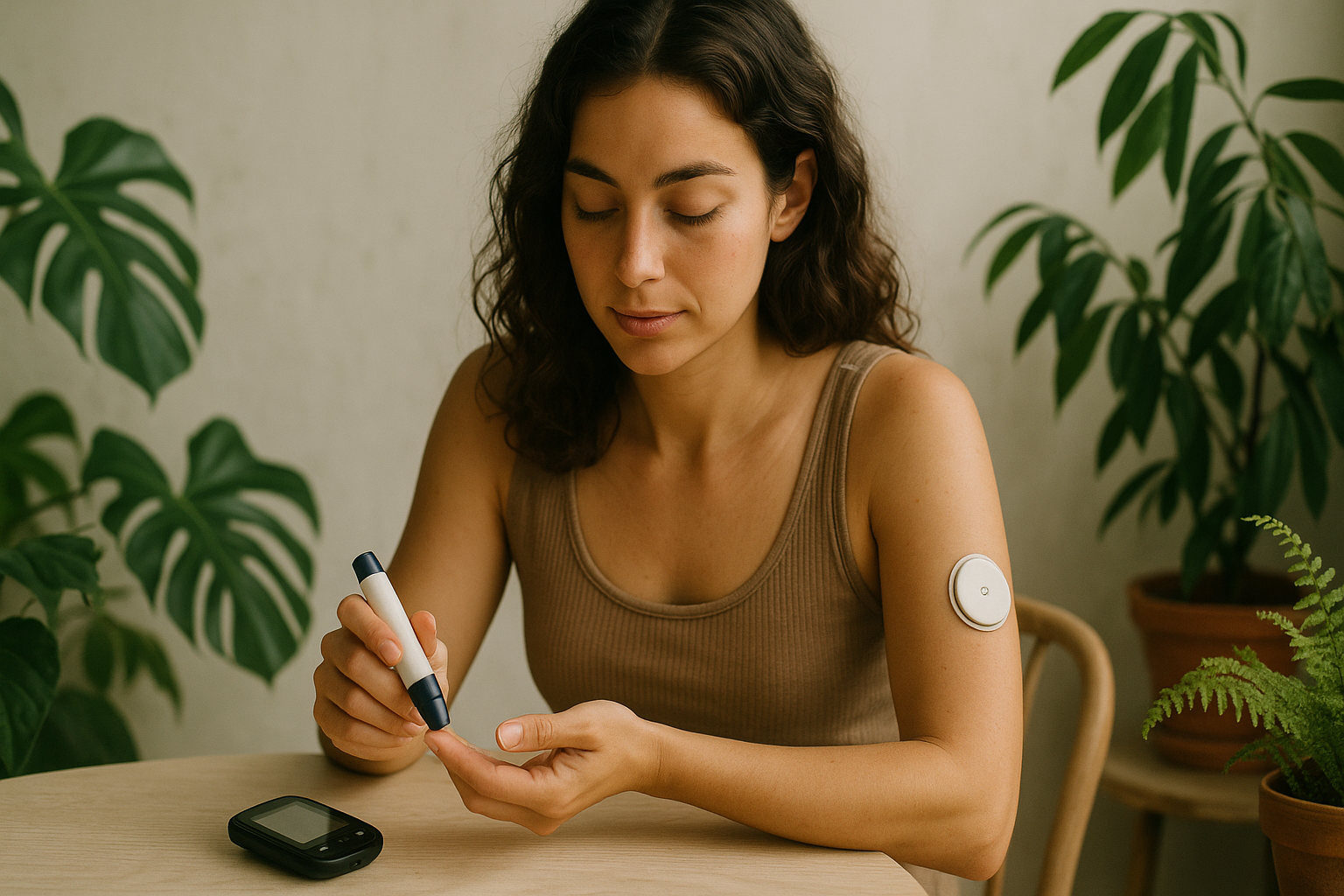
Tracking inflammation recovery can involve monitoring various biomarkers and symptoms. Some relevant biomarkers include:
- C-reactive protein (CRP): A marker of systemic inflammation that can indicate recovery progress.
- Interleukins: Cytokines such as IL-6 and IL-10 can provide insights into inflammatory processes.
- Oxidative Stress Markers: Measuring levels of oxidative stress can help assess the body's recovery capabilities.
Keeping a journal of dietary intake, exercise routines, and stress levels can also provide valuable insights into personal recovery and inflammation patterns.
Body Systems Supported
Inflammation recovery supports multiple body systems, including:
- Immune System: Aids in restoring balance and function in the immune response.
- Musculoskeletal System: Supports healing and reduces pain associated with inflammation in joints and muscles.
- Nervous System: Helps mitigate neuroinflammation that can affect mental health and cognitive functions.
Common Goals
Individuals seeking inflammation recovery often have specific goals, such as:
- Reducing Pain: Alleviating discomfort associated with inflammatory conditions.
- Improving Mobility: Enhancing physical function and range of motion.
- Enhancing Overall Health: Promoting long-term wellness and reducing the risk of chronic diseases linked to inflammation.
Safety, Contraindications & Edge Cases
While inflammation recovery strategies are generally safe, there are considerations to keep in mind:
- Consultation: Individuals with chronic health conditions should consult healthcare providers before making significant lifestyle changes.
- Supplement Use: Some supplements may interact with medications or have side effects; professional guidance is recommended.
Edge cases may include individuals with autoimmune disorders, where inflammation recovery strategies may need to be tailored to avoid exacerbating symptoms.
Pairs Well With
Inflammation recovery can be complemented by ancient and natural counterparts, including:
- Ayurvedic Practices: Incorporating anti-inflammatory herbs and dietary principles.
- Traditional Chinese Medicine: Utilizing acupuncture and herbal remedies to balance the body's energy and reduce inflammation.
FAQs (5)
Here are some frequently asked questions regarding inflammation recovery:
- What foods should I avoid to reduce inflammation? Processed foods, sugary snacks, and trans fats are typically linked to increased inflammation.
- How long does it take to recover from inflammation? Recovery time varies based on individual health, the extent of inflammation, and adherence to recovery strategies.
- Can I take supplements for inflammation recovery? Some supplements, like omega-3 fatty acids, may help, but it is best to consult a healthcare professional first.
- Is exercise beneficial for inflammation recovery? Yes, regular exercise can significantly aid in reducing inflammation and promoting recovery.
- What role does stress play in inflammation? Chronic stress can exacerbate inflammation, so managing stress is crucial for recovery.
Frequently asked
What foods should I avoid to reduce inflammation?
Processed foods, sugary snacks, and trans fats are typically linked to increased inflammation.
How long does it take to recover from inflammation?
Recovery time varies based on individual health, the extent of inflammation, and adherence to recovery strategies.
Can I take supplements for inflammation recovery?
Some supplements, like omega-3 fatty acids, may help, but it is best to consult a healthcare professional first.
Is exercise beneficial for inflammation recovery?
Yes, regular exercise can significantly aid in reducing inflammation and promoting recovery.
What role does stress play in inflammation?
Chronic stress can exacerbate inflammation, so managing stress is crucial for recovery.