Yoga & Movement Therapy
Explore the benefits of Yoga and Movement Therapy as natural remedies for physical and mental wellness. Discover their applications, mechanisms, safety, and how to incorporate them into your life.
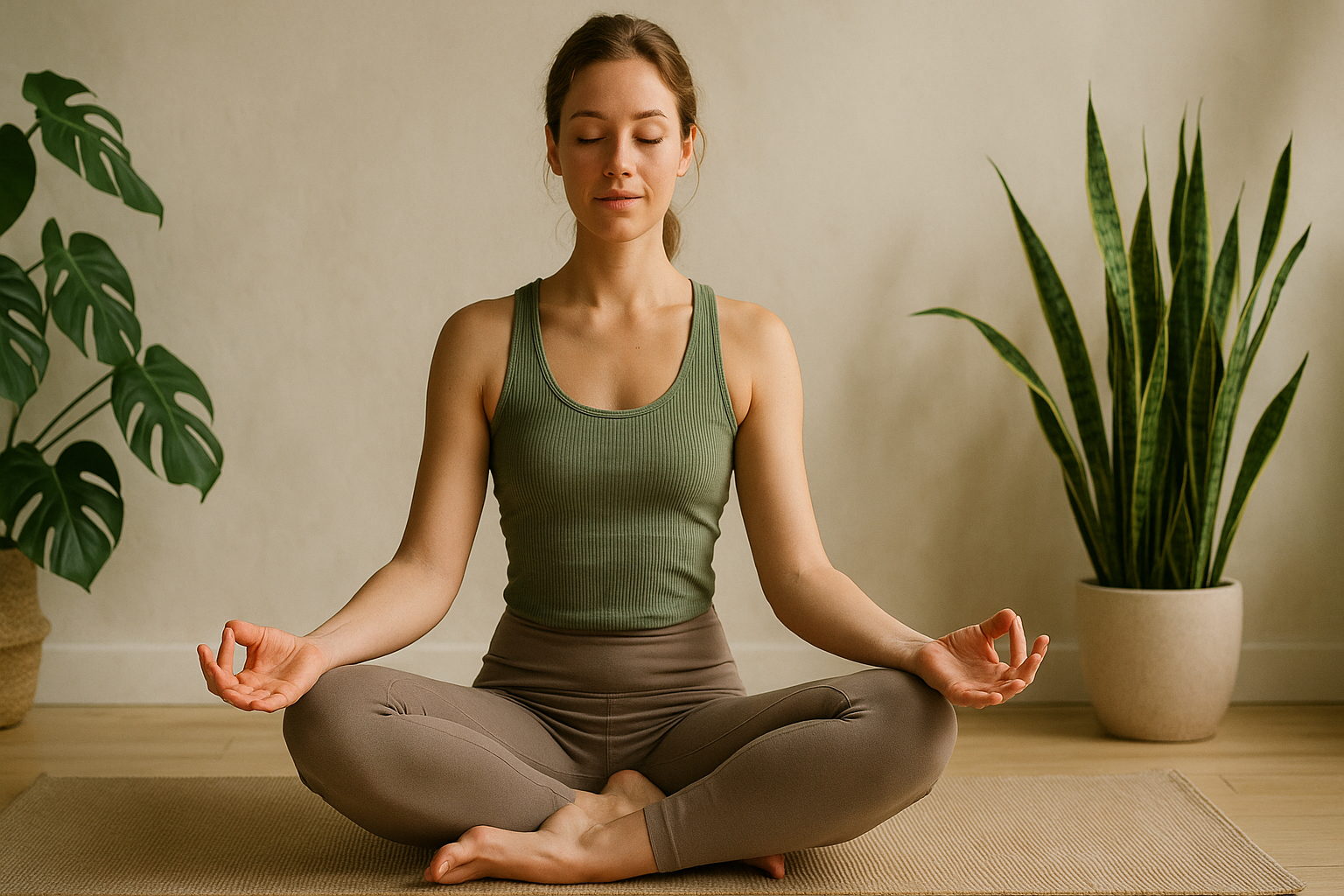
Yoga and movement therapy are integral components of natural medicine, promoting holistic health through physical activity and mindfulness. These practices enhance physical, mental, and emotional well-being, making them valuable in various therapeutic contexts.
Intro Summary
Yoga and movement therapy encompass a variety of practices that prioritize the connection between body and mind. These approaches are integral to natural medicine, emphasizing holistic health and wellness through physical activity, breath control, and mindfulness. The significance of these therapies lies in their ability to improve physical fitness, enhance mental clarity, and foster emotional balance.
In today's fast-paced world, many individuals seek alternatives to conventional medicine, turning to these natural remedies for their preventive and therapeutic benefits. Yoga and movement therapy not only promote physical health but also support mental well-being, making them essential components of a comprehensive natural health strategy.
The Active Compounds at Play
While yoga and movement therapy may not involve specific phytochemicals or biochemical compounds like herbal remedies, they do engage various physiological systems through movement and breath. The benefits arise from:
- Physical Activity: Engaging in regular movement enhances cardiovascular health, strengthens muscles, and improves flexibility.
- Mindfulness: Yoga incorporates mindfulness practices that can reduce stress and anxiety levels, promoting overall mental health.
- Breath Control: Techniques such as pranayama in yoga focus on breath regulation, which can improve lung capacity and promote relaxation.
Featured Members of This Category
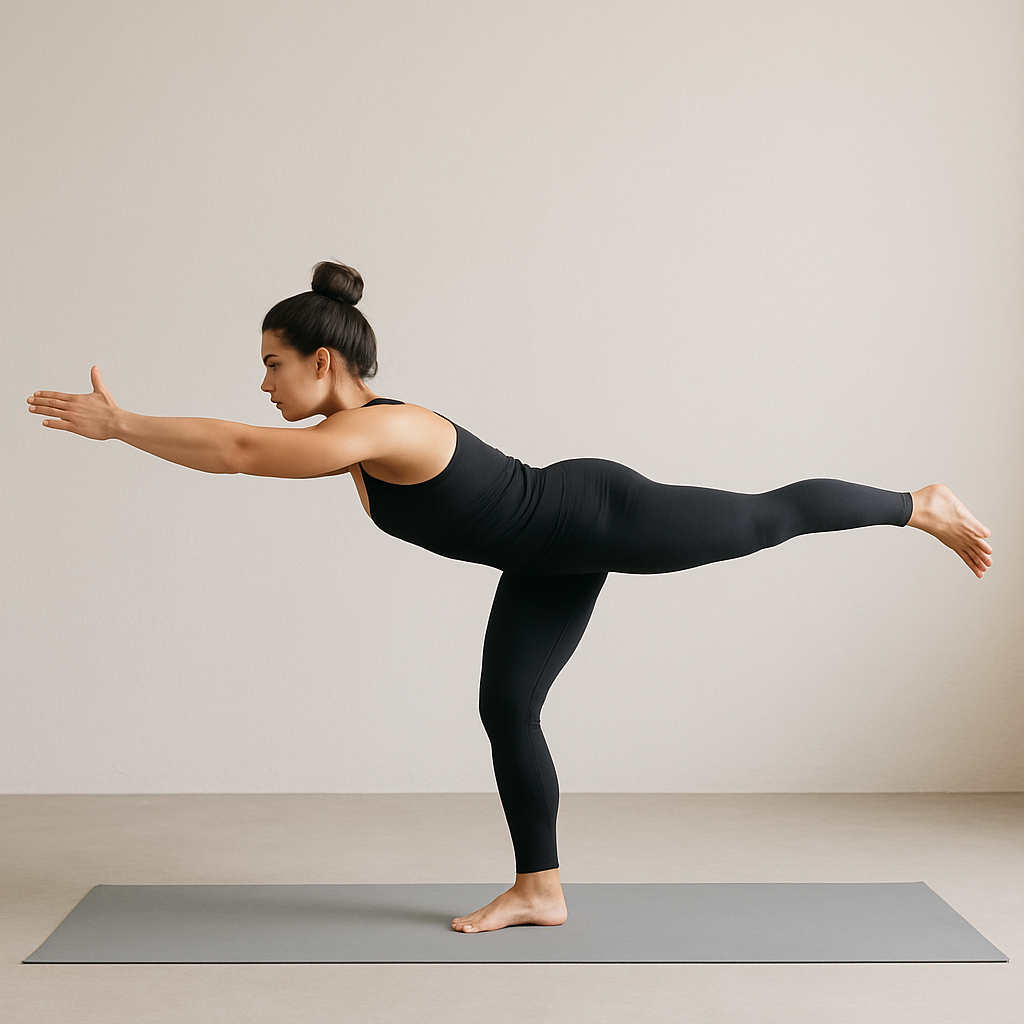
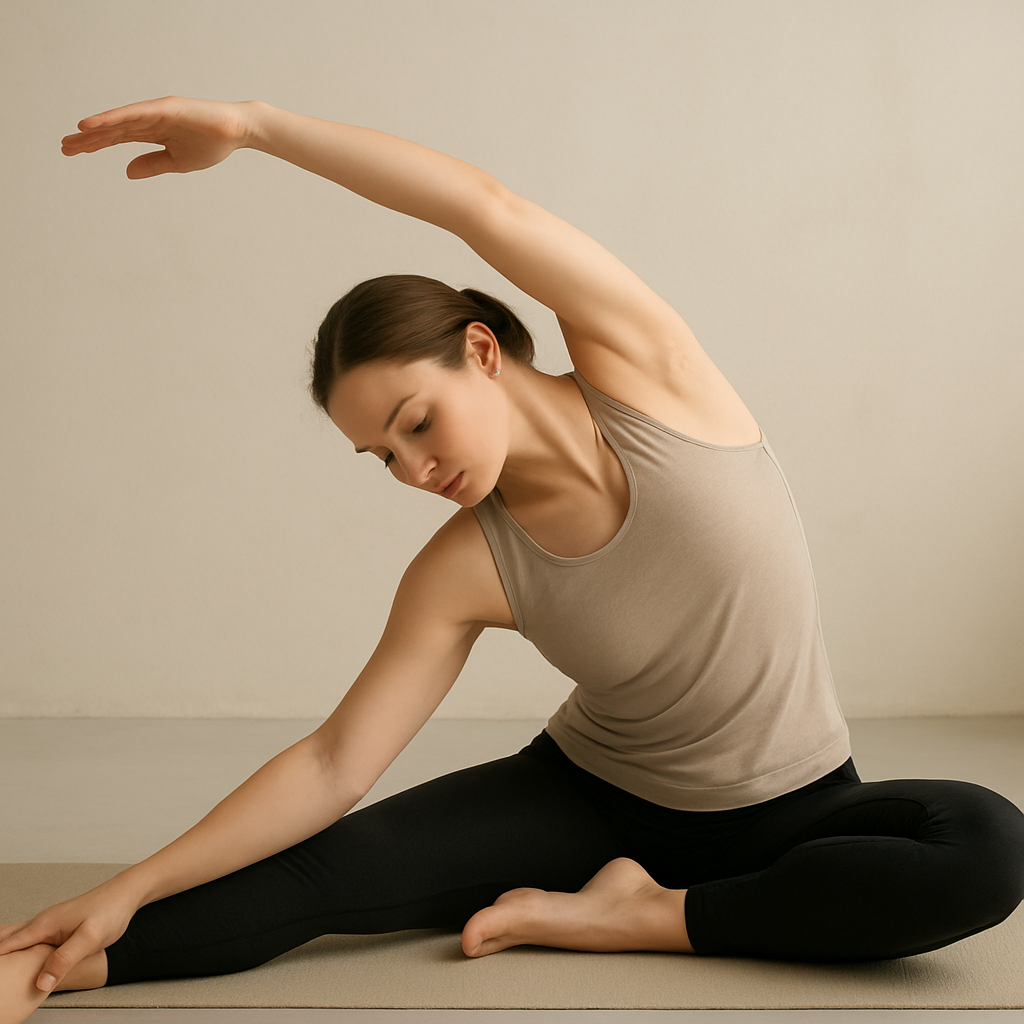
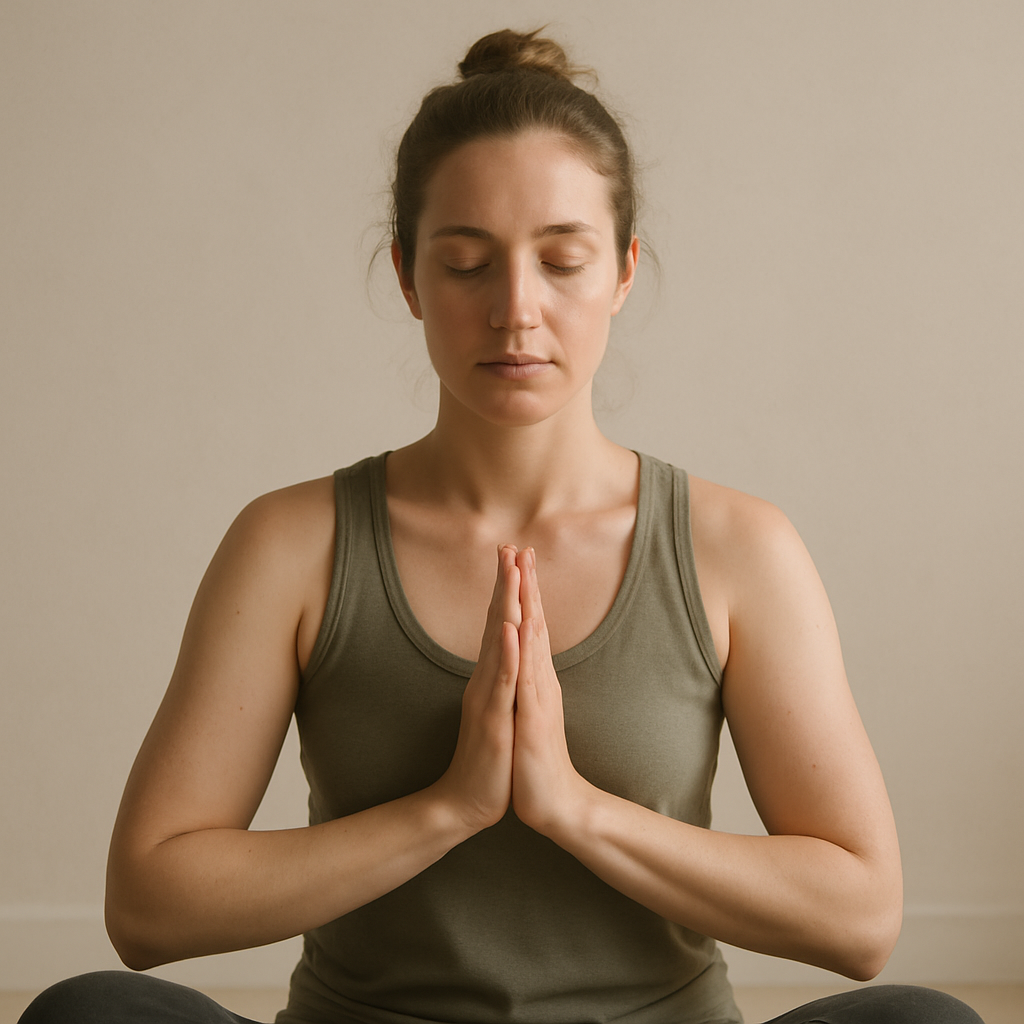
Yoga
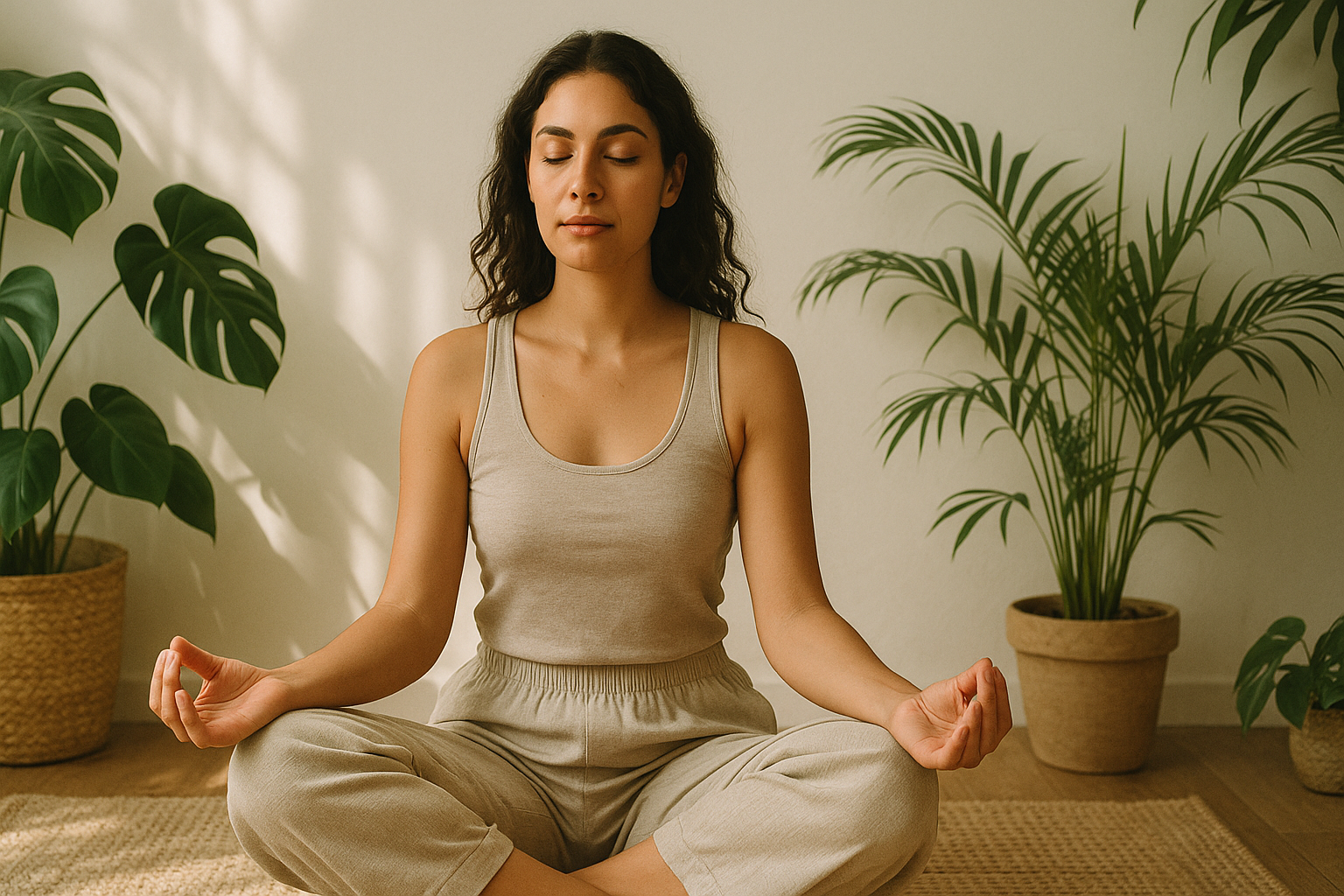
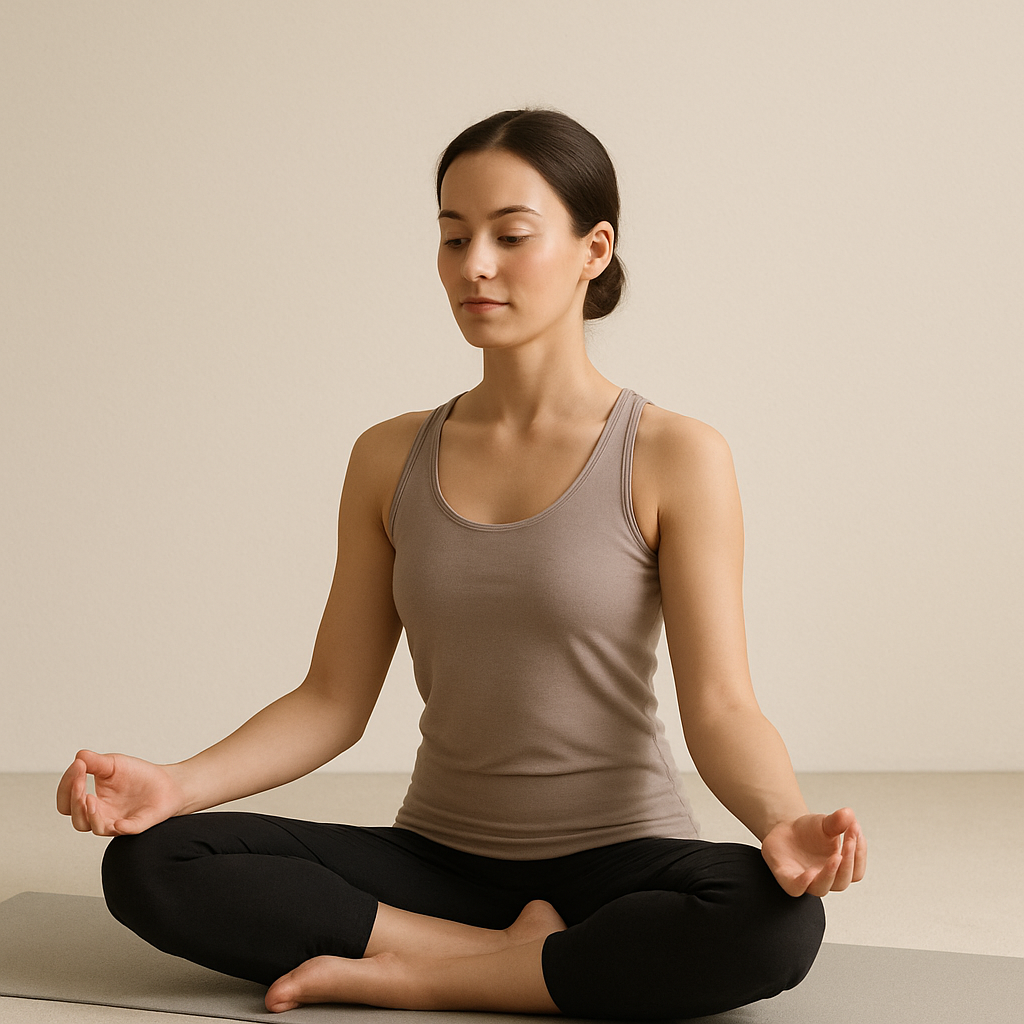
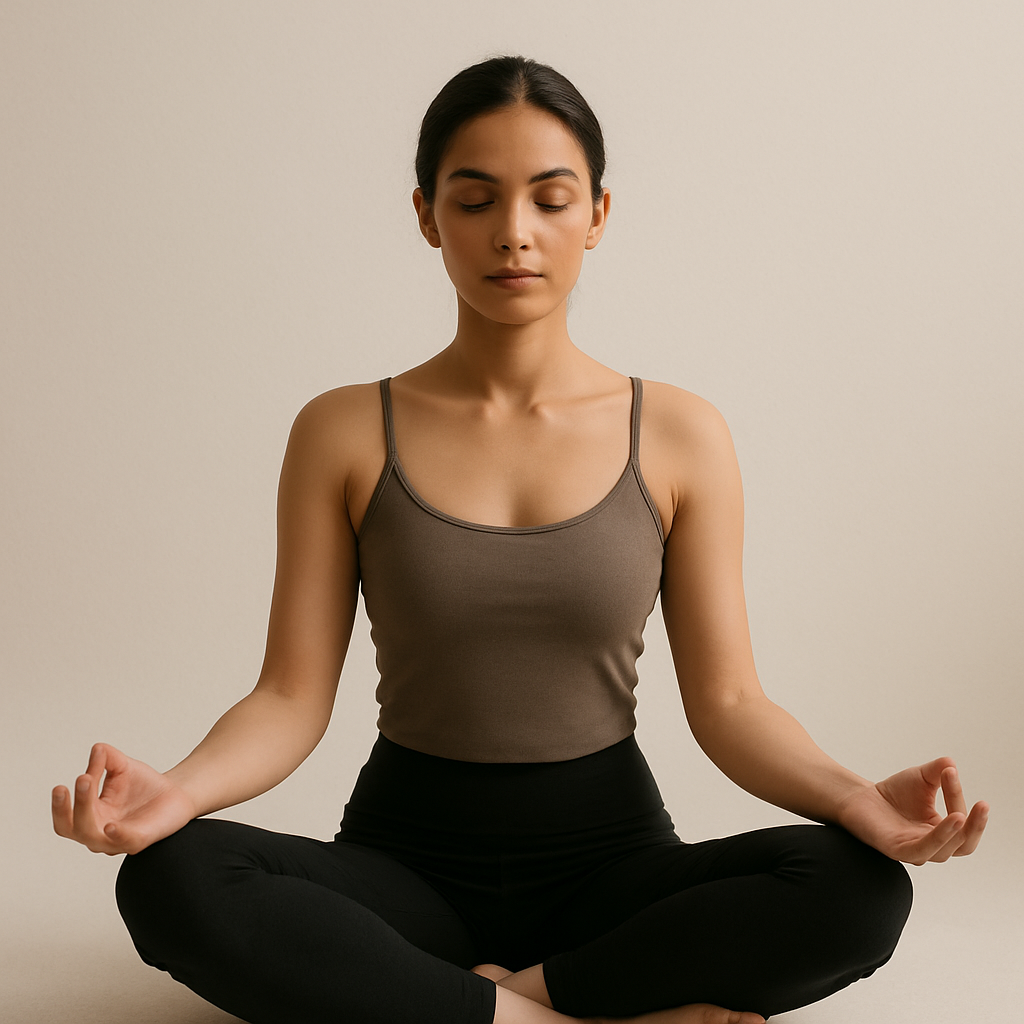
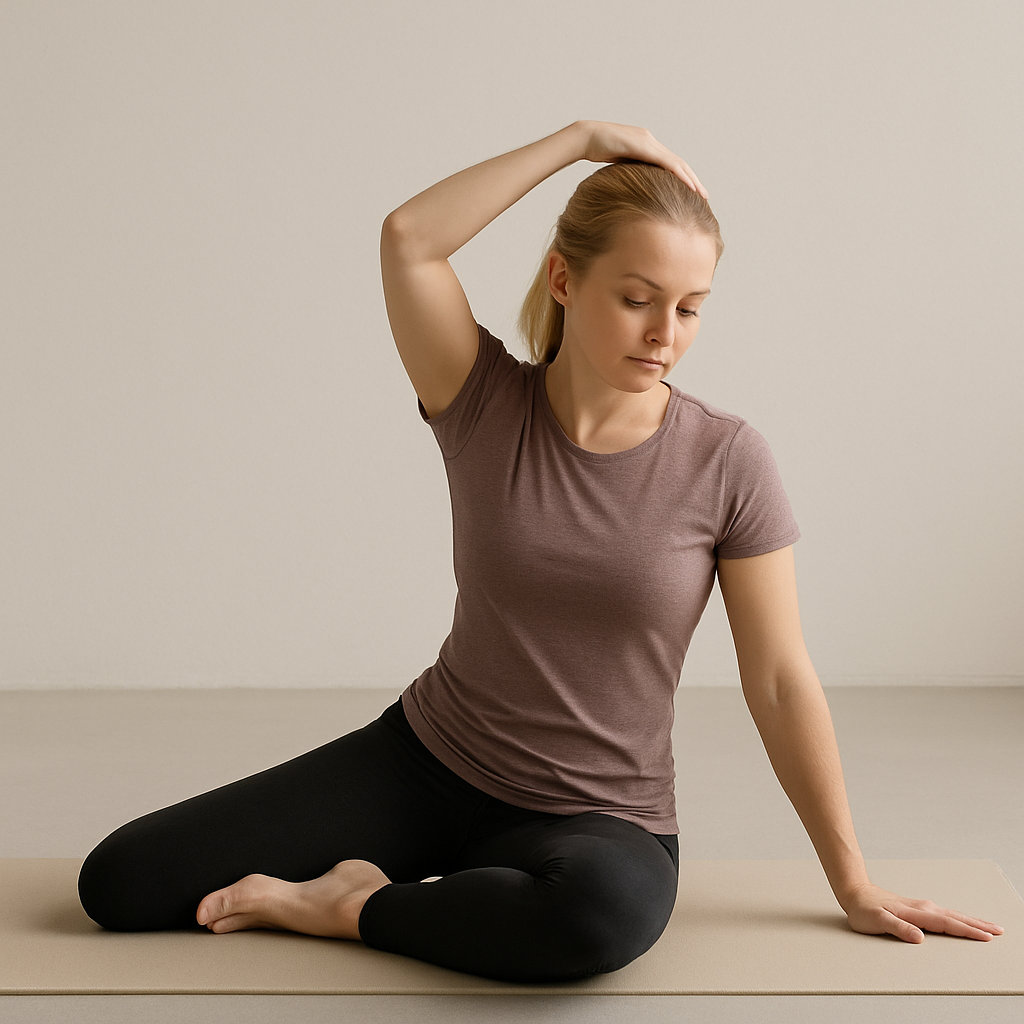
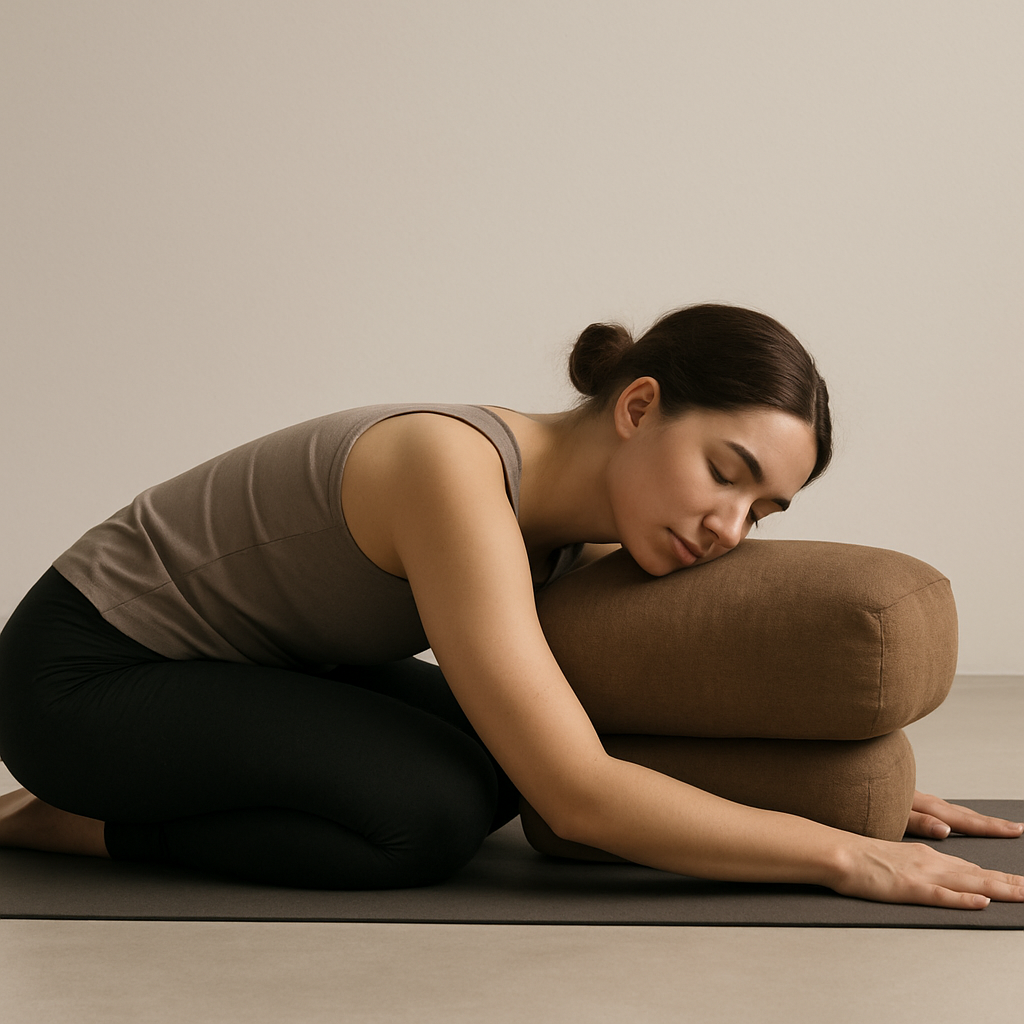
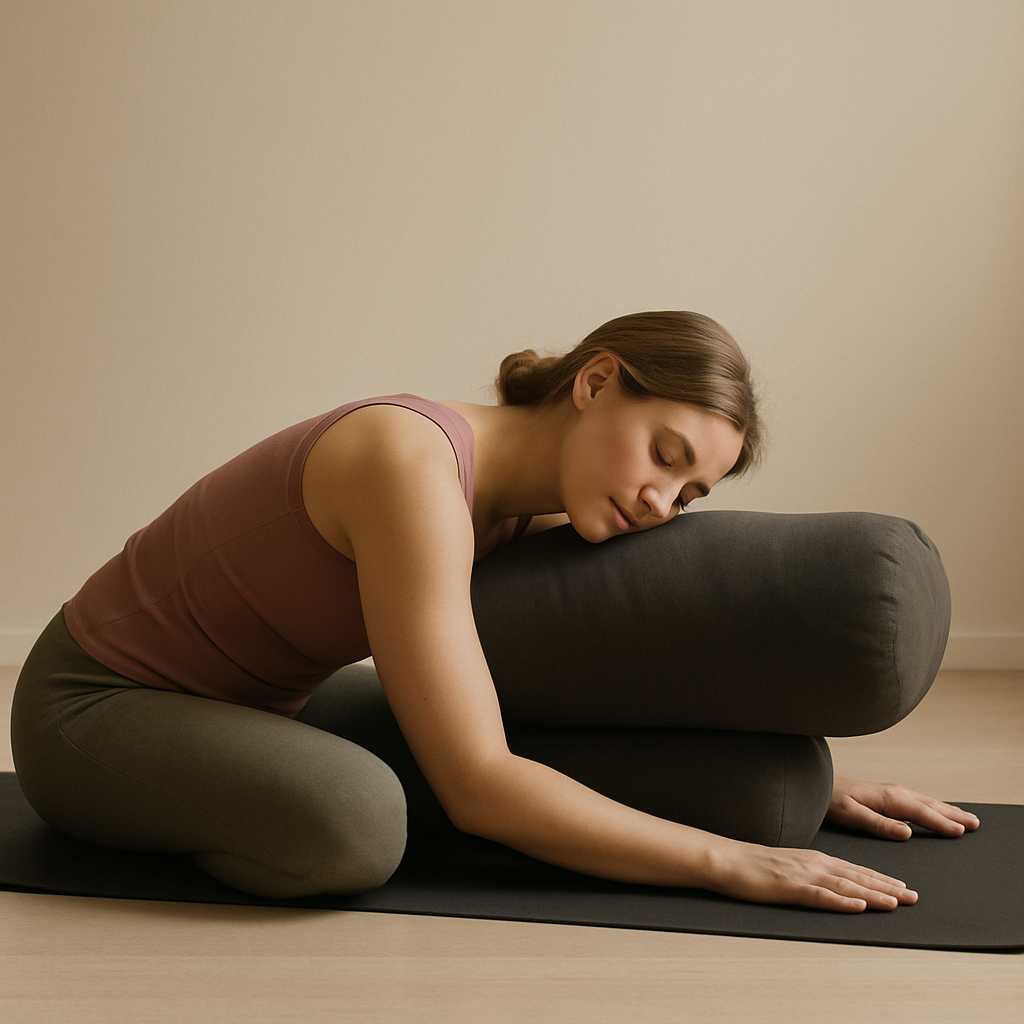
Yoga is an ancient practice that combines physical postures, breath control, and meditation. It has numerous styles, including Hatha, Vinyasa, and Ashtanga, each offering unique benefits for the body and mind. Regular practice can lead to improved flexibility, strength, and mental clarity.
Movement Therapy
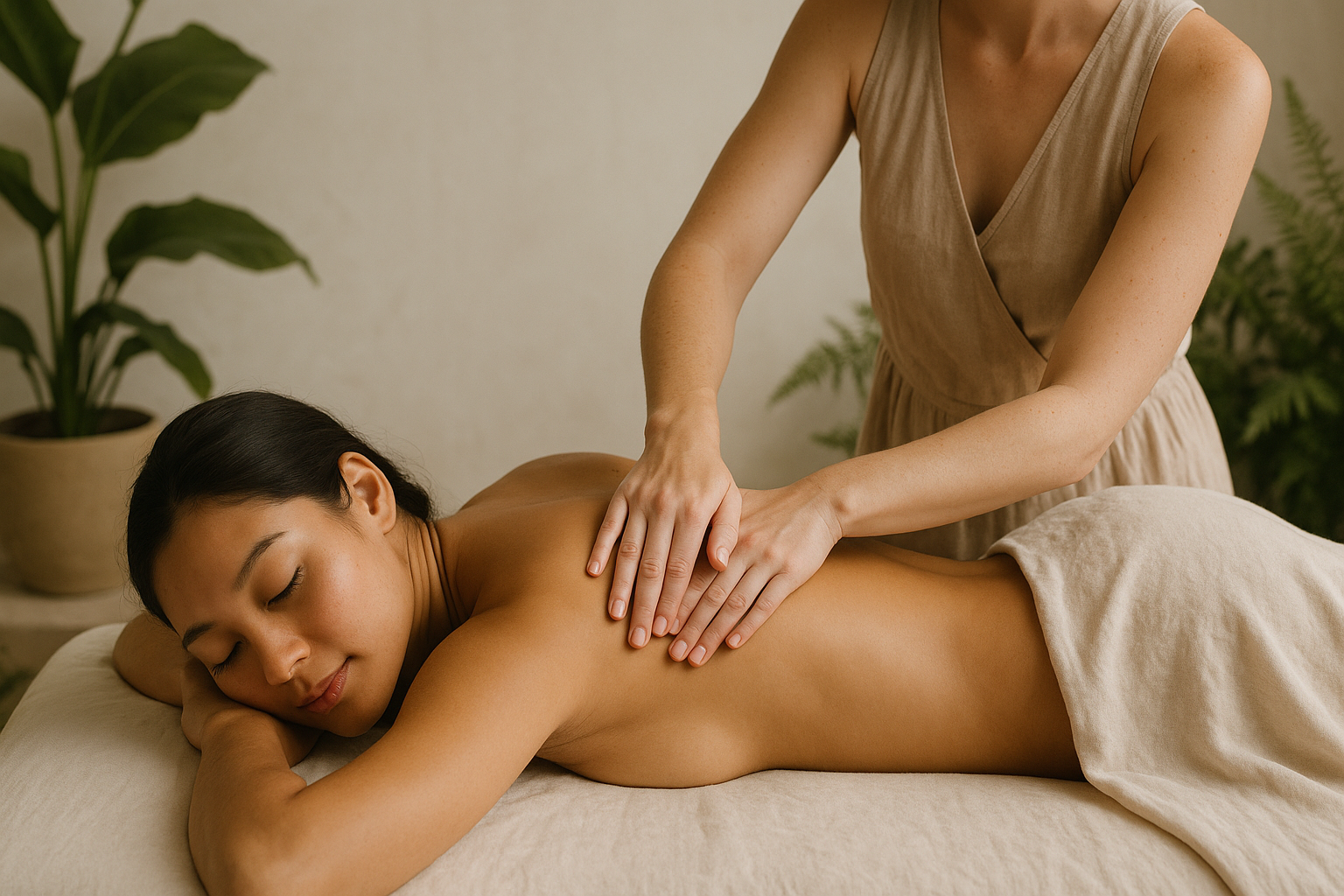
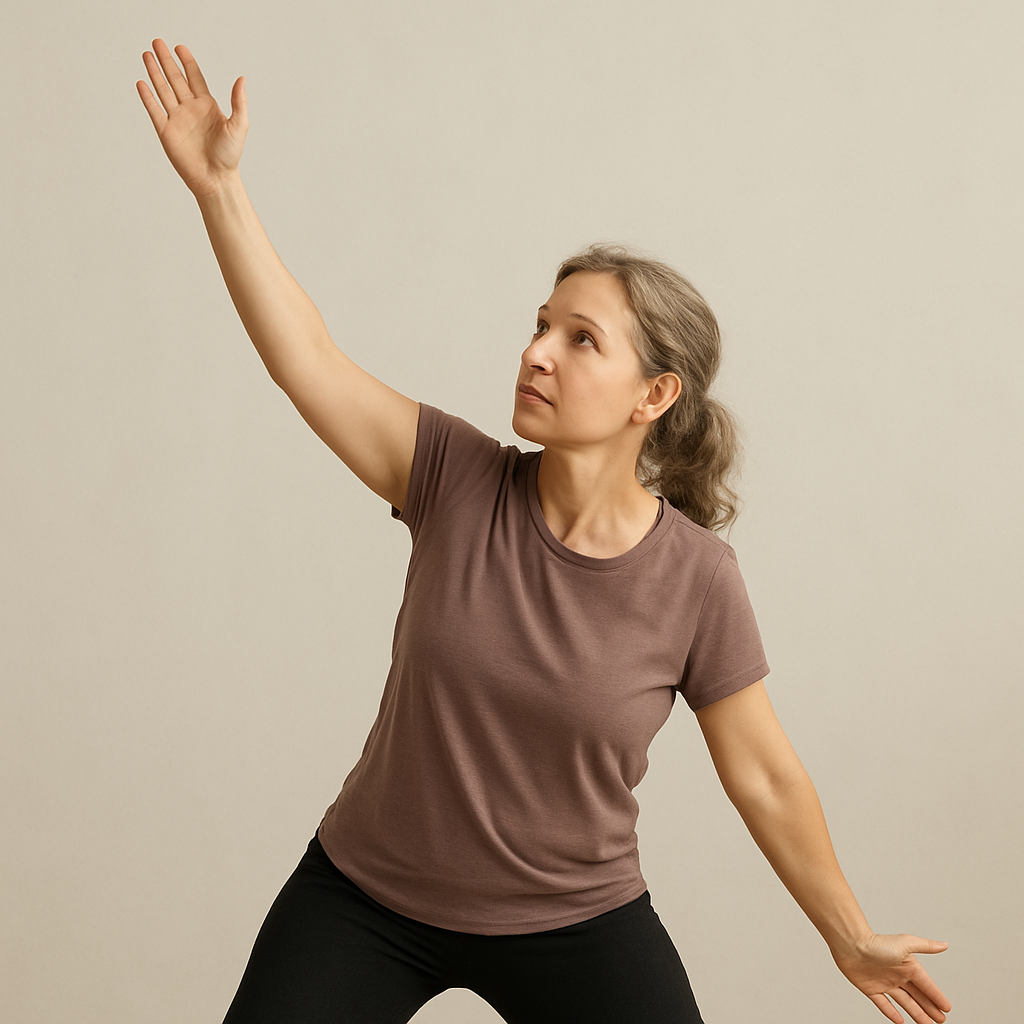
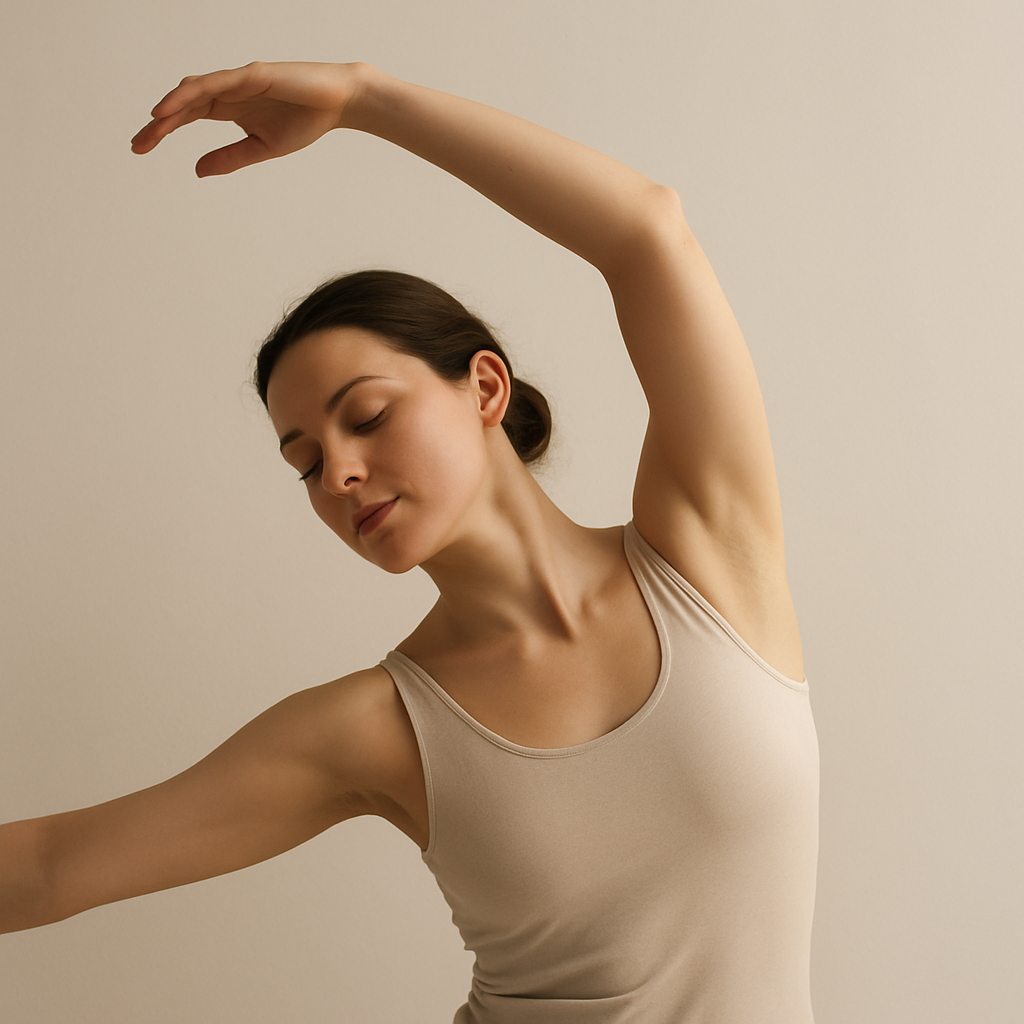
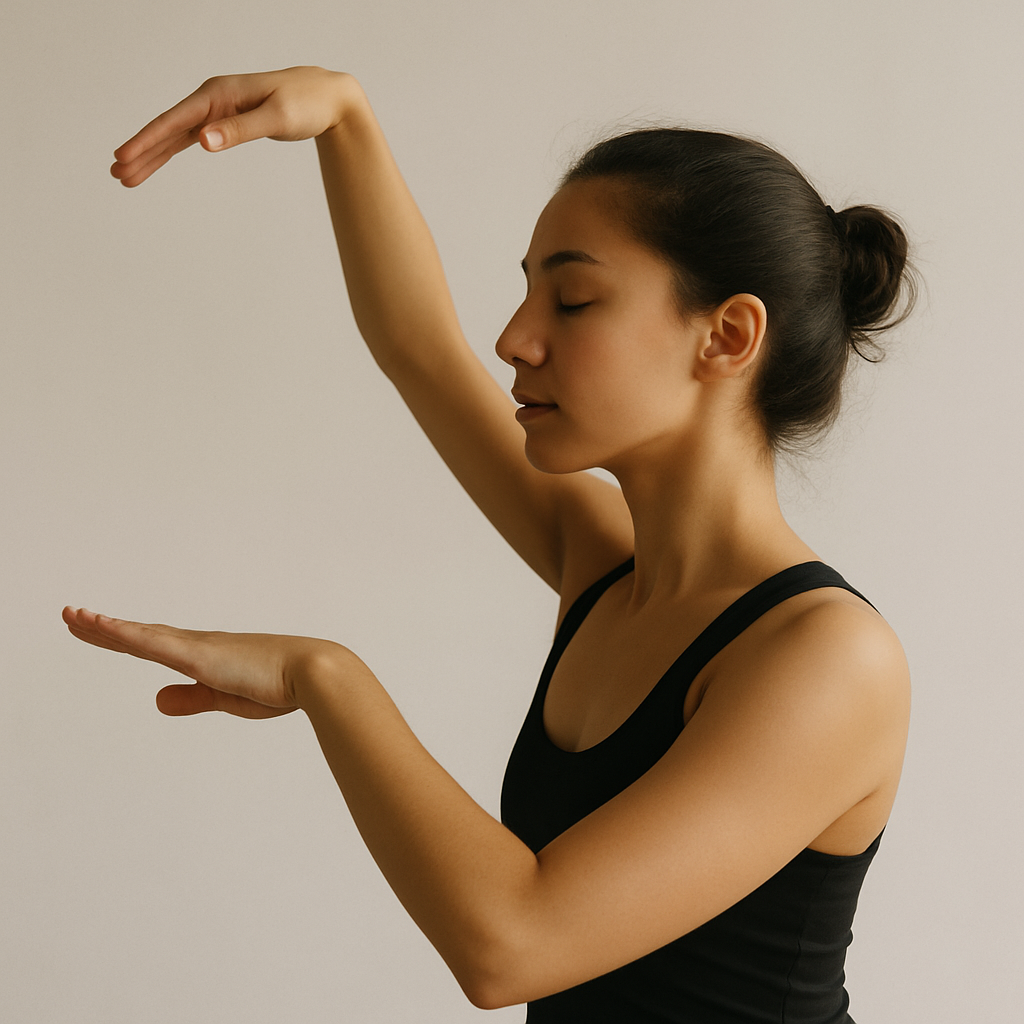
Movement therapy is a broad term encompassing various therapeutic practices that use movement to improve emotional and physical well-being. This can include dance therapy, somatic movement, and other expressive forms that allow individuals to explore their feelings and physical sensations.
Qigong
Qigong is an ancient Chinese practice that combines movement, meditation, and controlled breathing. It is designed to cultivate and balance the body's vital energy, or 'Qi.' This practice is known for promoting relaxation, enhancing physical health, and improving mental focus.
Common Functional Actions
Yoga and movement therapy can support various health functions, including:
- Anti-inflammatory: Regular movement helps reduce inflammation in the body by promoting circulation and reducing stress.
- Stress Reduction: Mindfulness practices inherent in yoga help lower cortisol levels, reducing stress and anxiety.
- Mood Enhancement: Physical activity releases endorphins, which contribute to improved mood and overall mental health.
- Improved Digestion: Certain yoga poses can stimulate digestive organs, promoting better digestion and gut health.
Body Systems This Category Most Supports
Yoga and movement therapy primarily support the following body systems:
- Musculoskeletal System: Enhances flexibility, strength, and coordination.
- Nervous System: Promotes relaxation and mental clarity through mindfulness and breath control.
- Cardiovascular System: Improves heart health through physical activity.
- Digestive System: Aids in digestion and gut health through specific poses and movements.
Wellness Goals People Pursue With It
Individuals often turn to yoga and movement therapy for various wellness goals, such as:
- Stress management and anxiety reduction
- Improved physical fitness and flexibility
- Enhanced mental clarity and focus
- Emotional balance and healing
- Support for chronic pain management
How to Choose & Use (responsibly)
When considering yoga and movement therapy, it's essential to choose a practice that aligns with personal goals and physical capabilities. Here are a few tips:
- Explore Different Styles: Try various yoga styles (Hatha, Vinyasa, etc.) to find what resonates with you.
- Consider Class Settings: Join classes led by certified instructors for guidance and safety.
- Listen to Your Body: Pay attention to how your body responds to different movements and adjust accordingly.
- Timing: Consistency is key; aim for regular practice, whether daily or several times a week.
- Consult a Professional: If you have existing health conditions or concerns, consult with a healthcare provider before starting any new movement practice.
Safety, Contraindications & Medication Interactions
While yoga and movement therapy are generally safe for most people, certain considerations should be taken into account:
- Individuals with specific injuries or medical conditions should consult with a healthcare provider before engaging in new physical activities.
- Pregnant individuals should seek guidance on safe practices during pregnancy.
- Those with chronic conditions such as arthritis, heart disease, or severe anxiety should work with a qualified instructor who can tailor practices to their needs.
Pairs Well With (cross-pillar suggestions)
Yoga and movement therapy can complement other natural remedies, including:
- Aromatherapy: Essential oils can enhance relaxation during yoga practice.
- Herbal Supplements: Herbs like Ashwagandha or Chamomile can support stress relief when combined with movement practices.
- Mindfulness Meditation: Integrating meditation into yoga enhances the benefits of both practices.
FAQs
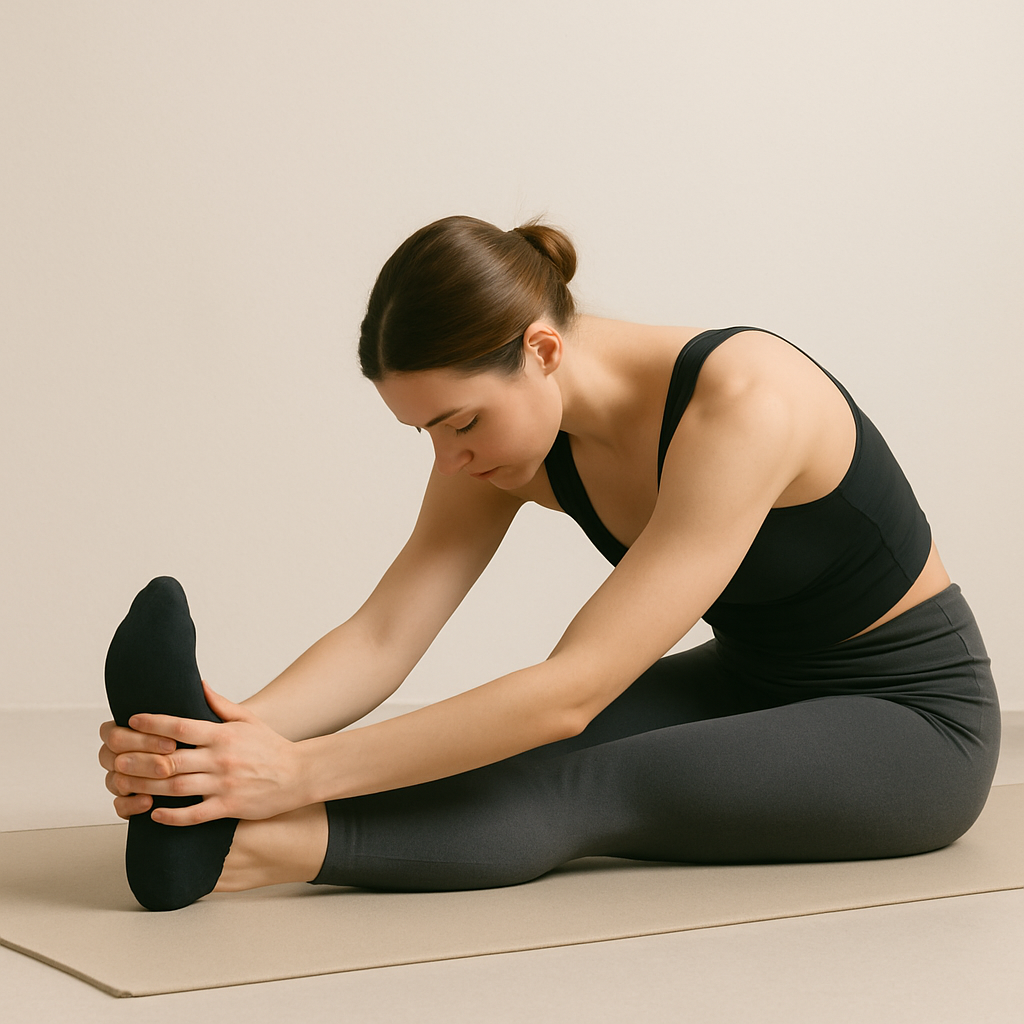
- What is the best type of yoga for beginners? Hatha yoga is often recommended for beginners as it focuses on basic postures and breathing techniques.
- How often should I practice yoga? Aim for at least 2-3 times a week for optimal benefits, but even daily short sessions can be beneficial.
- Can yoga help with weight loss? While yoga is not primarily a weight-loss exercise, it can contribute to weight management through increased physical activity and mindfulness.
- Is movement therapy suitable for everyone? Most people can benefit from movement therapy, but those with specific health concerns should consult a healthcare professional.
- How long does it take to see benefits from yoga? Many individuals report feeling immediate benefits after just one session, while more significant changes may take several weeks of consistent practice.
- Can I practice yoga at home? Yes, there are many online resources, videos, and apps available for practicing yoga at home.
Explore Yoga & Movement Therapy
15 subcategories


Frequently asked
What is the best type of yoga for beginners?
Hatha yoga is often recommended for beginners as it focuses on basic postures and breathing techniques.
How often should I practice yoga?
Aim for at least 2-3 times a week for optimal benefits, but even daily short sessions can be beneficial.
Can yoga help with weight loss?
While yoga is not primarily a weight-loss exercise, it can contribute to weight management through increased physical activity and mindfulness.
Is movement therapy suitable for everyone?
Most people can benefit from movement therapy, but those with specific health concerns should consult a healthcare professional.
How long does it take to see benefits from yoga?
Many individuals report feeling immediate benefits after just one session, while more significant changes may take several weeks of consistent practice.
Can I practice yoga at home?
Yes, there are many online resources, videos, and apps available for practicing yoga at home.