Wellness Technology
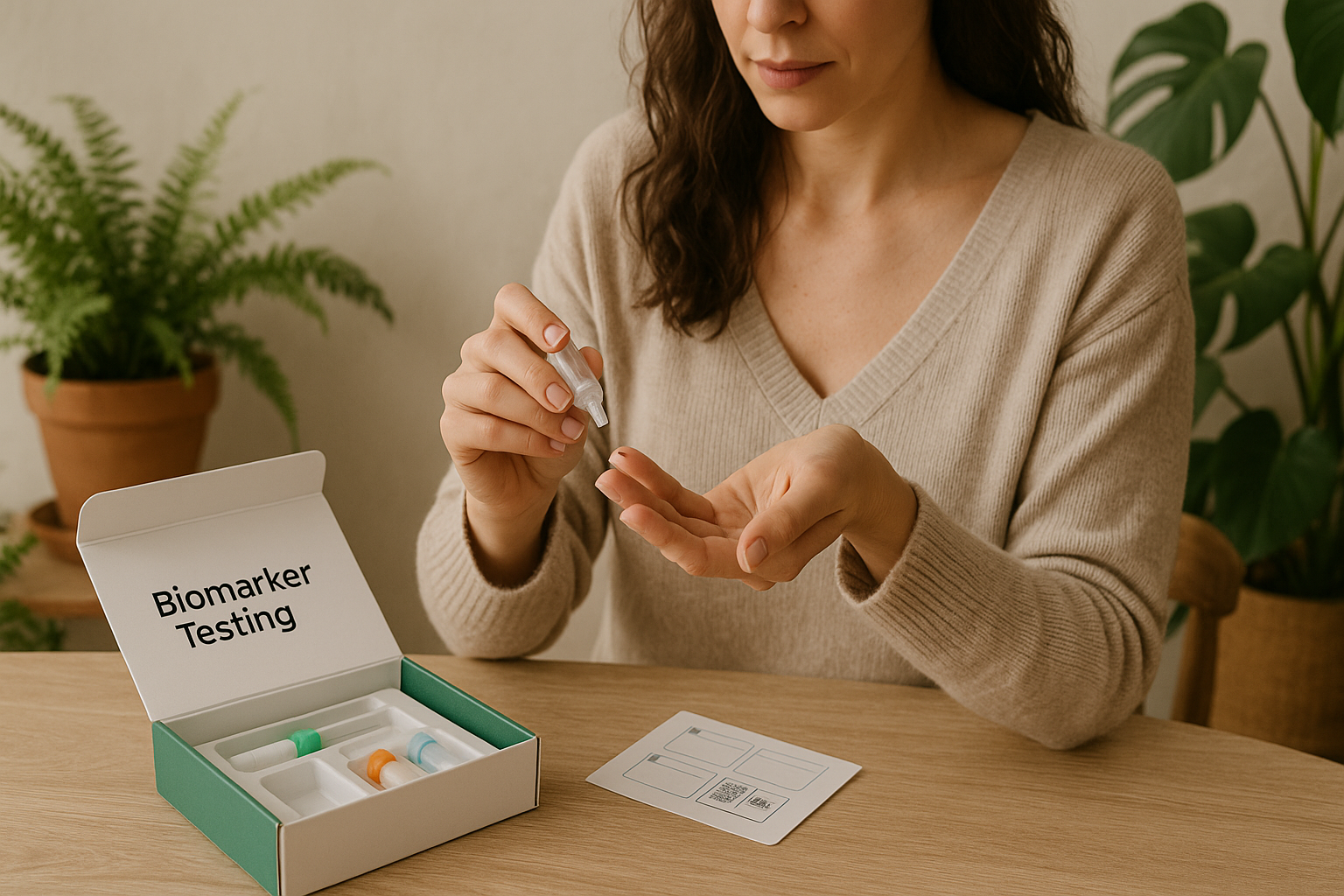
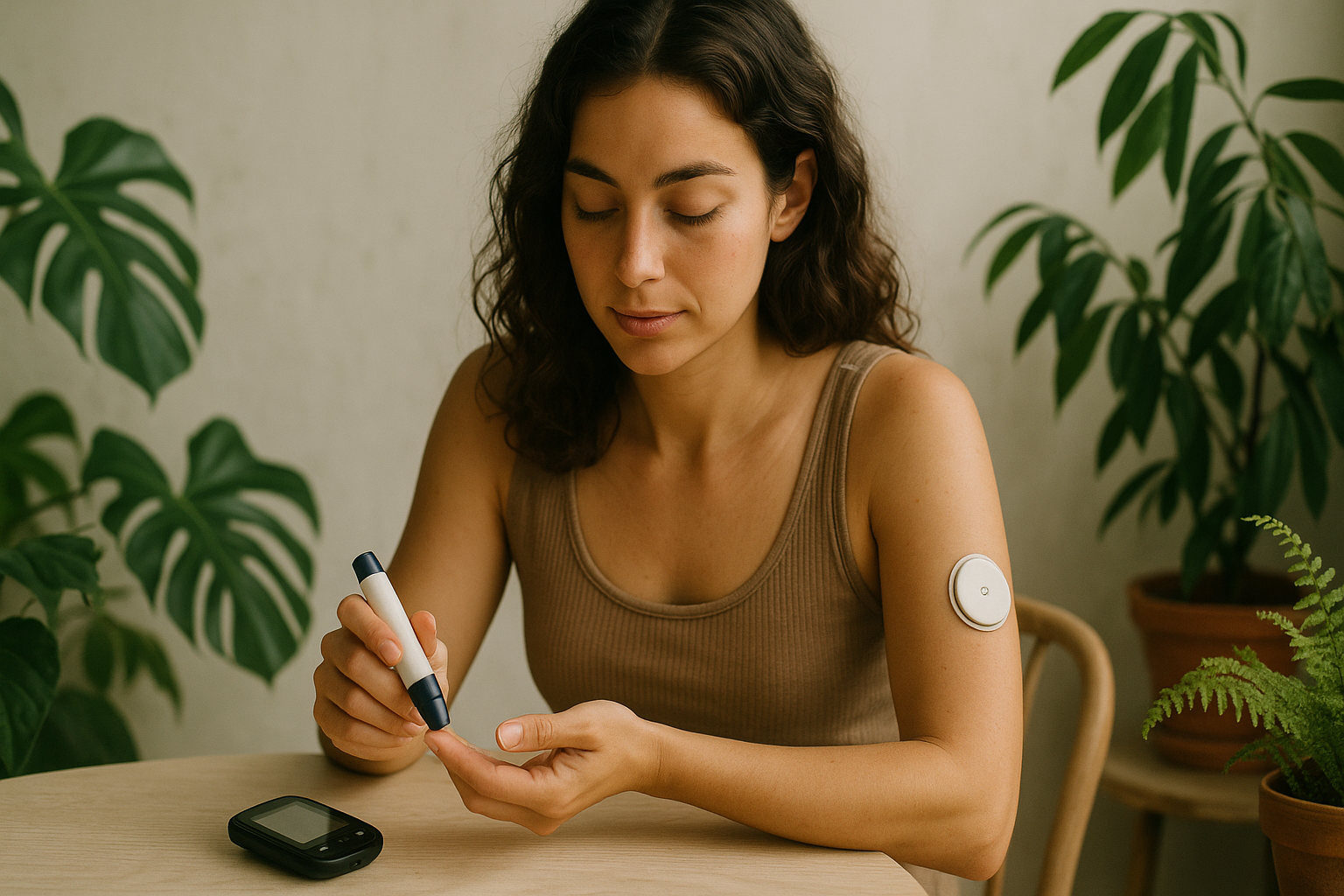
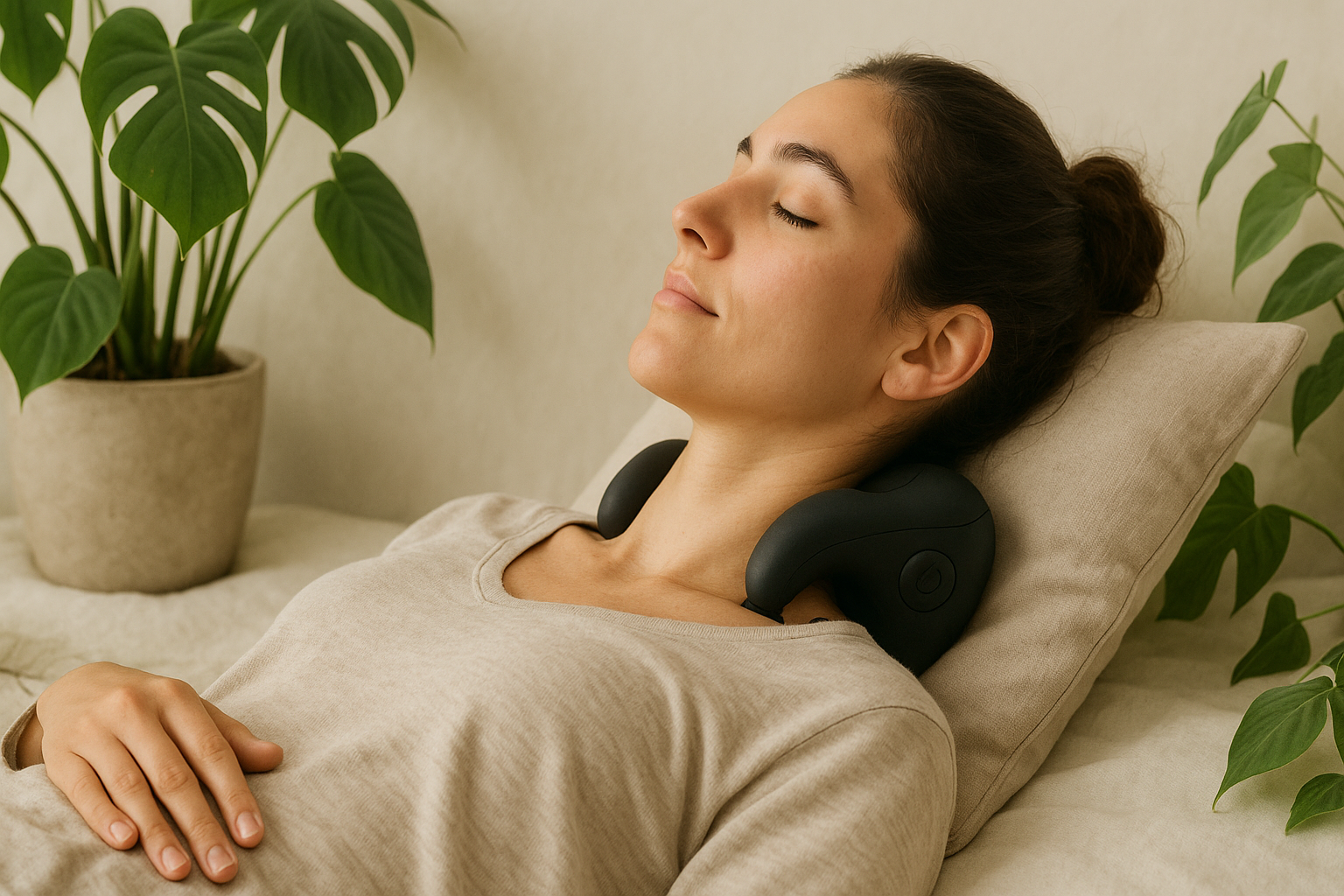
Delve into wellness technology and its impact on modern wellness practices. Learn about its biological mechanisms, key sub-topics, and how it bridges ancient wisdom with contemporary health solutions.
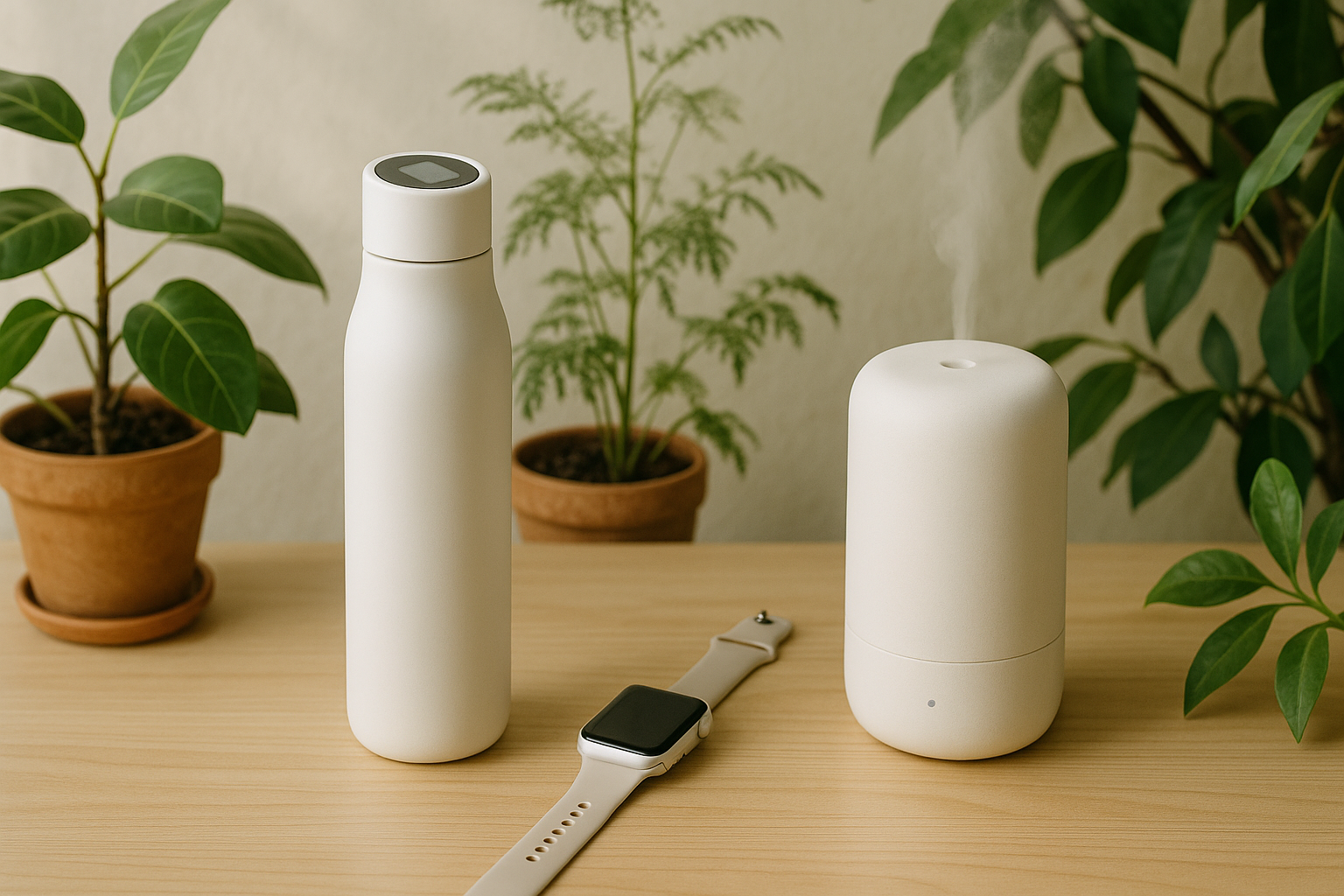
Explore the intersection of technology and holistic health in our comprehensive guide to wellness technology. Discover how modern innovations can enhance your well-being, support your health goals, and integrate seamlessly into your lifestyle.
Intro Summary
In today's fast-paced world, wellness technology has emerged as a pivotal component of modern wellness. This category includes a range of tools and innovations designed to enhance physical and mental health, improve fitness, and promote overall well-being. From wearable devices that track activity levels to apps that facilitate mindfulness and meditation, wellness technology is reshaping how we approach personal health.
Understanding and utilizing wellness technology is essential for those looking to optimize their health and wellness journey. By integrating these tools into daily routines, individuals can gain insights into their physical state, develop healthier habits, and foster a deeper connection with their bodies.
The Underlying Biology / Mechanism
At its core, wellness technology operates on the principle of data collection and analysis. Devices and applications gather information about various physiological parameters, such as heart rate, sleep patterns, and physical activity. This data is then processed to provide insights that can lead to improved health outcomes.
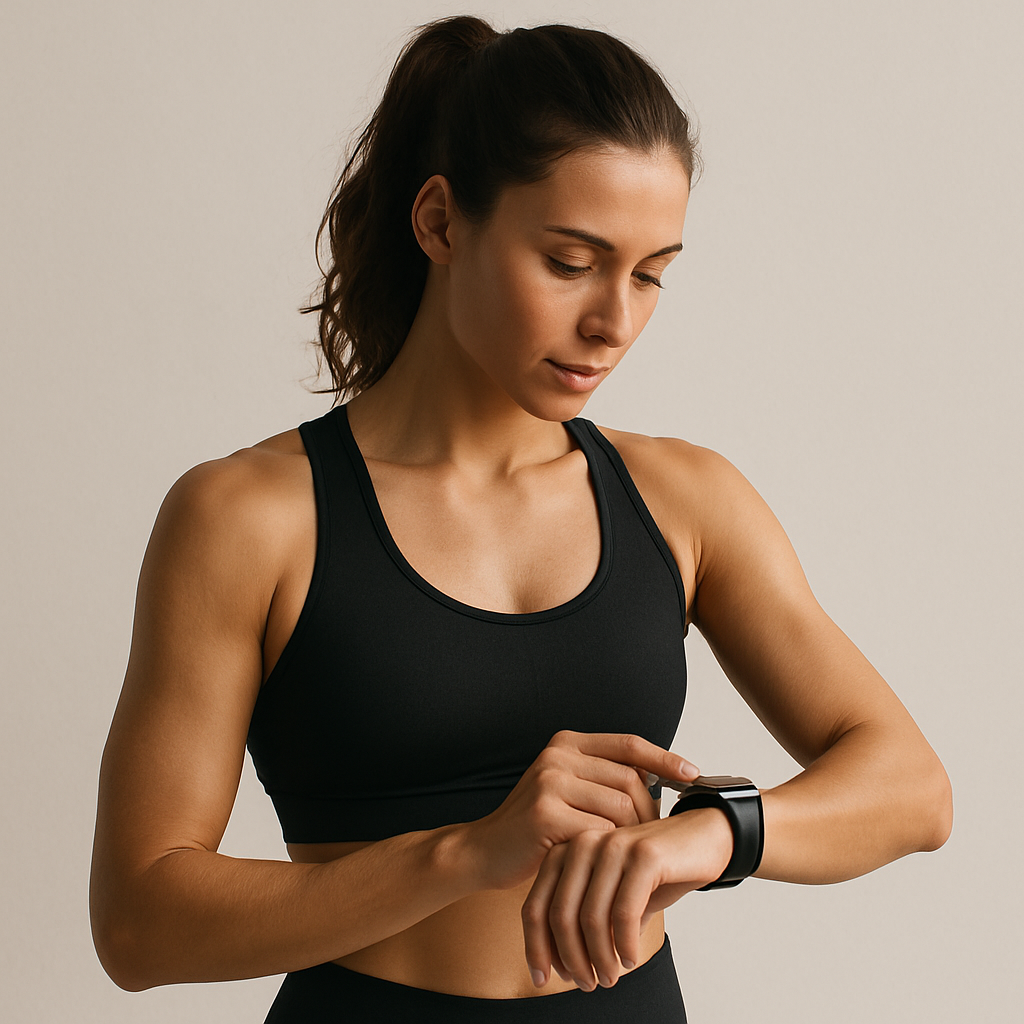
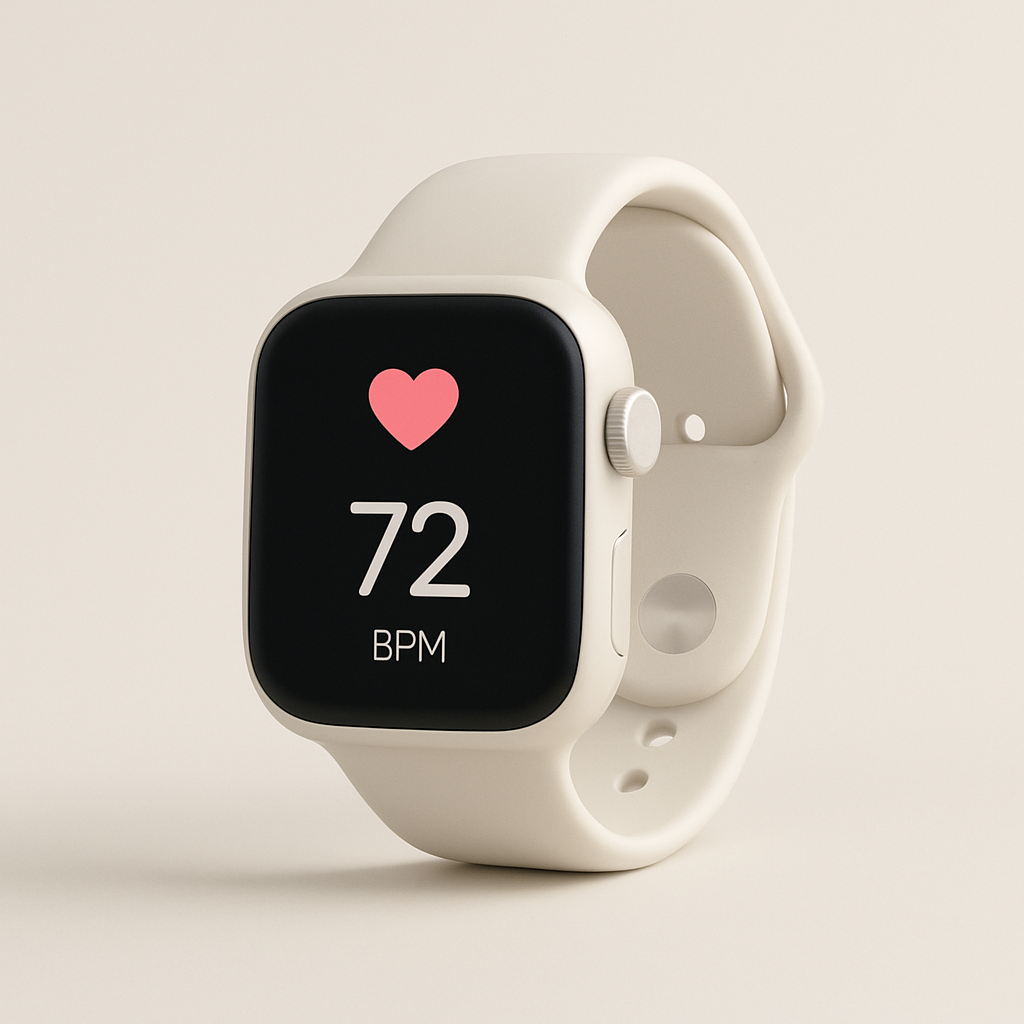
For example, wearables that monitor heart rate variability can indicate stress levels and overall cardiovascular health. By analyzing this data, individuals can make informed decisions about their lifestyle and wellness practices, ultimately leading to a more balanced and health-conscious existence.
Key Sub-Topics Within This Category
- Wearable Technology
- Apps for Mindfulness and Mental Health
- Fitness Tracking Devices
- Telehealth Solutions
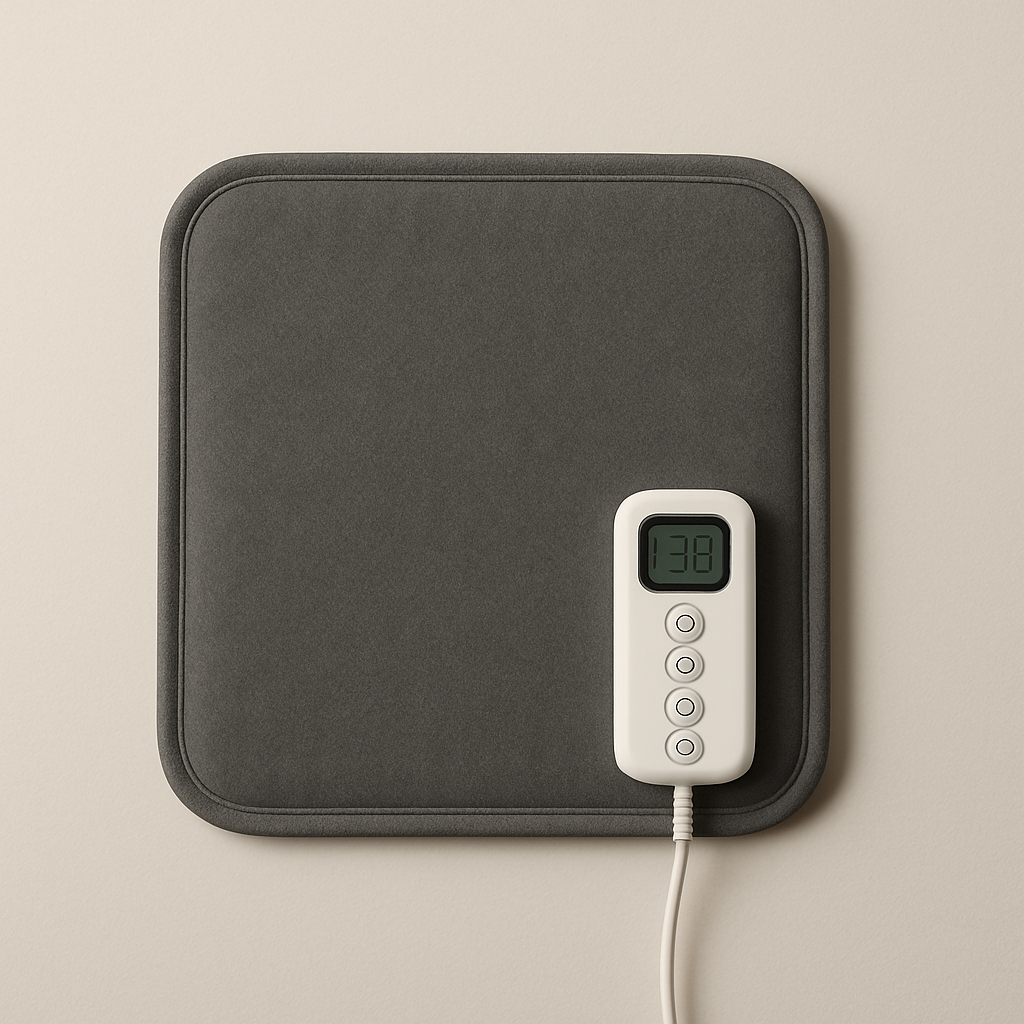
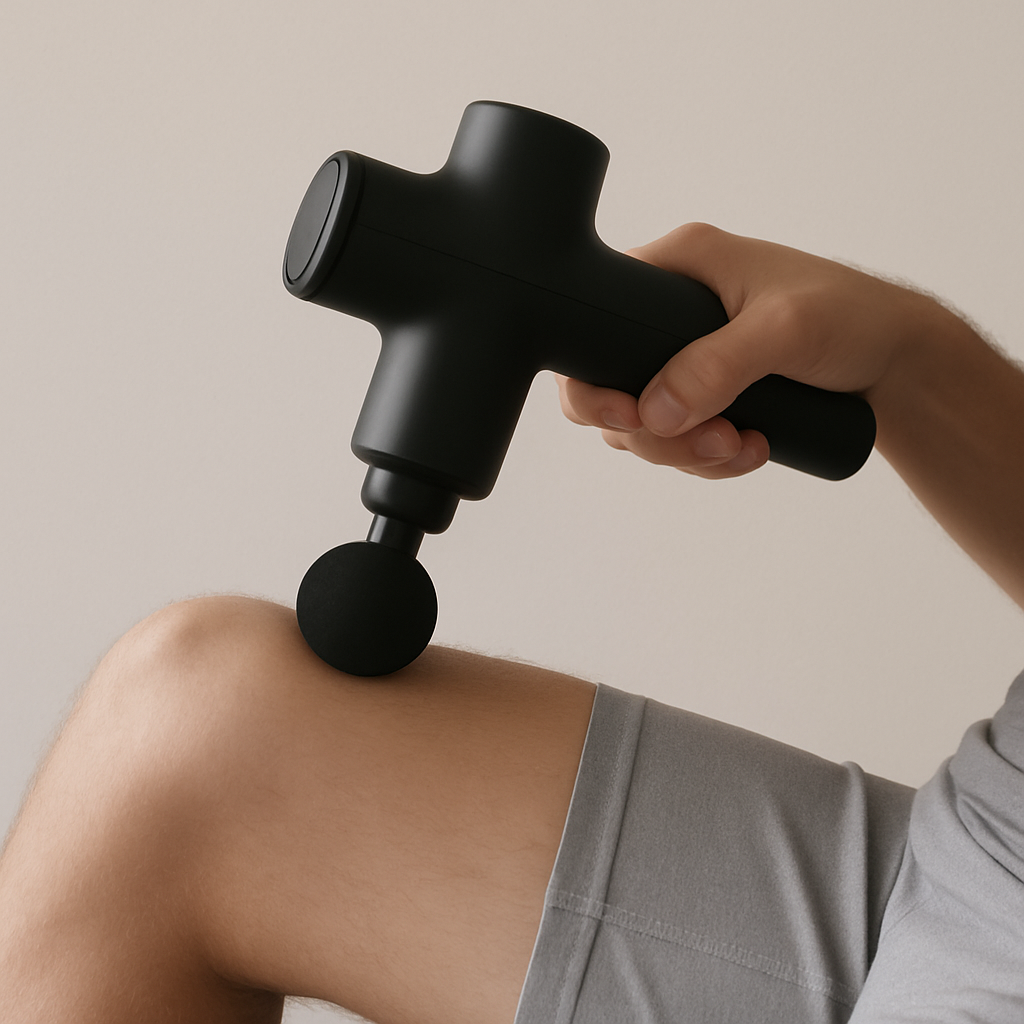
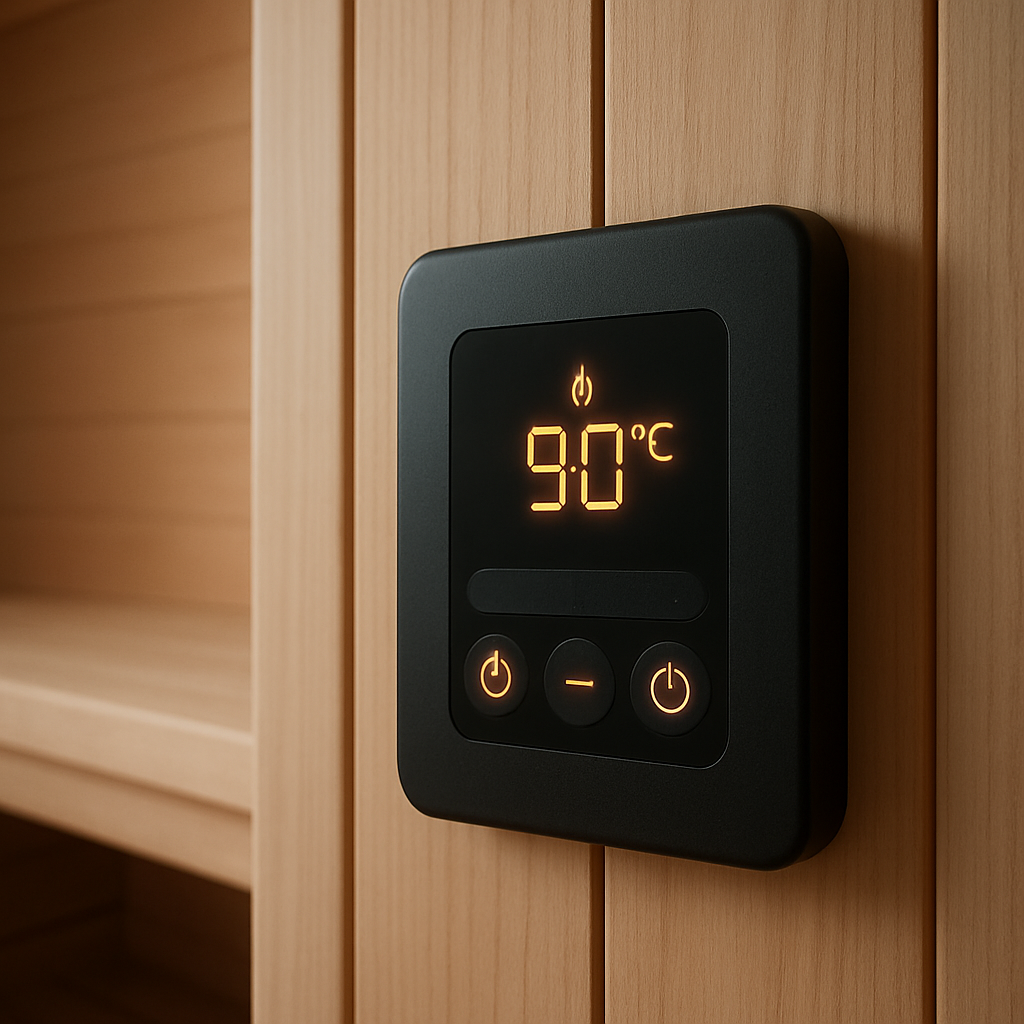
- Smart Home Wellness Devices
- Biofeedback Systems
Biomarkers, Tests, and Data Points That Matter
Wellness technology can help track various biomarkers that are relevant for health monitoring. These may include:
- Heart Rate
- Blood Oxygen Levels
- Sleep Quality and Duration
- Activity Levels (steps, distance)
- Stress Levels (via heart rate variability)
It's important to note that while these data points can provide valuable insights, they should be interpreted with caution. Individual variations in physiology and lifestyle can impact reference ranges, so it's advisable to consult with a healthcare professional for personalized guidance.
Functional Actions This Category Targets
Wellness technology aims to support several functional actions, including:
- Enhancing Physical Fitness
- Improving Mental Health
- Facilitating Stress Management
- Supporting Sleep Hygiene
- Encouraging Healthy Eating Habits
Body Systems It Most Supports
This category of wellness tools primarily supports:
- Cardiovascular System
- Nervous System
- Musculoskeletal System
- Endocrine System (hormonal balance)
- Immune System (through stress reduction)
Common Goals
Individuals utilizing wellness technology often have specific health and wellness goals, such as:
- Weight Management
- Improving Sleep Quality
- Reducing Stress and Anxiety
- Enhancing Physical Performance
- Establishing Consistent Healthy Routines
Approaches & Interventions (lifestyle, nutrition, supplements, devices)
There are several approaches to integrating wellness technology into daily life, including:
- Lifestyle Changes: Adopting a more active lifestyle through fitness apps and wearables that track progress.
- Nutrition Monitoring: Using apps to log food intake and monitor dietary habits.
- Mindfulness Practices: Engaging with guided meditation apps for mental wellness.
- Supplements: Utilizing technology to remind users about supplement intake.
- Device Usage: Incorporating smart devices that monitor environmental factors affecting health.
Safety, Edge Cases & When to Consult a Clinician
While wellness technology can be beneficial, there are edge cases and safety concerns to consider. Individuals with pre-existing health conditions should consult a clinician before relying on technology for health management. Additionally, data privacy and security are significant considerations, as personal health data may be vulnerable to breaches.
If you experience health changes or anomalies in data that concern you, it's crucial to seek professional advice rather than solely relying on technology for diagnosis or treatment.
How It Bridges to Ancient Wisdom & Natural Remedies
Wellness technology often complements ancient practices and remedies by providing a modern framework for understanding health. For instance, the principles of mindfulness and meditation, rooted in ancient traditions, are now facilitated by apps that guide users through these practices.
Furthermore, technology can enhance our connection to natural remedies by providing information about herbal supplements and their effects, aligning modern science with traditional knowledge.
FAQs (6)
- What is wellness technology? Wellness technology refers to tools and applications designed to enhance health and well-being through data collection and analysis.
- How can I use wellness technology effectively? Incorporate devices or apps into your daily routine to track health metrics and set achievable wellness goals.
- Is wellness technology safe? Generally, yes, but individuals with health conditions should consult a healthcare professional before use.
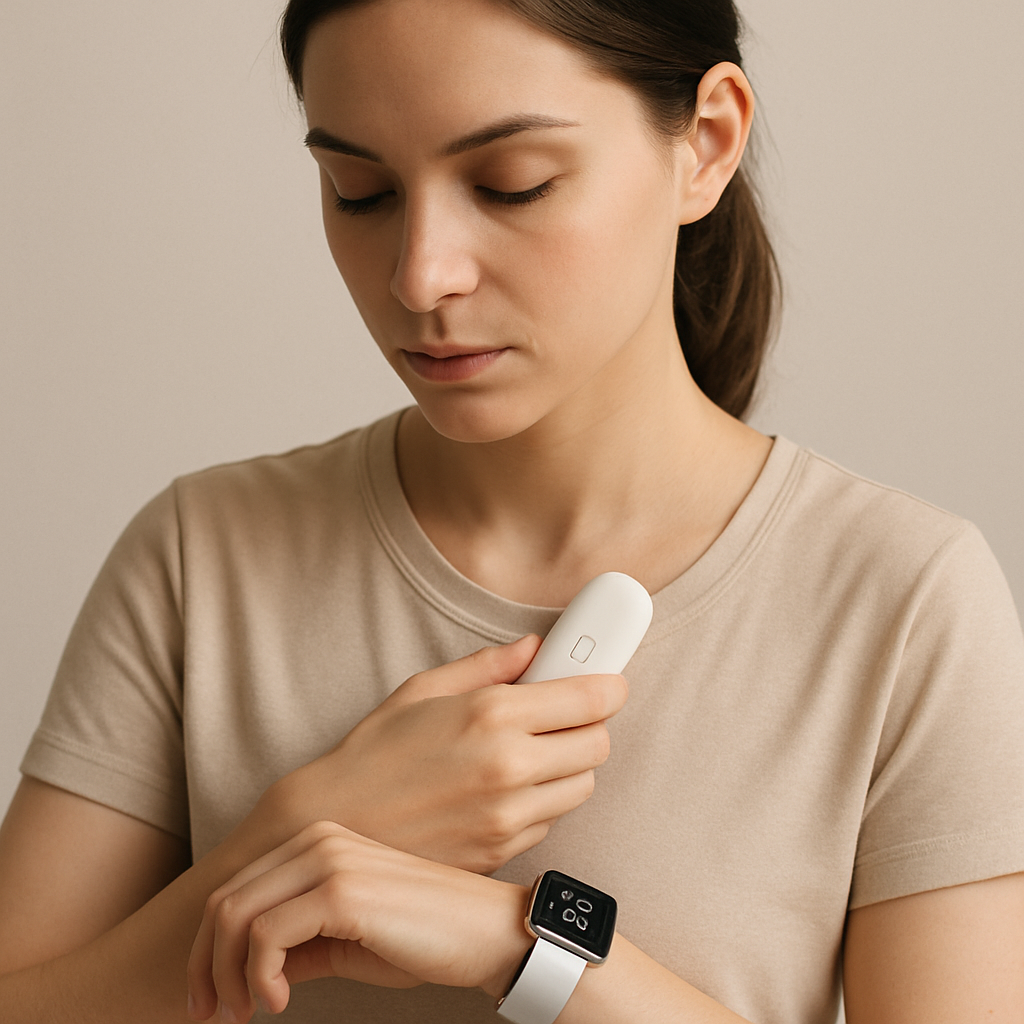
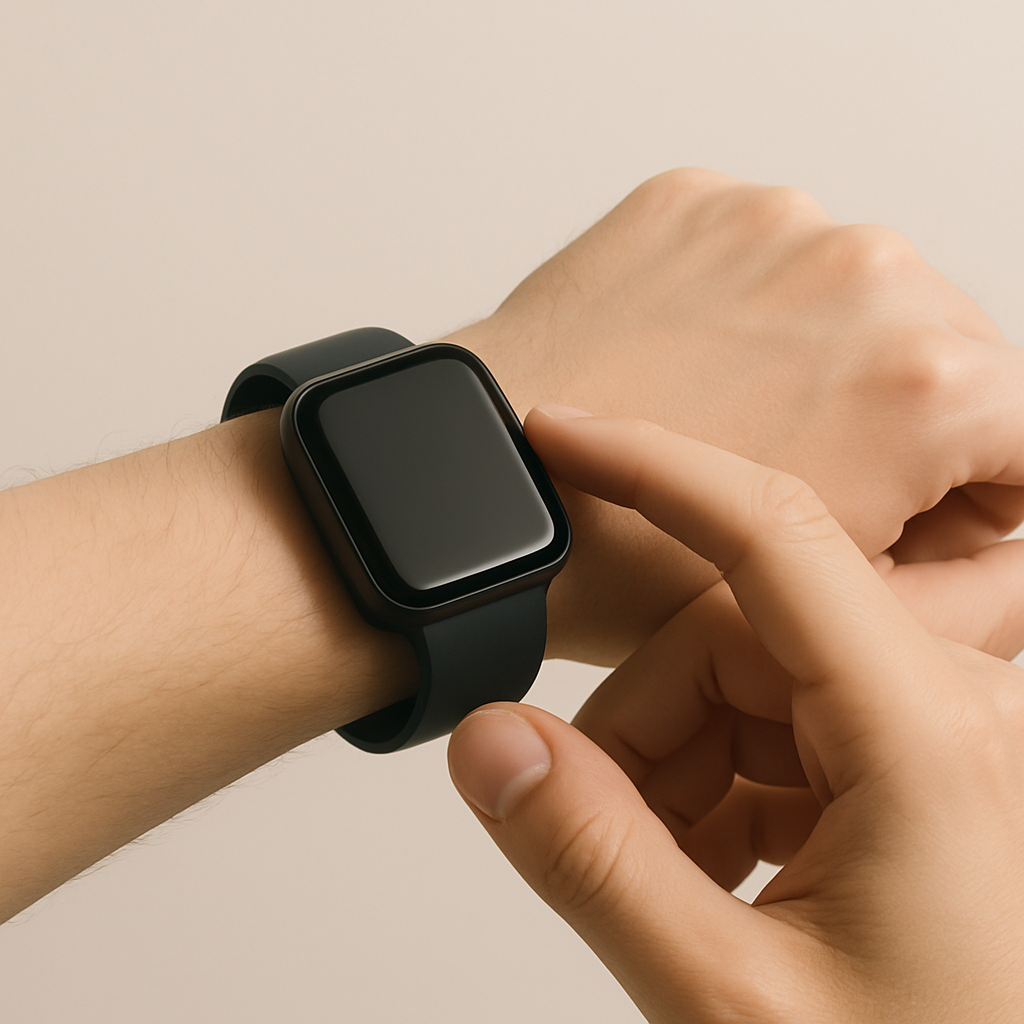
- What are common devices used in wellness technology? Common devices include fitness trackers, smartwatches, and apps for mindfulness and nutrition tracking.
- How does wellness technology support mental health? Many apps provide meditation, stress management, and mood tracking features that can enhance mental well-being.
- Can wellness technology replace medical advice? No, wellness technology should complement, not replace, professional medical advice and treatment.
Explore Wellness Technology
15 subcategories






Frequently asked
What is wellness technology?
Wellness technology refers to tools and applications designed to enhance health and well-being through data collection and analysis.
How can I use wellness technology effectively?
Incorporate devices or apps into your daily routine to track health metrics and set achievable wellness goals.
Is wellness technology safe?
Generally, yes, but individuals with health conditions should consult a healthcare professional before use.
What are common devices used in wellness technology?
Common devices include fitness trackers, smartwatches, and apps for mindfulness and nutrition tracking.
How does wellness technology support mental health?
Many apps provide meditation, stress management, and mood tracking features that can enhance mental well-being.
Can wellness technology replace medical advice?
No, wellness technology should complement, not replace, professional medical advice and treatment.