Cognitive Enhancement
Explore cognitive enhancement, a key aspect of modern wellness that focuses on improving mental functions through various lifestyle practices and interventions.

Cognitive enhancement refers to various practices aimed at improving mental functions such as memory, attention, and creativity. As a vital aspect of modern wellness, it matters because cognitive health plays a crucial role in overall well-being, performance, and quality of life. This category encompasses a range of approaches, including lifestyle changes, nutritional strategies, supplements, and technological devices designed to support cognitive functions.
Intro Summary
Cognitive enhancement refers to a broad spectrum of practices and interventions aimed at improving cognitive functions such as memory, attention, creativity, and overall mental performance. In today’s fast-paced world, where cognitive demands are ever-increasing, the importance of maintaining and enhancing cognitive health cannot be overstated. As a vital aspect of modern wellness, cognitive enhancement helps individuals optimize their mental capabilities, potentially leading to improved quality of life, better performance in daily tasks, and enhanced problem-solving skills.
This category is practiced through various approaches, including lifestyle modifications, nutritional interventions, cognitive training exercises, and the use of supplements or technological devices. Each of these strategies can contribute to better cognitive health, making it a multifaceted area of interest for those seeking to enhance their mental acuity.
The Underlying Biology / Mechanism
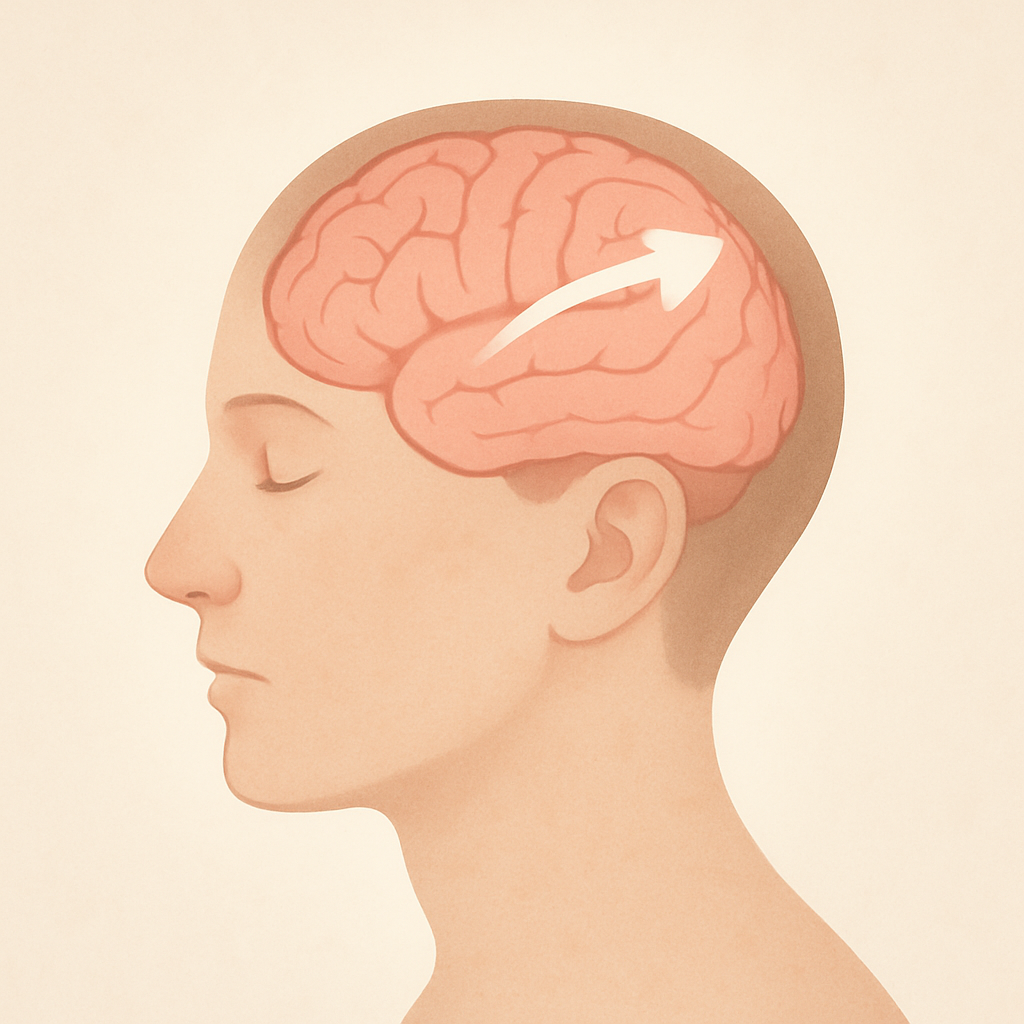
At the core of cognitive enhancement lies a complex interplay of biological mechanisms that govern brain function. The brain is a highly dynamic organ, and its performance can be influenced by various factors such as neurotransmitter levels, blood flow, and neural plasticity. Neurotransmitters are chemical messengers that transmit signals between neurons, and their balance is critical for optimal cognitive functioning. For instance, dopamine is associated with motivation and reward, while serotonin plays a role in mood regulation.
Moreover, increased blood flow to the brain can enhance cognitive performance by delivering more oxygen and nutrients necessary for neuronal activity. Neuroplasticity, the brain's ability to reorganize itself by forming new neural connections, is also pivotal for learning and memory. Cognitive enhancement strategies often aim to optimize these biological processes, promoting better mental performance.
Key Sub-Topics Within This Category
Diet and Nutrition
Physical Activity
Cognitive Training
Supplements and Nootropics
Meditation and Mindfulness
Technological Interventions
Biomarkers, Tests, and Data Points That Matter
Understanding cognitive health often involves evaluating specific biomarkers and data points. These can include:
- Brain-Derived Neurotrophic Factor (BDNF): A protein associated with neuroplasticity and cognitive function.
- Cortisol Levels: High levels of this stress hormone can negatively impact cognitive performance.
- Nutritional Status: Levels of vitamins such as B12 and omega-3 fatty acids can influence brain health.
- Neurotransmitter Levels: Assessing levels of neurotransmitters can provide insights into cognitive function.
It's important to note that reference ranges can vary widely among individuals, and results should be interpreted with caution. Consulting with a healthcare professional is advisable for a comprehensive understanding of these metrics.
Functional Actions This Category Targets
Cognitive enhancement seeks to target a variety of functional actions, including:
- Improving memory retention and recall
- Enhancing attention span and focus
- Boosting creativity and problem-solving skills
- Increasing mental clarity and processing speed
- Supporting emotional regulation and resilience
Body Systems It Most Supports
The primary body system supported by cognitive enhancement practices is the nervous system, specifically the brain. However, the following systems may also benefit:
- Endocrine System: Hormonal balance can influence cognitive functions.
- Cardiovascular System: Improved blood flow can enhance brain health.
- Immune System: A healthy immune response supports overall well-being and cognitive function.
Common Goals
The goals of cognitive enhancement vary among individuals but often include:
- Achieving optimal mental performance in work or academic settings
- Improving overall quality of life and daily functioning
- Enhancing learning capabilities and retention of information
- Boosting creativity and innovative thinking
- Reducing cognitive decline associated with aging
Approaches & Interventions (lifestyle, nutrition, supplements, devices)
Cognitive enhancement can be approached through various lifestyle changes, nutritional strategies, and technological interventions:
- Lifestyle: Regular physical exercise, adequate sleep, and stress management techniques such as mindfulness meditation can significantly improve cognitive function.
- Nutrition: A diet rich in antioxidants, healthy fats, and essential nutrients can support brain health. Foods like fatty fish, berries, nuts, and leafy greens are often recommended.
- Supplements: Nootropics, such as caffeine, L-theanine, and omega-3 fatty acids, are often explored for their potential cognitive benefits.
- Devices: Cognitive training apps and neurofeedback devices are gaining popularity for enhancing cognitive skills.
Safety, Edge Cases & When to Consult a Clinician
While many cognitive enhancement strategies are safe, it is essential to approach them with caution. Some supplements may interact with medications or have side effects. Individuals with underlying health conditions or those who are pregnant or nursing should consult a healthcare professional before starting any new regimen. Additionally, if cognitive decline is noticeable or concerning, seeking a clinician’s guidance is crucial to rule out any serious underlying conditions.
How It Bridges to Ancient Wisdom & Natural Remedies
Cognitive enhancement has roots in ancient practices and natural remedies that have been used for centuries. Herbs like ginkgo biloba and ginseng have long been associated with improved cognitive function and memory. Traditional practices such as yoga and meditation have also been recognized for their benefits on mental clarity and focus. By bridging modern techniques with ancient wisdom, individuals can explore holistic approaches to enhance cognitive health.
FAQs (6)
- What is cognitive enhancement? Cognitive enhancement includes various practices aimed at improving mental functions such as memory, attention, and creativity.
- Are supplements effective for cognitive enhancement? Some supplements may offer benefits, but effectiveness can vary among individuals. Consulting a healthcare professional is advisable.
- Can lifestyle changes improve cognitive function? Yes, lifestyle changes such as regular exercise, a balanced diet, and sufficient sleep can significantly enhance cognitive health.
- What role does diet play in cognitive enhancement? A nutrient-rich diet supports brain health and can improve cognitive functions.
- Is cognitive training beneficial? Cognitive training can help improve specific skills, such as memory and problem-solving, but results may differ.
- When should I consult a clinician about cognitive concerns? If you notice significant cognitive decline or have concerns about your mental health, it’s essential to seek professional advice.
Explore Cognitive Enhancement
15 subcategories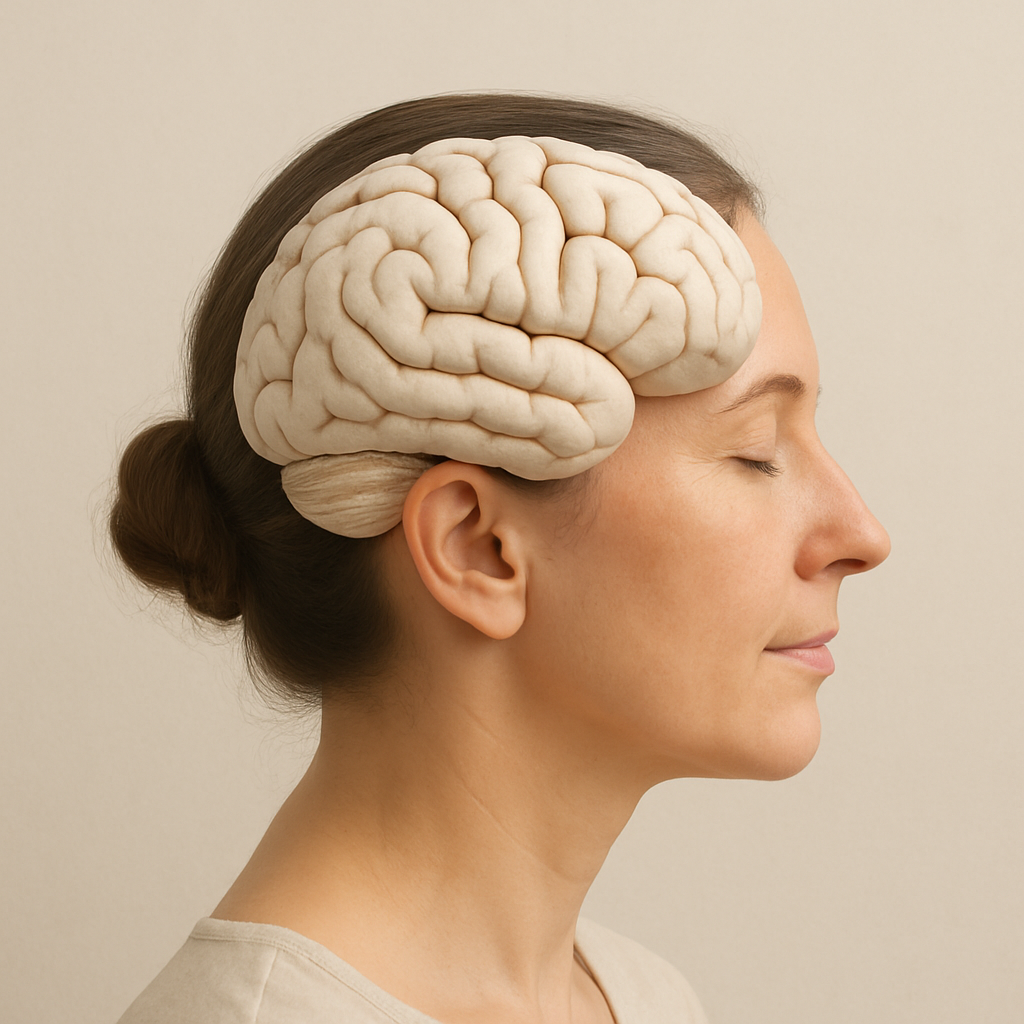












Frequently asked
What is cognitive enhancement?
Cognitive enhancement includes various practices aimed at improving mental functions such as memory, attention, and creativity.
Are supplements effective for cognitive enhancement?
Some supplements may offer benefits, but effectiveness can vary among individuals. Consulting a healthcare professional is advisable.
Can lifestyle changes improve cognitive function?
Yes, lifestyle changes such as regular exercise, a balanced diet, and sufficient sleep can significantly enhance cognitive health.
What role does diet play in cognitive enhancement?
A nutrient-rich diet supports brain health and can improve cognitive functions.
Is cognitive training beneficial?
Cognitive training can help improve specific skills, such as memory and problem-solving, but results may differ.
When should I consult a clinician about cognitive concerns?
If you notice significant cognitive decline or have concerns about your mental health, it’s essential to seek professional advice.