Nootropics
Discover how nootropics can enhance cognitive function, their mechanisms of action, and practical applications in daily life.

Explore the intriguing world of nootropics, a subcategory of cognitive enhancement focusing on substances that may improve cognitive function in healthy individuals. This comprehensive guide offers insights into their mechanisms, evidence, practical applications, and safety considerations.
What It Is
Nootropics, often referred to as "smart drugs" or "cognitive enhancers," are substances that are believed to improve cognitive function, particularly executive functions, memory, creativity, or motivation in healthy individuals. The term was coined in 1972 by Romanian psychologist Corneliu E. Giurgea, who defined nootropics as compounds that enhance learning and memory, protect the brain from injury, and have few side effects.
These substances can be natural or synthetic and are used by people looking to improve their mental performance, whether for academic purposes, professional tasks, or personal development. While they are widely marketed and discussed in modern wellness circles, the effectiveness and safety of many nootropics remain subjects of ongoing research and debate.
Mechanism / How It Works
Nootropics are thought to work through various mechanisms that may enhance brain function. Some of the proposed mechanisms include:
- Increasing Neurotransmitter Levels: Nootropics may boost levels of neurotransmitters such as acetylcholine, dopamine, and serotonin, which are crucial for memory, mood, and cognitive processing.
- Enhancing Blood Flow: Certain nootropics may improve cerebral blood flow, leading to better oxygen and nutrient delivery to brain cells, which can enhance cognitive function.
- Reducing Oxidative Stress: Some compounds have antioxidant properties that can protect brain cells from oxidative damage, potentially improving overall brain health.
- Promoting Neurogenesis: Some nootropics may encourage the growth of new neurons, thus supporting long-term cognitive function.
Evidence Summary
The evidence surrounding nootropics is varied and sometimes conflicting. Some substances, such as caffeine and certain racetams, have shown promise in improving specific cognitive functions in healthy individuals. However, much of the research is preliminary, and results can be inconsistent.
Clinical studies often focus on specific populations, such as the elderly or those with cognitive impairments, rather than healthy individuals. This limits the generalizability of findings. Furthermore, while some nootropics are supported by robust clinical evidence, others lack rigorous scientific validation, and their efficacy remains largely anecdotal.
Practical Application
Integrating nootropics into your daily routine should be approached with caution and mindfulness. Here are some practical applications and protocols:
- Start Low and Go Slow: Begin with a low dose to assess tolerance and effects before increasing the dosage.
- Cycle Use: Consider cycling nootropic use to prevent tolerance build-up and maintain effectiveness.
- Combine with Healthy Habits: Pair nootropic use with good nutrition, regular exercise, and adequate sleep for optimal cognitive enhancement.
- Document Effects: Keep a journal to track changes in cognition, mood, and any side effects experienced.
Common pitfalls include expecting too much too quickly, neglecting the importance of lifestyle factors, and potential interactions with other substances.
Relevant Biomarkers & Tracking
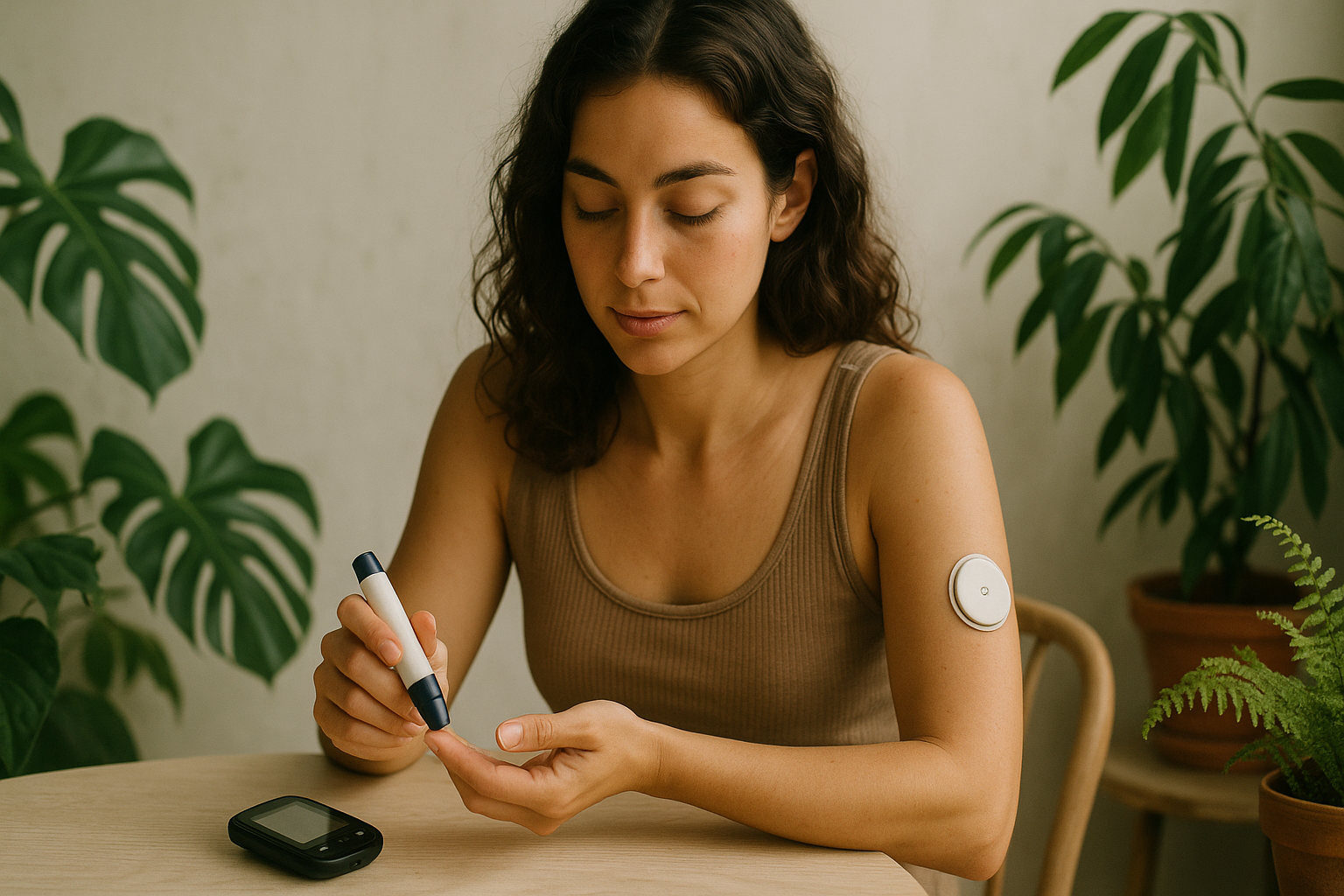
To monitor the effects of nootropics, consider tracking the following biomarkers:
- Cognitive Performance: Use cognitive tests or apps to assess memory, attention, and processing speed before and after starting nootropics.
- Mood Levels: Track changes in mood and emotional well-being using a mood diary or wellness app.
- Sleep Quality: Monitor sleep patterns and quality, as some nootropics can affect sleep.
Body Systems Supported
Nootropics primarily support the following body systems:
- Nervous System: Enhancing communication between neurons and overall brain health.
- Cardiovascular System: Some nootropics may improve blood flow to the brain and support heart health.
- Endocrine System: Certain nootropics may have an impact on hormone levels related to stress and cognition.
Common Goals
Individuals often turn to nootropics with specific goals in mind, including:
- Improving focus and concentration
- Enhancing memory retention and recall
- Boosting creativity and problem-solving skills
- Increasing motivation and reducing procrastination
- Mitigating the effects of stress and anxiety
Safety, Contraindications & Edge Cases
While many nootropics are considered safe for healthy individuals, some may have side effects or contraindications. It is essential to consult with a healthcare professional before starting any new supplement, especially if you have existing health conditions or are taking medications.
Potential side effects can include:
- Insomnia or disrupted sleep
- Increased anxiety or jitteriness
- Headaches
- Gastrointestinal discomfort
Edge cases involve individuals with pre-existing neurological conditions, pregnant or breastfeeding women, and those with a history of substance abuse.
Pairs Well With
Nootropics can be complemented by various natural or ancient counterparts, enhancing their effects. Consider the following:
- Adaptogens: Substances like Rhodiola Rosea and Ashwagandha may help manage stress, enhancing the cognitive benefits of nootropics.
- Herbal Teas: Ginkgo Biloba and Gotu Kola are traditional herbs that have been used to support cognitive function and may work synergistically with nootropics.
- Mindfulness Practices: Meditation and yoga can improve focus and mental clarity, complementing the effects of nootropics.
FAQs (5)
- What are the most common nootropics? Popular nootropics include caffeine, L-theanine, Bacopa Monnieri, and racetams.
- Can nootropics be taken daily? Many nootropics can be taken daily, but it is essential to monitor effects and consult with a healthcare professional.
- Are nootropics safe for everyone? While generally considered safe for healthy individuals, those with specific health conditions should consult a doctor before use.
- How long does it take to feel the effects of nootropics? Effects can vary; some may feel changes within hours, while others might take weeks for noticeable benefits.
- Can I stack nootropics? Yes, many people combine different nootropics for enhanced effects, but it is crucial to research interactions and start slowly.
Frequently asked
What are the most common nootropics?
Popular nootropics include caffeine, L-theanine, Bacopa Monnieri, and racetams.
Can nootropics be taken daily?
Many nootropics can be taken daily, but it is essential to monitor effects and consult with a healthcare professional.
Are nootropics safe for everyone?
While generally considered safe for healthy individuals, those with specific health conditions should consult a doctor before use.
How long does it take to feel the effects of nootropics?
Effects can vary; some may feel changes within hours, while others might take weeks for noticeable benefits.
Can I stack nootropics?
Yes, many people combine different nootropics for enhanced effects, but it is crucial to research interactions and start slowly.