Meditation Cognition
Discover the cognitive benefits of meditation, its mechanisms, and how to effectively integrate it into your daily routine.

Explore how meditation can enhance cognitive function, with insights on its mechanisms, practical applications, and safety considerations.
What It Is
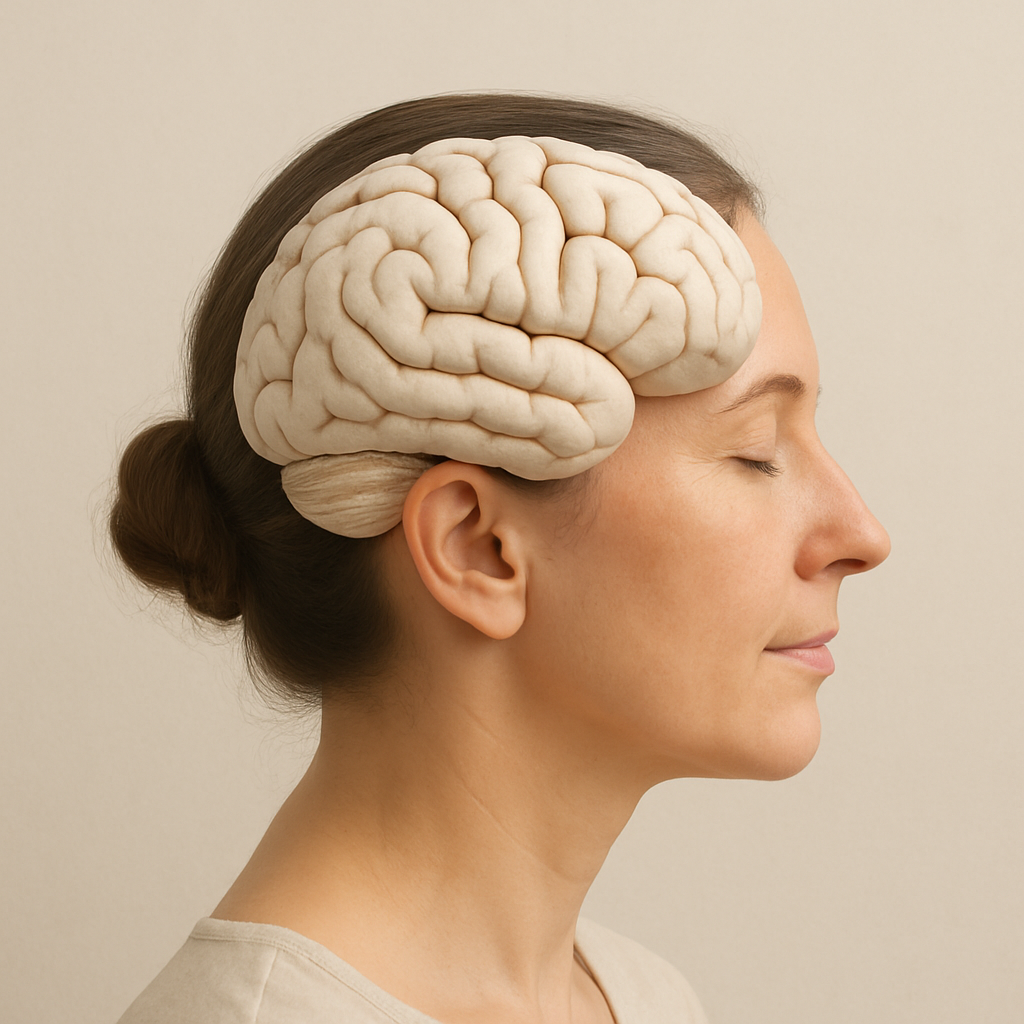
Meditation, a practice with ancient roots, involves focusing the mind to achieve a state of mental clarity, emotional calm, and heightened awareness. Within the realm of cognitive enhancement, meditation is recognized for its potential to improve various cognitive functions such as attention, memory, and problem-solving skills. Unlike passive relaxation, meditation actively engages the mind, leading to beneficial changes in cognitive processes.
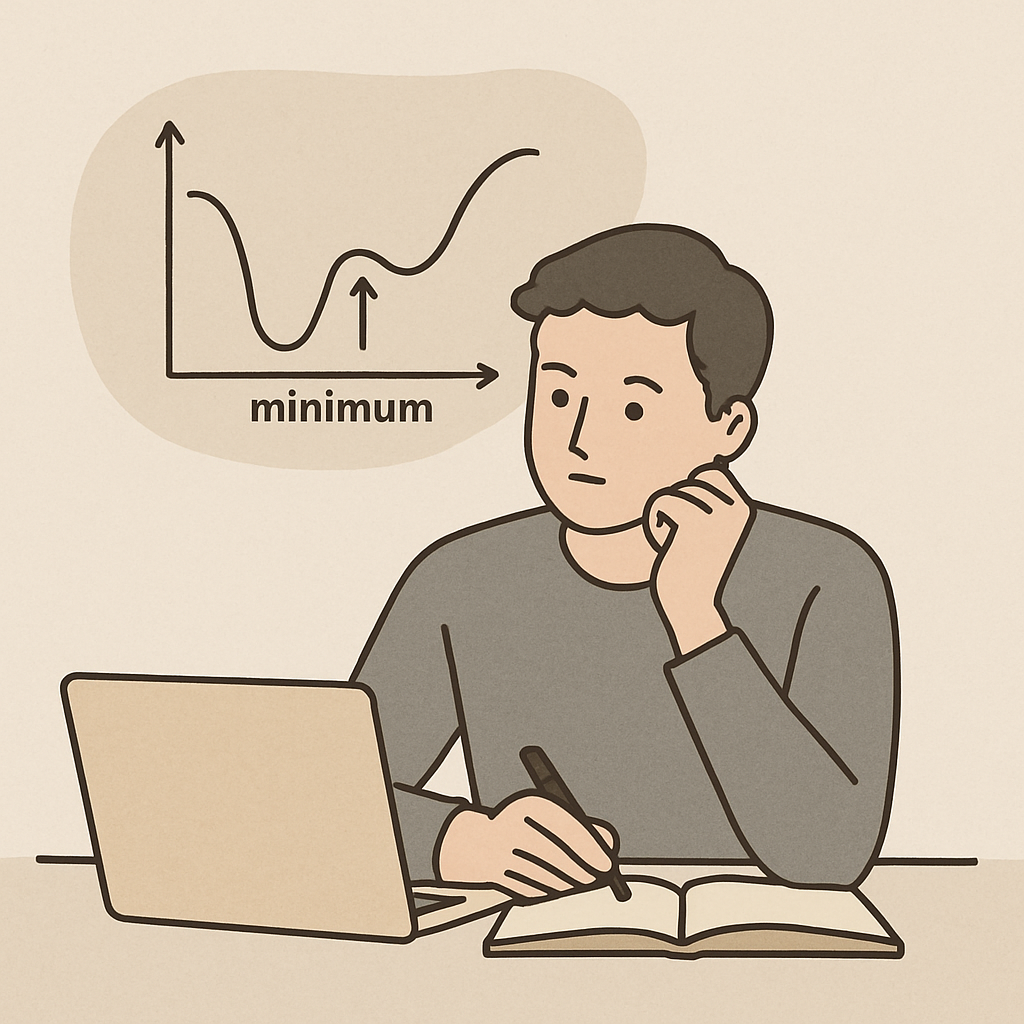
In essence, meditation is not merely a stress-relief technique but a cognitive training exercise. It encourages individuals to cultivate mindfulness—an attentive and non-judgmental awareness of the present moment—which can foster improved cognitive flexibility and resilience against distractions. As such, meditation serves as a powerful tool for enhancing cognitive performance across diverse populations.
Mechanism / How It Works
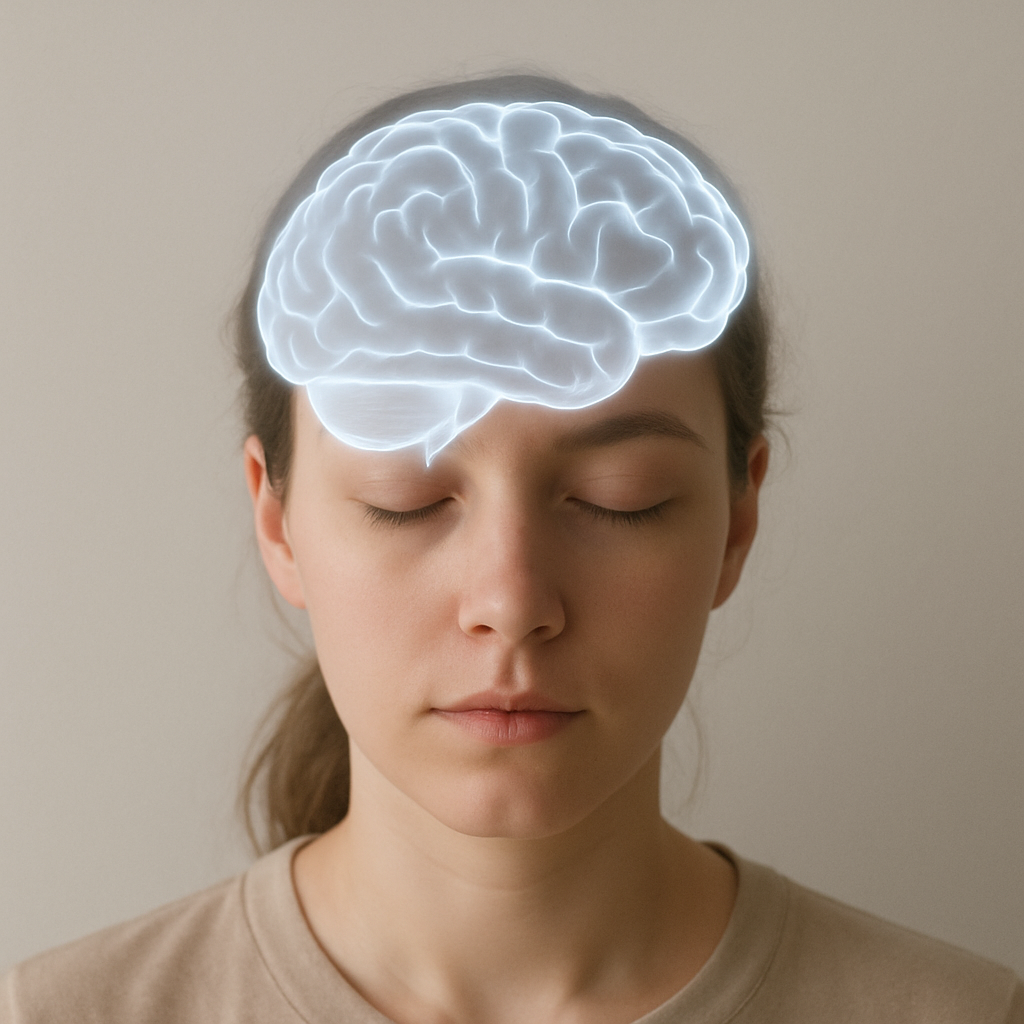
The cognitive benefits of meditation stem from various neurological and psychological mechanisms. Research suggests that meditation can enhance brain function by promoting neuroplasticity, the brain's ability to reorganize itself by forming new neural connections. This adaptability can lead to improvements in attention and memory.
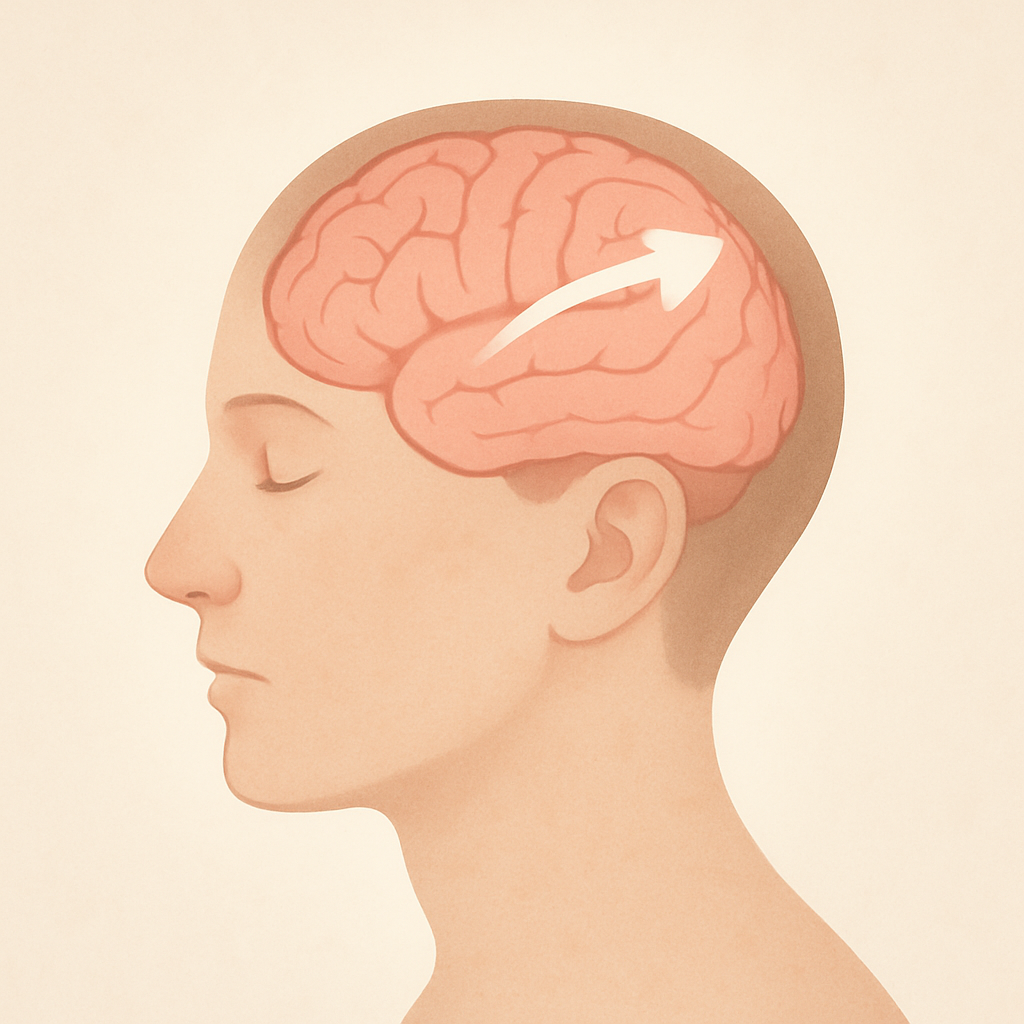
During meditation, individuals often experience changes in brain activity, particularly in areas associated with attention, emotional regulation, and self-awareness. For instance, studies have shown increased activity in the prefrontal cortex, which is responsible for higher-order cognitive functions such as decision making and problem-solving. Additionally, mindfulness meditation can lead to decreased activity in the default mode network (DMN), a group of brain regions that are active when the mind wanders, thereby improving focus and cognitive efficiency.
Evidence Summary
The body of research surrounding meditation and cognition is growing, though it remains in a relatively preliminary stage. Numerous studies have reported positive outcomes associated with meditation practices, including improved attention, enhanced working memory, and greater cognitive flexibility. For example, a meta-analysis of various studies indicated that mindfulness meditation significantly improves attention-related tasks compared to non-meditative controls.
However, results are not universally positive or consistent. Some studies have produced conflicting results, revealing that while some individuals may experience enhanced cognitive function, others may not see significant changes. Factors such as the type of meditation practiced, duration, and individual differences can all play a role in the outcomes. Thus, while there is promising evidence, more rigorous research is needed to fully understand the extent and nature of meditation's impact on cognition.
Practical Application
To harness the cognitive benefits of meditation, individuals can integrate it into their daily routines through structured protocols. Here are some practical tips for effective meditation:
- Start Small: Begin with short sessions of 5-10 minutes and gradually increase the duration to 20-30 minutes as comfort and familiarity grow.
- Consistent Schedule: Set aside a specific time each day for meditation, preferably in a quiet environment with minimal distractions.
- Focus on Breath: Use breath awareness as an anchor, concentrating on the inhalation and exhalation to cultivate mindfulness.
- Guided Meditations: Consider using apps or online resources for guided sessions, especially for beginners.
- Be Patient: Understand that cognitive improvements may take time and vary among individuals. Regular practice is key.
Common pitfalls to be aware of include frustration with wandering thoughts, unrealistic expectations, and inconsistent practice. Emphasizing the process rather than the outcome can help in overcoming these challenges.
Relevant Biomarkers & Tracking
Tracking the effects of meditation on cognitive function can be challenging but is essential for understanding its benefits. Some potential biomarkers to consider include:
- Cognitive Assessments: Regularly performing standardized tests for attention, memory, and executive function can help monitor changes over time.
- Neuroimaging Techniques: Functional MRI (fMRI) and EEG can provide insights into brain activity and structural changes associated with meditation.
- Self-Reported Measures: Keeping a journal of meditation experiences and cognitive performance can help identify subjective improvements.
Body Systems Supported
Meditation primarily supports the central nervous system and can have beneficial effects on various bodily systems, including:
- Endocrine System: Meditation may help regulate stress hormones, such as cortisol, promoting overall hormonal balance.
- Cardiovascular System: Regular meditation has been linked to lower blood pressure and improved heart health, indirectly supporting cognitive function.
- Immune System: Some studies indicate that meditation can enhance immune response, potentially benefiting overall health and cognitive vitality.
Common Goals
The goals of practicing meditation for cognitive enhancement often include:
- Improved Focus: Enhancing attention span and concentration abilities.
- Enhanced Memory: Boosting short-term and working memory capabilities.
- Cognitive Flexibility: Increasing the ability to adapt to new information and changing environments.
- Stress Reduction: Lowering anxiety and stress levels to create a conducive environment for cognitive performance.
Safety, Contraindications & Edge Cases
While meditation is generally considered safe, there are some considerations to keep in mind:
- Individual Differences: Some individuals may experience heightened anxiety or discomfort during meditation, particularly if they have a history of trauma or mental health conditions.
- Physical Limitations: Those with certain physical ailments may find it challenging to maintain specific postures for extended periods.
- Guided Support: For individuals with mental health concerns, seeking guidance from a qualified instructor or therapist can be beneficial.
Pairs Well With
Meditation can be effectively paired with various complementary practices, including:
- Yoga: Combining mindful movement with meditation enhances physical and mental well-being.
- Breathwork: Integrating breath control techniques can deepen the meditative experience.
- Nutrition: A balanced diet rich in omega-3 fatty acids and antioxidants can support overall brain health.
FAQs (5)
- What type of meditation is best for cognitive enhancement? Different types of meditation can be beneficial; however, mindfulness and focused attention meditation are particularly noted for cognitive improvements.
- How long should I meditate to see results? While individual experiences vary, consistent practice of at least 10-20 minutes daily is commonly recommended to observe cognitive benefits.
- Can meditation help with memory loss? Some studies suggest that meditation may help enhance memory but it should be considered as part of a broader approach to cognitive health.
- Is it necessary to meditate every day? While daily practice is ideal, consistency is more important than frequency; even a few sessions per week can be beneficial.
- Can meditation replace medication for cognitive issues? Meditation can be a complementary approach but should not replace prescribed medications without consulting a healthcare professional.
Frequently asked
What type of meditation is best for cognitive enhancement?
Different types of meditation can be beneficial; however, mindfulness and focused attention meditation are particularly noted for cognitive improvements.
How long should I meditate to see results?
While individual experiences vary, consistent practice of at least 10-20 minutes daily is commonly recommended to observe cognitive benefits.
Can meditation help with memory loss?
Some studies suggest that meditation may help enhance memory but it should be considered as part of a broader approach to cognitive health.
Is it necessary to meditate every day?
While daily practice is ideal, consistency is more important than frequency; even a few sessions per week can be beneficial.
Can meditation replace medication for cognitive issues?
Meditation can be a complementary approach but should not replace prescribed medications without consulting a healthcare professional.