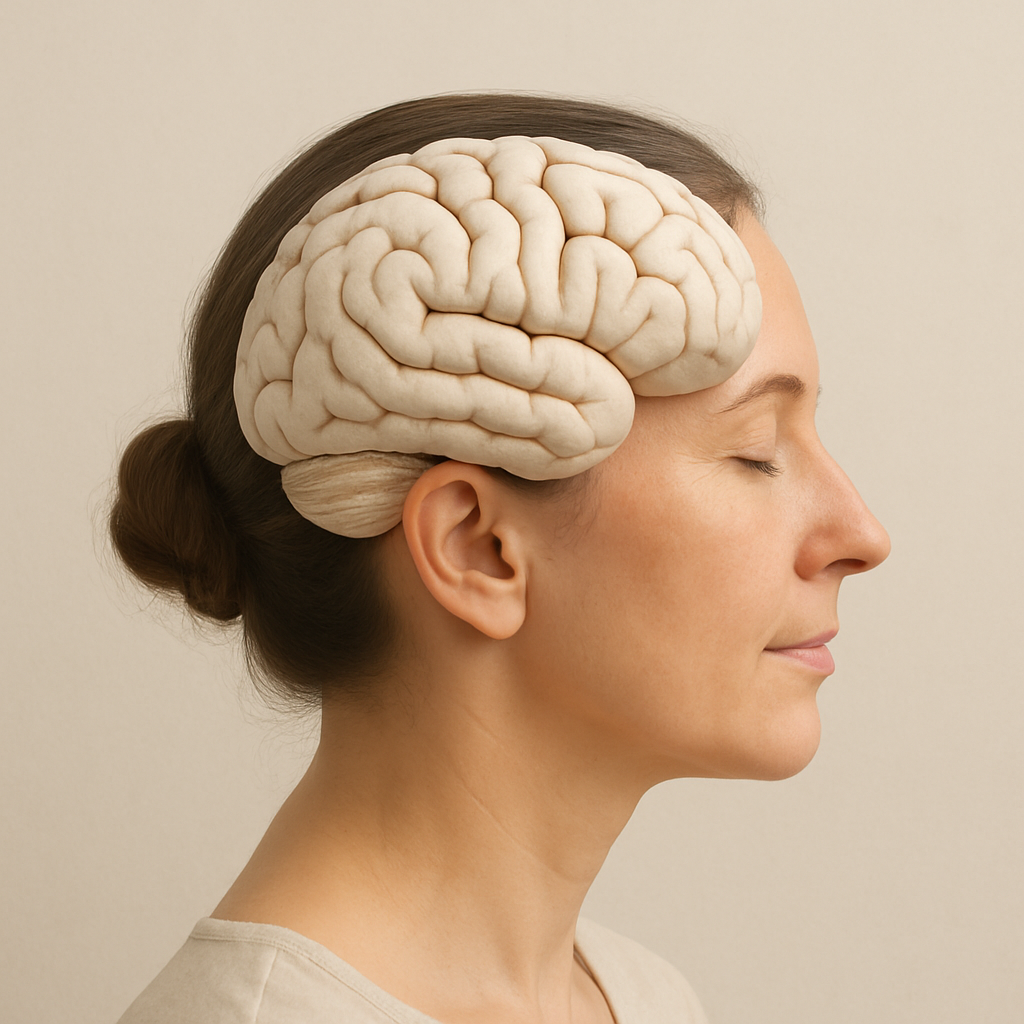
Memory Support
Dive into memory support strategies for cognitive enhancement, exploring mechanisms, evidence, practical applications, and safety considerations.

Explore the multifaceted world of memory support within cognitive enhancement. Discover how various interventions can help improve memory functions, the underlying mechanisms, and the evidence surrounding their effectiveness. Learn practical applications, safety considerations, and more.
What It Is
Memory support refers to a range of strategies, interventions, and supplements aimed at enhancing memory function and cognitive performance. As a subset of cognitive enhancement, memory support seeks to improve the ability to encode, store, and retrieve information effectively. This is particularly important as individuals age or face cognitive challenges, but it can also benefit anyone looking to boost their cognitive capabilities.
Memory involves several processes, including working memory, long-term memory, and recall. Support for these processes can come from lifestyle changes, dietary modifications, cognitive training exercises, and specific supplements or nootropics. The goal of memory support is not only to enhance cognitive performance but also to maintain optimal brain health.
Mechanism / How It Works
The mechanisms underlying memory support can vary widely depending on the intervention. For instance, certain supplements, like omega-3 fatty acids, are believed to support brain health through anti-inflammatory properties and promoting neuroplasticity. Other substances, such as Ginkgo biloba, may enhance blood flow to the brain, potentially improving cognitive function.
Cognitive training exercises work on the principle of neuroplasticity, where the brain adapts and reorganizes itself in response to learning and experience. These exercises aim to strengthen neural connections involved in memory processing. Additionally, lifestyle factors such as regular physical activity and sufficient sleep have been shown to play crucial roles in maintaining memory function.
Evidence Summary
The evidence surrounding memory support interventions is mixed. Some supplements, like fish oil containing omega-3 fatty acids, have shown promise in improving memory function, particularly in older adults. Clinical trials have demonstrated benefits in cognitive performance with certain nootropics, yet results can vary significantly among individuals.
On the other hand, some commonly touted memory-enhancing supplements, like Ginkgo biloba, have conflicting results in clinical studies, with some showing no significant effect on cognitive function. It is essential to interpret these findings cautiously and understand that while some individuals may experience benefits, others may not.
Practical Application
To effectively integrate memory support into daily life, consider the following protocols:
- Dietary Adjustments: Incorporate foods rich in antioxidants, healthy fats, and vitamins that support brain health, such as berries, nuts, and leafy greens.
- Cognitive Training: Engage in memory exercises, puzzles, or games designed to stimulate cognitive function.
- Supplementation: If considering supplements, consult a healthcare professional to determine appropriate options and dosages.
- Healthy Lifestyle: Prioritize regular physical exercise, adequate sleep, and stress management techniques.
Common pitfalls to avoid include relying solely on supplements without making lifestyle changes and neglecting the importance of mental exercises and social interactions in maintaining cognitive health.
Relevant Biomarkers & Tracking
Tracking cognitive function can be challenging, but certain biomarkers and assessments can provide insights into memory health. Biomarkers like brain-derived neurotrophic factor (BDNF) levels may indicate neuroplasticity and cognitive resilience. Additionally, cognitive assessments, such as the Mini-Mental State Examination (MMSE), can be employed to gauge memory performance over time.
Body Systems Supported
Memory support primarily interacts with the nervous system and the brain, but it can also influence other body systems:
- Circulatory System: Enhanced blood flow and oxygenation can positively impact cognitive function.
- Endocrine System: Hormonal balance plays a role in cognitive health, with stress hormones affecting memory.
- Immune System: A healthy immune response can reduce neuroinflammation, supporting overall brain health.
Common Goals
Individuals seeking memory support often aim for the following goals:
- Improved short-term and long-term memory.
- Enhanced focus and concentration.
- Better information recall during daily activities.
- Increased mental clarity and cognitive agility.
Safety, Contraindications & Edge Cases
While many memory support strategies are generally safe, some supplements can interact with medications or may not be suitable for individuals with specific health conditions. For example, Ginkgo biloba may increase bleeding risk in those on anticoagulants. Always consult a healthcare professional before beginning any new supplement regimen, especially for individuals with pre-existing health conditions or those who are pregnant or breastfeeding.
Pairs Well With
Memory support strategies can be enhanced by integrating practices from both ancient and natural counterparts:
- Meditation: Mindfulness practices can improve focus and cognitive function.
- Herbal Remedies: Adaptogens like Rhodiola rosea and Ashwagandha may support cognitive health.
- Physical Activity: Regular exercise is linked to improved brain health and memory.
FAQs (5)
- What supplements are best for memory support? Common options include omega-3 fatty acids, Ginkgo biloba, and Bacopa monnieri, but individual responses can vary.
- Can cognitive training really improve memory? Yes, engaging in regular cognitive training can strengthen memory pathways and improve cognitive function.
- How much sleep do I need for optimal memory? Most adults require 7-9 hours of sleep per night for optimal cognitive function.
- Are there any risks associated with memory supplements? Some supplements may interact with medications or have side effects; it's essential to consult a healthcare professional.
- Can diet affect memory? Yes, a balanced diet rich in nutrients supports overall brain health and memory function.
Frequently asked
What supplements are best for memory support?
Common options include omega-3 fatty acids, Ginkgo biloba, and Bacopa monnieri, but individual responses can vary.
Can cognitive training really improve memory?
Yes, engaging in regular cognitive training can strengthen memory pathways and improve cognitive function.
How much sleep do I need for optimal memory?
Most adults require 7-9 hours of sleep per night for optimal cognitive function.
Are there any risks associated with memory supplements?
Some supplements may interact with medications or have side effects; it's essential to consult a healthcare professional.
Can diet affect memory?
Yes, a balanced diet rich in nutrients supports overall brain health and memory function.