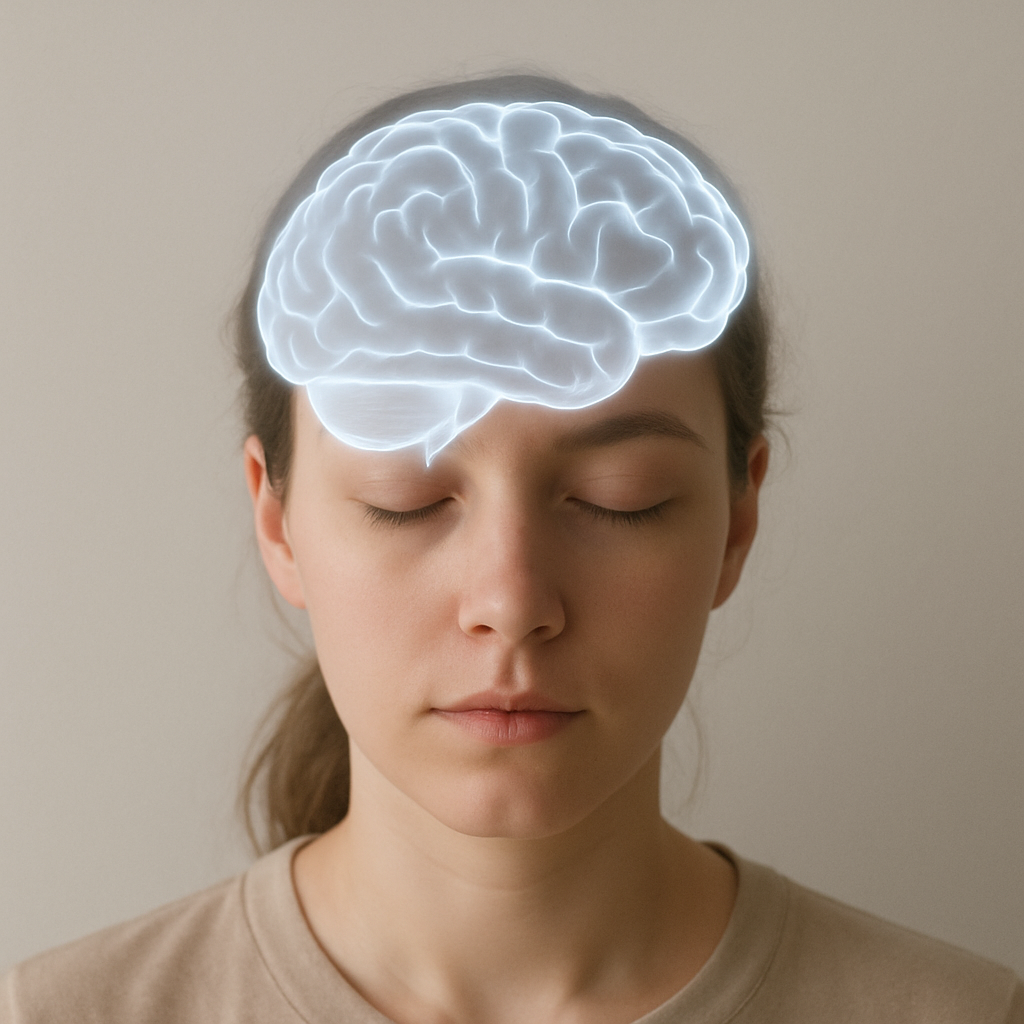
Brain Longevity
Discover the essentials of brain longevity within cognitive enhancement, including practical tips, safety considerations, and common goals.
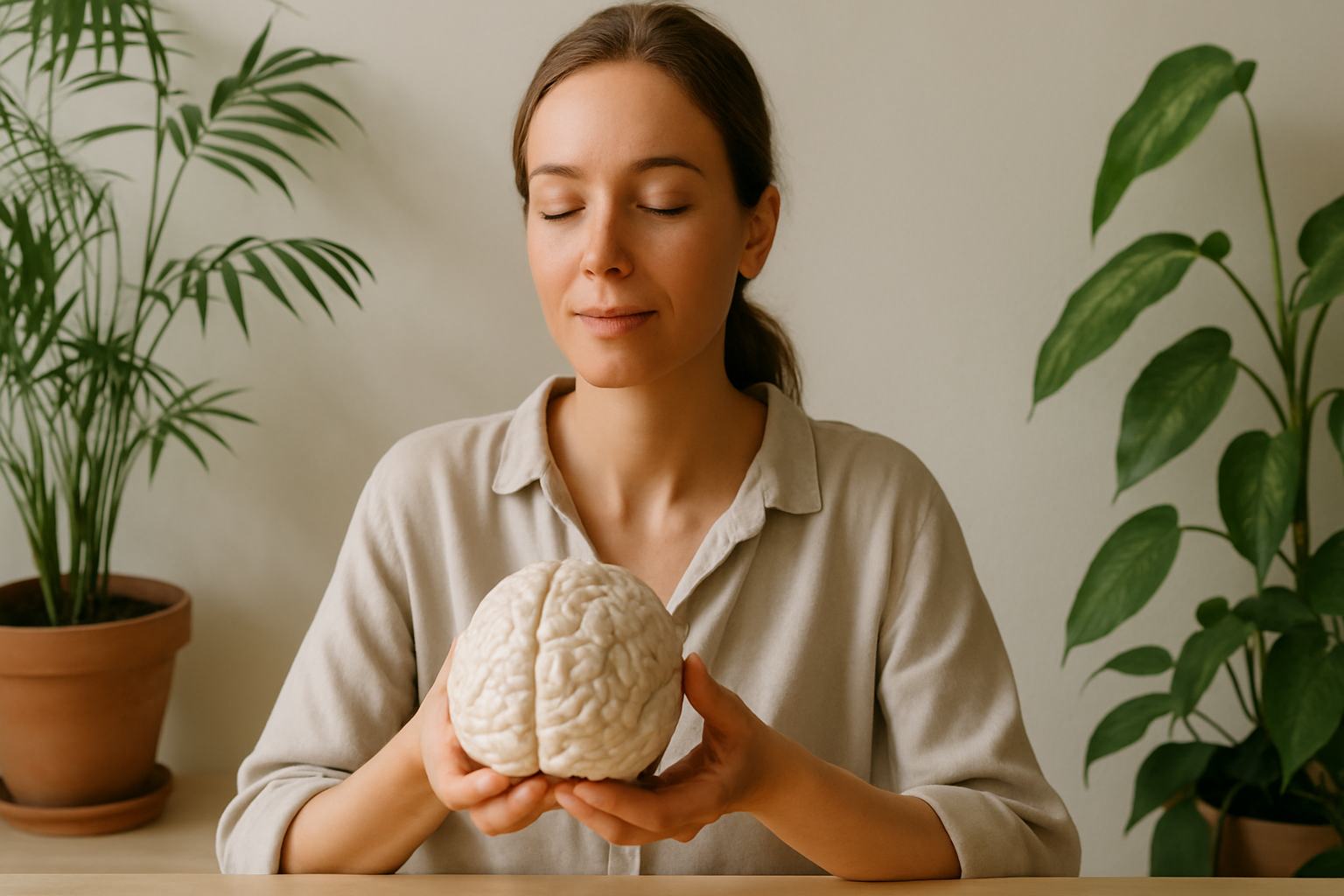
Explore brain longevity as a facet of cognitive enhancement, focusing on its definition, mechanisms, evidence, practical applications, and more.
What It Is
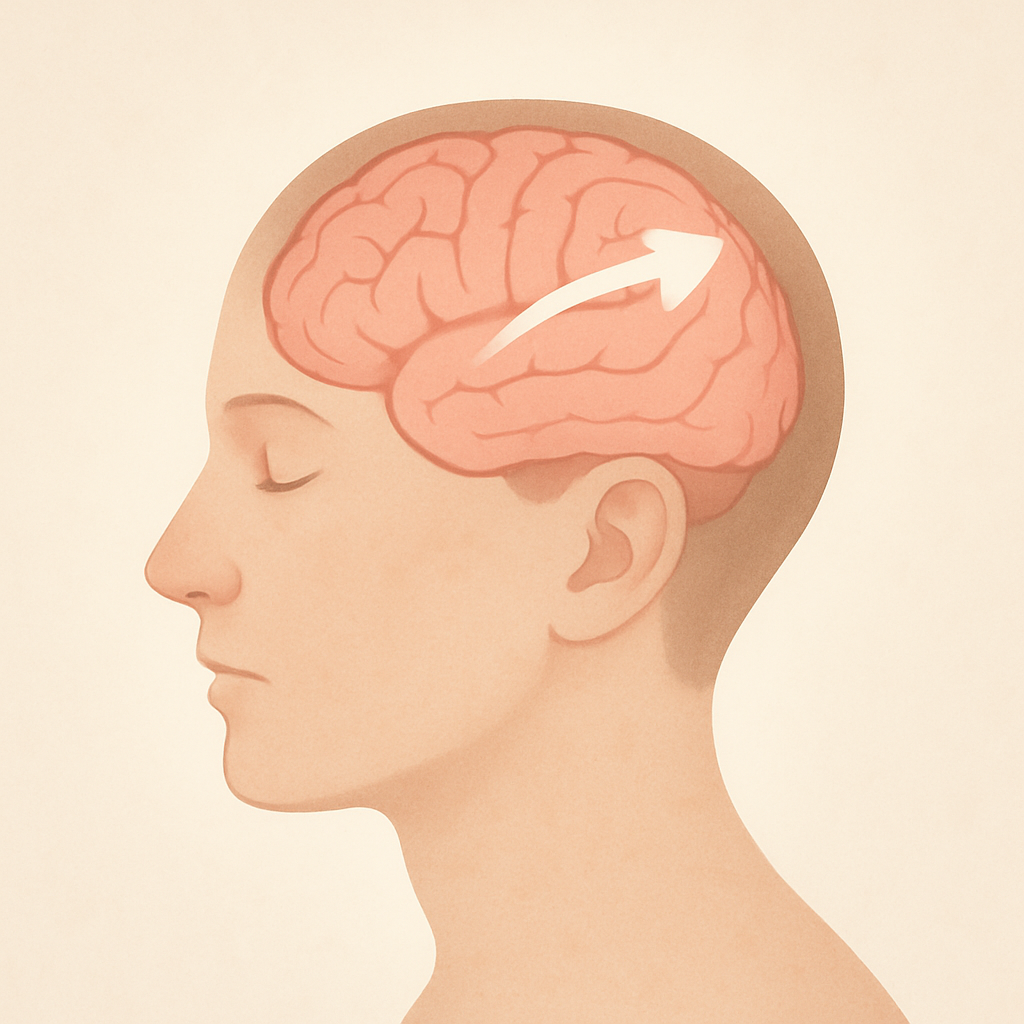
Brain longevity refers to the ability to maintain and enhance cognitive function throughout the aging process. It encompasses various strategies and lifestyle modifications aimed at preserving brain health, improving memory, and potentially delaying the onset of neurodegenerative conditions. This concept is becoming increasingly significant as life expectancy rises, and more individuals seek ways to ensure their mental acuity remains sharp even in later years.
The foundation of brain longevity is built on understanding how various lifestyle factors, such as diet, exercise, mental stimulation, and social engagement, can contribute to optimal brain health. Research indicates that a proactive approach to mental well-being can lead to improved cognitive outcomes, making brain longevity an essential area of study within cognitive enhancement.
Mechanism / How It Works
The mechanisms behind brain longevity involve complex biological processes that promote neuroplasticity, neurogenesis, and overall brain health. Neuroplasticity is the brain's ability to reorganize itself by forming new neural connections, which is crucial for learning and memory. Factors that enhance neuroplasticity include mental challenges, social interactions, and physical exercise.
Neurogenesis, the production of new neurons, primarily occurs in the hippocampus, a region associated with memory and learning. Certain lifestyle interventions, such as aerobic exercise and cognitive tasks, have been shown to stimulate neurogenesis. Additionally, dietary components like omega-3 fatty acids, antioxidants, and certain vitamins may support these processes, further contributing to brain longevity.
Evidence Summary
Research on brain longevity is still evolving, and while there are promising findings, it is essential to approach the evidence with a critical eye. Preliminary studies have suggested that lifestyle factors such as physical activity, cognitive training, and a healthy diet can have positive effects on cognitive function and brain health.
Clinical trials have shown mixed results; some interventions have demonstrated significant improvements in cognitive performance, while others have failed to show conclusive benefits. Conflicting data often arises from variations in study design, population demographics, and the specific interventions tested. Overall, while there is a growing body of evidence supporting the concept of brain longevity, more rigorous research is needed to establish definitive guidelines and recommendations.
Practical Application
To integrate brain longevity practices into daily life, individuals can adopt several protocols that promote cognitive health. Here are some practical strategies:
- Physical Exercise: Aim for at least 150 minutes of moderate aerobic activity each week to support neurogenesis and overall brain function.
- Cognitive Challenges: Engage in activities that stimulate the brain, such as puzzles, reading, or learning new skills.
- Healthy Diet: Incorporate foods rich in omega-3 fatty acids, antioxidants, and essential vitamins to nourish the brain.
- Social Connections: Maintain strong social ties through regular interaction with friends and family to promote mental well-being.
- Mindfulness Practices: Consider incorporating mindfulness meditation or yoga to reduce stress and enhance cognitive function.
Common pitfalls include neglecting physical health, assuming cognitive decline is inevitable, and not seeking social interactions. It is vital to remain proactive and adaptable in implementing these strategies.
Relevant Biomarkers & Tracking
Tracking progress in brain longevity can involve various biomarkers and assessments. Some relevant biomarkers include:
- Cognitive Assessments: Regular testing of memory, attention, and problem-solving skills can provide insights into cognitive health.
- Brain Imaging: Techniques like MRI can identify structural changes in the brain associated with aging.
- Biochemical Markers: Blood tests for inflammatory markers, cholesterol levels, and vitamins can indicate overall health and potential risks to brain function.
Keeping a journal to document cognitive activities, physical exercise, and social interactions can also help track progress and identify areas for improvement.
Body Systems Supported
Brain longevity primarily supports the nervous system but also interacts with other body systems, including:
- Cardiovascular System: Healthy blood flow is essential for delivering nutrients and oxygen to the brain.
- Endocrine System: Hormonal balance impacts mood and cognitive function.
- Immune System: A strong immune response protects the brain from neuroinflammation and injury.
Common Goals
Individuals interested in brain longevity often pursue several common goals, such as:
- Improving memory and cognitive function.
- Reducing the risk of neurodegenerative diseases.
- Enhancing overall mental well-being.
- Maintaining independence and quality of life as they age.
Safety, Contraindications & Edge Cases
While most brain longevity practices are safe for the general population, certain considerations apply:
- Individuals with pre-existing health conditions should consult healthcare professionals before starting new exercise or dietary regimens.
- Overexertion in physical activities can lead to injuries; it's crucial to find a balanced approach.
- Dietary changes should be made mindfully, particularly for those with dietary restrictions or allergies.
It is essential to listen to one's body and adapt practices as needed.
Pairs Well With
Brain longevity can be enhanced when combined with practices from other wellness pillars:
- Nutrition: Dietary approaches like the Mediterranean diet or ketogenic diet can complement brain health initiatives.
- Natural Remedies: Herbal supplements such as ginkgo biloba and ashwagandha may support cognitive function.
- Mind-Body Practices: Incorporating yoga or tai chi can enhance mental clarity and reduce stress.
FAQs (5)
- What is the best diet for brain longevity? A diet rich in omega-3 fatty acids, antioxidants, and whole foods is considered beneficial for brain health.
- How much exercise is needed for cognitive benefits? At least 150 minutes of moderate aerobic exercise weekly is recommended for supporting brain function.
- Can cognitive decline be reversed? While some cognitive decline is a natural part of aging, certain lifestyle changes can improve cognitive function.
- Are there supplements that promote brain longevity? Some supplements, like omega-3 fatty acids and certain vitamins, may support cognitive health, but consult a healthcare provider before starting any new supplement.
- How can I track my cognitive health? Cognitive assessments, brain imaging, and keeping a journal of daily activities can help monitor cognitive health.
Frequently asked
What is the best diet for brain longevity?
A diet rich in omega-3 fatty acids, antioxidants, and whole foods is considered beneficial for brain health.
How much exercise is needed for cognitive benefits?
At least 150 minutes of moderate aerobic exercise weekly is recommended for supporting brain function.
Can cognitive decline be reversed?
While some cognitive decline is a natural part of aging, certain lifestyle changes can improve cognitive function.
Are there supplements that promote brain longevity?
Some supplements, like omega-3 fatty acids and certain vitamins, may support cognitive health, but consult a healthcare provider before starting any new supplement.
How can I track my cognitive health?
Cognitive assessments, brain imaging, and keeping a journal of daily activities can help monitor cognitive health.