Mental Performance
Discover how mental performance can enhance cognitive function, supported by evidence and practical applications.

Explore the world of mental performance within cognitive enhancement. Learn about its definition, mechanisms, evidence, practical applications, and safety considerations.
What It Is
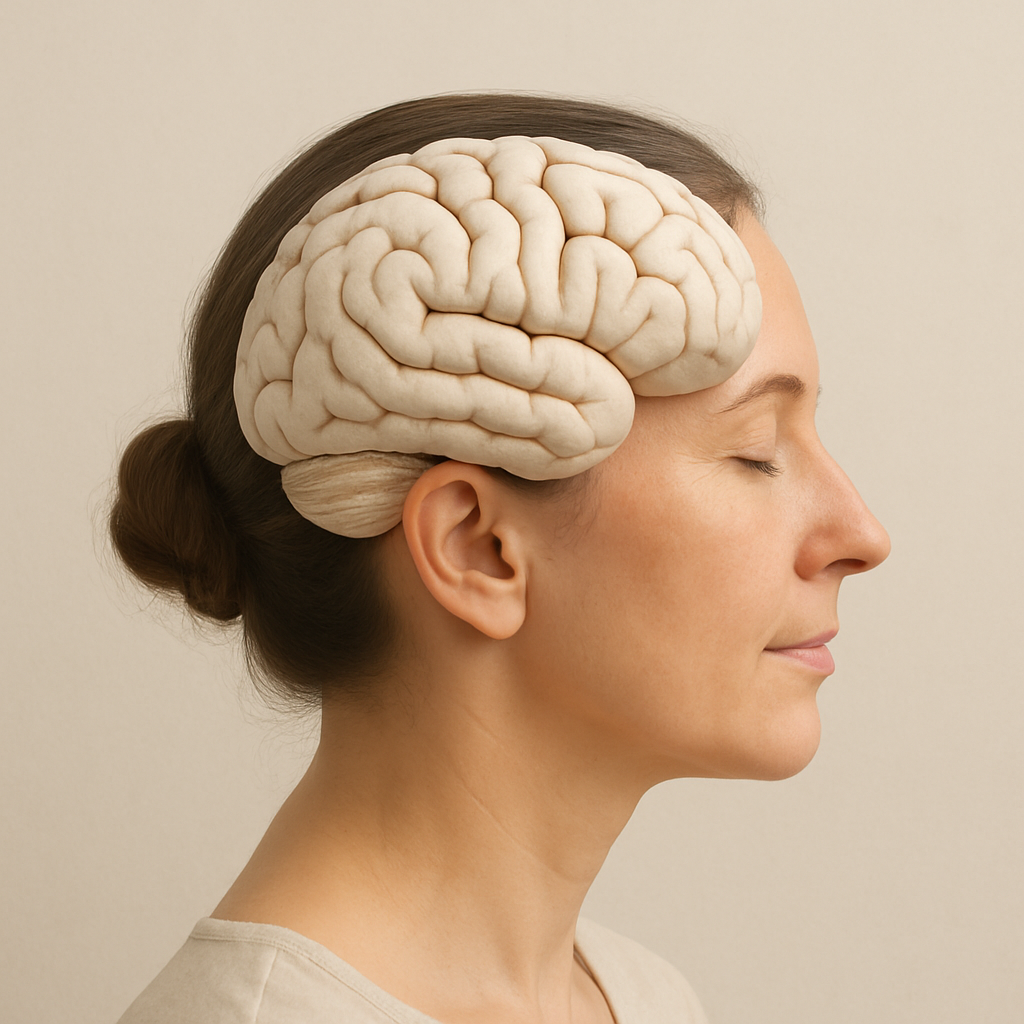
Mental performance refers to the cognitive capabilities that contribute to an individual’s ability to process information, make decisions, solve problems, and maintain focus. It encompasses various aspects of cognition, including memory, attention, reasoning, and creativity. Enhancing mental performance is a key focus in cognitive enhancement, where individuals seek to optimize their brain function for better productivity and mental clarity.
In the context of modern wellness, mental performance is not solely about achieving peak cognitive abilities; it also involves developing resilience, emotional intelligence, and overall mental well-being. These elements are essential for navigating complex tasks in both personal and professional settings, making mental performance a vital area of interest for many.
Mechanism / How It Works
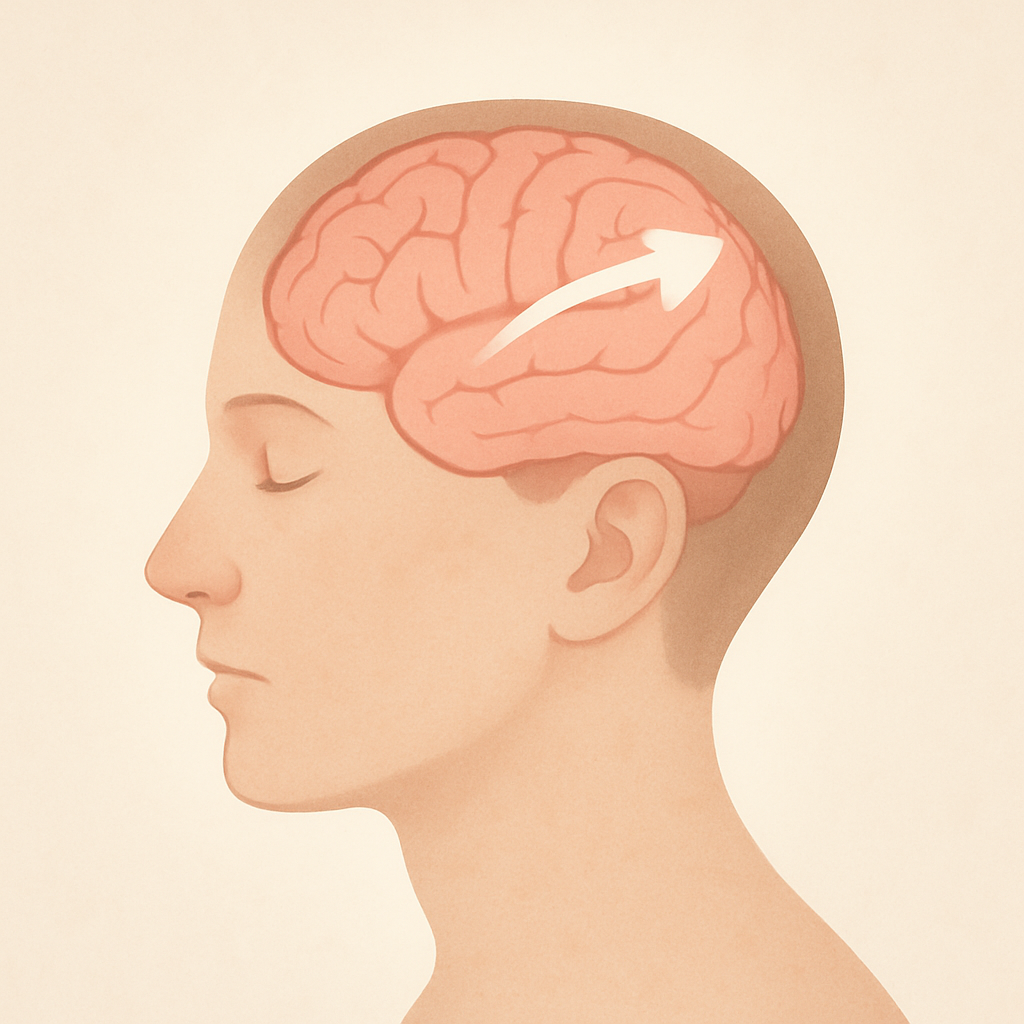
Mental performance enhancement strategies often target the brain's neurochemical pathways, modulating neurotransmitter levels to improve cognitive function. For instance, certain compounds may increase dopamine or serotonin levels, leading to improved mood, focus, and cognitive speed. Additionally, lifestyle factors such as nutrition, exercise, and sleep play significant roles in cognitive function by influencing brain health and resilience.
Moreover, neuroplasticity—the brain's ability to reorganize itself by forming new neural connections—can be harnessed through various techniques such as mindfulness, cognitive training, and learning new skills. This adaptability allows the brain to improve its performance over time, making consistent practice and engagement essential for cognitive enhancement.
Evidence Summary
The evidence surrounding mental performance enhancement is diverse, with studies showing varying degrees of effectiveness. Preliminary research indicates that certain nootropics, or cognitive enhancers, can lead to improvements in attention, memory, and overall cognitive function. However, clinical evidence is often mixed; while some studies report significant benefits, others suggest minimal or no impact.
Conflicting findings emphasize the need for further research to understand the long-term effects and potential risks associated with cognitive enhancers. Additionally, individual responses to these interventions can vary widely, making it crucial to approach mental performance enhancement with a personalized and cautious mindset.
Practical Application
To effectively enhance mental performance, individuals can adopt various protocols and daily practices. These may include:
- Incorporating brain-boosting foods such as nuts, berries, and fatty fish into the diet.
- Engaging in regular physical activity to improve blood flow and oxygen delivery to the brain.
- Practicing mindfulness or meditation to enhance focus and reduce stress.
- Prioritizing sleep hygiene to ensure restorative rest.
- Utilizing cognitive training exercises to stimulate mental agility.
Common pitfalls to avoid include reliance on supplements without proper research, neglecting the importance of a balanced lifestyle, and underestimating the value of mental breaks and downtime.
Relevant Biomarkers & Tracking
Monitoring cognitive performance can involve various biomarkers and tracking methods. Commonly assessed markers include:
- Cognitive assessments that evaluate memory, attention, and processing speed.
- Biochemical markers such as cortisol levels to assess stress impact on cognition.
- Neuroimaging techniques like fMRI to visualize brain activity and connectivity.
Tracking progress through journaling or using cognitive performance apps can also help individuals identify patterns and optimize their enhancement strategies.
Body Systems Supported
Enhancing mental performance primarily supports the central nervous system, which is crucial for processing information and regulating responses. Additionally, the endocrine system can be influenced by cognitive enhancement practices, particularly through stress management strategies that affect hormone levels. Overall, mental performance enhancement can have a ripple effect on multiple body systems, promoting holistic well-being.
Common Goals
Individuals seeking to enhance their mental performance typically pursue several common goals:
- Improving focus and concentration during tasks.
- Boosting memory retention and recall.
- Enhancing problem-solving and critical thinking skills.
- Reducing mental fatigue and improving resilience.
- Increasing creativity and innovative thinking.
Safety, Contraindications & Edge Cases
While many cognitive enhancement techniques are considered safe, certain nootropics and supplements can carry risks, especially when used without medical supervision. Individuals with underlying health conditions, pregnant or nursing women, and those taking medications should consult healthcare professionals before starting any cognitive enhancement regimen. It is also essential to consider potential interactions between supplements and medications, as well as individual sensitivities to various substances.
Pairs Well With
Mental performance enhancement can benefit from cross-pillar practices, including:
- Mindfulness and meditation techniques from ancient wellness traditions.
- Herbal remedies such as ginkgo biloba or ashwagandha, traditionally used for cognitive support.
- Physical fitness regimens that promote cardiovascular health, thereby improving brain function.
FAQs (5)
- What are nootropics? Nootropics are substances that may enhance cognitive function in healthy individuals, but their efficacy and safety can vary greatly.
- Can mental performance be improved naturally? Yes, lifestyle factors such as diet, exercise, and sleep play significant roles in enhancing mental performance.
- How long does it take to see improvements in mental performance? Results can vary; some may notice changes within weeks, while others may require longer periods of consistent practice and lifestyle adjustments.
- Are there any risks associated with cognitive enhancers? Yes, some cognitive enhancers can have side effects or interact negatively with other medications, so caution and consultation with a healthcare professional are advised.
- What role does stress play in mental performance? High stress levels can negatively impact cognitive functions such as memory and attention, making stress management strategies beneficial for enhancing mental performance.
Frequently asked
What are nootropics?
Nootropics are substances that may enhance cognitive function in healthy individuals, but their efficacy and safety can vary greatly.
Can mental performance be improved naturally?
Yes, lifestyle factors such as diet, exercise, and sleep play significant roles in enhancing mental performance.
How long does it take to see improvements in mental performance?
Results can vary; some may notice changes within weeks, while others may require longer periods of consistent practice and lifestyle adjustments.
Are there any risks associated with cognitive enhancers?
Yes, some cognitive enhancers can have side effects or interact negatively with other medications, so caution and consultation with a healthcare professional are advised.
What role does stress play in mental performance?
High stress levels can negatively impact cognitive functions such as memory and attention, making stress management strategies beneficial for enhancing mental performance.