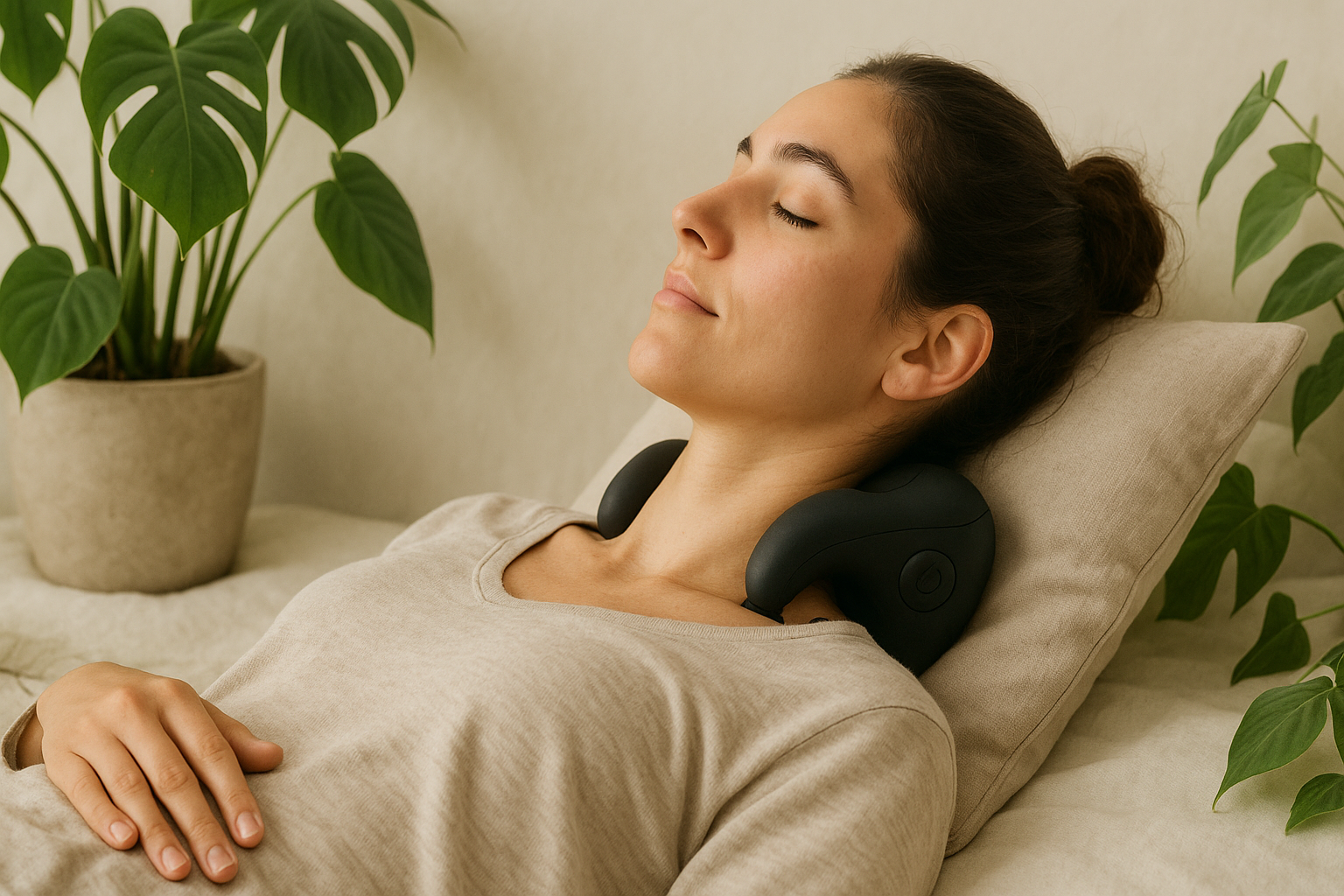
Sleep Optimization
Explore the vital role of sleep optimization in modern wellness. Discover the underlying biology, common goals, and effective approaches to enhance your sleep quality.

Sleep optimization is a critical aspect of modern wellness, focusing on enhancing the quality and duration of sleep to improve overall health and well-being. This category encompasses various practices and strategies aimed at achieving restful sleep, which is vital for physical, mental, and emotional health. As more people recognize the importance of sleep in their lives, sleep optimization has become a fundamental component of modern wellness routines.
Intro Summary
Sleep optimization is a critical aspect of modern wellness, focusing on enhancing the quality and duration of sleep to improve overall health and well-being. In today's fast-paced world, where stress and distractions abound, many individuals struggle to achieve the restorative sleep their bodies need. This category encompasses various practices and strategies aimed at achieving restful sleep, which is vital for physical, mental, and emotional health.
As more people recognize the importance of sleep in their lives, sleep optimization has become a fundamental component of modern wellness routines. Techniques can range from lifestyle adjustments to the use of technology, all aimed at fostering an environment conducive to restful sleep.
The Underlying Biology / Mechanism
Understanding sleep optimization requires a look at the underlying biology of sleep. Sleep is a complex physiological process regulated by various brain mechanisms and hormones. During sleep, the body undergoes critical restorative processes that aid in healing, memory consolidation, and the regulation of mood and metabolism.
The sleep cycle consists of different stages, including REM (rapid eye movement) and non-REM sleep, each serving unique functions. The circadian rhythm, controlled by the brain's suprachiasmatic nucleus, helps regulate the sleep-wake cycle, responding to external cues like light and darkness. Disruptions to this rhythm can lead to sleep difficulties, emphasizing the importance of maintaining a consistent sleep schedule.
Key Sub-Topics Within This Category
- Sleep Hygiene
- Cognitive Behavioral Therapy for Insomnia (CBT-I)
- Sleep Environment Optimization
- Mindfulness and Relaxation Techniques
- Nutrition and Sleep
- Sleep Disorders and Treatments
Biomarkers, Tests, and Data Points That Matter
In the realm of sleep optimization, several biomarkers and tests can provide insights into sleep quality and patterns. Some key metrics include:
- Sleep Duration: The total amount of sleep obtained in a 24-hour period.
- Sleep Efficiency: The ratio of time spent asleep to the time spent in bed.
- Sleep Latency: The time it takes to fall asleep after getting into bed.
- Awakenings: The number of times a person wakes up during the night.
It is essential to note that reference ranges for these metrics can vary among individuals. Factors such as age, lifestyle, and underlying health conditions can influence what is considered optimal for a person.
Functional Actions This Category Targets
Sleep optimization targets several functional actions that are vital for maintaining health and well-being, including:
- Enhancing Cognitive Function: Improving attention, memory, and decision-making abilities.
- Supporting Emotional Regulation: Helping to manage stress, anxiety, and mood disorders.
- Boosting Immune Function: Aiding in the body’s ability to fend off illness and recover from injury.
- Facilitating Metabolic Health: Regulating hormones involved in appetite and metabolism.
Body Systems It Most Supports
Sleep optimization primarily supports several body systems, including:
- Nervous System: Enhances brain function and emotional health.
- Endocrine System: Regulates hormone levels affected by sleep, such as cortisol and melatonin.
- Immune System: Strengthens the body’s defenses against pathogens.
- Cardiovascular System: Promotes heart health through better sleep quality.
Common Goals
The common goals of sleep optimization include:
- Improving Overall Sleep Quality: Achieving deeper and more restorative sleep.
- Reducing Sleep Latency: Falling asleep faster and with less difficulty.
- Minimizing Nighttime Awakenings: Staying asleep throughout the night.
- Enhancing Daytime Alertness: Reducing fatigue and boosting productivity during waking hours.
Approaches & Interventions (lifestyle, nutrition, supplements, devices)
There are various approaches and interventions to optimize sleep, including:
- Lifestyle Modifications: Establishing a consistent sleep schedule, limiting screen time before bed, and creating a calming bedtime routine.
- Nutrition: Consuming sleep-promoting foods like cherries, almonds, and herbal teas, while avoiding heavy meals close to bedtime.
- Supplements: Considering natural sleep aids such as melatonin, valerian root, or magnesium under the guidance of a healthcare provider.
- Devices: Utilizing sleep tracking devices to monitor sleep patterns and improve habits based on data insights.
Safety, Edge Cases & When to Consult a Clinician
While many sleep optimization strategies are safe for the general population, certain edge cases exist. Individuals with chronic sleep disorders, significant health conditions, or those taking medications should consult a healthcare provider before implementing new sleep practices. It is crucial to seek professional guidance if sleep issues persist despite lifestyle changes, as this may indicate an underlying health concern that requires attention.
How It Bridges to Ancient Wisdom & Natural Remedies
Sleep optimization is not a modern concept; it has roots in ancient wisdom and traditional practices. Many cultures have long recognized the importance of sleep for health and well-being. Natural remedies, such as herbal teas (e.g., chamomile, valerian), aromatherapy (e.g., lavender), and relaxation techniques (e.g., meditation, yoga), have been used for centuries to promote better sleep. These practices highlight the timeless connection between natural remedies and the pursuit of restorative sleep, bridging the gap between ancient wisdom and modern wellness.
FAQs (6)
- What is sleep optimization? Sleep optimization refers to the practices and strategies aimed at improving the quality and duration of sleep.
- How does sleep affect overall health? Sleep plays a crucial role in physical, mental, and emotional health, influencing cognitive function, immune response, and mood regulation.
- What are some common sleep disorders? Common sleep disorders include insomnia, sleep apnea, restless leg syndrome, and narcolepsy.
- Can diet impact sleep quality? Yes, certain foods can promote better sleep, while others may disrupt it. A balanced diet plays a significant role in sleep optimization.
- Is it safe to use sleep supplements? While many sleep supplements are considered safe, it is important to consult with a healthcare provider before starting any new supplement regimen.
- How can I create a sleep-friendly environment? To create a sleep-friendly environment, keep the bedroom cool, dark, and quiet, and invest in a comfortable mattress and pillows.
Explore Sleep Optimization
15 subcategories









Frequently asked
What is sleep optimization?
Sleep optimization refers to the practices and strategies aimed at improving the quality and duration of sleep.
How does sleep affect overall health?
Sleep plays a crucial role in physical, mental, and emotional health, influencing cognitive function, immune response, and mood regulation.
What are some common sleep disorders?
Common sleep disorders include insomnia, sleep apnea, restless leg syndrome, and narcolepsy.
Can diet impact sleep quality?
Yes, certain foods can promote better sleep, while others may disrupt it. A balanced diet plays a significant role in sleep optimization.
Is it safe to use sleep supplements?
While many sleep supplements are considered safe, it is important to consult with a healthcare provider before starting any new supplement regimen.
How can I create a sleep-friendly environment?
To create a sleep-friendly environment, keep the bedroom cool, dark, and quiet, and invest in a comfortable mattress and pillows.