Recovery Sleep
Recovery sleep is essential for overall health, impacting physical performance and mental clarity. Learn how to optimize it for better results.

Explore recovery sleep, a crucial aspect of sleep optimization that supports physical and mental well-being. Understand its mechanisms, evidence, and practical applications for enhancing recovery and performance.
What It Is
Recovery sleep refers to the restorative sleep that occurs after periods of physical exertion or mental stress. It is characterized by increased deep sleep and REM sleep, both of which are crucial for physical recovery and cognitive function. This type of sleep helps the body repair and regenerate tissues, build muscle, and consolidate memories, making it essential for athletes, busy professionals, and anyone looking to enhance their overall wellness.
Recovery sleep is not just about the quantity of sleep but also the quality. During recovery sleep, the body goes through critical processes such as hormonal regulation, inflammation reduction, and the strengthening of the immune system. Understanding how to optimize recovery sleep can lead to improved performance, better health, and a more balanced lifestyle.
Mechanism / How It Works
The mechanisms behind recovery sleep involve various biological processes that occur during different sleep stages. Deep sleep, or slow-wave sleep, plays a vital role in physical restoration. During this stage, growth hormone is released, which aids in muscle repair and growth. Additionally, deep sleep supports the removal of metabolic waste from the brain, enhancing cognitive function.
Rapid Eye Movement (REM) sleep is equally important, especially for mental recovery. It is during this stage that the brain processes emotions and consolidates memories. A healthy balance of both deep and REM sleep is essential for optimal recovery, allowing both the body and mind to rejuvenate effectively.
Evidence Summary
Research on recovery sleep is still evolving, with preliminary studies highlighting its importance for athletic performance and mental health. Some clinical trials have shown that enhancing the quality and duration of sleep leads to improved recovery times and better cognitive performance in athletes.
However, evidence can be conflicting, as individual responses to sleep interventions vary widely. Factors such as genetics, lifestyle, and stress levels can all influence how one experiences recovery sleep. While many studies advocate for the importance of adequate recovery sleep, more robust research is needed to establish clear guidelines and protocols.
Practical Application
To integrate recovery sleep into your routine, consider the following protocols:
- Prioritize sleep hygiene: Maintain a consistent sleep schedule, create a comfortable sleep environment, and limit screen time before bed.
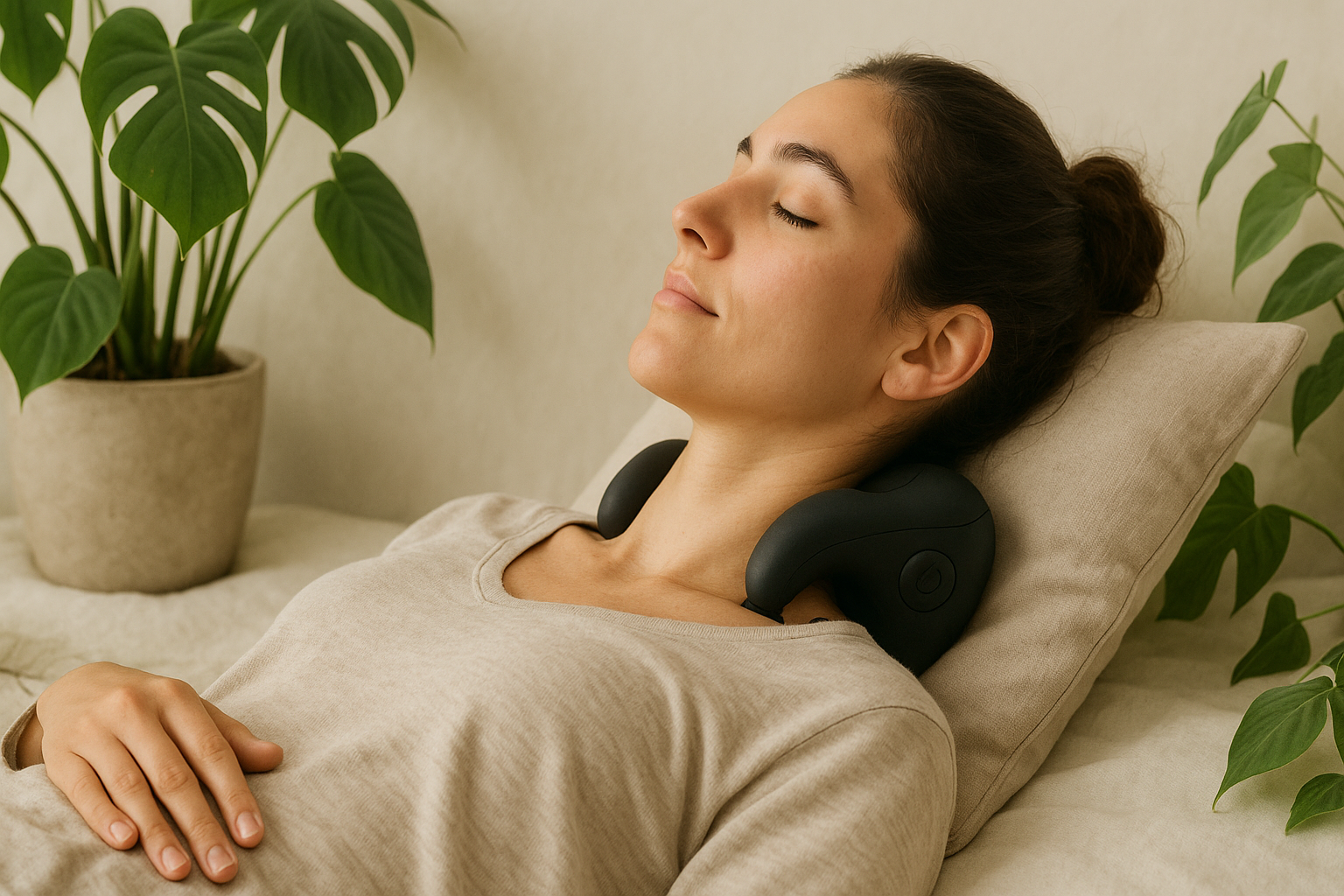
- Incorporate relaxation techniques: Practices such as meditation, deep breathing exercises, or gentle yoga can help prepare the body for restful sleep.
- Utilize naps strategically: Short naps can enhance recovery if timed correctly, ideally in the early afternoon.
Common pitfalls include relying solely on caffeine to combat fatigue or neglecting the importance of rest days in physical training. Recognizing when your body needs recovery sleep is crucial for long-term health and performance.
Relevant Biomarkers & Tracking
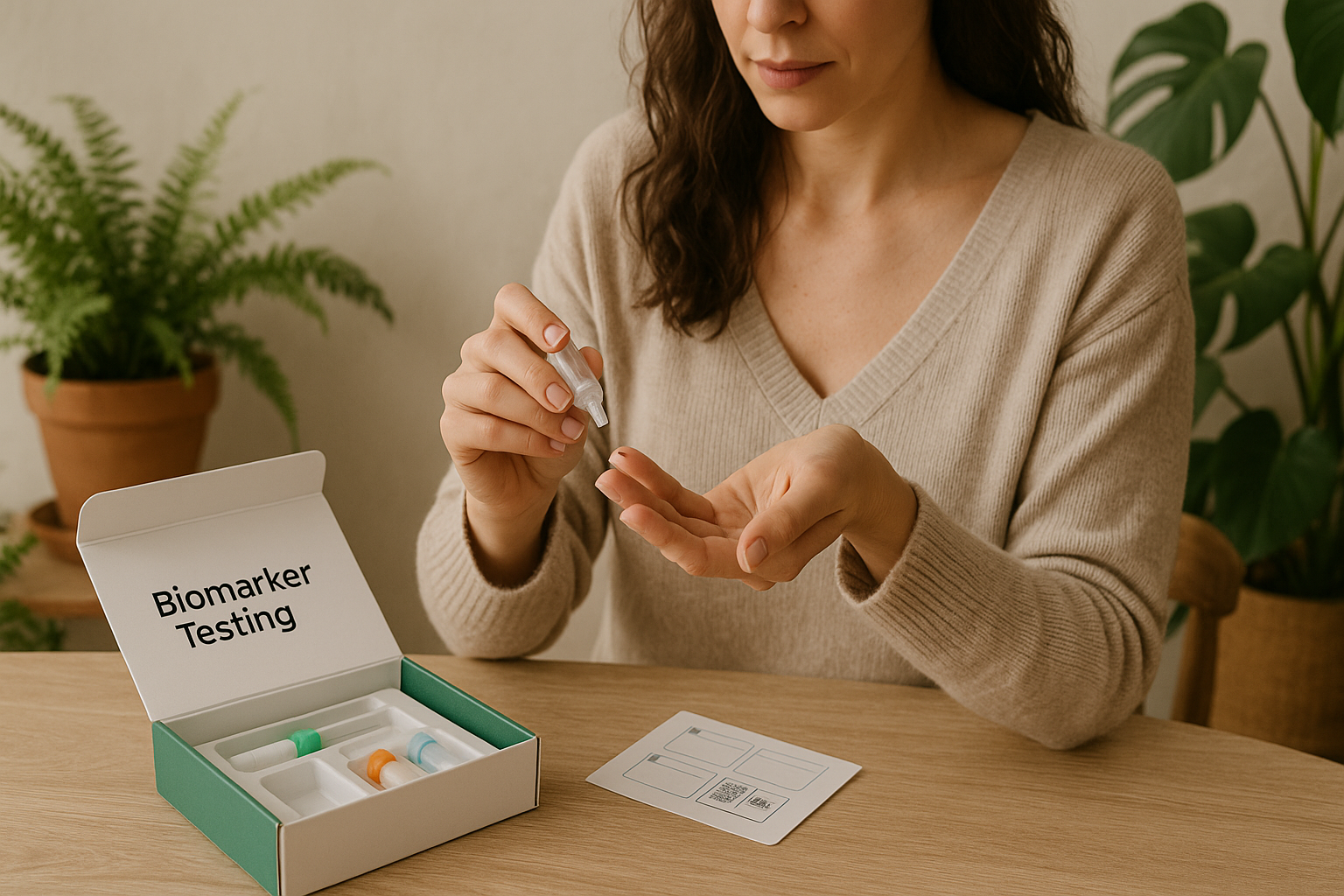
Tracking recovery sleep can be enhanced through various biomarkers and tools. Key indicators include:
- Sleep duration: Aim for 7-9 hours of quality sleep per night.
- Resting heart rate: A lower resting heart rate can indicate effective recovery.
- Sleep cycles: Monitoring the duration of deep and REM sleep can provide insights into sleep quality.
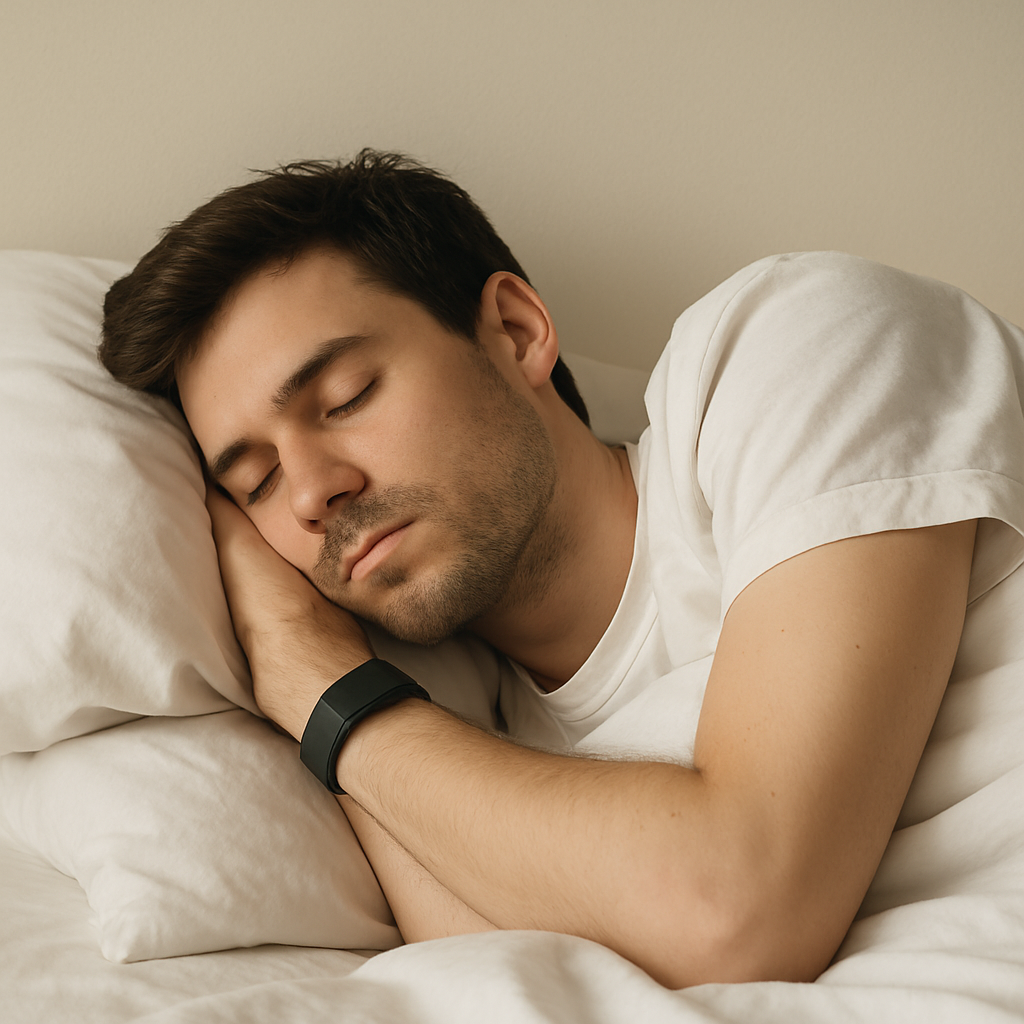
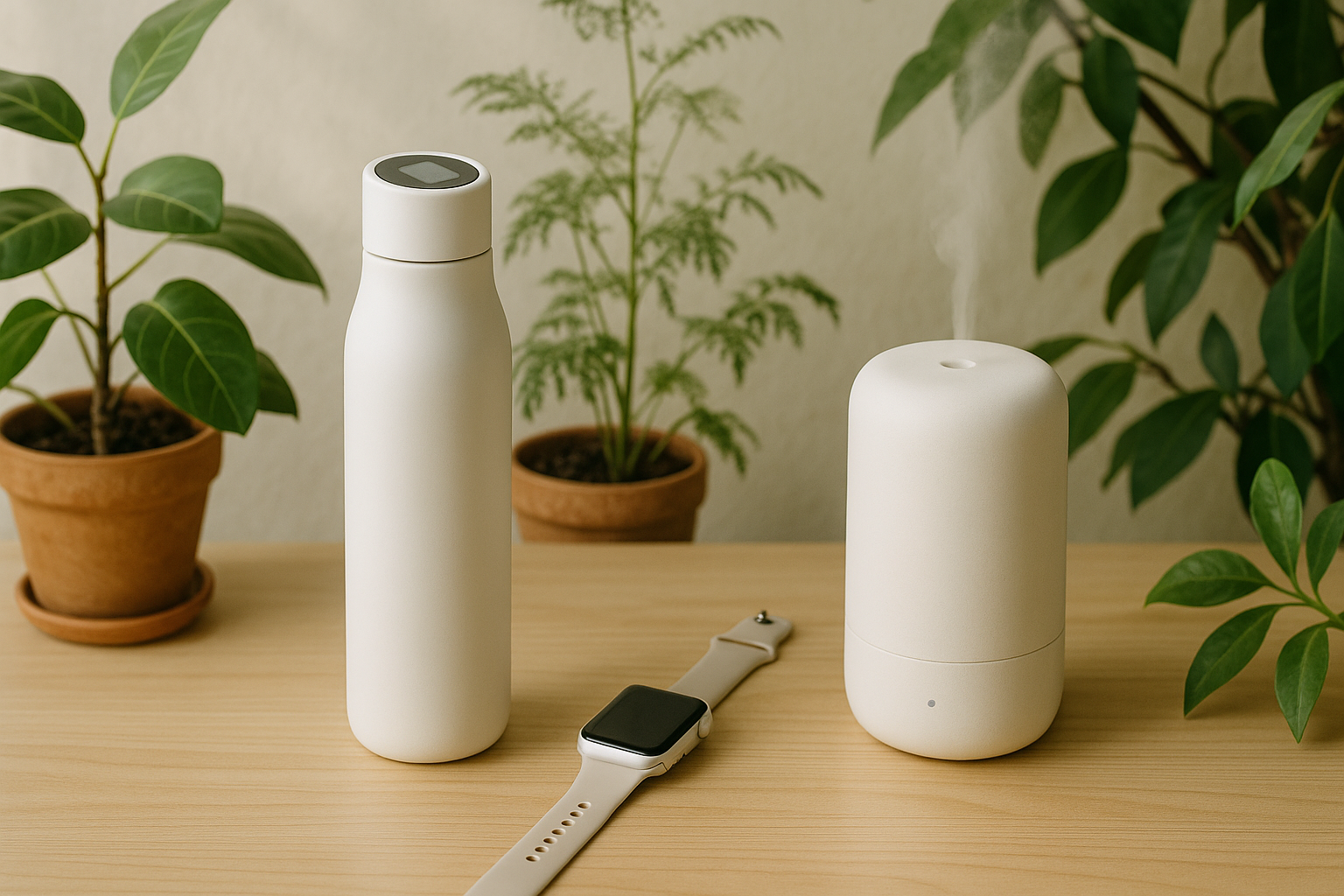
Wearable devices and sleep tracking apps can help monitor these metrics, allowing individuals to make informed adjustments to their sleep habits.
Body Systems Supported
Recovery sleep supports multiple body systems, including:
- The musculoskeletal system: Enhances repair and growth of muscle tissue.
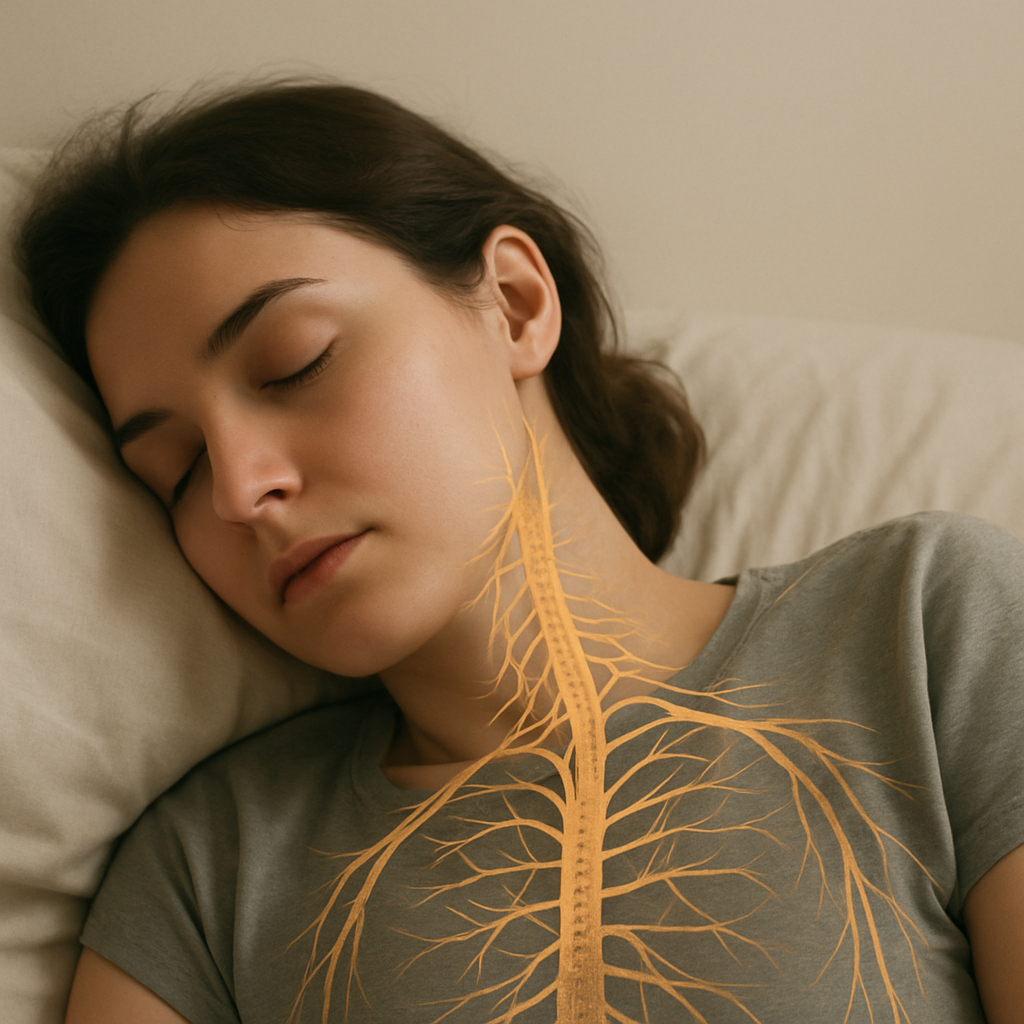
- The nervous system: Aids in cognitive function and emotional regulation.
- The endocrine system: Regulates hormones related to stress and metabolism.
- The immune system: Strengthens the body’s defenses against illness.
By fostering recovery sleep, individuals can support overall health and well-being across these critical systems.
Common Goals
Individuals seeking to optimize recovery sleep often have specific goals in mind, such as:
- Improving athletic performance and recovery times.
- Enhancing cognitive function and mental clarity.
- Reducing stress and anxiety levels.
- Building a sustainable sleep routine for long-term wellness.
Setting clear objectives can help individuals stay motivated and focused on improving their sleep quality.
Safety, Contraindications & Edge Cases
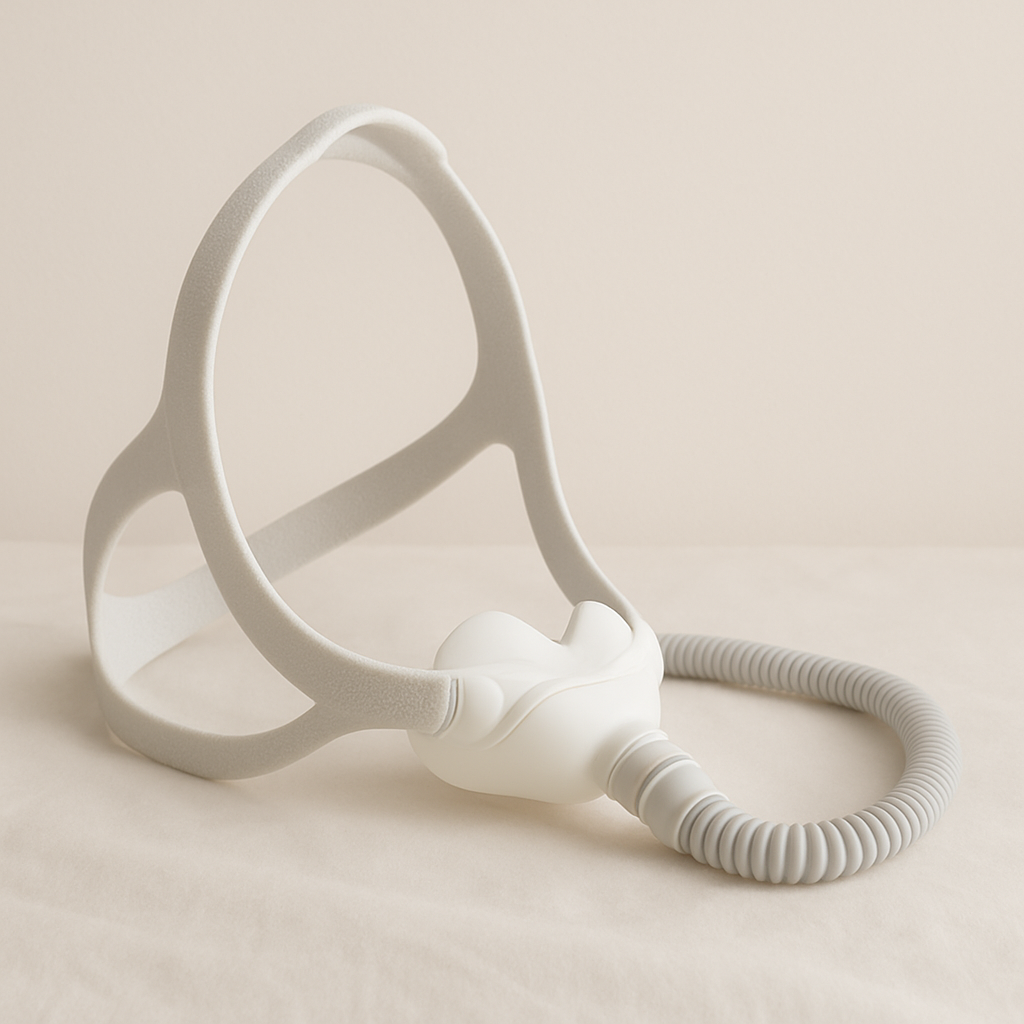
While recovery sleep is beneficial, it is essential to be aware of safety concerns and contraindications. Individuals with sleep disorders, such as sleep apnea or chronic insomnia, should consult healthcare professionals for tailored advice. Over-reliance on sleep aids, whether natural or pharmaceutical, can lead to dependency and may hinder natural sleep patterns.
Additionally, athletes and active individuals should be cautious about how training intensity and schedules impact sleep quality. Listening to the body and adjusting training loads accordingly can help prevent sleep disruptions.
Pairs Well With
Recovery sleep pairs well with various ancient and natural practices that promote overall wellness, including:
- Mindfulness and meditation: These practices can reduce stress and enhance sleep quality.
- Herbal remedies: Adaptogens, such as ashwagandha and rhodiola, may support recovery and improve sleep.
- Nutrition: Consuming a balanced diet rich in antioxidants and healthy fats can promote better sleep and recovery.
Integrating these practices can create a holistic approach to enhancing recovery and sleep optimization.
FAQs (5)
- What is the difference between recovery sleep and regular sleep? Recovery sleep emphasizes restorative processes that occur after physical or mental exertion, while regular sleep may not focus on these aspects.
- How can I improve my recovery sleep? Prioritize sleep hygiene, maintain a consistent sleep schedule, and incorporate relaxation techniques before bedtime.
- Is napping beneficial for recovery sleep? Yes, short naps can enhance recovery if timed correctly, ideally in the early afternoon.
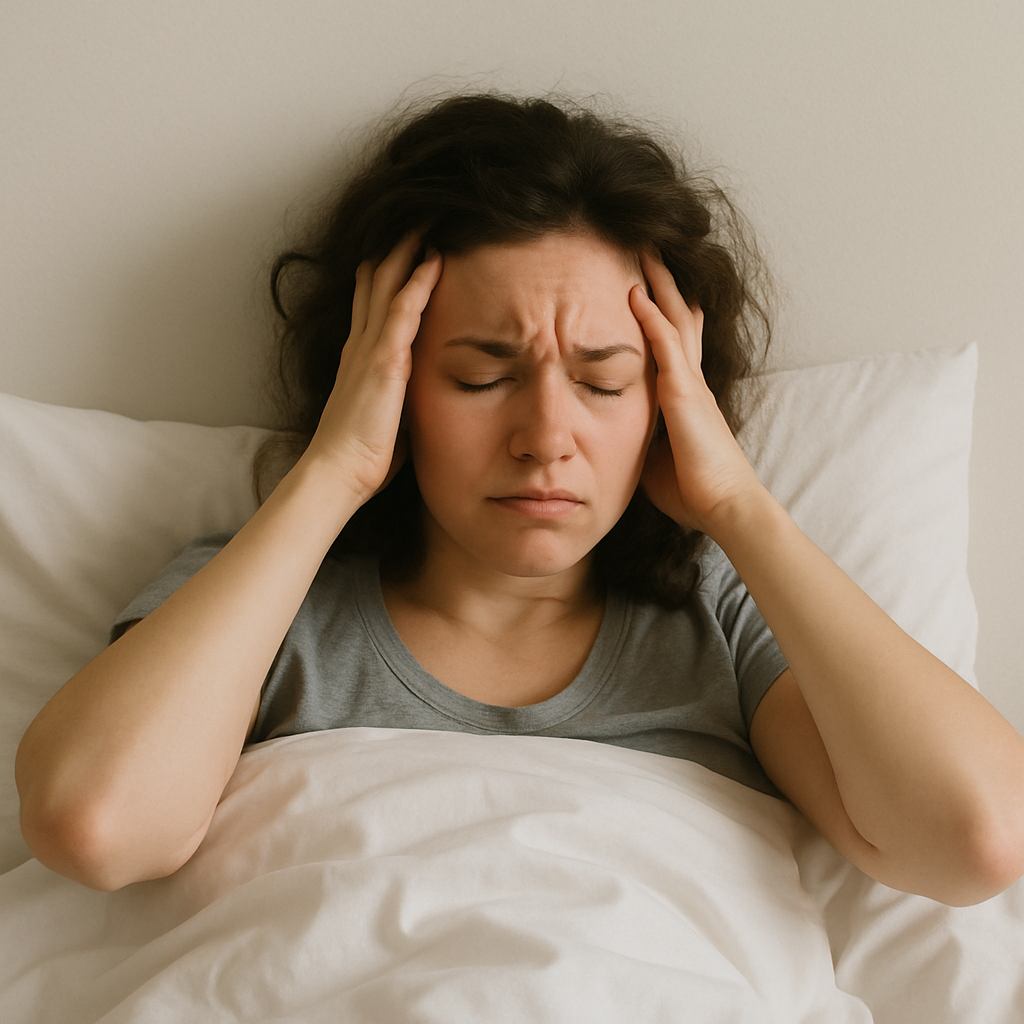
- What are the signs of inadequate recovery sleep? Signs include fatigue, decreased performance, mood swings, and impaired cognitive function.
- Can diet affect recovery sleep? Absolutely. A balanced diet rich in nutrients can positively influence sleep quality and recovery processes.
Frequently asked
What is the difference between recovery sleep and regular sleep?
Recovery sleep emphasizes restorative processes that occur after physical or mental exertion, while regular sleep may not focus on these aspects.
How can I improve my recovery sleep?
Prioritize sleep hygiene, maintain a consistent sleep schedule, and incorporate relaxation techniques before bedtime.
Is napping beneficial for recovery sleep?
Yes, short naps can enhance recovery if timed correctly, ideally in the early afternoon.
What are the signs of inadequate recovery sleep?
Signs include fatigue, decreased performance, mood swings, and impaired cognitive function.
Can diet affect recovery sleep?
Absolutely. A balanced diet rich in nutrients can positively influence sleep quality and recovery processes.