Ancient Greek Medicine
Explore the ancient healing tradition of Ancient Greek Medicine, its origins, core philosophies, and its relevance in modern wellness.
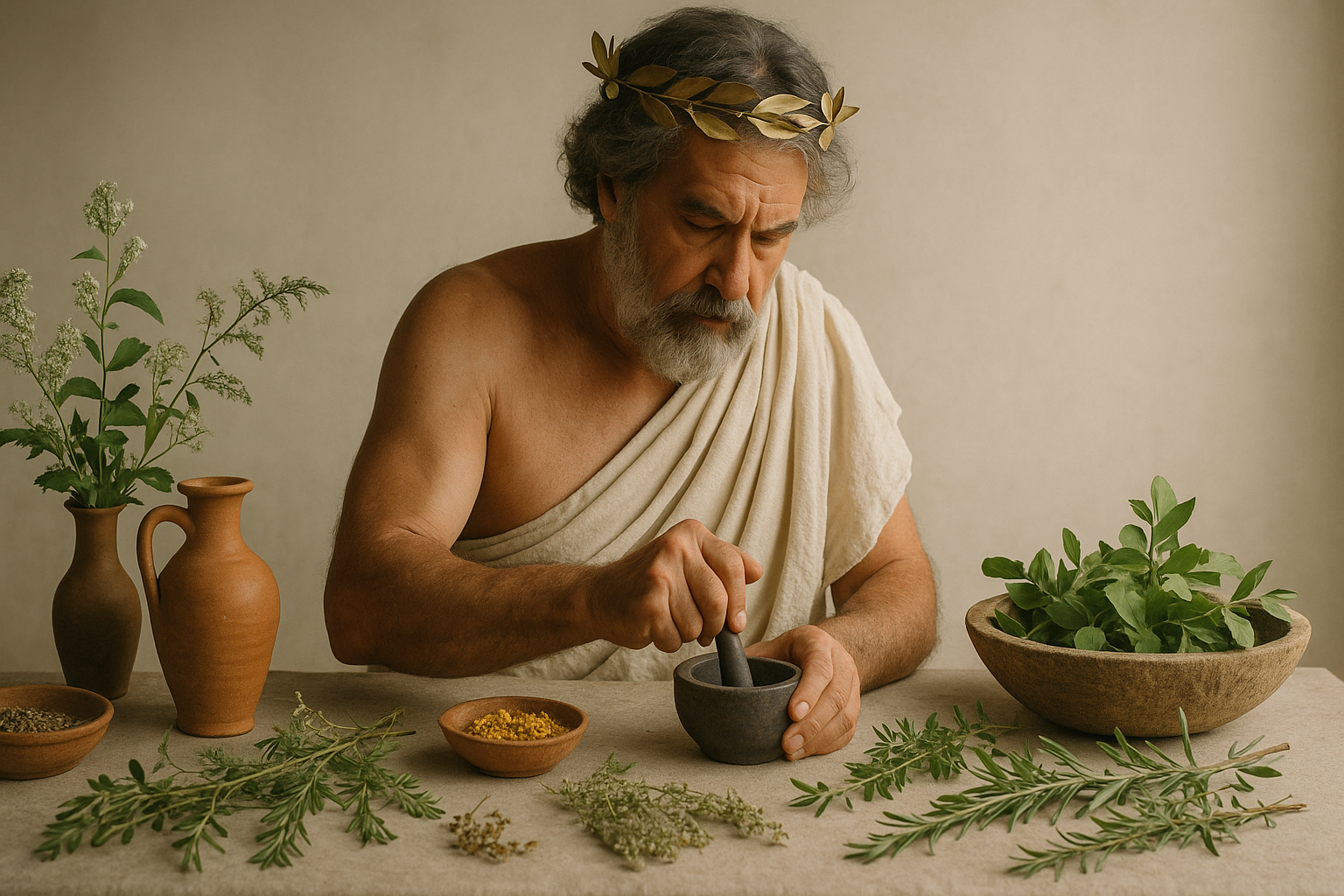
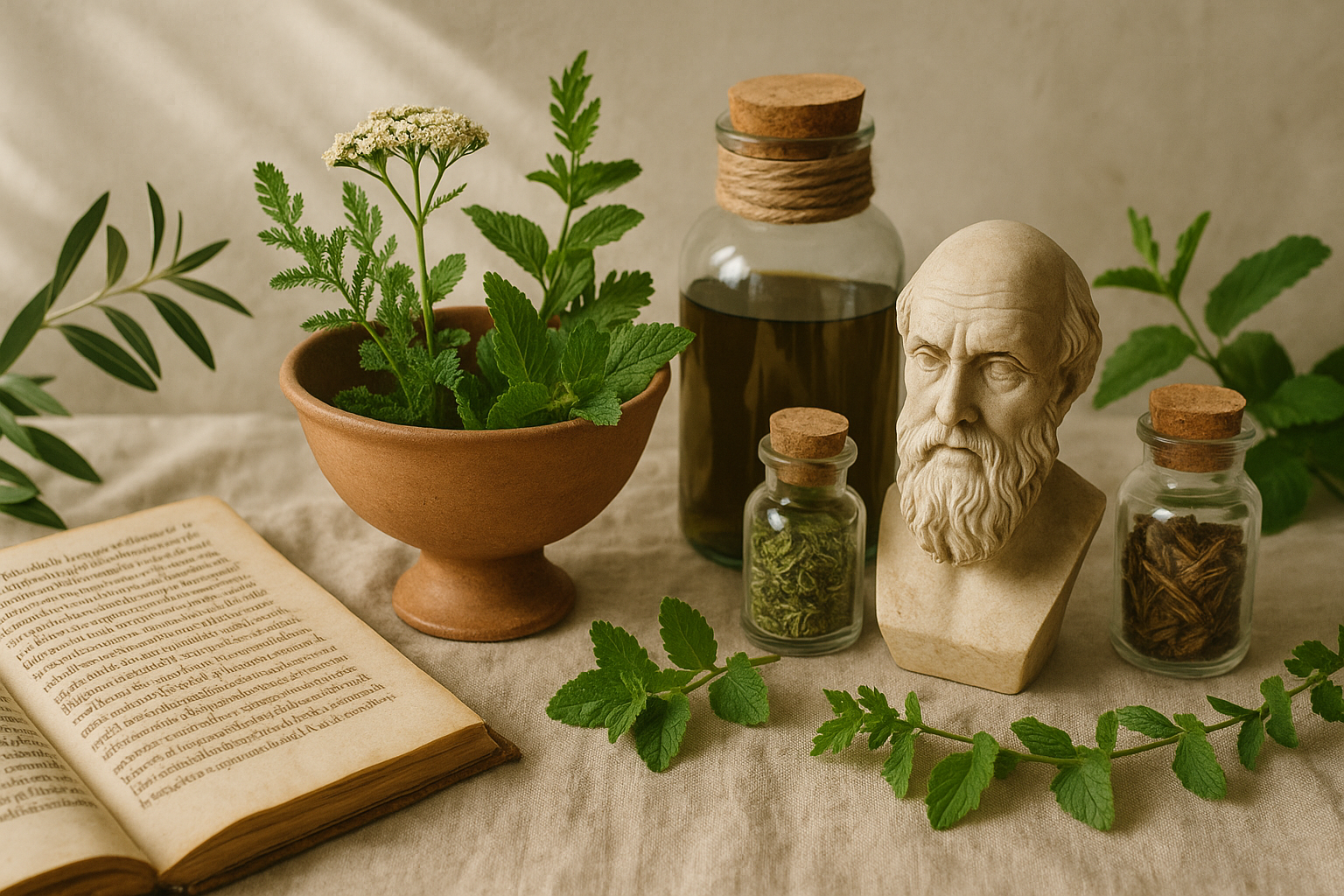
Ancient Greek Medicine is a holistic healing tradition that emerged in Greece and flourished throughout the Mediterranean region. It is founded on the teachings of notable figures such as Hippocrates and Galen and emphasizes the balance of bodily humors, the role of the environment, and the importance of lifestyle in achieving health. Today, although it is not practiced as a formal medical system, its principles influence various holistic and integrative health practices worldwide.
Intro Summary
Ancient Greek Medicine is a holistic healing tradition that emerged in Greece around the 5th century BCE. It is characterized by its emphasis on balancing the four bodily humors—blood, phlegm, black bile, and yellow bile—as the foundation for health. This tradition has influenced various medical practices and philosophies throughout history, particularly in Europe and the Mediterranean region. Today, while it is not practiced as a formal medical system, its principles continue to resonate in holistic and integrative health practices globally. The worldview of Ancient Greek Medicine revolves around the belief that health is a state of equilibrium influenced by environmental factors, lifestyle choices, and natural remedies.
Origins & Lineage
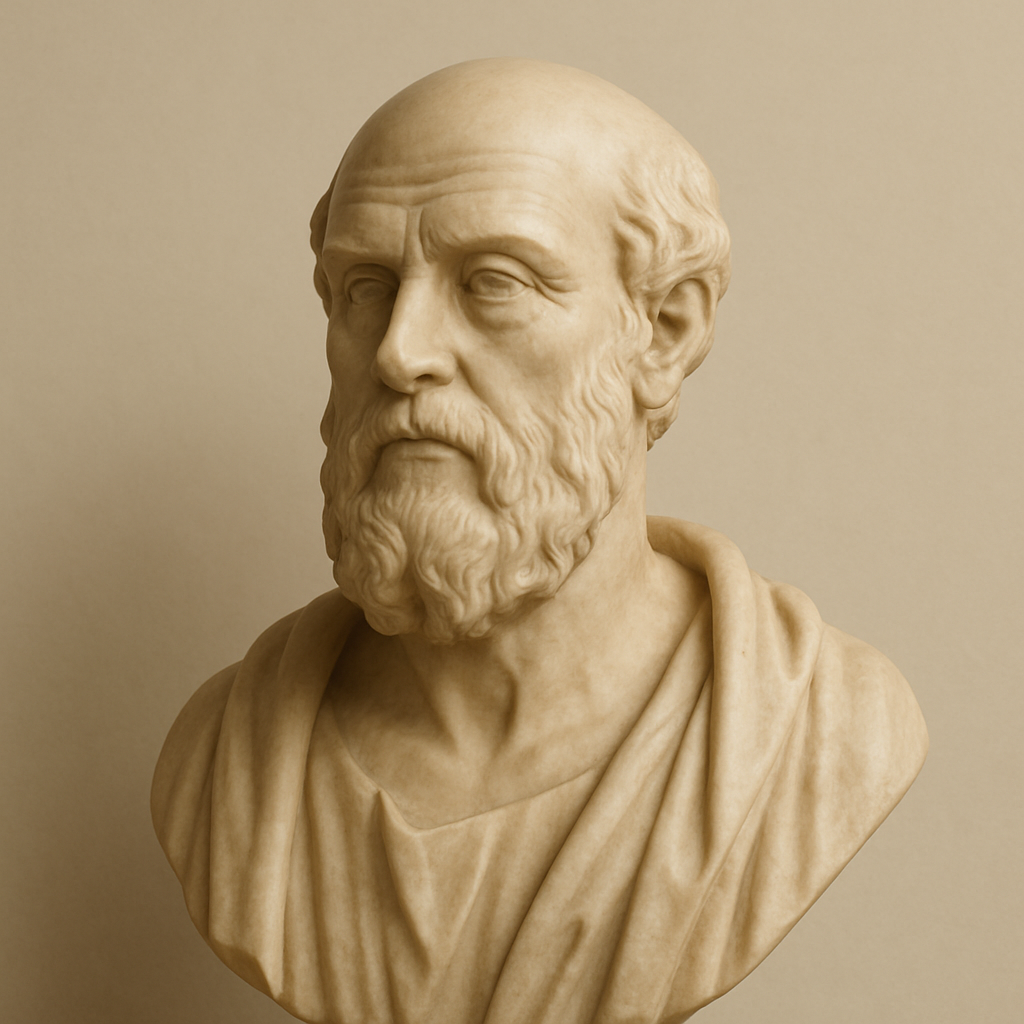
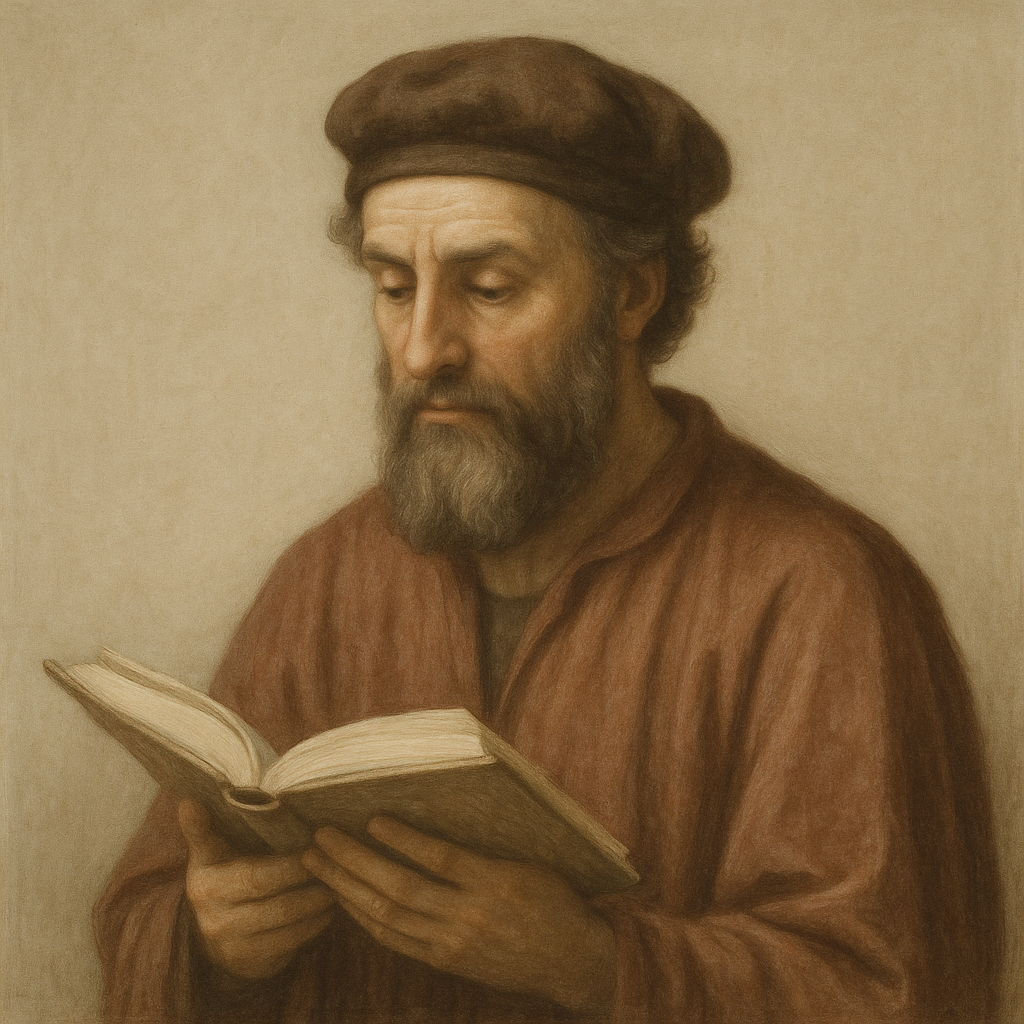
Ancient Greek Medicine originated in the context of classical Greek culture, with its roots deeply embedded in the philosophical inquiries of the time. Key figures such as Hippocrates, often referred to as the “Father of Medicine,” played a pivotal role in establishing a systematic approach to healing. His writings, collectively known as the Hippocratic Corpus, emphasized observation and clinical practice.
Another significant contributor was Galen, whose work in the 2nd century CE further developed the understanding of anatomy and physiology. Galen's teachings dominated medical thought for centuries and were instrumental in spreading Greek medical concepts throughout the Roman Empire and beyond.
As Greek culture interacted with other civilizations, particularly during the Hellenistic period, the principles of Ancient Greek Medicine were integrated into various medical traditions, including Roman and later Islamic medicine. This cultural exchange helped to preserve and disseminate Greek medical knowledge across different regions.
Core Philosophy
The core philosophy of Ancient Greek Medicine revolves around the concept of humors and the belief that a balance among them is essential for health.
Humors
According to this tradition, the body consists of four humors:
- Blood - associated with a sanguine temperament, linked to vitality and warmth.
- Phlegm - connected to a phlegmatic temperament, indicating calmness and stability.
- Black Bile - related to a melancholic temperament, representing introspection and depth.
- Yellow Bile - linked to a choleric temperament, associated with ambition and energy.
Health is thought to be a result of the harmonious balance of these humors, while disease arises from their imbalance. This philosophy extends to dietary practices, lifestyle choices, and environmental factors.
Environmental Influence
Ancient Greek Medicine also emphasizes the importance of environmental factors on health. The concept of climate, geography, and season plays a crucial role in determining an individual's health and susceptibility to disease. Practitioners considered these elements when diagnosing and treating illnesses.
Lifestyle and Diet
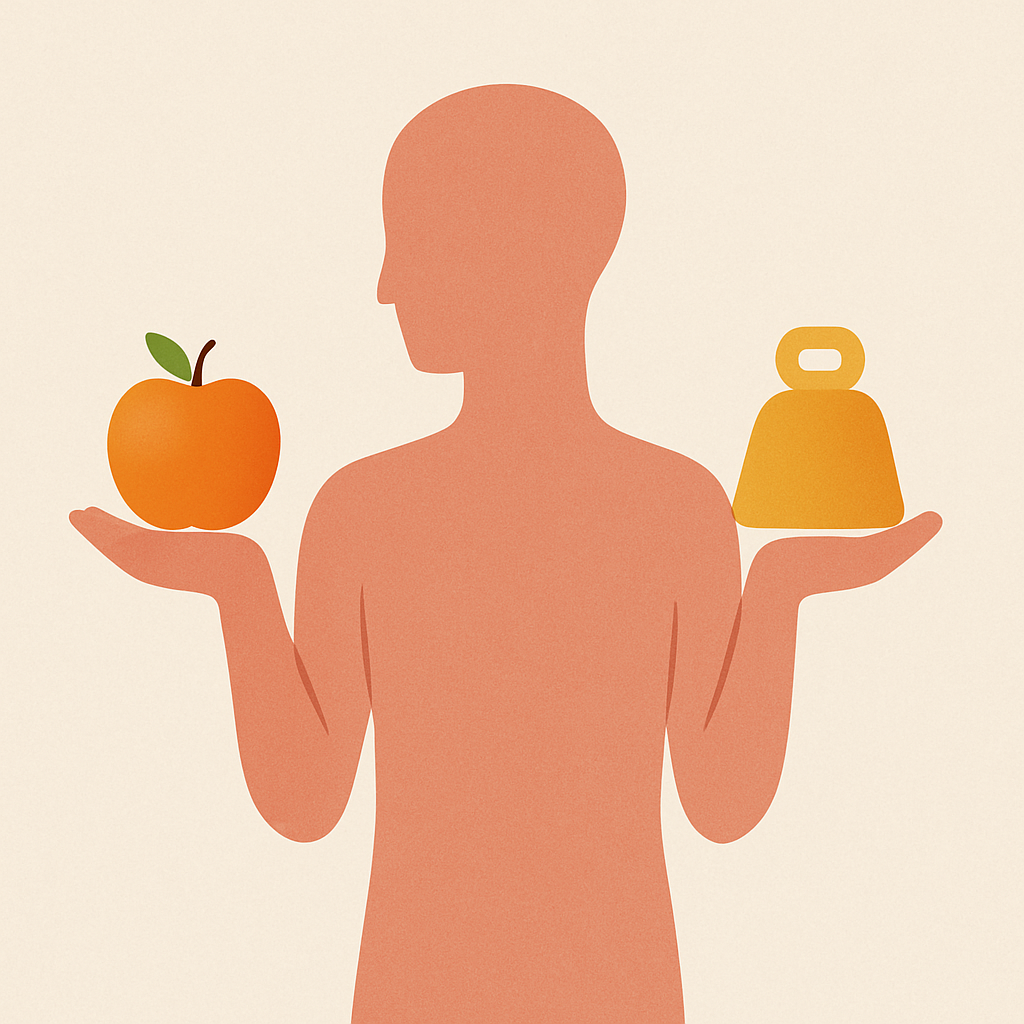
The lifestyle of an individual was deemed vital for maintaining health. Diet, exercise, and mental well-being were all considered essential components of a balanced life. The idea of moderation was central, advocating for a balanced diet and regular physical activity to promote overall well-being.
Diagnostic / Observational Methods
Practitioners of Ancient Greek Medicine utilized various diagnostic methods to assess a person's health, focusing on observation and inquiry.
Tongue Examination
The condition of the tongue was closely examined for its color, texture, and coating, as it was believed to reflect internal health.
Pulse Diagnosis
Pulses were felt at various points on the body to assess the quality and rhythm, providing insights into the state of the humors.
Lifestyle Inquiry
Practitioners engaged in detailed discussions about a patient's lifestyle, including diet, exercise, sleep, and emotional well-being. This holistic approach allowed them to understand how these factors contributed to health or disease.
Common Modalities Within This Tradition
Ancient Greek Medicine employed various modalities to promote healing and restore balance.
Herbal Remedies
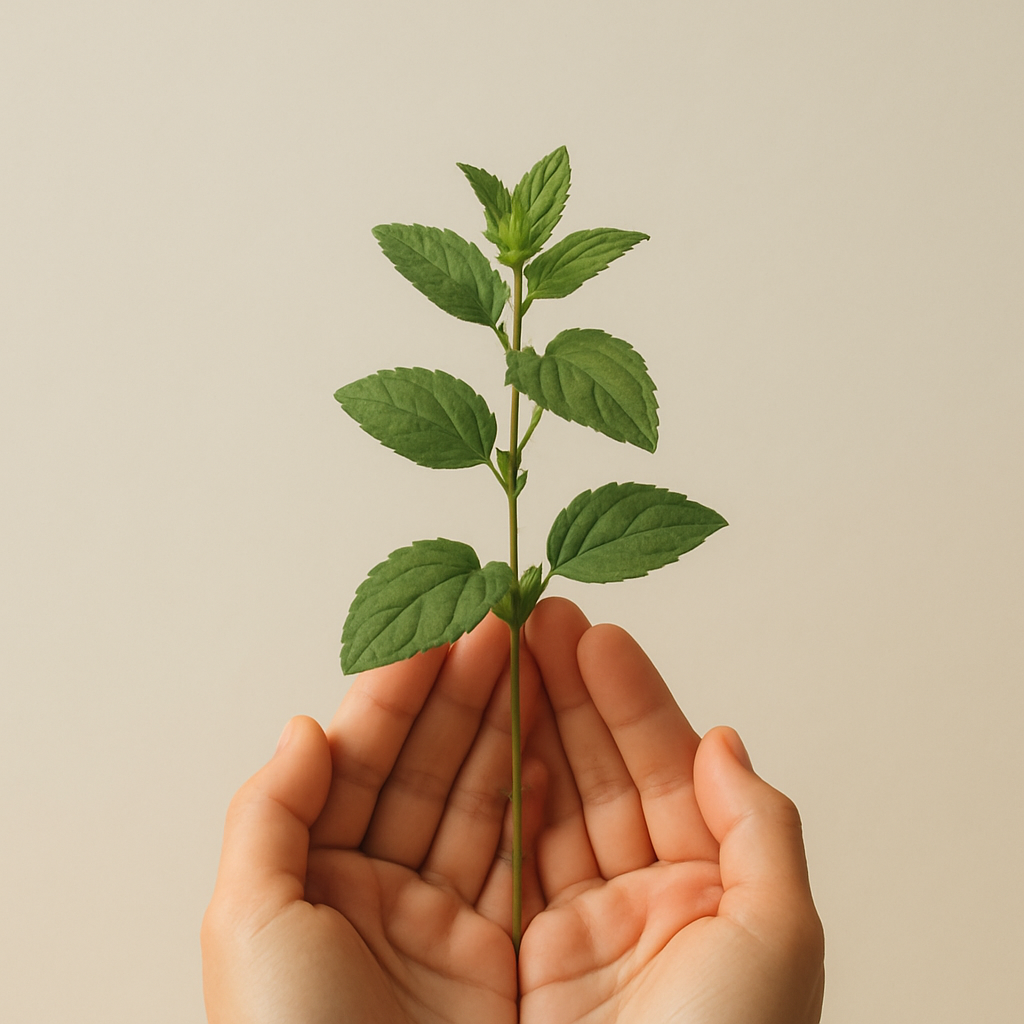
Herbs played a significant role in treatment, with practitioners using plants like chamomile, sage, and willow for their medicinal properties.
Dietary Adjustments
Diet was tailored to individual needs, with an emphasis on wholesome, natural foods. Foods were categorized based on their qualities, such as hot, cold, wet, or dry.
Physical Exercise
Regular physical activity, including gymnastics and sports, was encouraged to maintain physical and mental health.
Rituals and Spiritual Practices
Incorporating rituals and spiritual practices, such as offerings to healing deities, was also common, reflecting the belief in the interconnectedness of body and spirit.
Conditions & Goals This Tradition Commonly Addresses
Ancient Greek Medicine traditionally explored various conditions and health goals, focusing on achieving balance and overall well-being.
- Digestive disorders
- Respiratory issues
- Emotional imbalances
- Chronic pain
- Skin conditions
- Preventive health strategies
While the approach to these conditions may differ from modern medical practices, the focus remains on restoring harmony within the individual.
Safety, Sourcing, and Finding Qualified Practitioners
When exploring Ancient Greek Medicine, it is essential to consider safety and sourcing. Practitioners should be well-versed in the tradition and its principles.
Look for practitioners with training in holistic or integrative health, and those who respect and understand the historical context of Ancient Greek Medicine. Engaging with qualified practitioners can enhance the experience and ensure safe practices.
How It Intersects with Modern Wellness Today
Ancient Greek Medicine has left a lasting impact on modern wellness practices. The emphasis on holistic health, balance, and preventive care resonates with contemporary approaches to integrative health.
Many modern practitioners incorporate principles from Ancient Greek Medicine into their work, blending traditional wisdom with current scientific understanding to create comprehensive wellness strategies.
Related Approaches You Might Explore
If you are interested in Ancient Greek Medicine, you might also explore the following related approaches:
- Ayurveda - An ancient Indian system of medicine focusing on balance in bodily energies.
- Traditional Chinese Medicine - A holistic approach emphasizing the balance of yin and yang.
- Herbal Medicine - Utilizing plants for healing across various cultures.
- Homeopathy - A system of medicine based on the principle of "like may support like."
FAQs
What is Ancient Greek Medicine?
Ancient Greek Medicine is a holistic healing tradition that emphasizes the balance of bodily humors and the influence of lifestyle and environment on health.
Who are the key figures in Ancient Greek Medicine?
Notable figures include Hippocrates, known as the Father of Medicine, and Galen, who built upon Hippocratic teachings.
How is diagnosis performed in Ancient Greek Medicine?
Diagnosis involves observing the tongue, feeling the pulse, and conducting lifestyle inquiries to assess health.
What modalities are used in Ancient Greek Medicine?
Common modalities include herbal remedies, dietary adjustments, physical exercise, and spiritual rituals.
What conditions are traditionally explored in this tradition?
Conditions such as digestive disorders, respiratory issues, emotional imbalances, and chronic pain are often addressed.
How can I find a qualified practitioner?
Seek practitioners trained in holistic or integrative health who respect the historical context of Ancient Greek Medicine.
Explore Ancient Greek Medicine
15 subcategories



Frequently asked
What is Ancient Greek Medicine?
Ancient Greek Medicine is a holistic healing tradition that emphasizes the balance of bodily humors and the influence of lifestyle and environment on health.
Who are the key figures in Ancient Greek Medicine?
Notable figures include Hippocrates, known as the Father of Medicine, and Galen, who built upon Hippocratic teachings.
How is diagnosis performed in Ancient Greek Medicine?
Diagnosis involves observing the tongue, feeling the pulse, and conducting lifestyle inquiries to assess health.
What modalities are used in Ancient Greek Medicine?
Common modalities include herbal remedies, dietary adjustments, physical exercise, and spiritual rituals.
What conditions are traditionally explored in this tradition?
Conditions such as digestive disorders, respiratory issues, emotional imbalances, and chronic pain are often addressed.
How can I find a qualified practitioner?
Seek practitioners trained in holistic or integrative health who respect the historical context of Ancient Greek Medicine.