Exercise Therapy
Discover Exercise Therapy, an ancient practice in Greek Medicine, its historical roots, and its applications in promoting wellness.

Explore the principles and practices of Exercise Therapy rooted in Ancient Greek Medicine. Understand its historical context, traditional applications, and modern implications for health and well-being.
What It Is
Exercise Therapy, as derived from Ancient Greek Medicine, is a holistic approach that emphasizes physical activity as a means to maintain and enhance health. This practice integrates movement into daily routines to foster overall well-being, recognizing the profound connection between the body and mind. By engaging in physical activities that are appropriate for one's condition, individuals can improve their physical fitness, mental clarity, and emotional balance.
The philosophy of Exercise Therapy in this tradition is based on the belief that the body is a dynamic system that thrives on movement. Ancient Greek practitioners understood the importance of physical exertion not only for physical health but also for mental and emotional stability. This comprehensive approach aims to harmonize the body’s functions, promoting vitality and longevity.
Historical Context Within Ancient Greek Medicine
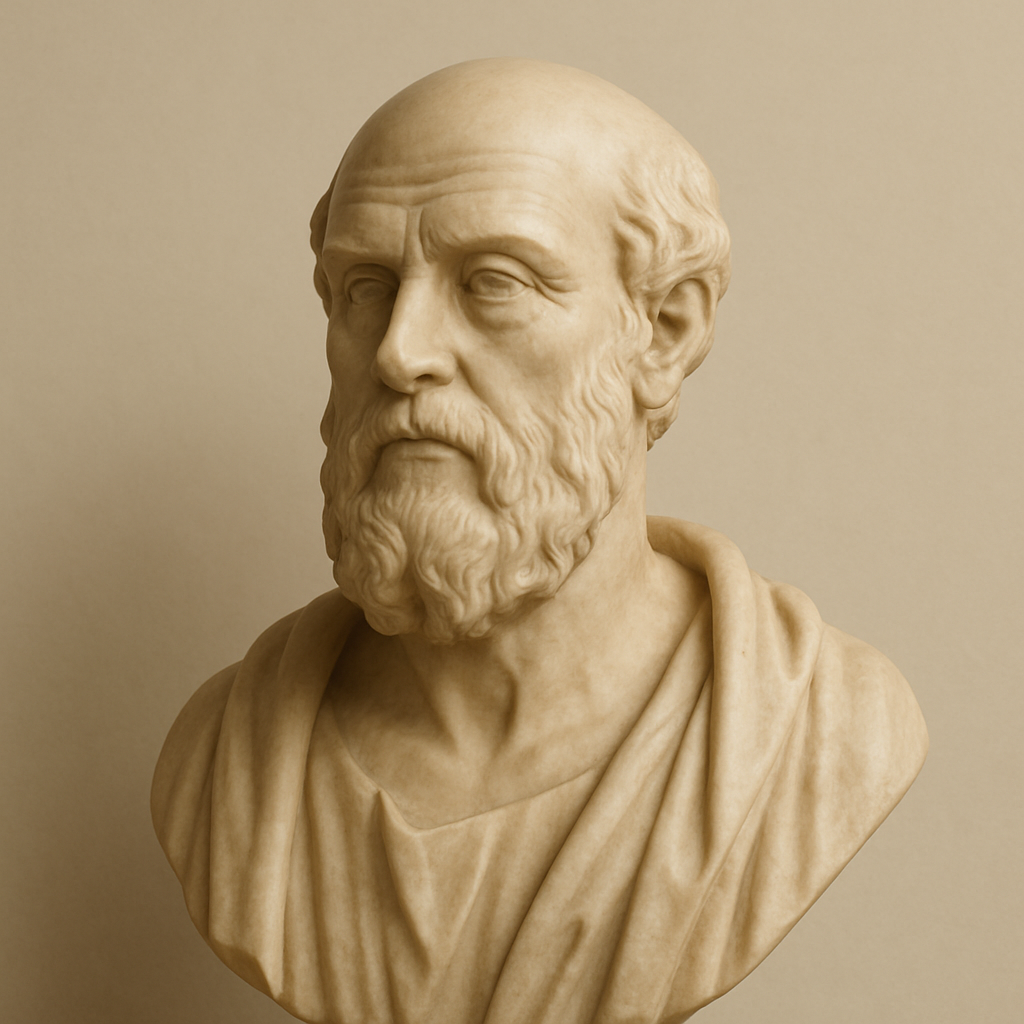
Exercise Therapy emerged as a significant component of Ancient Greek Medicine around the 5th century BCE, during a time when physical fitness was highly valued. Figures such as Hippocrates and Galen contributed extensively to the understanding of how physical activity affects health. Hippocrates, often referred to as the Father of Medicine, advocated for exercise as a fundamental aspect of treatment and preventative care.
Galen expanded upon these ideas, emphasizing the role of exercise in the balance of bodily humors, which were believed to influence health. The Greeks developed structured physical training regimens, often incorporating various forms of exercise, including running, wrestling, and gymnastics, to achieve ideal physical and mental states. This historical foundation laid the groundwork for the continued exploration and application of exercise in various healing practices.
How It's Practiced
Exercise Therapy is practiced through a variety of structured physical activities tailored to individual needs and conditions. A typical practitioner's approach may include the following steps:
- Assessment: Evaluating the individual's physical condition, health history, and specific goals.
- Personalization: Designing a customized exercise program that considers the client's preferences, capabilities, and limitations.
- Activity Selection: Incorporating a mix of cardiovascular, strength, flexibility, and balance exercises.
- Monitoring: Regularly tracking progress and making adjustments to the program as needed.
- Education: Providing guidance on safe practices and the importance of consistency in exercise.
This method ensures that the exercise regimen is not only effective but also enjoyable and sustainable for the individual.
What It Is Traditionally Explored For
Exercise Therapy has been traditionally used for a variety of purposes, including:
- Enhancing physical fitness and strength.
- Improving cardiovascular health.
- Supporting mental health and reducing stress.
- Facilitating recovery from injuries.
- Promoting overall longevity and vitality.
These goals align with the holistic view of health prevalent in Ancient Greek Medicine, where physical activity is seen as integral to achieving balance and harmony within the body.
What Modern Research Suggests
Contemporary studies have begun to validate many principles of Exercise Therapy rooted in Ancient Greek practices. Research indicates that regular physical activity can significantly reduce the risk of chronic diseases, enhance mental health, and improve quality of life. For instance, findings suggest that aerobic exercises can lead to better mood regulation and decreased symptoms of anxiety and depression.
Moreover, clinical trials have shown that tailored exercise programs can aid in rehabilitation processes, demonstrating efficacy in recovery from various ailments. While more extensive and rigorous studies are needed, the preliminary evidence supports the ancient wisdom of incorporating physical activity as a vital component of health and well-being.
Safety, Contraindications & Who Should Skip
While Exercise Therapy can benefit many, it is essential to consider safety and potential contraindications. Individuals with the following conditions should consult a healthcare provider before beginning any exercise regimen:
- Severe cardiovascular issues.
- Recent surgeries or injuries.
- Chronic respiratory conditions.
- Severe arthritis or joint problems.
- Pregnancy or post-partum recovery without medical clearance.
It is crucial to approach Exercise Therapy with caution and seek guidance from qualified practitioners to ensure safety and appropriateness of the activities chosen.
Pairs Well With (within Ancient Greek Medicine and across pillars)
Exercise Therapy complements several other modalities within Ancient Greek Medicine, including:
- Nutrition and dietary adjustments.
- Herbal remedies.
- Massage and bodywork.
- Meditation and breathwork.
- Hydrotherapy.
These practices work synergistically to promote holistic health and well-being.
How to Find a Qualified Practitioner
To find a qualified practitioner of Exercise Therapy, consider the following steps:
- Research local health centers or clinics that specialize in holistic therapies.
- Look for professionals with certifications in exercise therapy or related fields.
- Seek recommendations from healthcare providers or wellness professionals.
- Check online reviews and testimonials from previous clients.
- Schedule a consultation to discuss your needs and assess compatibility.
Finding the right practitioner can significantly enhance the effectiveness of the therapy.
FAQs (5)
What types of exercises are included in Exercise Therapy?
Exercise Therapy may include aerobic exercises, strength training, flexibility exercises, and balance activities, tailored to individual needs.
How often should one engage in Exercise Therapy?
Frequency depends on individual goals and conditions, but generally, engaging in exercise 3-5 times per week is recommended.
Can Exercise Therapy help with mental health issues?
Yes, Exercise Therapy has been traditionally explored for its benefits in reducing stress, anxiety, and depression.
Is Exercise Therapy safe for everyone?
While beneficial for many, individuals with certain health conditions should consult a healthcare provider before starting.
How long does it take to see results from Exercise Therapy?
Results can vary based on individual goals and consistency; however, some may notice improvements in a few weeks.
Frequently asked
What types of exercises are included in Exercise Therapy?
Exercise Therapy may include aerobic exercises, strength training, flexibility exercises, and balance activities, tailored to individual needs.
How often should one engage in Exercise Therapy?
Frequency depends on individual goals and conditions, but generally, engaging in exercise 3-5 times per week is recommended.
Can Exercise Therapy help with mental health issues?
Yes, Exercise Therapy has been traditionally explored for its benefits in reducing stress, anxiety, and depression.
Is Exercise Therapy safe for everyone?
While beneficial for many, individuals with certain health conditions should consult a healthcare provider before starting.
How long does it take to see results from Exercise Therapy?
Results can vary based on individual goals and consistency; however, some may notice improvements in a few weeks.