Hydrotherapy
Discover the benefits of hydrotherapy, a natural remedy that utilizes water for healing and wellness. Explore its applications, safety, and how to incorporate it into your routine.
Hydrotherapy is a potent natural remedy that utilizes water in various forms to promote healing, wellness, and relaxation. This category encompasses techniques such as baths, compresses, and aquatic exercises, all aimed at harnessing the unique properties of water to improve health outcomes. Understanding hydrotherapy and its applications is essential for those seeking natural approaches to enhance their well-being.
Intro Summary
Hydrotherapy, often referred to as water therapy, is a natural remedy that employs the therapeutic properties of water to promote physical and mental well-being. This age-old practice has been utilized across various cultures and traditions, dating back thousands of years, to is traditionally explored for a wide range of ailments and enhance overall health. By manipulating water's temperature, pressure, and movement, hydrotherapy can provide relief from pain, facilitate recovery, and even improve emotional states.
In modern natural medicine, hydrotherapy stands out due to its versatility and accessibility. Whether through warm baths, cold compresses, or aquatic exercises, the method can be tailored to individual needs, making it suitable for people of all ages and fitness levels. Understanding the principles and applications of hydrotherapy is crucial for integrating this effective natural remedy into one's wellness routine.
The Active Compounds at Play
While hydrotherapy primarily relies on water's physical properties, various accompanying elements can enhance its therapeutic effects. These include:
- Temperature: The heat or cold of water can stimulate circulation, reduce inflammation, and promote relaxation.
- Minerals: Adding minerals such as magnesium or salt to baths can enhance relaxation and muscle recovery.
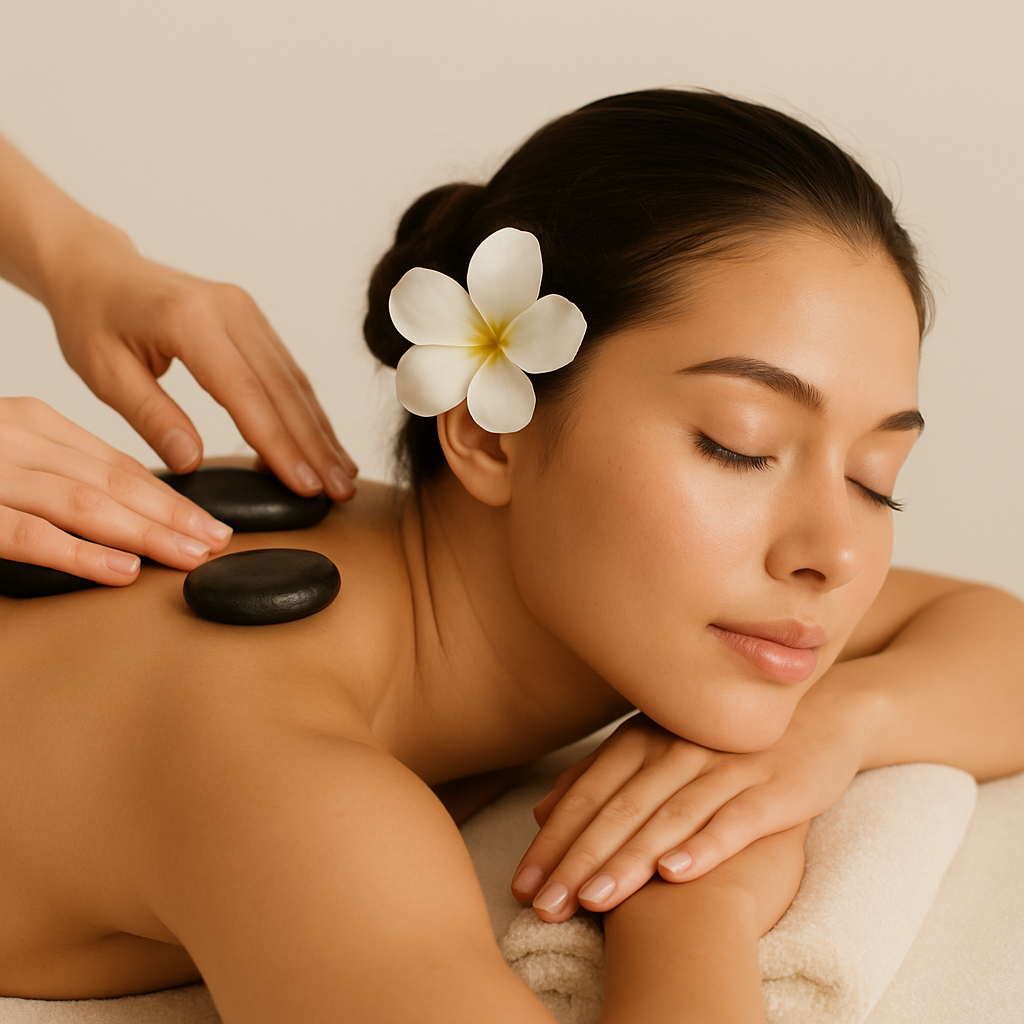
- Pressure: Techniques such as hydro massage utilize water pressure to relieve tension and improve blood flow.
- Buoyancy: The support of water allows for gentle movement, making it ideal for rehabilitation and easing joint pain.
Featured Members of This Category
Warm Water Therapy
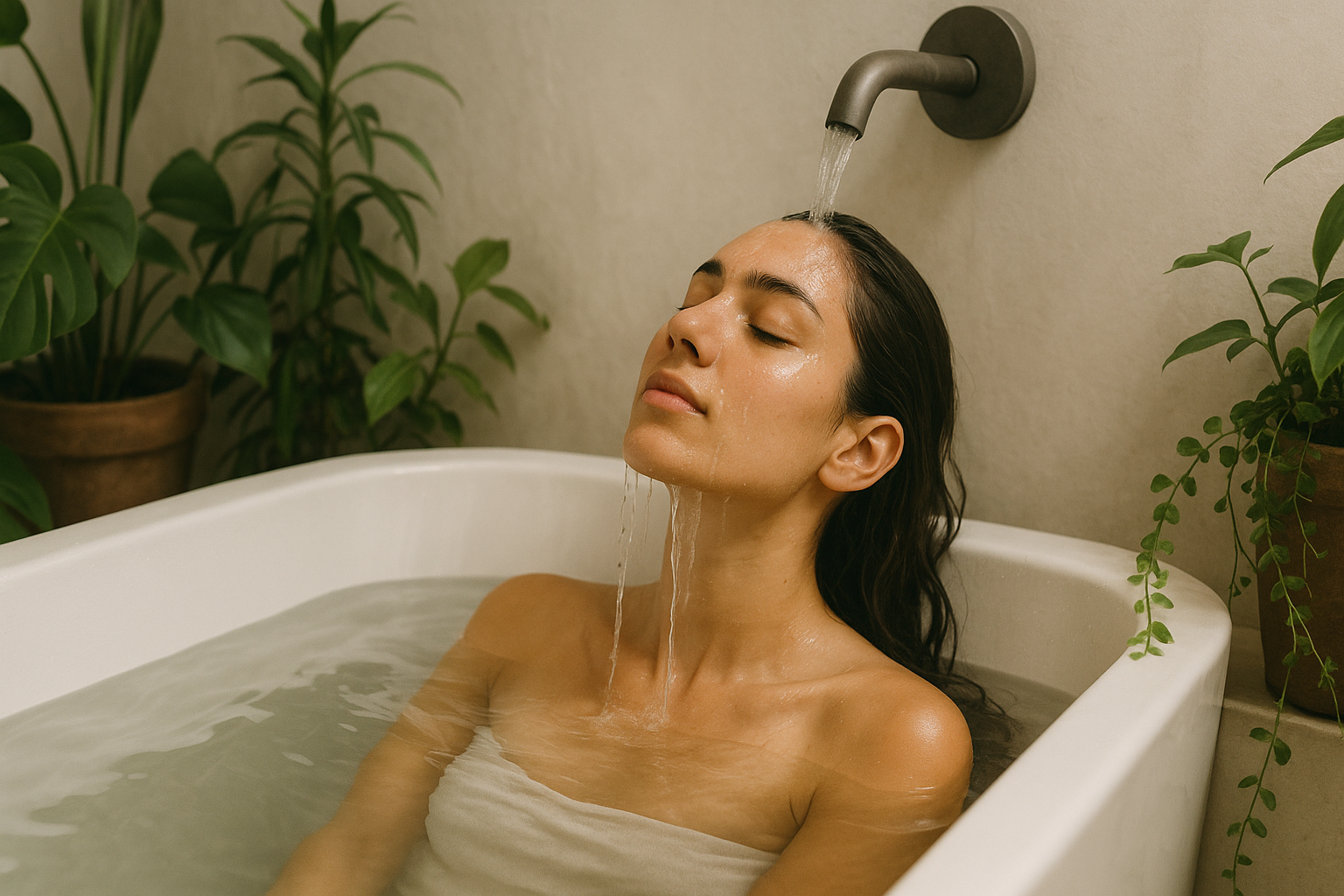
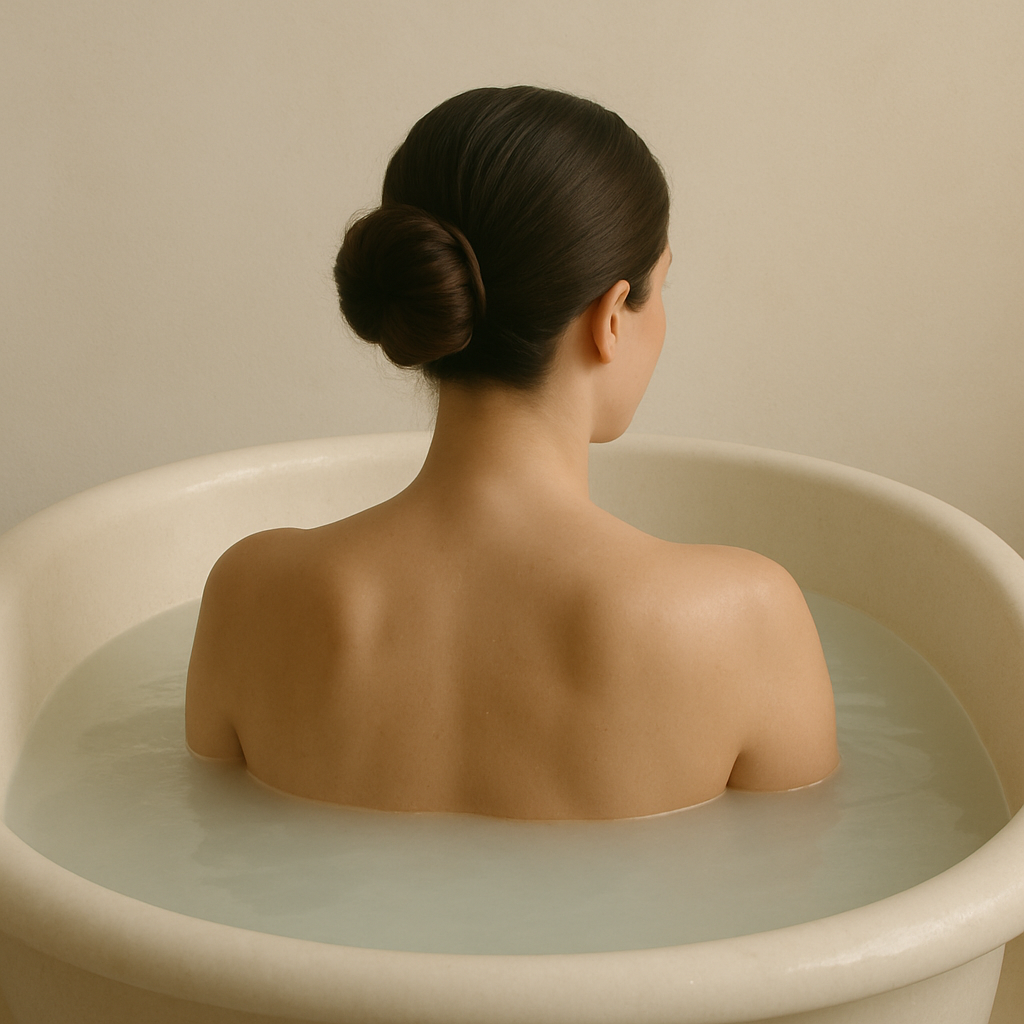
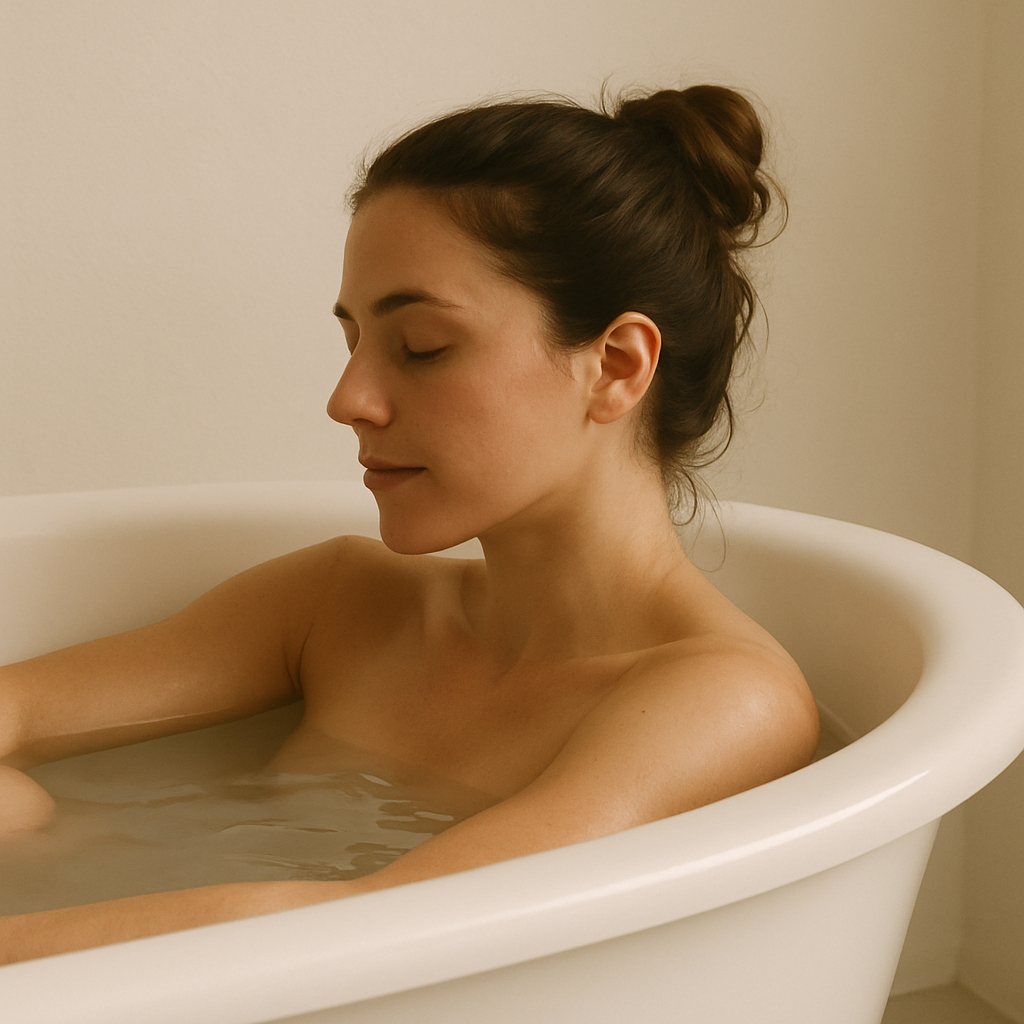
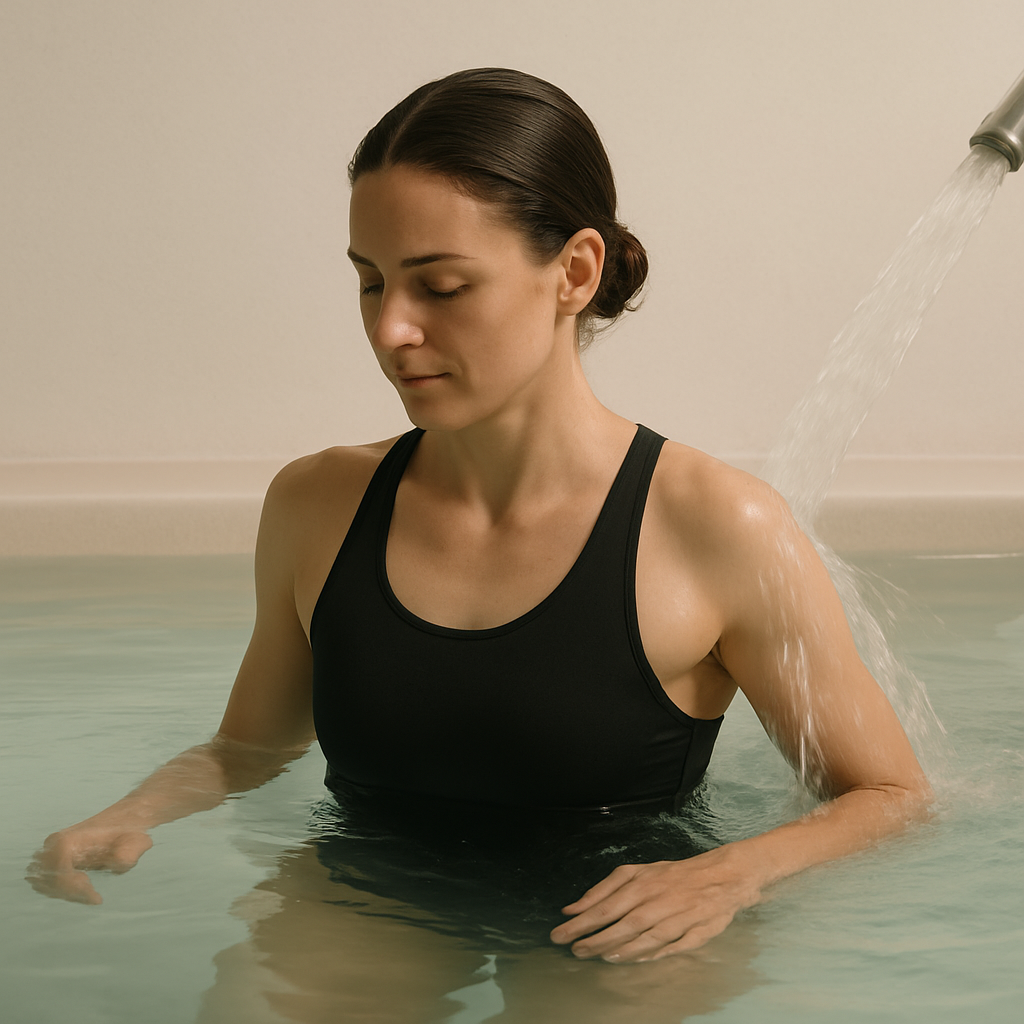
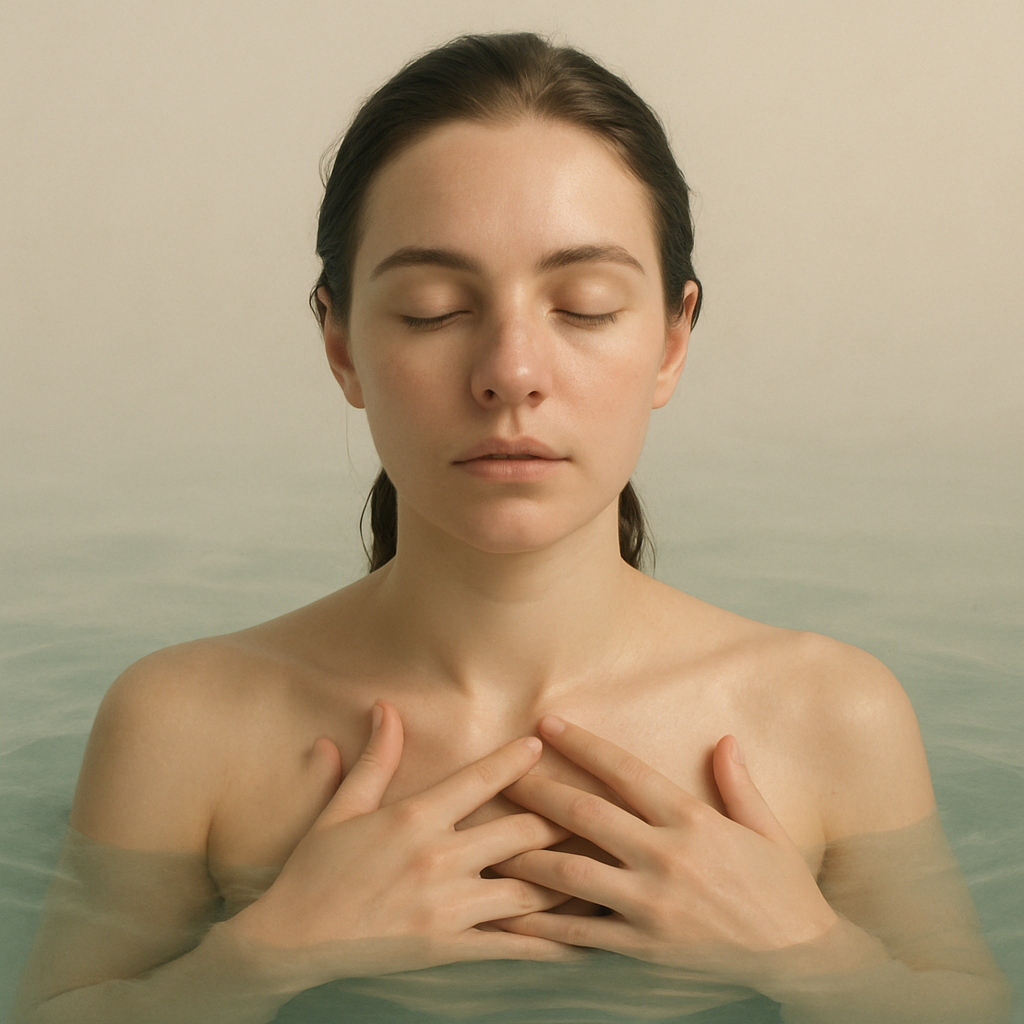
Warm water therapy involves immersion in heated water, which promotes relaxation and alleviates muscle tension. This method is particularly effective for individuals with chronic pain or stress-related conditions.
Cold Water Therapy
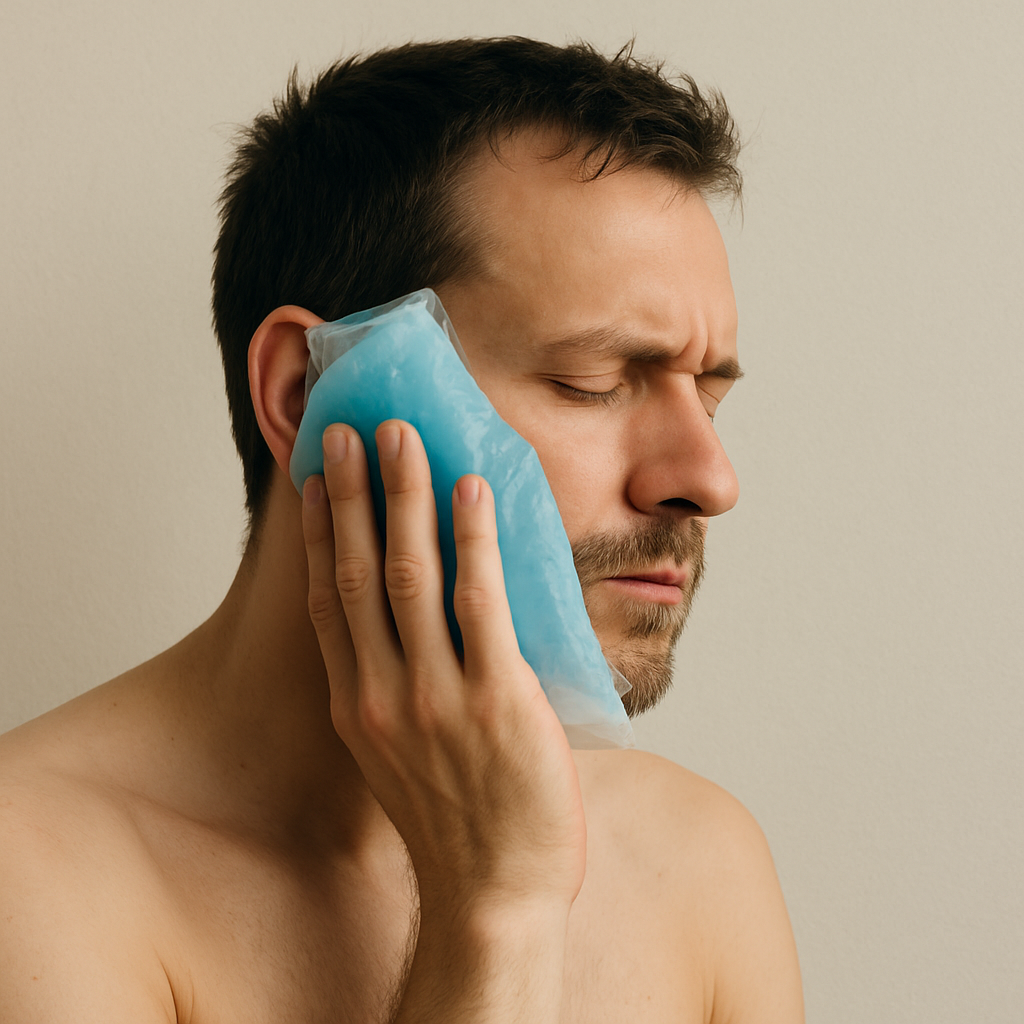
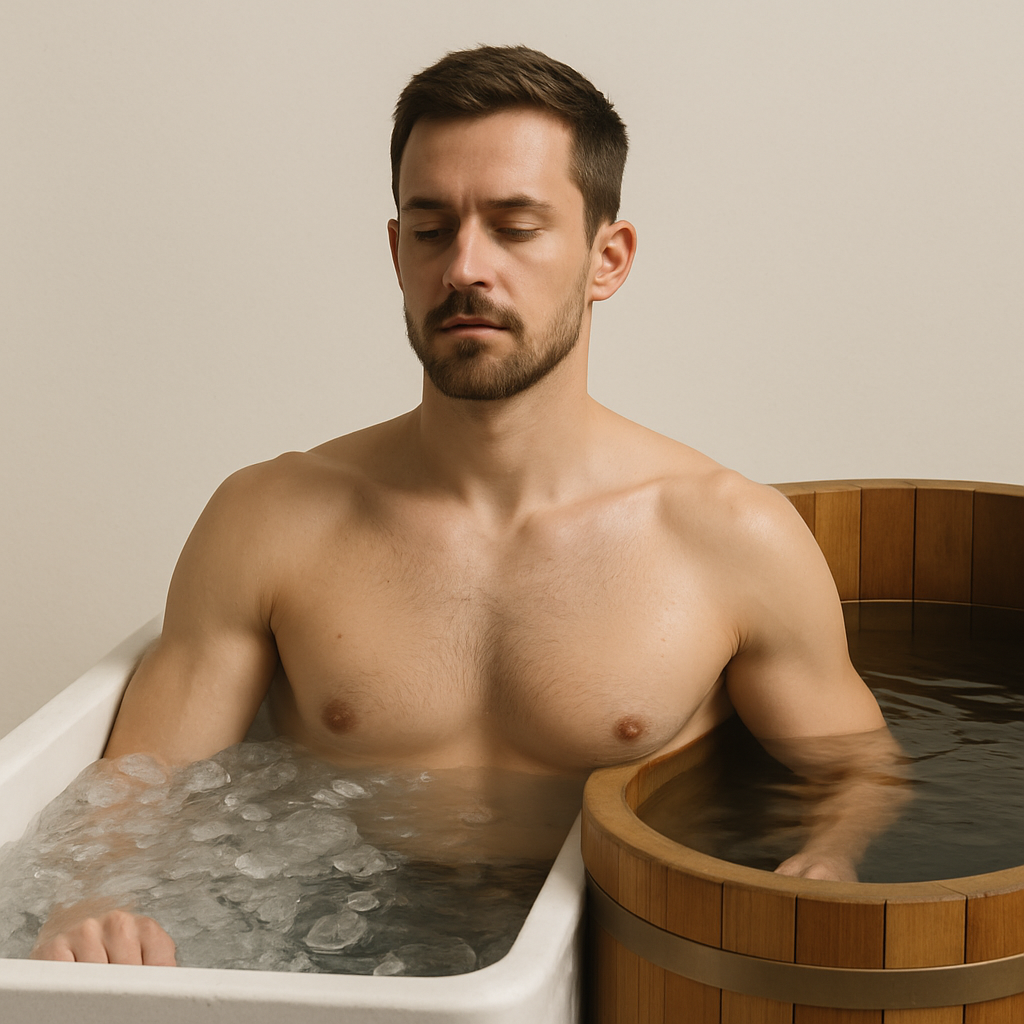
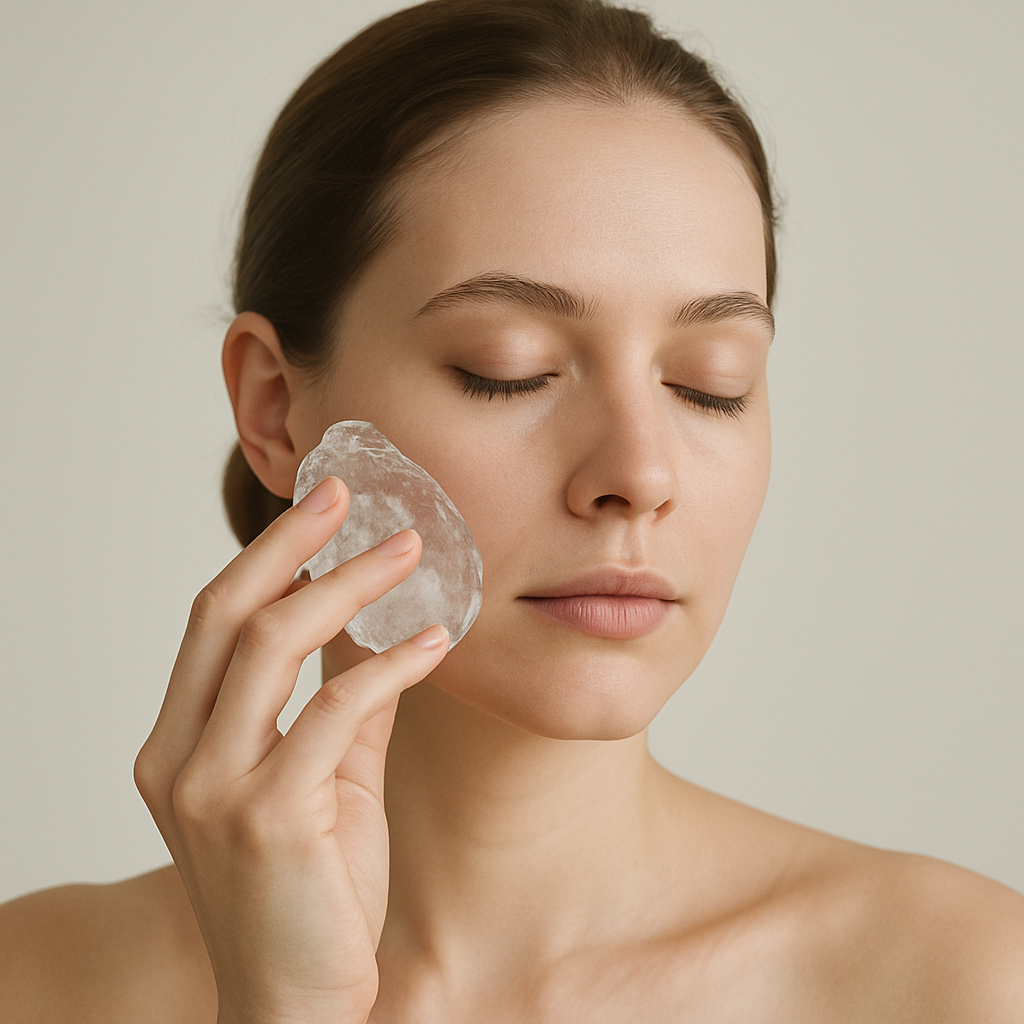
Cold water therapy, or cryotherapy, uses chilled water to reduce inflammation and numb pain. This technique is often employed in sports medicine to aid recovery after intense physical activity.
Whirlpool Therapy
Whirlpool therapy combines warm water with the soothing effects of jets that massage the body. It is beneficial for improving circulation and relieving stress.
Contrast Hydrotherapy
Contrast hydrotherapy alternates between hot and cold water exposure. This method is known to enhance circulation and boost the immune system.
Steam Therapy
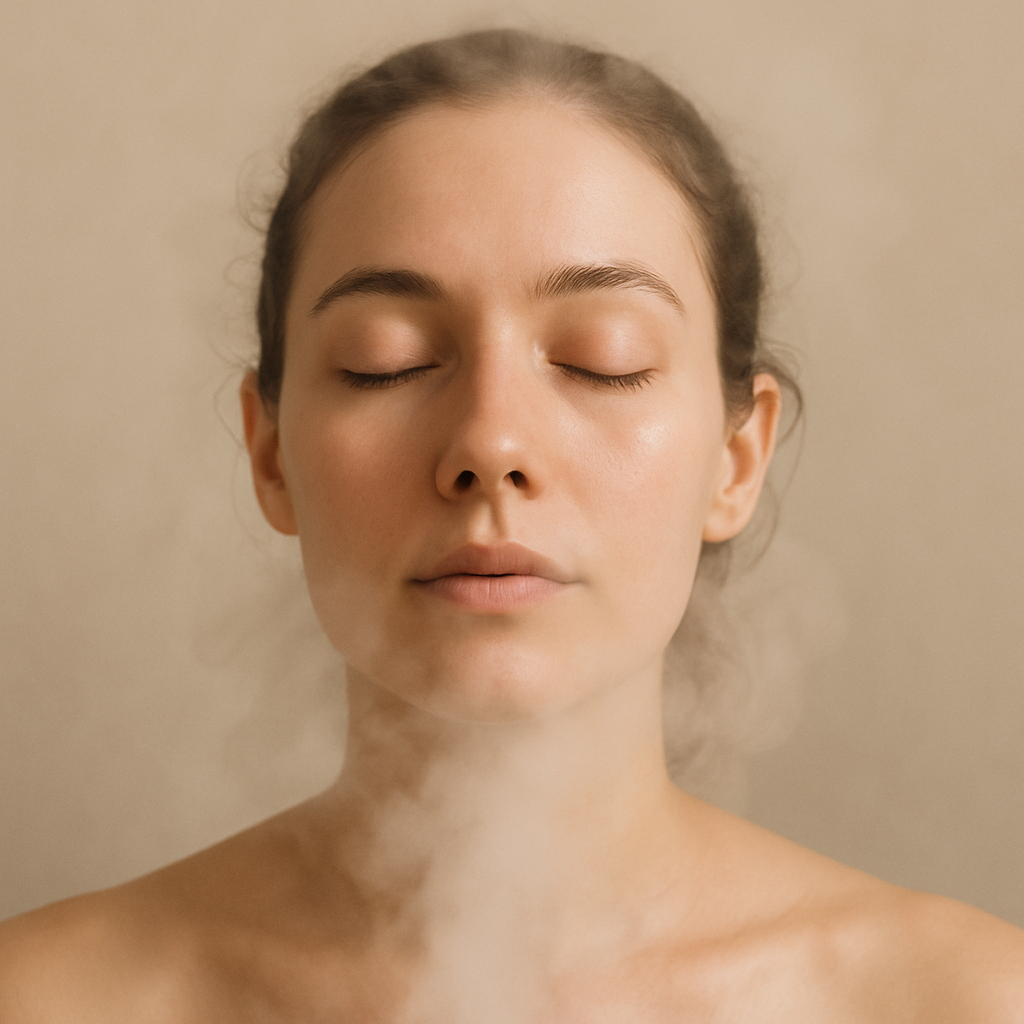
Steam therapy utilizes steam inhalation or steam baths to promote respiratory health and detoxification. The warm, moist air can help alleviate congestion and improve skin health.
Common Functional Actions
Hydrotherapy can serve numerous functional actions, including:
- Anti-inflammatory: Cold water applications can reduce swelling and inflammation in affected areas.
- Pain relief: Warm water soothes muscle pain and discomfort, promoting overall relaxation.
- Circulation improvement: Alternating temperatures can stimulate blood flow and enhance circulation.
- Muscle relaxation: Warm baths help to relax tense muscles, making them ideal for post-exercise recovery.
- Stress reduction: The calming effects of water can significantly reduce stress and promote mental clarity.
Body Systems This Category Most Supports
Hydrotherapy is beneficial to several body systems, including:
- Musculoskeletal System: Alleviates pain and promotes recovery in muscles and joints.
- Circulatory System: Enhances blood flow and cardiovascular health.
- Respiratory System: Eases congestion and improves breathing through steam therapy.
- Nervous System: Promotes relaxation and reduces stress, aiding mental health.
Wellness Goals People Pursue With It
Individuals often turn to hydrotherapy to achieve various wellness goals, such as:
- Relief from chronic pain conditions
- Enhanced muscle recovery after exercise
- Improved circulation and cardiovascular health
- Stress relief and relaxation
- Detoxification and improved skin health
How to Choose & Use (responsibly)
When incorporating hydrotherapy into your routine, consider the following:
- Forms: Hydrotherapy can include baths, showers, compresses, and aquatic exercises.
- Educational Dose Ranges: For warm baths, aim for 20-30 minutes; for cold exposures, 10-15 minutes is often sufficient.
- Timing: Morning sessions can invigorate, while evening baths can promote relaxation and sleep.
- Who Shouldn't Use: Individuals with certain medical conditions, such as severe cardiovascular issues or open wounds, should consult a healthcare professional before engaging in hydrotherapy.
Safety, Contraindications & Medication Interactions
While hydrotherapy is generally safe, certain precautions should be taken:
- Consult with a healthcare provider if you have pre-existing health conditions.
- Be cautious with temperature extremes, as they can pose risks, especially for those with sensitivity.
- Monitor for any adverse reactions during or after hydrotherapy sessions.
- Individuals on medications affecting circulation should seek advice before using hydrotherapy.
Pairs Well With (cross-pillar suggestions)
Hydrotherapy can be effectively paired with other natural remedies to enhance overall wellness:
- Aromatherapy: Adding essential oils to baths can amplify relaxation and therapeutic effects.
- Herbal Supplements: Herbs like chamomile or ginger can complement the soothing effects of warm water.
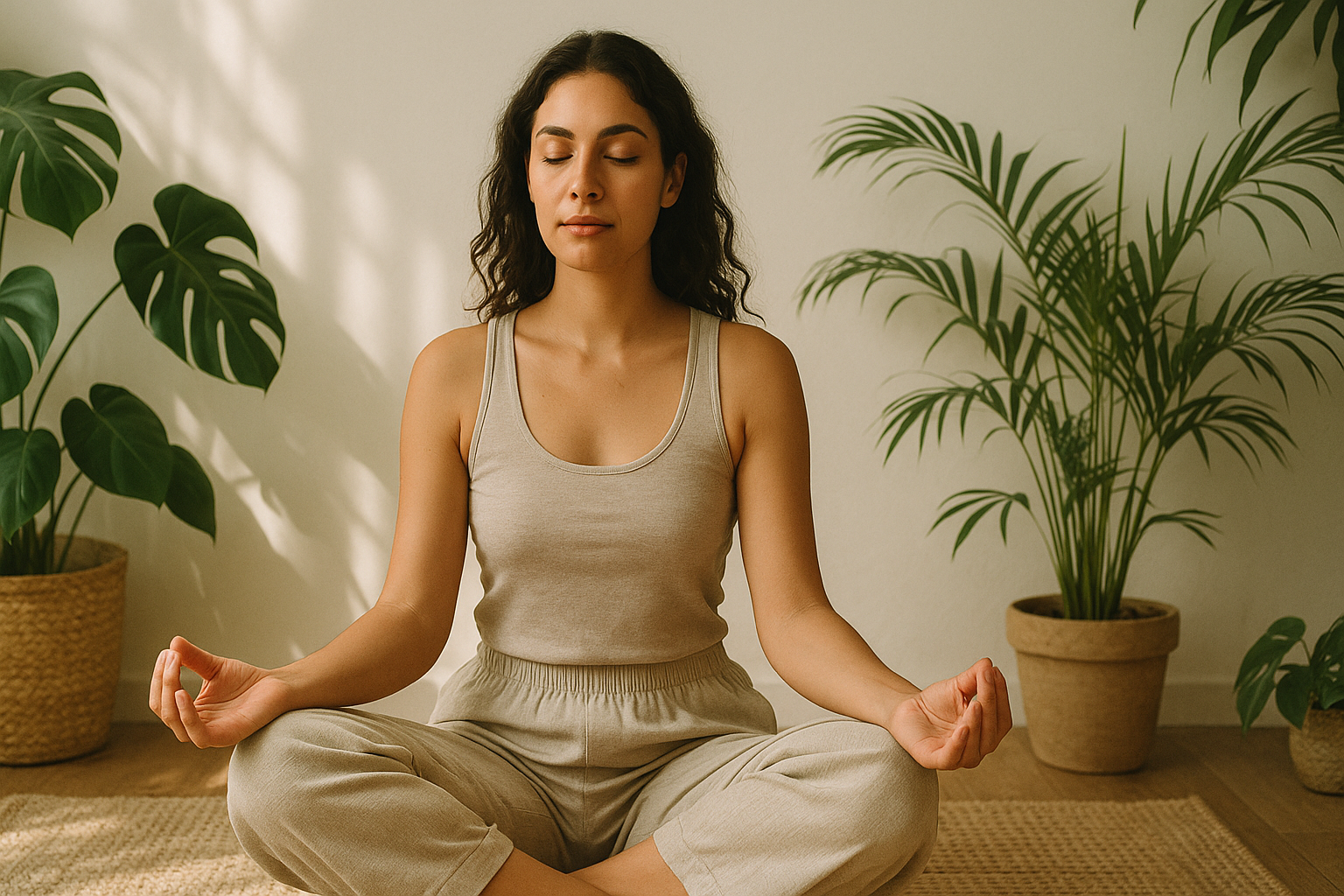
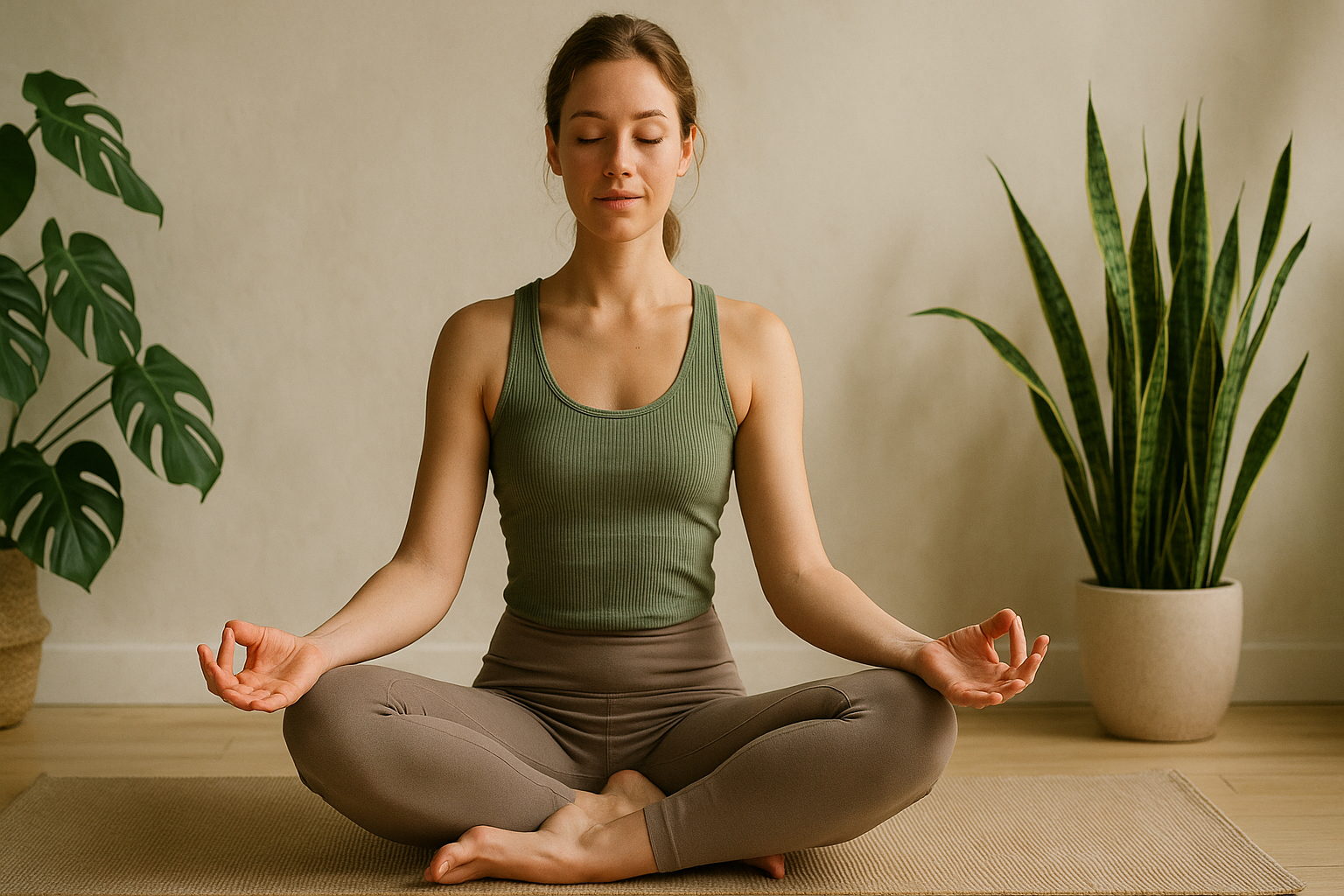
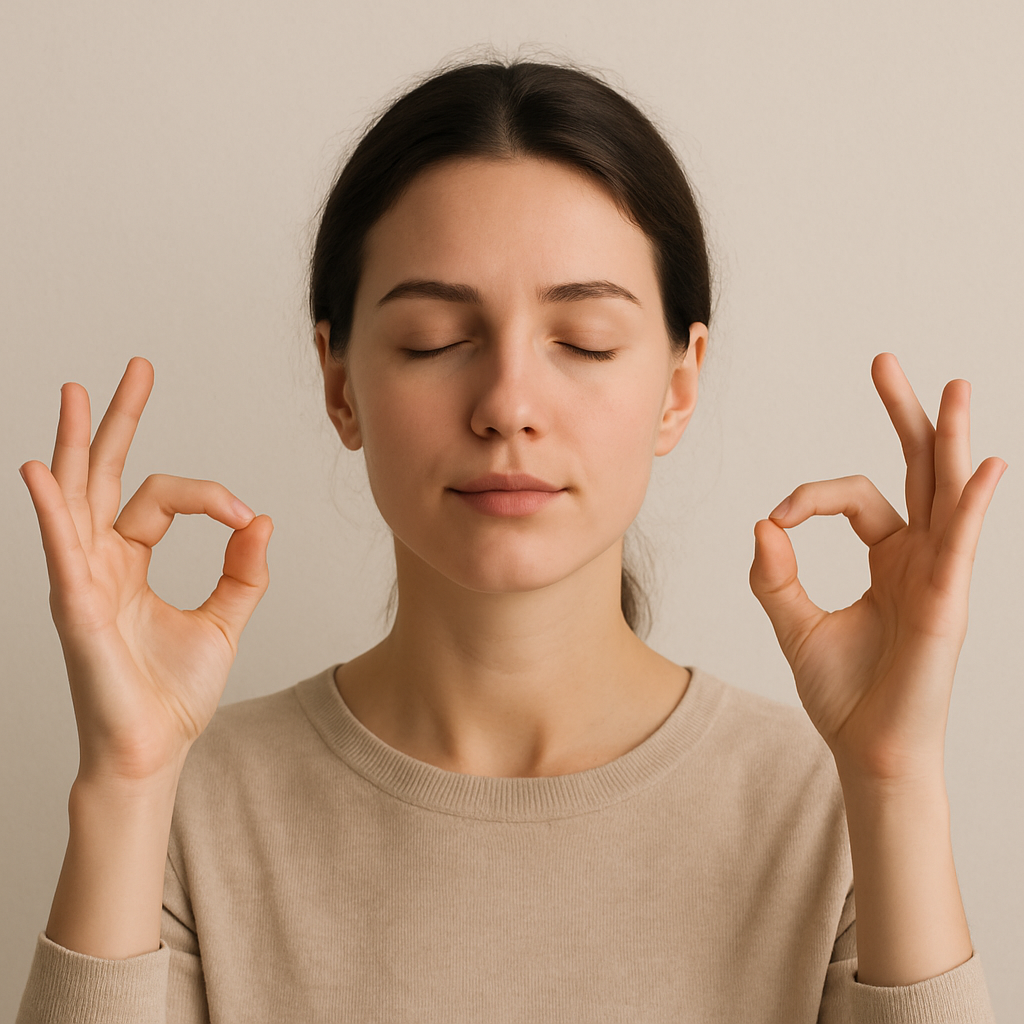
- Mindfulness Practices: Incorporating meditation or deep breathing during hydrotherapy sessions can enhance stress relief.
FAQs
What is hydrotherapy?
Hydrotherapy is a natural remedy utilizing water in its various forms for therapeutic purposes, including relaxation and healing.
How often should I practice hydrotherapy?
The frequency of hydrotherapy sessions can vary based on individual needs, but many find benefits from 1-3 times per week.
Is hydrotherapy safe for everyone?
While generally safe, those with specific health conditions should consult a healthcare professional before using hydrotherapy.
Can I use hydrotherapy during pregnancy?
Pregnant individuals should seek guidance from their healthcare provider before engaging in hydrotherapy practices.
What temperature is best for hydrotherapy?
The ideal temperature varies: warm baths can be around 92-100°F (33-38°C) while cold water therapy is typically below 60°F (15°C).
Can hydrotherapy help with stress relief?
Yes, many individuals find hydrotherapy effective for reducing stress and promoting relaxation.
Explore Hydrotherapy
15 subcategories


Frequently asked
What is hydrotherapy?
Hydrotherapy is a natural remedy utilizing water in its various forms for therapeutic purposes, including relaxation and healing.
How often should I practice hydrotherapy?
The frequency of hydrotherapy sessions can vary based on individual needs, but many find benefits from 1-3 times per week.
Is hydrotherapy safe for everyone?
While generally safe, those with specific health conditions should consult a healthcare professional before using hydrotherapy.
Can I use hydrotherapy during pregnancy?
Pregnant individuals should seek guidance from their healthcare provider before engaging in hydrotherapy practices.
What temperature is best for hydrotherapy?
The ideal temperature varies: warm baths can be around 92-100°F (33-38°C) while cold water therapy is typically below 60°F (15°C).
Can hydrotherapy help with stress relief?
Yes, many individuals find hydrotherapy effective for reducing stress and promoting relaxation.