Stress Relief
Hydrotherapy is a natural remedy for stress relief, utilizing water for therapeutic benefits. Learn about its mechanisms, traditional uses, and modern research.

Explore the benefits of hydrotherapy for stress relief, including its traditional uses and modern research findings. Discover how hydrotherapy can support various body systems and tips for safe use.
What It Is
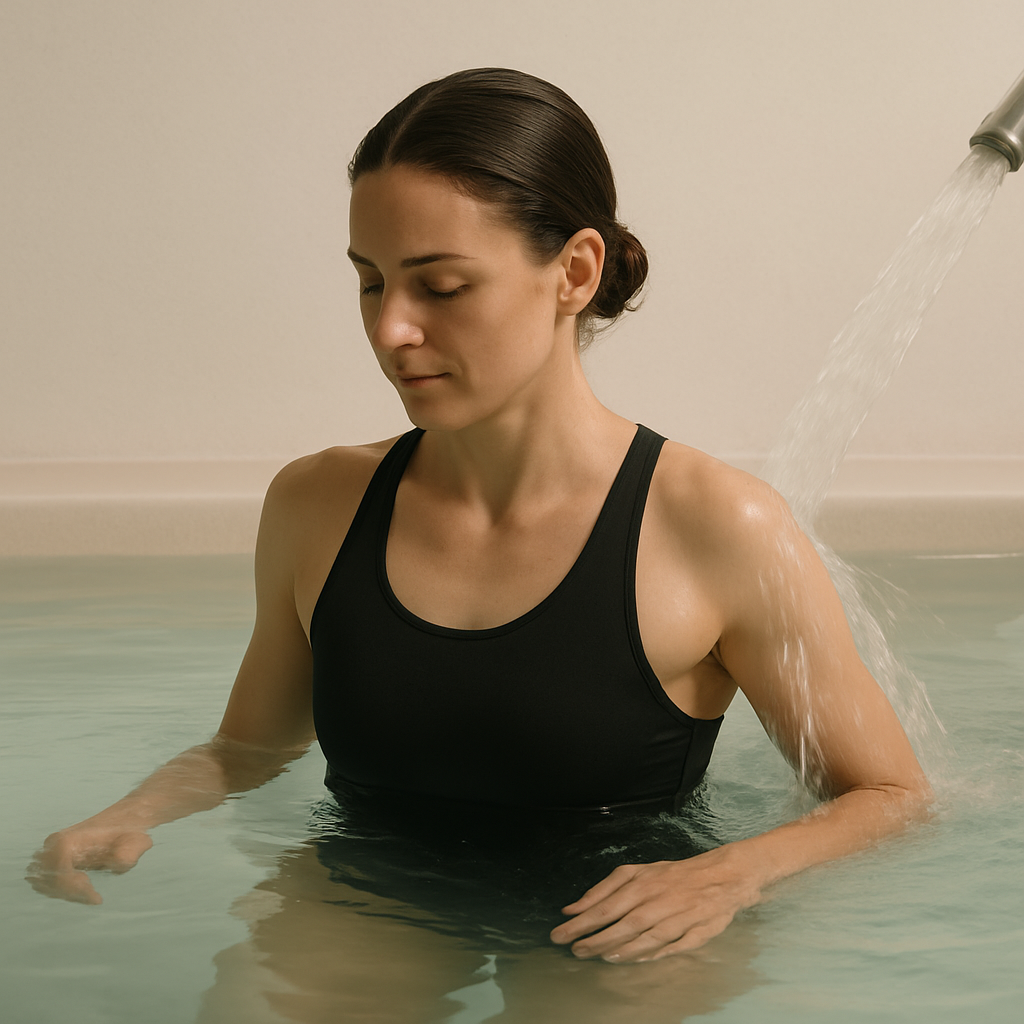
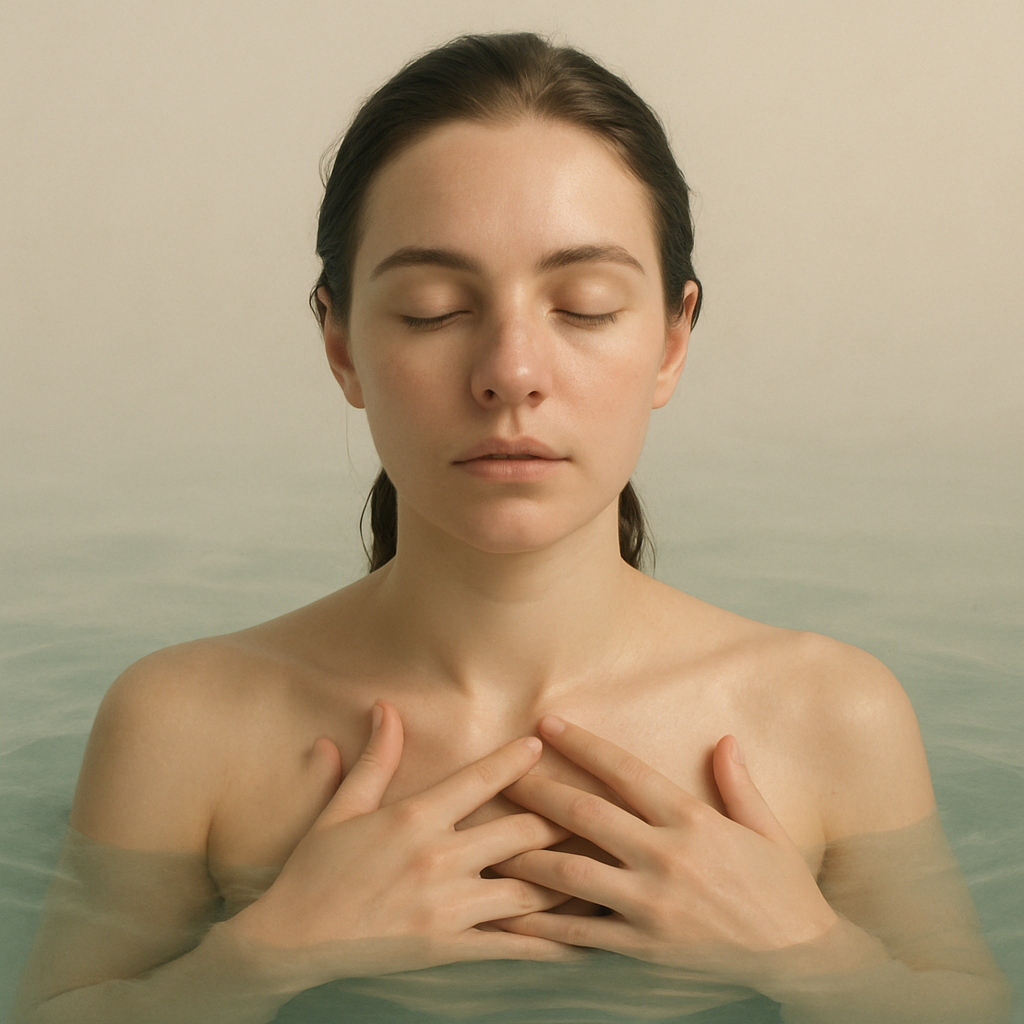
Hydrotherapy is a therapeutic practice that utilizes water in various forms and temperatures to promote physical and mental well-being. This natural remedy can involve baths, saunas, steam rooms, or even swimming pools, all aimed at alleviating stress and enhancing relaxation. By harnessing the properties of water, hydrotherapy helps to soothe the body and mind, making it an effective tool for stress relief.
Key Active Compounds & Mechanisms
While hydrotherapy itself does not contain active compounds in the same way that herbal remedies do, its efficacy is primarily attributed to the physical properties of water. These include:
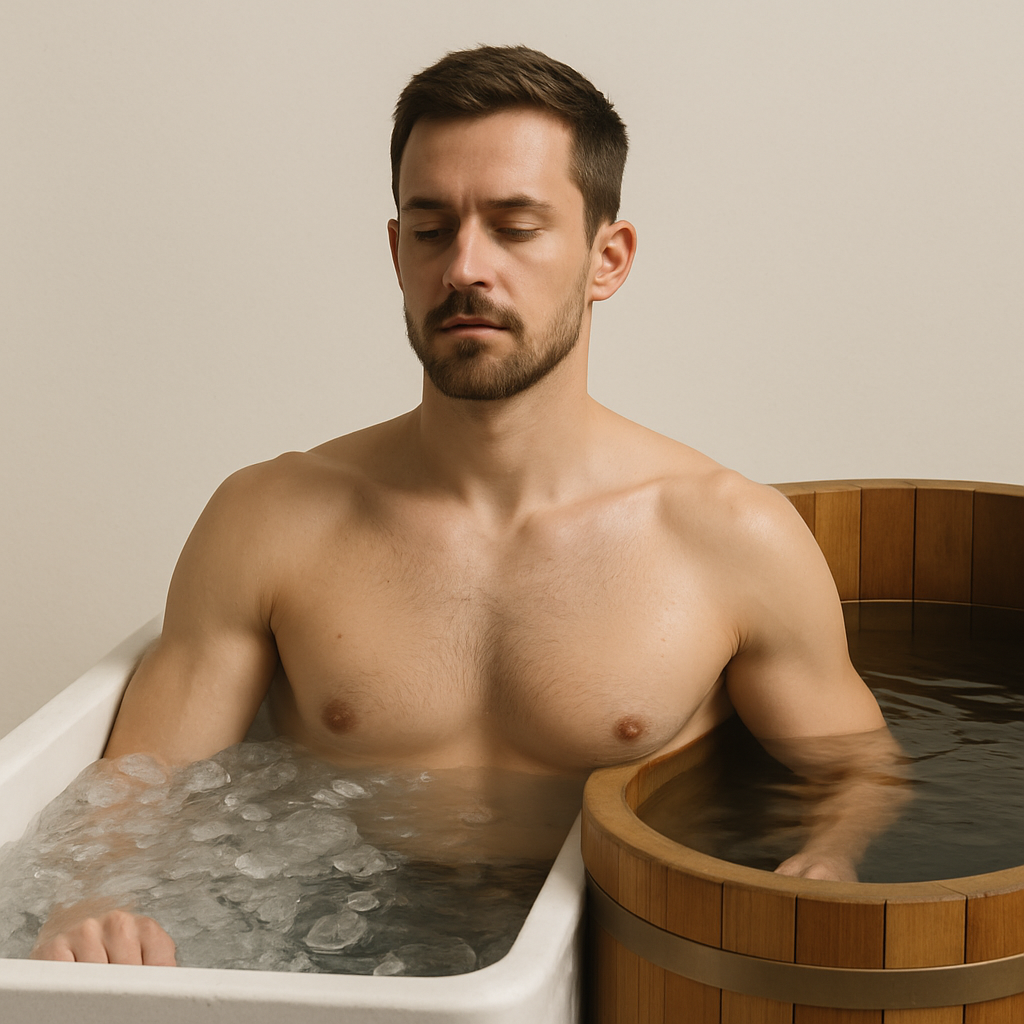
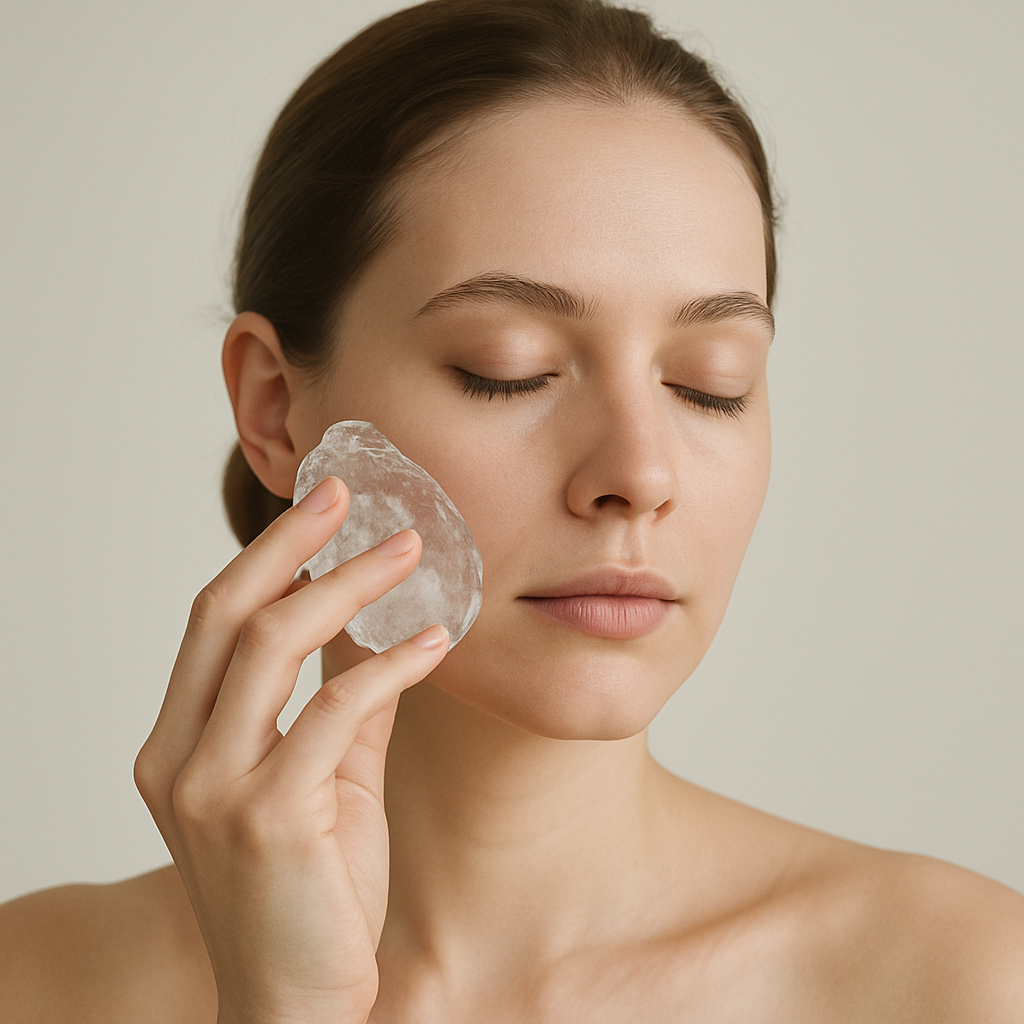
- Temperature Regulation: Hot water can promote vasodilation, increasing blood flow and relaxation, while cold water can reduce inflammation and invigorate the body.
- Buoyancy: The buoyancy of water reduces pressure on joints and muscles, allowing for greater relaxation and freedom of movement.
- Hydrostatic Pressure: This can aid in reducing swelling and improving circulation, further contributing to relaxation.
- Moist Heat: The use of steam or hot water can open up pores, facilitating detoxification and relaxation.
Traditional Uses
Historically, various cultures have recognized the benefits of water for health and well-being. Ancient Greeks and Romans utilized public baths for relaxation and socialization, while Japanese onsen (hot springs) have been used for centuries to promote health and spiritual well-being. Native American tribes also employed steam baths, known as sweat lodges, for purification and healing, reflecting a deep understanding of the therapeutic effects of water.
What Modern Research Suggests
Contemporary studies have begun to explore the physiological and psychological benefits of hydrotherapy. Research suggests that hydrotherapy can:
- Reduce cortisol levels, the body's primary stress hormone.
- Improve mood and decrease symptoms of anxiety and depression.
- Enhance sleep quality by promoting relaxation.
- Relieve muscle tension and pain, which can contribute to overall stress reduction.
While more research is needed to fully understand the mechanisms at play, preliminary findings indicate that hydrotherapy can be a valuable component of stress management strategies.
Functional Actions
The functional actions of hydrotherapy for stress relief include:
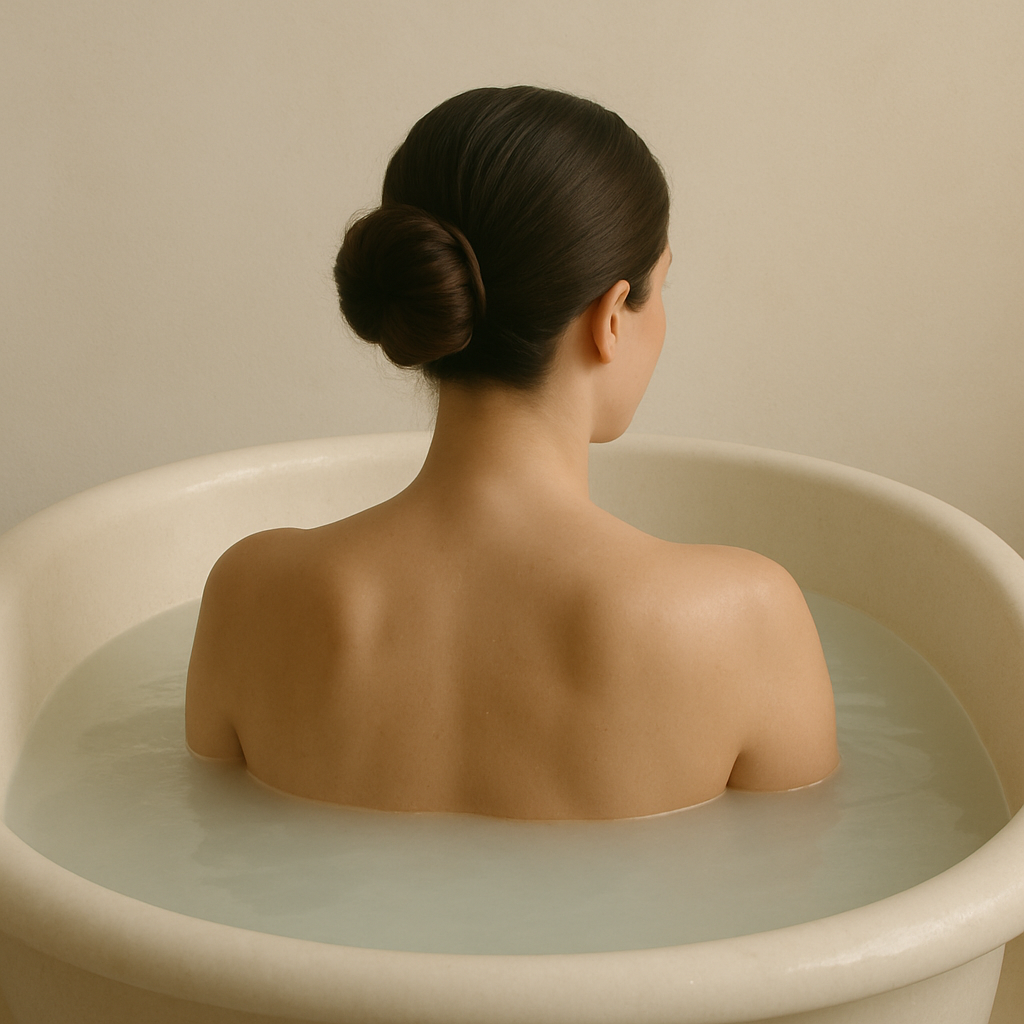
- Relaxation: Immersion in warm water can trigger a relaxation response in the body.
- Improved Circulation: Enhanced blood flow can help to alleviate tension and promote healing.
- Detoxification: Sweating during hydrotherapy sessions can aid in the elimination of toxins.
- Enhanced Mood: The soothing properties of water can elevate mood and provide a calming effect.
Body Systems Supported
Hydrotherapy supports several body systems, including:
- Nervous System: Helps to calm the mind and reduce stress responses.
- Circulatory System: Improves blood flow and oxygen delivery throughout the body.
- Musculoskeletal System: Relieves tension and promotes flexibility in muscles and joints.
- Integumentary System: Enhances skin health through hydration and detoxification.
Common Forms & Educational Dosing Ranges
Hydrotherapy can be practiced in various forms, including:
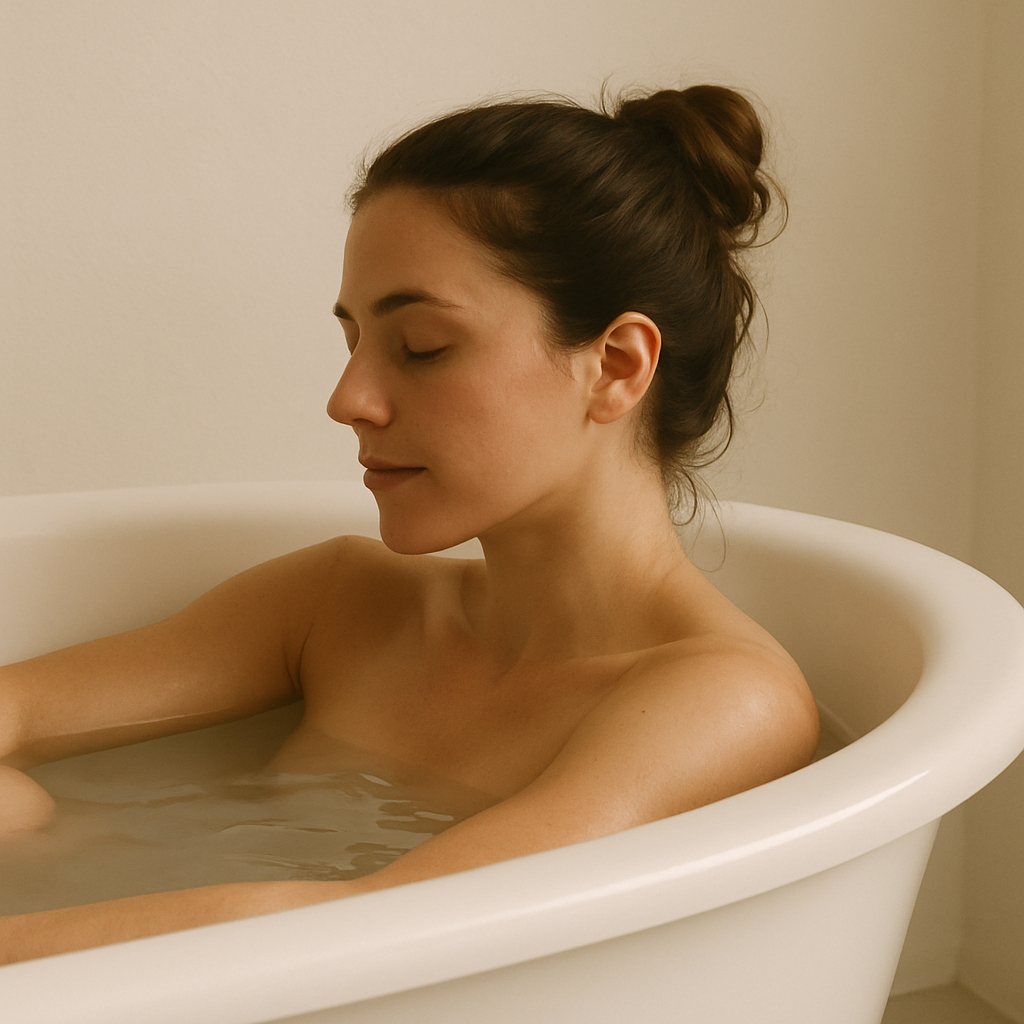
- Warm Baths: Soaking in warm water for 15-30 minutes can promote relaxation.
- Cold Showers: Brief exposure to cold water can invigorate the body and mind.
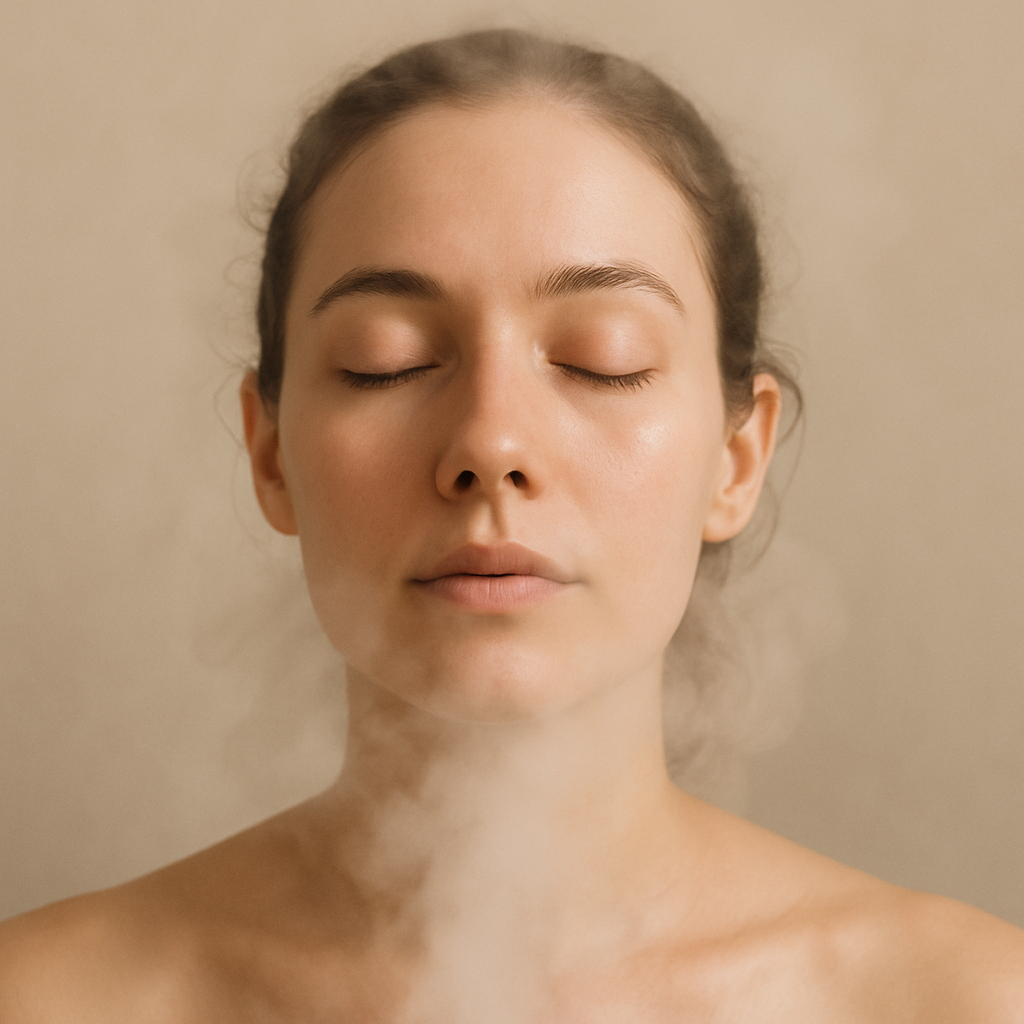
- Steam Rooms: Spending 10-20 minutes in a steam room can aid in relaxation and detoxification.
- Hot Tubs: Regular use can help relieve muscle tension and promote relaxation.
Safety, Contraindications & Interactions
Hydrotherapy is generally safe for most individuals, but certain precautions should be considered:
- People with cardiovascular conditions should consult a healthcare provider before engaging in hydrotherapy, especially involving extreme temperatures.
- Individuals with skin conditions or infections should avoid communal baths or hot tubs.
- Pregnant women should seek advice from a healthcare professional regarding the suitability of hydrotherapy.
Pairs Well With
For enhanced stress relief, hydrotherapy can be effectively paired with:
- Meditation: Combining water therapy with mindfulness practices can deepen relaxation.
- Aromatherapy: Adding essential oils to baths can enhance the therapeutic experience.
- Yoga: Water-based yoga classes can promote movement and relaxation simultaneously.
- Herbal Teas: Sipping calming herbal teas before or after hydrotherapy can further support relaxation.
FAQs (5)
- What is hydrotherapy?
Hydrotherapy is a therapeutic practice that uses water for relaxation and healing purposes. - How does hydrotherapy help reduce stress?
It promotes relaxation, improves circulation, and helps alleviate muscle tension, contributing to stress relief. - Can anyone use hydrotherapy?
Most people can benefit from hydrotherapy, but those with specific health conditions should consult a healthcare provider first. - How long should a hydrotherapy session last?
Sessions can last from 10 to 30 minutes, depending on the method and individual comfort levels. - Is hydrotherapy safe during pregnancy?
Pregnant women should consult their healthcare provider before engaging in hydrotherapy to ensure safety.
Frequently asked
What is hydrotherapy?
Hydrotherapy is a therapeutic practice that uses water for relaxation and healing purposes.
How does hydrotherapy help reduce stress?
It promotes relaxation, improves circulation, and helps alleviate muscle tension, contributing to stress relief.
Can anyone use hydrotherapy?
Most people can benefit from hydrotherapy, but those with specific health conditions should consult a healthcare provider first.
How long should a hydrotherapy session last?
Sessions can last from 10 to 30 minutes, depending on the method and individual comfort levels.
Is hydrotherapy safe during pregnancy?
Pregnant women should consult their healthcare provider before engaging in hydrotherapy to ensure safety.